Ethane sees broad use across oil and gas extraction, chemical cracking, storage, and transport. Getting the flow measurement right matters a lot for keeping processes in check and tracking energy use.
Picking a meter that actually fits the medium’s properties is what keeps readings reliable when conditions shift, and it goes a long way toward keeping the whole production setup running safely and without hiccups.
What Is Ethane
Ethane is a colorless, odorless gaseous alkane with the chemical formula C₂H₆. It is the simplest saturated hydrocarbon containing two carbon atoms and is one of the primary components of natural gas and associated gas from oil fields.
Properties and Applications of Ethane
It stays gaseous under normal temperature and pressure, boils at a pretty low point, and doesn’t take much to turn into a liquid. Apply some pressure or cool it down, and it liquefies—making it practical to move and store through pipelines and tanks.
Chemically, it’s fairly stable stuff; at room temperature, you won’t see it oxidizing or breaking down easily. It won’t eat through your pipes either, so standard metals and typical flowmeter materials handle it just fine.
That said, it burns readily. Mix it with air in the right proportions and introduce a spark or flame, and you’ve got an ignition or explosion risk. Any on-site measurement work has to follow explosion-proof safety rules to the letter.
Density-wise, it’s way lighter than water. The gas itself is low-density, and its flow behavior shifts noticeably with temperature and pressure swings—so if you want accurate readings, you’ve got to factor in temperature and pressure compensation during measurement.
It has a wide range of industrial applications, commonly serving as a fuel and chemical feedstock, particularly in ethylene production and organic synthesis. It is also a common medium for industrial gas transportation and flow monitoring.
Ethane Flow Meters
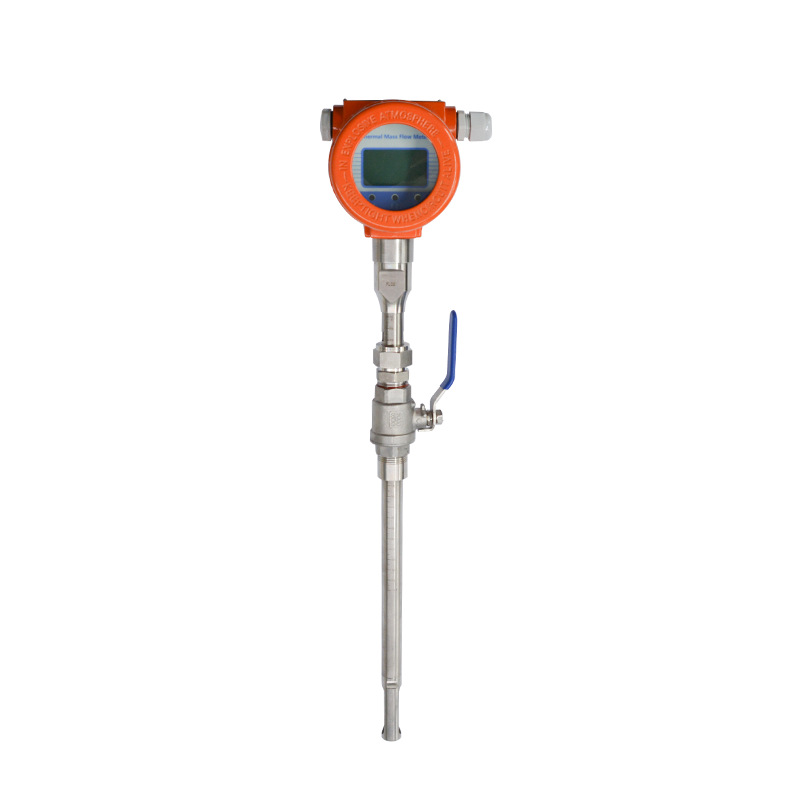
Thermal Mass Flowmeter
Working Principle
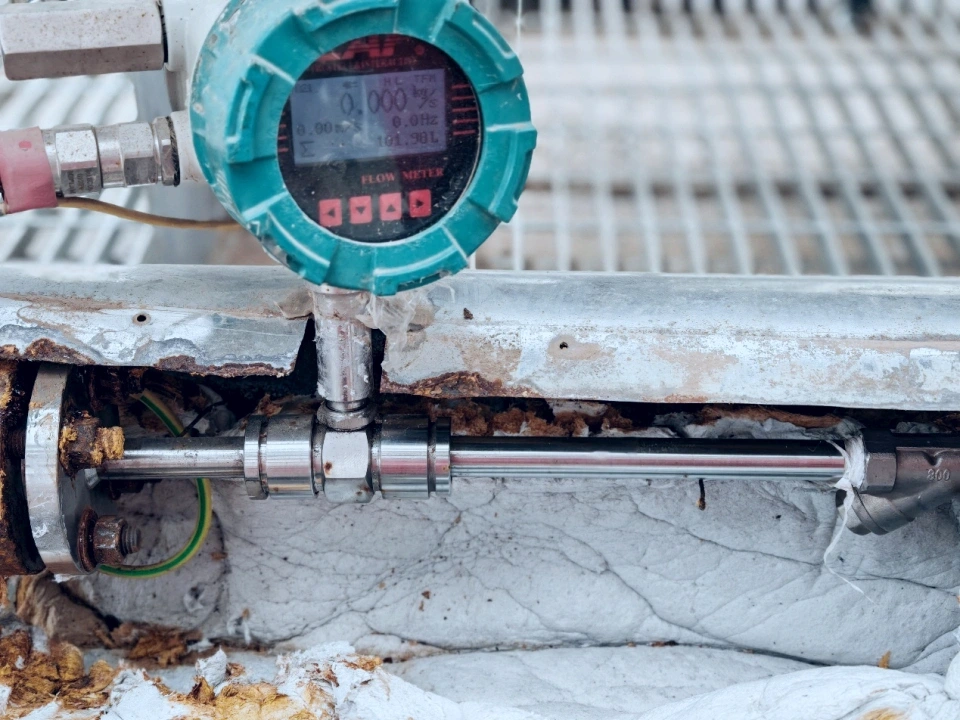
Based on the principle of thermal conduction, two sets of temperature sensors within the probe measure the medium temperature and the heating temperature, respectively. As gas flows through the probe, it carries away heat; the gas flow velocity is directly proportional to the heat loss.
Combined with the gas properties, this enables direct mass flow rate calculation. The principle is tailored to ambient-temperature transport of gaseous ethane and reliably tracks flow rate changes in dilute, low-pressure ethane streams.
Advantages
- Measures gas mass flow directly, so you don’t need extra temperature and pressure compensation gear, and it trims down the auxiliary hardware for ethane metering setups.
- Covers a wide turndown ratio and holds steady under low pressure and low flow, which suits trace ethane transfer and low-load start-stop situations fine.
- No moving parts inside, so it doesn’t break down much and the pressure drop across the pipe is small—the ethane network won’t bleed pressure because of it.
- Handles both pure ethane and ethane blends; it’s easy to install and maintain, so it fits both upgrades to existing industrial ethane lines and brand-new projects.
Disadvantages
- Shifts in medium composition throw off accuracy; it isn’t a good fit for mixed hydrocarbon-ethane gases whose makeup swings widely.
- Dirt and water vapor in the gas tend to stick to the sensor probe, so you have to clean it regularly or you’ll get odd heat transfer and drifting readings.
- Not suitable for high-pressure or highly fluctuating flow rate conditions in ethane transportation; signal stability is poor under extreme conditions
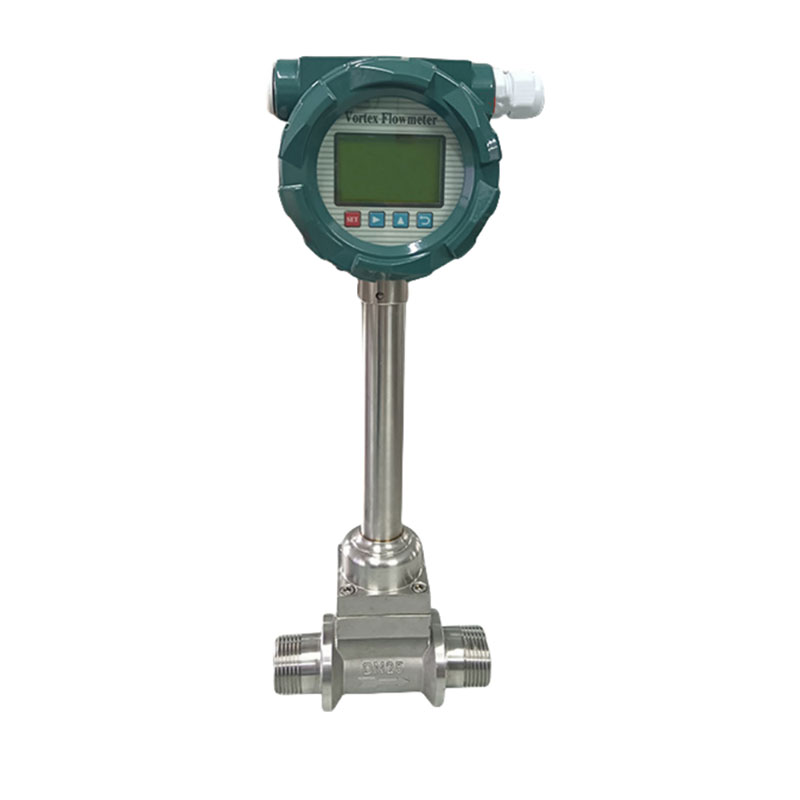
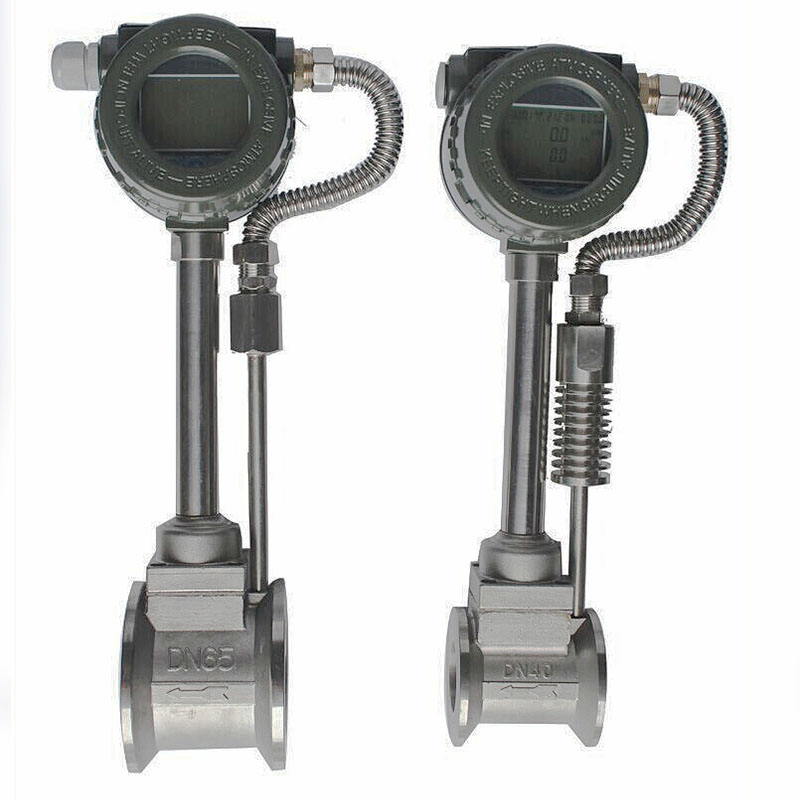
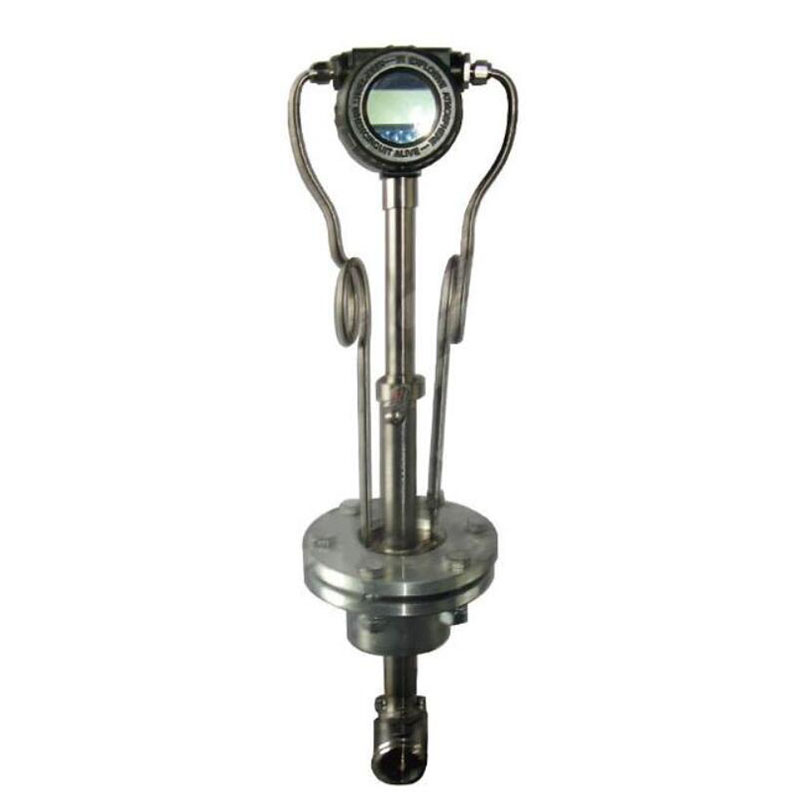
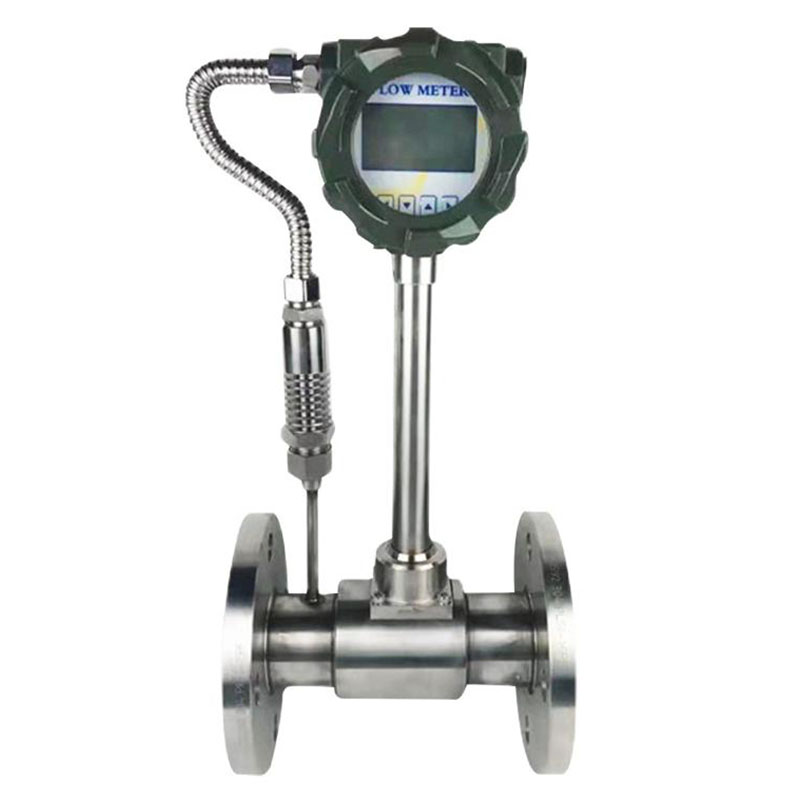
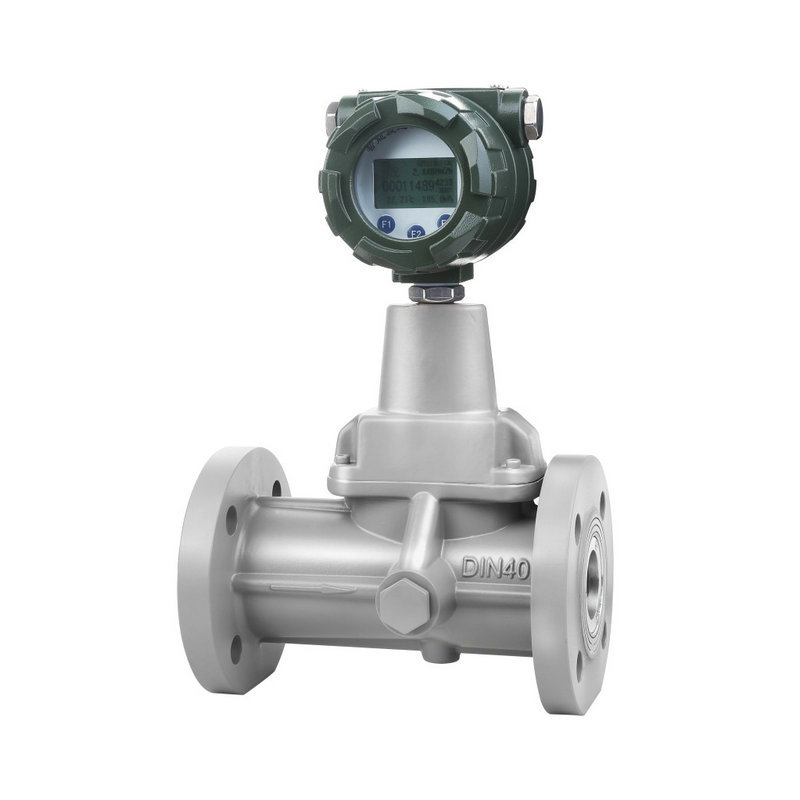
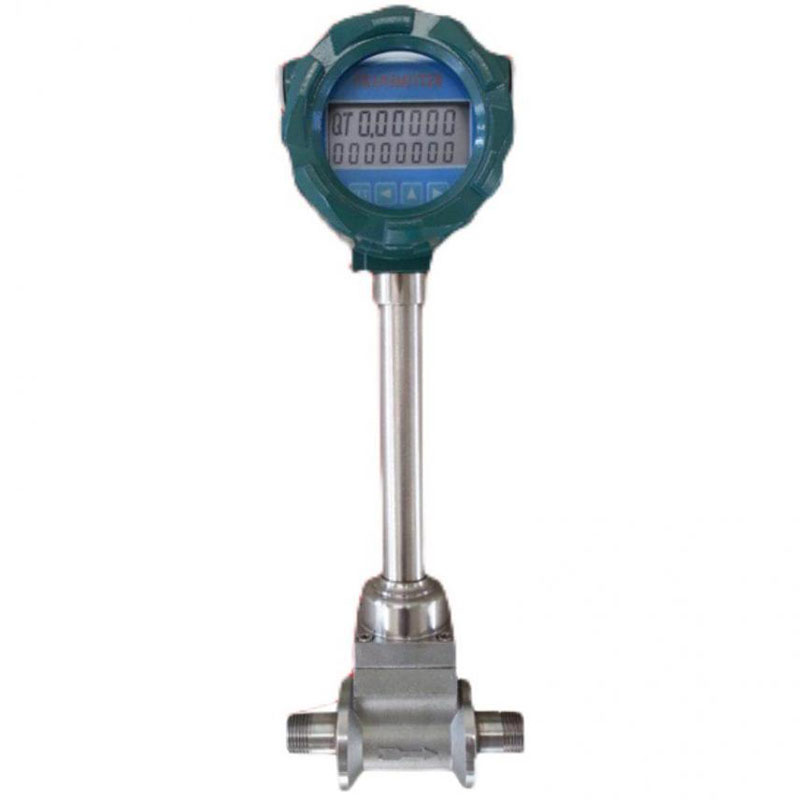
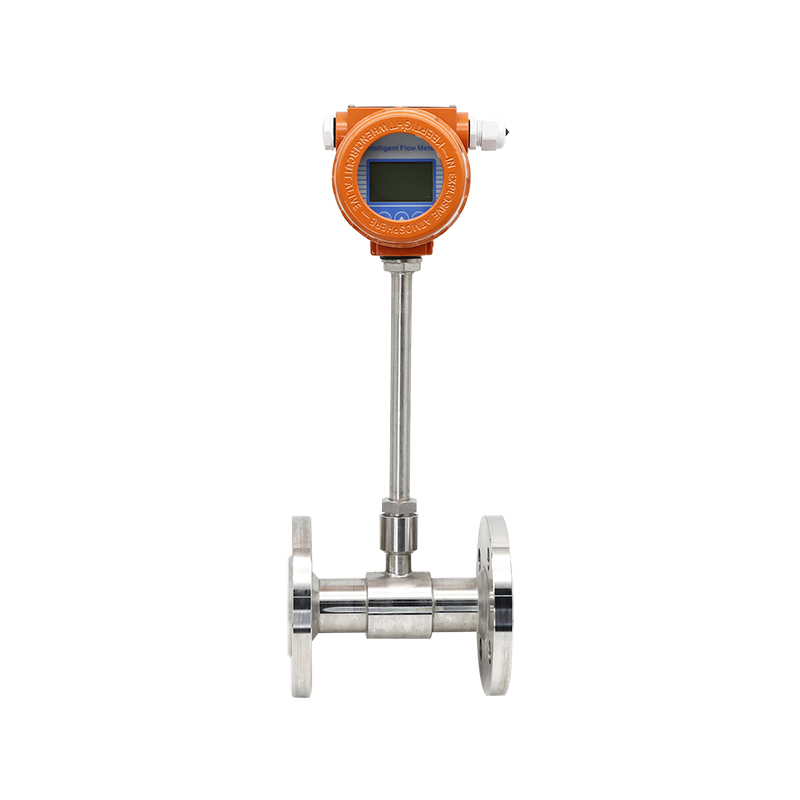
Vortex Flow Meter
Working Principle
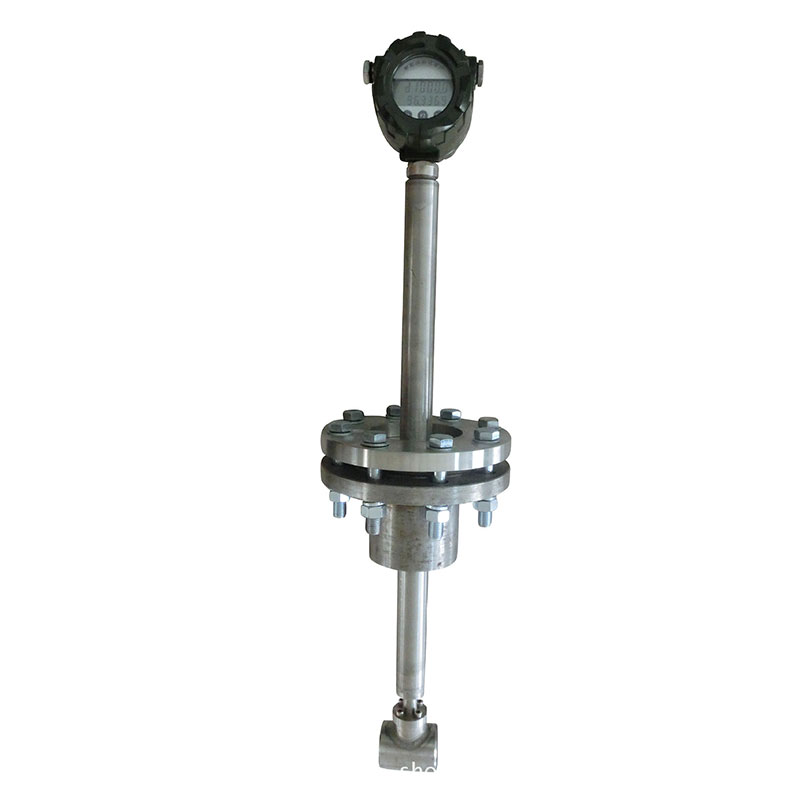
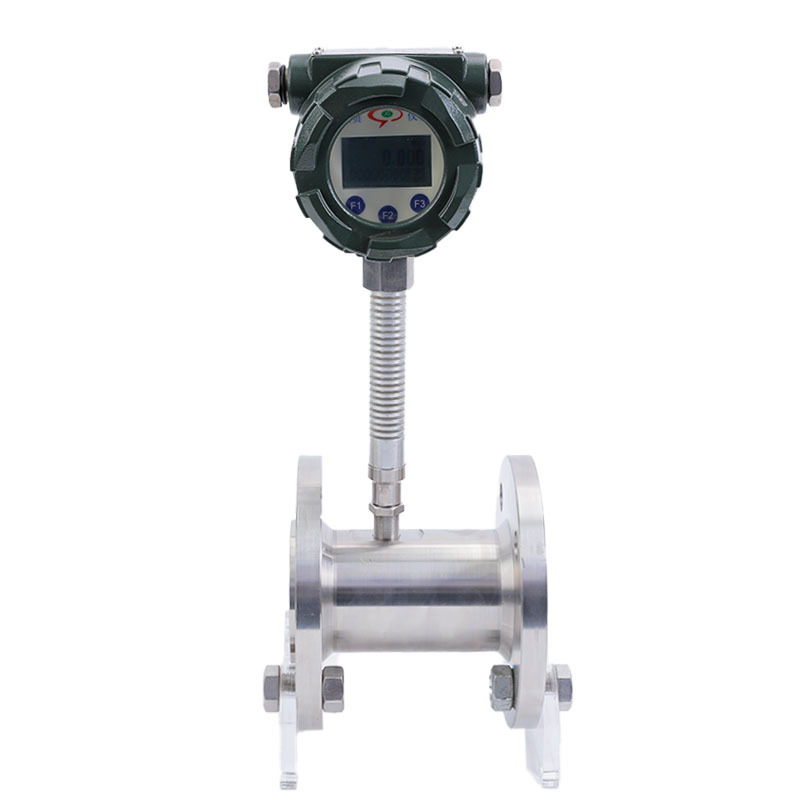
A vortex generator is installed within the pipeline. As the ethane gas flow passes through, it alternately generates regular vortices. The vortex release frequency is directly proportional to the medium’s flow velocity; the volumetric flow rate is calculated by detecting the vortex frequency.
Based on the vortex street effect in fluid mechanics, this method is unaffected by minor variations in ethane viscosity or temperature, making it a universal measurement principle for gaseous media.
Advantages
- Built solid and keeps going for ages, with next to no mechanical failures—fine for running ethane transport round the clock over long stretches.
- Shrugs off minor temperature and pressure swings; works across a spread of process conditions, so it suits ethane pipelines where parameters don’t stay fixed.
- Hardly loses any pressure, which makes it a workable pick for medium- and low-pressure ethane lines without pulling down transmission efficiency across the network.
- Good bang for the buck; widely used in industry because it’s cheap to buy and cheap to run.
Disadvantages
- Accuracy falls off badly at low flow rates, so it can’t handle the tight tolerances needed for measuring small ethane flows.
- Pipe vibrations and gas pulsations mess with the signal and throw the readings off, meaning the installation needs a fairly stable pipeline.
- Only gives you volumetric flow rate, so you still need temperature and pressure compensation gear to get standard ethane flow measurements.
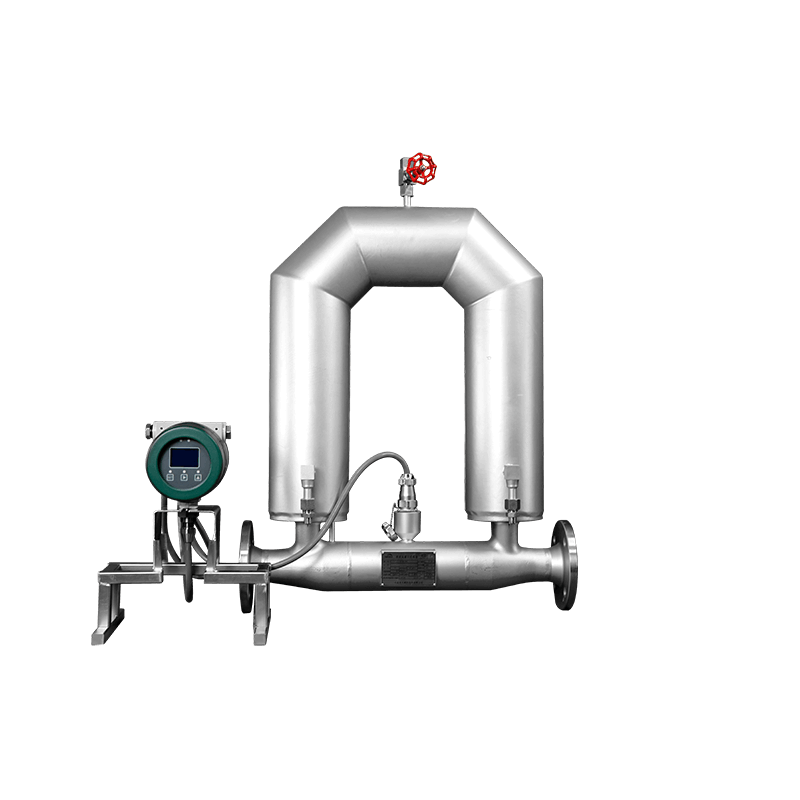
Coriolis Mass Flow Meter
Working Principle
It works off the Coriolis force: when ethane flows through the vibrating measuring tube, it creates a phase difference that scales directly with mass flow rate, so you get an exact read on how much mass is moving through.
There’s no need to convert from flow velocity, temperature, or pressure—it measures the actual mass of gaseous or liquid ethane straight out.
Advantages
- Accurate readings; spits out mass flow, density, and temperature all at once, which covers the precision and trade settlement needs for ethane.
- Temperature swings, pressure changes, and viscosity shifts don’t throw it off—it’s flexible enough to handle messy ethane process conditions.
- Handles both gas and liquid ethane without extra temperature or pressure compensation, and the whole system packs together neatly.
Disadvantages
- The hardware costs a lot upfront, so it’s mainly reserved for high-end ethane metering and trade settlement jobs.
- Picky about where and how it’s installed; needs to sit away from vibrations and pipe stress or the readings go bad.
- Relatively large equipment size and high pressure drop; not suitable for large-diameter, low-pressure ethane transmission pipelines.
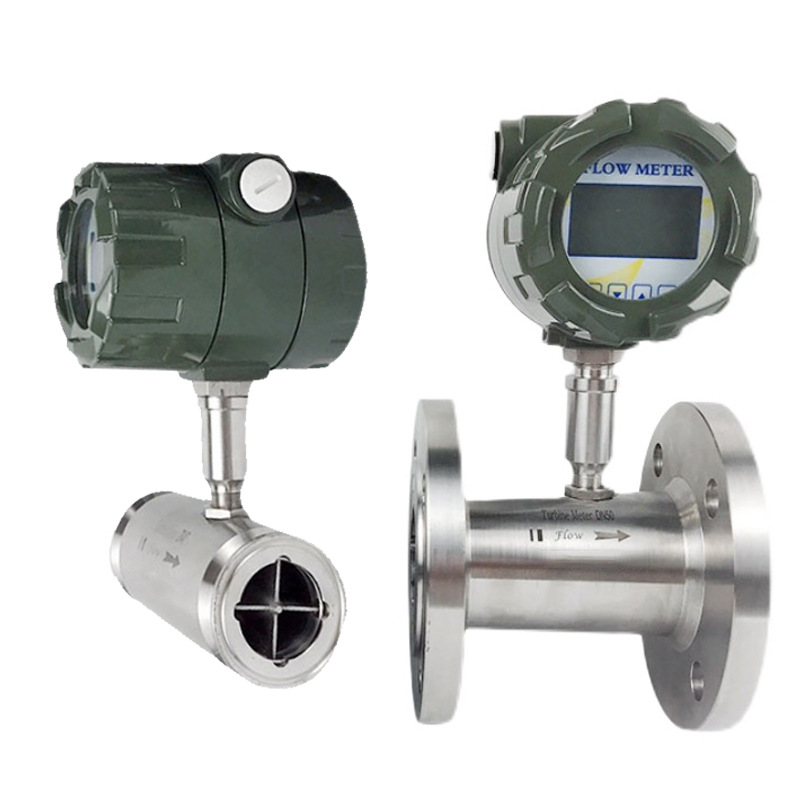
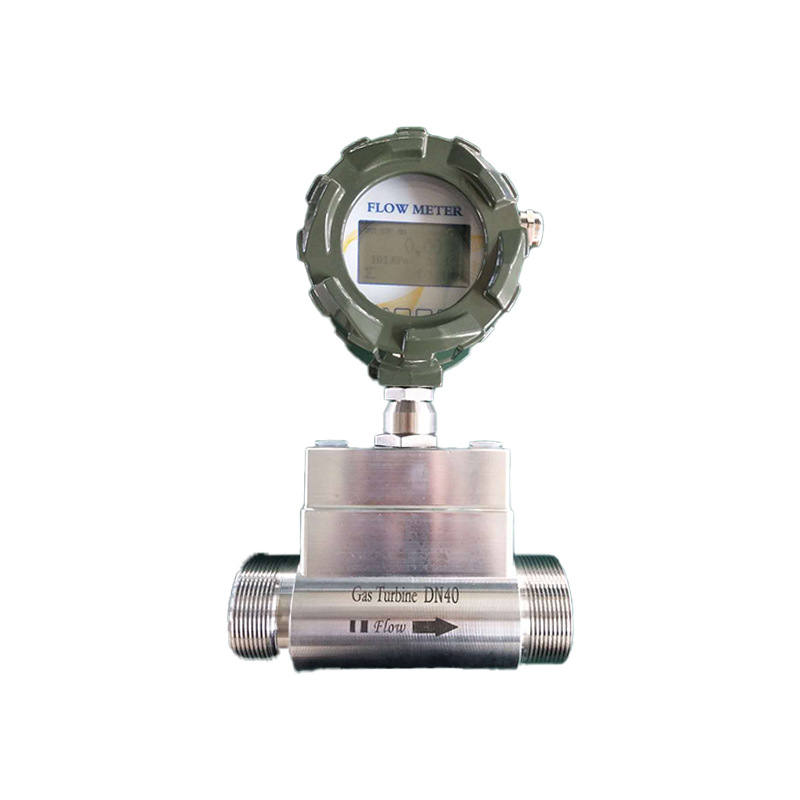
Turbine Flowmeter
Working Principle
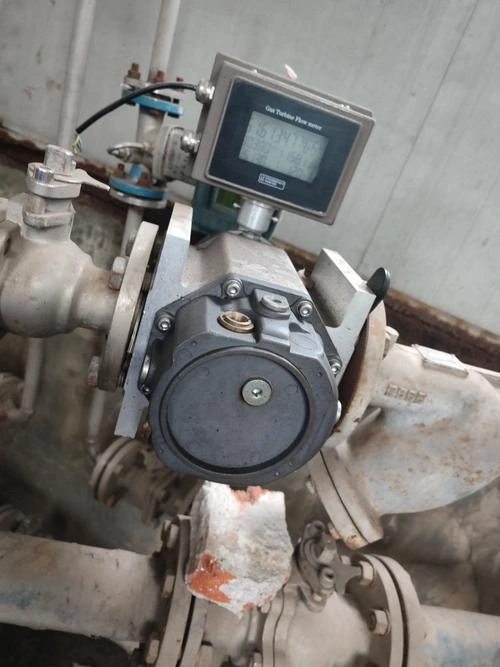
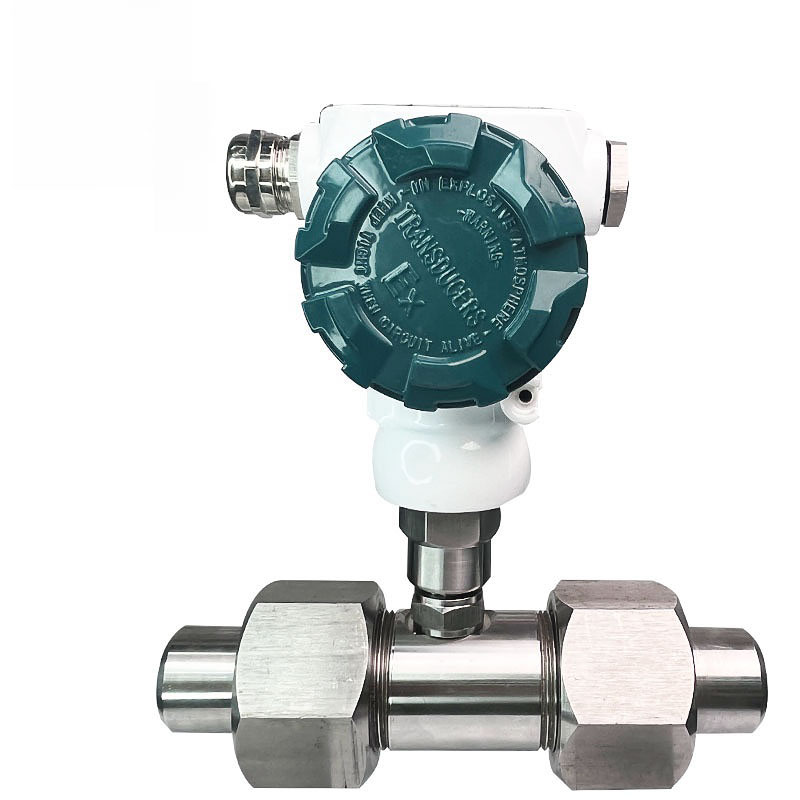
The ethane flow drives the turbine blades inside the pipe to rotate; the blade rotation speed is directly proportional to the medium flow velocity. The volumetric flow rate is calculated by converting the frequency of blade rotation.
The fluid’s kinetic energy drives a mechanical spin that produces an electrical signal based on frequency, giving quick updates on what’s happening inside the ethane pipeline at any given moment.
Advantages
- Catches flow changes quickly and picks up on sudden shifts in flow rate, which is useful when you’re adjusting ethane flow on the fly.
- Holds up well accuracy-wise in the medium-to-high velocity range, with fairly good linearity and steady data as long as things don’t get too unstable.
- Doesn’t take up much space and installs without a fuss, so it squeezes into cramped pipe sections and equipment-integrated ethane lines just fine.
Disadvantages
- Has moving parts inside that wear down over time; you’ll need to service and swap components periodically, which adds to running costs.
- Won’t spin up at low flow rates, so it can’t measure anything below a certain threshold—meaning it’s only good for ethane transport at medium-to-high flow rates.
- Measures only volumetric flow rate; for ethane metering, temperature and pressure compensation is required to convert to standard condition flow rate
- When the medium contains solid impurities, it can easily cause turbine jamming and accelerated wear, requiring high purity of the ethane medium
Applications of Ethane Flow Meters
1. In petrochemical production, ethane kicks off reactions like cracking and synthesis. Flow meters keep tabs on how much ethane is running through the pipes, which helps keep production ratios on track and process parameters from drifting.
2. In oil and gas gathering, transport, and storage, flow meters monitor flow rates live through natural gas purification lines and ethane separation and transmission pipelines. This comes in handy for pipeline scheduling, inventory counts, and making sure transport efficiency doesn’t slip.
3. In fine chemical manufacturing, where ethane is used as a reaction solvent or supporting raw material, flow meters allow for exact dosing, which tightens up batch-to-batch product consistency.
4. Gas supply systems: After purification, ethane gets mixed into industrial gases or specialty fuels, and flow meters make sure the blending and billing metering are spot-on.
5. Research and lab work: For delivering set amounts of ethane in chemical experiments and physical property testing, flow meters handle the low-flow, high-precision requirements.
6. Environmental protection and energy management: By keeping continuous watch on ethane usage flow rates, tracking material consumption, and figuring energy use, flow meters help companies cut back on energy, reduce waste, and keep emissions in check.
Selection Guide
1. First, clarify the medium’s operating parameters
Ethane is typically in gaseous or liquid form. It is necessary to confirm the medium’s state, operating temperature, pressure, typical flow range, and maximum instantaneous flow rate. This forms the basis for selection and helps avoid measurement inaccuracies caused by an inappropriate measurement range.
2. Match Measurement Accuracy to Application Requirements
Go for high-precision instruments when you’re dealing with trade settlement and custody transfer. For process monitoring and internal checks, standard-accuracy gear works fine—just pick the accuracy grade based on what error margin the site can live with.
3. Consider Pipeline Specifications and Installation Conditions
Check the pipe size, how much room you’ve got, and what straight pipe run the meter needs. Some flow meters are picky about upstream and downstream straight lengths; if space is tight, pick models that aren’t so demanding.
4. Select Based on Medium Characteristics
Ethane isn’t corrosive and doesn’t stick around much—low viscosity. For gas, vortex or differential pressure meters do the job; for liquid ethane, positive displacement or turbine meters are the way to go. Steer clear of anything that doesn’t match the phase you’re running.
5. Consideration of Explosion-Proof and Safety Ratings
Ethane burns and explodes, and the site is usually a hazardous zone. You need flow meters with the right explosion-proof rating to keep up with plant safety rules and fire prevention standards.
6. Determination of Signal Output and Supporting Functions
Figure out what your control system wants—analog, pulse, or communication output. If you’re sending data over distance or monitoring remotely, go for models that support digital communication.
7. Evaluate Maintenance Difficulty and Operating Costs
Look at how complicated each type is, how hard wear parts are to swap, and what it’ll cost to run long-term. If getting to the meter for service is a pain, lean toward maintenance-free or low-maintenance options.
8. Balance Environmental Factors and Service Life
Know whether it’s going inside or outside. For outdoor setups, factor in temperature swings, humidity, and beating from rain and snow—pick products with the protection rating to match. Choose rugged models based on how long the project needs them to last.
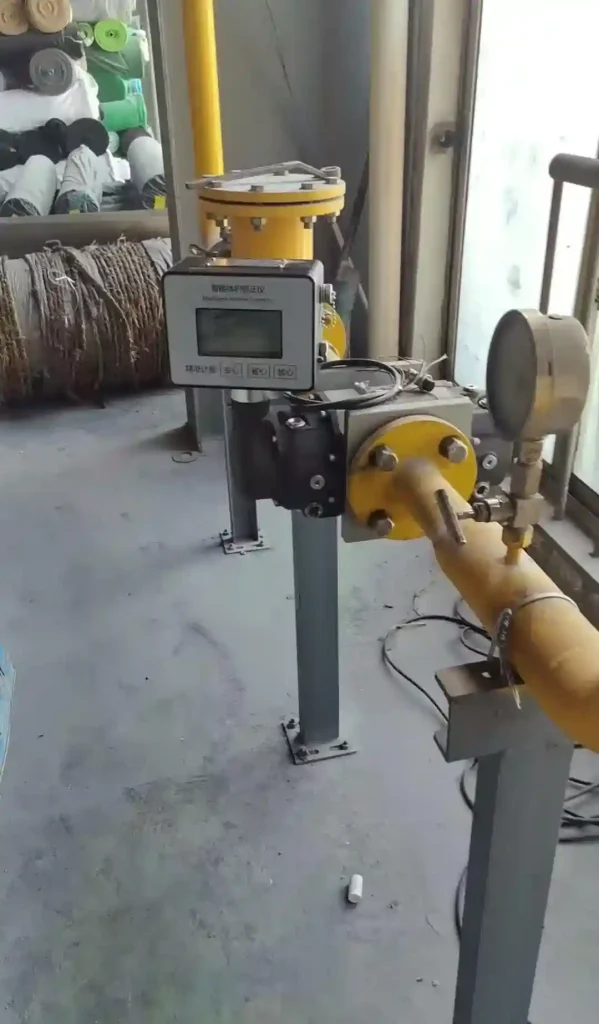
Getting the measurements right is fundamental to ethane chemical production, storage, transport, and trade settlement—and picking the right equipment is what keeps production safe and energy use in check.
We carry a full lineup of flow meters, with vortex, turbine, and mass flow meters as our mainstays for ethane applications. We also stock electromagnetic, ultrasonic, and radar flow meters to round out the selection.
We tailor our recommendations and back them up with operation and maintenance support based on what’s actually happening at your site, so we can sort out whatever ethane metering headaches you’re dealing with. Our gear is priced right and holds up well, helping companies stay compliant while improving quality and efficiency.