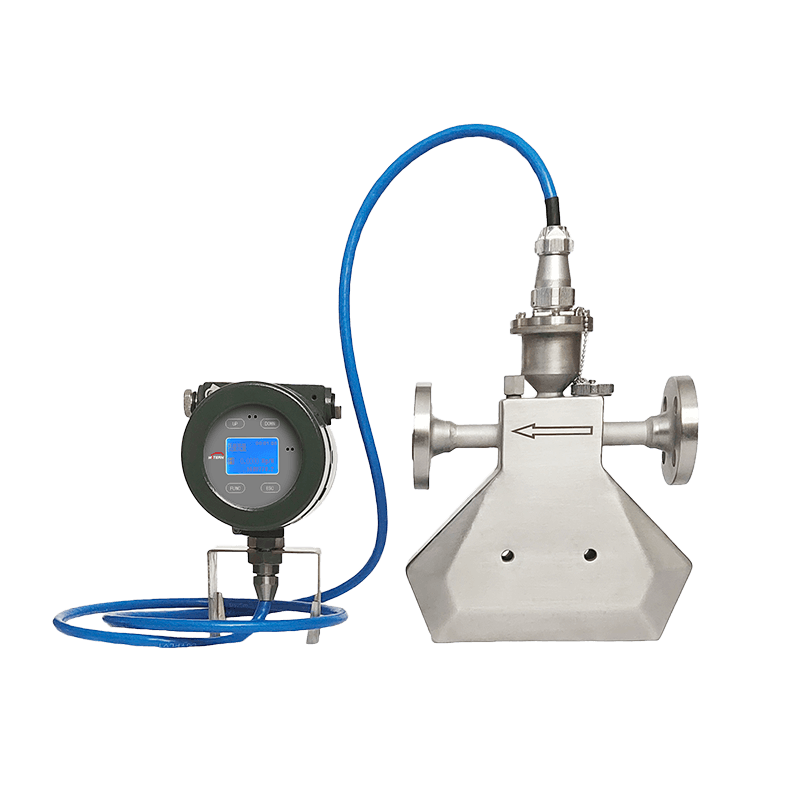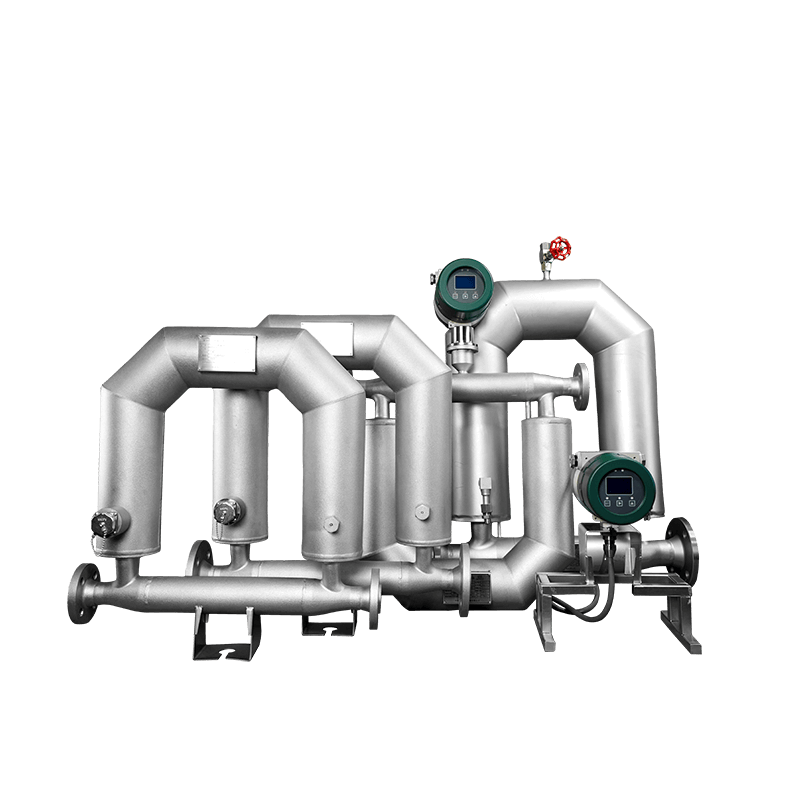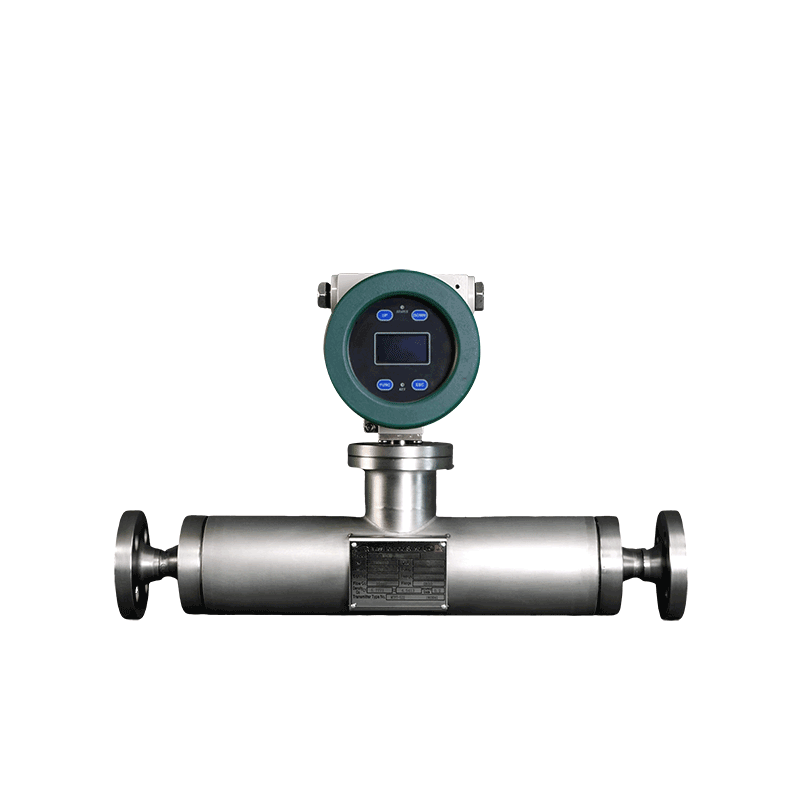
Mass air flow meters are the most important tools for measuring air flow. They use physical principles like thermal diffusion to directly measure the mass flow rate of air per unit time. This means they don’t need to be adjusted for temperature or pressure.
They’re really important for environmental monitoring, industrial process control and scientific research. They’re super accurate and consistent, so the data they produce is reliable and helps us make well-informed decisions in these fields.
Air
Air is basically divided into two categories. First up is ambient air at standard temperature and pressure. This is basically environmental air under conditions close to standard atmospheric pressure and ambient temperature.
The second is industrial compressed air, which is pressurised by air compressors and widely used in factory pneumatic equipment and pipeline transport; it is the most commonly measured air medium in industrial settings. Air consists mainly of nitrogen and oxygen, and also contains small amounts of water vapour, dust and trace gaseous impurities.
Key Characteristics
1. High compressibility. As air is a compressible fluid, even small changes in pressure or temperature can significantly impact its density and volume. Operating flow rates differ significantly from standard flow rates, so temperature and pressure compensation is usually required for accurate measurement.
2. Low density and low viscosity. Air is less dense and less thick than liquids like water. The speed of liquid flowing through pipelines is usually high. At low flow rates, the signals sent to measure flow velocity are weak, which can easily affect how accurate the measurements are.
3. Contains water vapour and impurities.Natural air inherently contains moisture in the form of water vapour; compressed air is prone to generating condensate and oil mist during the compression process, whilst also entraining pipeline dust, which can easily adhere to and corrode the flow meter’s sensing components.
4. Insulating and non-conductive.Normally, air has very poor electrical conductivity and is classified as a non-conductive medium, meaning it’s not suitable for measurement using electromagnetic flow meters.
5. Unstable flow conditions.Pipeline transport can be affected by air flow pulsations, vortices and uneven velocity distribution, which can disrupt the stability of flow meter measurements and require specific installation requirements for the straight pipe sections upstream and downstream.
6. Significant susceptibility to environmental factors. Fluctuations in ambient Temperature, air pressure and humidity can alter the physical properties of air. This can have a direct effect on the accuracy of flow measurement.
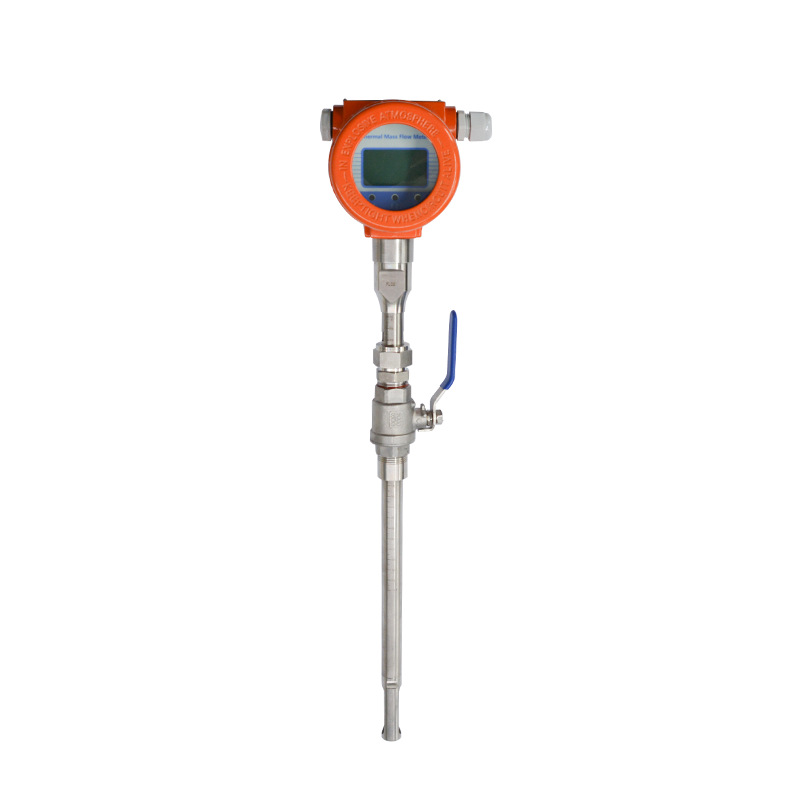
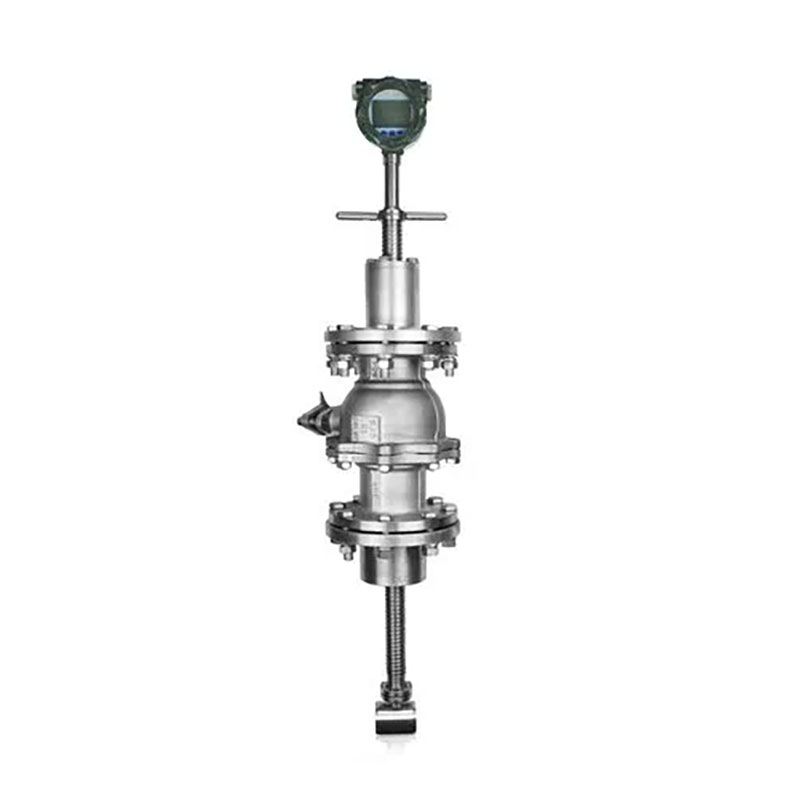
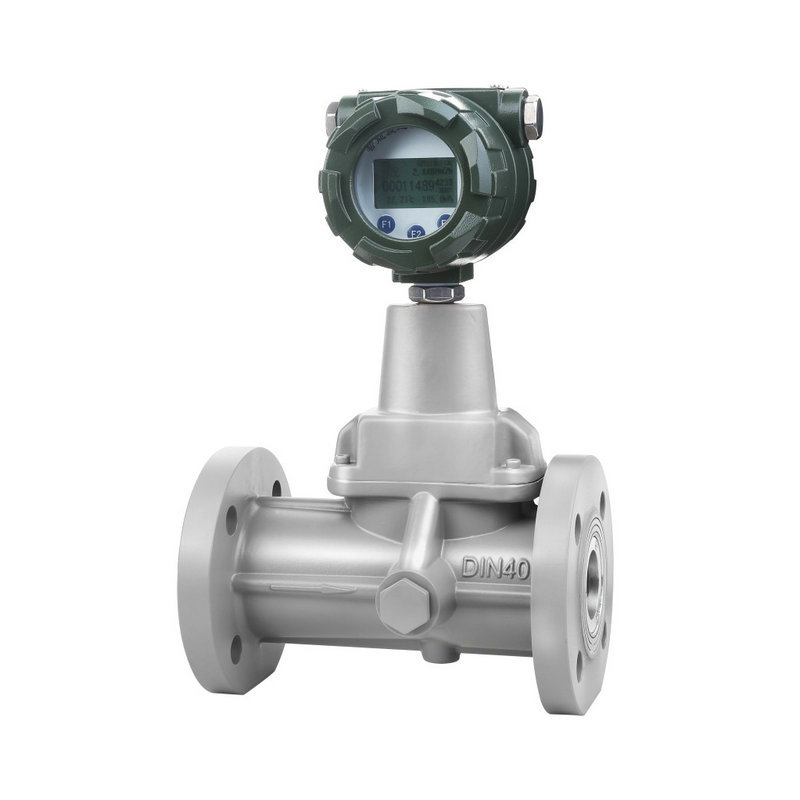
Mass Air Flow Meters
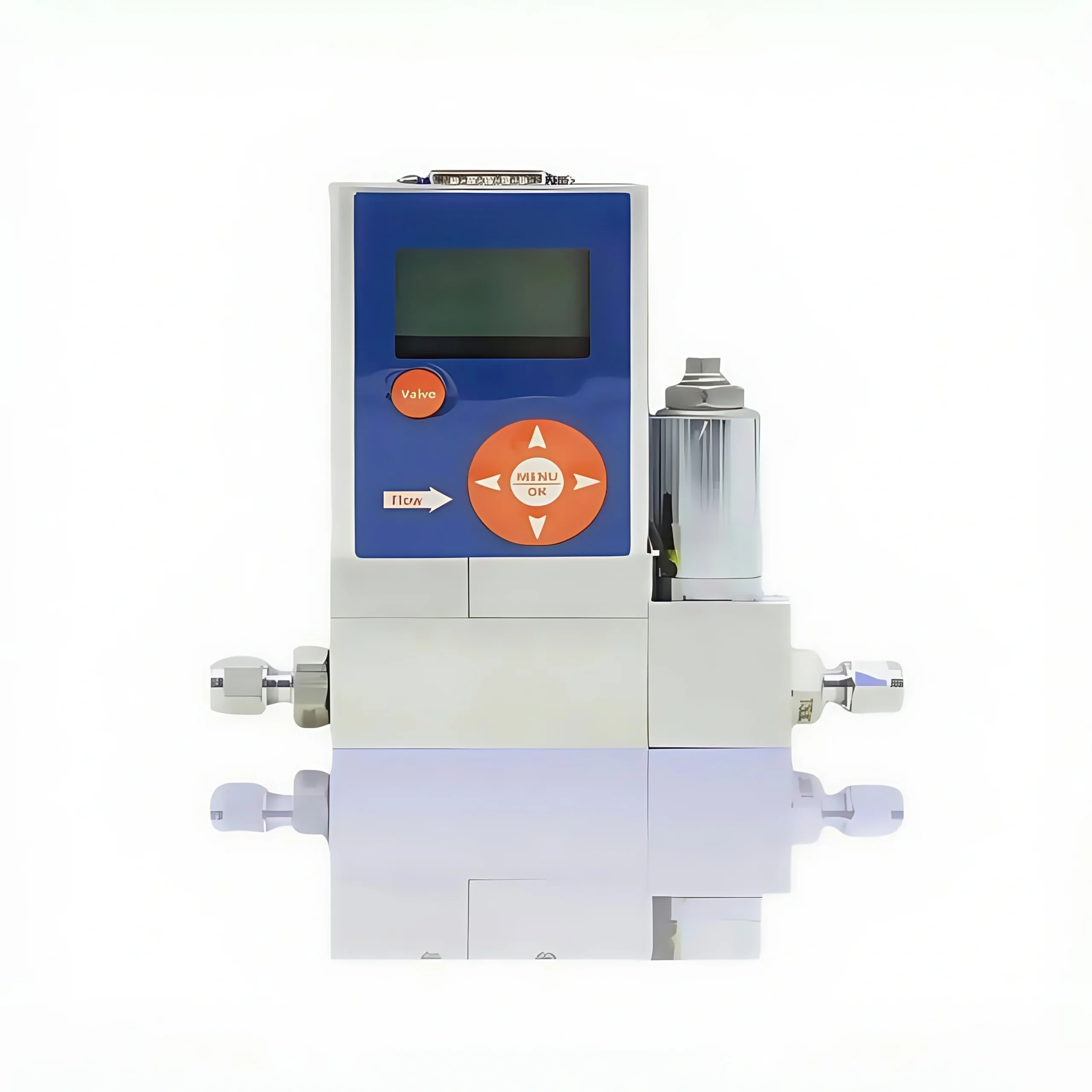
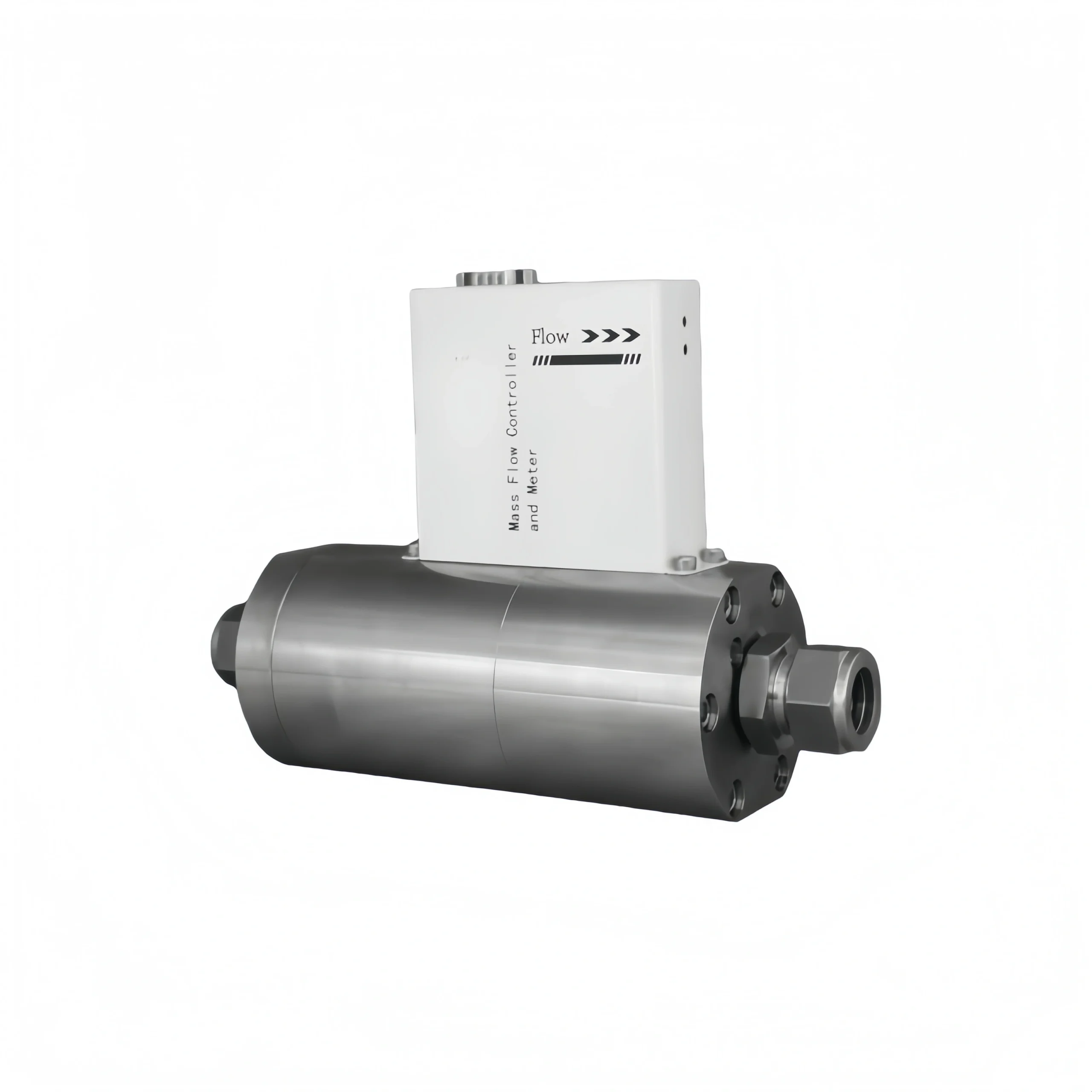
Thermal Mass Flow Meter
Principle of operation:
The thermal mass flow meter operates on the principle of heat conduction. It’s got a heating element and two temperature sensors in the air stream.
The heating element always gives off the same amount of heat. As air flows past it, it takes away the heat from the element, which makes the air warmer. difference between the two sensors.
The temperature difference is directly related to how much air is flowing through the system. Basically, all you have to do to work out the specific value of the air mass flow rate is keep an eye on changes in this temperature difference and apply pre-set calibration parameters.
Advantages:
1. High measurement accuracy and suitability for low-flow scenarios: Thermal mass flow meters offer significant advantages in measuring low-flow and small-volume air mass flow.
They can spot tiny changes in flow with hardly any measurement error, which makes them perfect for precision measurement. They’re great for situations that need super accurate measurements, like scientific research experiments and checking gas flow in small machines.
2. Durable construction and easy maintenance: The device features a relatively simple structure with no moving parts in its core components, reducing wear and the likelihood of failure.
This not only ensures a long service life but also lowers daily maintenance costs. As frequent disassembly and servicing are unnecessary, it can operate stably over the long term.
3. Fast response and suitability for dynamic measurement:It responds rapidly to instantaneous changes in gas flow rate and provides real-time measurement data, meeting the demands of dynamic measurement.
It’s perfect for situations where the gas flow rate is inconsistent, providing crucial data for effective regulation.
4. Strong environmental adaptability and ease of use: Thanks to its ability to adapt to changes in gas pressure and temperature, you won’t need any additional pressure or temperature compensation devices, making it easier to use.
It’s great for measuring air quality in a bunch of different situations, so it’s useful in all sorts of places, like in industry and for environmental monitoring.
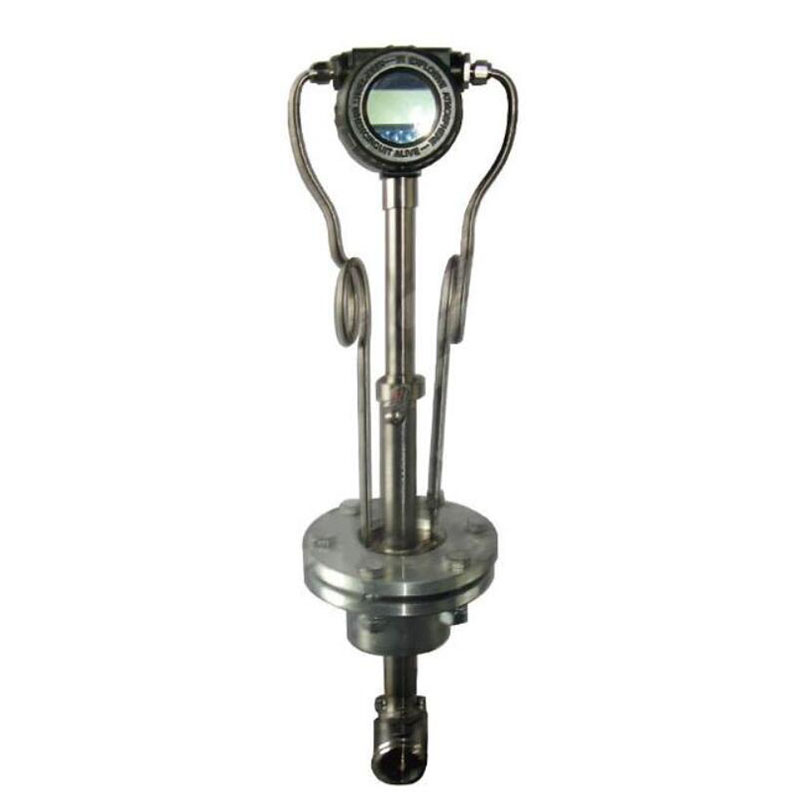
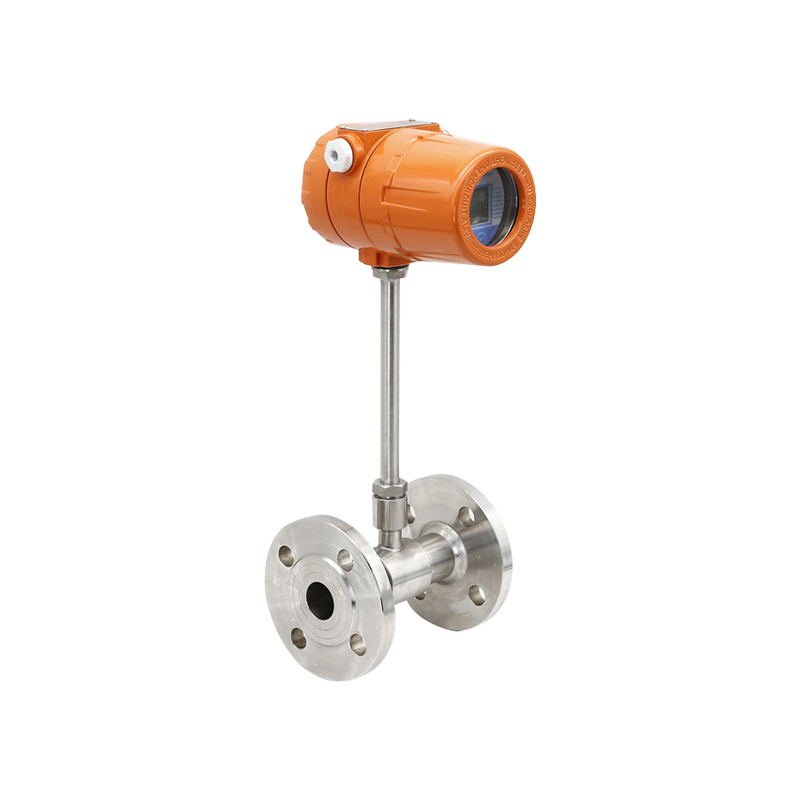
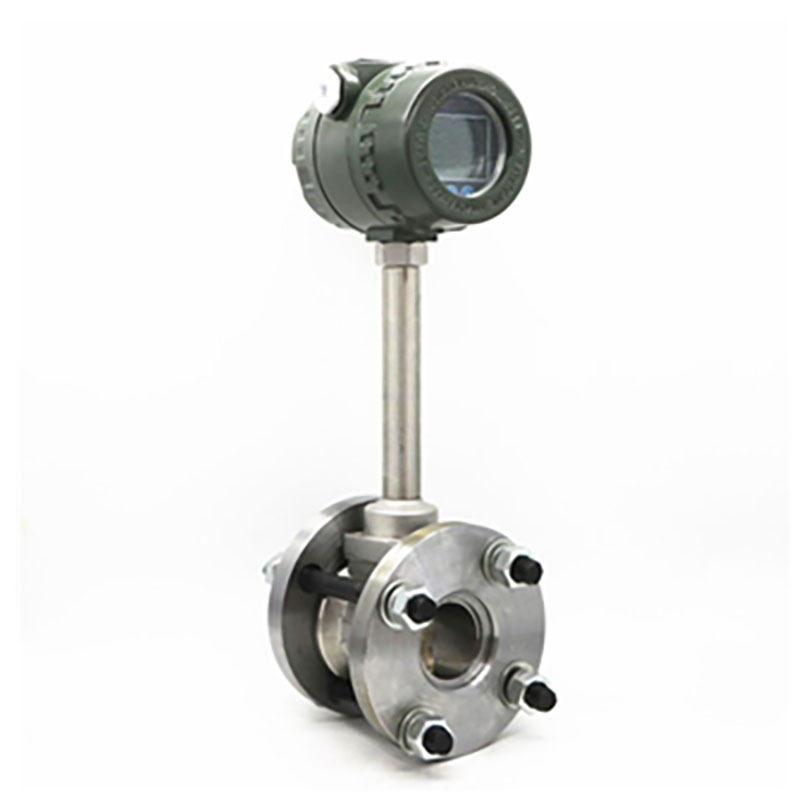
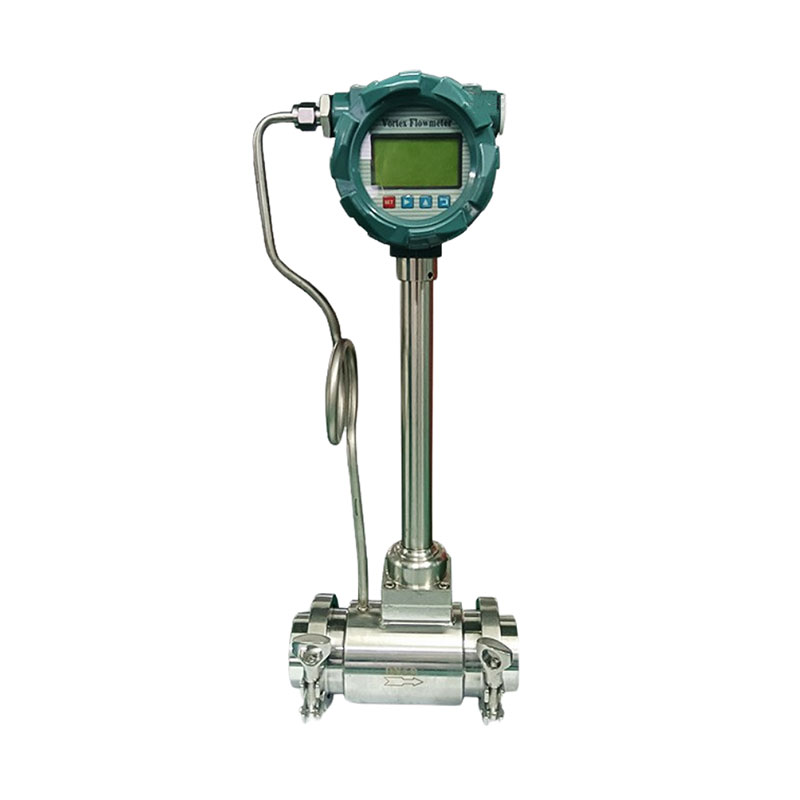
Vortex Flow Meter
Working Principle:
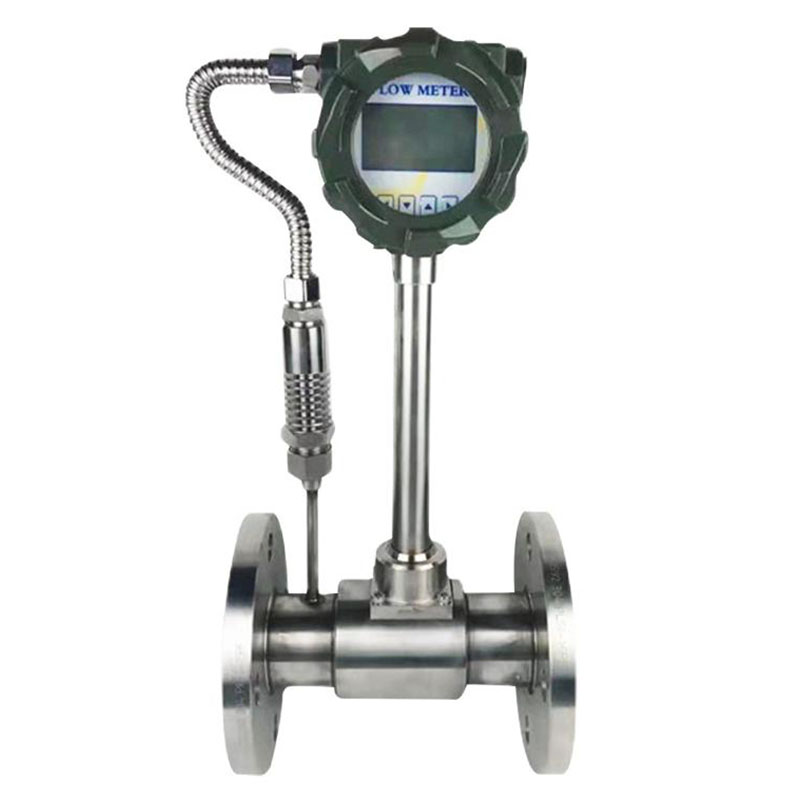
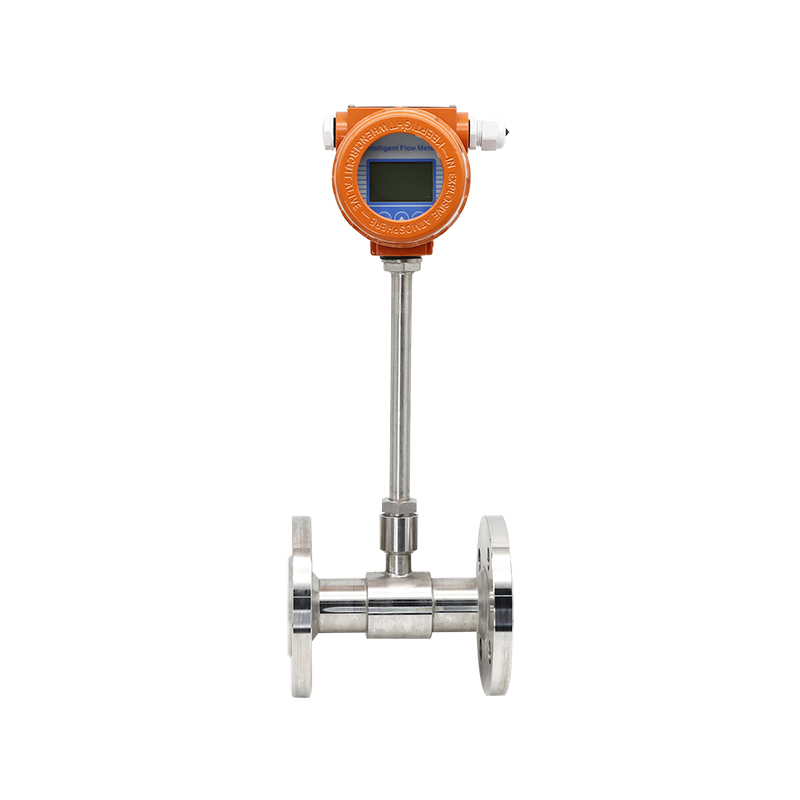
The vortex flow meter works on the Karman vortex street principle, and its main component is a vortex generator (like a cylindrical or triangular prism) placed in the airflow duct.
When air flows past the vortex generator, vortices rotating in opposite directions are generated on either side of it (i.e. Karman vortices). These vortices move with the airflow, and the more air that flows through, the more often they’ll be generated.
By detecting the vortex generation frequency using a sensor installed downstream of the vortex generator, and then converting this data in conjunction with parameters such as pipe dimensions and gas characteristics, the mass flow rate of the air can be accurately determined.
Advantages:
1. Good measurement stability and high accuracy: Vortex flowmeters work by measuring the frequency of the vortex, which is related to the flow rate. It is not greatly affected by gas temperature or pressure, and it doesn’t need any complicated devices to make up for issues. It provides accurate measurements when it’s being used normally. It can measure air mass flow, which is important for industry.
2. Simple structure and long service life:The main parts of the machine are a vortex generator and a sensor, which don’t need any maintenance because they don’t have any moving parts that can wear out or break easily. It’s really easy to install, and it’ll keep going for years without any major costs for maintenance, making it perfect for long-term continuous measurement.
3. Wide measurement range and high adaptability:It covers air quality measurements across medium to high flow velocities and medium to high flow rates. It’s got a wide turndown ratio, so it’s great for gas flow monitoring in small to medium-sized pipelines and for meeting the flow measurement needs of large industrial pipelines. It’s really versatile.
4. Strong interference resistance and broad applicability:It doesn’t get confused by changes in the mix of gases, so you can use it to measure the flow of different gas mixtures. It can also resist vibration and interference from impurities, making it suitable for a wide range of complex operating conditions, including industrial production, environmental monitoring and ventilation systems.
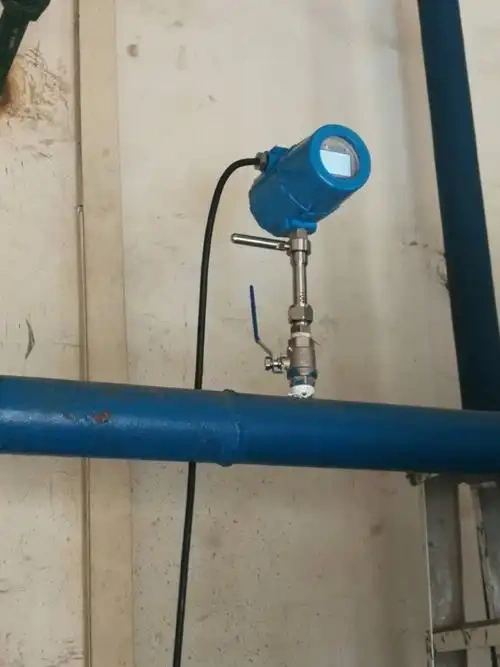
How to Select the Right Mass Air Flow Meter
Before choosing an MAF sensor, you need to know what you want it to measure. For example, you need to know if it should measure temperature, pressure, humidity or dust. You also need to know what the environment will be like. For example, will it be hot or cold, high pressure or explosion-proof? Will there be dust or other things that could affect it?
1. Flow Range
The flow range of different mass air flow meters can vary a lot, so the right flow range must be worked out based on the actual application. To make sure you get the right measurements, it’s important to choose a meter with a flow range that’s exactly right for the air flow rates you’re dealing with. This avoids excessive measurement errors or equipment damage caused by flow exceeding the measurement range.
2. Measurement Accuracy
The accuracy requirements for air quality measurement vary by application. Take precision laboratory analysis, where accuracy is key. In these situations, you’ll definitely want to go for high-precision models. But for more general workshop ventilation or indoor air quality monitoring, medium-precision flowmeters can be a better choice, depending on what you need. This way, you’ll get reliable results without spending too much money.
3. Environmental Conditions
When you’re installing and using the air quality flow meter, there are a few things to keep in mind. Firstly, in terms of temperature and pressure, you’ll need to use flow meters made of heat-resistant materials in high-temperature environments (such as near industrial furnaces). In high-pressure scenarios, it is also crucial to ensure that the equipment can withstand the pressure.
Secondly, there are explosion-proof, dust-proof and corrosion-resistant requirements. In industrial settings where there are flammable or explosive gases, dust or corrosive gases, flow meters that comply with explosion-proof ratings and feature dust-proof and corrosion-resistant structures must be selected.
Thirdly, indoor versus outdoor differences: If you’re using a flow meter outside, make sure it’s waterproof and can handle whatever the weather throws at it, so you get accurate readings all year round. Make sure the flow meter you pick can be relied on to work well over time in the environments you’ve got in mind, as this’ll make the measurements more accurate and consistent.
4. Repeatability
Repeatability refers to the consistency and stability of multiple measurement results obtained under identical air flow and environmental conditions. Excellent repeatability ensures that measurement results are unaffected by random factors and are therefore more reliable. It can also effectively reduce measurement errors and data uncertainty.
This is especially important when you need to measure things over a long time or compare things to see how they change. Air mass flow meters that are reliable should be used to make sure the data is the same and can be compared.
Other Air Flow Meters
There are two main types of differential pressure flow meter: orifice plates and Venturi tubes. They have a simple structure, are good value for money, long-lasting and reliable, have no fragile moving parts inside, and are easy to look after.
These instruments are particularly good for measuring airflow and are used a lot in industrial ventilation, boiler air supply and exhaust systems, and heating and ventilation ducts.
Since air can be compressed, changes in temperature and pressure during use can affect how accurate the measurements are. So, they need to be used with devices that compensate for temperature and pressure. Through real-time correction calculations, the accuracy and stability of air flow measurement are effectively enhanced.
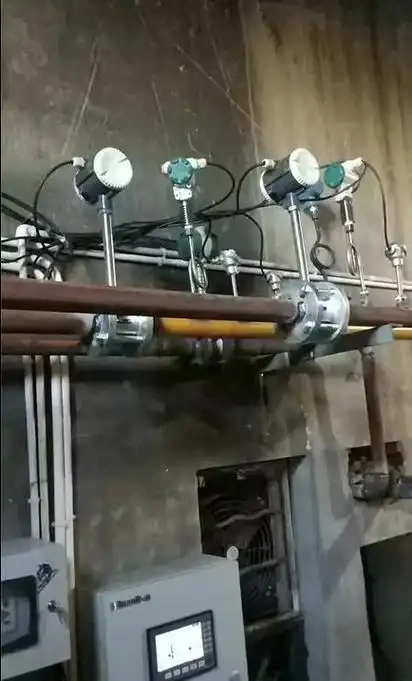
Leveraging its extensive expertise in flow measurement technology, Sino-Inst not only specialises in the customisation and supply of air flow meters but also offers a one-stop solution for professional flow measurement products for various gases—including natural gas, liquefied petroleum gas, nitrogen and compressed air—as well as liquids such as diesel and chemical solvents.
We provide users with bespoke selection solutions, on-site installation and commissioning, and comprehensive after-sales support, based on the characteristics of different media, operating conditions (pressure and temperature), accuracy grades, and explosion-proof and corrosion-resistant requirements.
We meet the fluid measurement and energy consumption control needs of multiple industries, including the petrochemical sector, energy storage and transportation, industrial manufacturing and the domestic gas supply sector. We help enterprises to achieve precise measurement, reduce costs, improve efficiency and ensure safe production.