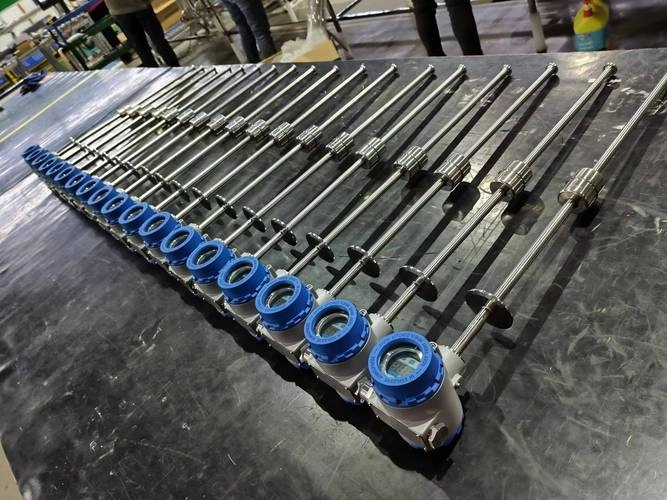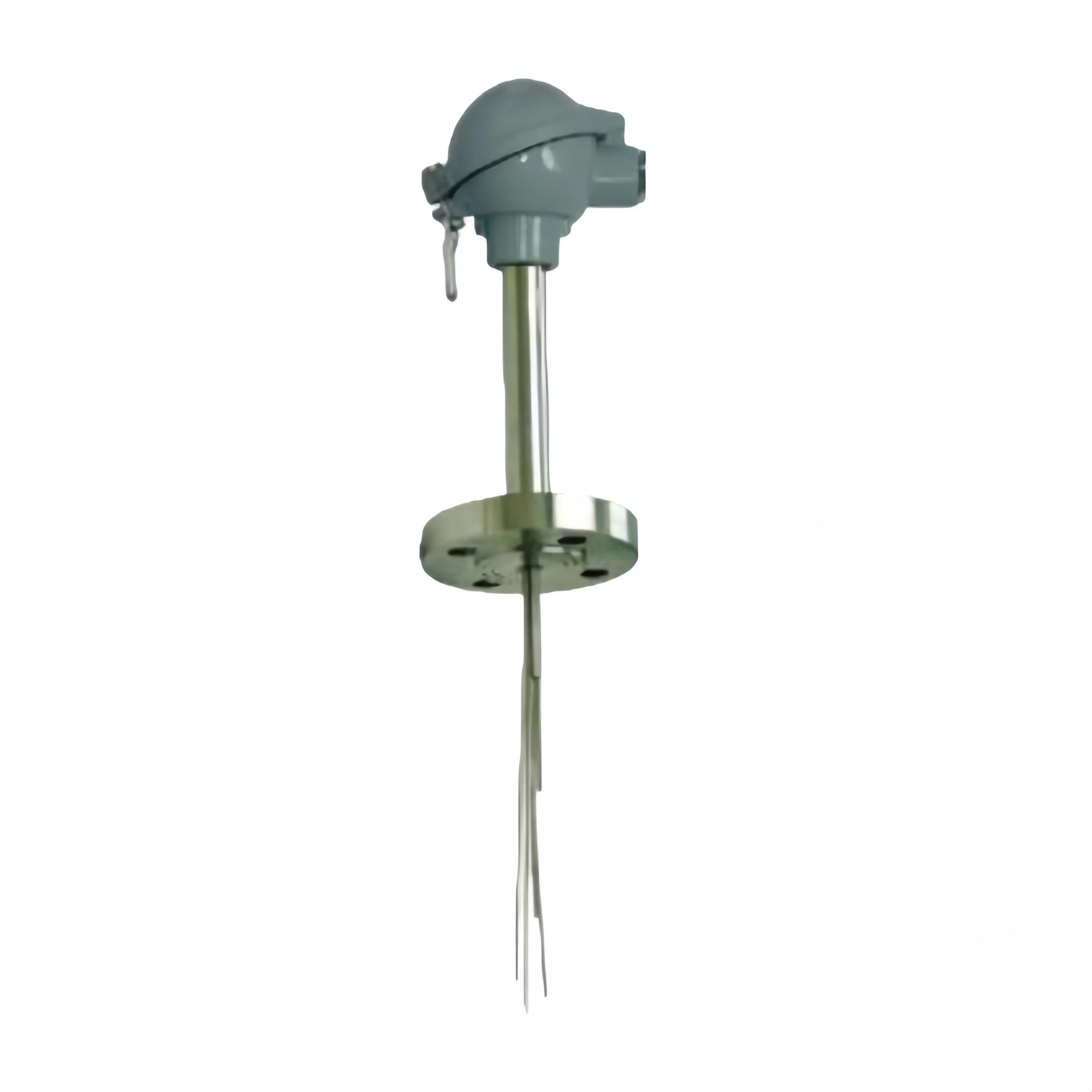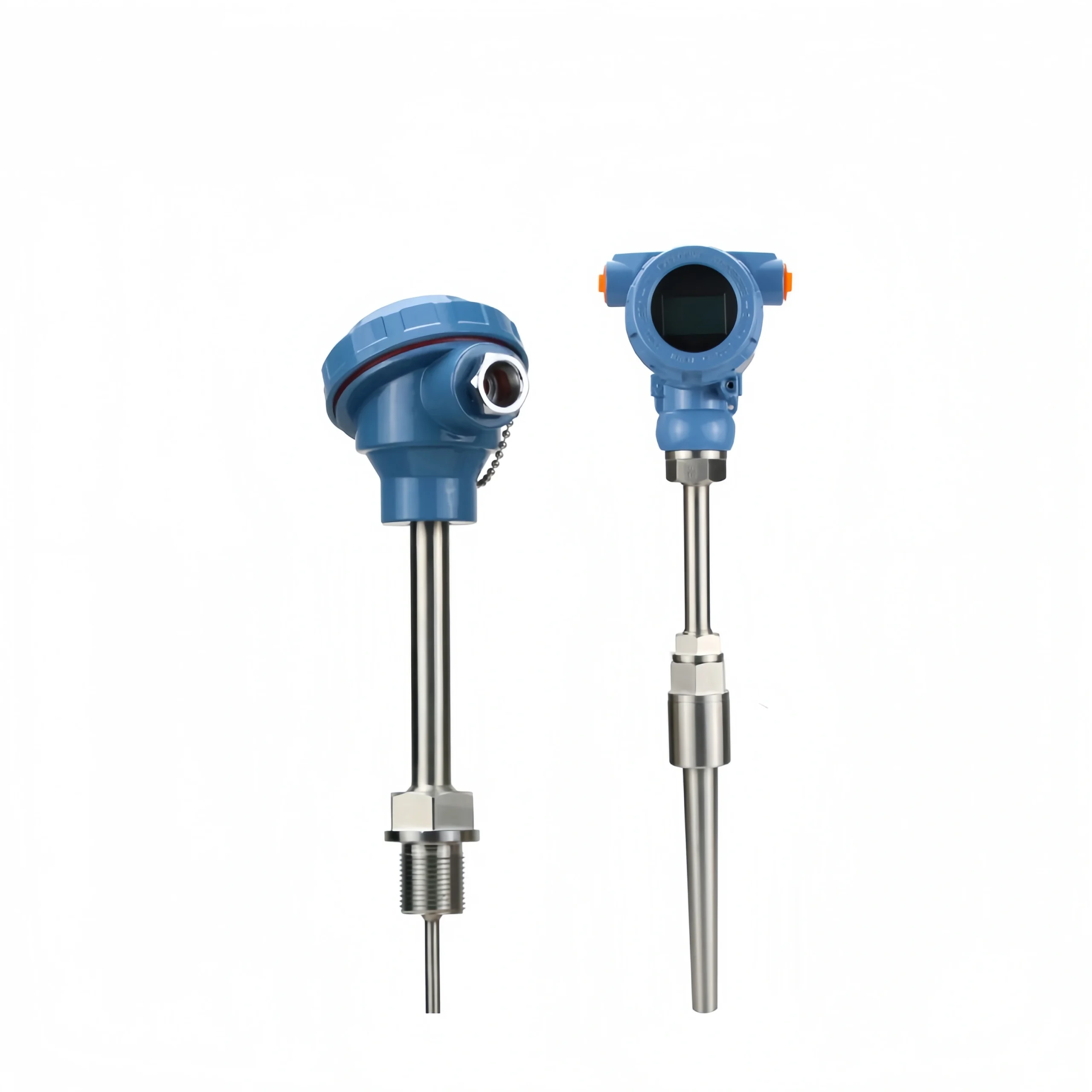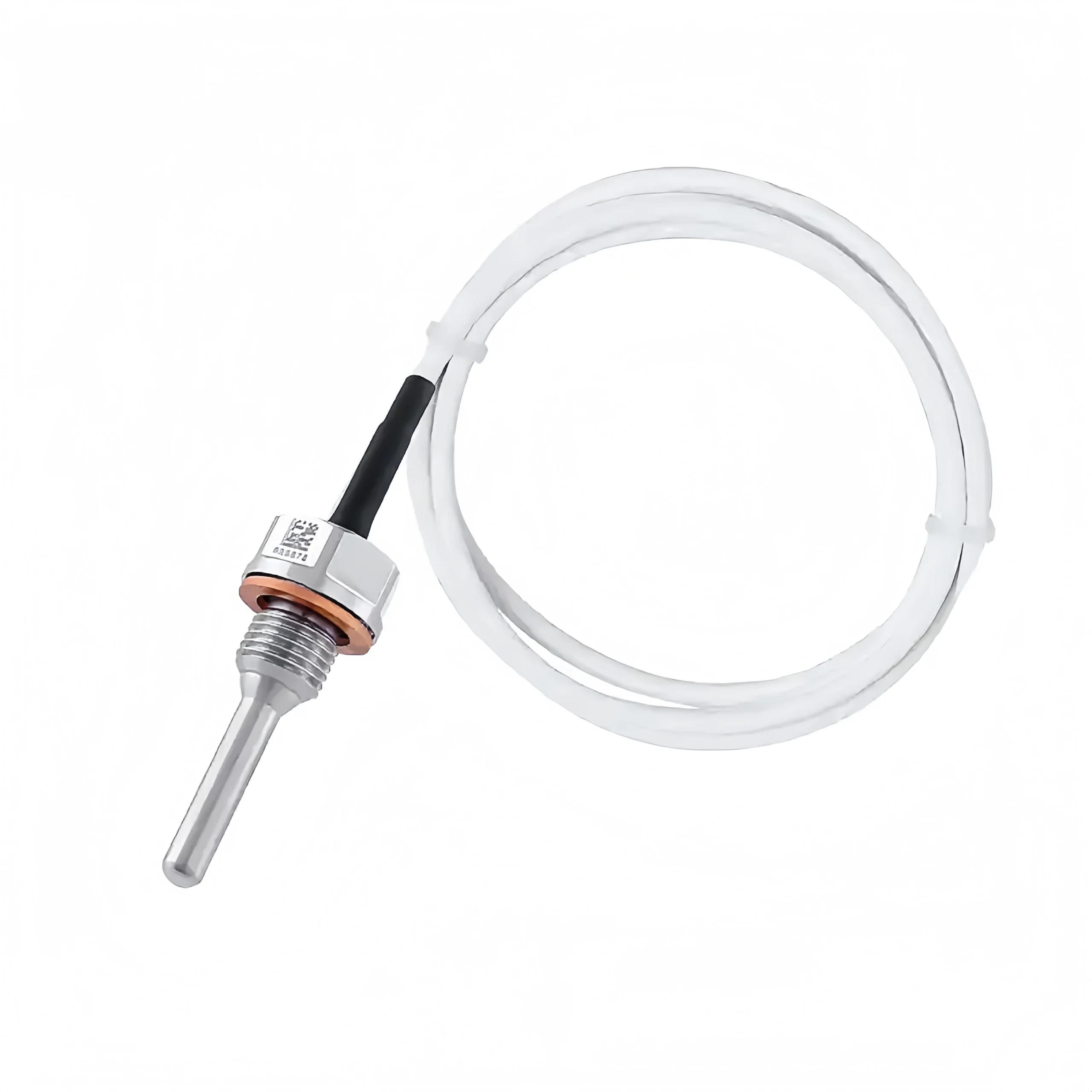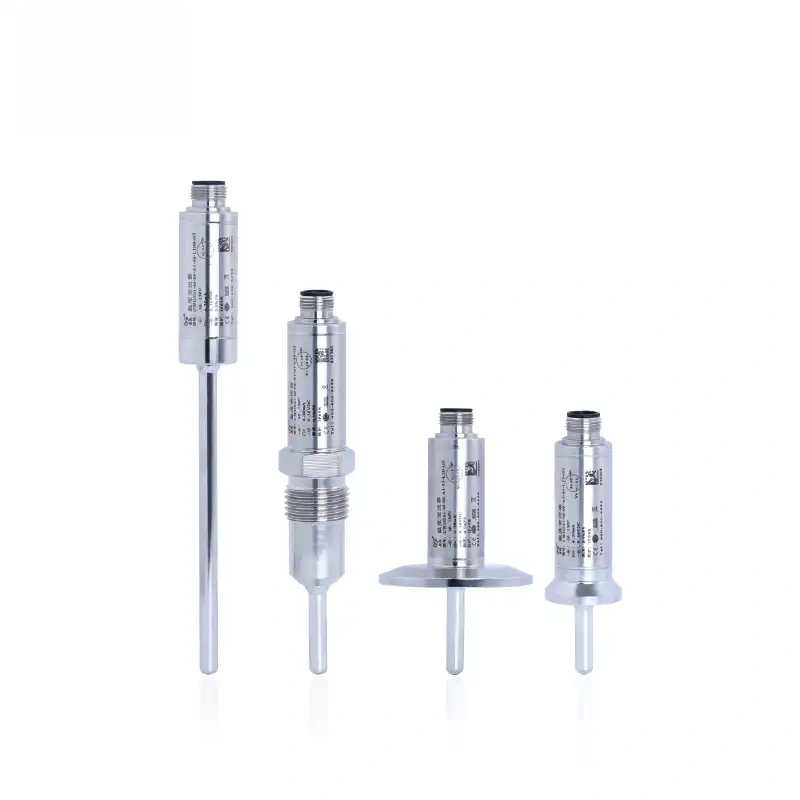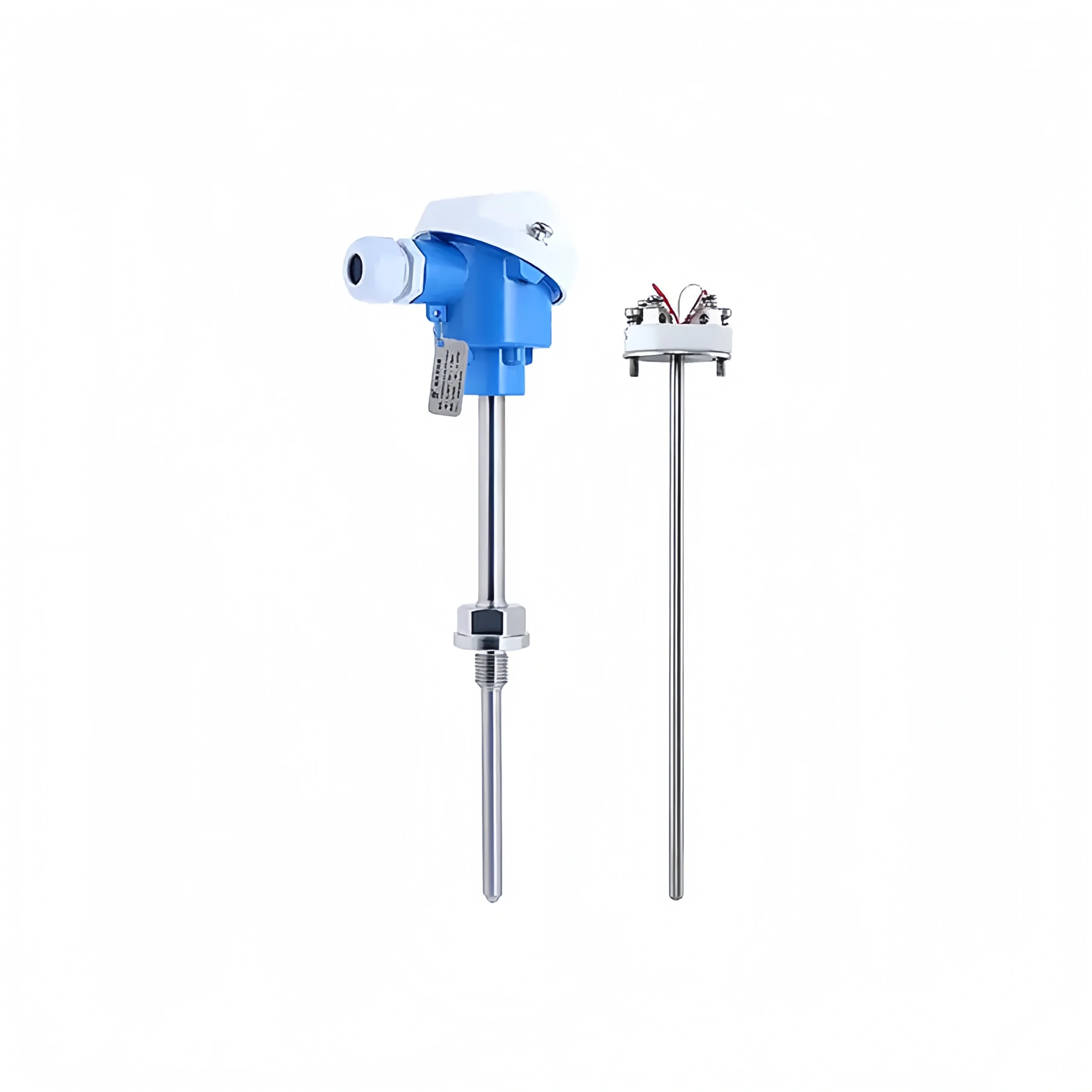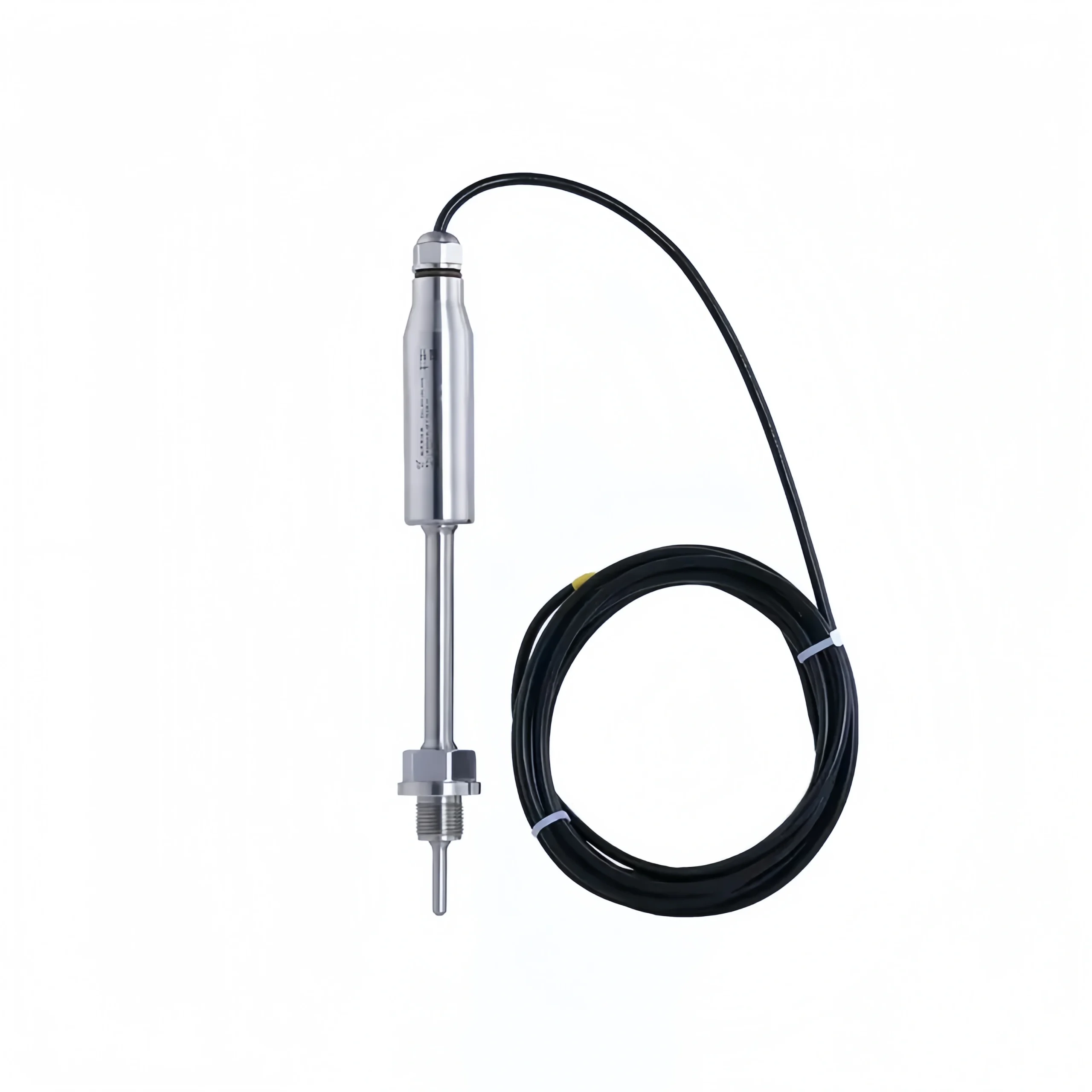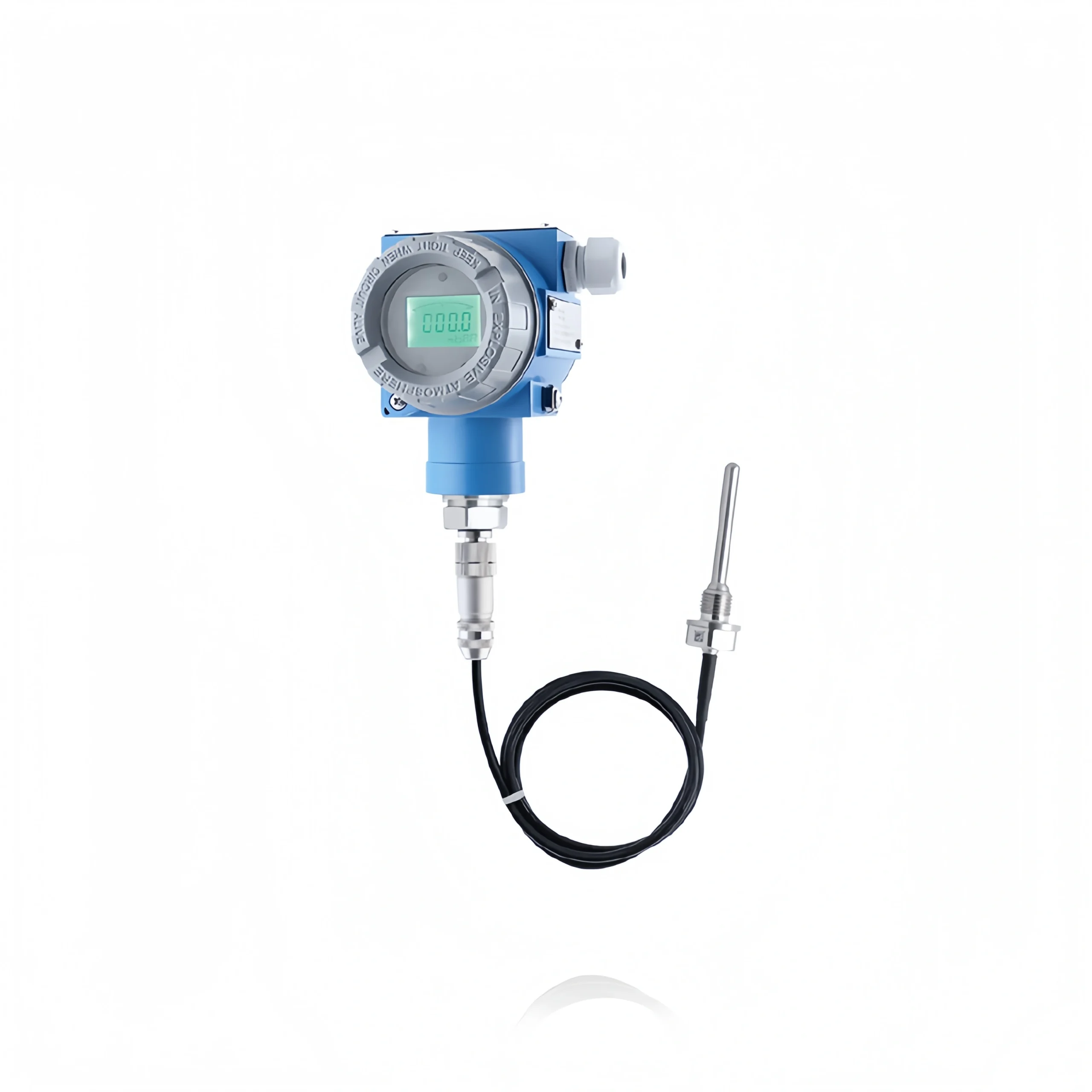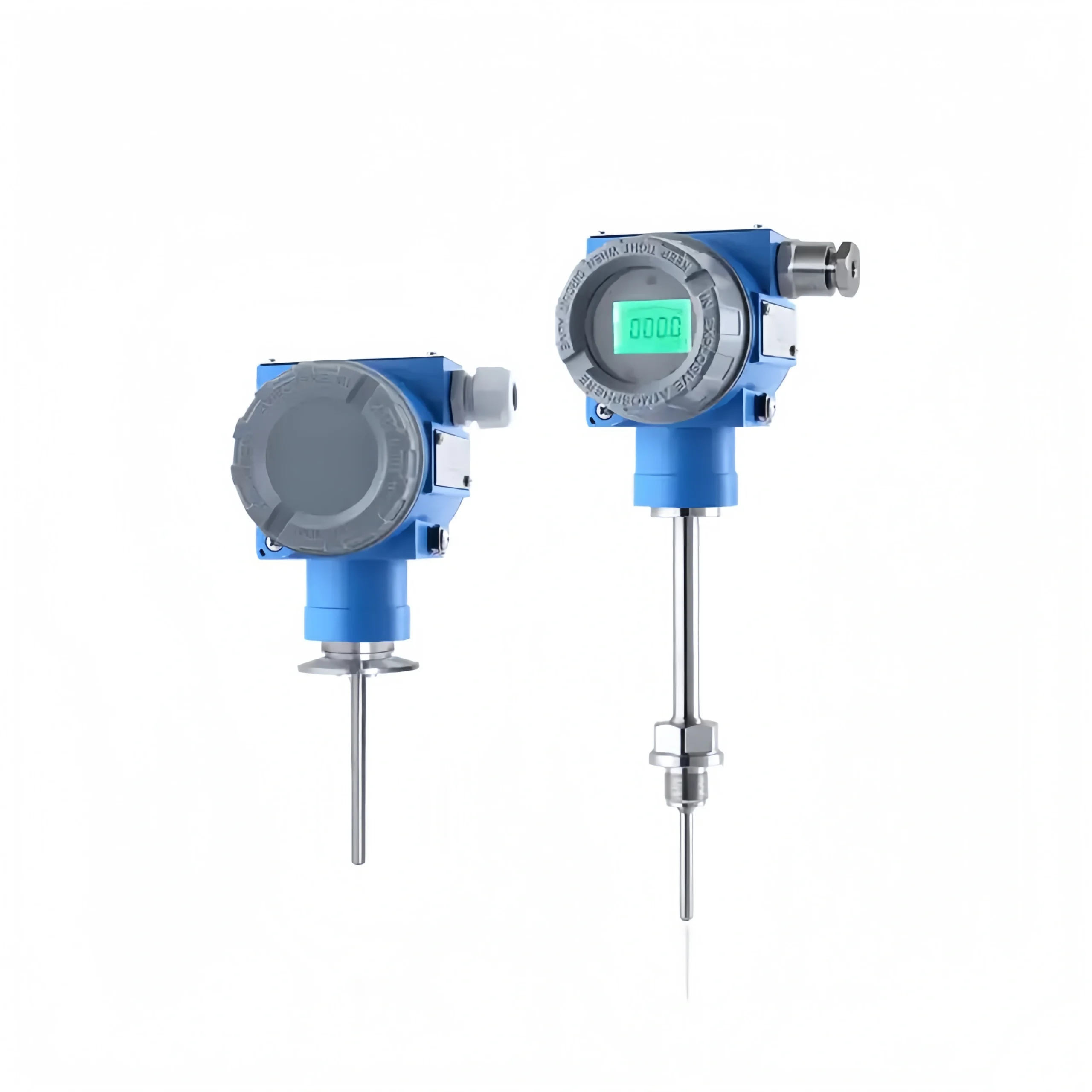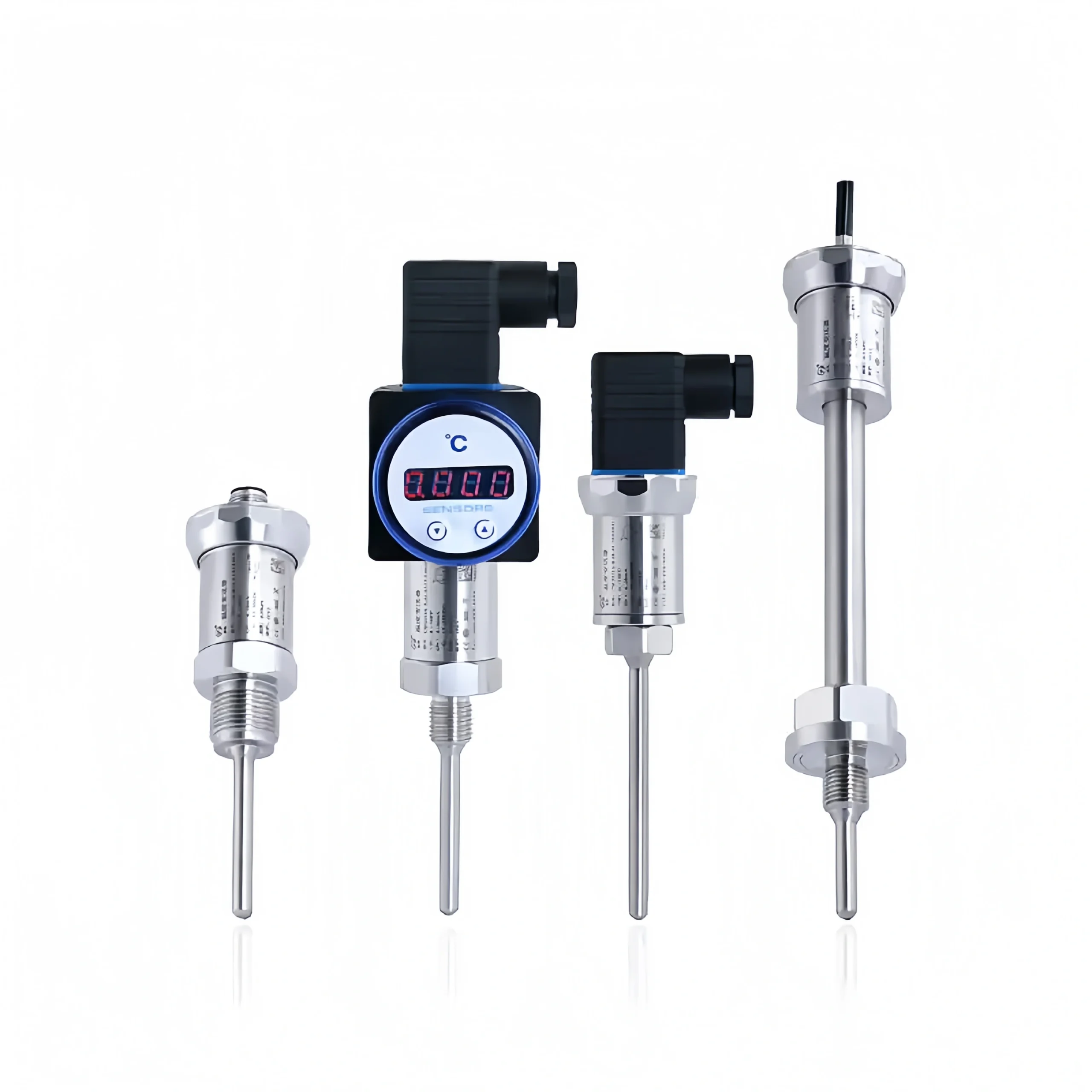
In process industries such as petrochemicals, power generation and energy, and metallurgical manufacturing, temperature monitoring is a critical factor in ensuring production safety and optimising process efficiency. A multipoint thermocouple is a temperature sensor that integrates multiple independent temperature measurement nodes within a single protective sheath.
By enabling the simultaneous monitoring of temperature distributions at multiple depths or locations within equipment through a single installation, it serves as a core solution to the challenges of temperature monitoring in complex operating conditions, providing vital support for the intelligent and refined development of industrial production.
Principle of Operation
The way a multipoint thermocouple measures temperature is basically the same as a standard single point thermocouple, as both are based on the Seebeck effect. When you heat two thermoelectric elements (like Type K or Type S) at the measuring end, a temperature difference is created between that end and the cold junction. This creates a thermoelectric potential that is proportional to the temperature difference. By measuring the magnitude of this thermoelectric potential, the temperature value at the corresponding measuring point can be calculated.
The distinction lies in the design of the multipoint thermocouple, which utilises multiple independent thermocouple circuits. This allows each measurement point to operate independently and output signals separately, ensuring that the various measurement points do not interfere with one another. Even if a fault occurs in one circuit, it will not affect the normal operation of the overall temperature measurement system.
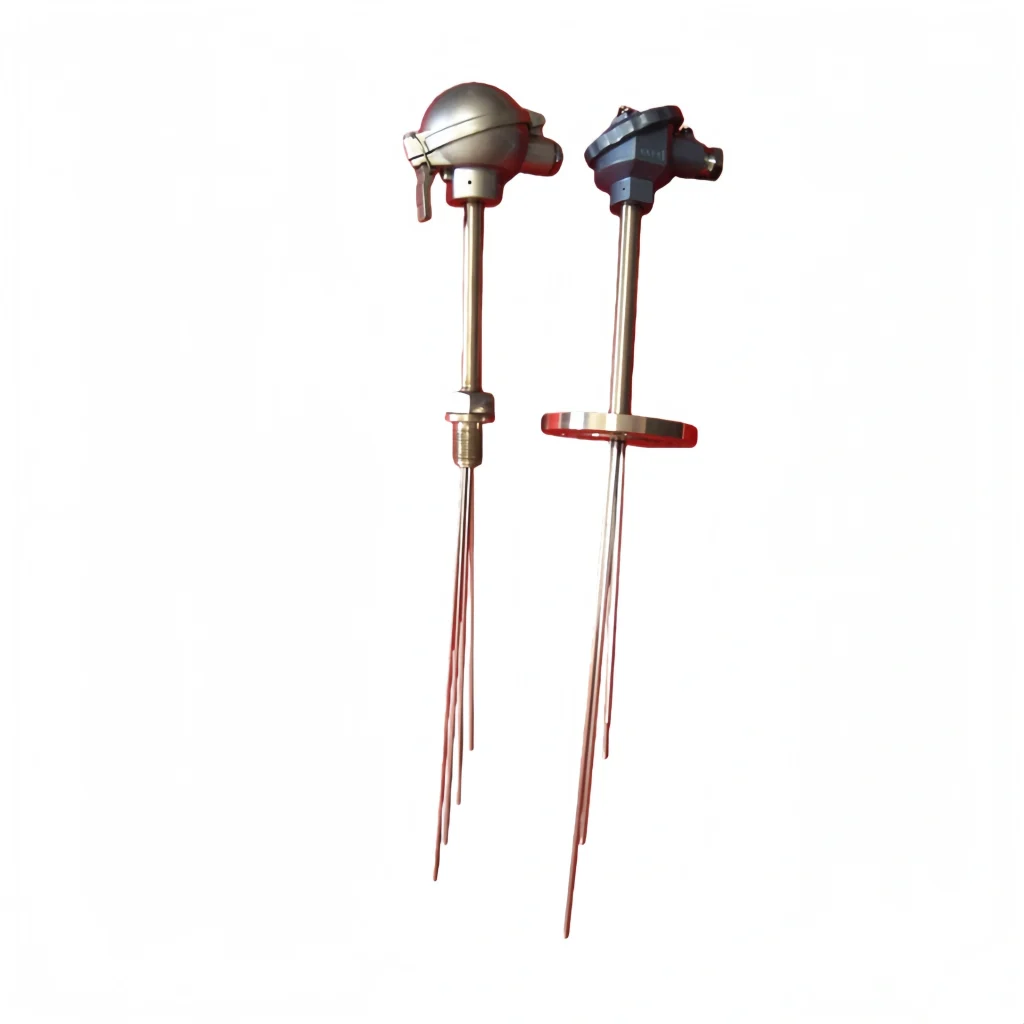
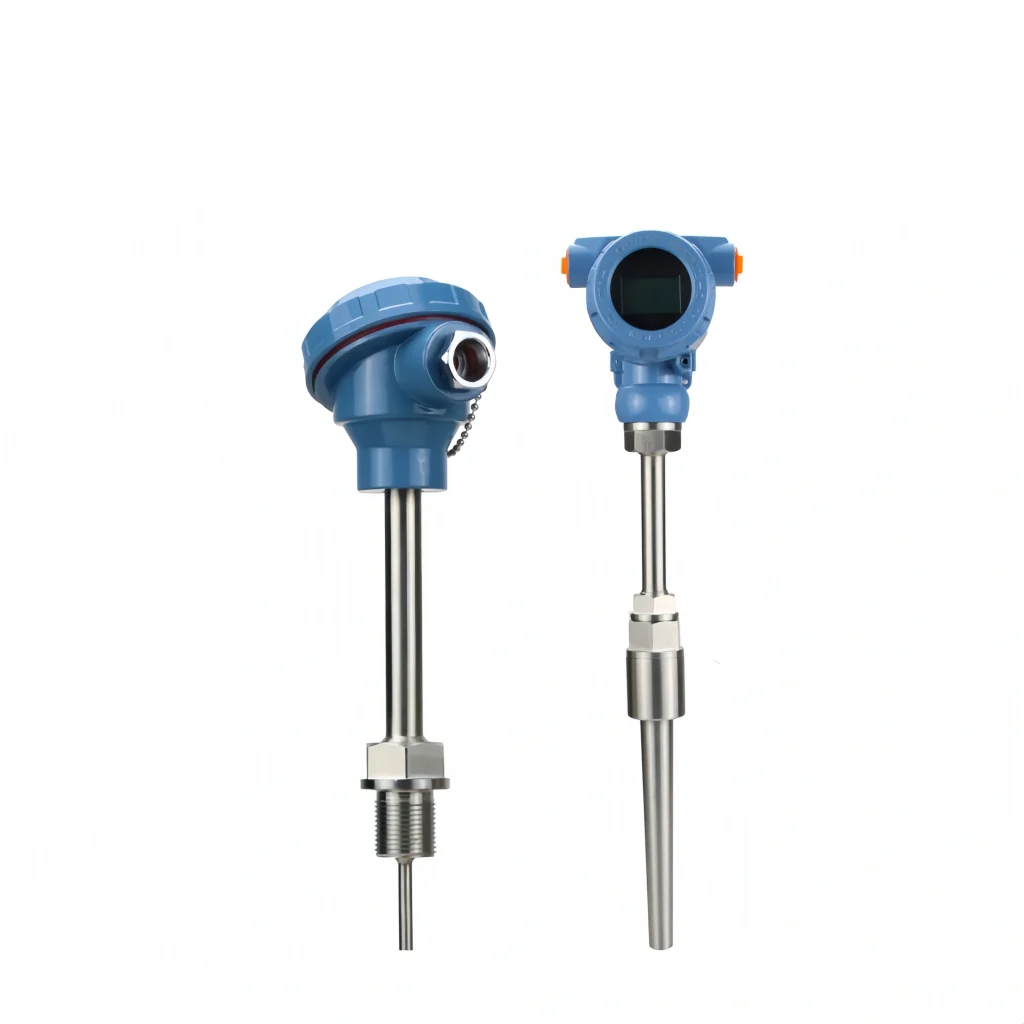
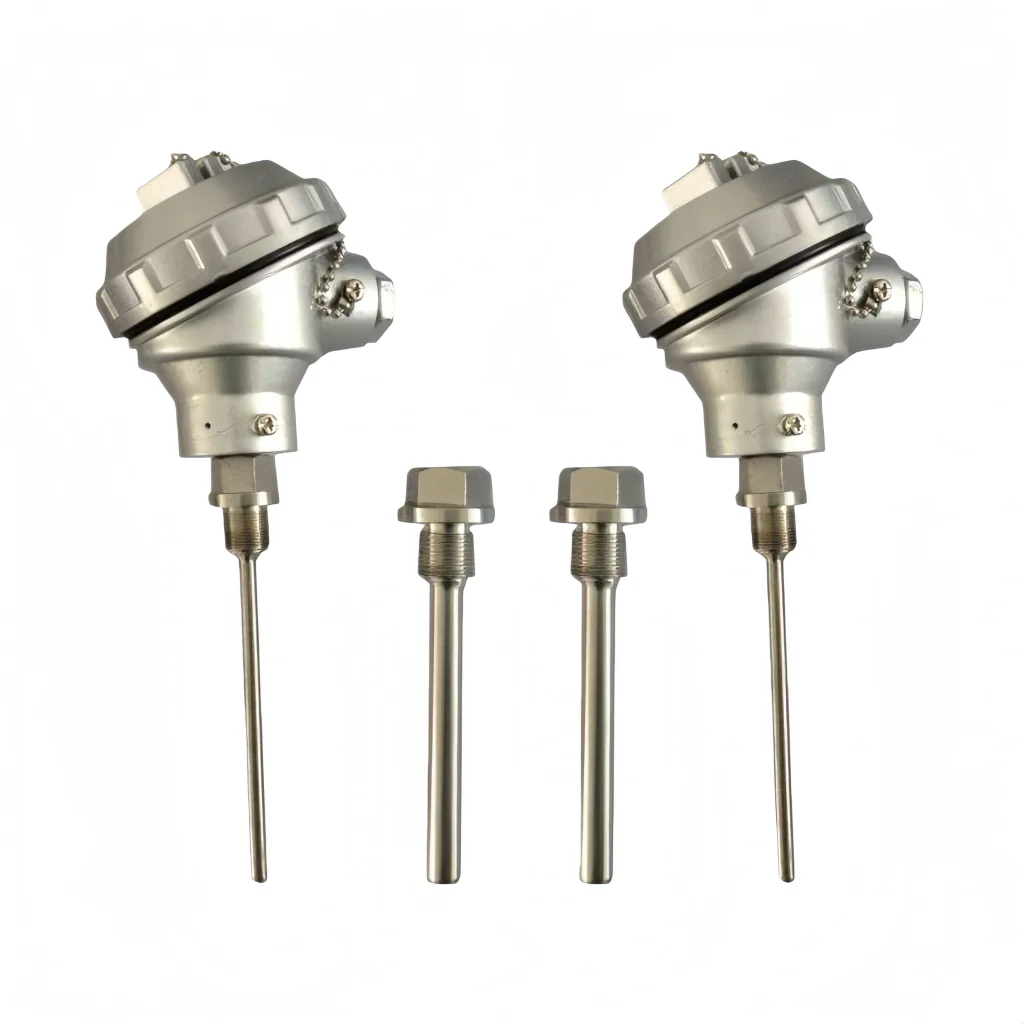
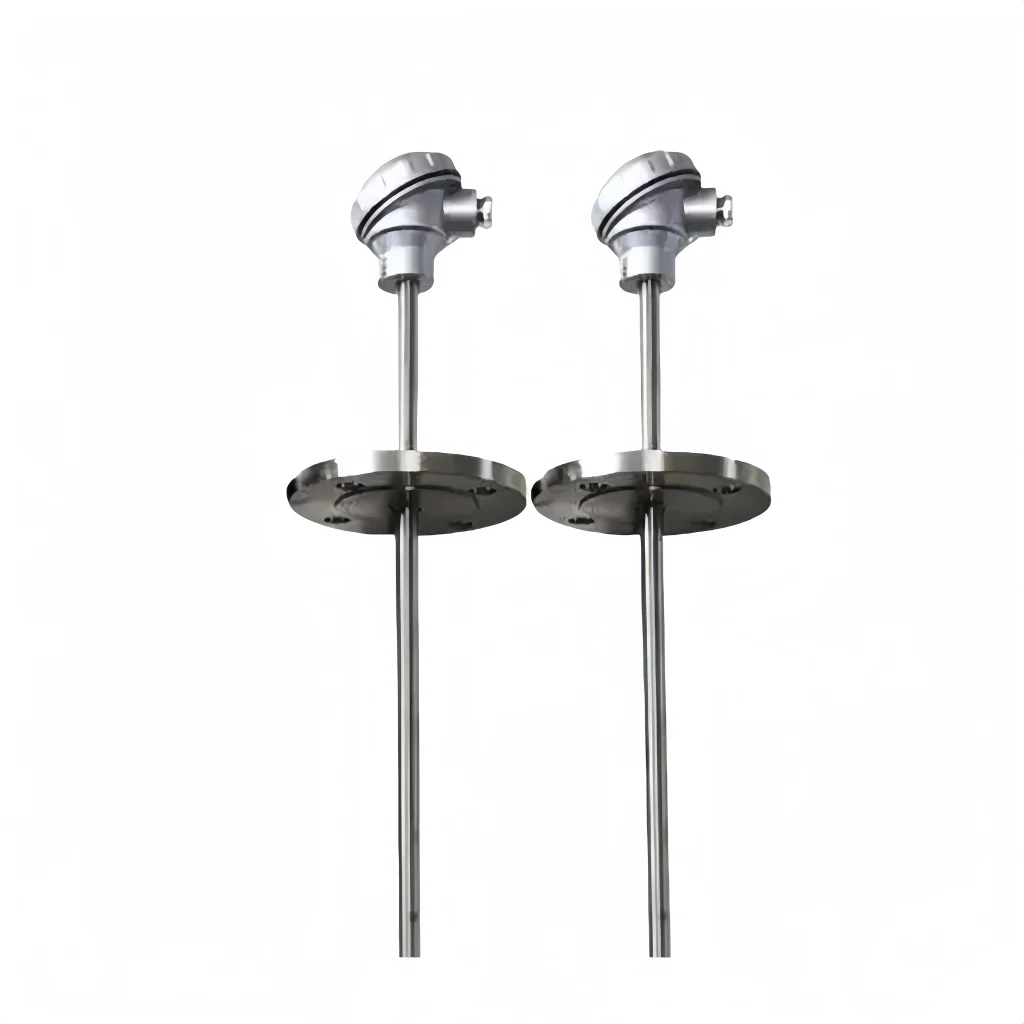
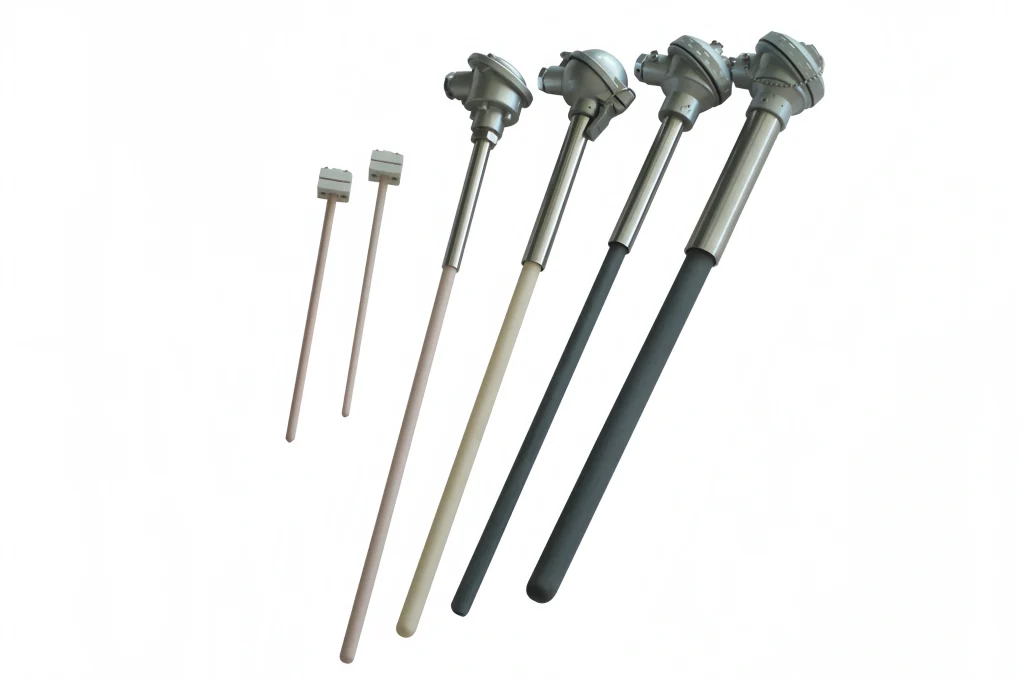
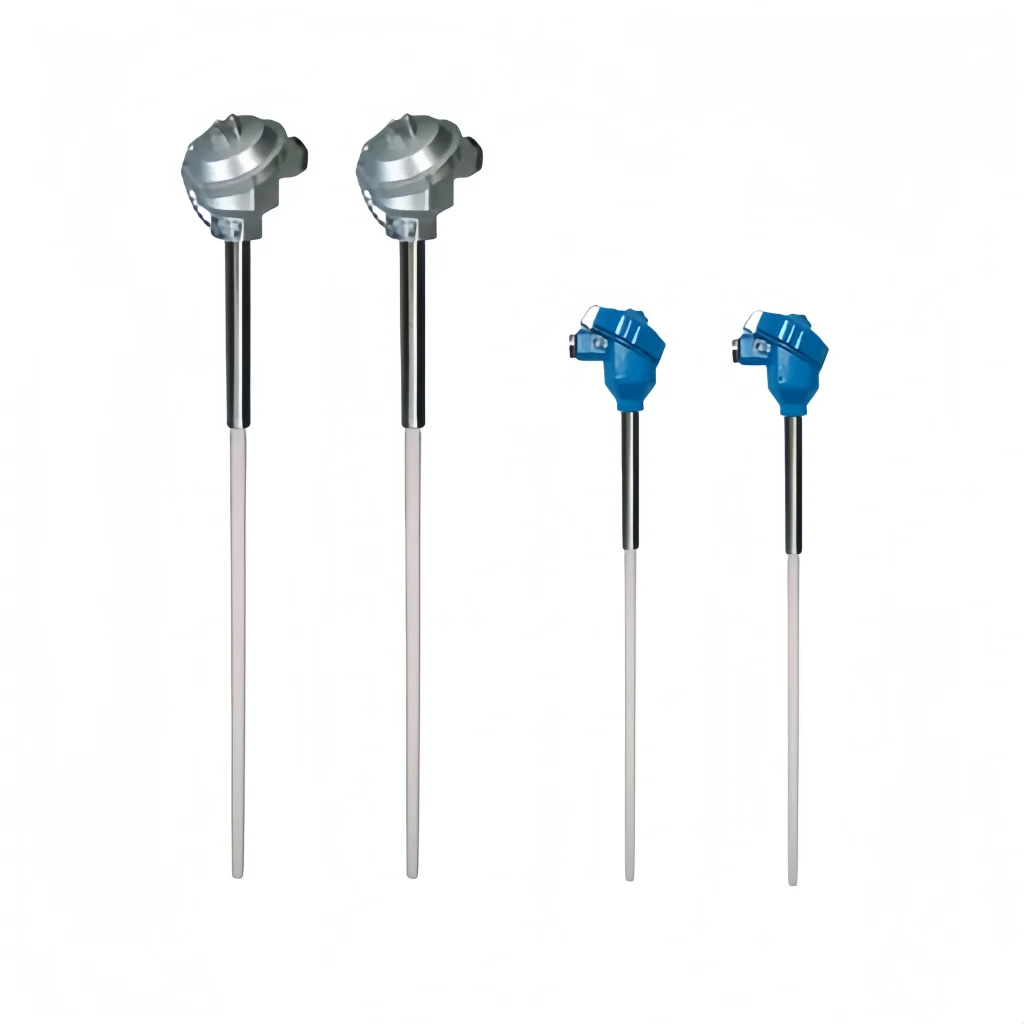
Structural Features
1. Protection sheath: Common materials include 316L stainless steel and various alloys. The choice can be easily changed to suit the temperature, pressure and how corrosive the substance being measured is. It can resist high temperatures, high pressure, severe corrosion and mechanical abrasion, protecting the internal thermocouple elements from damage.
2. Multiple thermocouple elements: These are the most important parts of a temperature measuring system, and they usually have 2 to 12 thermocouple elements. There are three main types: K, S and B. K is the most popular because it is cheap and works well. S and B are used in very high temperatures.
3. Insulation Filling Material: We tend to use high-purity magnesium oxide powder for this, which we place between the protective sheath and the thermocouple elements. This provides electrical insulation between the thermocouple elements and between the elements and the protective sheath, preventing signal crosstalk.
4. Junction Box:This houses the cold junctions of the thermocouple elements and the terminal blocks, serving as a key component for signal output. Depending on operational requirements, different protection ratings—such as waterproof, dustproof, or explosion proof—can be selected.Junction boxes come in two main types: multi-chamber and series single-chamber. The multi-chamber design is compact, while the series single-chamber type makes it easy to maintain and identify signals from individual measurement points.
5. Mounting Fittings:These include different types like threaded connections, flanges and welded fittings, which are used to secure multipoint thermocouples to the equipment being measured. This makes sure that the measuring ends make precise contact with the medium being measured.
Advantages of Multipoint Thermocouples
Wide temperature measurement range and comprehensive coverage: A single probe can monitor multiple points at once, so you can keep an eye on different temperatures at different heights, depths or areas within the equipment. This gives you a clear picture of the temperature distribution, and it’s better than single point temperature measurement because it’s more accurate.
Convenient and Efficient Installation and Cabling: It’s a lot less complicated than installing multiple thermocouples separately, because it means there are fewer access holes, cabling runs and terminal blocks. This makes on-site installation easier and cheaper, and it reduces the risk of sealing problems and labour costs associated with drilling holes in equipment.
Strong data integration for more precise temperature control: Collecting and checking multiple sets of temperature data at the same time makes it easy to compare temperature differences and trends in different areas. This is important for controlling the temperature of equipment like boilers, furnace chambers and reactors, and for warning people when the temperature gets too high.
High operational stability and long service life: The way it is designed makes it very strong and resistant to wear and tear, as well as corrosion from high-temperature gases. This means that there is less need for maintenance and probe replacement, which reduces long-term costs.
Suitable for complex operating conditions: You can customise it by changing the number of measurement points, insertion depth and material, so it can be used in tough industrial environments, such as those with high temperatures, high pressure, dust and corrosive materials. This makes it very versatile and easy to customise.
Disadvantages of Multipoint Thermocouples
Widespread impact of single point failures: Because of the way it’s built, if the internal main cable or junction box gets damaged or starts to fail, it can cause multiple measurement points to fail at the same time. This makes fault diagnosis more complex than with single point thermocouples.
Higher maintenance and replacement costs: If one measurement point fails, you can’t just replace the probe; you have to take the whole sensor apart and replace it. This leads to higher long term maintenance costs for consumables and labour compared to standard single point models.
Poor resistance to extreme localised operating conditions: Should a specific area within the equipment experience severe corrosion, high temperature scorching or intense impact, this may cause damage to multiple internal sensing elements within the same unit; the protection offered is less targeted than that provided by separately arranged single-point probes.
Cumbersome calibration procedures: Because you have to calibrate the multiple measurement points one after the other, the process takes longer than for a single thermocouple and makes higher demands on the quality of the on-site calibration equipment and the expertise of the operators.
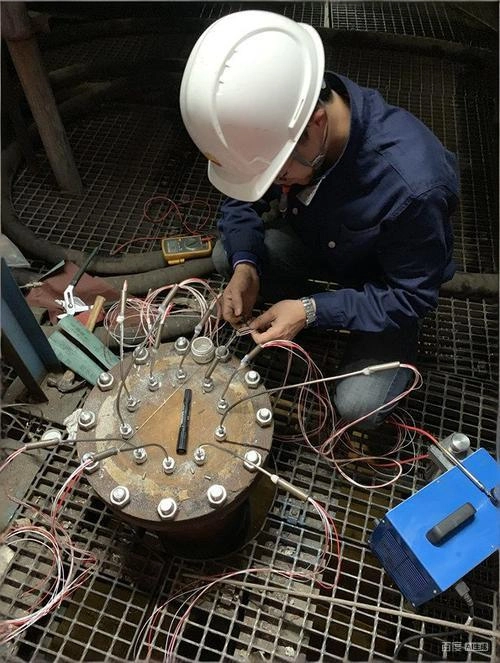
The Difference Between Single point and Multipoint Thermocouples
Differences in Temperature Measurement Point Design
A single point thermocouple is made up of one sensing element and can only monitor the real-time temperature at one fixed locati0n. The data it provides is very specific, as it focuses on measuring the temperature at a single point.
A multipoint thermocouple is a device that can measure temperature from different depths, heights and orientations. It covers the whole temperature range, showing how things get colder or hotter at different levels and where.
Differences in Installation and Wiring
If multipoint temperature measurement is required with single point thermocouples, multiple separate units must be installed independently. This results in a large number of holes in the equipment, complex and disordered on-site wiring, and numerous interface gaps that can harbour potential hazards.
In contrast, a multipoint thermocouple requires only a single hole and a single wiring run to complete multipoint monitoring. This significantly reduces the number of equipment interfaces, external wiring points and sealing points, thereby minimising the risk of seal leakage under high-temperature and high-pressure conditions from the outset, whilst also improving installation efficiency.
Temperature Measurement Accuracy and Interference Resistance
Single point thermocouples feature an independently encapsulated structure, with the sensing elements not interfering with one another. There is no influence from thermal conduction or radiation between adjacent points, resulting in rapid temperature response, strong data stability, and greater assurance of accuracy.
In multipoint thermocouples, multiple sensing elements are housed within a single protective sheath. As the measurement points are closely spaced, thermal conduction interference is likely to occur, resulting in slightly slower response times at some points and a slight reduction in local single point measurement accuracy.
Fault and Maintenance Characteristics
Single point thermocouples operate independently; if one fails, it affects only the corresponding measurement point. It can be removed and replaced quickly without interfering with normal temperature measurement at other points.
In multipoint thermocouples, the sensing elements are integrated internally; if a single point fails, the entire unit usually needs to be dismantled to locate the faulty element. This results in a broader scope of troubleshooting, a time-consuming process, a more complex overall maintenance procedure, and greater difficulty in carrying out emergency repairs.
Suitable Operating Conditions
Single point thermocouples are suitable for simple operating conditions such as small pipes, precision moulds, localised heat sources and small tanks, meeting requirements for precise single point temperature measurement, basic constant-temperature control and simple temperature monitoring.
Multipoint thermocouples are specifically designed for large-scale enclosed equipment such as boiler furnaces, large reactors, material storage tanks, high temperature flue ducts, heat storage equipment and fluidised beds.
They are suitable for complex operating conditions requiring monitoring of temperature stratification, material heat exchange temperature differentials, overall temperature field distribution, and over-temperature warning protection.
Calibration and Daily Maintenance Difficulty
Single point thermocouples feature a simple structure, with standardised calibration procedures and user-friendly operation; a single person can complete verification quickly. Routine inspections, cleaning and commissioning are straightforward, and standard calibration equipment is compatible.
Multipoint thermocouples require individual calibration of each measurement node and the recording of calibration data for each point. The calibration cycle is lengthy and time-consuming, placing higher demands on the operator’s professional experience, calibration accuracy and specialised testing equipment, whilst long-term maintenance requires greater expertise.
Protective Adaptability and Pressure/Temperature Resistance
Single point thermocouples can be flexibly configured with protective sheaths of different materials, as well as wear-resistant, corrosion-resistant or pressure-resistant coatings, to suit specific application requirements such as low-pressure, high pressure, highly corrosive or abrasive environments.
Due to their multi core integrated structure, the protective sheaths for multipoint thermocouples must balance overall strength with core isolation, making it more challenging to customise corrosion resistant or high-pressure explosion proof versions; consequently, their adaptability to extremely harsh operating conditions is slightly less flexible than that of single point models.
Practical Applications of Multipoint Thermocouples
Petrochemical sector: Primarily used in equipment such as hydrogenation reactors, catalytic cracking units and distillation columns to monitor temperature variations within catalyst beds and columns, precisely control reaction hotspots, and ensure the stability of chemical production processes;
Power and Energy Sector: Suitable for critical equipment such as boilers and gasifiers, these thermocouples monitor the distribution of combustion temperatures within the furnace chamber in real time, assisting in the optimisation of combustion parameters to improve thermal efficiency whilst effectively controlling exhaust emissions;
Steel and Metallurgy Sector: Commonly used in blast furnaces, heating furnaces and continuous casting equipment, they detect the temperature status of furnace linings and furnace bodies, enabling the timely prediction of furnace erosion issues and the avoidance of safety hazards such as high-temperature burn-through;
New Energy and Fine Chemicals Sector: Suitable for photovoltaic diffusion furnaces and battery sintering furnaces to ensure uniformity across production temperature zones; also compatible with pharmaceutical reactors and sterilisation equipment to strictly control reaction and sterilisation temperatures, thereby minimising batch-to-batch variations;
Other suitable applications: It can also be used in medical hyperthermia treatments and scientific research temperature measurement scenarios. When paired with the appropriate temperature range, protective sheaths and explosion proof structures, it can meet temperature measurement requirements in various complex operating conditions, including high temperatures, corrosive environments and explosion prone areas.
In summary, multipoint thermocouples have become essential sensing equipment for precise temperature control and safe production in process industries such as petrochemicals, power and energy, and metallurgical manufacturing, thanks to their core advantages of integrated temperature measurement, low installation risk, and comprehensive temperature field monitoring.
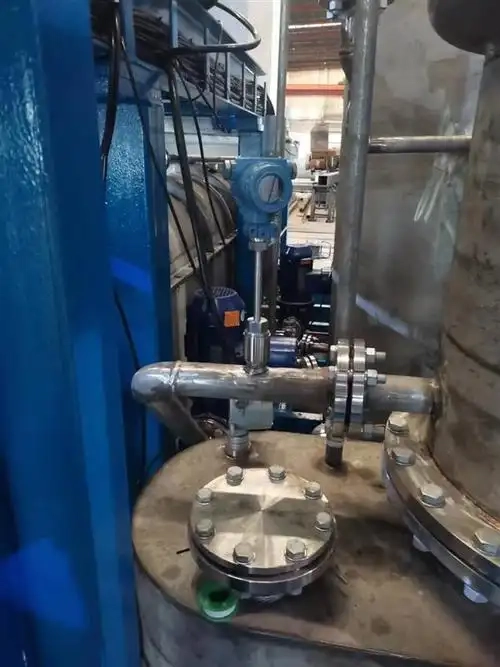
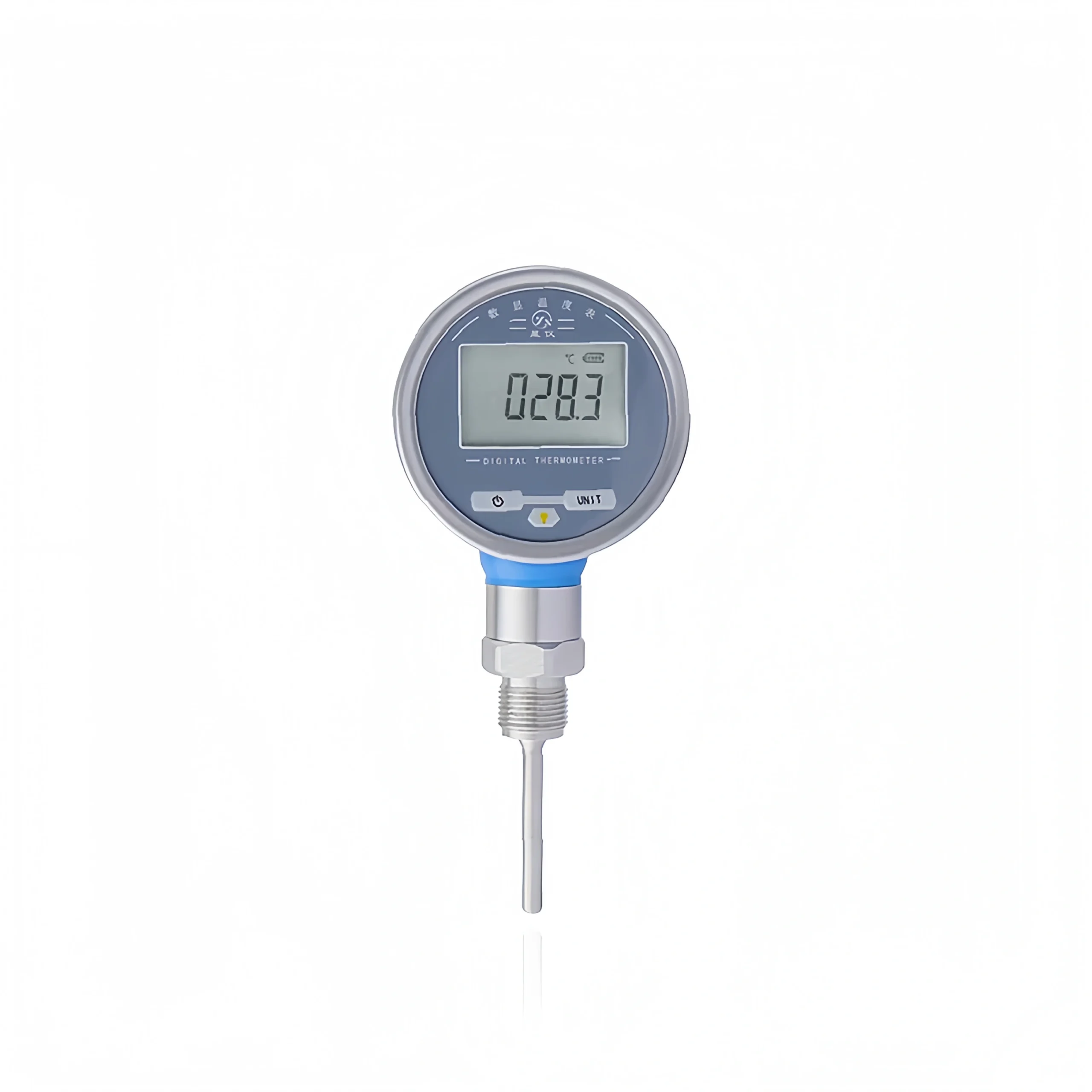
Sino-Inst not only supplies multipoint thermocouples and standard thermocouple temperature transmitters, but also offers a comprehensive range of resistance temperature transmitters. Furthermore, we provide a one-stop solution for various automation measurement and control instruments, including flow meters and level gauges, comprehensively covering multi-dimensional operational monitoring requirements for temperature, flow and level.
Leveraging our proven expertise in product selection, operational adaptation and technical implementation services, we are able to build comprehensive and reliable on-site measurement and control systems for a wide range of industrial projects. This enables enterprises to precisely optimise process parameters, reduce