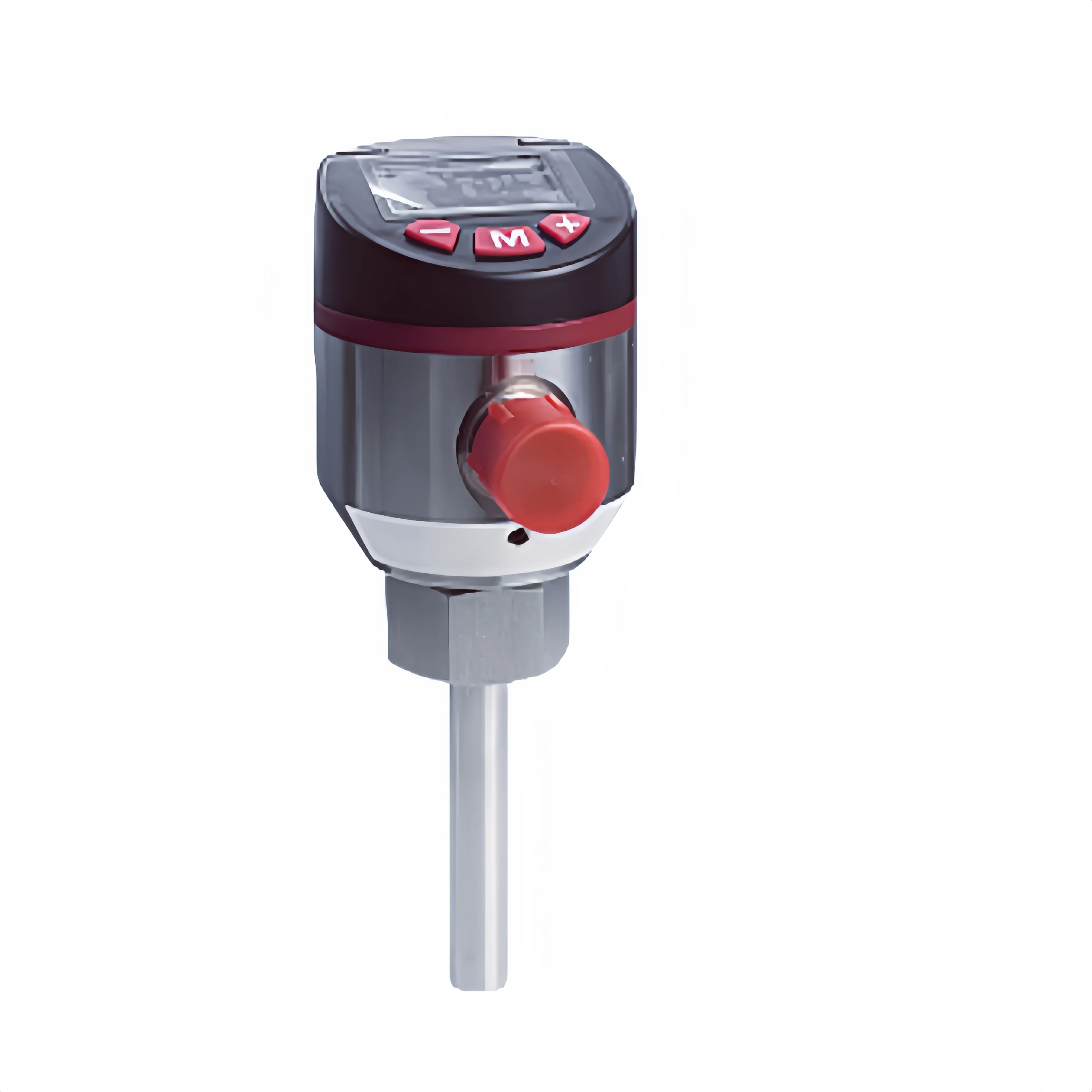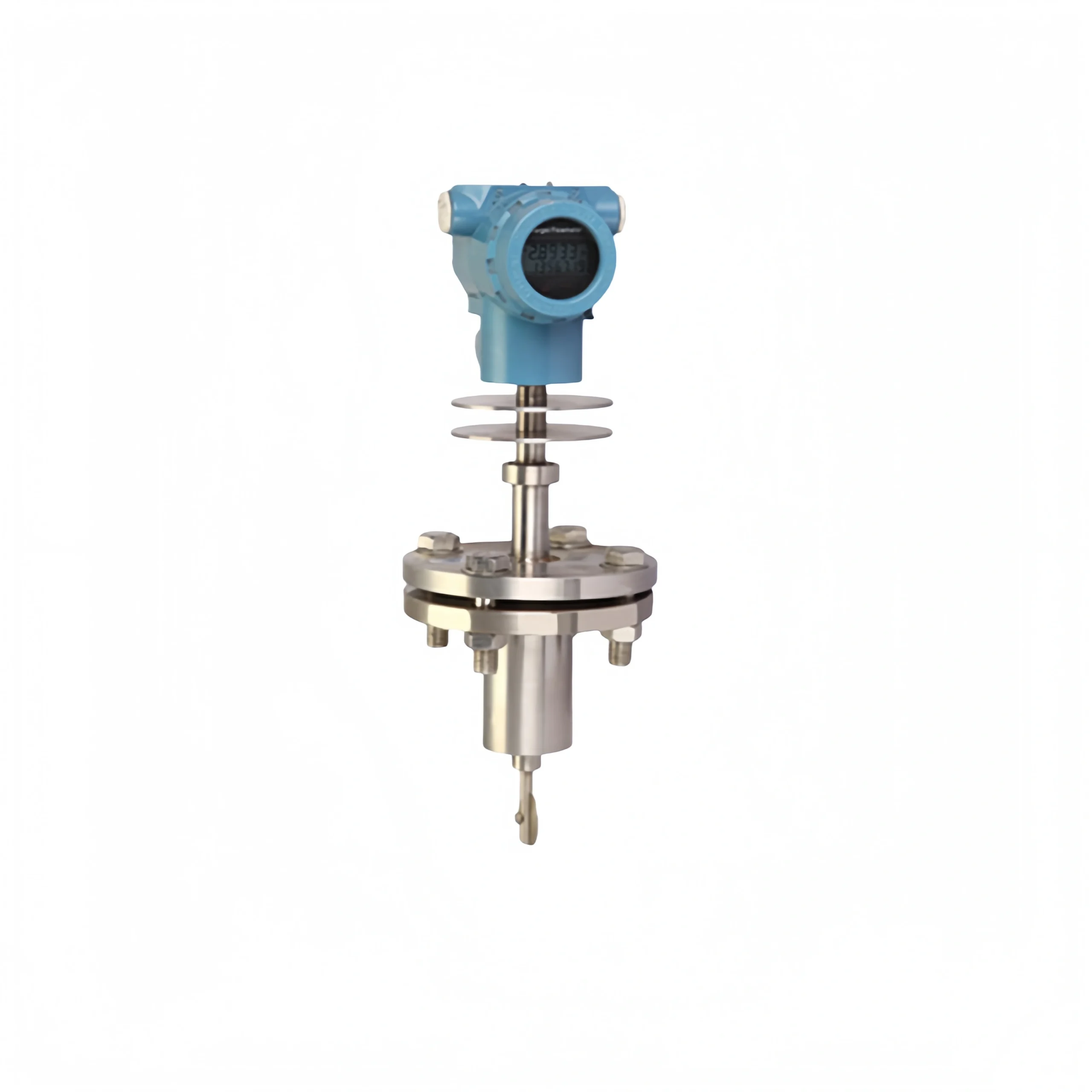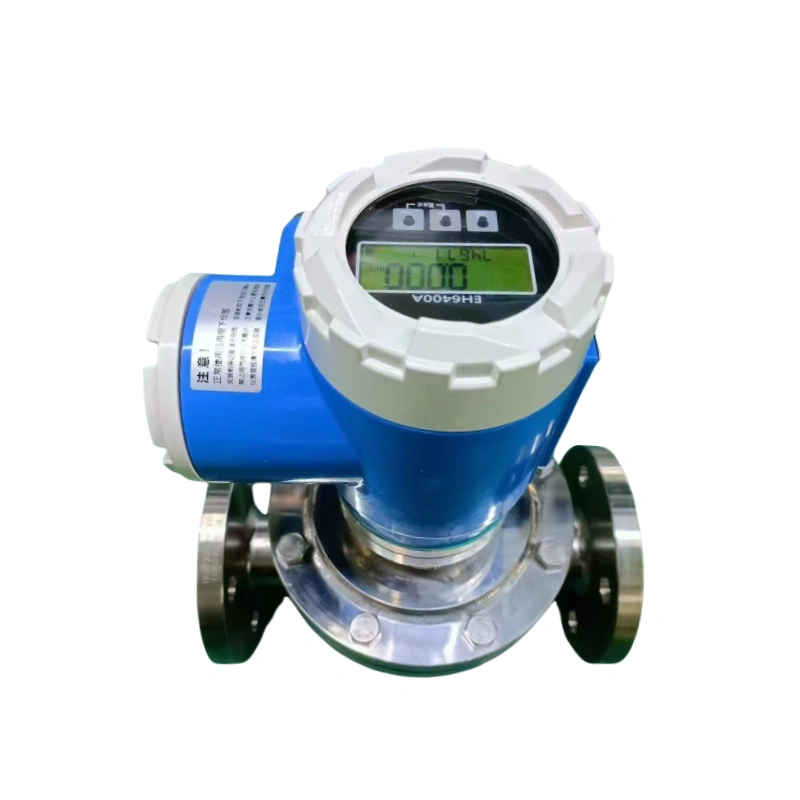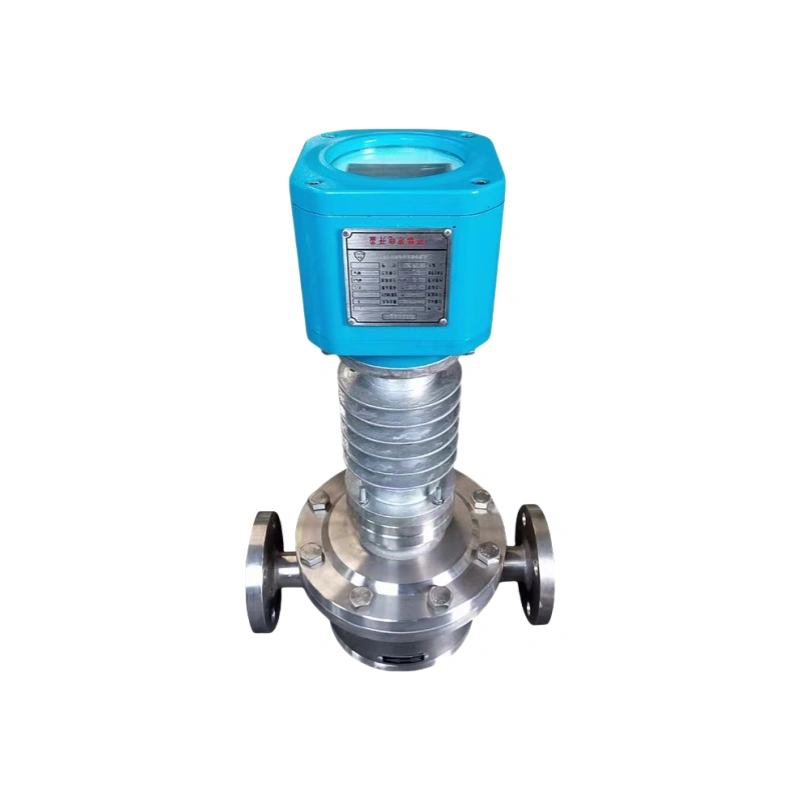
As an inert gas, nitrogen plays an irreplaceable role in numerous fields, including chemical synthesis, electronics manufacturing and laboratory analysis; the precise measurement of its flow rate directly impacts process stability, energy efficiency and the reliability of experimental data. As the core instrument for nitrogen flow measurement, nitrogen flow meters utilise diverse measurement principles such as differential pressure and thermal methods.By leveraging the low viscosity and inert properties of nitrogen, they achieve precise flow acquisition and quantification.
About Nitrogen
Nitrogen N2 is usually a colorless and odorless gas. Generally speaking, nitrogen is less dense than air. Nitrogen accounts for 78.08% (volume fraction) of the entire atmosphere and is one of the main components of air.
At standard atmospheric pressure, when nitrogen is cooled to -195.8°C, it becomes a colorless liquid. When cooled to -209.8°C, liquid nitrogen becomes a snow-like solid.
Nitrogen (N2) is an inert gas. It is widely used in a variety of industries, from food packaging to industrial processes, and is also used to energize flammable substances and sterilize them. It is difficult to react with other substances at room temperature, so it is often used to make preservatives.
nitrogen:
Nitrogen gas is the gaseous form of nitrogen. It exists as a gas at standard atmospheric pressure (101.325 kPa) and room temperature (25 °C). Its key properties include high inertness and chemical stability; it does not readily react with other substances and will only participate in reactions under high temperatures, high pressures, or in the presence of specific catalysts;
Its density is slightly lower than that of air, and it is poorly soluble in water, with an extremely low solubility in aqueous solutions; it is non-toxic, non-corrosive, non-flammable and non-respirable, and is commonly used as a shielding gas or inert medium; it possesses a certain degree of compressibility and can undergo a phase transition through pressurisation or cooling, serving as the raw material for the production of liquid nitrogen.
liquid nitrogen:
Liquid nitrogen is produced by compressing and cooling nitrogen gas to its boiling point of –195.8 °C at standard atmospheric pressure. Its main feature is that it is extremely cold, enabling it to freeze things quickly. This makes it useful for processes such as cryopreservation and freeze-drying. It is also colourless, odourless and tasteless.
When it’s liquid, it’s got a higher density than gaseous nitrogen and flows like a liquid. It’s really volatile at normal pressure and absorbs a lot of heat when it turns into a gas, so you need to store it in special sealed containers that keep the heat in.
Its chemical properties are the same as nitrogen’s. It doesn’t react with most substances and stays neutral. But it can expand quite a lot. When liquid nitrogen turns into a gas, it gets way bigger, so you’ve got to be careful when you’re using it.t
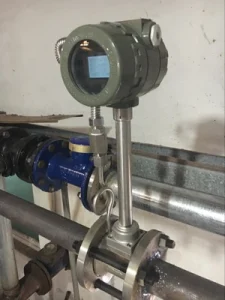
What is a Nitrogen Flow Meter?
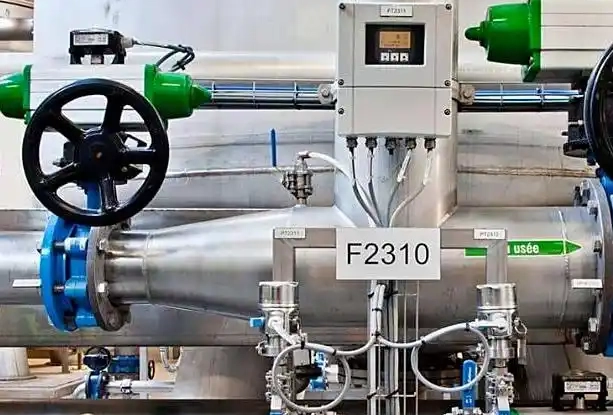
In the field of industrial flow measurement, a nitrogen flow meter is an instrument specifically designed to measure and control the flow of nitrogen in various applications. It is often used in scenarios where accurate nitrogen delivery is critical, such as chemical blanketing or food packaging.
A nitrogen flow meter is an industrial digital flow meter used to measure the flow rate of nitrogen. Typically, nitrogen (N2) can flow in gaseous, liquid form.
If your plant requires nitrogen, installing a nitrogen flow meter will increase your productivity. Nitrogen flow meters can measure and control instantaneous flow, cumulative flow, and more. You can even use a nitrogen flow meter to detect if there is a nitrogen leak.
Benefits of Using a Flow Meter to Measure Nitrogen
Nitrogen flow meters have significant advantages. By preventing overcurrent or underwriting, security is provided, valuable data is provided, and key nitrogen flows are monitored to ensure smooth operation without interruption.
Save cost
Determine the areas of excessive consumption and implement measures to reduce waste
Process control
Make sure the product quality is consistent and prevent problems caused by air fluctuations.
Leakage detection
Monitoring flow rate helps to identify potential leakage in the nitrogen system, timely repair and prevent gas loss.
Enhance security
Prevent dangerous situations such as overpressure or sudden decline in pressure.
Data analysis
Analyze the nitrogen use mode in detail to determine the trend and optimize the operation of the system.
Inventory management
To better manage nitrogen inventory and prevent unnecessary excess inventory.
Types and Features of Nitrogen Flow Meters
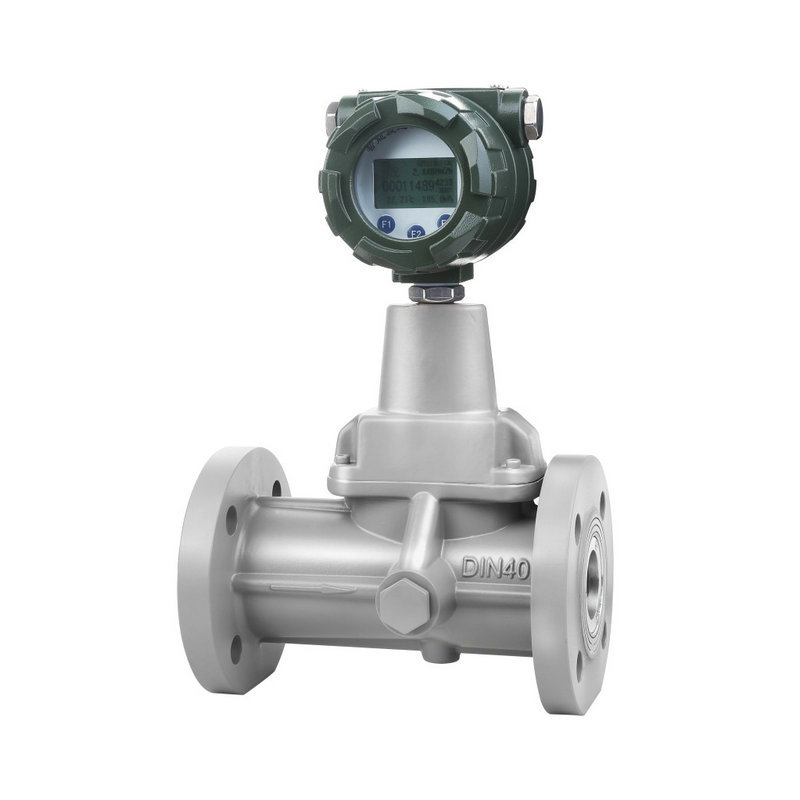
Different types of nitrogen flowmeters use different technologies to measure flow, including vortex flowmeters, rotating vortex flowmeters, differential pressure flow meters, and thermal gas flowmeters.
Sino-Inst offers a variety of traffic meters for nitrogen. If you need any further help or information, please contact us.
Flow meters for nitrogen
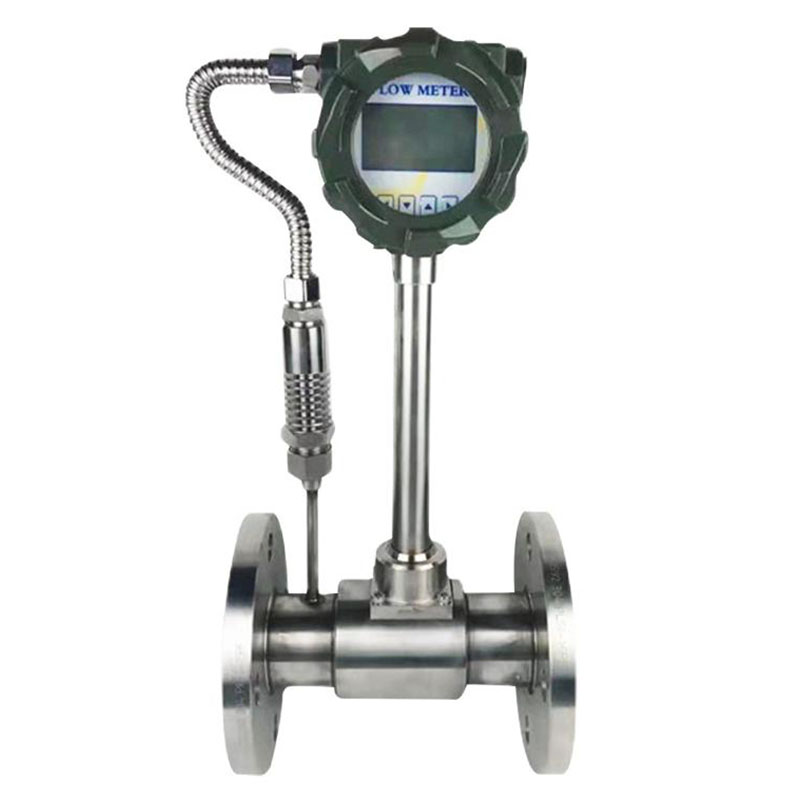
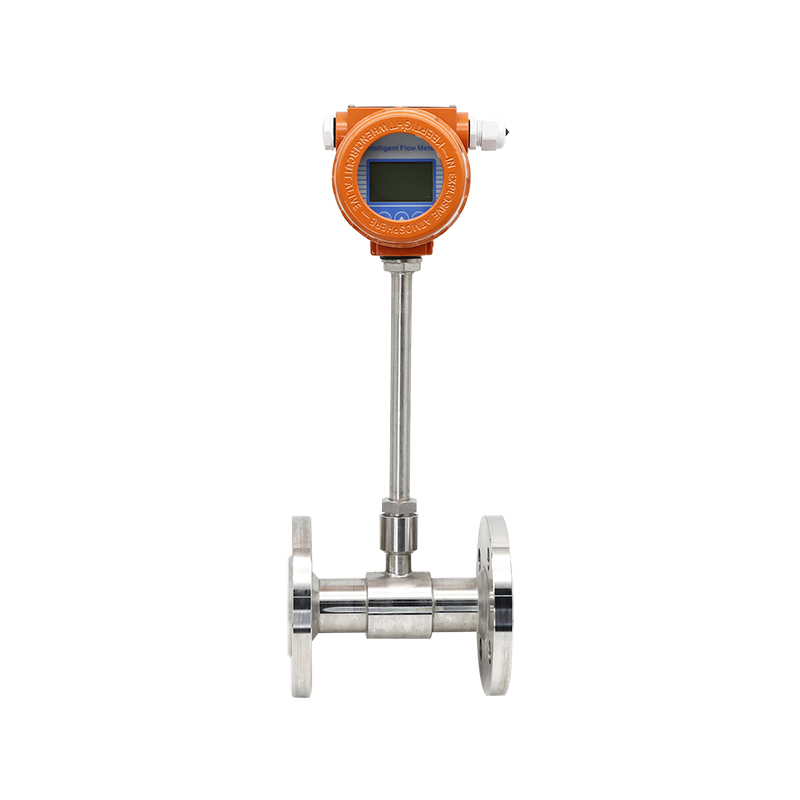
Vortex Flow Meter
Vortex flow meter work is based on the principle of Kamen Vortex Street. Can be used for traffic measurement of various industrial gases, liquids and steam.
1. The measurement range is wide and the pressure loss is small.
2. There are diverse structures, including flanges installation, pairing installation, etc.;
3. High measurement accuracy.
4. Support integrated and split temperature pressure compensation;
5. The measurable media range is wide.
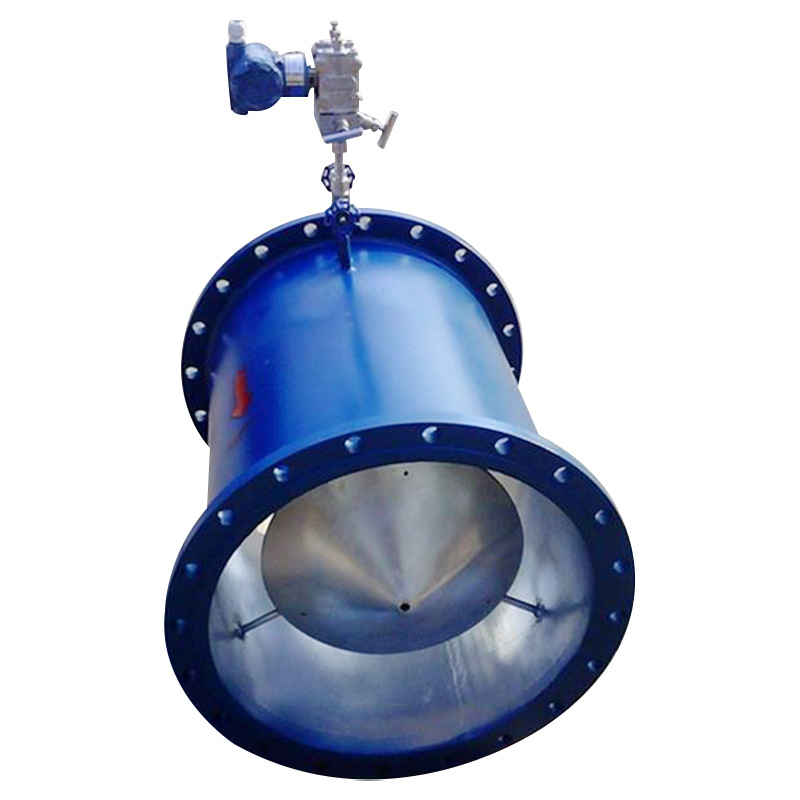
Precession Vortex Flowmeter
The Precession vortex flowmeter is a new type of gas flowmeter. The flow meter is a flow, temperature and pressure detection function, which can automatically compensate the temperature, pressure and compression coefficients.
1. Measure natural gas, compressed air and other gases
2. Automatic compensation temperature, pressure and compression factor
3. LCD display, the head can rotate at 360 °
4. 24V, 3.6V battery power supply
5. High reliability, high operating accuracy, wide range of flow
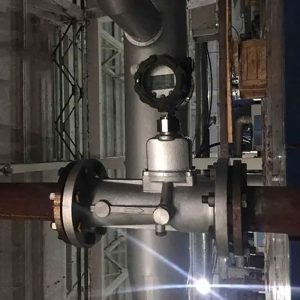
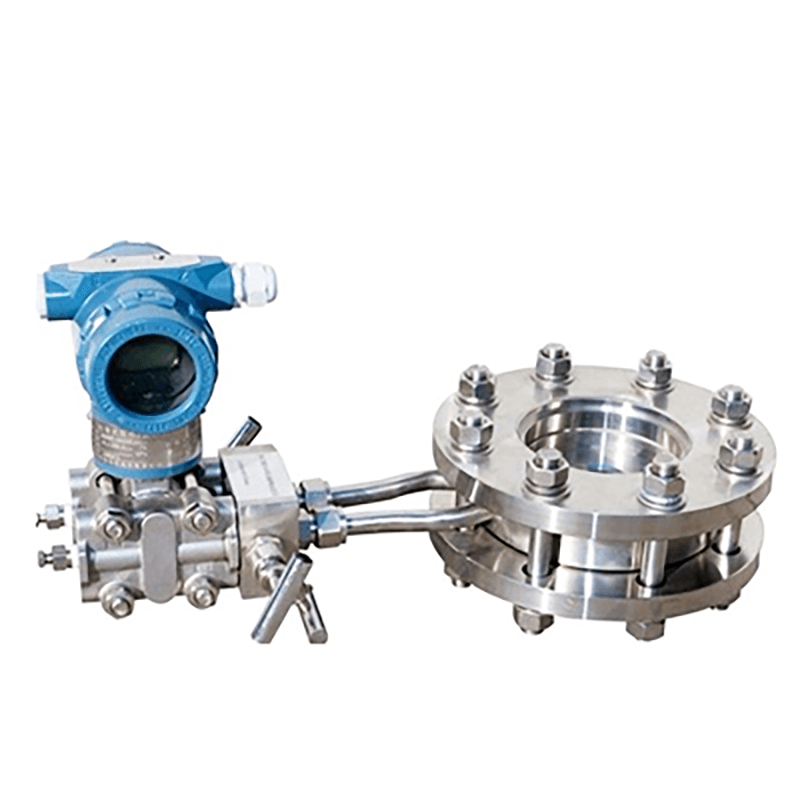
Differential Pressure Flow Meter
Differential flow meter is a measurement technology to measure liquid, steam, or gas flow in the pipeline in the pipeline.
1. Suitable for various fluids, including gas, liquid and steam;
2. Have high accuracy and reliability;
3. Simple design, no activity components, convenient manufacturing and installation.
4. Compared with other flowmeters, cost performance is high;
5. Adapting to high temperature and high -pressure environment, traffic can be measured under bad conditions.
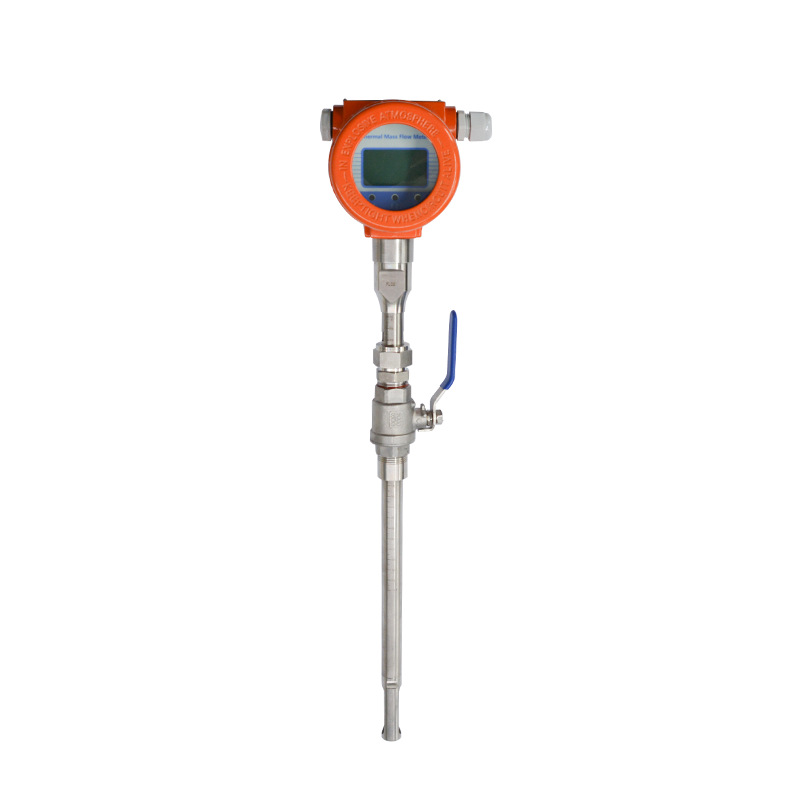
Thermal Mass Flow Meter
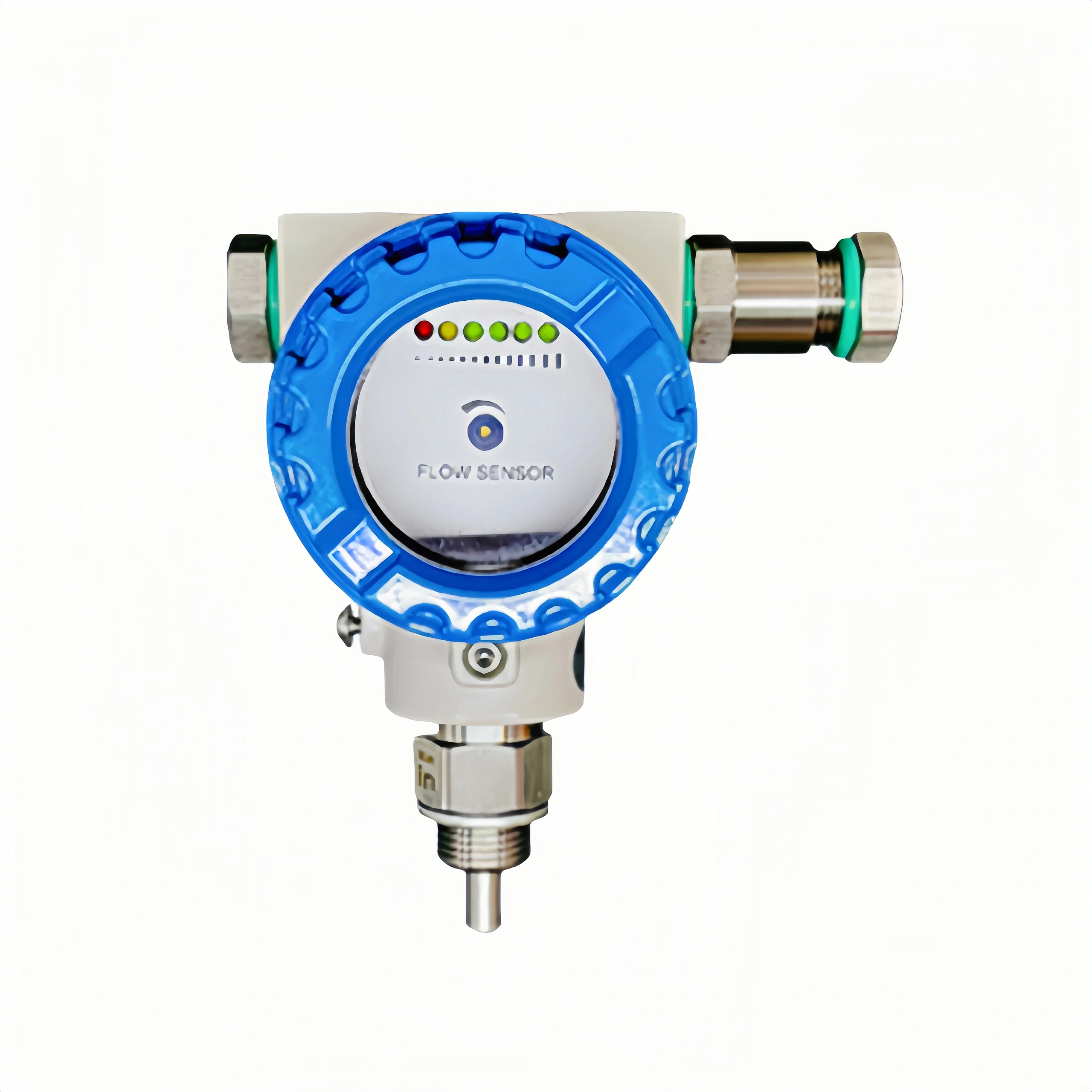
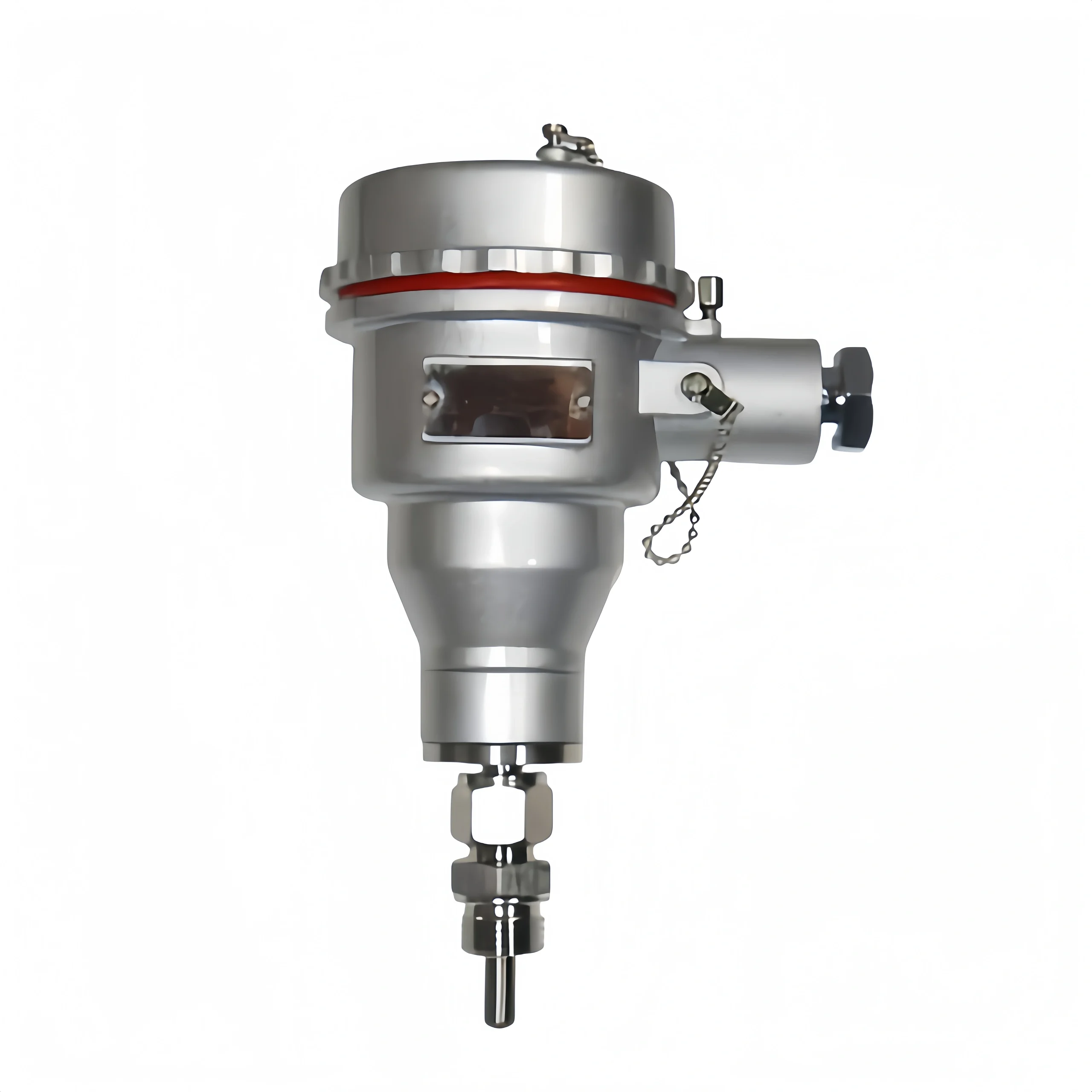
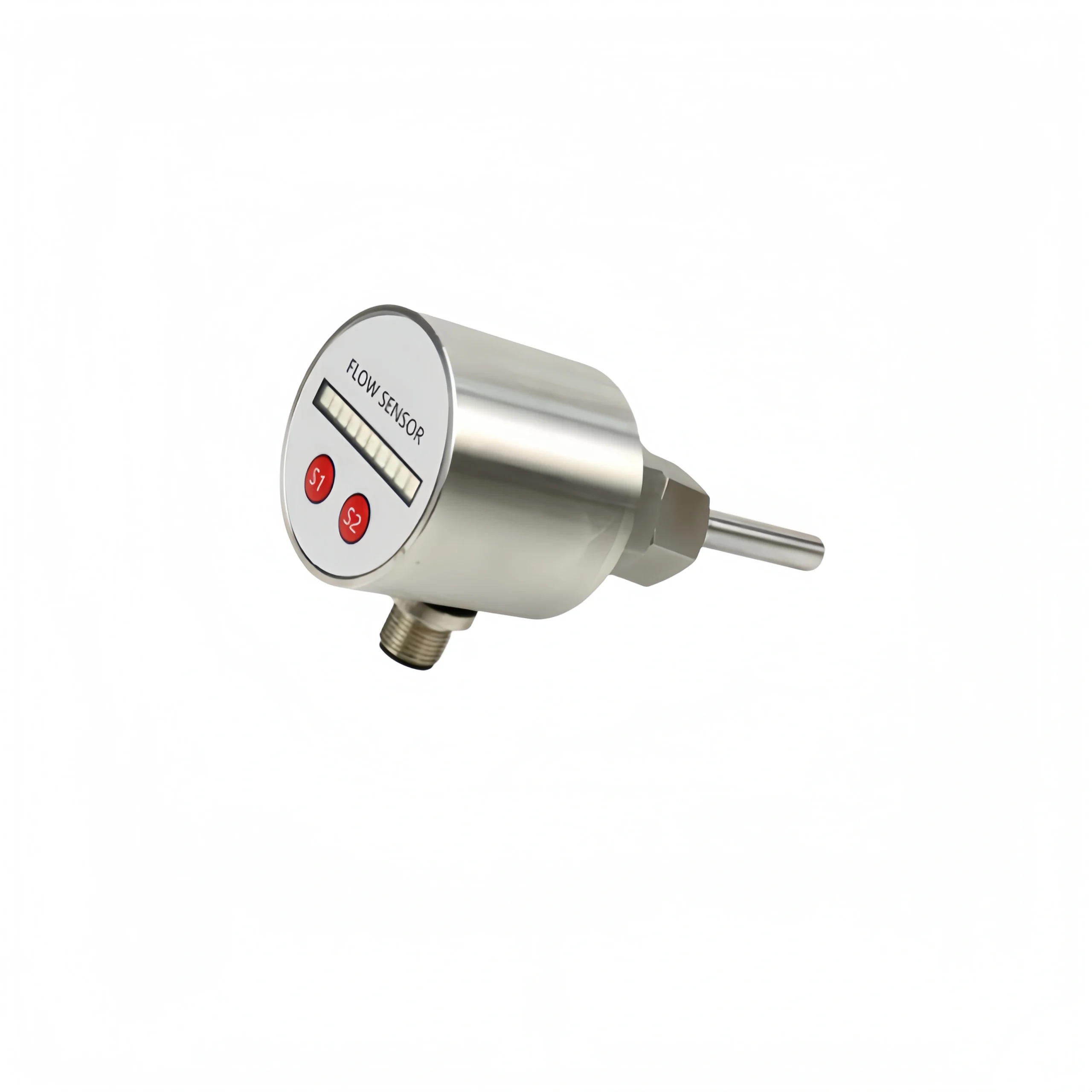
Thermal mass flow meter is an instrument that measures gas flow with the principle of heat diffusion. Sino-Inst’s thermal gas quality flow meter has two types: plug-in and direct pipe segmentation type
1. No need for temperature and pressure compensation for gas flow measurement.
2. The range ratio is wide and can be used for gas leak detection.
3. Good shock resistance and long service life.
4. Convenient installation and maintenance.
5. Digital design.
6. Using RS-485 communication or Hart communication can achieve factory automation and integration.
7. Optional AC220V, DC24V or AC220V, DC24V dual power supply.
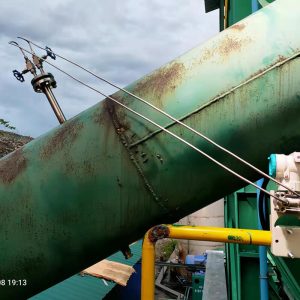
Flow meters for liquid nitrogen
Cryogenic Turbine Flow Meter
A cryogenic turbine flow meter is an instrument based on the principle of fluid momentum, specifically designed for measuring the flow of cryogenic media such as liquid nitrogen. It is available in two types: insertion-type and in-line-type.
1. Designed specifically for cryogenic conditions, it can operate in extreme low-temperature environments ranging from -200°C to ambient temperature;
2. High measurement accuracy and good repeatability, making it suitable for high-precision measurement of cryogenic media;
3. Compact structure with low fluid resistance, ensuring it does not affect the normal operation of cryogenic pipelines;
4. Equipped with cryogenic-resistant sealing components to prevent leakage of cryogenic media;
5. Stable output signals, supporting pulse, 4–20 mA analogue signals or digital communication;
6. Easy to install with minimal maintenance requirements, meeting the special installation demands of cryogenic pipelines.
Vortex Flow Meter
A vortex flow meter is a flow measurement instrument that utilises the Karman vortex street phenomenon generated when a fluid flows past a non-streamlined obstruction to measure the flow rate of gases, liquids and steam. It is available in three types: insertion, pipe-mounted and clamp-on.
1. Suitable for a wide range of fluids, including gases, liquids and steam, offering high versatility;
2. No moving parts, minimal wear, long service life, and stable, reliable operation;
3. Wide turndown ratio and broad measurement range, eliminating the need for frequent parameter adjustments;
4. Low pressure loss, excellent energy-saving performance, and reduced energy consumption in pipeline operations;
5. Simple installation, with the option of horizontal or vertical mounting to suit different pipeline layouts;
6. Supports HART and RS-485 communication, facilitating integration into factory automation systems.
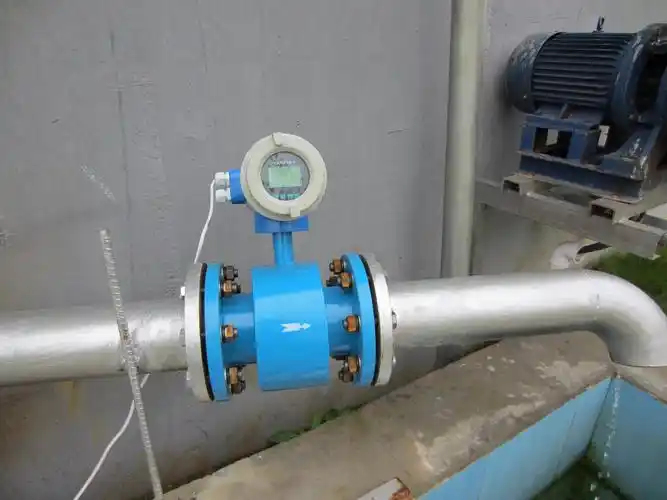
Mass Flow Meters
A mass flow meter is an instrument that directly measures the mass flow rate of a fluid without the need for temperature or pressure compensation. The most commonly used type is the Coriolis mass flow meter, which is primarily available in two types: in-line and insertion.
1. Direct measurement of mass flow rate; measurement accuracy is unaffected by changes in fluid temperature, pressure or density;
2. Suitable for measuring the flow of liquids, gases and multiphase fluids;
3. Capable of simultaneously measuring multiple parameters such as flow rate, density and temperature, offering comprehensive functionality;
4. Fast response time, suitable for operating conditions with significant instantaneous flow fluctuations;
5. Wide measurement range, suitable for everything from minute to high flow rates;
6. Digital signal output with strong anti-interference capabilities, facilitating integration with control systems.
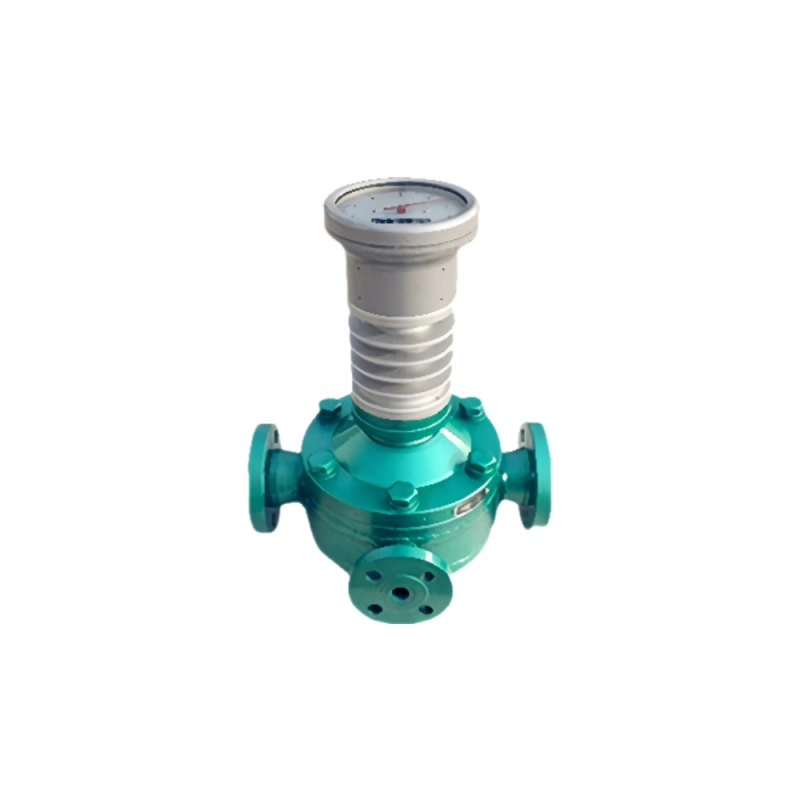
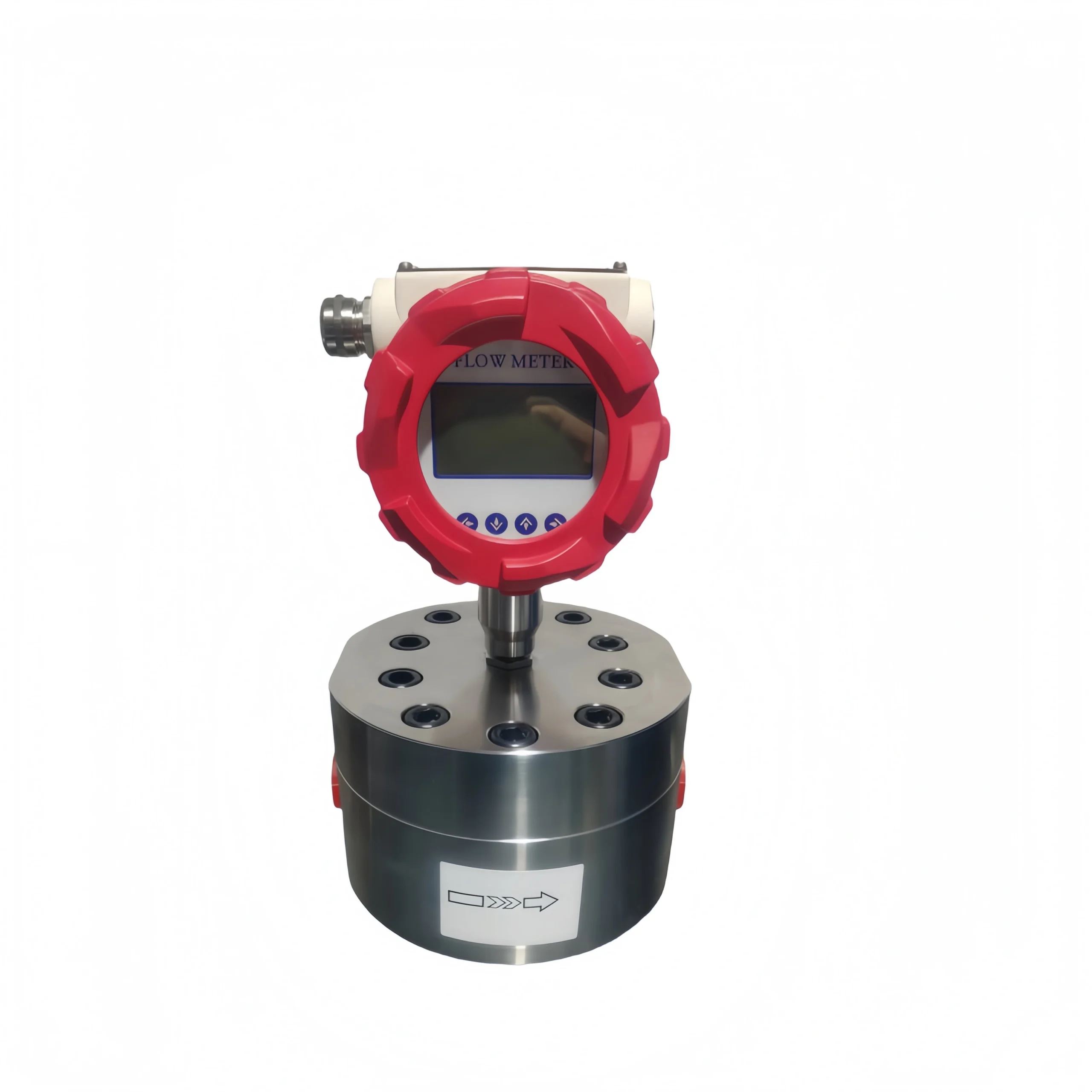
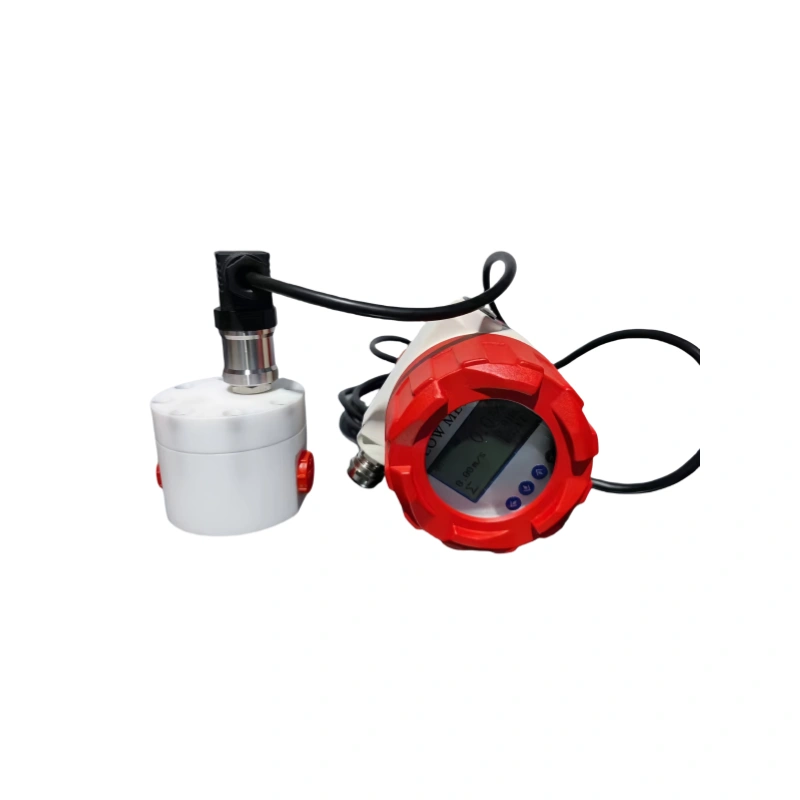
GF Gear Flow Meter
The GF gear flow meter is a positive displacement flow meter that calculates flow rate by measuring the volume of fluid displaced by rotating gears. It is specifically designed for high-precision measurement of high-viscosity fluids and is available in both industrial and food-grade versions.
1. Extremely high measurement accuracy with excellent repeatability, suitable for precision metering applications;
2. Suitable for high-viscosity fluids, whilst also capable of measuring standard liquids;
3. Robust construction, excellent sealing performance and high corrosion resistance, making it suitable for a wide range of harsh operating conditions;
4. No straight pipe run requirements; flexible installation, suitable for confined spaces;
5. Stable operation, low noise, long service life and low maintenance costs;
6. Supports multiple output signals, enabling seamless integration with PLC and DCS systems.
Sion-Inst Case study
Vortex Flow Meter
DN15
Measured medium: Liquid nitrogen
Flow range: 560–4550 L/h
Pressure: 90 PSIG
Pressure rating: 1.6 MPa
Temperature: –174 °C
Signal output: 4–20 mA, LCD display
304 stainless steel flange connection
Accuracy: 1.5%
Cryogenic Vortex Flow Meter
For liquid nitrogen
DN10
Flow range: 0.2–1.2 m³/h
Pressure rating: 1.6 MPa
Temperature: –196 °C
24 VDC
Local digital display + 4–20 mA
Accuracy: 0.5%
How to Choose the Best Nitrogen Flow Meter?
When picking the best nitrogen flow meter, there are a few things to think about: the conditions it’ll be used in (like flow range, temperature, and pressure), how accurate you need it to be, how much it’ll cost and how easy it is to maintain, if it’s suitable for the environment, if the materials it’ll be dealing with are compatible, and if it meets safety standards.
Whether you require a mass flow meter or a volumetric flow meter depends on your specific requirements for measuring nitrogen flow. If you need to obtain the actual mass flow rate of nitrogen directly and avoid the effects of temperature and pressure fluctuations, a mass flow meter should be your first choice. If you only require a reference for volumetric flow and do not have high accuracy requirements, a volumetric flow meter will suffice.
Operating conditions:
Determine the actual nitrogen flow range for the process (including minimum and maximum flow rates), operating temperature (ambient/low/high), and operating pressure (atmospheric/high). As nitrogen is highly compressible, fluctuations in temperature and pressure directly affect its density and flow rate. Ensure that the selected flow meter’s measurement range and temperature/pressure tolerance fully match the operating conditions; where necessary, incorporate temperature and pressure compensation functions.
Accuracy requirements:
In many applications, high-precision measurement is critical, particularly in scenarios such as trade settlement and blending control, where even minor measurement deviations can have significant economic implications or cause process fluctuations. The accuracy grade has to be decided based on what’s actually needed, so we don’t end up spending more than we need to on high accuracy, while making sure that if it’s not accurate enough, it doesn’t mess up the production or metering.
Cost and Maintenance Requirements:
There are big differences in the costs of buying and maintaining different types, brands, ranges and accuracy grades of nitrogen flow meters. You’ve got to think about the initial costs and the long-term running costs. Priority should be given to flow meters with simple structures, easy maintenance and convenient calibration to minimise downtime and associated costs during maintenance, thereby extending the instrument’s service life.
Environmental Considerations:
Verify that the instrument can withstand the anticipated operating temperature and pressure of the nitrogen, whilst being suitable for the on-site installation environment (e.g. pipeline vibration, dust, humidity, etc.). For example, if you’re dealing with pipeline vibration, go for a flow meter that can handle it and won’t be affected by interference. For low-temperature situations, pick materials and sensors that can handle the cold, and make sure the piping is well insulated.
Material compatibility:
Just make sure that the materials used for the flow meter components that come into contact with the medium are compatible with nitrogen. Also, think about any trace contaminants in the nitrogen, like oil mist, dust or moisture, to stop corrosion or contamination of the materials, which could mean that the instrument fails or the measurements aren’t accurate. For pure nitrogen, standard metallic materials can be used; for nitrogen containing impurities, choose a design that is resistant to contamination and has a non-restrictive flow path.
Safety and Compliance:
If you’re using high-pressure nitrogen or working in special environments like explosion-proof, flammable or explosive areas, it’s crucial that your instruments meet the relevant national safety standards and industry certifications. This makes sure the instrument can handle pressure and is explosion-proof, meeting all the necessary standards. This helps to prevent safety issues that might come from equipment failure and makes sure the production site stays safe.t
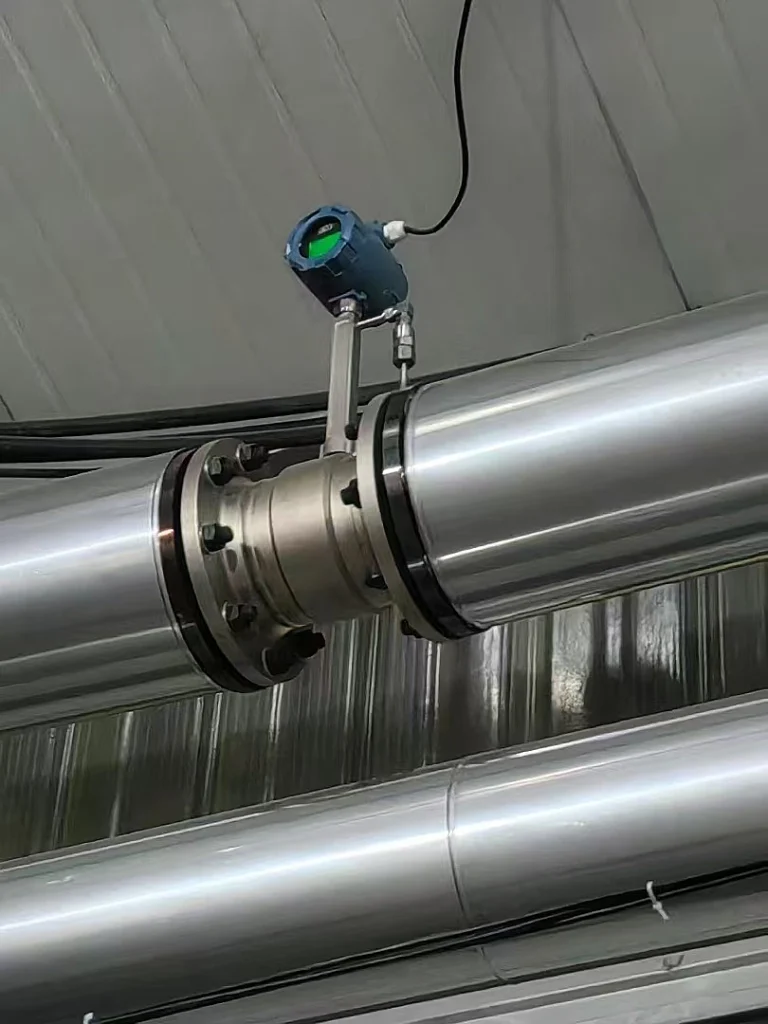
Exploring the world of nitrogen flow meters can seem complex, but with the right tools and knowledge, you can harness the power of nitrogen flow meters to drive your efforts to success.
Sino-Inst has many years of experience supplying flow meters. Based on standard flow meters, we customize flow meters with special parameters for many customers. For example, high temperature, high pressure, large diameter pipe insertion installation. Or, a small-diameter thread or clamp connection.
Please contact our engineers to customize your exclusive nitrogen flow meter!