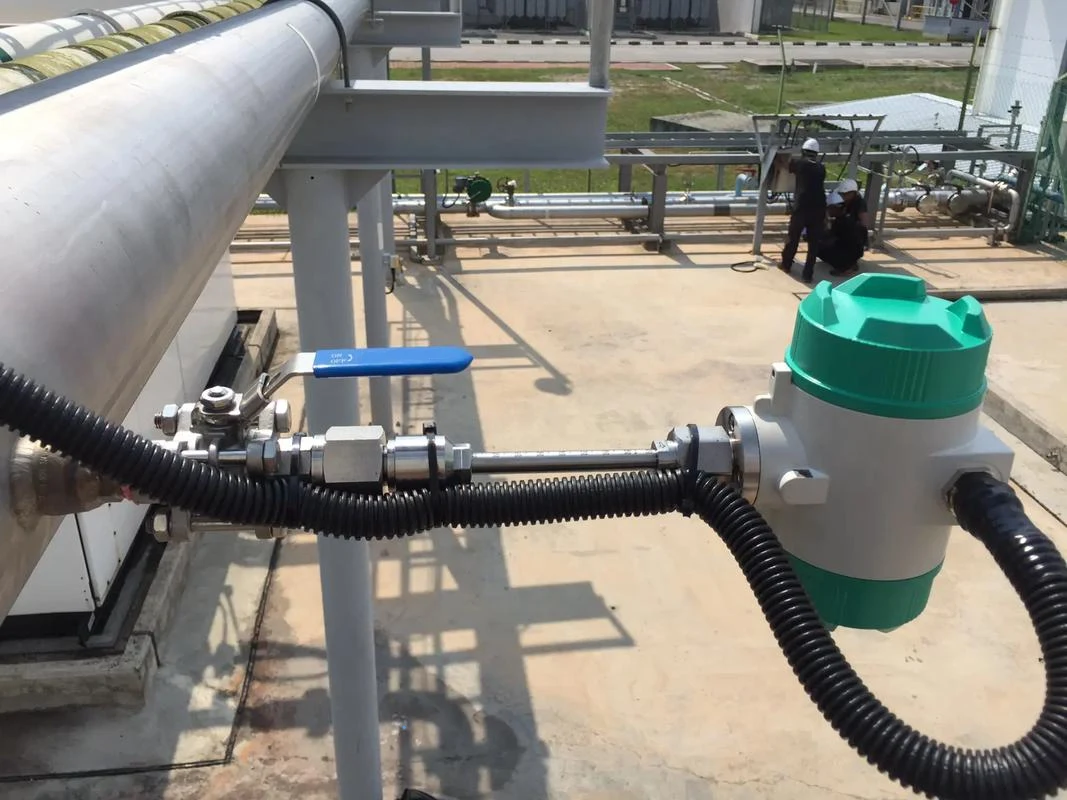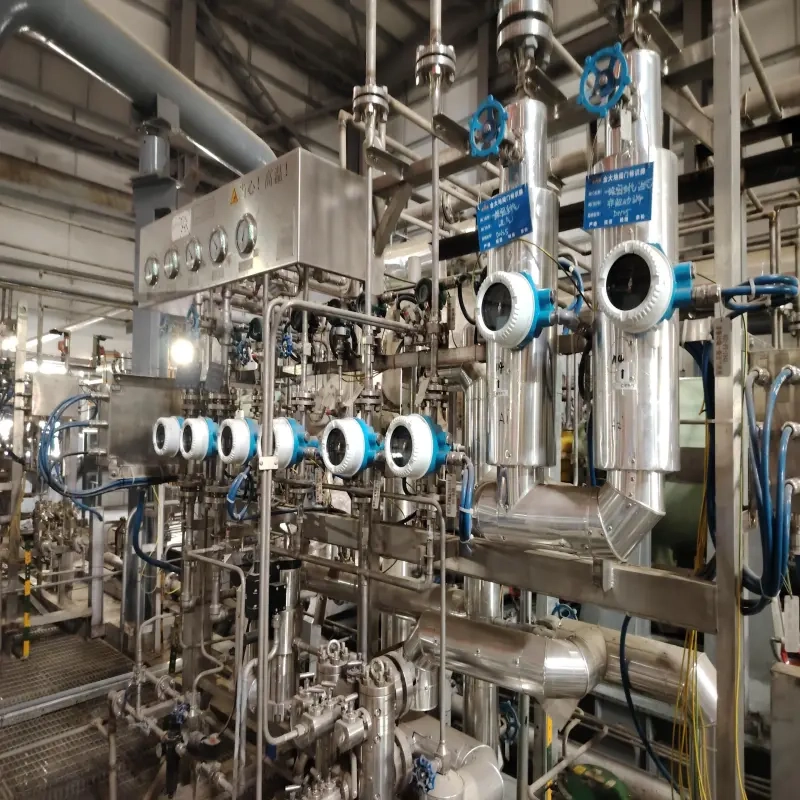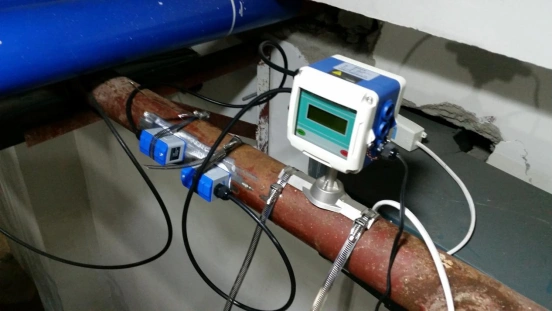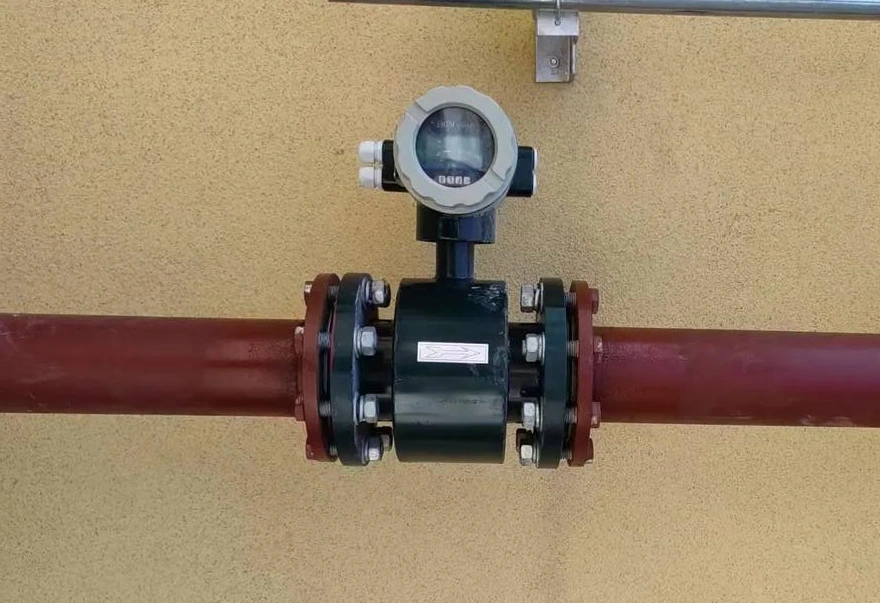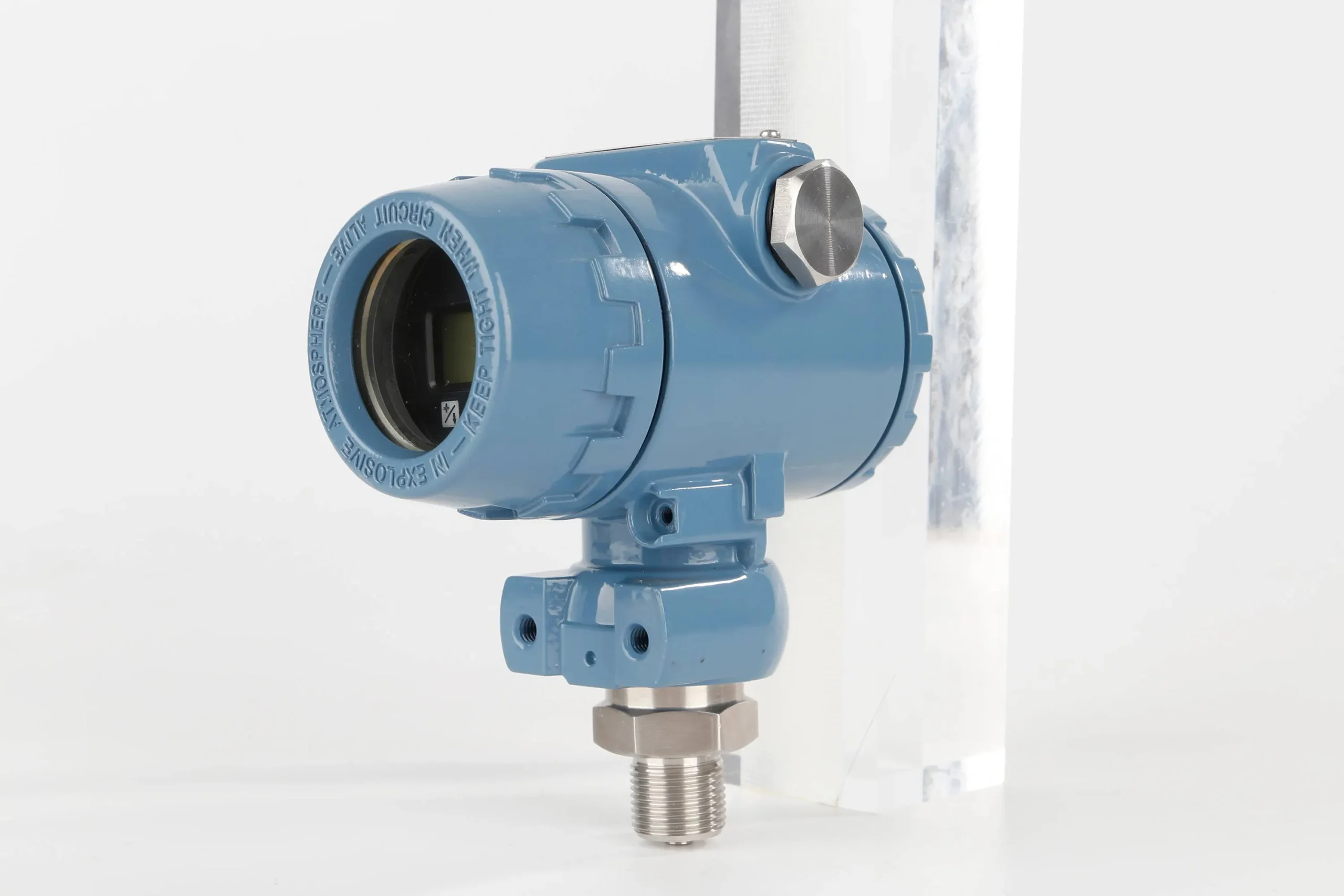
An air pressure sensor (also referred to as an air pressure transducer or transmitter) measures the pressure of air or other gases and outputs a signal—such as 4–20 mA, 0–10 V, or RS485 Modbus.
In industrial processes, air pressure sensors are frequently used in gas pipelines, at the outlets of fans or blowers (where pressures can reach several kilopascals), within HVAC (heating, ventilation, and air conditioning) ductwork (typically below 1 kPa), and on various types of test benches.
Drawing on our extensive industry experience at Sino-Inst, this article explores the classification and operating principles of air pressure sensors, their applications across various fields, and provides answers to common technical questions.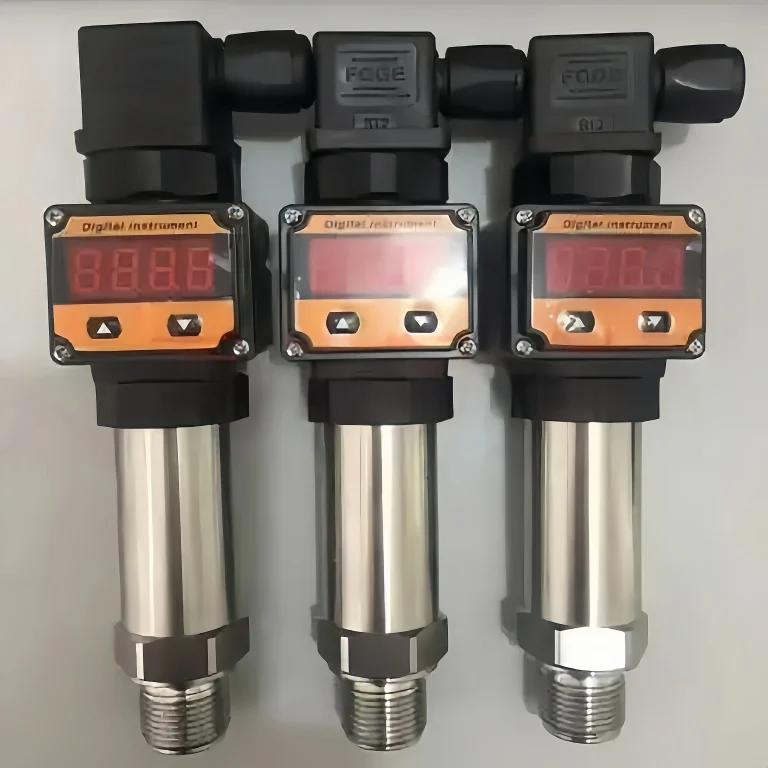
The application field of the air pressure sensor is diverse.
Weather forecast:
By measuring the change in atmospheric pressure. The trend of weather changes can be predicted. Provide an accurate basis for the weather forecast.
Aerospace:
By measuring the change of atmospheric pressure, the height and flight speed of the aircraft can be determined. The air pressure system of the aircraft can be adjusted. Ensure the safe flight of the aircraft.
Automobile:
The air pressure sensor can monitor the tire pressure. It can detect problems such as tire leakage, excessive or low tire pressure in time. Ensure driving safety.
In the automatic air conditioning system of the car, the working state of the air conditioner is automatically adjusted according to the pressure difference between the inside and outside of the car.
Smart home:
It monitors the changes in indoor and outdoor air pressure. And provide a control basis for smart doors and windows, fresh air systems and other equipment. Achieve automatic adjustment and optimization of the indoor environment.
Industrial Automation:
Air pressure sensors can be used to monitor the air pressure of various gases. Ensure the stability and safety of the production process and improve production efficiency.
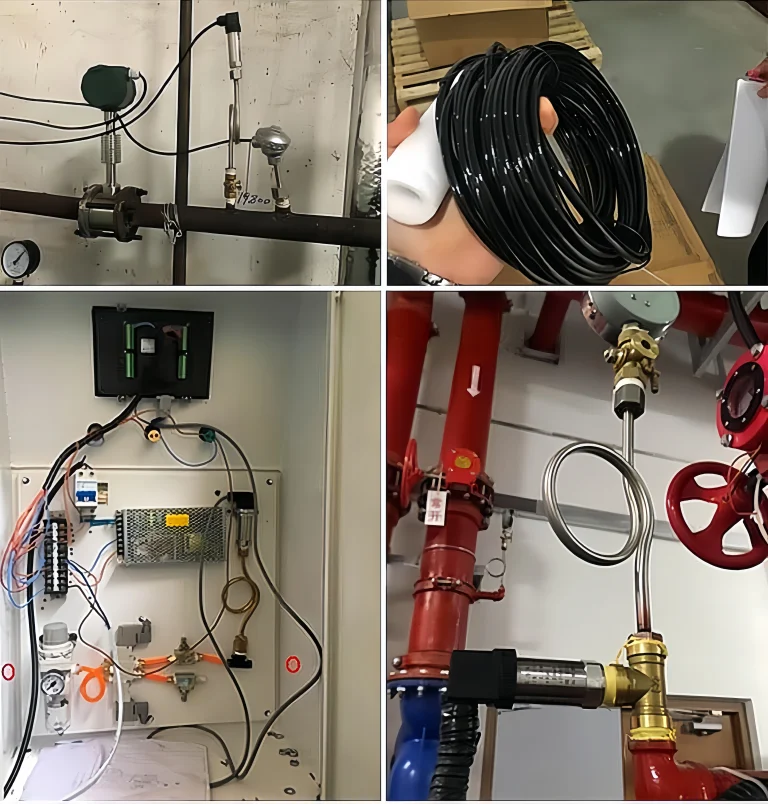
Application examples
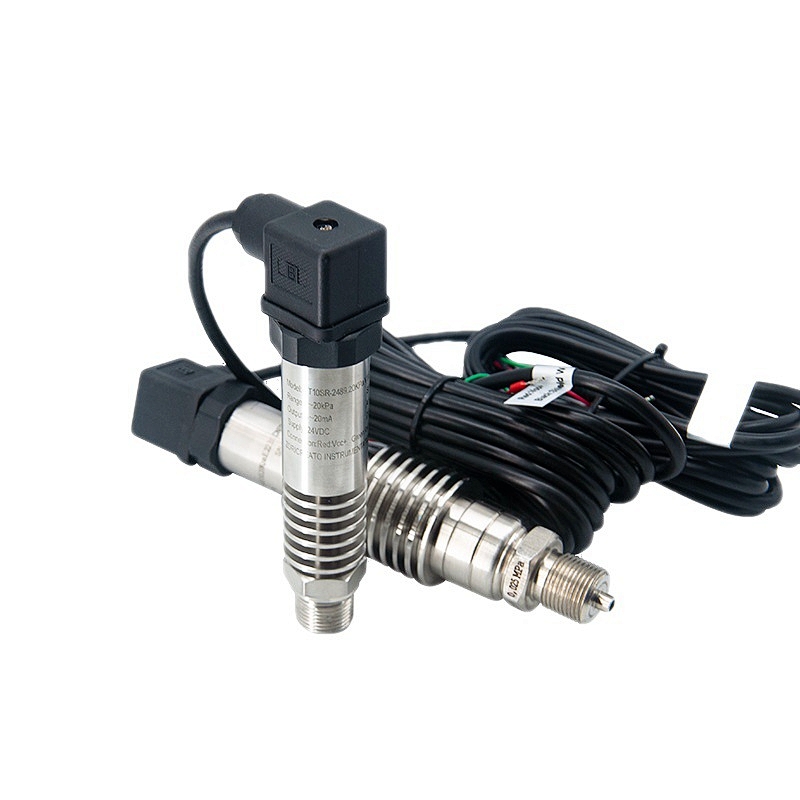
Hot air at 750 °C: energy research lab, Spain
The customer’s test rig needed gauge pressure on an air/nitrogen line. Medium temperature was 750 °C, range 0–10 bar, with a ½” NPT process connection, 24 V supply and 4–20 mA output.
A standard diffused-silicon diaphragm will not survive that temperature, so we proposed the SI-2088 high-temperature pressure transmitter, configured for 0–10 bar(g), ½” NPT and 4–20 mA.




Locate the sensor:
Choose a suitable location to install the sensor. Make sure it can accurately measure the required pressure changes. Avoid exposing the sensor to a too harsh an environment. Avoid direct contact with high temperatures or corrosive gases.
Field example:
Dynamic air pressure at 350 °C: power plant, USA
An engineer asked for a flush-diaphragm sensor to pick up acoustic pressure fluctuations in air. Range 0.1–1 MPa, G½ connection, 4–20 mA preferred, medium up to 350 °C.
Our answer: at 350 °C a standard flush-diaphragm sensor cannot be mounted directly. Add a cooling section upstream so the gas reaching the diaphragm is close to ambient. Below 125 °C, no cooling is needed. Standard frequency response is 2.5 kHz, and we can build it up to 20 kHz.
One caution for dynamic measurement: keep the cooling line or impulse line short. A long line damps and distorts high-frequency pulsations.
Avoid vibration and shock:
When installing, use shock absorbers or vibration-absorbing materials to reduce the impact of vibration and shock.
Connect the pipeline:
Connect the sensor to the pipeline of the measured medium. Make sure the connection is tight to avoid leakage. And pay attention to choosing pipeline materials that are compatible with the medium.
Calibration and testing:
Calibration refers to comparison with a known standard. Adjust the sensor output to improve the accuracy. The calibration process can be performed by professional calibration equipment or services. Or perform self-calibration according to the manufacturer’s guidance.
A stable air pressure source or standard equipment can be used to apply different pressures. And record the sensor’s measurement results. By comparing with known reference values, the accuracy and deviation of the sensor can be determined. It is necessary that adjustments can be made.
Regular maintenance and inspection:
Regularly check the sensor for damage, leakage or corrosion. And clean and maintain it to ensure its normal operation.
During installation and maintenance, pay attention to following the installation guide. and NOTE that the operating manual provided by the manufacturer. These guides usually contain detailed instructions on installation location, environmental conditions, calibration process and maintenance recommendations.
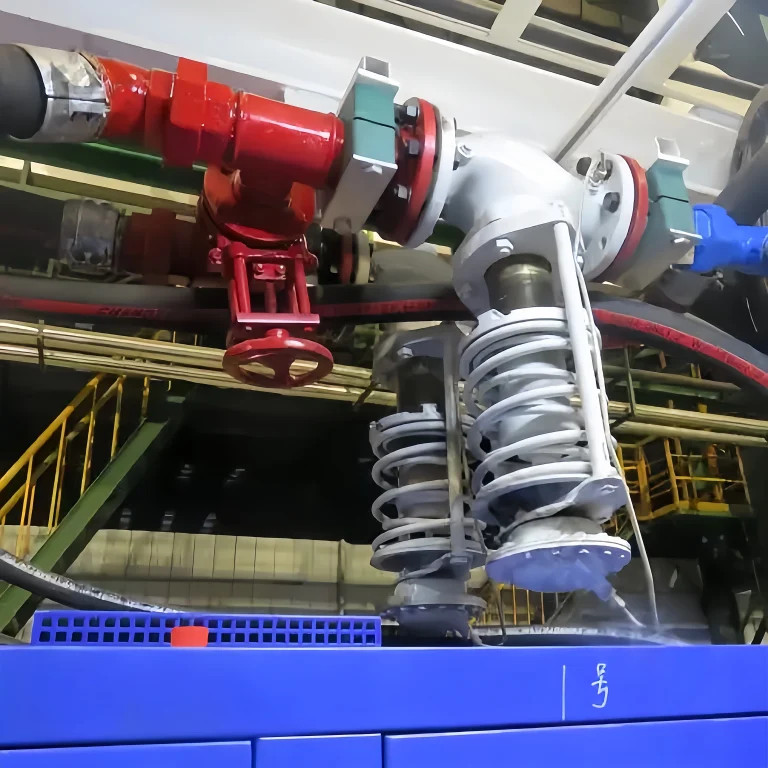
Possible failure phenomena of the air pressure sensor.
Common failures include, but are not limited to the following:
1. Abnormal output signal
The electrical signal output by the sensor does not match the actual pressure.
2. Zero offset
The zero point of the sensor output is offset; that is, a non-zero signal is output in a pressure-free state.
3. Reduced sensitivity
The output change per unit of pressure becomes smaller than specified, so the reading drifts low at higher pressures.
4. Output jumps or drops out
The sensor output signal suddenly jumps or is discontinuous within a specific pressure range.

Troubleshooting methods of the air pressure sensor
For different fault phenomena, the following troubleshooting methods can be adopted:
1. Calibration
Calibrate the air pressure sensor regularly. Ensure that the output signal is consistent with the actual pressure.
2. Check the connection
Check whether the connection between the sensor and the instrument or control system is good.
3. Cleaning
Clean the sensor surface regularly. Avoid dust or dirt affecting the sensitivity and accuracy of the sensor.
4. Replace the seal
If the seal is found to be aging or damaged, replace it in time.
5. Check the power supply
Check whether the power supply voltage of the sensor is stable.
6. Replace the faulty parts
If the internal parts of the sensor are found to be damaged or aging, they need to be replaced in time.