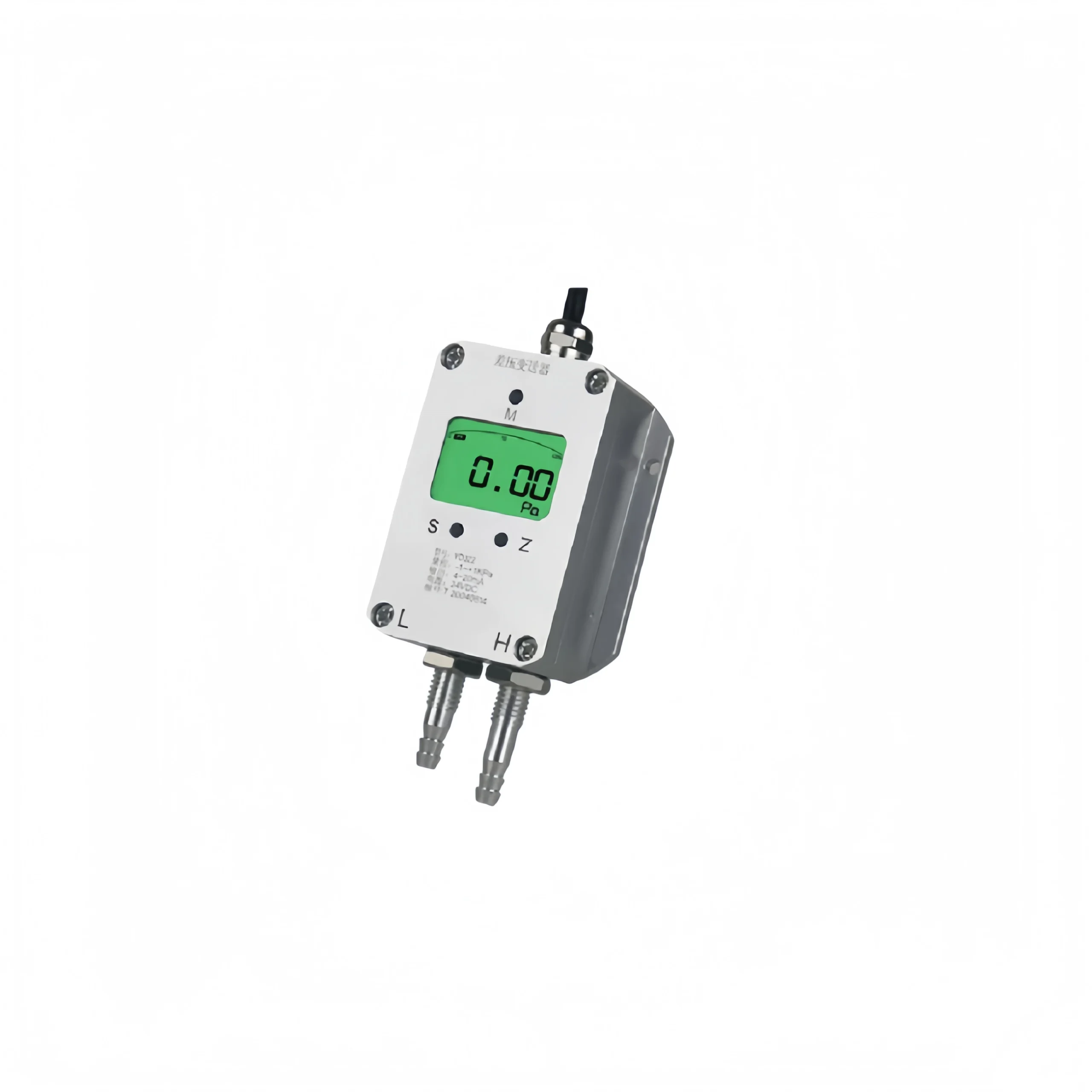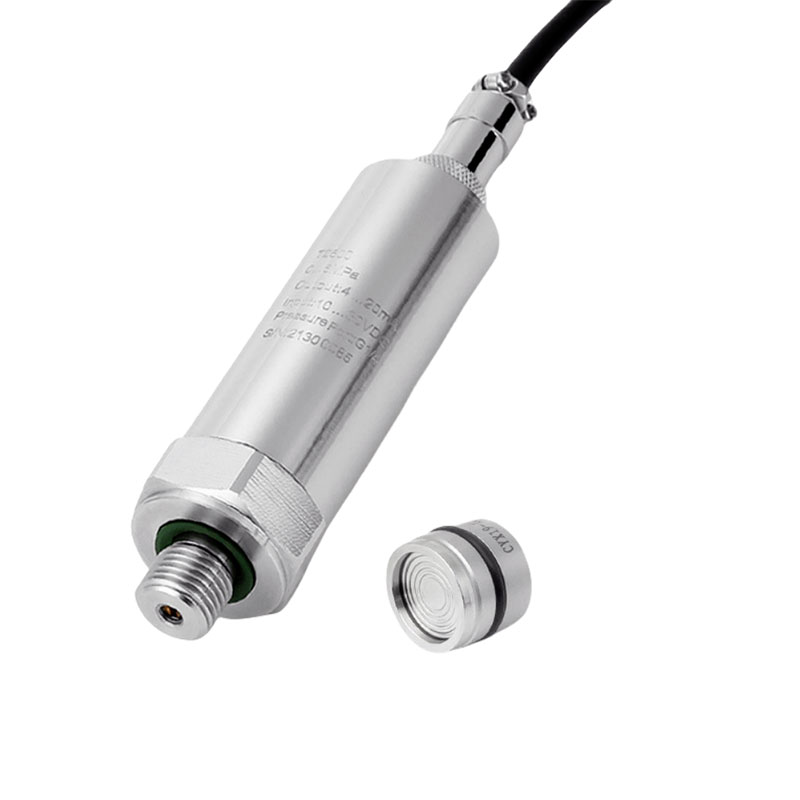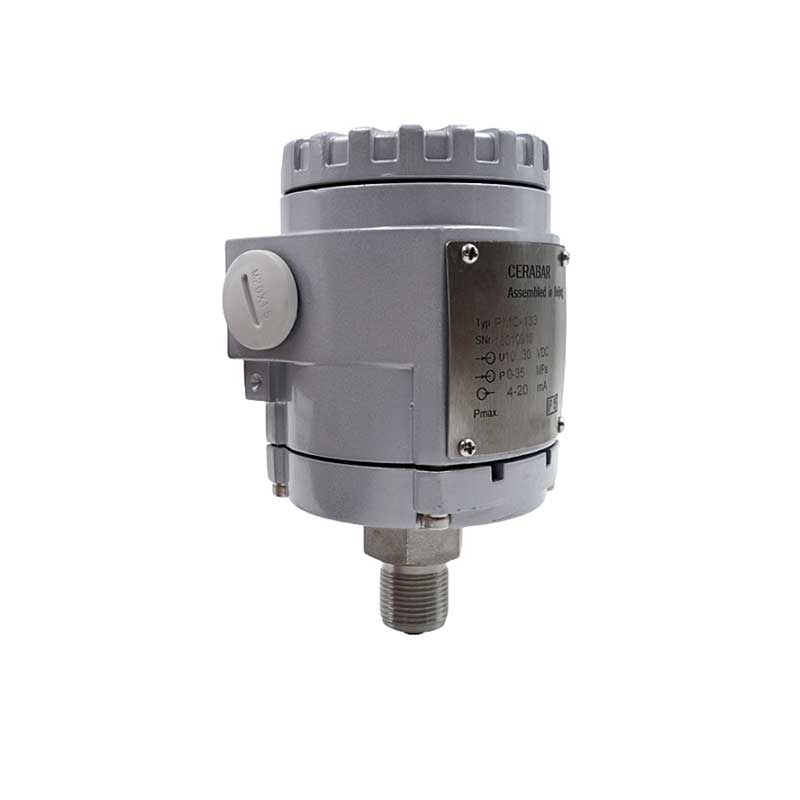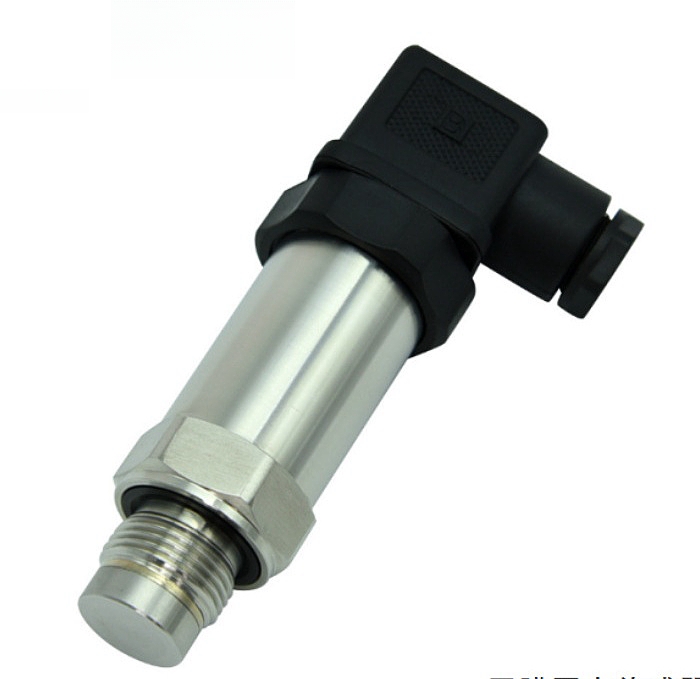
In industrial automation measurement scenarios, many operating conditions require the detection of differential pressure signals in demanding environments with high system pressures. Designed for this purpose, the high static differential pressure transmitter maintains stable and reliable operation under high system pressure conditions. It accurately captures minute changes in differential pressure, providing precise data for critical processes such as process control, level monitoring and flow measurement.
Principle of Operation
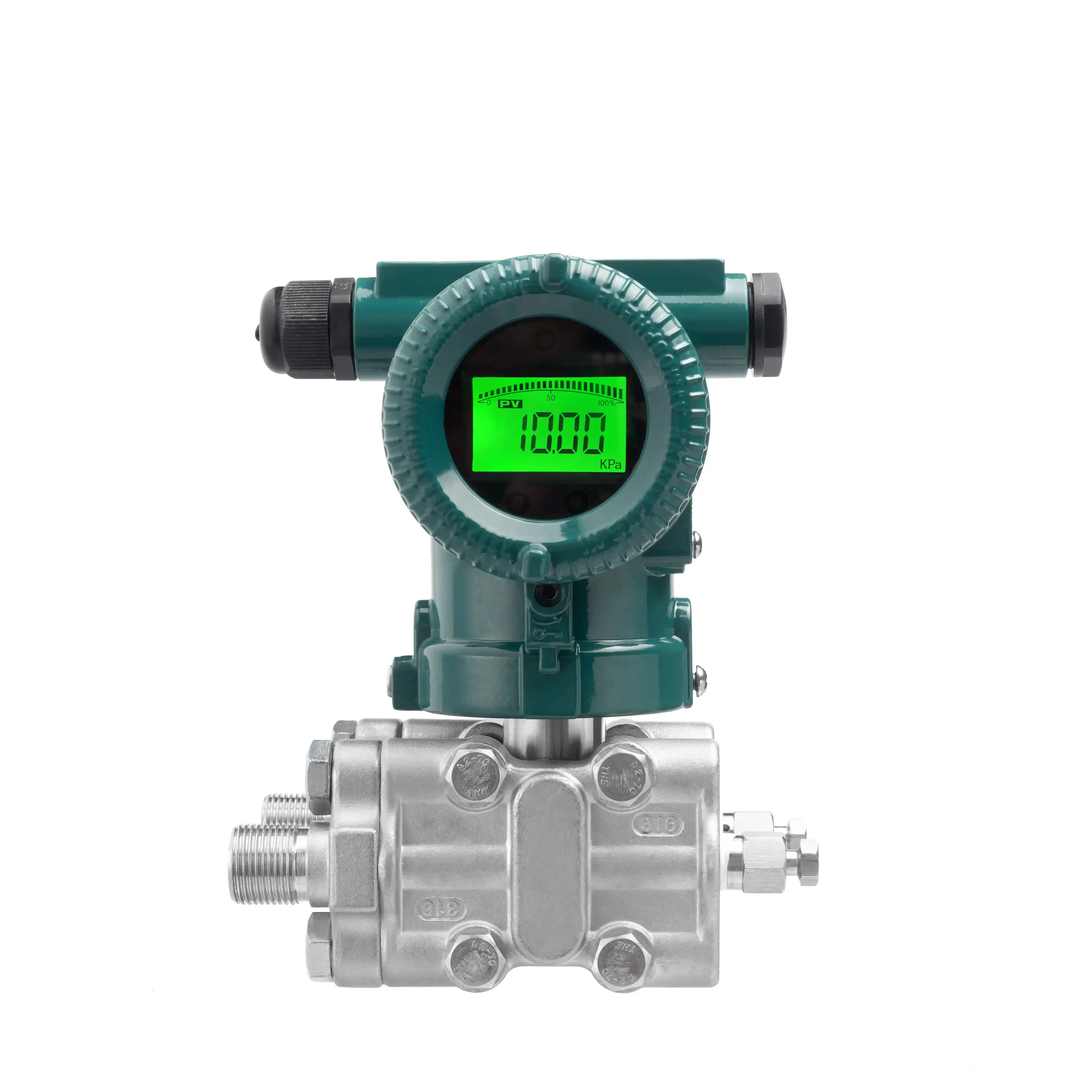
The operating principle of a high static differential pressure transmitter is based on the effect of pressure variations on the sensing element. When the two pressures of the medium being measured are introduced into the high- and low-pressure chambers, they act on the isolation diaphragms on either side of the sensing element. These pressures are transmitted to both sides of the measuring diaphragm via the isolation diaphragms and the filling fluid within the sensing element.
The measuring diaphragm and the electrodes on the insulators on either side each form a capacitor. When the pressures on either side are unequal, the measuring diaphragm displaces, and the amount of displacement is proportional to the pressure differential. Consequently, the capacitance on both sides changes and is no longer equal. The changes in capacitance are converted into a signal proportional to the pressure at the oscillation and demodulation stages, and this is then output as a 4–20 mA DC current signal.
What is high static pressure?
To understand high static pressure differential pressure transducers, it is first necessary to distinguish between two key concepts: static pressure and differential pressure.
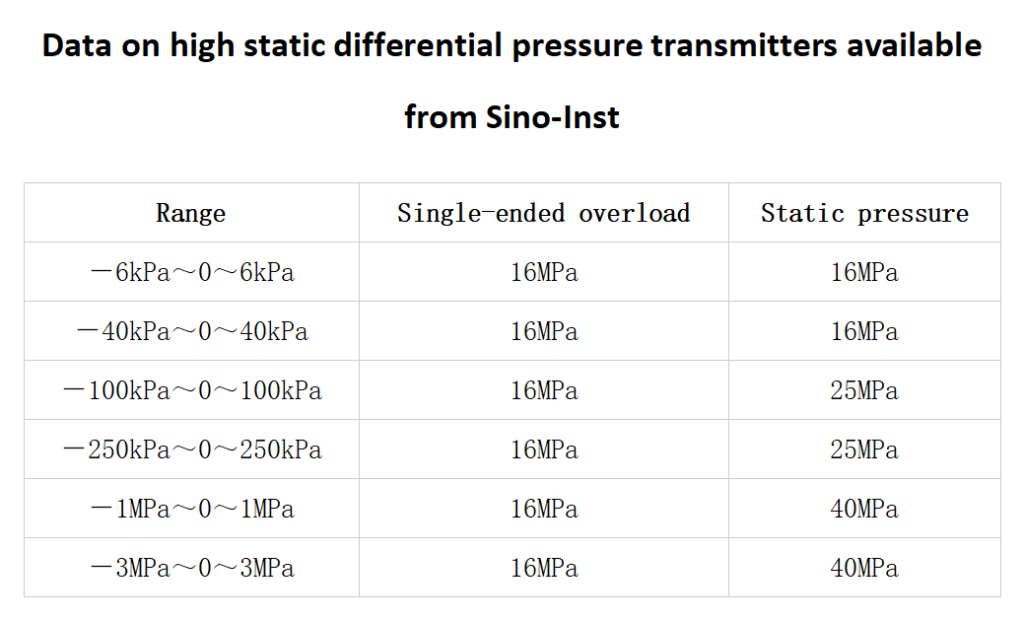
Firstly, high static pressure refers to the overall background pressure or base pressure present within industrial equipment or pipelines during long-term operation; it is an absolute pressure value. In the industrial sector, environments where static pressure reaches 10 MPa or higher—and even extends to extreme conditions of several hundred MPa—are typically defined as high-static-pressure environments.
This is the pressure exerted on the walls of a vessel when a fluid is at rest or flowing at low velocity, characterised by high numerical magnitude, stringent stability requirements and significant potential for damage. When measuring parameters such as differential pressure in high static pressure environments, this static pressure is often the primary source of interference.
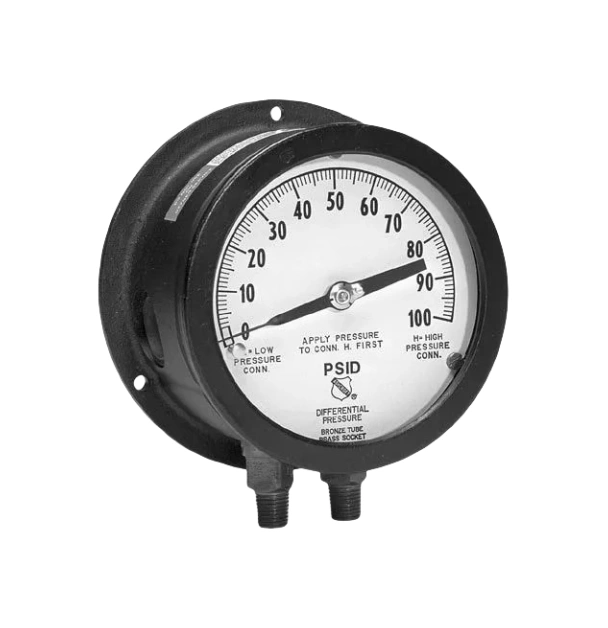
If the equipment or instrumentation isn’t strong enough, it can easily lead to diaphragm deformation, measurement distortion, or even equipment failure. Secondly, differential pressure is simply the difference in pressure between two points. It is similar to the pressure difference between the forward and aft compartments of a submarine, for example. This pressure is often a lot lower than the overall static pressure.
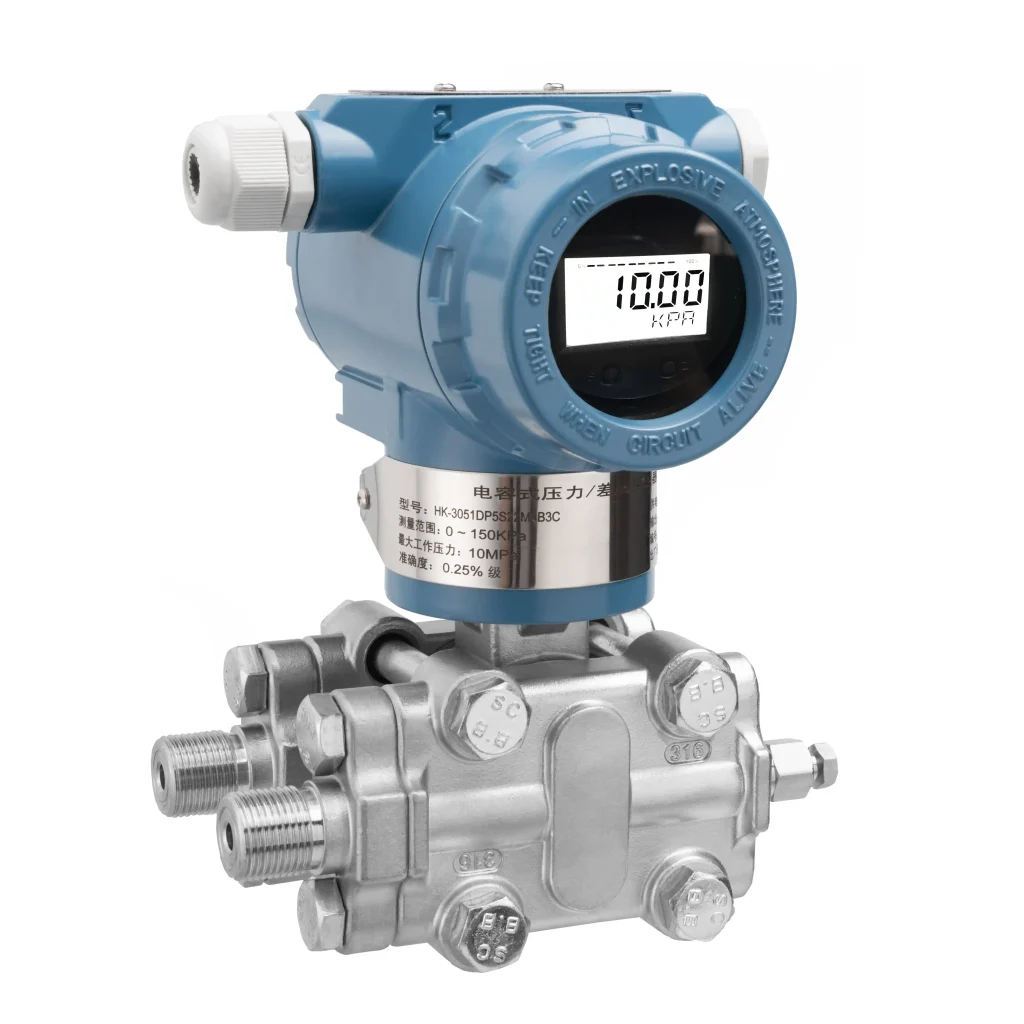
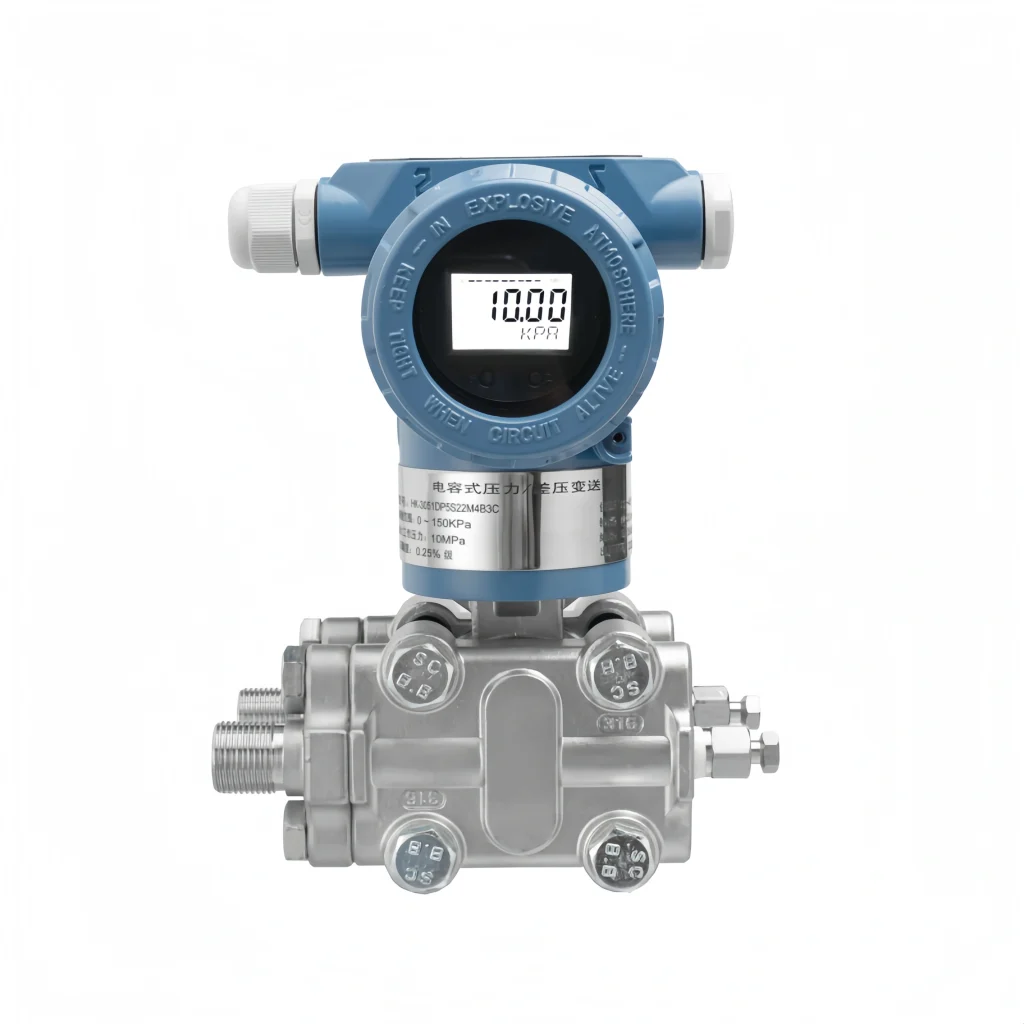
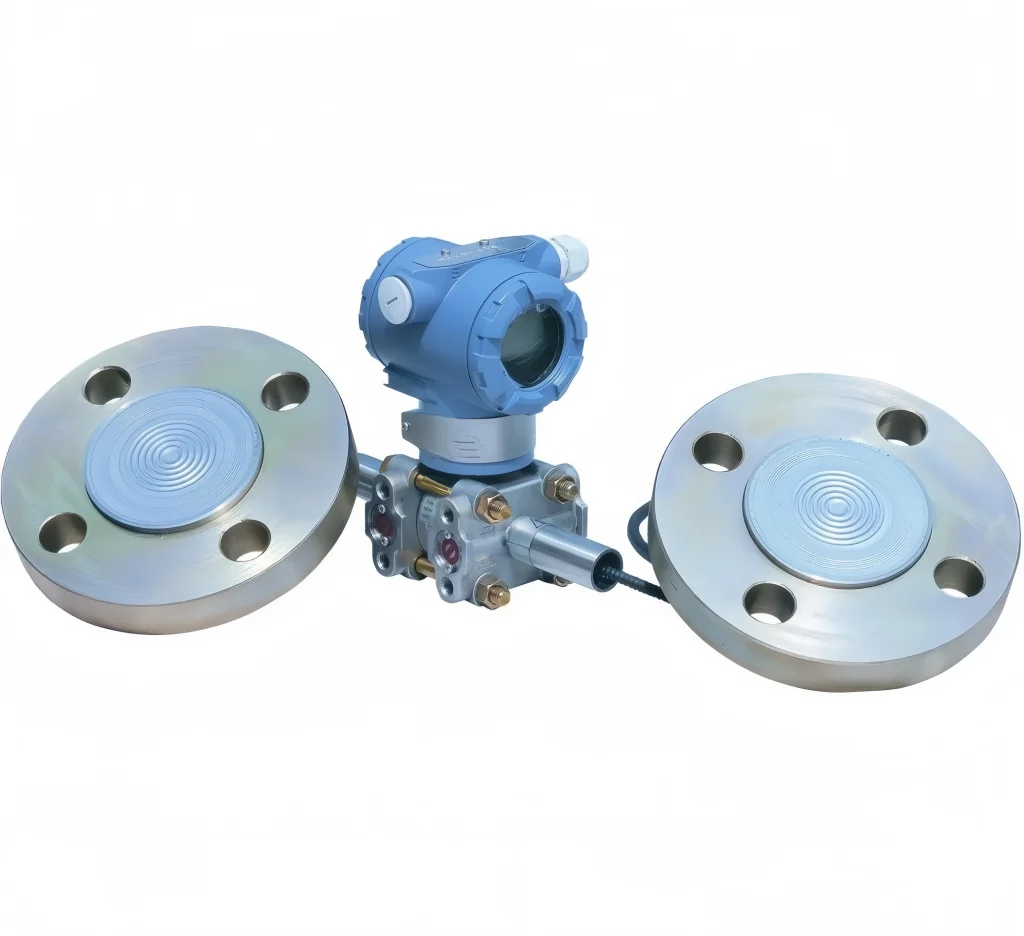
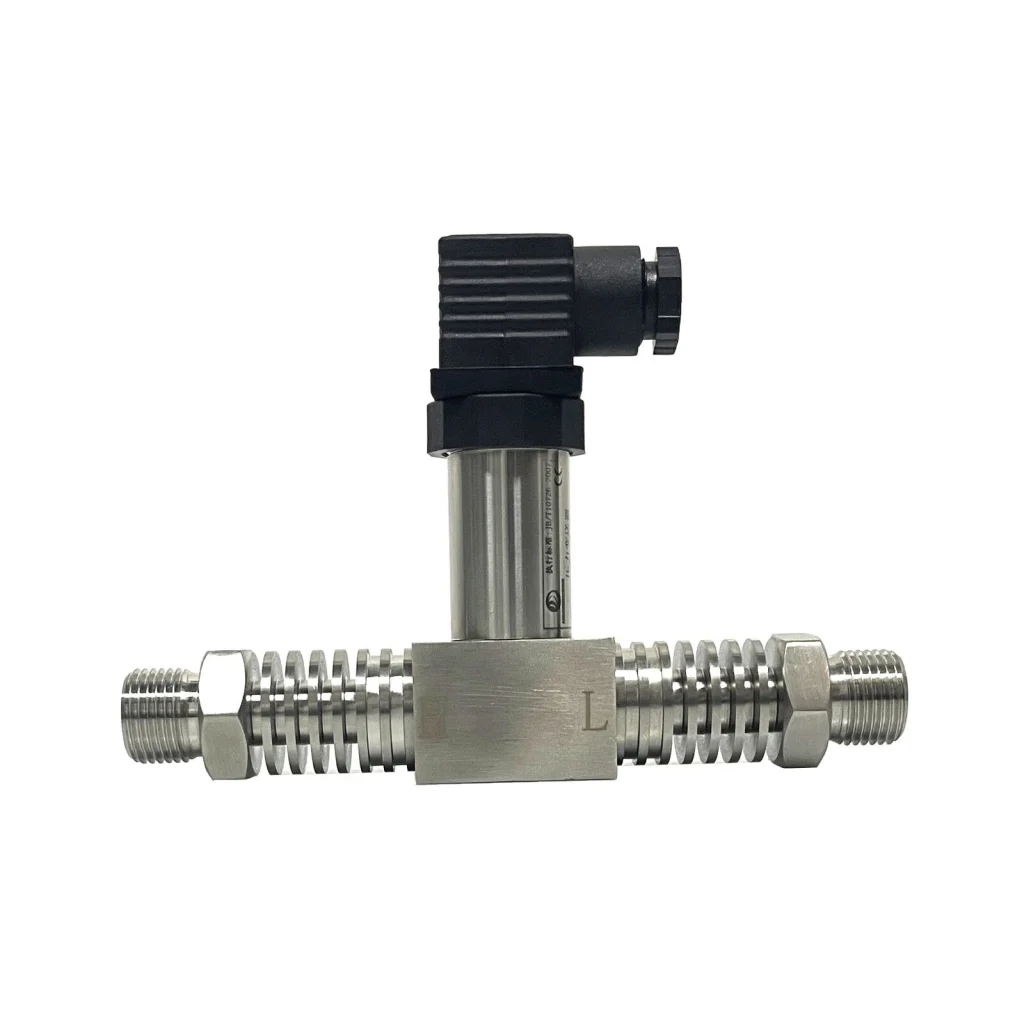
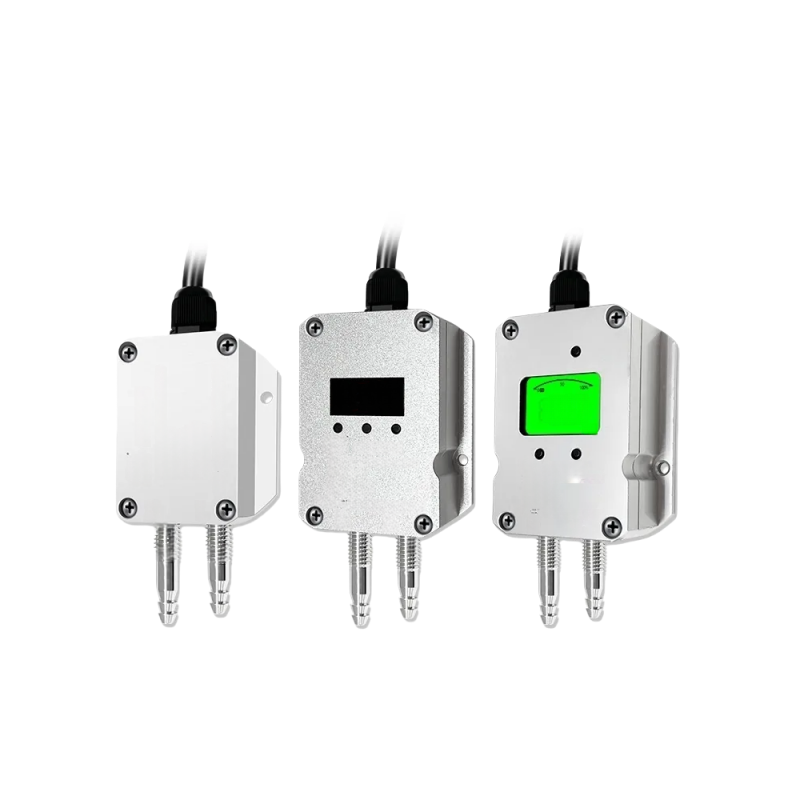
Features of High Static Differential Pressure Transmitters
Exceptional resistance to ultra-high static pressure:
Capable of long-term, stable operation in high-static-pressure environments of 10 MPa and above; certain high-end models can withstand extreme pressures of several hundred MPa. Through the use of thickened, high-strength isolation diaphragms (such as Hastelloy or 316L stainless steel), optimised sealing structures and static pressure self-balancing designs, these transmitters effectively withstand high-pressure shocks, preventing diaphragm deformation and seal failure, thereby ensuring long-term reliability of the equipment.
It’s really accurate and can resist interference really well. Even under high pressure, the transmitters can detect tiny changes in pressure. Standard models have an accuracy of ±0.1% FS, whereas high-end models have an accuracy of ±0.05% FS. They have built-in algorithms and circuits that effectively counteract zero-point drift and span errors caused by high static pressure. They can also block things like electromagnetic and temperature changes, to make sure the measurement data is always accurate.
Wide environmental adaptability:
Suitable for a variety of harsh industrial environments, it withstands complex conditions such as high and low temperatures and corrosive media. Most models achieve an IP67 protection rating or higher, whilst certain variants feature explosion-proof and vibration-resistant capabilities, making them widely applicable in high-pressure, highly corrosive and high-risk sectors such as oil and gas, power generation and chemical processing.
Scientific and rational structural design:
Featuring a symmetrical diaphragm layout and a specialised high-pressure filling fluid (which exhibits minimal volume compression and a low thermal expansion coefficient under high pressure), these transmitters efficiently transmit differential pressure signals whilst protecting the internal sensing chip. Certain models integrate multi-parameter measurement capabilities, enabling simultaneous monitoring of differential pressure, static pressure and other parameters to meet diverse industrial measurement requirements.
High level of intelligence:
Most high-end products use communication protocols such as HART and FF. These allow you to monitor equipment remotely, adjust parameters, and diagnose faults. Some models can even send data wirelessly, which is ideal for predictive maintenance and reduces on-site maintenance costs, making them perfect for industrial IoT upgrades.
Excellent long-term stability:
Core components utilise high-precision sensing chips, combined with mature calibration processes, resulting in an annual accuracy drift of ≤0.2% FS. For certain models, the calibration-free interval can be extended to two years, reducing downtime losses caused by frequent calibration and enhancing industrial production efficiency.
High Static Differential Pressure Transmitters VS. Standard Pressure Transmitters
Differences in measurement targets and core applications:
Standard pressure transmitters are mainly used to measure absolute pressure or gauge pressure at one point. They are mostly used to monitor the overall pressure in equipment or pipelines, like standard water pipes or atmospheric-pressure reaction vessels.
High static differential pressure transmitters are used to measure the pressure difference between two points and must be able to withstand high static pressure. They are primarily used to detect minute pressure differences in high-pressure environments, such as for flow monitoring in high-pressure oil pipelines and for measuring levels in high-pressure reactors.
Significant differences in static pressure tolerance:
Standard pressure transmitters can only handle regular static pressures, so they’re not suitable for long-term use in high-pressure environments. This can lead to problems like diaphragm deformation and seal failure. These transmitters are specially designed for high-pressure situations. They can handle pressures of 10 MPa and above. Some of the higher-end models can even handle extreme pressures of a few hundred MPa thanks to their special designs that can deal with high-pressure impacts.
Differences in measurement accuracy and anti-interference capability:
The accuracy of standard pressure transmitters is typically around ±0.5% FS; they do not need to cope with high-static-pressure interference, and their anti-interference design primarily addresses conventional electromagnetic and temperature influences; High static differential pressure transmitters must ensure precise measurement under high static pressure interference; their accuracy generally reaches ±0.1% FS or higher. They incorporate built-in static pressure compensation algorithms that effectively offset zero-point drift and span errors caused by high static pressure, offering superior interference resistance.
Differences in structural design:
Standard pressure transmitters have a relatively simple structure, often featuring a monobloc design with a thin sensing diaphragm, and do not require a special static pressure balancing mechanism; high-static-pressure differential pressure transmitters utilise thickened, high-strength isolation diaphragms, a static pressure self-balancing design and a dedicated high-pressure filling fluid.
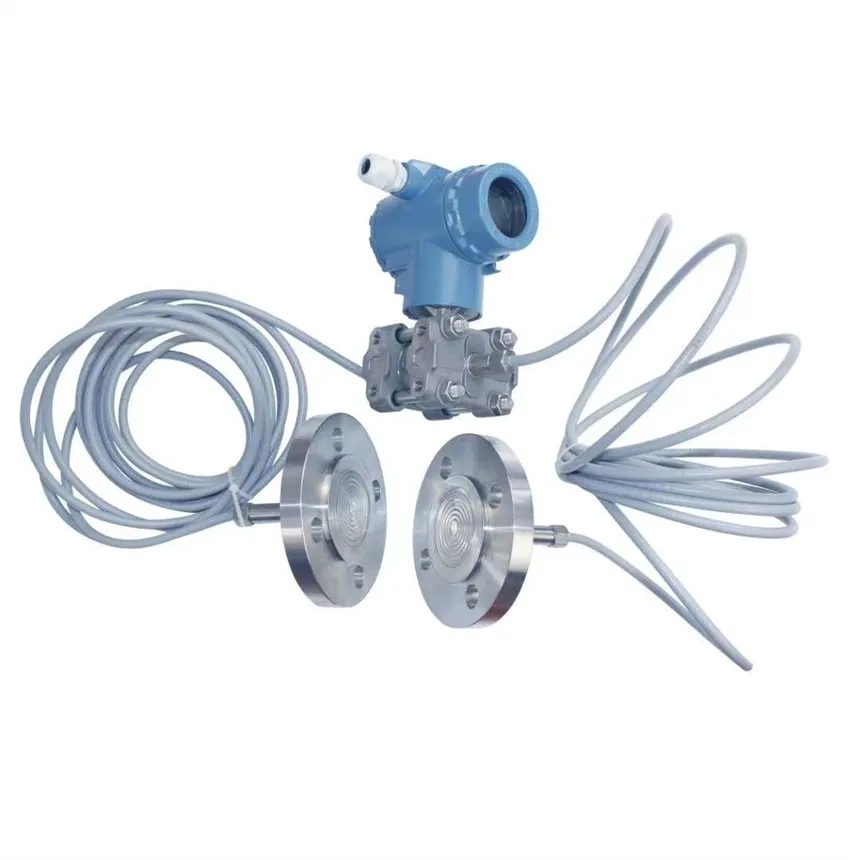
Some models feature a split-type structure, enabling them to withstand high pressures and harsh operating conditions whilst preventing media leakage and measurement distortion.
Different application scenarios:
Standard pressure transmitters are suited to conventional pressure applications and are widely used in civil and light industrial sectors, such as water supply, standard chemical equipment operating at atmospheric pressure, and small machinery; high static differential pressure transmitters are primarily designed for high-end industrial high-pressure applications, such as oil and gas, nuclear power, coal chemical processing, and high-pressure gas transmission pipelines, and can withstand harsh environments involving high temperatures, high pressures and severe corrosion.
Differences in cost and maintenance complexity:
Standard pressure transmitters are simple, inexpensive and easy to maintain, so no special care is required. High-static differential pressure transmitters, on the other hand, use special materials and are made by precise engineers, which costs a bit more and makes them a bit harder to look after. They need to be regularly calibrated by professionals, and parts like seals and filling fluids that are more vulnerable need to be checked and replaced every so often.
Types of High Static Differential Pressure Transmitters
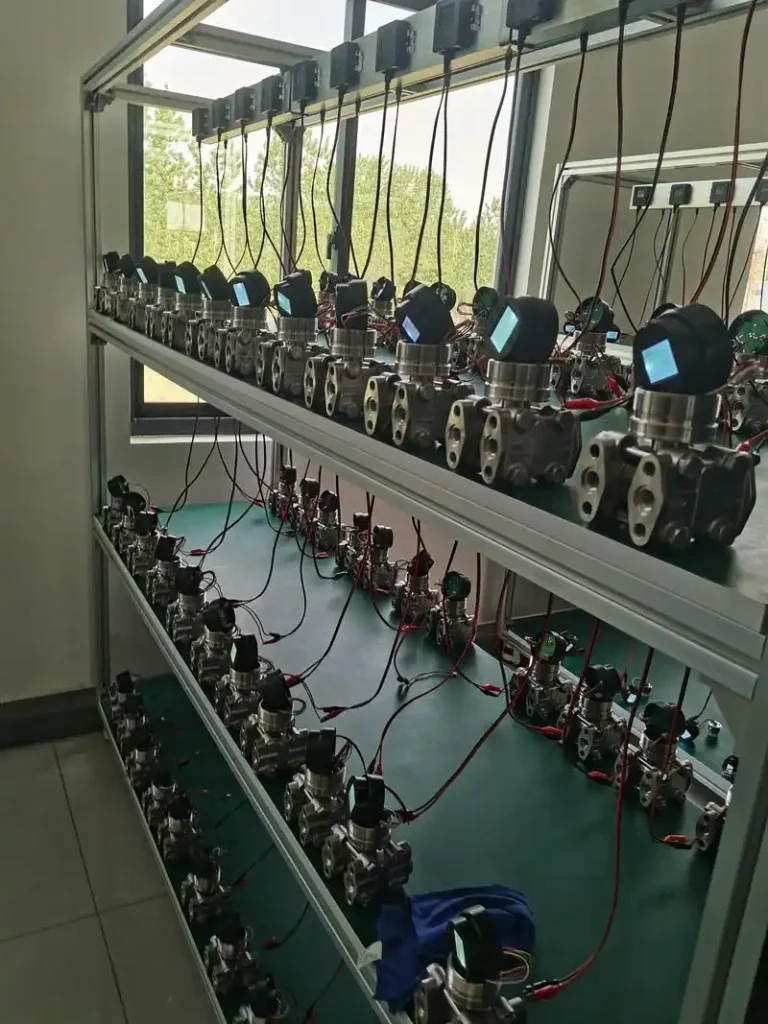
Capacitive High Static Differential Pressure Transmitter
These utilise a capacitive sensor as the pressure-sensing element. The basic idea is that the pressure difference between the plates changes the distance between them, which then changes the capacitance value. This is then converted into a standard electrical signal for output. This technology has been tried and tested in loads of industrial settings and is tried and tested and well-established. It’s got some great features, like being really stable in the long term, super reliable and able to resist overload really well.
Through advanced digital compensation technology, which precisely corrects errors caused by temperature variations and non-linear errors during measurement, measurement accuracy is significantly enhanced, with errors controlled within ±0.1% FS. This is currently one of the most mainstream types of high-static-pressure transmitters on the market, widely applicable to most conventional high-pressure measurement scenarios such as petrochemicals and high-pressure oil pipelines.
Monocrystalline Silicon Resonant High Static Differential Pressure Transmitter
This transmitter employs a monocrystalline silicon resonant sensor as its core pressure-sensing element. It uses the great properties of monocrystalline silicon, and puts pressure on the resonant beam to change its frequency. This is then turned into readable measurement signals by digital circuitry. This type is primarily used in measurement scenarios requiring higher precision.
It uses high-precision digital tech to accurately compensate for temperature drift and non-linear errors. It’s much more stable and resistant to external interference than capacitive types, and it can effectively withstand various disruptive factors in high-pressure environments. It ticks all the boxes for high-precision pressure measurement, making it perfect for industries like nuclear power and precision chemical engineering.
Practical Applications of High Static Differential Pressure Transmitters
Chemical IndustryIn the chemical industry, differential pressure transmitters with a high static pressure are mainly used to measure fluid velocity and pressure, as well as to control flow rates and processes. For example, they can be used to keep an eye on changes in pressure during chemical reactions, making sure production processes are stable and safe.
Petroleum
In the oil and gas industry, high-static differential pressure transmitters are used a lot on drilling platforms, in oilfields and at refineries. They’re mainly used to measure the speed and pressure of oil and gas flowing through pipelines. This is really important for making sure that oil extraction and processing go smoothly.
Power
In the power sector, high-static differential pressure transmitters are used to measure the head of water turbines, the pressure of steam turbines and the pressure of fans, among other things, helping to optimise the operational efficiency and safety of power generation equipment.
Environmental Protection
In the environmental protection sector, high-static differential pressure transmitters can be used to measure particulate matter concentrations and flow rates, providing critical data support for environmental monitoring and remediation.
Water Resources
In the water resources sector, high-static-pressure differential pressure transmitters are commonly used to measure reservoir water levels, flow velocities in waterways, and water pressure, contributing to the rational utilisation of water resources and the safe operation of water infrastructure.
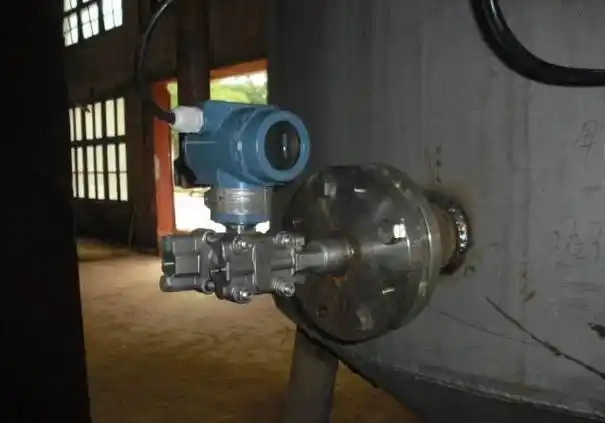
Drawing on years of experience in the research, development and sales of industrial instruments, Sino-Inst is not only committed to providing the market with high-quality, cost-effective high static differential pressure transmitters, but has also established a comprehensive range of industrial measurement instruments, comprehensively covering all types of measurement requirements in industrial production.
As well as our main product, the high static differential pressure transmitter, we also supply a range of other instruments, including level gauges, flow meters, flow control switches and temperature sensors. All products are put through their paces in industrial settings to make sure they’re top-notch and you can count on them. They’re designed to be used with lots of different devices, so they offer a one-stop measurement solution for clients in various industries.