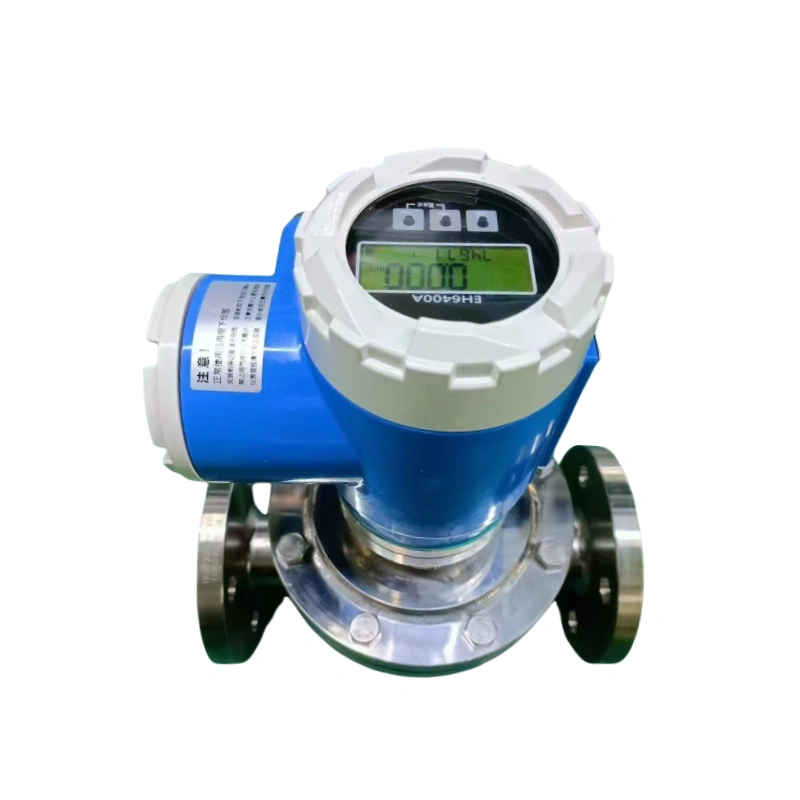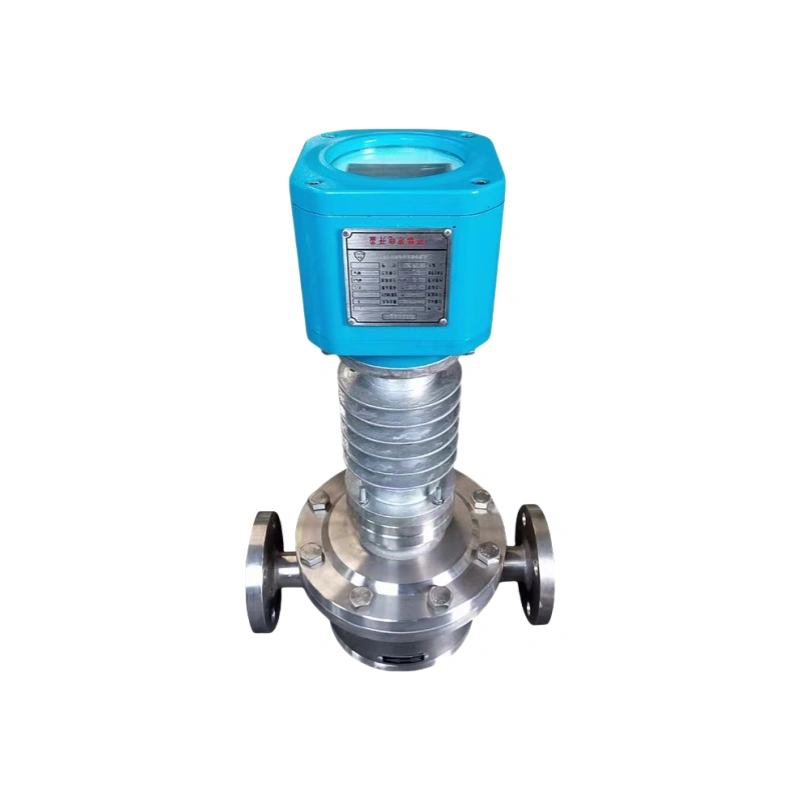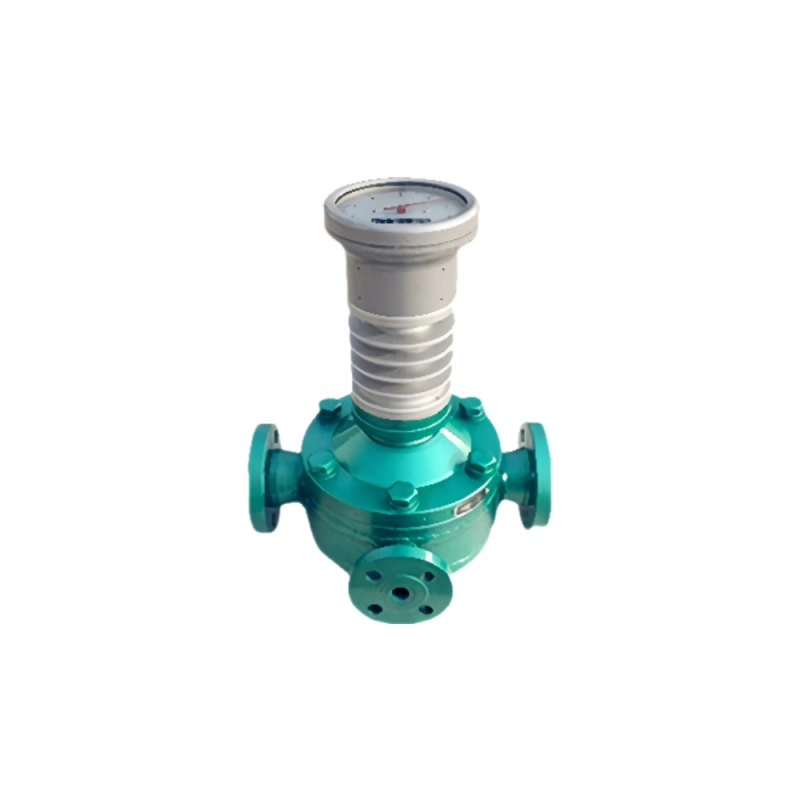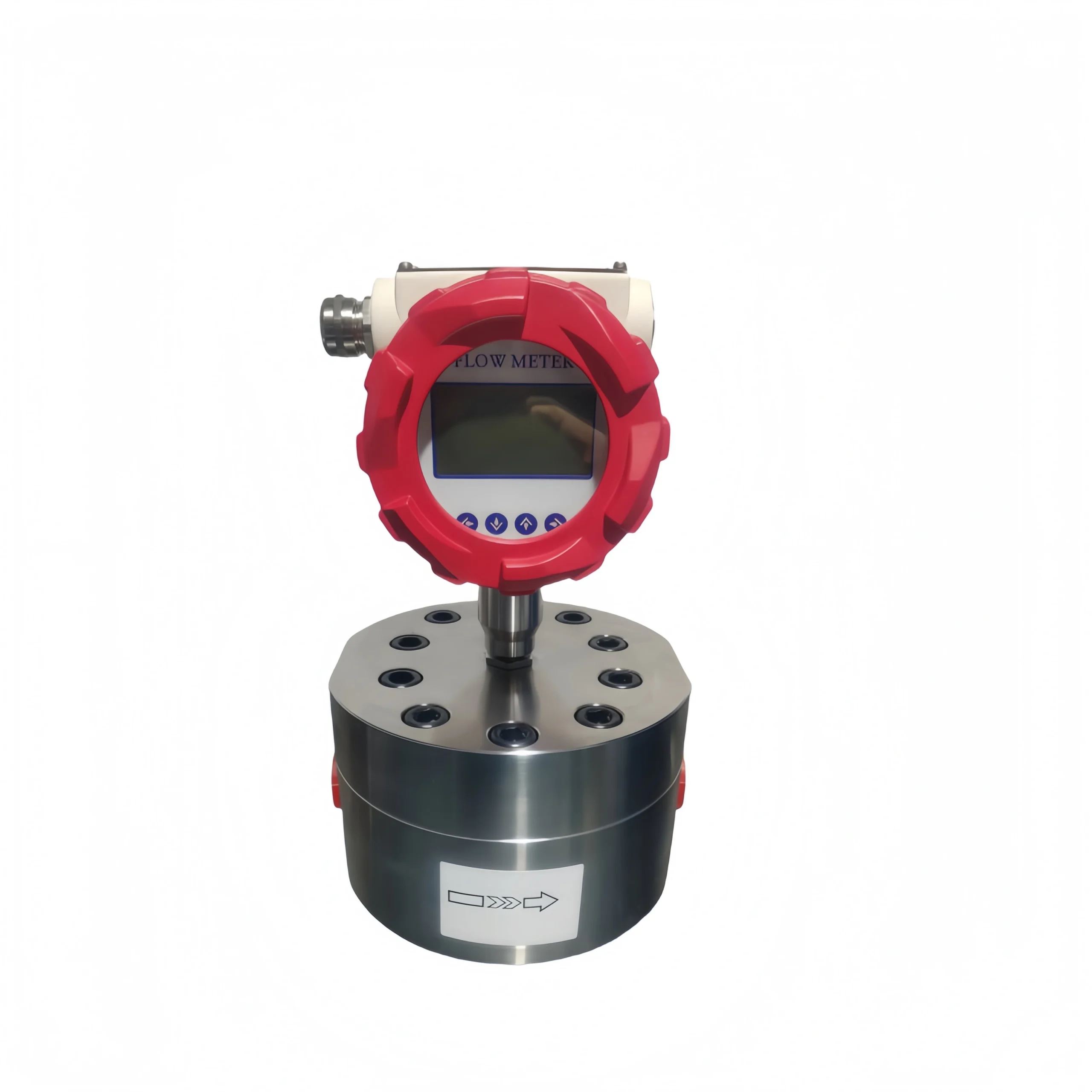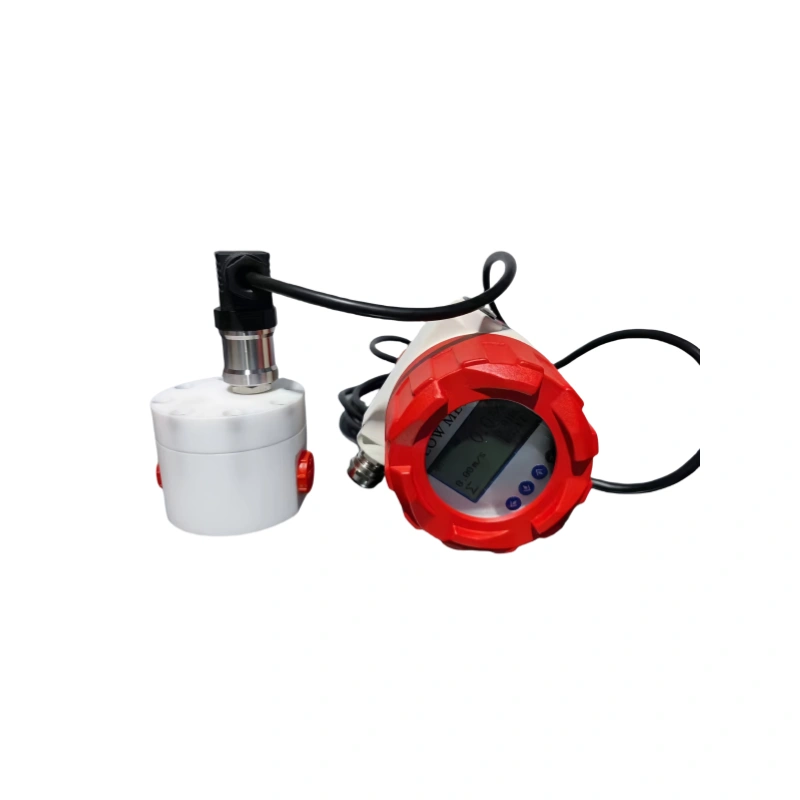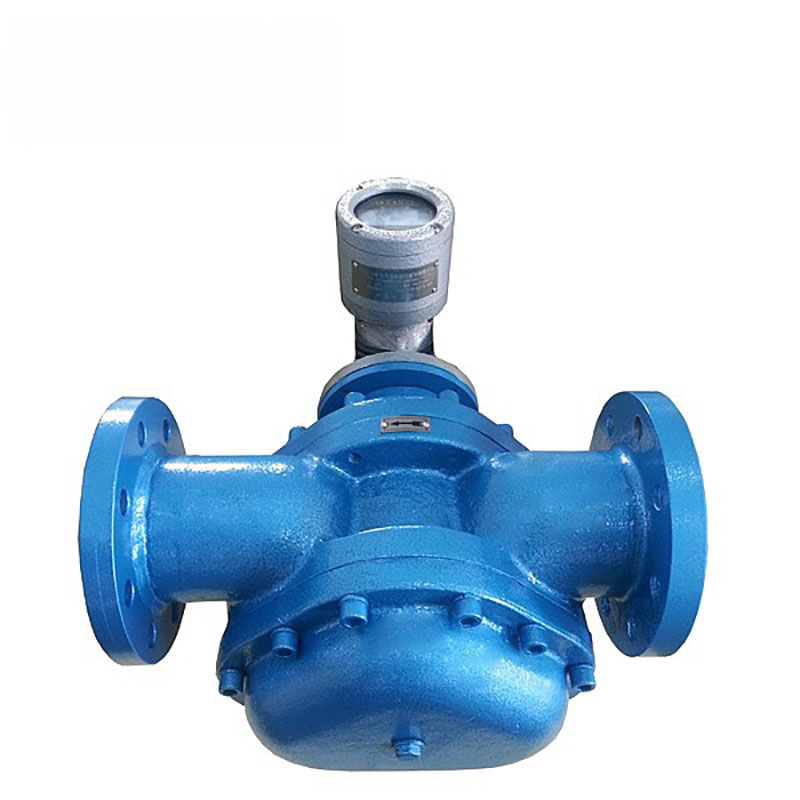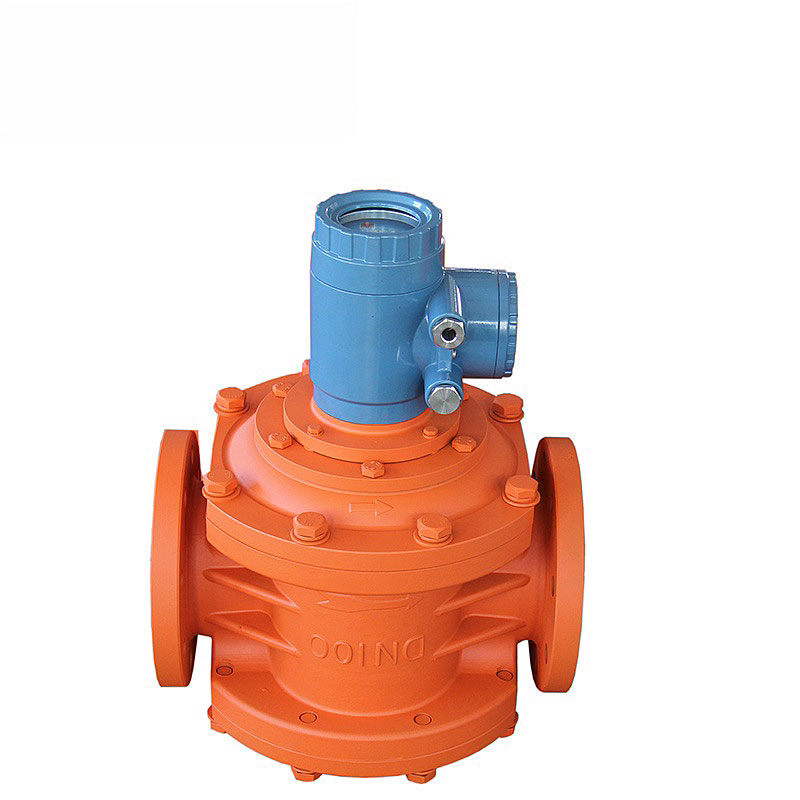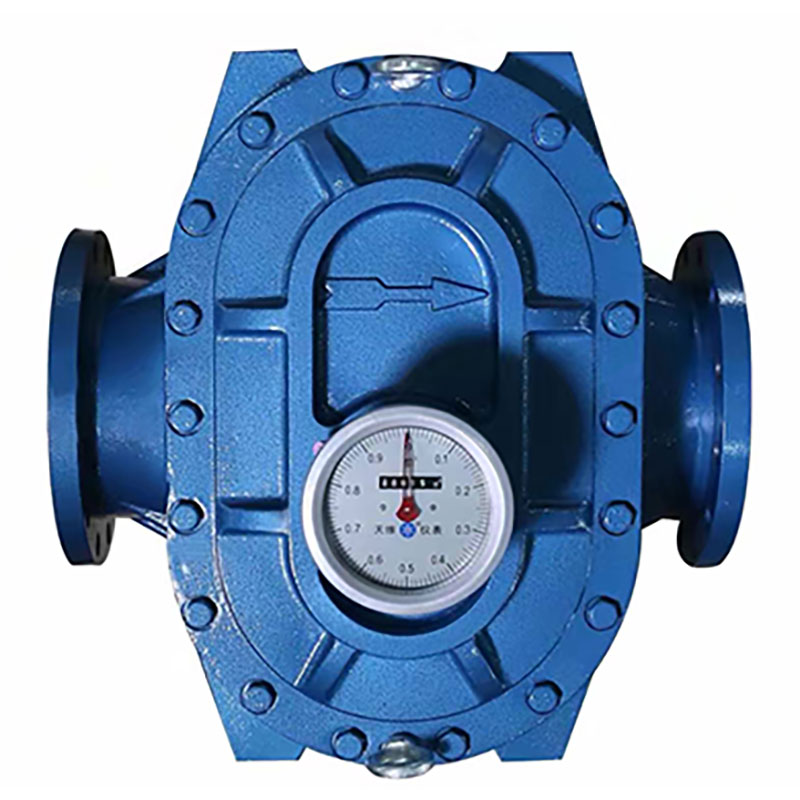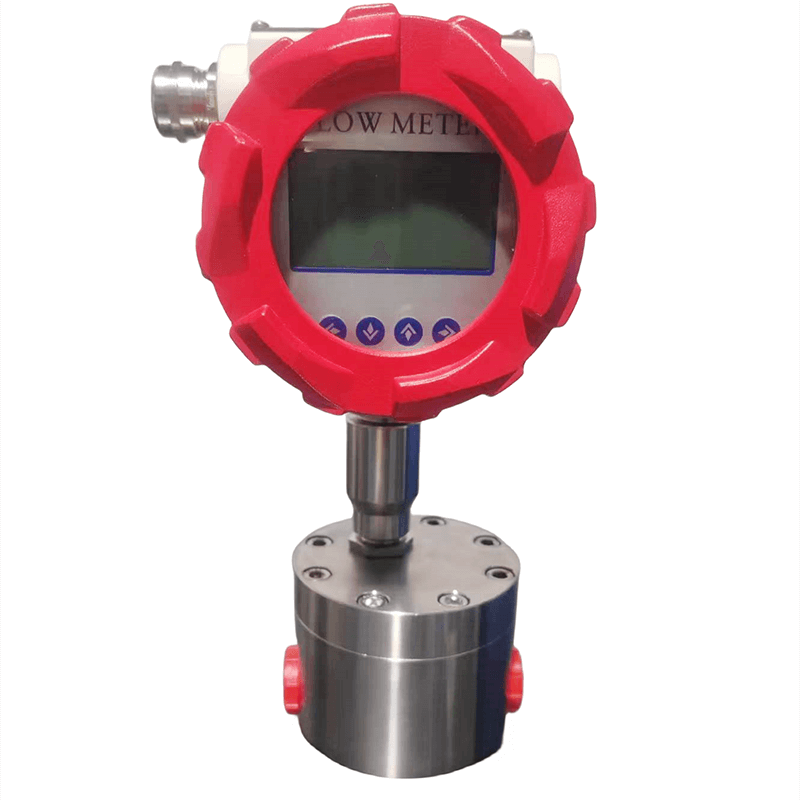
Positive displacement flow meters sit at the center of oil measurement work, showing up everywhere from tank farms and pipeline transfer stations to custody transfer points and plant-floor process loops.
As the push for tighter energy accountability keeps growing, digging into how these meters actually perform—and whether they stay reliable over the long haul—matters more than ever for keeping oil trades square and keeping industrial operations running lean.
What Is a Positive Displacement Flow Meter
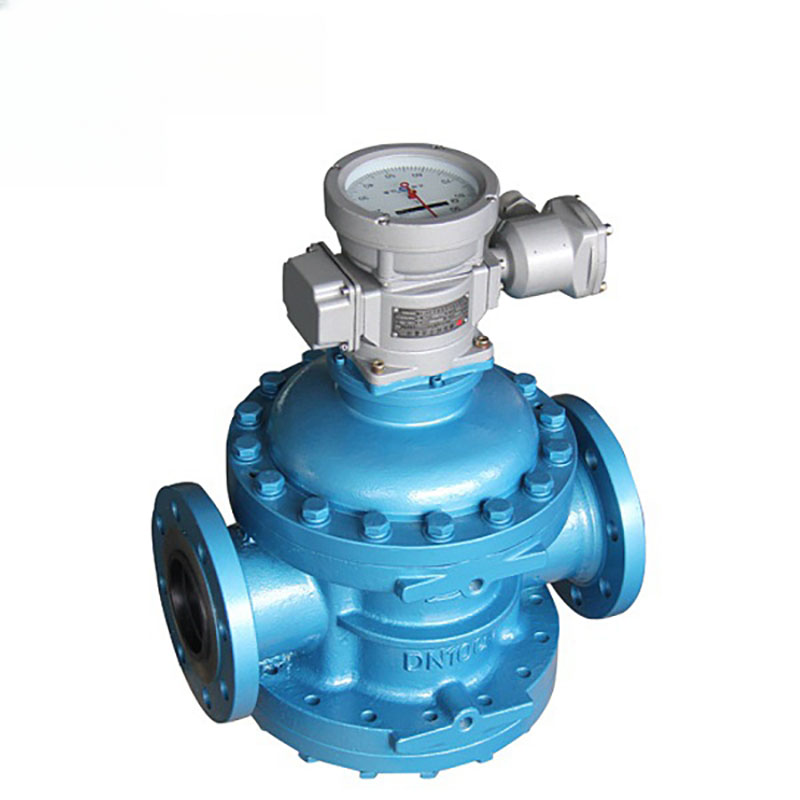
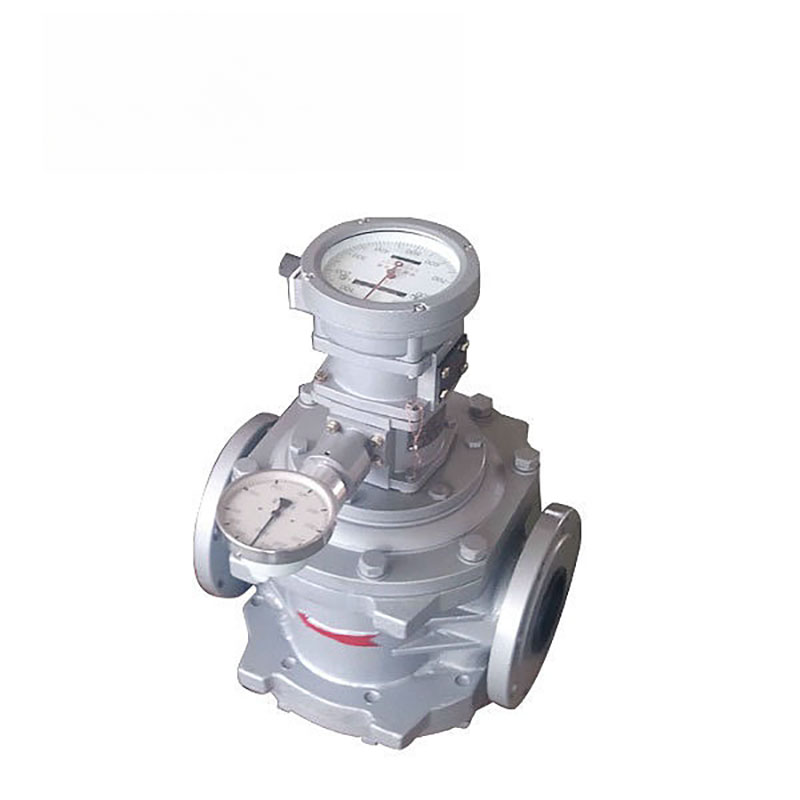
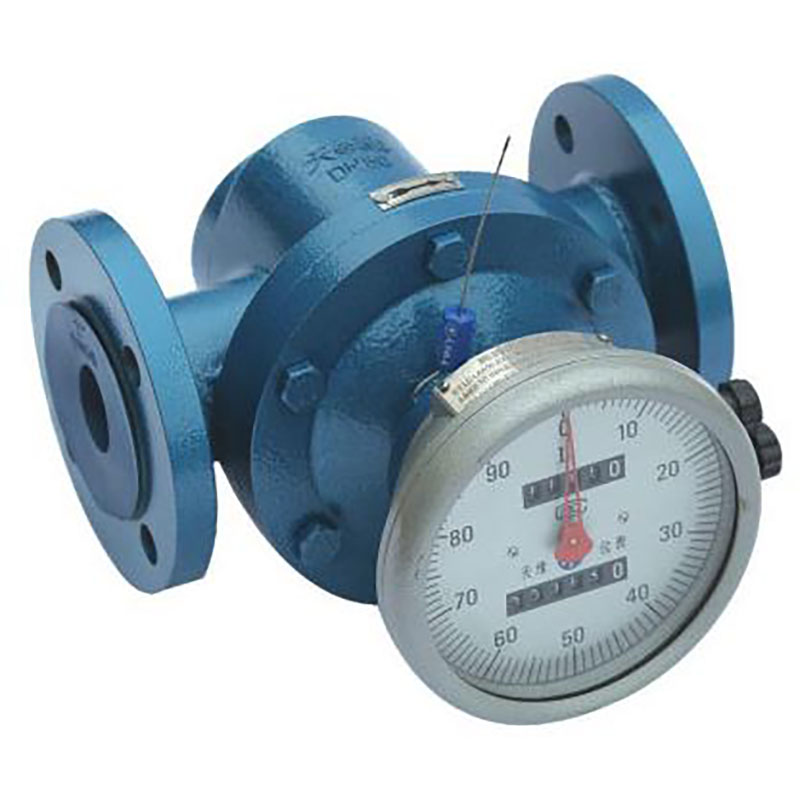
A positive displacement flow meter is a device that works by mechanically splitting the incoming fluid into discrete segments of a predetermined, constant volume, then tallying these segments to arrive at the total flow quantity.
It falls under the direct-measurement class of flow meters and can reliably capture the cumulative volume that has traversed the meter. The meter is prized for its tight measurement tolerances, consistent repeatability, and broad operational range, which is why it sees heavy use in liquid-handling sectors ranging from oil & gas to chemical plants and food production lines.
Working Principle of Positive Displacement Flow Meters
The underlying idea is straightforward: a chamber of fixed capacity is filled and drained in a repeating cycle. Inside the meter body sits a closely matched measuring cavity paired with moving internals—think oval gears, lobed impellers, sliding vanes, pistons, or rotary paddles, depending on the specific design.
Fluid is pushed into this cavity by the inlet-to-outlet pressure gap, and as it moves through, it forces the mechanical elements to turn or slide. Each motion cycle isolates and conveys a precise slug of fluid toward the discharge side.
The volume delivered equals the cavity size multiplied by how many times the cycle has repeated. Magnets embedded in the moving parts trip sensors (or an old-school mechanical counter tracks the shaft turns), and from that count the meter derives the exact total volume.
What stands out here is that the accuracy holds up regardless of what the fluid itself is like. Density, thickness, temperature, pressure, Reynolds number—none of these move the needle much. The reading hinges almost entirely on the physical dimensions of the chamber and the rotation count of the internals.
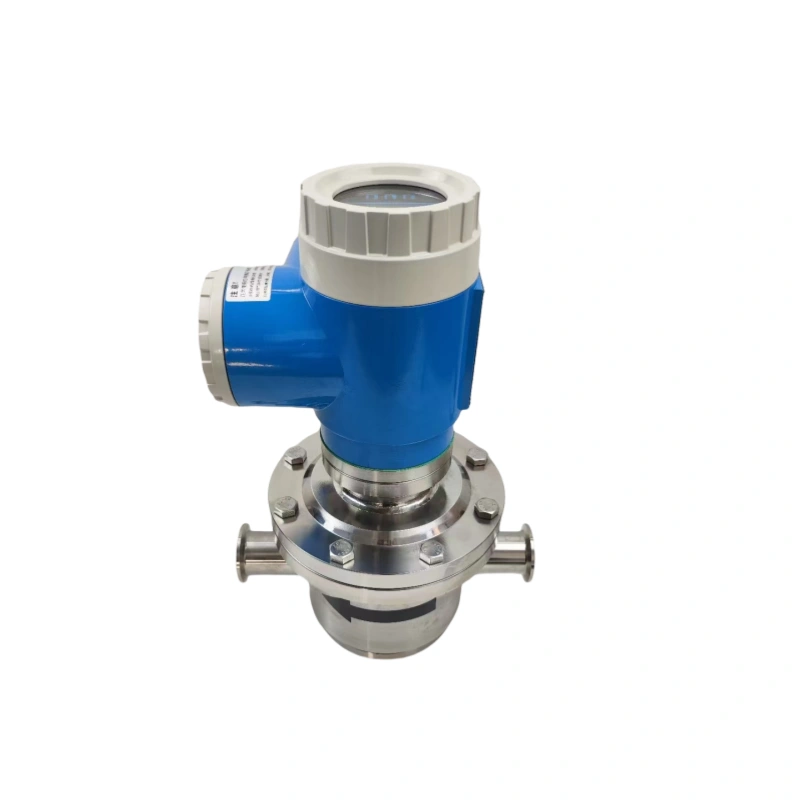
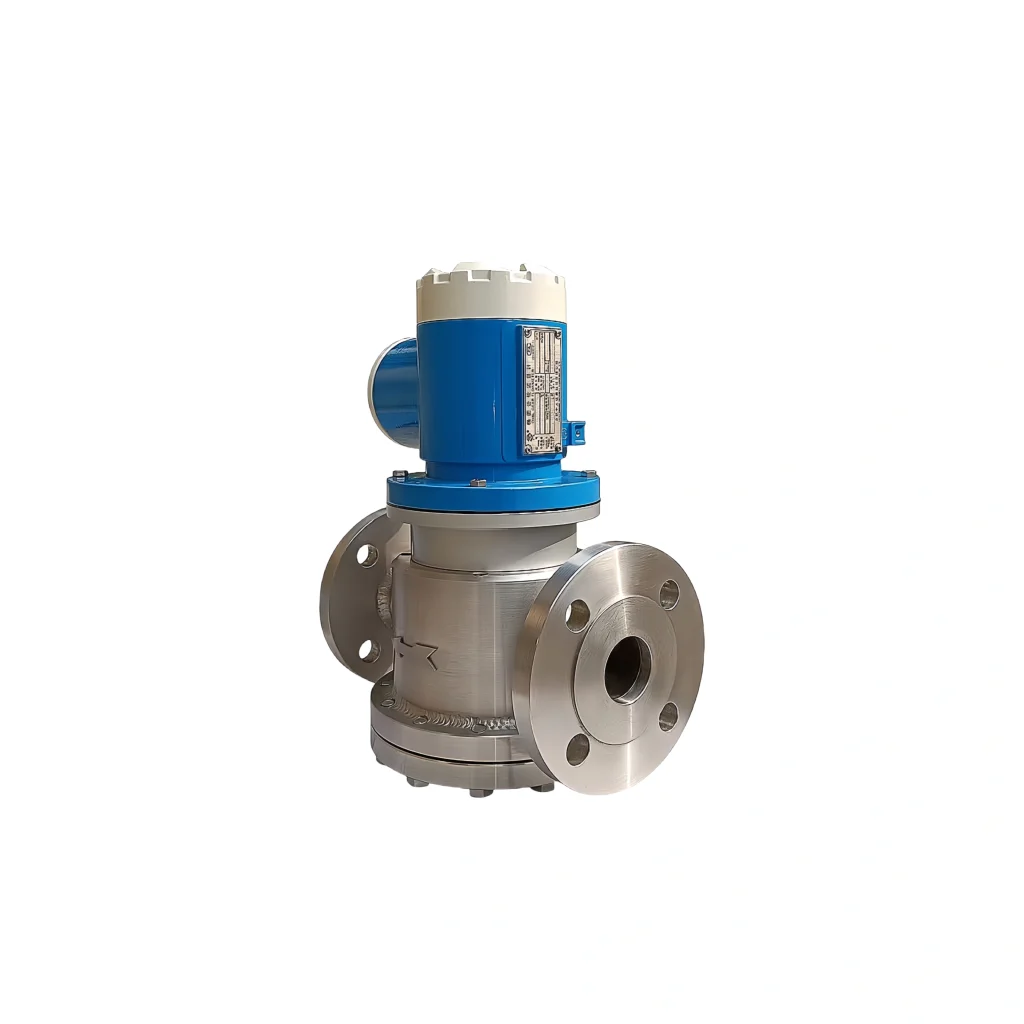
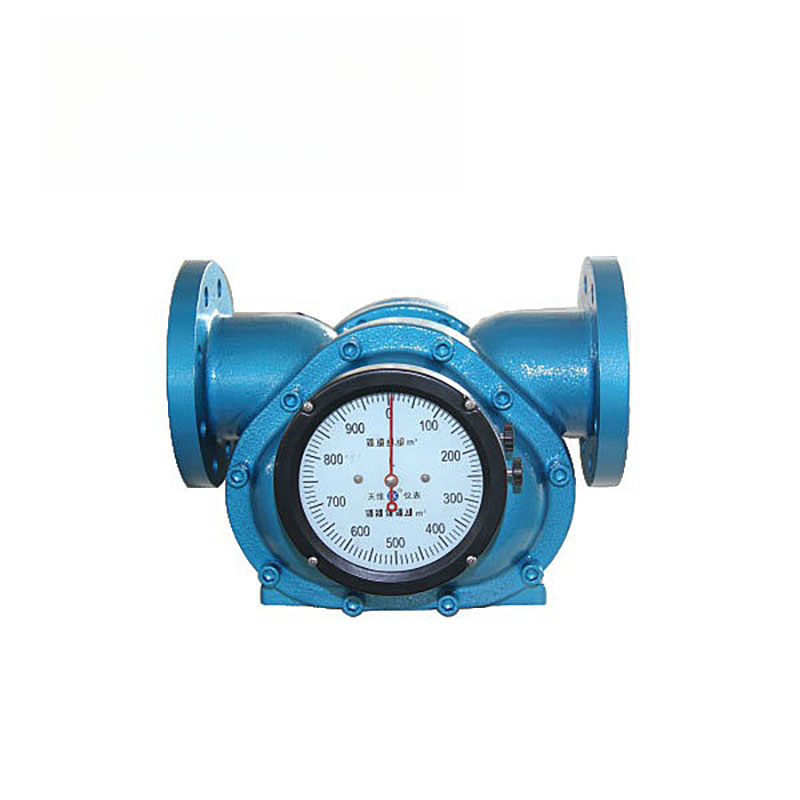
Advantages of Positive Displacement Flow Meters for Oil Measurement
High Measurement Accuracy
These meters split the fluid into fixed-size pockets using mechanical components, and the resulting accuracy usually sits between ±0.1% and ±0.5%, with some designs doing even better.
In oil trading and custody transfer, that kind of precision lines up with strict regulatory standards and keeps money from leaking away through metering gaps.
Unaffected by Oil Viscosity
Oils run the gamut from thin to thick—heavy fuel, lube oil, bitumen, you name it. Because of how these meters work, the fluid’s thickness barely registers in the final reading. They stay accurate even when the stuff flowing through is practically syrup, which is something turbine or vortex meters simply can’t claim.
No Upstream or Downstream Straight Pipe Sections Required
Flow profile doesn’t matter much to these devices. You can bolt them right into a cramped corner without laying down long straight runs of pipe upstream or downstream to smooth out turbulence. That saves both real estate and installation hassle.
Wide Turndown Ratio
Ratios of 10:1 or better are common, so whether the line is barely trickling or running full bore, the meter keeps its accuracy. That flexibility matters in oil transfer operations where flow rates swing up and down.
High Reliability and Repeatability
The mechanical guts of these meters have been refined over decades. They deliver the same reading today, next month, next year—exactly what you want when the numbers are used for billing or stock accounting. Hook them up to a local mechanical counter or an electronic transmitter, and you’ve got both on-site readouts and remote data at your fingertips.
Suitable for a Wide Range of Oil Media
From light distillates like gasoline and diesel all the way up to viscous crude and residual fuel, there’s a PD meter configuration that fits. Engineers pick cast iron, stainless, or specialty alloys based on how aggressive the fluid is, and tweak seals and lubrication schemes to handle wax buildup or corrosive components.
Direct Measurement of Volume
Oil deals are done in liters, cubic meters, or barrels—not kilograms. Since these meters output volume straight off the bat, you skip the density compensation step that mass flow meters demand. That trims down the system and cuts out a layer of calculation complexity.
Disadvantages of Positive Displacement Flow Meters for Measuring Oil
Mechanical Wear and Accuracy Drift
Internal moving parts undergo wear after prolonged operation, causing clearance to increase and resulting in changes to the volume of the measuring chamber. Measurement accuracy drifts over time, requiring regular calibration and maintenance.
Strict Requirements for Fluid Cleanliness
Grit or solid particles in the line can wedge into the measuring chamber or lock up the rotor, causing damage or a complete shutdown. Most installations end up needing a filter upstream to catch the junk, which adds pressure drop across the system and means more items on the maintenance checklist.
Complex Structure and Bulky Design
These meters pack a lot of moving parts into the housing, and the overall unit tends to run large and heavy. That puts real constraints on where you can mount them and how the piping needs to be supported. They also top out at moderate pipe sizes—typically around DN300—so for anything bigger or in tight quarters, you’ll likely need to look elsewhere.
Not Suitable for Gas-Containing Media
Gas entrainment can cause “idling,” resulting in significant negative measurement errors. Therefore, it is not suitable for gas-liquid mixed transport or applications involving light oils prone to vaporization.
Higher Maintenance Costs
Moving parts require regular lubrication, cleaning, and replacement. In high-temperature, high-viscosity conditions, seal aging and bearing wear are significant issues, resulting in higher lifecycle operational and maintenance costs.
Poor Dynamic Response
Mechanical inertia causes a slow response to flow pulsations, making it difficult to accurately capture rapidly changing flow processes; it is more suitable for steady-state or slowly changing flow measurement.
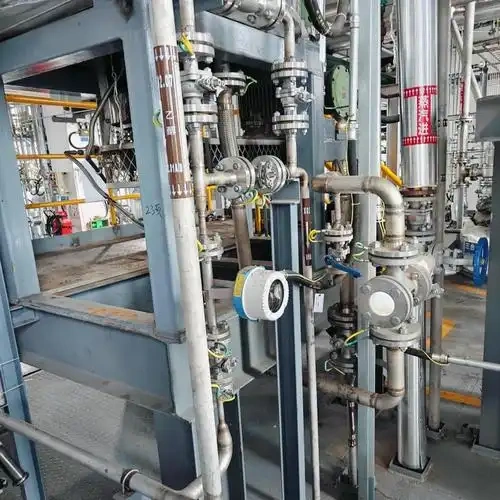
Types of Positive Displacement Flow Meters
Oval Gear Flow Meters
A pair of interlocking oval-shaped gears sits at the heart of this design. Fluid pressure pushes the gears around, and each full turn pushes out a set amount of liquid. Accuracy can reach ±0.2%, and the whole package stays fairly small. It handles medium-to-heavy viscosity fluids—oils, resins, chemical slurries—well enough, but anything with grit or solids will chew up the gears, so keep those out.
Spur Gear Flow Meters
Two straight-cut precision gears mesh inside a closely fitted housing, carving out fixed-volume pockets as they turn. These units can hit ±0.1% accuracy, react quickly to flow changes, and give consistent readings time after time. You’ll find them in hydraulic circuits, precision lube systems, and anywhere you need to meter tiny streams of thick liquid with tight tolerances.
Twin-rotor Flowmeter (Screw Type)
Two helical screws intermesh and spin together, driven by the passing fluid. The motion stays smooth and quiet, with barely any pressure drop across the meter. Heavy oil, asphalt, polymer melts—anything stubbornly viscous flows through without a fuss. When you need steady, uninterrupted measurement on thick stuff, this is the go-to.
Rotary Lobe Flowmeter (Roots Flowmeter)
Two figure-eight shaped lobes spin past each other without actually touching, pushed around by the fluid. The big selling points here are handling large pipe sizes, moving high volumes, and sipping pressure rather than guzzling it. Natural gas custody transfer, city gas distribution—that’s where this design built its reputation—but it works for liquids too.
Three-rotor Flowmeter
Take the twin-screw idea and add a third rotor to the mix. The extra element smooths things out even further, knocking down pulsation and noise while tightening up accuracy another notch. When the application demands rock-solid stability and the tightest possible numbers—think high-stakes oil metering or finicky chemical batching—this three-rotor layout earns its keep.
Comparison of Positive Displacement Flow Meters and Mass Flow Meters in Oil Measurement
Differences in Measurement Principles
Positive displacement flow meters work by trapping oil in a pocket of fixed size and counting how many times that pocket fills and empties. The meter tallies the rotations of its internal mechanism and spits out a volume figure—nothing more, nothing less.
Mass flow meters take a different approach entirely. They exploit the Coriolis effect to pick up on the physical forces generated by flowing oil. No temperature lookup tables, no pressure correction factors—the reading comes out as true mass flow rate straight from the sensor.
Differences in Media Compatibility
PD meters tend to get along better with the thicker industrial oils. In fact, the gooier the fluid, the smoother the internals run. Light, runny oils are trickier and can throw off the numbers.
Mass flow meters don’t play favorites. Thin or thick, they meter both ends of the viscosity spectrum without breaking a sweat. Viscosity shifts don’t rattle them.
Significant Differences in Operating Condition Adaptability
PD meters feel the pinch when oil temperature, pressure, or density starts drifting. A swing in any of those means pulling out correction charts or adding compensation modules to keep the volume reading honest. Harsh or changing field conditions can nudge the accuracy off target.
Mass flow meters shrug off the same environmental swings. Temperature and pressure variations get handled automatically, and density changes don’t leak into the final result at all.
Differences in Installation and Usage Requirements
PD meters are the easygoing type. No long straight pipe runs to worry about, compact footprint, straightforward upkeep, and a gentler hit on both the purchase price and the operating budget.
Mass flow meters come with a stricter rulebook. They’re bulkier, cost more upfront, and getting them wired up and dialed in takes more time and expertise.
Differences in Measurement Applications
PD meters find their niche inside plant boundaries—moving oil around the facility, logging daily pipeline totals, handling the bread-and-butter volumetric tracking that keeps operations running.
Mass flow meters are primarily used in high-precision applications such as oil trade settlement and precise batching, where measurement results can serve directly as the basis for transaction accounting.
Differences in Wear and Service Life
Positive displacement flow meters contain internal mechanical rotating components. Long-term conveyance of oil containing impurities can cause component wear, gradually reducing measurement accuracy over time.
Mass flow meters lack mechanical transmission structures prone to wear; with fewer internal moving parts, they offer superior wear resistance and greater stability during long-term continuous operation.
Factors to Consider When Selecting a Positive Displacement Flow Meter
First, the nature of the oil itself is where you start—viscosity, temperature, density, and how much junk is floating in it. Thick stuff like heavy fuel oil calls for oval gear, wafer, or scraper-type meters. On the flip side, thin products like gasoline work fine with simpler gear designs. Temperature swings mess with both viscosity and volume, so if things run hot and cold, plan on adding a temperature compensation setup.
Second, match the accuracy and flow range to what you actually need. PD meters deliver tight accuracy—usually ±0.1% to ±0.5%—which is why they show up in custody transfer applications. But make sure your real-world flow sits comfortably inside the meter’s sweet spot. Run too low and you get leakage past the internals; run too high and you’re outside the rated envelope.
Third, don’t gloss over the process and installation details. Check pipe size, pressure class, and how much room you have to work with. Slap a strainer upstream to keep debris from locking up the moving parts. In oil and petrochemical settings, you’ll also need to tick the boxes for explosion-proof ratings and ingress protection.
Fourth, weigh the operational and cost angles. PD meters have a fair bit going on mechanically, so wear points, lubrication needs, and service intervals all matter. Picking harder-wearing materials buys you more runtime between overhauls. But also step back and look at the full picture—purchase price, install labor, upkeep bills, and what it costs to keep the thing running year after year.
Finally, factor in any special tricks you might need. Measuring flow in both directions? Need pulse outputs or remote comms? Dealing with occasional gas-liquid mixtures? Each of these wrinkles changes which meter variant makes sense and how reliably it’ll perform on your specific line.
Sino-Inst carries a broad lineup of metering equipment built for oil applications. On the positive displacement side, we stock oval gear, spur gear, twin-rotor screw, lobe (Roots), and triple-rotor designs. Beyond PD meters, we also source Coriolis mass meters, turbine units, ultrasonic devices, and differential pressure instruments. That mix covers everything from light products like gasoline and diesel up through the thick end of the barrel—heavy crude, residual fuel, and everything in between.