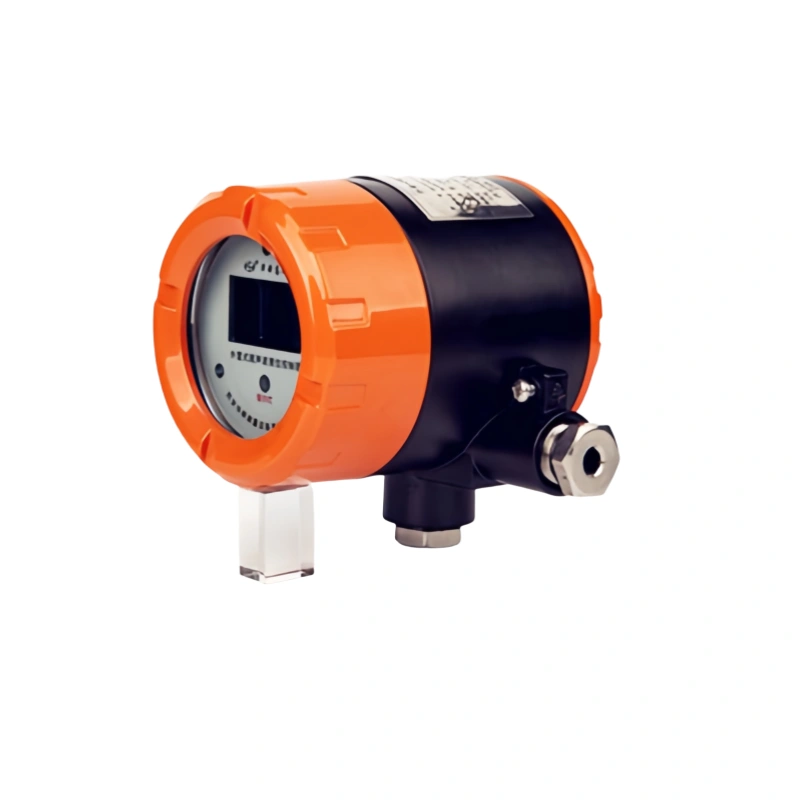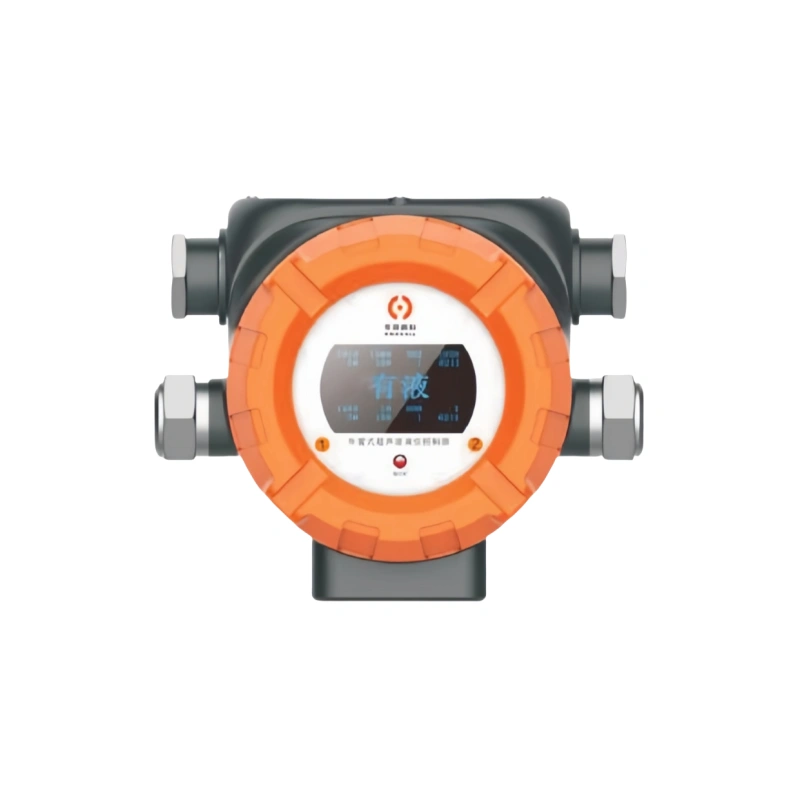
RF admittance level switches have earned their place as a go-to sensing element in process automation, mainly because they shrug off material buildup and adapt to just about any environment you throw at them. Decades of field use have proven the technology holds its measurement stability even when conditions get genuinely rough.
What is an RF Admittance Level Switch?
An RF admittance level switch is a level detection instrument that operates on the principle of RF admittance. It is primarily used for high-limit or low-limit alarm control of the level of materials such as liquids, slurries, granules or powders.
Working Principle
The core working principle involves utilising high-frequency RF signals to detect changes in material level through the capacitive and resistive effects between the probe and the medium being measured.
When there is no material around the probe, the RF circuit is in a specific admittance state; when the material rises and comes into contact with the probe, the dielectric constant and electrical conductivity of the material differ from those of air, causing changes in the equivalent capacitance and resistance between the probe and the vessel wall, thereby altering the circuit’s admittance value.
Upon detecting this change, the electronic circuitry triggers a relay or transistor switch output, thereby enabling level alarm or control functions.
Structure
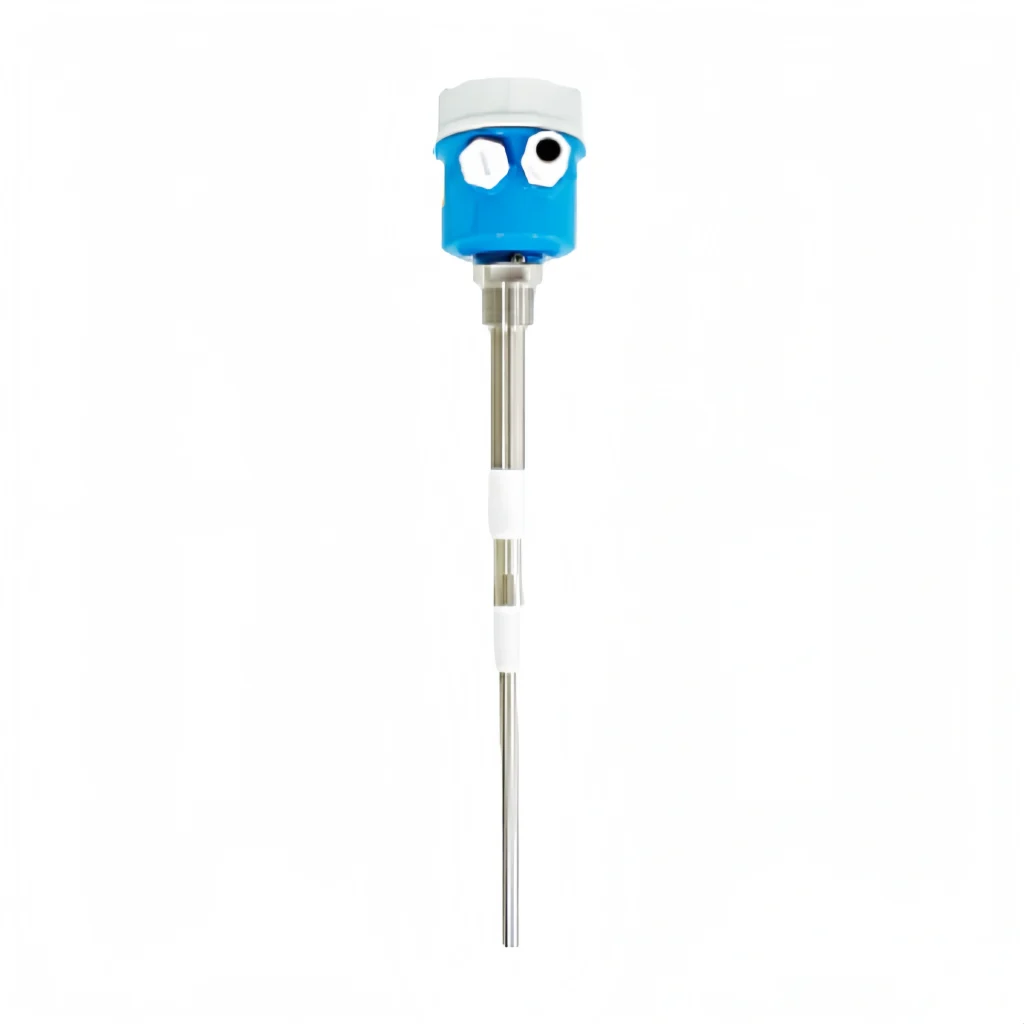
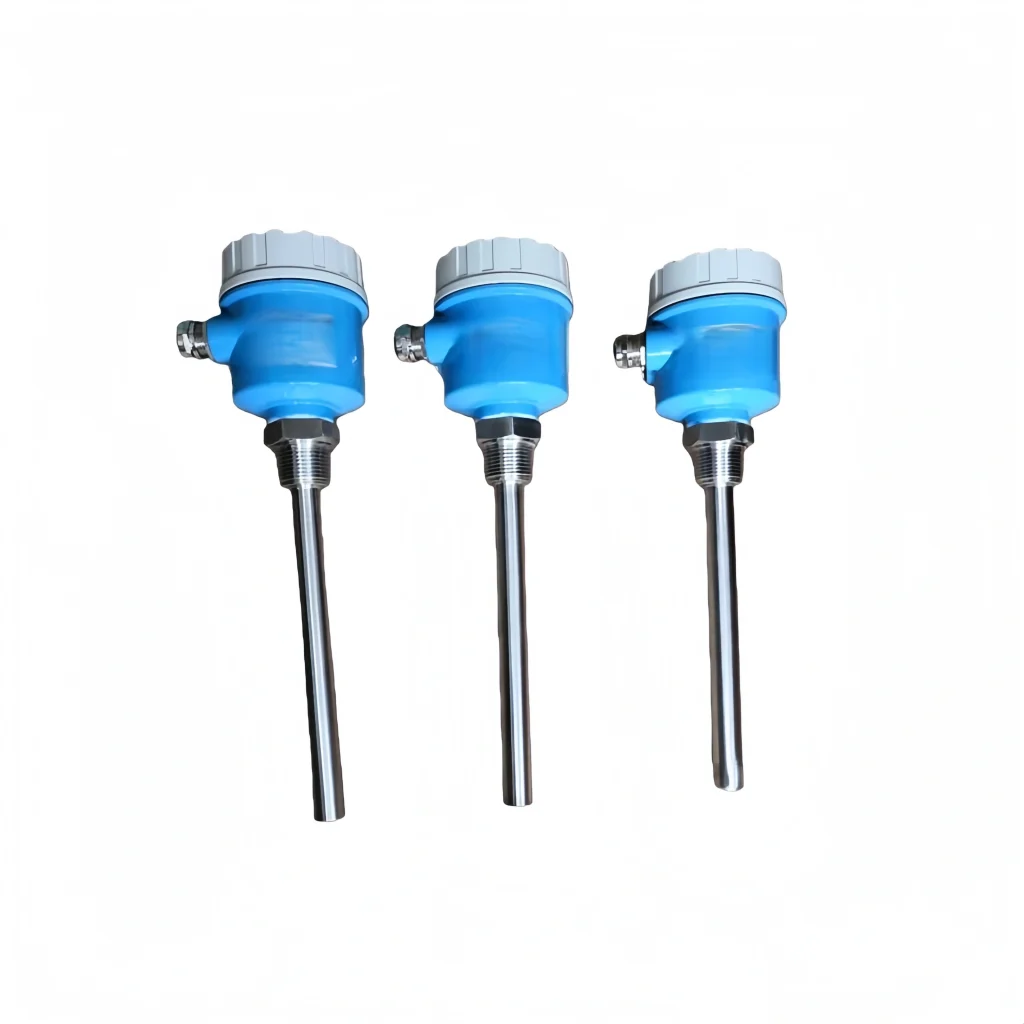
Sensor probe section:
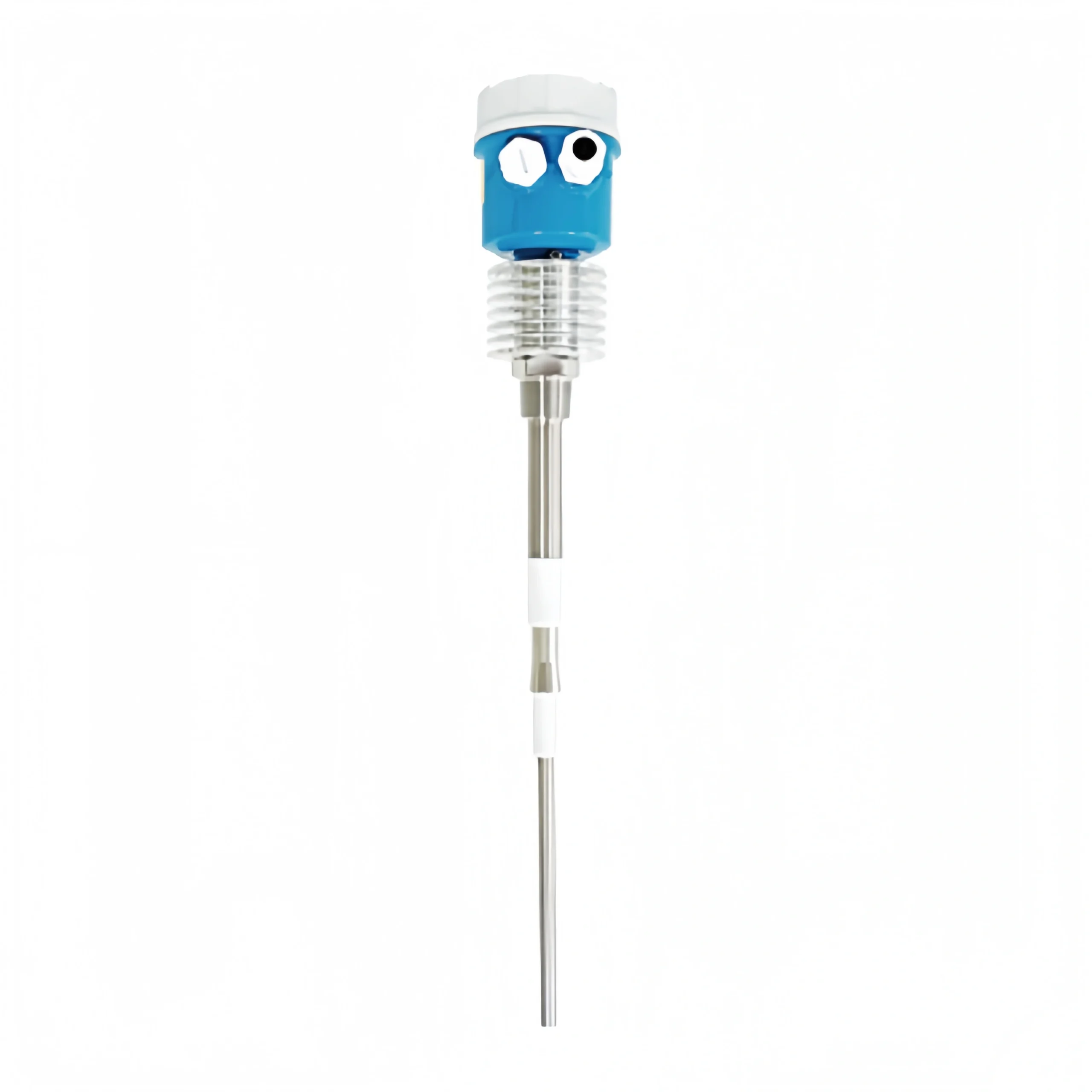
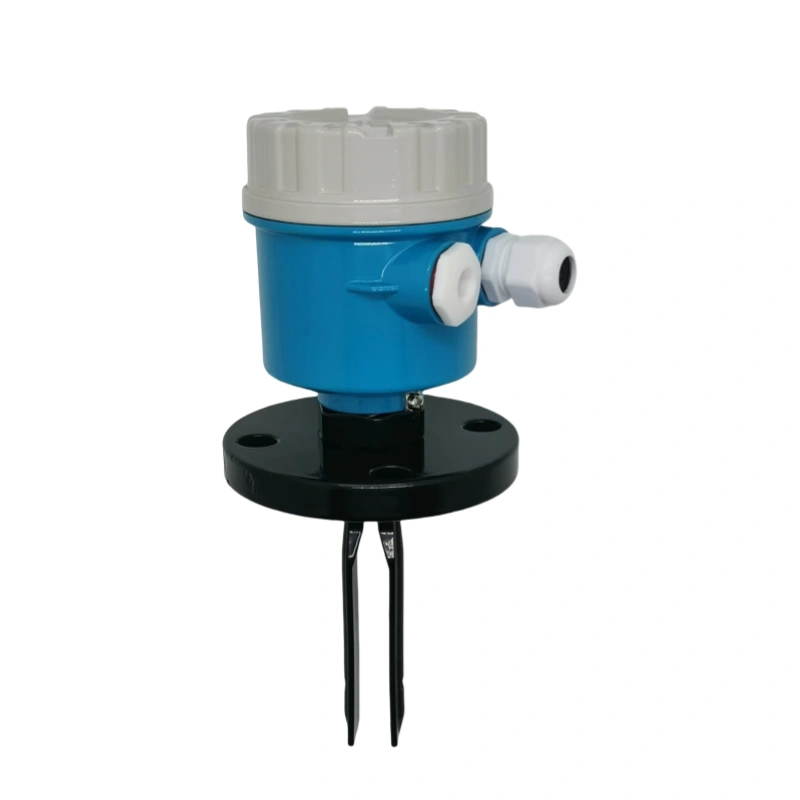
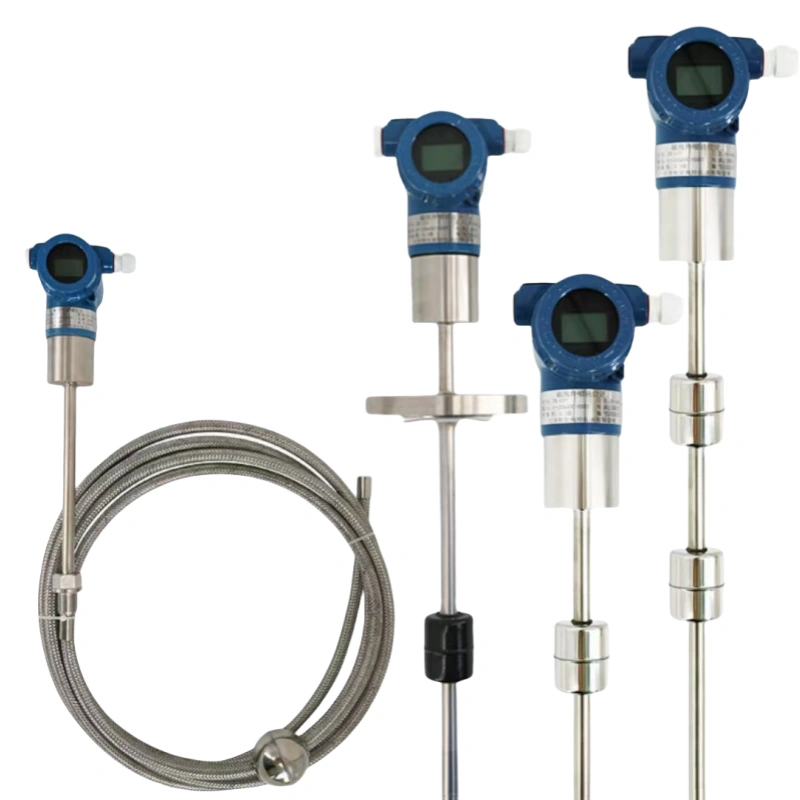
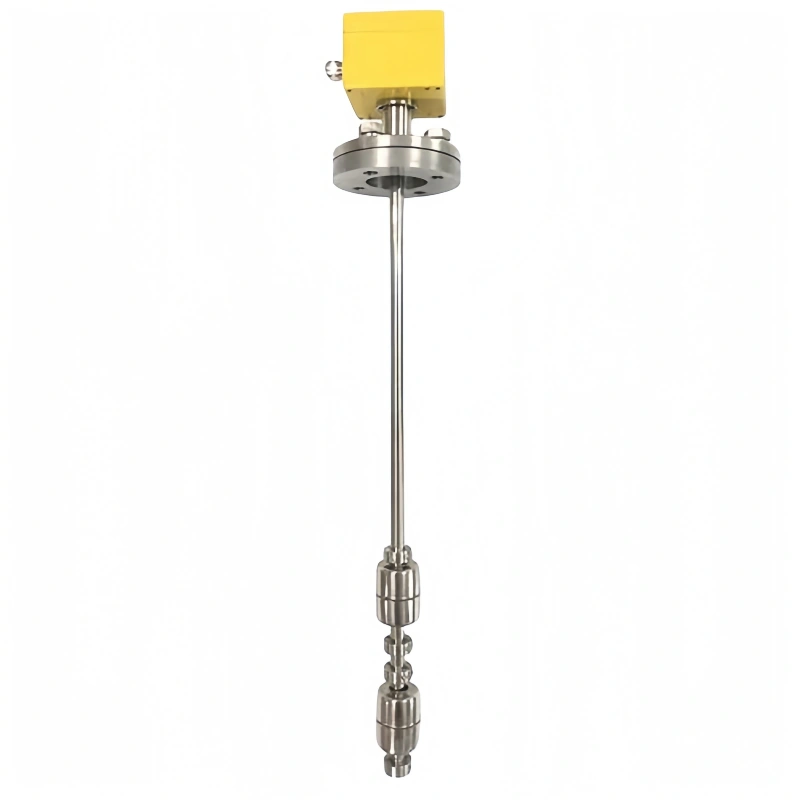
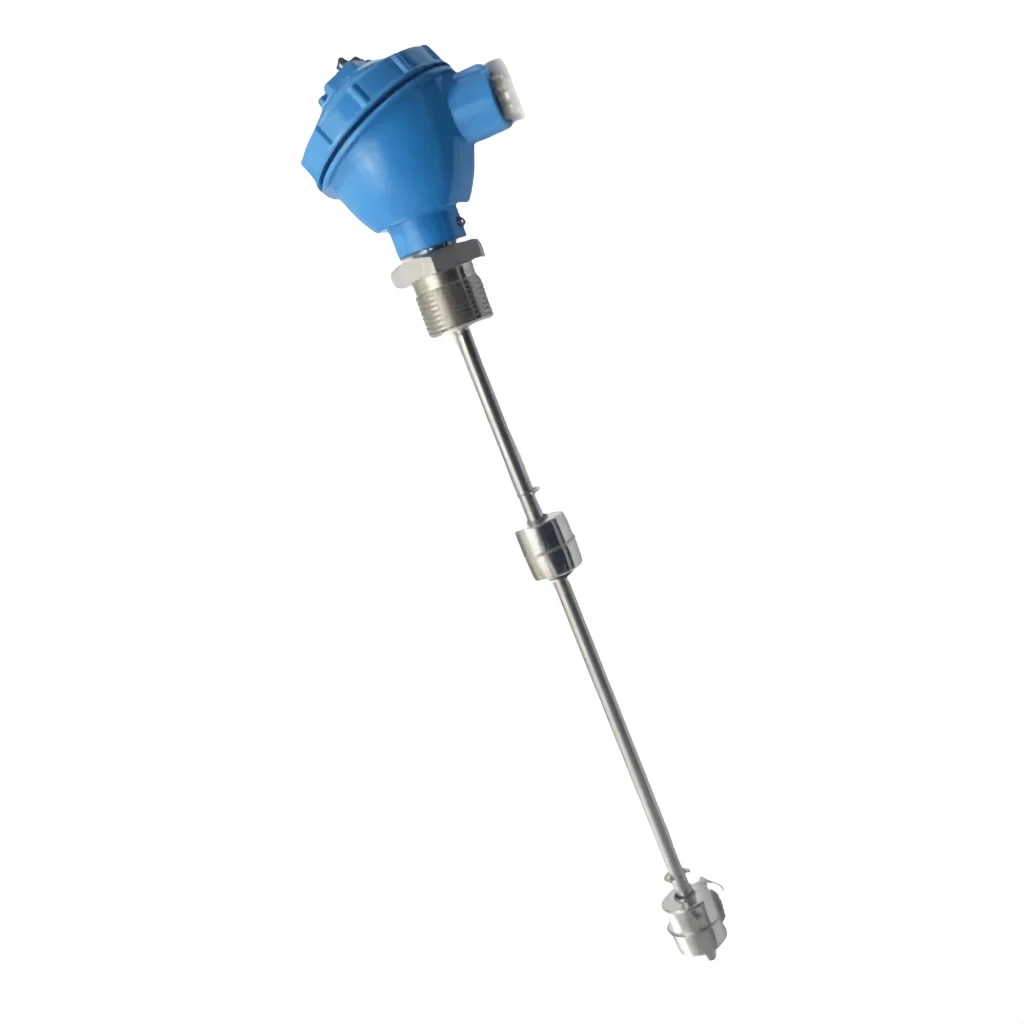
This is the core part that physically touches the medium you’re measuring, usually built from stainless steel or something else that won’t corrode easily. You’ll find it in rod, cable, or flat-plate styles, all meant to hold up under extreme heat, pressure, and nasty chemicals. Running down the middle is a central electrode that sends out and picks up radio-frequency signals—this is what actually does the admittance sensing.
Electronic Circuit Module:
Tucked inside the housing up top, this unit packs a high-frequency oscillator, signal detection and processing boards, and an output driver. The oscillator kicks out an RF signal that feeds straight into the central electrode.
Once the medium climbs up and covers the probe, the admittance between that electrode and the vessel wall shifts; the detection circuitry catches that shift and flips it into a clean switching signal.
Compensation Electrodes and Shielding Structure:
To get around headaches like medium sticking to the probe, temperature drift, and material buildup, the better units come with separate compensation electrodes or dedicated shielding layers. These do a solid job of telling the difference between an actual level change and a false trigger, so the switch doesn’t trip when it shouldn’t.
Process connections and sealing mechanisms:
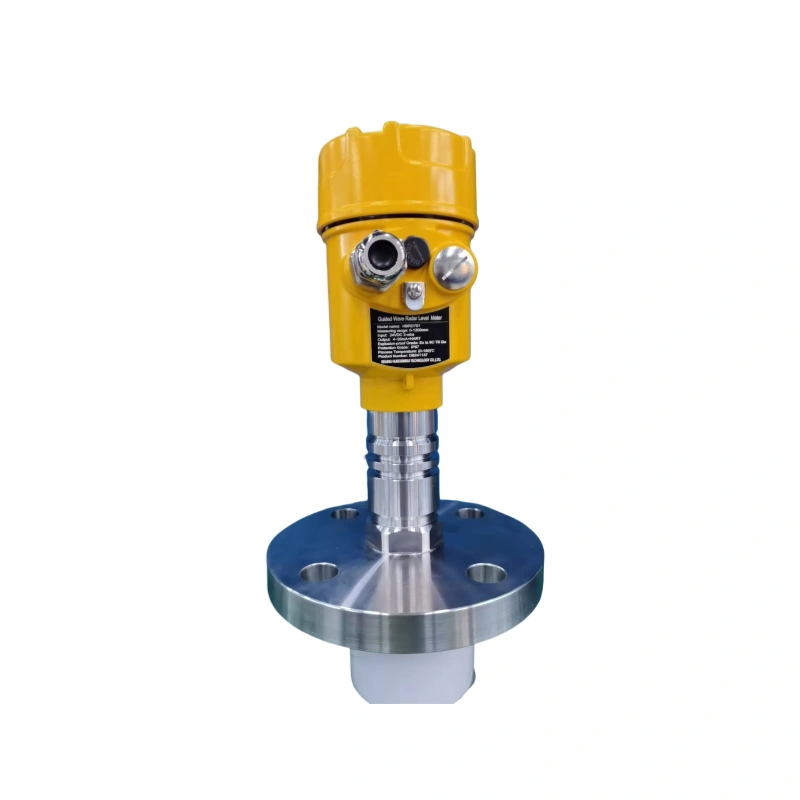
You get flange or threaded mounts for hooking the instrument to the vessel, plus explosion-proof and intrinsically safe sealing setups. The idea is to lock the device down tight against the process while keeping it compliant with safety and protection standards.
Wiring and Output Units:
Relay outputs, transistor outputs, or two-wire current loops are on offer, making it straightforward to wire into your control system. Inside the housing there’s a terminal block, and on the outside you’ll find cable entries—set up so it’s safe electrically but still doesn’t fight you during installation.
Key Features of the RF Admittance Level Switch
High resistance to material build-up. Utilising admittance measurement technology, it effectively distinguishes between true level and false signals caused by media adhesion, demonstrating excellent resistance to interference from viscous materials and material build-up, thereby preventing false alarms.
Wide range of applications. Capable of measuring various media including liquids, slurries, powders and granules, unaffected by changes in the dielectric constant of the medium, with proven applications in the petroleum, chemical, power, food and pharmaceutical industries.
Simple installation and maintenance. A variety of probe types—including rod, cable and flat-plate styles—are available to suit different installation depths and operating conditions. No complex commissioning is required; on-site installation is flexible and subsequent maintenance is minimal.
High reliability. With no moving parts, mechanical wear is minimal and service life is long. The electronic circuitry features a modular design, resulting in a low failure rate and stable operation under harsh conditions such as high temperature, high pressure and strong corrosion.
Flexible output options. A variety of interfaces are available, including relay output, transistor output and two-wire current signals, allowing direct connection to PLC or DCS systems to meet diverse control logic requirements.
Comprehensive protection ratings. Certified for various explosion-proof types, including flameproof and intrinsically safe, with a tightly sealed structure, making them suitable for hazardous locations such as flammable and explosive environments; safety performance complies with international standards.
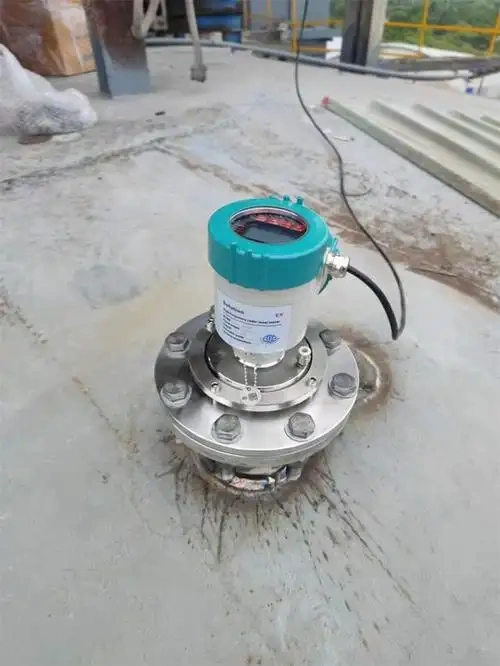
Applications of Radio Frequency Admittance Level Switches
Industrial Level Monitoring
These switches see heavy use tracking solids in silos, storage tanks, and reactors—handling powders, granules, and chunky materials without much fuss. You’ll find them doing the heavy lifting in cement plant raw-material silos, power station ash hoppers, and grain elevators, where they trigger high-level or low-level alarms and handle interlock logic.
Liquid and Interface Measurement
They also pull duty monitoring liquids across the board, from oil and chemicals to sewage. Some variants can even tell the difference between liquid and foam, or liquid and settled sediment, which comes in handy for jobs like interface detection in oilfield separators and chemical reactor vessels.
Viscous and Fouling Media Applications
Where things get sticky—literally—these devices hold their own against bitumen, heavy oil, slurries, and resins. The anti-fouling design keeps material buildup on the probe from crying wolf, so you don’t get spurious trips and the reading stays honest.
High-Temperature and High-Pressure Environments
For the really punishing spots—boiler drums, high-pressure reactors, molten-metal holding tanks—there are probe variants built from special alloys and hardened structures. They’ll take several hundred degrees Celsius and pressures in the tens of megapascals, which is exactly what power generation and petrochemical operations demand.
Explosion-Proof Hazardous Areas
Products certified as flameproof or intrinsically safe can be installed in explosive environments containing flammable gases or dust, such as petroleum refining, natural gas processing and coal chemical plants. When used in conjunction with safety barriers, they provide reliable level monitoring.
Process Interlocks and Protection
As critical measurement points, these probes participate in the automatic control of production processes, such as the start/stop of conveyor belts, the opening and closing of feed valves, and agitator protection. They prevent abnormal conditions such as tank overflows and empty-tank operation, ensuring production safety and continuous operation.
Types of Probes for RF Admittance Level Switches
Classification by Structural Design
Rod-type probes: These utilise a rigid metal rod as the sensing element. They feature a simple structure and high mechanical strength, making them suitable for measuring general liquids, powders and granular materials at moderate insertion depths. Installation is typically via threaded or flanged connections, with standard lengths generally ranging from 100 mm to 2000 mm; longer versions can be customised to suit silo depths.
Cable-type probes: These utilise a flexible metal cable in place of a rigid rod, allowing them to bend to accommodate complex installation spaces. They are suitable for deep silos, high-level silos, shafts and other applications requiring measurement ranges of several metres or even tens of metres. The end of the cable-type probe is usually weighted to maintain tension and prevent significant swaying caused by material impact.
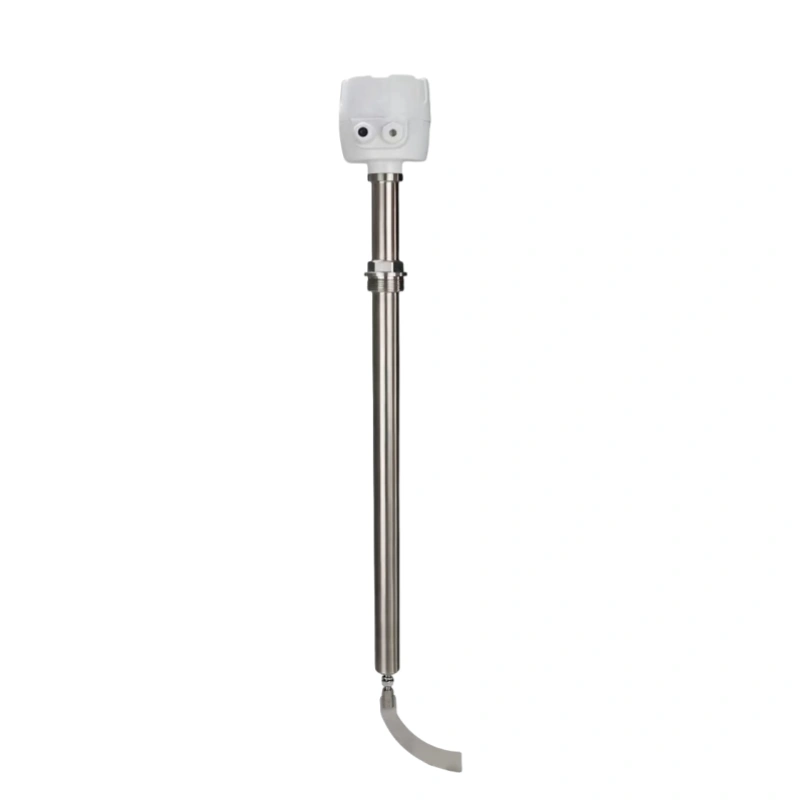
Flat-plate probes: The sensing face is a thin, plate-style design that doesn’t eat up much room. That makes it a natural fit for tight spots like chutes, pipelines, and narrow gaps, or anywhere you need to catch a thin layer of material. You can mount it flush against the wall so it stays out of the material’s way.
Classification by Functional Characteristics
Standard Probes: Your everyday workhorse for run-of-the-mill jobs. Made from stainless steel, they hold up fine in mildly corrosive settings and handle most liquids, powders, and granular stuff without complaint.
Corrosion-Resistant Probes: Built for the nasty stuff—strong acids, caustic alkalis, salt spray, you name it. The rod and insulation get a protective coat of PTFE, PFA, or Hastelloy, which buys you extra runtime in brutal environments like chemical plants and electroplating shops.
High-Temperature Probes: These use heavy-duty thermal insulation or a split-body layout that keeps the electronics away from the heat. They’ll take anything from 300°C up to 800°C, so they fit right into molten-material monitoring in foundries, power plants, and cement kilns.
High-Pressure Probes: Beefed-up construction and tighter sealing let these handle extreme pressure environments. You’ll see them in specialized applications like high-pressure reactor vessels.
Wear-Resistant Probes: The shaft gets hardened or sleeved in ceramic to shrug off abrasion and impact from rough material flow. Think ore chutes, coal handling, sand and gravel operations—anywhere the medium beats the hell out of whatever’s in its path.
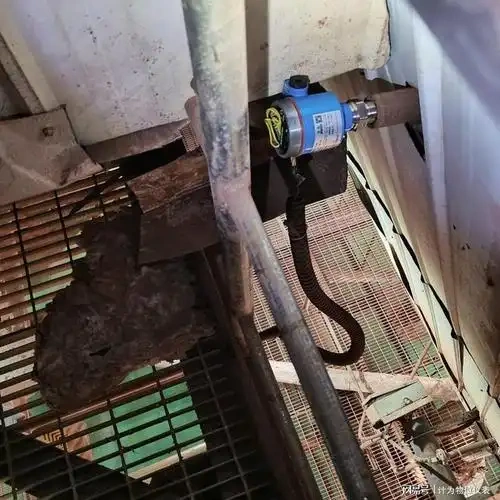
Comparison of RF Admittance Level Switches and Capacitive Level Switches
Differences in Measurement Principles
Capacitive level switches operate on the principle of capacitance variation, treating the probe and the container wall as the two terminals of a capacitor; changes in the medium cause a change in capacitance.
RF admittance level switches, however, incorporate conductance and resistance components in addition to capacitance, measuring complex impedance (i.e. admittance), which provides a more comprehensive reflection of the medium’s characteristics.
Differences in Resistance to Material Buildup
Capacitive switches are susceptible to the effects of material adhesion; material buildup on the probe can cause the capacitance to remain persistently high, leading to false alarms.
RF admittance switches utilise three-point measurement technology and compensation electrodes to identify and eliminate the resistive component caused by material buildup, responding only to actual level changes; their resistance to adhesion is significantly superior to that of capacitive switches.
Range of Applicable Media
Capacitive switches lack sufficient sensitivity for media with low dielectric constants, such as light oil and certain plastic powders. As RF admittance switches measure admittance rather than simple capacitance, they are insensitive to changes in dielectric constant and can detect a wider range of media, from conductive liquids to insulating powders, including materials with dielectric constants as low as 1.5.
Circuit Complexity
Capacitive switch circuits are relatively simple and cost-effective, making them suitable for general operating conditions. RF admittance switches require complex circuitry involving high-frequency oscillation, phase detection and amplitude separation, resulting in higher technical barriers and manufacturing costs; however, this is offset by superior environmental adaptability and measurement reliability.
Application Selection Preferences
For general clean liquids and conventional applications with moderate dielectric constants, capacitive switches are economical and practical. For critical measurement points involving material build-up, strong corrosion, high temperature and pressure, variable medium characteristics, or where high reliability is required, RF admittance switches are the superior choice; they are gradually replacing traditional capacitive products, particularly in harsh operating conditions such as petrochemicals and coal chemical processing.
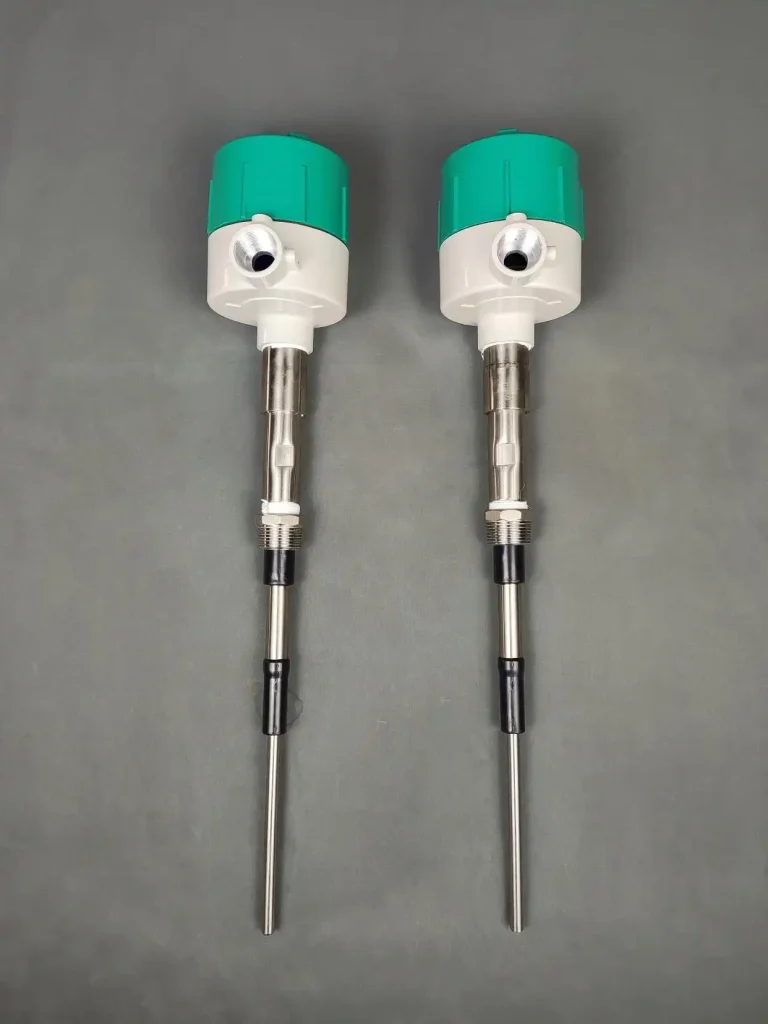
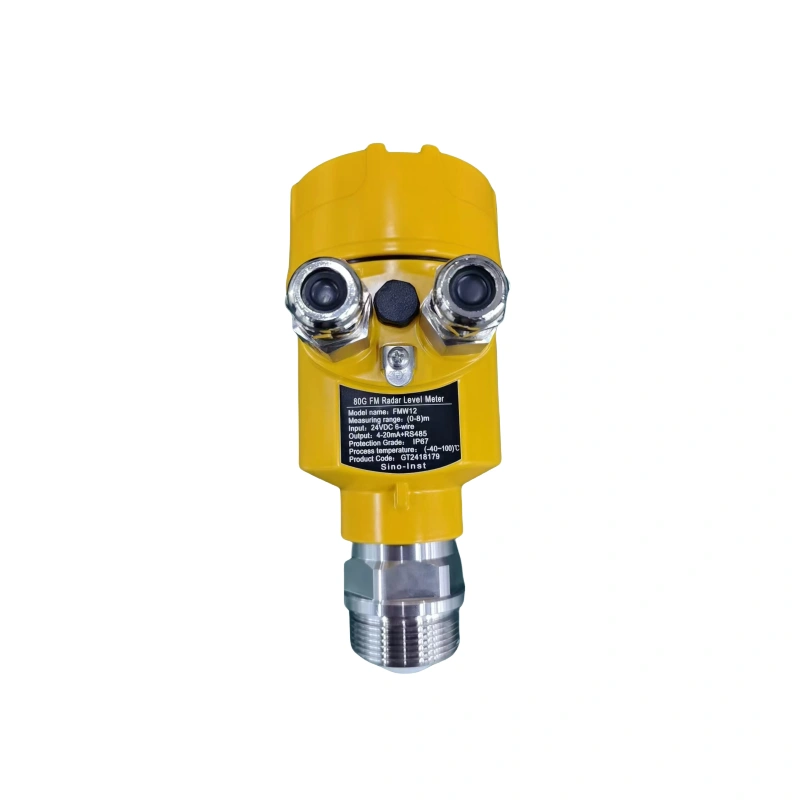
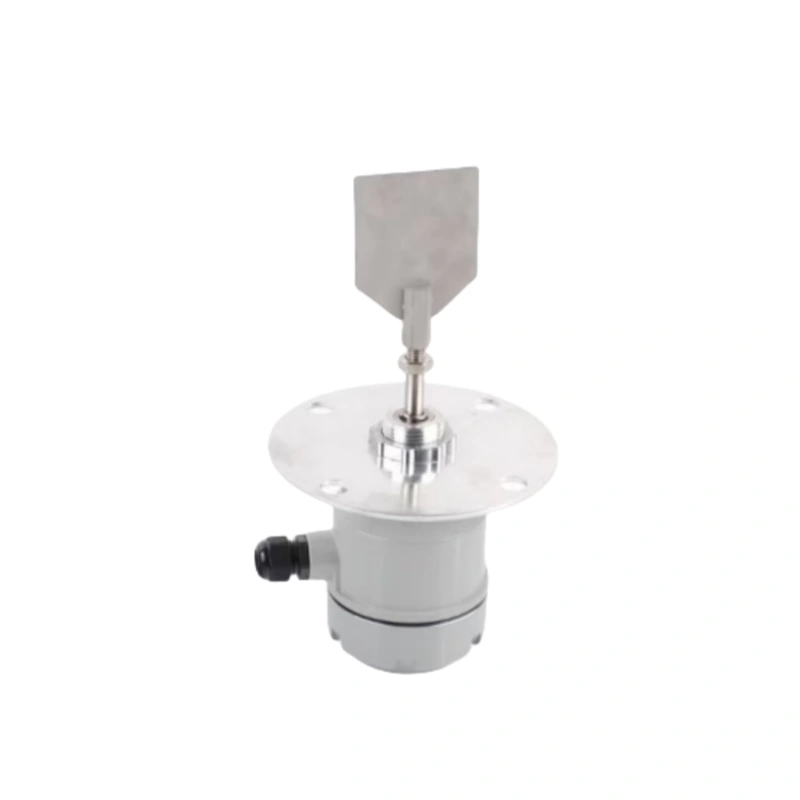
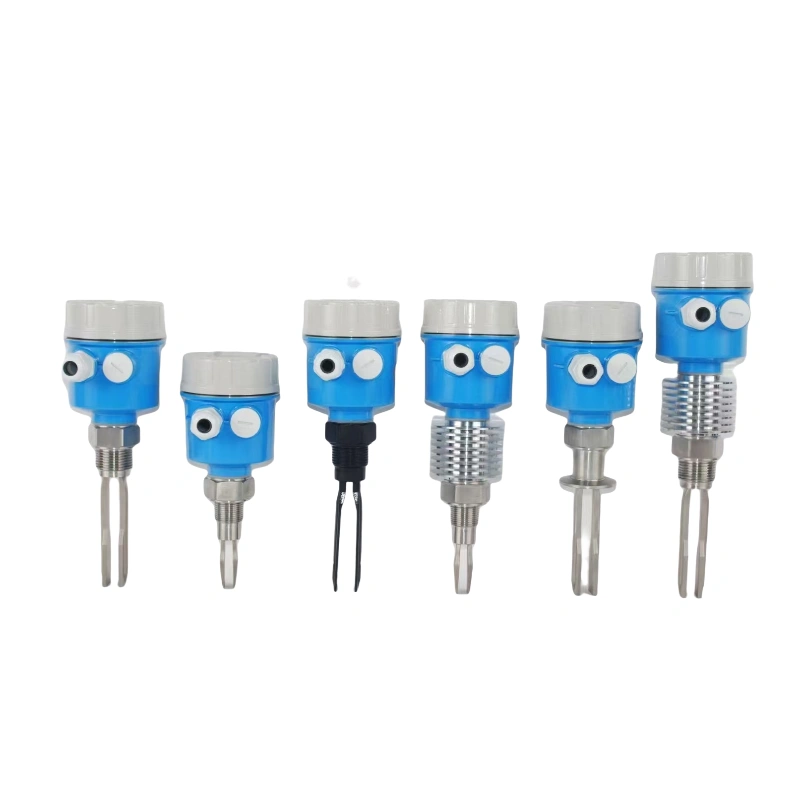
As a specialist supplier in the field of industrial automation measurement and control, Sino-Inst not only provides high-performance RF admittance level switches but is also committed to offering customers a comprehensive range of level detection products based on multiple principles, covering the full product line including capacitive level switches, tuning fork level switches, radar level switches and level gauges.
Whether your application involves routine storage tank monitoring or demanding conditions such as high temperatures, high pressures, severe corrosion or heavy adhesion, we can tailor the optimal measurement and control solution based on the characteristics of the medium, process conditions and control requirements.
We provide professional services throughout the entire product lifecycle—from product selection and on-site commissioning to after-sales technical support—to ensure the safe, stable and efficient operation of your production processes.