When it comes to keeping an eye on liquid levels in different industries like chemicals, food processing and petroleum, traditional contact-type equipment has always had its problems. Things like severe corrosion, flammability and explosiveness, and the need to meet hygiene-grade standards have made it tricky.
These sensors use ultrasonic waves to measure liquid levels without having to drill or touch the surface, making them a safe and reliable choice for industrial automation.
Working Principle
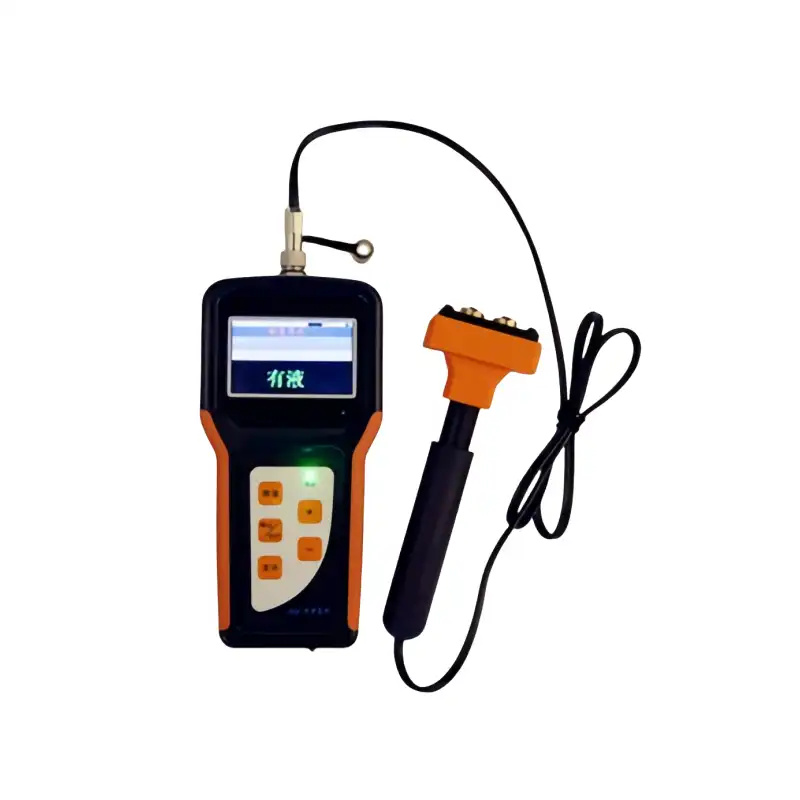
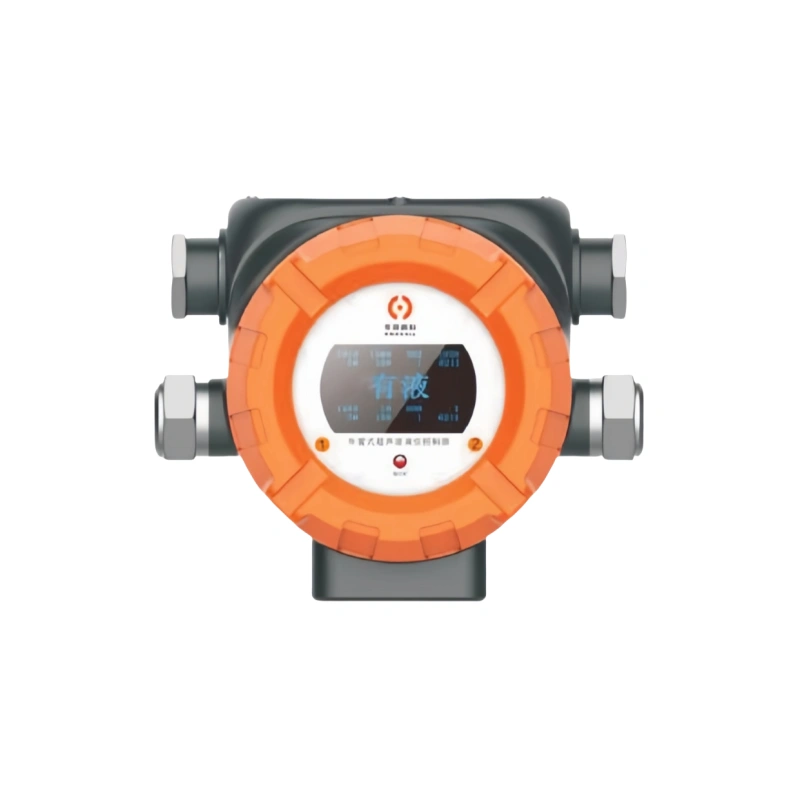
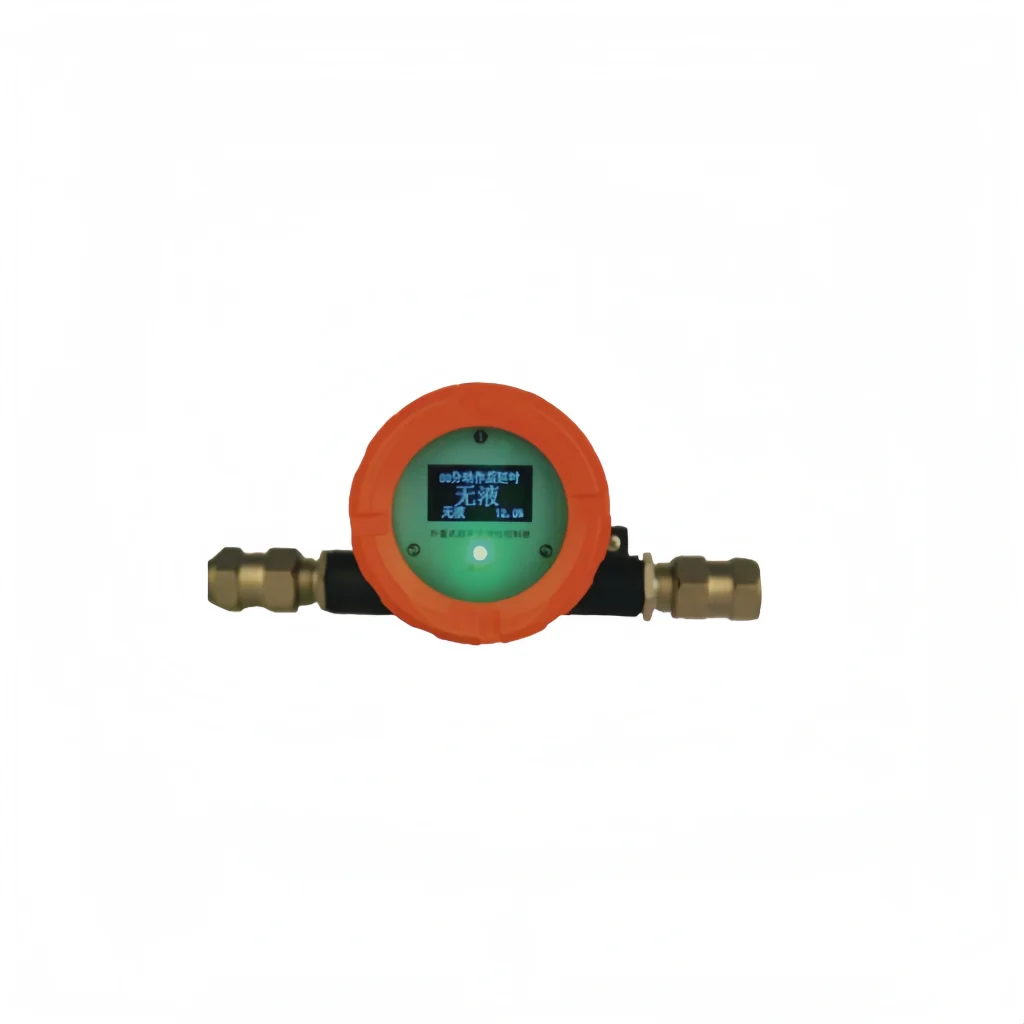
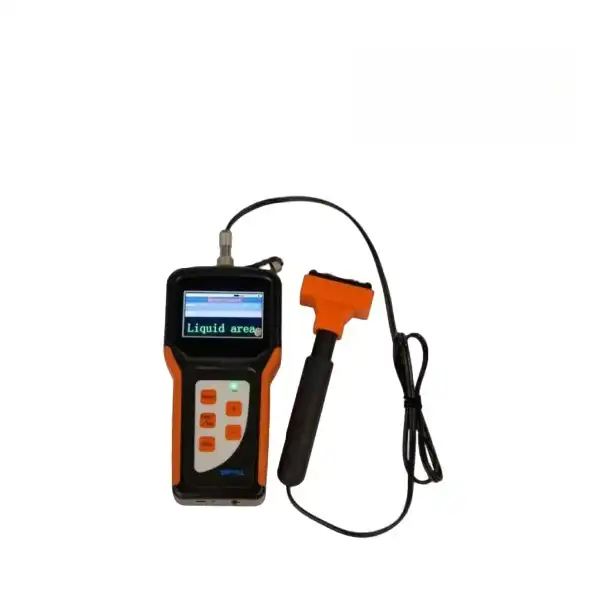
Non invasive ultrasonic level sensors work by reflecting sound waves back to measure distance, so you can get accurate readings without touching the liquid inside the vessel. The process is made up of three main parts: the measurement probe, the calibration probe and the transmitter.
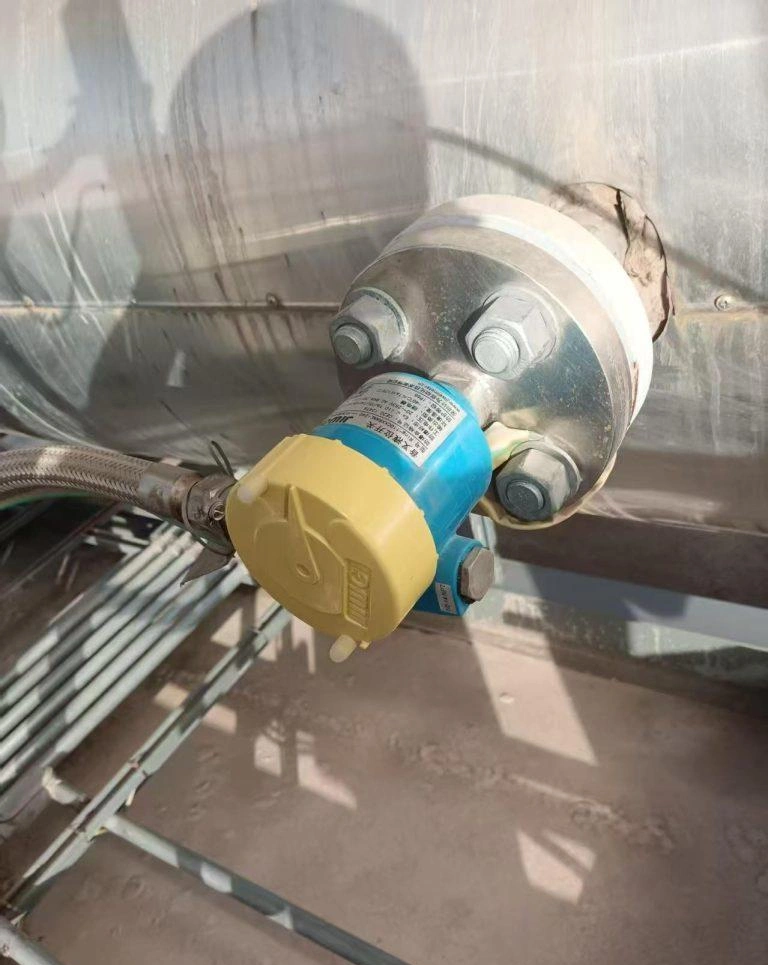
Firstly, the measurement probe, installed on the exterior of the container, emits high-frequency ultrasonic signals towards the inner wall of the container and the liquid-vapour interface. As the signals travel through the liquid, they bounce off the inner wall and the liquid-vapor interface, creating two reflected signals that head back towards the measurement probe.
The calibration probe helps with synchronous calibration to get rid of any interference on measurement accuracy caused by things like container wall thickness and material, making sure the reflected signals are accurate.
Subsequently, the measuring probe transmits the received reflected signals to the transmitter mounted on a column beside the vessel. The transmitter processes the signals through filtering, amplification and calculation.
It works by measuring the speed of sound and the time it takes for the sound to bounce back, which tells you exactly how far away the liquid-gas interface and the probe are. This means it can calculate the actual height of the liquid in the vessel.
Then, the transmitter changes the processed level data into a standard 4–20 mA signal, which can be used straight away with various industrial control systems to allow real-time monitoring, display, alarm and automatic control of the liquid level. The entire process requires no breach of the vessel’s seal and involves no contact with the medium itself.
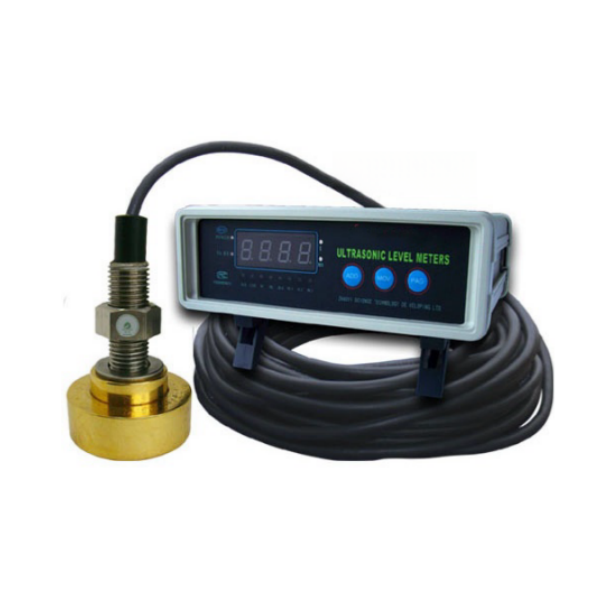
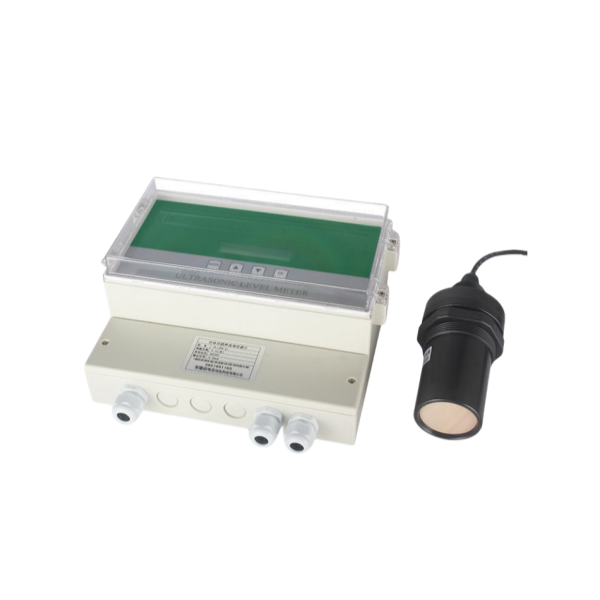
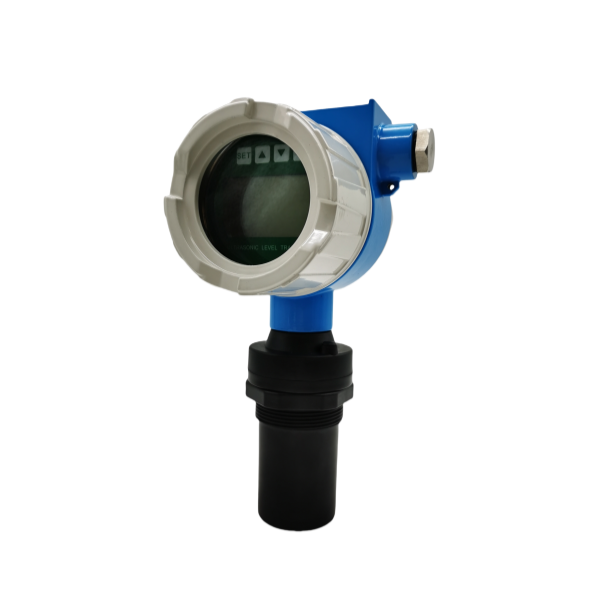
Advantages of Non Intrusive Ultrasonic Level Sensors
Non-contact, non-destructive measurement
The sensor does not come into contact with the liquid being measured; there is no need for drilling holes or inserting tubes. It is installed entirely externally, causing no structural damage to tanks or pipes, and does not come into direct contact with the medium, thereby preventing contamination at source.
Wide Range of Compatible Media
Suitable for all types of liquids, including corrosive, viscous, high-temperature, high-pressure, flammable, explosive, and those containing particulate impurities. Also suitable for applications with extremely high hygiene requirements, such as in the food and pharmaceutical industries, and is not restricted by the physical or chemical properties of the medium.
Simple Installation and Maintenance
Installation and commissioning can be completed without halting production or draining the tank. So, if you need to do any maintenance or replacement, you won’t have to deal with the internal medium or take apart the internal tank parts, which makes the installation way easier and cuts costs.
Excellent Safety and Explosion-Proof Performance
With detection performed entirely externally and no components extending into high-risk media, potential safety hazards caused by leaks or sparks are eliminated. This makes it highly suitable for use in flammable, explosive and high-risk industrial environments such as the chemical and oil and gas sectors.
High Interference Resistance and Stability
It’s pretty accurate, and it’s not too bothered by liquid foam, vapour or surface changes. There are no moving mechanical parts, so it won’t wear out or jam, and it’ll last a long time and have low failure rates when you use it for a long time.
High Compatibility with Operating Conditions
It’s great for all kinds of sealed or specialised containers, like sealed tanks, pressure vessels, underground storage tanks and large storage silos. It can also handle tough industrial environments, like high and low temperatures, and high levels of dust, making it super versatile.
Disadvantages of non intrusive ultrasonic level sensors
Limited by tank conditions
The sensors rely on sound waves travelling along the tank walls, so signal attenuation is significant when the tank walls are too thick, the material is inconsistent, or the tank has a corrosion-resistant lining. This can lead to measurement inaccuracies and signal interruptions.
Poor adaptability to liquid surface conditions
Foam, vapour, mist or significant surface fluctuations can interfere with the echo signal, causing value drift, fluctuations and measurement instability.
Existence of Measurement Dead Zones
The instrument has inherent fixed dead zones; the low-level area at the bottom of the tank cannot be detected, making it unsuitable for small tanks or shallow liquid level scenarios.
Temperature Affects Measurement Accuracy
Changes in ambient temperature alter the speed of sound propagation; insufficient compensation leads to errors, and stability deteriorates in high-temperature or low-temperature outdoor conditions.
Limited suitability for harsh operating conditions
Not suitable for high-pressure or high-vacuum tanks; readings are prone to fluctuation and inaccuracy when there is significant turbulence from internal agitation or a complex acoustic field.
Higher installation and cost
The equipment is more expensive than standard level gauges and imposes strict requirements regarding tank wall contact, installation position and levelling procedures; improper installation directly affects measurement performance.
Incompatibility with certain media
Highly absorbent or highly viscous paste-like media will absorb the sound waves; tank walls with reinforcing ribs or irregularly shaped curved tanks may also interfere with signal transmission.
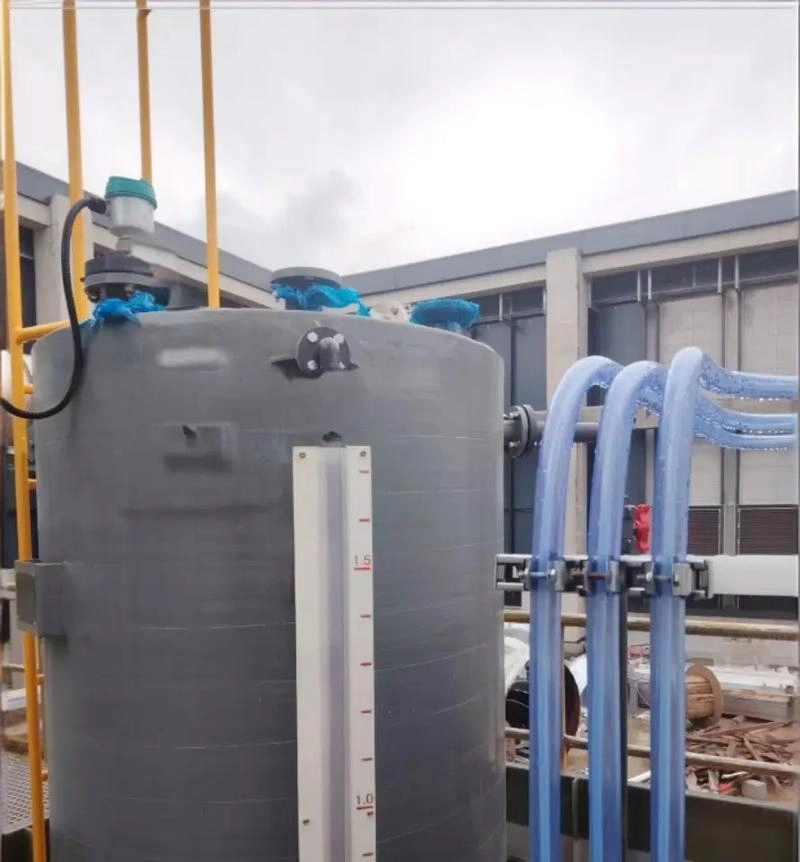
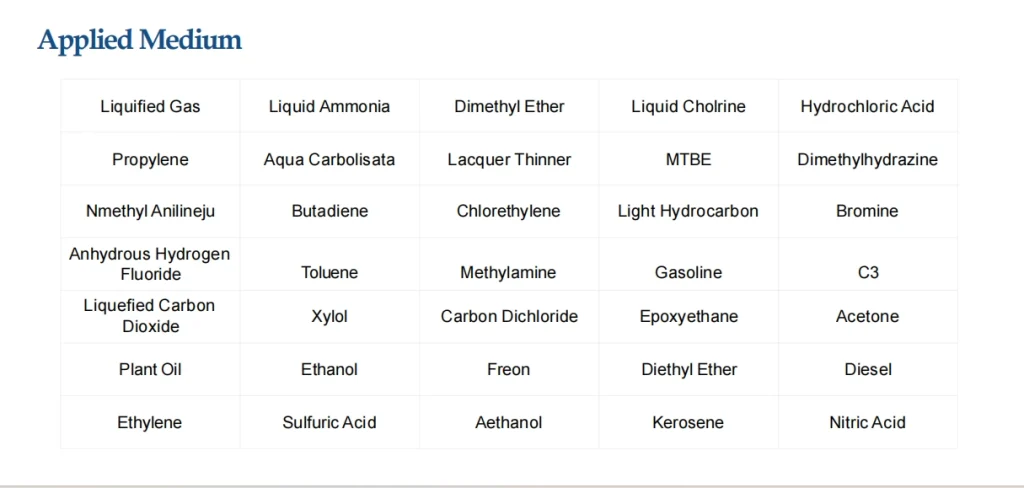
Liquid types suitable for non intrusive ultrasonic level sensors
Non intrusive ultrasonic level sensors utilise an external, wall-mounted measurement method without contacting the medium, making them suitable for various corrosive, high-hygiene, and hazardous liquids that are difficult to access. Specific suitable types are as follows:
Highly corrosive liquids: Various acid and alkali solutions, corrosive chemical waste liquids, salt solutions, etc. As the instrument does not enter the tank, it is not subject to corrosion by the medium, and there is no need to worry about probe damage or medium leakage.
Liquids requiring high hygiene standards: Food and beverage raw materials, pharmaceutical solutions, purified water, drinking water, alcoholic beverages, etc. The entirely non-contact measurement method prevents medium contamination, meeting the sterile and clean production requirements of the food and pharmaceutical industries.
Flammable, explosive and high-risk liquids: petrol, diesel, organic solvents, flammable chemical concentrates, etc. You don’t need to drill holes in the tank and there are no internal mechanical parts or electrical contacts, so there’s a reduced risk of leakage and explosion hazards. This makes it suitable for use in hazardous chemical storage tanks.
High-temperature and low-temperature process liquids: high-temperature thermal oil, low-temperature refrigerants, liquid nitrogen storage, etc. As the sensor is external, it is not directly affected by the medium temperature, avoiding the issues of high cost and susceptibility to ageing associated with conventional high-temperature and low-temperature probes.
Toxic, hazardous and volatile liquids: Things like toxic chemical raw materials, highly volatile organic solvents and stinky waste liquids. You don’t need to drill holes in the tank body to insert tubing, so you can avoid the loss of gases, which is safer for the people on-site and also reduces the risk of pollution.
Various types of ordinary fresh water and industrial water: Suitable for conventional media such as circulating water, wastewater and tap water in storage tanks. Installation is simple, requires no drilling, and involves minimal maintenance.
Non Invasive Ultrasonic Level Sensor vs. Ultrasonic Level Sensor
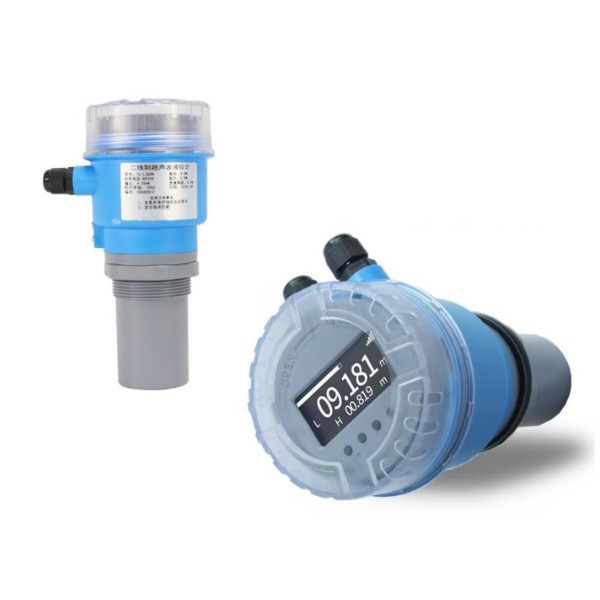
Conventional ultrasonic level sensor require a hole to be cut in the top of tanks, reservoirs or other vessels during installation. The probe is installed directly inside the vessel through this opening, leaving it exposed and in direct contact with the air within the vessel.
During operation, the transducer emits high-frequency ultrasonic signals downwards; these signals are reflected upon contact with the liquid surface and returned to the transducer. The device calculates the liquid level height with precision by measuring the time difference in the ultrasonic signal propagation.
This equipment is simple to install and commission, offers excellent value for money, and is suitable for the vast majority of standard operating conditions involving atmospheric pressure, non-corrosive environments, and situations without the need for sealed explosion-proof enclosures. It is one of the most widely used level measurement instruments in both industrial production and domestic applications.
Non intrusive ultrasonic level sensors, also known as surface-mounted ultrasonic level sensors, are characterised by the fact that they make absolutely no contact with the medium and do not require the tank to be cut open.
The transducer is mounted directly onto the bottom or side of the vessel’s outer wall, using ultrasonic signals that penetrate the tank wall to detect the position of the liquid surface inside. The installation method is fully enclosed with no openings, so there is no need to damage the tank structure and no risk of medium leakage.
In terms of applicable operating conditions, the differences between the two are quite distinct. Conventional ultrasonic level sensors are unsuitable for high-pressure or vacuum tanks, nor can they be used with highly corrosive, toxic, hazardous, flammable, explosive, highly viscous or crystallising media, as vapours from such media can corrode the transducer and interfere with the accuracy of the ultrasonic echo.
Non intrusive ultrasonic level sensors, however, are unaffected by internal tank pressure or sealing conditions. They are suitable for special scenarios involving strong acids and alkalis, toxic, flammable, and high-purity media, and can also be used in sterile tanks for the food and pharmaceutical industries, meeting the requirements for hygienic, non-contact production.
When it comes to maintenance and how long they last, the probes of regular ultrasonic level sensors are always exposed to the internal tank environment, which means they can get damaged by moisture, dust and corrosive gases. So, they need to be looked after and cleaned regularly, and they have to be replaced more often.
On the other hand, the probes of non-intrusive models are mounted externally on the tank, so they don’t come into contact with the internal medium or gases. This makes them basically maintenance-free, extends their service life, and allows them to be used in harsh external installation environments, such as those with high-temperature tank walls.
When it comes to measurement limitations, regular ultrasonic level transmitters can be affected by foam, vapour and liquid surface fluctuations in the tank, which can lead to a big increase in measurement error. Non-intrusive ultrasonic level transmitters are less affected by surface foam and vapour within the tank, offering greater stability.
However, they impose certain requirements on the tank material and are better suited to metal tank walls; measurement performance may be somewhat limited in thin-walled non-metallic tanks, and the overall procurement cost is higher than that of standard ultrasonic level transmitters.
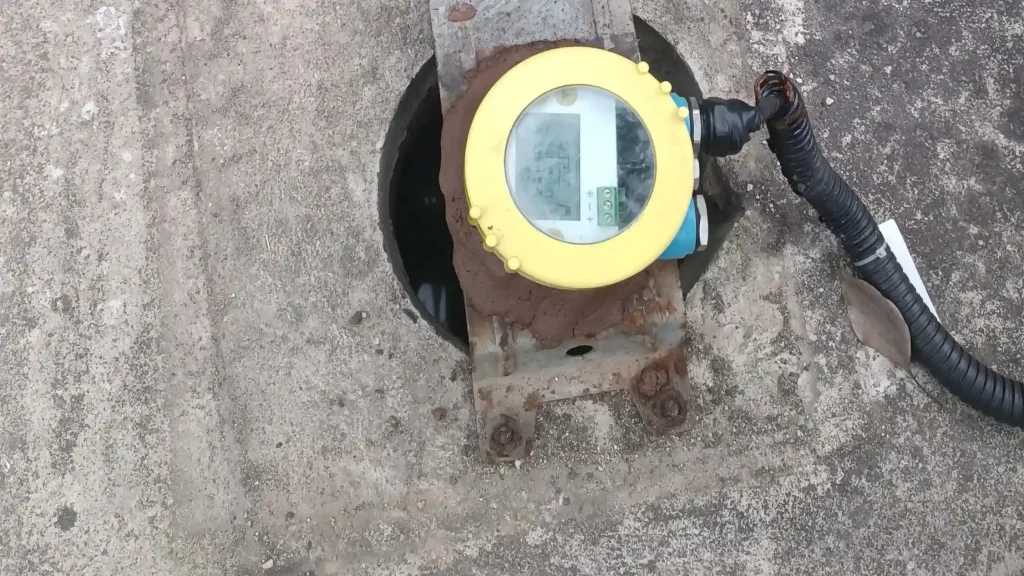
At Sino-Inst, we’re all about industrial-level monitoring, and we’ve got a full range of ultrasonic level measurement products, including non-intrusive and conventional contact types. They’re custom-made to suit different operating conditions in various industries, helping businesses save money, boost efficiency and make sure production is safe by delivering reliable performance and accurate measurements.
What’s more, Sino-Inst uses its wide range of products and technical know-how to supply all kinds of measurement equipment, like differential pressure level transmitters, static pressure level transmitters, radar level transmitters and different types of level switches. We can provide customised, comprehensive level monitoring solutions that are tailored to our clients’ specific operating conditions, measurement requirements and budgets.