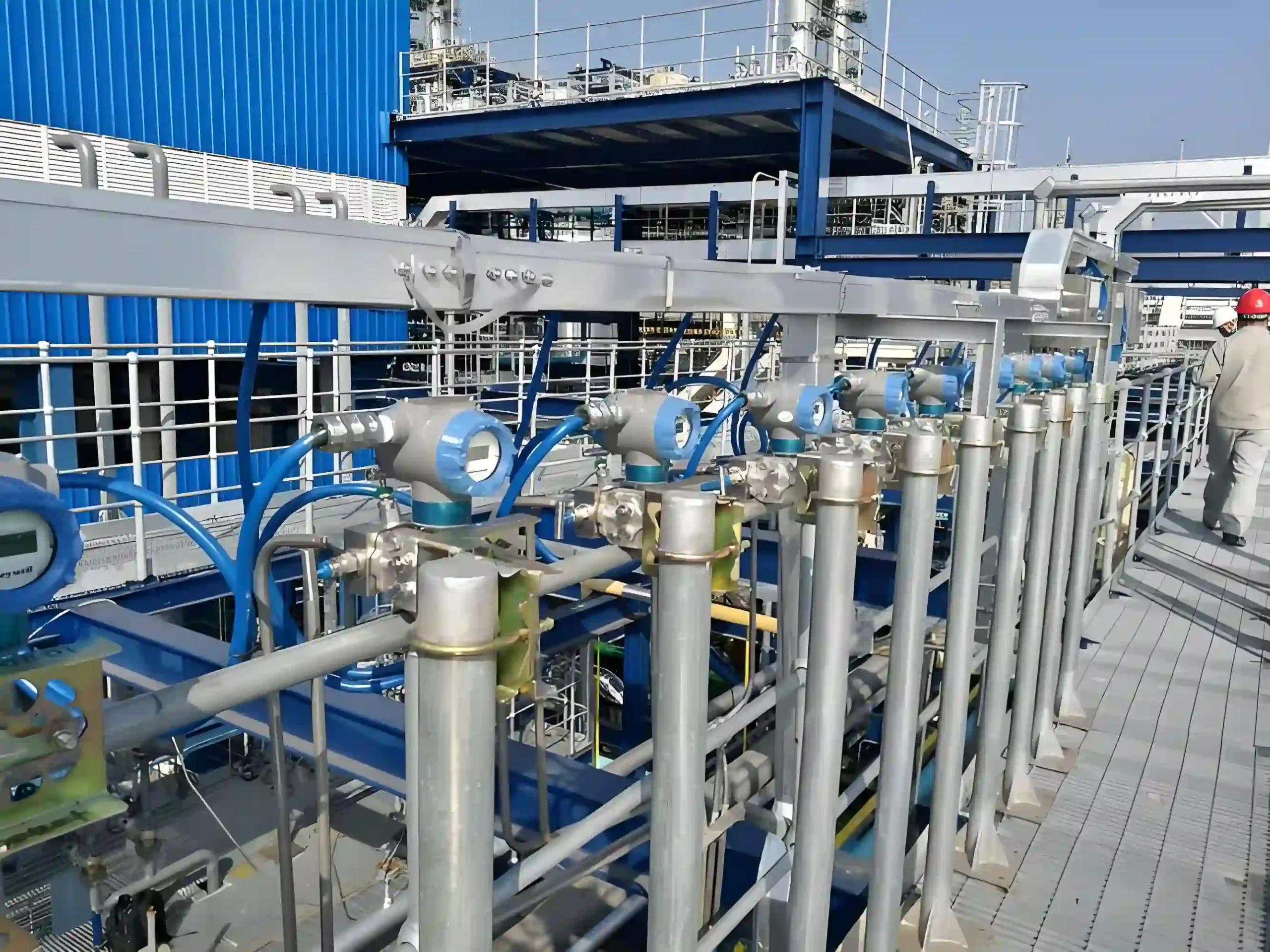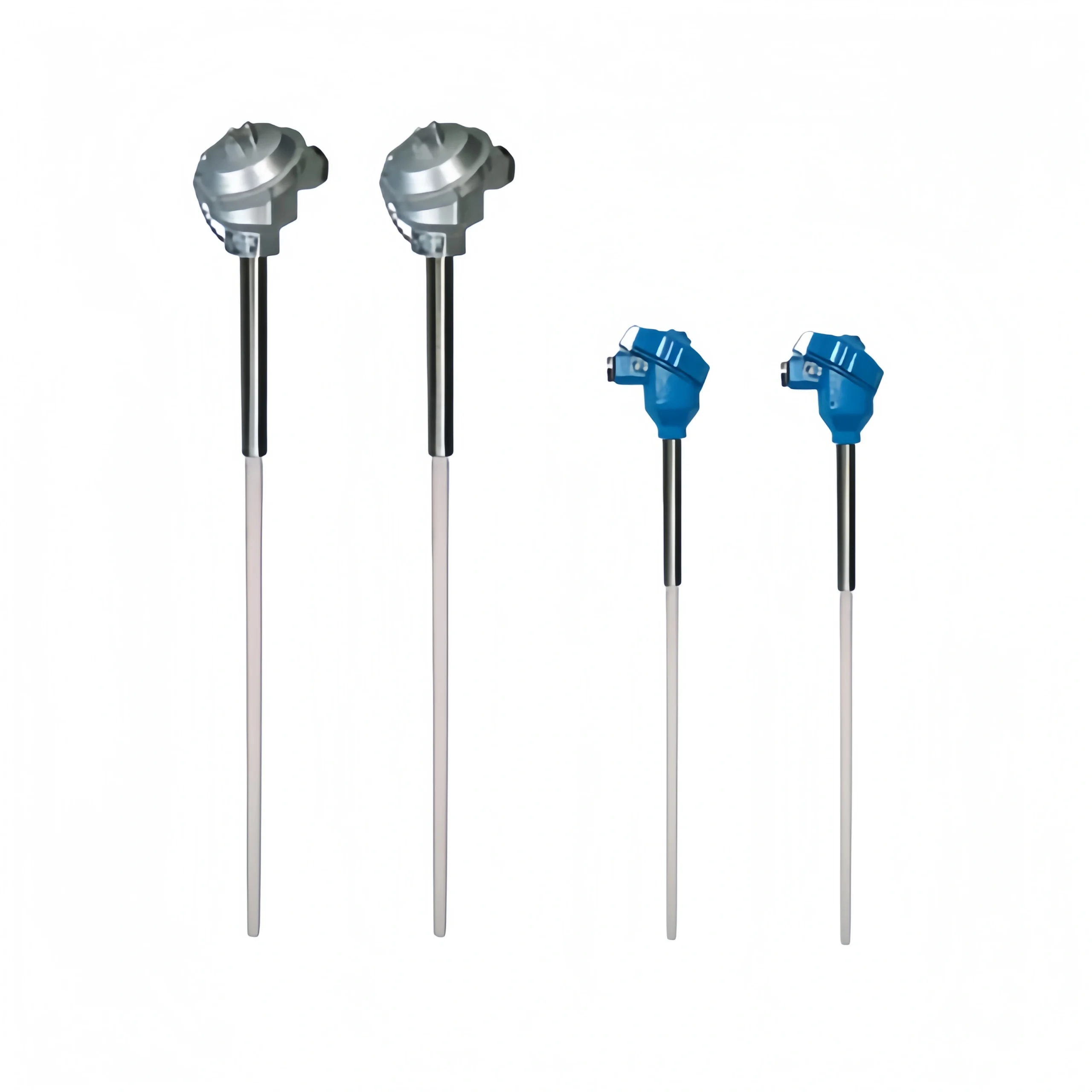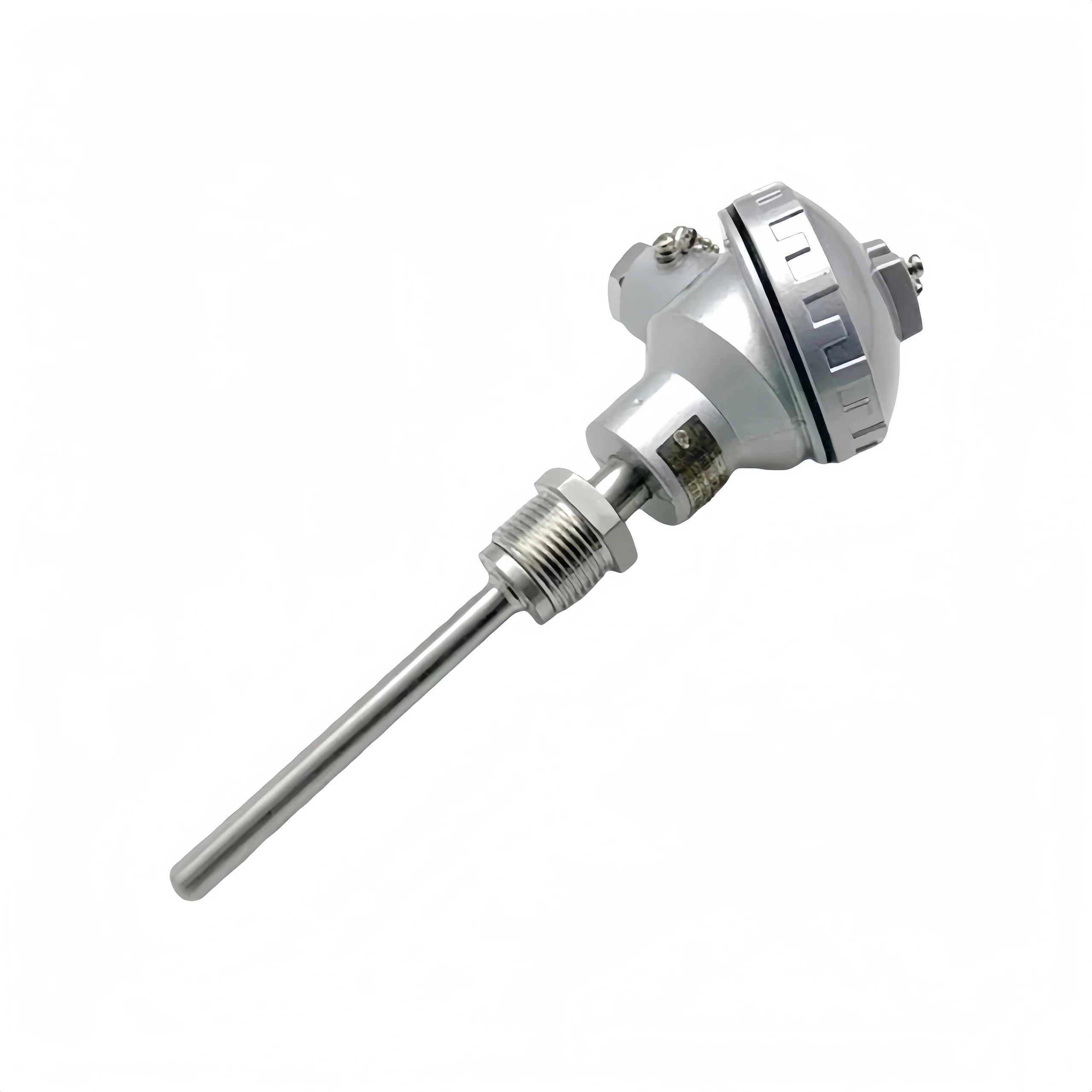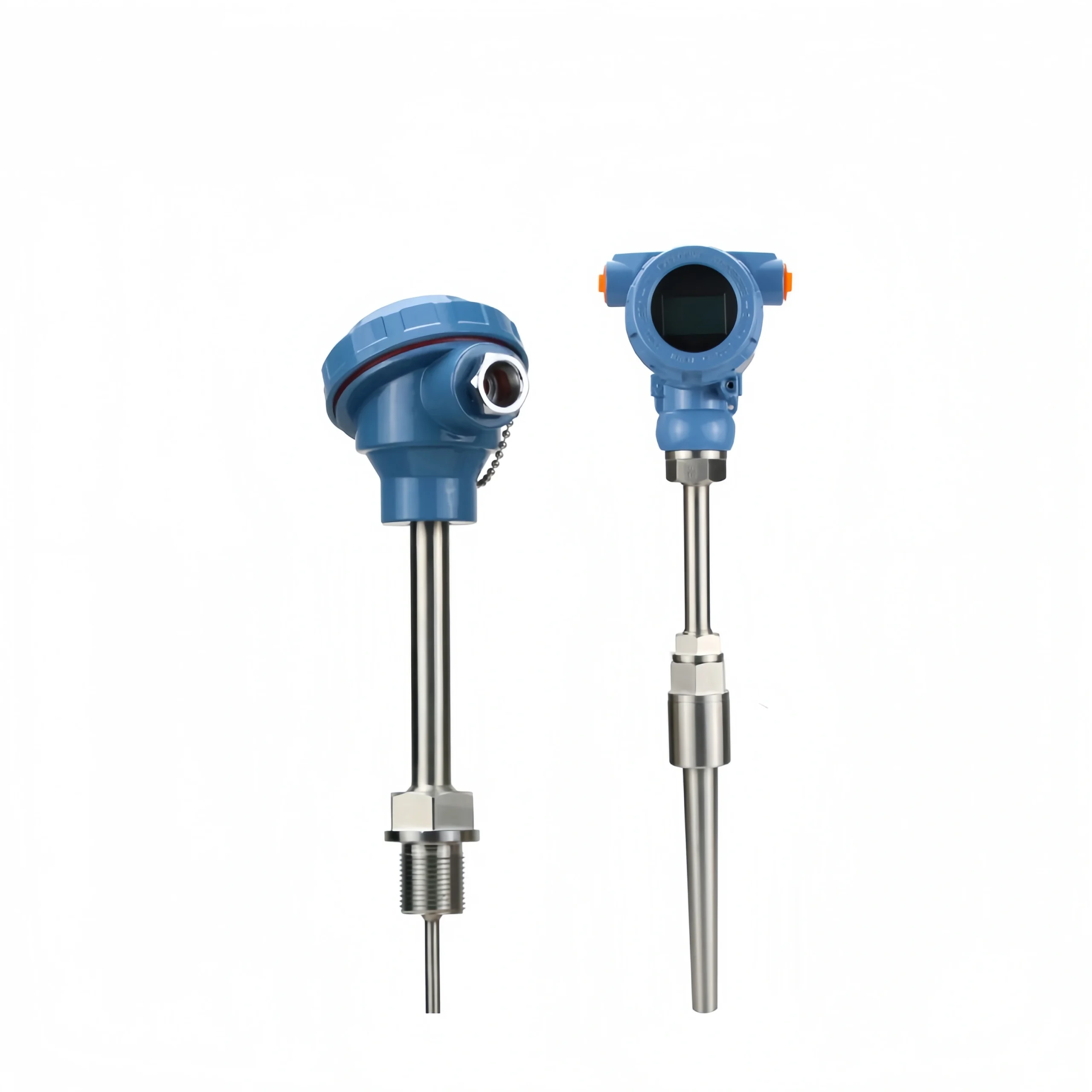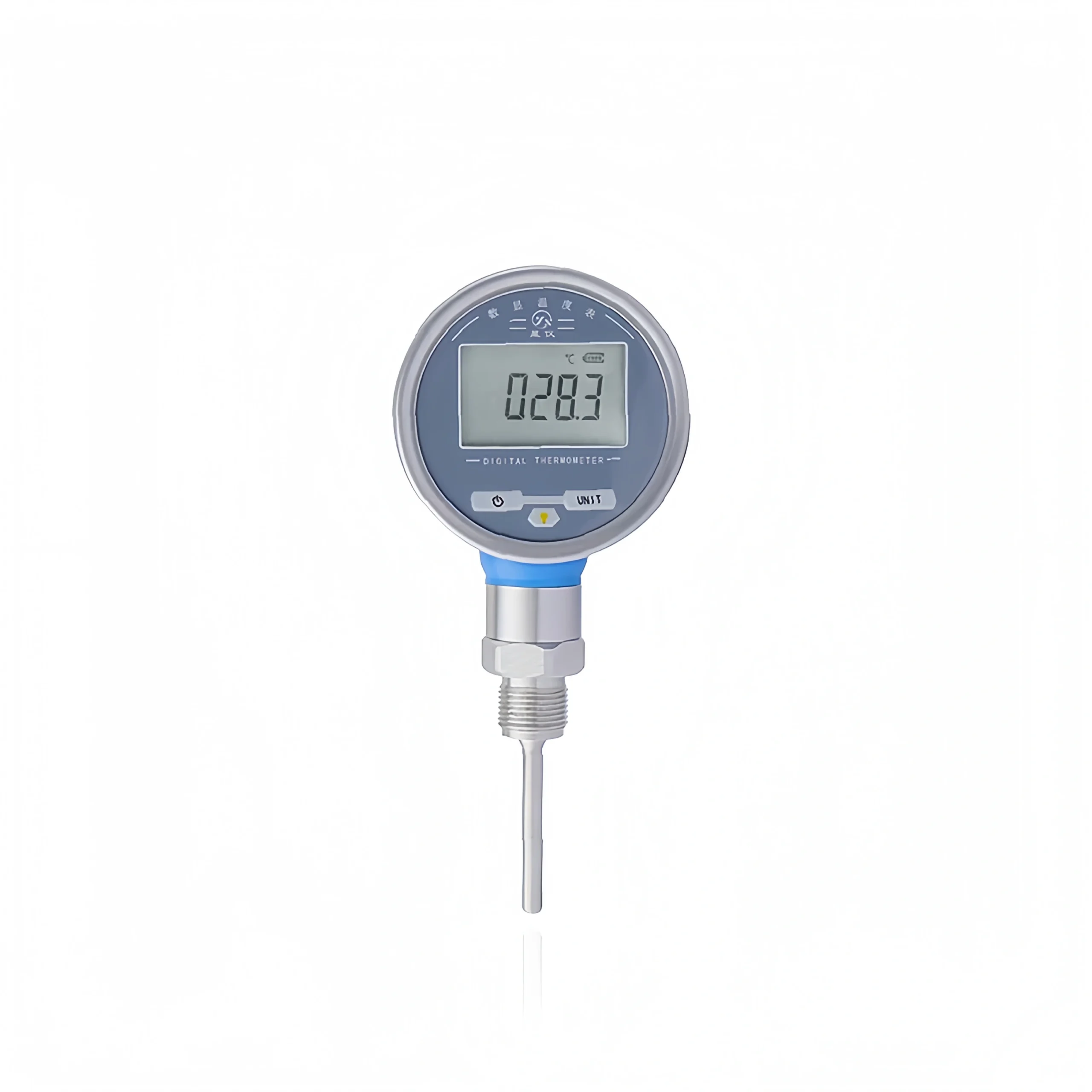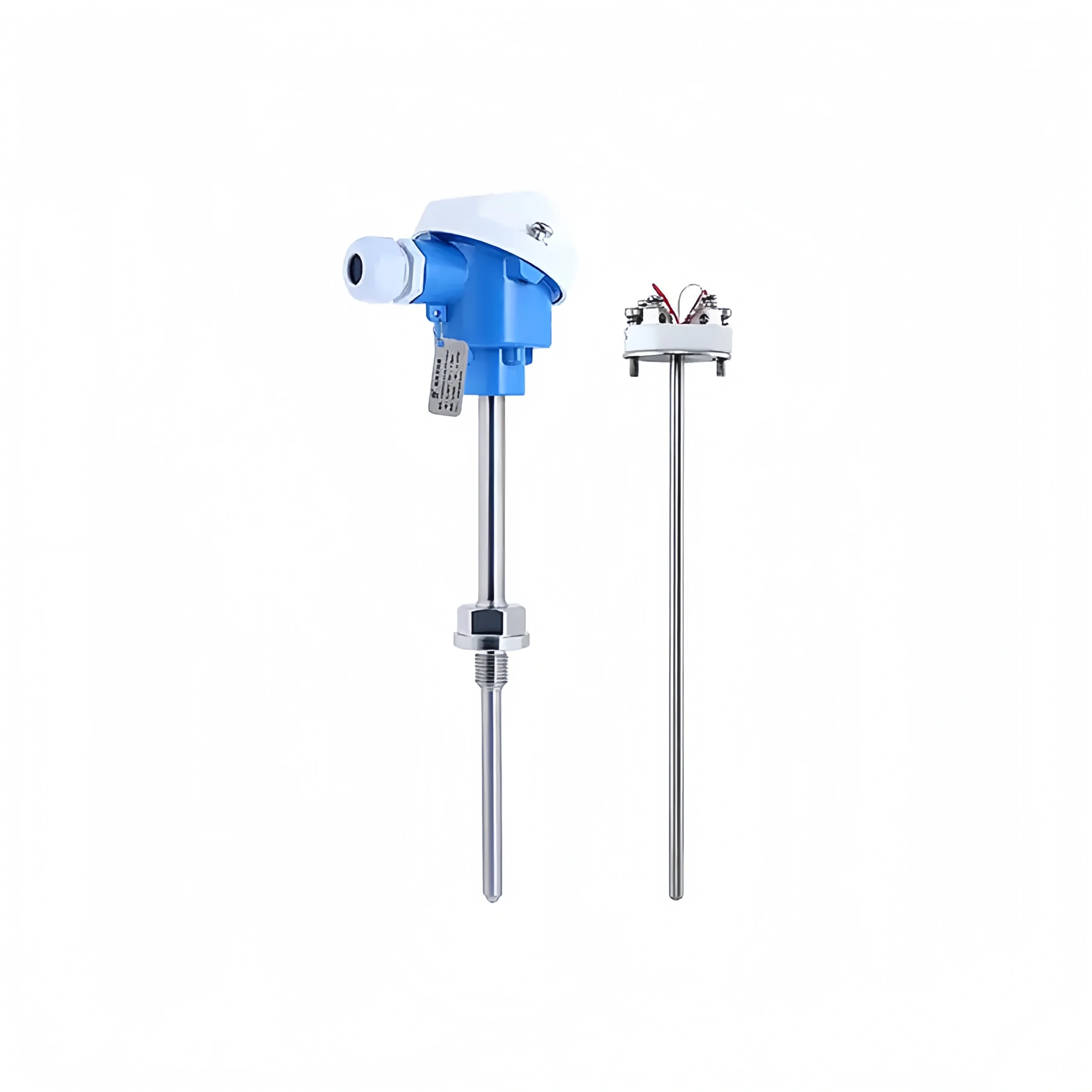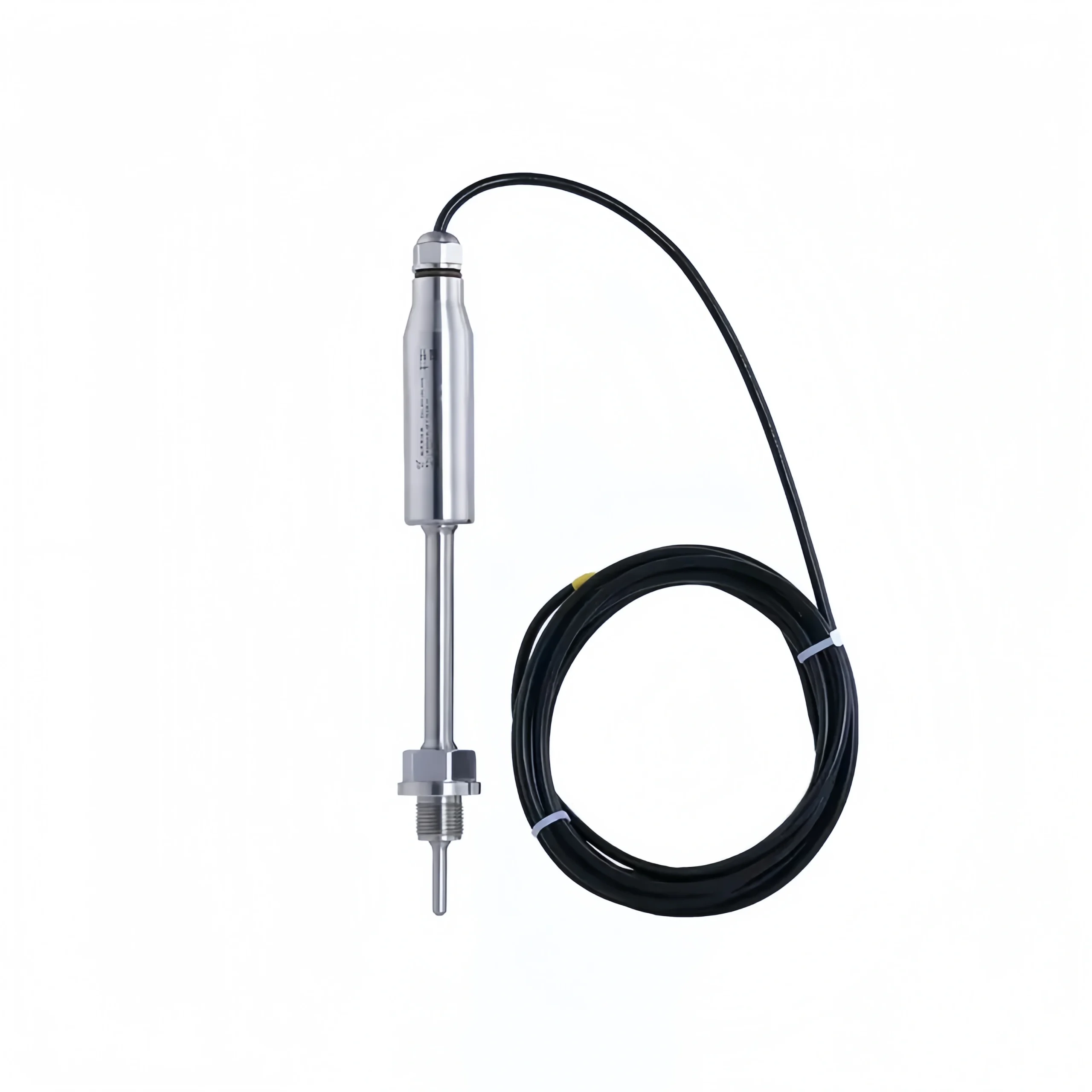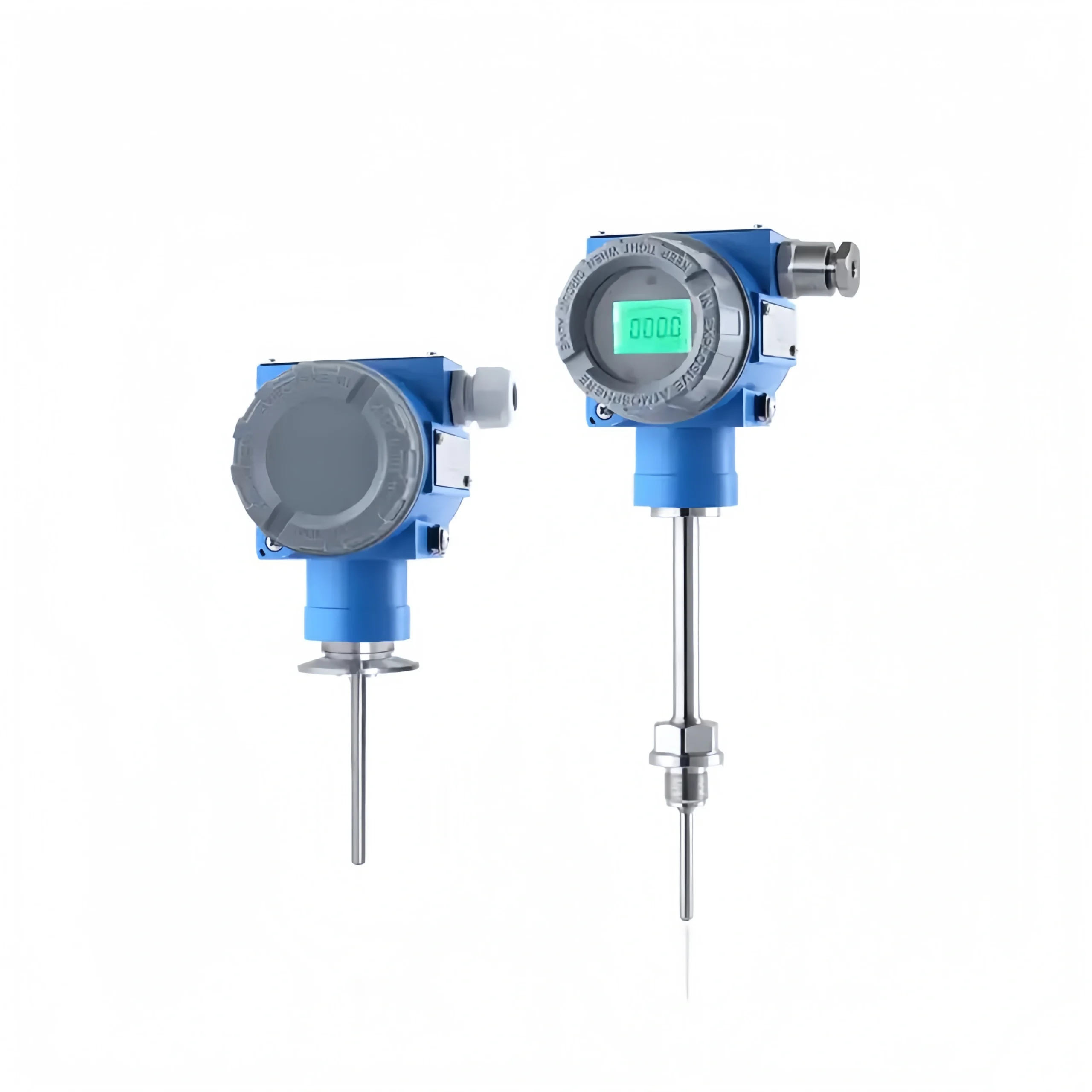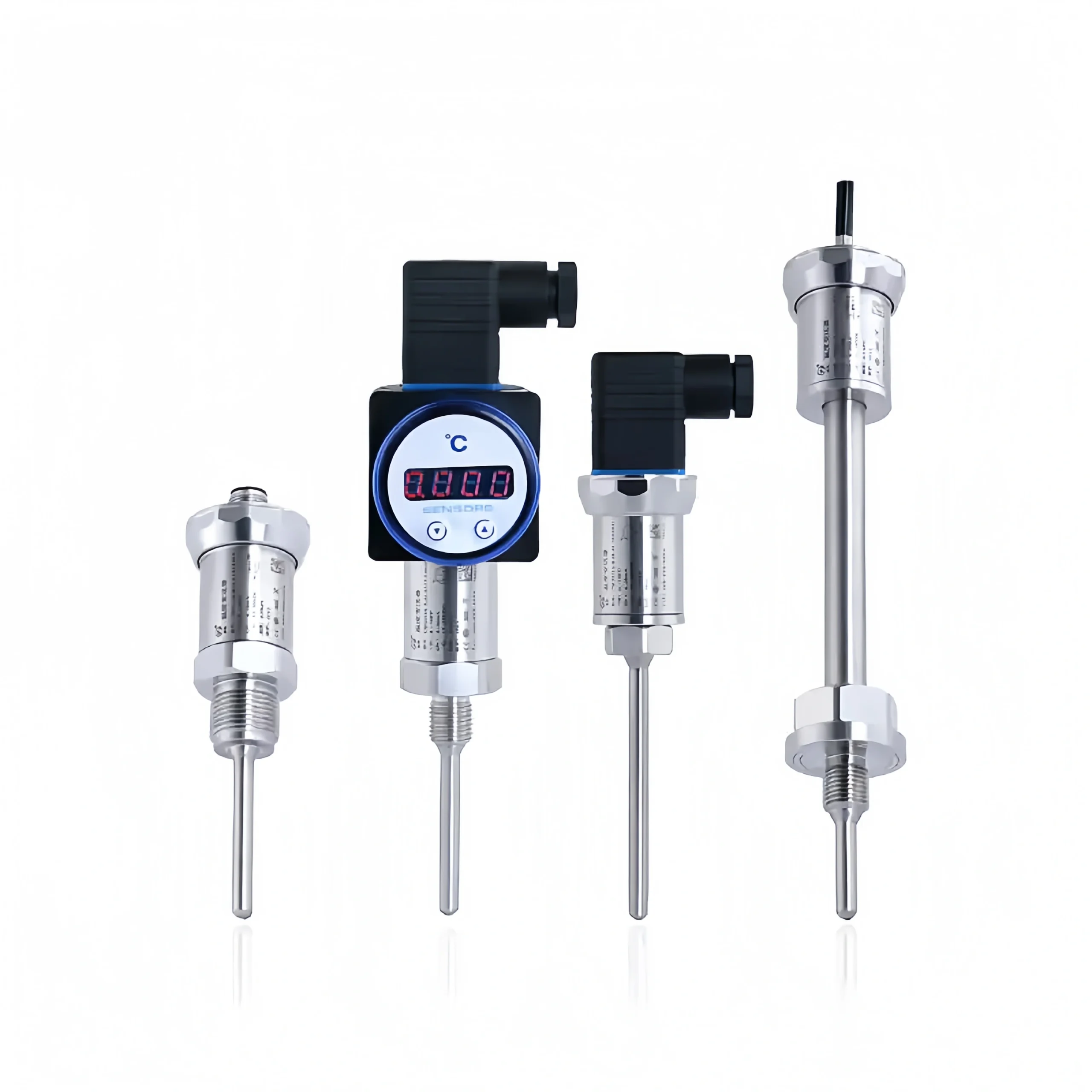
4 wire temperature transmitters primarily refer to 4-wire platinum resistance thermometers (PT100/PT1000). By using four leads, they completely separate the power supply circuit from the measurement circuit. 2 wires are used to supply a constant current, whilst the other two directly measure the voltage across the resistor, thereby completely eliminating measurement errors caused by lead resistance.
Compared to 2 wire and 3 wire systems, they offer higher accuracy and better stability, making them suitable for industrial and research scenarios with stringent temperature measurement requirements, such as high-precision temperature measurement and long-distance cabling.
How a 4-Wire Temperature Transmitter Works
Using the Kelvin 4-wire measurement method, the four leads are divided into two pairs: two serve as excitation leads to supply a constant current, whilst the other two act as sensing leads to directly measure the voltage across the resistive element; As the sensing circuit has extremely high impedance and virtually no current flow, the resistance of the leads themselves does not cause voltage drop interference.
The instrument precisely calculates the resistance value from the measured voltage and the constant current, then converts this to the accurate temperature based on the relationship between resistance and temperature, thereby eliminating measurement errors caused by lead resistance.
Why do temperature transmitters use different wiring configurations?
If you’re having problems with the temperature readings being messed up by the leads, you can try different wiring setups to see if that solves it. These change how the leads are connected, which helps cancel out or make up for the effects of the resistance in the leads. This makes sure that the temperature reading is accurate. This is the primary reason for the classification of wiring configurations.
Different wiring configurations are suited to different operating conditions. Two-wire systems are simple, cheap and easy to wire, making them perfect for short distances where you don’t need high precision. Three-wire and four-wire systems are better at compensating for things, so they can reduce errors and meet the needs of long-distance, high-precision industrial temperature measurement.
RTD-type sensors are sensitive to line resistance and must rely on three- or four-wire systems to ensure accuracy. This is to meet the requirements of different types of temperature sensors. Thermocouples, on the other hand, are not sensitive to line resistance and can usually be used satisfactorily with a two-wire system.
Taking into account practical engineering considerations, the classification of wiring systems allows users to make flexible choices based on installation distance, site conditions and accuracy standards, thereby achieving a balance between cost, installation complexity and measurement accuracy.
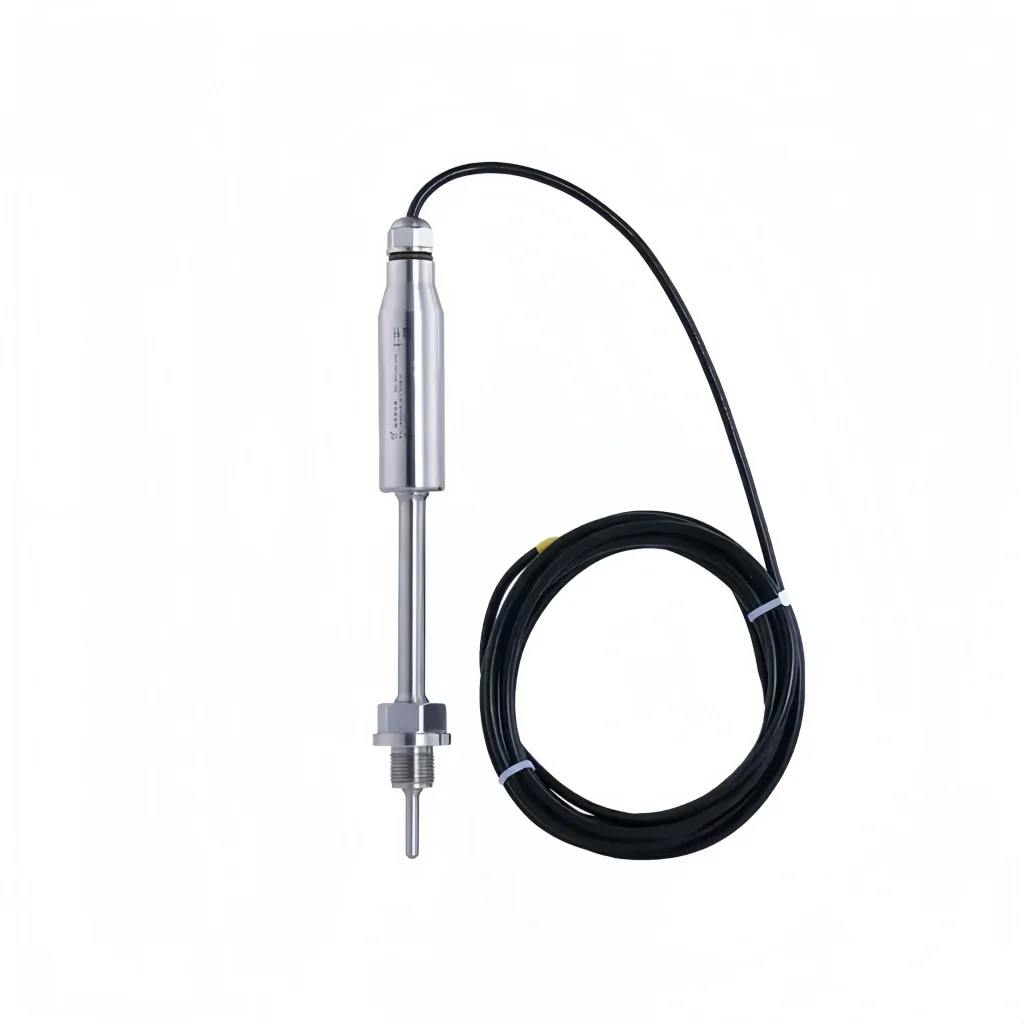
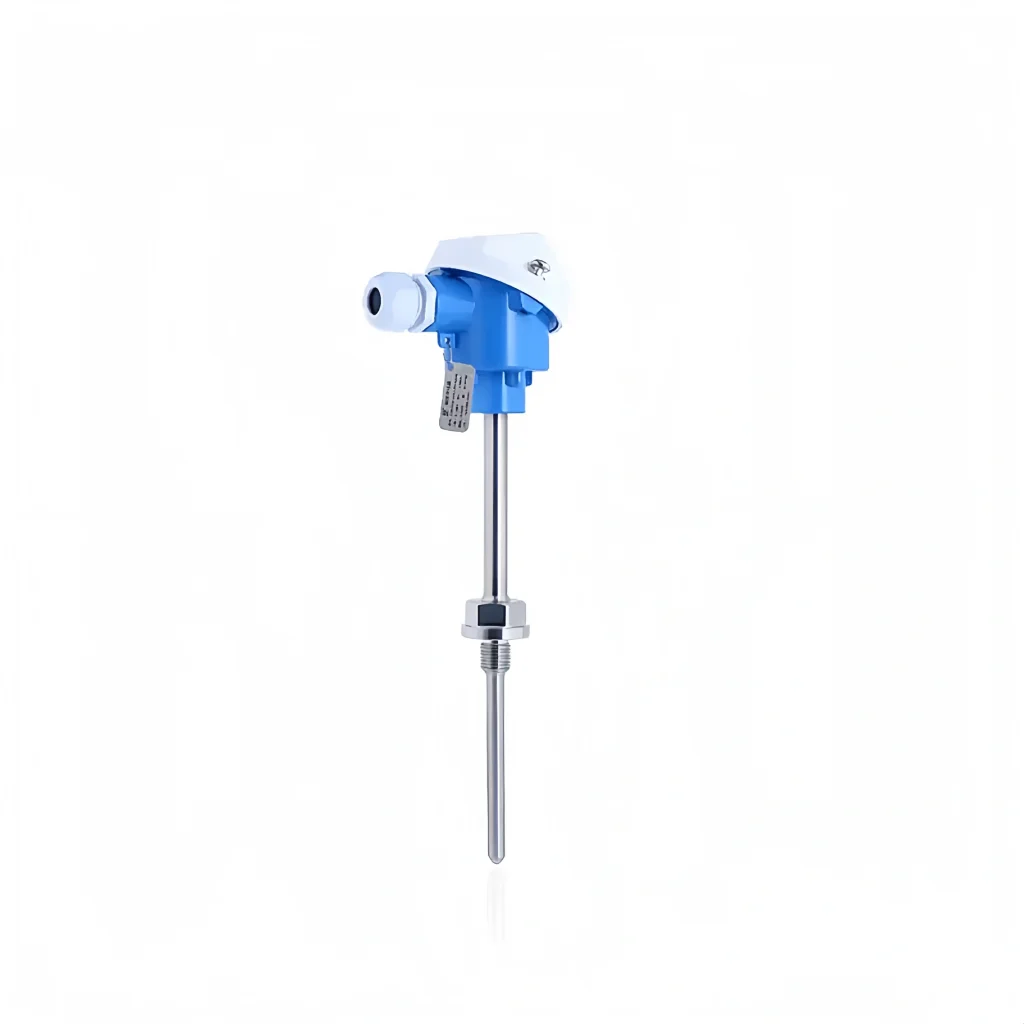
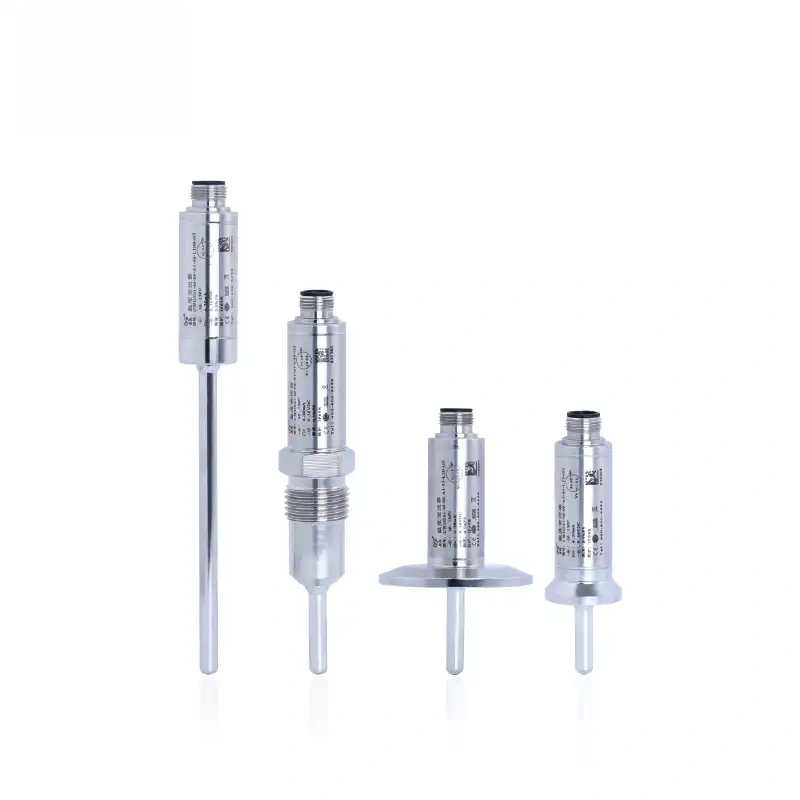
Advantages of Four-Wire Temperature Transmitters
Signal transmission is both longer-range and more stable: Four-wire temperature transmitters use a separate power supply circuit to keep the power and signal lines apart. This prevents signal loss caused by voltage drops due to line resistance, minimising problems such as signal loss and drift during long-distance transmission in industrial environments. This makes them ideal for remote monitoring and control applications.
Significantly enhanced anti-interference performance: The power supply circuit and the signal circuit are entirely separate. This is designed to prevent electromagnetic and common-mode interference caused by equipment such as frequency converters, motors and switchgear in industrial environments. This reduces signal noise, ensuring accurate temperature measurements and reliable output signals.
Enhanced load-driving capability: The independent power supply provides enough current to operate the device and can be used with a wide range of load resistances. This makes it compatible with display instruments, programmable logic controllers (PLCs), distributed control systems (DCSs) and data acquisition modules of all kinds. The end result is a system that’s more compatible and scalable.
More flexible and powerful functionality and performance: As it is not restricted by the power of the output signal, the transmitter can support higher-precision measurements, HART communication, multi-channel temperature acquisition, alarm outputs, and temperature and pressure compensation. It can also perform other advanced functions. This makes it suitable for a wider range of operating conditions.
Installation and maintenance are simpler and safer: Clearly separating the power and signal lines and defining the wiring correctly will effectively reduce the risk of short circuits or equipment damage caused by incorrect wiring during installation. Additionally, you can quickly identify faults when troubleshooting, making the process more efficient.
Disadvantages of four-wire temperature transmitters
Higher wiring costs: The four-wire system requires separate power and signal lines, using more cables and terminal blocks than the two-wire system. This not only increases the cost of cable procurement and installation but also increases the workload for on-site cabling.
More complex on-site cabling: A large number of cables takes up more space in cable trays and conduits, which can cause congestion in areas with a lot of wiring. This complicates installation and route planning.
Significant installation and maintenance workload: The greater the number of connection points and the more complex the circuit, the greater the likelihood of wiring errors. Additionally, the more inspections and troubleshooting that are carried out, the less efficient the process becomes.
Greater space requirements: The transmitter and terminal blocks need to accommodate more cables, which can complicate installation in tight cabinets or small spaces. This renders them unsuitable for use in highly integrated, miniaturised applications.
There are more potential points of failure in the wiring; additional power supply lines and connectors increase the likelihood of faults. Should a break, loose connection or short circuit occur, the effort required for troubleshooting and repair is correspondingly greater.
Power consumption is relatively higher; in standalone power supply mode, the transmitter’s power consumption is unrestricted. During long-term continuous operation, overall energy consumption is higher than that of two-wire products, making it less advantageous in scenarios where energy efficiency is a priority or where low-power supply is required.
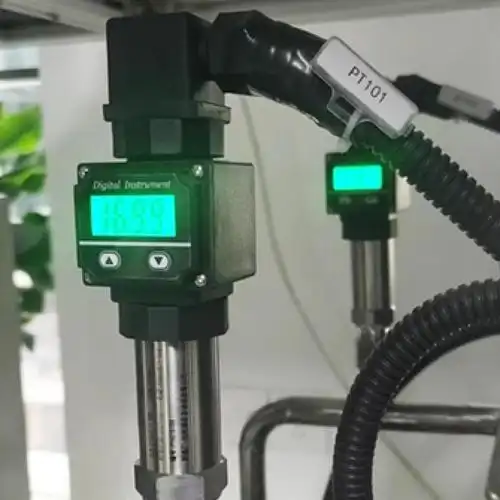
Why do four-wire temperature transmitters offer higher accuracy?
The higher accuracy of four-wire temperature sensors stems from the complete separation of the power supply and measurement circuits; the current excitation lines and voltage detection lines do not interfere with one another, thereby structurally eliminating the influence of lead resistance on the measurement signal. In two-wire systems, lead resistance is directly incorporated into the measurement result, whilst three-wire systems can only partially compensate for it, leaving residual error; consequently, the four-wire configuration offers a clear advantage.
The four-wire configuration can fully offset lead resistance. Through Wheatstone bridge compensation, it eliminates systematic errors caused by lead resistance, contact resistance and temperature drift—a key advantage that two-wire systems cannot achieve and three-wire systems struggle to fully realise.
Four-wire signal transmission offers superior resistance to interference. The independent detection circuit reduces the impact of power supply fluctuations and electromagnetic interference, resulting in lower signal attenuation and distortion over long distances, as well as higher measurement stability and repeatability.
The four-wire system is compatible with higher-precision measurement circuits and calibration standards, supporting the precise acquisition of microvolt-level signals. It’s got lower temperature drift coefficients and measurement uncertainty, which is great for labs and precision industrial control. The overall measurement error is way smaller than with two-wire and three-wire systems.
Practical Applications of Four-Wire Temperature Transmitters
Four-wire temperature transmitters are used in industrial and research scenarios that require high precision, long-distance transmission and strong interference resistance because they have a complete separation of power supply and signal, no lead resistance errors and strong interference resistance.
High-precision metrology and calibration applications: They’re used in metrology institutes, labs for measuring temperature, and for calibrating platinum resistance. They’re also used in precision temperature-controlled equipment. These transmitters get rid of the influence of lead resistance, so they can measure to an accuracy of ±0.05°C. This means you can trace measurement values back to the original value.
High-end Manufacturing and Precision Processes: They are extremely useful in industries such as semiconductor chip manufacturing, biopharmaceutical fermentation, sterile food production and fine chemical reactors, where they ensure the correct temperature is maintained. They are compatible with PLC/DCS systems and ensure product consistency and process safety.
Long-distance and high-interference conditions: When it comes to petroleum refining, metallurgical blast furnaces, power plant desulphurisation and denitrification, and large-scale pipeline network monitoring, the signal stays solid even over long distances. It can handle strong electromagnetic interference from variable frequency drives, motors and other sources, keeping the signal steady.
Reliable monitoring in special environments: In aerospace, ship engine rooms, nuclear power auxiliary systems and cryogenic equipment, the product is suitable for wide temperature ranges and harsh environments. Power and signal circuits are independently isolated, enhancing system safety and ease of maintenance.

How to Wire a Four-Wire Temperature Transmitter
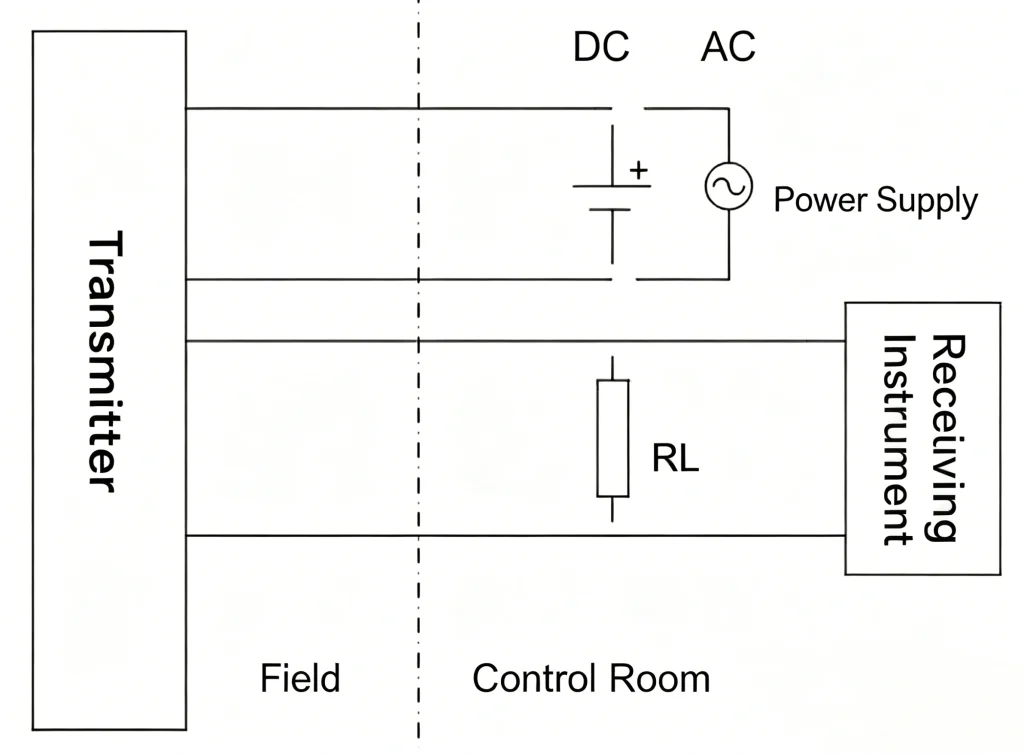
1. A four-wire temperature transmitter has its own independent power supply circuit. It has four wires in total: two power supply wires and two signal wires. These must be strictly distinguished and must not be mixed up.
2. The power terminals are usually marked with + and – symbols, like DC+ and DC-. Just connect the positive power supply to the positive transmitter terminal, and the negative one to the negative transmitter terminal, and you’re all set!
3. The signal terminals are usually marked with plus and minus symbols, like OUT+ and OUT-, or mA+ and mA-. You need to connect the two signal wires to the positive and negative signal input terminals of the control system, PLC or display instrument.
4. When you use it with thermocouple or resistance temperature detector (RTD) sensors, you must connect the two compensation or signal wires from the sensor to the right sensor input terminals on the transmitter. The right terminals are the TC or RTD terminals. Make sure you know which is positive and negative.
5. When doing the wiring, clearly mark the wire sequence so that you don’t accidentally mix up the power supply and signal connections. Also, ensure that the terminal connections are secure and that the shielded cable is earthed at one end, as this will reduce the impact of interference on temperature measurements.
FAQ
What are the differences between two-wire, three-wire and four-wire RTDs?
Two-wire RTDs have only two wires; the resistance of these wires is directly included in the measured value, resulting in significant error. They are suitable for short-distance, low-precision applications.
Three-wire RTDs use three wires to achieve resistance compensation, effectively offsetting the impact of line resistance; they offer moderate accuracy and are cost-effective, making them a common industrial choice.
Four-wire RTDs utilise two separate circuits—one for power supply and one for detection—which completely eliminate wire and contact resistance, offering the highest measurement accuracy; they are primarily used for high-precision measurements and in laboratory environments.
What signal does a four-wire transmitter output?
The most common output signal for a four-wire transmitter is the standard 4–20 mA analogue current signal. Depending on the model and its intended use, it may also be capable of handling voltage signal outputs such as 0–5 V or 0–10 V.
Some four-wire transmitters with communication capabilities can also send digital signals such as HART, Modbus RTU and Profibus PA, in order to meet the connection and data transmission requirements of various control systems.
Does a four-wire transmitter require a separate power supply?
A four-wire transmitter must be supplied with power via a separate power source. As their circuit design completely separates the power supply circuit from the signal output circuit—with two dedicated wires carrying the operating power and the other two wires transmitting the measurement signal—they cannot be powered via the signal cable like two-wire transmitters. An external, independent DC power supply is therefore required; the standard voltage is typically 24 VDC, though some models support a wider range of 12–36 VDC.
As a specialist supplier of industrial measurement instruments, Sino-Inst not only provides temperature transmitters compatible with Pt100, Pt1000 resistance thermometers and various types of thermocouples, but also offers a full range of industrial measurement instruments including level gauges, flow meters and pressure sensors.
We support customised parameters, explosion-proof designs and multiple communication protocols. With reliable product performance, comprehensive technical support and a responsive after-sales service, we provide users with one-stop automated measurement solutions, helping industrial sites achieve more precise, efficient and safe process monitoring and control.