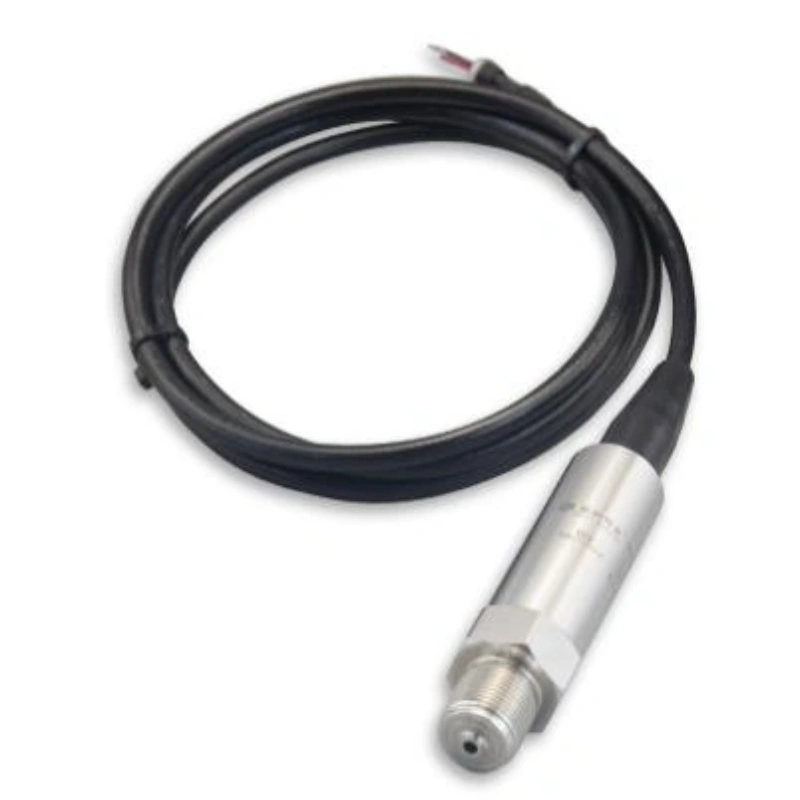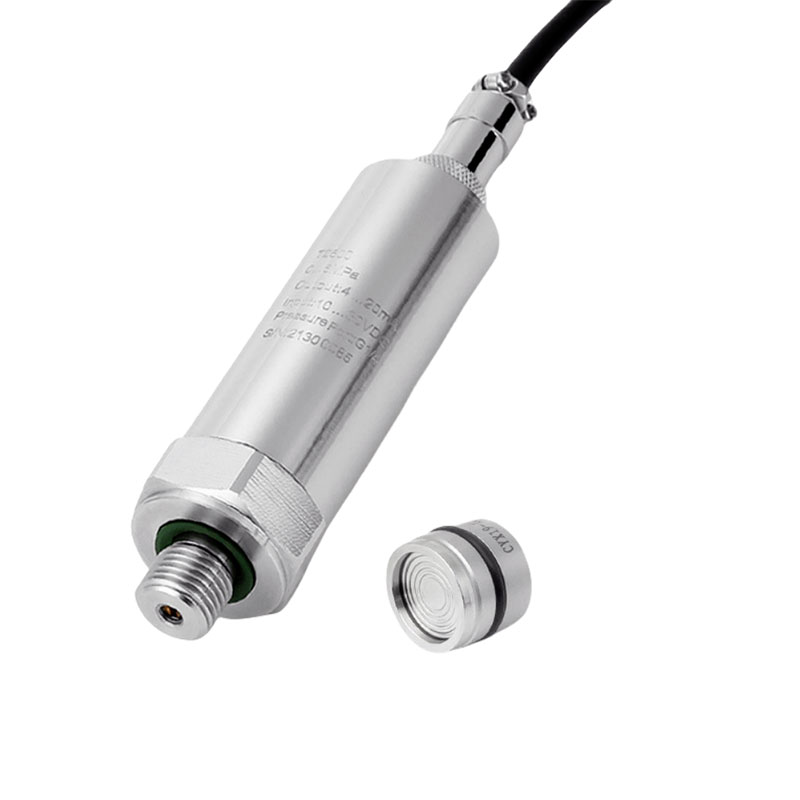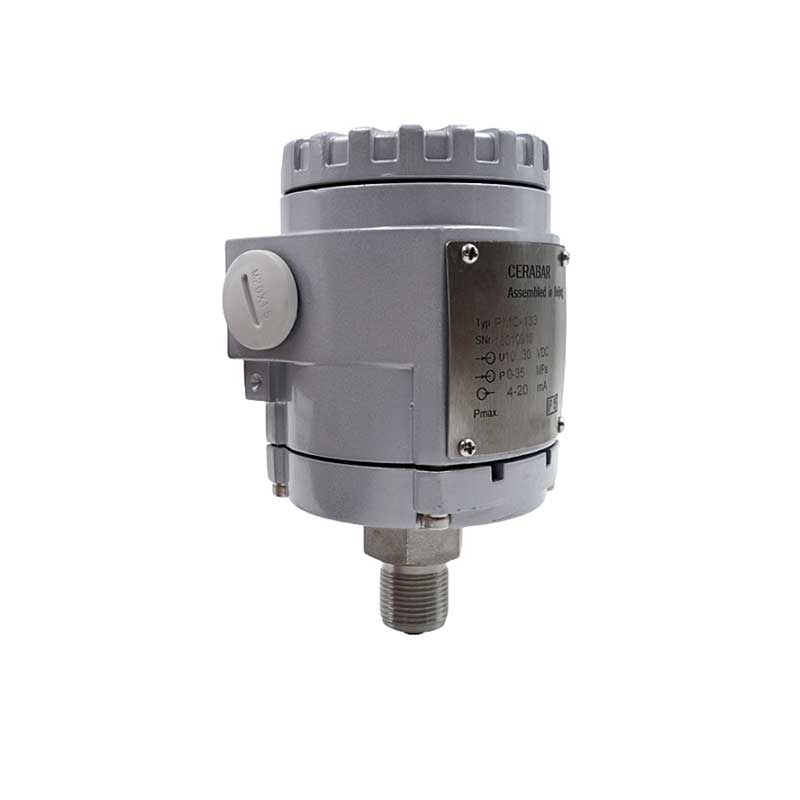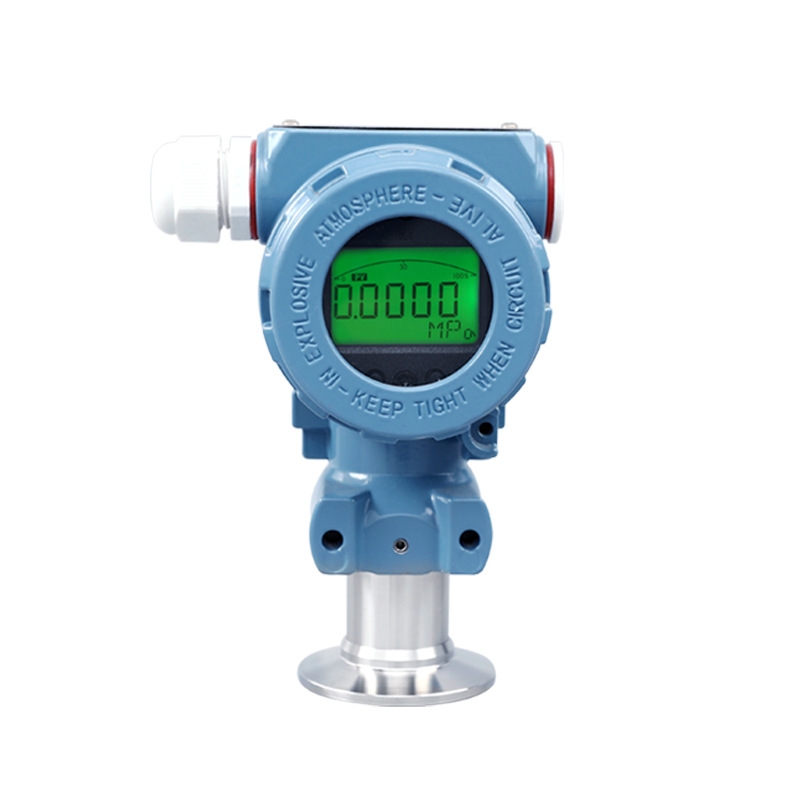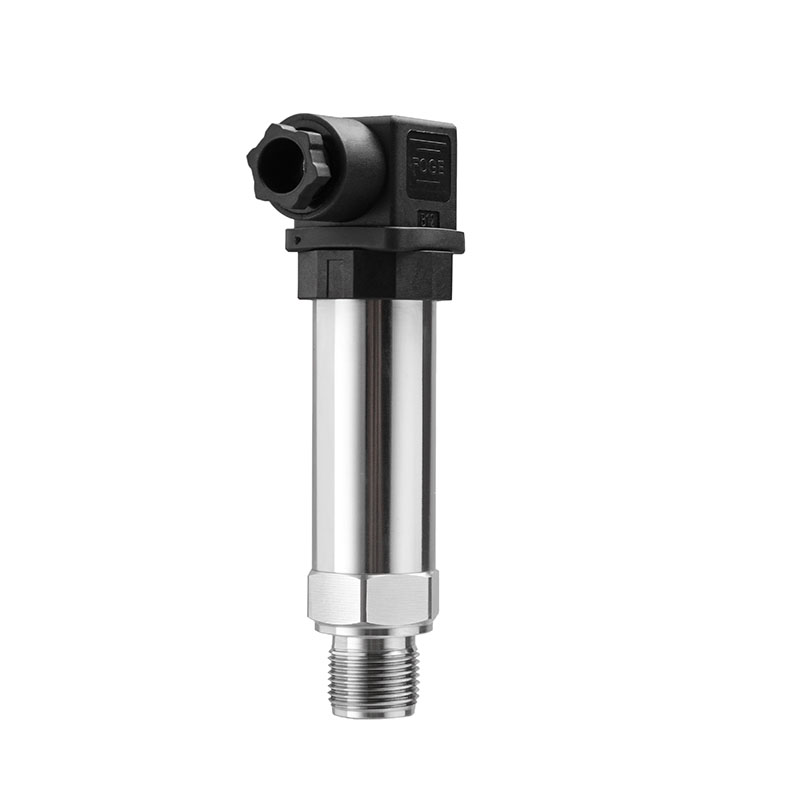
Piezoelectric pressure sensors utilise the piezoelectric effect to achieve precise conversion between pressure signals and electrical signals. Thanks to their core advantages—including high sensitivity, rapid dynamic response and compact design—they have become essential components for pressure measurement in fields such as aerospace, smart manufacturing and medical monitoring.
Advancements in materials science and micro-nano manufacturing technologies mean that research into adapting to extreme operating conditions and improving measurement accuracy is continuing to deepen. This provides vital technical support for upgrading modern sensing systems intelligently.
Working Principle of Piezoelectric Sensors
Piezoelectric Effect: Piezoelectric sensors work based on the piezoelectric effect, which was discovered by two French physicists, Jacques and Pierre Curie, in the late 19th century. When you put pressure on a piezoelectric material, the electric dipole moments inside it change, which creates electric charges on the surface.
Charge Generation: This material creates opposite charges on its surfaces, generating a potential difference.
Signal Output: The generated charges or potential difference are amplified and processed by a circuit before being converted into measurable voltage or current signals for output.
Reverse Piezoelectric Effect: Piezoelectric materials also exhibit the reverse piezoelectric effect. This means that when an electric field is applied to the material, it changes shape. This is used in some applications to power actuators.
Structural Features of Piezoelectric Sensors
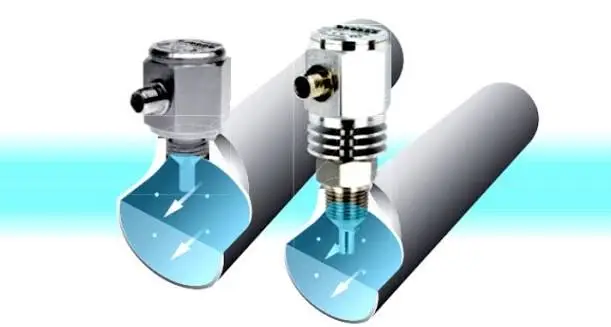
1. Pressure-sensitive element. The core component is made from piezoelectric materials like quartz crystals or piezoelectric ceramics, and it uses the direct piezoelectric effect to convert pressure signals into piezoelectric charges, which is the basis of pressure measurement.
2. It’s got an elastic element. When you add the sensitive element, it sends out external pressure and makes sure it’s applied evenly, so you don’t damage the element or get measurement errors. Common types include diaphragms and bellows, which must be compatible with the piezoelectric material.
3. Electrode Structure. They’re basically just thin films of gold or silver, and they’ve got input and output electrodes. They’re responsible for receiving and transmitting piezoelectric charges, and how flat they are and how good their contact quality is affects how efficiently they transmit signals.
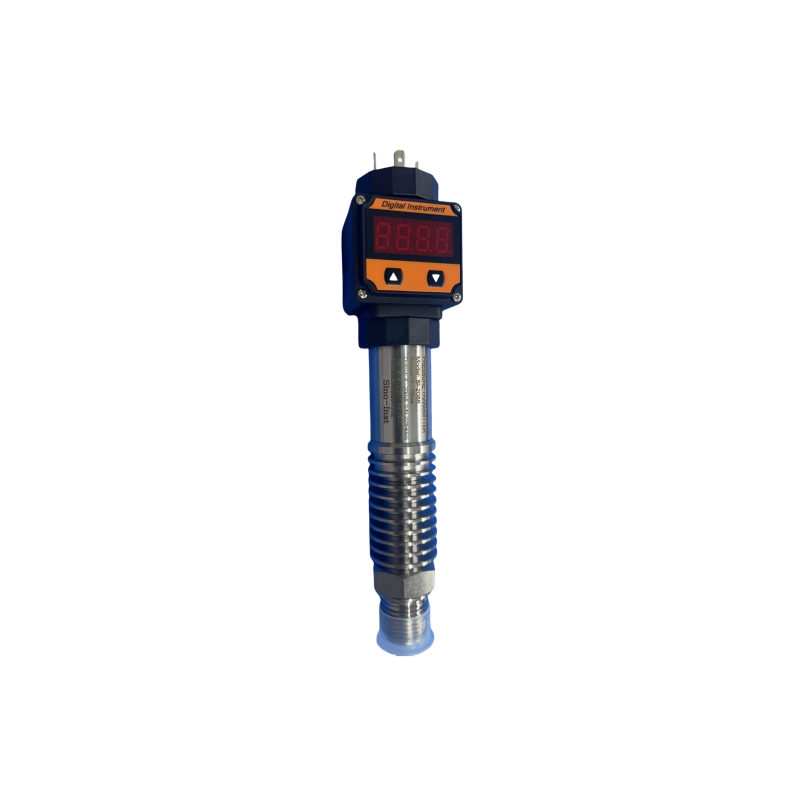
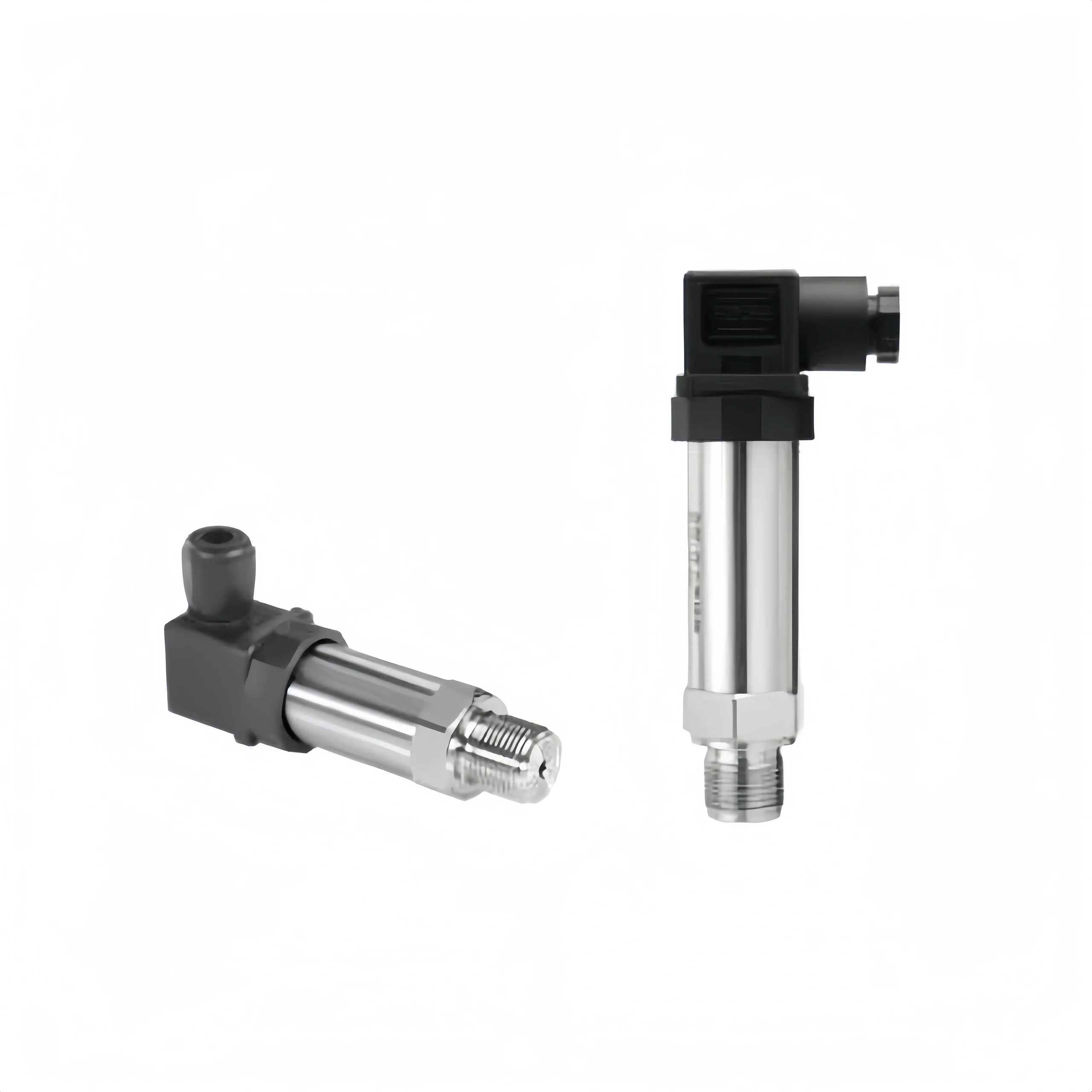
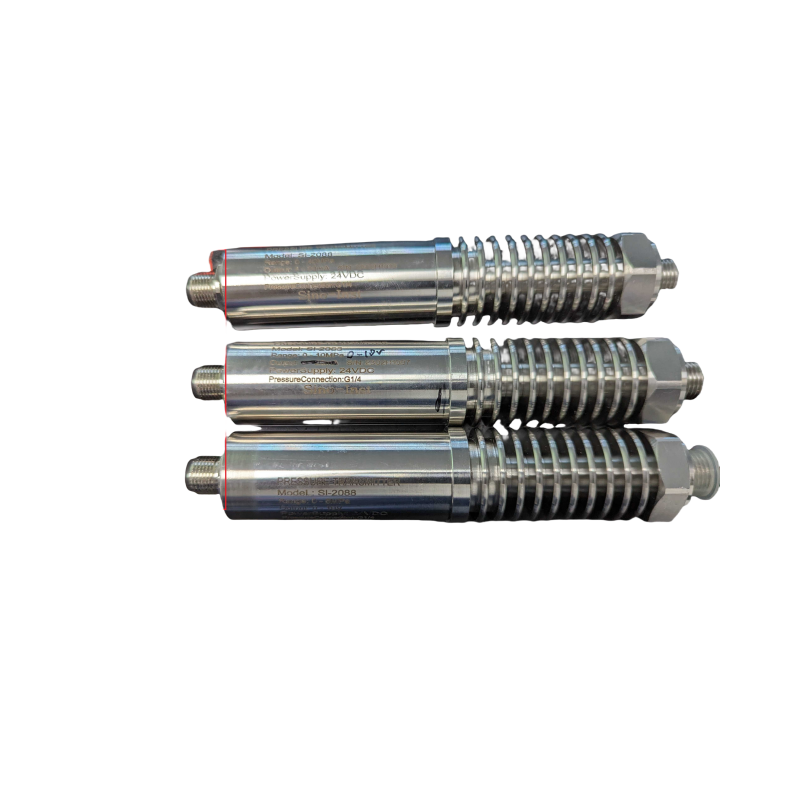
4. Housing and Encapsulation Structure. It is made from weather-resistant materials such as stainless steel or ceramic. These materials protect the internal components, ensure a good seal, minimise interference and guarantee stable operation even in difficult conditions.
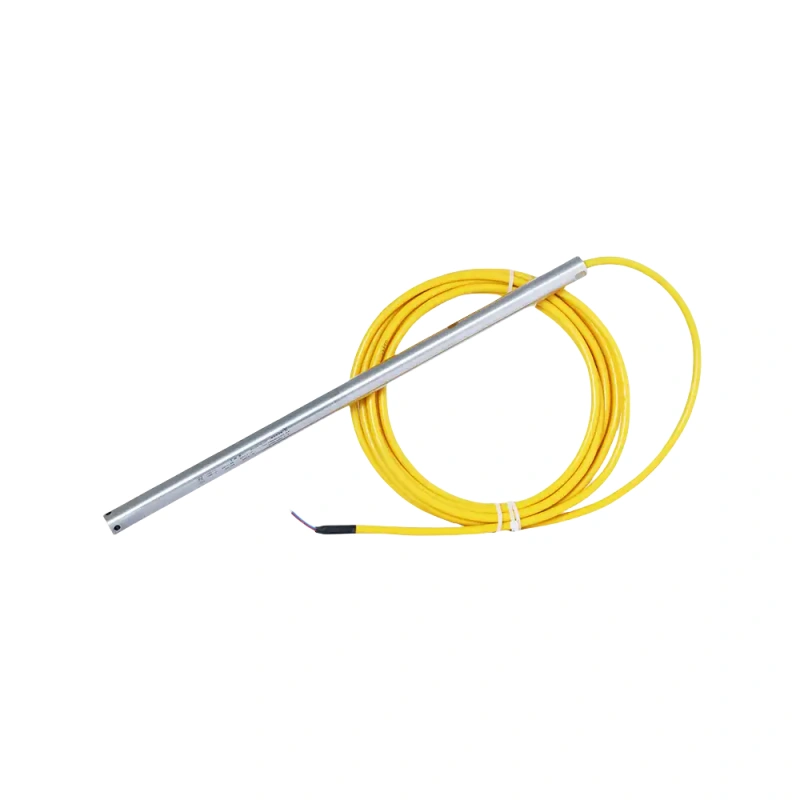
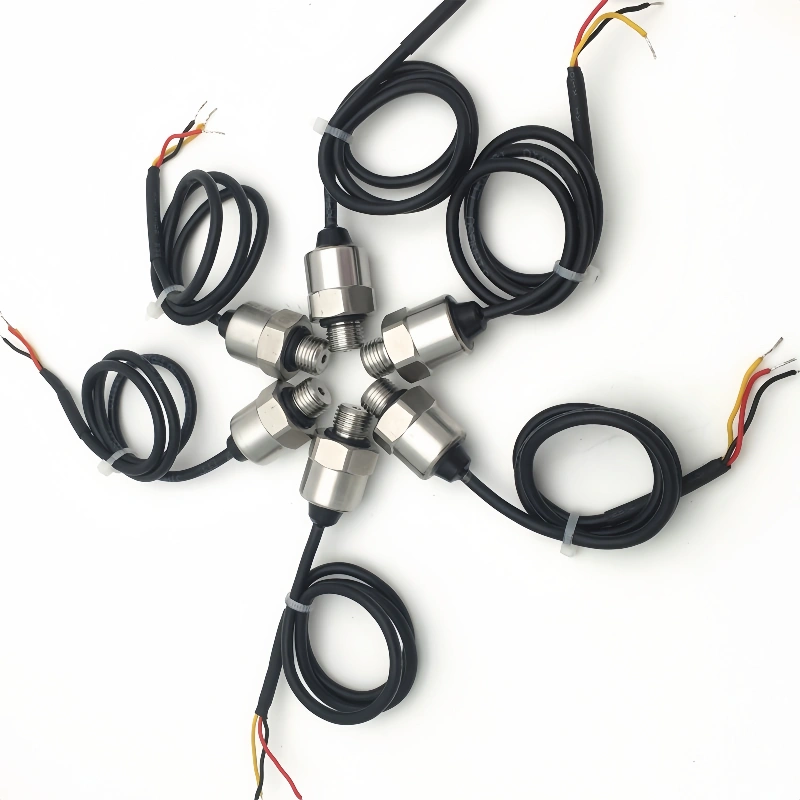
5. Signal output assembly. This comprises leads and connectors that link the electrical signal to the signal conditioning circuitry. Low-noise cables and high-reliability connectors must be selected to ensure data accuracy.
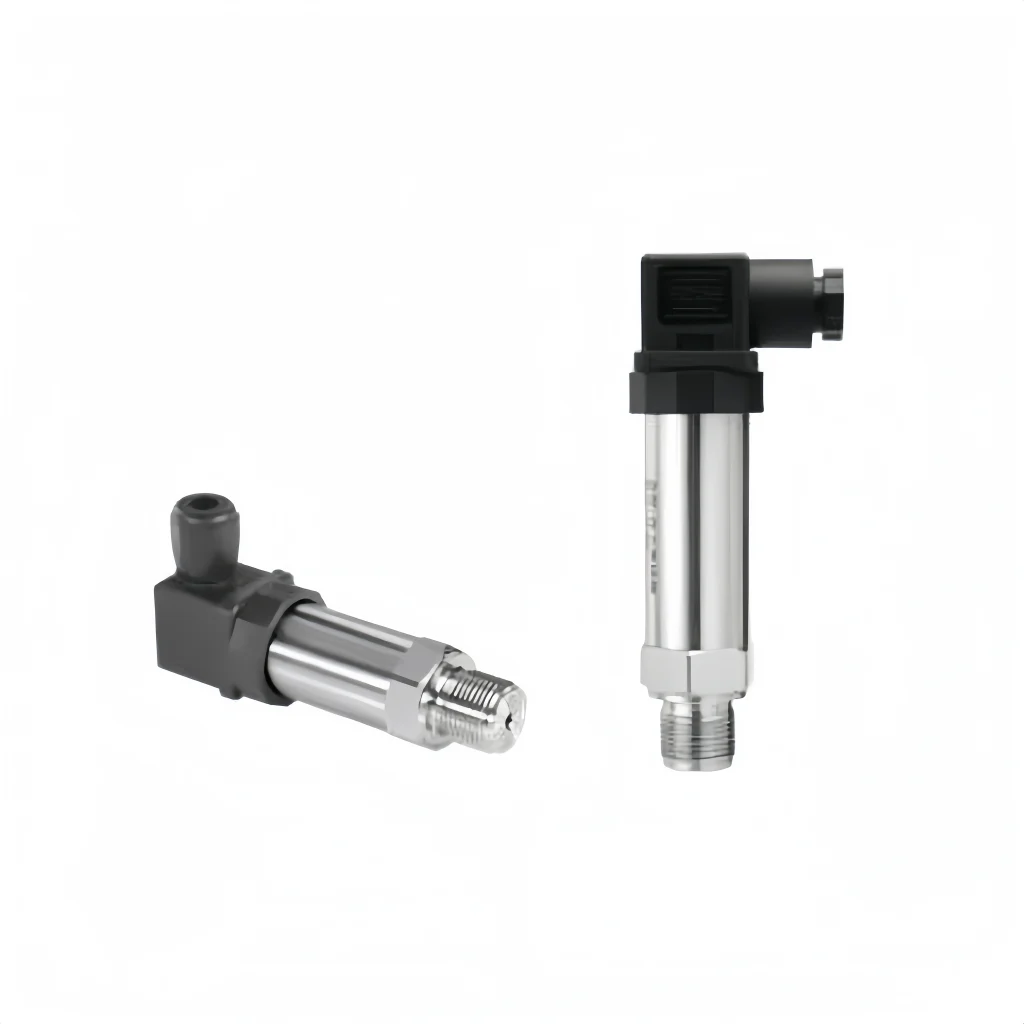
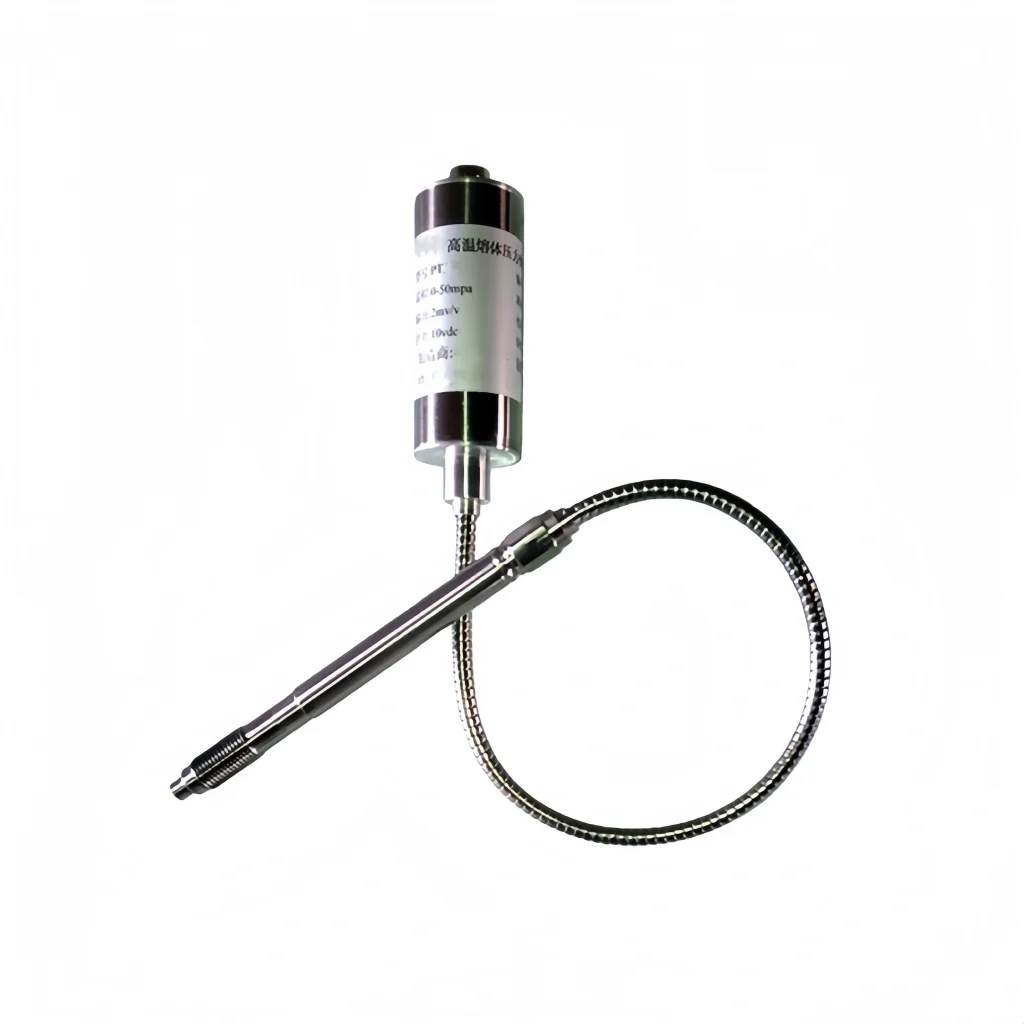
Advantages and Disadvantages of Piezoelectric Pressure Sensors
Advantages
1. High sensitivity. Piezoelectric sensors are great at picking up signals, so they can detect even the faintest physical signals, like pressure and vibration, really accurately. Even the tiniest change in physical quantities can be reliably converted into electrical signals that can be measured and analysed. This makes them perfect for industrial inspections and scientific research experiments where accuracy is vital.
2. Fast dynamic response. They’re quick to respond to changing signals, so they can adapt to different measurement needs. They’re perfect for things like dynamic parameter detection and instant signal capture.
3. Compact design. They’re small and light, so they don’t need any extra complicated support. They’re simple to install and use, so they’re easy to adapt to different equipment or industrial environments where space is limited. This makes installation and layout a lot easier.
4. High stability. The material’s basically chemically stable and can handle high temperatures, wear and corrosion. It works well in extreme temperatures, dusty conditions or when it’s vibrating. This means it will last a long time.
5. No external power supply. As it only generates electrical signals using the piezoelectric effect, an external power source is not required. This not only makes the installation process much easier, but also reduces the long-term costs of running and maintaining the equipment.
Disadvantages
1. Inability to measure static pressure. The piezoelectric charge created by the material under pressure gradually fades over time, which leads to an inconsistent electrical signal output over long periods. So, the material can only be used to measure dynamic pressure, and it’s not accurate enough to detect constant static pressure. Using it for static measurements will result in significant errors.
2. Weak resistance to interference. Its performance can be affected by the environment and other things outside. For example, changes in temperature directly impact the material’s piezoelectric coefficient, while humidity affects how stable the electrodes are. Also, things like magnets and electricity can sometimes interfere with each other. All of these things can lead to more mistakes when taking measurements, which makes it harder to spot problems.
3. Weak output signal prone to attenuation. The electrical signal generated by the piezoelectric effect is small and weak. During transmission, the signal can be lost or distorted by factors such as wire loss and external interference. You can’t use it directly to detect or transmit data. You have to pair it with a special signal conditioning circuit to make it stronger and filter it for better detection.
4. Limited mechanical strength. The core sensing element is made of piezoelectric material, which is quite brittle and not great at withstanding impact and overload. If it’s hit hard or collides with something, or if the pressure goes beyond what it can handle, the sensing part can break or crack. This, in turn, affects the sensor’s normal operation and shortens its service life.
Why can only dynamic pressure be measured?
Characteristics of piezoelectric materials: Piezoelectric materials are characterised by high sensitivity and frequency response. They are highly sensitive to rapid and high-frequency changes in pressure or strain. This enables piezoelectric sensors to provide accurate, real-time responses in dynamic measurements.
Signal resolution limitations: The way piezoelectric sensors work means they can’t always make very accurate measurements. Static signals change slowly and have small amplitudes. This means that piezoelectric sensors may not meet the required level of accuracy when compared to their sensitivity and frequency response.
Stability Issues: When you measure something for a long time, the properties of piezoelectric materials can change because of things like the temperature and the amount of moisture in the air. This can make the signal from the piezoelectric sensors unstable, which can mess up the accuracy and reliability of the measurement.
The thing that makes piezoelectric sensors so great for measuring things that change quickly is that they can handle rapid changes really well. They’re very sensitive and can detect changes in pressure or strain right away, giving you accurate measurements as they happen.
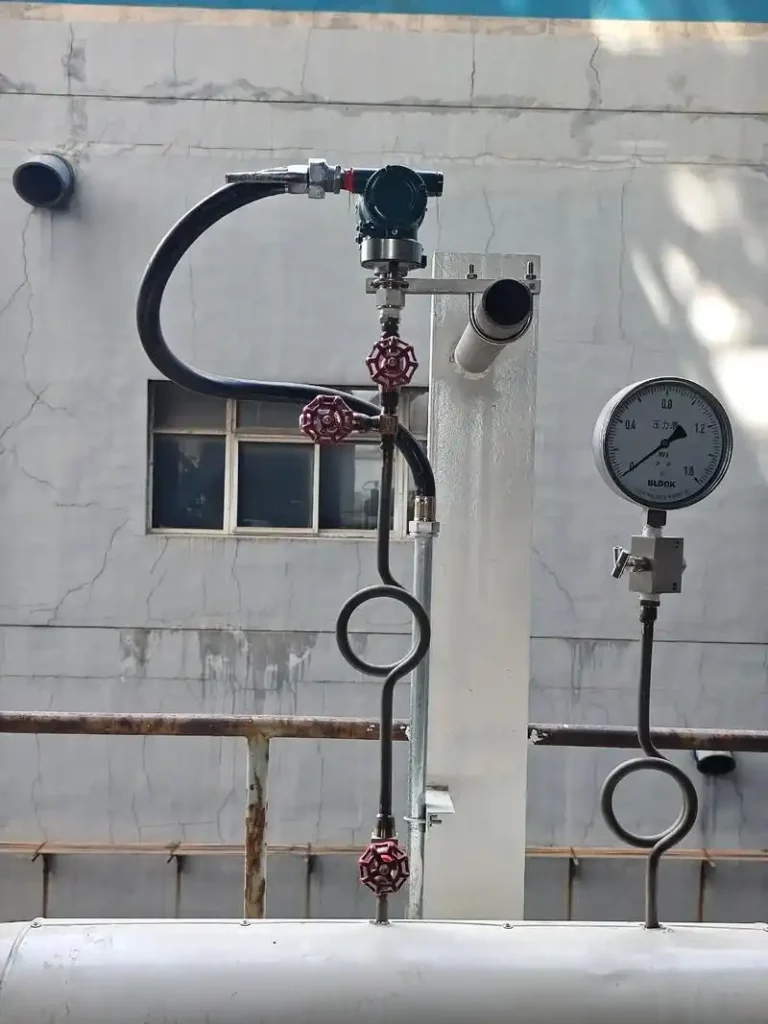
Piezoresistive Sensors vs Capacitive Sensors vs Piezoelectric Sensors
1. Differences in operating principles.
Piezoresistive sensors are based on the piezoresistive effect: when pressure is applied to the sensing element, its resistance changes in response to the pressure, and pressure is detected by measuring this change in resistance;
Capacitive sensors rely on the capacitive effect, utilising changes in the distance between electrodes, the area in contact, or the dielectric constant caused by pressure to alter the capacitance value and thereby perform the measurement;
Piezoelectric sensors, on the other hand, are based on the piezoelectric effect, directly converting pressure signals into electrical signals without the need for additional excitation, relying on the generation of charge within the material itself to achieve detection.
2. Differences in measurement range and accuracy.
Piezoresistive sensors are great because they can measure a wide range of pressures, from low to high. They’re super accurate, so you can be sure of the pressure readings, whether they’re static or dynamic.
Capacitive sensors have a moderate measurement range and are great at detecting small pressures. They’re more accurate than piezoelectric sensors, but less so than piezoresistive ones. Their accuracy can be a bit hit and miss when they’re exposed to the environment.
Piezoelectric sensors are better at measuring pressure when it’s moving, but they can’t detect pressure that’s not moving. The temperature and humidity can have a big effect on how well they work, and they’re not as accurate as the other two types.
3. Differences in environmental adaptability.
Piezoresistive sensors have strong interference resistance and are less sensitive to temperature and humidity, enabling them to operate stably under general industrial harsh conditions; however, prolonged exposure to extreme high-temperature environments may affect resistance stability;
Capacitive sensors are susceptible to temperature, humidity and electromagnetic interference, and require a high degree of environmental sealing; they are suitable for dry environments free from strong electromagnetic interference;
Piezoelectric sensors have weaker resistance to interference; temperature changes alter their piezoelectric coefficient, and humidity affects electrode performance; they are only suitable for dynamic detection scenarios where environmental conditions are relatively stable.
4. Differences in cost and maintenance.
Piezoresistive sensors are pretty straightforward to make, not too expensive to manufacture, and they’re easy to maintain. They don’t need any complicated extra circuits and they last for ages, so you can use them pretty much anywhere.
Capacitive sensors are a bit more tricky to make, and you have to be more careful with how you process the electrodes and encase them. They cost more than piezoresistive sensors, and they’re a bit more tricky to maintain, so you’ve got to check the seal integrity regularly.
Piezoelectric sensors have high requirements for core materials and manufacturing processes, resulting in the highest overall cost. Furthermore, as the sensing elements are relatively brittle and prone to damage, maintenance costs are also comparatively high.
5. Differences in Applicable Scenarios.
Piezoresistive sensors are used a lot in industry, cars and medical equipment, and other areas. They can measure both static and dynamic pressure. This includes things like tyre pressure in vehicles and blood pressure in medical settings.
Capacitive sensors can detect very small pressures and movements. They are often used in precision instruments and in aerospace. This includes measuring very small changes and detecting low-altitude pressure.
Piezoelectric sensors are mainly used to detect pressure and vibrations. This includes things like engine vibrations and impact pressure. They are not used to measure static pressure.
Applications of Piezoelectric Pressure Sensors
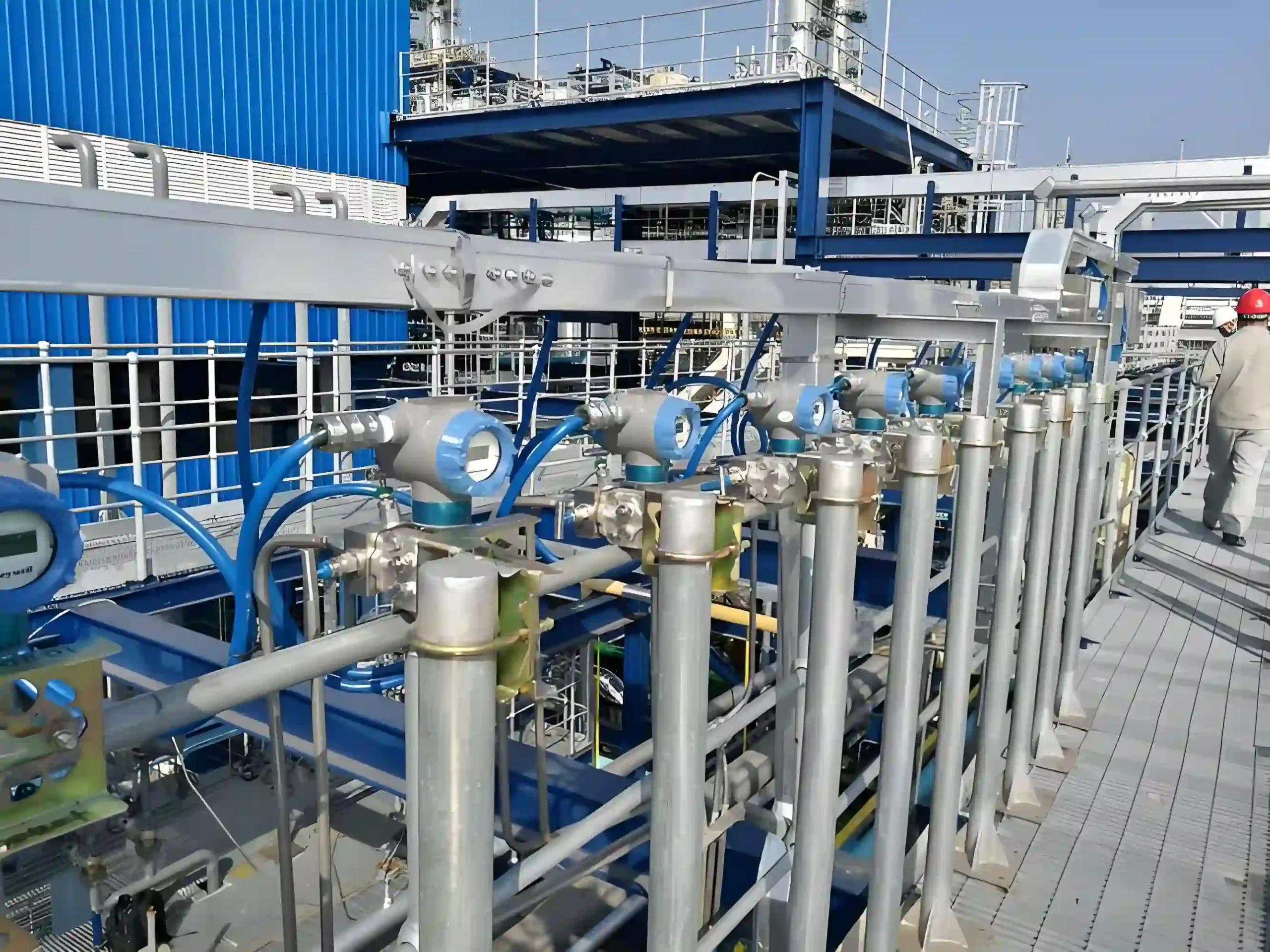
Thanks to their high-frequency response, high sensitivity and ability to withstand extreme operating conditions, piezoelectric pressure sensors are primarily used for dynamic pressure measurement. Their practical applications are as follows:
Automotive Engineering
Used for monitoring combustion pressure in engine cylinders and knocking, triggering airbag deployment upon impact, monitoring tyre pressure and detecting pressure pulsations in braking systems, providing high-speed data for powertrain control and vehicle safety.
Industrial Automation
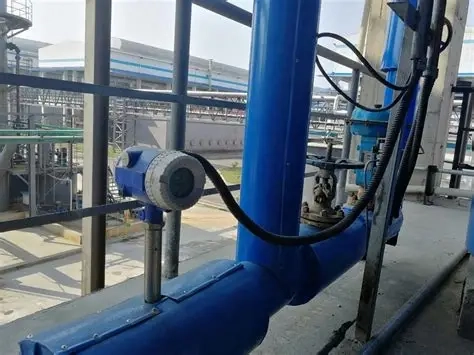
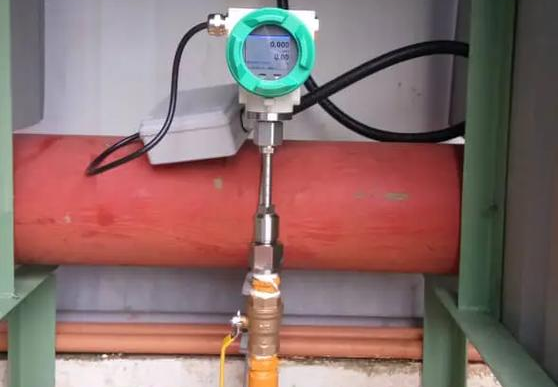
This device is ideal for monitoring pulsations in hydraulic and pneumatic systems, pressure changes in compressors, melt pressure in injection moulding machines and the effects of water hammer. It ensures you get accurate pressure readings and protects your equipment in high-pressure situations.
Fluid and Marine Engineering
It is suitable for testing hydrodynamic pressure pulsations in water turbines and propellers, and for monitoring shock loads in marine hydraulic systems. It supports fluid dynamics research and the verification of equipment reliability.
Research and Specialised Testing
These sensors are ideal for applications such as acoustic transducers, testing the strength of high-energy materials, and measuring the pressure created by vibrations. They are highly sensitive to tiny pressure changes and high-frequency dynamic pressures.
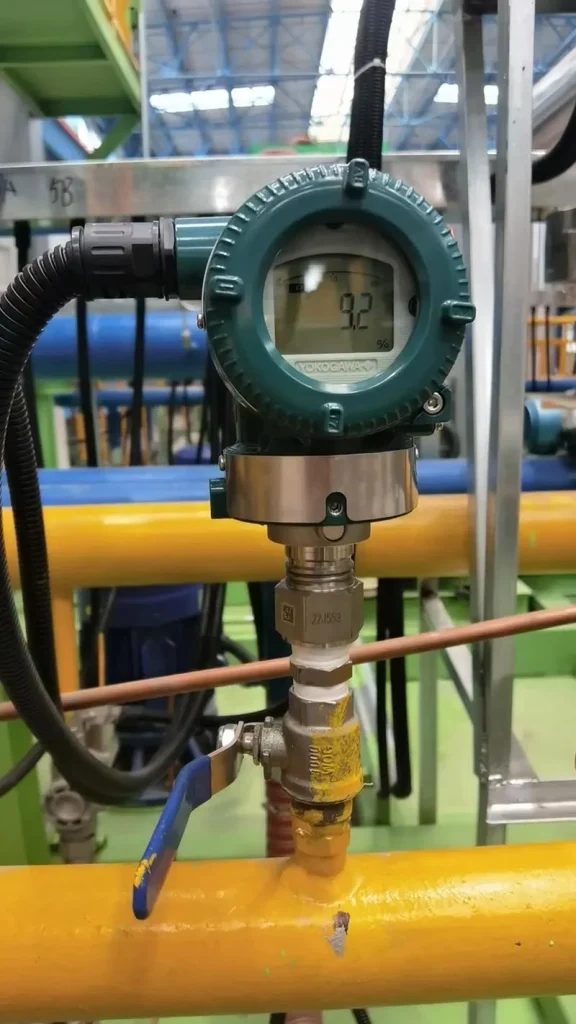
Here at Sino-Inst, we’ve been specialising in the R&D of pressure measurement technology and product iteration for a long time. We’re always providing our customers with high-performance, highly reliable pressure sensors and customised measurement solutions that fully meet the stringent measurement requirements across multiple sectors.
As well as pressure sensors, Sino-Inst has a wide range of level and flow meters that use different measurement principles, like differential pressure, electromagnetic, vortex and radar. We’re a one-stop shop for industrial measurement solutions, offering pressure, level and flow monitoring all in one place.
Our manufacturing system is pretty mature, our quality control is rigorous and our technical support is professional. We help users across various industries achieve more efficient, stable and intelligent process monitoring and equipment management. We work together to drive the upgrading and development of industrial measurement and control systems.