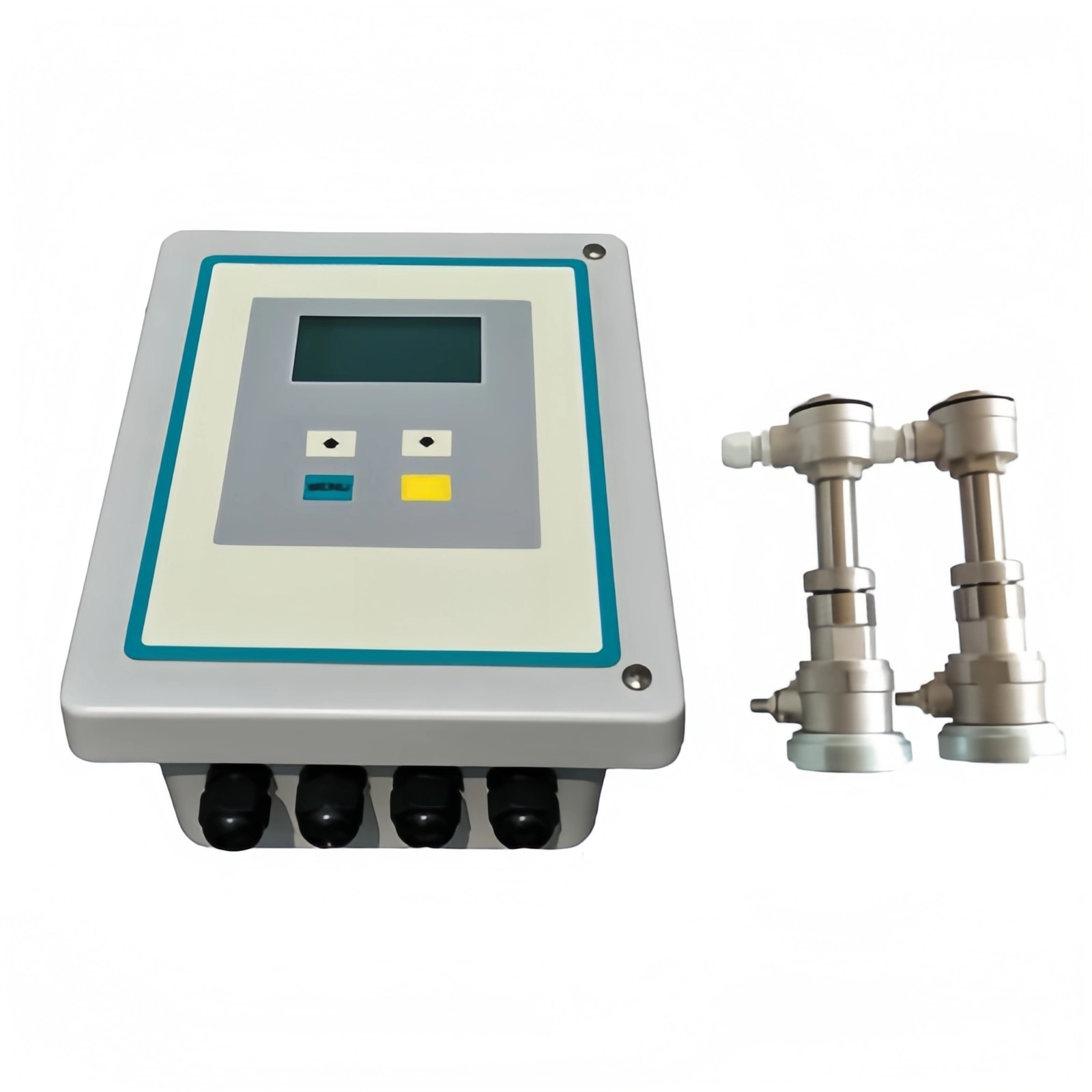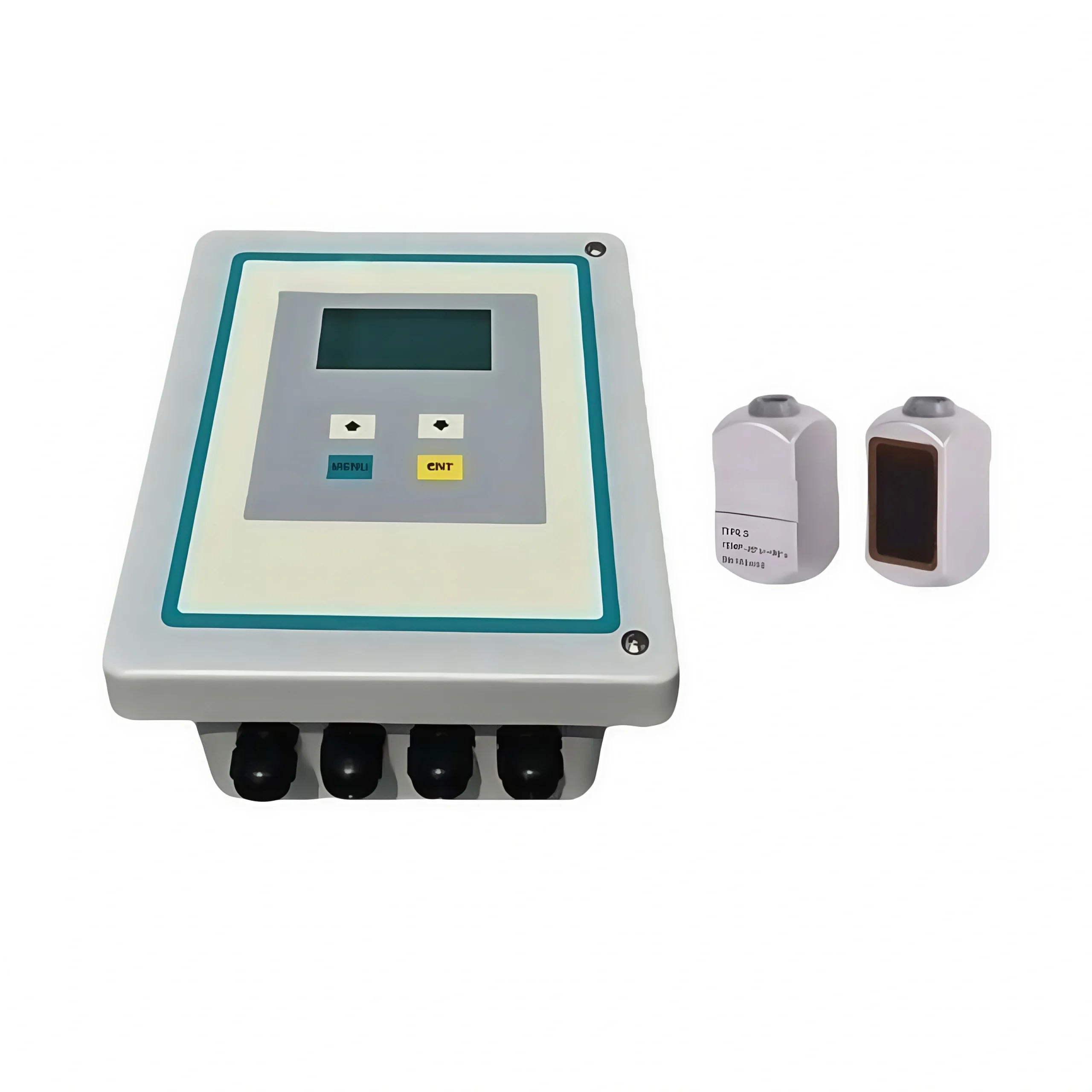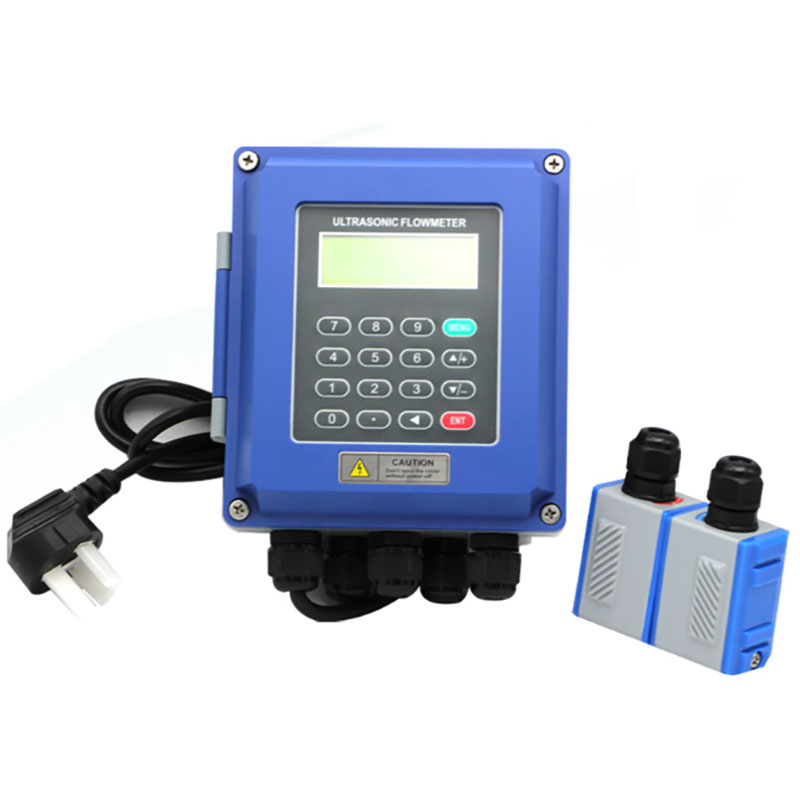
As the second most significant greenhouse gas after carbon dioxide, the accurate measurement of methane is a fundamental prerequisite for industrial process control, efficient energy utilisation and global emissions reduction efforts.
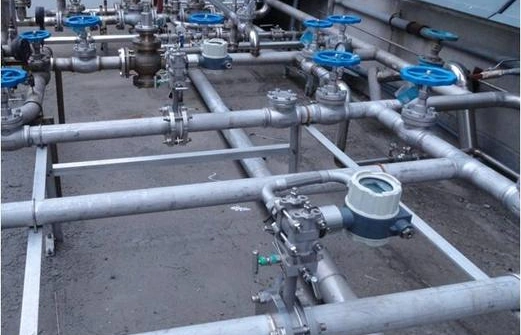
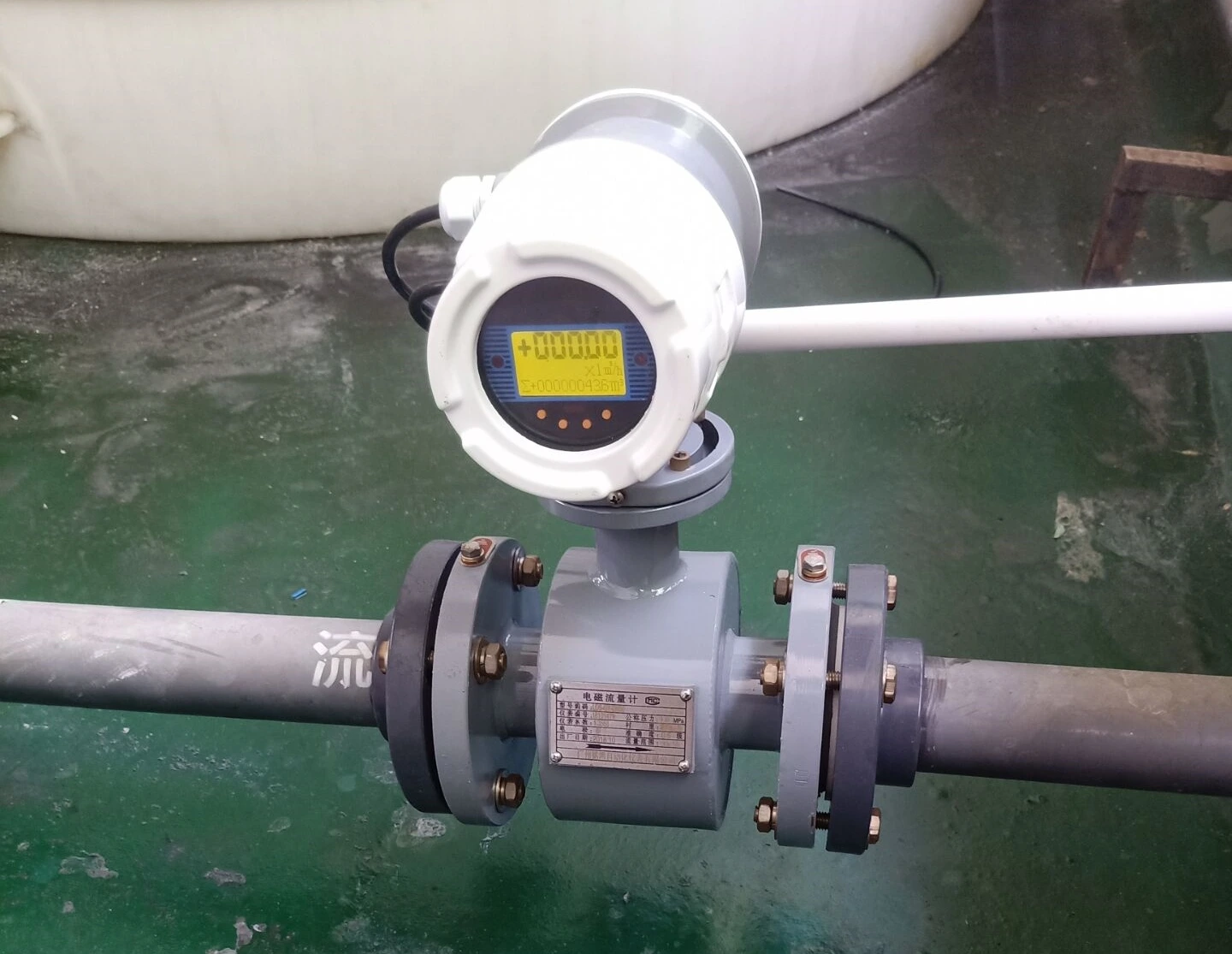
As key equipment for achieving precise detection of methane flow and data traceability, methane flow meters are widely used in various fields such as petrochemicals, natural gas transmission and distribution, and environmental monitoring. How accurate and stable they are directly affects how safe and cost-effective related projects are, so it’s really important to research their technical characteristics and optimise how they’re used.
Properties of Methane
1. Methane is the simplest organic compound, with the chemical formula CH₄. At standard temperature and pressure, it is a colourless, odourless gas with a density lower than that of air; it is extremely insoluble in water but readily soluble in organic solvents.
2. It’s pretty stable chemically, and it doesn’t usually react with strong acids, strong alkalis or strong oxidising agents. But, depending on the conditions, it can undergo substitution, oxidation and decomposition reactions.
3. It’s really flammable, and when it catches fire, it gives off a blue flame. When you burn it, it makes carbon dioxide and water and releases a lot of heat. It is a high-quality clean fuel and an important chemical raw material.
4. It is a flammable and explosive gas; when mixed with air to a certain concentration range, it is prone to explosion upon contact with open flames or high temperatures. Strict precautions against leaks and ignition sources are required during use and storage.
5. Methane is a greenhouse gas that causes global warming a lot more than carbon dioxide. Large-scale emissions make global warming worse. It’s also the main component of natural gas, biogas and mine gas.
Challenges in Measuring Methane Gas Flow
Methane is a compressible gas; its volumetric flow rate is significantly affected by changes in temperature and pressure. Furthermore, under high-pressure conditions, the compressibility factor deviates from that of an ideal gas. Without precise temperature and pressure compensation or correction of the compressibility factor, significant measurement errors are highly likely to occur.
In practical applications, methane flow rates fluctuate widely and often involve low flow rates and pulsating flow conditions. Conventional flow meters have limited turndown ratios; at low flow rates, signals are weak and measurement accuracy is poor, whilst pulsating flow can also cause data jitter and distortion.
Methane is often accompanied by water vapour, condensate, dust and small amounts of corrosive components, which can easily cause condensation on instrument probes, blockage of pressure taps, and wear and corrosion of components. At the same time, these factors alter the gas density and thermal properties, directly affecting measurement stability and instrument service life.
Methane is a flammable and explosive gas with a wide explosive limit range; measuring instruments must meet stringent explosion-proof and sealing requirements. Under high-pressure conditions, they must also balance structural strength with leak prevention, thereby increasing the complexity of measurement system design and operation and maintenance.
The methane content in gas sources like natural gas and biogas is unstable. It is often mixed with other hydrocarbons or inert gases. This leads to changes in the physical properties of the gas, like how dense it is and how well it conducts heat. This messes up the measurements of flowmeters that are based on these gas properties.
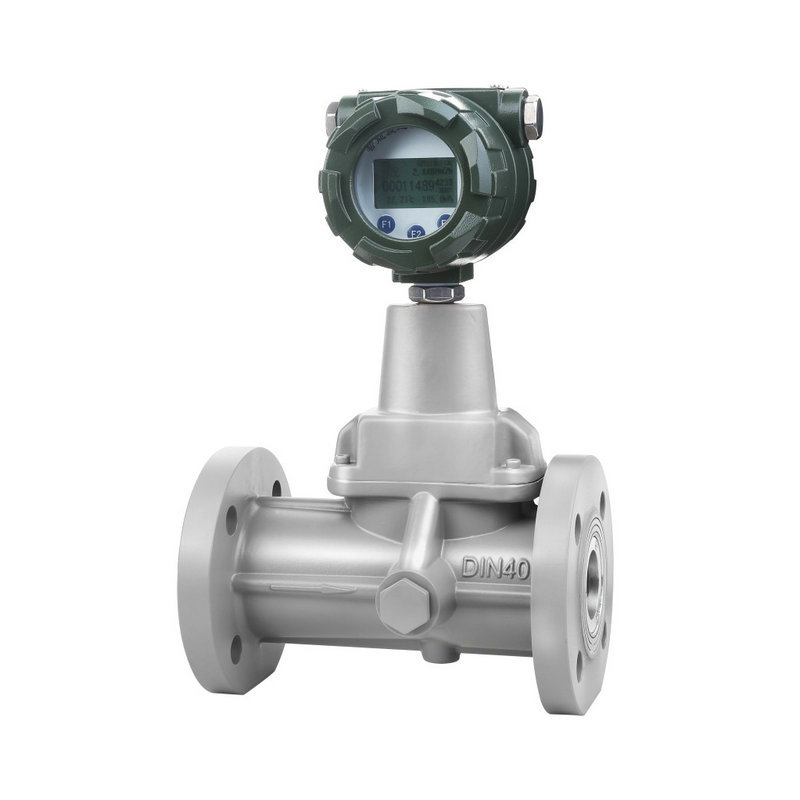
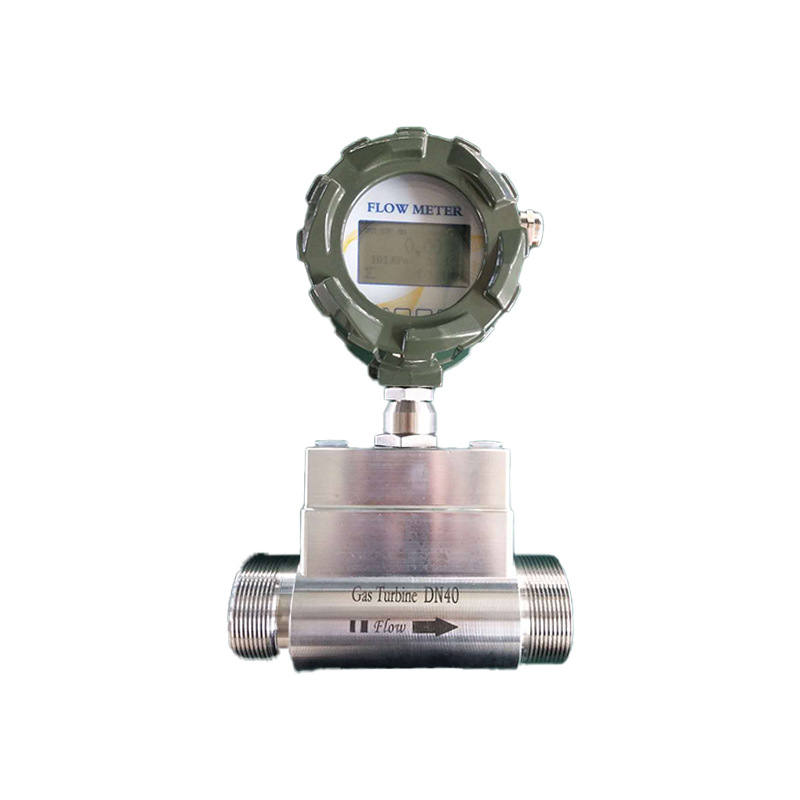
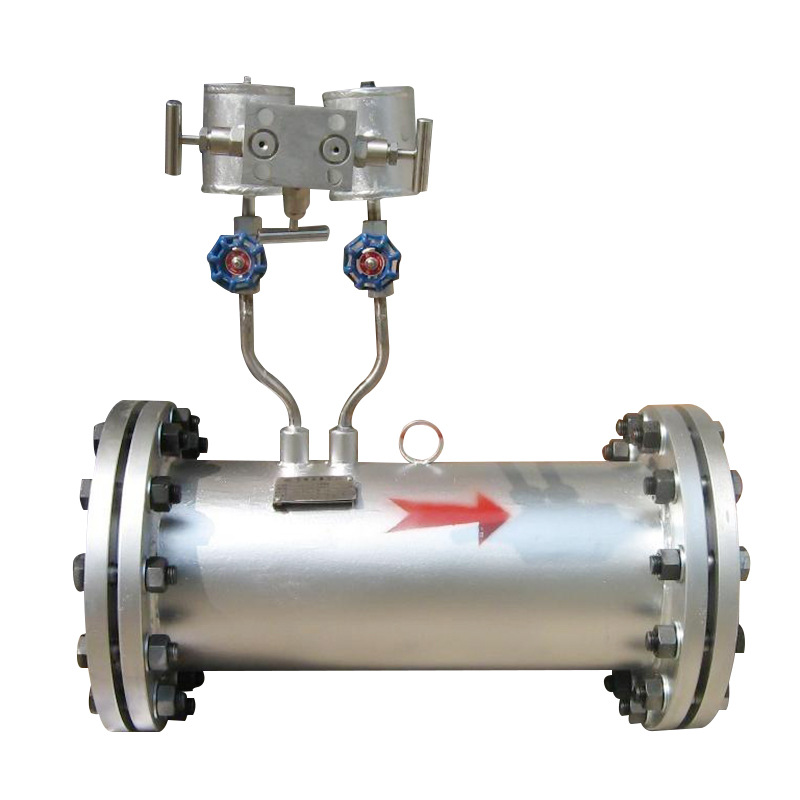
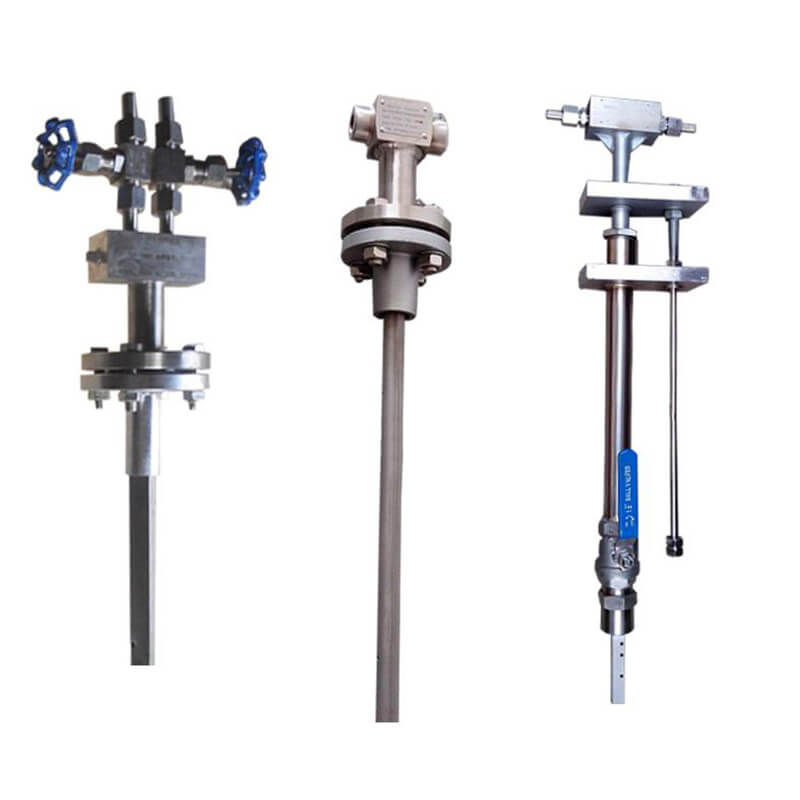
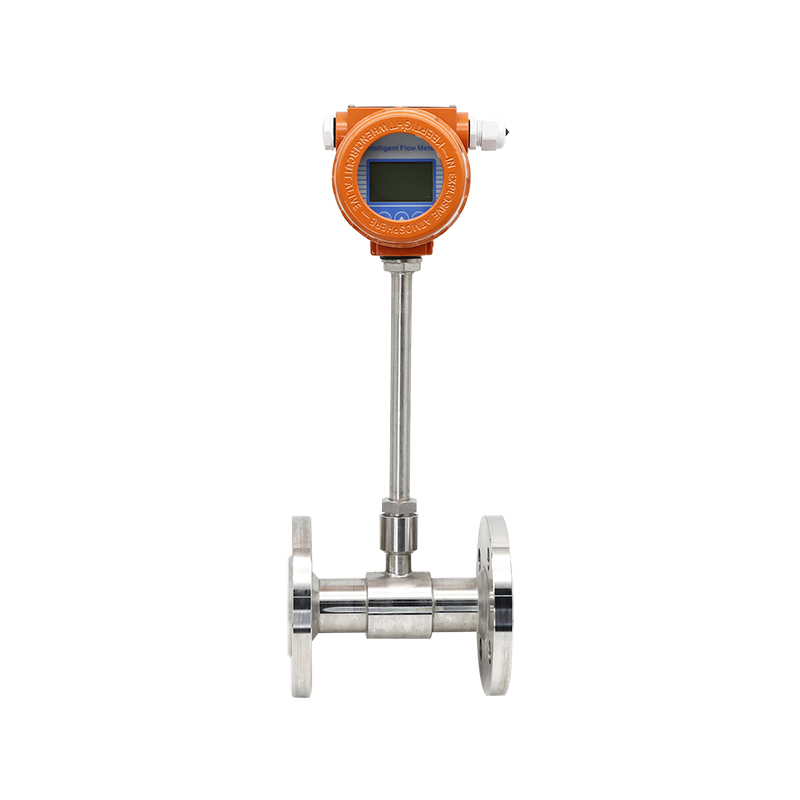
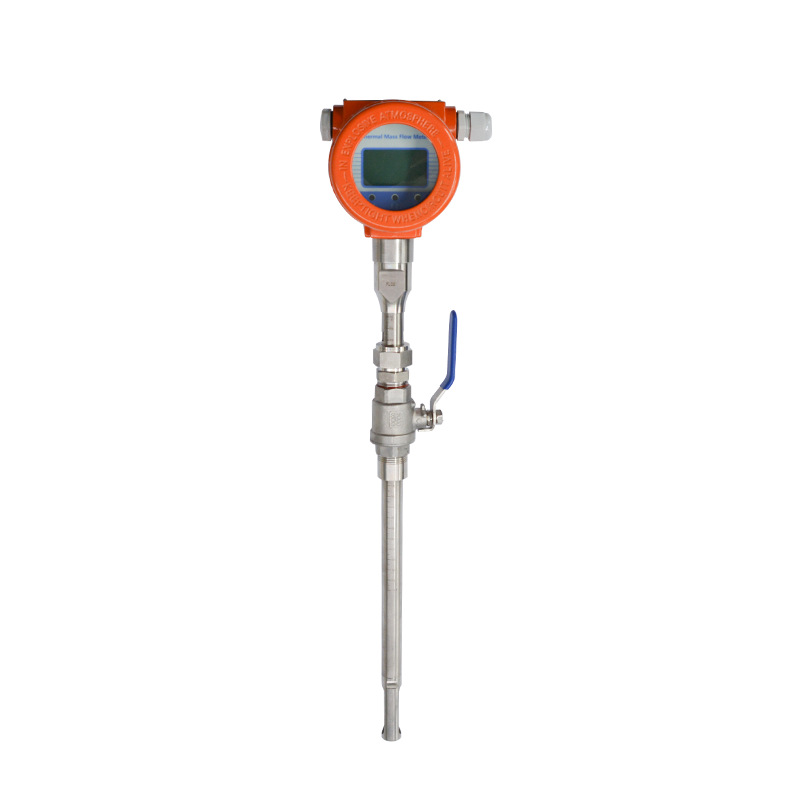
Flow meters for methane flow measurement
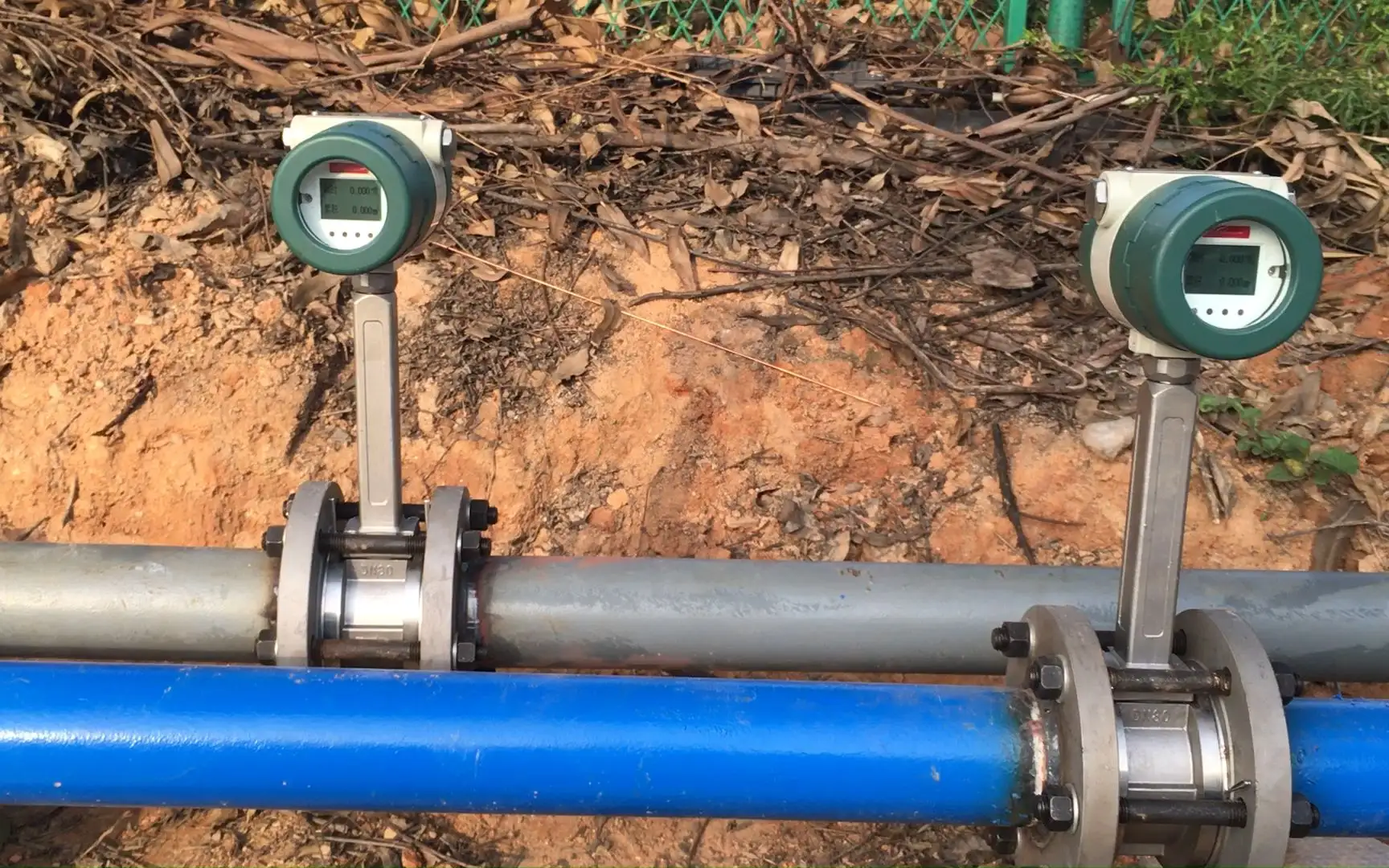
Vortex flow meters
Principle of operation
Based on the ‘Karman vortex street’ phenomenon, when methane gas flows past a non-streamlined vortex generator within the flowmeter, vortices are generated alternately on both sides of the generator. The more you speed up the gas, the more vortices you’ll generate. We can work out the volumetric flow rate of methane by detecting the vortex frequency and using info like pipe diameter.
Measurement Advantages
Reliable structure, easy maintenance: It’s got no moving parts, so it’s simple and robust, resistant to wear, and requires minimal maintenance. It’ll last you a long time, too.
Good measurement accuracy: Accuracy typically ranges from ±1.0% to ±1.5%, with a relatively wide turndown ratio, generally between 10:1 and 20:1, making it suitable for measuring methane at medium to high flow rates.
Minimal impact on energy consumption: The impact on energy usage when methane is being transmitted is low because there is little pressure loss. This makes it suitable for standard temperature and pressure conditions, as well as medium and low-pressure methane applications.
It should be noted that this flowmeter has high requirements for straight pipe runs; signal loss is likely to occur under low flow velocity conditions (less than 2 m/s), and it is significantly affected by moisture and condensate in the methane medium, so proper medium treatment is required.
Differential Pressure Flowmeter
Working Principle
The differential pressure flowmeter is one of the most widely used traditional flowmeters, The core operating principle is the ‘throttling principle’. If you put a throttling element in the pipeline, the speed of the methane gas going through it will suddenly get faster and the pressure will quickly go down as it passes through the element. This will create a fixed pressure difference before and after the element.
This pressure difference is proportional to the square of the gas velocity. Together with the methane density, pipeline parameters and temperature-pressure compensation data, the methane flow rate can be calculated.
Measurement Advantages
Low cost and high versatility: Simple in structure and inexpensive to manufacture, they are easy to fabricate and install. They are highly versatile and suitable for methane measurement under high-pressure and high-temperature conditions (such as high-pressure operations in natural gas gathering and transmission networks).
High tolerance to impurities: Suitable for methane media containing small amounts of dust, and adaptable to certain operating conditions with minor impurities.
Technologically advanced and simple to calibrate: It is very standardised and technologically advanced, and it is easy to calibrate it later and control its maintenance costs.
Stable operation: With no moving parts, operation is stable and reliable, making it suitable for long-term continuous measurement, particularly for methane flow measurement in large-diameter pipelines.
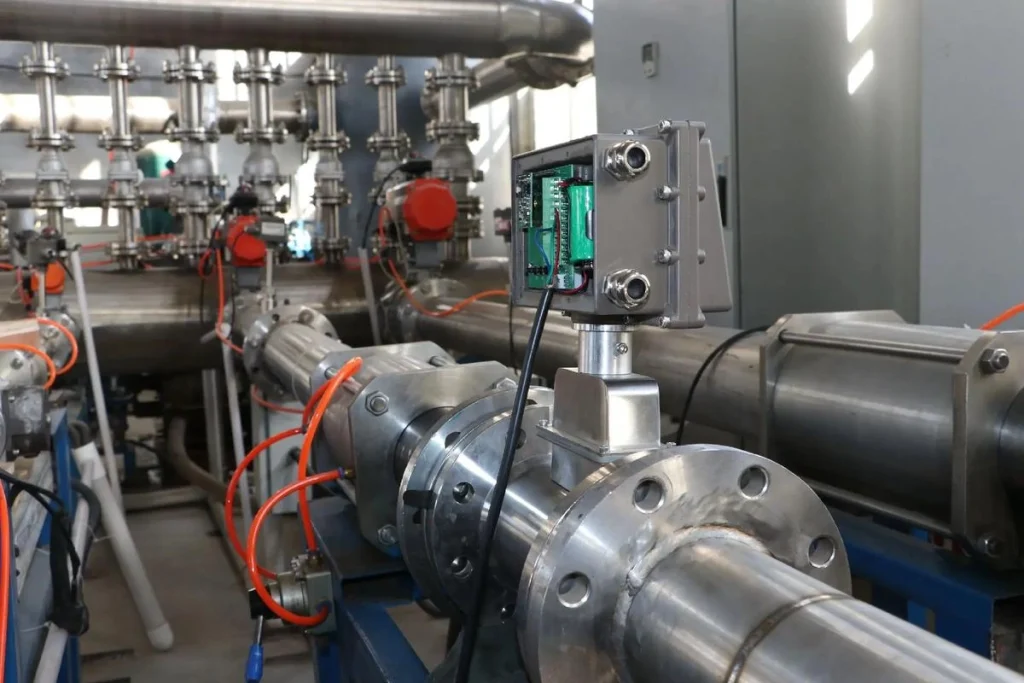
Gas Turbine Flowmeter
Principle of operation
Methane gas entering the flowmeter housing makes a multi-stage, multi-blade impeller rotate. This is based on the principle of conservation of angular momentum. Within the applicable Reynolds number range, the rotational speed of the impeller is linearly proportional to the average flow velocity of the methane (i.e. the volumetric flow rate).
The rotational speed signal of the impeller is detected by electromagnetic or optical sensors; after amplification and shaping, a pulse signal proportional to the flow rate is output, from which the volumetric flow rate of methane is ultimately calculated.
Measurement Advantages
High measurement accuracy and wide turndown ratio: The blade design and fluid passage have been optimised for gas applications, typically achieving an accuracy of ±0.5% to ±1.0% and a turndown ratio of 20:1 to 50:1, enabling better coverage of the wide range of flow fluctuations encountered in actual methane operating conditions.
Fast response and excellent dynamic performance: Make sure you know the diameters of the inlet and outlet pipes, where they will be installed, and any other relevant factors. This will help you to confirm that the equipment is compatible and that there is enough space for installation.
Compact structure and easy installation: It’s small and thin, so you can use it in a lot of different ways (e.g. as a flange or a threaded component), and it won’t take up much space when you install it. It’s also got bidirectional measurement capability, making it great for methane recovery and recirculation systems.
Digital signal output, easy to integrate: It’s got multiple signal outputs like pulse and 4–20 mA, so you can directly connect to automation systems like PLCs and DCSs. This makes it easy to get the data you need and monitor things remotely, which is perfect for managing a digital factory.
Just to flag, this flowmeter is pretty picky about the purity of the methane medium. If there’s a lot of liquid or viscous impurities in the medium, it might jam the impeller or wear out the equipment, which means you’ll need to use a filter and dehumidification gear. Additionally, temperature and pressure compensation is required to obtain accurate standard-condition flow rates.
Thermal Mass Flow Meter
Principle of Operation
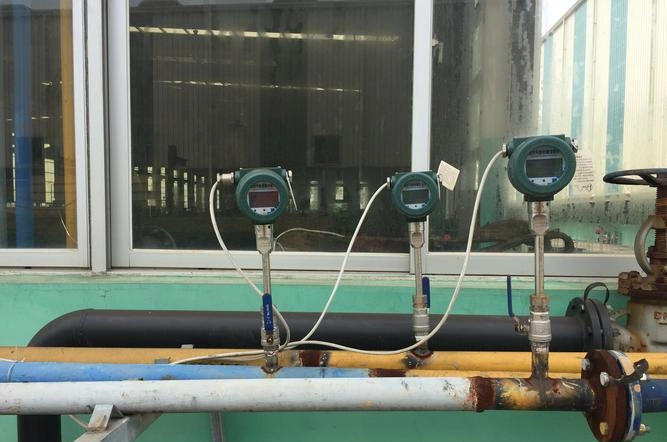
This meter operates on the principle of thermal diffusion. Two thermistors are installed within the flow meter probe: One is a heating resistor and the other is a sensing resistor. When methane gas flows through the probe, it carries away heat from the heating resistor. The more methane gas flowing through, the more heat it carries away. You can calculate the mass flow rate of the methane by measuring the temperature difference between the two thermistors.
Measurement Advantages
Excellent low-flow performance: It can measure methane even when it is flowing at less than 0.1 m/s and has an extremely wide turndown ratio of between 100:1 and 1000:1. This makes it ideal for intermittent and low-flow applications.
Simplified measurement system: You don’t need to worry about temperature or pressure, because the mass flow is measured straight away. This means you don’t need any extra equipment to compensate, and it makes the measurement system easier to design.
Easy installation and maintenance: It’s really easy to install thanks to its simple structure and compact design. It’s got no moving parts, so it’s a breeze to maintain and perfect for measuring methane in small pipes, laboratories and small-scale biogas projects.
Fast response: It can monitor changes in methane flow in real time, promptly detecting flow fluctuations to meet dynamic measurement requirements.
But it’s sensitive to methane components (like ethane or CO₂), moisture, and condensate. Changes in temperature and purity can also mess up the readings, so it’s best to use it with relatively dry and clean methane media.
How to Select the Right Methane Flow Meter
1. Determine the flow range: Accurately calculate the actual flow range under operating conditions, select a suitable model, ensure the flow remains within the valid measurement range, and guarantee accuracy and stability.
2. Determine accuracy requirements: Just make sure you pick a flow meter with the right level of accuracy for your needs. If you’re after high-precision, go for models that are really accurate.
3. Have you thought about the properties of the methane fluid, like its density, pressure and temperature? This makes sure that the way the flow meter is designed matches up with the actual properties of the fluid and avoids any mistakes in the measurements.
4. Adapt to the installation environment: Have a look at the flow meter’s rated parameters (the levels the equipment is designed to handle) and compare them to the on-site temperature, humidity and pressure. This will help protect the equipment from damage caused by environmental conditions that are too extreme for it to withstand.
5. Meet installation requirements: Make sure you know the diameters of the inlet and outlet pipes, where they will be installed, and any other relevant factors. This will help you to confirm that the equipment is compatible and that there is enough space for installation.
6. Select the appropriate output signal. Based on data transmission requirements, choose suitable signal types such as 4–20 mA or RS485 to ensure compatibility with the control system.
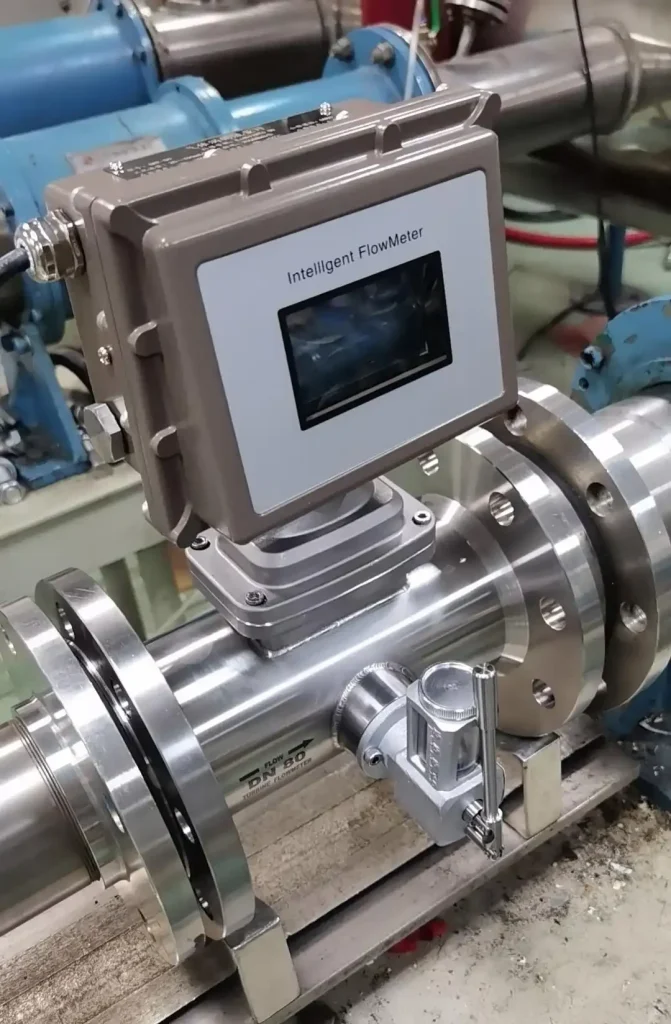
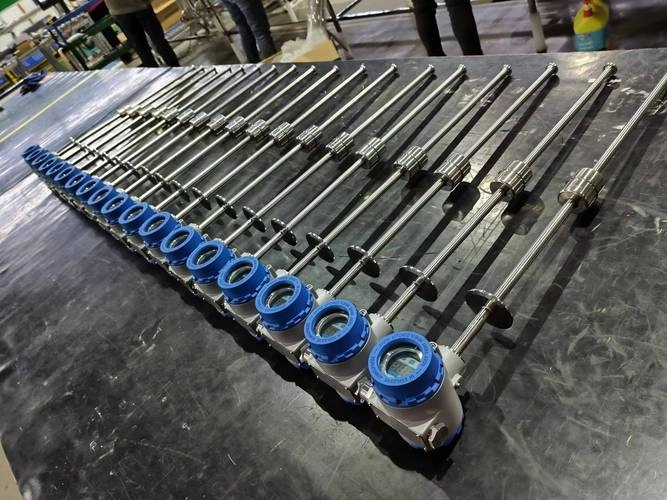
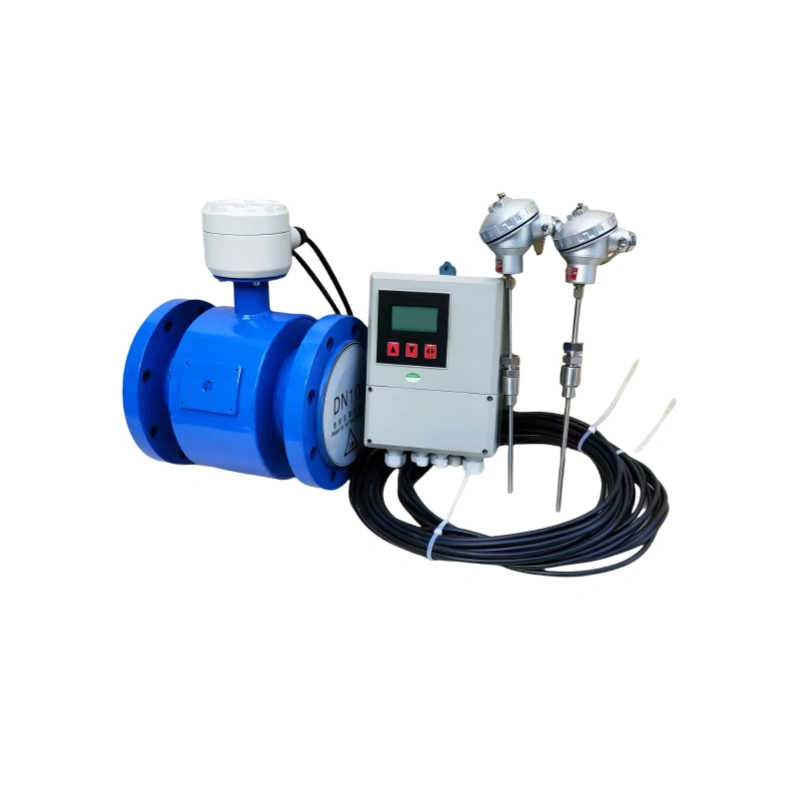
Sino-Inst really knows its stuff when it comes to flow measurement. We’ve got methane flow meters that can be used in all sorts of situations and for different levels of accuracy, no matter what the industry. This includes petrochemicals, natural gas transmission and distribution, and environmental monitoring. We’ve also got a wide range of other products, like electromagnetic, differential pressure, positive displacement, ultrasonic and radar technologies.
Furthermore, we offer comprehensive flow measurement solutions, providing end-to-end support from selection guidance and installation commissioning through to post-installation maintenance, ensuring that every set of measurement data is accurate and reliable. Should you require product enquiries, selection advice or customisation, please do not hesitate to contact us; we look forward to serving you.