What is the Best Flow Meter for Water?

Table of Contents

Water is the most common medium used in industrial and civilian applications. Such as tap water, sea water, industrial wastewater, acid and alkali aqueous solutions. Accurately measuring water flow is crucial for hydraulic engineering, environmental monitoring, and wastewater treatment.

You may have seen mechanical water meters and heard of electromagnetic flowmeters. But what are the differences? How do you choose the right water flow meter for your industrial process? Let’s take a look.

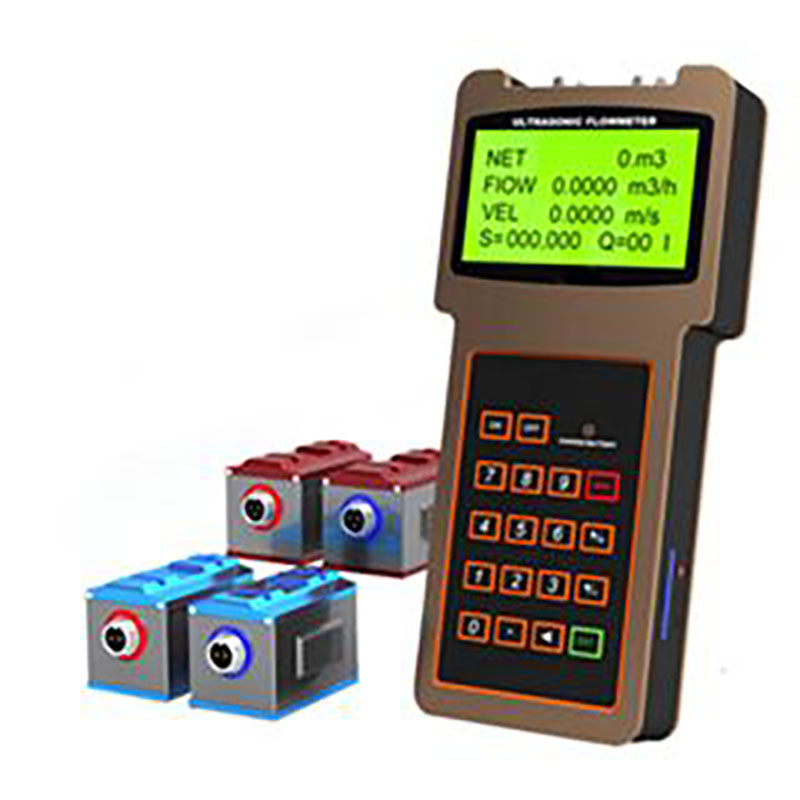
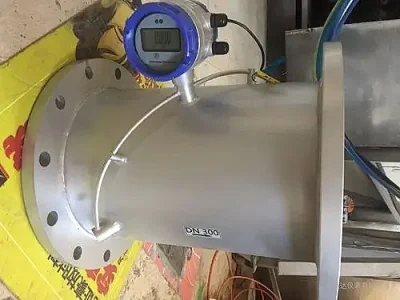
Ultrasonic flow meter for measuring water flow

What is a Flow Meter for Water?

Water flow meters are a type of measuring instrument specifically designed to measure the instantaneous flow rate and cumulative water consumption in pipes or open channels.

By utilising various detection principles to capture the flow characteristics of water, they can both display the current flow rate in real time and continuously accumulate the total volume of water passing through.

On the one hand, they meet metering requirements for water bill settlement, industrial water cost accounting and water resource management; on the other hand, they can output standard signals for integration into automated control systems, working in conjunction with pumps and valves to regulate flow within the pipeline network.

Flow Meter for Water Processing:

Water flow meters can measure water flow in pipes, tanks, pumps, and rivers. Selecting the appropriate water flow meter is beneficial for environmental protection, energy conservation, and efficiency improvement.

It is widely used in various industries, as detailed below.

1. Hydrological monitoring: Collecting flow data from rivers, lakes and groundwater sources to support hydrological analysis and water resource assessment.

2. Drainage and flood control systems: Monitoring discharge volumes in pipe networks and flood discharge channels, coordinating pumping stations, and preventing water accumulation and oerflow during the flood season.

3. Wastewater treatment plants: Measuring inflow and outflow rates, managing treatment loads, and compiling wastewater discharge statistics.

4. Water Resources Projects: Used in reservoirs and water transfer projects to monitor water conveyance flow rates and ensure the rational allocation of water sources.

5. Power Generation, Traction and Coal Mining Machinery Cooling: Monitors the flow of circulating cooling water to prevent equipment damage caused by overheating.

6. Chemical, Pharmaceutical and Food Processing: Measures process and cleaning water usage to ensure stable mixing ratios and calculate water costs.

7. Agricultural irrigation systems: To control water delivery flow rates, ensure precise water management and achieve water-saving irrigation.

8. Urban water supply systems: To measure domestic and commercial water consumption, calculate water charges and detect leaks in the distribution network.

9. Hydropower generation: To monitor water flow through turbines, calculate electricity generation and regulate turbine operation.

10. Fire-fighting systems: To monitor flow rates in fire-fighting pipelines, verify water supply capacity and ensure a reliable supply of water for firefighting.
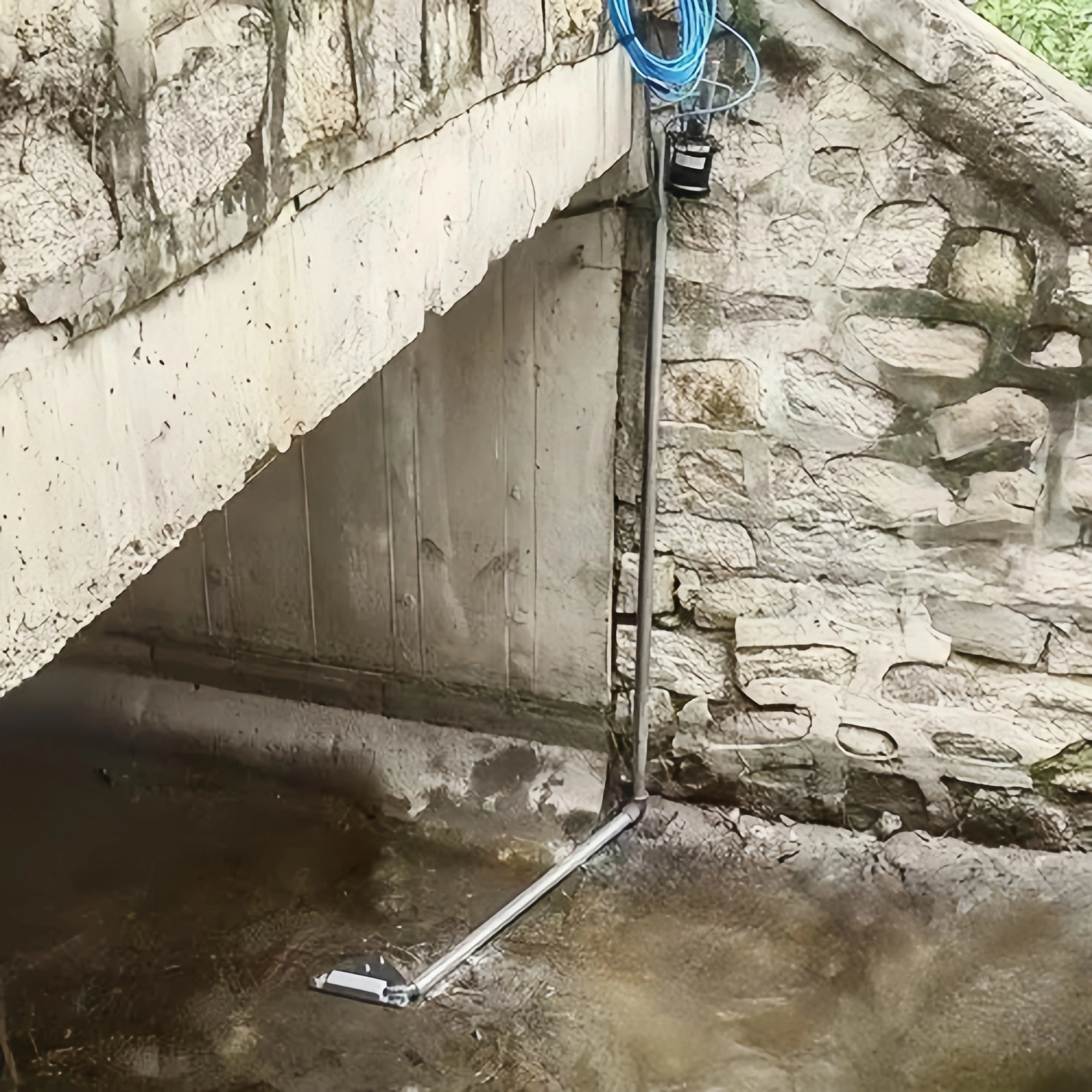
Ultrasonic flow meter measures open channel water

What are Different Types of Water Flow Meters

The water flow meters can be categorized based on Sino-Inst’s years of experience.

Flow Switch

Flow switches cannot display instantaneous or cumulative flow rates. However, they can be set to control flow based on predetermined flow values. When the flow rate exceeds or falls below the set value, the flow switch sends a switch signal to control the valve. They are suitable for applications requiring simple flow control.

Read More About: Flow Switch VS Flow Meter-Definition, Types and Working

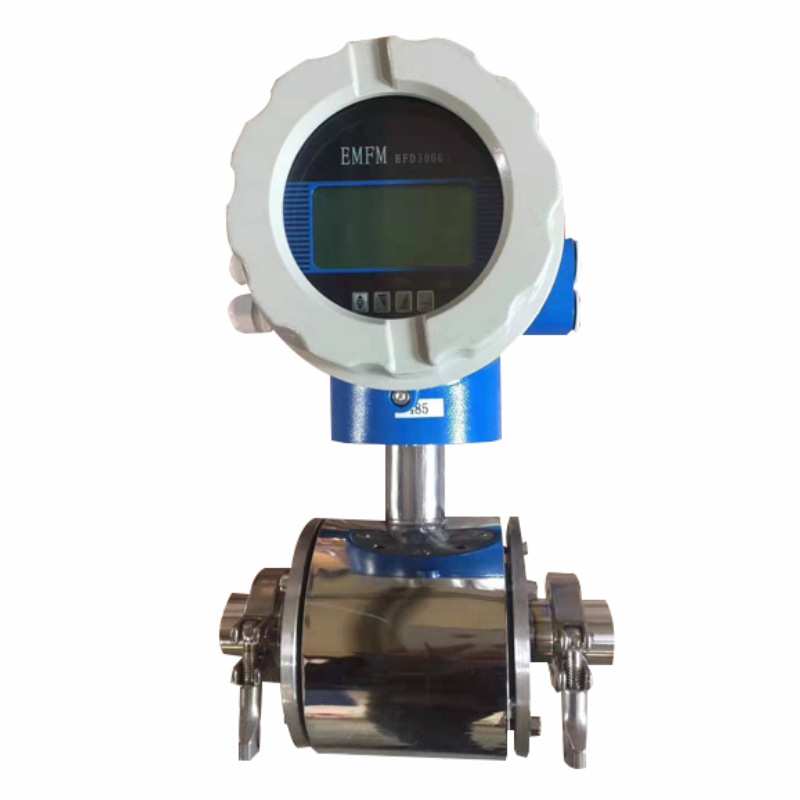
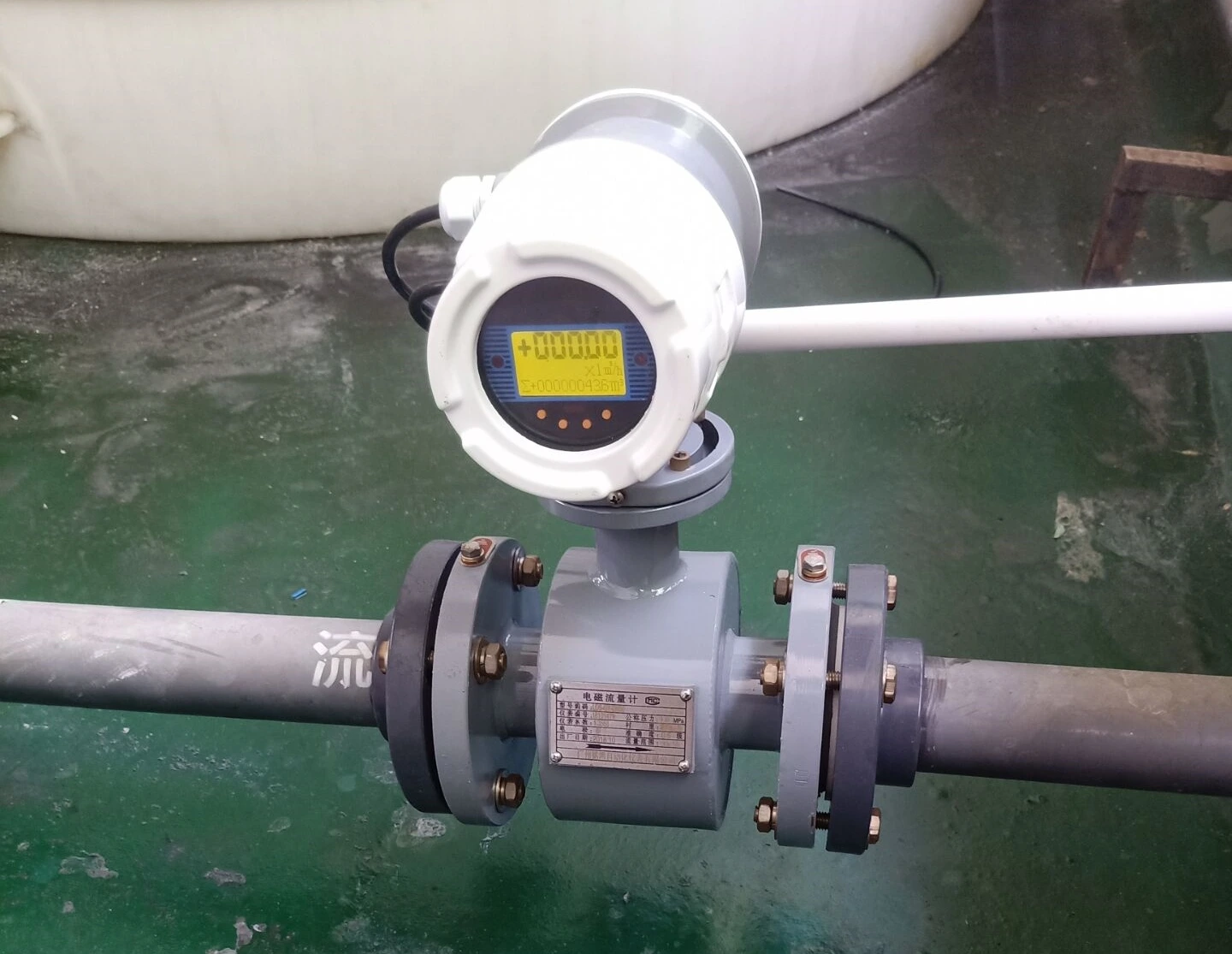
Electromagnetic Flow Meter

Principle of Operation

Based on Faraday’s law of electromagnetic induction, conductive water cutting through a magnetic field within the pipeline generates an induced electromotive force. Electrodes collect the potential signal, the magnitude of which is directly proportional to the water flow velocity; the flow rate is calculated by combining this with the cross-sectional area of the pipeline.

Advantages

No internal flow-restricting components, resulting in minimal pressure loss; Capable of measuring wastewater containing impurities, as well as acidic and alkaline water, with a wide range of measurable pipe diameters; measurement accuracy is stable and unaffected by minor changes in water temperature or viscosity.

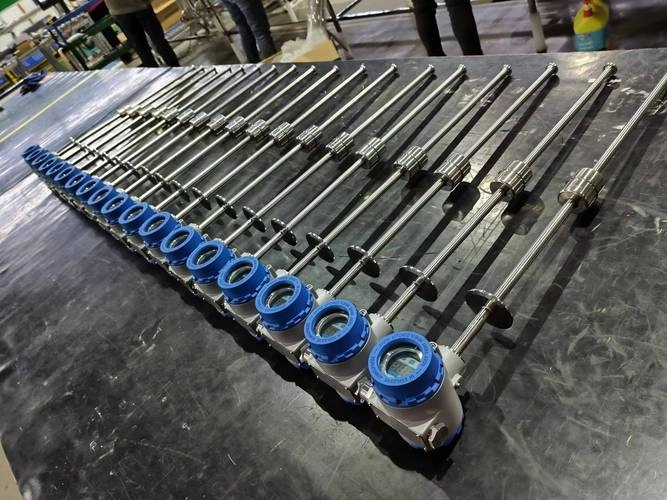
Vortex Flow Meter

Principle of Operation

When a fluid flows past a triangular flow-restricting element within the pipe, vortices are generated alternately on both sides; the frequency at which these vortices are released is linearly related to the flow velocity. The sensor captures the vortex pulse signals and converts them into flow rate values.

Advantages

Simple and durable construction with no vulnerable moving parts; suitable for a wide range of media, operable in both high- and low-temperature conditions; wide measurement range, requiring minimal maintenance, and offering excellent value for money.

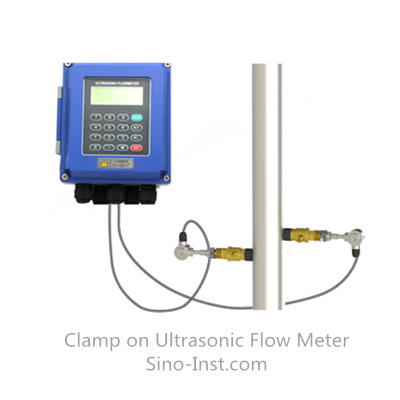
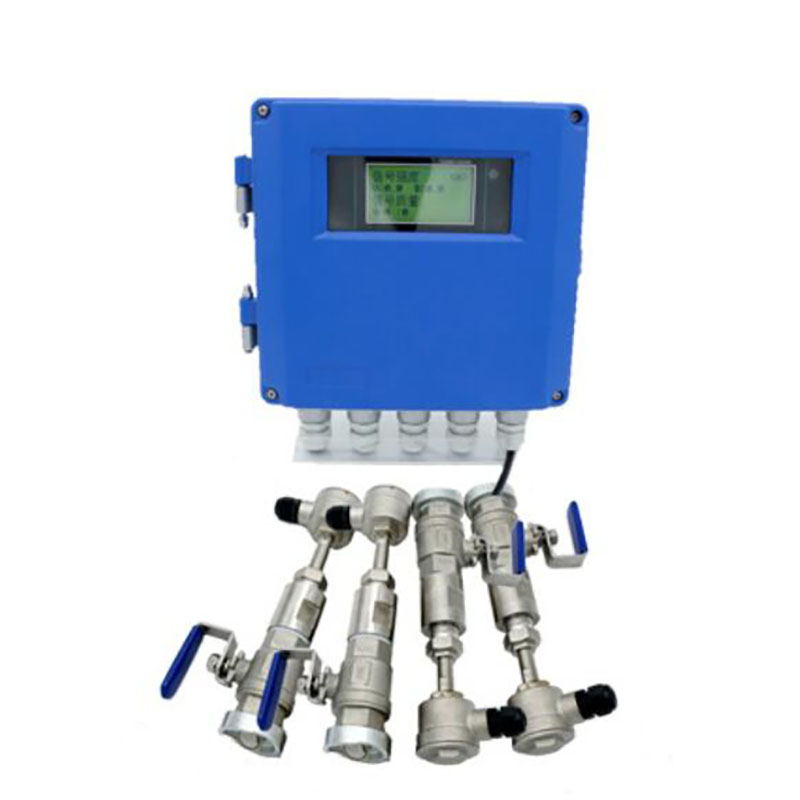
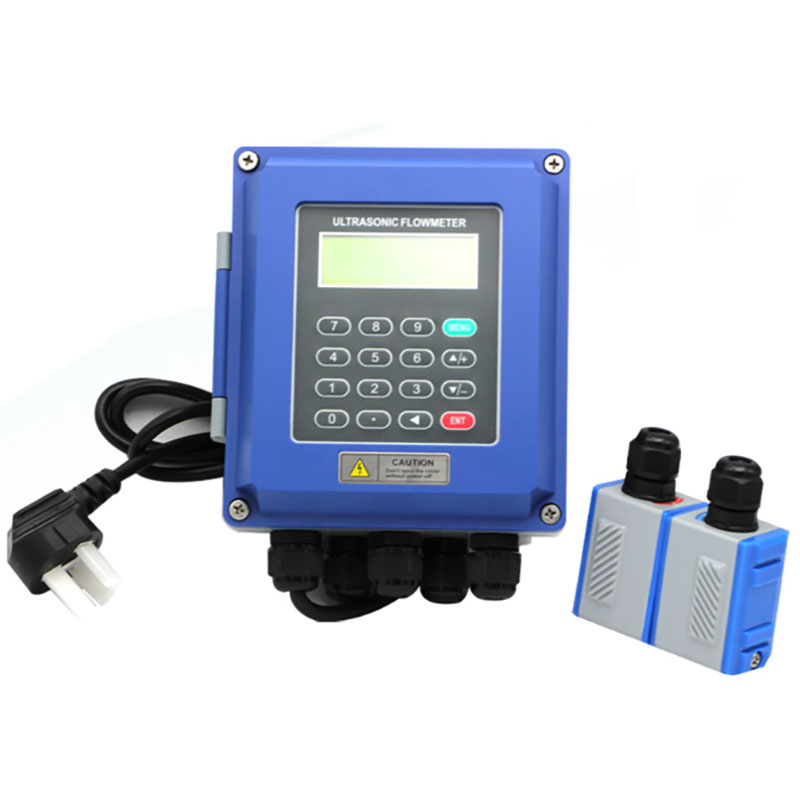
Ultrasonic Flow Meter

Principle of Operation

Calculates flow velocity by utilising the time difference between the propagation of ultrasonic waves in the direction of flow and against the direction of flow. Two sets of transducers transmit and receive sound waves; the time difference corresponds to the flow velocity, which is then converted into instantaneous and cumulative flow rates.

Advantages

Clamp-on design requires no pipe cutting for installation and causes no pressure loss; as it does not come into contact with the water, it is suitable for clean and corrosive water; capable of monitoring large-diameter pipes; easy to install and remove; no consumables required in the long term.

Gear Flow Meter

Principle of Operation

Water flowing into the measuring chamber drives a pair of precision-meshed gears to rotate at a constant speed; each full rotation displaces a fixed volume of water, and the total water volume is calculated by counting the number of gear revolutions.

Advantages

Extremely high measurement accuracy, capable of precisely measuring even minute flow rates; excellent sealing performance, suitable for clean water with low flow velocities and high viscosity; compact size, suitable for small-diameter process piping.

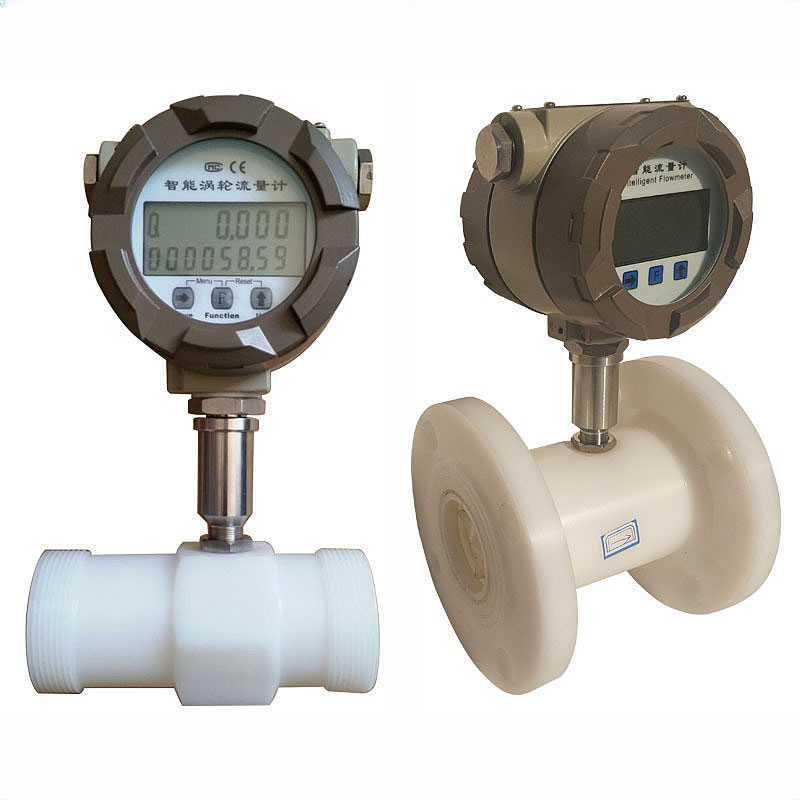
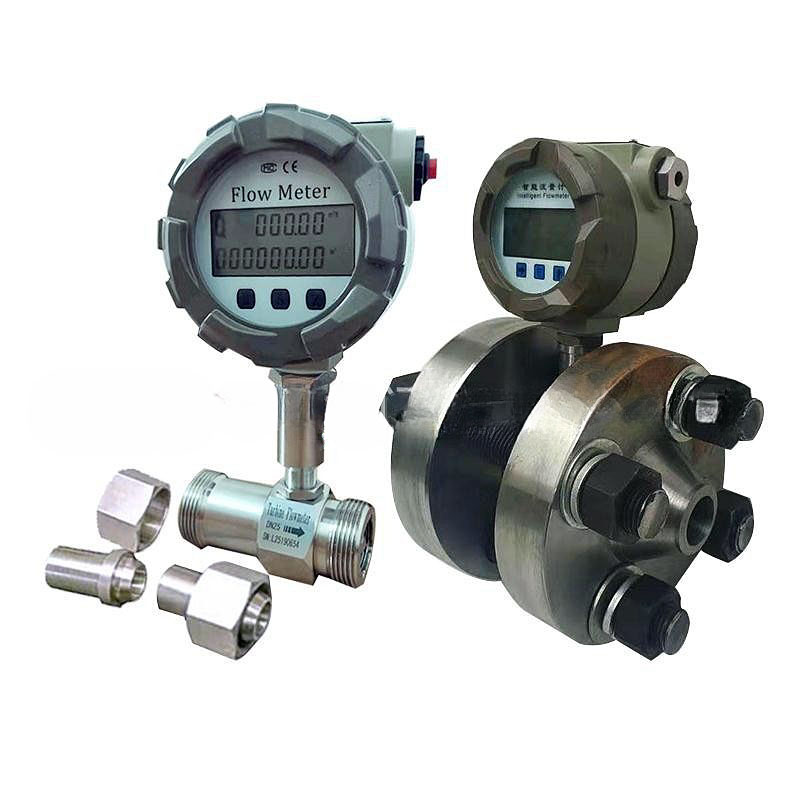
Turbine Flow Meter

Principle of Operation

The water flow impinges upon the impeller inside the pipe, causing it to rotate; the impeller’s rotational speed is directly proportional to the water flow velocity. A magnetic induction sensor captures the impeller’s pulse signals, which are then converted into the corresponding flow rate based on the pulse frequency.

Advantages

Fast response time and high measurement accuracy; good repeatability and compact design; outputs standard pulse signals, facilitating integration with automated control systems; suitable for measuring clean tap water and pure water.
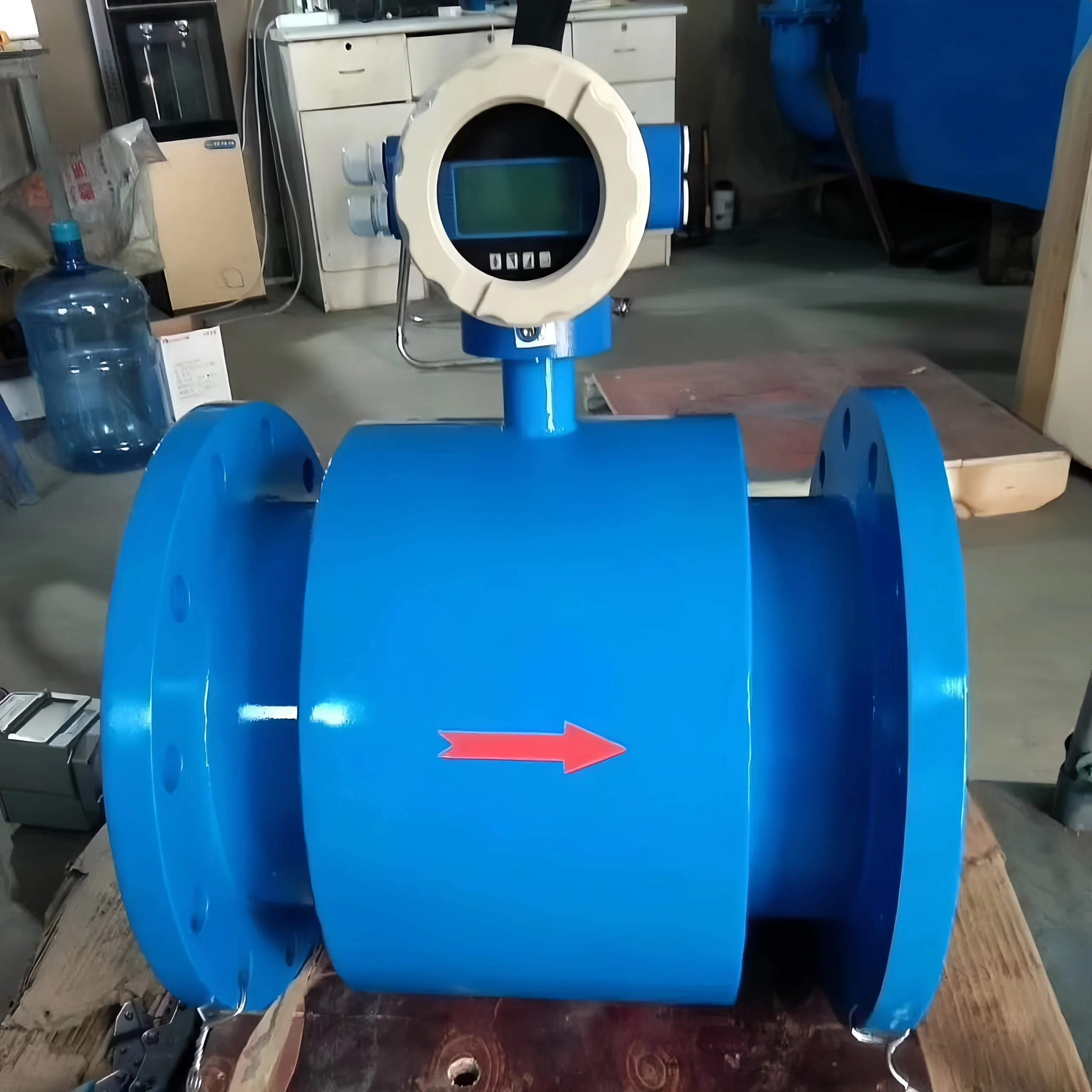
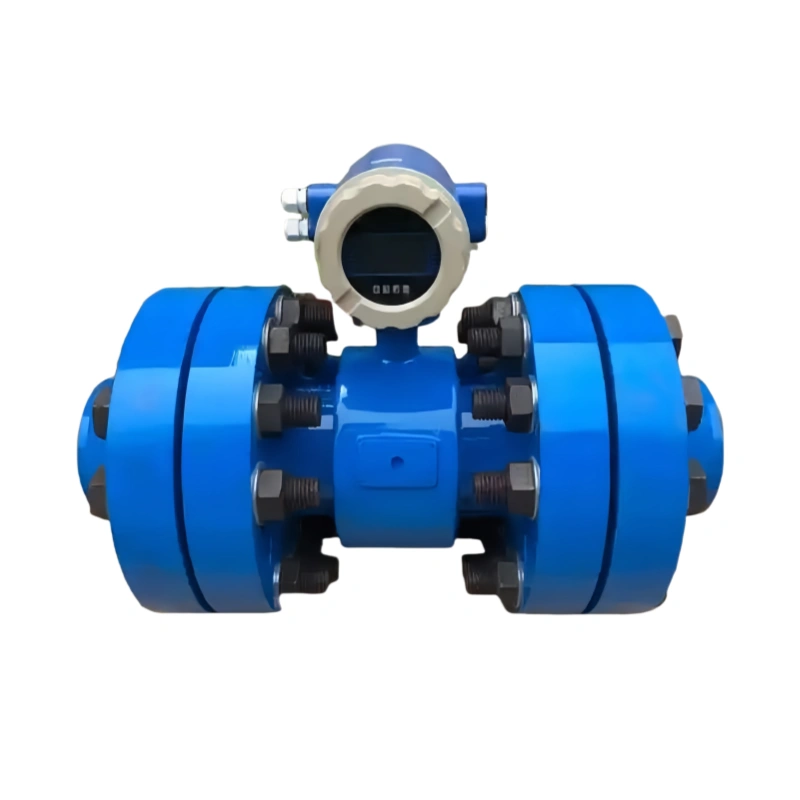
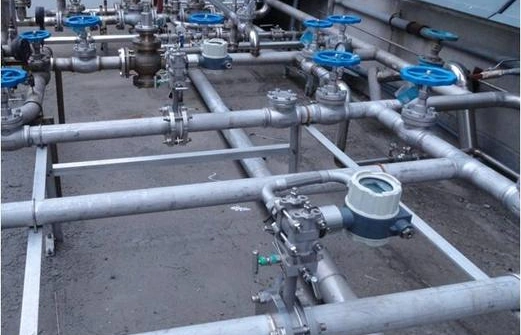
Electromagnetic flowmeter measures industrial water in steel mills

Electronic Digital Water Flow Meter vs. Traditional Water Meter

Digital water flow meters, also known as electronic water flow meters, require a power supply to perform measurements and display readings. These flow meters are typically equipped with a local digital display that shows instantaneous flow and cumulative flow, and some even have alarm functions.

Digital water flow meters are more accurate than traditional water meters.

Digital water flow meters can be customized for a variety of complex processes. Traditional water meters are more suitable for simple flow measurements.

Sino-Inst Featured Water Flow Meter

high pressure magnetic flow meter
Magnetic Sanitary Flow Meter
PE-Material-Liquid-Turbine-Flow-Meter-Chemical-Resistant-Threaded-and-Flanged-Types-with-Display
PE Material Liquid Turbine Flow Meter
Customized-High-Pressure-Turbine-Flow-Meters
Customized High Pressure Turbine Flow Meter
pipe type Clamp on pipe Ultrasonic Flow Meter
Portable handheld ultrasonic flowmeter

Common water flow meter signal outputs

Analog signal outputs include current signals and voltage signals, such as 4-20mA and 0-10V, etc.

Pulse signal outputs can be directly used for cumulative flow measurement. They can be connected to a counter for cumulative flow measurement.

Digital signal outputs can connect to digital devices such as computers and PLCs. Digital signals can be used for data storage, analysis, and processing. Digital signal outputs are communication protocols, such as RS-485 and RS-232.

Users can discuss their requirements with suppliers when placing orders, and suppliers can customize signal outputs according to these requirements.
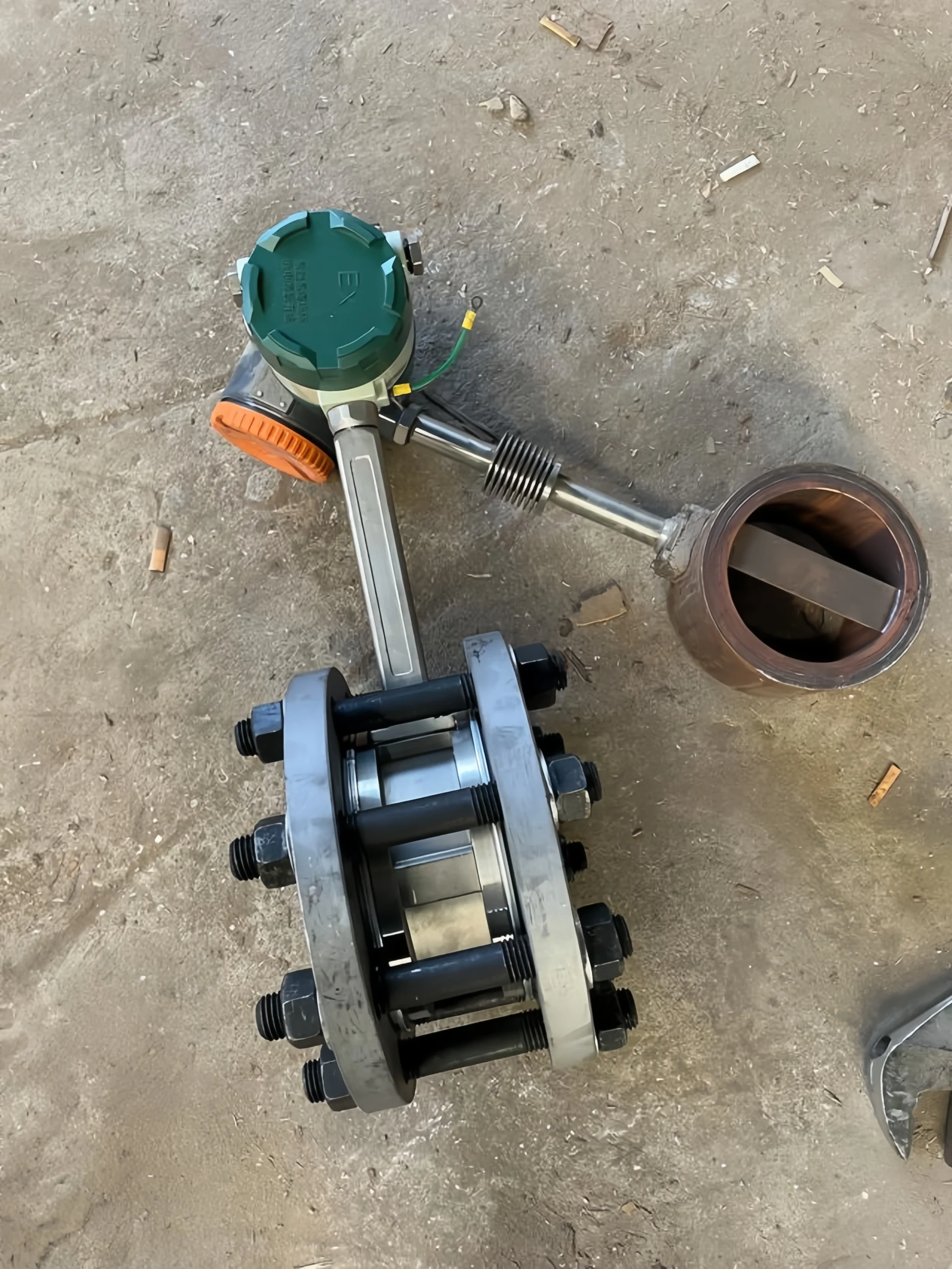

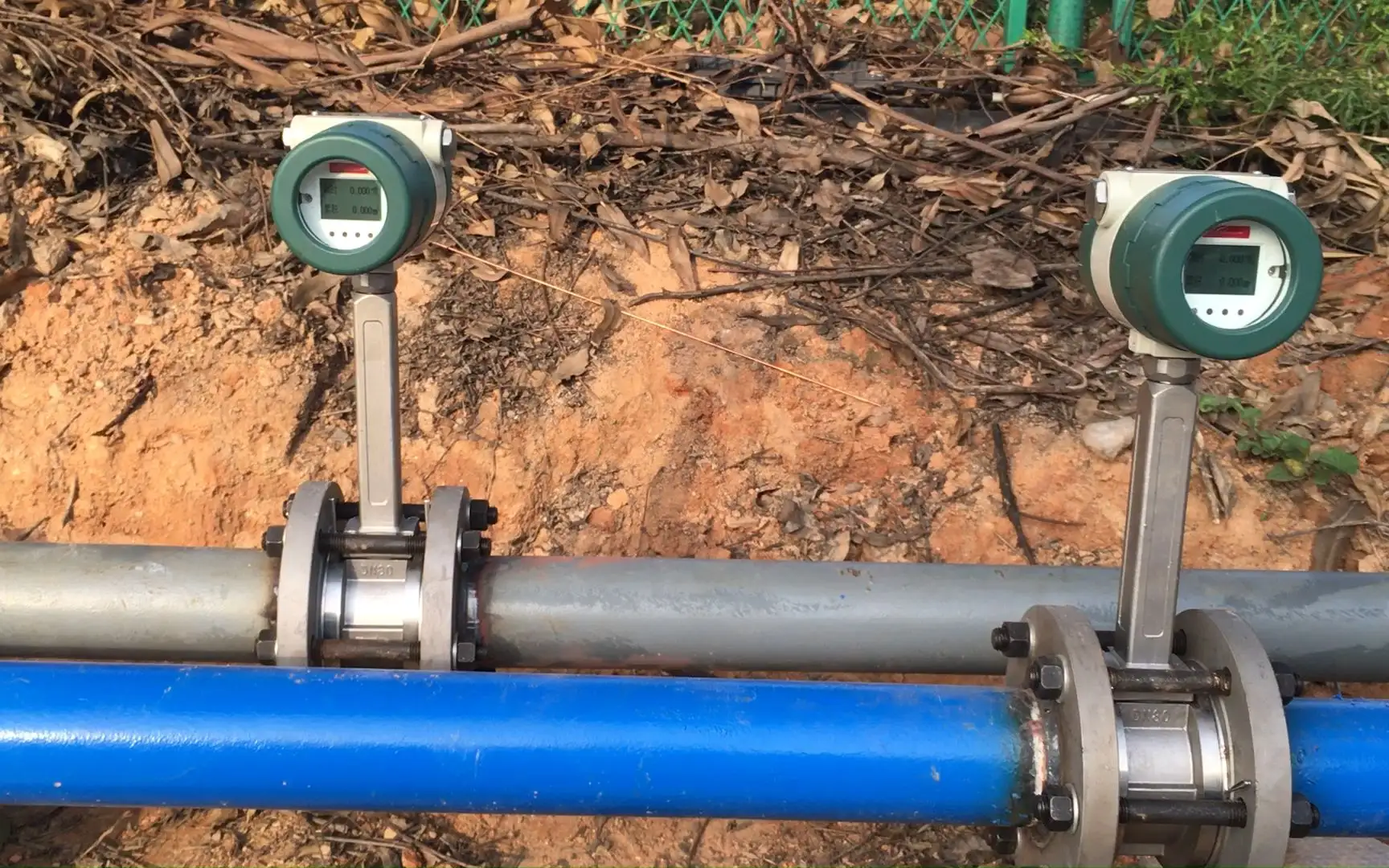
Vortex flow meter measures high-temperature boiler water

How to Choose a Right Flow Meter for Water?

Choosing the right water flow meter requires comprehensive consideration of several factors. The following are some key considerations:

1. Flow range: Verify the flow range of the pipeline and select a meter with a suitable measurement range.

2. Properties of the medium being measured: Select the model based on water quality, impurities, corrosiveness and conductivity.

3. Measurement accuracy requirements: Select a high-precision model for billing purposes; standard precision is sufficient for operational monitoring.

4. Installation and maintenance requirements: Choose an external clamp-on ultrasonic flowmeter for installation without interrupting water supply; select an instrument with no moving parts for low maintenance.

5. Pipeline conditions: Select a suitable flowmeter based on pipe diameter, pressure rating and temperature.

6. Cost budget: Choose a vortex flowmeter for low cost; select an electromagnetic or ultrasonic flowmeter for long-term maintenance-free operation.

The following is a table to help you quickly select a flow meter:

ApplicationRecommended TypesReasons
Tap water metering (civil use)Mechanical Water MeterLow cost, durable
Industrial circulating water (clean)Turbine/Electromagnetic Water Flow MeterHigh precision, stable
Wastewater containing impuritiesElectromagnetic/Ultrasonic Water Flow MeterCorrosion-resistant,
resistant to impurities
Large pipe diameter (DN300 and above)Ultrasonic (Clamp-on) Water Flow MeterEasy installation without compression
High-temperature, high-pressure steam waterVortex Flow MeterHigh temperature resistant,
high reliability

FAQ

Production Water and Condensate Flow Meters

Production water and condensate flow meters must be selected according to the operating conditions of the medium. For clean production water at ambient temperature, electromagnetic, turbine or clamp-on ultrasonic flow meters may be selected; these are suitable for different pipe diameters and offer flexible installation options.

For high-temperature condensate prone to containing air bubbles, high-temperature-resistant vortex or electromagnetic flow meters are preferred, whilst differential pressure types should be selected for high-pressure conditions.

Pipework for both types of medium must be fitted with straight pipe sections, air vent valves and filters to eliminate interference from air bubbles and impurities. A standardised 4–20 mA signal output is used to interface with the automated control system, enabling real-time flow monitoring and cumulative metering.

Freshwater flow meters can be selected based on pipe diameter and accuracy requirements. For high-precision measurement in small to medium-sized pipes, turbine flow meters are recommended; electromagnetic flow meters are commonly used for large-diameter pipes; and clamp-on ultrasonic flow meters are selected where on-site pipe disconnection for modification is impractical.

As fresh water is clean and non-corrosive, standard models designed for normal temperatures are sufficient. When paired with straight pipe sections to stabilise the flow field, these flowmeters feature a standard 4–20 mA signal output, enabling integration with automated control systems to achieve real-time flow monitoring and cumulative measurement.

There are several methods for measuring water flow rate. And we recommend the following options, which you can choose based on your specific needs.

Container timing method:

Prepare a container of known volume, place it at the faucet or pipe outlet, and measure the time required to fill the container.
Then, use the formula to calculate flow rate based on volume and time: Flow rate = Volume ÷ Time.
This method is simple and easy to use, but not very accurate. It is only suitable for rough estimates.

Weighing method:
This method is accurate but relatively complex to operate. Using a flow meter is the most direct and accurate method.
 Weigh the weight of water flowing out over a specific period of time. Calculate the volume based on water density (1 kg/L), then divide by time to obtain the flow rate.

Selecting the appropriate flow meter allows for direct measurement and display of water flow.

Read More about:Flow Rate and Pressure Relationship Formula

Sino-Inst has encountered many cases where the wrong flow meter size was selected. Below is a specific guide to selecting the right pipe size for flow measurement.

The diameter of the flow meter should preferably correspond to the size of the customer’s pipeline to ensure smooth water flow and optimal measurement results.

If the user’s flow range does not match the flow range of the flow meter, the user will need to reduce or increase the size of the pipeline. Please consult our technical staff for details.

The Coriolis mass flow meter is the most accurate, achieving an accuracy of up to 0.1%. However, it is also relatively expensive.

Sino-Inst has specialised in the research, development and manufacture of various water flow measurement devices for many years. We offer a full range of customised flowmeter solutions—including electromagnetic, vortex, ultrasonic and turbine types—tailored to different pipeline conditions such as process water supply, condensate supply and fresh water conveyance.

These devices support 4–20 mA standard signals for integration with on-site automation systems, and come with a one-stop service comprising professional selection advice, on-site surveys and installation guidance.

Should you have requirements for water supply metering, technical upgrades and capacity expansion, or the replacement of ageing instruments, please feel free to consult our technical team at any time to obtain highly stable, cost-effective flow measurement solutions tailored to your on-site conditions.

Welcome To Share This Page:
Product Categories
Latest News
Get A Free Quote Now !
Contact Form Demo (#3)

Related Products

Related News

Industrial Gas Flow Meters are instruments used to measure the flow rate, volume or mass of gas in pipelines. There

About Solid Powder Solid powder is a dry substance composed of many small particles that are tightly packed together. These

Scroll to Top

Get A Free Quote Now !

Contact Form Demo (#3)