What is a Thermal Mass Flow Meter? Working Principle-Application

Table of Contents

With technological advancements in industrial automation, energy metering and environmental monitoring, the accurate measurement of fluid mass flow has become a critical factor in ensuring the stability of production processes, improving energy efficiency and meeting environmental compliance requirements.

As a flow measurement device based on the principle of heat conduction, the thermal mass flow meter offers the unique advantage of being able to measure gas mass flow directly without the need for temperature or pressure compensation. Consequently, it is widely used across numerous industrial sectors, including petrochemicals, power generation, environmental treatment and electronics and semiconductors.

What is a Thermal Mass Flow Meter?

Thermal mass flow meter is a direct mass flow meter mainly used to measure gas mass flow. When the gas is heated on the surface, it can measure the heat transfer to work. The amount of heat transfer is directly proportional to the amount of gas molecules connected to the heating surface. This means that flow measurement has nothing to do with the temperature and pressure of the gas.

In many research and production processes, the important variable is mass rather than volume. Volumetric flow measurement is not as reliable as mass flow measurement because of the effect of temperature or pressure changes on the density of a fixed volume of gas.

Since its introduction in the mid-1970s, the instrument has undergone considerable development, from analog to digital, from small flows to large flows, from laboratory and equipment applications to industrial environments and even hazardous area applications. There is a suitable thermal mass flow meter for almost all gas applications.
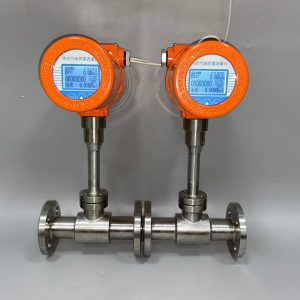
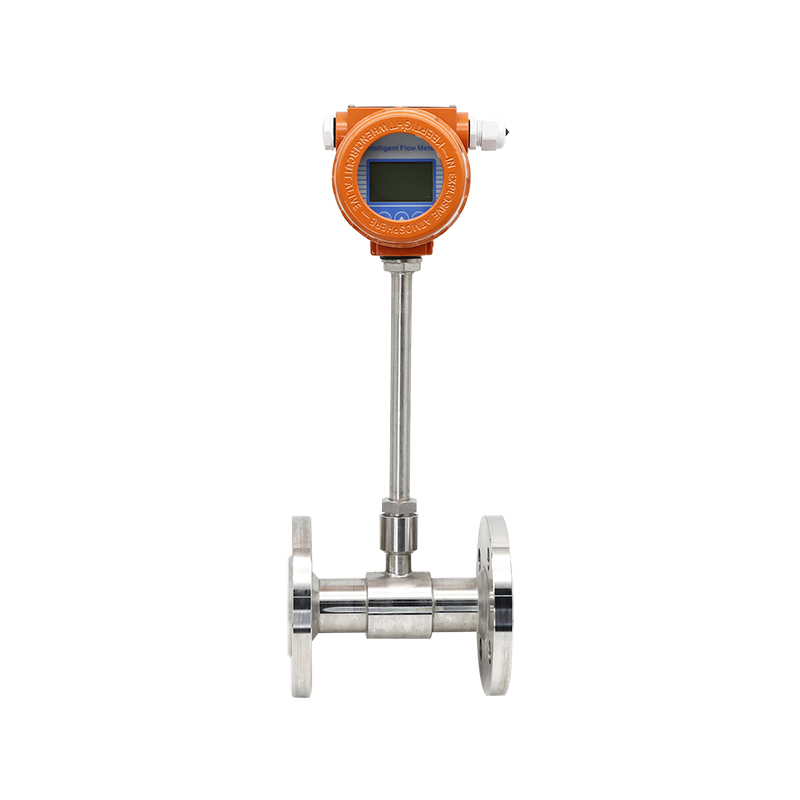
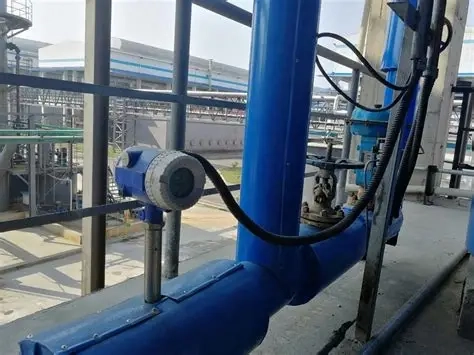
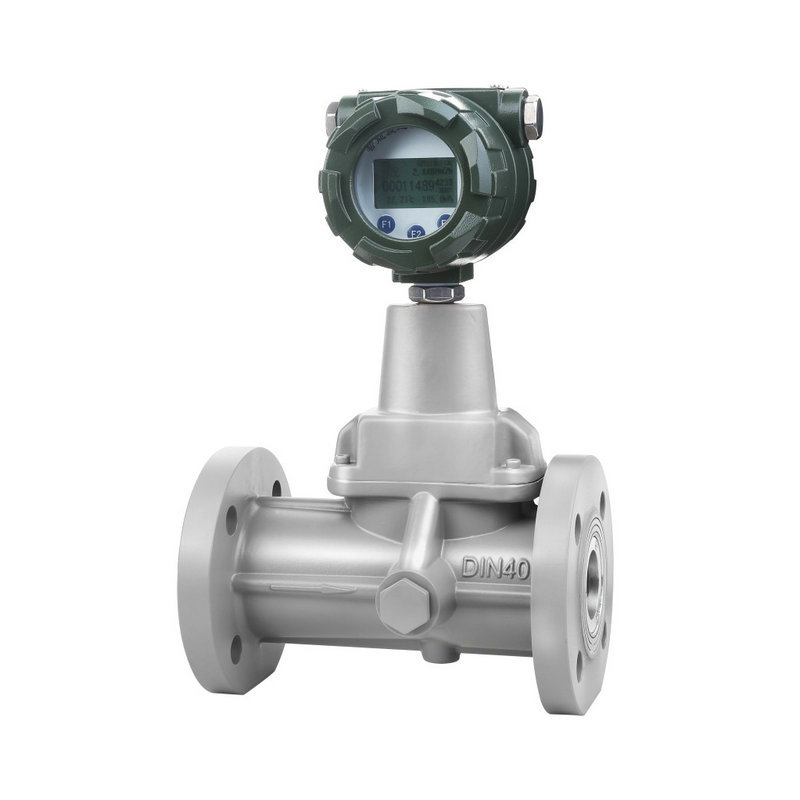
Thermal Gas Mass Flow Meters Flange Mount

Working Principle of the Thermal Mass Flow Meter

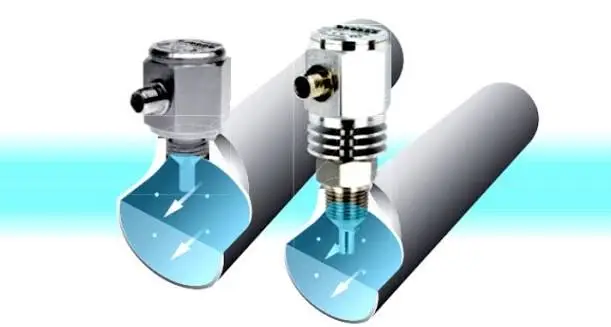
Thermal mass flow meters work by measuring the flow rate of gases using the ideas of thermal diffusion and heat conduction. The basic idea is that heat is carried away by the flowing fluid, and the faster the fluid moves, the more heat is lost.

The sensor has two platinum resistance temperature detectors (RTDs): one is a reference sensor, which measures the actual temperature of the fluid; the other is a heated sensor, which is heated to a set value higher than the fluid temperature.

When the fluid isn’t moving, the temperature around the heating element is even, and the temperature difference between the two sensors stays the same.

When the fluid flows, the airflow carries away heat from the heated sensor. The more quickly the fluid flows, the more heat is carried away.

The instrument operates in two modes:

Constant temperature difference mode, which maintains a constant temperature difference between the two sensors; the higher the flow rate, the greater the heating power required, with power being directly proportional to mass flow rate; and constant power mode, which maintains a constant heating power; the higher the flow rate, the smaller the temperature difference, with the temperature difference being inversely proportional to mass flow rate.

The circuit continuously acquires power or temperature difference signals, processes them, and converts them into a mass flow rate output. It can measure gases at low flow rates and in small-diameter pipes because no temperature or pressure compensation is required.

Read more about: Thermal mass flow meter calculation formula.

Benefits of Thermal Mass Flow Meter

Thermal mass flow meters offer many advantages including direct mass flow measurement without the need for pressure or temperature correction, high sensitivity at low flows, high turn-down ratios, easy installation, low-pressure drop, no moving parts, high reliability, and cost-effectiveness for a wide range of gas applications.

Thermal mass flow meters can measure the mass flow rate of gases directly, so you don’t need any extra temperature or pressure compensation devices. This means you can skip the complex conversions and extra instruments. The measurements are spot on and consistent, making them perfect for gas metering in normal operating conditions.

The device has no internal mechanical moving parts, which makes it simple and durable. You won’t have to worry about it jamming or having any faults while you’re using it. They’re cheap to maintain in the long run, and they last a long time, which is perfect for continuous online monitoring.

Installation and operation are convenient and flexible, with minimal requirements for straight pipe runs. You don’t need to make any big changes to the pipes. You can install it using either the in-line or insertion method, so it’s good for lots of different complex on-site situations, like when you’re working with big pipes or in small spaces.

It’s got a wide measurement range, a low starting flow rate and a strong lower-limit measurement capability, so it can detect low flow rates and minute gas volumes really precisely. It also has a fast response time, which means it can quickly pick up on changes in flow and give you real-time feedback on operating conditions.

It uses little energy and is safe and reliable. It’s pretty versatile too, being able to measure compressed air, various industrial gases, and fuel gases, and it’s suitable for most industrial production processes.
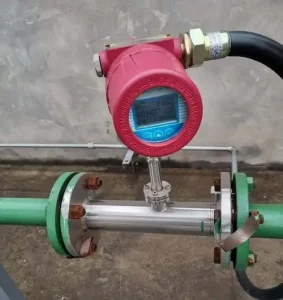
Industrial Nitrogen Flow Meters

Disadvantages of Thermal Mass Flow Meters

These meters are pretty specific about the gas you’re measuring, so they’re only really suitable for pure gases or ones that don’t change much. If dust, oil or water vapour are in the gas, these can easily stick to the sensor probe, causing contamination and fouling. This directly affects measurement accuracy and shortens the service life of the equipment.

It can’t measure liquids or vapours, and you can only use it with one type of medium, which limits how it can be used. Also, changes in the amount of moisture in the gas or the amounts of the different gases can change how well the gas can transmit heat. This can lead to measurement errors, as the instrument can’t automatically adapt to changes in the makeup of the medium.

It can only resist high temperatures and pressures up to a certain point. If it gets too hot or too pressure-cooked, it can age and get damaged, which can mess up the measurements. Generally, a specially customised version is required to suit such harsh environments, which correspondingly increases procurement costs.

If there’s a lot of water flowing through it at speed, it can disrupt the heat exchange equilibrium and cause data drift. They’re also not suitable for gases that are very corrosive or abrasive. When dealing with highly corrosive media, you need to use special materials that can resist corrosion, which makes the selection process more difficult.

During long-term operation, the probe requires regular cleaning and recalibration, making subsequent maintenance procedures relatively cumbersome. Compared to other types of flowmeters, their versatility and resistance to interference are relatively weak in complex mixed-gas and variable operating conditions.

Thermal Mass Flow Meters vs Coriolis Mass Flow Meters

Different Measurement Principles

Thermal mass flow meters operate based on the heat transfer properties of the fluid; they calculate the mass flow rate of the gas by detecting the temperature difference between a sensing probe and a heating probe. Coriolis mass flow meters utilise the Coriolis force generated by the fluid within a vibrating tube; they directly measure the mass flow rate of the medium by detecting the tube’s deformation and phase difference.

Differences in Suitable Media

Thermal mass flow meters are specially designed for measuring gas and are great for various pure gases and gas mixtures, like air, nitrogen and natural gas. Bear in mind that they are not the best option for liquids. Coriolis mass flowmeters are more versatile, however, and can measure a wide range of fluids, including gases, liquids, slurries, and high-viscosity media.

Differences in operating conditions

Thermal flowmeters are simple and have low pressure drop, making them suitable for low-pressure, atmospheric-pressure, large-diameter, low-velocity gas applications, with good high-temperature resistance; Thanks to their ability to handle high pressure, high and low temperatures, and strong interference, Coriolis flowmeters are ideal for complex operating conditions. But they’re expensive and not very adaptable for small-diameter, low-pressure gas scenarios.

Differences in Measurement Accuracy and Stability

Thermal mass flow meters are usually pretty accurate, but they can be affected by changes in gas composition and humidity, so they need to be regularly calibrated. Coriolis mass flow meters are really accurate, can measure mass directly without being affected by temperature or pressure, and are pretty stable over time.

Differences in Structure and Operating Costs

Thermal mass flow meters have no moving parts and a simple structure, making installation and maintenance straightforward, and reducing equipment and operating costs. Coriolis flow meters have an internal oscillating measuring tube, which makes them more complex, and higher equipment costs, as well as relatively higher costs for subsequent repairs and maintenance.

Application of Thermal Mass Flow Meter

Thermal mass flow meters are used for direct mass measurement of industrial gases. In gas metering applications in any industry, high turndown ratios or low-pressure losses are important. Thermal mass flow meters can offer a real alternative to traditional measurement technologies.

Power Industry: We measure things like air supply, fuel gas, and flue gas flow rates, which can help with combustion regulation and energy-saving control, too.

Chemical Industry: It measures different process gases, such as nitrogen, hydrogen, natural gas and flare gas. This allows you to obtain precise mix ratios and monitor the process.

Environmental Protection and Water Treatment: We measure the amount of air used for aeration in wastewater treatment and also monitor exhaust and biogas flow rates. This enables us to comply with environmental emission accounting requirements.

Metallurgy and Coking: We measure dust-filled gases, such as blast furnace and coke oven gases, which are ideal for tough industrial environments. This ensures that production is safe.

Electronics and Semiconductors: These gases are perfect for clean production environments because we can measure them to a high standard of precision.

General Industry: We are keeping an eye on how much compressed air, protective gas and dried air is being used in the workshop. This will enable us to manage energy consumption and obtain gas usage statistics.

Food and Pharmaceuticals: Measurement of clean gases such as sterile air, nitrogen and carbon dioxide, meeting hygiene production requirements.
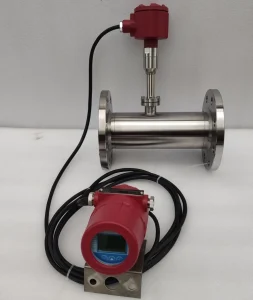
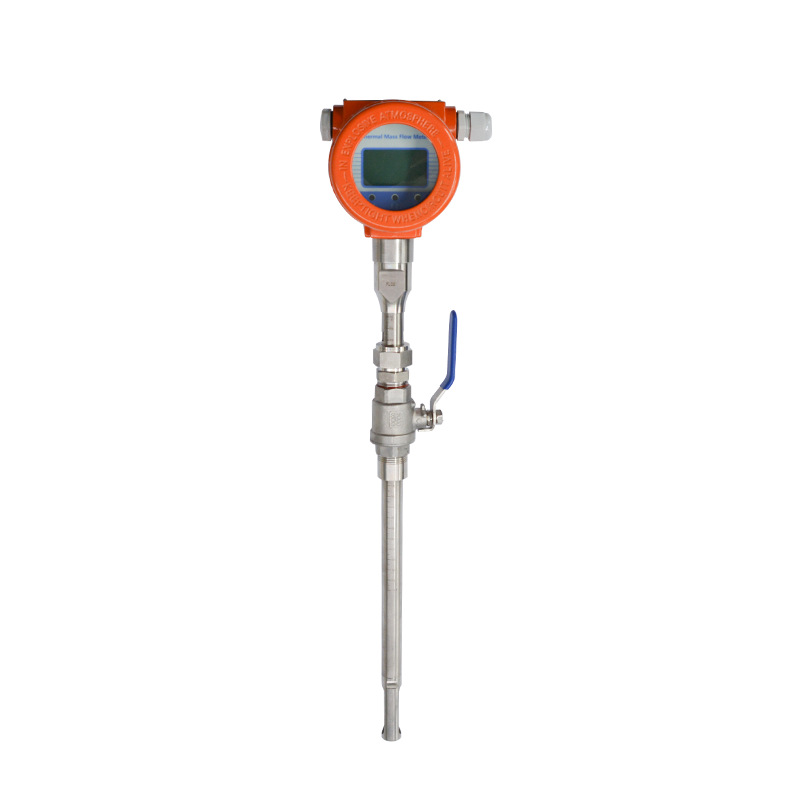
Thermal Mass Flowmeter remote

Featured Types

A thermal gas mass flow meter measures gas flow using the principle of thermal diffusion. Sino-Inst’s thermal gas mass flow meters are available in insertion and inline pipe section types.

Insertion Thermal Gas Mass Flow Meter
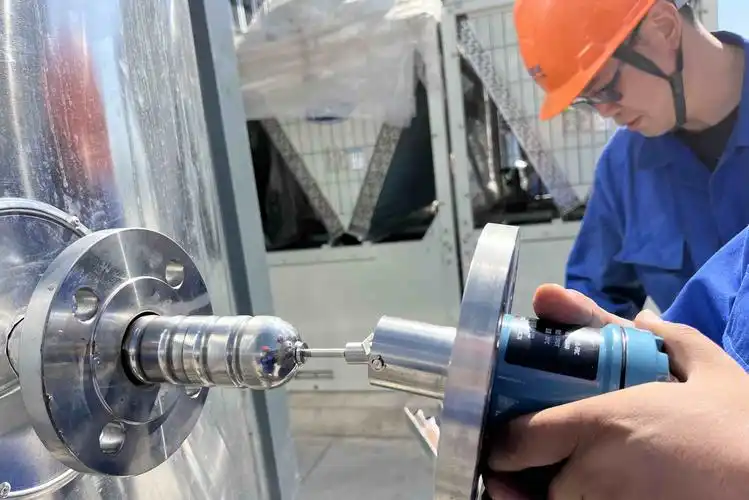
Insertion Thermal Mass Flow Meter for Large Pipes

Insertion Thermal Mass Flow Meter for Large Pipes

Insertion Thermal Mass Flow Meter is suitable for flow measurement of large diameter gas pipelines. Easy to install and economical to use. Pipe range: diameter above DN65.

1. True mass flow meter. No temperature or pressure compensation is required for gas flow measurement. The mass flow rate or standard volume flow rate of the gas can be obtained;

2. The measuring range ratio is wide (greater than 100:1), easy to load and unload, and easy to use;

3. Measuring medium: various gases (except acetylene gas);

4. Pipe range: diameter above DN65;

5. Supply type: integrated structure, split structure;

6. Display content: temperature, instantaneous flow, cumulative flow;

7. Power supply: 24V power supply or 220V power supply;

8. Output: 4~20mA, 485 communication;

Pipe Type Thermal Gas Mass Flow Meter

1. Real mass flow meter. There is no need for temperature and pressure compensation for gas flow measurement, and the measurement is convenient and accurate. The mass flow rate or standard volume flow rate of the gas can be obtained.

2. Wide range ratio, capable of measuring gases with flow rates as high as 100Nm/s and as low as 0.5Nm/s. Can be used for gas leak detection.

3. Good seismic resistance and long service life. The sensor has no moving parts and pressure sensing parts and is not affected by vibration on measurement accuracy.

4. Easy to install and maintain. If site conditions permit, non-stop installation and maintenance can be achieved. (Special customization required).

5. Digital design. Overall digital circuit measurement, accurate measurement, and easy maintenance.

6. Using RS485 communication or HART communication, factory automation and integration can be realized.

7. The power supply is optional AC220V, DC24V or AC220VDC24V dual power supply.

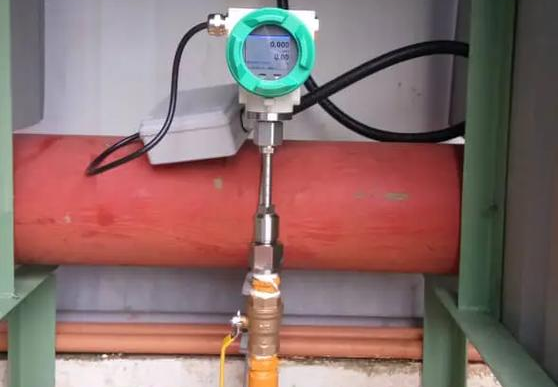
Thermal gas mass flow meter pipe type
Thermal Gas Mass Flow Meter for Industrial Gases

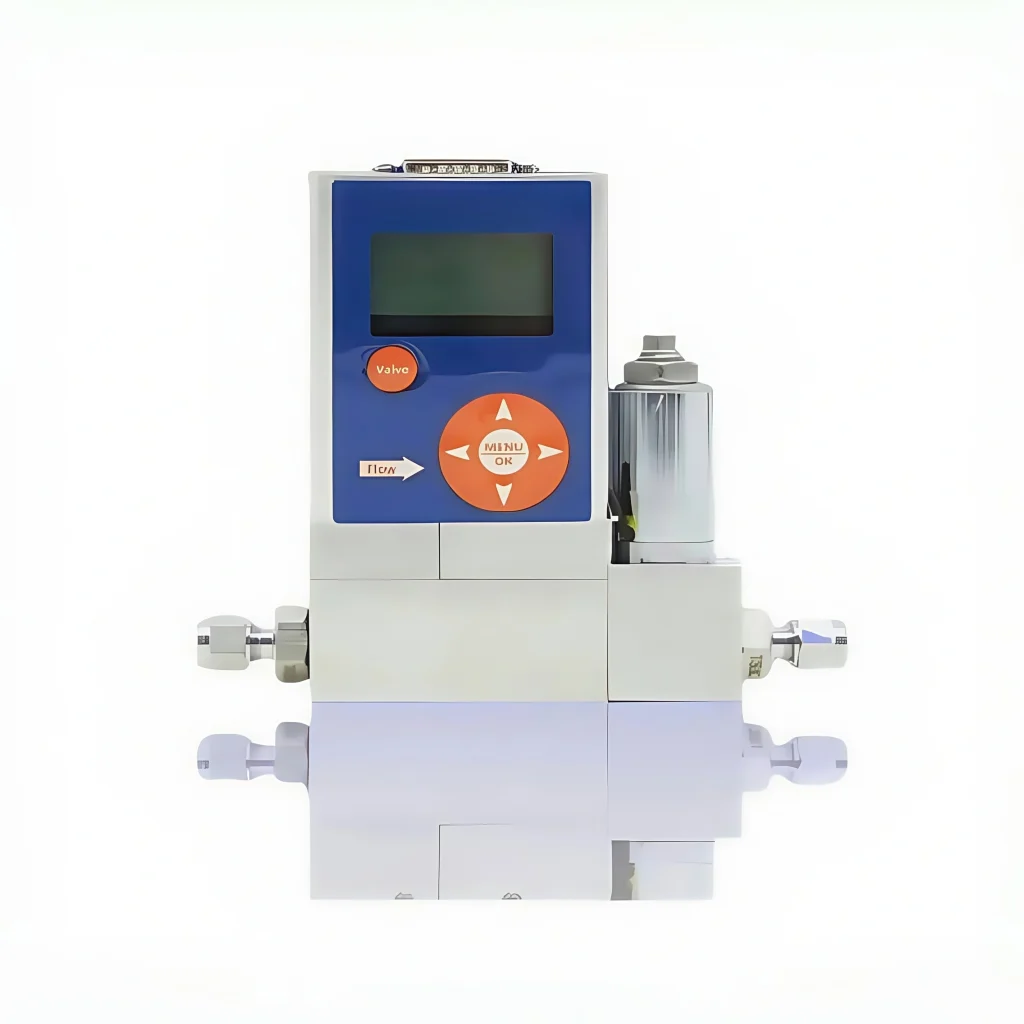
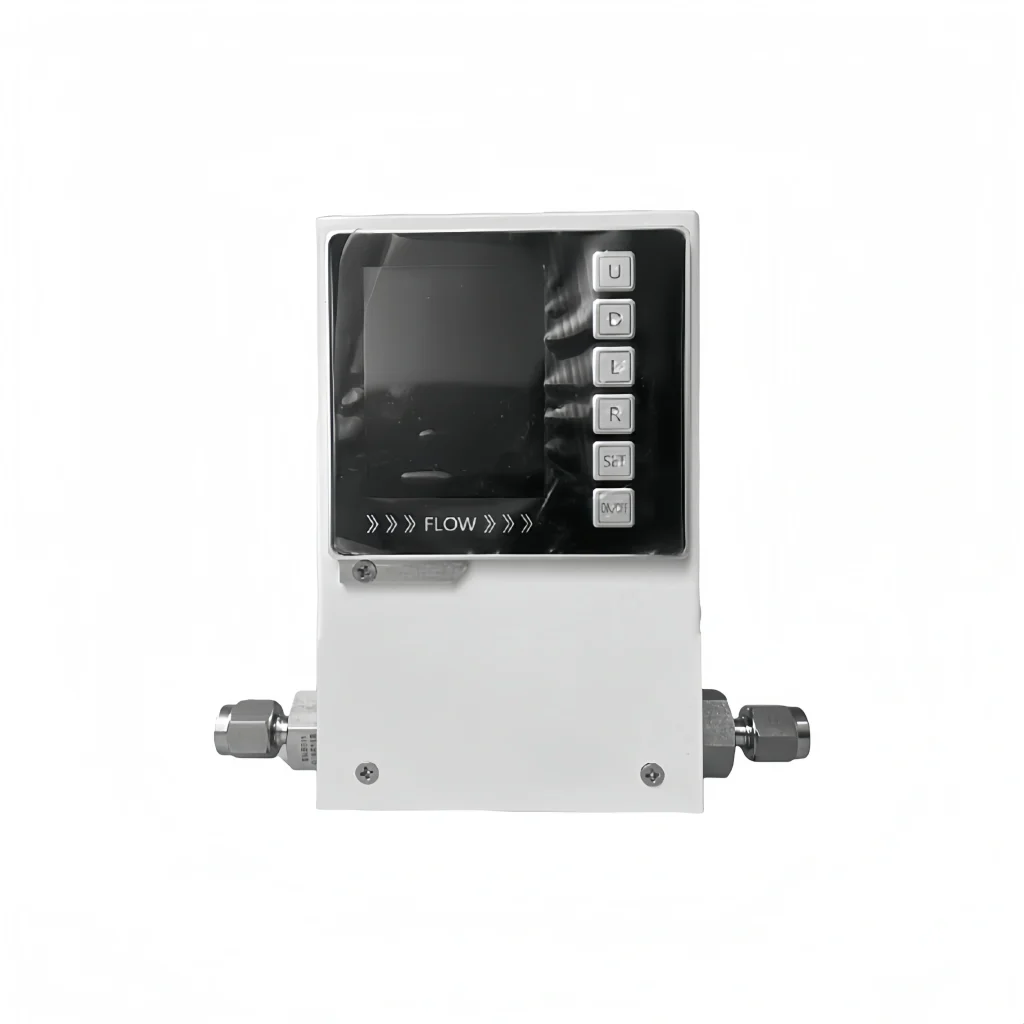
Thermal Mass Flow Meter-Controller

There is also a type of thermal mass flow meter that is specifically used to measure small gas flows. In addition, this type of thermal mass flow meter can also add flow control functions.

liquid mass flow controller
Liquid Mass Flow Controller
gas mass flow meter
Gas Mass Flow Controller

Sion-Inst Thermal Mass Flow Meter Case Study

Thermal Gas Mass Flow Meter

Nominal diameter: DN150

Measured medium: Nitrogen

Flow range: 64–6400 Nm³/h

Pressure: 1.6 MPa

Medium temperature: -40 to 100°C

Dual power supply: AC 220V / DC 24V

4–20 mA output with RS485 communication interface

LCD display: Instantaneous flow and cumulative flow

Housing material: 304 stainless steel

Flange connection: EN1092-1 standard

Split-body design (includes 10 m connection cable)

Thermal Mass Flow Meter / Digital Flow Meter (suitable for compressed air)

Maximum flow rate: 0–47 m³/min

Pressure: 0–100 bar

Outer diameter: 114.8 mm

Inner diameter: 99 mm (equivalent to DN100)

Pipe size: 4 inches, ANSI flanged pipe section installation

Output: 4–20 mA, body material 304, sensor 316L stainless steel, power supply 24 V, output signal 4–20 mA

How to Choose a Thermal Flow Meter According to the Price?

When choosing a thermal mass flow meter, it is important to first understand the requirements of your application and select a meter that matches your needs.

  • Accuracy Level:
    Evaluate how much accuracy your application really needs. If high accuracy is not critical, a meter with slightly less accuracy but a lower price may be a better fit.
  • Flow Range:
    Consider the range of flows you need to measure. Meters designed for a wider flow range may be more expensive than those with a narrower range.
  • Fluid Type:
    Different fluids may require specialized sensors, which can affect price.
  • Temperature and pressure:
    High-temperature and high-pressure thermal mass flow meters generally need to be customized separately. The cost will be relatively high.
  • Features and Functionality:
    Advanced features such as data logging, communication protocols, or built-in diagnostics may increase costs.
  • Brand and Reputation:
    Reputable manufacturers may have higher prices due to quality control and technical support.
  • Compare Quotes from Multiple Suppliers:
    Get price comparisons from different manufacturers to find the best product for your needs.

Thermal gas mass flow meters directly measure and display the mass flow rate or normalized volume flow rate of gas without any additional pressure and temperature compensation. Support 4-20mA, pulse signal output, RS485 communication, or HART communication to achieve factory automation measurement and control.

Sino-Inst has a variety of thermal mass flow meters to choose from. Our thermal gas mass flow meter can measure various gases (unstable media such as acetylene and boron trichloride cannot be measured). It is helpful for industrial gas flow management and department consumption allocation, experiments, and research. If you need to purchase a gas mass flow meter, please feel free to contact our sales engineer!

Welcome To Share This Page:
Product Categories
Latest News
Get A Free Quote Now !
Contact Form Demo (#3)

Related Products

Related News

Scroll to Top

Get A Free Quote Now !

Contact Form Demo (#3)