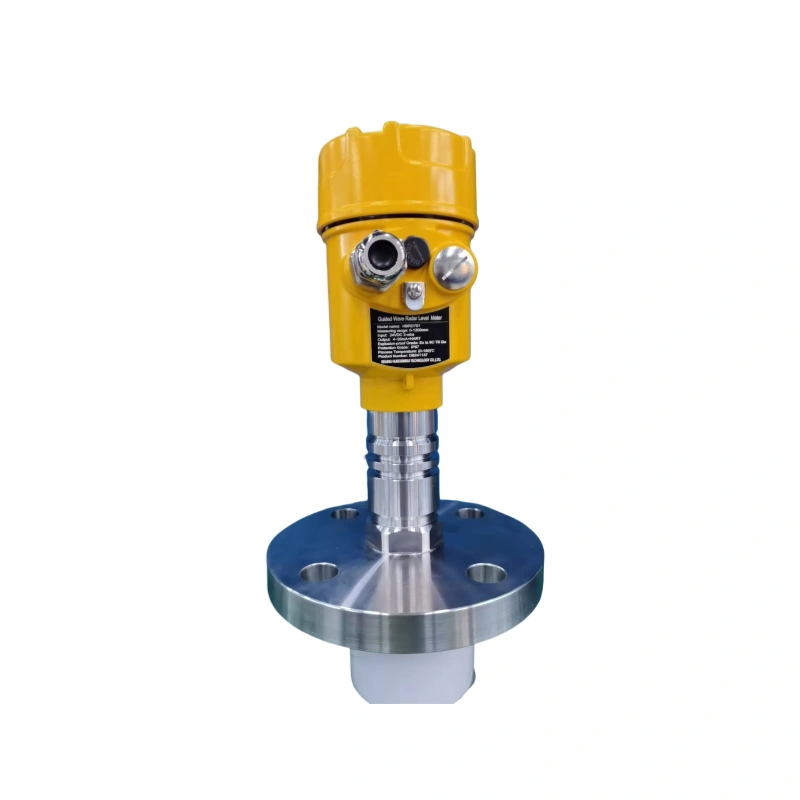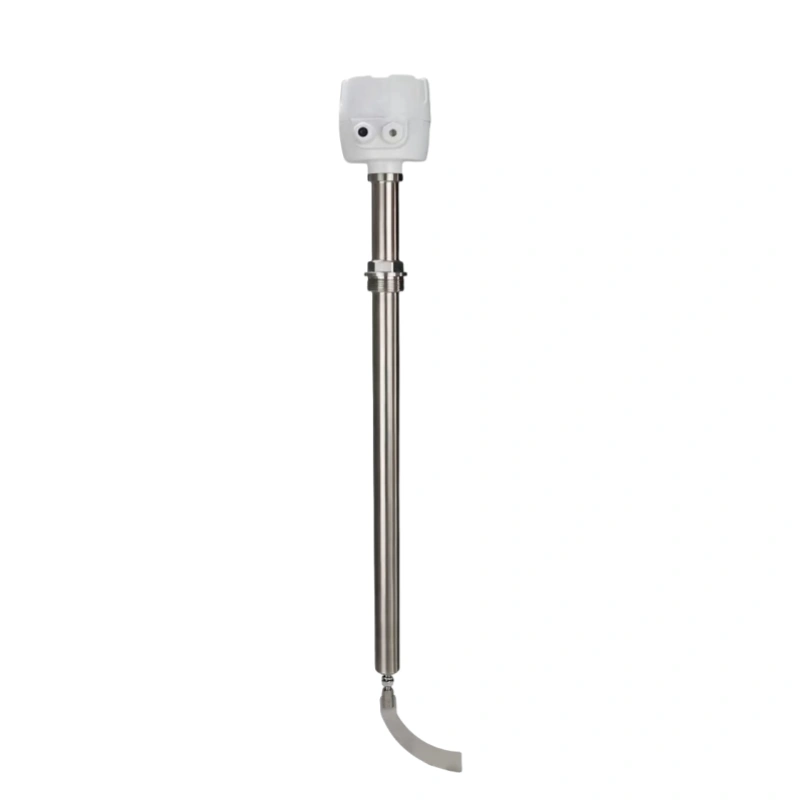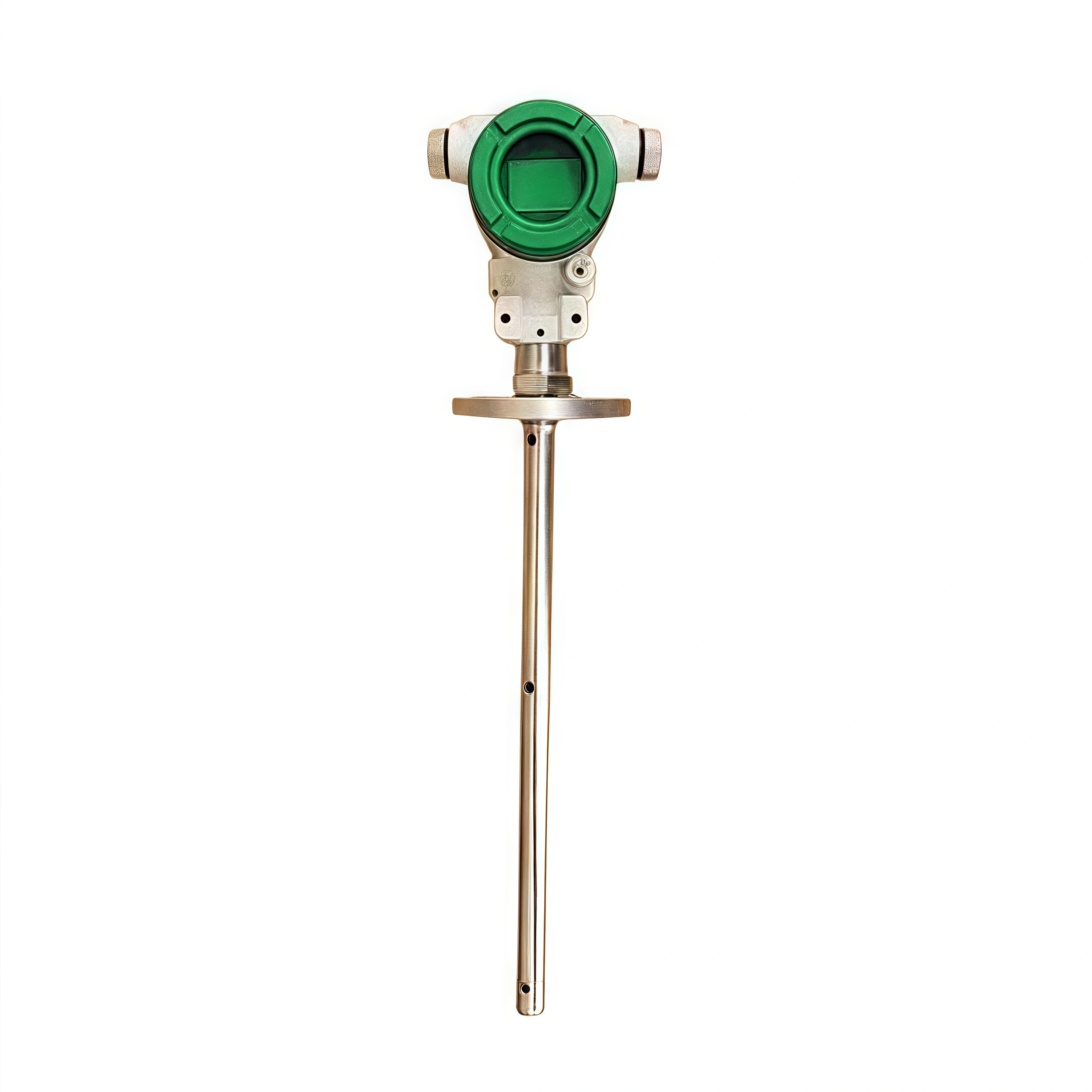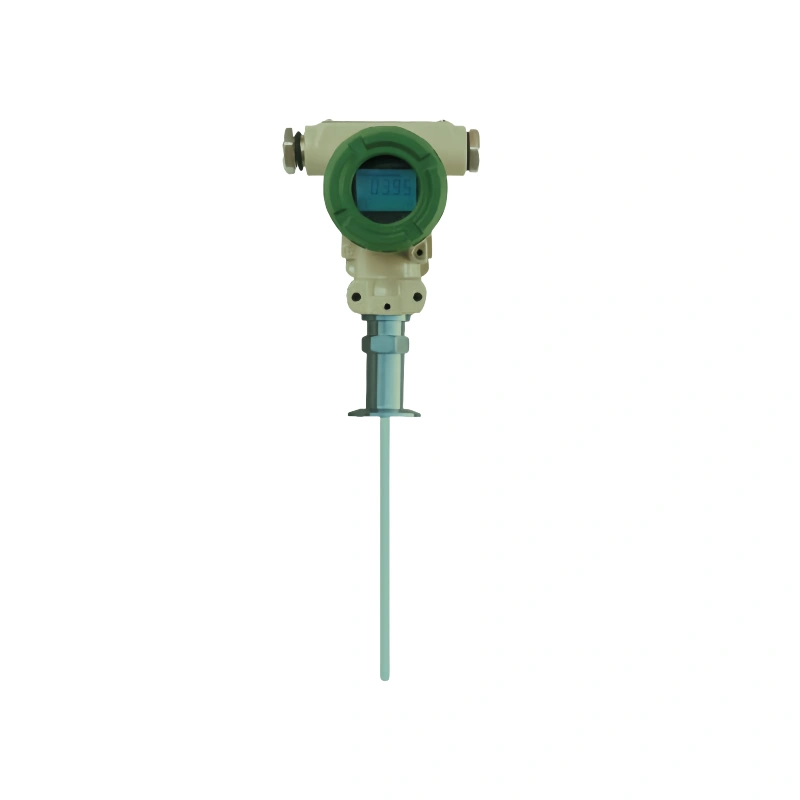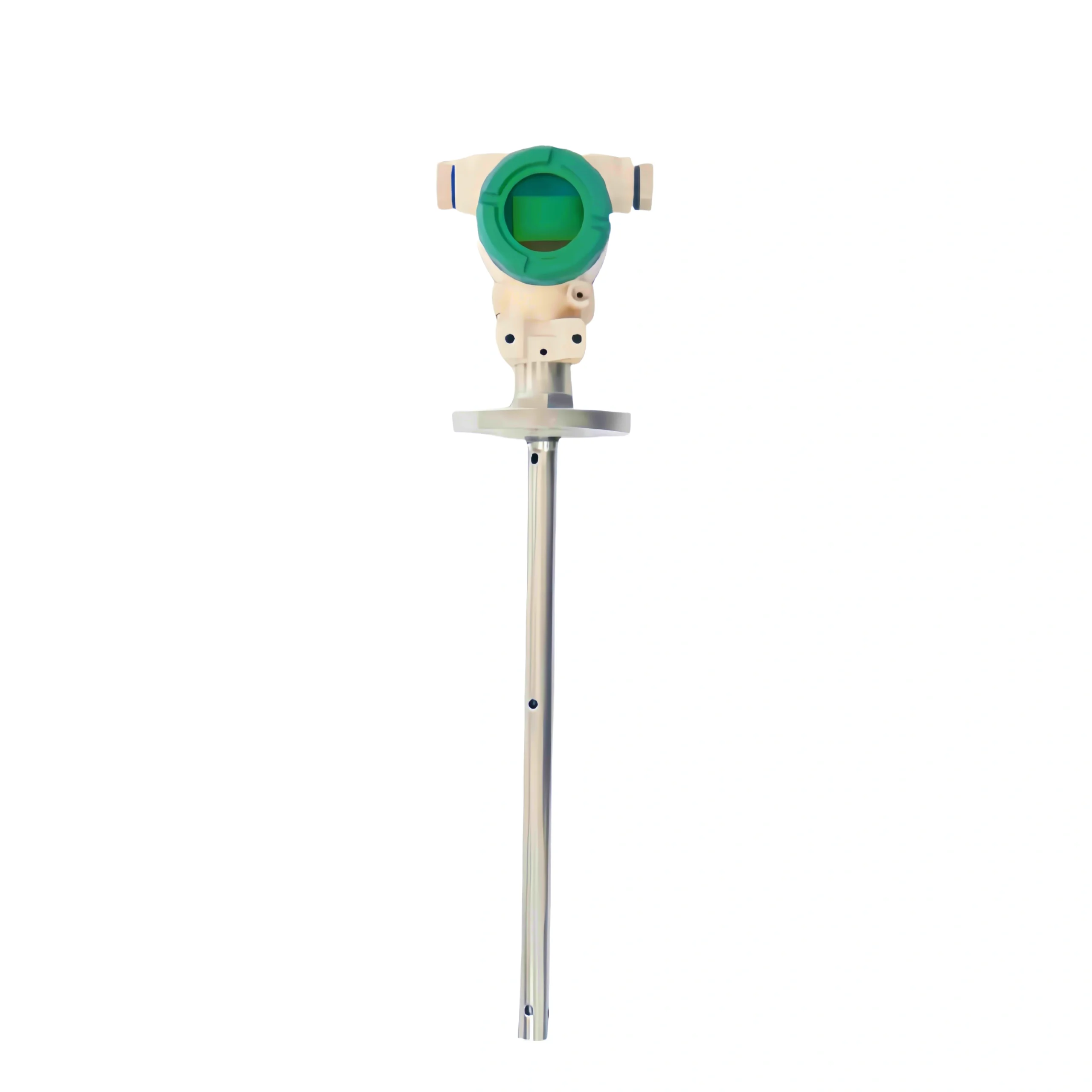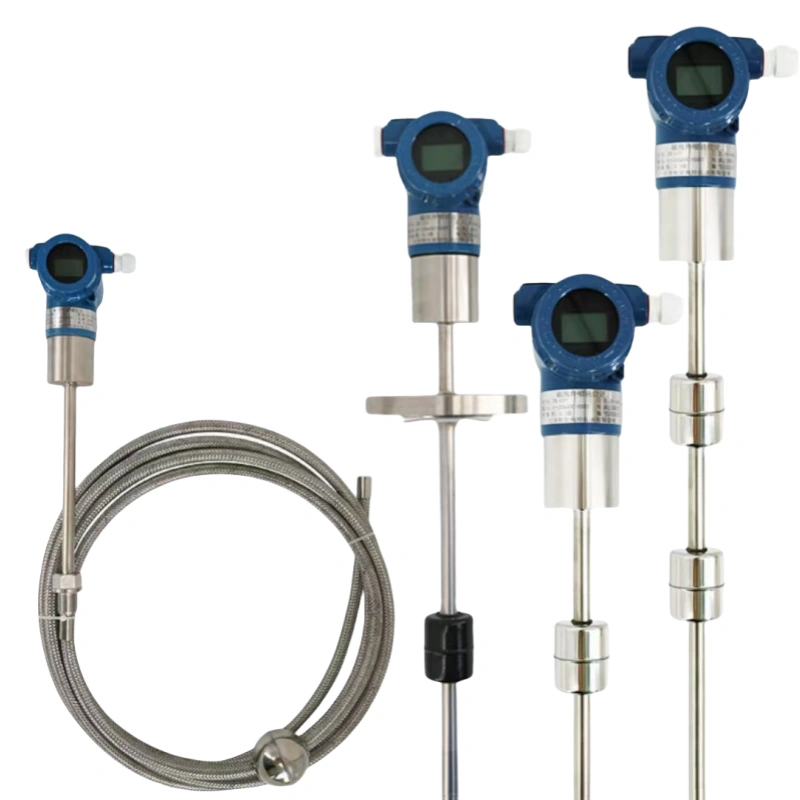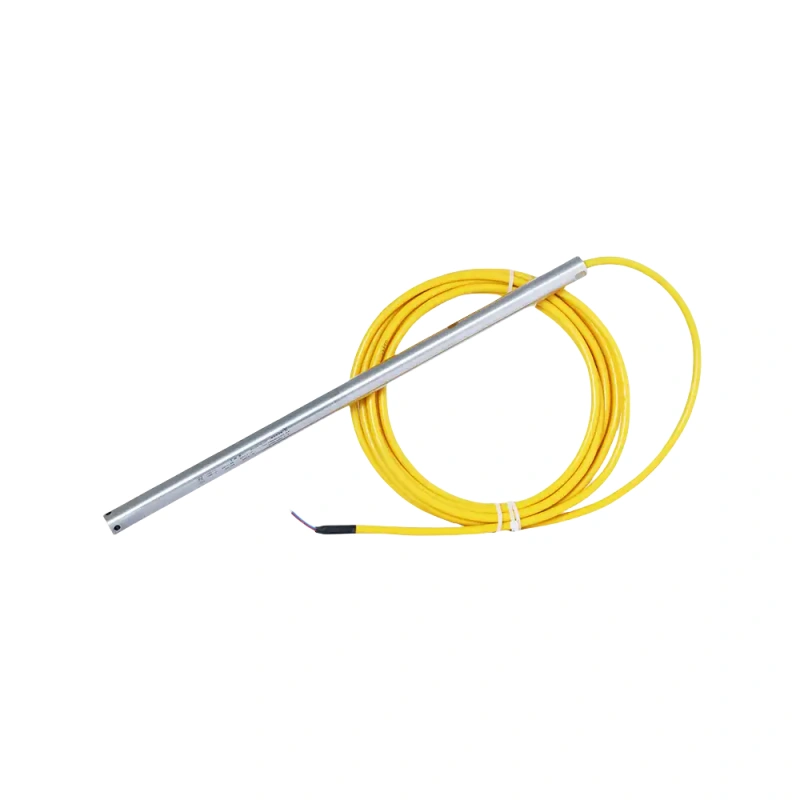
These days, water pressure sensors are a must in industry and intelligent systems. They’re not just essential for controlling fluids, regulating automatically and monitoring systems, but they also make sure equipment doesn’t malfunction.
The Internet of Things and intelligent sensing technology have opened up the market for water pressure sensors. These sensors are used in a variety of fields, including cars, industrial automation, energy-efficient buildings and environmental monitoring.
About water pressure
Water pressure is the pressure exerted by the weight of water on a unit area under the influence of gravity. It is a core concept in fluid mechanics and is usually measured in units such as pounds per square inch (psi) or Pascals (Pa).
Pressure increases with depth in a fluid, such as water, because the weight of the fluid above a certain point increases the force exerted on that point. The greater the pressure, the faster the water flows from the faucet. You can measure water pressure using a water pressure sensor.
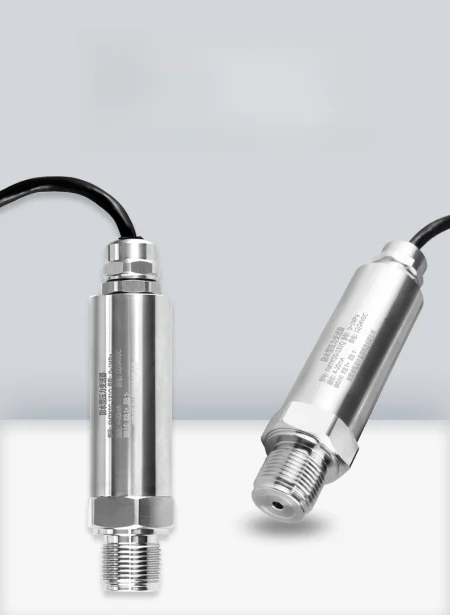
What is a water pressure sensor?
A water pressure sensor is a device capable of detecting water pressure in real time within environments such as water pipes, water tanks and pipe networks. It utilises an internal pressure-sensitive diaphragm and sensing elements to convert the physical pressure signal of water pressure into standard voltage, current or digital electrical signals.
These signals can be fed directly to instruments, programmable logic controllers (PLCs) and automatic control systems for displaying pressure, monitoring it, controlling it to remain constant and protecting against overload. They are widely used for real-time water pressure monitoring in municipal water supply systems, fire protection networks, pump control systems, HVAC systems and industrial water circulation systems, among others.
How do water pressure sensors work
The working principle of the water pressure sensor is to detect pressure changes and convert them into electrical signals that can be read by the monitoring system or controller. The pressure acts directly on the diaphragm of the sensor, causing the diaphragm to produce a micro-displacement proportional to the medium pressure, thereby changing the resistance of the sensor or the output voltage signal.
For example, when the pressure of the measured water pressure directly contacts the diaphragm of the sensor, the diaphragm will undergo a subtle displacement, causing the resistance value of the sensor to change. After the electronic circuit detects this change, it outputs a signal corresponding to the pressure.
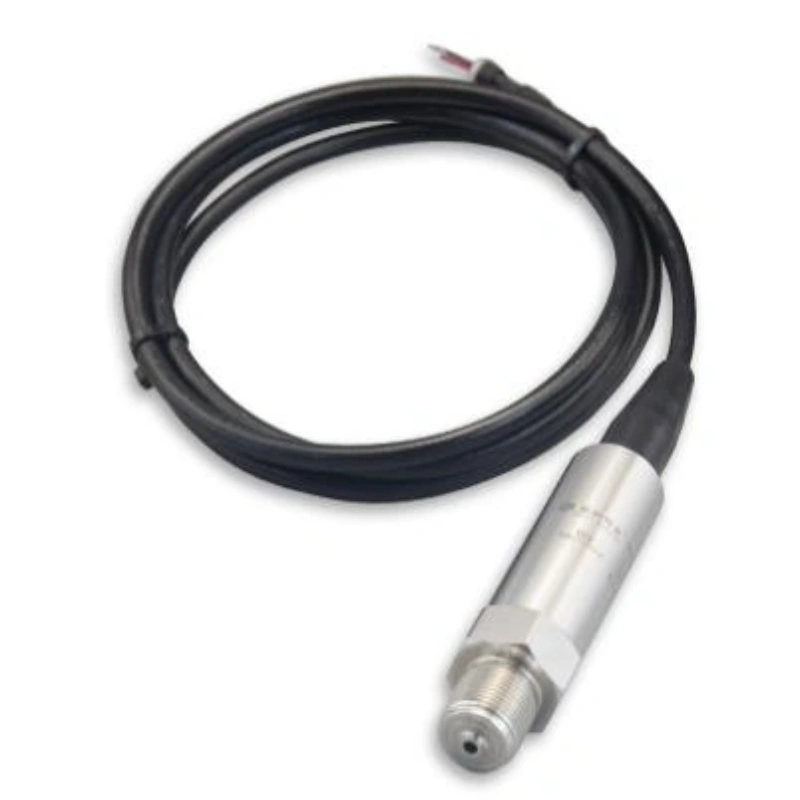
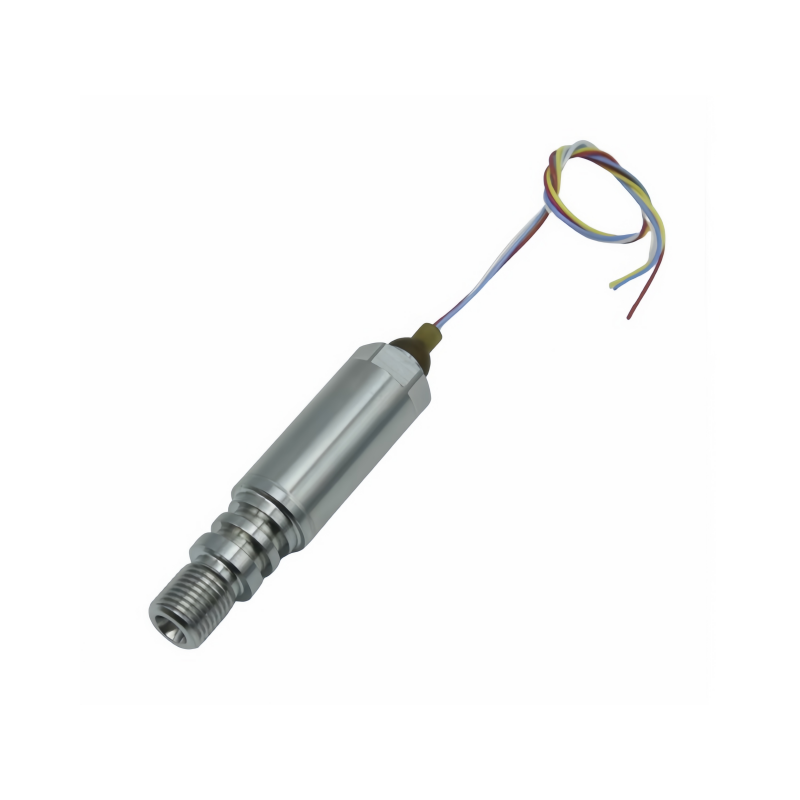
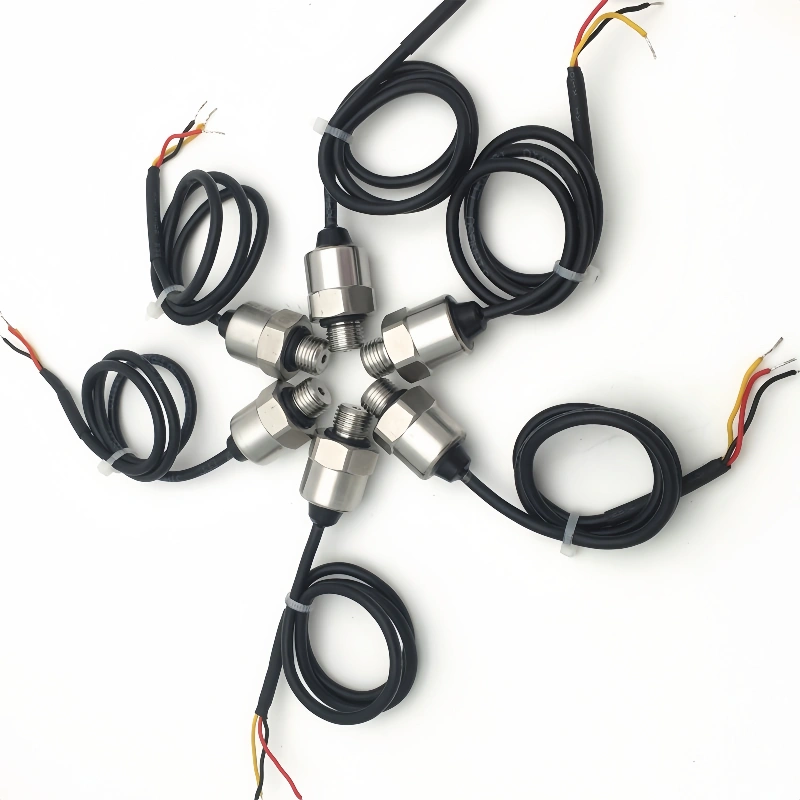
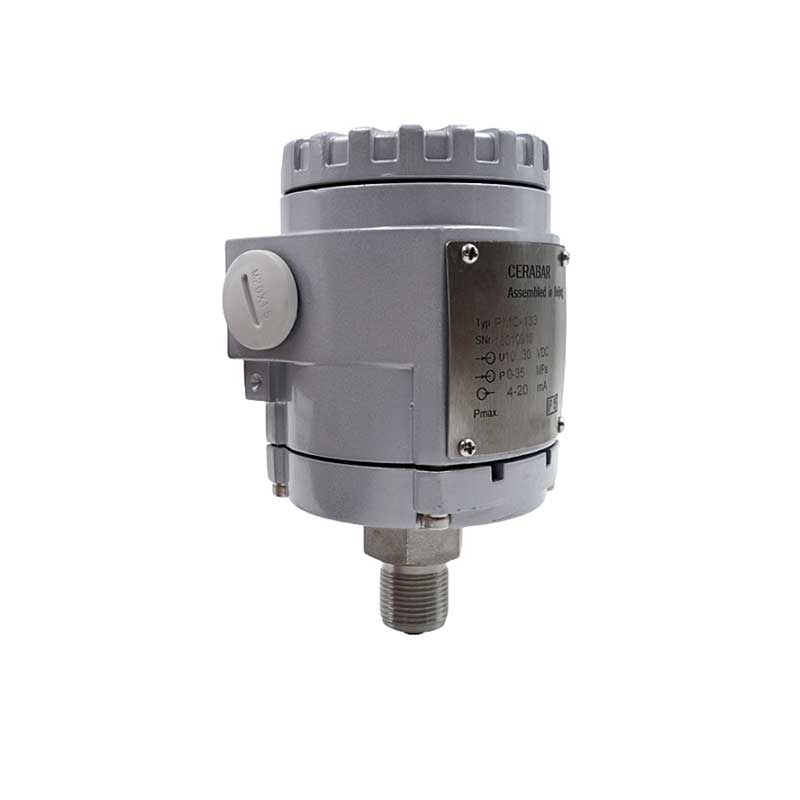
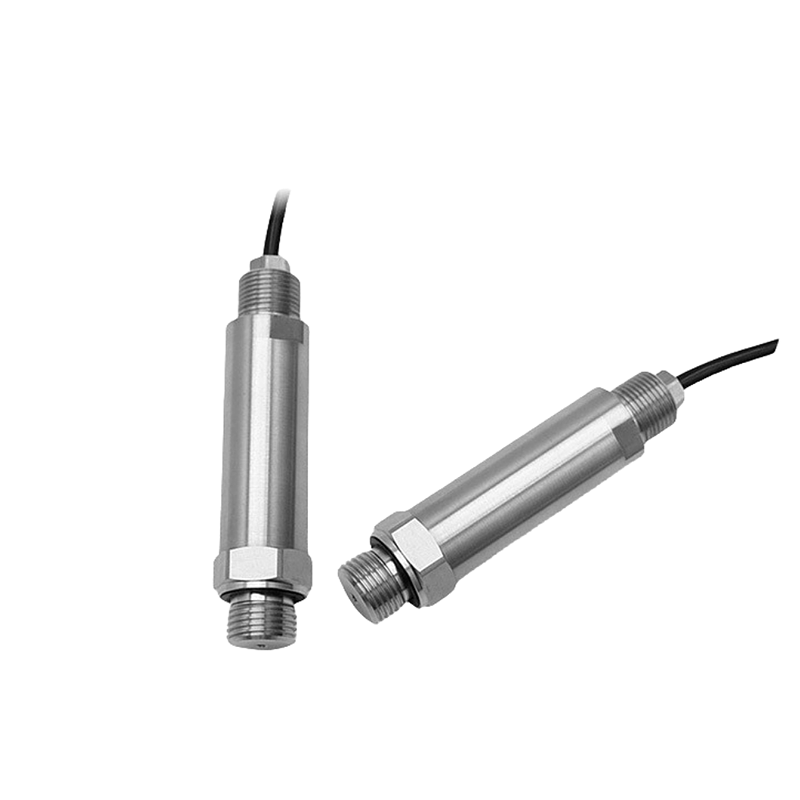
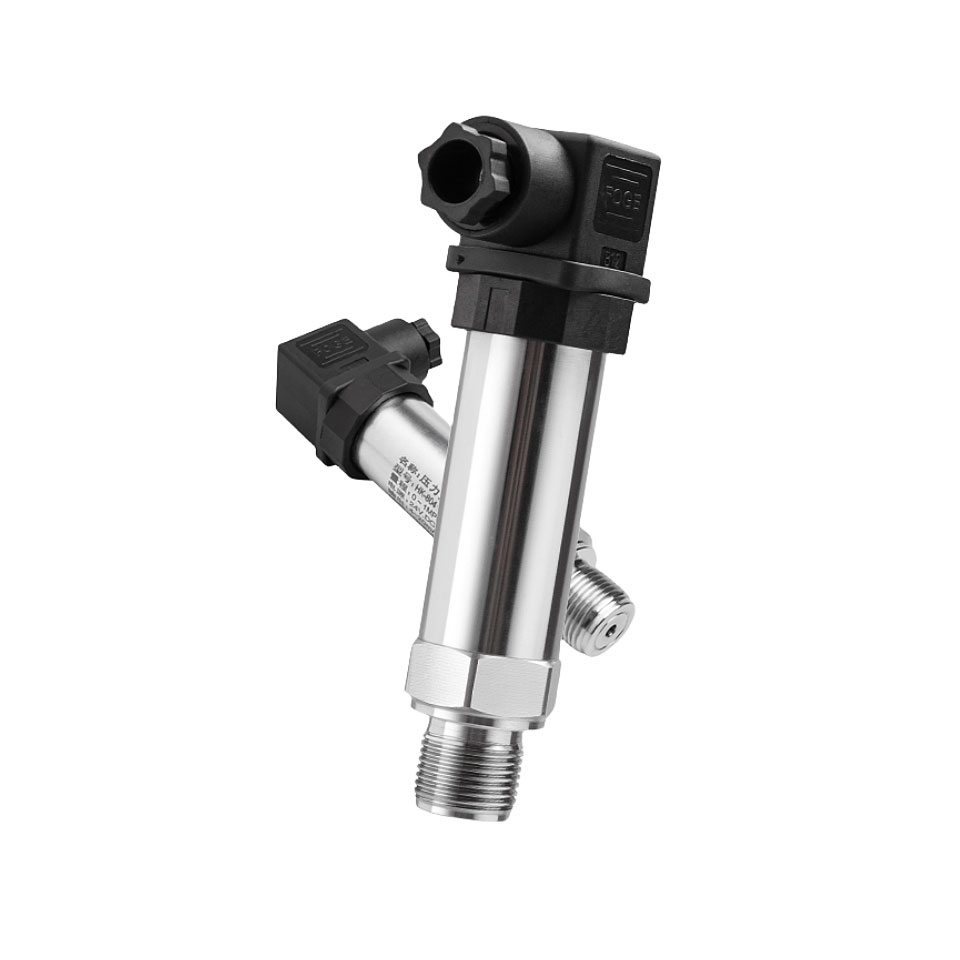
Types of Water Pressure Sensors
Diffused Silicon Water Pressure Sensors:
These sensors represent the most prevalent type in industrial and domestic piping systems. The diaphragm is composed of stainless steel, while the core is a diffusion of silicon. The transmission of pressure is facilitated by silicone oil.
These materials have been demonstrated to exhibit elevated levels of stability and resistance to drift at low temperatures. These sensors can withstand high pressure and corrosion. This makes them suitable for many conventional water pressure measurement applications, such as mains water supply, industrial water circulation, constant-pressure water pumps and fire protection networks.
Ceramic piezoresistive water pressure sensors:
The sensing core of the device is a ceramic diaphragm. These devices boast a simple structure, cost-effectiveness and resistance to wear and contamination. Their resistance to impurities in the water makes them ideal for everyday, low-pressure water monitoring. These sensors are the go-to choice, no matter whether the application is for buildings, homes or standard HVAC systems.
Capacitive water pressure sensors:
These sensors detect pressure by measuring changes in capacitance between two electrodes, which are caused by the movement of a diaphragm. The instruments’ superior accuracy and detail make them ideal for the verification of micro and low-pressure water systems.
These devices are well-suited to the task of ensuring the quality of water, as well as to the monitoring of water circuits in laboratory settings. Additionally, they are employed in the supply of water to various machinery.
Piezoelectric water pressure sensor:
These sensors are based on the idea that piezoelectric crystals generate an electric charge when pressure is applied to them, which makes them really fast. Although they are designed to monitor water pressure, water hammer impact pressure and instantaneous flow pulsation pressure, they are not really suitable for measuring static, long-term, steady-state pressure.
Water pressure sensor in water tank
Water pressure sensors are typically installed at the base of water tanks or along their lower sidewalls. Operating on the principle of hydrostatic pressure, they sense the pressure of the water and convert it into an electrical signal, enabling real-time monitoring of the pressure.
The system can calculate the actual water level in the tank based on the signals sent by the sensor, and it can automatically control the start and stop of water pumps, as well as water replenishment and shut-off.
At the same time, it monitors the water pressure status of the tank to prevent water shortages, overflow and abnormal pressure. It is commonly used for automatic monitoring and intelligent control of water level and pressure in domestic water supply, building water tanks, industrial storage tanks and fire protection water tanks.
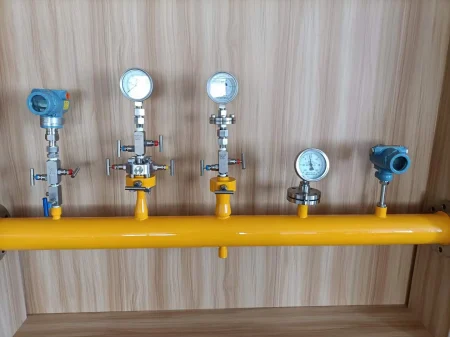
Water pressure sensor in pipe
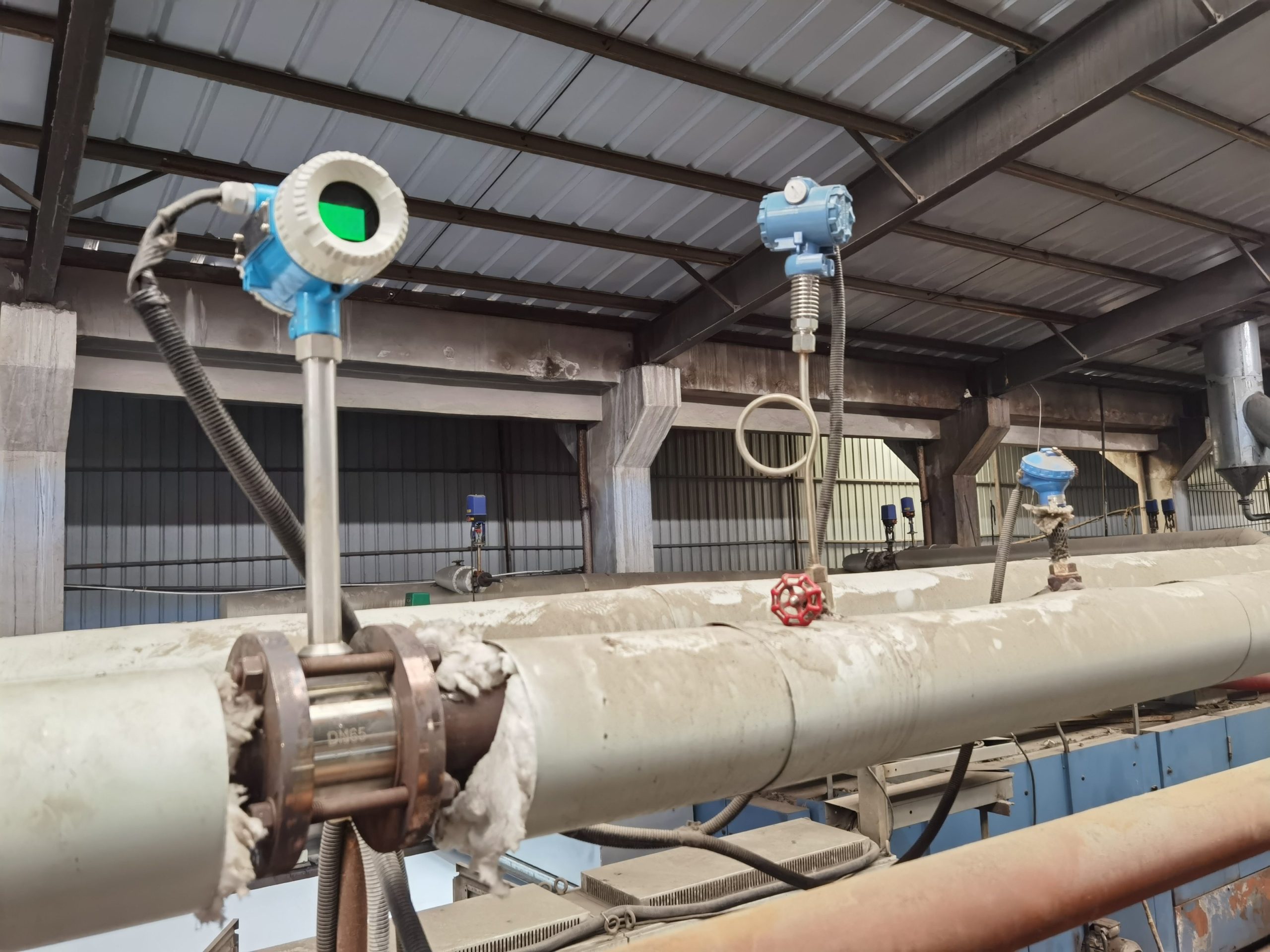
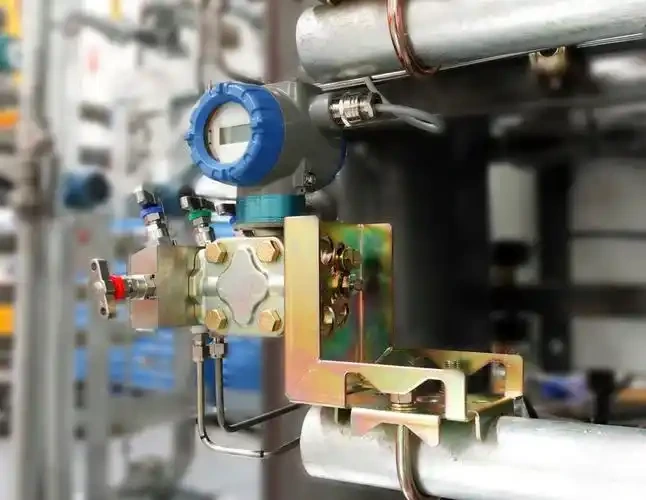
Water pressure sensors in pipelines are primarily installed in water supply pipes, water distribution networks, and pump station piping. They pick up changes in the pressure of the water as it flows, turning this into an electrical signal that can be sent to control instruments or PLC systems. They can keep an eye on operating water pressure, pressure stabilisation conditions, and pressure fluctuations during start-up and shutdown.
They not only provide a clear visual display of pipeline network pressure readings but also facilitate automated control functions such as constant-pressure water supply, variable-frequency pump regulation, high/low-pressure alarms for pipeline networks, and troubleshooting of pressure anomalies caused by leaks.
They’re used a lot for monitoring pressure and controlling the water supply in buildings, industrial water systems, fire protection pipes and HVAC piping.
Measurement range of water pressure sensor
The measuring range of water pressure sensors can vary depending on the model and application scenario. Common measuring ranges include:
1. 0~0.1MPa to 150MPa: This is a common measuring range of water pressure sensors, suitable for a variety of application scenarios, such as water supply systems, industrial production, etc.
2. 2.0~10MPa: Suitable for some specific water pressure measurement needs, such as water plants and water supply systems.
3. 3.0~0.6MPa to 60MPa: Suitable for occasions requiring high-precision measurement, such as industrial production process control.
4. 4.0~500MPa: Suitable for measurements under high pressure environments, such as some special industrial applications.
Application of water pressure sensor
Municipal Water Supply Networks
Water pressure sensors are installed on city main water pipelines and residential branch lines to keep real-time tabs on pipeline pressure. They can promptly spot pressure fluctuations, pipe leaks and other abnormal conditions, helping maintain stable and balanced water pressure across the whole city and guarantee a reliable water supply for residents.
Building Secondary Water Supply
In high-rise residential and commercial buildings, water pressure sensors are fitted on water supply pipelines and pressure stabilizing pump sets. They work with frequency conversion and pressure regulating equipment to automatically adjust water pressure based on real-time water consumption peaks and valleys.
This rationally balances water pressure for users on different floors, avoids excessive pipeline pressure and effectively safeguards the normal operation of the water supply system.
Fire Protection Systems
Sensors are deployed in fire water pipe networks and fire water tank pipelines to conduct round-the-clock monitoring of static and maintaining pressure in fire systems. Once pressure falls below the standard threshold, the system will automatically start pressure replenishment and trigger an alarm.
It keeps fire water pressure always within the qualified range, ensuring sufficient water supply pressure can be provided immediately in case of fire emergencies.
Industrial Water
CirculationFactories install water pressure sensors on cooling water pipelines and production process circulating water lines.
They continuously track operating water pressure during production, ensuring stable cooling for production equipment and consistent water supply for technological processes. Meanwhile, they prevent unexpected production shutdowns and equipment damage caused by abnormal pipeline pressure.
HVAC Systems
Water pressure sensors are widely used in central air conditioning cold and hot water pipelines as well as heating circulation pipelines. Their core role is to monitor system water pressure and maintain proper differential pressure balance inside the pipeline network.
This keeps heating and cooling systems running efficiently, while reducing common faults such as pipeline overload and air blockage in water routes.
Water Tank and Reservoir Level & Pressure Monitoring
For water storage tanks, reservoirs and deep well water supply scenarios, water pressure sensors leverage hydrostatic pressure principle to accurately measure water pressure and convert data into water level height.
The collected signals can automatically control the start and stop of water pumps and realize automatic water replenishment. It achieves unattended intelligent management of water level and pressure, cutting down manual inspection and operation work.
Water Treatment Equipment Applications
The system’s function is to monitor the pressure levels in water purification systems, reverse osmosis units and wastewater treatment pipelines. This facilitates the identification of blockages in the filter cartridges and pipelines, thereby providing data for the maintenance of the equipment and the adjustment of the process.
Agricultural and Irrigation Applications
They’re installed in irrigation pipelines and water supply lines for pumping stations, and they monitor the pressure and flow rate of the irrigation water.
This means they can save water by irrigating intelligently and automatically start and stop the pumping stations, which makes the water supply management for agriculture more efficient.
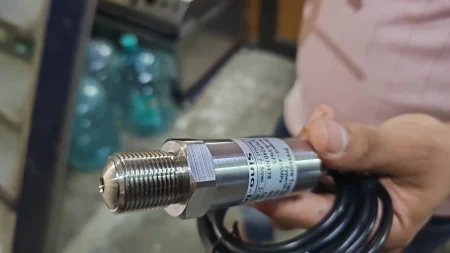
How to choose the right water pressure sensor for your application?
There are several key factors to consider when choosing a suitable water pressure sensor:
1. Pressure range: It is necessary to determine the normal working pressure range of the water supply system and the maximum and minimum pressures that may occur.
2. Accuracy requirements: Different application scenarios have different accuracy requirements for pressure measurement. When selecting a sensor, the required accuracy level should be determined based on the specific application scenario.
3. Stability and reliability: The stability of a sensor refers to the degree of change in its measured value during long-term use.
4. Output signal: Common pressure sensor output signals include 4-20mA and 0-10V.
5. Operating temperature: Check the temperature range of the sensor to ensure that it can work under the expected working conditions.
6. Installation method: Different application scenarios have different requirements for the installation method of the sensor. Some sensors support threaded interfaces for direct installation on pipes, while others need to be fixed by flanges or other methods.
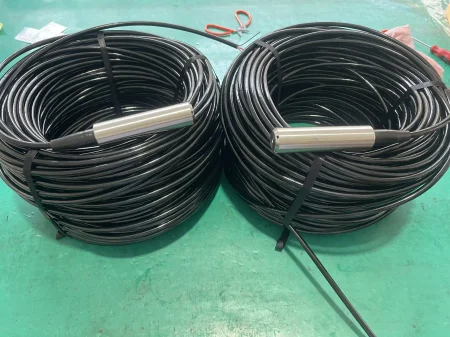
Well Water Pressure Measurement
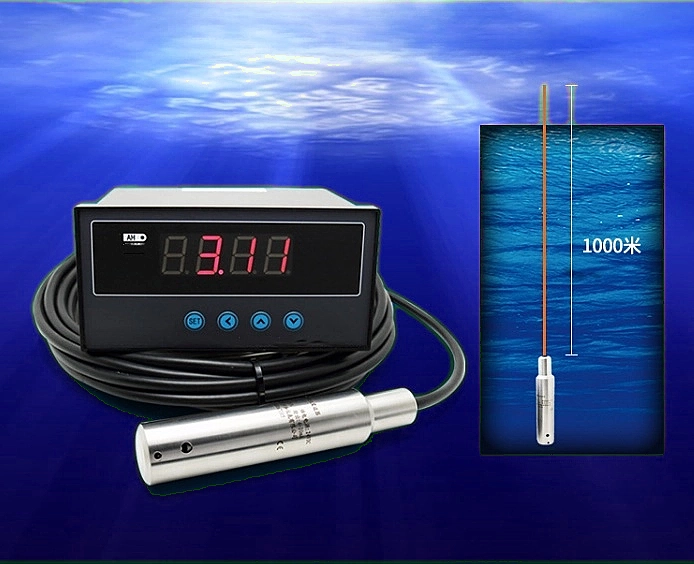
Submersible well water pressure sensors are usually used to measure well water pressure. The sensor probe is placed directly under the water at the right depth in the well. This uses the idea of hydrostatic pressure to detect the pressure created by the water in the well.
The sensor converts physical pressure measurements into standard electrical signals, which are transmitted via the connecting cable to display instruments or control devices. This allows real-time reading of the well water pressure value and enables the calculation of the water level depth based on the pressure reading.
Furthermore, it can be linked to deep well pumps to achieve automatic control, such as stopping the pump at low water levels and starting it at high water levels. The entire process requires no modification to the pipework, installation is simple, and it enables long-term online monitoring of well water pressure and water level changes.
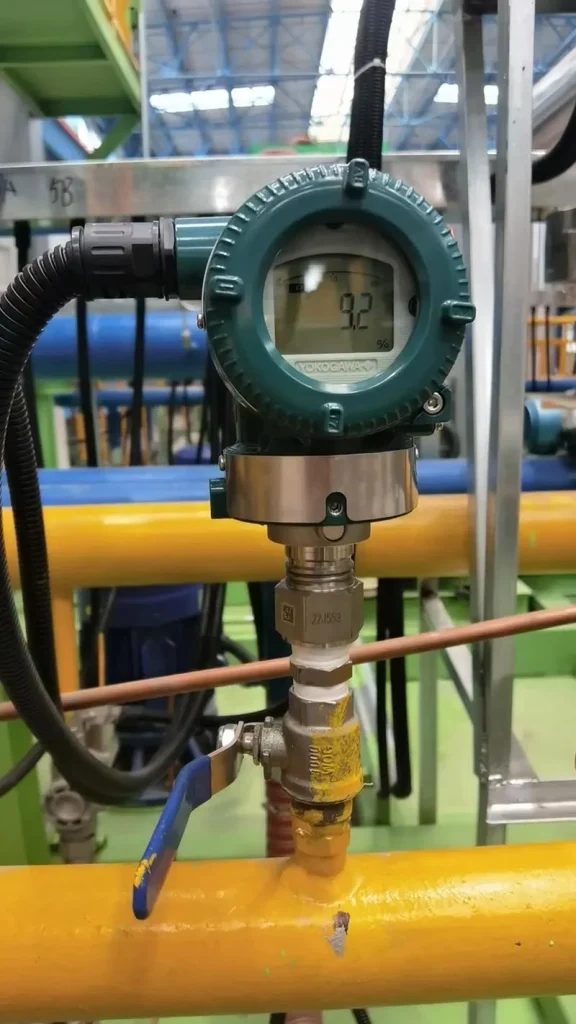
In conclusion, water pressure sensors are vital to any automation system. Using water pressure sensors can greatly benefit a wide range of applications. They help monitor the level and pressure in pipes and tanks. Moreover, water pressure sensors are inexpensive and we can install them easily. So it will continue to function for many years to come.
If you have any questions about pressure sensors, or which pressure sensor is best for your testing needs, feel free to contact the engineers at Sino-Inst. Understanding the working principle and choosing a good sensor will yield good results.