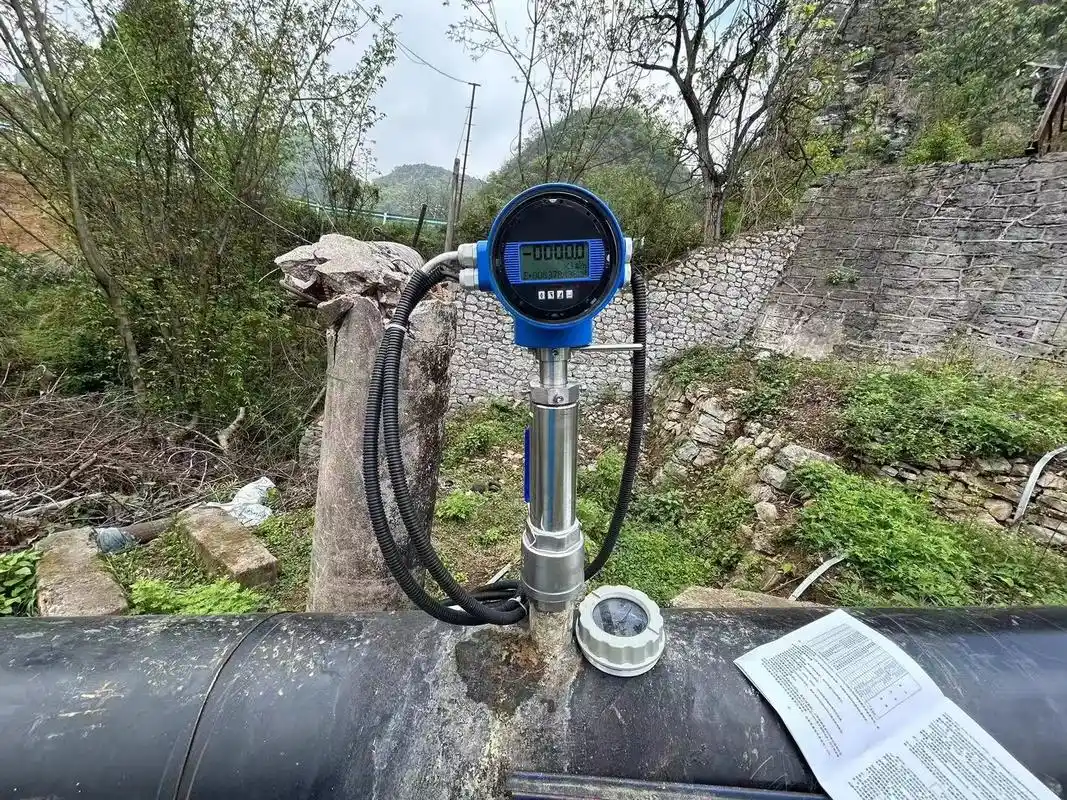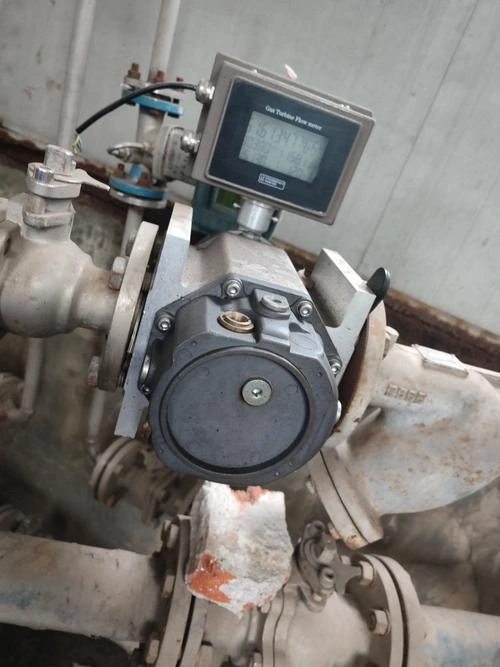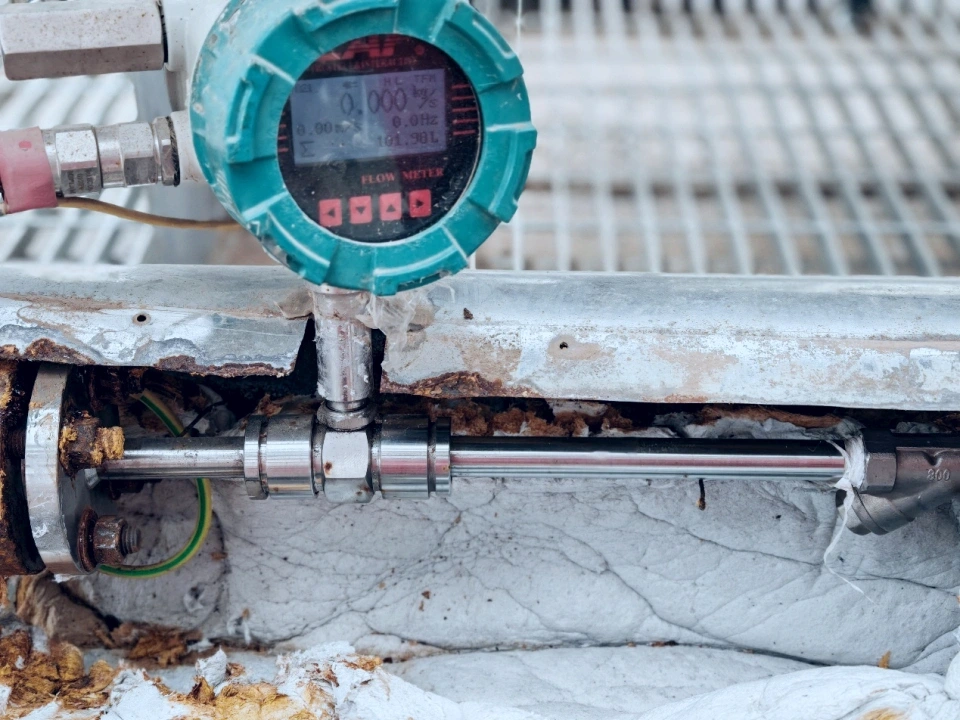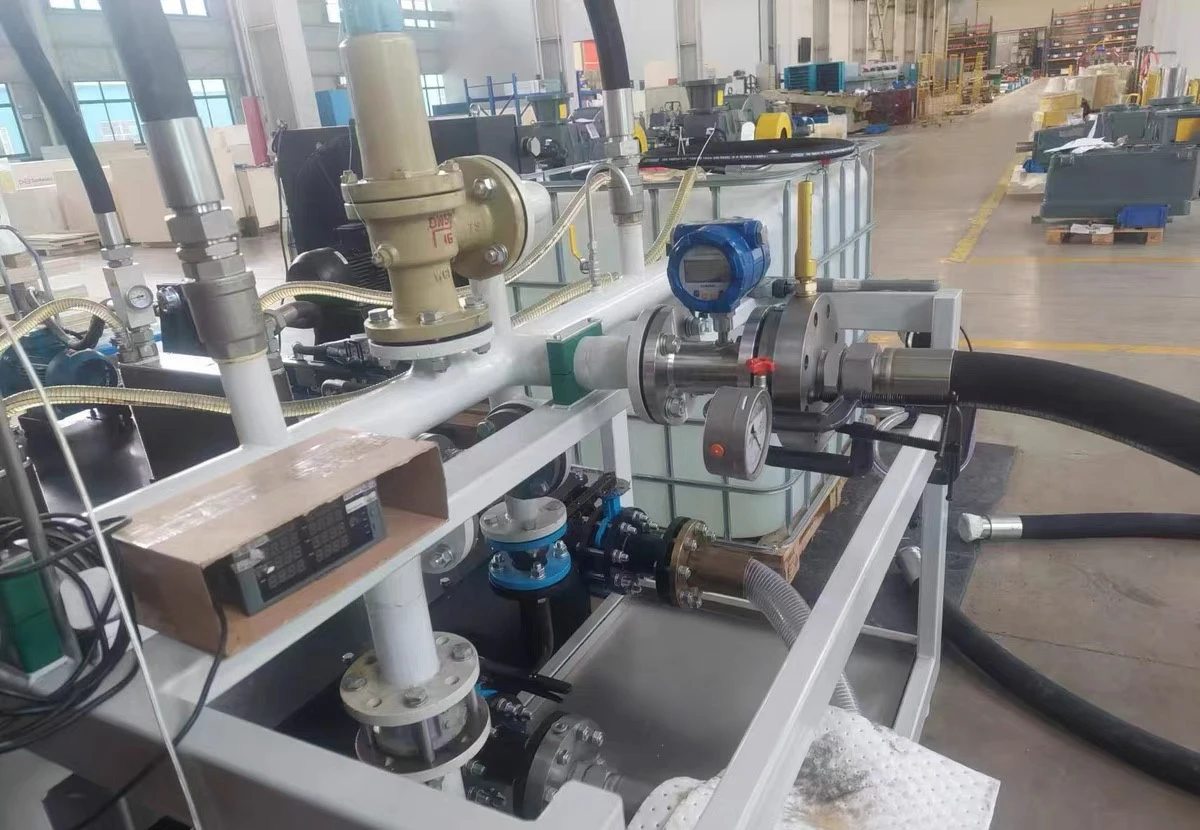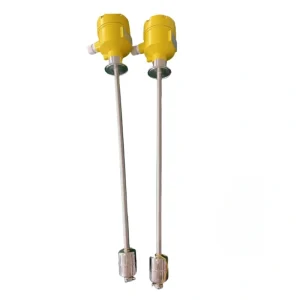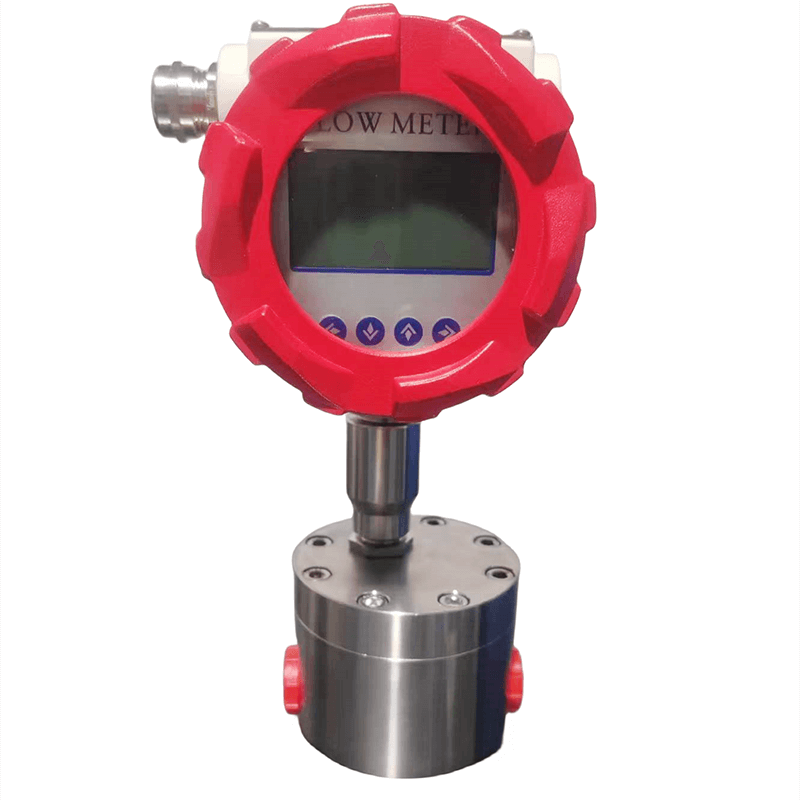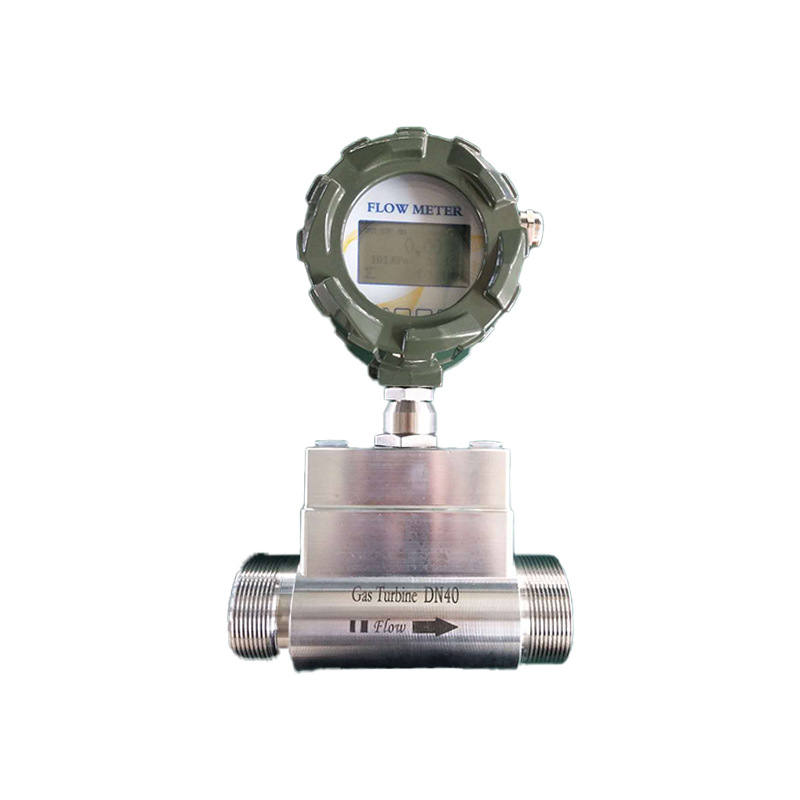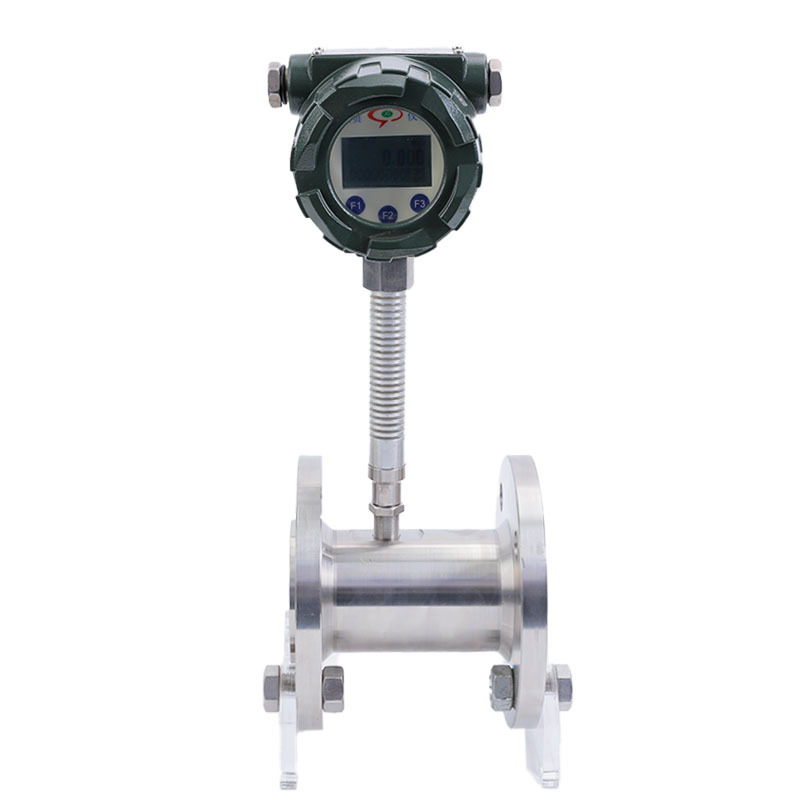
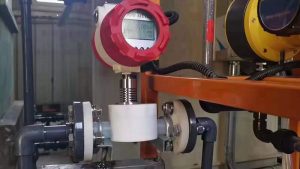
Flow meters sit at the heart of industrial process control, feeding critical data into energy metering, environmental monitoring and smart manufacturing by tracking how fast and how much fluid is moving through a pipe. Picking the right one and putting it in the right place can make or break both system performance and measurement trustworthiness.
What is a flow meter?
A flow meter is an instrument used to measure the volume or mass of a fluid (including liquids, gases, steam, and mixed media) passing through a specific cross-section in a pipeline or open channel per unit of time.
Its core function is to obtain the instantaneous flow rate and cumulative total of the fluid, providing an accurate data foundation for industrial production, energy trade settlement, environmental monitoring, and process control.
There are different types of flow meter, and they work on different principles. You’ve got your differential pressure, electromagnetic, ultrasonic, vortex and mass flow meters. Each type of flow uses specific physical phenomena to measure the state of flow (like Faraday’s law of electromagnetic induction, the Karman vortex street phenomenon, and the Coriolis force).
Flow meters are a key part of industrial automation instrumentation systems, so it’s important to think about things like the medium’s properties, how they’ll be used, how accurate they need to be, and the installation environment. How accurate they are directly impacts how well the system works, how energy management is done, and whether or not trade settlements are fair.
Types and Operating Principles of Flow Meters
Differential Pressure Flow Meters
Operating Principle:
Advantages:
Simple and robust construction with no precision moving parts, ensuring high long-term operational reliability
Highly mature technology with comprehensive international standards (ISO 5167, GB/T 2624); guaranteed accuracy without the need for actual flow calibration
Wide range of applications, capable of measuring various media including liquids, gases, and steam
Resistant to high temperatures and pressures, suitable for harsh operating conditions
Relatively low manufacturing costs, offering outstanding cost-effectiveness for large-diameter pipeline applications
Applications:
Measuring the flow of liquids, gases and superheated steam in large pipelines in industries like petroleum refining, chemical production and thermal power generation.
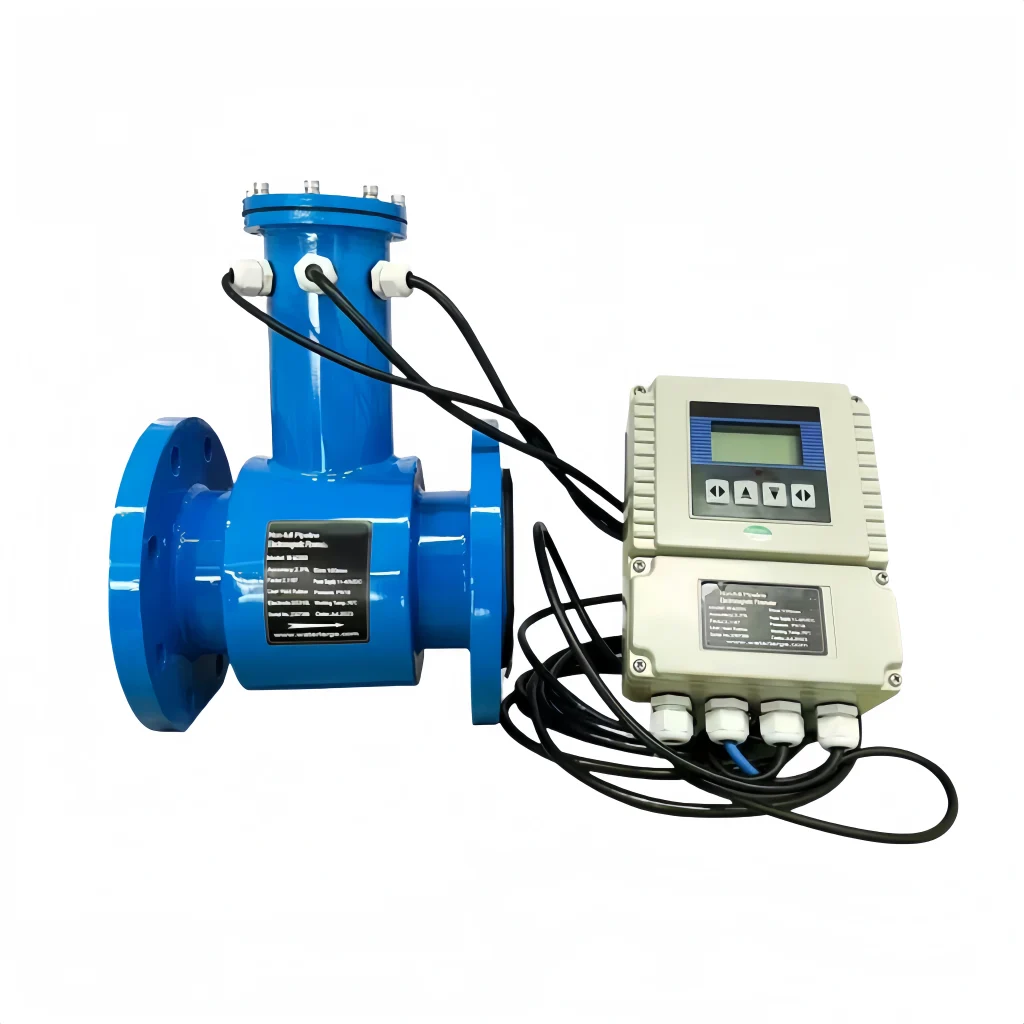
Electromagnetic Flowmeter
Working Principle:
Advantages:
No mechanical components obstructing flow within the measuring tube, resulting in virtually zero pressure loss
Unaffected by changes in fluid density, viscosity, temperature, or pressure parameters
Capable of measuring highly corrosive, abrasive, and particulate-laden conductive liquids
Output signal exhibits a strict linear relationship with flow rate, with a wide turndown ratio
Fast response time, capable of measuring pulsating flow
Applications:
Keeping an eye on the flow of conductive liquids, like water supply networks, wastewater treatment plants, chemicals, and slurries, and black liquor in the paper industry.
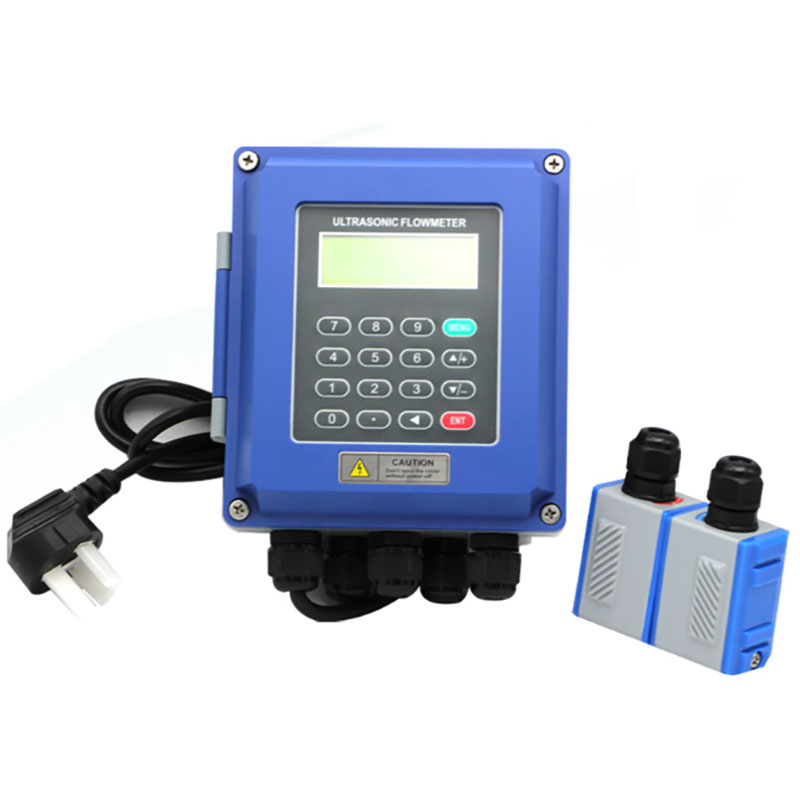
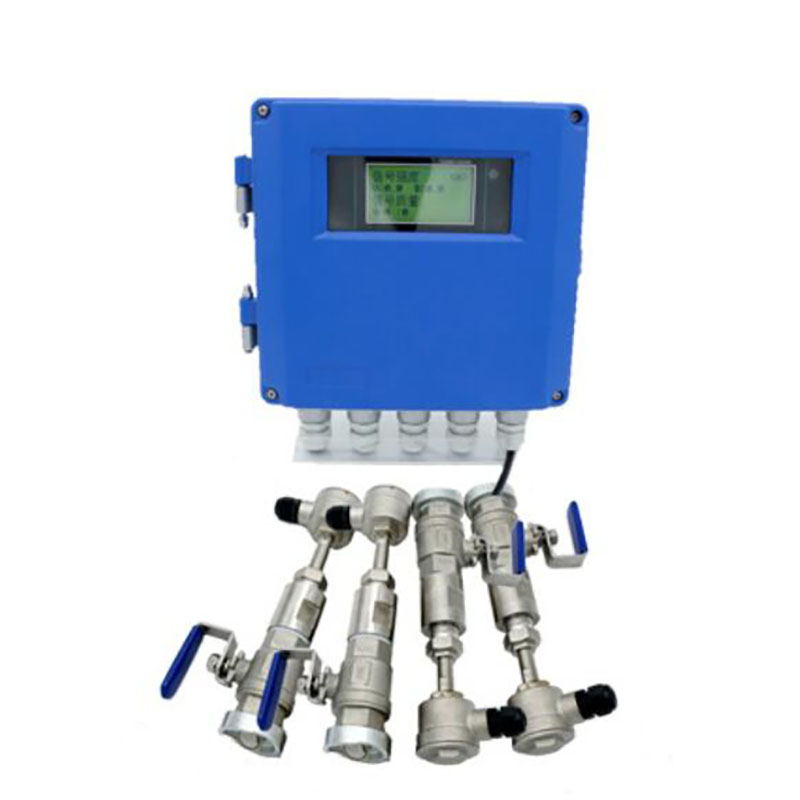
Ultrasonic Flowmeter
Working Principle:
Advantages:
Non-contact measurement; sensors can be clamped externally to the pipe wall without compromising pipe integrity
No pressure loss; does not interfere with process operations
Suitable for large-diameter pipes (up to several meters); installation costs do not increase significantly with pipe diameter
Capable of measuring corrosive, radioactive, and high-pressure media
Bidirectional flow measurement capability, facilitating energy consumption analysis
Applications:
Large-diameter water transmission pipelines and pumping stations; trade metering for long-distance natural gas pipelines; online monitoring in petrochemical facilities where flow interruption is impractical; energy audits and leak detection.
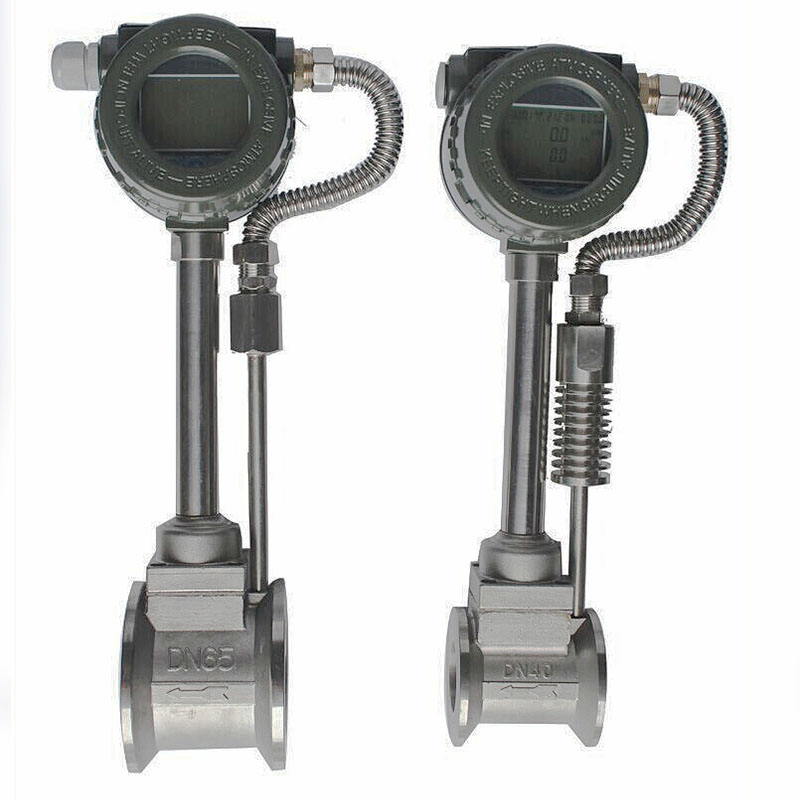
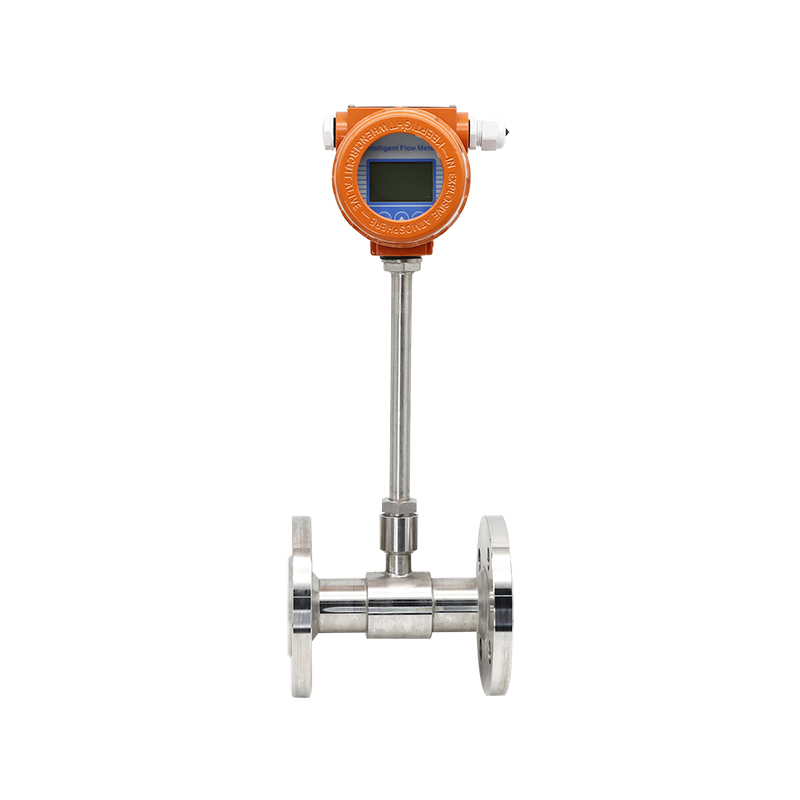
Vortex Flow Meter
Working Principle:
Advantages:
High measurement accuracy, typically ranging from ±0.5% to ±1.0%
Wide turndown ratio, typically ranging from 10:1 to 20:1
The output pulse frequency signal exhibits a good linear relationship with flow rate, facilitating digital processing
Simple and robust construction with no moving mechanical parts, requiring minimal maintenance
High adaptability to media, capable of measuring liquids, gases, and steam
Applications:
Steam metering in industrial boilers, energy consumption monitoring in compressed air systems, process control of clean liquids and gases, and energy management and cost accounting in petrochemical plants.
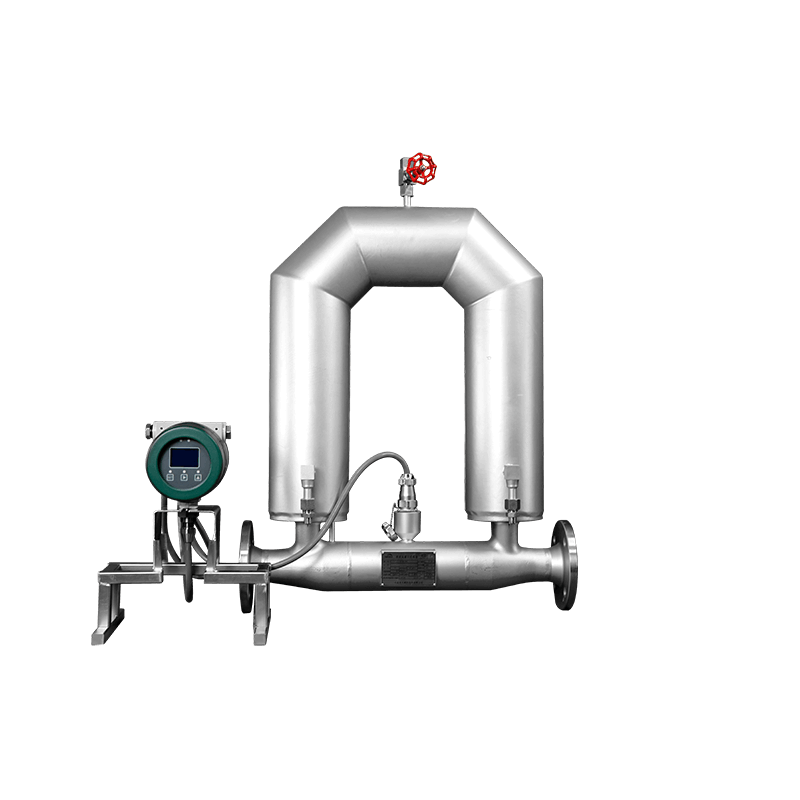
Coriolis Mass Flow Meter
Working Principle:
Advantages:
Direct measurement of mass flow without the need for temperature or pressure compensation
Extremely high measurement accuracy, typically ranging from ±0.1% to ±0.2%
Simultaneous output of multiple parameters including mass flow, density, and temperature
Measurement results are unaffected by changes in fluid physical properties or pipeline installation stresses
No moving parts, with relatively lenient requirements for fluid flow patterns
Applications:
Metric measurement for crude oil and refined oil trading handover, batching control for fine chemical reactors, sanitary-grade high-precision filling in the food, beverage, and pharmaceutical industries, and mass flow monitoring of liquefied gas and chemical raw materials.
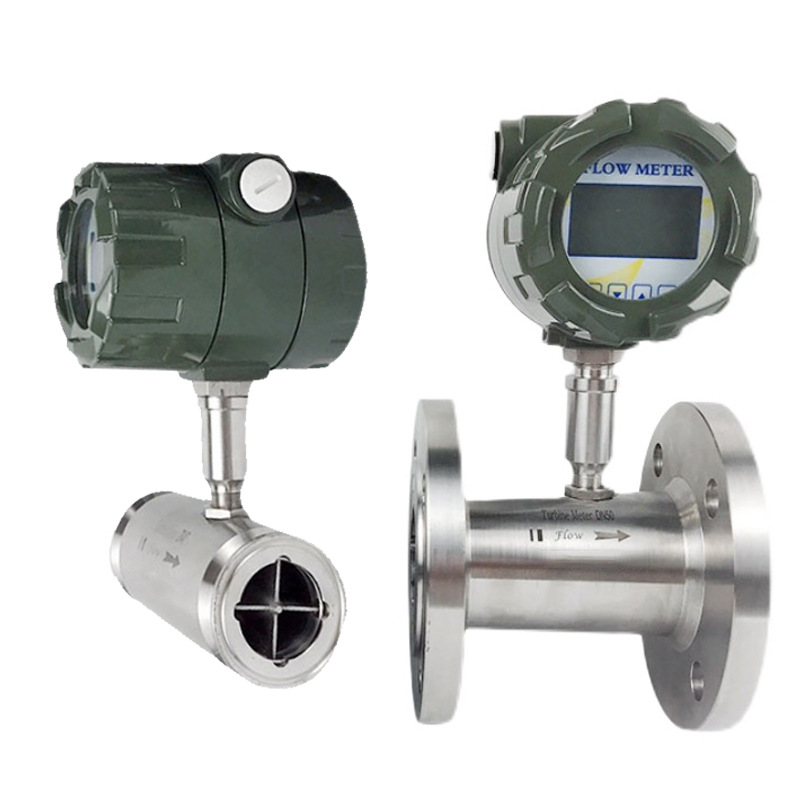
Turbine Flow Meter
Working Principle:
Advantages:
High measurement accuracy, with typical accuracy ranging from ±0.2% to ±0.5%
Excellent repeatability, with short-term repeatability as low as ±0.05%
Fast dynamic response, suitable for pulsating flow measurement
Wide turndown ratio, typically ranging from 10:1 to 20:1
Outputs standard pulse signals, facilitating direct interfacing with flow totalizers, PLCs, and DCS systems
Applications:
Precision measurement of clean, low-viscosity liquids (such as gasoline, diesel, jet fuel, and purified water) and natural gas. Widely used in fuel station trade settlement, hydraulic system testing, aviation fueling, and city gas gate station metering.
Thermal Mass Flow Meter
Principle of Operation:
Advantages:
Direct measurement of gas mass flow without the need for temperature or pressure compensation
Capable of measuring extremely low flow velocities (as low as 0.1 m/s) and minute flow rates
Minimal pressure drop, with virtually no impact on system backpressure
Insertion design facilitates installation and maintenance, making it suitable for large pipelines
Relatively insensitive to changes in gas composition
Applications:
High-purity gas blending and monitoring in semiconductor manufacturing processes, energy efficiency management in industrial compressed air systems, continuous emissions monitoring (CEMS) in coal-fired power plants, and precise gas flow control in laboratories and analytical instruments.
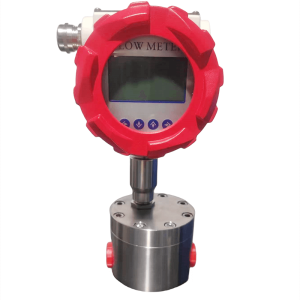
Positive Displacement Flow Meters
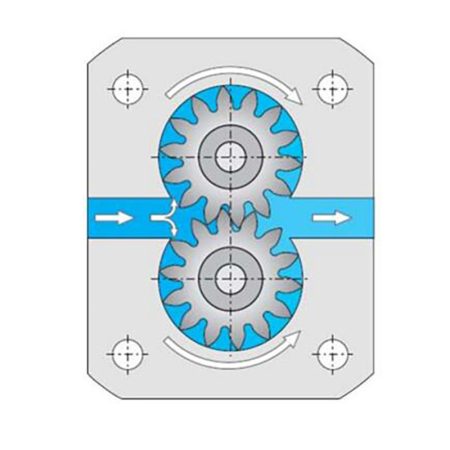
Working Principle:
Advantages:
Extremely high measurement accuracy, typically ranging from ±0.1% to ±0.2%
Measurement results are unaffected by changes in fluid viscosity, density, or temperature
Reliable mechanical structure, excellent repeatability, and good long-term stability
No upstream or downstream straight pipe sections required; low installation requirements
Suitable for precise measurement of high-viscosity and lubricating media
Applications:
Trade handover and storage/transportation measurement of high-viscosity oils such as crude oil, heavy oil, and lubricating oil; filling and process control of liquid foods (e.g., edible oil, syrup); and batching and cost accounting of chemical raw materials and additives.
Radar Flow Meter
Working Principle:
Advantages:
Completely non-contact measurement; sensors are mounted above the channel or on the bank
Unaffected by water turbidity, sediment content, or floating debris
Simple and quick installation; no need to interrupt water flow or modify the channel
Capable of continuous, all-weather operation; not restricted by weather conditions such as wind, rain, or lightning
Low-power design, suitable for unattended field monitoring
Applications:
Hydrological monitoring stations in river basins; water volume scheduling and metering in irrigation canals; flow monitoring in urban stormwater networks and drainage pump stations; reservoir flood discharge early warning and flood control and disaster mitigation systems.
Flow meters can accurately measure and ensure fair distribution.
- Flow meters can optimize operating costs and improve economic benefits.
- Flow meters can strengthen safety supervision and prevent accident risks.
- Flow meters promote efficient resource allocation.
- Flow meters support green and low-carbon development.
- Flow meters help build smart cities.
Flow meters are not only the basic tools for ensuring efficient resource utilization and public safety in zoning management, but also the key technical support for improving the business environment and promoting high-quality economic and social development. With the advancement of science and technology and the deepening of its application, flow meters will demonstrate their value in more dimensions and help build a more efficient, fair and green modern city and business environment.
How to Choose a Suitable Flow Meter?
Clarify the measurement requirements
Determine the measurement type:
Instantaneous flow:
used in situations where real-time control is required. Such as continuous proportioning production or process control of pipelines.
Total amount (cumulative flow): used in situations where the total amount needs to be measured. Such as batch production of filling containers, trade accounting, storage and transportation distribution, etc.
Determine the measurement range:
Select a flow meter with corresponding upper and lower flow limits according to the flow range of the measured pipeline.
Note that the measurement range of the flow meter should cover the actual flow to avoid exceeding the range and causing inaccurate measurement or damage to the flow meter.
Understand the fluid characteristics
Fluid composition:
Select a suitable flow meter according to the fluid composition. For example, when measuring corrosive fluids, a flow meter made of corrosion-resistant materials should be selected.
Temperature and pressure:
Define the working temperature and pressure of the fluid. Especially when measuring gas, changes in temperature and pressure may cause changes in density. Thereby affecting the measurement accuracy.
If temperature and pressure corrections are required, a flow meter with corresponding functions should be selected.
Density and viscosity:
In most liquid applications, the liquid density is relatively stable. But in some gas applications, density changes may affect the measurement performance of the flow meter.
Viscosity changes may affect the measurement range and accuracy of the flowmeter. A suitable flow meter should be selected according to the fluid viscosity.
Consider installation requirements
Installation location:
Select a flow meter location that is easy to install, maintain and read data.
Avoid the influence of fluid disturbance and eddy current on measurement, and ensure that there are enough straight pipe sections before and after the flowmeter.
Installation method:
Select a suitable installation method according to the actual situation on site, such as horizontal installation, vertical installation, or inclined installation.
Ensure that the connection between the flowmeter and the pipeline is tight and reliable to avoid problems such as leakage and vibration.
Evaluate environmental conditions
Temperature and humidity:
Consider the impact of ambient temperature and humidity on the flow meter, and select a flow meter that adapts to these conditions.
Corrosiveness:
If the environment is corrosive, a flow meter made of corrosion-resistant material should be selected.
Consider economic efficiency
Cost budget:
Select a suitable flow meter according to the cost budget to avoid unnecessary waste.
Cost performance:
Select a flow meter with high cost performance on the premise of meeting performance requirements.
Comprehensive evaluation of performance indicators
Accuracy:
Select the appropriate accuracy level according to the measurement requirements. For example, trade accounting, storage and transportation handover and other occasions may require a flow meter with higher accuracy.
Repeatability:
Repeatability is an important indicator in process control applications, which is determined by the principle and manufacturing quality of the instrument itself.
Linearity:
For instruments with a wide flow range, pulse output used for total accumulation, linearity is an important indicator. Poor linearity may reduce the accuracy of the instrument.
Pressure loss:
Consider the impact of pressure loss generated by the flow meter on process efficiency, especially for water delivery instruments with larger pipe diameters.
Output signal characteristics:
Select the appropriate output signal type and amplitude according to the requirements of control interfaces, data recorders, alarm devices and other equipment.
Response time:
When applied to pulsating flow places, attention should be paid to the response speed of the instrument to flow step changes.
Sino-Inst is a professional flow meter manufacturer with rich experience in this field. We are constantly improving our technology to meet the evolving challenges of the industrial world. If you need a reliable flow meter solution. Please contact our team. Choose a suitable flow meter that can operate at low flow rates and is compatible with most industrial chemicals and gases.