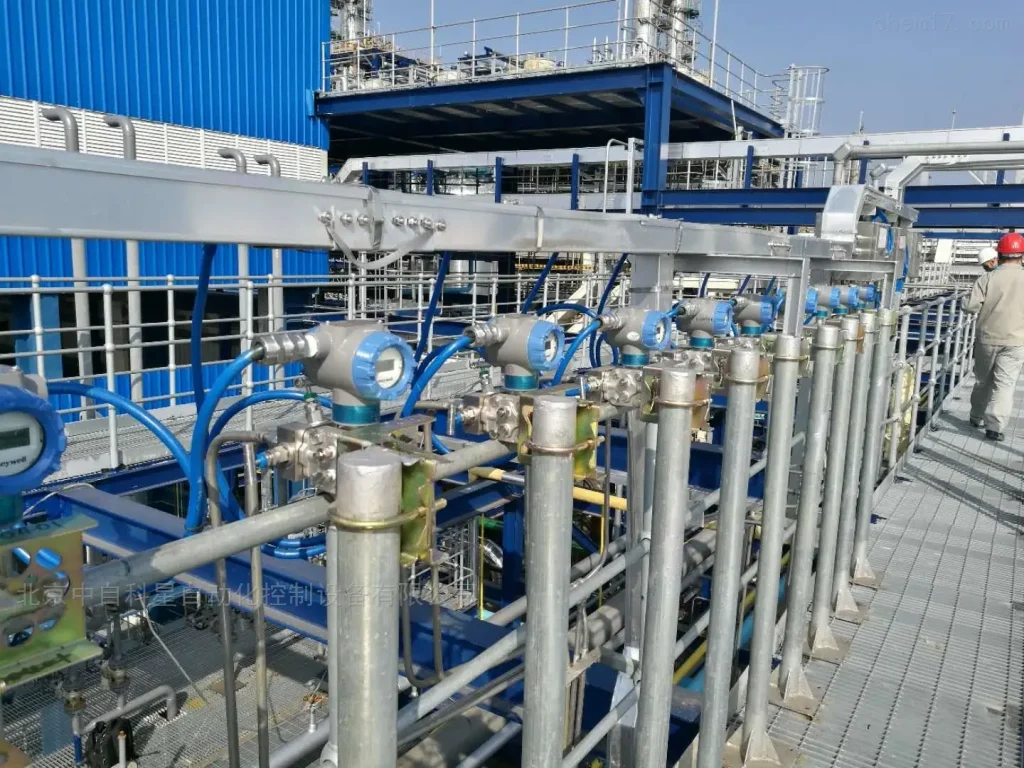
How to Calibrate a Differential Pressure Transmitter
Differential pressure transmitters are core sensing instruments in industrial process control; their measurement accuracy directly impacts process stability and operational

Sino-Inst has designed and manufactured pressure transmitters and sensors for many years, and we specify pressure measurement for customers across most process industries. Before choosing one, pin down the details that actually decide it: the medium and what it will touch, the pressure range and type (gauge, absolute or differential), process and ambient temperature, the accuracy you need, process connection and diaphragm material, output signal, hazardous-area rating, and your budget.
These guides cover the main pressure sensor types: how each technology works, where it suits the job, and where its limits are. They run across capacitive, piezoresistive, monocrystalline silicon, strain gauge and piezoelectric sensing, plus differential, high-temperature, cryogenic, melt and explosion-proof transmitters. Read alongside our product specifications, they should get you to the right instrument.
Or simply tell our sales engineers what you need to measure, and we will put a measurement solution together for you.
Browse by type: Compact pressure sensors · High temperature · Cryogenic · Explosion-proof · Melt pressure · Differential pressure
Differential pressure transmitters are core sensing instruments in industrial process control; their measurement accuracy directly impacts process stability and operational
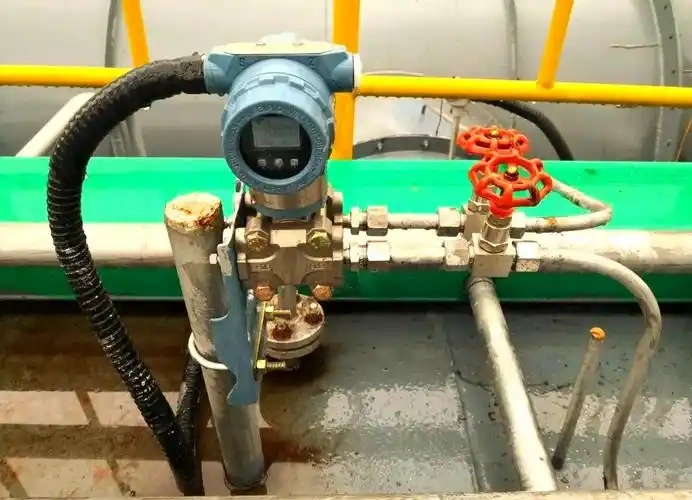
Three-wire sensors are a pretty common type of sensor. They connect to the controller via three wires and are used
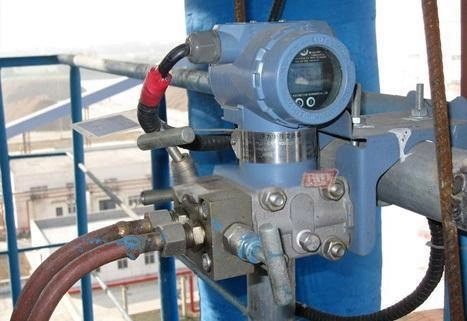
Pressure sensors are used in many different areas, such as modern industrial automation, automotive electronics, aerospace, and consumer electronics. The
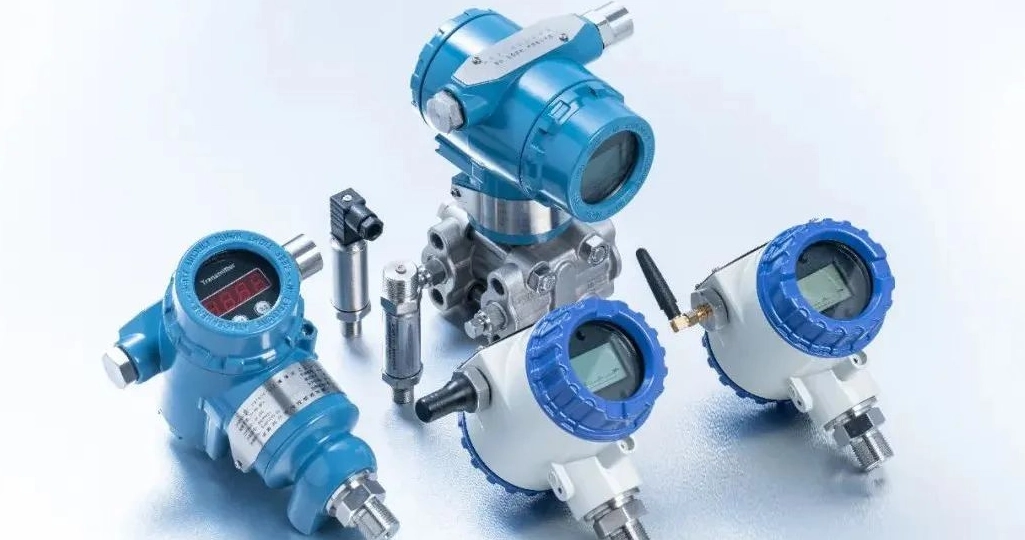
In core industrial production scenarios, not all operating conditions offer stable and benign environments. The harsh conditions faced by pressure
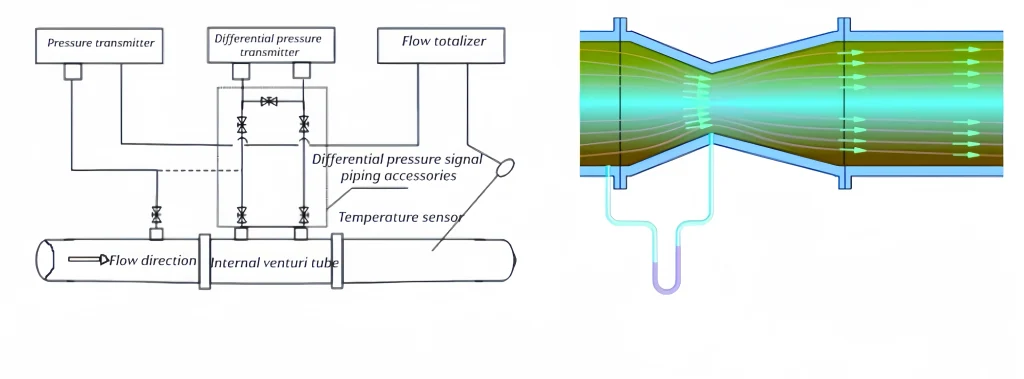
We previously introduced the working principle of differential pressure flow meters and the relationship between pressure and flow rate. Differential
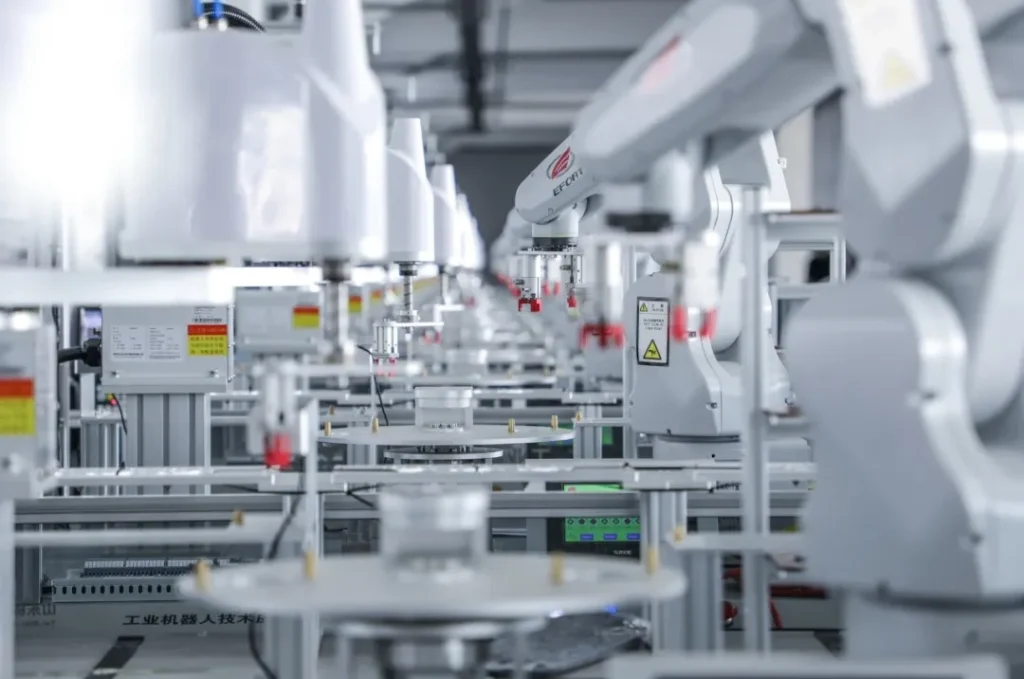
High frequency pressure sensors are specifically designed for measuring rapidly changing dynamic pressures. They feature a high natural frequency, extremely
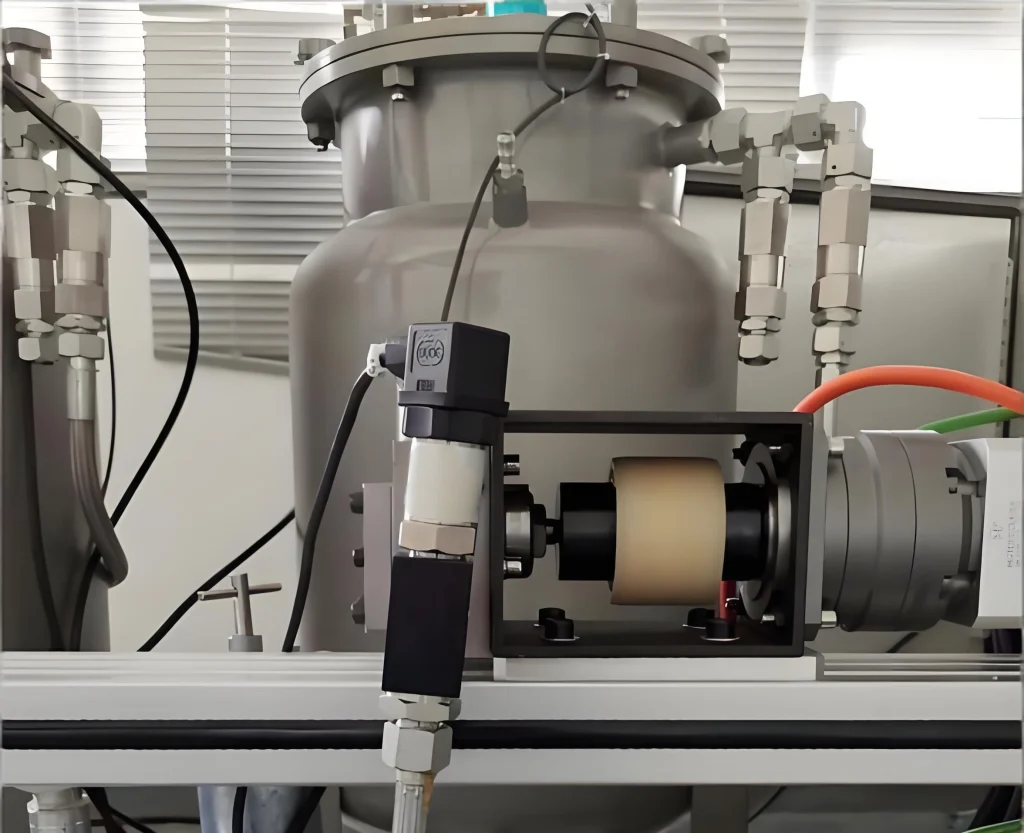
Low temperature pressure sensors find application in numerous industrial control settings, primarily serving aerospace, submarine cryogenic storage, low-temperature scientific experiments,
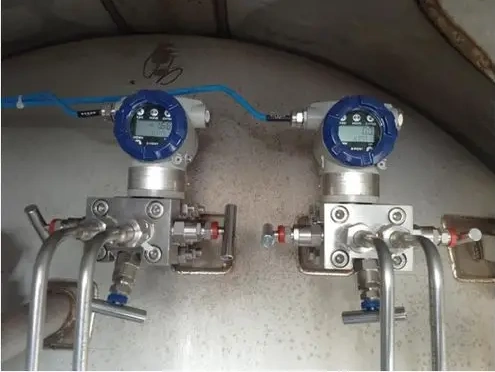
In modern industry, scientific research and automation, pressure sensors are ubiquitous, playing a pivotal role in measurement, monitoring and control.There

Flange pressure transmitters are industrial measuring instruments. They are installed via flange interfaces. They are specifically designed to measure the

What is a Ceramic Pressure Sensor A ceramic pressure sensor is a strain-based pressure sensing device utilising the thick-film resistive