In many industrial production processes, precise temperature measurement and control is crucial. This ensures that products are of good quality, production is as efficient as possible, and equipment is safe. The melt temperature sensor is a vital tool for temperature measurement.
What is a Melt Temperature Sensor?
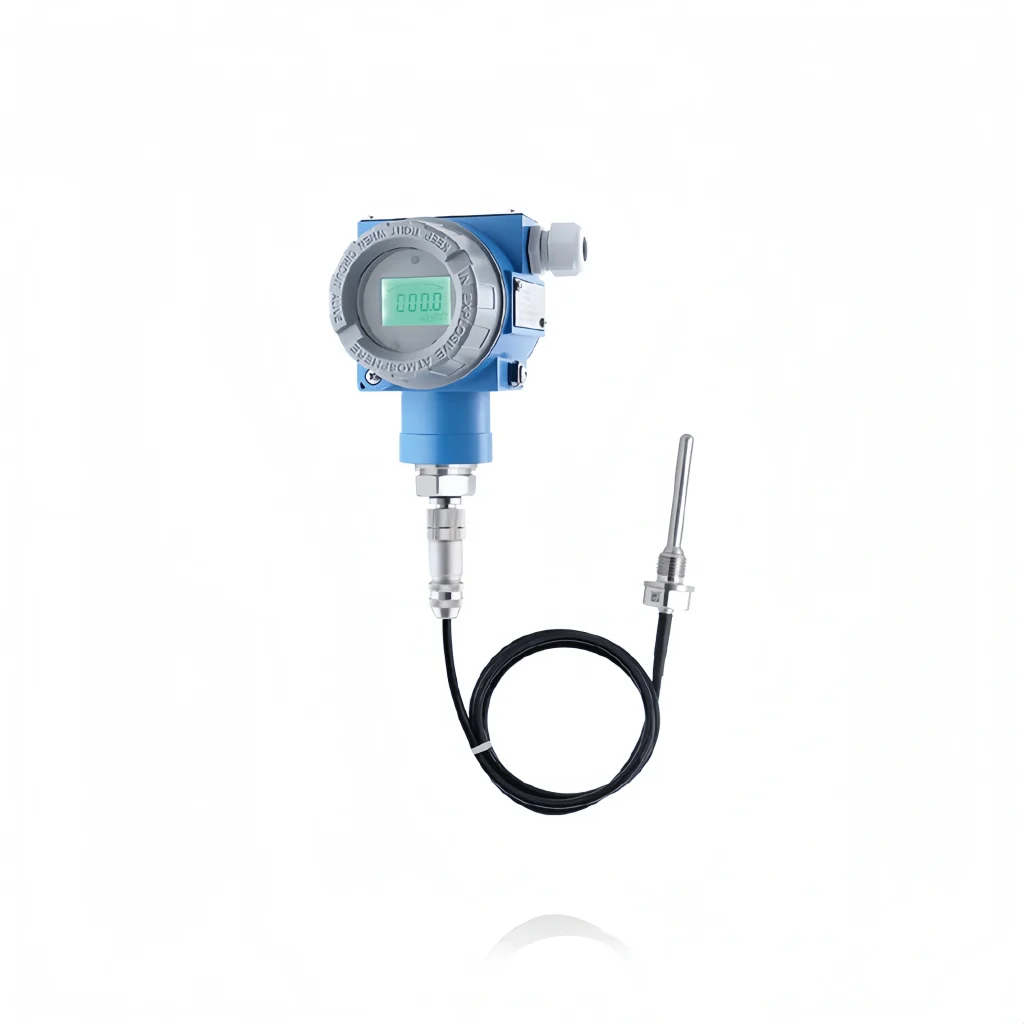
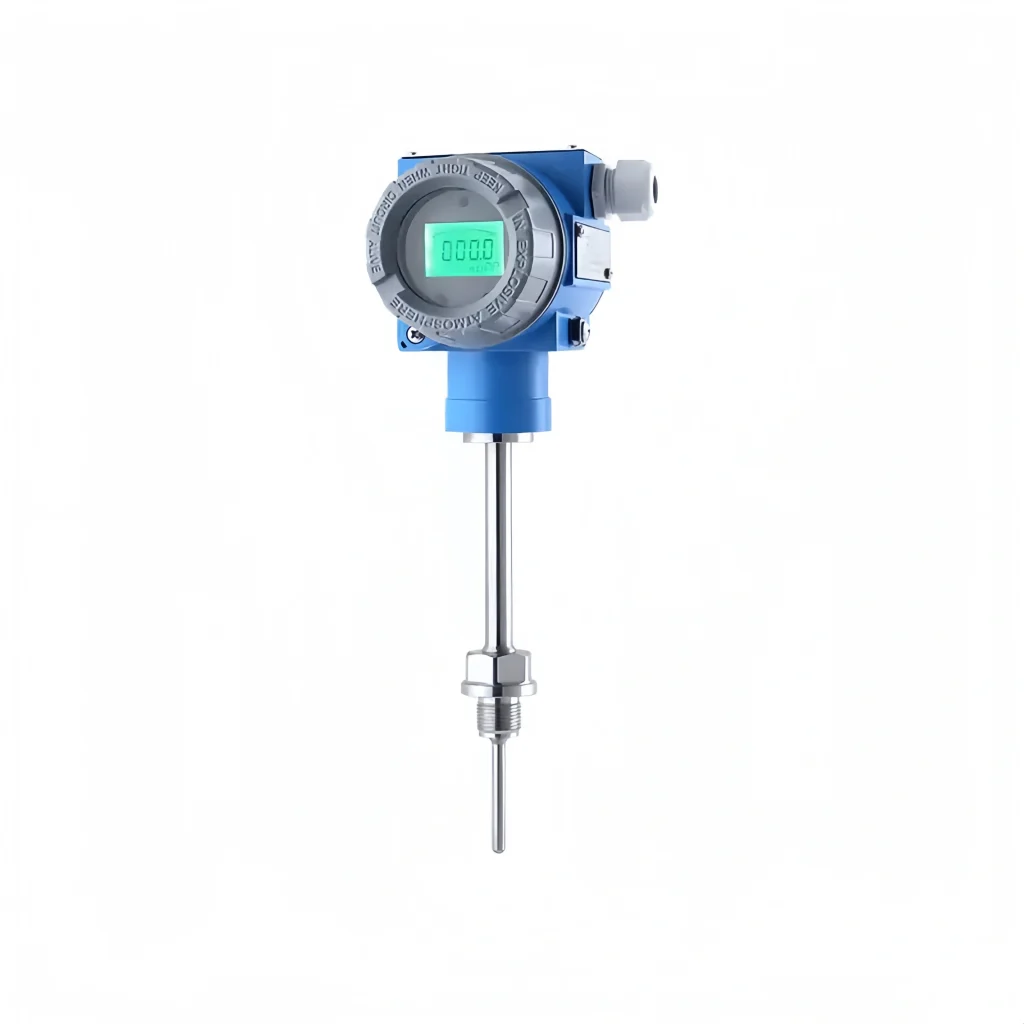
Melt temperature sensors are special tools that measure temperature. They are used when working with materials such as plastics, rubber and synthetic fibres. They are primarily used in high-temperature production conditions such as extrusion, injection moulding and filament drawing.
They can come into direct contact with molten materials, enabling precise, real-time detection of the flowing melt’s temperature. The product has a strong structure that can resist high pressure, wear and tear. It can also work in small spaces and in places with a lot of machinery.
The sensor provides a stable temperature signal, forming a reliable foundation for temperature control systems in equipment. It effectively stabilises production processes, ensuring the quality of plasticised materials and preventing defects caused by temperature anomalies. This makes it a critical component for measuring temperature in rubber and plastic moulding production lines.
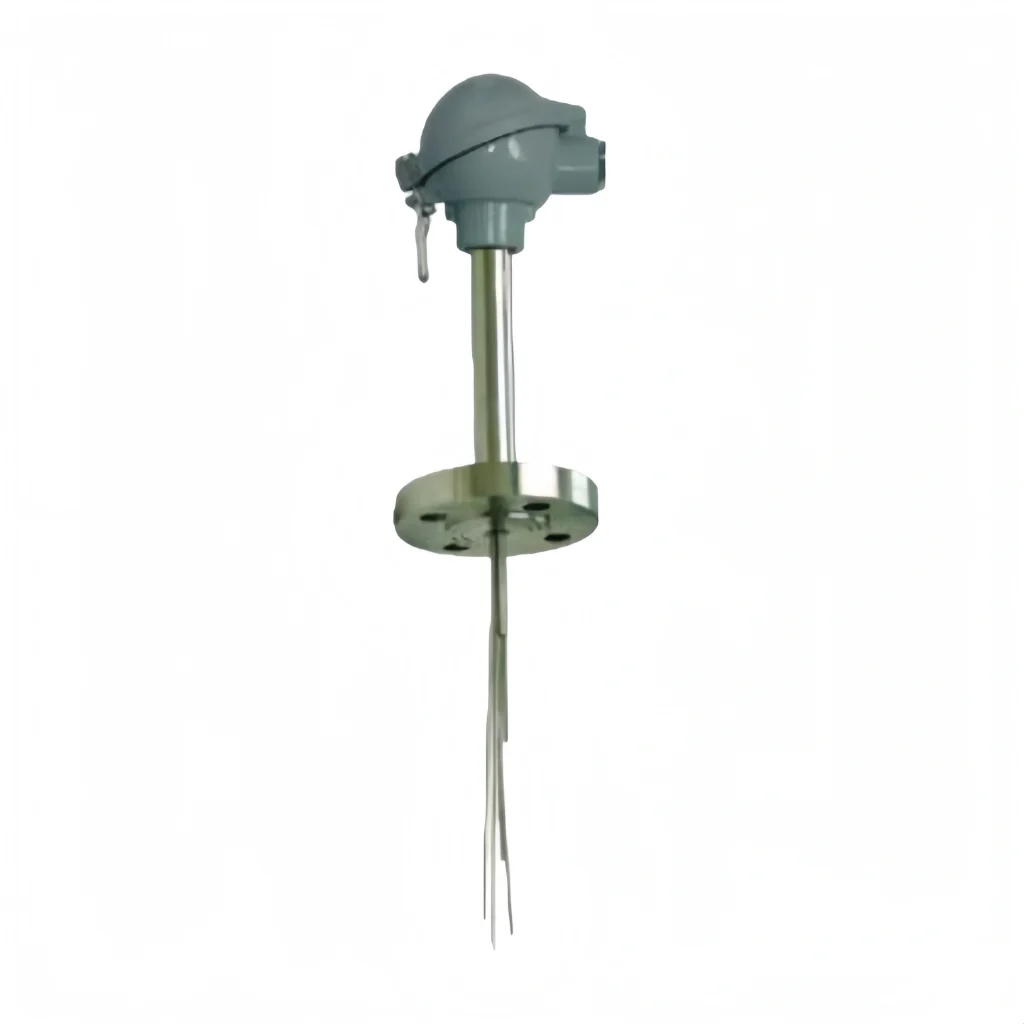
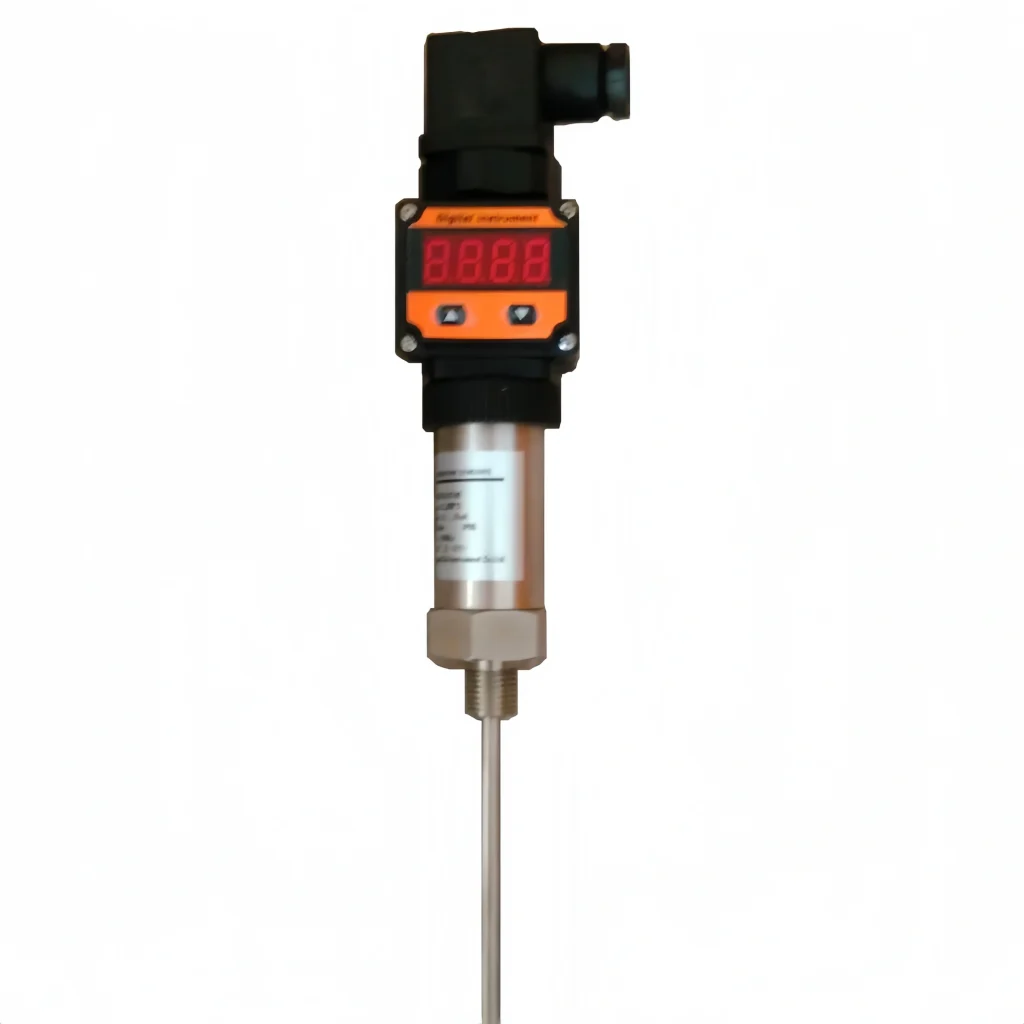
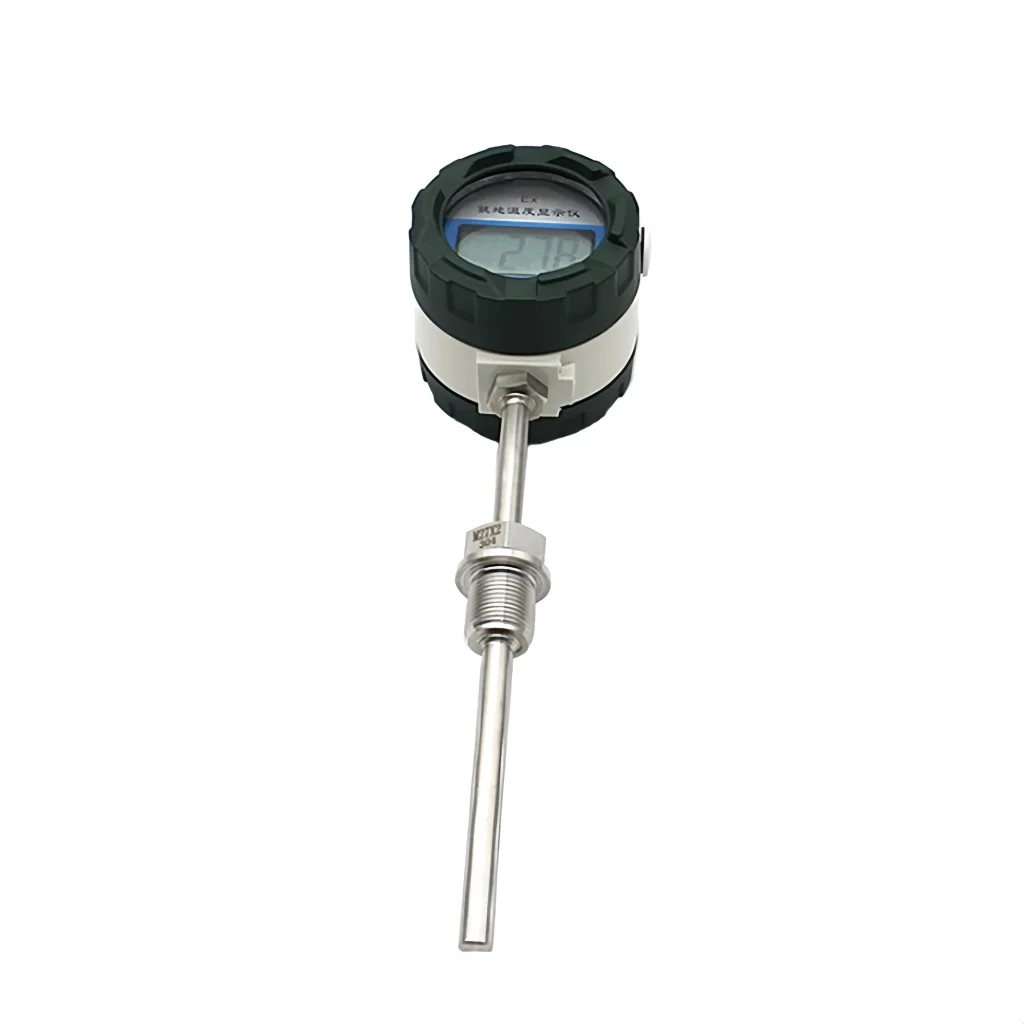
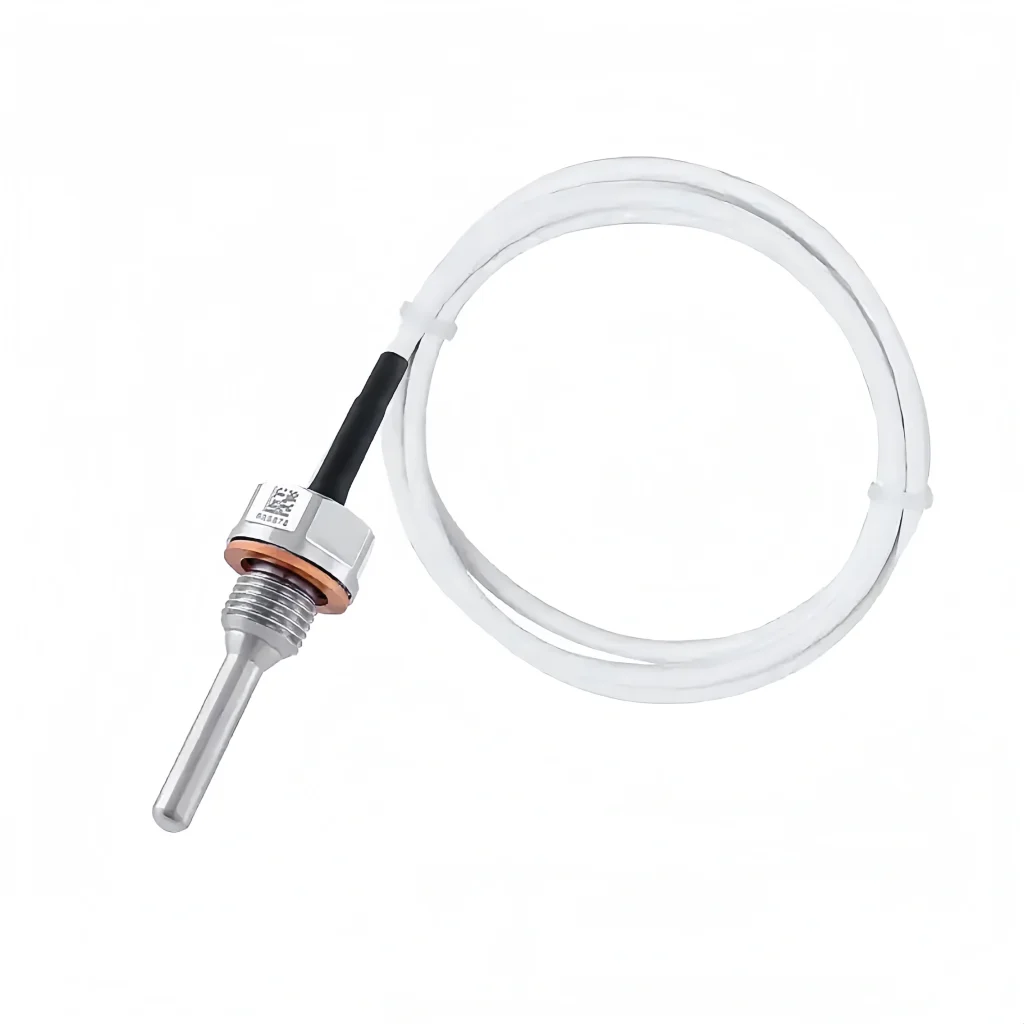
What is a melt?
When something melts, it changes from a solid to a liquid. This happens when it is very hot, or when certain conditions are met. It can be found in many places, particularly in industries where materials are processed. Examples include polymer, metal and chemical melts. It is used in many industrial production processes.
Properties of melts
Melt possess distinct inherent properties, the key ones being fluidity, thermal sensitivity, heterogeneity and environmental sensitivity.
1. Fluidity varies significantly with temperature; as temperature rises, fluidity increases, and conversely, it decreases. Furthermore, there are substantial differences in viscosity between different types of melts.
2. They are very sensitive to temperature; being in a hot environment for a long time can damage them and cause them to break down, which affects how well they work.
3. The internal composition and temperature distribution of melts are often non-uniform and are easily influenced by processes such as stirring and conveyance.
4. Furthermore, they are sensitive to external conditions such as ambient humidity and pressure; even minor changes can cause fluctuations in their properties.
Measurement Challenges
Firstly, the measurement environment is harsh. Most melts operate under high-temperature and high-pressure conditions, and some are also corrosive or viscous, placing extremely high demands on the sensors’ resistance to high temperatures, high pressure and corrosion.
Secondly, melt properties are unstable. Their viscosity, temperature and composition are prone to change over time and with operating conditions, making it difficult to achieve long-term stable measurements.
The sensor provides a steady temperature signal, making it a reliable base for temperature control systems in equipment. It’ll keep your production processes steady, making sure the quality of your plasticised materials stays top-notch and any temperature hiccups don’t mess up the product. Furthermore, improper sensor installation may disrupt the flow state of the melt, further compromising the accuracy of the measurement results.
How Melt Temperature Sensors Work
Principle of the Core Temperature-Sensing Element: Most standard melt temperature sensors use something called the thermocouple sensing principle, which basically involves creating a closed circuit with two different metalsThanks to its robust structure, the product can withstand high pressure and wear and tear. It can also operate in confined spaces and areas with heavy machinery. When there is a temperature difference between the two ends, the circuit generates a thermoelectric potential; the greater the temperature difference, the greater the potential.
Signal Conversion and Transmission: When the sensing tip of the melt temperature sensor touches the melt, a temperature change occurs at the sensing end. This creates a weak voltage signal. This signal fluctuates in real time with the melt temperature and is transmitted stably to the rear-end instrument.
Contact-type Temperature Sensing: The sensor probe makes direct contact with the high-temperature melt inside the barrels or die heads of equipment such as extruders and injection moulding machines. Relying on the rapid heat conduction of the metal probe, it accurately captures the actual temperature of molten plastics, rubber and other media.
Temperature Conversion and Output: The temperature control system is pretty smart. It takes the signal from the thermoelectric potential and, using its own algorithms and temperature compensation modules, converts the electrical signal into standard temperature values. This allows it to display and feedback data in real time.
High-Temperature Adaptation Design: The sensor is protected by a sheath and a high-pressure-resistant structure, which safeguards it from high-pressure melt, corrosion and wear. This enables the temperature-sensing part to function properly in high-temperature, high-pressure melting conditions, thereby improving measurement accuracy and extending the sensor’s lifespan.
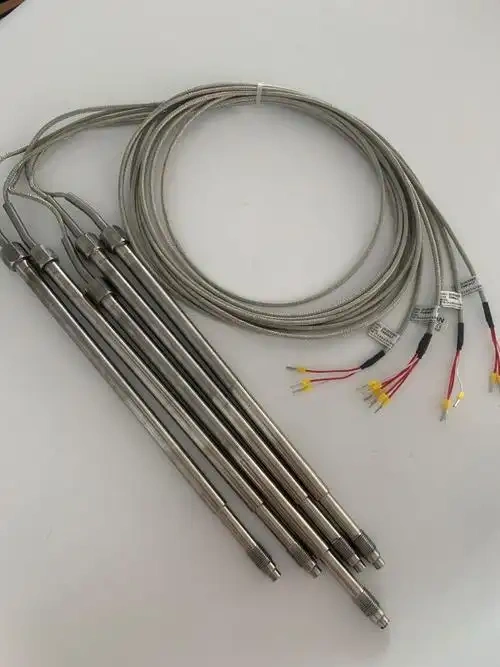
Melt Temperature Sensor Structure
Temperature Sensing Probe
This is the core sensing component at the front end, which comes into direct contact with the high-temperature, high-pressure melt. Made from high-temperature-resistant alloy with excellent thermal conductivity, it is responsible for real-time collection of the melt medium temperature and serves as the key component of the temperature detection system.
High-Temperature Protective Sleeve
The sleeve is fitted over the temperature-sensing element and is manufactured from high-strength special alloy materials. It can resist the force of molten materials, as well as chemicals and high pressure, protecting the inside of the structure.
Built-in Temperature-Sensing Core
It is primarily composed of a thermocouple wire or a resistance temperature detector (RTD) sensing element. It operates based on the principle of thermoelectric induction, whereby the electrical resistance changes with temperature. This then changes the temperature data into an electrical signal, which can then be sent and converted.
Mounting Thread
A one-piece machined threaded structure designed to fit the mounting positions on the barrels of injection moulding machines and extruders, as well as on die heads. It serves to lock and secure the sensor in place whilst providing a seal to prevent melt leakage, ensuring a stable installation.
Terminal Box and Connectors
These components are located at the back of the sensor and connect the internal temperature-sensing elements to the external control circuits. They’re great at keeping things well insulated and protecting against dust and oil, making sure your wiring connections stay neat and your electrical safety is all good.
Sealing and Cushioning Assembly
This includes gasket seals and a pressure-resistant cushioning structure. This prevents distortion due to vibrations and temperature changes during use, ensuring better sealing and enabling use in tough industrial production conditions.
Advantages of Melt Temperature Sensors
Accurate and stable temperature measurement
Melt temperature sensors are specially designed for use with high-temperature molten materials, such as plastics and rubber. Thanks to their contact-type sensing structure, they can be placed right next to the material and accurately capture its real-time temperature.
They’re extremely accurate and consistently reliable, so you can count on them to perform well over time. They’re also great at avoiding production hiccups caused by materials melting at different temperatures.
High-Temperature Resistance and Durability
The whole unit is made from special high-temperature alloy materials, so it can handle the tough conditions of continuous high-temperature operations in extruders and injection moulding machines.
It is also highly resistant to pressure and erosion from molten materials, so it can withstand the constant impact of high-pressure substances. It is extremely durable and does not rust, making it ideal for tough industrial settings where it will last a long time.
Rapid Response
Thanks to its quick response to changes in temperature, the sensor can detect even the slightest change in melt temperature and prompt the control system to adjust the heating power immediately.
This prevents issues such as melt overheating, degradation, temperature inconsistencies and poor plasticisation. This ensures that the production process remains stable and continues uninterrupted.
High Installation Compatibility
Thanks to its compact and sleek design, it can be mounted on various rubber and plastic processing equipment, including extrusion, pelletising, injection moulding and filament drawing machines.
IInstallation is a breeze, and it’s a piece of cake to take apart and maintain too. It’s great how it adapts to different machine models and installation spaces, making it perfect for retrofitting on production lines and for new installations.
Enhancing Product Quality and Production Efficiency
Precise, real-time temperature monitoring ensures that the melt is always kept at the optimal temperature for the process, enabling consistent plasticisation of the material.
This results in fewer substandard products and less waste, as well as less raw material wastage and fewer equipment failures and periods of downtime. Ultimately, this results in higher-quality finished products and more efficient production.
Excellent compatibility and easy integration
Thanks to its standardised signal outputs, this unit can be easily connected to temperature controllers, programmable logic controllers (PLCs) and other automated control systems. This enables you to monitor the temperature and manage processes with ease.
It facilitates the automation of production lines, reduces costs associated with manual temperature monitoring and control, and streamlines production management processes.

Practical Applications of Melt Temperature and Humidity Sensors
Plastics ProcessingIndustry: This device is used in extruders, injection moulding machines, and film blowing production lines to monitor the temperature and humidity of polymer melts. This prevents defects such as bubbles and streaks in finished products and reduces the number of rejects.
Chemical Fibre Spinning Industry: The machines are put into spinning chambers and conveying pipelines. This makes the melt temperature, humidity and thickness of the liquid more stable. This means there are fewer fibre breaks and fuzziness. It also makes sure the quality of the finished chemical fibre products is good.
Chemical and New Materials Sector: It can monitor the temperature and humidity of molten resins and rubbers, controlling how quickly reactions occur. This makes it ideal for producing items such as lithium-ion battery separators and photovoltaic substrates.
Non-ferrous Metal Processing Industry: This is used in alloy smelting and die casting to monitor the temperature and humidity of molten metal. This reduces the risk of oxidation and inclusions and improves casting performance.
Food and Pharmaceutical Packaging Industry: It’s great for controlling the temperature and humidity levels inside the packaging to make sure that the raw materials melt properly and meet hygiene standards. It also stops harmful substances from being produced and makes sure the packaging is safe.
Rubber and Elastomer Manufacturing: Monitors the temperature and humidity of rubber melts, adjusts vulcanisation parameters to avoid under- or over-vulcanisation, and ensures consistent product quality.
Intelligent Protection for Industrial Equipment: When installed on melt delivery and moulding equipment, it enables coordinated alarm and control functions, thereby extending the lifespan of the equipment and ensuring stable production.
Melt Temperature Sensors and Melt Pressure Sensors
Differences in the primary measurement targets
Melt temperature sensors mainly check the temperature of molten materials (e.g. plastics and rubbers) at any one moment, while melt pressure sensors measure the pressure of the melt within pipes and mould cavities.
Differences in operating principles
Temperature sensors usually use the thermoelectric effect or the thermal sensing principle of thermocouples and resistance temperature detectors (RTDs) to convert temperature changes into electrical signals. Pressure sensors rely on strain gauges or piezoresistive sensing structures, which change shape when pressure is applied and convert this into an electrical signal.
Differences in Function and Role
Temperature sensors ensure uniform melt plasticisation, preventing material decomposition due to overheating or poor plasticisation caused by insufficient temperature; pressure sensors stabilise extrusion and injection moulding processes, preventing mould rupture due to excessive pressure or product short-feeding and uneven density caused by low pressure.
Installation Location and Operational Focus
Both are commonly installed in the barrels, die heads and moulds of extruders and injection moulding machines, but their monitoring priorities differ; temperature sensors must withstand high-temperature molten environments, whilst pressure sensors must withstand high melt pressures and material erosion and wear.
Differences in Process Control
Temperature is a fundamental control parameter for material flow and material properties; pressure is a key control indicator for production cycle times, product dimensional accuracy and moulding stability. Together, they ensure the moulding quality of plastic products.
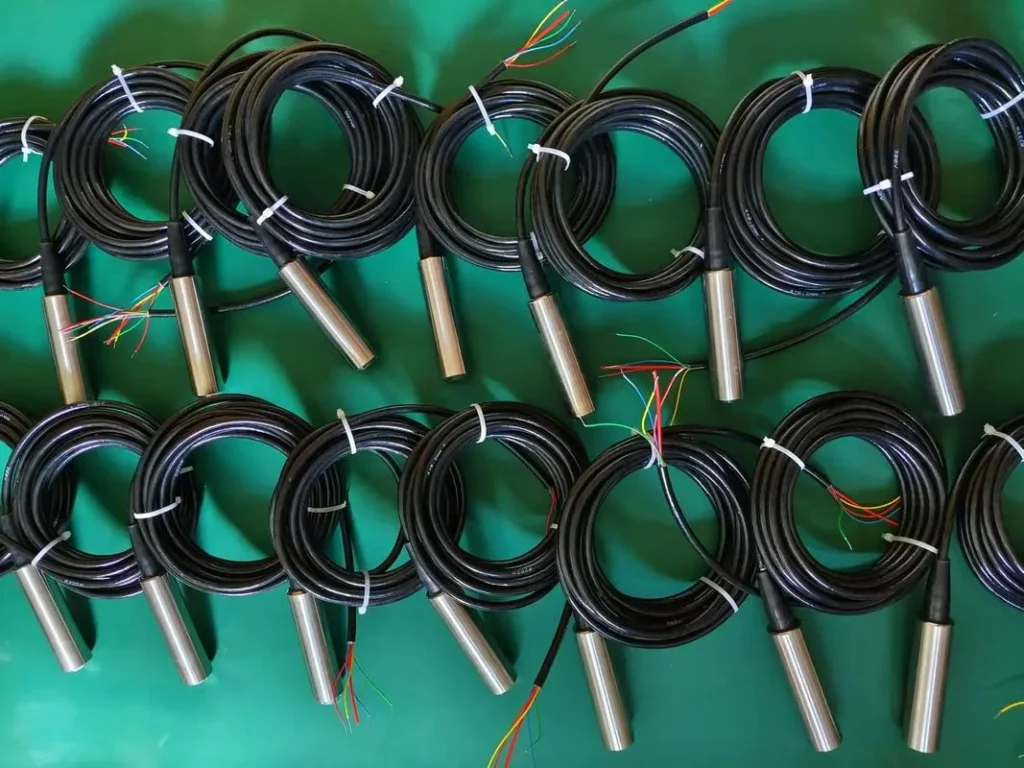
Leveraging mature R&D and manufacturing capabilities, Sino-Inst not only provides high-performance melt temperature sensors but also offers a comprehensive range of melt pressure sensors. Furthermore, we can customise and supply various temperature and pressure sensor products suitable for both general-purpose and specialised applications across multiple scenarios.
We can provide customers with measurement solutions that are highly adaptable, stable and cost-effective. These solutions are suitable for a variety of industrial settings, including extrusion, injection moulding, fibre spinning, new chemical materials and non-ferrous metal processing.