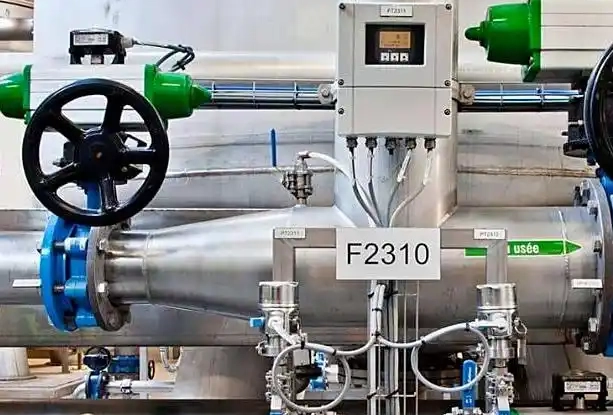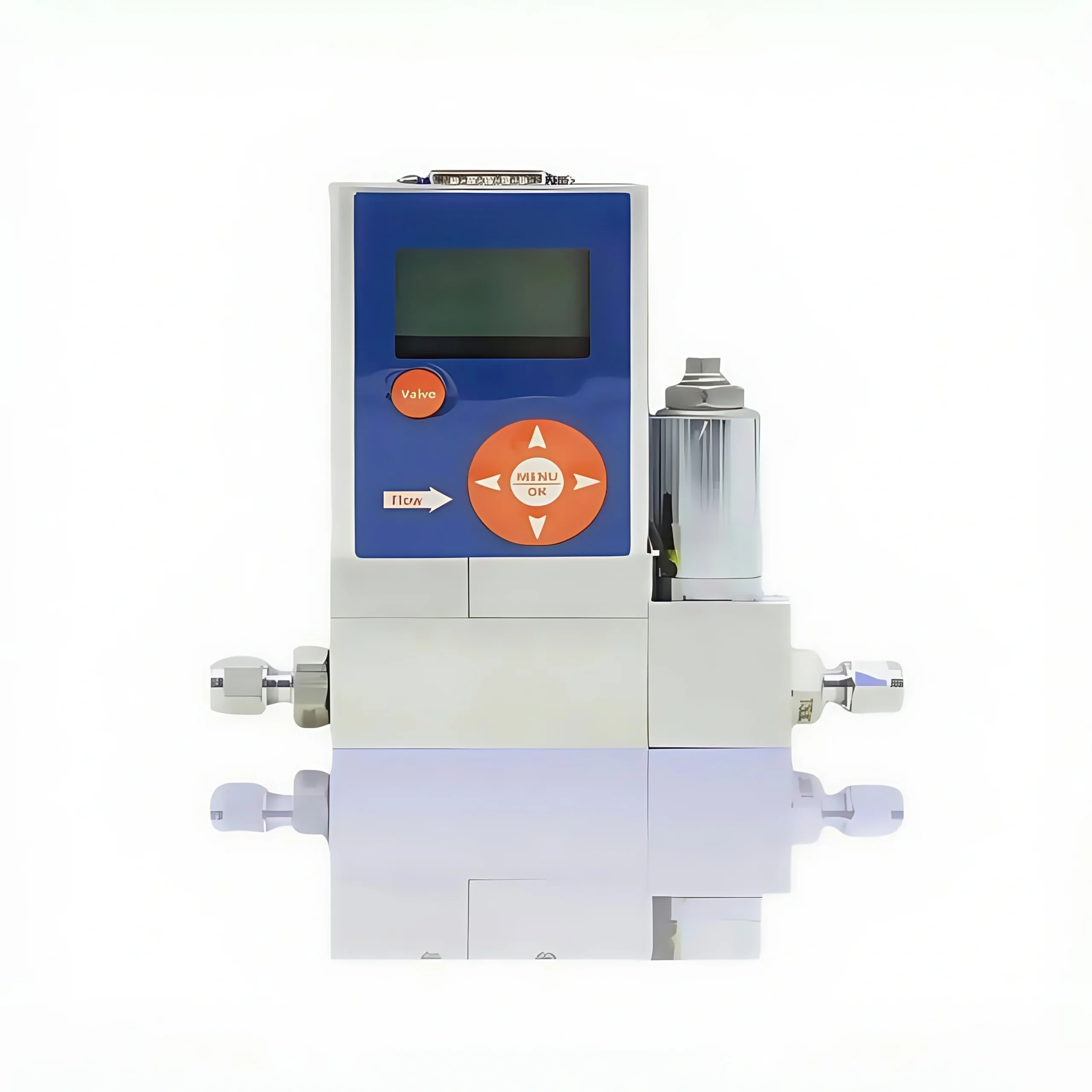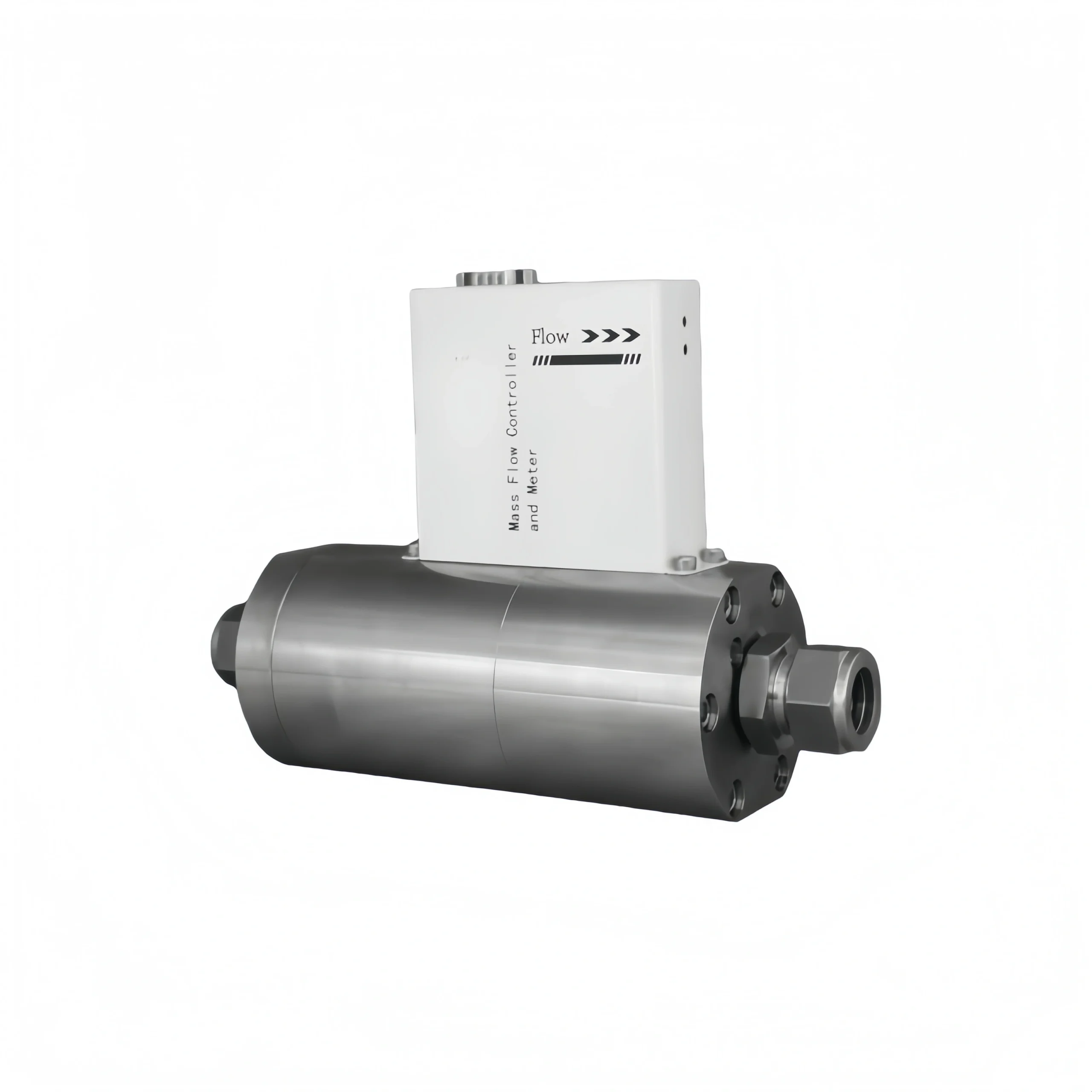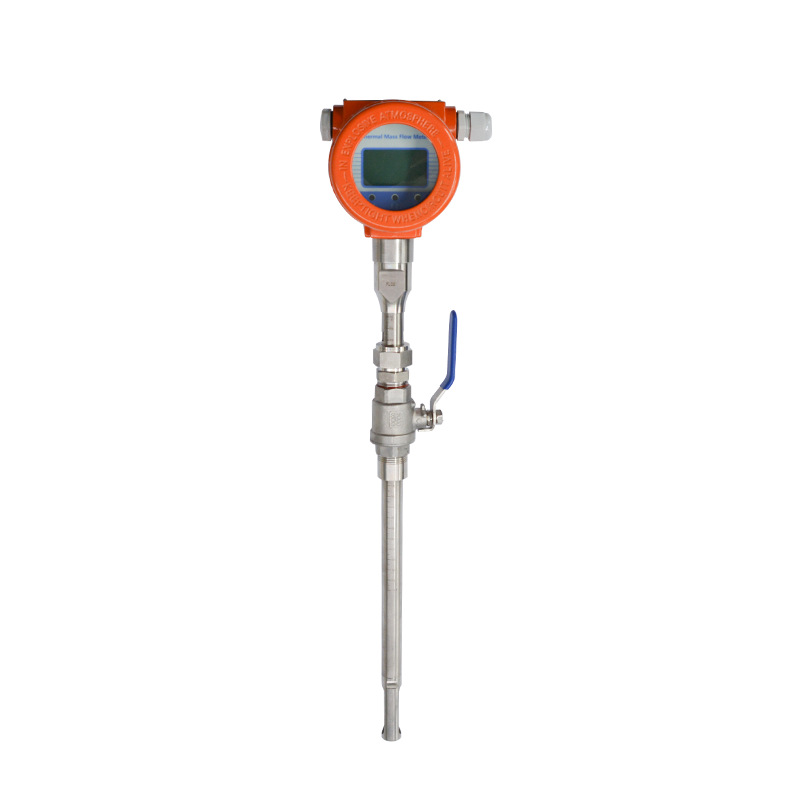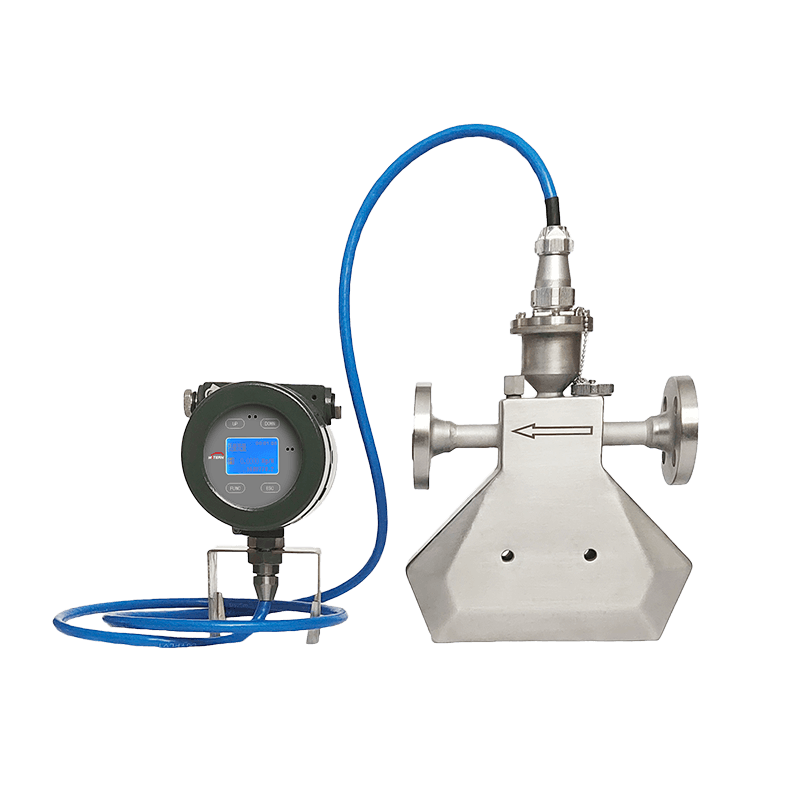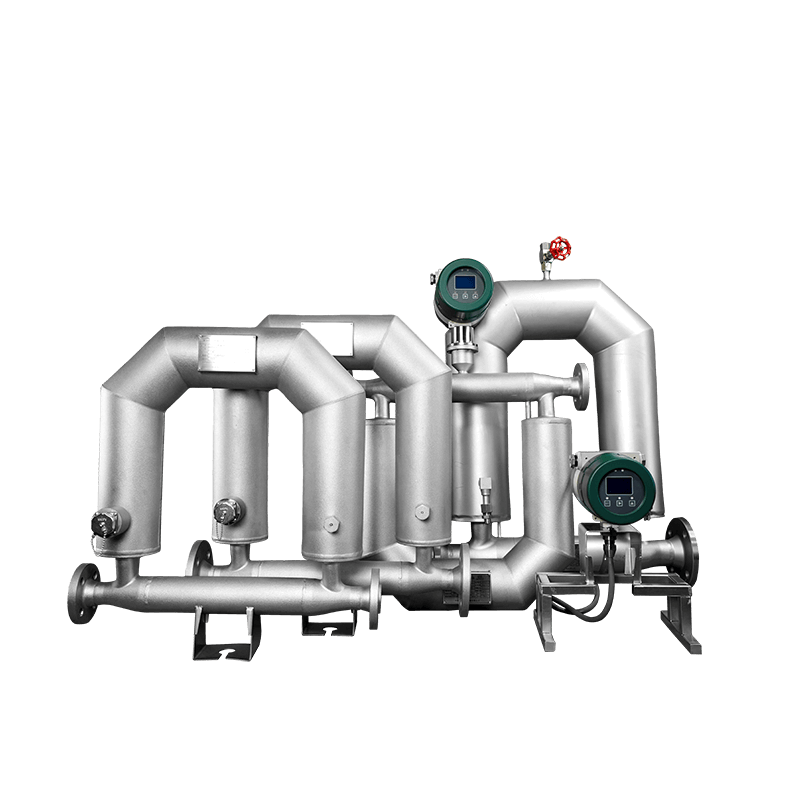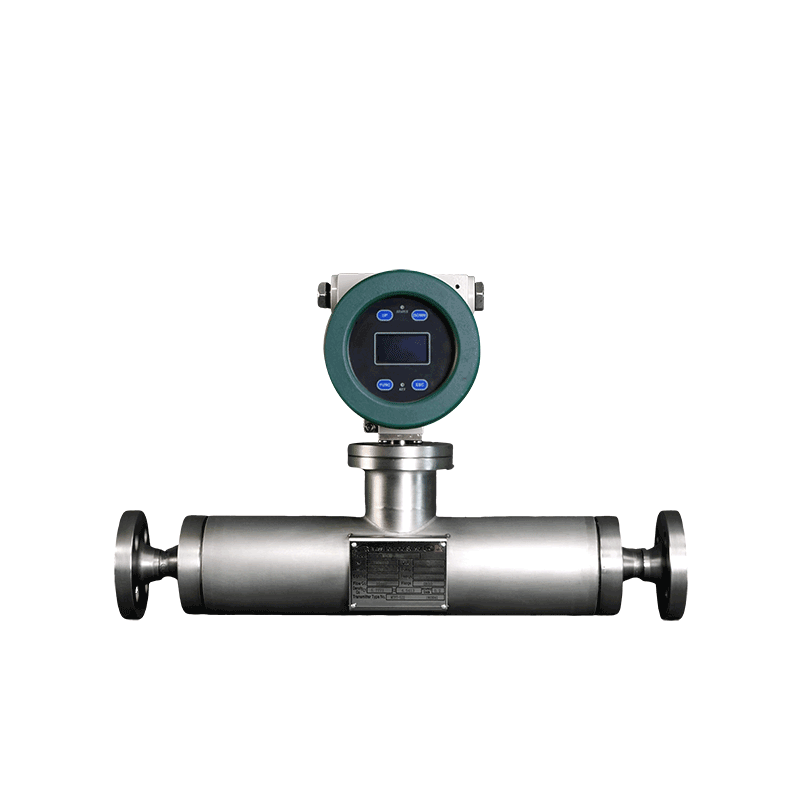
A mass flow controller (MFC) is a device used to measure and control the flow rate of gases or liquids. Its main function is to measure the mass flow rate of the fluid, adjusting the valve opening in real time via a closed-loop control system. This ensures that the flow rate remains at the set value, regardless of external conditions such as temperature and pressure.
Principle of Operation
Thermal mass flow controllers work on the principles of thermal diffusion and thermal equilibrium. They’re made up of a flow sensor, a control valve, an amplification circuit and a control unit. This setup enables direct measurement and control of gas mass flow, independent of temperature or pressure.
The sensor has a heating element (like a platinum wire) and two temperature sensors that are the same. It works in two modes: constant temperature difference and constant power.
When there’s no gas flow, the thermal field around the heating element is symmetrical, and the temperatures of the upstream and downstream sensors are the same, resulting in a temperature difference of zero.
When gas flows through the sensor, the gas flow carries away heat, disrupting the thermal equilibrium and causing a temperature difference (ΔT) between the upstream and downstream sensors that is proportional to the mass flow rate.
In constant temperature difference mode, the circuit adjusts the heating power to maintain a constant temperature difference; the required power is linearly related to the flow rate. In constant temperature difference mode, the circuit adjusts the heating power to maintain a constant temperature difference; the power required is linearly related to the flow rate;
In constant power mode, the heating power is fixed, and changes in the temperature difference directly reflect the flow rate. Both modes adhere to Kim’s Law.
The sensor basically takes the temperature difference or power signal and converts it into an electrical signal. After amplification and processing, the control unit uses a PID algorithm to compare the measured flow rate with the setpoint. This means you can adjust the solenoid valve to deal with pressure changes and other things in the environment. All these parts work together to create a closed-loop control system that can adjust the gas flow rate really precisely and steadily, with a response time of just milliseconds.
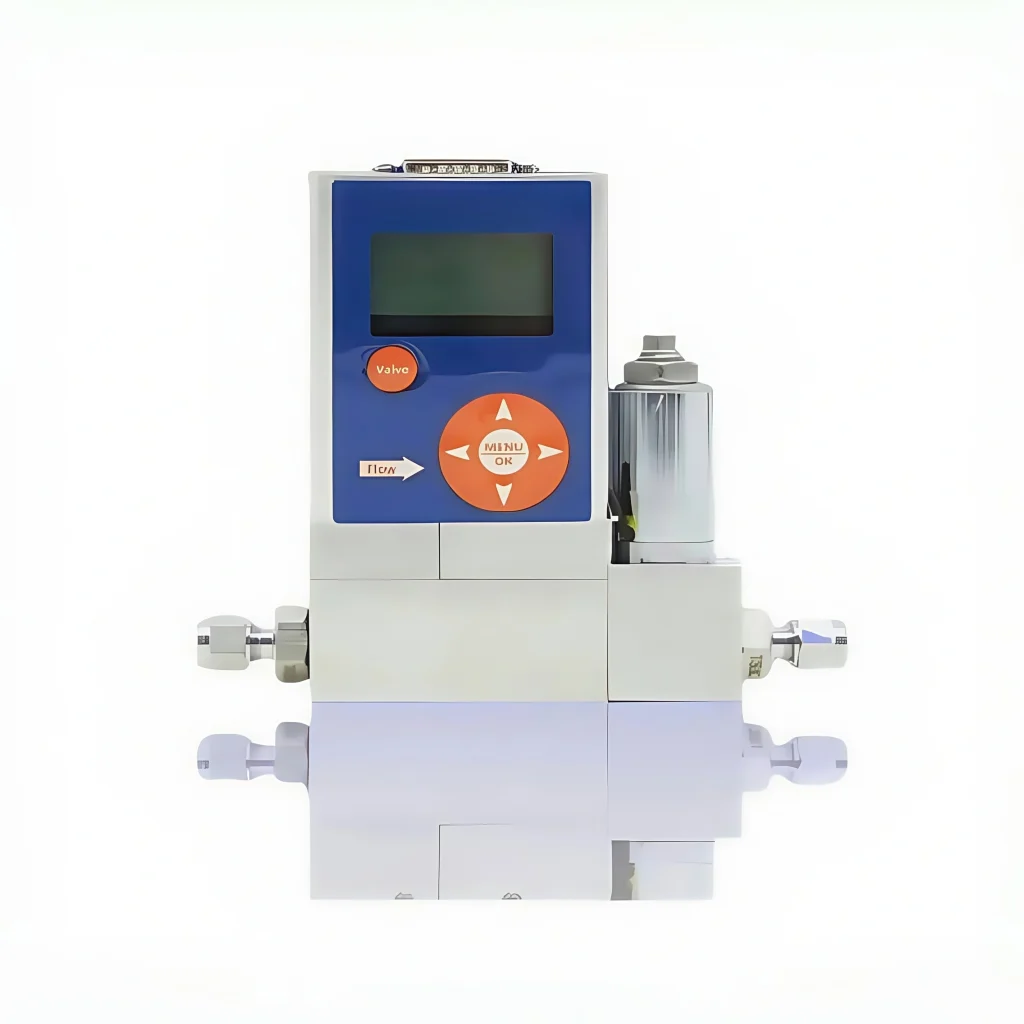
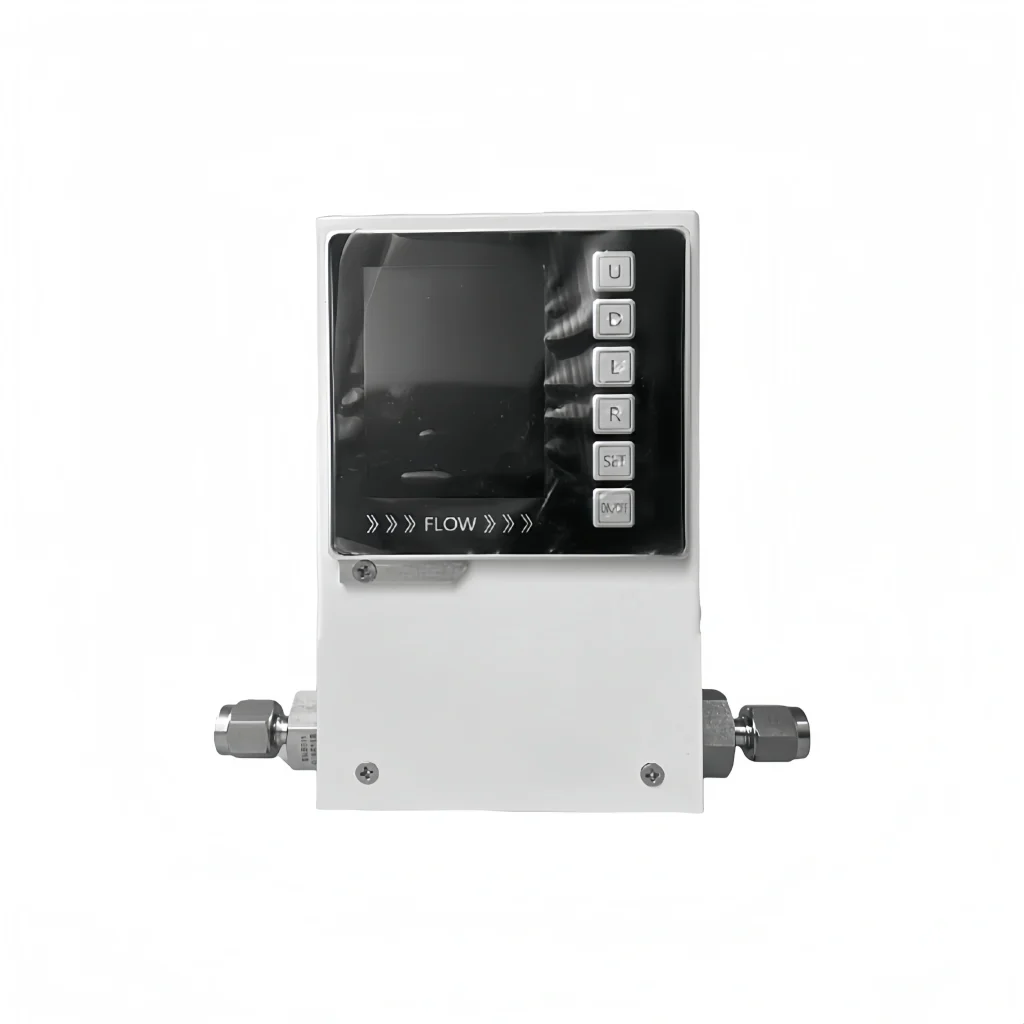
Advantages of Thermal Mass Flow Controllers
1. It measures the amount of gas flowing straight away, so you don’t need to use any extra devices to adjust for temperature or pressure. It won’t be affected by changes in temperature and pressure, so you can trust the measurements. This makes it perfect for complex gas supply environments.
2. It has a wide range of settings and is very good at detecting low gas flow. This makes sure it can control the flow of materials needed for precise processes.
3. With no internal moving parts, the design is simple and compact. It is resistant to wear, jamming and other faults, offers strong vibration resistance, has a low failure rate during long-term operation, and incurs lower maintenance costs.
4. Fast response speed and high control accuracy. Utilising a closed-loop PID control mechanism, it can rapidly match the set flow rate and correct flow deviations in real time, ensuring a constant supply of process gas.
5. It’s perfect for dealing with all sorts of gases, even the ones that are hard to handle, like standard inert gases, corrosive gases and gas mixtures. Its versatility means it can be used for a wide range of industrial applications, including in the semiconductor, chemical and new energy industries, as well as in laboratories.
6. It’s got low pressure drop, but not much impact on the overall gas supply system pressure. Pipeline load isn’t increased by it, which makes it perfect for special operating conditions such as low-pressure gas supply and precision vacuum applications.
7. It’s got automated intelligent control, and it supports various signal interfaces, including analogue signals and digital communication. It also makes it easy to integrate with automated control systems, so you can adjust and monitor it remotely.
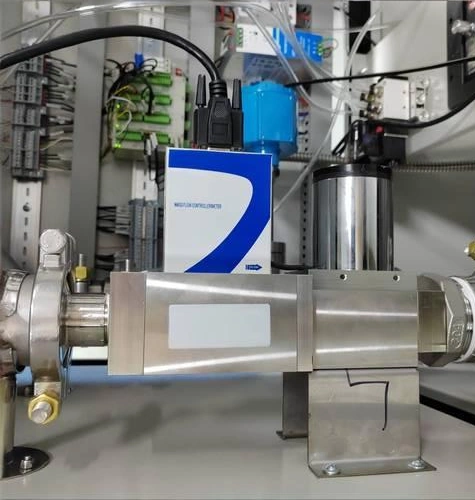
Differences between Thermal Mass Flow Meters and Thermal Mass Flow Controllers
Differences in Core Functions
A thermal mass flow meter’s main job is to measure and show how much of a gas is flowing, and how fast it is flowing, in real time. It is only responsible for monitoring and displaying data about the flow rate, and cannot actively control it.
Based on this exact measurement of flow, a thermal mass flow controller has a control valve and a regulation module. This makes sure that the gas flowing through the pipeline always stays the same, and that the output is always the same too.
Differences in Structural Configuration
Thermal mass flow meters are pretty simple devices. They’re made up of a temperature sensor, a flow sensing chip, and a signal processing circuit board. They don’t include a flow control valve body or a drive actuator.
By contrast, thermal mass flow controllers comprise additional components such as a solenoid proportional valve, a control drive unit and feedback regulation components. These additional components make them integrated devices that combine measurement and control functions, resulting in a more complex structure.
Differences in Operating Modes
Thermal mass flow meters work on the principle of passive collection, taking flow signals and converting them into digital or analogue signals for transmission. They rely on downstream equipment to record data, and adjust pipeline flow manually via upstream valves.
Thermal mass flow controllers support the setting of target flow values. The device constantly compares the measured flow rate with the set point and automatically adjusts the valve opening to compensate for changes caused by pressure and temperature fluctuations. This ensures that the flow rate remains consistent.
Differences in Control and Output Capabilities
Thermal mass flow meters are limited to outputting flow data, such as pulse, 4–20 mA, or RS485 signals, and do not feature parameter setting or the ability to receive control commands.
Thermal mass flow controllers can receive external control signals or have parameters set locally. This enables remote configuration, range adjustment and start/stop control, as well as the output of flow monitoring data for integration with automated control systems.
Different Application Focuses
Thermal mass flow meters are primarily used in standard operating conditions for applications that only require measurement, such as recording gas consumption statistics, monitoring pipeline flow, logging process data, and detecting exhaust gases.
Thermal mass flow controllers are widely used in high-precision process scenarios requiring precise flow control, mixing ratios, and constant micro-flow supply, such as precision experiments, semiconductor manufacturing, chemical mixing, welding shielding gas, and instrumentation gas supply.
Differences in Accuracy and Operating Costs
For the same specifications, thermal mass flow meters prioritise measurement accuracy to meet standard industrial measurement requirements; they are low-cost, simple to maintain and have a low failure rate.
Thermal mass flow controllers incorporate precision control valve bodies and closed-loop algorithms, offering higher control accuracy and flow stability; however, they have a higher purchase cost, the valve bodies are subject to wear and tear, and subsequent maintenance and calibration costs are relatively higher.
Installation and operational requirements differ
Thermal mass flow meters require only that the pipeline meet straight pipe section requirements; installation and commissioning are straightforward, and they are ready for immediate use.
Thermal mass flow controllers have stricter requirements regarding installation orientation, pressure stability in upstream and downstream pipelines, and power supply stability. Initial use requires parameter calibration and zero-point calibration, and involves more steps for adaptability commissioning.
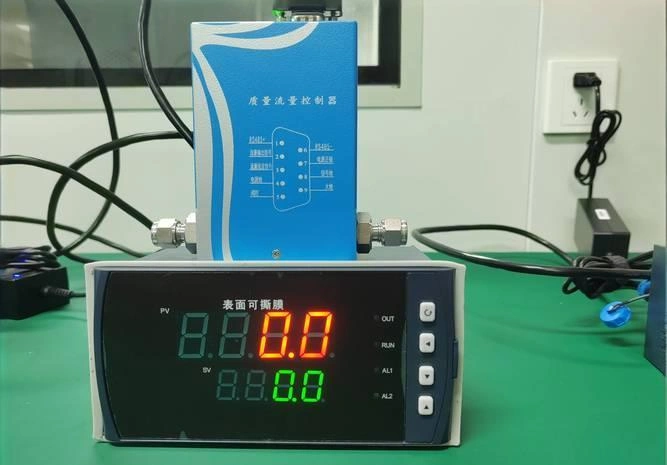
Practical Applications
1. Semiconductor and Electronics Industries: We can control high-purity and specialised process gases very precisely. This makes sure that processes like etching and adding layers of material are done correctly and efficiently.
2. New Energy Industries: This is used in lithium-ion batteries, solar panels and hydrogen energy production. It controls the flow of gases, process gases, hydrogen and air. This makes sure each production stage meets its needs.
3. Chemical Industry: It is suitable for various process gases and enables quantitative gas delivery and mixing during reactions. It also stabilises reaction conditions and enhances product purity.
4. Environmental Monitoring:It controls the flow of calibration and dilution gases to ensure accurate online exhaust gas monitoring data, helping to ensure emissions remain within legal limits.
5. Laboratories and Research:It provides high-precision gas flow control for various pieces of precision experimental and analytical equipment, and it supports mixing multiple gases.
6. Metallurgy and Heat Treatment:The process involves controlling the flow of shielding gases. This prevents the oxidation and decarburisation of metal workpieces. This improves the material’s properties.
7. Medical Devices and Pharmaceuticals:We ensure that medical and production gases are properly controlled to meet industry standards for cleanliness and stability.
8. Food Packaging:Controlling the flow of nitrogen, carbon dioxide and other gases helps to keep food fresh for longer. This is done by using gas to clean the food or by removing the air from the food.
FAQ
What is the difference between mass flow and volumetric flow?
With volumetric flow, the amount of fluid is what’s important. Gases can be compressed, so changes in temperature and pressure affect the gas’s volume.
Even small changes in how it is used can cause big differences in the readings, which can make the measurements unreliable. This method is only suitable for standard operating conditions where temperature and pressure remain constant and high precision is not required.
Mass flow measures the actual mass of the fluid and is unaffected by compressibility. It can resist changes in temperature, pressure and altitude, so you can trust the measurements it gives you.
It is used a lot in places that need to control the flow of gas very precisely, like in industry, for making gas mixtures, in labs, in the semiconductor industry and in chemical processes.
Are flow controllers only suitable for gases?
Not exclusively. The most common thermal mass flow controllers on the market are primarily designed for various standard clean gases such as air, nitrogen, oxygen and argon; In addition, manufacturers offer specialised customised equipment, including mass flow controllers designed specifically for liquids and steam.
Furthermore, for acids, alkalis, corrosive, flammable and explosive, and high-purity special media, dedicated models featuring corrosion-resistant materials, special seals and explosion-proof structures are available to meet the measurement and control requirements of complex media across multiple industries.
Are there any directional requirements for installing flow controllers?
Flow controllers have strict installation directional requirements. The device body is marked with a clear arrow indicating the direction of medium flow, distinguishing between the inlet and outlet.
During installation, piping and wiring must strictly follow the direction indicated by the arrow. Reverse installation is strictly prohibited. If installed incorrectly, this will directly result in inaccurate flow measurement, data drift and control failure, and will also affect the normal operation of internal sensors and control valves.
Long-term use may lead to component jamming, ageing or even permanent damage, seriously affecting process stability and equipment service life.
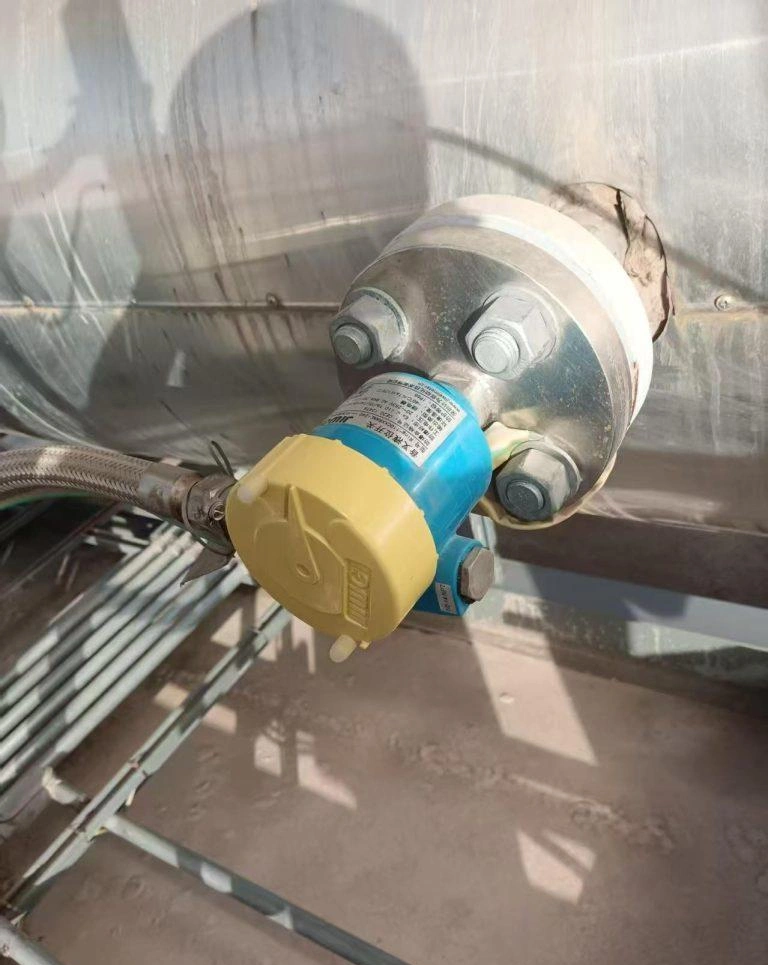
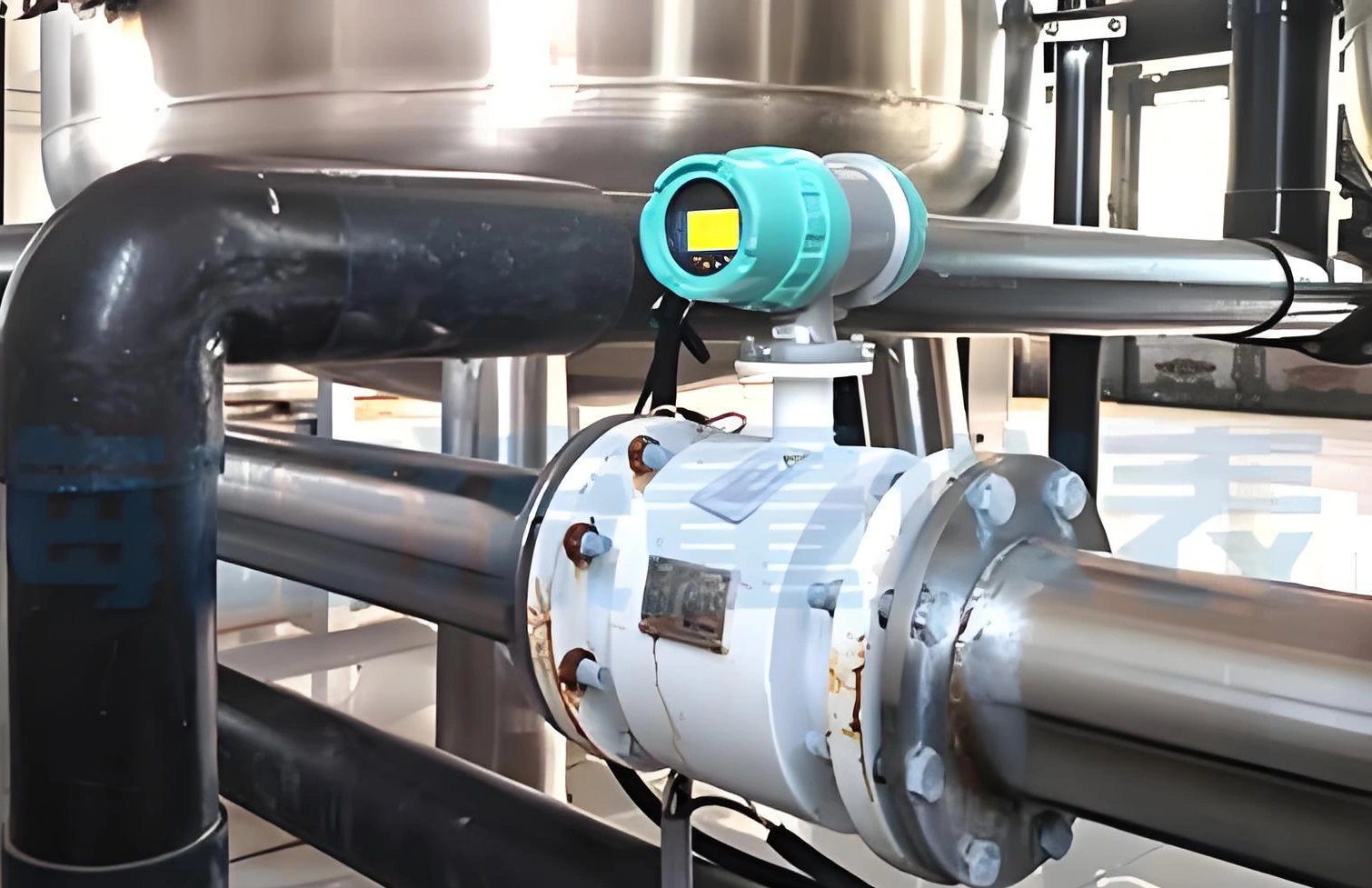
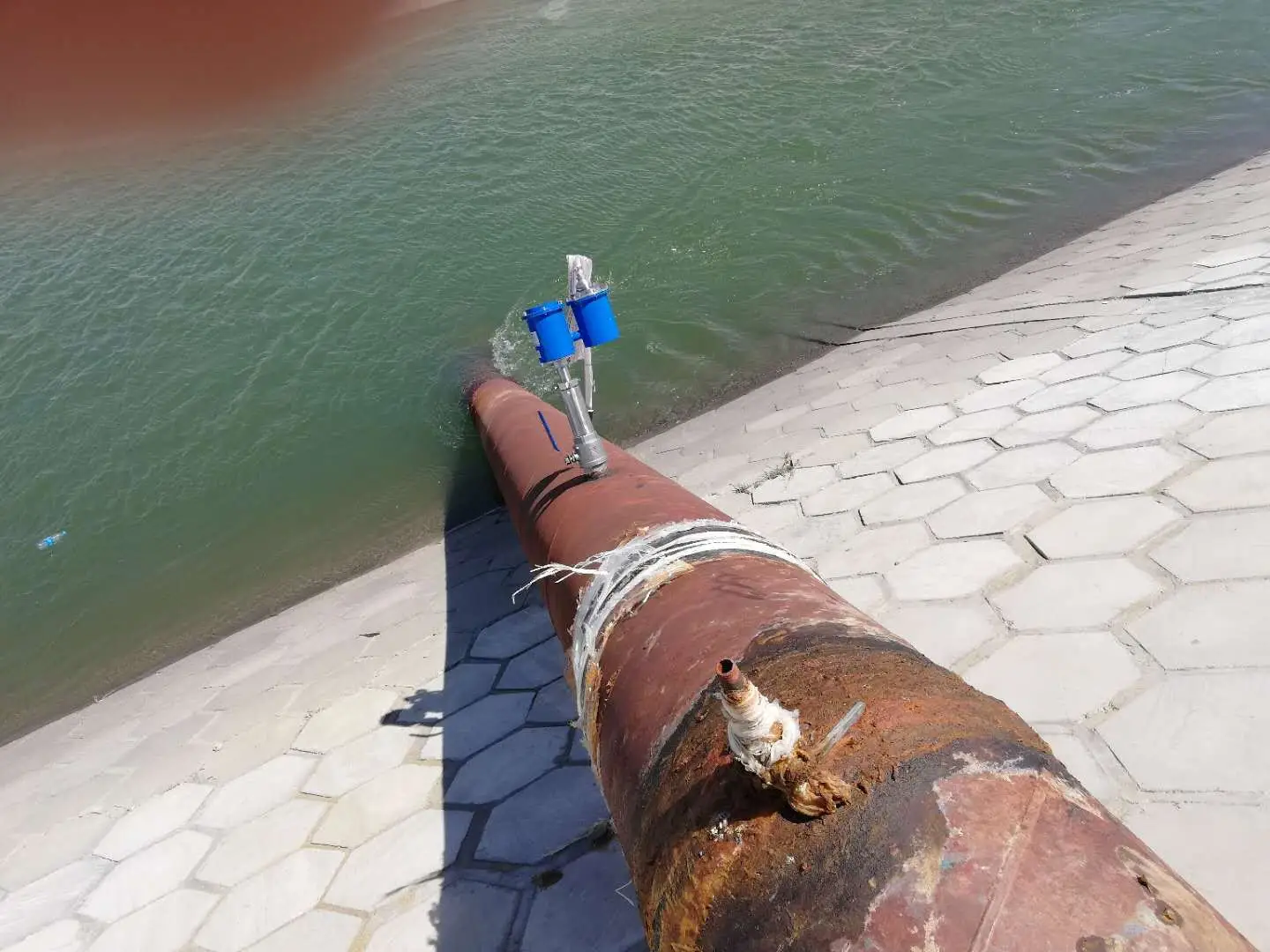
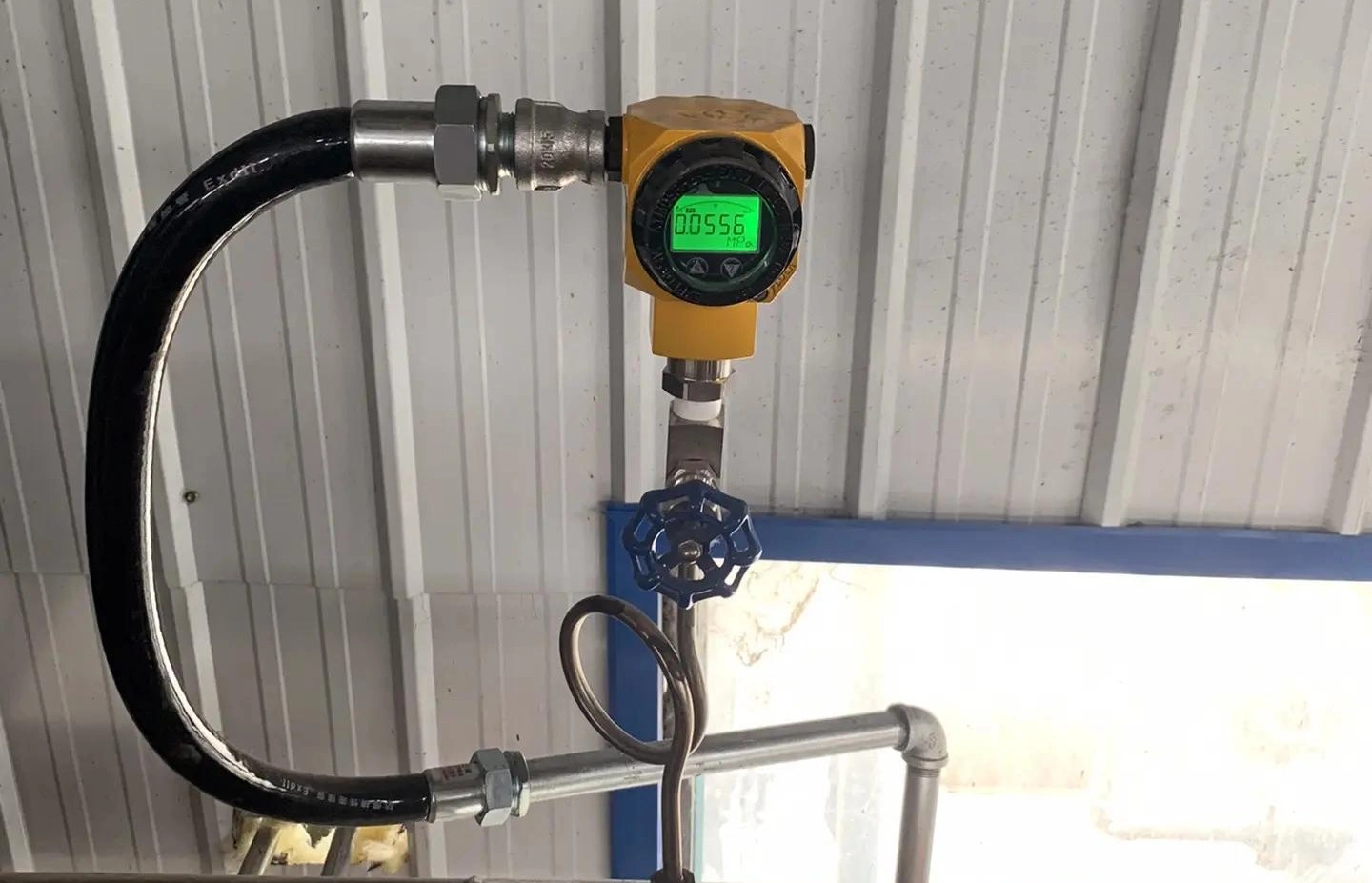
Sino-Inst has specialised in the field of flow measurement and control for many years. In addition to our full range of thermal mass flow controllers, we also provide customers with a comprehensive range of industrial measurement and control products, including vortex flow meters, electromagnetic flow meters, Coriolis mass flow meters, differential pressure flow meters, radar level transmitters, and pressure/temperature transmitters.
Leveraging our mature technical expertise and extensive industry experience, we provide one-stop measurement solutions tailored to different media, complex operating conditions and automation integration requirements, helping industries achieve precise measurement and control of production processes, as well as efficient and stable operation.