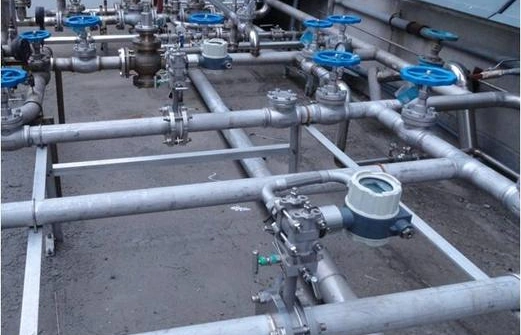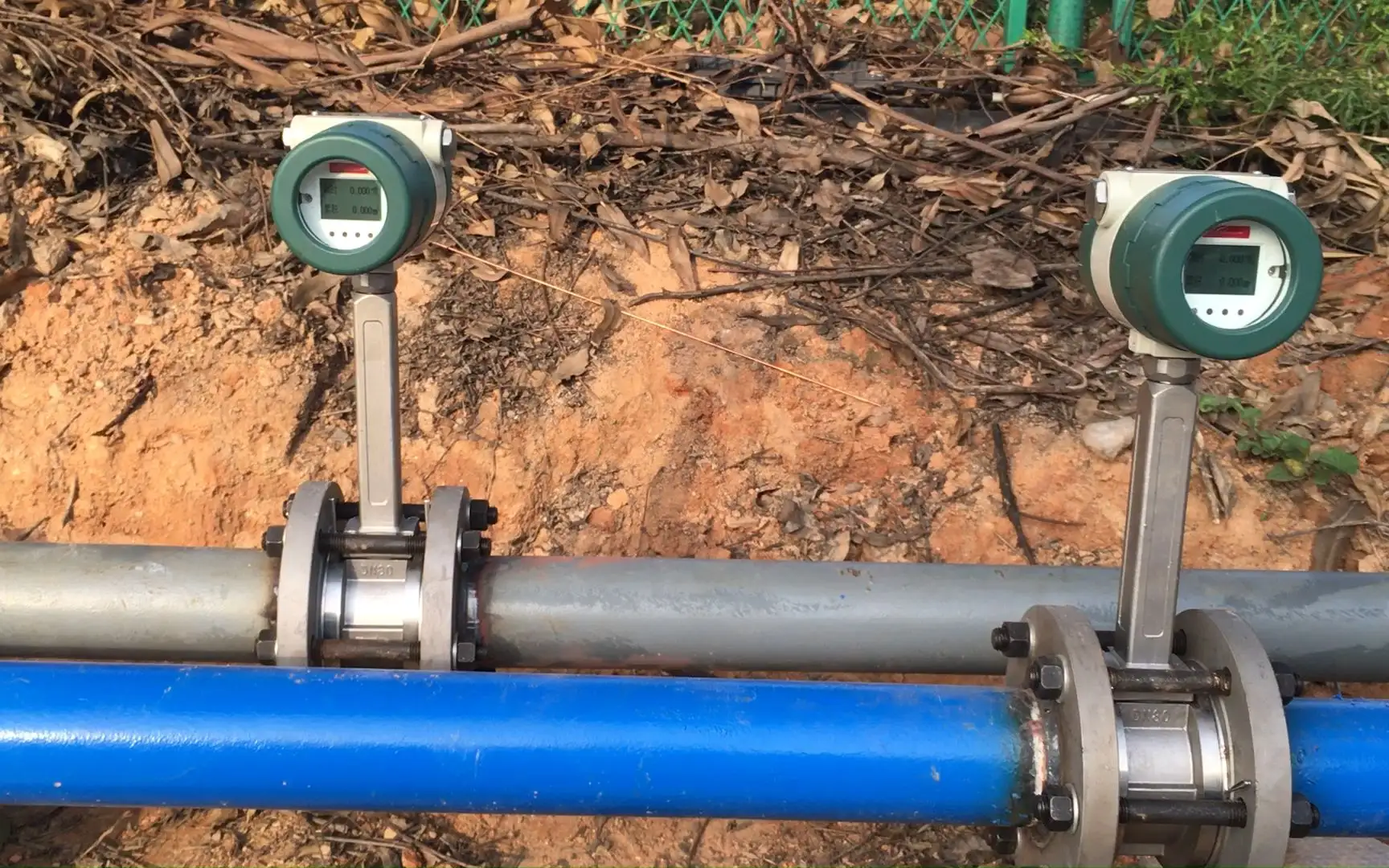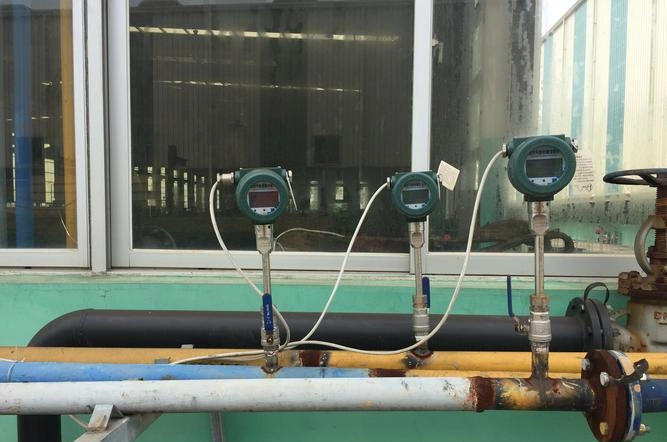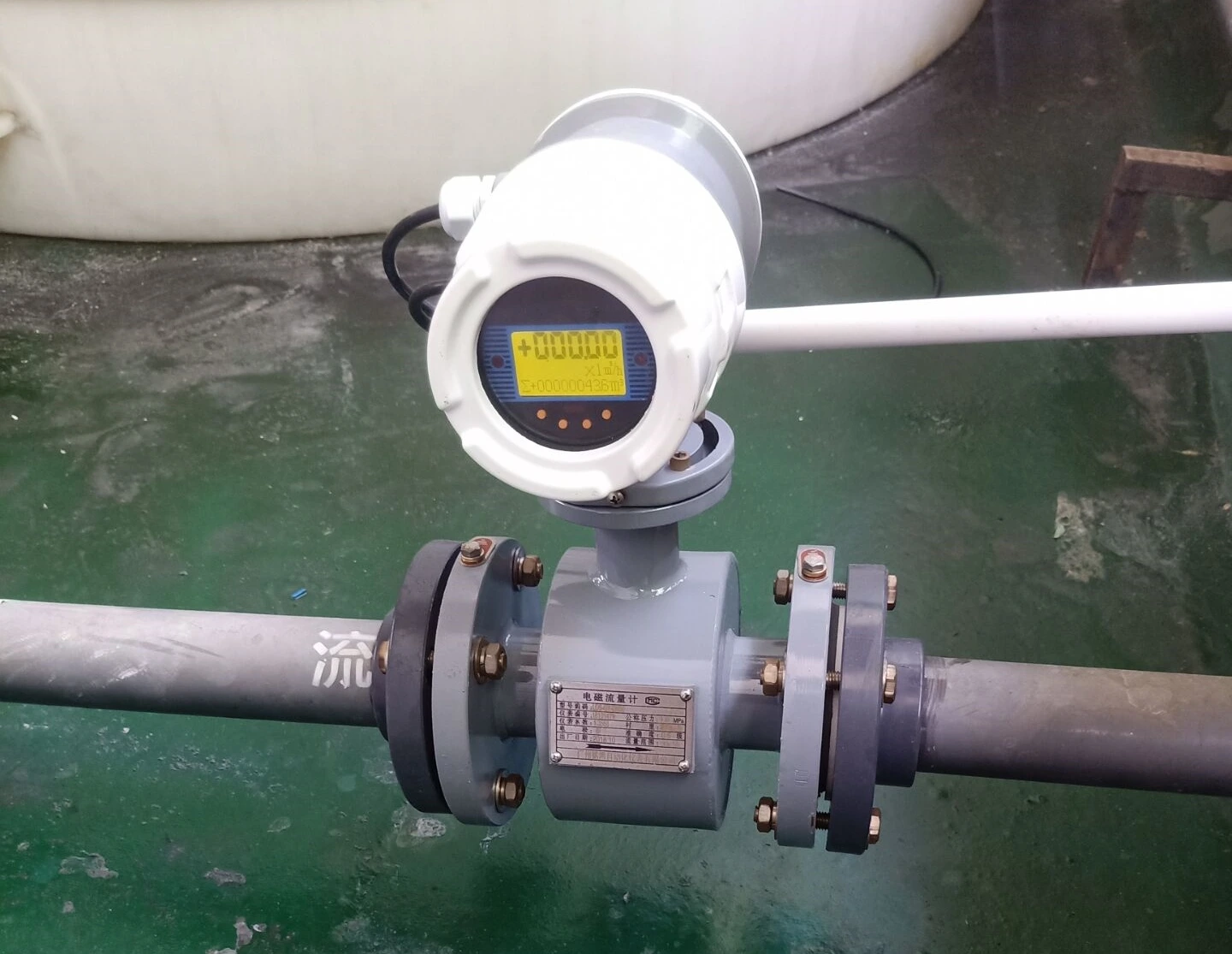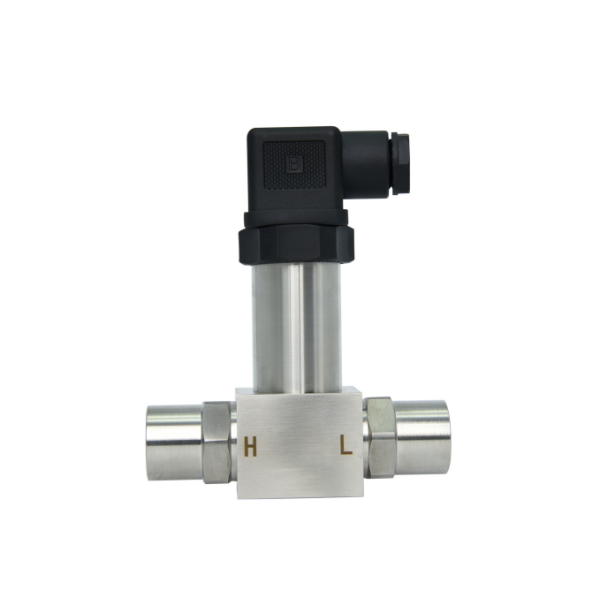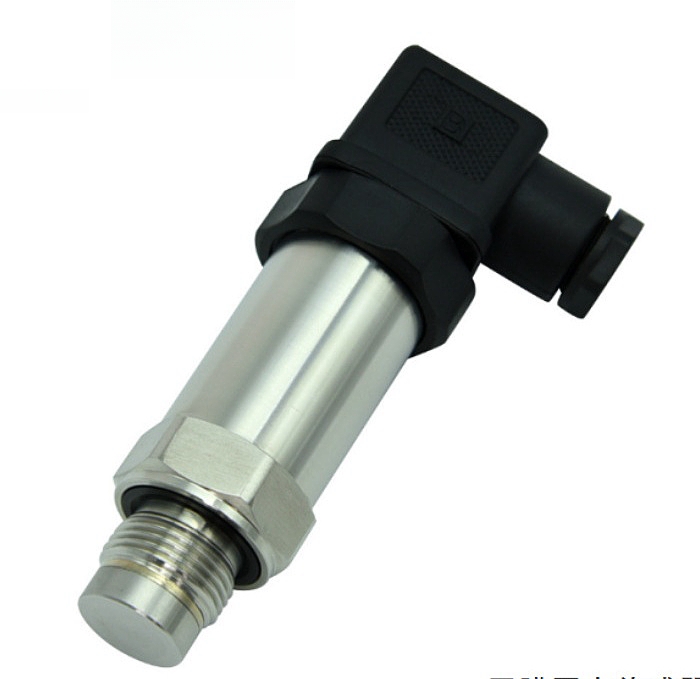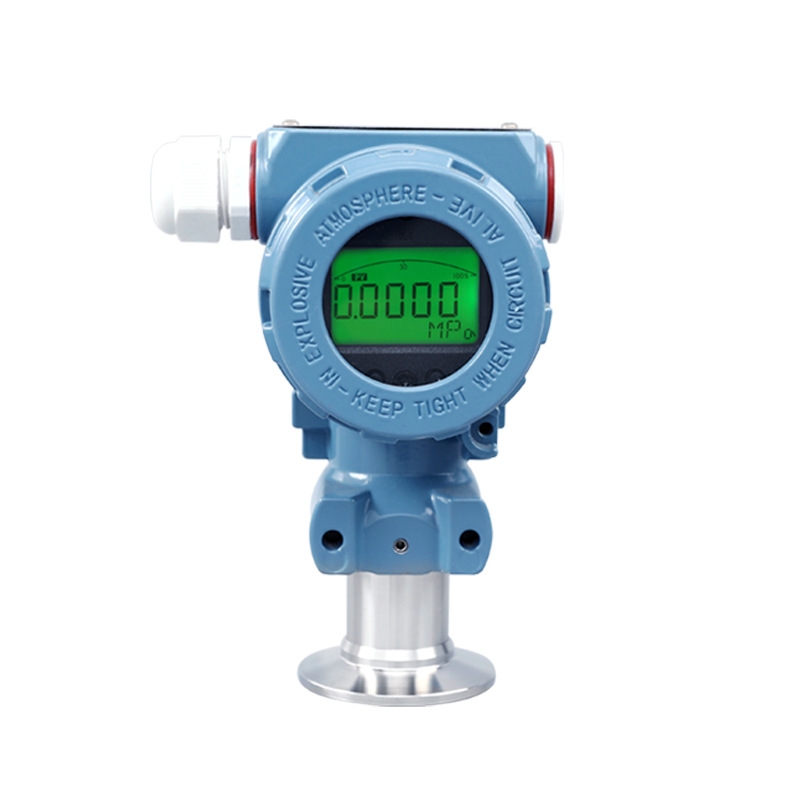
Measuring differential pressure is a key technology in process control, environmental monitoring and precision instrumentation. How accurate, stable and adaptable it is has a big impact on how reliable the system is and how accurate the data acquisition.
As the core components responsible for converting and outputting differential pressure signals, differential pressure transmitters have evolved into a diverse product range based on different measurement principles, structural designs and operational requirements.
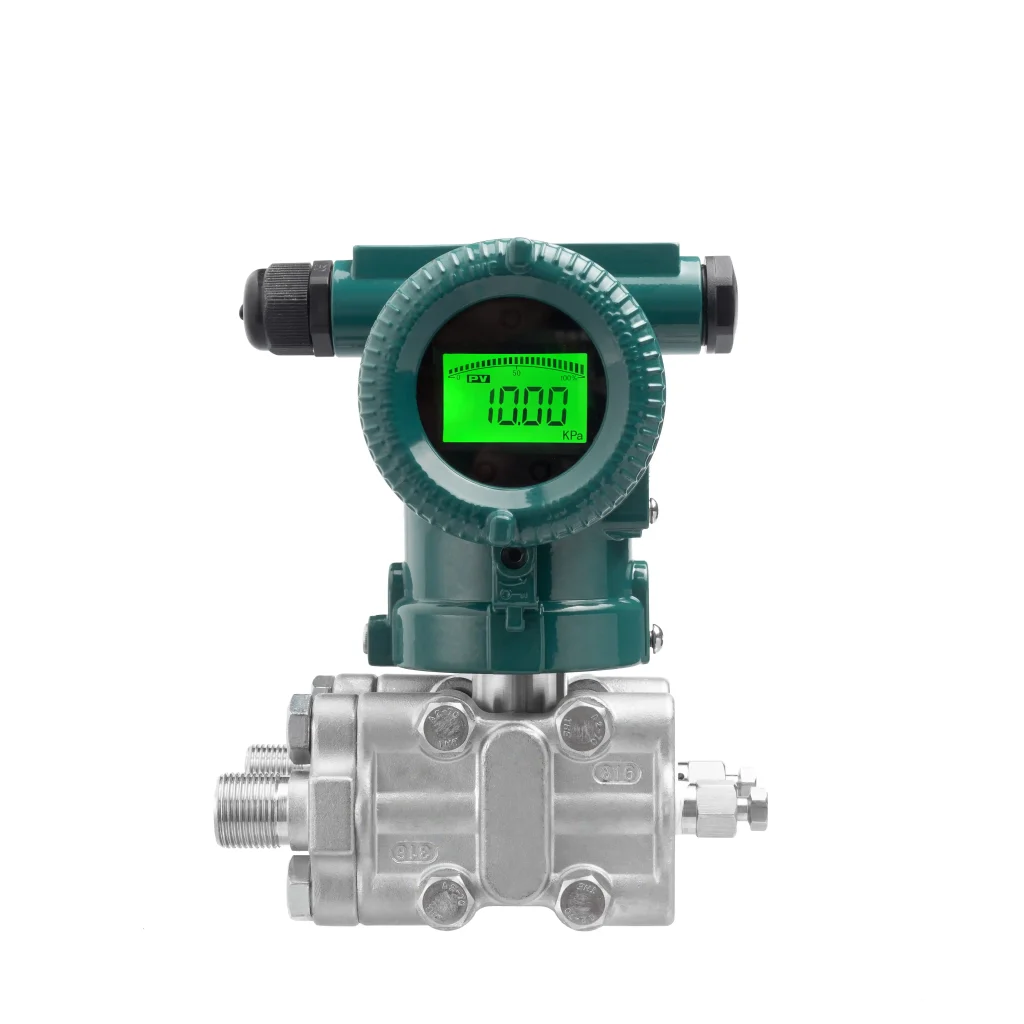
Structure of Differential Pressure Transmitters
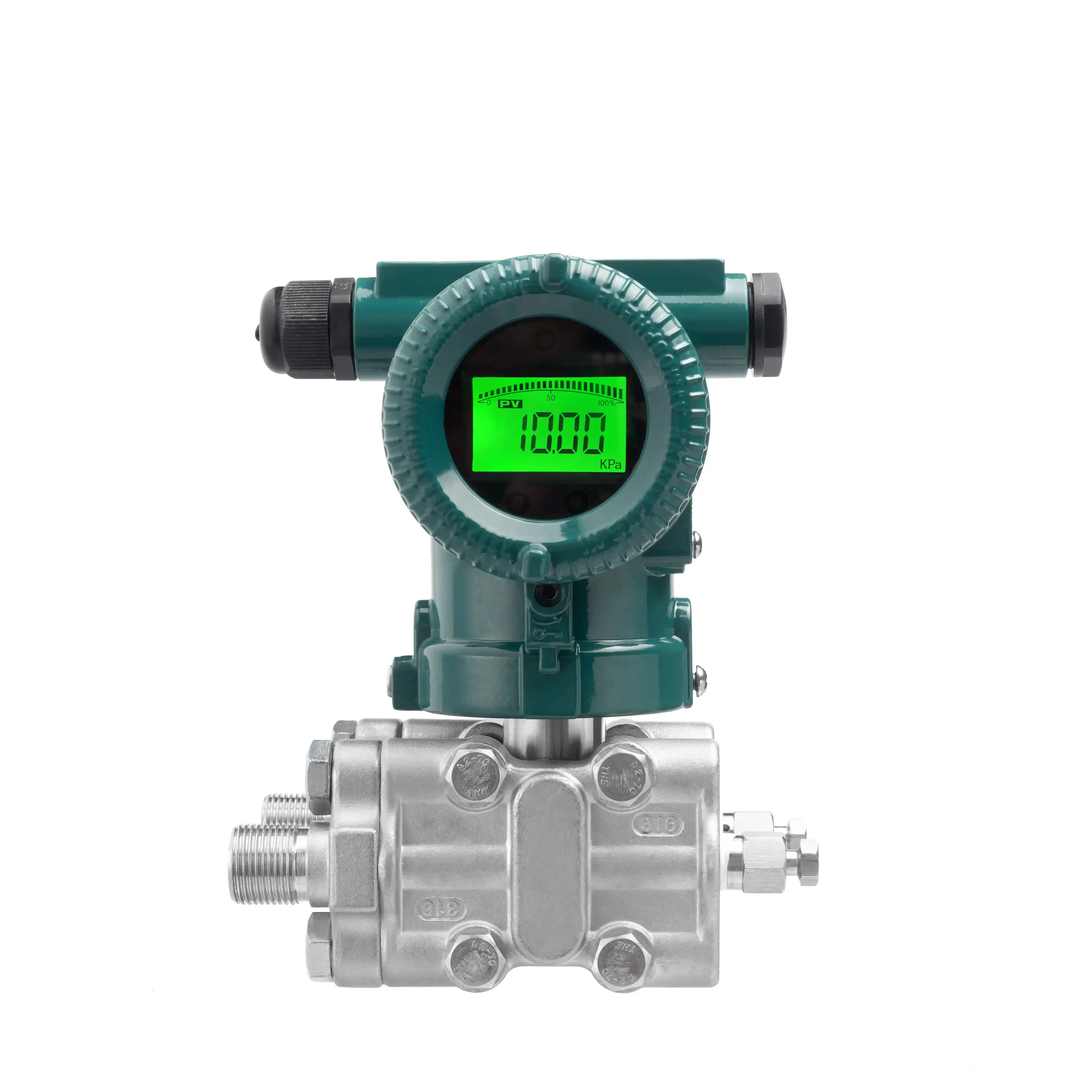
Sensing Element: This is usually an elastic part, like a diaphragm or bellows, that can sense changes in pressure in the measured liquid or gas and change them into movements.
Measurement Circuit: Essentially, it converts the mechanical movement of the sensing element into an electrical signal. There are several common methods of converting resistance, such as strain gauges and capacitive and inductive types.
Signal Processing Unit: Amplifies, filters and linearises the electrical signal output from the measurement circuit to obtain an accurate and stable differential pressure value.
Display and Communication Interfaces: These provide an intuitive display and standard communication protocols (such as HART and Modbus), facilitating data retrieval and remote monitoring for users.
How Differential Pressure Transmitters Work
The operating principle of a differential pressure transmitter primarily involves two key parameters: pressure differential and the sensing element. When a liquid flows through a pipe or other apparatus, a pressure differential is generated. This is the difference in pressure between two measurement points. The sensor converts this pressure difference into an electrical signal, which lets you monitor and control the fluid’s condition.
High-pressure side input: The high-pressure end of the medium being measured should be connected to the high-pressure input port of the differential pressure transmitter.
The low-pressure side input: The end of the medium being measured that is under low pressure is connected to the low-pressure side input port of the differential pressure transmitter.
Deformation of the sensing element: When there is a pressure difference between the high-pressure side and the low-pressure side, the sensing element undergoes corresponding deformation.
Electrical Signal Output: The sensing element changes shape, which alters the values of certain parameters (like resistance, capacitance or inductance) in the measurement circuit. This then generates an electrical signal proportional to the measured differential pressure.
Signal Processing and Output: The signal processing unit uses the electrical signal from the measurement circuit to get an accurate and stable pressure value. This is then shown to the user on a display and via communication interfaces.
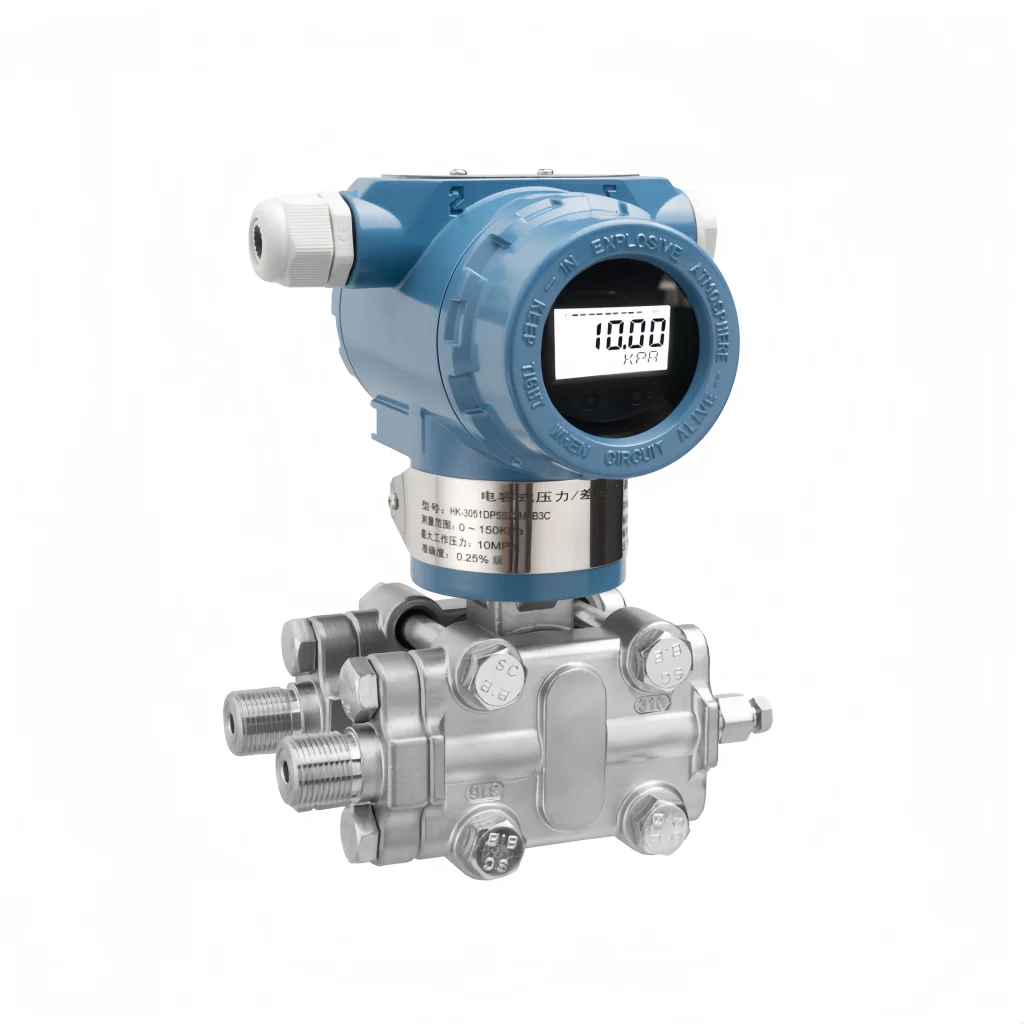
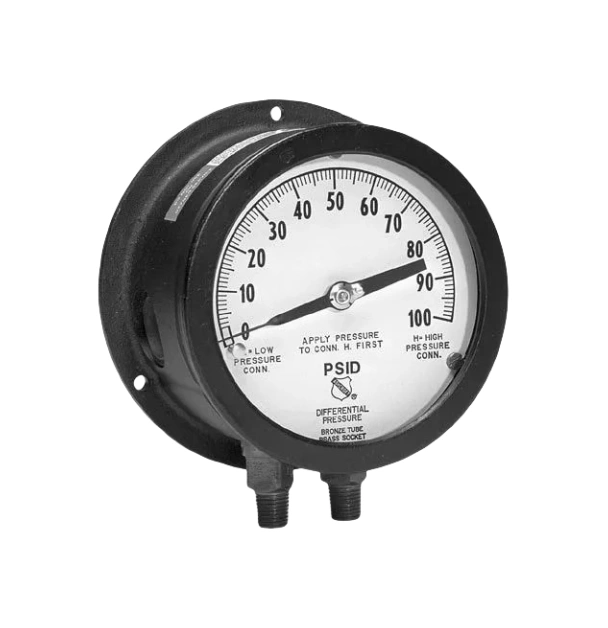
Types of Differential Pressure Transmitters
Classification by Operating Principle
Based on differences in their core operating principles, the differential pressure transmitters commonly used in industry can be precisely categorised into four main types: capacitive differential pressure transmitters, resistive differential pressure transmitters, strain-gauge differential pressure transmitters and resonant (monocrystalline silicon) differential pressure transmitters.
Capacitive Differential Pressure Transmitters
Capacitive differential pressure transmitters utilise a precision capacitive sensing assembly as their core detection unit. When the medium pressure on the high- and low-pressure sides acts upon the isolation diaphragm, the internal pressure-sensing diaphragm undergoes a minute elastic deformation, causing a linear change in the capacitance difference between the two electrodes; a dedicated signal conditioning circuit then converts this minute capacitance variation into a standard electrical signal output.
Capacitive differential pressure transmitters are excellent because they are highly accurate, exhibit minimal drift at low temperatures, respond quickly, and are resistant to environmental interference. They are ideal for measuring tiny differences in pressure and for obtaining highly accurate readings of liquid levels and flow rates.
You’ll find them in all sorts of high-end measurement and control applications, like thermal power generation, fine chemicals, and oil and gas storage and transportation, where having really precise measurements is crucial.
Resistive Differential Pressure Transmitter
Resistive differential pressure transmitters utilise the principle of piezoresistive resistance changes to detect differential pressure. They incorporate sensitive resistive sensing elements internally; the pressure difference of the medium causes the pressure-sensing structure to deform, thereby altering the resistance parameters of the circuit.
A bridge conversion module then amplifies the signal and converts it for output. They’re simple to put together, easy to maintain and cheap to run. They’re also easy to operate and set up.
Due to the hardware limitations of the sensing principle, the measurement linearity and precision of resistive differential pressure transmitters are relatively limited. They are primarily used in basic industrial applications with moderate measurement accuracy requirements and standard operating conditions, such as HVAC, general water supply and drainage, and general mechanical equipment monitoring.
Strain-Gauge Differential Pressure Transmitter
Strain-gauge differential pressure transmitters utilise a metal strain gauge as the core sensing element, with high-precision strain gauges tightly bonded to the surface of an elastic pressure-sensing substrate.
When a pressure differential is formed between the two sides, the elastic substrate undergoes a regular deformation in response to the pressure difference, simultaneously causing the strain gauges to experience tensile or compressive strain.
This, in turn, triggers a corresponding change in resistance, which is ultimately converted into a standardised industrial signal for transmission according to a predetermined ratio.Strain-gauge differential pressure transmitters feature a robust mechanical structure and excellent resistance to vibration and shock.
They exhibit minimal zero-point drift during long-term operation, offering outstanding long-term stability and wear resistance. Suitable for complex operating conditions involving high temperatures, severe vibration and continuous, uninterrupted operation, they are commonly used in metallurgy, boiler condition monitoring and heavy-duty industrial fluid differential pressure measurement and control applications.
Resonant (Monocrystalline Silicon) Differential Pressure Transmitter
Resonant (monocrystalline silicon) differential pressure transmitters utilise MEMS precision technology, with a monocrystalline silicon resonant beam as the core sensing element. When a pressure differential is formed between the high- and low-pressure sides, the internal tension of the resonant beam changes, causing a linear shift in its natural resonance frequency; the built-in data acquisition and calculation unit, combined with temperature and static pressure compensation algorithms, accurately converts this into a standardised differential pressure value.
These products utilise frequency signal transmission, offering strong resistance to interference, extremely low temperature drift, excellent long-term stability and high measurement resolution. Thanks to their ultra-high precision and reliable performance, they are primarily used in high-standard industrial measurement and control applications such as oil and gas trade settlement, high-end flow metering and precision chemical process control.
Classified by Measurement Conditions and Functions
Micro-differential Pressure Transmitter
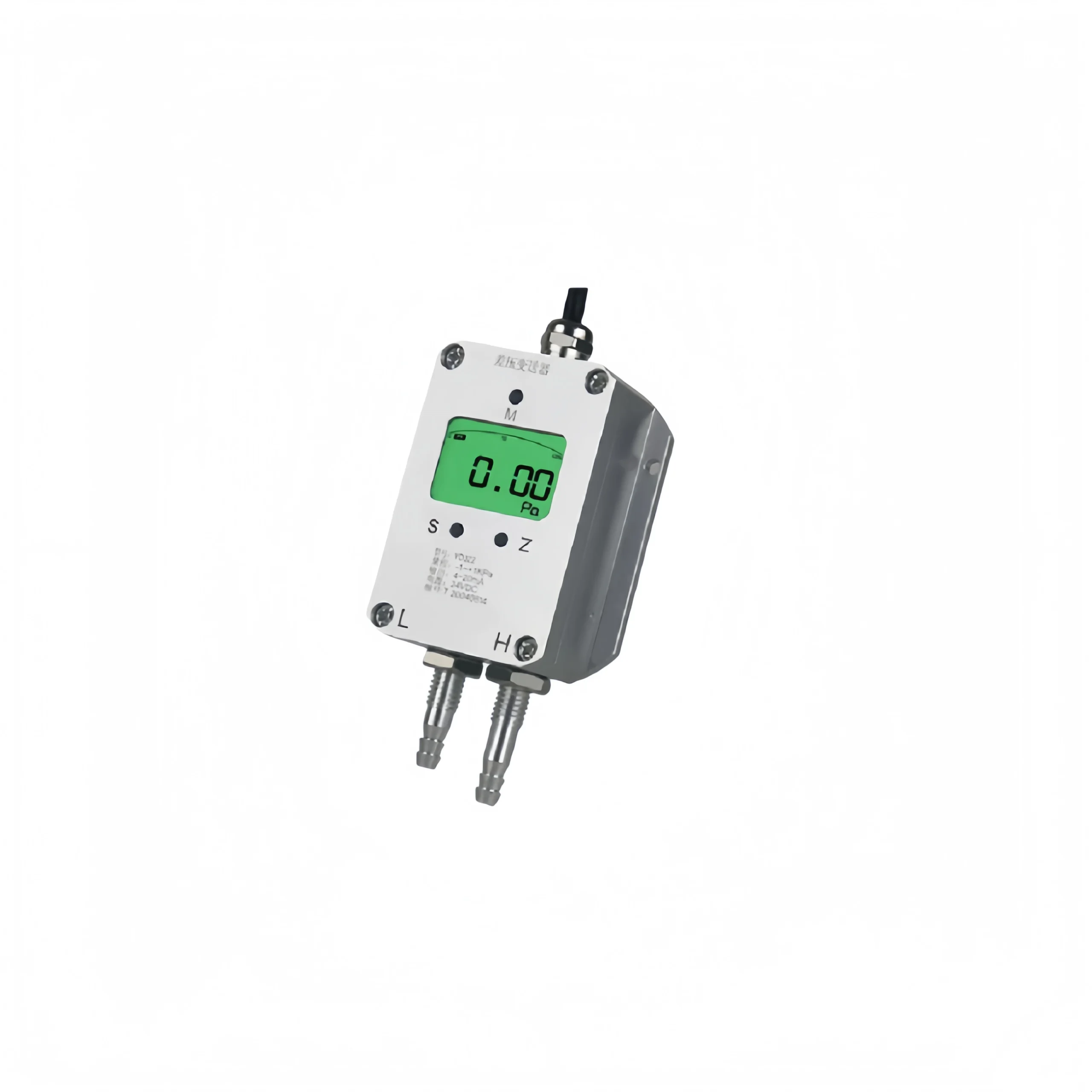
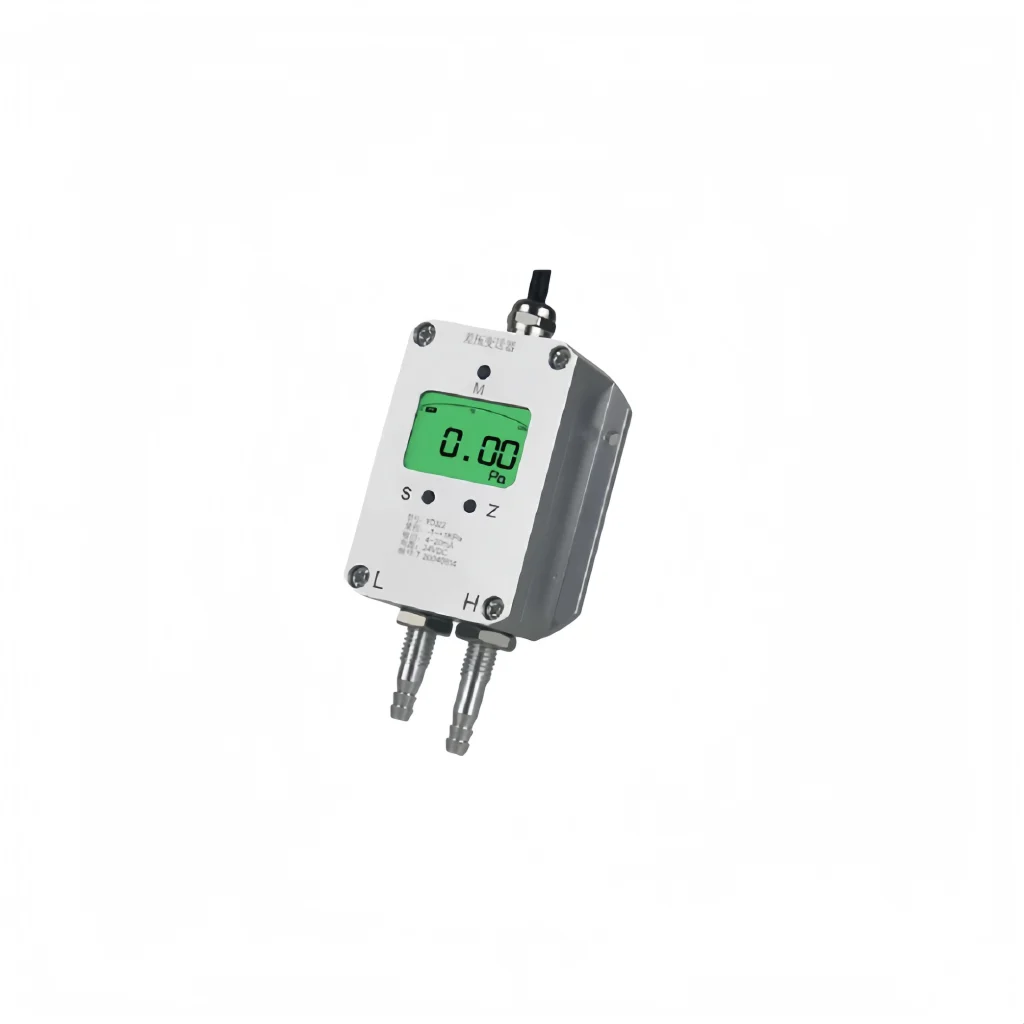
The micro-differential pressure transmitter has been developed for applications involving extremely low measurement ranges and minute pressure differentials. It’s super sensitive, so it can spot the tiniest changes in pressure, even ones as small as one pascal (Pa).
The device has a high-precision pressure-sensing diaphragm and a low-drift signal conditioning module, which effectively stops interference from changes in air pressure and temperature.
They’re mostly used in situations like monitoring pressure differentials in HVAC air systems, controlling air pressure for ventilation in cleanrooms, stabilising pressure differentials in pharmaceutical and electronic cleanrooms, measuring and controlling negative pressure in boiler furnaces, sampling flue air pressure, and issuing early warnings for filter clogging. They’re used as core sensing equipment for precision safety monitoring and environmental condition regulation in low-differential-pressure applications.
Explosion-proof Differential Pressure Transmitter
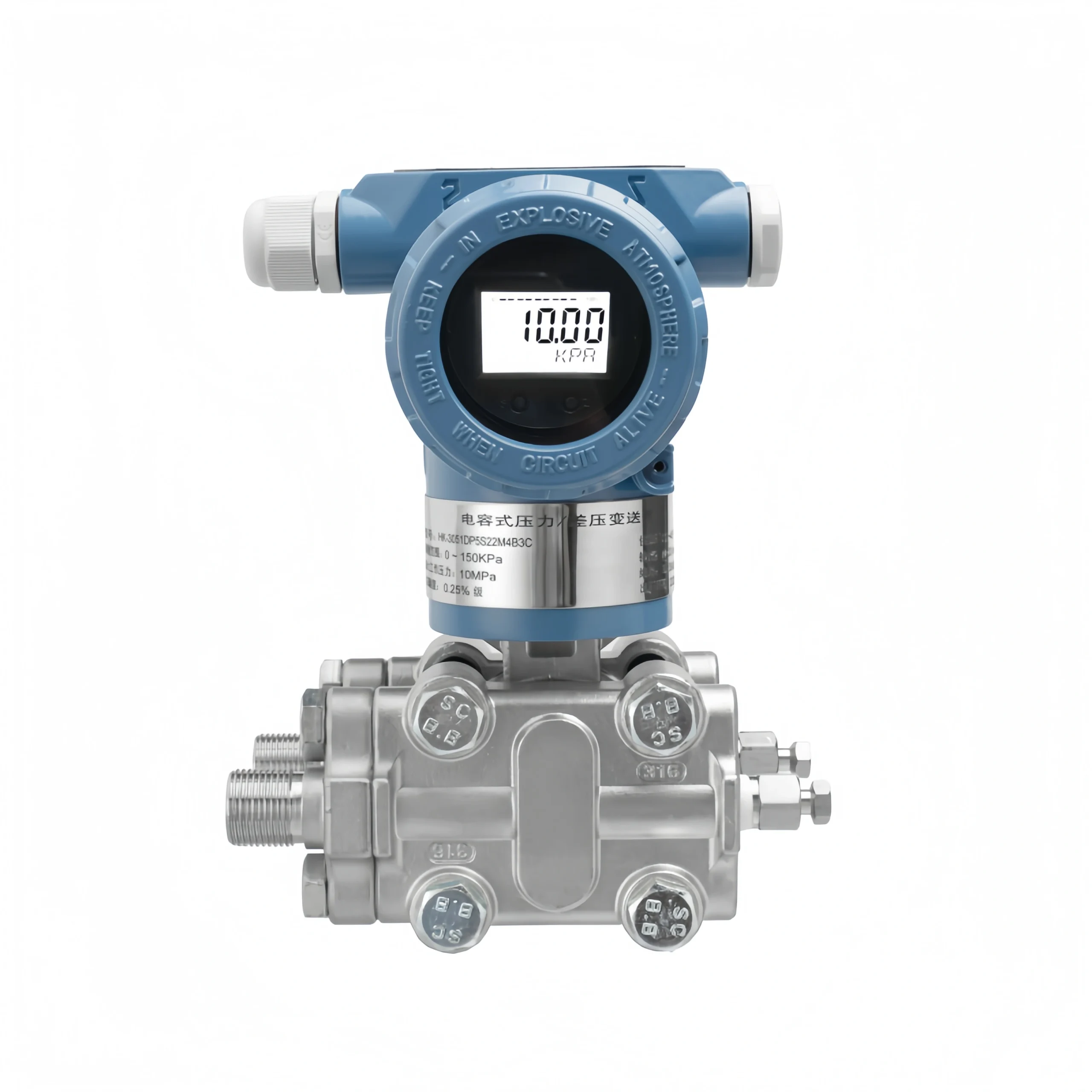
The explosion-proof differential pressure transmitter features a flameproof and intrinsically safe sealed explosion-proof design. The enclosure meets the required protection rating, and the internal circuitry is encapsulated with explosion-proof isolation, strictly complying with relevant Ex explosion-proof industry standards.
The product prevents internal electrical sparks or high-temperature heat sources from igniting surrounding flammable and explosive gas or dust mixtures, and possesses structural characteristics of corrosion resistance, impermeability and highsealing performance.
Widely suitable for high-risk explosion-hazard environments such as petrochemicals, oil and gas extraction, storage and transportation, coal chemical processing, dust-generating workshops, and hazardous materials storage areas, these transmitters can reliably perform long-term online monitoring of differential pressure, level and flow in flammable and explosive media and complex hazardous conditions.
Smart Differential Pressure Transmitter
The intelligent differential pressure transmitter integrates high-end microprocessor chips and digital signal processing units, featuring built-in high-precision multi-point temperature compensation algorithms and self-calibration programmes for zero point and span. It automatically corrects measurement errors caused by temperature drift and static pressure drift.
It supports industrial standard communication protocols like HART and Modbus, and offers remote parameter adjustment, zero point migration, span modification, fault self-diagnosis, real-time data upload and operational status traceability.
It works really well with popular automation control systems like DCS and PLC, so you can operate and maintain it remotely, and monitor and analyse data in real time. It’s used a lot in high-end measurement and control scenarios where you need to be precise and digital, like in big production lines, smart chemical plants, power and energy, and city pipeline networks.
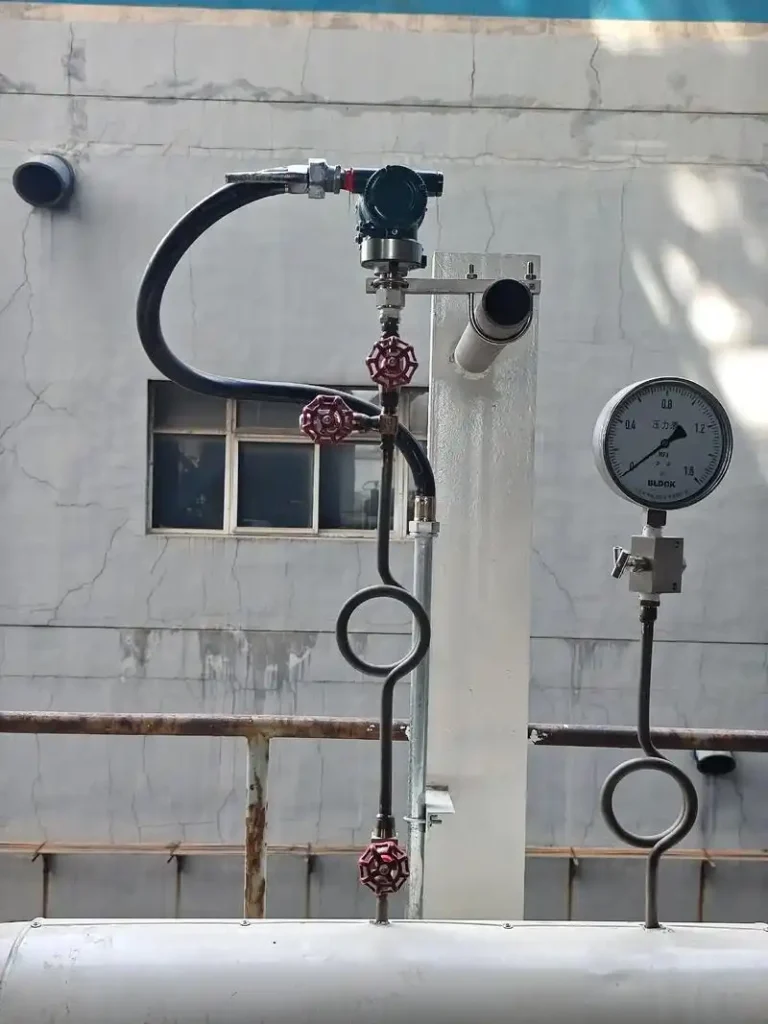
Classification by Installation Method
In industrial automation, measurement and control is usually achieved using one of two main types of differential pressure transmitter: flanged or threaded. These are differentiated based on how they are installed and connected on site. The two types differ in terms of their performance under specific conditions, the amount of pressure they can withstand, and their installation process.
Flanged Differential Pressure Transmitters
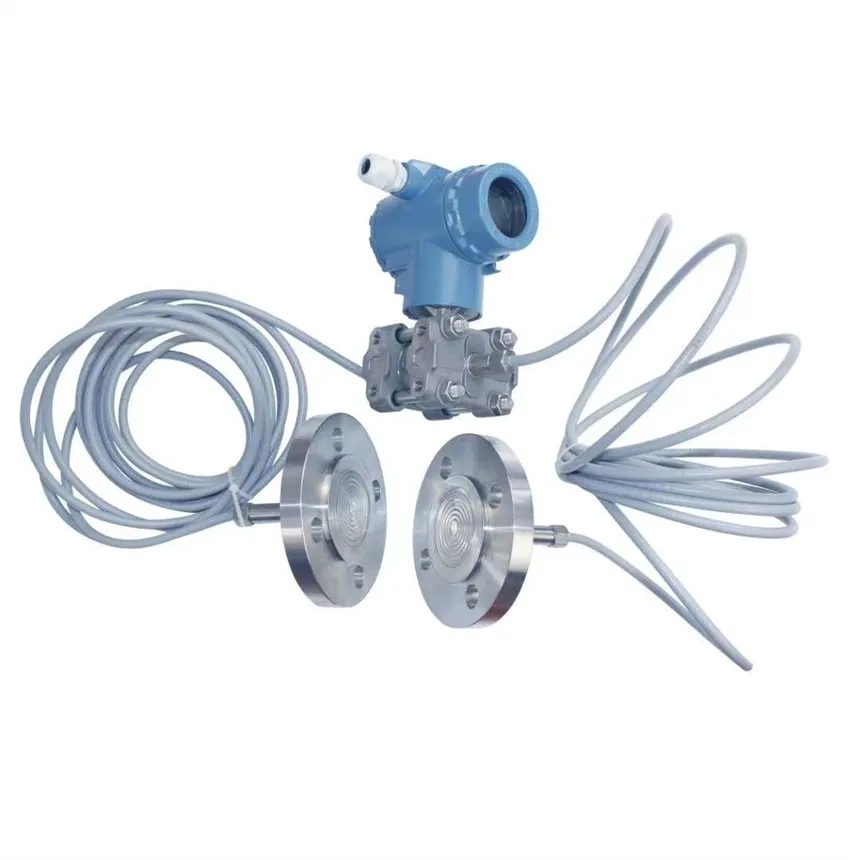
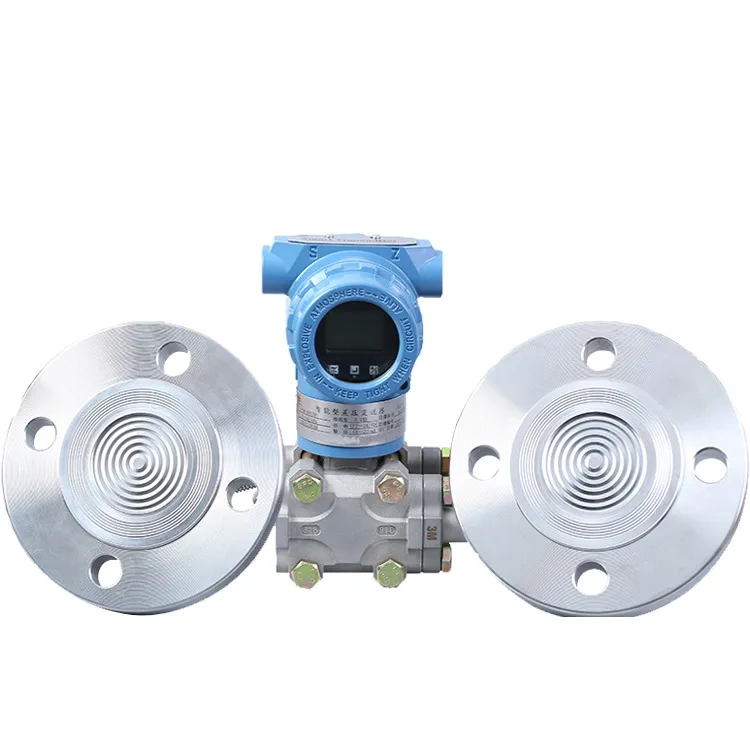
Flanged differential pressure transmitters use a standardised, integrated flange connection structure, which makes them compatible with various configurations such as flat flanges, single flanges and double flanges for remote transmission.
They’re really strong and can be used with tanks, large-diameter pipelines and pressure vessels. They’re also really good at sealing and can resist vibrations and impacts.
This design can handle high pressure, high temperatures and tricky media conditions over time, so you don’t have to worry about safety issues like loose connections and leaks.
It is commonly used for level, interface and high-flow differential pressure measurement in large-diameter pipelines and pressure vessels within the petrochemical, power boiler and large-scale fluid transmission network sectors. It is particularly suitable for long-distance pressure transmission monitoring of viscous, crystallising and corrosive media.
Threaded Differential Pressure Transmitter
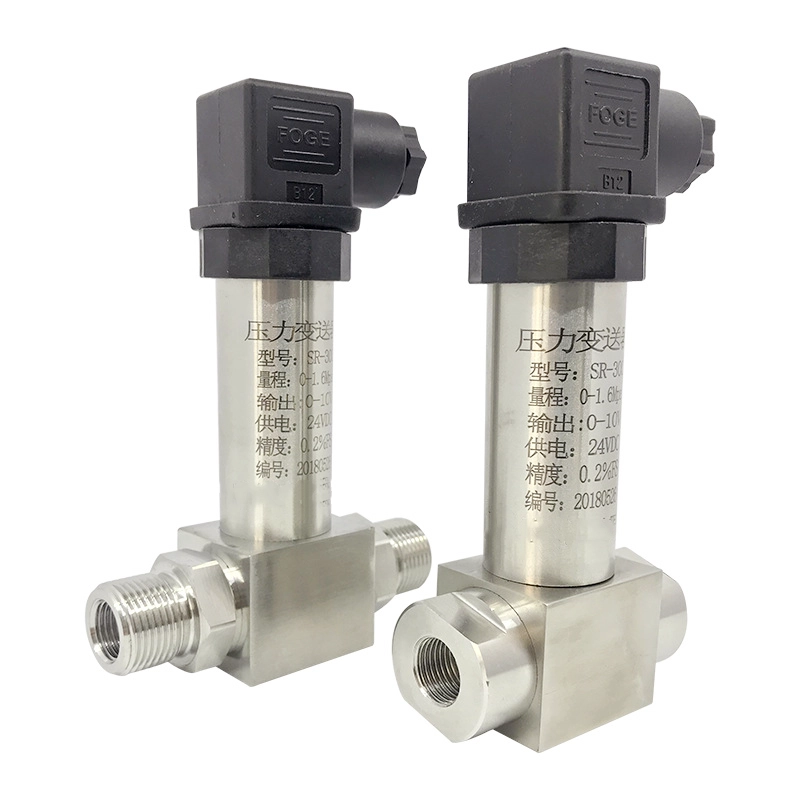
The threaded differential pressure transmitter utilises standard threads for rapid threaded connections. It features a compact, space-saving design and can be connected on-site without complex accessories, ensuring convenient installation and removal, as well as efficient commissioning and maintenance.
With simplified connection interfaces, they are suitable for small to medium-sized pipe diameters, confined installation spaces and lightweight measurement and control points. Their pressure rating is generally suited to conventional medium- and low-pressure operating conditions.
They are widely used in general-purpose differential pressure measurement scenarios involving fine piping, small auxiliary equipment and mechatronic devices where space is limited and the medium is clean, balancing installation flexibility with fundamental measurement reliability.
Classification by Output Signal
There are two types of differential pressure transmitters – analogue or digital – and they’re classified based on the kind of output signal they send out.
Analogue Differential Pressure Transmitters
The output of an analogue differential pressure transmitter is usually a 4–20 mA current signal or a 0–10 V voltage signal, which makes it pretty much compatible with most traditional industrial control systems. It’s really stable and can resist interference, so it’s used a lot in different areas of automation control.
Digital Differential Pressure Transmitters
Digital pressure transmitters send data using digital signals, and they usually use common digital communication protocols like HART, Modbus and Profibus. Digital differential pressure transmitters are more accurate, quicker and better at resisting interference.
Digital differential pressure transmitters perform particularly well in applications requiring high precision and remote monitoring, as they allow for remote data reading and configuration via digital communication protocols.
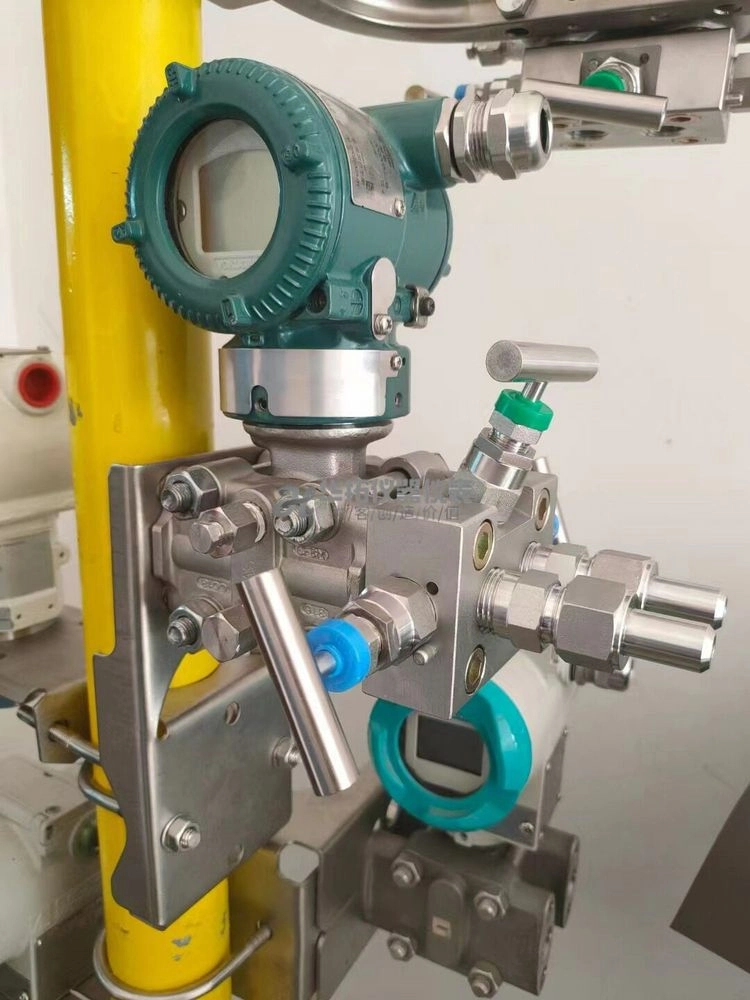
Sino-Inst has a lot of technical expertise and sells lots of different products. This means they can offer a full range of differential pressure transmitters in many different types. These transmitters can be used in many different ways, for example in different types of environment. They can also send different types of signals. This means they can be used in all kinds of situations where measuring differential pressure is difficult.
The company’s got a full range of industrial measurement and control instruments, too, like pressure transducers, flow meters, level gauges, temperature sensors and level switches. All our products are put through their paces with rigorous calibration and field testing, so you can be sure they’re super precise, stable and can adapt to any environment. They’re a one-stop shop for keeping an eye on pressure, flow, level and temperature across various industries like chemicals, power generation, HVAC, pharmaceuticals, oil and gas, and water treatment.