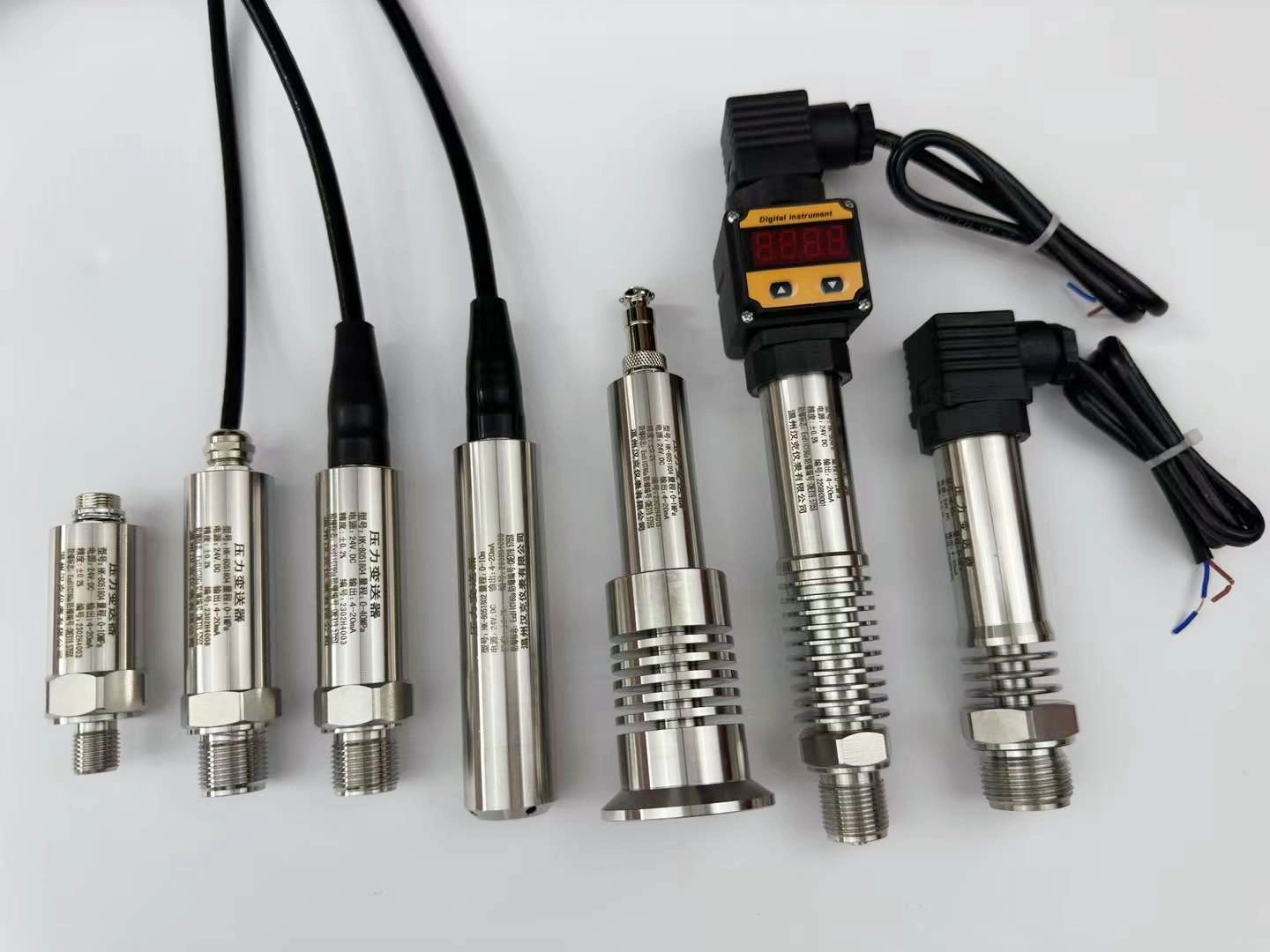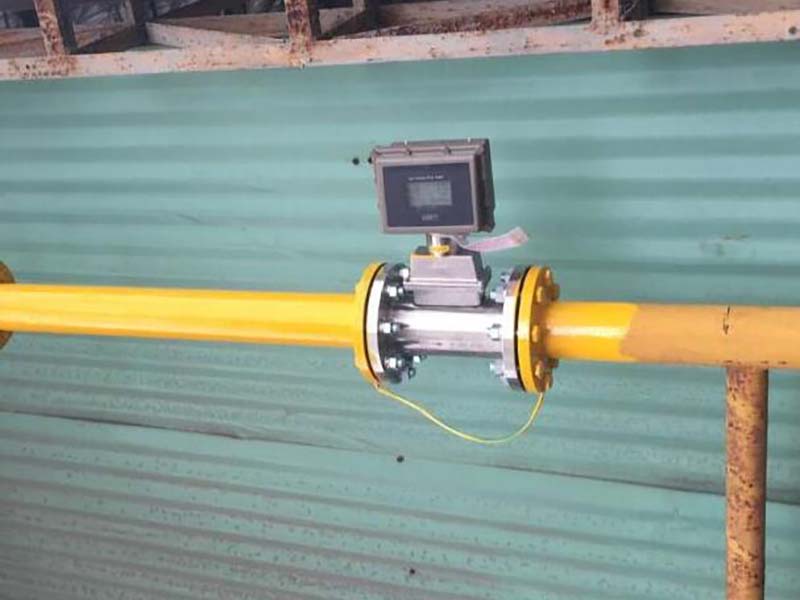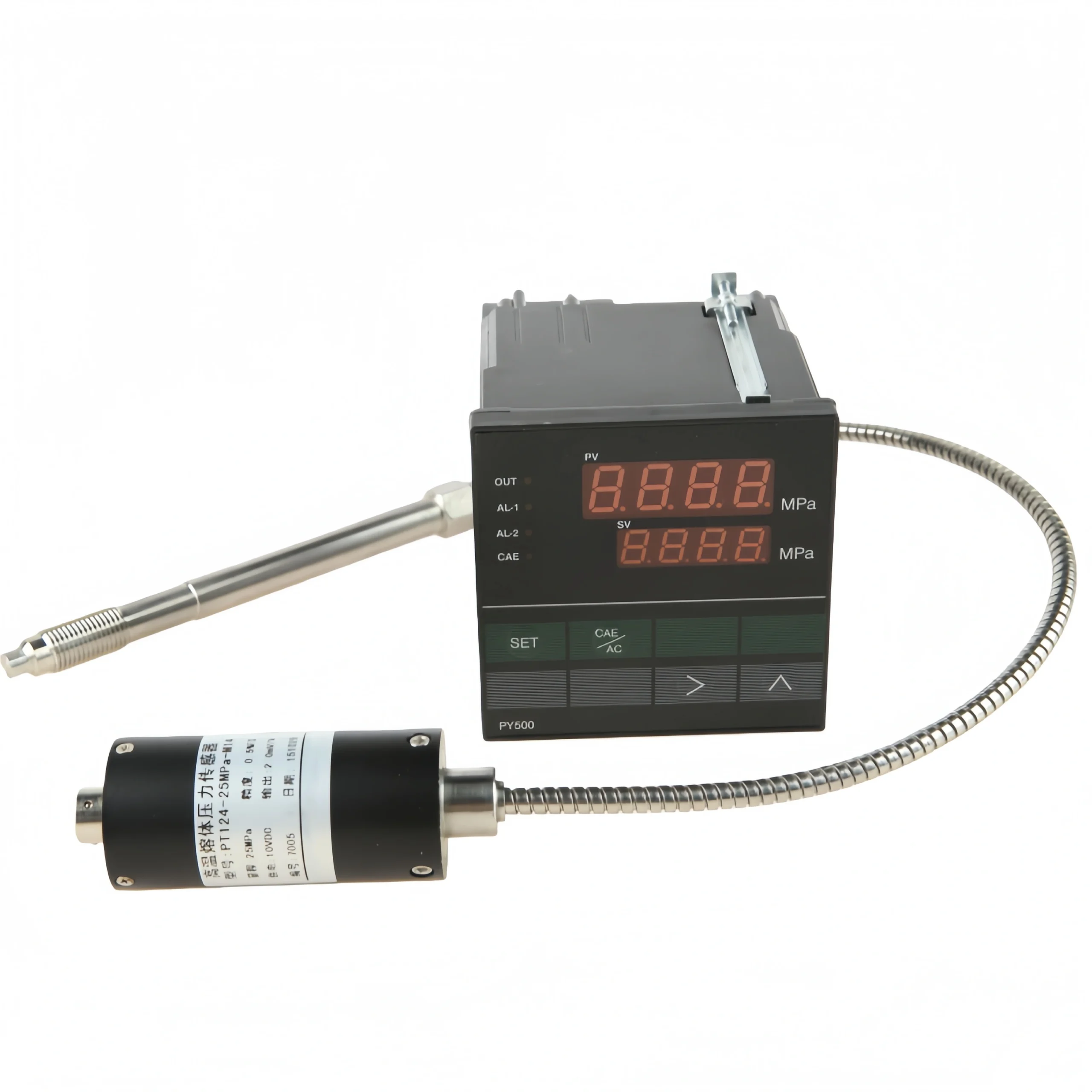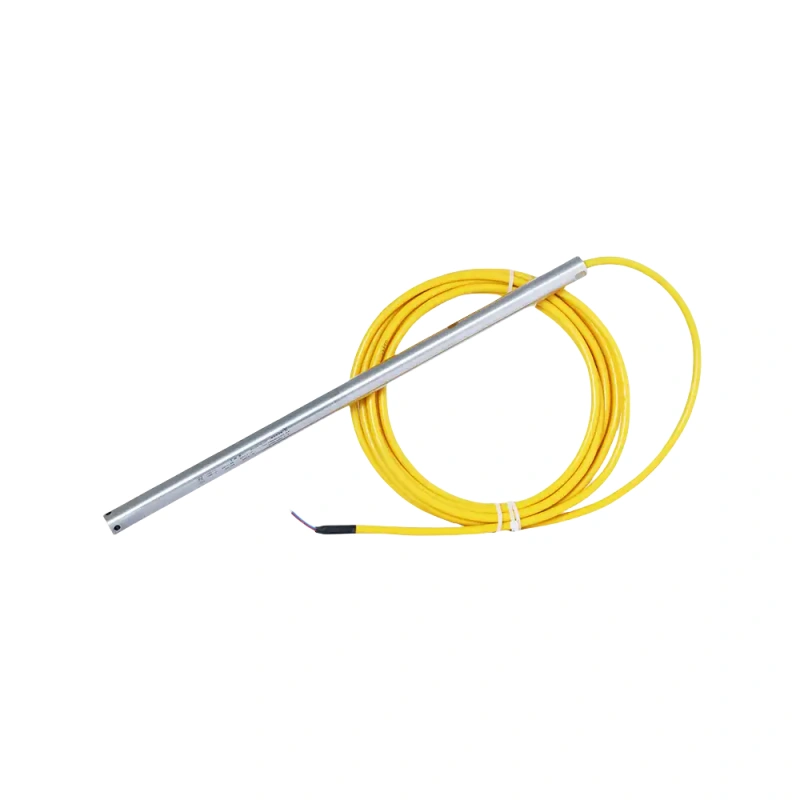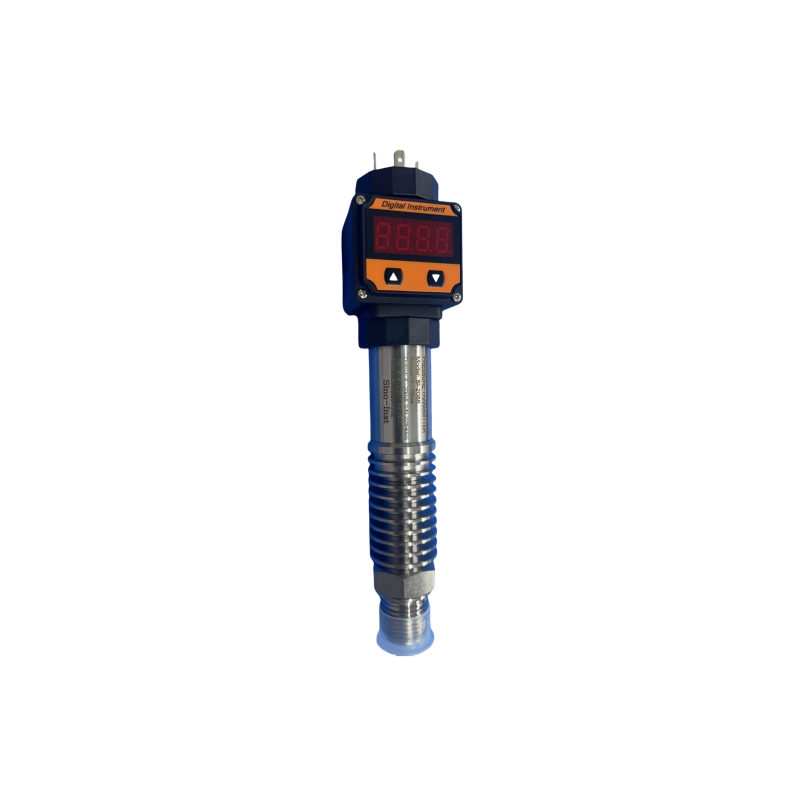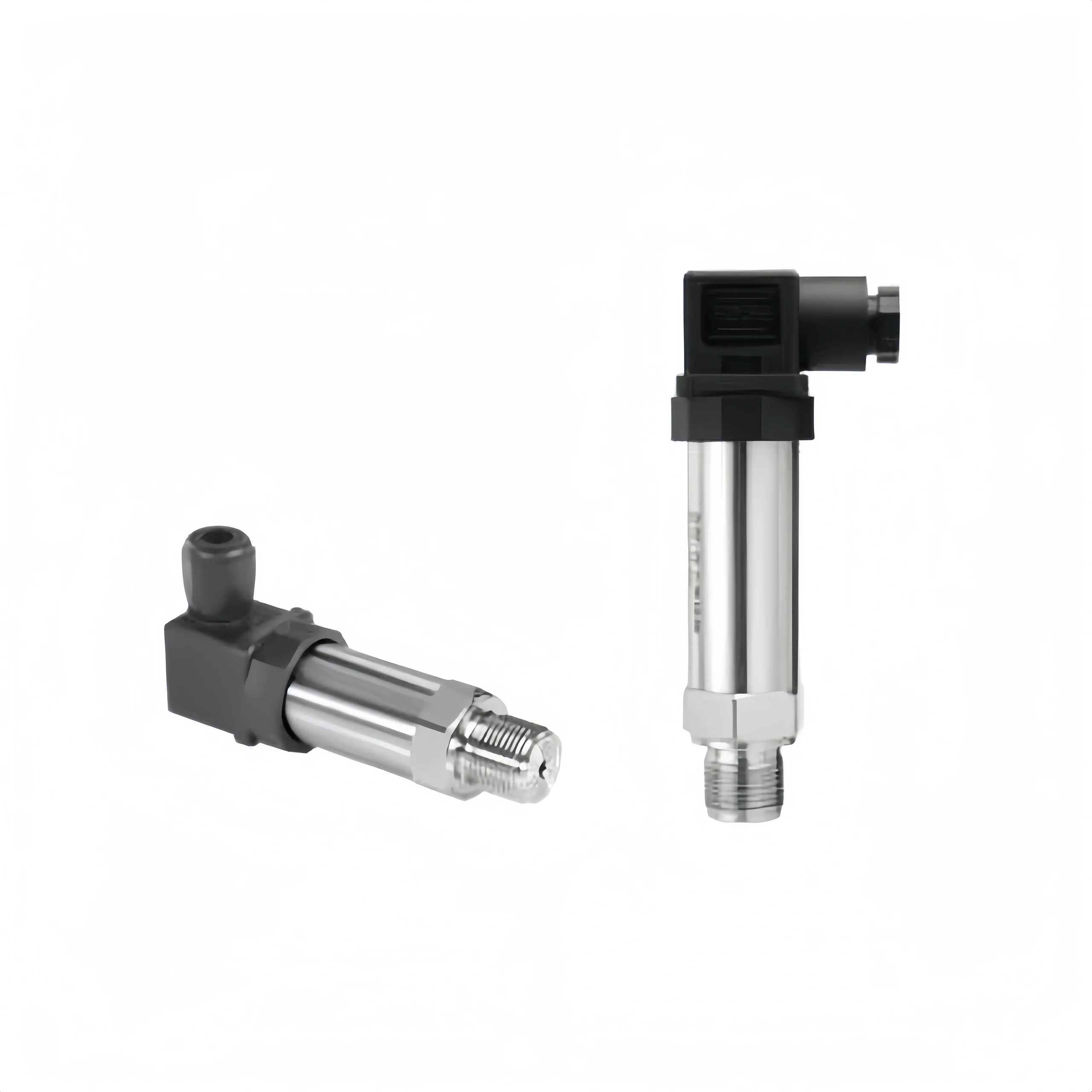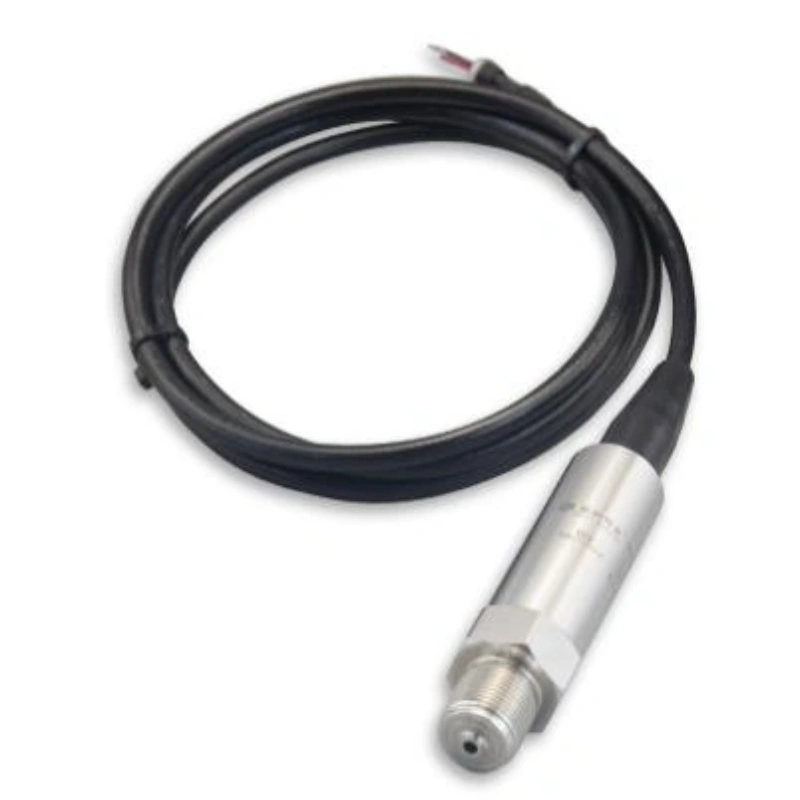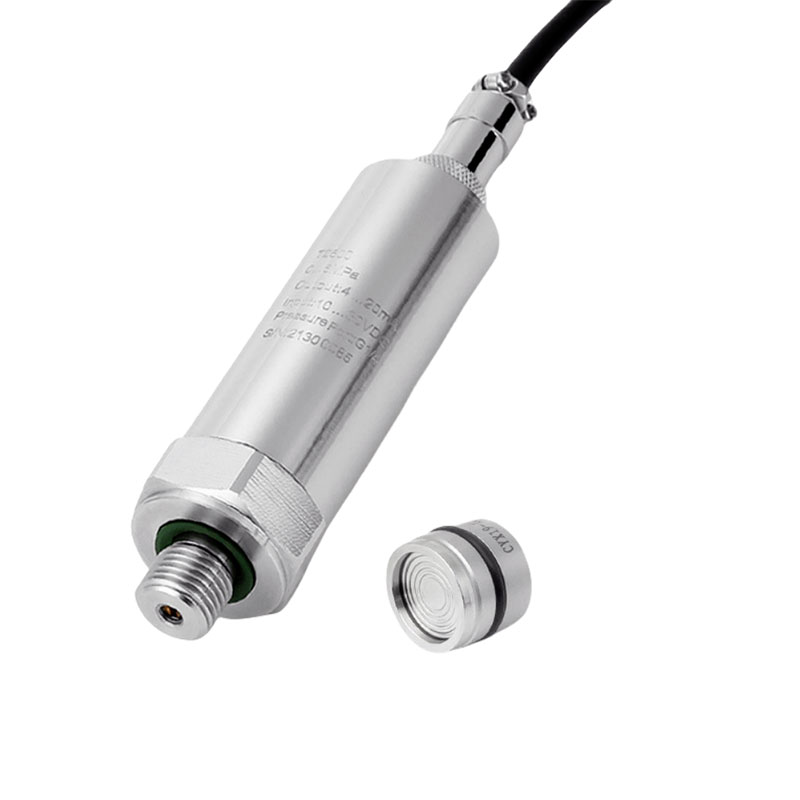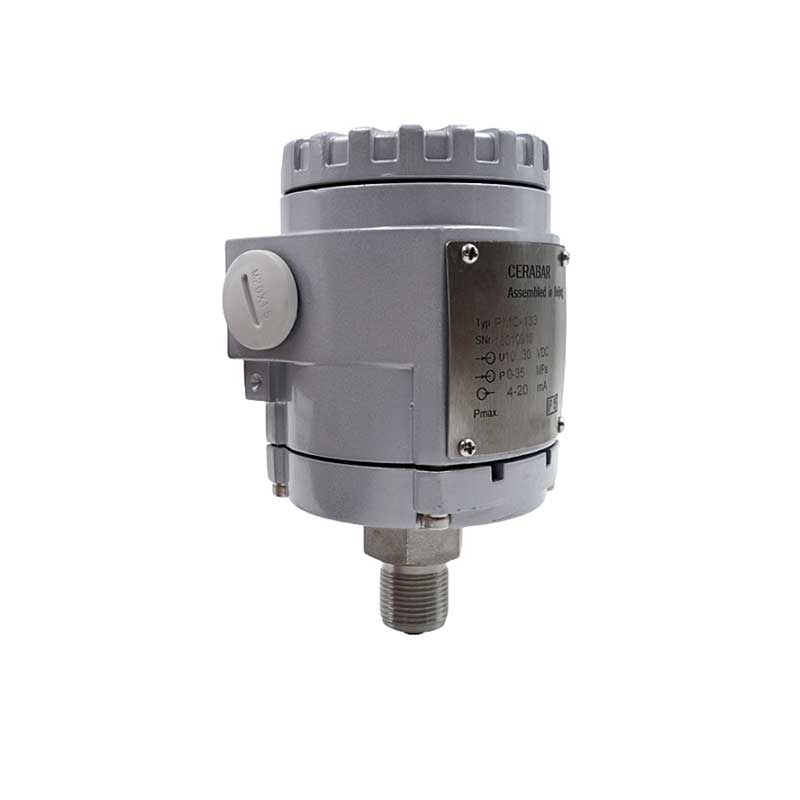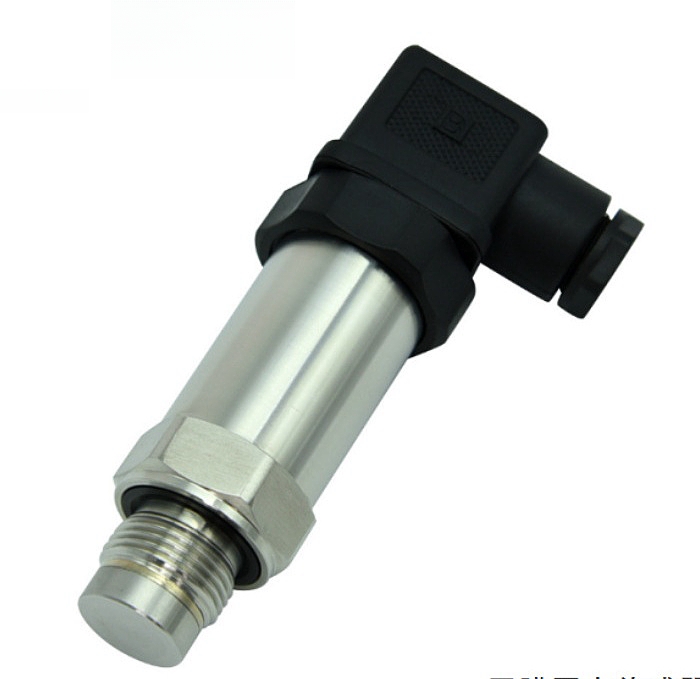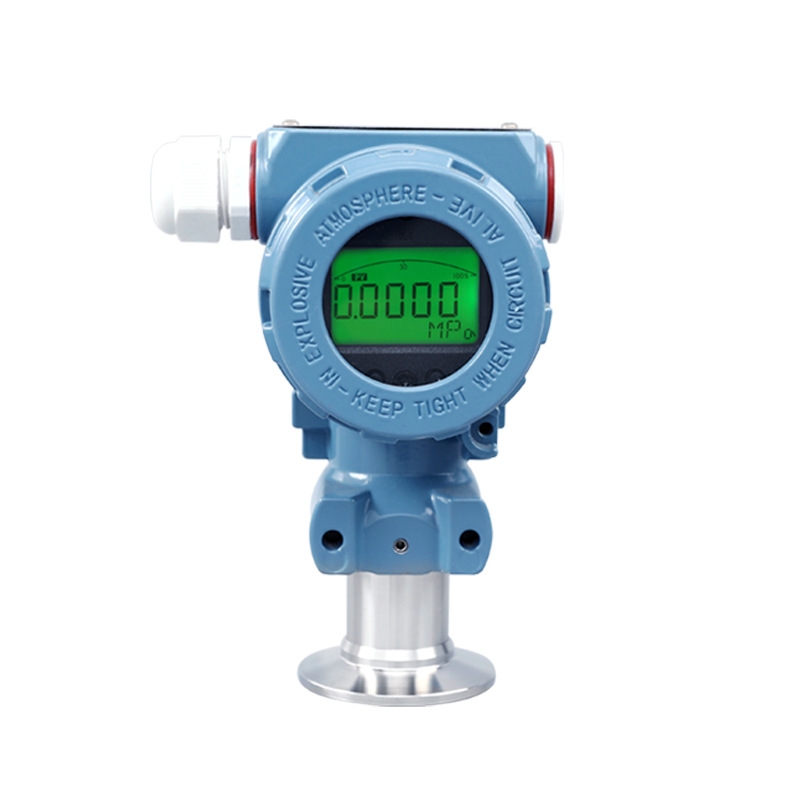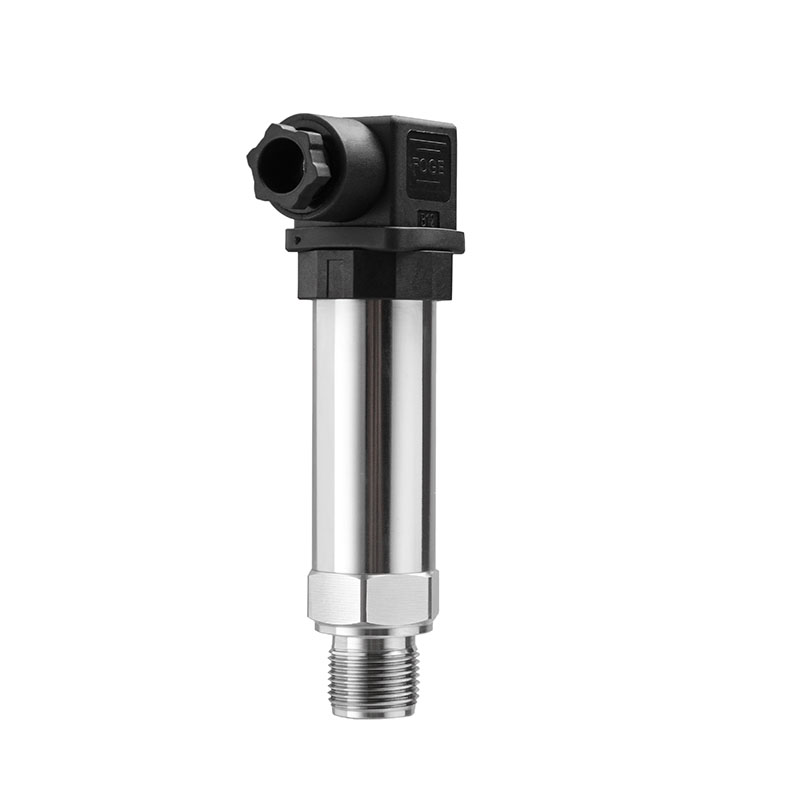
Low temperature pressure sensors find application in numerous industrial control settings, primarily serving aerospace, submarine cryogenic storage, low-temperature scientific experiments, and storage tank environments. They measure pressure in media such as liquid nitrogen, liquid oxygen, and liquid hydrogen.
Temperature exerts a significant influence on the performance and accuracy of pressure sensors.Normal pressure transmitters can usually handle media between -20 and 85°C.But for stuff like liquid nitrogen, liquid oxygen and liquid hydrogen, where temperatures can drop to -196°C or even -252°C, you need a specially designed cryogenic pressure transmitter.
Working Principle
Its operating principle is based on the piezoresistive effect or capacitance variation. In piezoresistive sensors, semiconductor strain gauges serve as the sensing elements; when subjected to pressure, their resistance values change. These strain gauges are typically connected in a Wheatstone bridge configuration. Pressure variations cause resistance changes, which in turn alter the bridge’s output voltage.
By measuring this output voltage change, the pressure value can be precisely calculated.Capacitive pressure sensors, conversely, utilise pressure variations to alter the spacing or area between capacitor plates, thereby modifying the capacitance value. Pressure magnitude is determined by measuring this capacitance change.High and low-temperature pressure sensors employ specialised encapsulation and materials to ensure reliable operation across extreme thermal conditions.
Owing to the unique challenges of cryogenic environments, sensors must operate under severe low-temperature conditions where temperature significantly impacts performance and measurement accuracy. Sensors usually have temperature compensation circuits or temperature-compensating elements to correct the output signal because temperature-induced errors can’t be ruled out.
Effects of Low-Temperature Environments on Pressure Sensors
Material Property Alterations: At low temperatures, the materials in pressure sensors can become brittle, shrink, or deform. This can potentially damage the internal structures or reduce their performance.
Degradation of Electronic Component Performance: In cold conditions, properties such as conductivity, resistance, and capacitance of electronic components may change, thereby affecting the sensor’s measurement accuracy and stability.
Cold Start Difficulties: At extremely low temperatures, pressure sensors may experience cold start difficulties, meaning the sensor fails to operate normally or requires an extended period to reach a stable operating state.
Signal Transmission Challenges: In cold climates, wiring and connection materials become brittle, increasing resistance and potentially causing signal loss.
Issues Faced by Pressure Sensors in Low Temperature Environments
Reduced Measurement Accuracy: In low-temperature conditions, changes in material properties and diminished performance of electronic components may compromise the measurement accuracy of pressure sensors, leading to inaccurate results.
Reduced reliability: Low temperatures may cause damage to internal structures or diminished performance within pressure sensors, thereby diminishing their reliability and service life.
Slowed response time: At low temperatures, the response speed of pressure sensors may decrease, preventing timely reactions to pressure changes and potentially disrupting normal system operation.
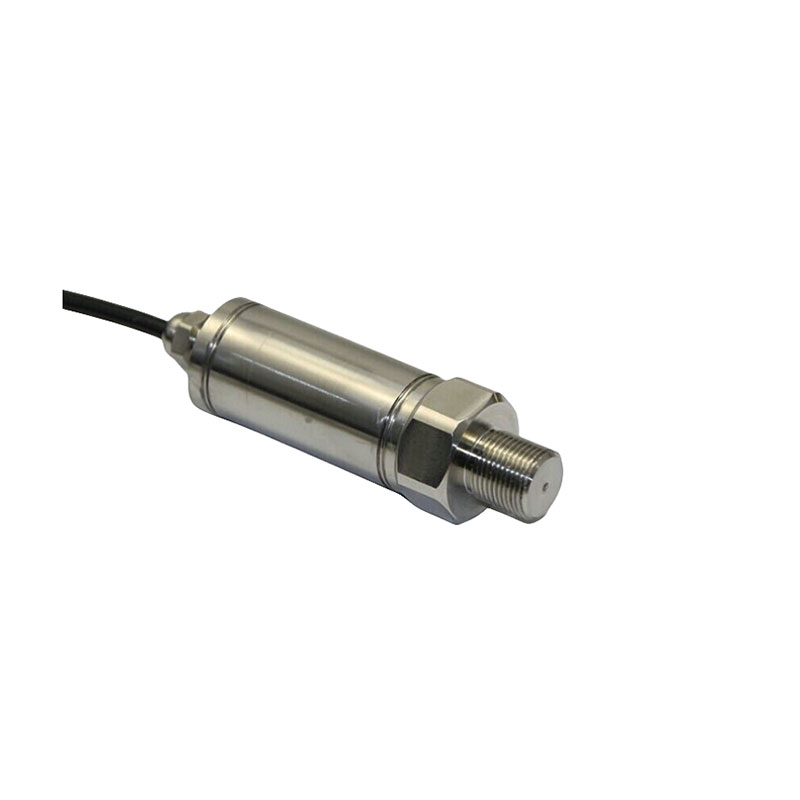
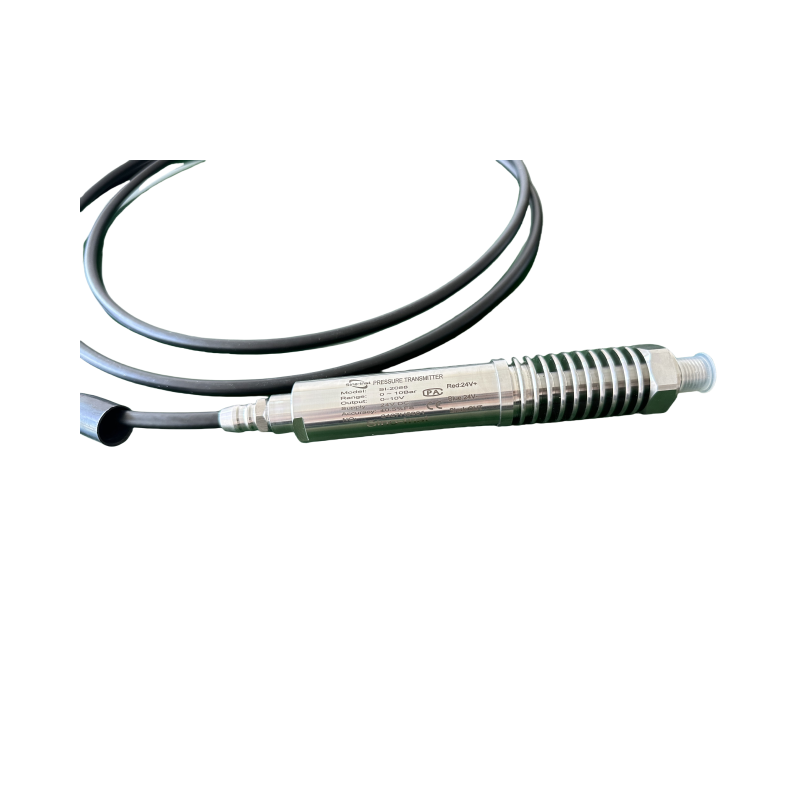
Characteristics of Cryogenic Pressure Sensors
Stable Operation Across Wide Temperature Range
Possesses excellent low-temperature tolerance, with standard industrial models capable of continuous operation across the full temperature range from -196°C (liquid nitrogen saturation temperature) to +125°C, meeting pressure monitoring requirements for most cryogenic media (e.g., liquid nitrogen, liquid oxygen, LNG).
High-end customised variants, through material and structural optimisation, extend the minimum operating temperature to -253°C (liquid hydrogen temperature), ensuring continuous and complete measurement data integrity.
Specialised Low-Temperature Material Selection
Sensitive elements and structural components are fabricated from cryogenic-grade materials. Sensitive elements employ alloy strain gauges deposited via sputtered thin-film processes or piezoresistive chips on sapphire single-crystal substrates, ensuring structural integrity and signal stability at low temperatures.
Housings and wetted components utilise cryogenic corrosion-resistant materials such as 316L stainless steel and Hastelloy C-276. This fundamentally prevents brittleness and cracking issues common in ordinary carbon steel at low temperatures, while enabling contact measurement with highly corrosive cryogenic media to extend sensor service life.
Robust Interference Resistance for Harsh Conditions
Addressing complex industrial environments with electromagnetic interference and vibration shocks, multiple anti-interference designs are implemented. Most standard piezoresistive and capacitive models have electromagnetic shielding layers and vibration compensation circuits, which limit the impact of vibration to within ±0.01% FS/g. This ensures adaptability to mechanically disturbed conditions at low temperatures.
Robust construction with high protection ratings
Features fully welded sealing and monolithic moulded housing, achieving IP65/IP67 or higher ratings. Effectively resists moisture, condensation, and dust ingress in cryogenic environments, preventing internal circuit short-circuits or component failure.Housing undergoes cryogenic mechanical testing, withstanding thermal shock stresses from -196°C to +125°C.Standardised
Signal Output for Streamlined System Integration
It supports industrial standard analogue outputs, including 4-20mA and 0-10VDC.Some models offer expandable digital communication protocols, such as RS485 and Modbus RTU, with signal transmission accuracy of over ±0.1%. Our sensor output interfaces are compatible with most standard PLC and DCS automation control systems.
Temperature Compensation Techniques for Ensuring Sensor Accuracy
Temperature compensation technology is a critical method for maintaining measurement precision in low-temperature environments, effectively counteracting the adverse effects of temperature fluctuations on sensitive components and output signals. The primary temperature compensation techniques currently in use fall into three categories:
Active Temperature Compensation
By incorporating additional temperature sensors to continuously monitor changes in the sensitive element’s temperature, this method compensates for signal drift caused by temperature variations.Utilising microcontrollers or advanced signal processing algorithms, the raw output data from pressure sensors undergoes temperature correction, thereby safeguarding the accuracy of the final pressure measurement results.
Passive Thermal Isolation Technology
Embedding thermal insulation materials or layers within the sensor structure creates a thermal barrier between the sensitive element and other sensor components, minimising interference from extreme temperature fluctuations on sensor performance.
Integrated Heating Element Technology
Embedding low-power heating elements within the sensor maintains stable temperatures around the sensitive element.This approach mitigates measurement errors caused by temperature variations while reducing the risk of material embrittlement in low-temperature environments.
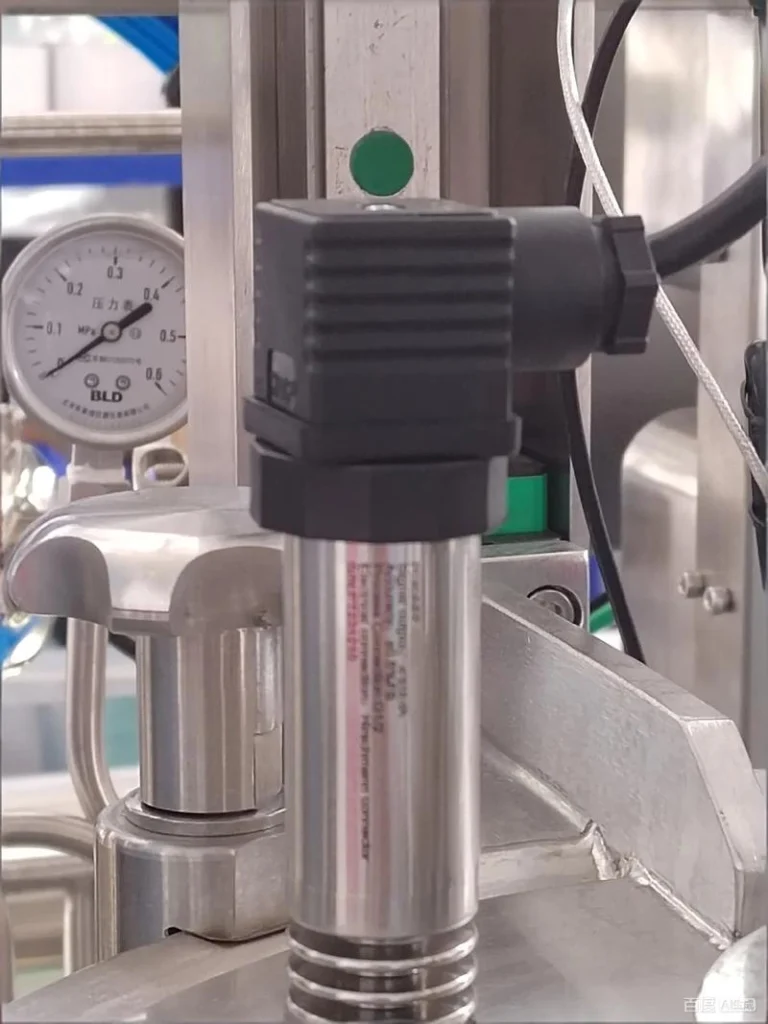
Practical Applications of Cryogenic Pressure Sensors
Cryogenic pressure sensors find extensive application in liquefied natural gas (LNG) storage and transportation, aerospace (liquid hydrogen engines, satellites), superconducting technology (maglev trains), and other fields.Their expertise lies in the meticulous monitoring of liquid or gas pressure at extremely low temperatures, a process which ensures the safety of equipment and the precision of operations.
Liquefied Natural Gas (LNG): Monitoring pressure in LNG storage tanks, tankers, and pipelines to guarantee secure storage and transportation.
Hydrogen Energy Systems: Monitoring pressure in liquid hydrogen (-253°C) storage, refuelling, and engine systems.
Superconducting Technology: Monitoring pressure of cryogenic media (e.g., liquid helium) surrounding superconducting coils in generators, power transmission systems, and maglev trains.
Rocket Engines: Monitoring pressure in cryogenic propellants like liquid oxygen and liquid hydrogen, critical for engine ignition and operation.
Satellites and Space Stations: Employed in cryogenic refrigeration systems to monitor pressure in coolants such as liquid helium and liquid nitrogen.
Aerospace Applications: During spacecraft launches and space exploration, cryogenic pressure sensors monitor fuel supply and pressure in liquids like liquid oxygen and liquid hydrogen, ensuring propulsion system functionality.
Polar Exploration: During research and exploration missions in the polar regions, special sensors measure and control important factors such as liquid coolant and the pressure in the air around them. This provides vital information for the researchers.
Cryogenic Experiments: These sensors are used in cryogenic laboratories and freezing processes. They monitor and control pressure changes in low-temperature environments. This makes sure that experiments are stable and reliable.
Sino-Inst Cryogenic Pressure Sensor Case Study
Pressure Sensor
HK-8051
Measured Medium: Liquid Oxygen
Pressure: 0-10 bar
Temperature: -200 to 160°C
Signal Output: 4-20 mA
Mounting Thread Size: 1/2″ External Thread BSPP
With Local Display
Explosion-Proof Type
Degreased
Liquid Hydrogen Pressure Sensor
HT-CPT-20SD1
Pressure: 0-10 bar
Temperature: -252 to 80°C
Signal Output: 0-10V
1/2 NPT Threaded Mounting
Protection Rating: IP65
Accuracy: 0.25%
3m Cable
Compact Differential Pressure Transmitter
Measured Medium: Liquid Oxygen
Temperature: -183°C
Differential Pressure Range: 0-200mbar
Signal Output: 0-10V
Static Pressure: 80bar
1/4″ NPT Female Process Connection;
Power/Signal Connector: TE Connectivity
T4132012041-000 M12 connector (secured with threadlocker)
With pressure buffer – 1/4″ NPT female thread
Calibration certificate provided (water medium)
Suitable for oxygen service; oil/grease must not be used during installation.
Low-Temperature Pressure Sensor Selection Guide
Selecting low-temperature pressure sensors follows a similar approach to standard sensors, focusing on three core criteria: temperature compatibility, medium compatibility, and accuracy stability. First, determine the minimum operating temperature and match it with corresponding models rated for -40°C, -196°C, or -253°C.Medium properties should be taken into consideration when selecting wetted materials.
Materials such as 316L stainless steel or Hastelloy are recommended in order to prevent low-temperature corrosion and embrittlement.Concurrently, determine accuracy, drift specifications, and signal output type according to application requirements.Consult structural parameters such as IP protection and vibration resistance to ensure measurement reliability and system compatibility under extreme cryogenic conditions.
We fully recognise that every precise measurement in extreme environments is pivotal to safeguarding system integrity and enhancing production efficiency. Should you require a pressure sensing solution tailored for cryogenic media that balances precision with reliability, please do not hesitate to contact us. Sino-Inst’s specialist team offers personalised selection guidance, bespoke technical support, and comprehensive after-sales service.Together, we shall overcome pressure measurement challenges to forge a highly efficient and secure industrial future.