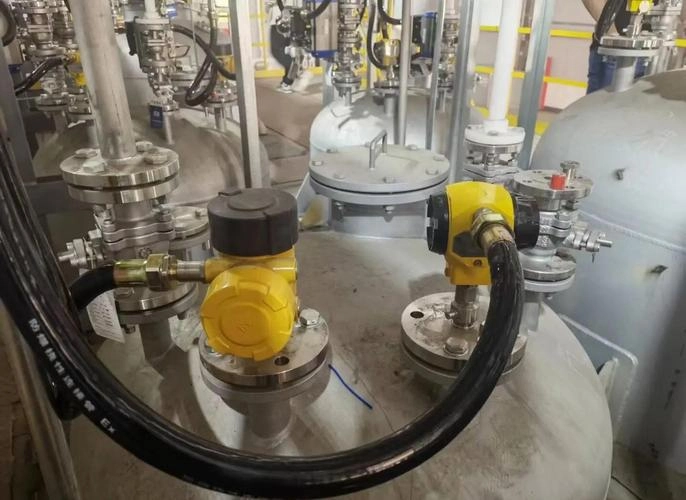
Stainless steel turbine flow meters are a key piece of kit when it comes to measuring flow in industrial settings. These instruments are well known for being highly precise, very stable and resistant to corrosion. They are used a lot in lots of different sectors, like petrochemicals, food processing, pharmaceuticals and water treatment. They can handle high-pressure industrial environments and other places where the purity of the media is really important, and they’re great at measuring fluid flow variations. This helps to keep production operations running smoothly.
Structural Principle
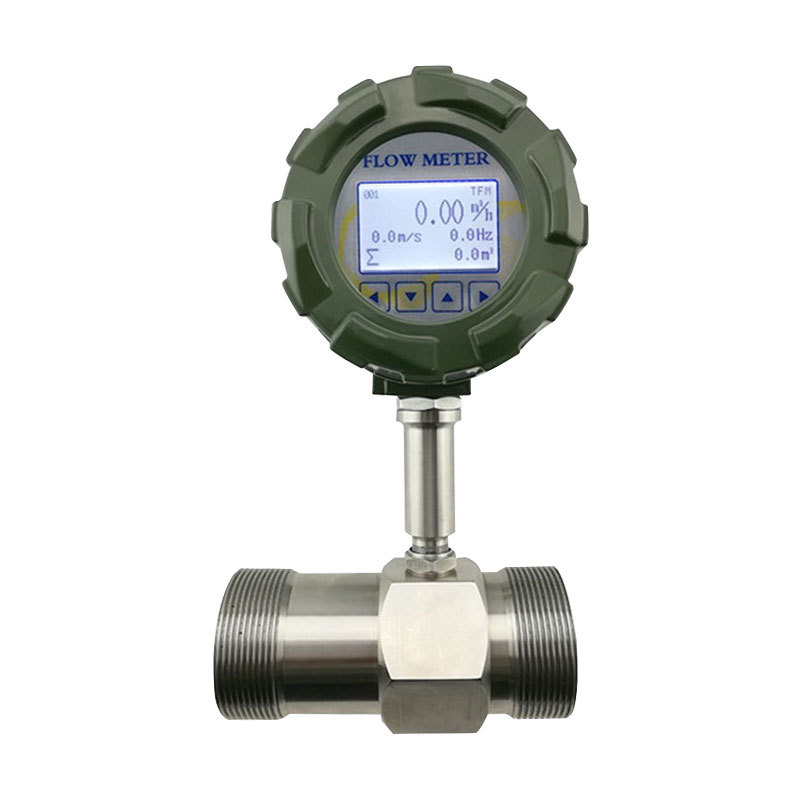
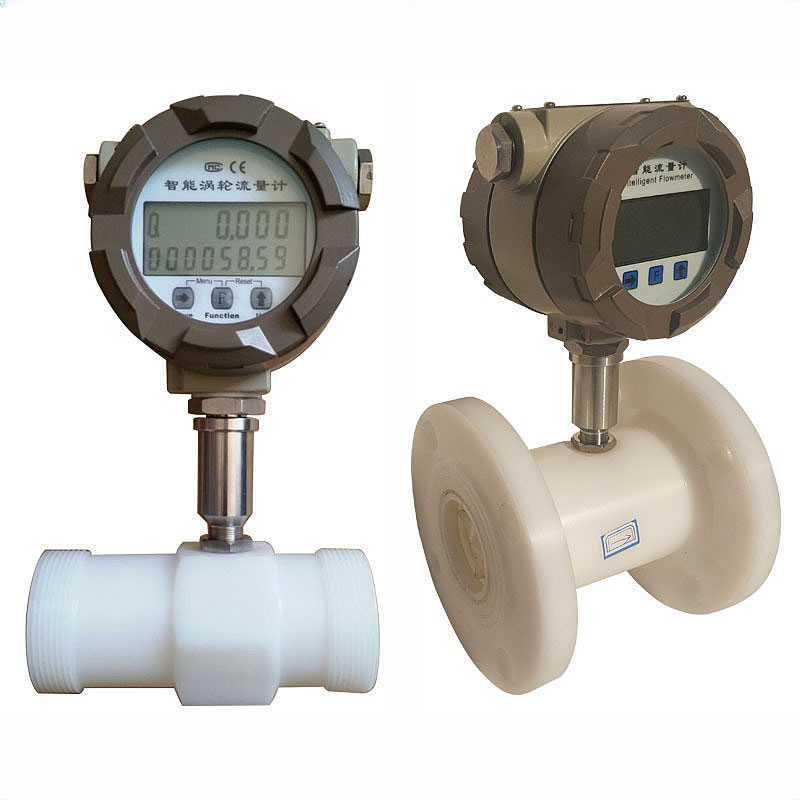
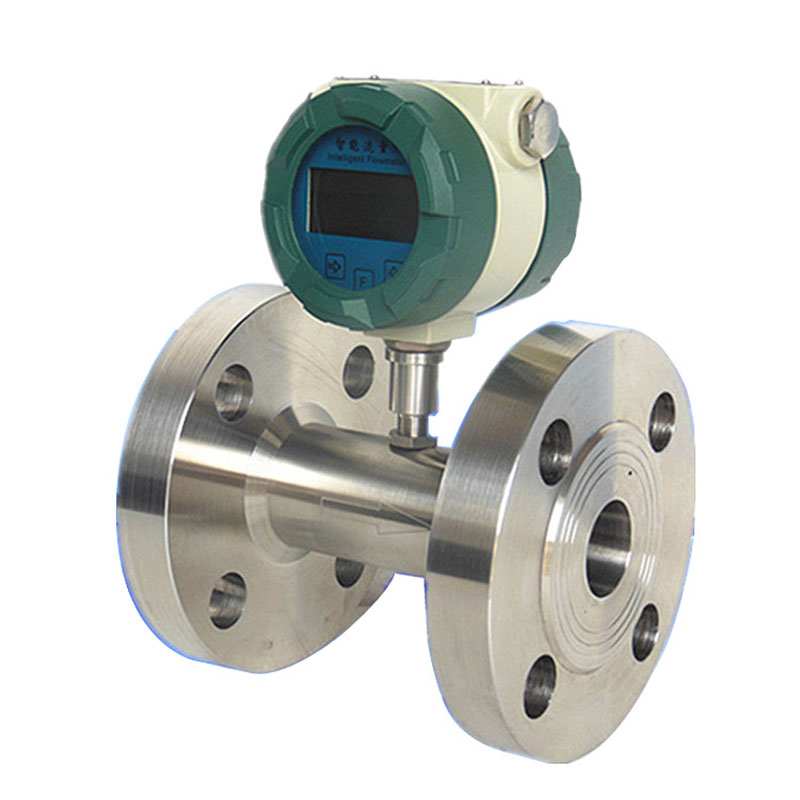
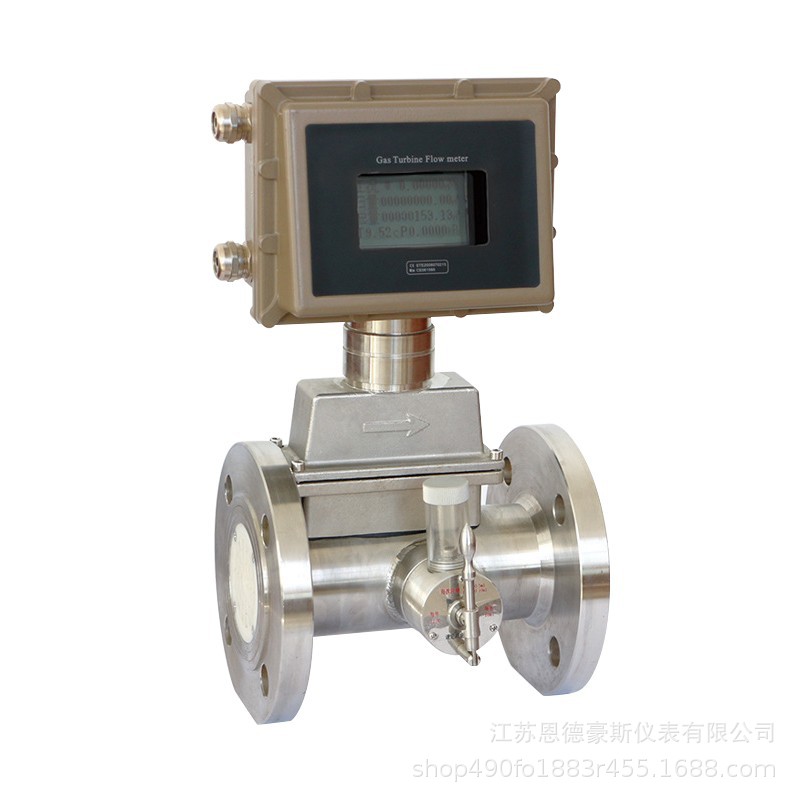
Primarily comprising a casing, flow guide, support, turbine, and magnetoelectric converter. Its operating principle is based on the conservation of angular momentum of fluids. The measured fluid impels the turbine blades to rotate, with the turbine’s rotational speed being directly proportional to the fluid’s average velocity. The turbine is typically precision-machined from stainless steel with a high magnetic permeability coefficient, featuring helical blades that rotate under fluid action.
The diffuser contains guide vanes and a guide housing that stabilise the direction of the fluid flow and support the turbine. This helps ensure accurate measurements. The coils and permanent magnets in the magnetoelectric converter change the speed of the turbine’s rotation into electrical pulse signs. These signals are amplified and sent to the display and recording instrument, enabling us to calculate the instantaneous and total flow rates of the measured fluid.
Performance Characteristics
High Accuracy: Employing advanced sensing and digital processing technologies, measurement errors are minimised. Liquid measurement accuracy achieves 0.15% to 0.5% (FS, full scale), while gas measurement accuracy ranges from 1% to 1.5% (FS), meeting high-precision measurement requirements in scenarios such as scientific research and precision manufacturing.
Excellent Repeatability: The flowmeter demonstrates outstanding repeatability, with errors consistently controlled within 0.05% to 0.2% (FS). Repeated measurements under identical conditions yield consistent results, ensuring stable and reliable data to support subsequent analysis and system regulation.
Wide Turndown Ratio: Typically ranging from 10:1 to 50:1, with customisable specifications available upon request. Flexible range adjustment eliminates frequent equipment changes, accommodating measurements across diverse flow rates with exceptional versatility.
Robust Interference Resistance: Utilises pulse signal output to withstand electromagnetic, radio frequency, and environmental interference, preventing signal attenuation or distortion. Integrated shielding structures ensure stable and accurate measurement signals within complex industrial environments.
High Pressure Resistance & Low Pressure Drop: Constructed from high-pressure-resistant materials with optimised sealing, suitable for high-pressure fluid measurement with customisable pressure ratings. Streamlined flow channels minimise resistance and pressure loss, maintaining fluid system stability while reducing energy consumption.
Rapid Response: Equipped with high-performance acquisition and processing modules, it responds swiftly to capture real-time flow fluctuations, delivering accurate and continuous measurement data. This feature can adjust to different flow conditions, helping to keep the system in check and letting you know if there are any issues.
Differences in Core Materials for Stainless Steel Turbine Flow Meters
The different types of core material in stainless steel turbine flow meters directly affect how well they fight corrosion, how well they handle high temperatures, how clean they are, what situations they can be used in, and how long they last. Currently, the industry primarily utilises three common materials: We have three types of stainless steel: 304, 316L and sanitary-grade 316L. For extreme conditions, we can use special materials like duplex steel or Hastelloy. Here are the main things to know about each material:
304 Stainless Steel Turbine Flow Meters: This material’s great value for money and is really versatile. It provides good rust resistance and tolerance to mild corrosion, making it suitable for non-corrosive, chloride-free clean media such as tap water, cooling water, and purified water. It is appropriate for general industrial applications at ambient temperatures and pressures, where exposure to strong corrosion or harsh conditions is not required. Its limitations are pronounced: it cannot withstand highly corrosive media such as seawater, chlorinated water, or acidic/alkaline solutions. Prolonged exposure to high temperatures may cause material fatigue and deformation. It’s great for everyday metering jobs where you don’t need top-notch corrosion resistance, and it’s a total bargain.
316L Stainless Steel Turbine Flowmeter: Enhanced with molybdenum over 304 stainless steel, this represents the mainstream premium material in industrial applications. Its main benefits are that it is much better at resisting corrosion, tolerating chloride ions and surviving high temperatures. It can be used with highly corrosive media, including acidic and alkaline solutions, seawater and various organic solvents. It can also be used at high temperatures. It is stronger and more durable than 304 stainless steel and will last for a long time. It is used a lot in petrochemical, water treatment, metallurgical, and power industries where it is needed to resist corrosion and high temperatures. It is practical and durable.
Sanitary Grade 316L Stainless Steel Turbine Flowmeter: It is made from 316L stainless steel that has undergone an additional electropolishing process. Its main selling points are the precision of its surface and its ability to meet the highest hygiene standards. Its surface is smooth with no dead corners, resistant to scaling, and easy to clean. Surface roughness can reach Ra ≤ 0.8μm, fully complying with GMP hygiene standards for the food, beverage, and pharmaceutical industries. It prevents medium residue and bacterial growth, eliminating secondary contamination risks. Specifically designed for metering sterile and clean media such as fruit juices, pharmaceutical solutions, and purified water, it is the exclusive material for the food and pharmaceutical sectors. Standard 316L stainless steel flow meters cannot meet these hygiene grade requirements.
Stainless Steel Turbine Flow Meters VS PE Turbine Flow Meters
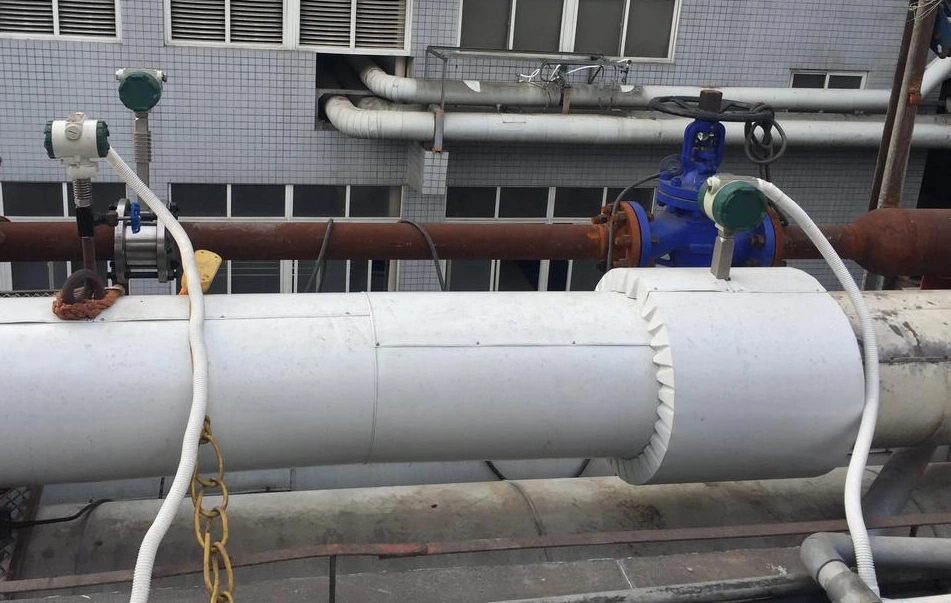
Core Material Differences: The main parts of stainless steel turbine flow meters (like the body, turbine rotor, and guide bracket) are made from 304/316L stainless steel (with duplex steel or Hastelloy used for special cases). This material is really strong, tough and durable. PE Turbine Flow Meters: The core components are primarily the body. Turbines are often paired with engineering plastics. Polyethylene is utilised in both. This offers lightweight properties and good toughness, but mechanical strength is significantly lower than stainless steel, with poor impact resistance and susceptibility to deformation.
Differences in corrosion resistance: Stainless steel (particularly 316L) excels in withstanding highly corrosive media, offering stable compatibility with acidic/alkaline solutions, seawater, and organic solvents. It demonstrates strong resistance to chloride ion corrosion, though it remains incompatible with certain extreme oxidising media. PE exhibits excellent chemical corrosion resistance, tolerating most acids, alkalis, salt solutions, and organic solvents. However, it cannot withstand high-temperature corrosion and may age or swell upon prolonged contact with oily media. It is unsuitable for chlorine-rich environments like seawater, where it may become brittle and deteriorate.
Differences in High-Temperature/Pressure Resistance: Stainless steel turbine flowmeters exhibit superior high-temperature and pressure resistance. Standard models accommodate -20°C to 120°C and PN16 to PN40, while customised versions withstand temperatures up to 200°C and pressures up to 40MPa, making them suitable for demanding industrial conditions. PE material exhibits weaker high-temperature and pressure resistance, typically operating within -10°C to 60°C with rated pressures below PN10. It softens and changes shape at over 60°C, which makes it not suitable for use at high pressures or temperatures. As a result, it can only be used at room temperature and pressure.
Differences in Applicable Scenarios: Stainless steel turbine flowmeters are ideal for many different industries, including petrochemicals, metallurgy, power generation, food and pharmaceuticals, and water treatment. They are particularly suited to high-pressure, high-temperature and highly corrosive environments, as well as sanitary-grade applications (316L stainless steel meets GMP standards). PE turbine flowmeters are all about portability and low cost, making them perfect for standard conditions at ambient temperature and pressure without corrosion or impact. For example, you can find it in things like water meters for the home, pipes that carry clean water, and measuring fluids in small chemical equipment. They’re not great for high-pressure industrial environments or for food and pharmaceuticals where hygiene is a top priority.
Differences in service life and maintenance: Stainless steel resists corrosion and deformation. Paired with wear-resistant components, it achieves a service life of 5–8 years with standard maintenance. Maintenance frequency is low, requiring only periodic debris removal and accuracy calibration. PE material is prone to ageing, deformation, and impact damage. Prolonged use may cause body cracking and turbine failure, with a service life of only 2–3 years. It requires protection from impacts and high temperatures, necessitating higher maintenance frequency than stainless steel models. While replacement costs are low, the frequency of replacements is high.
Other key distinctions: Stainless steel turbine flowmeters are heavier, necessitating bracket-supported installation. Though pricier, they offer superior accuracy stability, making them suitable for high-precision applications such as trade settlement. PE turbine flowmeters are lightweight, easy to install, and affordably priced, delivering good value for money. However, their accuracy stability is moderate, significantly affected by temperature and pressure variations, rendering them unsuitable for high-precision or trade settlement scenarios.
Applications of Stainless Steel Turbine Flow Meters
Petrochemical Industry
Petrochemicals are an important application area, and they can handle high pressure and conditions that cause corrosion. These meters are great for measuring flows of chemical feedstock, like crude oil, refined petroleum products and methanol. They provide the data needed for trade settlement and process control. They’re also used for measuring chemical wastewater, which helps with environmental compliance.
Water Treatment Industry
Suitable for all water treatment scenarios: It is used in two ways in the water supply: to control the flow of water and to measure how much people are paying. It is also used in industry to treat wastewater, measuring how much water is being used and how much water is being reused. It is also used to make purified water, making sure the water is of good quality and that the right amounts of things are added. It does not harm people and does not cause any other problems.
Food and Pharmaceutical Industry
Complies with food and pharmaceutical hygiene standards, featuring food-grade stainless steel construction that facilitates easy cleaning and prevents residue accumulation. Capable of metering food media such as fruit juices and edible oils, alongside pharmaceutical media including medicinal solutions and purified water, ensuring product consistency and process compliance.
Metallurgy and Power Industry
Adapted for high-temperature, high-pressure, and high-interference conditions in metallurgy and power generation. In metallurgy, monitors cooling water circuits and hydraulic oil flow to protect equipment; in power generation, meters boiler feedwater and fuel oil to optimise combustion efficiency and ensure stable plant operation.
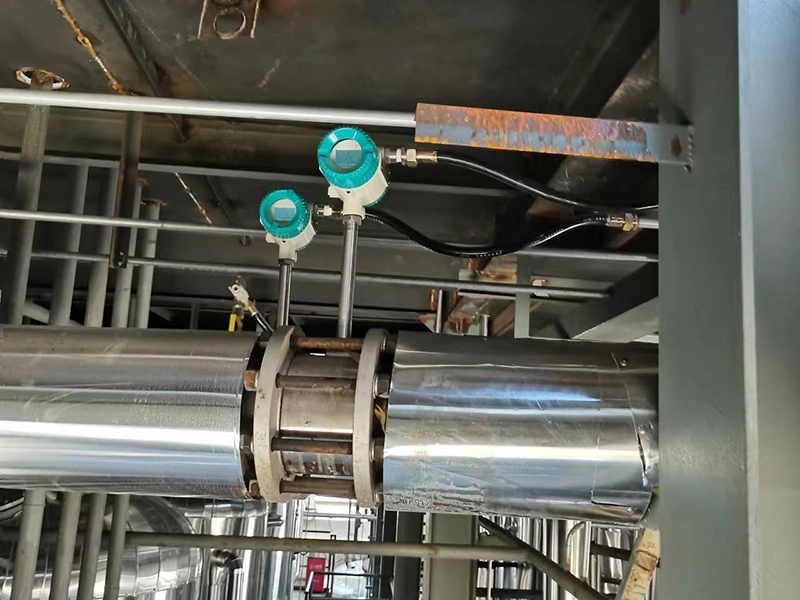
Sion-Inst is all about meeting industry needs and is a specialist in flowmeters. As well as providing top-notch, affordable metering equipment, they also offer expert advice on choosing the right equipment, help with keeping it running smoothly, and provide all the technical support you could need. We’re here to help businesses with their metering issues and we’re excited to team up with them to make operational upgrades through accurate measurement. This way, we can all benefit and work together to grow.