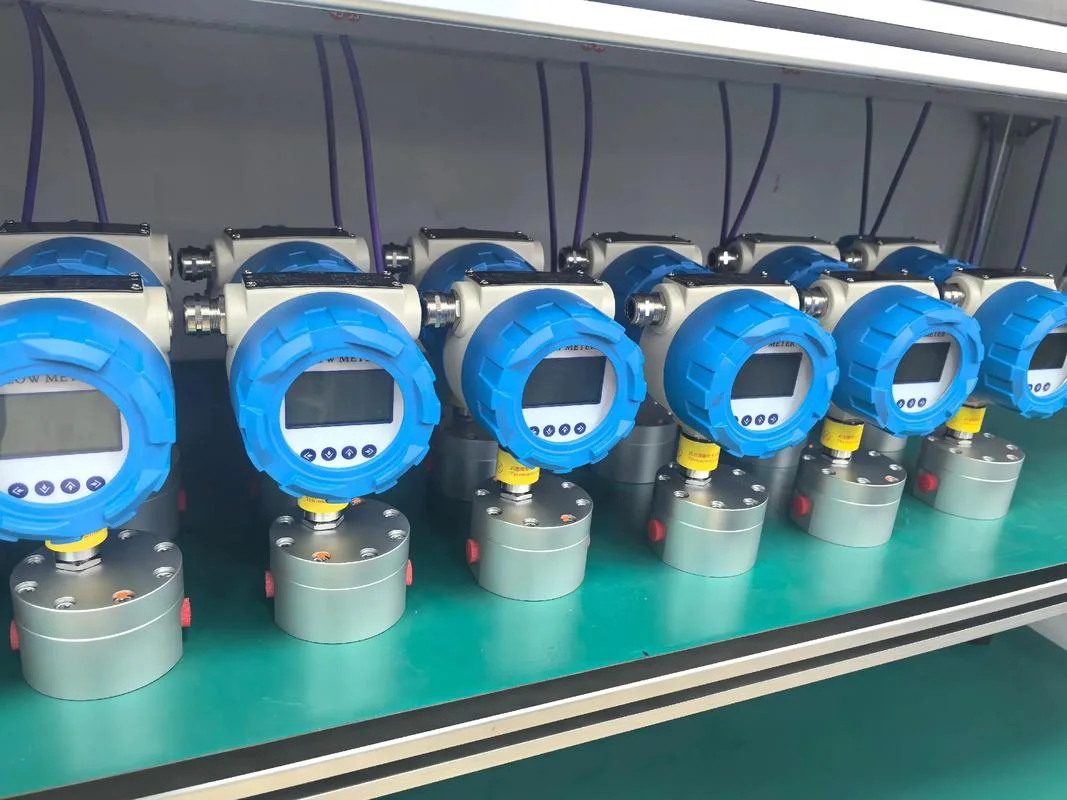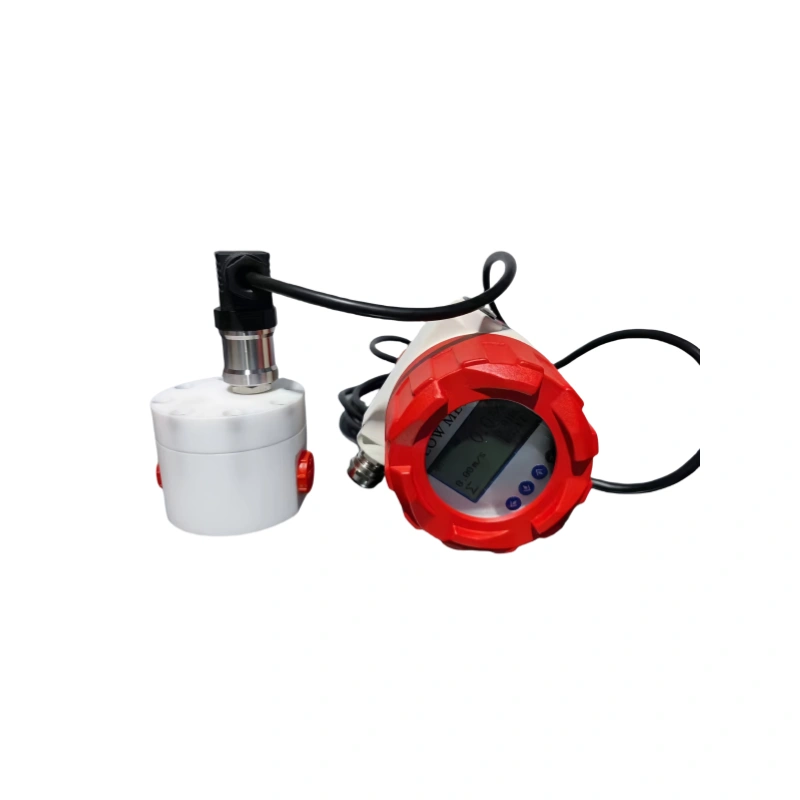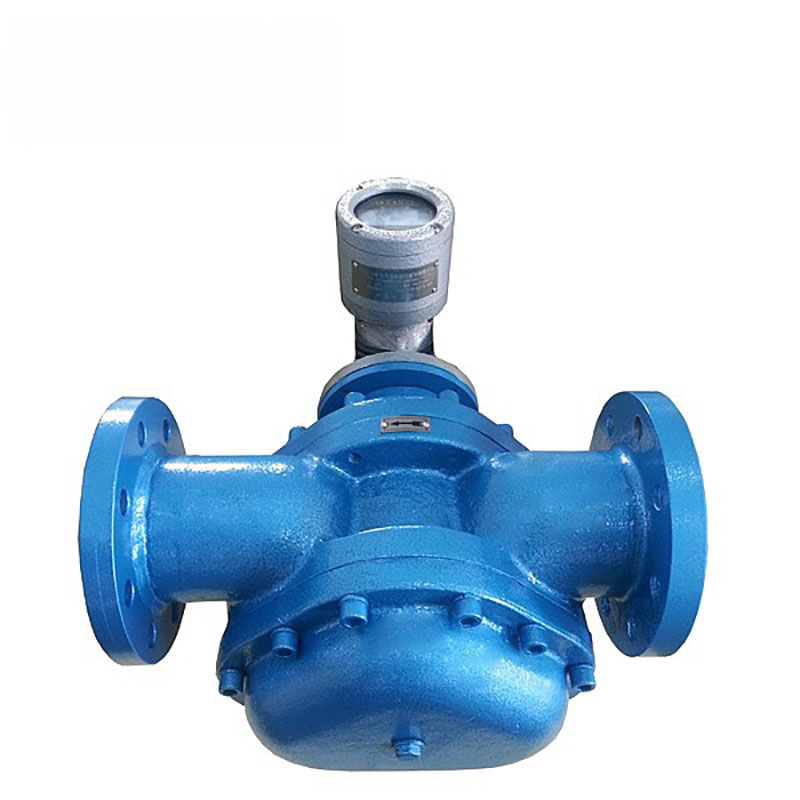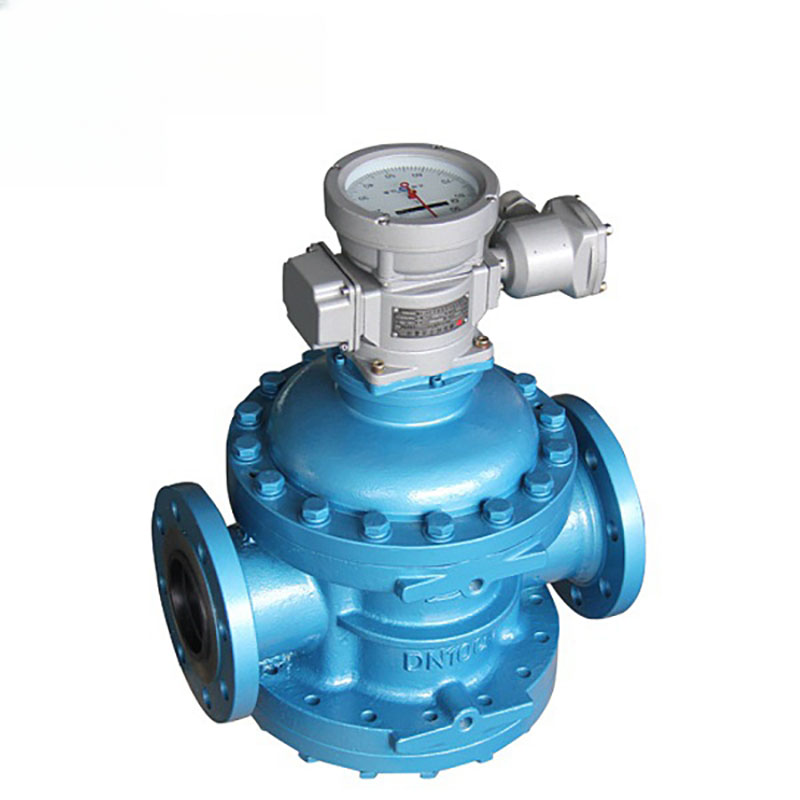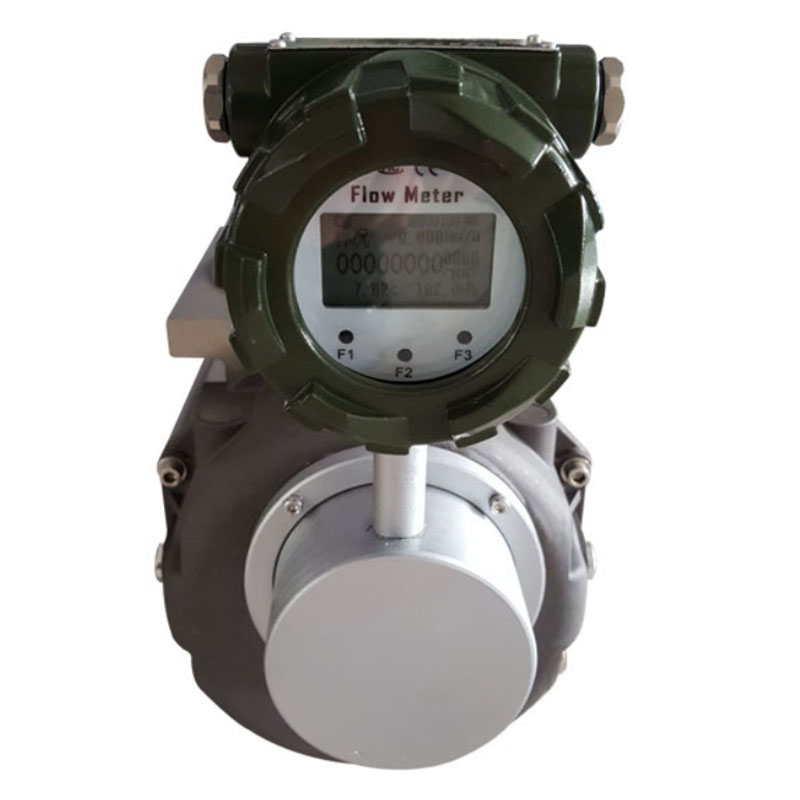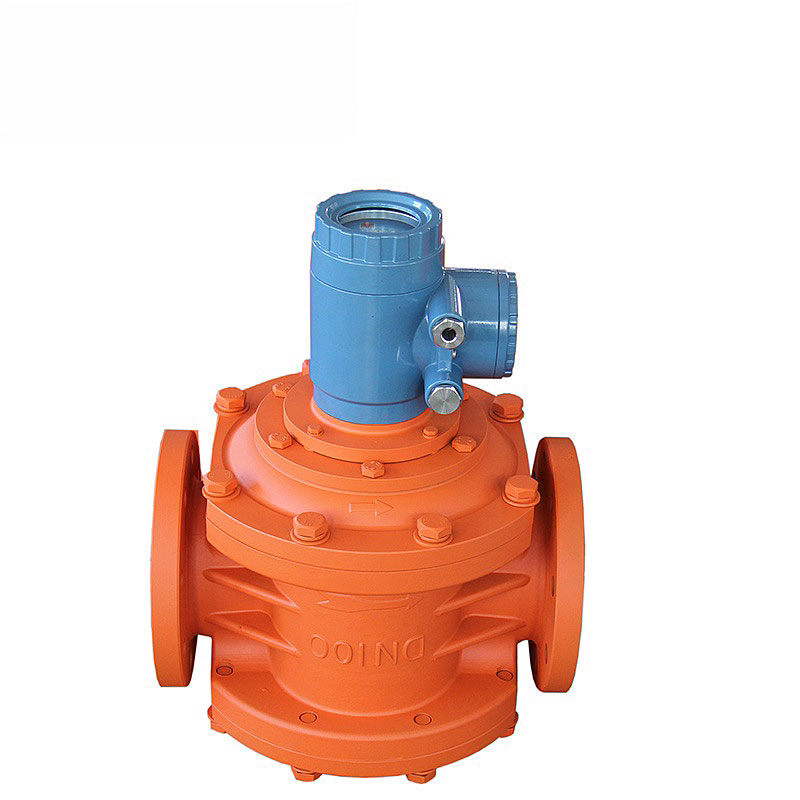
Flow measurement underpins fluid process control, yet capturing low flow rates with high precision has always been a difficult problem. Gear flow meters work on a positive displacement principle, and they see heavy use with high-viscosity fluids — oils, resins, and chemical additives being typical examples.
What makes them attractive is their steady accuracy and the way they tolerate a wide range of media. Using real-world scenarios as a backdrop, this article looks at the practical details of selection, installation, and operation and maintenance.
What Is a Gear Flow Meter?
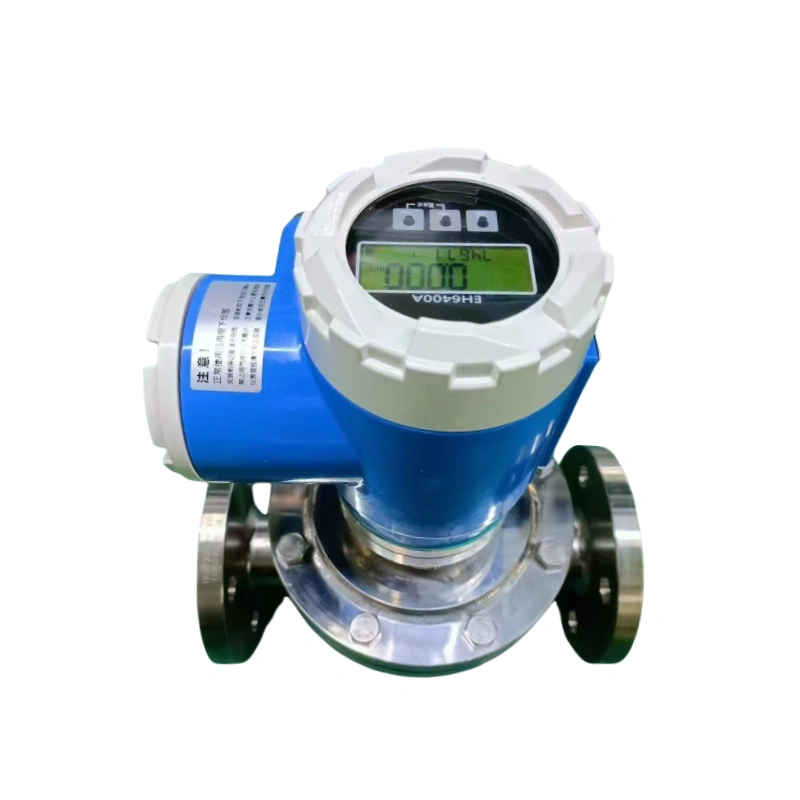
Gear flow meters are positive-displacement instruments that measure volumetric flow in pipelines. They work well with medium- to high-viscosity media, output standard electrical signals, and maintain high accuracy over a stable range.
In industry, you will find them on small- to medium-flow applications — fine chemicals, oil transport, and hydraulic systems, to name a few. Sion-Inst has been in the fluid metering business long enough to know the details.
Our gear flow meters have been field-calibrated across a variety of operating conditions, and they are a solid choice for any precision metering task at small to medium flow rates.
Working Principle
At the center of every gear flowmeter sits a pair of closely meshed gears inside a metering chamber. Fluid entering the inlet creates a pressure imbalance across the gears, causing them to rotate continuously in opposite directions. With each full revolution, the gears displace a fixed, known volume of fluid from the inlet side to the outlet side.
A detection probe positioned near the gears registers a pulse each time a tooth passes. Because every pulse equals a specific volume, the electronics simply count pulses per unit time to arrive at the instantaneous flow rate; adding up every pulse since start-up gives the total volume that has moved through the meter.
Basic Structure
1. Metering Housing: This is the flowmeter’s primary structural shell. It contains the sealed metering chamber and has inlet and outlet ports for the fluid. Gaskets around the joints keep the medium from leaking out and give the gears a solid, contained space to run in.
2. Meshing Measuring Gears:These are the heart of the meter — a pair of precision-machined meshing gears pushed around by the pressure drop across the meter. One full turn moves a known volume of fluid, and you can specify different gear materials depending on what the process fluid is and how harsh the conditions get.
3. Shaft and Bearings: The shafts and bearings hold the gears in place and keep them spinning freely. Good bearing design cuts down drag, so the gears turn smoothly and the meter holds up over time, even when process conditions vary.
4. Sealing Assembly: Made up of gaskets and end-face seals, this barrier separates the wet metering chamber from the electronics compartment. It stops fluid from getting where it shouldn’t and keeps the sensors out of harm’s way.
5. Signal Detection Mechanism: A magnet embedded in the gear train, plus an induction probe and sensor, picks up each rotation. Every time a gear tooth goes by, the sensor sends out a pulse — the raw data the meter needs to turn into a flow reading.
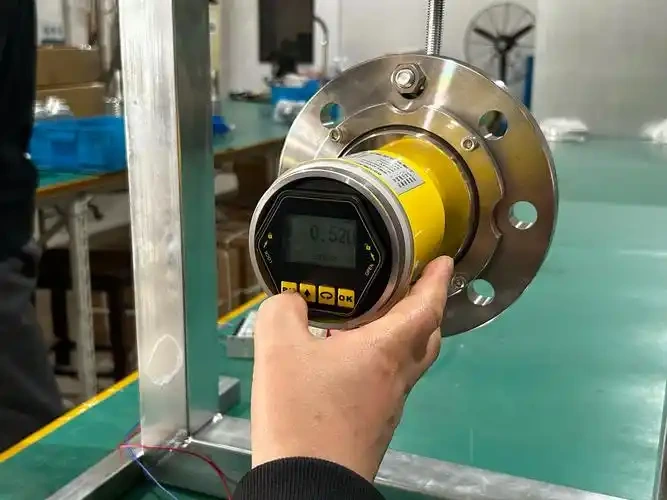
6. Display and Transmitter Unit:This unit takes the incoming pulses, crunches the numbers, and shows live readings for both instantaneous and total flow. Most units also put out a standard signal so you can tie the meter straight into a PLC or DCS.
7. Fastening and Adjustment Components:End caps, bolts, flanges, and the like hold the whole assembly together and connect it into the line. Some designs also let you tweak gear clearance through these fittings when you need to adapt to a different fluid or operating point.
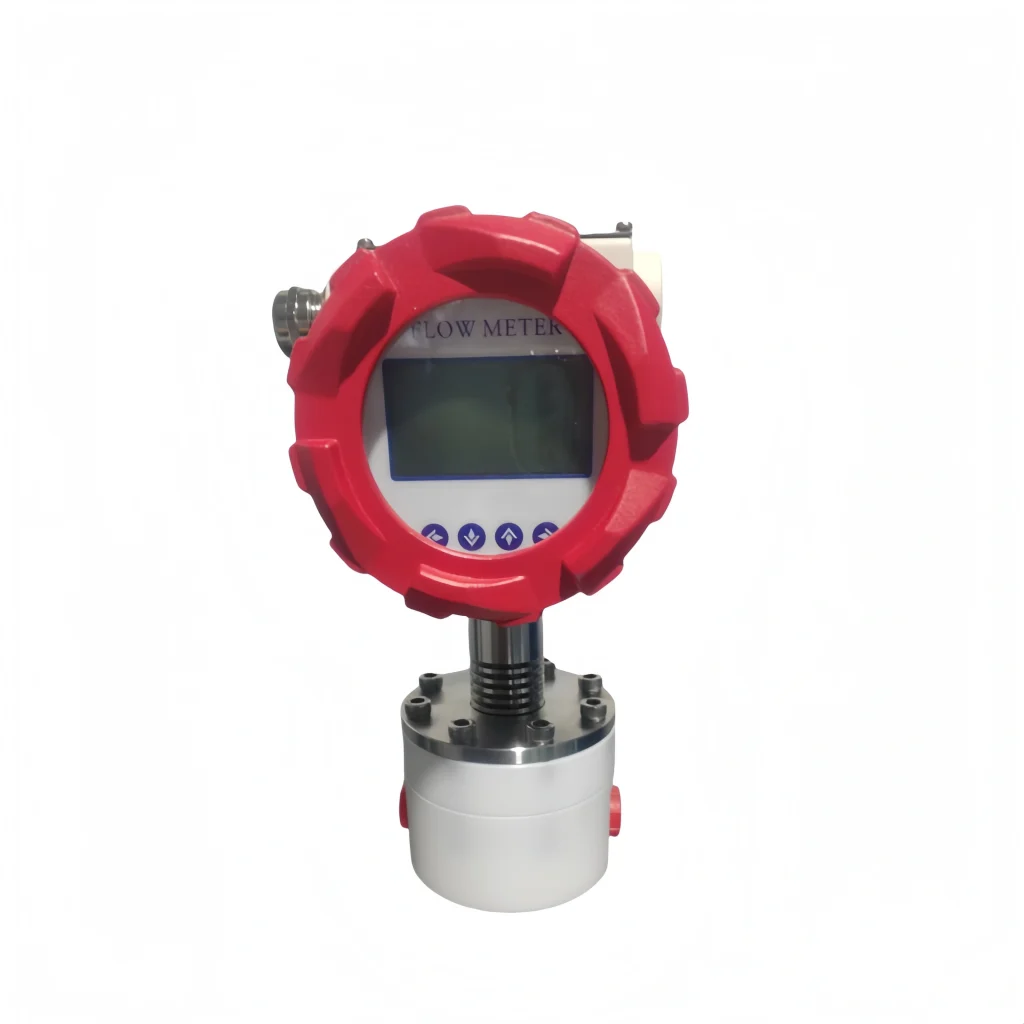
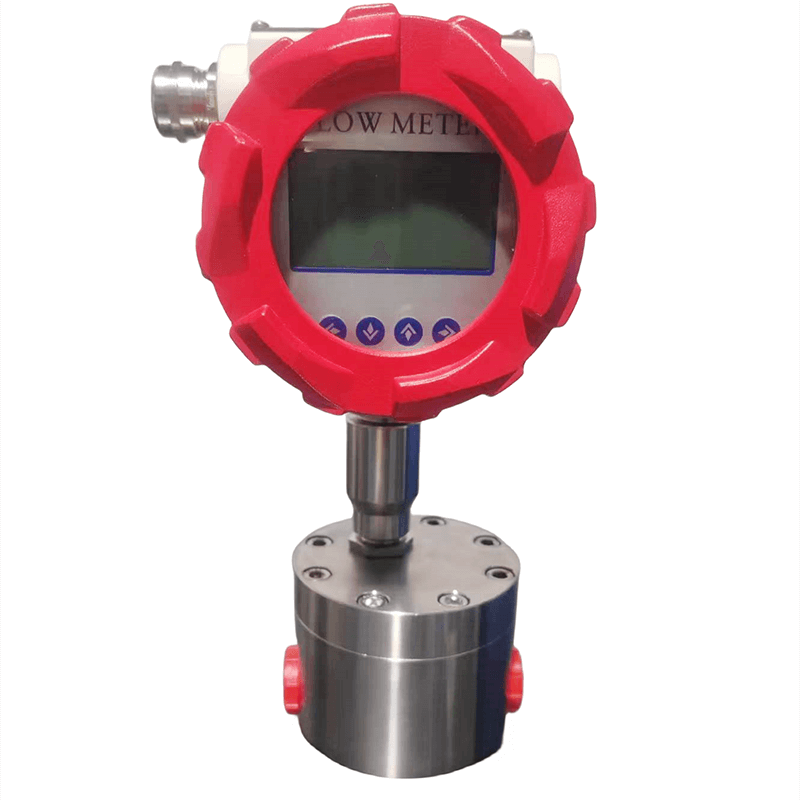
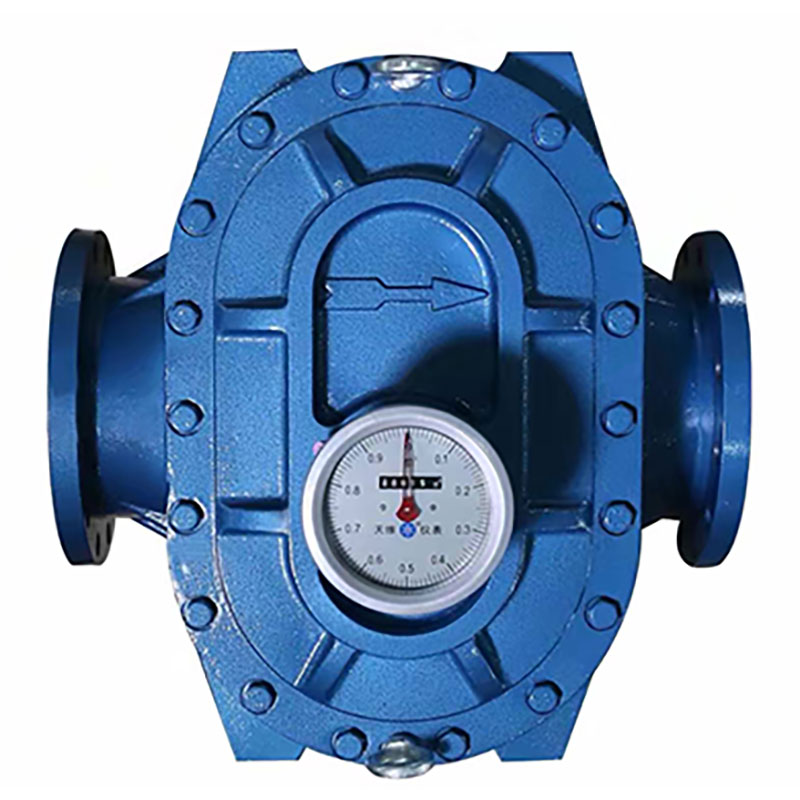
Types of Gear Flow Meters
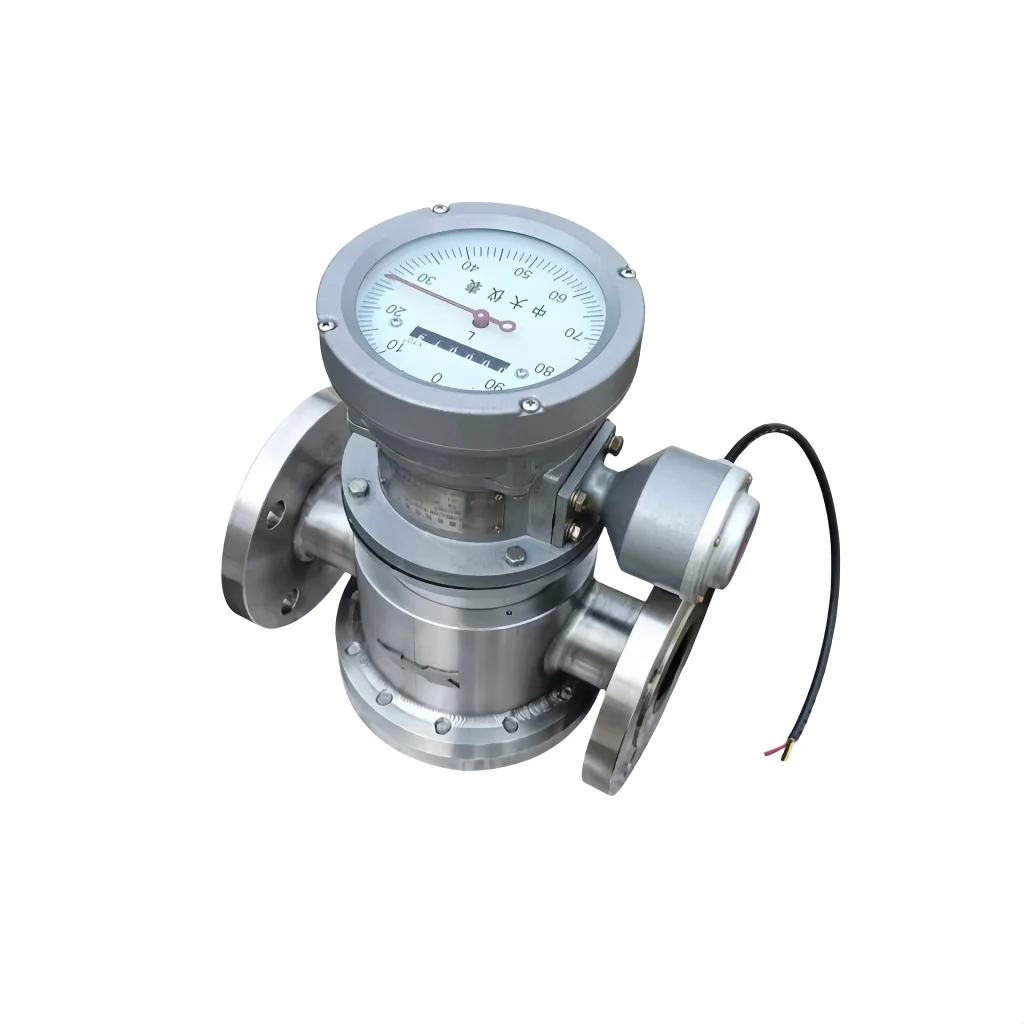
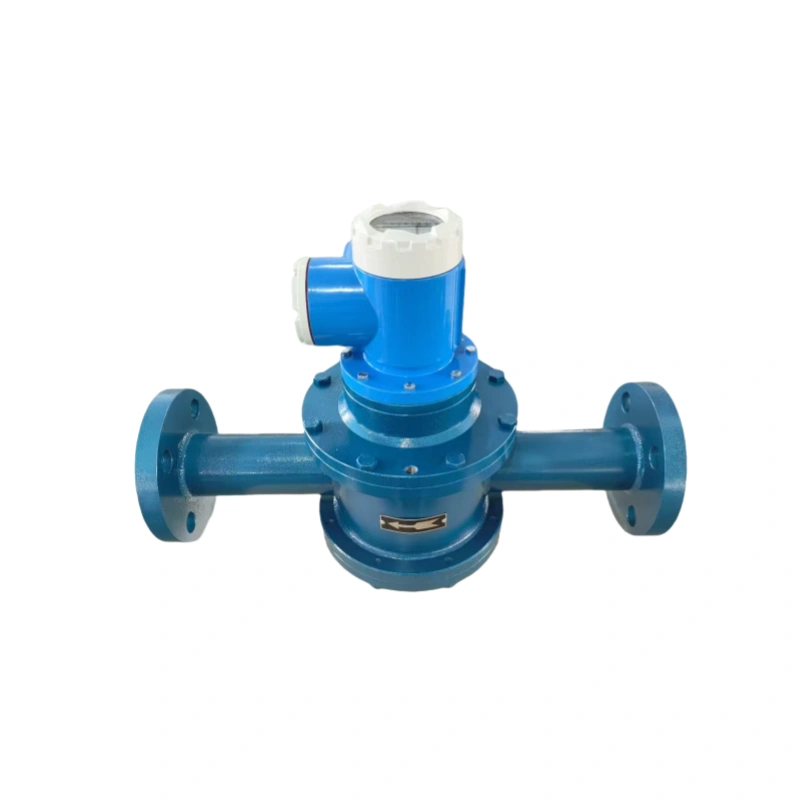
Oval Gear Flow Meter:
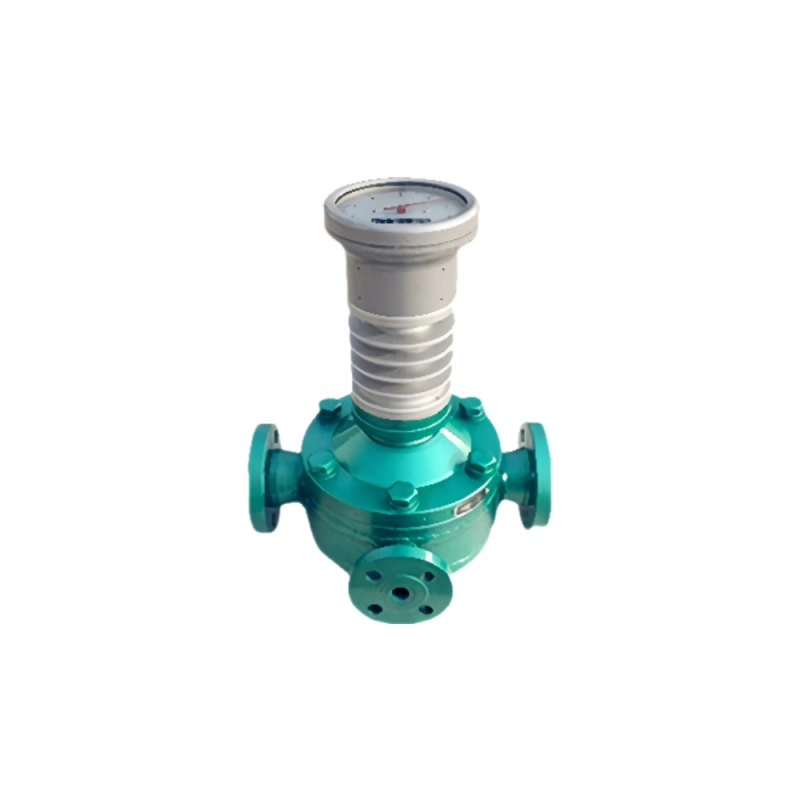
Oval gear meters are probably the most common positive-displacement type you will find in industry. Inside, a pair of precision-machined oval gears mesh tightly and turn as the fluid pressure pushes them around.
Accuracy is high and the readings stay stable — you won’t see much drift even when velocity or pressure starts bouncing around. They are especially good with thicker liquids.
You will find them measuring diesel, lube oil, grease, syrup, paint, and plenty of other viscous fluids. The petroleum, food, and chemical sectors all rely on them as everyday metering tools.
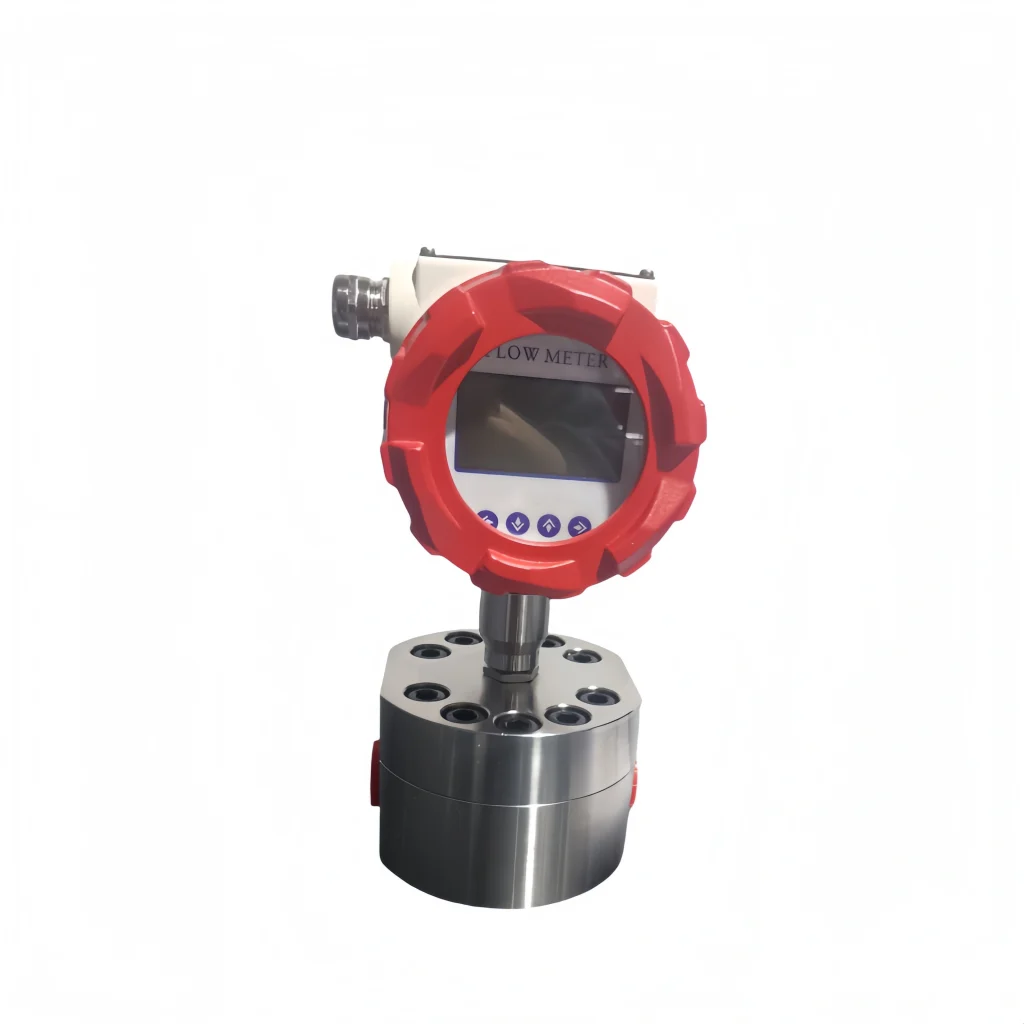
Spur Gear Flow Meters:
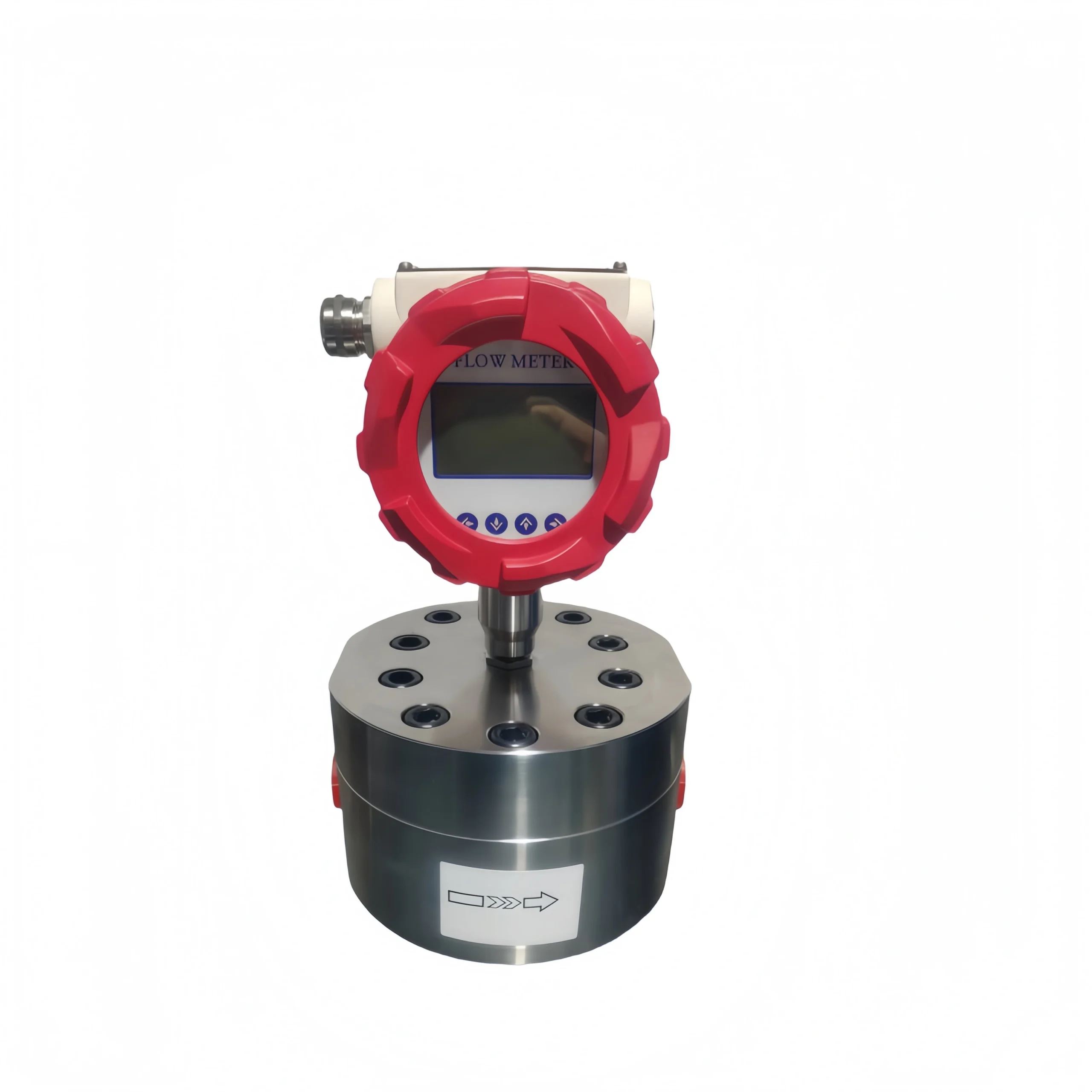
Spur gear meters run on a straightforward circular gear mesh. The whole package is compact, does not take up much room, and tends to keep running without much trouble.
Because the gears spin easily, they work best with clean, thin fluids — think potable water or light oil — as long as there are no contaminants in the stream. You will usually see them on small-bore lines, in lab microfluidic rigs, or anywhere in residential and light industry where you need an accurate read on a low flow rate.
Helical Gear Flow Meters:
Helical gear meters use angled teeth that overlap more than straight-cut gears do. The result is a smoother spin, less shaking, quieter running, and better ability to take a hit without damage.
Sealing is good and the accuracy holds steady, so they handle clean, medium-to-low viscosity fluids under tough, continuous-duty, high-cycle industrial conditions. Hydraulic power units, fuel transfer lines, and general plant fluid measurement are all typical jobs for this design.
Internal Gear Flow Meter:
Instead of the usual external gear setup, these meters mesh an internal gear pair. The cavity is tight and tidy, pressure drop across the meter is minimal, and they run quietly.
They hold up well to wear, turn smoothly, and fit neatly into cramped piping layouts. Lubricating oil, hydraulic fluid, and medium-viscosity resins are typical fluids they measure. Equipment lube circuits and small-bore chemical process lines are where they usually end up.
Stainless Steel Corrosion-Resistant Gear Flow Meters:
All flow-contacting components are made of 304 or 316 stainless steel, eliminating the use of easily corroded materials such as cast iron. These meters offer excellent resistance to acids, alkalis, oxidation, and rust.
They can reliably measure mildly corrosive chemical liquids, aqueous solutions, and mildly acidic or alkaline media, making them suitable for applications in fine chemicals, environmental water treatment, and the metering of food-grade preservative fluids.
Practical Applications
1. Measurement in Hydraulic and Lubrication Systems
These meters keep tabs on hydraulic and lube oil in machine tools, construction equipment, and hydraulic power packs. They give you an accurate count of how much oil goes in, flag leaks before they get expensive, and help you track actual oil burn. They also work on the lube circuits in vehicle and marine engine rooms.
2. Oil Storage, Transportation, Dispensing, and Settlement
You can use them for tight metering when loading, unloading, or dispensing diesel, jet fuel, heat-transfer oil, and similar products. They handle trade reconciliation, fleet fuel tracking, and tie straight into dispenser pumps and tanker-truck lines.
3. Control of High-Viscosity Chemical Raw Materials
They meter resins, paints, hot-melt adhesives, and other thick fluids in proportion to the batch. Viscosity swings won’t throw the reading off. High-temperature versions can take asphalt, keeping chemical feed rates and fill ratios steady.
4. Food Filling
They portion out honey, syrup, cooking oil, and similar products by exact volume. Sanitary designs clean up easily with no dead spots, and they hold tight control over output volume on grain, oil, sauce, and candy lines.
5. Pharmaceuticals and Personal Care
They handle fragrances, ointments, cosmetic concentrates, and the like. The low-shear design keeps the product intact, which matters when you need small-batch, high-precision blending or automatic filling in pharma and personal-care plants.
6. Micro-Volume Special Fluid Dispensing
Micro-volume reagent mixing in laboratories and calibration of oil equipment; suitable for dispensing semi-fluid materials such as grease and lubricants, enabling precise micro-flow measurement for test benches and automated mechanical grease-dispensing equipment.
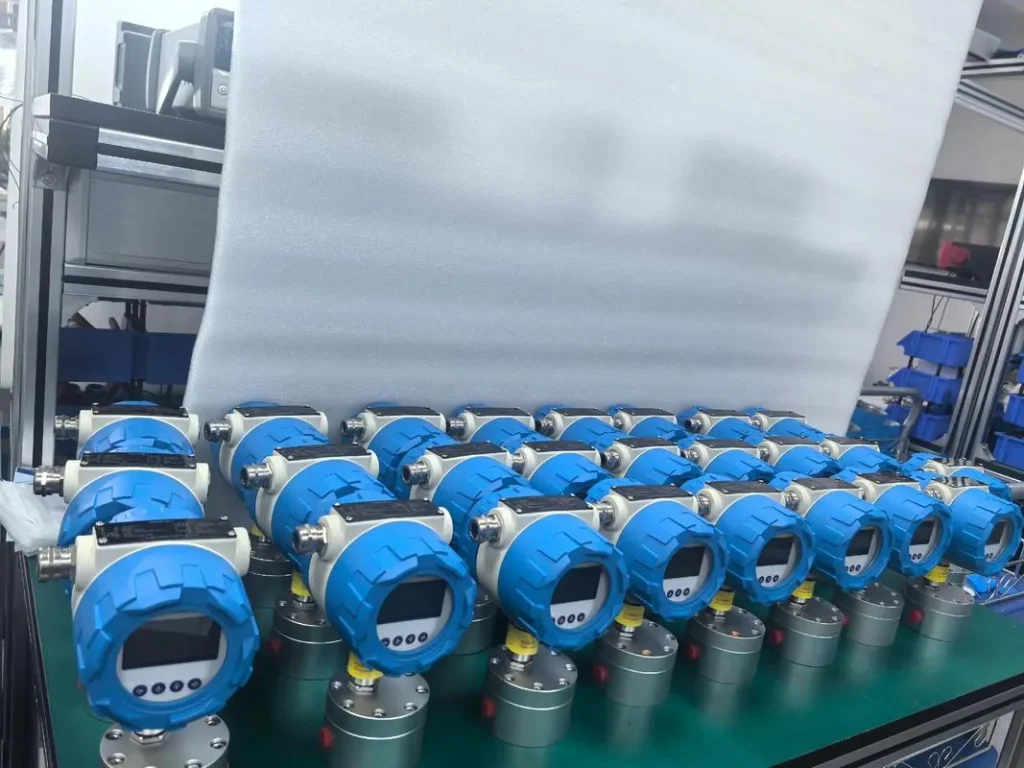
Advantages of Gear Flow Meters
1. High measurement accuracy:Because the meter works on positive displacement, every full turn of the gears moves a fixed volume. Repeatability and linearity are excellent, and error stays small. That makes these units a solid choice for precision work such as batch blending and trade settlement.
2. Wide turndown ratio:The instrument holds steady from a low trickle all the way up to rated flow, so you don’t find yourself swapping hardware every time the line rate fluctuates.
3. Strong media adaptability: They measure thick fluids — engine oil, resin, and the like — without trouble. Viscosity can swing around and the reading barely shifts. If the liquid is mildly corrosive, you can specify corrosion-resistant materials.
4. Flexible installation requirements:You don’t need long straight pipe runs upstream or downstream. The meter fits into tight or awkward piping layouts without rebuilding the whole line, which keeps field modification costs down.
5. Outstanding interference resistance: A few fine particles or some entrained air won’t throw the measurement off. Compared with velocity-type meters, they are far less likely to jam or drift, so they keep running steady.
6. Versatile output signals: Pulse and 4–20 mA outputs are both available, so you can wire the meter straight into a PLC or totalizer. That makes shop-floor data collection, remote monitoring, and batch control straightforward.
7. Simple and durable design: There aren’t many moving parts inside, and nothing that acts as a fragile restriction. Life expectancy is long, and day-to-day upkeep is mostly just an occasional chamber clean-out.
FAQ
What are the differences between spur gear flow meters, oval gear flow meters, and helical gear flow meters?
Structure and Measurement Principles
1. Straight-tooth gear flowmeter:Inside sits a pair of straight-cut gears. The pressure drop across the meter spins them, and the pockets between the teeth act as tiny measuring cups. You count each tooth as it goes by to get your volume.
2. Oval-tooth gear flowmeter: This one runs on a pair of oval-shaped rotors. As they turn, they carve out crescent-shaped chambers that trap and move the fluid. Each full turn shifts a noticeably larger slug of liquid than straight-gear designs.
3. Helical Gear Flow Meter:Helical gears stay in contact across several teeth at once. The discharge stays smooth and steady because there is no gap between one tooth letting go and the next one picking up.
Flow Pulsation and Pressure Loss
1. Straight-Tooth Gear:The teeth mesh one at a time, so you get a moderate pulse in the flow. Pressure drop is the smallest of the three, which is why these meters work well on low-pressure lines.
2. Oval Gears:They push fluid in big, discrete chunks, so the pulsation is the worst of the bunch. The rotors also fight the fluid more, creating higher drag and a larger pressure loss — not a good pick for low-pressure systems.
3. Helical Gears: With several teeth moving fluid at the same time, the flow stays the smoothest and the pulsation is minimal. Pressure loss sits a bit above straight-tooth units but well below oval-gear meters.
Suitable Medium Viscosity
1. Spur Gears:These do best with clean, low-to-medium viscosity liquids. Once the fluid gets extremely thick, the gears can bind up and the reading starts to drift.
2. Elliptical Gears: Oval gears were built with thick fluids in mind — the heavier the viscosity, the tighter the seal between the gears and the chamber. The flip side is that thin liquids like water slip past too easily, so leakage shoots up and accuracy drops.
3. Helical Gears:Helical gears cover the widest viscosity spread. They will measure both thin and thick fluids reliably, and the accuracy holds steady even when viscosity shifts around during the run.
Accuracy and Measurement Range
1. Straight-tooth gears: Straight-tooth units hit ±0.2 % to ±0.5 % accuracy. Resolution is high, so they work well for micro-flow jobs, with a turndown of about 50:1.2.
2. Oval gears:Oval-gear meters are the most accurate of the three — down to ±0.1 % — which is why they show up in custody-transfer and billing applications. Resolution is not as fine, and turndown is roughly 40:1.
3. Helical Gears: Helical-gear models run ±0.3 % to ±0.5 %, but they stretch out to a 100:1 turndown. Accuracy stays flat across that whole span, and they can measure flow in either direction.
How to Choose Between Gear Flow Meters and Turbine Flow Meters?
1. Viscosity Range
Gear meters handle thick fluids — oils, resins, syrups — across a broad viscosity band. Turbine meters, on the other hand, are built for thin liquids; once viscosity starts climbing, their accuracy falls off a cliff.
2. Measurement Accuracy
Gear meters run at ±0.2 %–0.5 %, with a wide turndown, and they stay precise even when the flow drops to a trickle. That is why you see them in trade metering and batching. Turbine meters sit around ±0.5 %–1.0 %, and the error grows quickly at low flow rates.
3. Medium Purity
Gear meters can live with a small amount of soft debris, but hard particles will chew them up. Turbine meters need the fluid essentially clean — no particles, no fibers — and you must put a filter upstream.
4. Pressure Drop and Pressure Rating
Gear meters create a fair amount of pressure loss, yet they are rated for high pressure, so they fit well in hydraulic power circuits. Turbine meters lose very little pressure, but they are meant for low-pressure lines; too much pressure will destroy the bearings.
5. Applicable Flow Rates
Gear meters are aimed at small, medium, and micro flows. Turbine meters are the better choice for medium to large flows and are more cost-effective on big pipe sizes.
6. Temperature Conditions
Gear meters can be customized for high-temperature duty — hot-melt adhesives and asphalt are typical examples. Turbine meters cannot handle hot, viscous media; they are restricted to room-temperature, low-viscosity liquids.
7. Maintenance and Service Life
When the liquid is clean and thin, turbine meters are cheaper to keep running. When the fluid is viscous, gear meters wear more slowly and can go longer between overhauls.
Can Gear Flow Meters Be Used for Gas Measurement?
No. Gear flow meters are positive-displacement devices made strictly for liquids. They depend on the fluid completely filling the voids inside the chamber so the gears have something to push against.
Gas is too light, provides no lubrication, and cannot fill those voids properly, so the readings are meaningless. It also leaves the bearings running dry, which burns them out in short order. For gas measurement, look at gas turbine, vortex, or Roots-type meters instead.
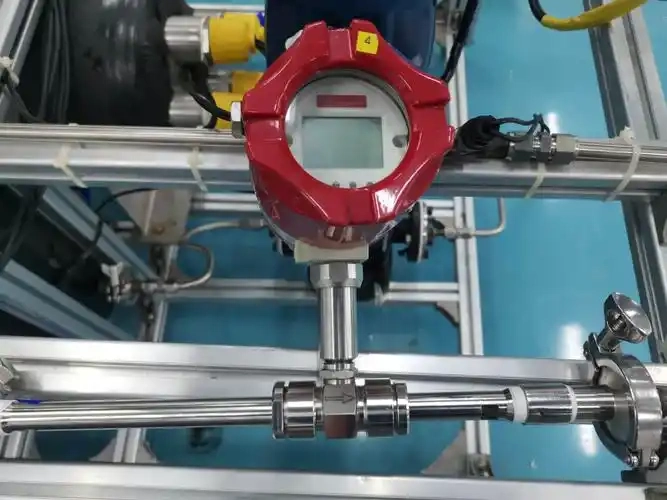
In industrial fluid measurement and control, having equipment that is precise, stable, and durable is what keeps a production line running efficiently and costs under control. Sion-Inst has spent years working in flow metering, and our gear flow meters were built to handle the headaches that keep plant engineers up at night — high viscosity, low flow rates, and harsh operating environments. They fit across the board in chemical plants, petroleum handling, food production, and hydraulic systems, delivering steady readings and holding up under tough conditions.
Getting the flow measurement right is what lets you improve product quality, cut waste, and stay on the right side of regulations. If you need help matching a meter to your process, picking the right model, figuring out installation, or keeping it running, reach out whenever you like.
We will put together a flow measurement solution that fits your exact site conditions, not a generic off-the-shelf