Pressure sensors are core sensing devices in the fields of industrial measurement and control, and power testing; piezoelectric and piezoresistive sensors are the two most widely used mainstream solutions.
The two types utilise the piezoelectric effect and the piezoresistive effect, respectively, to convert mechanical force into electrical signals, and differ significantly in terms of suitability for static or dynamic measurement, frequency response range and supporting circuitry.
This article provides a comparative analysis from the perspectives of principle, performance and operating conditions, offering a clear basis for engineering selection.
What is a Pressure Sensor?
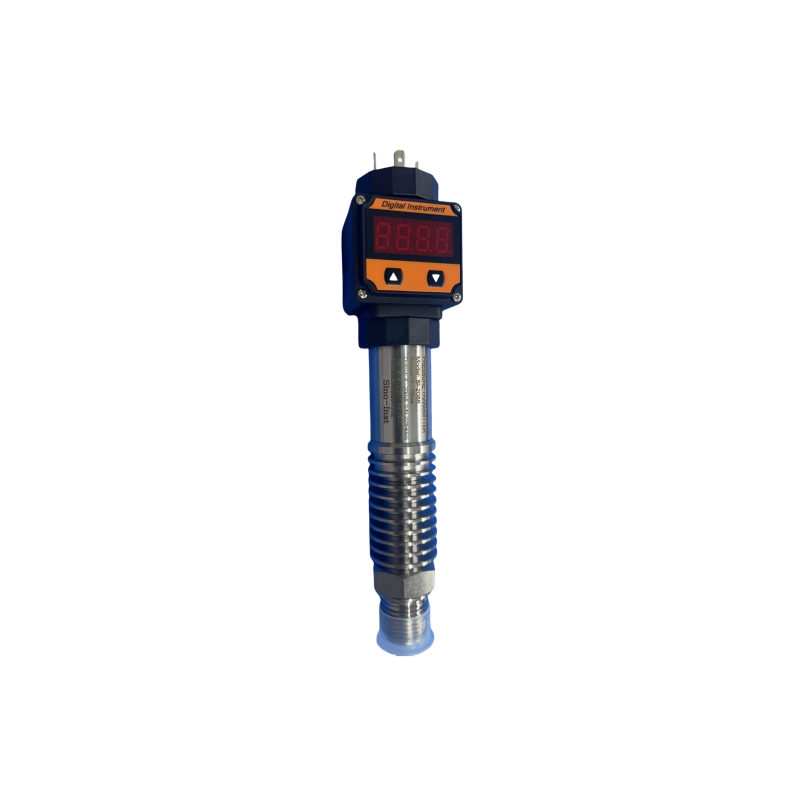
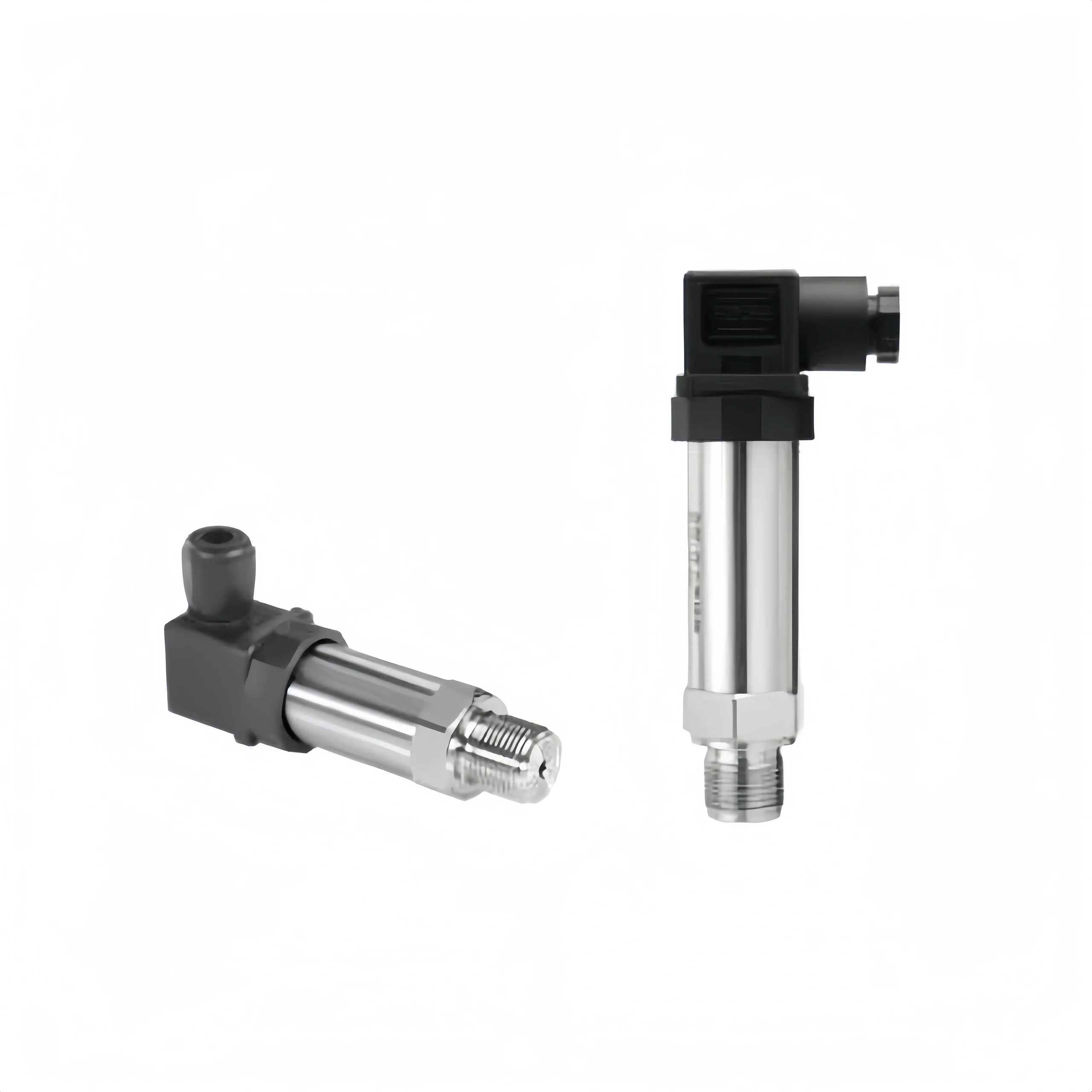
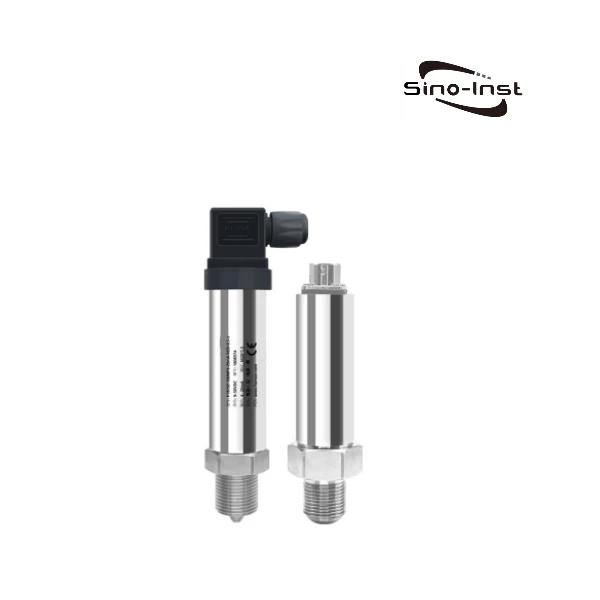
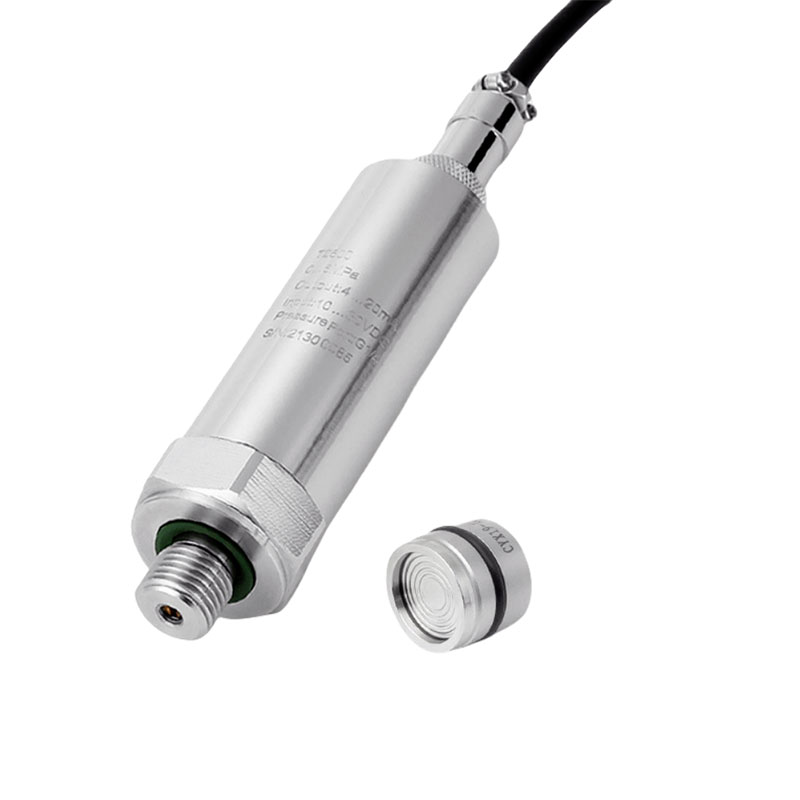
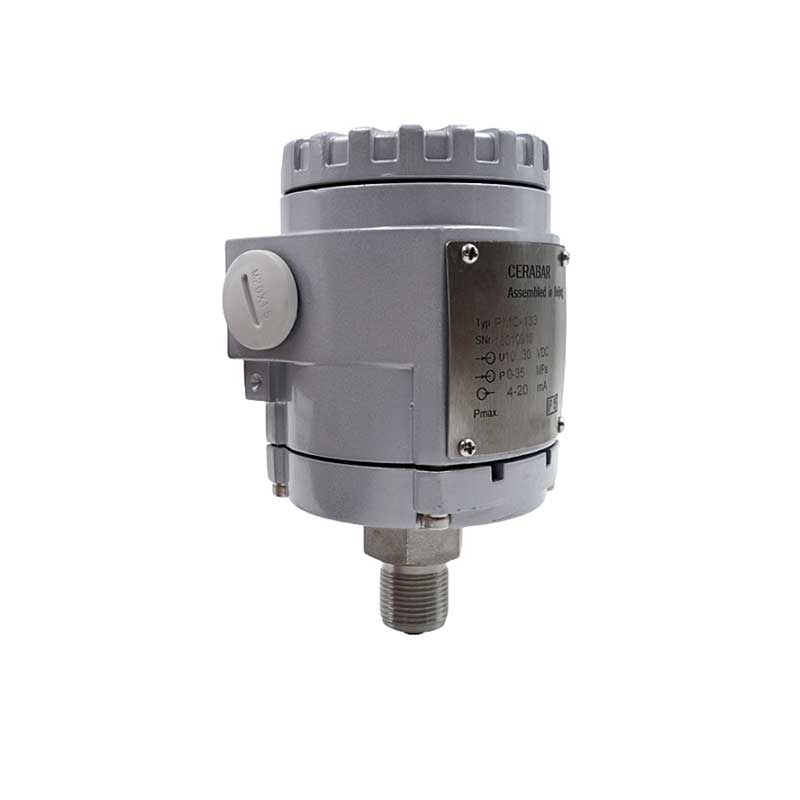
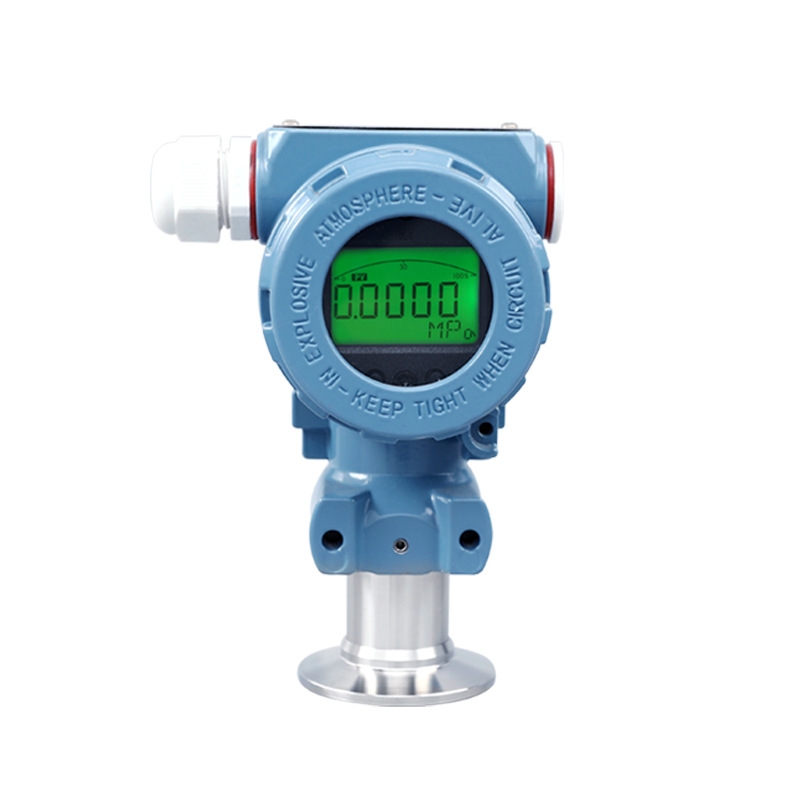
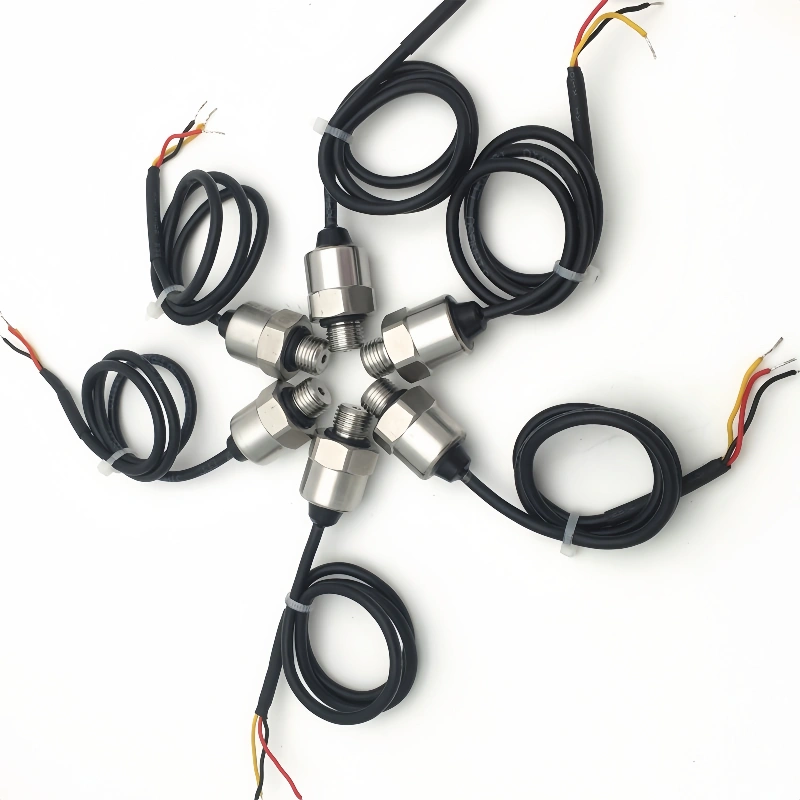
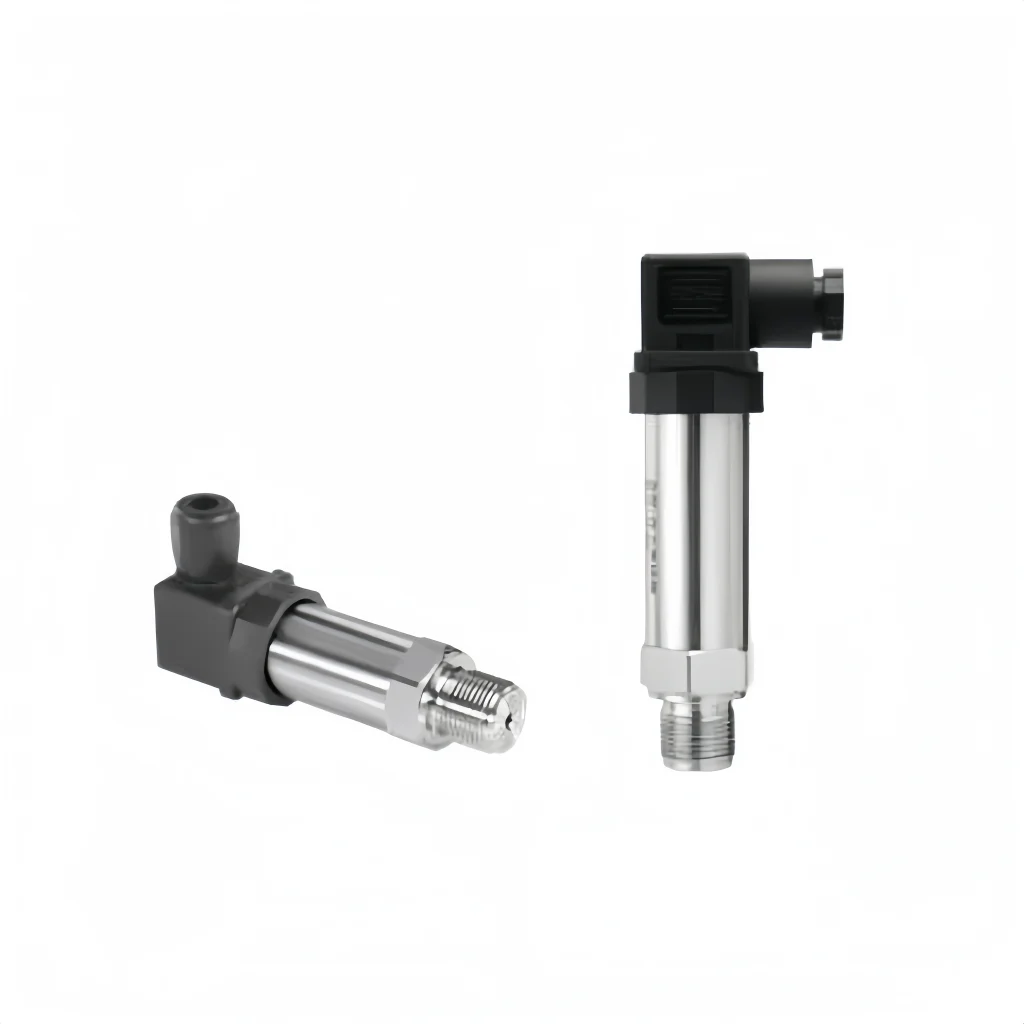
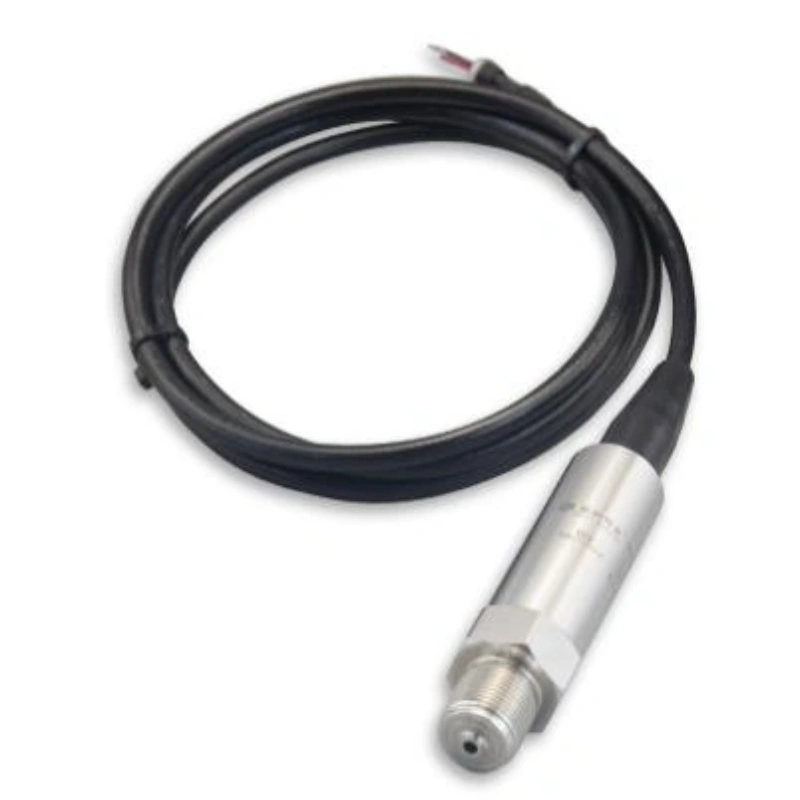
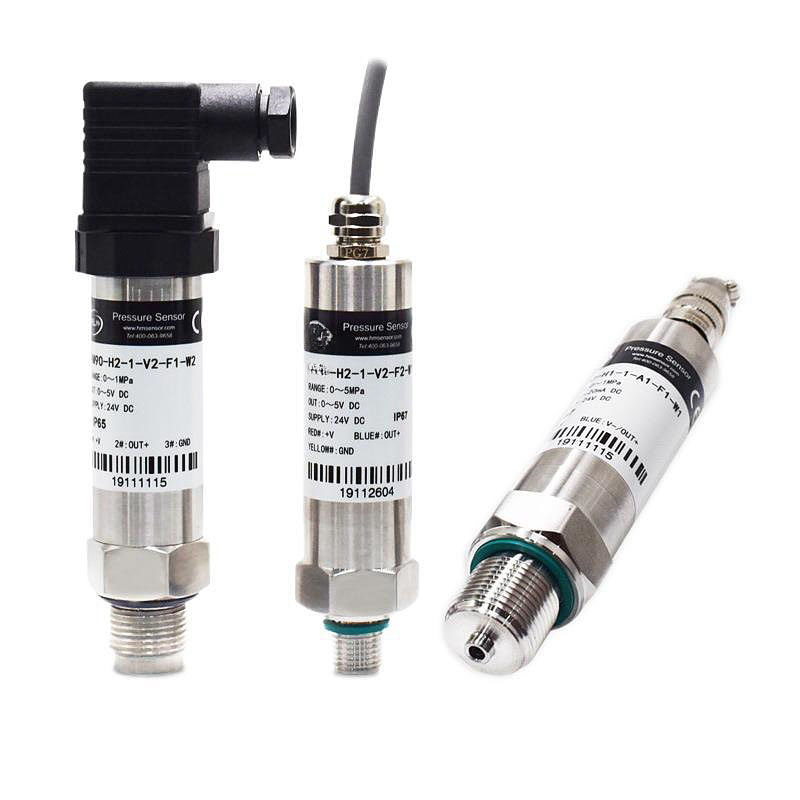
A pressure transducer is the core sensing device that turns mechanical pressure from fluids or solids into standard electrical signals, using different physical effects to convert force into electricity.
When pressure hits it, the internal sensing element deforms and kicks out an electrical signal—voltage or resistance—that you can read. Run that through a signal conditioning circuit, and you get a quantified pressure value.
These sensors see heavy use across industrial automation, automotive, aerospace, and fluid measurement and control. They can handle both static, steady pressure and instantaneous impacts or high-frequency dynamic pressure changes.
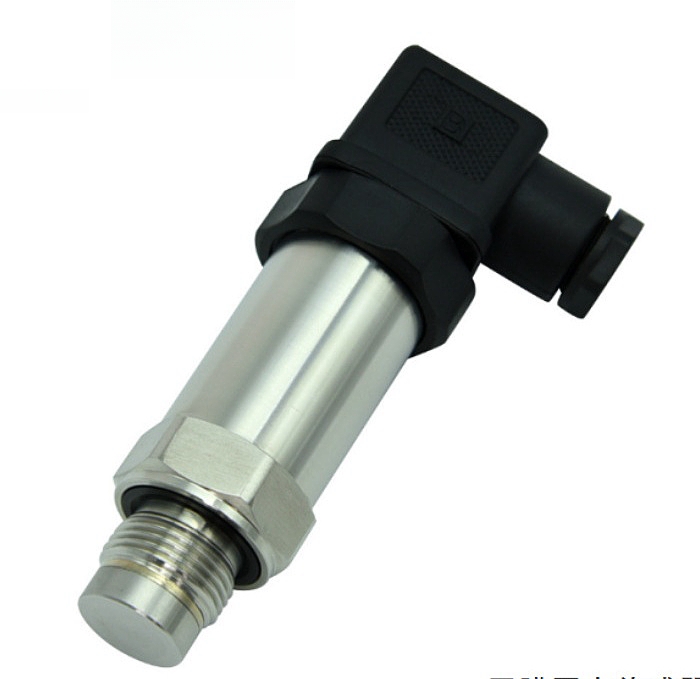
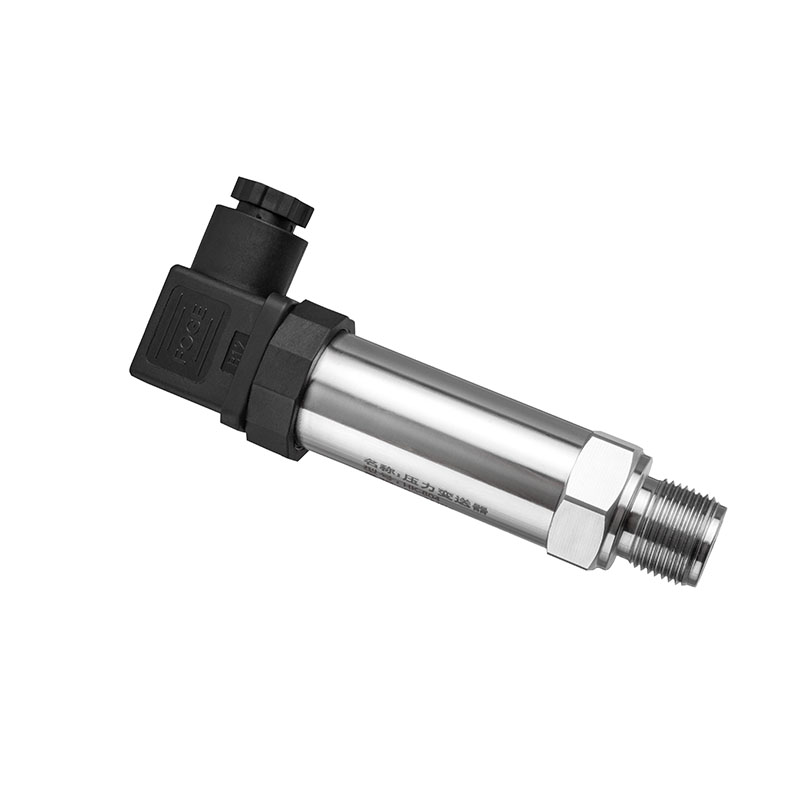
What is a piezoresistive pressure sensor?
A piezoresistive pressure sensor detects pressure by exploiting the semiconductor piezoresistive effect. At its core, monocrystalline silicon exhibits a well-defined resistance shift whenever mechanical stress deforms its crystal lattice. The sensor builds on this by embedding diffused resistors onto a thin silicon diaphragm and wiring them into a Wheatstone bridge.
As the pressure from the target gas or liquid pushes against the diaphragm and bends it slightly, the resistor values drift; the unbalanced bridge responds by producing a voltage proportional to that pressure, and a downstream conditioning circuit turns that raw signal into a usable pressure reading.
Advantages
1. High sensitivity: It works off the semiconductor piezoresistive effect, so the sensor picks up even the faintest pressure shifts with decent precision.
2. Fast response:Deformation and resistance change happen more or less at the same time, so it can keep up with rapid pressure changes in real time. That comes in handy for anything that moves quickly.
3. Compact and highly integrated:It is built on a tiny silicon chip, so you can pack temperature compensation and signal conditioning right into the same package. That lets it squeeze neatly into tight spots.
4. Steady linear output: Pressure and output signal maintain an almost linear relationship, cutting signal drift and sustaining stable performance over extended use.
5. Versatile usage scope:Compatible with nearly all liquid and gas media, it fits diverse scenarios including industrial equipment, automotive systems, medical instruments and environmental monitoring gear.
6. Dependable working performance: Free of wearable internal moving parts, it withstands vibration and impact well, boasts a long service life, and retains steady readings during continuous long-hour operation.
What is a piezoelectric pressure sensor?
A piezoelectric pressure sensor works off the piezoelectric effect of a crystal. Once pressure acts on the crystal surface and bends its structure, the crystal will create an electric charge matching the strength of the applied force.
Inside the sensor sit a piezoelectric wafer and charge conversion circuit. Any charge produced from pressure deformation is converted by onboard circuits into readable voltage signals, which reflect the real pressure value.
Advantages
1. Great high-frequency performance:It captures high-frequency signals effectively, detecting quick pulses and sudden impacts with reliable precision.
2. Small, space-efficient build:The structure is simplified and minimal. It’s lightweight and compact, fitting easily into narrow installation spaces.
3. Strong vibration and shock resistance:Made with rigid construction and a high natural frequency, it stays stable under rough, jittery operating conditions.
4. Self-powered with wide applicability:It outputs charge signals on its own, requiring no external power supply. It works perfectly for short-term dynamic pressure tests.
5. Broad dynamic measurement range:It measures signals from faint minor pressure shifts all the way to heavy impact loads without distortion.
6. Low energy use and long working lifespan:No moving or friction parts inside, so it barely consumes power during long high-frequency operation and serves reliably for a long time.
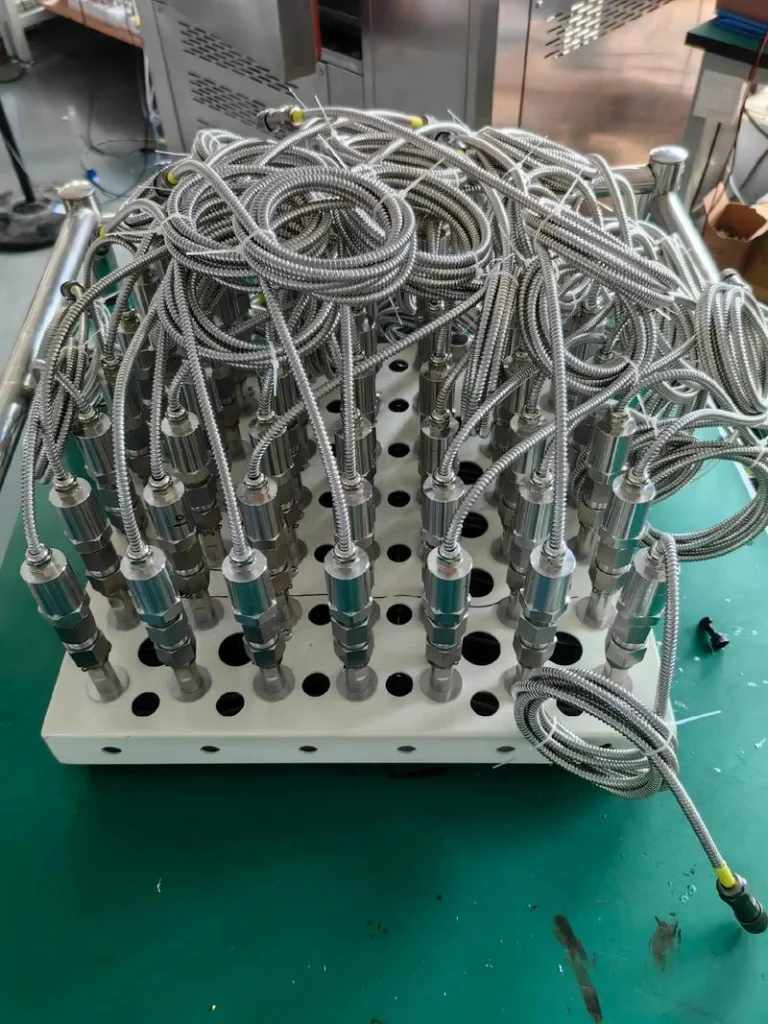
Piezoresistive vs Piezoelectric Pressure Sensors
Principle of Operation
1. The heart of a piezoresistive pressure sensor is a silicon wafer with piezoresistive properties. It runs on the piezoresistive effect found in semiconductors: put pressure on the material, it deforms, and its resistivity changes.
A Wheatstone bridge takes that resistance shift and converts it into a standard voltage or current signal. Once the pressure lets up and the deformation ceases, the resistance snaps back to its original value—so you’ve got a sensing structure that can be measured under static conditions.
2. Piezoelectric pressure sensors, on the other hand, lean on the piezoelectric effect in crystals like quartz and certain ceramics. Press the crystal, and charge pops up on its surface instantaneously; release the force, and the charge disappears just as fast.
These sensors only kick out momentary charge signals—when there’s no external force acting on them, they give you absolutely no electrical output whatsoever.
Suitable Measurement Scenarios
1. Piezoresistive sensors work well for static pressure and slowly varying low-frequency pressure. They can reliably detect pressure that stays flat for long stretches or shifts only a little and slowly—think steady pipeline pressure, the unchanging liquid level pressure inside storage tanks, or the stable oil pressure running through machinery. If any zero-point drift shows up, you can fix it with circuit compensation.
2. Piezoelectric sensors are no good for measuring constant static pressure. The charge they generate under static conditions bleeds off fast through leakage current, so they only work for high-frequency dynamic impacts and transient pulse pressures.
That includes things like explosion shock waves, the pressure inside an internal combustion engine’s combustion chamber, instantaneous impact pressures, and high-speed fluid pulsation pressures.
Output Signals and Supporting Circuits
1. Piezo-resistive sensors work by turning resistance changes into an electrical signal. Hook them up to a basic amplification and conditioning circuit, and you get a clean analogue output—either 0–5 V or 4–20 mA.
These outputs are rock-solid and low-impedance, so you can run them down long cables without much trouble. They also play nice with standard industrial control and data acquisition gear.
2. Piezoelectric-type sensors output weak charge signals with extremely high output impedance; they must be paired with a dedicated charge amplifier to convert the signal.
The circuit structure is complex, cable length is limited, and long cables are prone to introducing interference; they cannot be directly connected to conventional data acquisition instruments.
Temperature Characteristics and Zero-Point Stability
1. Piezo-resistive silicon chips inherently exhibit temperature drift; however, mature products incorporate built-in temperature compensation circuits.
Zero-point and span drift are controllable within the normal to moderate temperature range, and the zero-point repeatability is good during long-term steady-state operation, making them suitable for long-term continuous monitoring.
2. Piezoelectric crystals hold up well against temperature shifts and don’t drift much with heat; the catch is they have no fixed static zero point, so you need to recalibrate to zero before every measurement. The baseline also tends to wander after sitting idle for too long, which rules them out for continuous long-term monitoring.
Measuring Range and Structural Rigidity
1. Piezoresistive sensors span a huge range, anywhere from micropascals up to hundreds of megapascals, and can be built to match.
The silicon diaphragm has decent flexibility, the whole thing is thin and light, and miniaturised packaging is already well worked out—so they fit nicely into low- and medium-pressure jobs in civilian and general industrial use.
2. Piezoelectric sensors possess greater overall structural rigidity and are better suited to high-pressure and high-impact conditions. In low-pressure and micro-pressure scenarios, signals are weak and the signal-to-noise ratio is poor.
They are rarely used for micro-pressure measurement and are predominantly employed in high-impact, high-pressure testing applications such as defence, power generation and blasting.
Comparison of Response Speed
1. Piezoresistive sensors respond at a moderate pace, anywhere from microseconds to milliseconds—fast enough for the bulk of everyday industrial pressure detection. They cope fine with slow pressure changes, but lag a bit when hit with high-speed, transient shocks.
2. Piezoelectric sensors are lightning-fast, responding in the nanosecond to microsecond range, so they can catch transient pressure peaks at the millisecond level or even shorter; they’re the go-to choice for transient dynamic pressure testing.
Service Life and Maintenance
1. Piezoresistive sensors do not suffer from charge leakage; once powered, they can operate continuously without interruption. Maintenance is straightforward, requiring only periodic range calibration, and they are widely used in online continuous monitoring equipment.
2. Piezoelectric sensors can only collect transient signals intermittently; prolonged power-on whilst idle will result in baseline drift, and they must be discharged and reset to zero before each test, making them less practical for continuous online monitoring.
Fields of Application
1. Piezoresistive pressure sensors: hydraulic and pneumatic control systems, water-supply pipeline pressure monitoring, air compressors, HVAC pressure differentials, automotive engine oil pressure, level transmitters, and general industrial online pressure data acquisition.
2. Piezoelectric pressure sensors: engine combustion pressure testing, explosive shock testing, wind tunnel pulsating pressure, firearm recoil force, impact mechanics testing of materials, and high-frequency fluid vibration pressure detection.
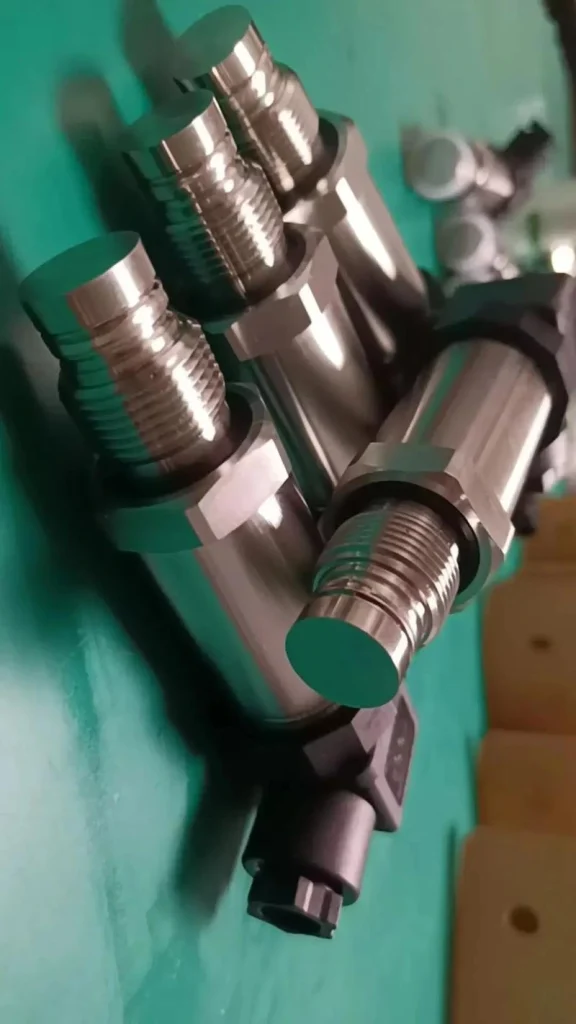
Selection Guide
1. Selection based on measurement conditions.
Piezoresistive sensors can measure static, steady-state and slowly varying dynamic pressures; their signals do not attenuate, making them suitable for routine steady-state monitoring applications such as industrial pressure stabilisation and liquid level monitoring.
Piezoelectric sensors rely on the piezoelectric effect to generate instantaneous charges; their signals tend to decay, so they are only suitable for measuring high-frequency dynamic, pulsed, and shock pressures. They cannot detect static pressure and are mainly used for transient testing such as cylinder pressure, burst pressure, and shock waves.
2. Selection based on frequency response.
Piezoresistive sensors respond at a moderate pace, with enough bandwidth to handle low- to mid-frequency pressure shifts. That is plenty for day-to-day industrial continuous monitoring.
Piezoelectric sensors, on the other hand, shine at the high end—they can push into the megahertz range and catch pressure fluctuations down at the microsecond level. That makes them the obvious pick for high-speed dynamic testing and instantaneous shock pressure work.
3. Selection based on accuracy and long-term stability.
Piezoresistive sensors feature high linearity and low hysteresis; after temperature compensation, they give solid accuracy and consistency, with reliable long-term operation.
Piezoelectric sensors show no zero-point drift; however, since they put out a weak electrical charge signal, they are easily affected by interference from acquisition circuits and have limited steady-state accuracy, so they are only appropriate for dynamic peak pressure detection.
4. Selection based on environmental adaptability.
Piezoresistive sensors have a silicon chip at their core, so they are pretty sensitive to temperature and need some form of temperature compensation. Their overload capacity is usually only moderate.
Piezoelectric sensors are built rugged and hold up well against high temperatures, shocks, and vibration, so they are right at home in tough testing environments.
5. Selection based on power consumption and power supply.
Piezoresistive sensors run on a Wheatstone bridge, which means they need a steady power supply to keep going. That makes them a natural fit for industrial settings where fixed power sources are already available.
Piezoelectric sensors output passively—they do not need a continuous power feed and draw almost no power overall. Because of that, they work well with portable gear and short-term field testing setups.
6. Selection based on cost and application suitability.
Piezoresistive sensors benefit from mature mass production processes, high integration and outstanding value for money, and are widely used in high-volume monitoring for consumer and standard industrial applications.
Piezoelectric sensors, along with their associated data acquisition circuits, are relatively expensive and are therefore used only in niche applications such as specialised experiments and high-end dynamic testing.
7. Selection based on immunity to interference.
Piezoresistive sensors put out standard voltage signals, which hold up well and shrug off electromagnetic interference, so they fit right into messy industrial electrical environments.
Piezoelectric sensors, on the other hand, output weak charge signals that are easily thrown off by electromagnetic noise; they need careful signal conditioning, solid cable shielding, and dedicated amplification circuits if you want the readings to stay accurate.
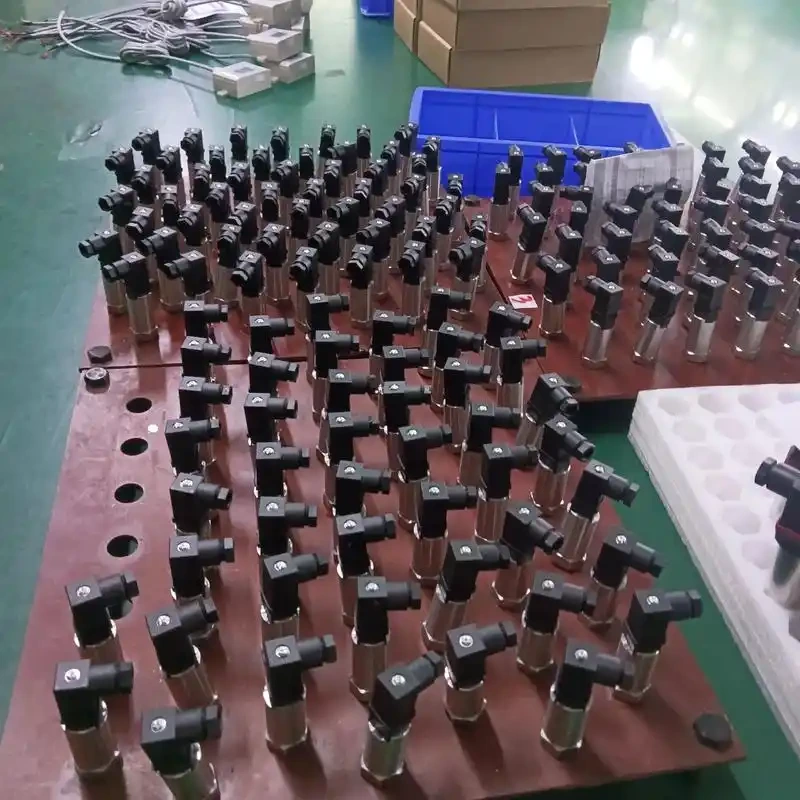
Telling these two apart properly saves you from a heap of problems caused by picking the wrong one.
Sion-Inst can work out the best sensor setup for your specific situation, taking into account how your equipment runs, what measurement frequency you need, your accuracy targets, the working environment, and your budget—striking a balance between detection reliability, equipment stability, and overall project value.
We deliver precise, efficient, and durable pressure sensing solutions for a range of engineering jobs, from industrial measurement and control to dynamic testing and high-end equipment R&D, making sure your gear runs safely and your data comes through clean.