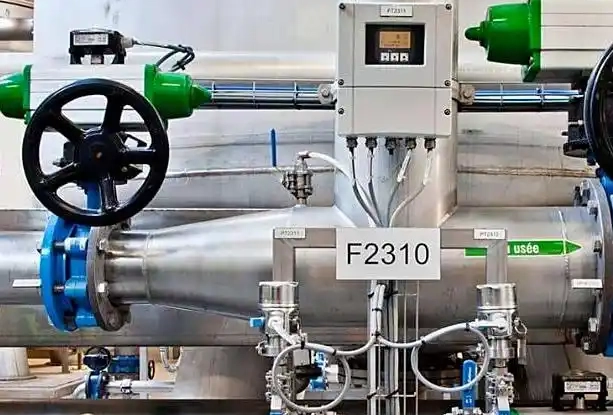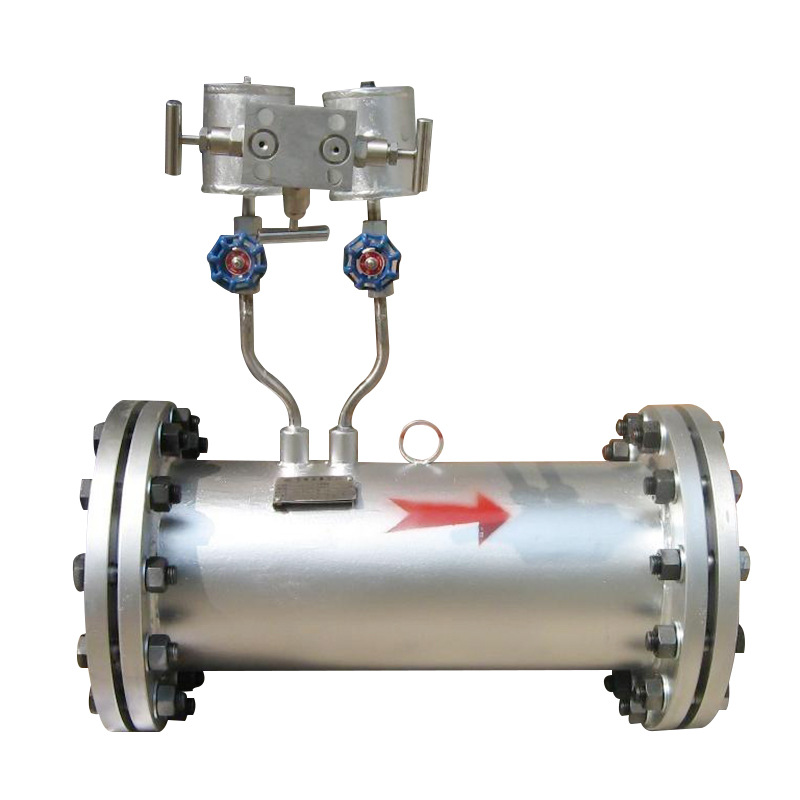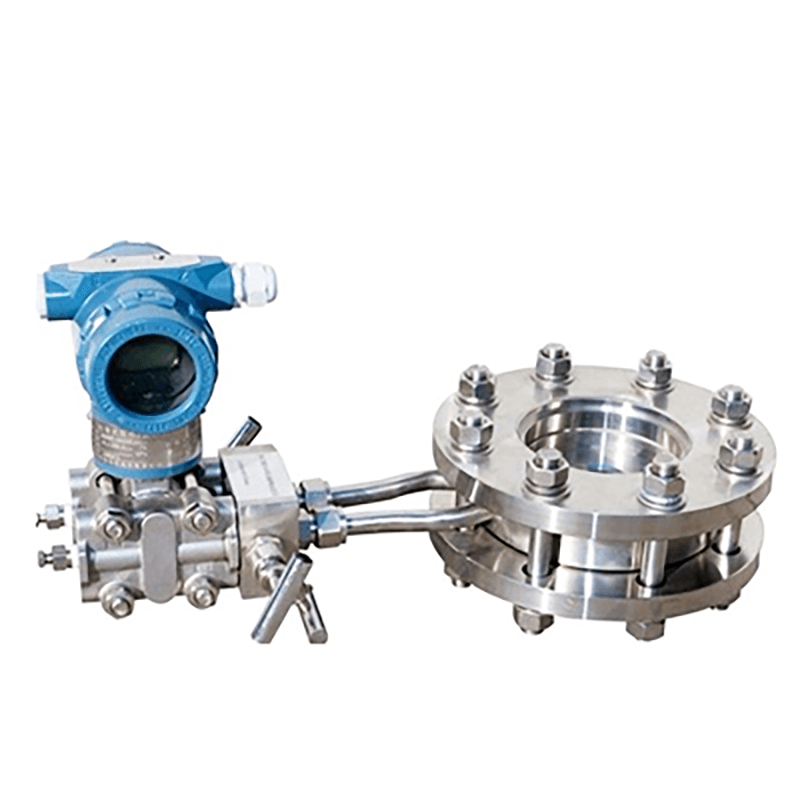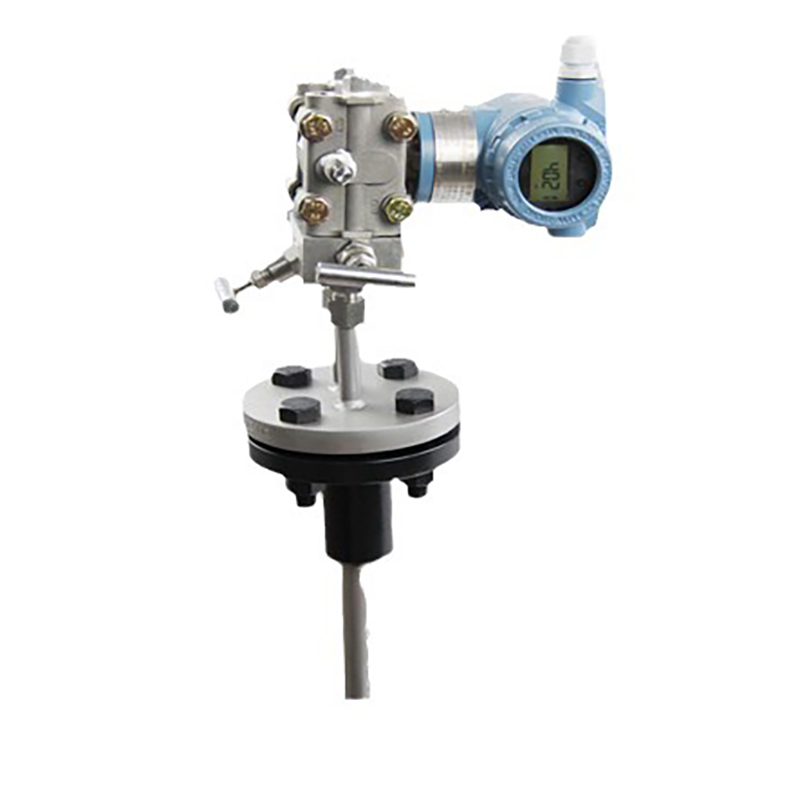
As a classic flow measurement device, the mechanical flow meter captures the kinetic energy of a fluid via its mechanical structure to achieve measurement.
Despite the rapid development of new sensor technologies such as electromagnetic and ultrasonic methods, mechanical flow meters continue to hold an irreplaceable position in numerous industrial applications due to their core advantages of simple structure, reliable measurement and strong adaptability to operating conditions.
What is a Mechanical Flow Meter?
A mechanical flow meter is an old-school measuring tool built entirely on mechanical parts to track how much fluid is moving through a pipe. It does not need electricity, electronics, or any kind of signal converter — the moving parts inside the meter itself pick up the flow and do all the work, which sets it apart from electronic meters like electromagnetic or ultrasonic ones.
It is widely applicable for measuring the flow of conventional fluids such as liquids and gases, and features a robust structure, reliable operation, no power supply required, intuitive readings and low maintenance costs, making them essential basic flow measurement devices in both industrial and domestic applications.
Principle of Operation
The core operating principle of mechanical flow meters is that fluid dynamics drive mechanical transmission and counting. When the fluid in the pipeline flows through the meter chamber, the impact force and pressure difference generated by the fluid’s flow drive specific internal mechanical components—such as impellers, gears, pistons and rotors—to rotate at a constant speed or perform reciprocating motion.
The rotational speed and frequency of these components are in a fixed linear relationship with the fluid’s volumetric flow rate and velocity. The mechanical transmission mechanisms inside the instrument — precision gears and drive shafts, for example — pass the motion of these components in real time to the counting mechanism and pointer display on the meter head.
This process translates the fluid’s movement into readable values for both instantaneous and cumulative flow, giving you a precise measurement of how much has passed through.
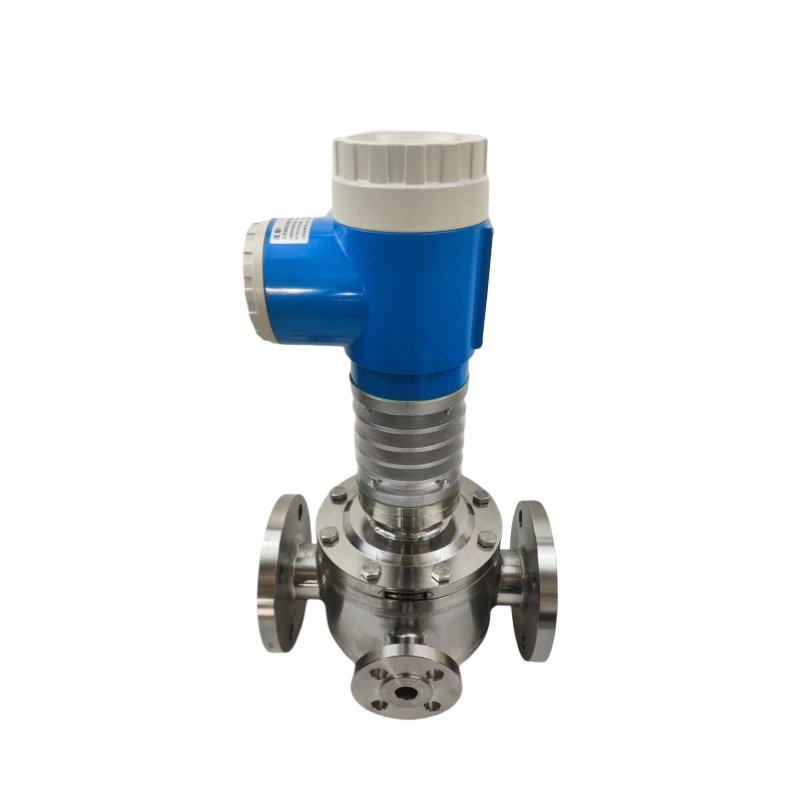
Features of Mechanical Flow Meters
1. The design is straightforward and mechanical, with not many parts to deal with, so running it day-to-day and keeping it in shape is pretty simple.
2. These meters run steady and hold up well; because they work on pure mechanical transmission, electromagnetic interference does not bother them, so they fit right into messy electrical setups.
3. Putting one in and getting it going is not complicated — there is no tricky wiring or extra circuits to worry about, and taking it apart, putting it back together, or tuning it on site is something you can pick up fast.
4. Certain models do not need any outside power at all; the flow of the medium itself provides enough energy to keep them turning, which makes them handy in places where electricity is not available.
5. They handle a broad mix of media, covering both liquids and gases, and work fine with ordinary clean fluids.
6. Over the long haul, mechanical wear becomes an issue; parts like impellers and gears take a beating during operation, and that gradual wear can throw off accuracy.
7. They are not the right choice for thick, dirty, or strongly corrosive fluids — those can gum up the works, eat away at components, or cause outright damage.
8. Pressure loss is on the higher side; as fluid moves through the meter, it loses some pressure, which adds to the energy load on the overall pipeline system.
9. The turndown ratio is relatively small; when operating flow rates fluctuate significantly, the measurement adaptability is inferior to that of electronic flow meters.
Applications of Mechanical Flow Meters
Water Supply and Drainage Sector
Mechanical flow meters are widely used in urban municipal networks, residential complexes, and industrial plant water supply pipelines to accurately measure domestic and industrial water consumption. They serve as core equipment for water billing and consumption management, and are also suitable for non-potable water applications such as rainwater and reclaimed water.
Industrial Fluid Conveyance Applications
In the chemical, light industrial and food processing sectors, they can measure industrial media at ambient temperatures and with low viscosity, including clean water, dilute solutions and edible oils.
They are suitable for flow monitoring and material accounting in workshop pipelines and process lines, and their simple structure allows for long-term continuous operation.
Fuel and Oil Measurement
Primarily used in petrol stations, oil depots and transport pipelines, these meters measure liquid fuels such as diesel, petrol and lubricating oil. They offer high measurement stability and meet the requirements for fuel trading, stock taking and flow rate statistics during transportation.
Agricultural and Irrigation Applications
Widely used in agricultural irrigation, water pumping stations and irrigation network pipelines. Suitable for outdoor environments, these meters enable quantitative control of irrigation water to ensure the rational allocation of water resources, and are suitable for large-diameter, high-flow water conveyance conditions.
HVAC and Heating Systems
Used in central heating and central air-conditioning water circulation pipelines to monitor the flow of hot and cold media. They assist in regulating hydraulic balance within the system, ensuring the stable operation of HVAC equipment, and are suitable for ambient and medium-temperature water environments.
Marine and Vehicle-Mounted Conveyance
Mechanical flow meters are the workhorse for marine piping, mobile tankers, and anything bolted onto a vehicle. They take vibration and rough roads in stride, so you can keep tabs on flow in real time while the liquid’s on the move.
Small-scale Commercial and Domestic Applications
These meters show up everywhere from corner shops and hotels to small processing plants, handling flow checks for single units or specific machines. They go in without a fuss and don’t bleed you dry on maintenance, which is why they make sense when your budget’s tight and you only need reasonably good numbers.
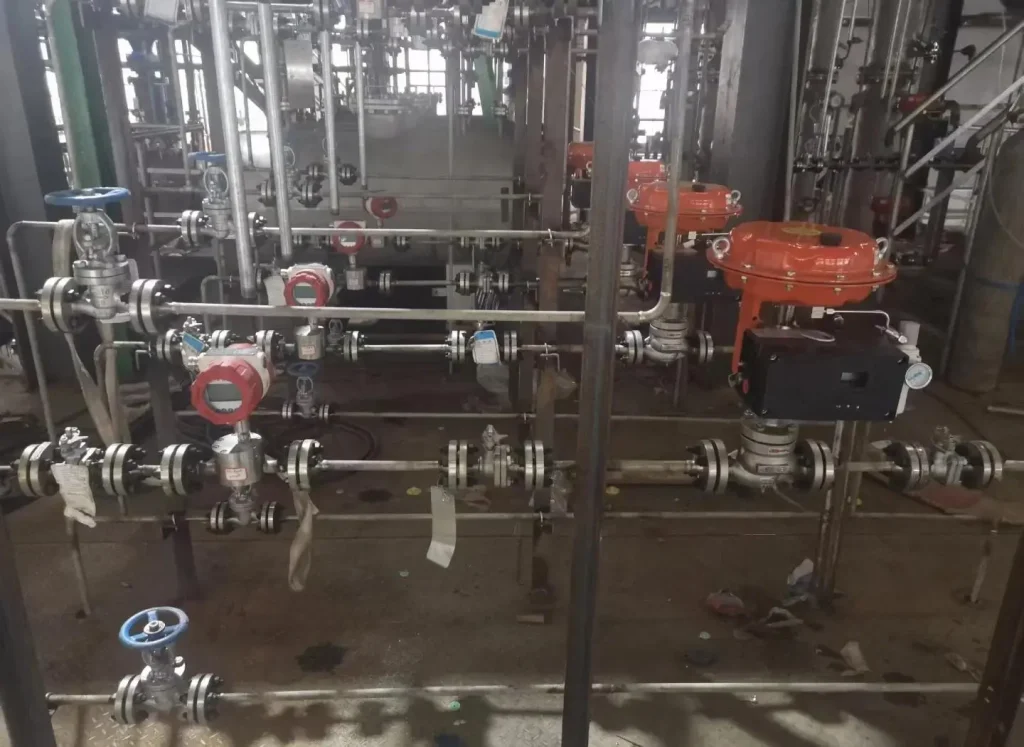
Common Mechanical Flow Meters
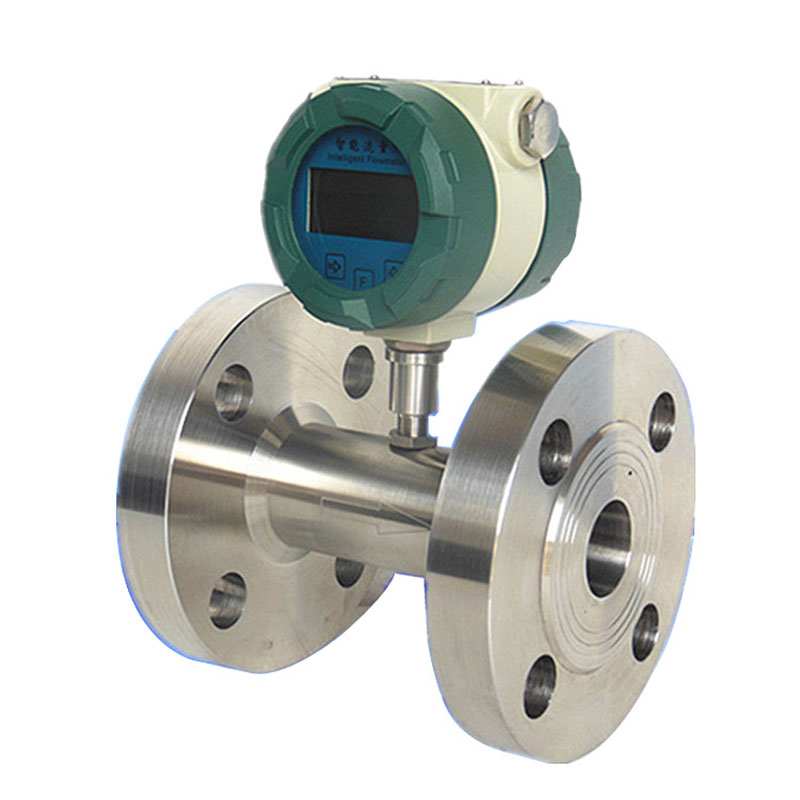
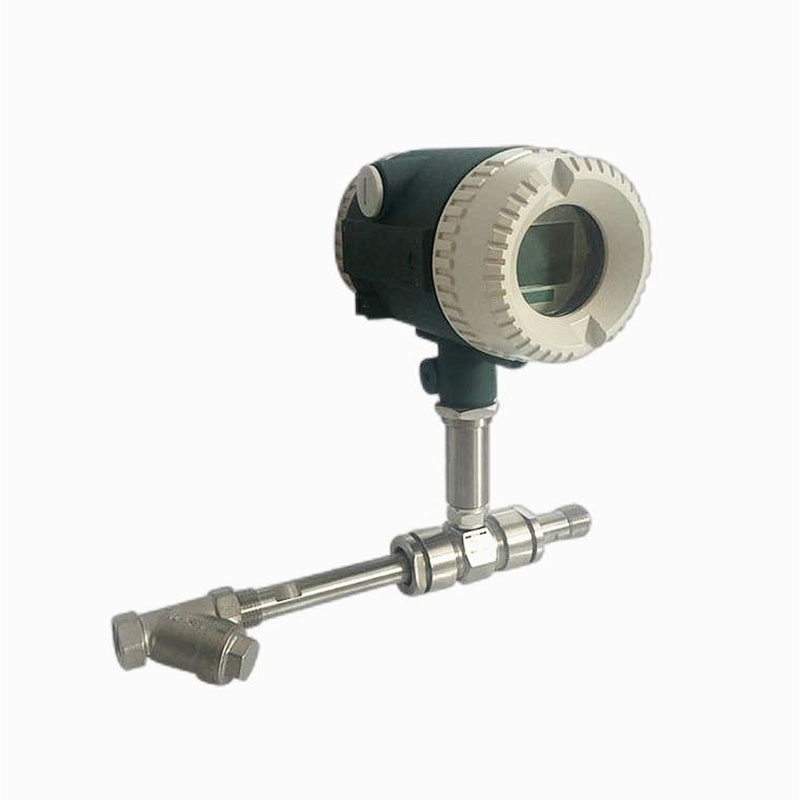
Turbine Flow Meter
Principle of Operation
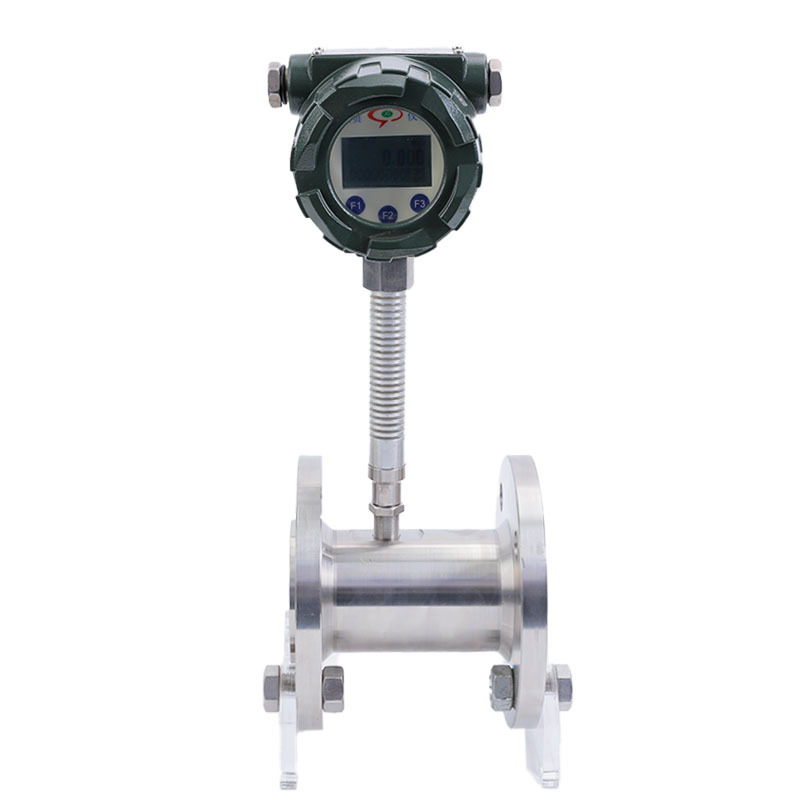
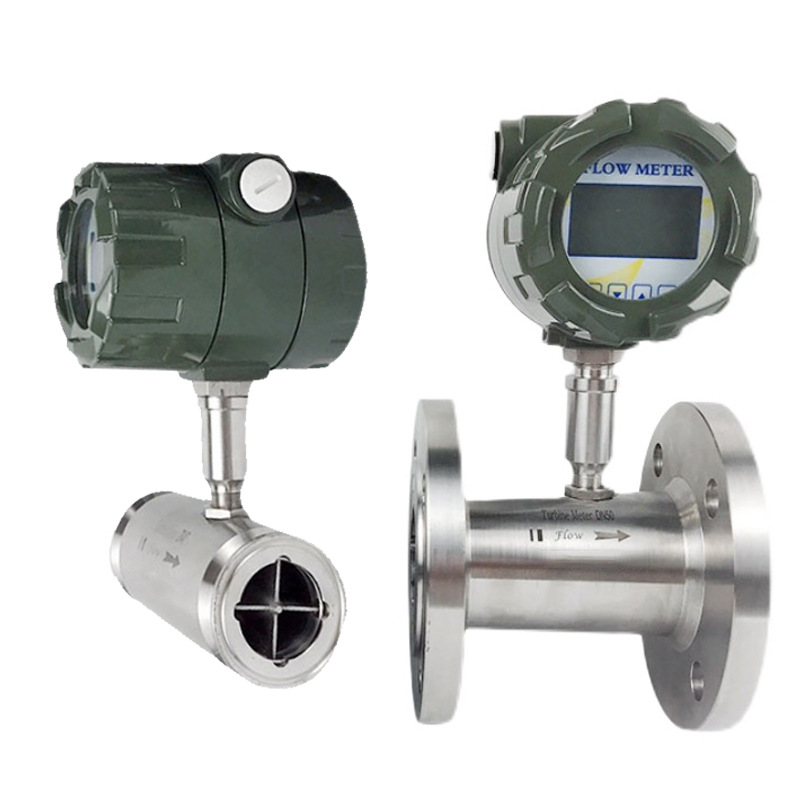
As the fluid flows through the pipe, it impacts the internal turbine blades, causing the turbine to rotate; the rotational speed is directly proportional to the fluid velocity and flow rate. By detecting the turbine’s rotational frequency, the instantaneous flow rate and cumulative flow rate are calculated.
Advantages
Compact structure, small size, and minimal installation space required.
High measurement accuracy, good repeatability and fast response time.
Low pressure loss and low energy consumption for fluid conveyance.
Outputs a pulse signal, facilitating remote transmission and automated control.
Disadvantages
High requirements for medium cleanliness; impurities can easily wear down the blades and cause jamming.
Not suitable for high-viscosity, particulate-laden or highly corrosive media.
Bearings are wear parts and require regular maintenance and replacement during long-term operation.
Limited flow measurement range; measurement errors are relatively large under low-flow conditions.
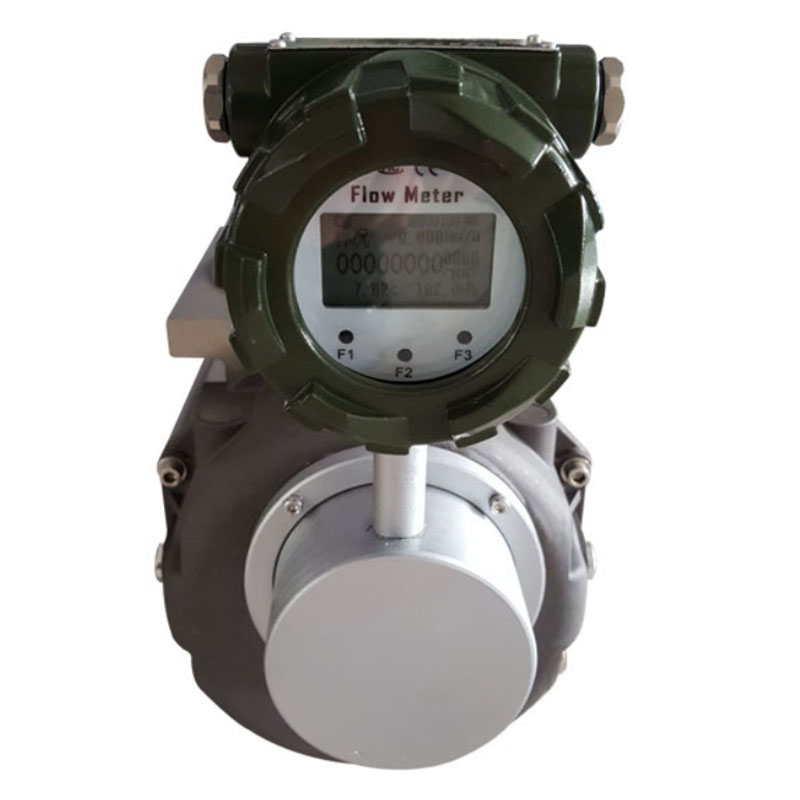
Gear Flow Meter
Principle of Operation
The housing contains a pair of meshing elliptical gears; the fluid pressure differential drives the gears to rotate alternately. Each revolution of the gears displaces a fixed volume of medium; the total flow rate is calculated by counting the number of revolutions.
Advantages
Extremely high measurement accuracy, unaffected by minor fluctuations in medium temperature or pressure.
Suitable for a wide range of viscosities; stable measurement is possible even with high-viscosity liquids.
Wide turndown ratio; accuracy is maintained even under low-flow conditions.
No external power supply required; data can be read directly on-site, making it convenient for field use.
Disadvantages
Gears are prone to wear and jamming when the medium contains solid particles.
There is a certain degree of pressure loss during operation, limiting its use in high-flow pipelines.
The structure is relatively complex, making maintenance and disassembly difficult.
Not suitable for high-temperature or highly corrosive media.
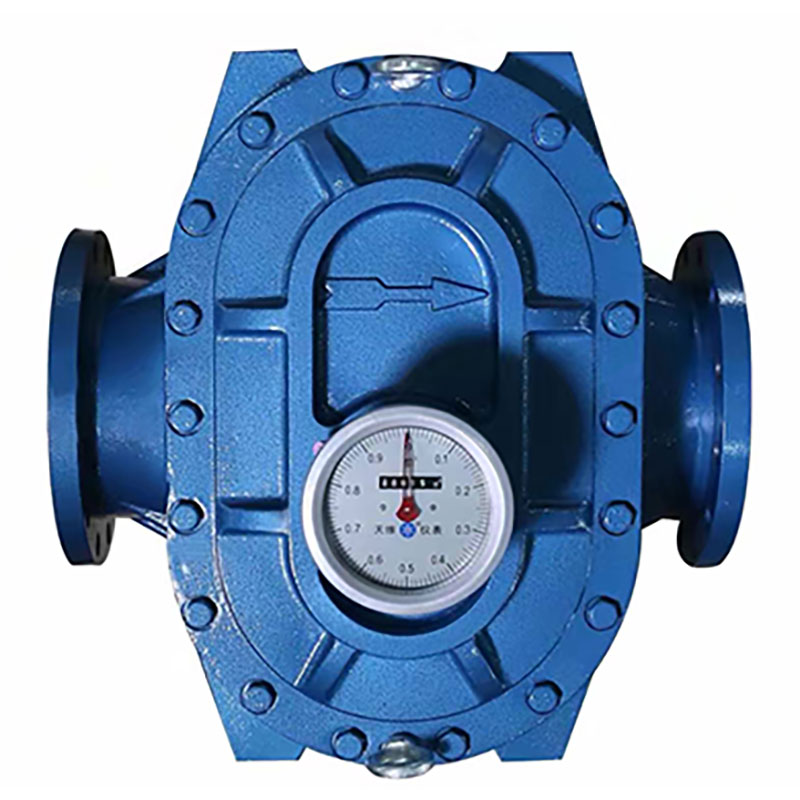
Lobular Flow Meter
Working Principle
The pressure difference between the inlet and outlet gets two internal lobes turning in sync, and together with the housing they create a fixed-size metering chamber. As the lobes keep spinning, the fluid gets pushed through in a steady stream, and you figure out the flow rate simply by counting how many rotations they’ve made.
Advantages
The readings are spot-on, and the thing just keeps running without giving you grief.
It handles medium to high viscosity liquids with no trouble—petroleum products, chemical oils, you name it.
The mechanical parts are built tough, so they don’t wear down easily and you won’t be servicing it every other week.
You can get these in a broad range of pipe sizes, which covers anything from moderate to pretty hefty flow rates.
Disadvantages
Contaminants in the medium can easily cause rotational jamming, affecting measurement accuracy.
The equipment is relatively large, requiring significant installation space.
High-viscosity media in low-temperature environments can cause start-up difficulties.
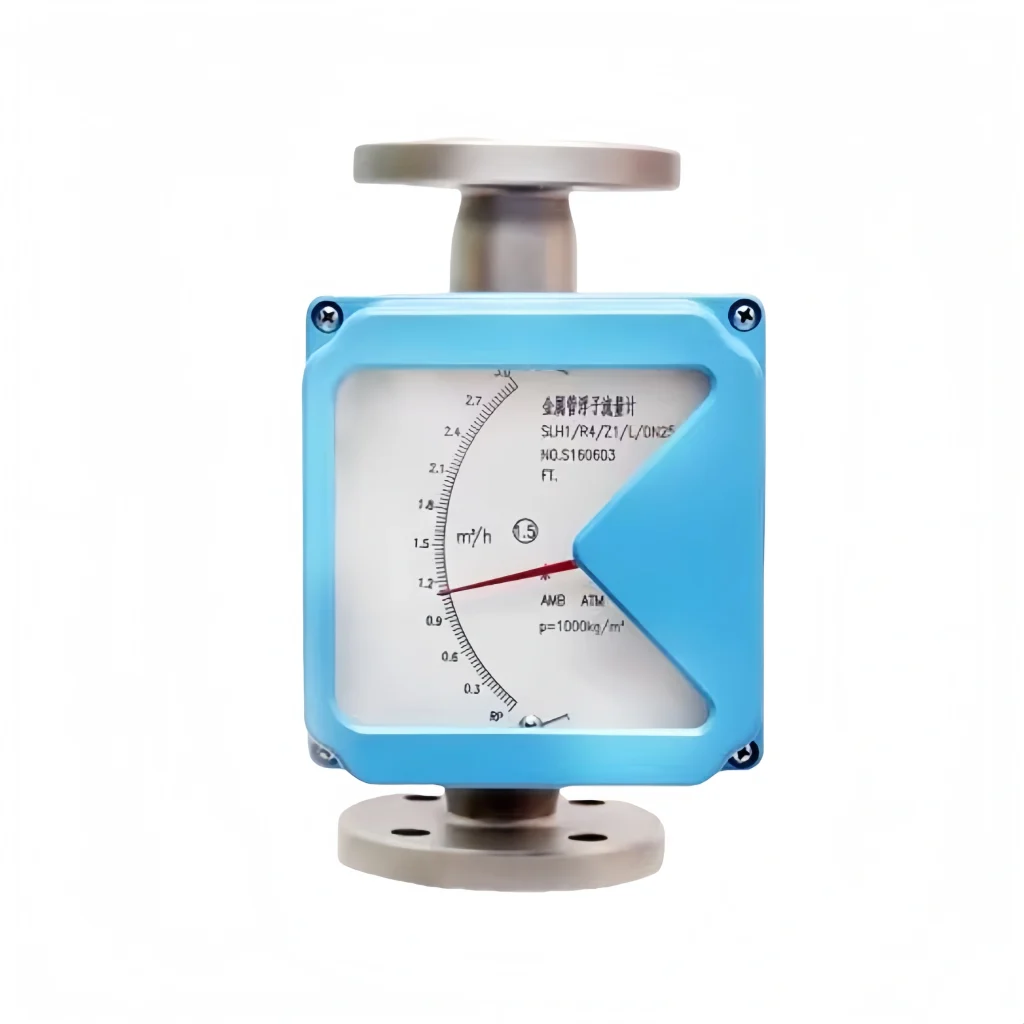
Rotary Flow Meter (Float Flow Meter)
Working Principle
The fluid flows from bottom to top through a conical tube, where the float inside the tube reaches equilibrium under the combined effects of fluid impact, gravity and buoyancy. The height at which the float settles corresponds to different flow rates, and the flow value is read directly from the scale.
Advantages
Simple structure, low cost, and very straightforward installation and operation.
Readings can be taken directly on-site without the need for complex circuitry.
Low pressure loss and stable readings, suitable for low-pressure pipelines.
Wide range of measurement ranges available, highly suitable for small-diameter and branch pipelines.
Disadvantages
Measurement accuracy is generally moderate; suitable only for process monitoring, not for commercial billing.
Must be installed vertically; installation options are limited, and tilting will cause errors.
Significantly affected by medium density and temperature; accuracy decreases when operating conditions change.
The glass body is prone to breakage and is not resistant to high pressure or impact.
Piston Flow Meter
Working Principle
The incoming fluid pressure shoves the piston back and forth inside the chamber. Every time the piston completes a full stroke, it pushes out a set amount of fluid. Just tally up the strokes and you’ve got your total volume.
Advantages
Excellent measurement accuracy, suitable for precise measurement and trade settlement.
High resistance to interference; pressure fluctuations have minimal impact on measurement results.
Good sealing performance; suitable for measuring flammable, explosive and volatile liquids.
Excellent performance at low flow rates; stable measurement at low flow velocities.
Disadvantages
Contains many moving mechanical parts; complex structure; relatively high number of potential failure points.
Significant pressure loss; not suitable for high-flow continuous conveyance pipelines.
Impurities in the medium can cause wear to the piston and seals, shortening service life.
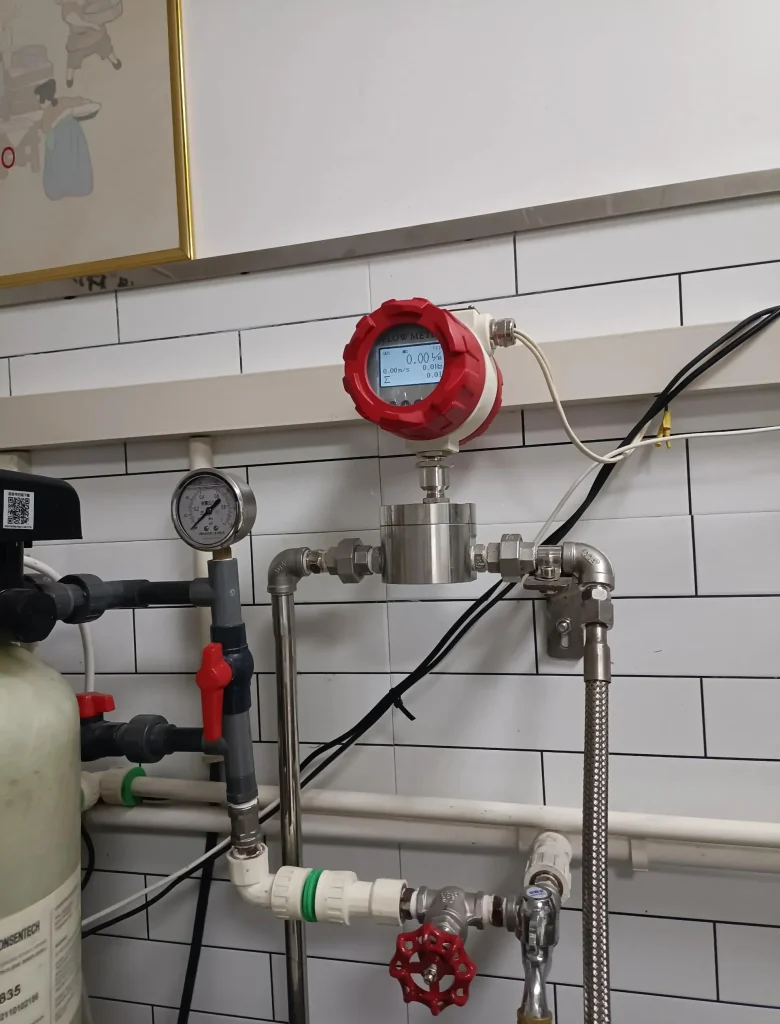
Differences from Digital Flow Meters
1. Operating Principle
Mechanical flow meters work by letting the fluid’s own force spin or shift moving parts inside the meter, and the flow reading comes from a purely mechanical linkage—gears, levers, that sort of thing. The whole thing runs on physical motion, nothing electronic involved.
Digital flow meters, on the other hand, use sensors to pick up what’s happening in the pipe, turn those fluid properties into electrical signals, and then let onboard circuits and chips crunch the numbers to give you the flow rate.
2. Display Methods
With mechanical meters, you’re usually looking at a dial with a pointer or a set of mechanical digits driven by gears. You can read the instantaneous or total flow right off the face, but that’s it—there’s no way to pipe that data out electronically.
Digital meters come with an LCD screen that shows a lot more at a glance: live flow rate, running total, even flow speed in some cases. Plus, they can send that data out as a digital signal for remote monitoring.
3. Accuracy and Stability
Mechanical meters take a beating over time—parts wear down, stuff can get stuck or jam—and that drags accuracy down with it. The longer they run, the more the error tends to creep up.
Digital meters don’t have those moving parts wearing against each other, so they stay accurate for the long haul. As long as conditions are steady, the readings stay tight with very little drift.
4. Functionality
Mechanical meters are pretty bare-bones: they measure flow, and that’s about it. You won’t get alarms, settings menus, or any extra bells and whistles.
Digital meters are built with a lot more going on under the hood. You can calibrate parameters, set alarms for when things go out of range, log data over time, and hook them into a remote system for monitoring from afar.
5. Maintenance and Suitable Applications
Mechanical meters are straightforward inside, cheap to buy, and they don’t flinch around electromagnetic noise. That makes them a solid pick for basic setups where you don’t need lab-grade precision.
Digital flow meters have a relatively complex structure and have certain requirements regarding power supply and operating environment; they are suitable for industrial scenarios requiring precise measurement and automated control.
From standard water to various oils and medium-to-high viscosity media, mechanical flowmeters ensure long-term continuous operation thanks to their robust mechanical design.
Drawing on years of industry experience, Sion-Inst can tailor solutions to suit actual on-site conditions, supplying a full range of mechanical metering equipment including turbine, gear, wafer and float types. We welcome enquiries and orders from clients across all sectors to collaborate on creating stable and efficient fluid.