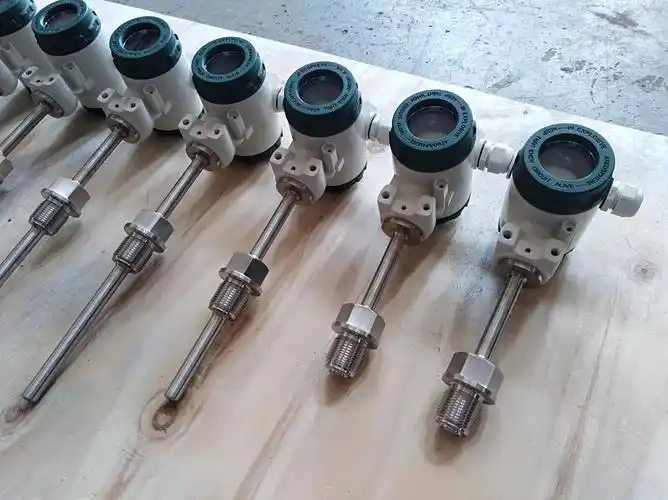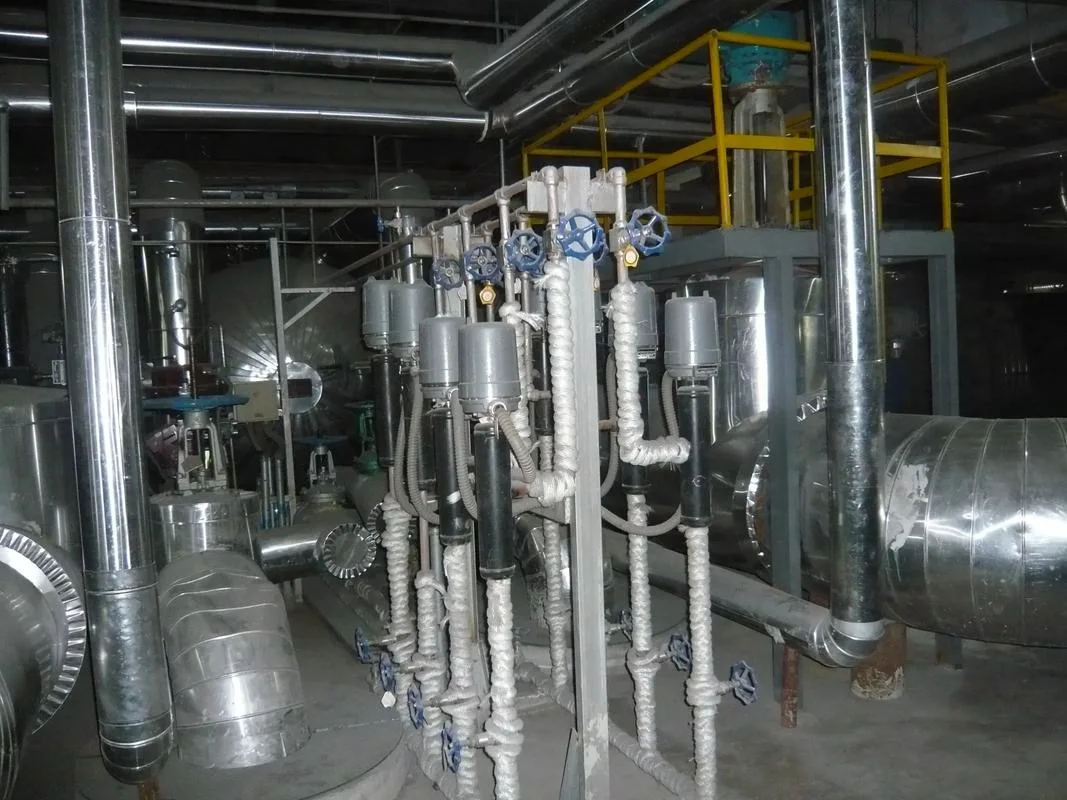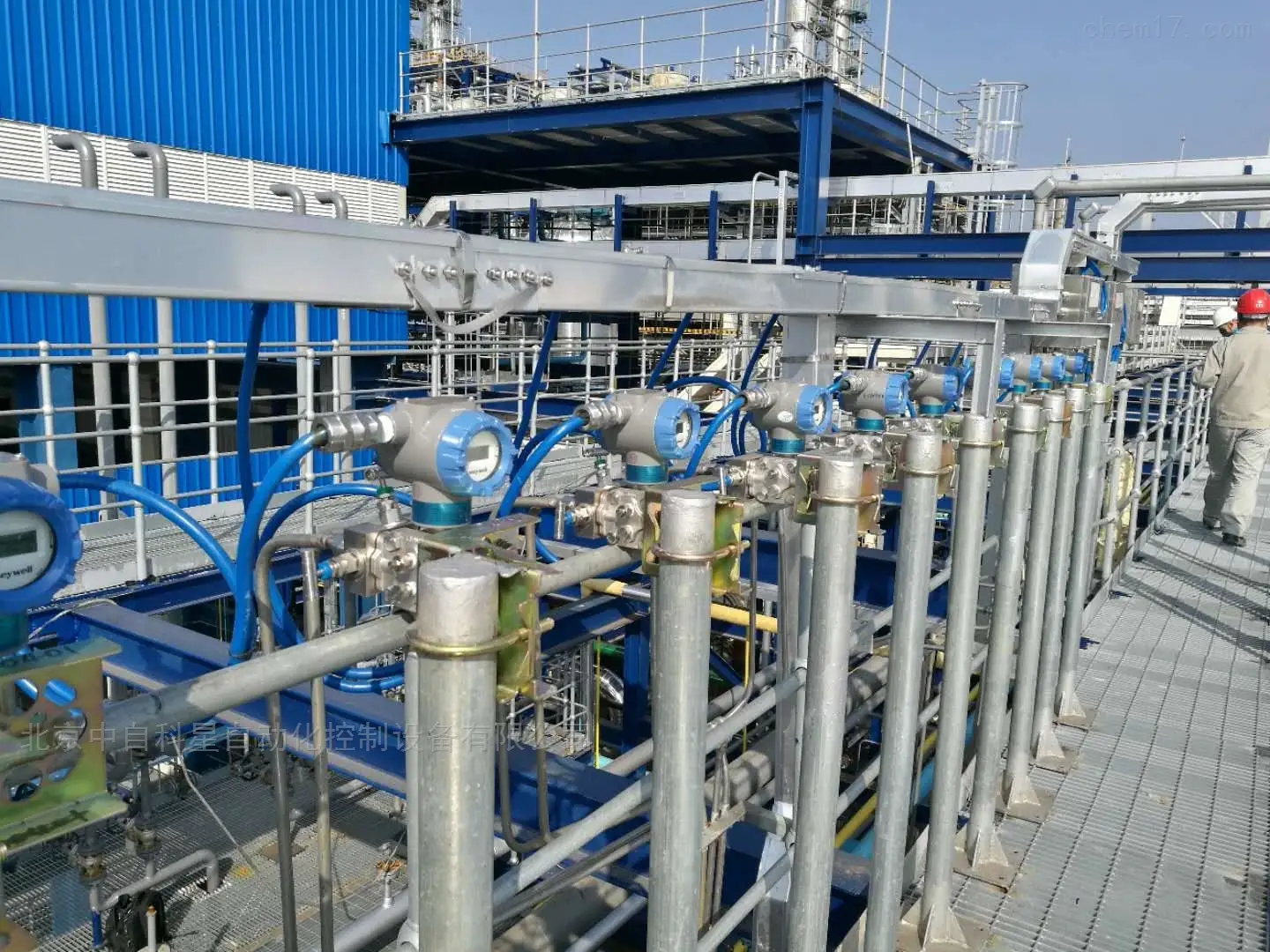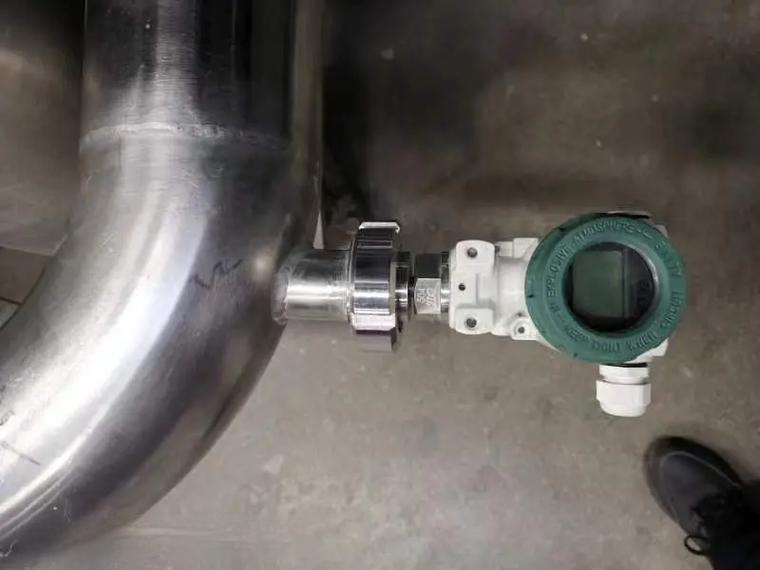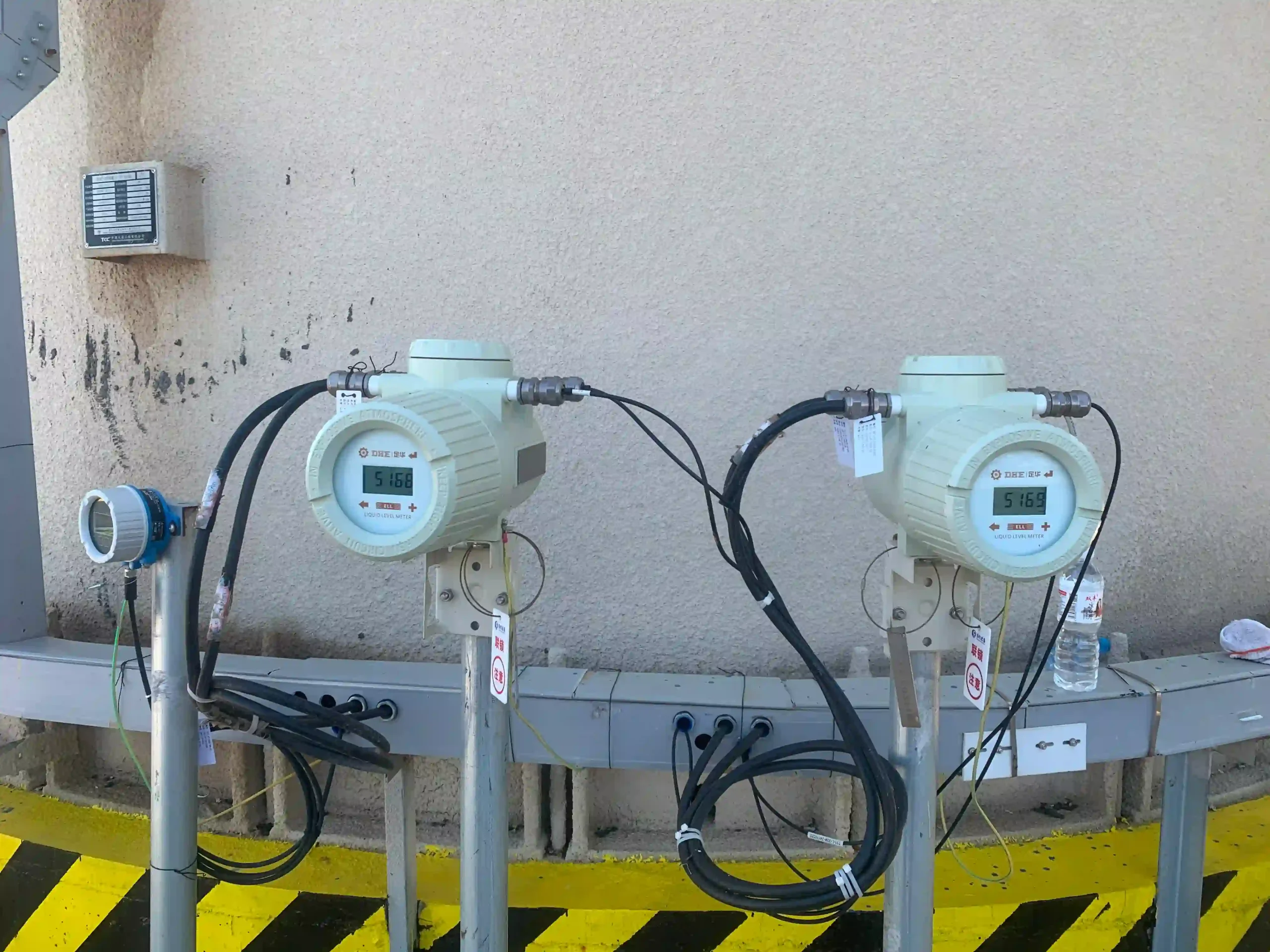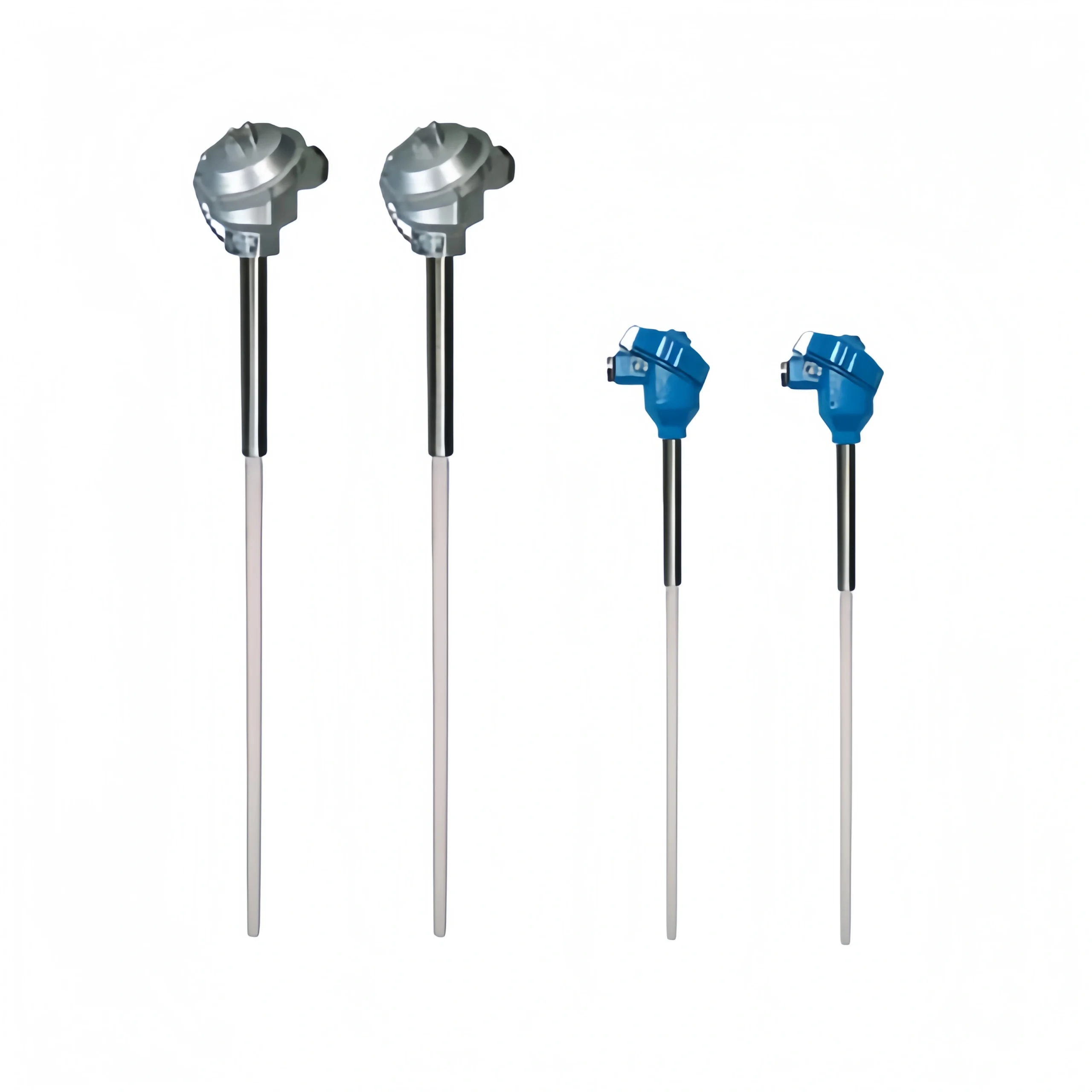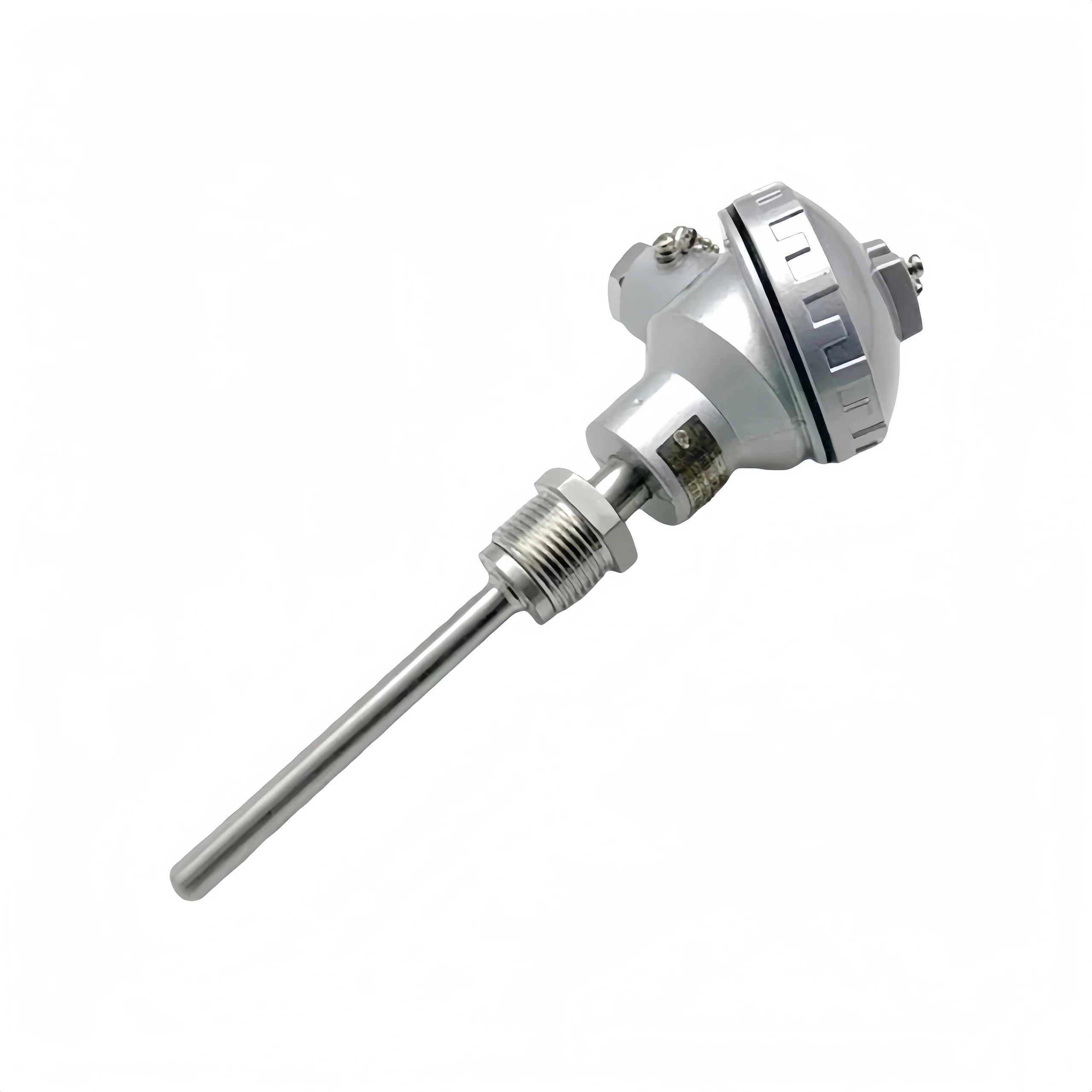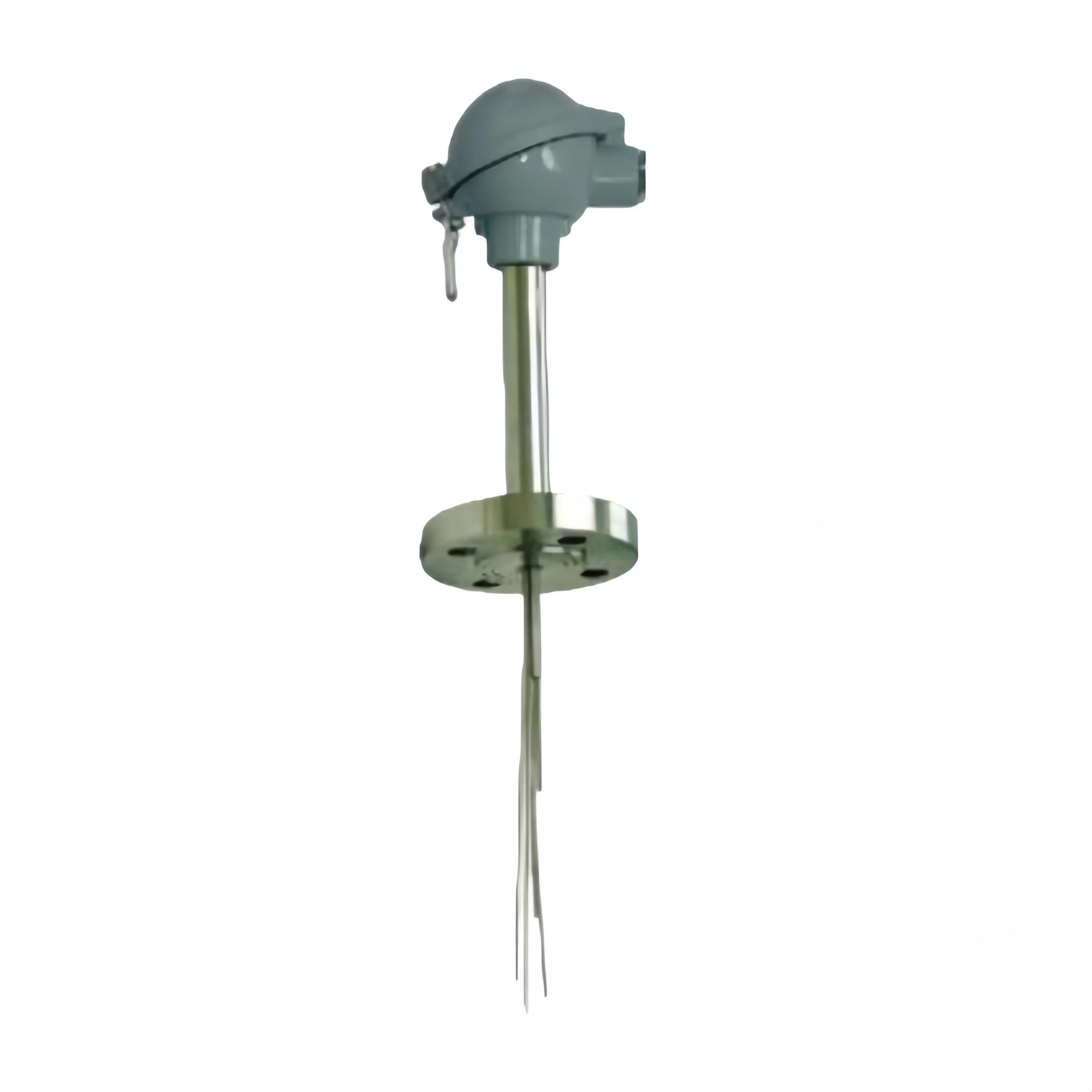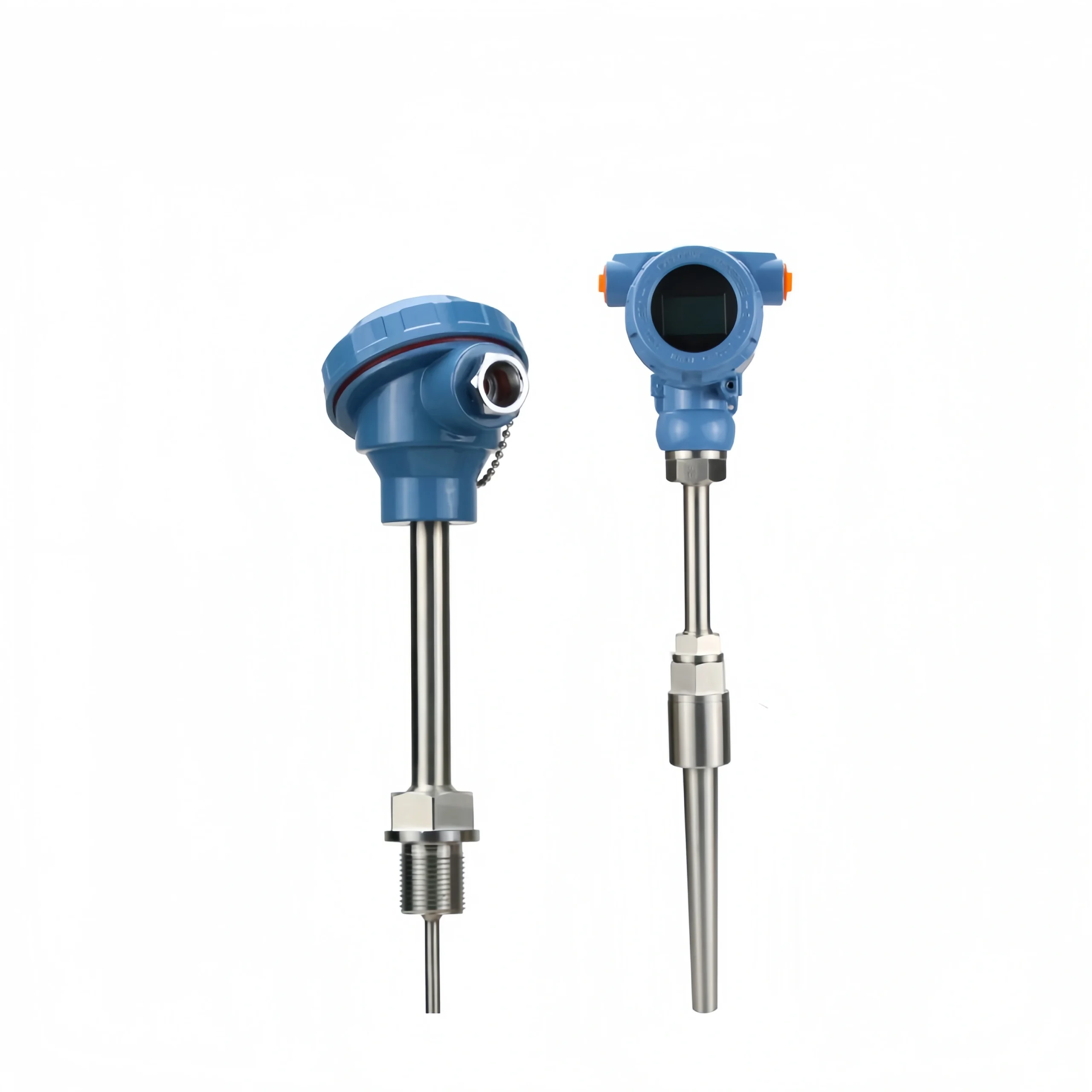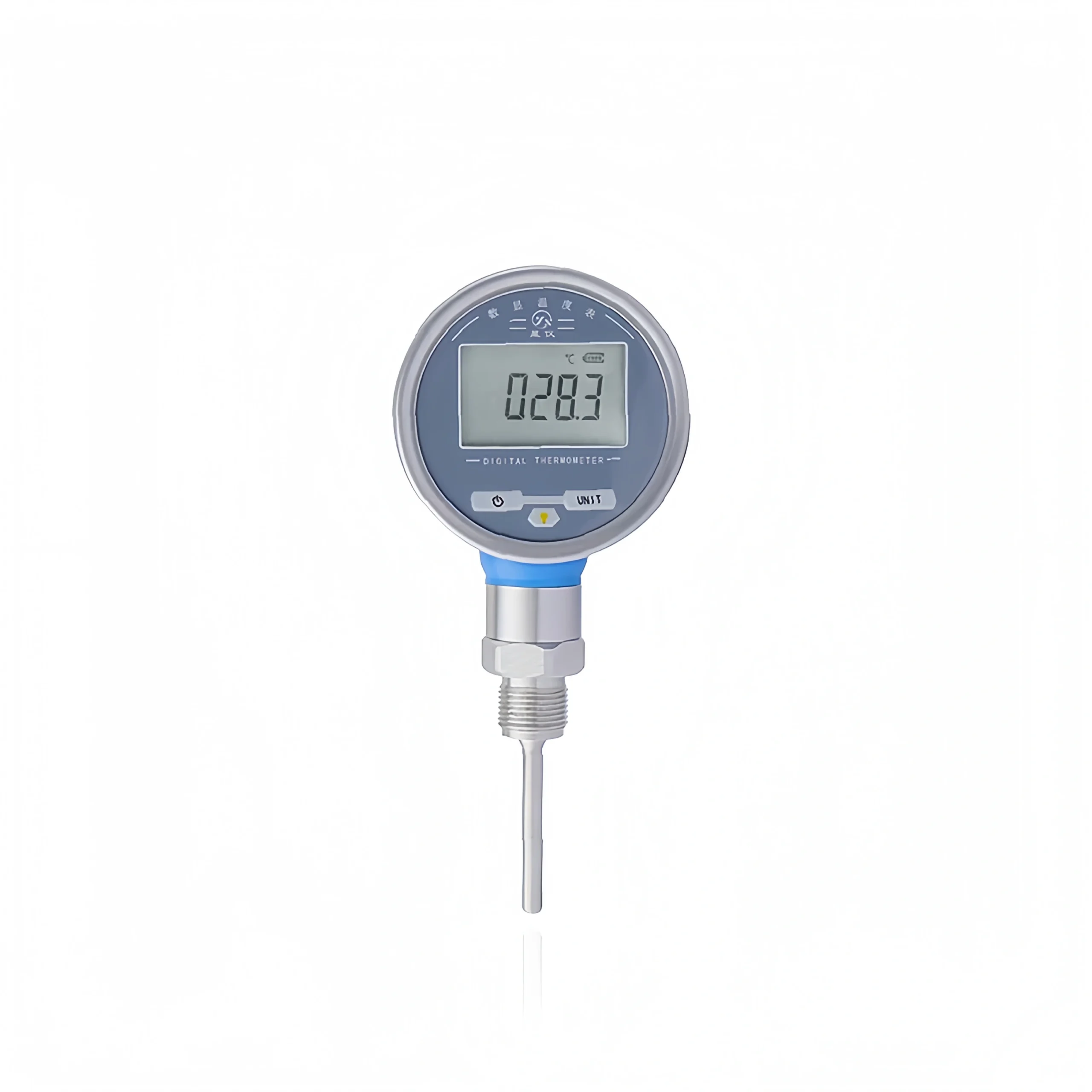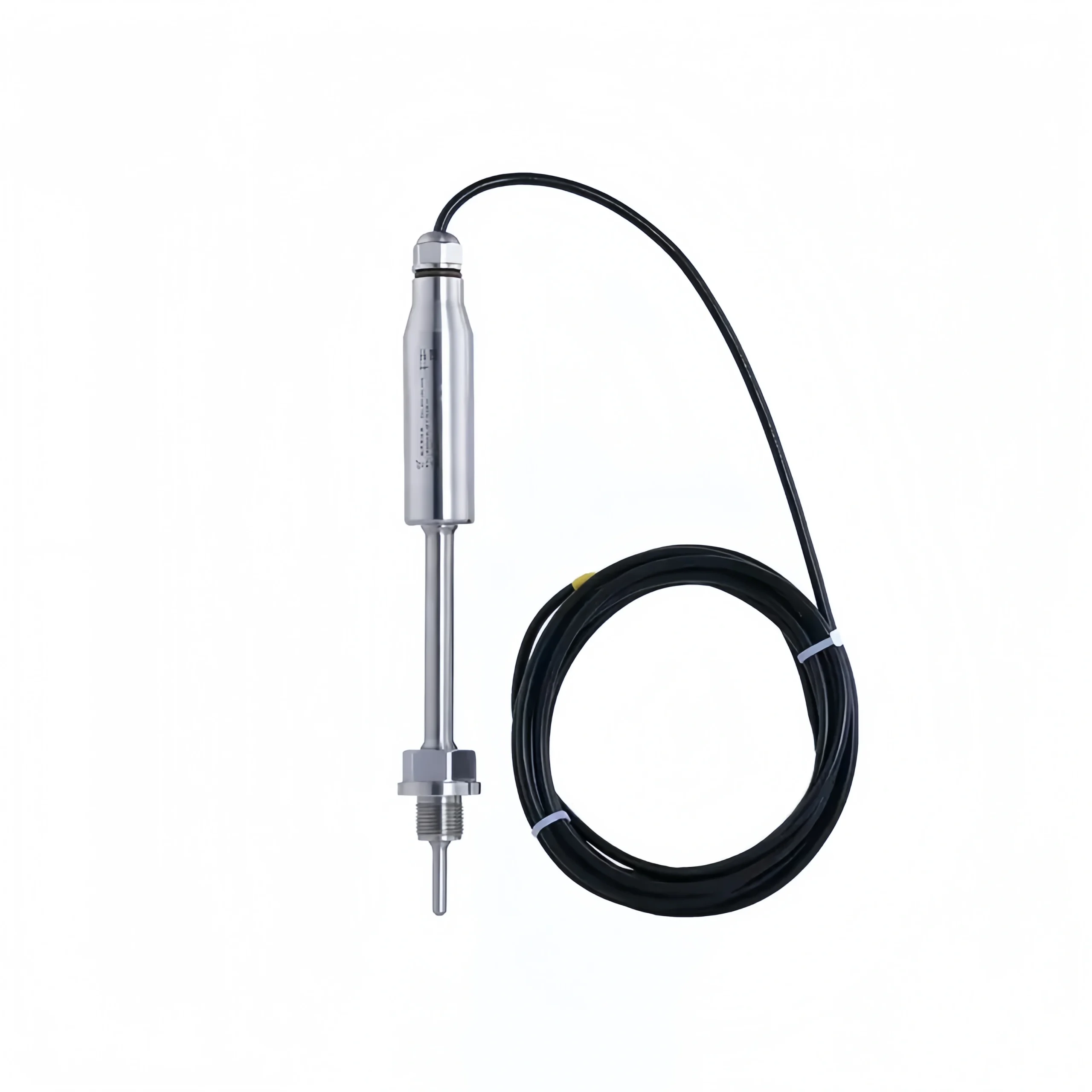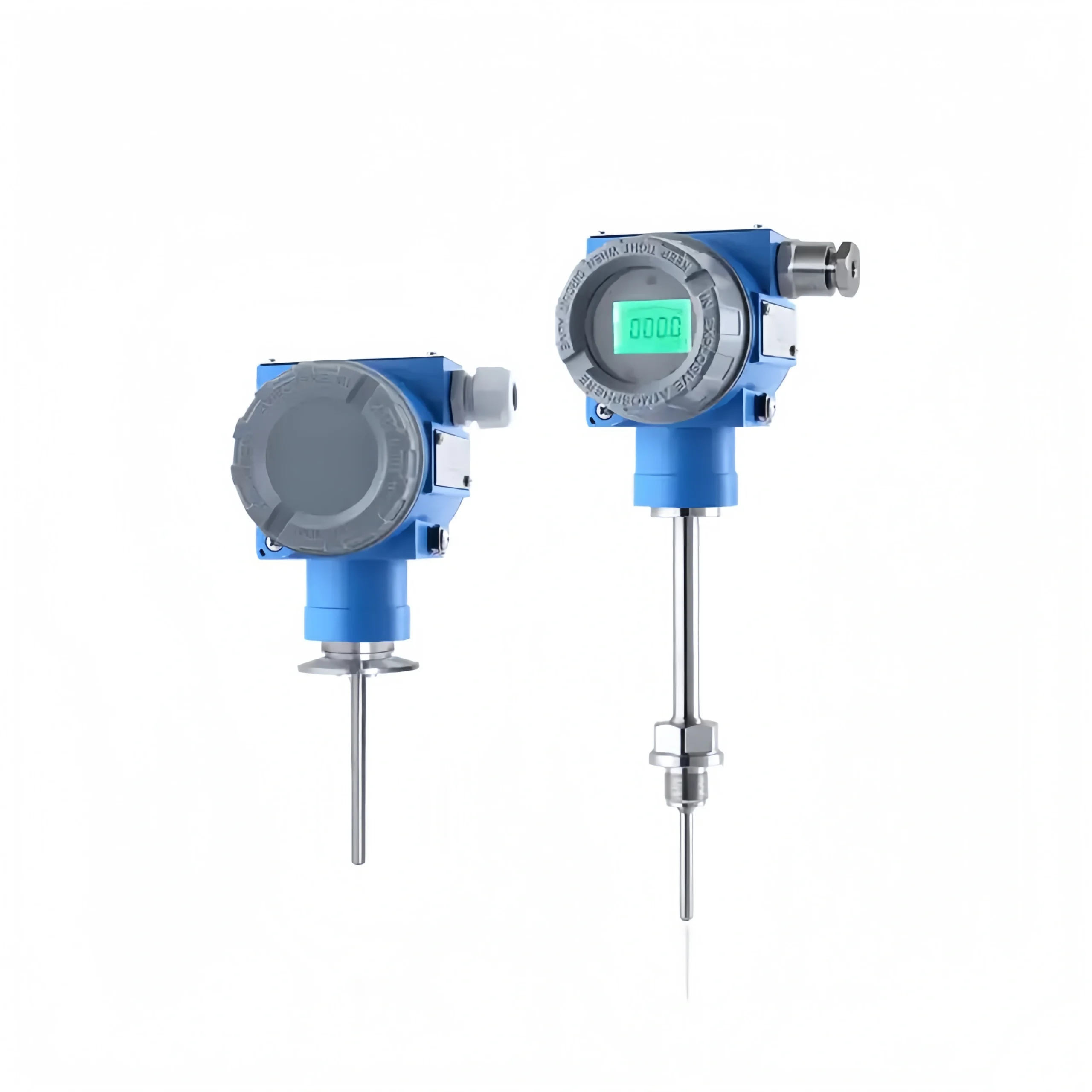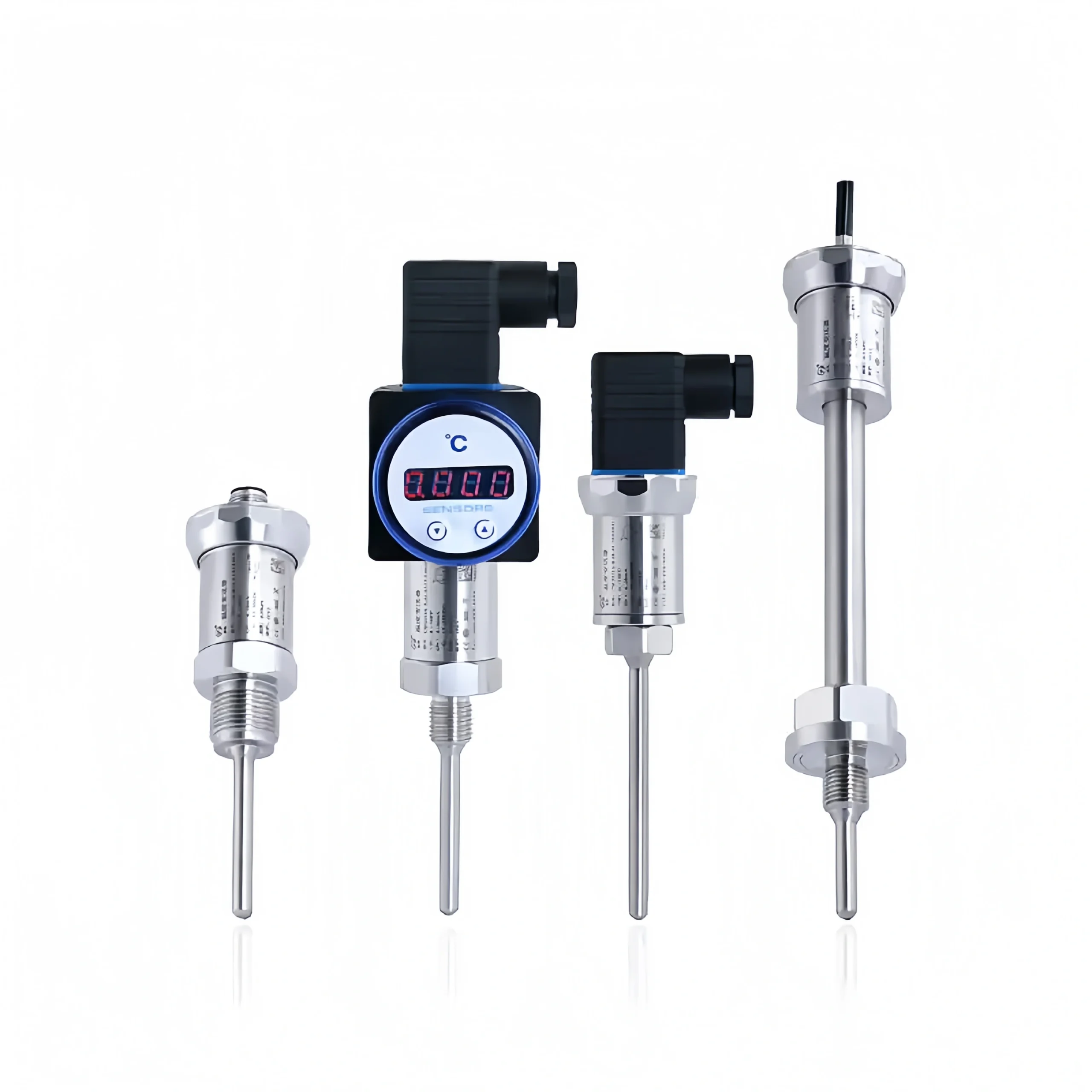
An integrated temperature transmitter is a self-contained device that measures and converts temperature signals. It’s used in industrial automation. It combines temperature sensing, signal conditioning and standard output functions into one module, fixing the issues with traditional split-type temperature measurement solutions.
It can detect changes in temperature using either a resistance temperature detector (RTD) or a thermocouple. It then processes the data through its internal circuitry and outputs a standard signal that can be connected directly to a control system. This enables the accurate, remote monitoring of temperature data and its stable transmission.
Principle of Operation
An integrated temperature transmitter consists of a temperature sensing element and a transmitter circuit integrated into a single unit. Its principle of operation involves first detecting changes in the on-site temperature via a resistance temperature detector (RTD) or a thermocouple, converting the temperature into a weak resistance or voltage signal;
The internal circuitry then amplifies, filters, linearises and automatically compensates for the cold junction of the signal, ultimately converting the processed signal into a standard 4–20 mA analogue or digital output. This output can be directly connected to control systems such as PLCs and DCSs, enabling long-distance transmission and real-time monitoring of temperature.
Structural Features
The core components of an integrated temperature sensor are the temperature sensing element, the signal conditioning circuitry, the analogue-to-digital converter, and the output interface. The temperature sensing element is the sensor’s most important component. Typically utilising thermocouples, thermistors or semiconductor materials, it is responsible for converting temperature changes into measurable electrical signals.
The signal conditioning circuit is the second most important component of an integrated temperature sensor. As the temperature sensing element usually produces a weak analogue signal, amplification and filtering are required to enhance the signal’s strength and stability, thereby ensuring the accuracy and reliability of the sensor’s output.
To enable digital processing of the temperature signal, most integrated temperature sensors are also equipped with an analogue-to-digital converter (ADC). Through the ADC, the sensor converts the analogue signal into a digital signal, facilitating processing by microcontrollers or other digital devices.
Integrated temperature sensors are typically designed with a variety of output interfaces, such as I²C, SPI and UART, to facilitate communication with the host system.
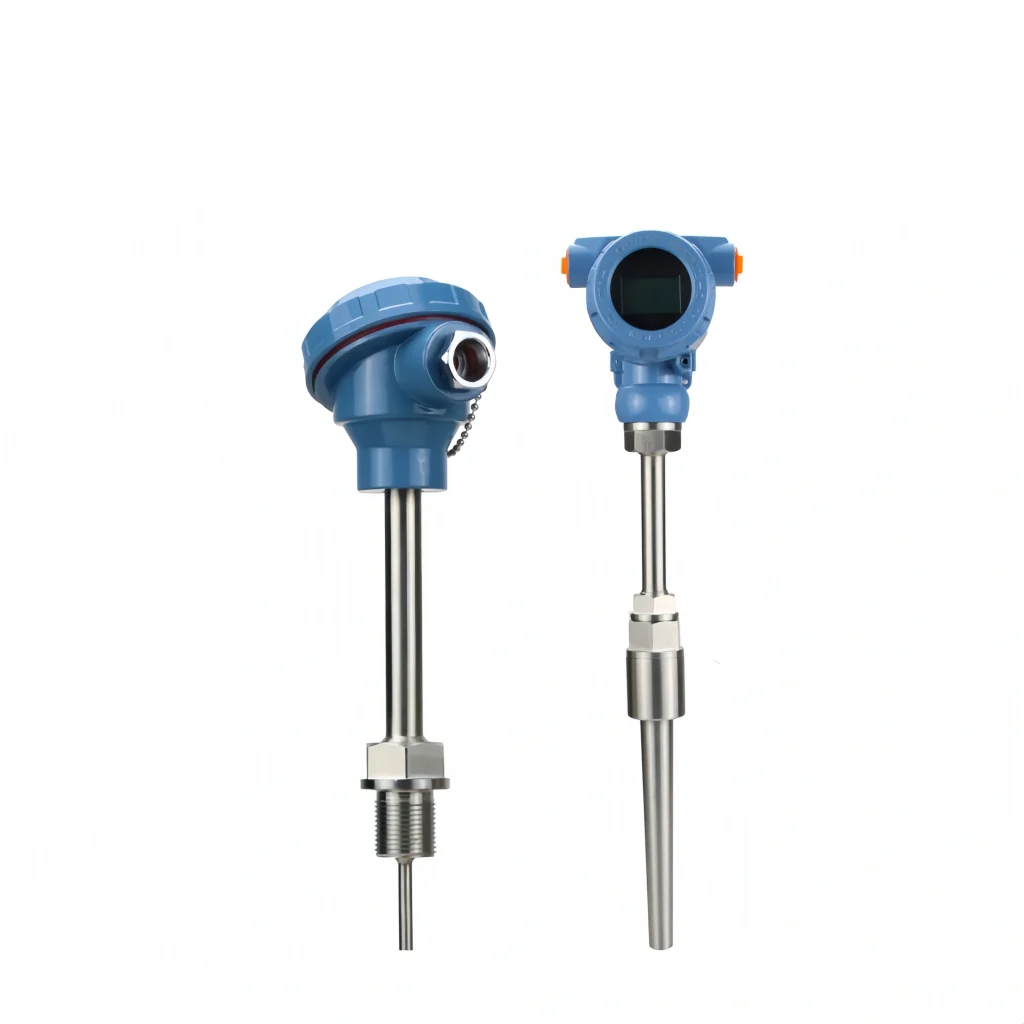
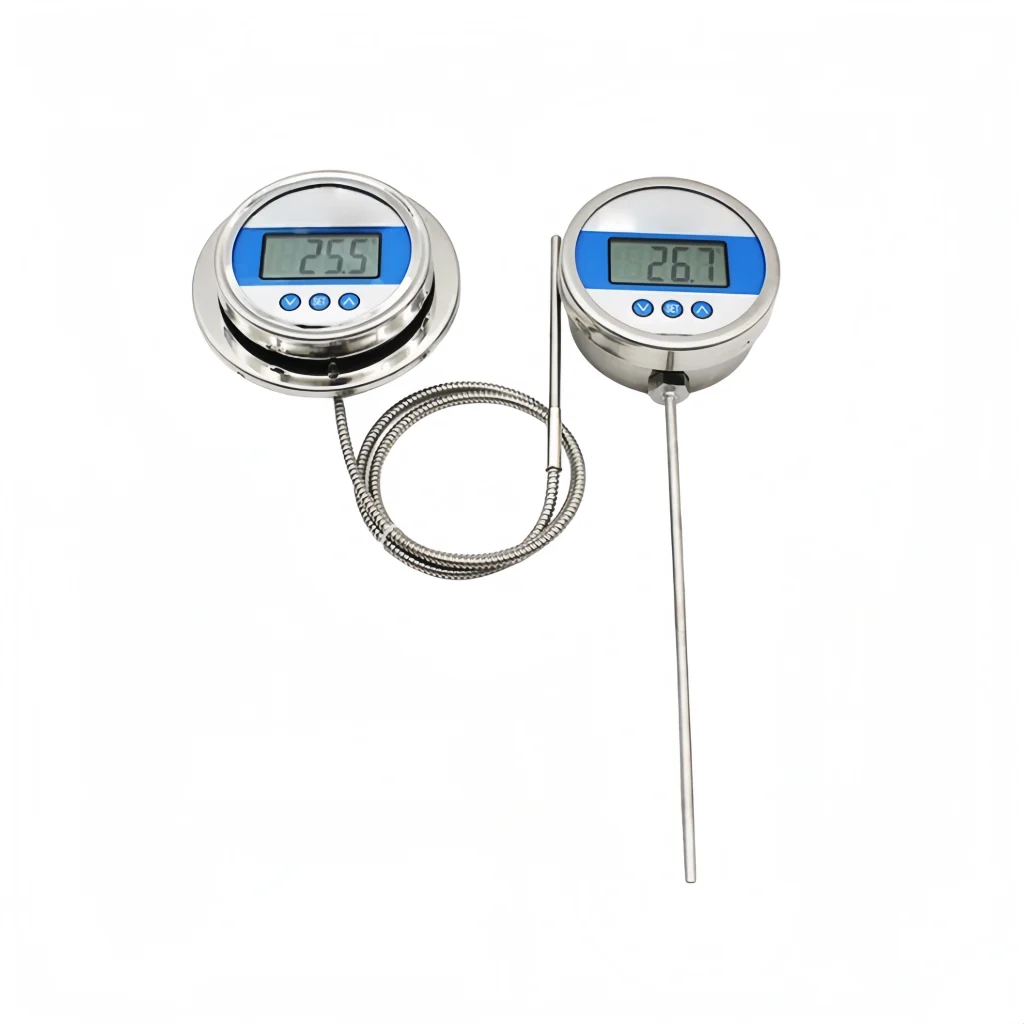
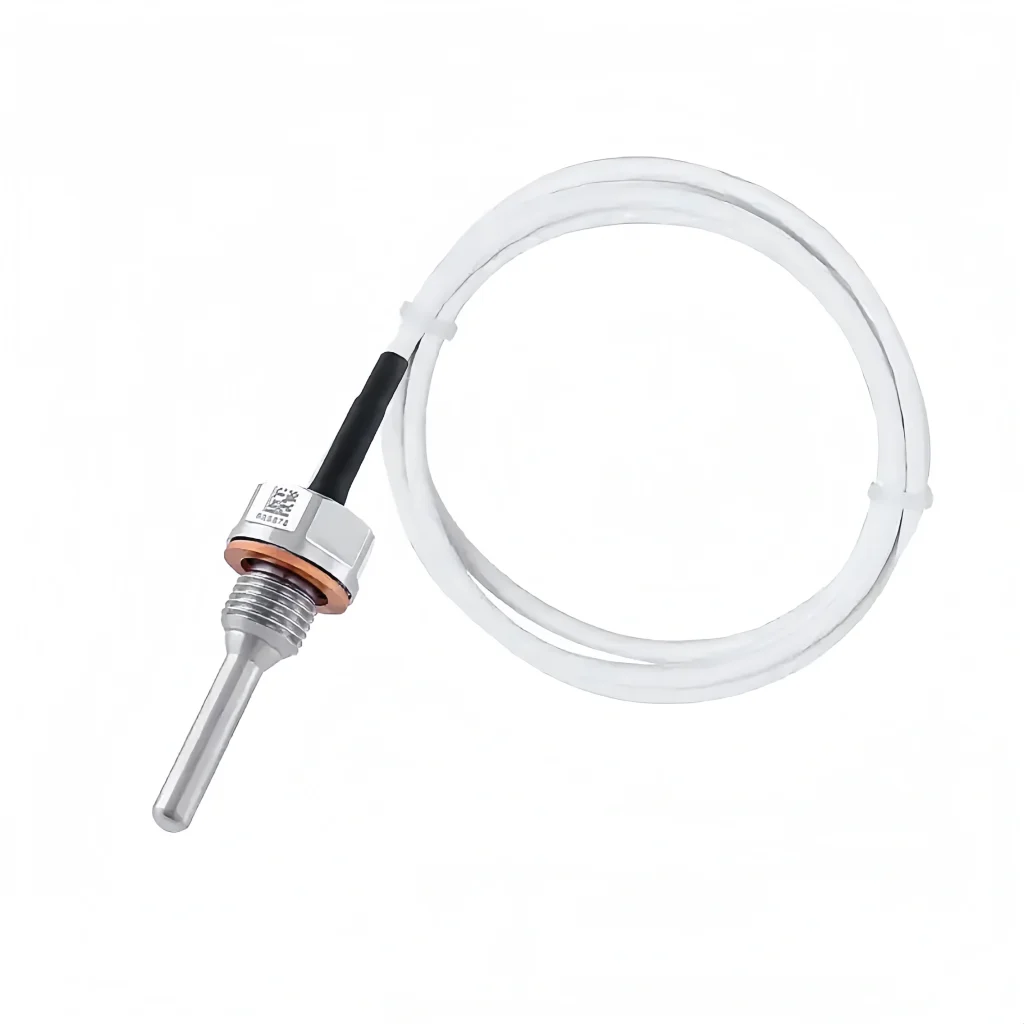
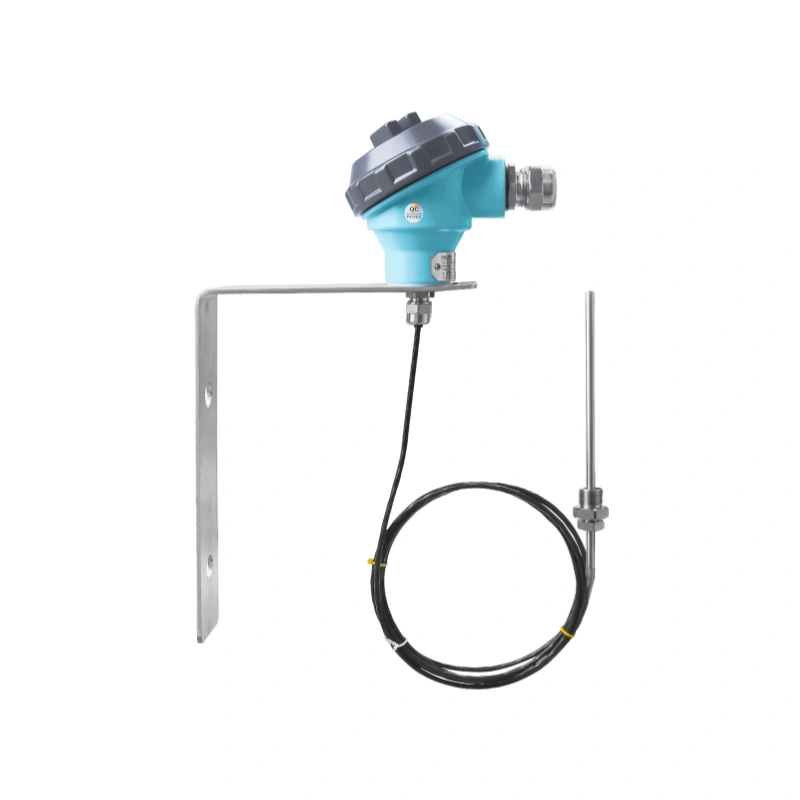
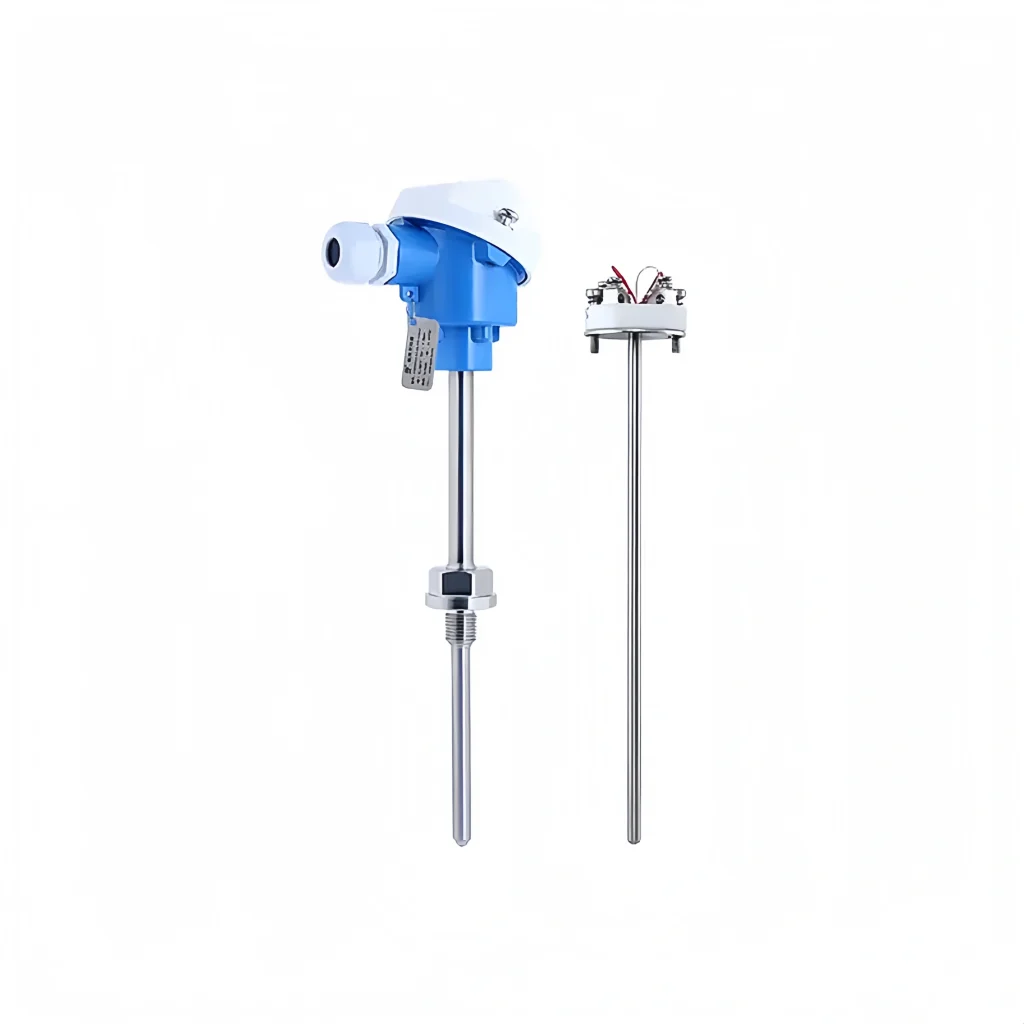
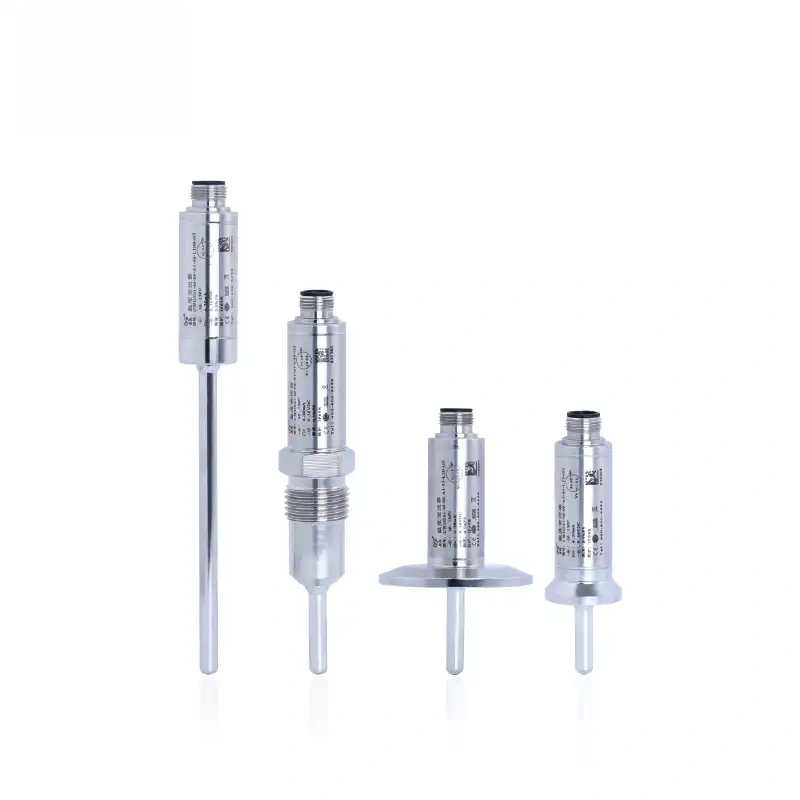
Advantages of Integrated Temperature Transmitters
High accuracy and excellent stability
The integrated temperature transmitter combines the temperature probe with the signal conversion circuitry into a single unit, thereby eliminating, at source, the additional errors associated with traditional split-type designs—such as those caused by terminal blocks, compensation leads and poor contact.
As the circuitry is closely integrated with the sensor, temperature drift and time drift are minimised, whilst zero-point and span stability are enhanced. This ensures that high measurement accuracy is maintained over the long term, providing reliable data support for industrial temperature monitoring.
High resistance to interference
As the sensor and transmission circuitry are integrated, the signal is converted into a standard electrical signal at the very front end. This significantly shortens the transmission distance for weak signals and effectively suppresses electromagnetic interference and power-frequency noise generated by on-site motors, variable frequency drives and cables.
The output 4–20 mA analogue signal or digital signal exhibits strong resistance to attenuation and is unlikely to distort even over long distances, ensuring stable operation even in industrial environments characterised by strong interference and high noise levels.
Easy Installation
The integrated design makes things a lot easier by getting rid of all those separate steps involved in installing probes, laying cables, setting up junction boxes and external transmitters. You can install it directly on pipes, equipment or process measurement points, and it won’t take up much space. You can also install it in a flexible way.
This not only reduces material costs but also shortens the construction cycle, which is really beneficial for projects involving multi-point temperature measurement and large-scale deployment.
Uniform signal standards and excellent compatibility
Integrated temperature transmitters usually output standard industrial signals like 4–20 mA, 0–10 V or RS485, so you can directly connect them to various control systems, including PLCs, DCSs, inspection instruments and control instruments, without needing extra signal conditioning modules.
They’re really compatible with the automation systems you’ve already got, and they’re easy to set up and get going. This makes it simple to add to or change your system.
Excellent protection performance
They’ve got an integrated sealed structure, so they’re really well protected and can resist water, dust, vibration and impact. Some models also incorporate corrosion-resistant and explosion-proof designs.
They can handle tough operating conditions like high temperatures, high pressure, humidity, dust and corrosive media. They’re more robust and durable than split-type designs, and they’re suitable for a wider range of operating conditions.
Simple Structure, Easy Maintenance
By reducing the number of connectors, adapters and external wiring—components prone to loosening and failure—the overall failure rate is lower, and the system is essentially maintenance-free in daily operation.
In the event of a fault, the entire unit can be replaced quickly without the need for complex recalibration or rewiring, significantly reducing fault resolution time, minimising equipment downtime losses and enhancing the system’s continuous operation capability.
Differences between integrated temperature transmitters and temperature transmitters
Differences in structural design
Integrated temperature transmitters are where the sensing element and the transmission circuitry are both part of the same unit. The sensor probe, signal processing module and output circuitry are all packed into one housing; you can’t separate the probe and transmitter, so they form a single unit.
On the other hand, normal temperature transmitters normally use a split-type structure, where the temperature sensor and transmission module are separate and independent parts. These are two distinct products that require connection via wiring to function.
Significant Differences in Signal Processing and Transmission Methods
Integrated transmitters perform signal acquisition, amplification, filtering and standardisation directly at the measurement point. As the weak signal is rarely transmitted over long distances, the risk of interference is reduced at source.
In contrast, standard split-type transmitters output only a faint millivolt or resistance signal from the sensor, which must first be transmitted over long distances via cables to a control cabinet or on-site junction box, before being converted by an external transmitter. With multiple transmission stages involved, the signal is more susceptible to attenuation and interference.
Significant differences in installation, cabling and project costs
You can mount these directly onto pipes, equipment or vessel walls, so you don’t need to use as many other materials like compensation cables, intermediate junction boxes and connection terminals. Installation is straightforward, requires minimal space and has a short construction cycle, significantly reducing material and labour costs, particularly in multi-point temperature measurement projects;
Conventional temperature transmitters require the separate installation of probes and the laying of compensation cables, with signals then routed to an external transmitter module. This results in complex wiring, high consumption of auxiliary materials, and a greater workload for installation and commissioning.
Differences in measurement accuracy and long-term stability
Due to their compact structure and minimal connection points, integrated transmitters effectively eliminate additional errors caused by wire resistance, poor contact at connectors, and loose wiring. They offer superior control over temperature drift and time drift, resulting in higher overall accuracy and long-term stability.
On the other hand, split-type transmitters, with their long intermediate wiring and lots of connectors, can have problems with line losses and contact errors in high-temperature and vibration-prone environments, which can lead to weaker long-term accuracy stability.
Differences in Interference Resistance and Environmental Adaptability
Integrated temperature transmitters convert the signal into a standard high-level signal at the front end, offering superior resistance to electromagnetic interference and power-frequency noise. Furthermore, with a high overall sealing and protection rating, they demonstrate better performance in terms of shock resistance, moisture resistance, dust resistance and corrosion resistance, making them suitable for direct use in confined spaces and harsh operating conditions;
Conventional split-type sensors output weak signals, which are susceptible to interference from frequency converters and power cables during long-distance transmission. Their protection relies on the external installation environment, resulting in slightly lower reliability under complex operating conditions.
Differences in Maintenance Methods and Troubleshooting Efficiency
The integrated design is simple, with no unnecessary external terminals or wiring, resulting in a lower overall failure rate. In the event of a fault, the entire unit can be replaced directly, eliminating the need for rewiring, recalibration or complex debugging and enabling rapid resumption of production. When a fault occurs in a split-type system, however, the sensor, wiring and transmitter must be investigated separately, which makes fault locati0n cumbersome. Replacement requires rewiring, leading to higher maintenance time and downtime costs.
Differences in system integration and ease of use
Integrated temperature transmitters are factory-calibrated and output industrial standard signals like 4–20mA and RS485 straight away. You can connect them directly to control systems like PLCs, DCSs and display instruments, so they’re really easy to use and integrate into your system.
Standard split-type systems require on-site wiring and separate configuration of transmitter modules; some also require additional signal matching and calibration. Consequently, setting up and expanding the system involves more steps, and commissioning is more complex.
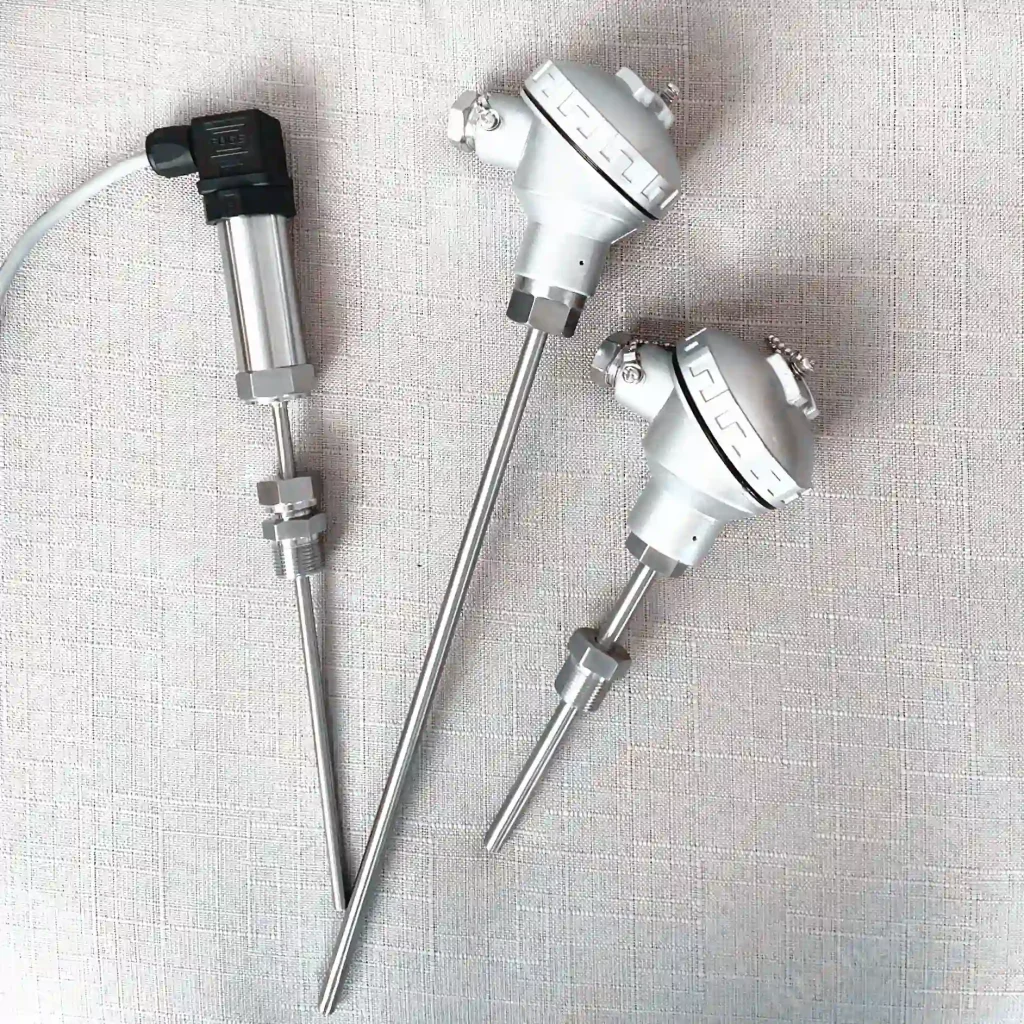
Practical Applications of Integrated Temperature Transmitters
1. Key Industrial Sectors
Petrochemicals: It is installed directly on crude oil pipelines, reactors and distillation columns in order to provide accurate temperature measurements in high-temperature, high-pressure and corrosive environments. This ensures the purity of distillation and the safety of reactions.
Power and Energy: It can monitor temperatures in boilers, furnaces, steam pipes and transformer joints. It can also resist electromagnetic interference and quickly detect overheating risks to prevent equipment failure.
Metallurgical Industry: It can withstand the high temperatures and dust typical of blast furnaces and converters. It monitors the temperatures of furnaces and rolling mills in real time, helping to optimise the process and control energy use.
2. Fine Chemicals and Consumer Goods
Pharmaceuticals and food: sanitary-grade models are used in fermentation tanks, sterilisation cabinets, and cold stores to ensure precise temperature control in compliance with GMP standards, thereby safeguarding the safety of pharmaceuticals and food.
HVAC: You can find these sensors in building interiors, ductwork and central air-conditioning systems. They work with automated control systems to regulate temperature and humidity, which makes them energy efficient and helps to manage comfort in buildings.
3. Environmental Protection and Research
Water and Environmental Protection: It also keeps an eye on the water temperature in water treatment plants and sewage treatment works, where it affects how well disinfection and microbial treatment works, and provides data for making adjustments to the process.
Specialised Laboratory Applications: Used in low-temperature cold stores, high-temperature ovens and various experimental apparatus to detect minute temperature fluctuations, providing high-precision data support for scientific research.
FAQ
What is an integrated transmitter?
An integrated transmitter is an industrial measurement device that combines a sensing element with a signal conversion circuit. Its primary function is to convert on-site measured parameters, such as temperature, pressure and liquid level, into a weak electrical signal.
After undergoing internal processing, including amplification, filtering, and linearisation, it outputs signals that comply with industrial standards, such as 4–20 mA and RS485, as well as other industrial standard signals.
These signals can be connected directly to control systems such as PLCs and DCSs for remote monitoring and integration into your system. They are easy to install and maintain, and are strong and accurate, which is why they are used in all sorts of industrial automation scenarios.
What is the difference between thermocouples and RTDs?
The main differences between thermocouples and resistance temperature detectors (RTDs) lie in how they work, the temperatures they can measure, and their respective applications. Thermocouples use the thermoelectric effect to convert temperature changes into an electromotive force signal. With a wide temperature measurement range, resistance to high temperatures and simple setup, they are perfect for high-temperature situations.
Resistance temperature detectors (RTDs) use the fact that a metal’s resistance changes with temperature to convert temperature into a resistance signal. They’re super accurate and stable, but the temperature range could be wider. They’re great for measuring temperature accurately in medium and low-temperature situations, but they do need an external power supply, which is something thermocouples don’t need.
What are the 4 types of temperature sensors?
The four types of temperature sensors commonly used in the industrial sector are:
1. Thermocouples, which operate based on the thermoelectric effect; they are resistant to high temperatures, have a simple structure, are suitable for high-temperature conditions, and require no external power supply;
2. Resistance temperature detectors (RTDs), which utilise the property that the resistance of a metal changes with temperature; they offer high accuracy and stability, are suitable for precise temperature measurement at medium and low temperatures, and require an external power supply;
3. Thermistors (NTC/PTC), which offer high sensitivity, compact size and low cost, and are frequently used for temperature monitoring in consumer and small-scale equipment;
4. Integrated temperature sensors combine the sensing element and signal conditioning circuitry into a single unit. They output standard signals, are easy to install and highly resistant to interference. They are also well-suited to industrial automation systems.
Leveraging its core strengths in R&D and manufacturing, Sino-Inst not only provides a comprehensive range of highly adaptable integrated temperature transmitters but also offers various industrial measurement instruments—including pressure sensors, level gauges and level switches—along with supporting solutions, comprehensively addressing measurement requirements across all stages of industrial production.
We fully recognise that every precise measurement is the cornerstone of a company’s production efficiency and safety. Moving forward, we will continue to empower your operations with superior product quality, a comprehensive product range and in-depth technical support, ensuring more stable equipment operation, more efficient system integration and more streamlined production management.