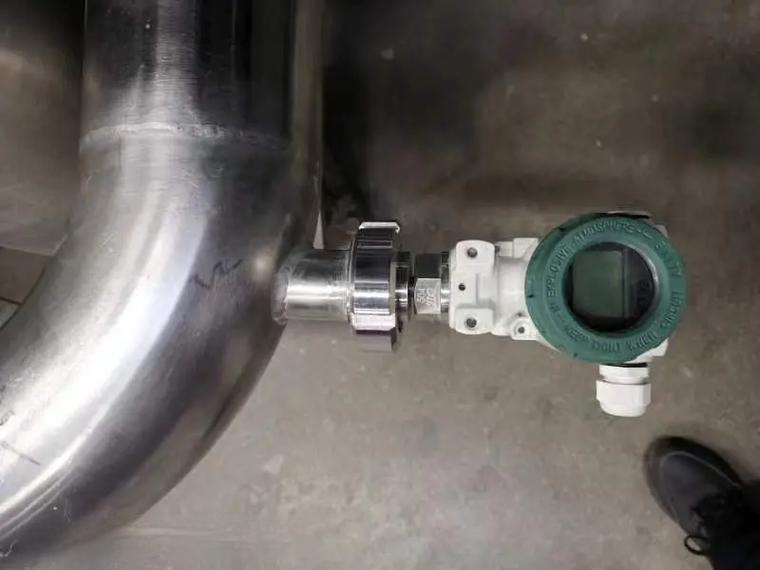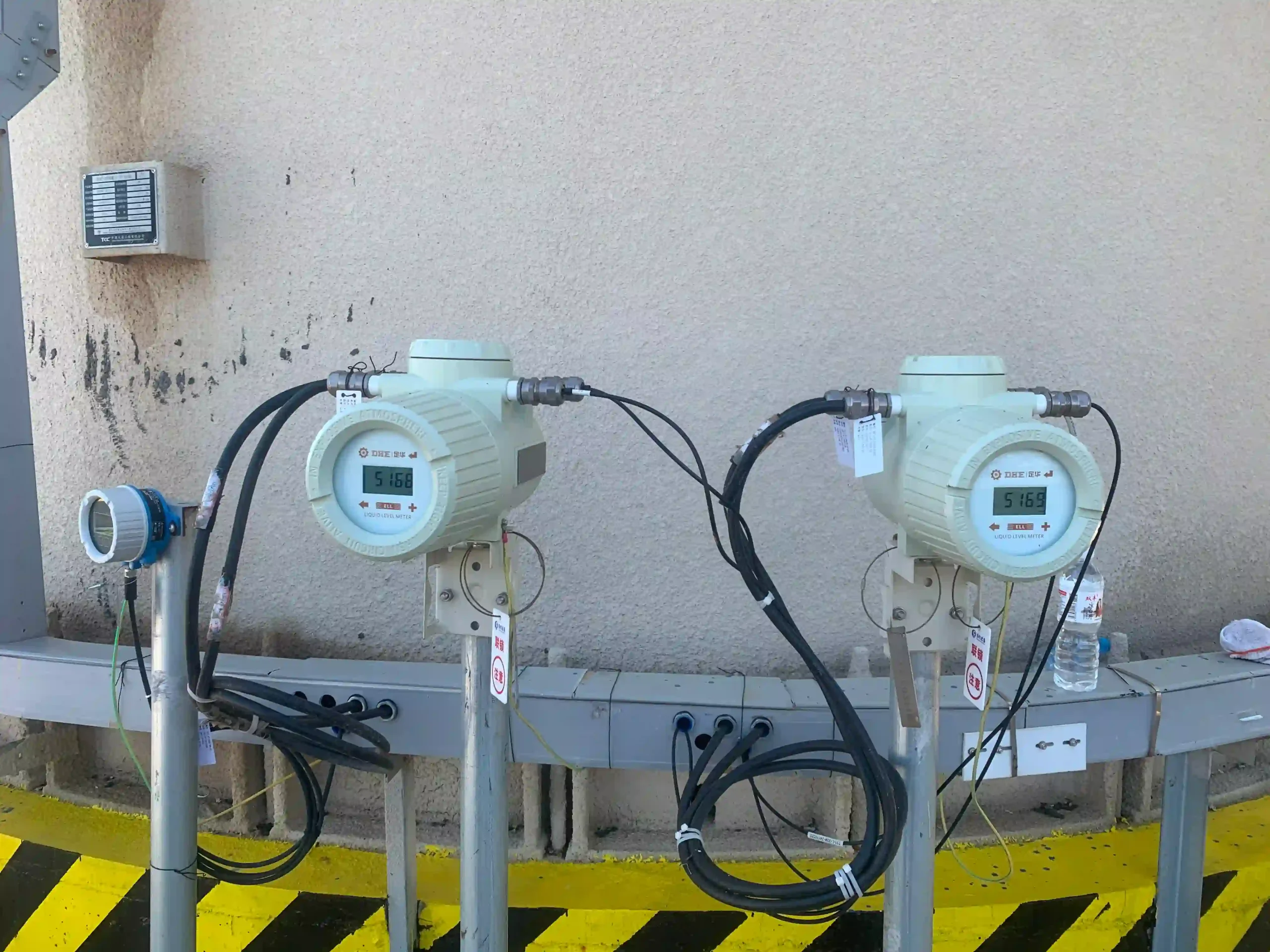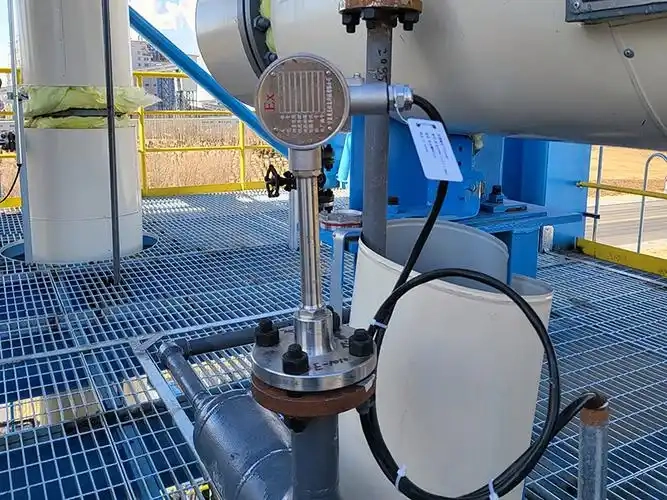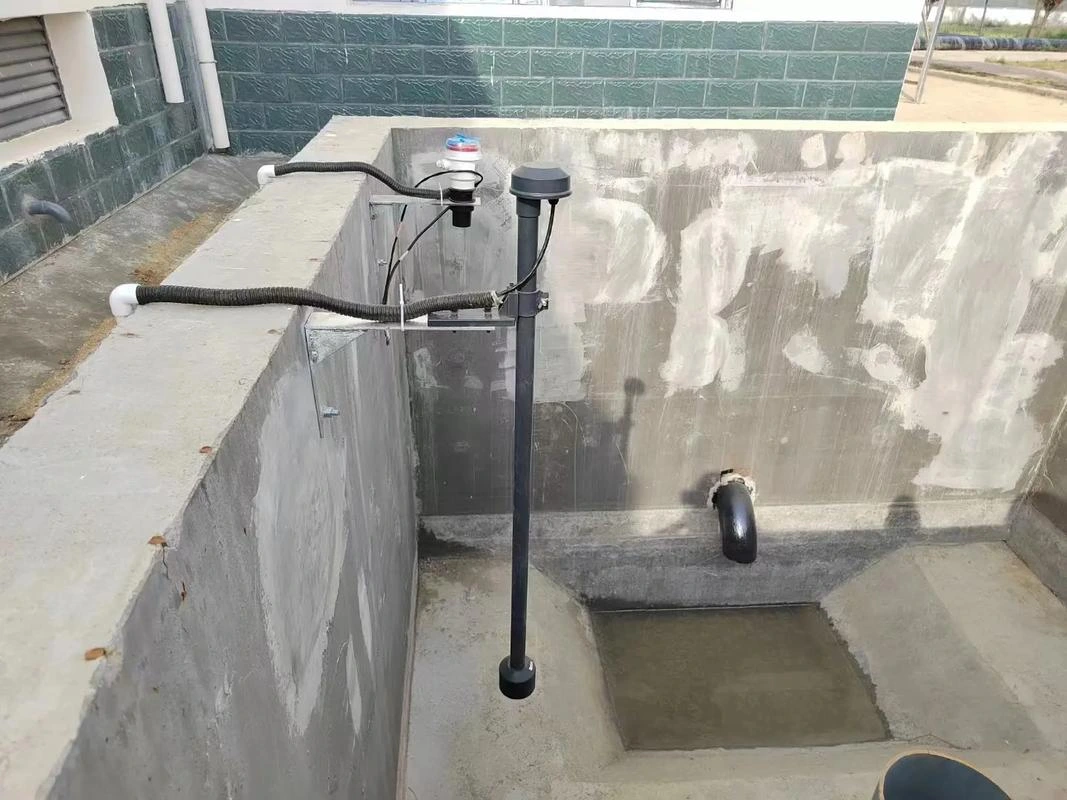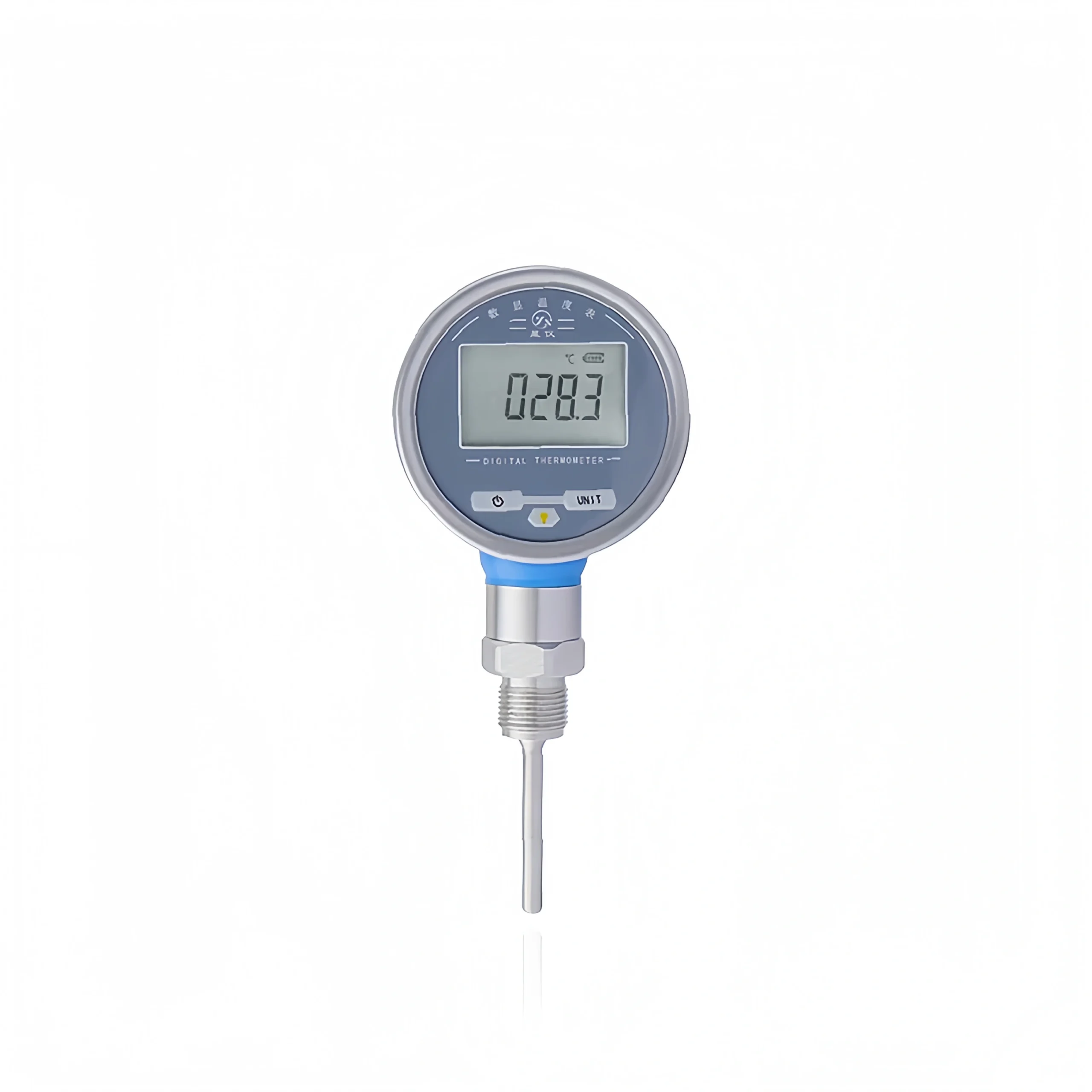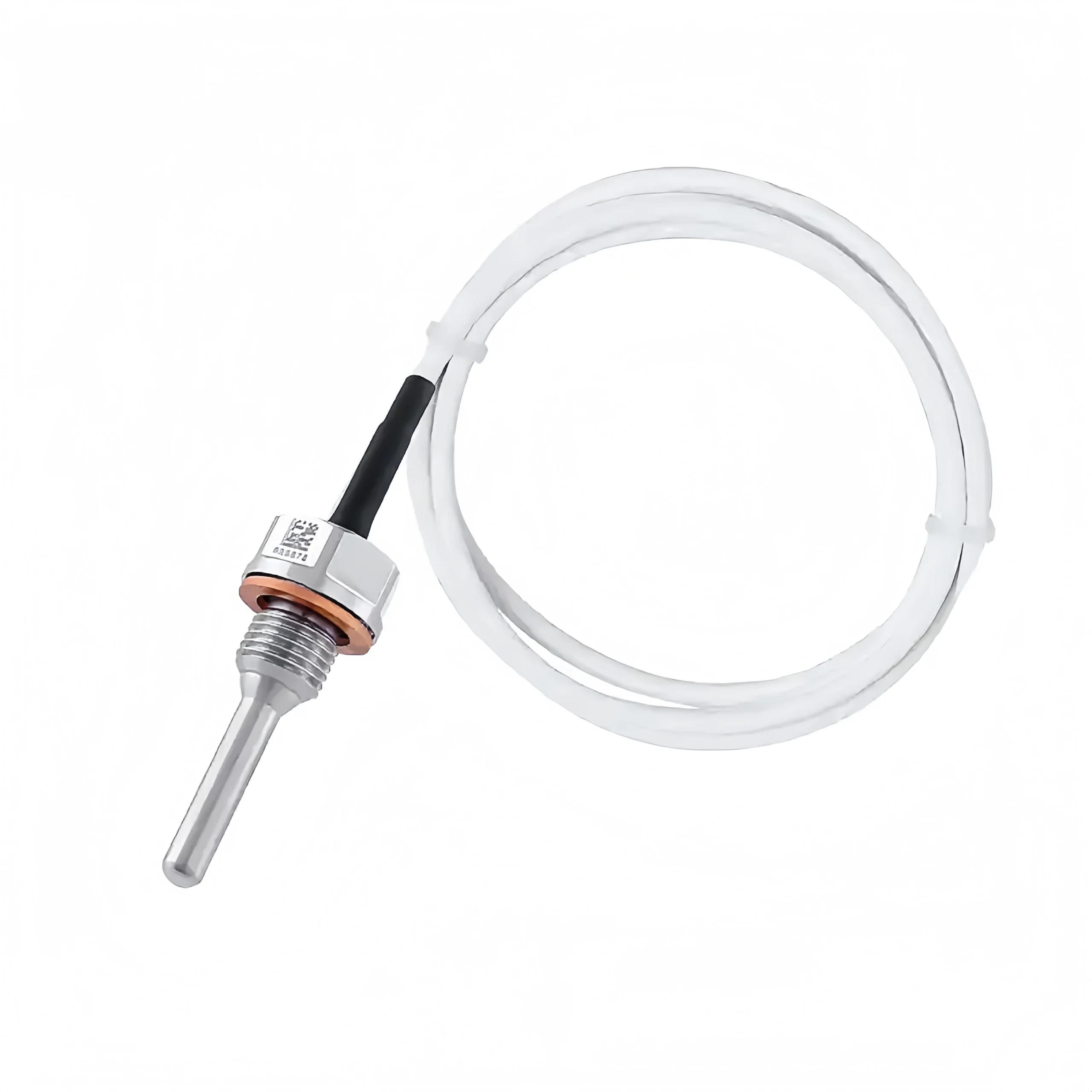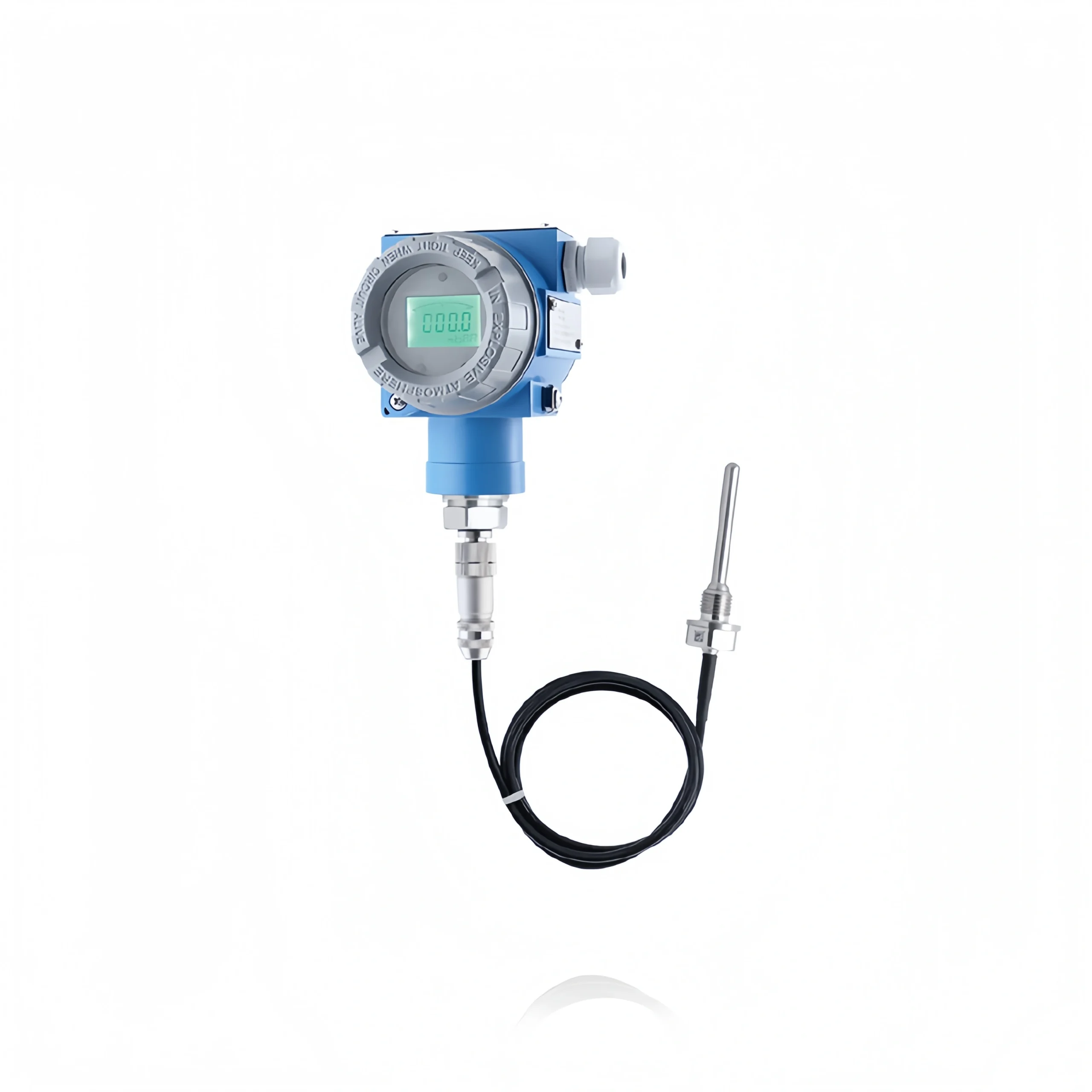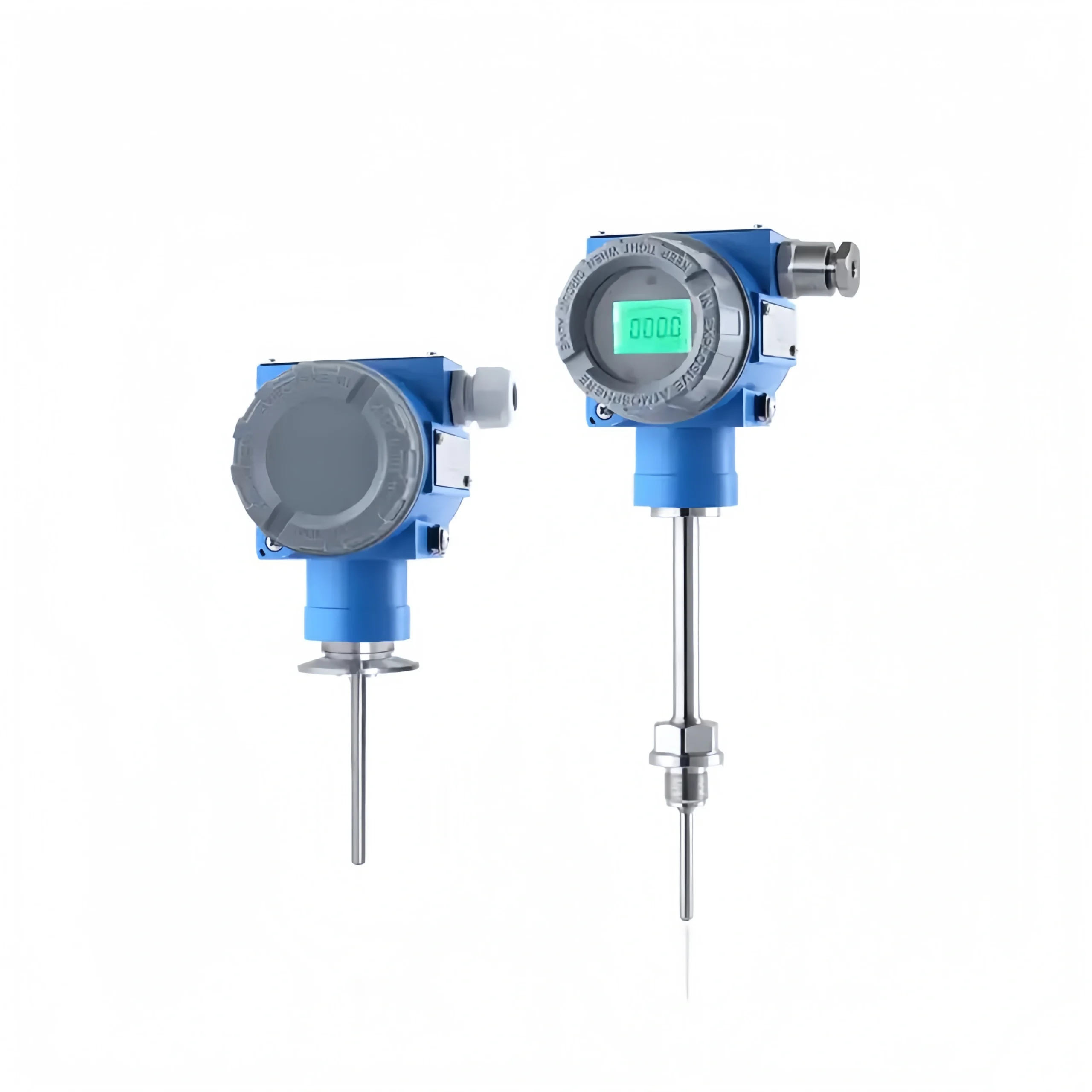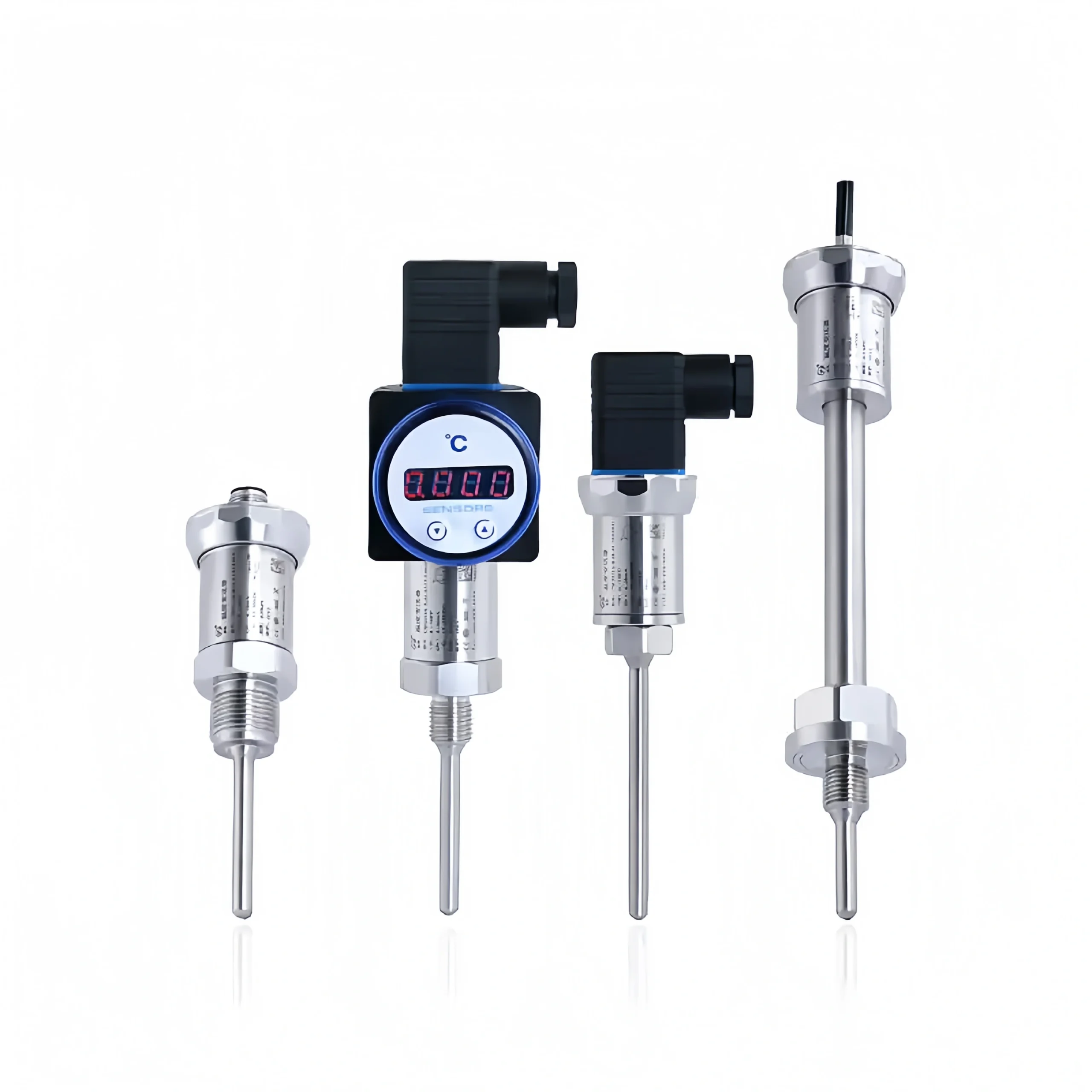
Explosion proof temperature transmitters are widely used in industry for measuring and transmitting temperature signals in challenging environments. Characterised by their explosion-proof design, high accuracy and robust reliability, they are extensively utilised in industries such as chemicals and petroleum.
These transmitters are designed to measure temperature in hazardous environments. Built to be reliable, they help strengthen industrial safety defences.
Principle of Operation
There are two main types:
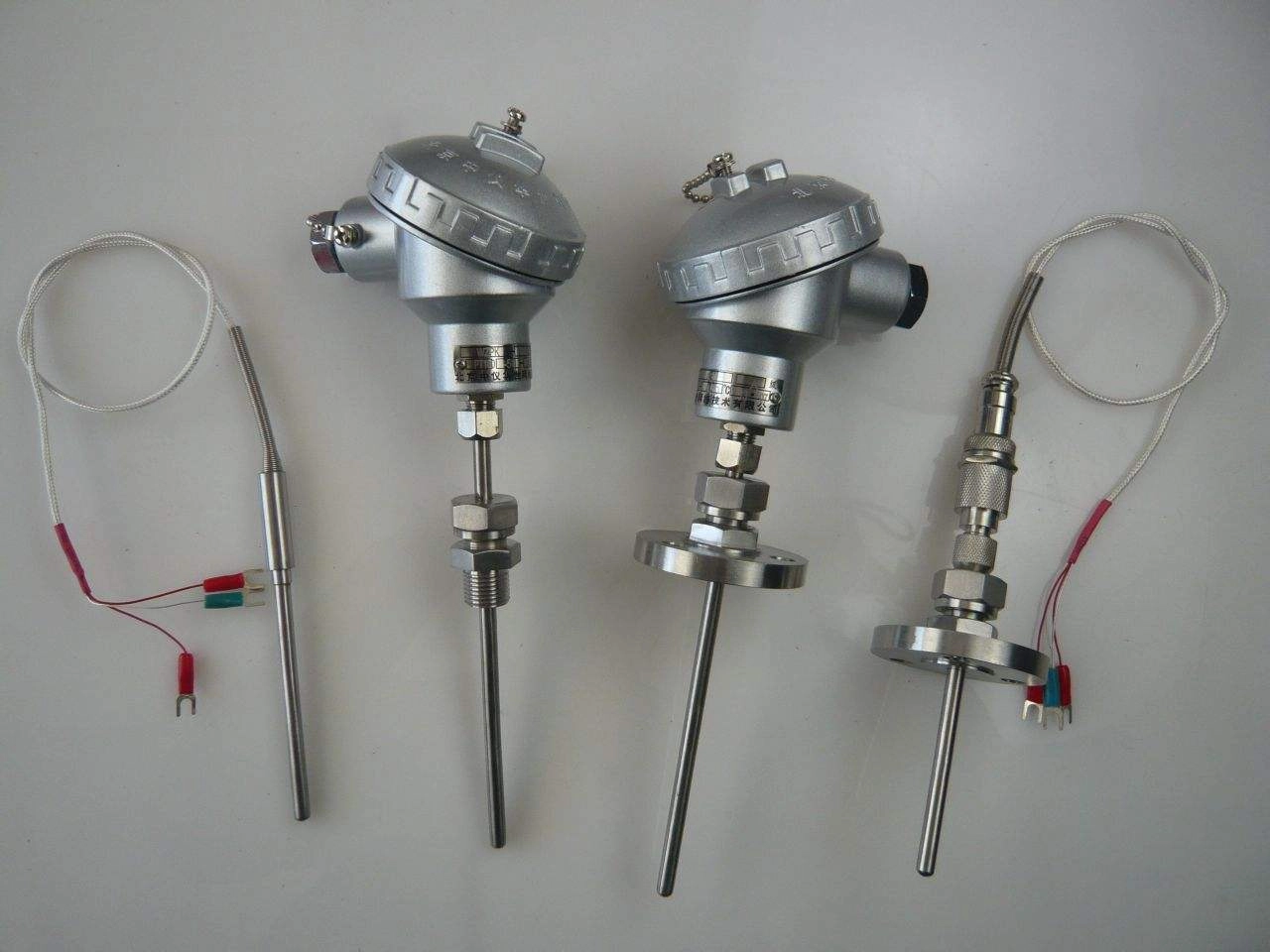
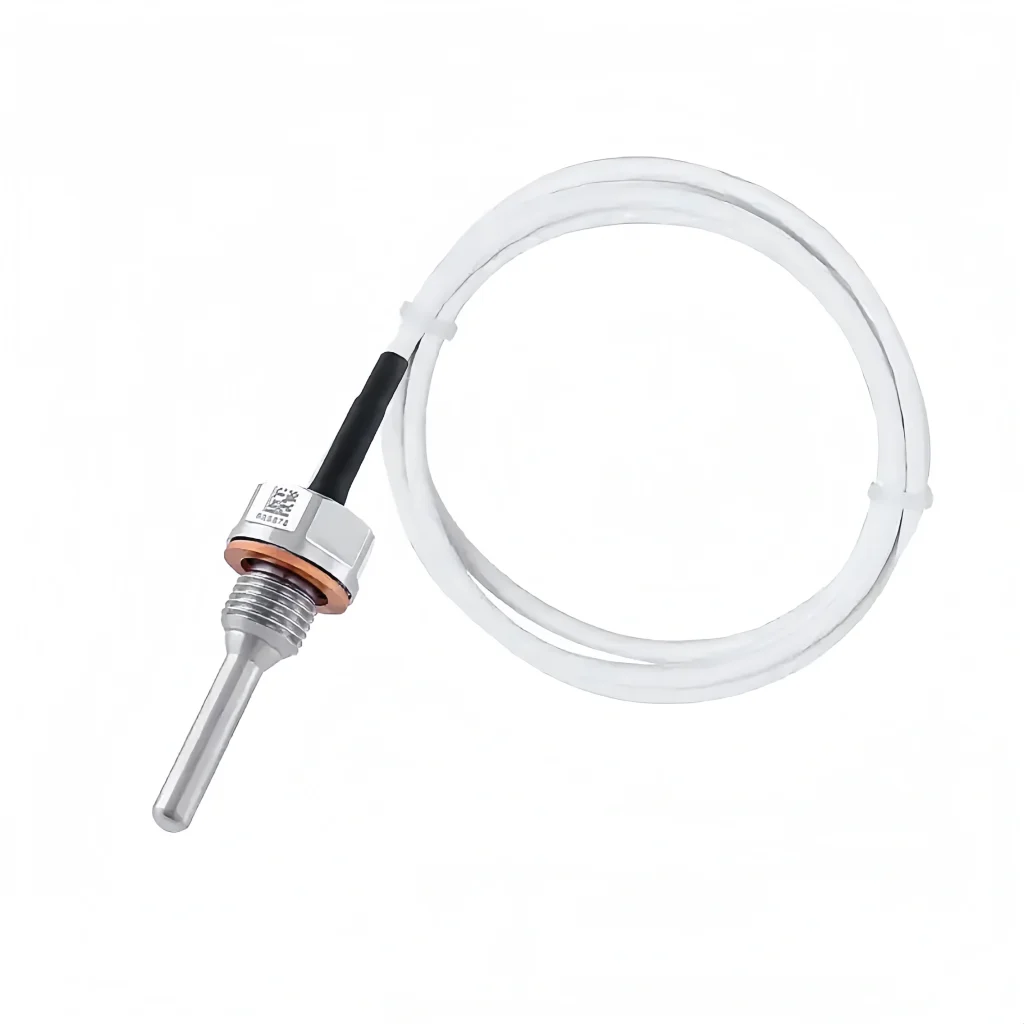
The first is the explosion proof resistance thermometer, which utilises the linear relationship between the resistance of platinum and temperature to convert the temperature signal into a resistance signal, which is then transmitted as a standard 4–20 mA digital output. It offers high accuracy and is suitable for medium and low-temperature applications.
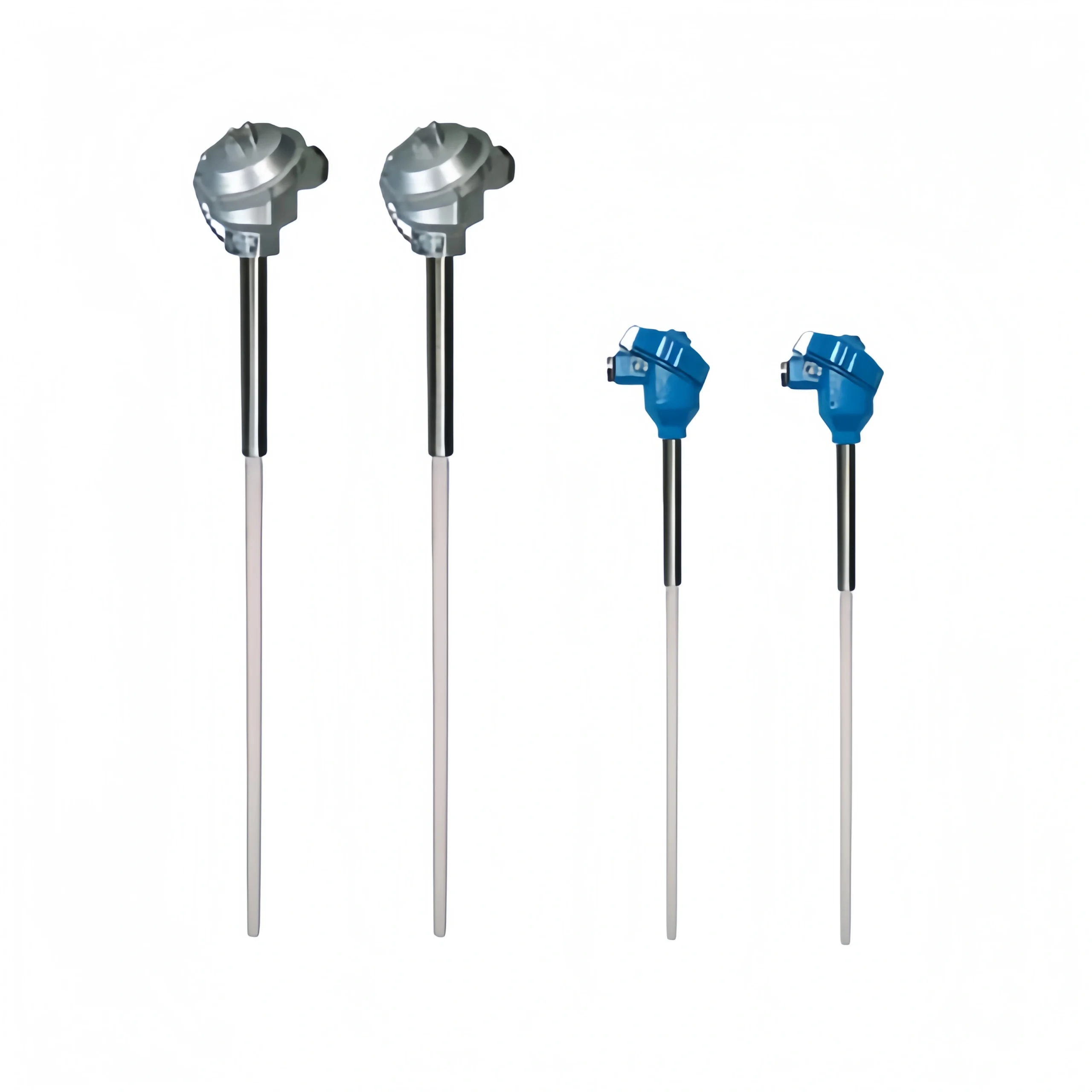
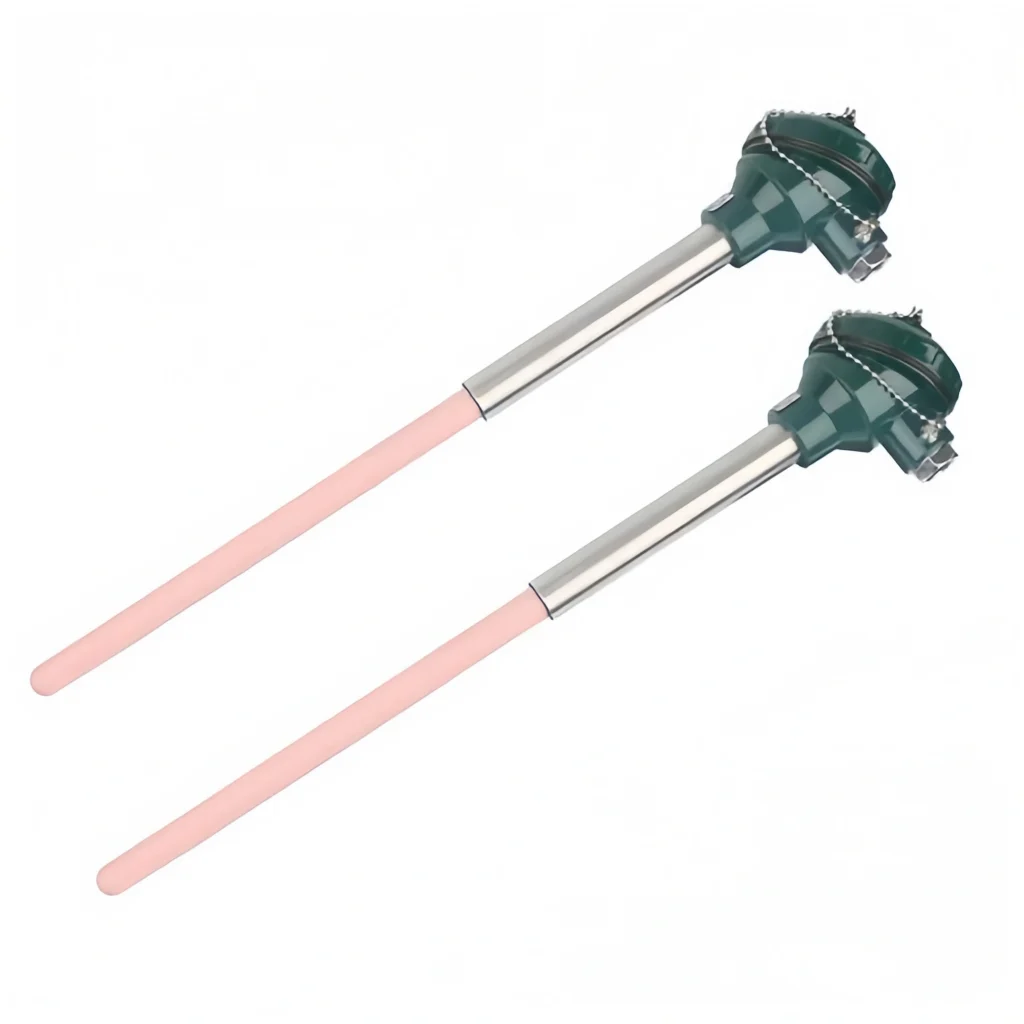
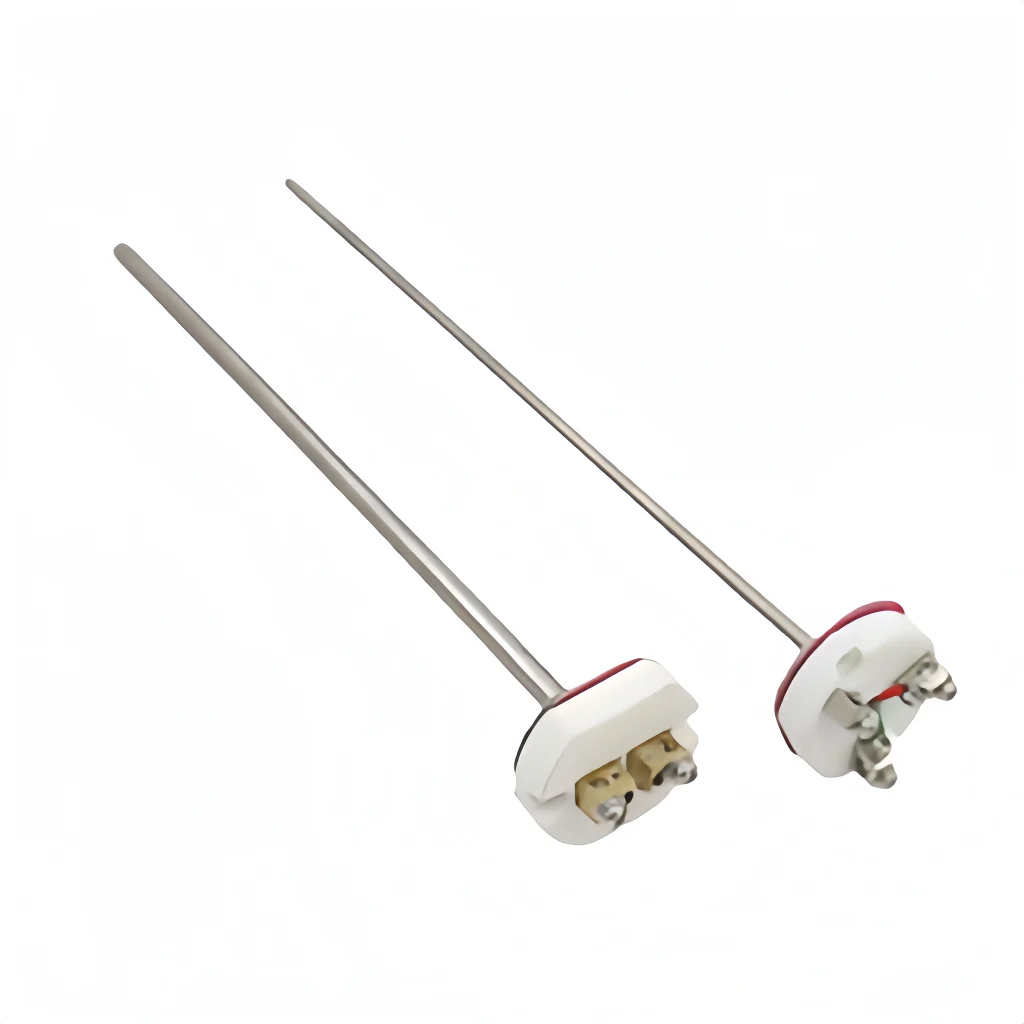
The second type is the explosion proof thermocouple (such as K, S or J types), which utilises the thermoelectric potential generated by the junction of two dissimilar metals to capture a millivolt signal, which is then amplified and transmitted. It offers excellent high-temperature resistance and is suitable for high-temperature applications.
Explosion proof safety principles:
The core principle is to prevent ignition sources from escaping or to eliminate them at source. There are three main types.
Flameproof type (Ex d) relies on a high-strength housing to withstand internal explosion pressures. Precision-machined flame-proof gaps are used to extinguish flames, preventing their transmission to external flammable and explosive environments.
Intrinsically Safe Type (Ex ia/ib) employs circuit designs that limit current, voltage and energy to ensure that the energy generated under both normal and fault conditions is insufficient to ignite flammable gases, making it suitable for high-risk areas.
Increased Safety Type (Ex e) eliminates the generation of ignition sources structurally through reinforced insulation, increased electrical clearances and optimised overheating protection designs.
Structural Features
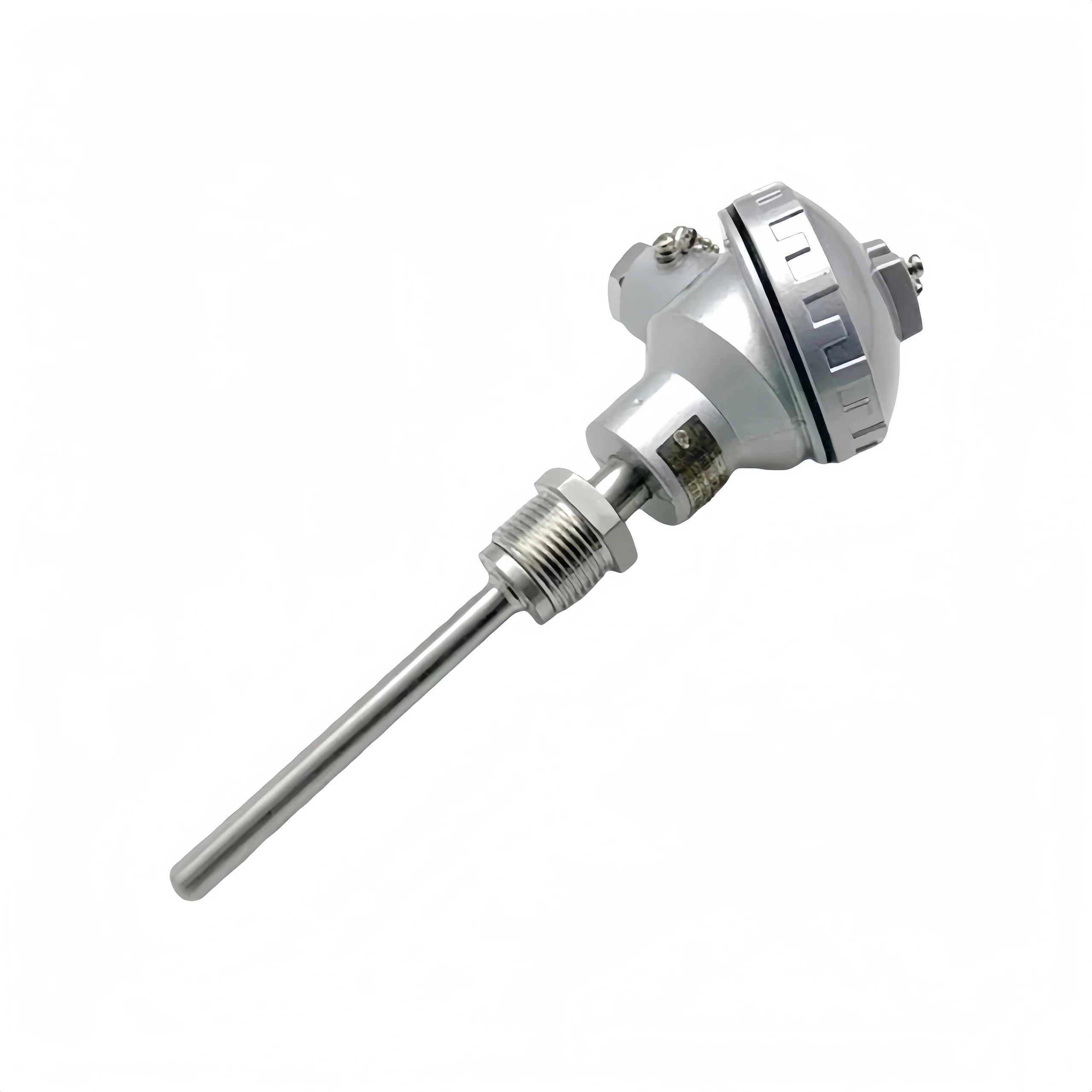
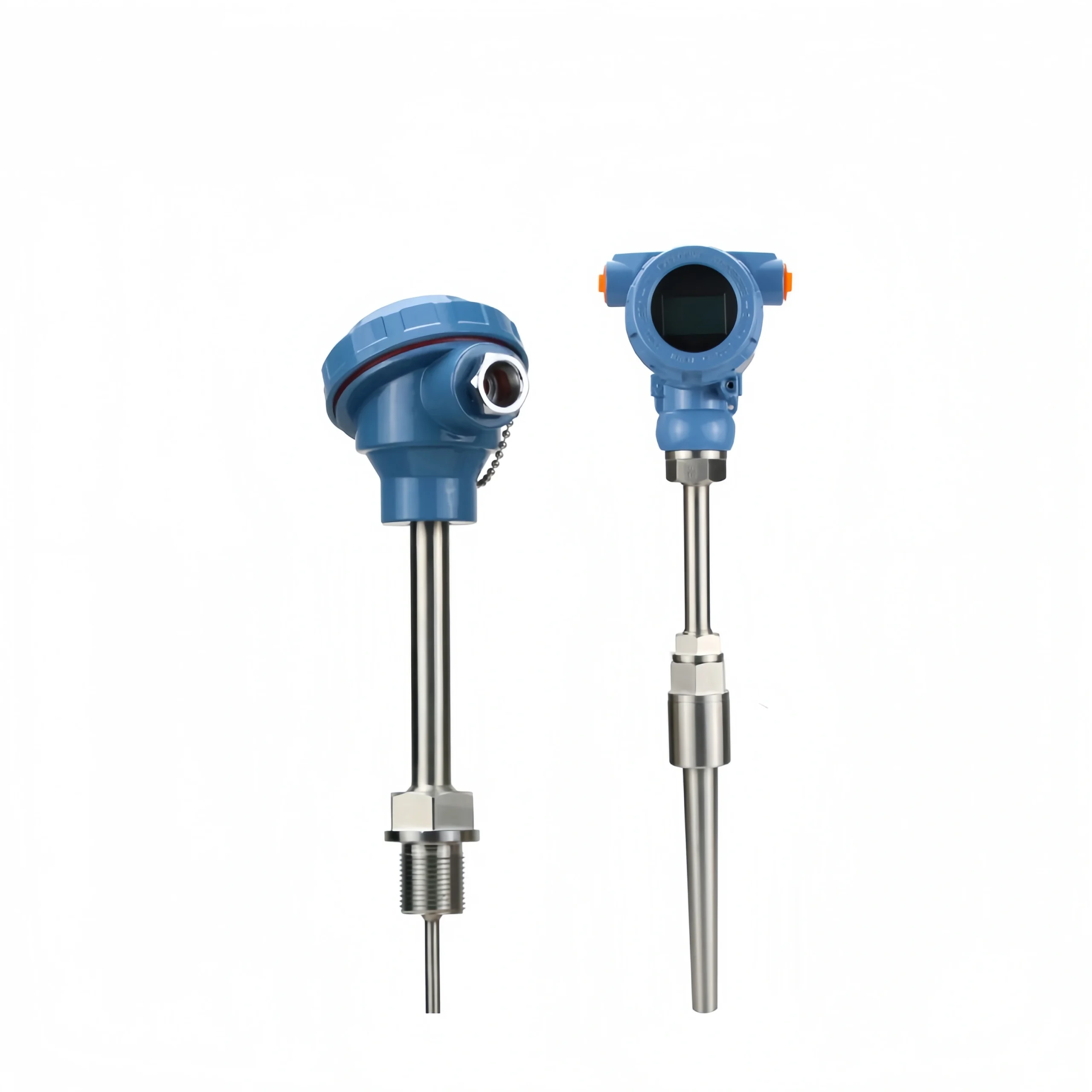
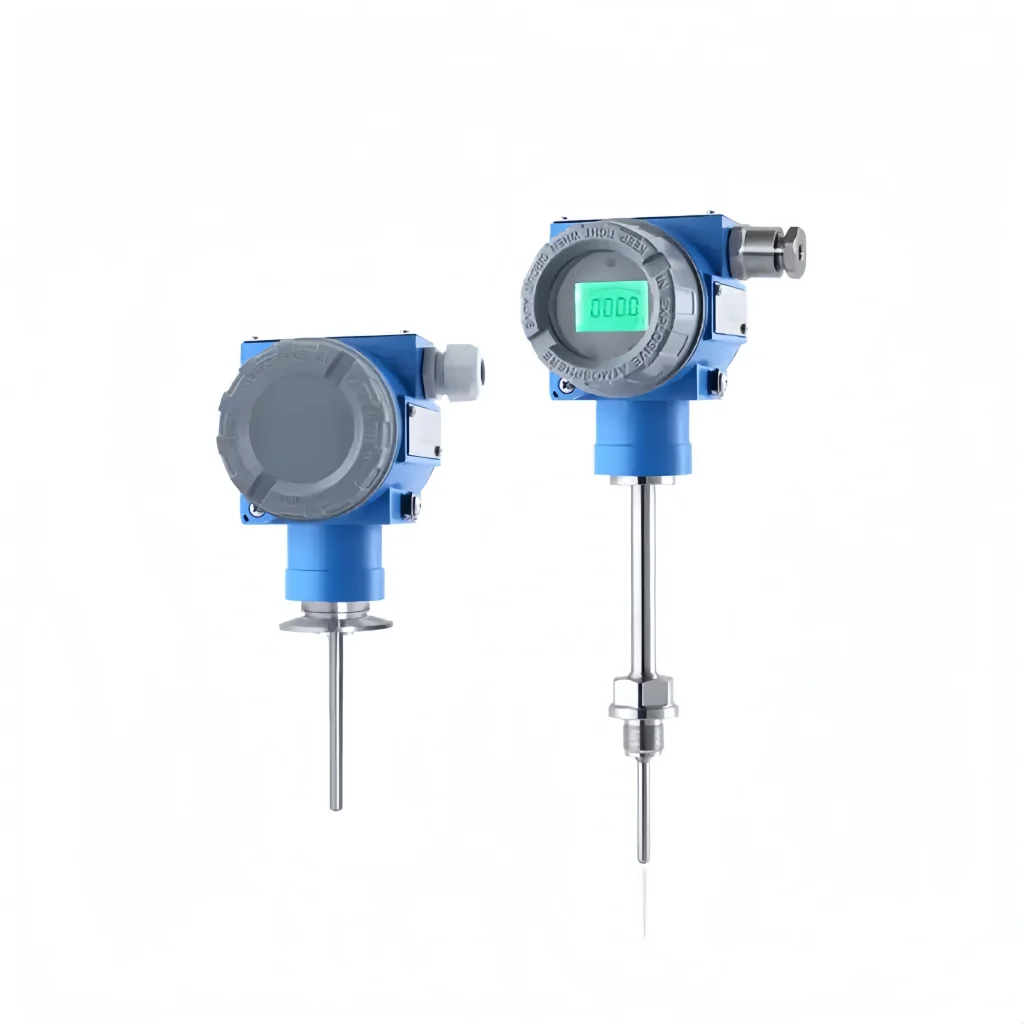
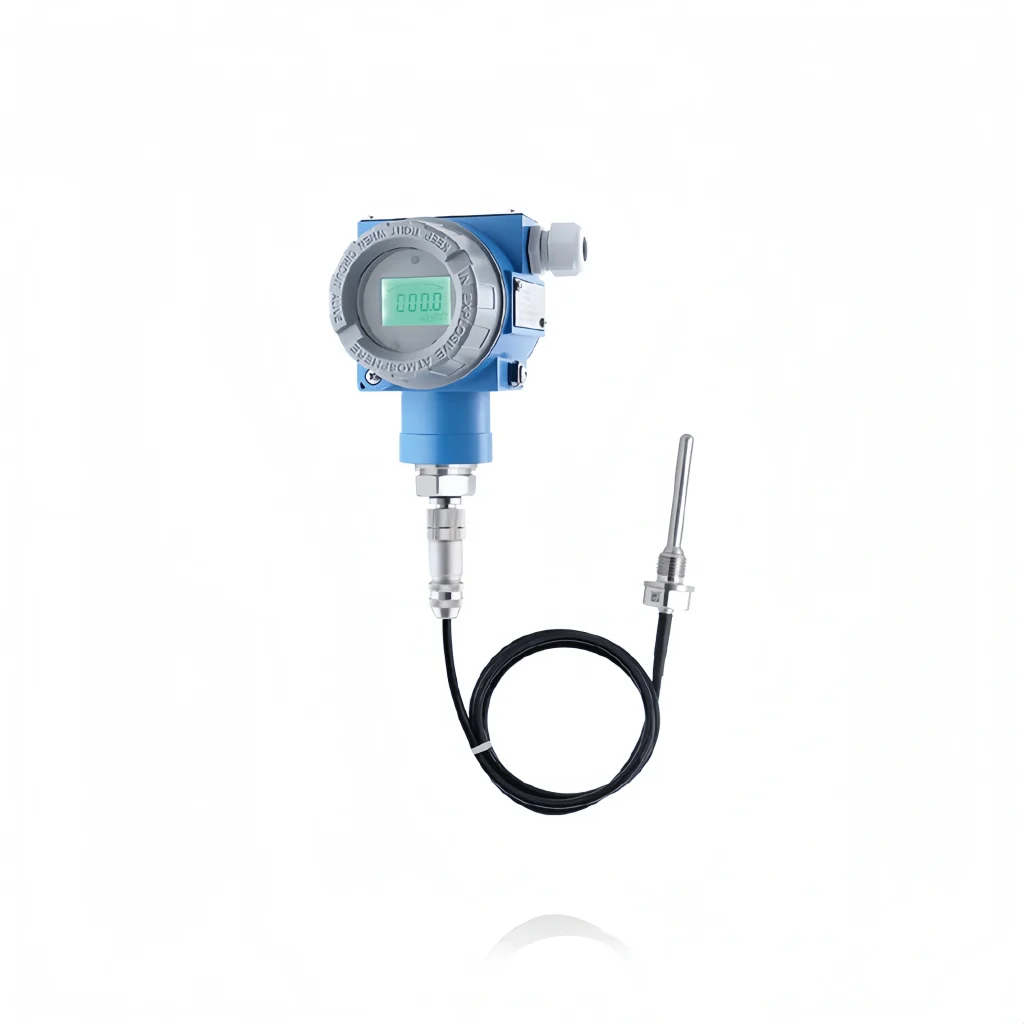
Explosion proof and high-strength housing: The housing is constructed from thickened cast aluminium or stainless steel, offering excellent pressure resistance and impact resistance. The explosion proof surfaces are precision-machined to effectively prevent any internal flames from penetrating, thereby establishing a robust explosion-proof barrier at the housing level.
Independent and sealed wiring compartment: There’s also a separate explosion-proof wiring compartment that separates the wiring from the temperature probe. When you combine this with sealing O-rings and explosion-proof cable glands, it stops dust, water and flammable or explosive gases from getting in, making it great for complex industrial environments.
Specialised temperature protection tubing: It’s got special tubing to protect it from temperature changes, and you can choose from stainless steel, 316L and Hastelloy, depending on how it’s going to be used. It’s resistant to corrosion, high pressure and wear and tear, protecting the internal temperature sensing elements and making it suitable for harsh environments such as the chemical and oil and gas industries.
Dedicated explosion proof transmitter module: Features a built-in explosion-proof transmitter module that integrates isolation circuits and energy-limiting components. This effectively resists electromagnetic interference and ensures stable output of standard signals (such as 4–20mA/HART), whilst also preventing the generation of electrical sparks and localised overheating, thereby guaranteeing explosion safety at the circuit level.
Compliant cable entry: Equipped with an explosion proof cable gland as the cable entry device, it securely seals and locks the cable, preventing flammable and explosive gases from entering the sensor through cable gaps. The installation method fully complies with industrial site explosion proof regulations.
Differences between explosion proof temperature sensors and standard temperature transmitters
Differences in housing structure and mechanical strength
The terminal boxes of standard temperature transmitters are typically made of plastic or thin metal sheets; they have a simple structure and offer only basic dust and moisture protection, and are unable to withstand internal explosion pressures. Explosion proof transmitters, on the other hand, utilise high-strength cast housings (such as aluminium alloy or cast steel) with significantly increased wall thickness. The joint surfaces are designed as precision flameproof structures, capable of withstanding internal explosions without damage whilst effectively preventing the outward propagation of flames; the protection rating typically reaches IP65 or higher.
Differences in Electrical Safety and Circuit Design
Conventional sensors have no special electrical circuit restrictions; their terminal blocks are exposed, and in the event of a fault, they may generate electrical sparks or high temperatures sufficient to ignite flammable gases. Explosion proof transmitters, however, control hazards at source: flameproof types rely on robust enclosures to isolate explosions, whilst intrinsically safe types use energy-limiting circuits to strictly restrict voltage, current and power, ensuring that electrical sparks and thermal effects remain below the minimum ignition energy under all circumstances; some internal components also employ protective measures such as potting.
Differences in Application Scenarios and Environmental Adaptability
Standard temperature transmitters are only suitable for safe environments without explosion hazards, such as general industrial workshops and laboratories. Explosion proof transmitters, however, are specifically designed for hazardous locations where flammable and explosive gases, vapours or combustible dusts are present, such as in the petroleum, chemical and coal mining sectors. They are classified according to explosion proof ratings to suit different hazardous zones and gas groups, whilst strictly limiting surface temperatures to prevent ignition of the surrounding environment.
Practical Applications of Explosion Proof Temperature Transmitters
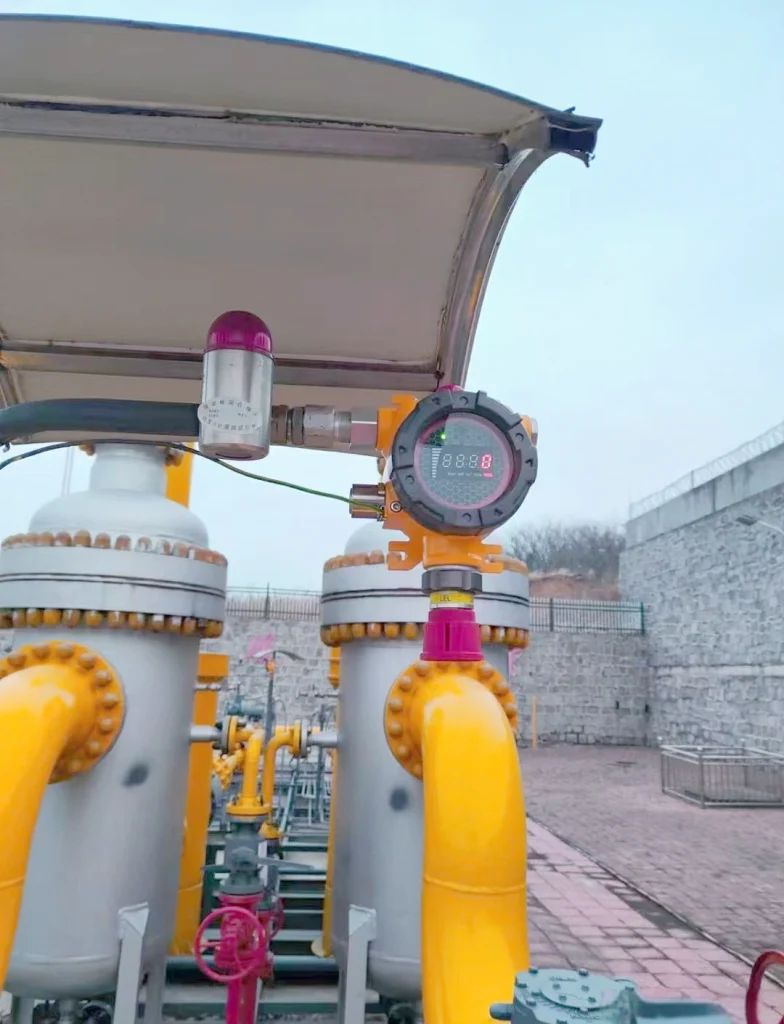
Petroleum and Petrochemical Industry: This is used to keep an eye on the temperature in places like refining and petrochemical units, oil and gas pipelines, storage tanks and reactors. It’s perfect for areas with flammable and explosive oil and gas vapours, preventing explosions caused by overheating and making sure processes are stable and safe when it comes to storage and transportation.
Fine Chemicals and Pharmaceuticals: You can find these transmitters in synthesis reactors, distillation columns, fermentation tanks and explosion-proof workshops. They make sure that the temperature is controlled to a high level of precision, which improves product yield.
Gas and Hydrogen Energy: It’s used to keep an eye on the temperature of natural gas pipelines, compressor units, hydrogen production and storage equipment. They’re designed for environments with high-risk media, like hydrogen, and they stop sparks from causing an ignition.
Coal Mining and Mining Sector: These explosion proof sensors, which are designed for mining, monitor temperatures in underground tunnels, electromechanical equipment and coal silos. They are resistant to methane, coal dust, humidity and vibration, so there is no need to worry about explosions or overheating.
Power and Metallurgy Industries: Keeps an eye on the temperature in places like boiler flues, steam turbines, transformer oil, metallurgical blast furnaces and heat treatment furnaces. This makes sure that temperature measurements are safe and that equipment is protected in high-temperature, dusty and flammable environments.
New Energy Industry: This is used to get temperature data in places like lithium battery drying workshops, photovoltaic chemical plants and energy storage systems. It can be used in places where there is combustible dust and volatile organic solvents, and it meets both explosion proof and temperature control requirements.
Food and Light Industry Dust Environments: We use these to monitor temperatures on production lines and in warehouses in places like grain processing, powder manufacturing and spray painting workshops. This helps to prevent the risk of dust explosions.
Environmental Protection and Wastewater Treatment Industry: It measures temperatures in flammable and explosive conditions, like in biogas digesters, flue gas desulphurisation and hazardous waste treatment. It provides a stable standard signal output to enable safety interlock control through integration with automated systems.
FAQ
What is the difference between flameproof and intrinsically safe types?
The key difference between the two lies in their explosion-proofing principles and suitable applications:
Flameproof (Ex d) types rely on a high-strength sealed enclosure and explosionproof gaps to contain any internal explosion within the enclosure; they do not require safety barriers and are suitable for Zones 0, 1 and 2, as well as harsh operating conditions such as high pressure and vibration.
However, the enclosures are bulky and must be protected from damage. Intrinsically safe (Ex ia/ib) achieves intrinsic safety by limiting circuit energy; the ia class is suitable for Zone 0, is compact and simple to wire, but must be used in conjunction with a safety barrier. It is suitable for scenarios with limited installation space and mild operating conditions.
What do the explosion proof classifications Ex d and Ex ia represent?
The general explosion proof marking, known as EX, indicates that the equipment complies with explosion-proof standards. Ex d denotes the flameproof type, which achieves explosion protection through a flameproof enclosure; Ex ia is the highest intrinsic safety rating, limiting circuit energy, suitable for Zone 0, and offering extremely high safety.
The rating must be accompanied by a gas group (e.g. IIC, suitable for high-risk gases such as hydrogen) and a temperature class (e.g. T6, surface temperature ≤85°C, offering higher safety than T4). Selection must be based on the on-site medium and environment.
How to choose between two-wire and four-wire systems?
In industrial explosion proof environments, the two-wire 4–20mA system is the preferred choice. Its two wires simultaneously provide power and transmit signals, offering simple wiring, strong resistance to interference and long transmission distances. It is compatible with 24V DC low-voltage explosion-proof power distribution and intrinsically safe safety barriers, making it highly versatile.
Four-wire systems require four wires and are only suitable for special scenarios such as high-power supply or high-precision signals. Their use in explosion proof zones entails high costs and complex installation, so they are not recommended for routine applications.
As core temperature measurement equipment for industrial safety, explosion proof temperature transmitters have become an indispensable component in high-risk industries such as petroleum, chemicals, new energy and coal mining, thanks to their precise temperature measurement performance, reliable explosion-proof design and broad adaptability to various operating conditions.
Sino-Inst remains dedicated to the field of explosion proof temperature measurement. Drawing on our technical expertise and extensive industry experience, we provide customers with customised, highly reliable explosion-proof temperature transmitter solutions, helping enterprises achieve safe, efficient and precision-oriented production, and working together to build a new line of defence for industrial safety.