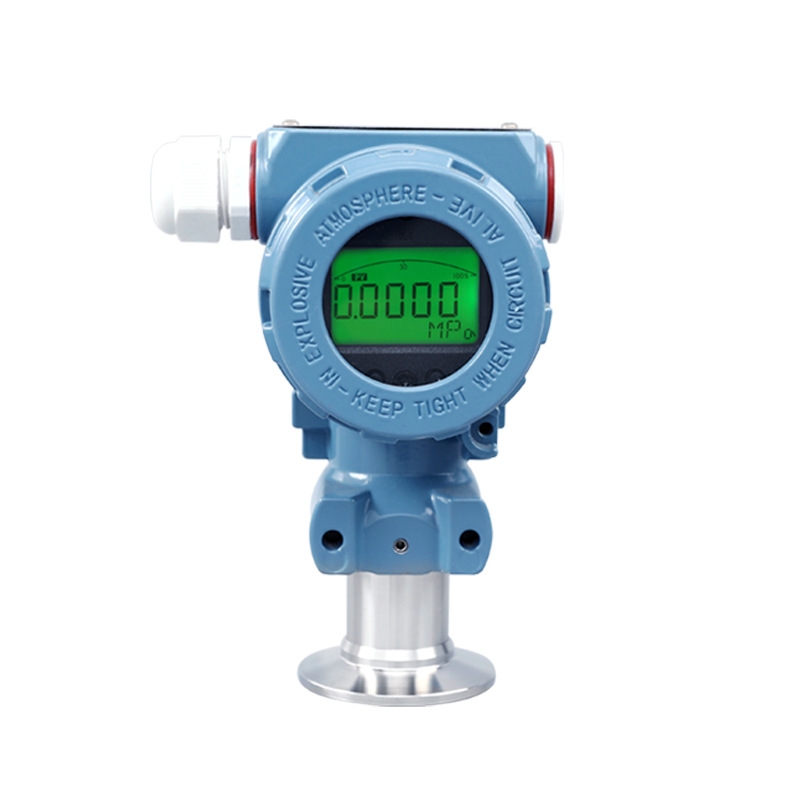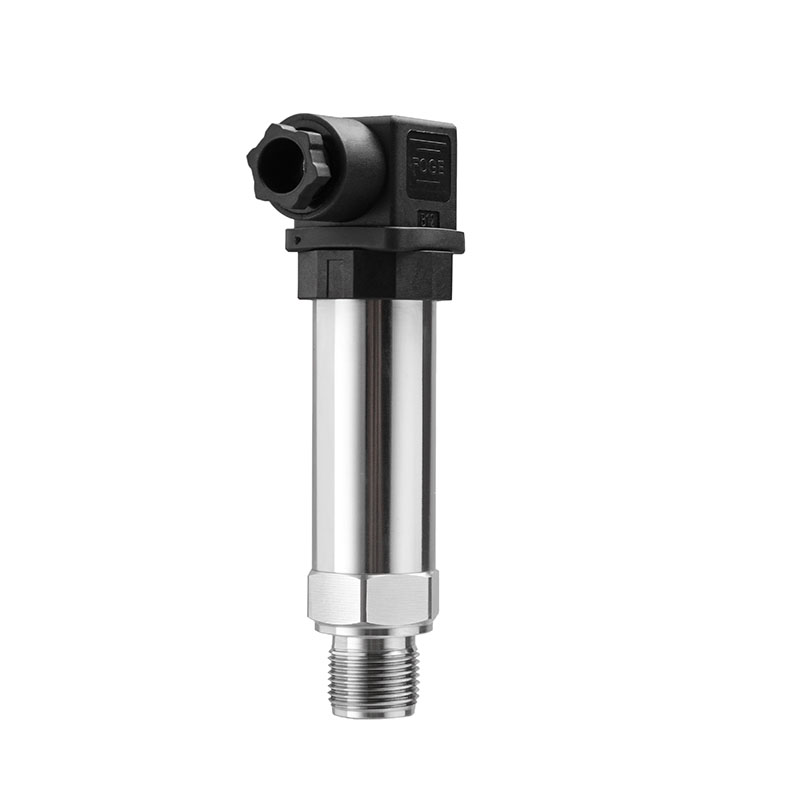
In today’s tech and industrial world, pressure sensors are super important. When it comes to pressure measurement, two types of sensor really stand out: gauge pressure sensors and absolute pressure sensors. They’re so popular because they have different functions and can be used in lots of different areas.
What is a gauge pressure sensor?
A gauge pressure sensor is a type of pressure sensor that measures relative pressure, i.e., pressure values relative to atmospheric pressure. It typically comprises a sensing element (such as a strain gauge or piezoresistive element) and an electronic circuitry that converts pressure into an electrical signal.
When pressure is applied to the sensing element, it changes shape a little, which changes the resistance value. The electronic parts inside the machine measure this change and convert it into an electrical signal. This signal is the same as the pressure.
What is an Absolute Pressure Sensor
An absolute pressure sensor is a device that measures pressure relative to a vacuum or absolute zero. Unlike gauge pressure sensors, absolute pressure sensors not only measure the pressure of the medium being tested but also account for the ambient atmospheric pressure.
The way an absolute pressure sensor works is pretty similar to a gauge pressure sensor, but instead of measuring atmospheric pressure, it measures absolute vacuum or absolute zero.
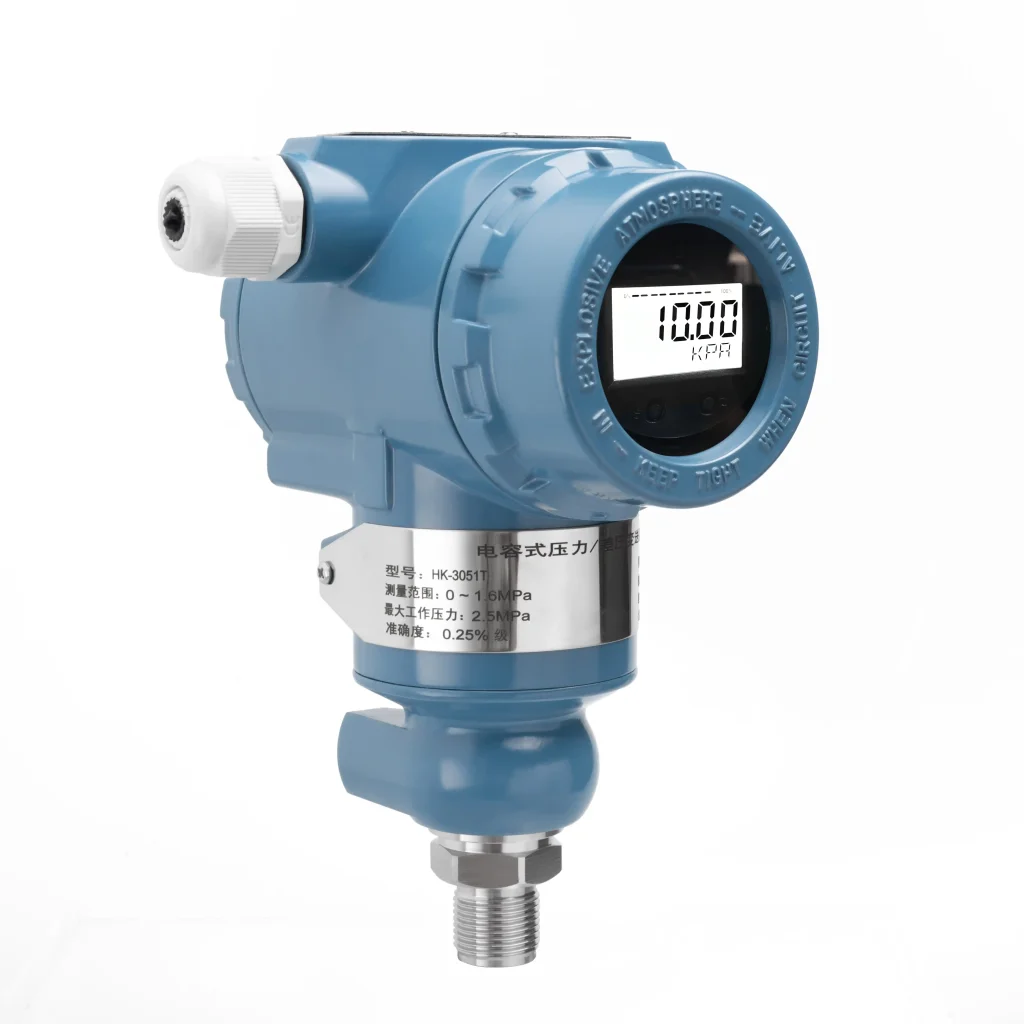
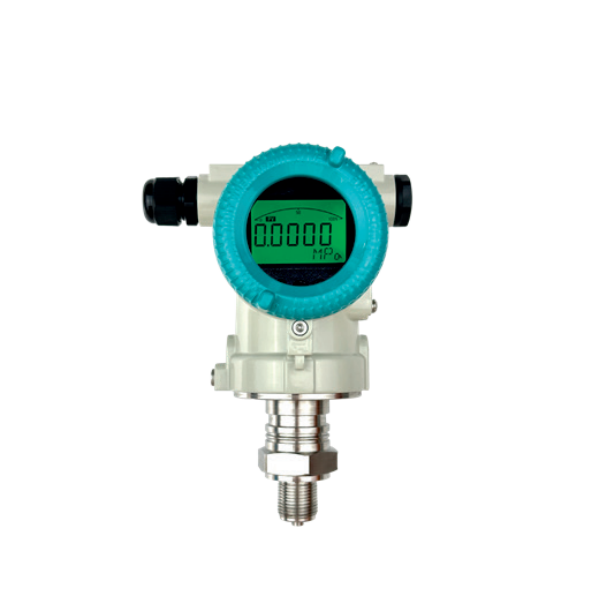
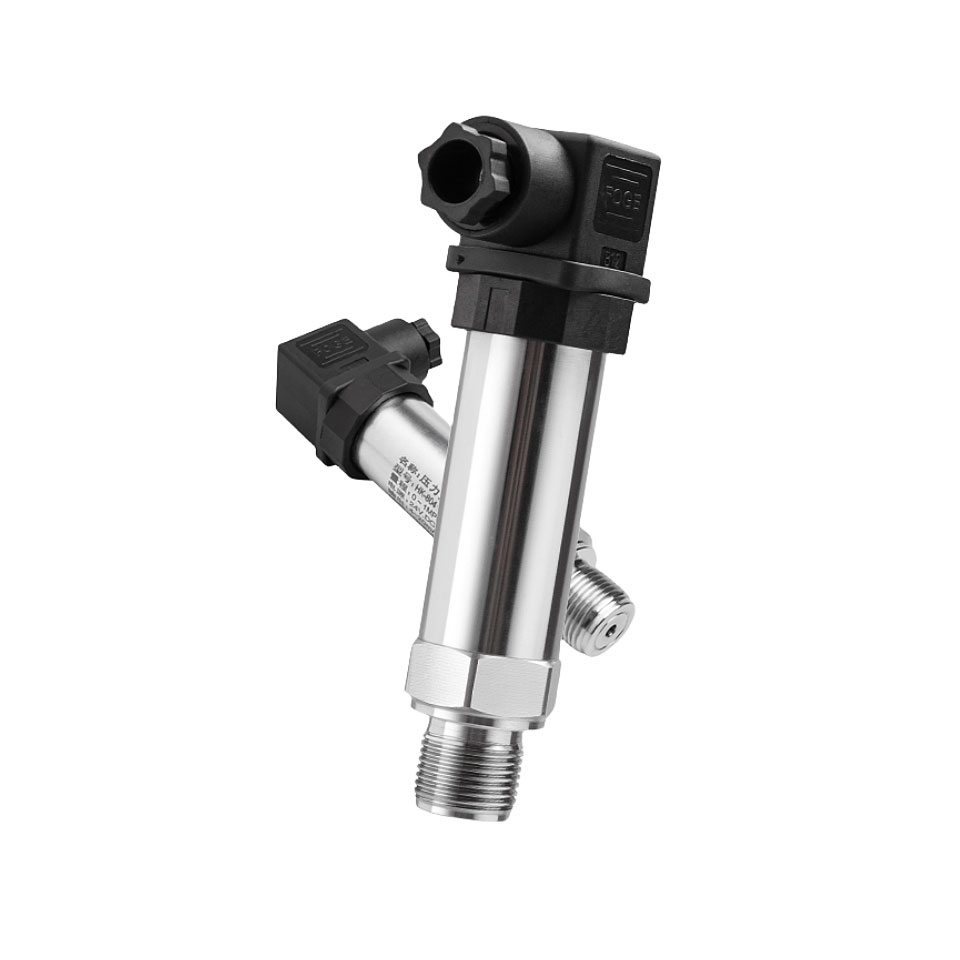
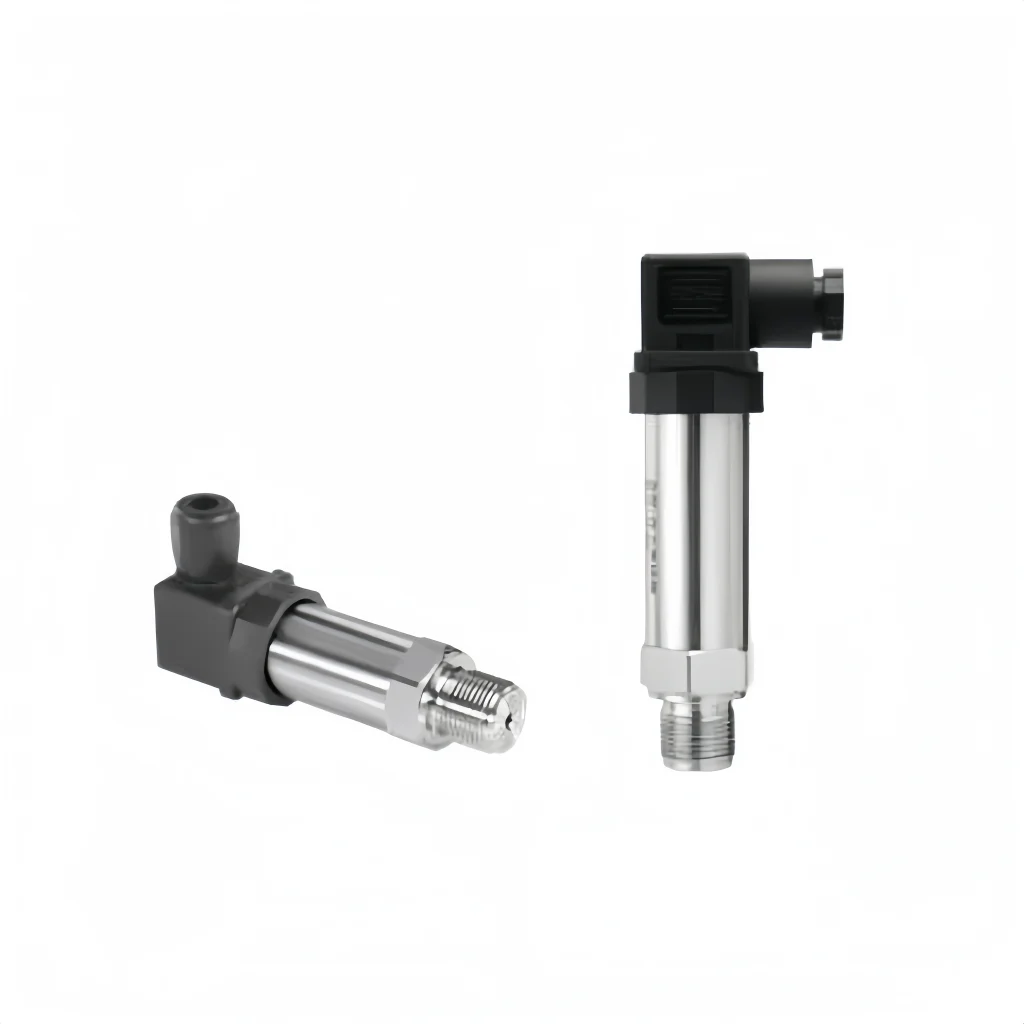
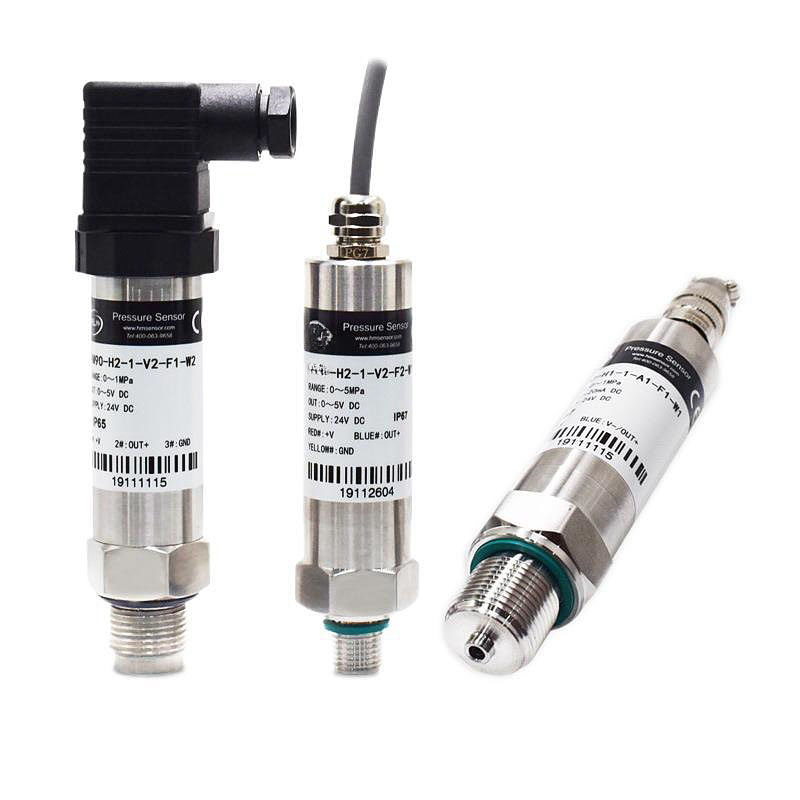
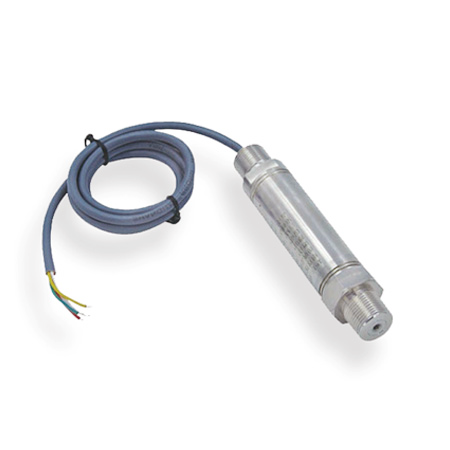
Gauge Pressure Sensor VS Absolute Pressure Sensor
Differences in Construction
The gauge pressure sensor features an internal vent hole connecting to atmospheric pressure, ensuring the reference end pressure remains constant at local atmospheric pressure.Its structure is simple and cost-effective.
The absolute pressure transducer has a fully sealed internal structure, with the reference end being a vacuum chamber (achieved through high-temperature vacuum extraction). This design stops changes in air pressure from messing up your measurements. It’s a pretty complex build, so it’s more expensive.
Differences in the types of pressure measured
Gauge pressure sensors measure pressure relative to atmospheric pressure.The reference point for gauge pressure sensors is atmospheric pressure, enabling them to measure only positive pressure values relative to atmospheric pressure.They are used to measure pressure variations in general environments.Absolute pressure sensors measure absolute pressure internally.
Absolute pressure sensors measure pressure values relative to vacuum, whereas gauge pressure sensors measure pressure relative to atmospheric pressure. The reference point for absolute pressure sensors is vacuum, enabling them to measure negative pressure values below atmospheric pressure.
Differences in Accuracy
The accuracy of gauge pressure sensors is directly influenced by variations in local atmospheric pressure. As their reference end is directly exposed to the atmospheric environment, daily fluctuations in atmospheric pressure, changes in altitude, and even weather conditions can all contribute to measurement errors.
Consequently, in applications requiring extremely high and stable accuracy—such as laboratory calibration or precision process control—the absolute accuracy of gauge pressure sensors is compromised without real-time atmospheric pressure compensation.
In contrast, absolute pressure sensors provide a theoretically constant absolute zero-pressure reference through their sealed vacuum reference chamber, thereby avoiding direct influence from atmospheric fluctuations.This enables them to achieve higher baseline accuracy and long-term stability when measuring absolute pressure values.
Differences in Output Results
The output value of a gauge pressure sensor is typically referenced against atmospheric pressure. When atmospheric pressure is measured, the output value is zero. When pressure higher than atmospheric pressure is measured, the output value is positive.
The output value of an absolute pressure sensor is generally positive, representing pressure relative to vacuum. When an absolute pressure sensor measures atmospheric pressure, the output value is zero.
Different Application Scenarios
Due to variations in operating principles and measurement ranges, absolute pressure sensors and gauge pressure sensors differ in their application scenarios.
Gauge pressure sensors are suitable for scenarios requiring measurement of positive pressure values relative to atmospheric pressure, such as in industrial automation, the automotive industry, and medical equipment.
1.Pressure monitoring in process industries: For instance, gas or liquid pressures within pipelines, storage tanks, or reactors typically require reference to ambient atmospheric pressure.
2.Liquid level measurement:In vessels that permit the unrestricted flow of fluids, the height of said fluids can be determined by measuring the static pressure at the base.
3.General equipment and systems:Examples include compressor outlet pressure, pump head, and pneumatic system pressure. In such scenarios, the system functions in an environment connected to the atmosphere, with the emphasis placed on the differential pressure relative to atmospheric pressure.
Absolute pressure sensors are usually best for measuring negative pressure, like in vacuum equipment, sealed containers, measuring atmospheric pressure, and high-altitude meteorological observation, where you really need to know the pressure to the last detail.
1.Vacuum systems and negative pressure measurement: Such as monitoring vacuum levels in semiconductor processes and drying equipment, representing an irreplaceable application domain.
2.Direct Atmospheric Pressure Measurement:Employed in meteorological stations, altimeters, and systems requiring barometric pressure compensation.
3.Processes Involving Absolute Pressure: Such as pressure control within distillation columns or chemical reactions demanding precise pressure parameters, where the process dynamics are inherently influenced by absolute pressure.
4.Sealed System Pressure Monitoring: Within fully enclosed vessels or systems, the internal pressure constitutes absolute pressure.
Advantages and Disadvantages of Gauge Pressure Sensors
Advantages:
1.Direct pressure indication: In industrial contexts, equipment and systems are commonly exposed to pressure relative to atmospheric pressure, often measured using gauges. Gauge pressure sensors directly measure this differential, providing intuitive readings that require no secondary conversion and can be used directly for control and alarm purposes.
2.Simple construction and lower cost: In contrast to absolute pressure sensors, which necessitate the construction and upkeep of a high-vacuum sealed reference chamber, gauge sensors streamline the manufacturing process and reduce costs.
3.Installation and maintenance simplicity: Its vented design automatically adjusts for changes in the air pressure around it (as long as it’s within a certain range), so you don’t need to worry about extra pressure fluctuations during regular installations. Maintenance also avoids vacuum seal management issues.
4.Broad applicability:Suitable for most scenarios involving open-air systems or requiring monitoring relative to atmospheric pressure, such as hydraulic systems, pneumatic pipelines, ventilation systems, open-vessel liquid levels, and outlet pressures of pumps and compressors.
Disadvantages:
1.Accuracy affected by atmospheric pressure fluctuations: This constitutes its most fundamental shortcoming. Atmospheric pressure varies with weather conditions and altitude, and the sensor cannot distinguish between genuine process pressure changes and variations in atmospheric reference pressure, introducing inherent measurement errors.
2.Inability to measure absolute pressure or vacuum: As its measurement baseline is dynamic atmospheric pressure, readings cannot reflect the absolute pressure value of the measured medium. It cannot be used to measure vacuum or negative pressure below atmospheric pressure.
3.Risk of vent hole blockage:The vent hole at the reference end must remain unobstructed. In places where there’s a lot of dust, heavy oil contamination or humidity, the vent hole might get blocked. This can lead to inaccurate reference pressure, wrong sensor output, and in some cases, even potential sensor damage.
4.Not suitable for sealed system pressures:Within fully sealed systems (such as certain chemical reactors or high-pressure vessels), the internal pressure is absolute pressure. Using a gauge pressure sensor for measurement will result in erroneous indications due to variations in external atmospheric pressure.
Advantages and Disadvantages of Absolute Pressure Sensors
Advantages
1.Provides true absolute pressure values:Directly measures the pressure of the medium relative to perfect vacuum. Readings reflect the physical essence of the medium’s state, unaffected by fluctuations in local atmospheric pressure. This constitutes its most fundamental advantage.
2.Stable reference, high long-term accuracy:The sealed vacuum reference chamber provides an exceptionally stable, constant pressure benchmark. This gets rid of any errors caused by daily changes in atmospheric pressure that you get with gauge pressure sensors, making it more reliable for use in applications that need high precision and long-term stability.
3.The sole option for vacuum and negative pressure measurement:Essential equipment for measuring sub-atmospheric vacuum levels and negative pressure systems. Gauge pressure sensors are entirely unsuitable for this domain.
4.Suitable for sealed systems and scientific calculations:In fully sealed systems (e.g., high-pressure reactors, deep tanks) or processes requiring physical/chemical calculations based on absolute pressure (e.g., meteorology, aerospace, distillation processes), the data provided by absolute pressure sensors is both accurate and indispensable.
Disadvantages
1.High manufacturing costs:The requirements for materials, processes, and sealing technology in manufacturing and maintaining a highly stable vacuum reference chamber far exceed those of gauge pressure sensors, resulting in significantly higher costs.
2.Risk of zero-point drift:If you use it for a long time or in extreme conditions, there might be tiny changes to how well it seals, which could mess up the reference zero point. You’ve got to calibrate it regularly to keep it accurate.
3. Sensitivity to Overpressure: The vacuum reference chamber side is highly vulnerable. Should process pressure unexpectedly fall far below the design value (extreme negative pressure), or if installation errors cause the reference chamber side to endure positive pressure, its precision structure may be damaged.
How to Select the Appropriate Pressure Sensor
When selecting a pressure transmitter, it is essential to clarify the type of pressure being measured, environmental parameters, and system requirements.
The following outlines key selection criteria:
1. Identify the type of pressure being measured
Positive pressure scenarios: Where the measured pressure consistently exceeds atmospheric pressure (e.g., pipeline pressure), either gauge pressure or absolute pressure transmitters may be selected (determining whether atmospheric pressure reference is required depends on system needs).
Negative pressure scenarios: Where measured pressure may fall below atmospheric pressure (e.g., vacuum pump outlets), select a gauge pressure transmitter (measurements may be negative) or an absolute pressure transmitter (measurements remain positive).
Vacuum Scenarios: For absolute vacuum measurements (e.g., semiconductor manufacturing vacuum chambers), an absolute pressure transmitter is mandatory (typically with a 0-1 bar absolute pressure range).
2. Adapt to Environmental Parameters
Temperature Impact: High temperatures (>85°C) may affect the sensor’s reference pressure (e.g., vent holes in gauge pressure transmitters may cause atmospheric pressure reference deviations due to thermal expansion). Select pressure transmitters with temperature compensation.
Medium Properties: For corrosive gases or liquids (e.g., chlorine gas, sulphuric acid), corrosion-resistant materials are required (e.g., 316L stainless steel casing, PTFE diaphragm).
Installation Location: At high altitudes, atmospheric pressure is lower (e.g., approximately 0.7 bar at 3000 metres). Gauge pressure transmitters require local atmospheric pressure correction, whereas absolute pressure transmitters do not.
3. System Compatibility
Control Requirements: Where systems require automatic compensation for atmospheric pressure variations (e.g., boiler pressure control necessitating exclusion of atmospheric interference), an absolute pressure transmitter should be selected.
Data Logging: For recording absolute pressure values (e.g., barometric data at meteorological stations), an absolute pressure transmitter is required. Where only relative pressure values are needed (e.g., pipeline leak detection), a gauge pressure transmitter is appropriate.
As a specialist manufacturer in sensor technology, Sino-Inst has developed a comprehensive solution portfolio spanning multiple sensor series including pressure and liquid level sensors through years of technical expertise and continuous innovation.
We remain committed to providing stable, high-precision products for critical industries such as construction machinery, industrial automation, and petrochemicals, empowering clients to achieve intelligent upgrades and efficient operations.