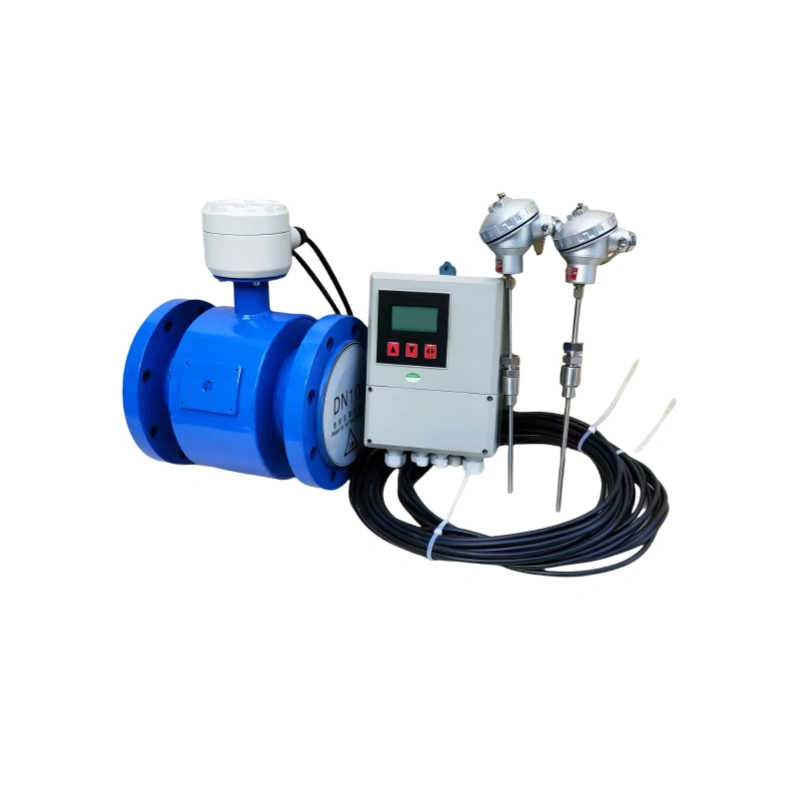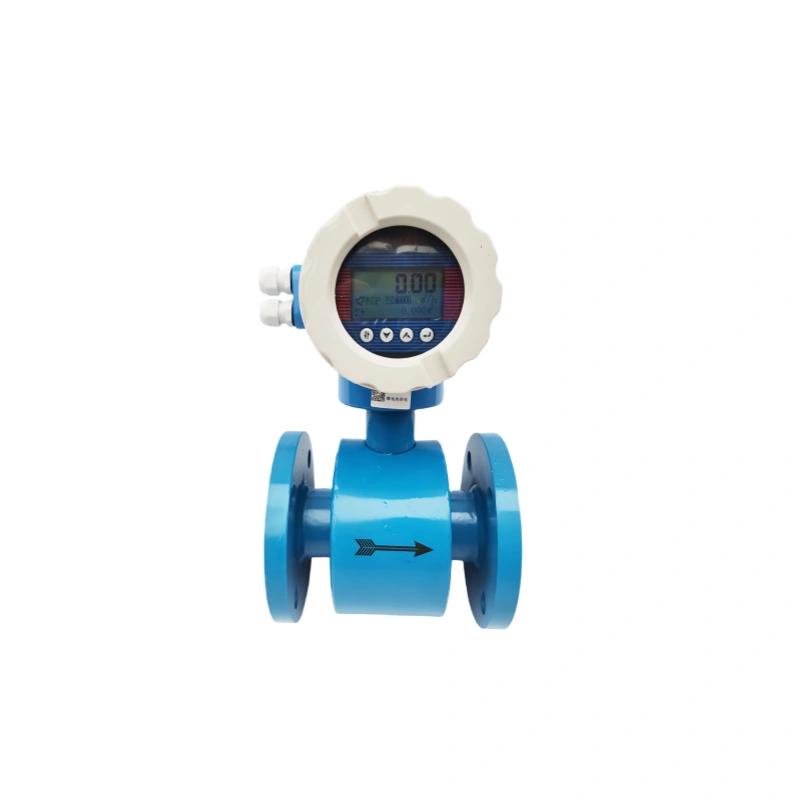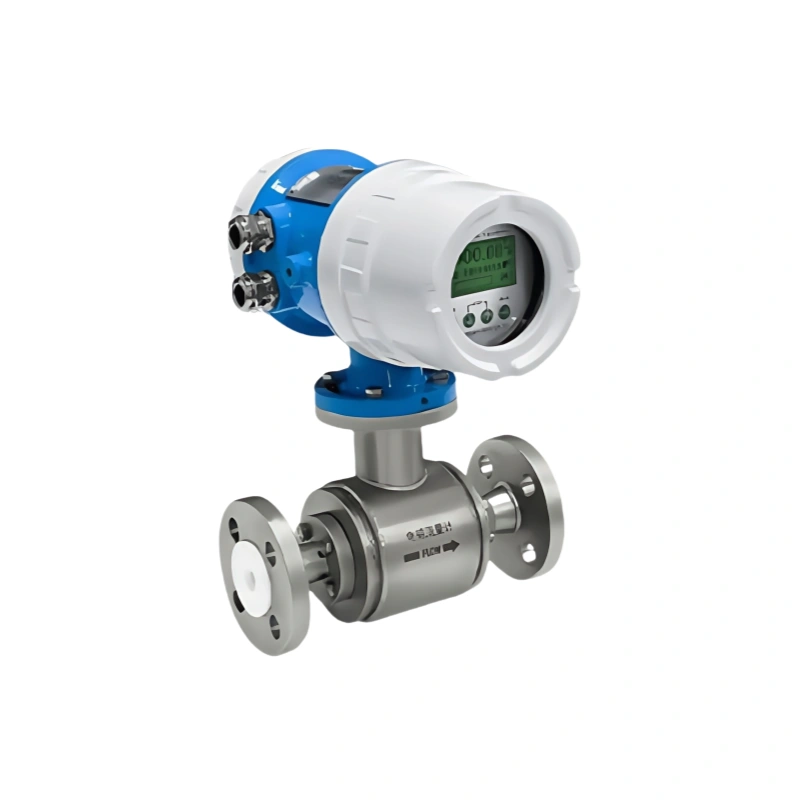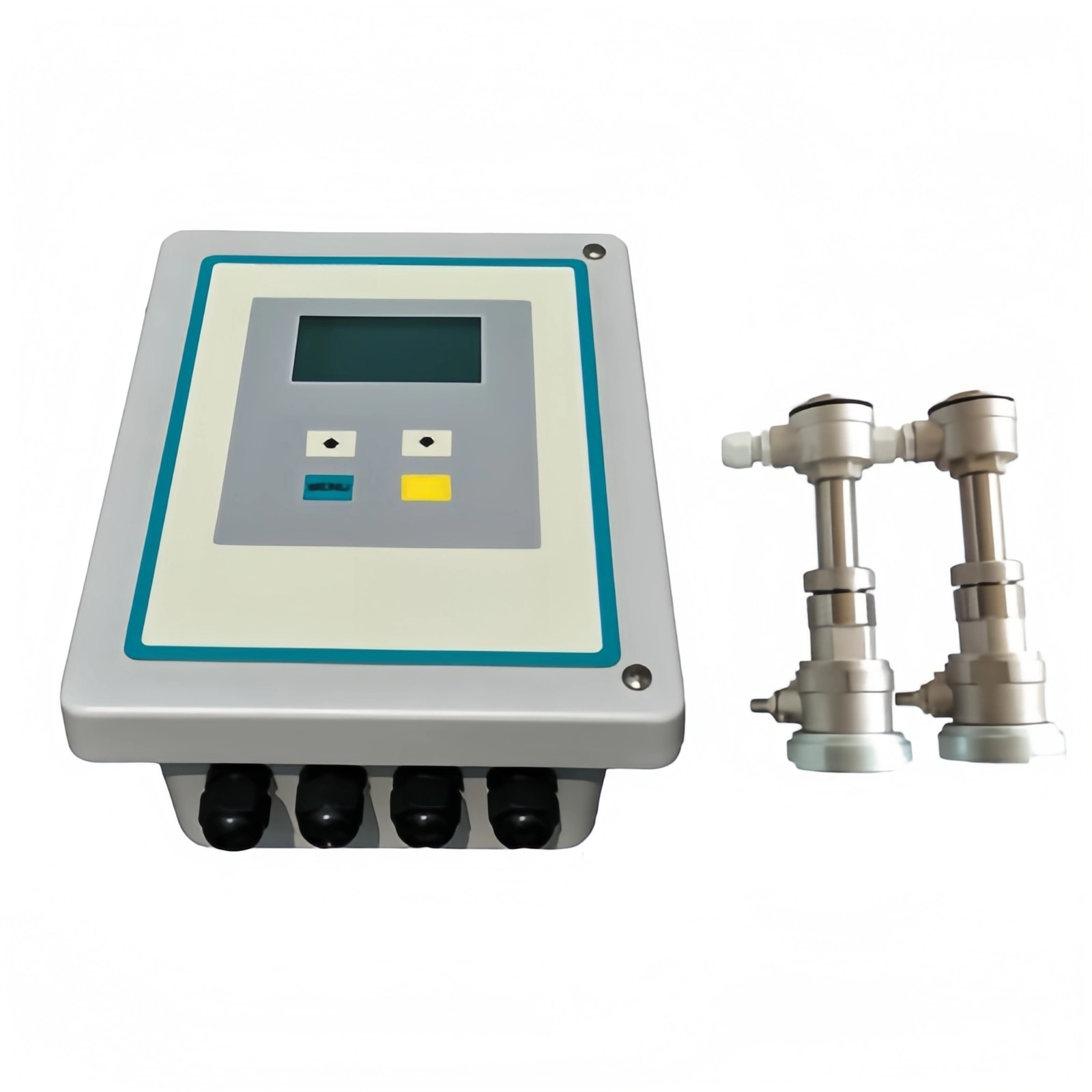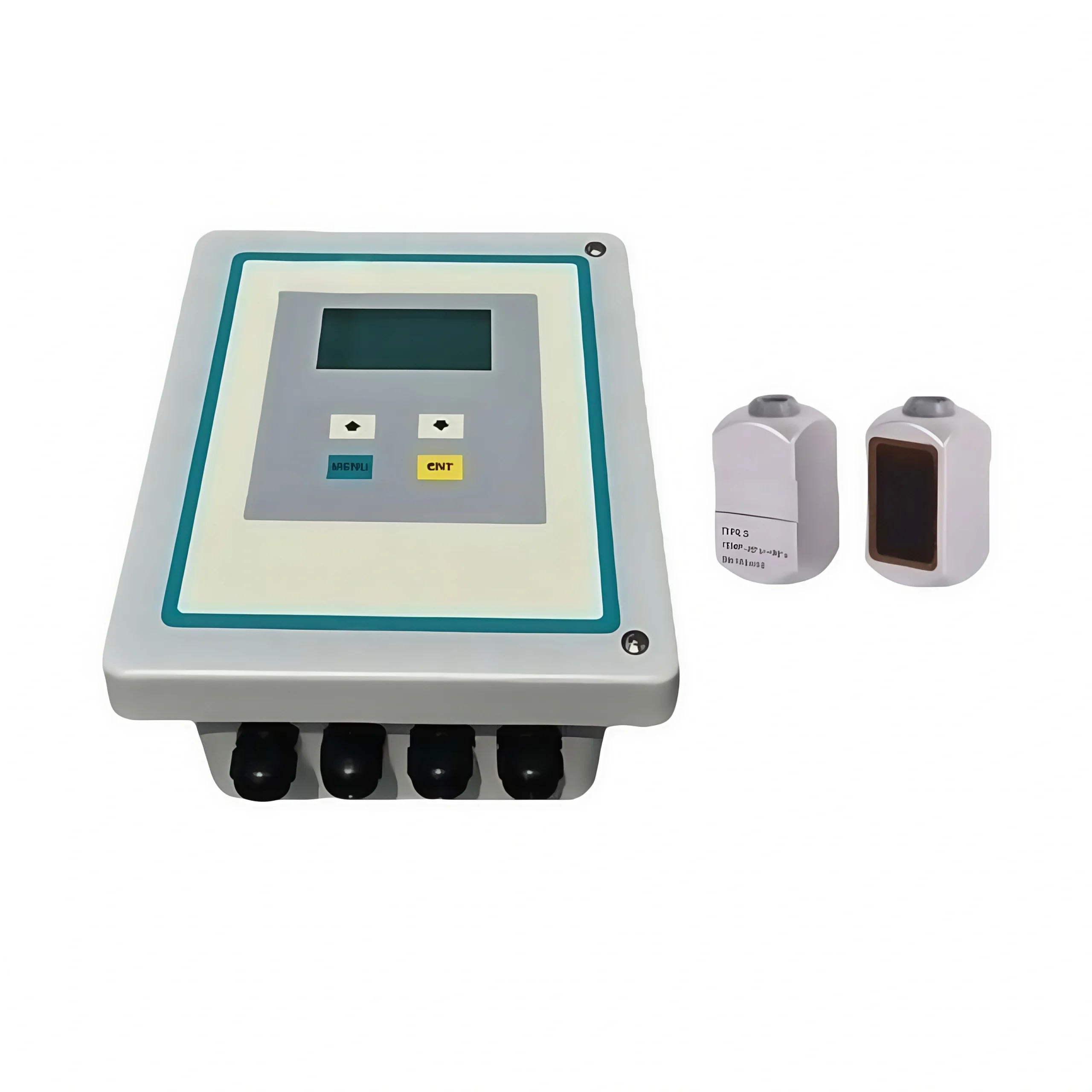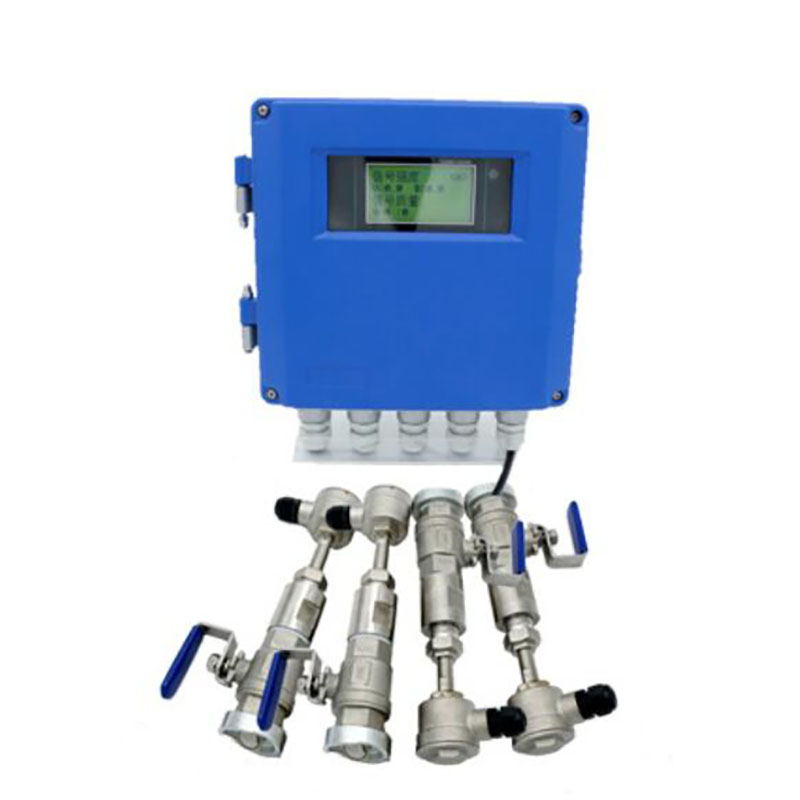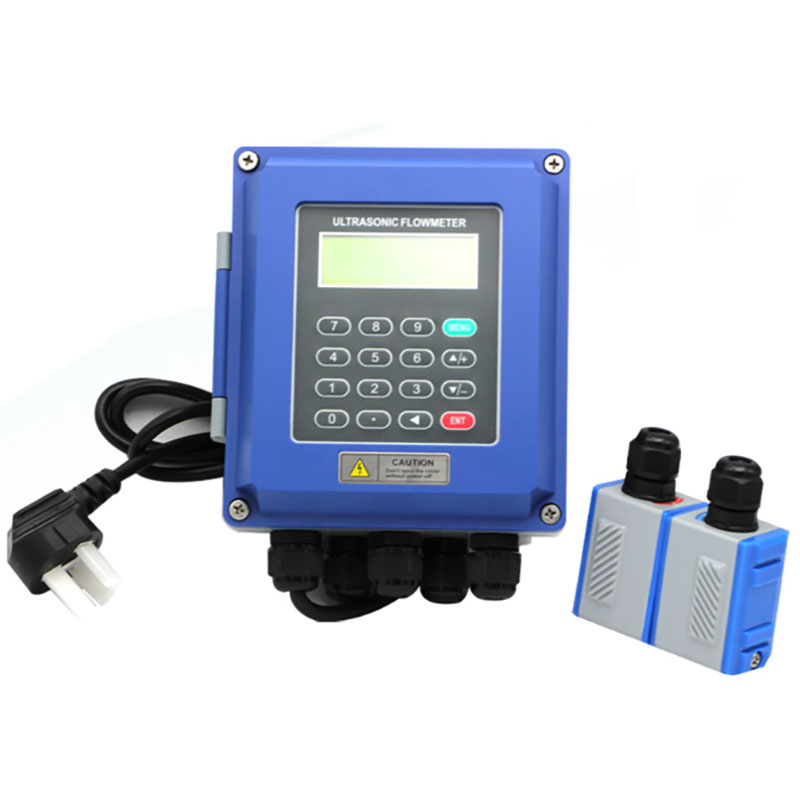
In high-end manufacturing sectors such as semiconductor production, biopharmaceutical manufacturing, the aerospace industry and chemical engineering, liquid nitrogen is an indispensable cryogenic medium. Its main functions include low-temperature cooling, cryogenic storage and environmental protection.
Constrained by its ultra-low temperature environment of -196°C and sensitive phase equilibrium characteristics, liquid nitrogen is highly susceptible to vaporisation during pipeline transport due to pressure fluctuations or heat exchange, resulting in complex two-phase flow states. Choosing the wrong instrument can make the measurements less accurate and can also affect how well the equipment can be used in very low temperatures. This makes it hard to control the process precisely and to analyse how it is operating economically. It also creates possible risks to the safe and stable running of production systems.
Characteristics of Liquid Nitrogen and Measurement Challenges
Principal Properties of Liquid Nitrogen
Ultra-Low Temperature Environment: The extreme cold of liquid nitrogen causes conventional metallic materials to contract, become brittle or undergo structural deformation. It also compromises the stability of the internal electronics of equipment, and inadequate protection can result in circuit failure.
Vaporisation Prone: The saturated vapour pressure of liquid nitrogen is very sensitive to changes in temperature. When you’re moving stuff around, not insulating the pipes properly, there’s pressure changes and things get throttled. All of a sudden, you’ve got vapourisation and bubble formation (and you end up with two-phase flow). This gas-liquid mixture severely disrupts flow measurement signals.
Low Viscosity, High Density: At ambient temperatures, liquid nitrogen exhibits extremely low viscosity (approximately 0.15 mPa·s, roughly one-tenth that of water) yet possesses high density (approximately 808 kg/m³, lower than water but significantly higher than gases at room temperature). Its strong fluidity demands heightened precision in measuring pipe vibration response and signal detection accuracy.
High sealing and safety requirements: Leaks of liquid nitrogen can cause the temperature to drop quickly, which can lead to things like equipment frostbite, pipe condensation and icing, or even safety incidents. Thus, the sealing performance and cryogenic compatibility of measurement equipment are critical.
Challenges in Liquid Nitrogen Flow Measurement
1. Ultra-low temperature conditions render conventional flowmeters unusable, necessitating specialised cryogenic models resistant to -196°C. Material and structural requirements are stringent.
2. Liquid nitrogen boils easily, creating a gas-liquid flow that can really mess up the accuracy of regular flowmeters, and could even cause data problems or damage to the instrument.
3. Changes in temperature and pressure can change how much liquid nitrogen there is, which can make measuring the volume give the wrong answer. When you’re working on something that needs to be very precise, you usually need to measure the mass flow directly.
4. The stability of the measurements depends on the effectiveness of the pipeline insulation, its installation locati0n, and the condition of the entire pipe. This means that installing and operating it is tricky, and it makes maintenance and calibration more complicated.
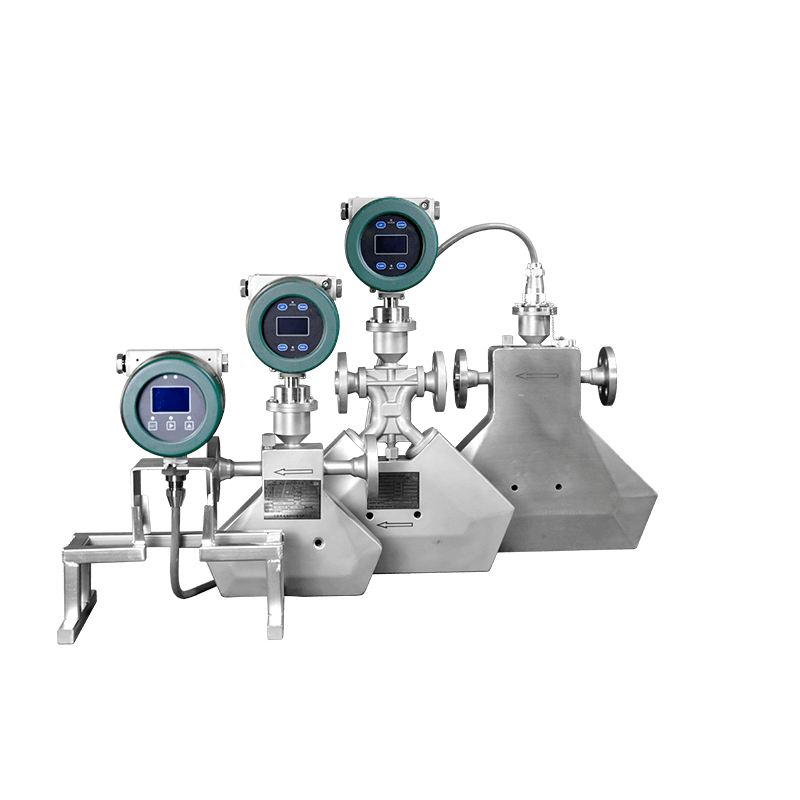
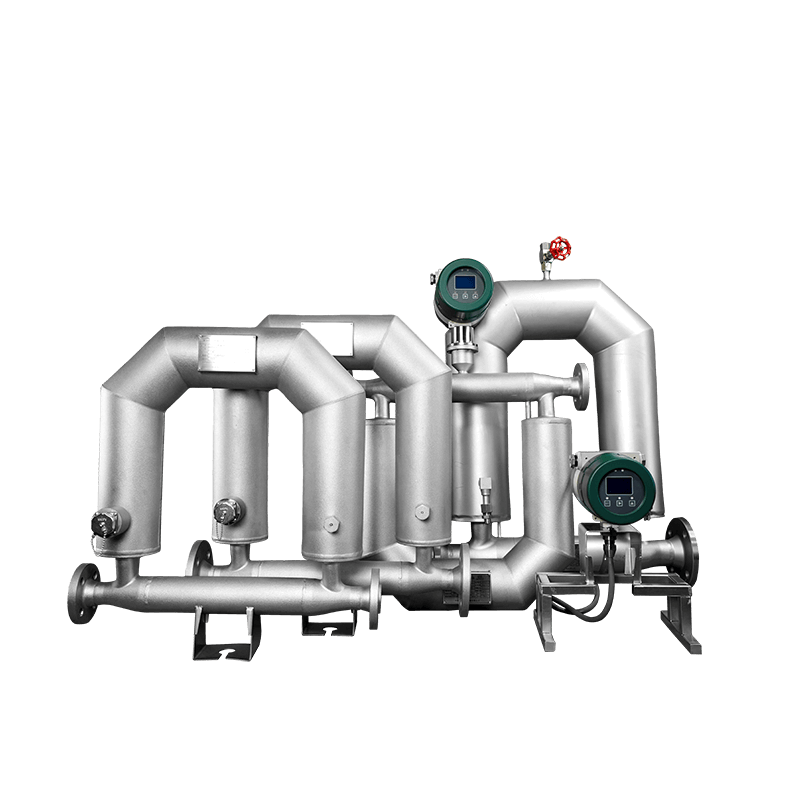
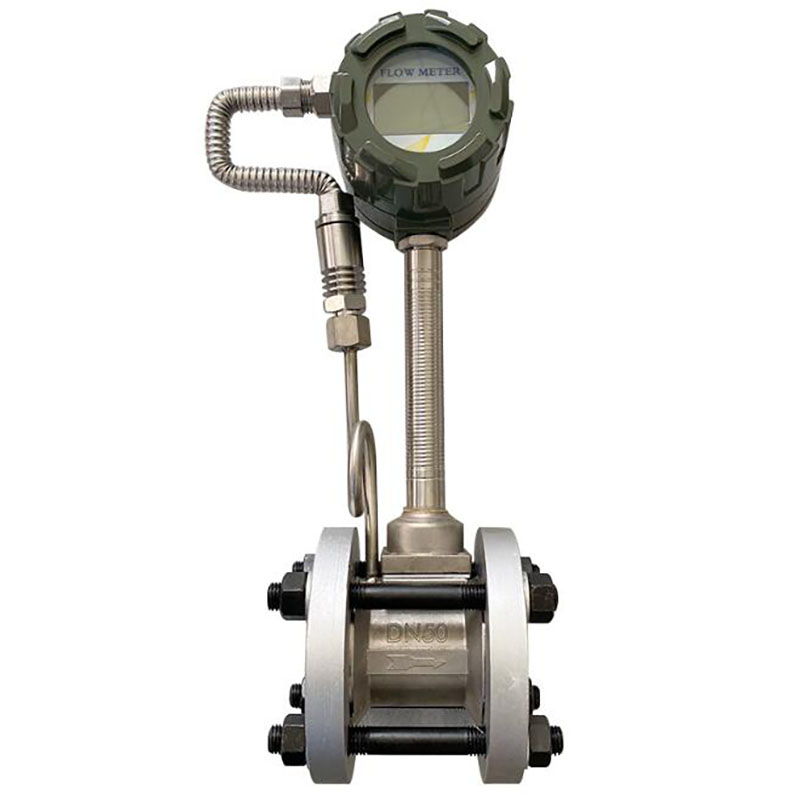
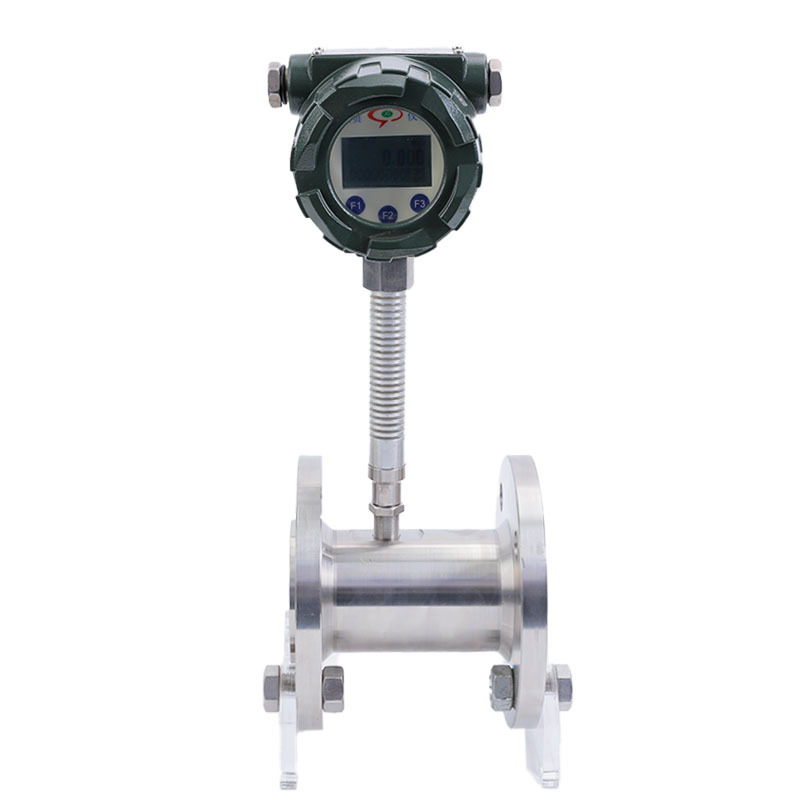
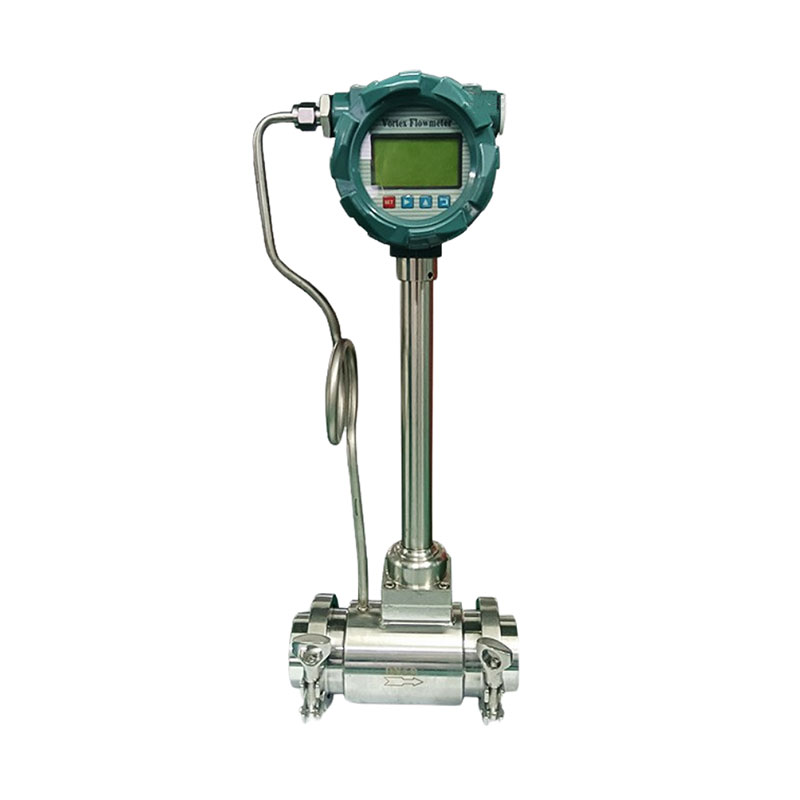
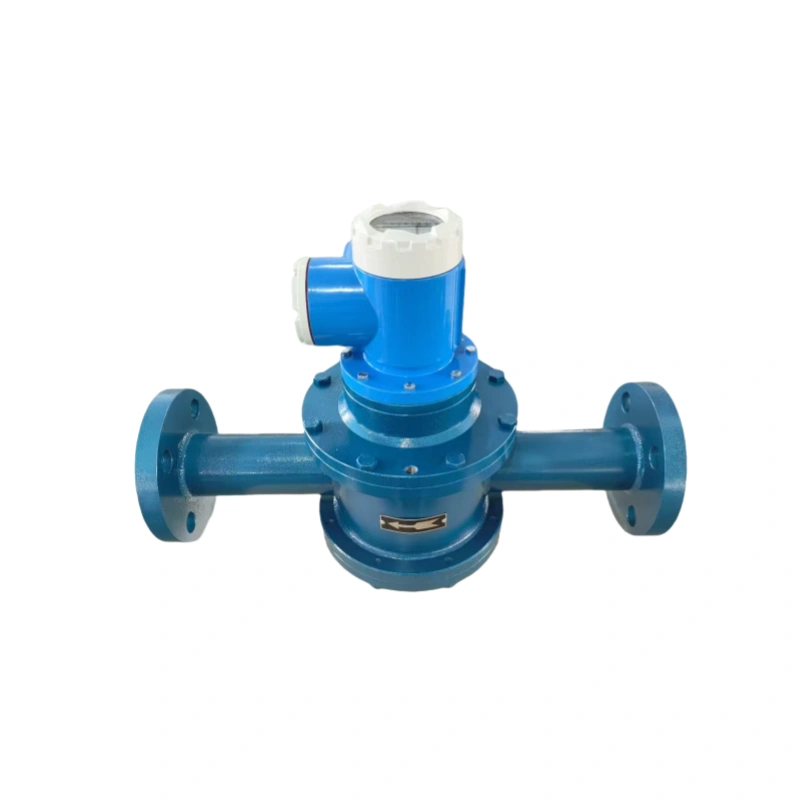
Flow meter suitable for measuring liquid nitrogen
Coriolis flow meter
Its core advantage lies in directly measuring the mass flow rate of liquid nitrogen without requiring temperature-pressure compensation conversion, fundamentally eliminating the impact of density variations caused by liquid nitrogen vaporisation on measurement results.
This particular flowmeter can handle temperatures ranging from -200°C to +400°C, making it perfect for liquid nitrogen, which has a working temperature of -196°C. It’s super accurate, with a margin of error of ±0.05% to ±0.2%, which is perfect for trade settlement and high-precision process metrology.
At the same time, it gives out lots of different info, like the density and temperature of liquid nitrogen, so you can keep an eye on what’s going on in the medium as it’s happening. You won’t need any extra straight pipe runs for installation, and it’s really resistant to interference.
Its sole limitation lies in relatively high equipment costs and sensitivity to vibrations in the installation environment. Procurement and operational costs for large-bore models increase further, making it more suitable for scenarios demanding exceptional precision with ample budget.
Turbine Flow Meters
Cryogenic turbine flow meters represent a cost-effective solution for liquid nitrogen process monitoring and dynamic measurement. Engineered with specialised materials, they reliably operate at ultra-low temperatures down to -196°C. Wetted components predominantly utilise stainless steel to prevent material brittleness and failure at cryogenic conditions.
This flowmeter works by using liquid nitrogen to power the impeller. The impeller speed is directly proportional to the fluid velocity, so you can calculate the volumetric flow rate. It responds quickly, and the pressure loss in the pipeline is minimal. It is also compact. It is suitable for dynamic measurement scenarios in small to medium-sized pipelines, such as monitoring the filling and discharge of liquid nitrogen storage tanks.
Just to flag, this particular flowmeter has moving parts that can wear out over time, which might affect the accuracy of the measurements. Also, there might be major problems during low-flow conditions.
What’s more, liquid nitrogen volume can be affected by changes in temperature and pressure. So, to make measurements more accurate, we need extra equipment to adjust the liquid nitrogen volume so that it matches the mass flow.
Vortex Flow Meter
The vortex flow meter, characterised by its simple structure, absence of rotating components, and excellent temperature and pressure resistance, is the preferred device for process control under stable liquid nitrogen conditions.
Operating on the Karman vortex street effect, these meters measure flow rate by detecting vortex frequencies generated when fluid passes through a vortex generator, with frequency directly proportional to flow velocity. Their cryogenic tolerance readily accommodates -196°C liquid nitrogen conditions, delivering measurement accuracy of ±0.5% to ±1%, sufficient for general process control requirements.
This particular model doesn’t have any components that wear out, so it’s pretty cost-effective to use and maintain. It’s great for measuring steady flows in pipes that are somewhere between medium and large. But it’s pretty sensitive to vibrations in the pipeline and how the liquid flows through it.
When you’re installing it, just make sure you’ve got straight pipe sections of at least 10D upstream and 5D downstream, and avoid places where the flow field might get disturbed, like valves and elbows. elbows, and other locations prone to flow disturbance. Additionally, at low flow rates, the vortex signal weakens, increasing measurement error. Therefore, it is not suitable for scenarios involving very low flow rates or significant fluctuations in flow.
Positive Displacement Flow Meters
Positive displacement flow meters are perfect for specific, low-flow, high-precision applications. For example, they can be used to measure liquid nitrogen in laboratory supply systems or to fill small-scale equipment. They work on the principle of volume displacement, using rotors and gears to make chambers with a fixed volume.
We work out flow by counting how many times the chamber fills and discharges. There are a few types, like oval gear meters and wafer-type meters, which are super accurate and don’t need any temperature or pressure adjustments. Their simple structure, low operating costs and flexible installation requirements make them even more appealing.
Liquid nitrogen is super cold (about -196°C) and highly flammable, so the meters that are used to measure it need to be made of materials that can handle these conditions. This usually means using stainless steel types like 304L or 316L, along with PTFE or metal seals to keep the liquid from getting in. You’ve got to be careful with the internal moving parts, because you don’t want them to seize up when it’s cryogenic. So, make sure you use precision machining. During operation, ensure adequate thermal insulation for the flowmeter and piping to prevent measurement inaccuracies caused by liquid nitrogen vaporisation.
Position away from vibration sources and maintain unidirectional fluid flow. Install upstream filters to prevent impurities from causing component jamming. The main limitations are that it’s not suitable for high-flow applications and it’s prone to wear in moving parts over time. When it comes to selection, it’s best to go with the flow rates and precision requirements in mind.
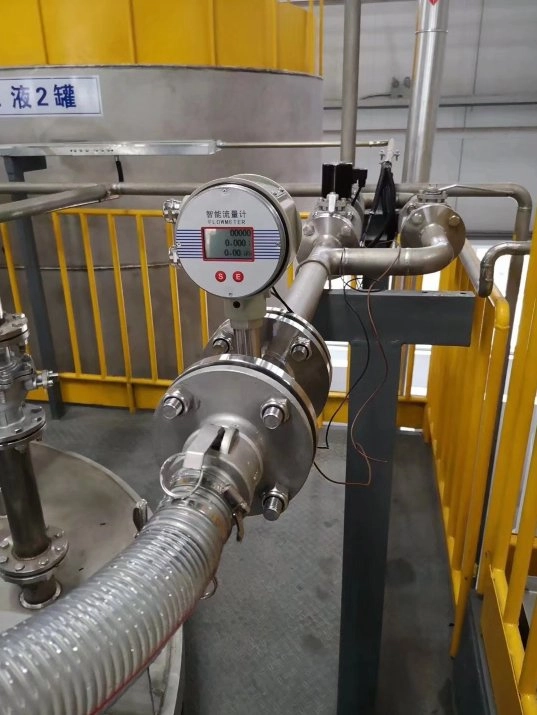
Selection Considerations
1. Fluid Characteristics
Temperature: Liquid nitrogen works at really low temperatures, usually below -196°C. The good thing about the flowmeter is that it can handle extreme cold. It has special materials and seals that are designed to stop it from getting too cold and changing shape.
Pressure: Find out the operating pressure range of liquid nitrogen in the piping system, so you can make sure the flowmeter works properly within this pressure range.
Density and Viscosity: Although the density and viscosity of liquid nitrogen remain relatively constant under standard conditions, understanding these parameters helps to ensure more accurate selection and calibration of flow meters.
2. Measurement Accuracy and Range
Accuracy Requirements: Decide how accurate you need to be based on what you’re using it for. If you need to control liquid nitrogen flow really precisely, then high-accuracy flowmeters are the perfect choice.
Measurement Range: Ensure the flowmeter’s measurement range covers the possible variation in liquid nitrogen flow to avoid inaccurate readings during low or high flow conditions.
3. Material Compatibility
Material Selection: To prevent damage from chemical reactions or cryogenic temperatures, components such as sensors, piping and valves must be compatible with liquid nitrogen.
Corrosion Resistance: Liquid nitrogen itself doesn’t usually corrode most materials, but it’s worth thinking about what other chemicals or contaminants might be in the flow system.
4. Installation and Environmental Factors
Installation Location: Choose a spot that is easy to access for installation, maintenance and calibration. Ensure that you avoid anything that might interfere with its operation, such as vibration or electromagnetic interference.
Ambient Temperature: The meter itself can handle liquid nitrogen temperatures, but think about how the ambient temperature might affect the outside parts and electronic equipment.
5. Signal Output and Communication
Signal Type: Choose the right signal output type for the control or data acquisition system you’ve got, like analogue, digital or wireless signals.
Communication Protocol: If remote monitoring or data transmission is required, ensure the flow meter supports the necessary communication protocols, such as Modbus or Hart.
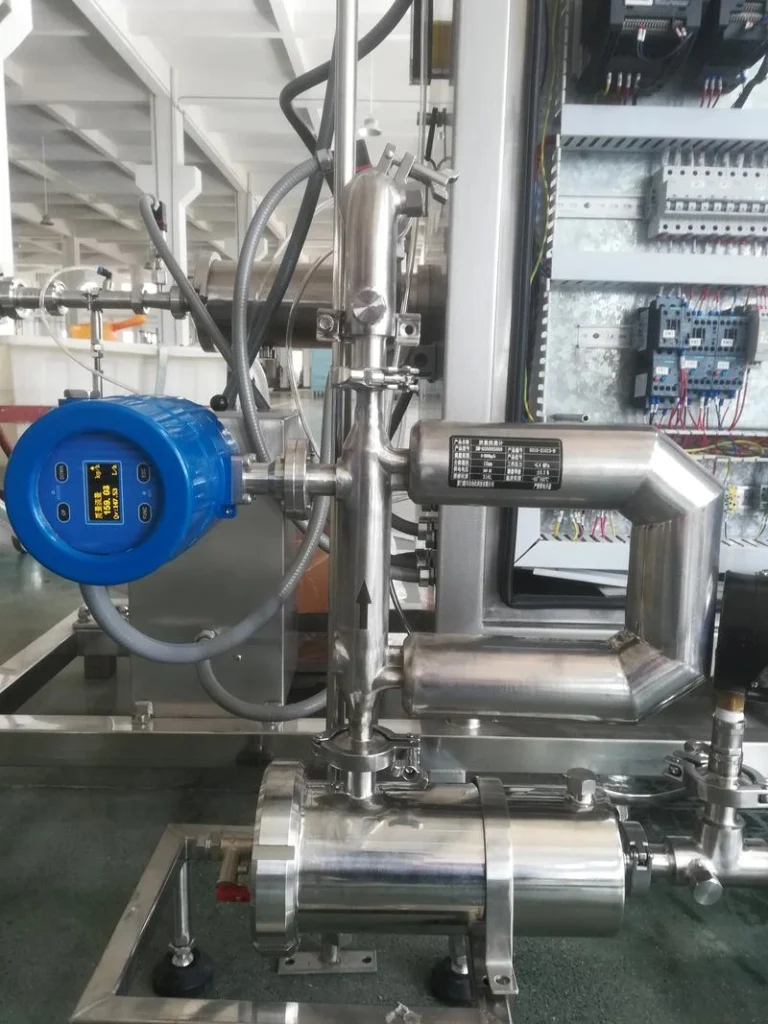
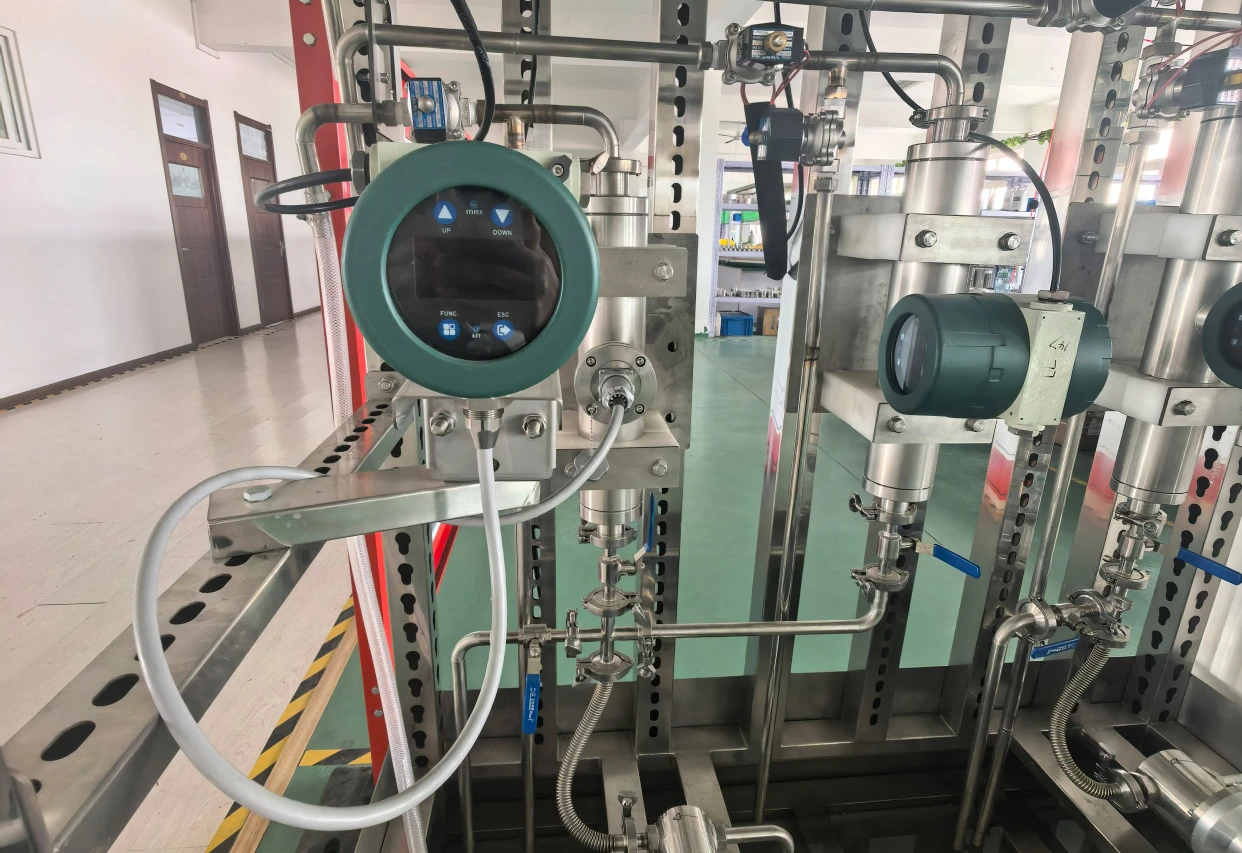
Sion-Inst has been specialising in cryogenic fluid metering for years. The company really knows its stuff when it comes to liquid nitrogen applications across different industries. They offer a full range of services for cryogenic liquid nitrogen flow meters, including selection, consultation, customisation, installation, commissioning and maintenance. These solutions are perfect for measuring liquid nitrogen in different situations, helping businesses to measure it accurately, make it more efficient, and save money.
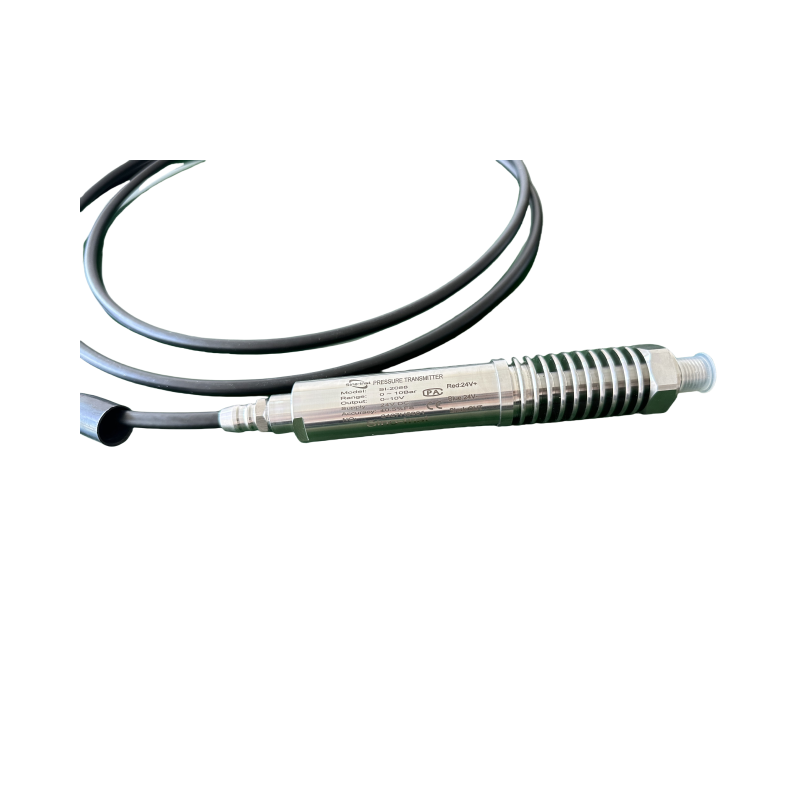
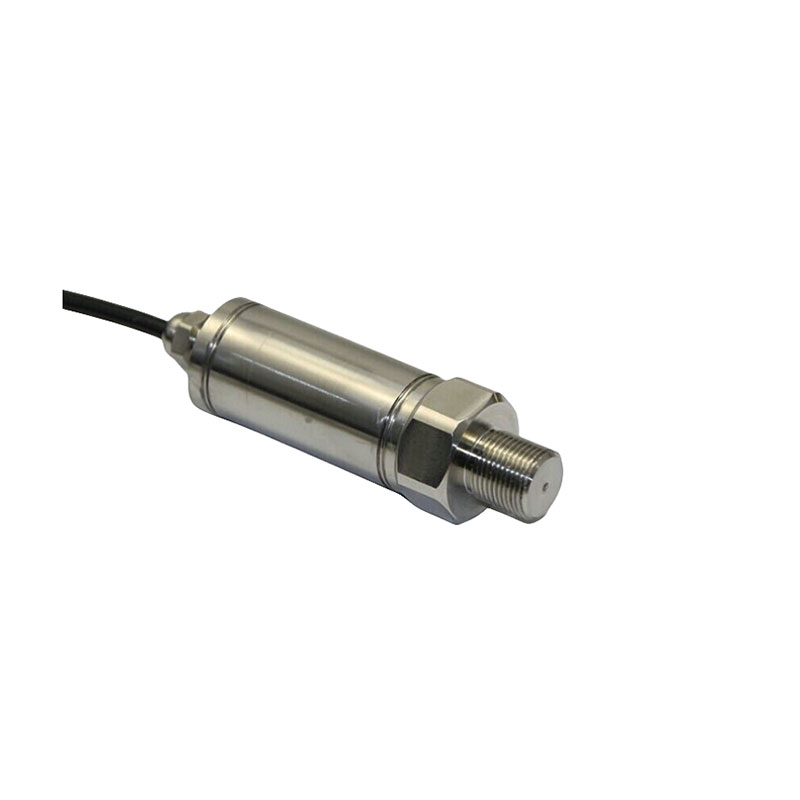
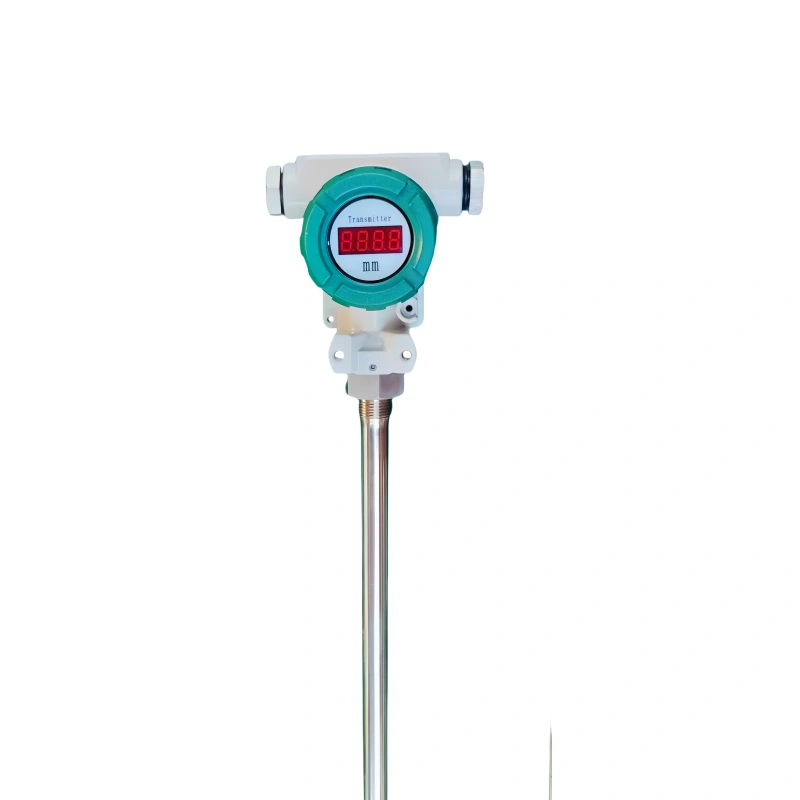
Liquid nitrogen flowmeters are supplied by Sion-Inst, along with cryogenic pressure sensors and liquid level gauges, which are used with liquid nitrogen.