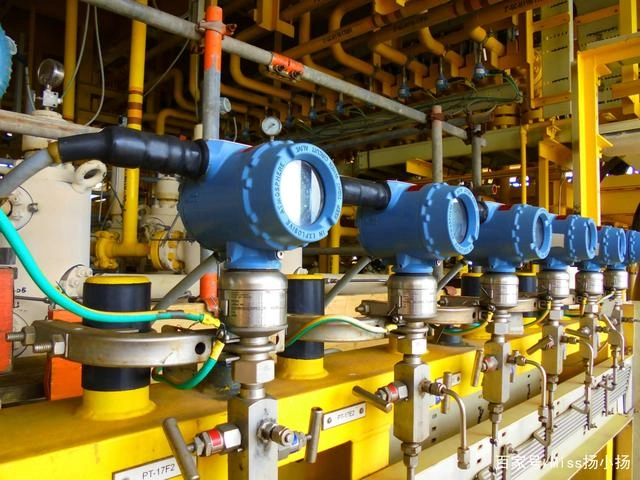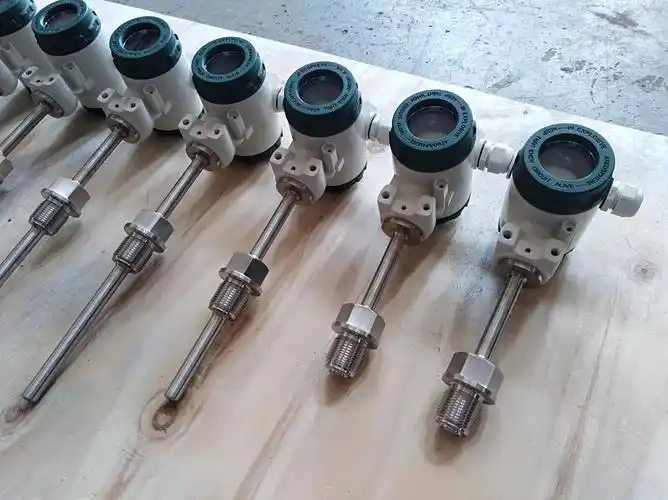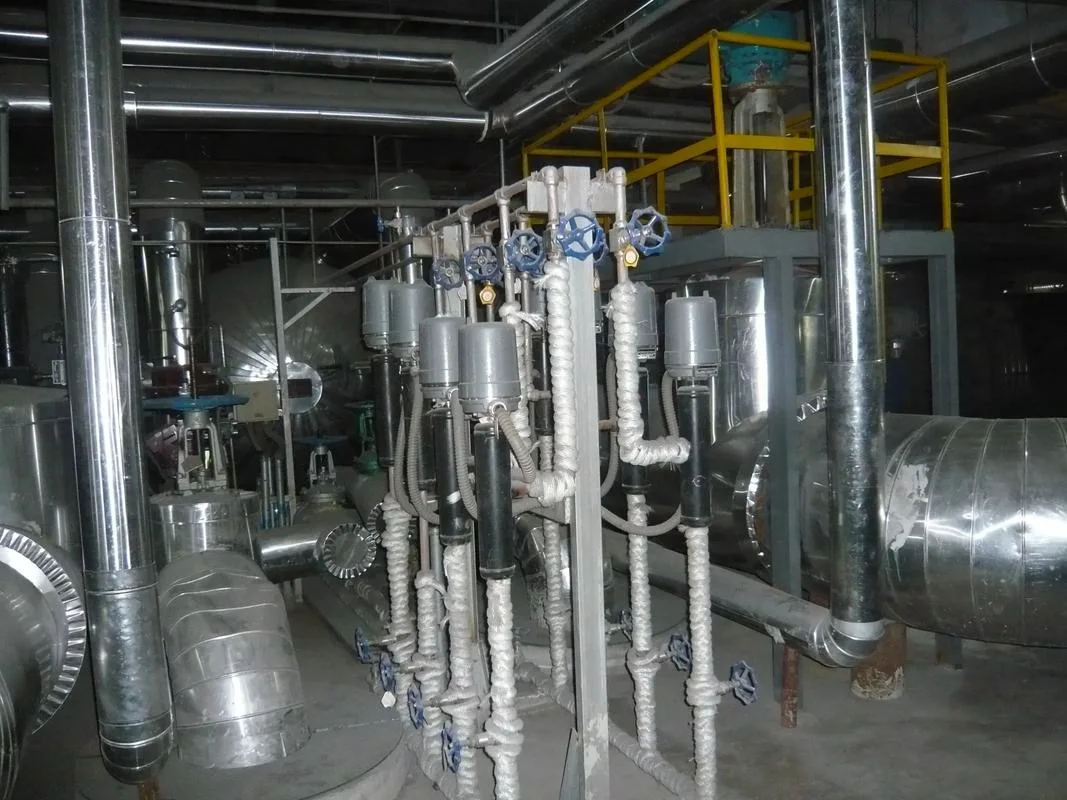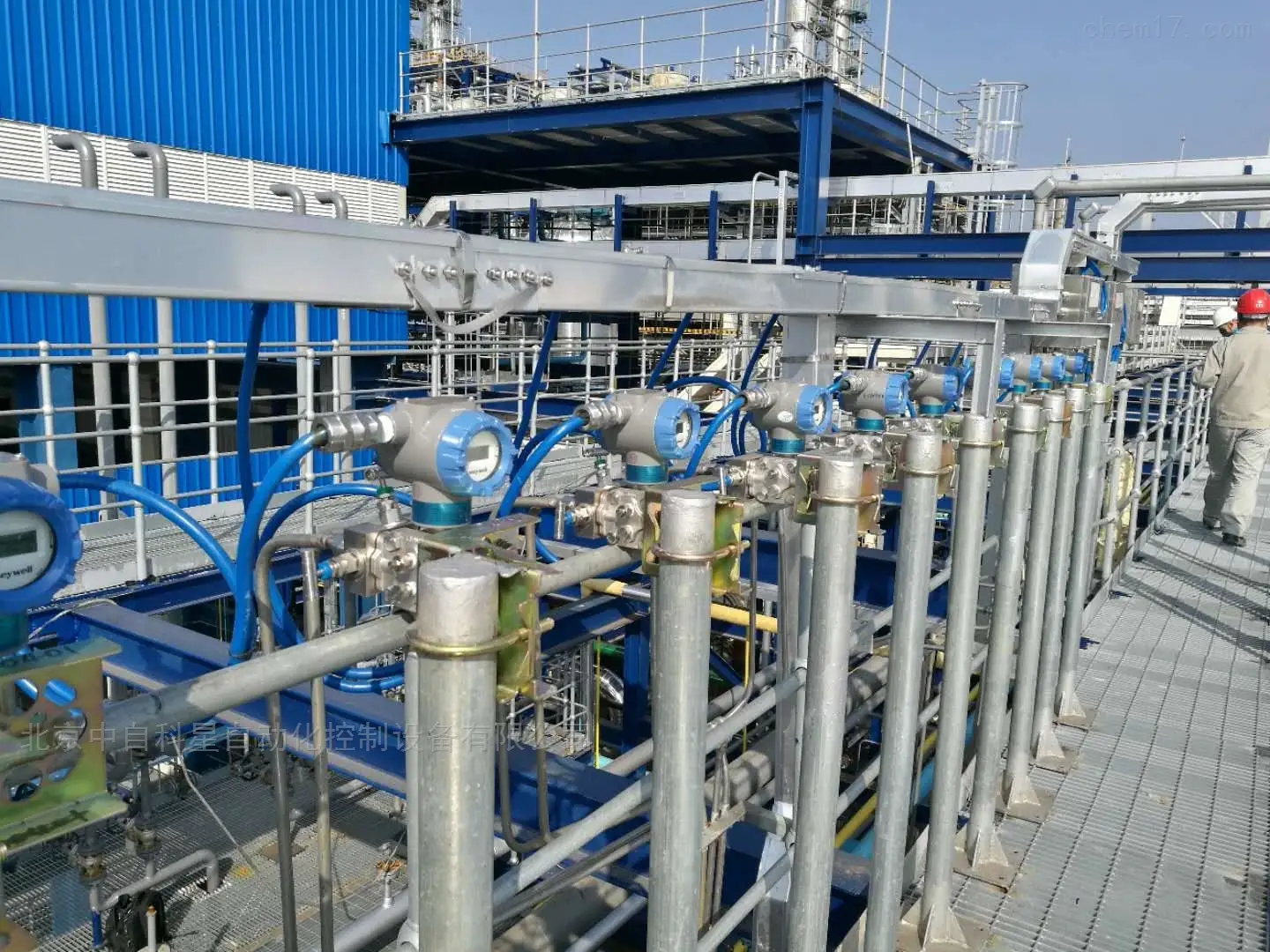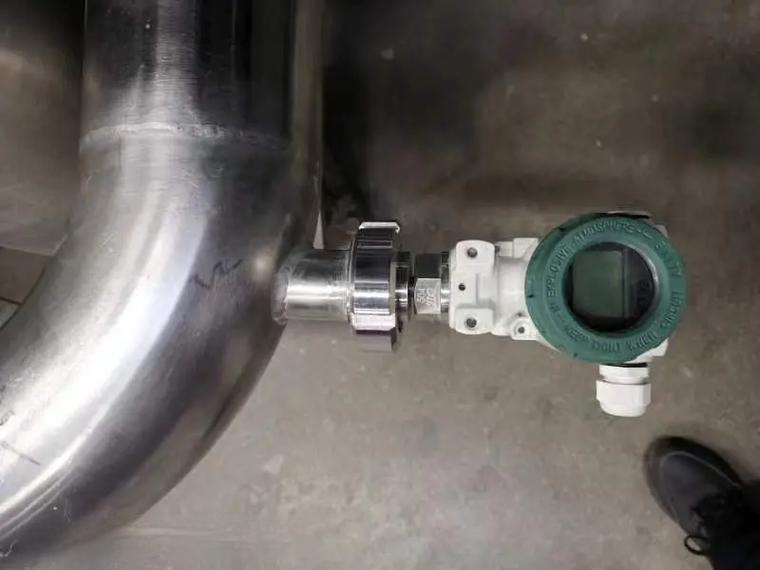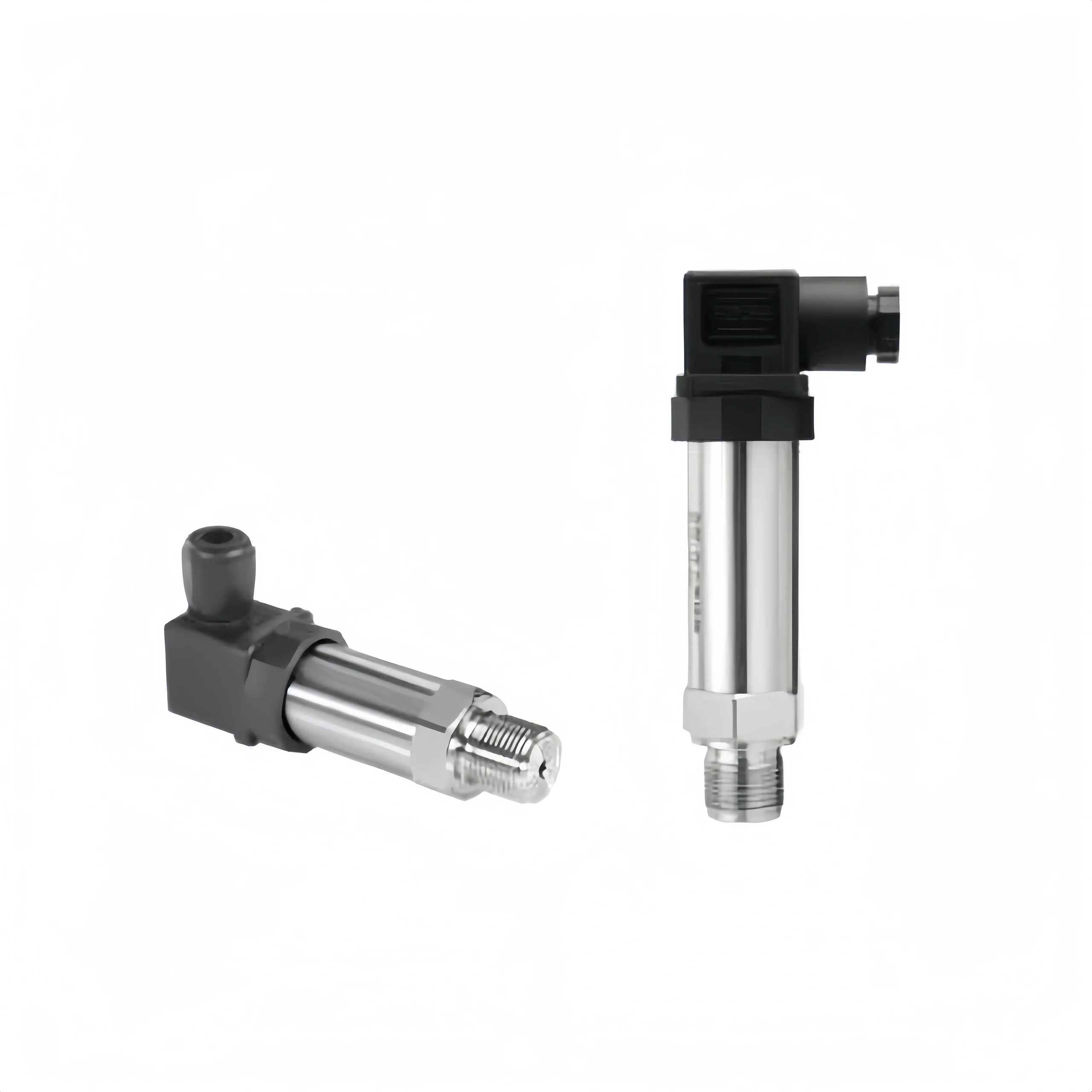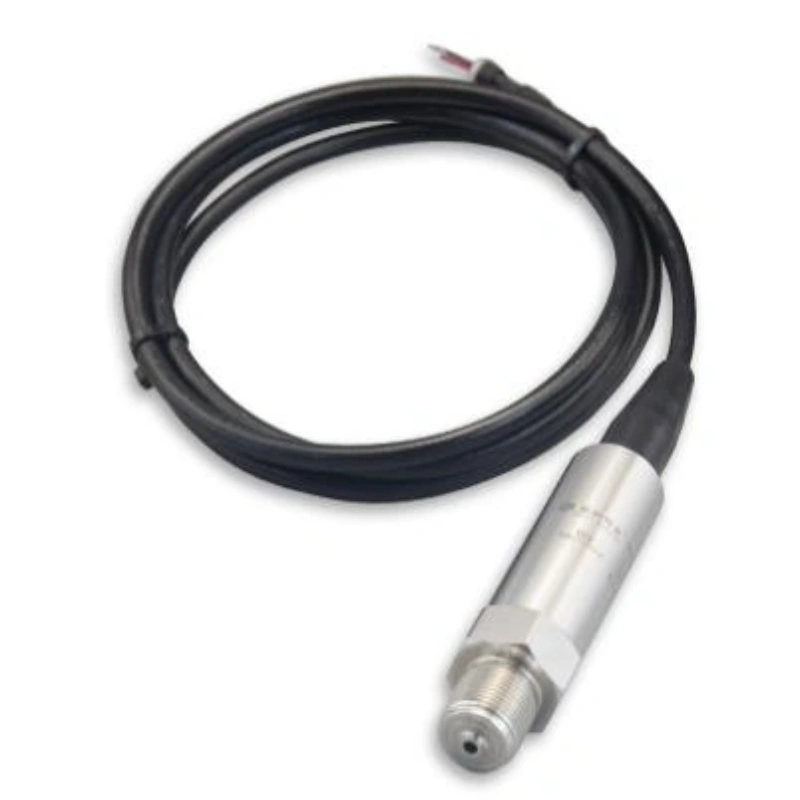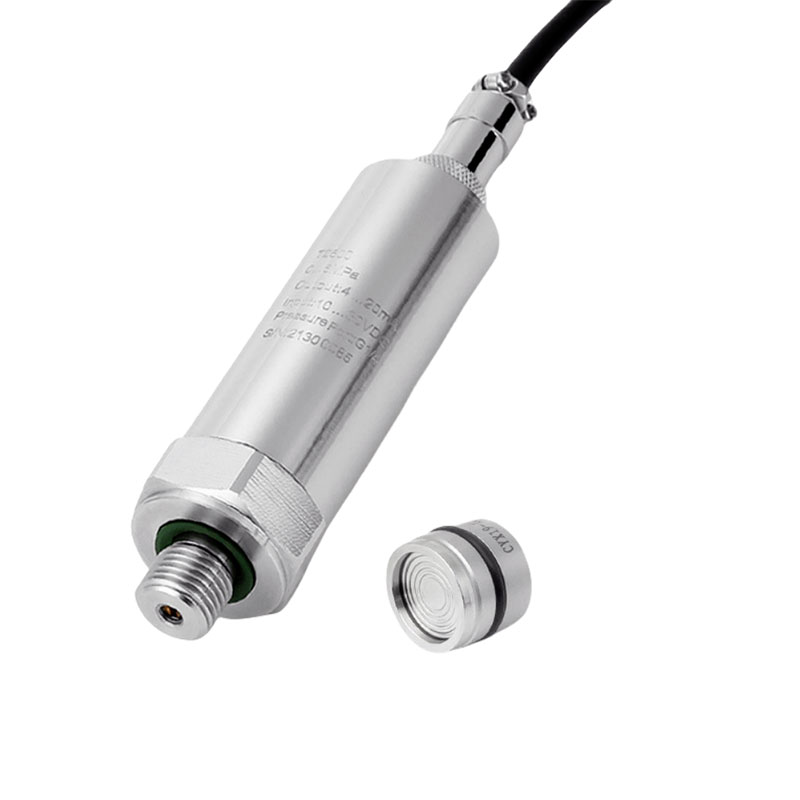
Within industrial control systems, pressure sensors play a pivotal role in monitoring and regulating pressure levels. You will undoubtedly have encountered 4-20mA pressure transmitters, 0-10V pressure transmitters, RS485 pressure transmitters, and so forth. Whilst both analog and digital pressure sensors share the objective of accurately transmitting pressure signals, their technical specifications and practical applications differ considerably.
Next, we shall delve into analog pressure sensors to assist you in making informed decisions, ensuring your control systems operate efficiently and accurately.
What is an analog pressure sensor
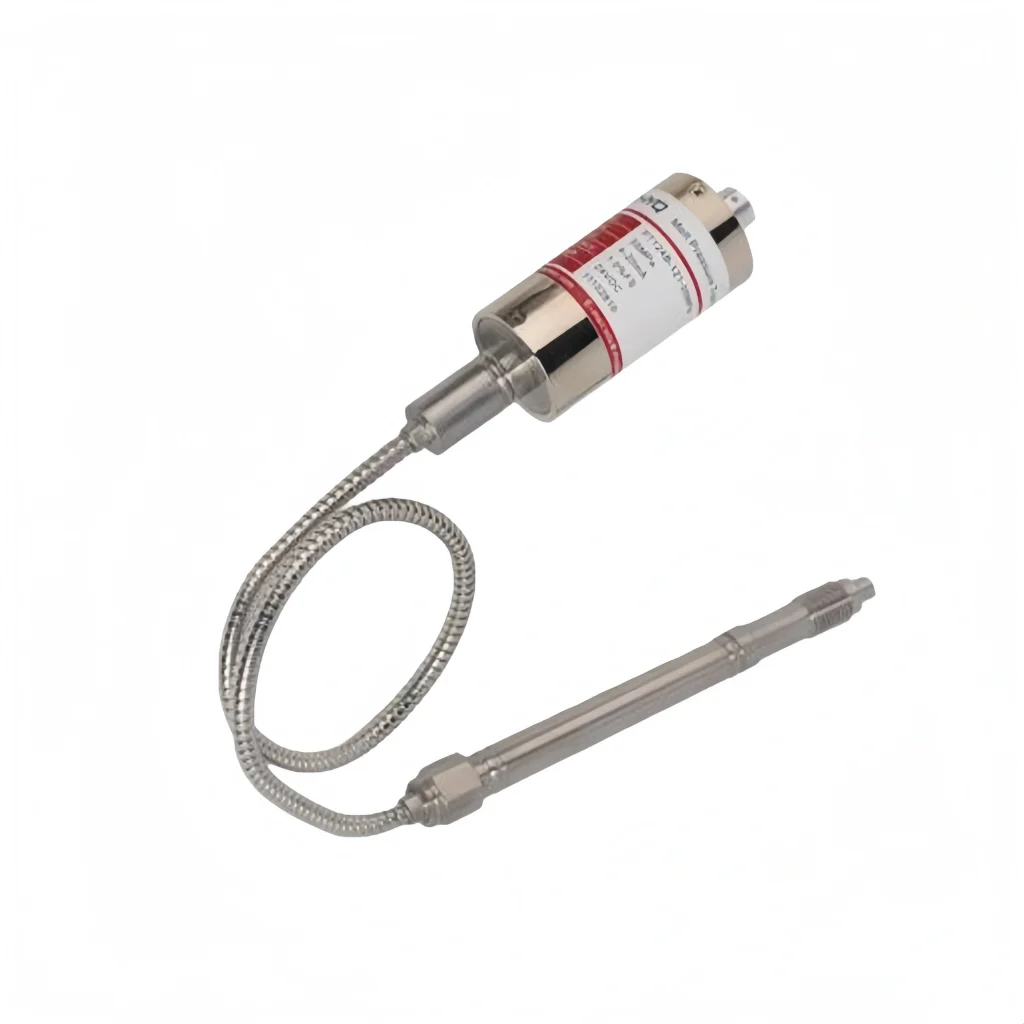
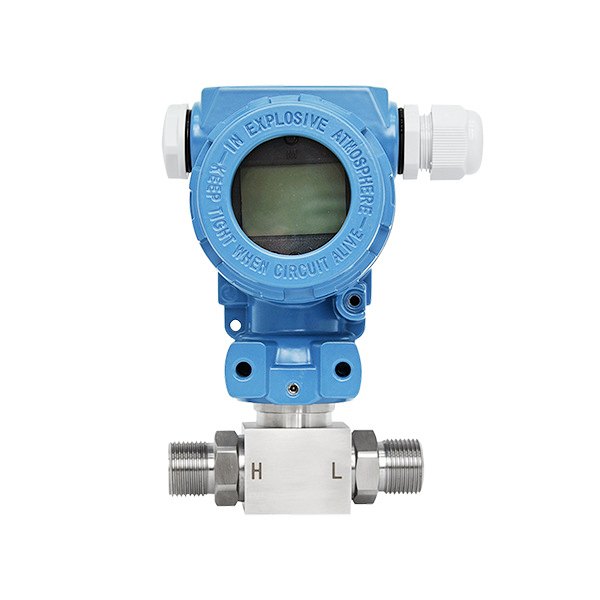
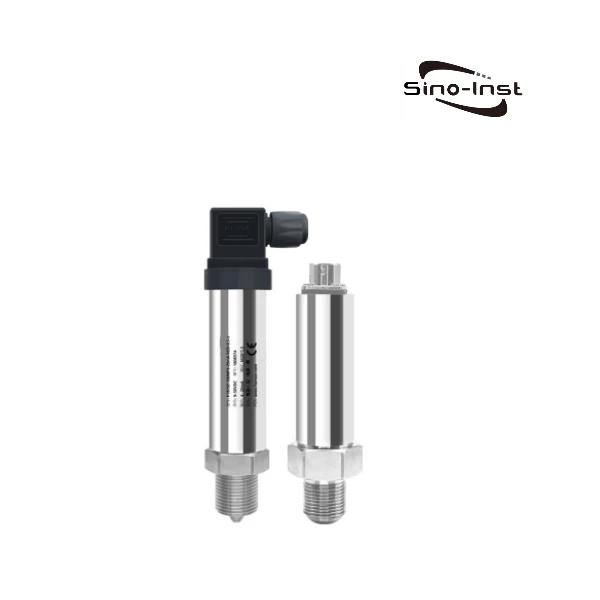
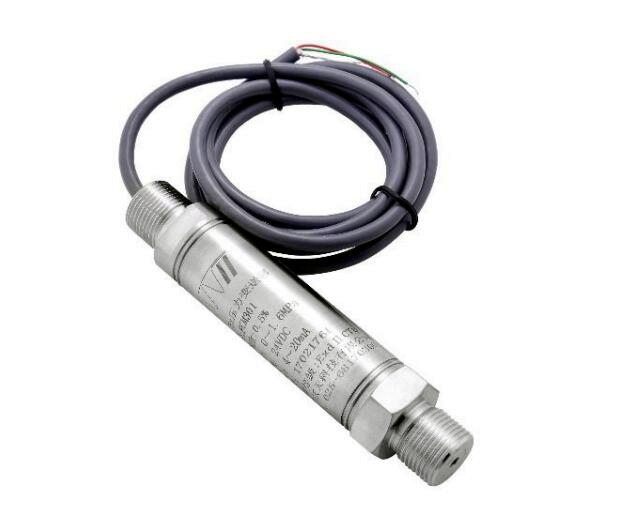
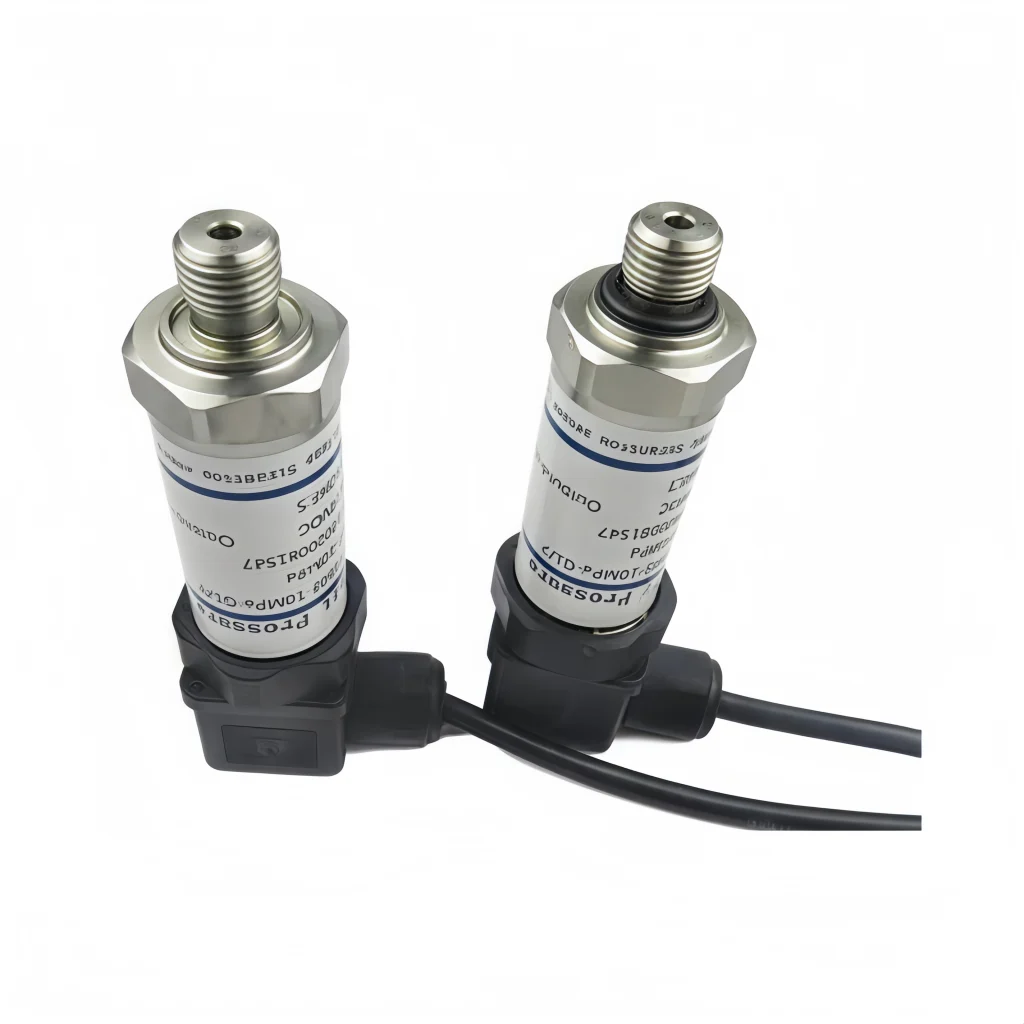
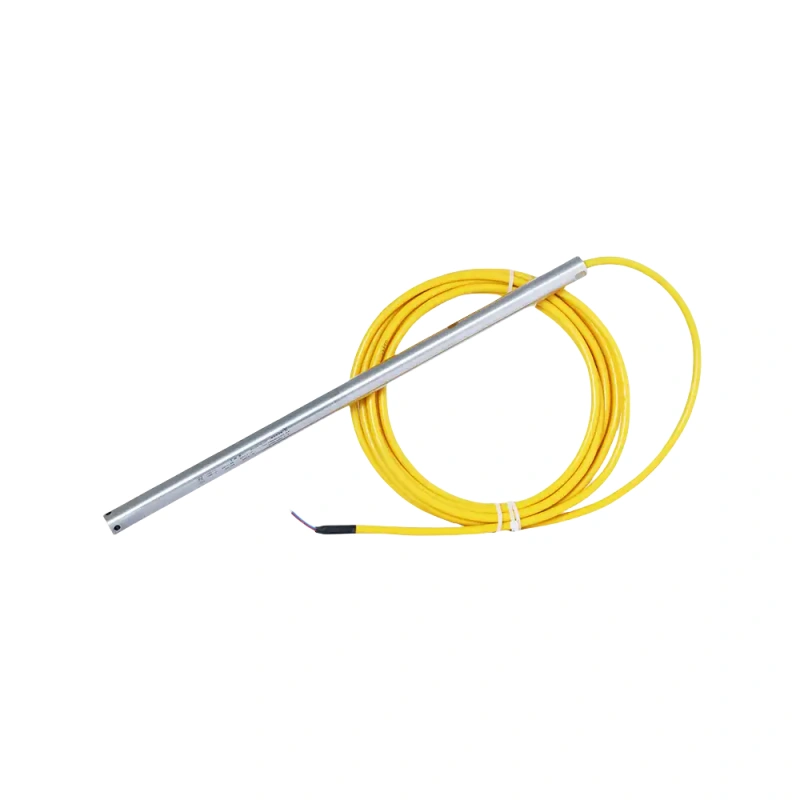
Analog pressure sensors are industrial pressure detection devices characterised by continuous variable voltage or current signal outputs.Through physical quantity conversion technology, pressure parameters are transformed into standard analog signals, such as 1-5VDC or 4-20mADC.They are primarily employed in industrial automation, agricultural monitoring, and defence construction sectors.
Working Principle of an Analog Pressure Sensor
Analog pressure sensors convert mechanical pressure into a continuous analog electrical signal, such as a 4-20mA current or 0-10V voltage.This conversion is achieved through physical pressure acting upon the sensor’s sensitive element—typically a diaphragm or piezoelectric material—causing it to deform. This deformation is subsequently converted into an electrical signal whose magnitude is proportional to the pressure exerted upon the sensor.
Analog signal compatibility
The compatibility of analogue signal pressure sensors primarily depends on their output signal type and interface configuration.Common analogue signal outputs include voltage signals (such as 0-5V, 0-10V) and current signals (such as 4-20mA), which are extensively utilised in industrial automation control systems.Digital signal outputs transmit pressure data via digital interfaces (such as I²C, SPI, RS485, etc.), offering advantages including robust interference resistance and extended transmission distances. Choosing the right interface is all about thinking carefully about things like electrical characteristics, how it’ll be installed, communication protocols, and power needs.
Analog pressure sensors VS Digital pressure sensors
I.Analog Output Signal
Analog output signals are one of the most common types of output for pressure sensors. In these sensors, the output signal is a steady voltage or current signal whose strength and shape change with the measured pressure. Characteristics of analog output signals include:
1.Amplitude proportional to pressure
Typically, the amplitude of the analogue output signal exhibits a linear relationship with the measured pressure, rendering signal interpretation relatively straightforward.
2.Continuity
The analog output signal varies continuously over time, enabling real-time monitoring of pressure changes.
3.Requires analog signal processing
Analog signals typically necessitate further processing, such as amplification, filtering, and sampling, to suit diverse application requirements.Applications for analog output pressure sensors encompass: industrial automation, automotive manufacturing, meteorological observation, and medical equipment.
II.Digital Output Signals
Another common type of pressure sensor output is digital output signals.These sensors usually change analog signals into digital signals. They do this with something called a digital signal processor, or DSP for short.Key characteristics of digital output signals include:
1.High precision
Digital output signals generally exhibit superior accuracy and stability, unaffected by environmental interference.
2.Digital convenience
Digital signals facilitate straightforward storage, transmission, and processing, making them well-suited for digital control systems.
3.Programmability
Digital output signals can be set up in different ways by changing DSP settings to match different uses.
Application domains for digital output pressure sensors include: smartphones, electronic blood pressure monitors, industrial automation systems, and consumer electronics.
“4-20mA” VS “0-5V” VS “0-10V”
4-20mA, 0-5V and 0-10V output signals each possess distinct characteristics and application scenarios within the field of analogue pressure sensors. Below is a detailed comparison of these three output signals:
4-20mA Output Signal:
Definition: 4-20mA denotes a current output range spanning 4mA to 20mA. Within industrial applications, this signal is extensively employed for transmitting analogue quantities.
Characteristics:
High interference resistance: As current signals are insensitive to noise, they are suitable for long-distance transmission.
Fail-safe protection: When the circuit is broken, the current drops to 0mA, providing excellent fail-safe protection.
Two-wire system: Utilises two wires that serve both as signal and power lines, simplifying wiring.
Applications: Commonly employed in various sensors, transmitters, and controllers, such as pressure measurement and control systems.
0-5V Output Signal:
Definition: 0-5V denotes a voltage output range spanning 0V to 5V.
Characteristics:
Moderate voltage range: Suitable for diverse sensors and measurement equipment.
Requires amplification: When sensor output signals are low, an amplifier may be necessary to boost the signal to the 0-5V range.
Limited transmission distance: Compared to current signals, voltage signals are more likely to be affected by noise and to lose voltage when being transmitted over long distances.
Applications: Commonly found in scenarios requiring precise voltage measurement.
0-10V Output Signal:
Meaning: 0-10V denotes a voltage output range from 0V to 10V.
Characteristics:
Wider voltage range: Offers a greater measurement span than 0-5V signals.
Requires amplifier: Similarly, when sensor output signals are low, an amplifier may be needed to boost the signal to the 0-10V range.
Transmission distance and load impedance limitations: Over long distances or with excessively high load impedance, signals may attenuate or distort, necessitating additional amplification or compensation measures.
Applications: Suitable for scenarios requiring higher measurement precision, such as high-accuracy pressure monitoring.
How to select the appropriate signal output method?
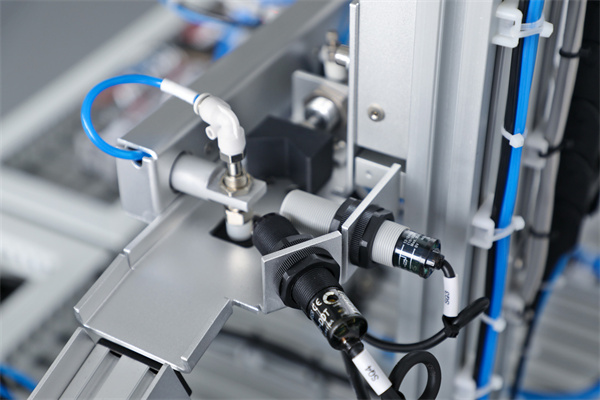
When selecting the signal output method for pressure sensors, the following factors should be considered:
Transmission distance:
Regarding transmission distance, RS485 wireless communication typically achieves approximately 500 metres. Existing RS485 wireless communication modules generally incorporate repeaters, enabling maximum transmission distances exceeding 2 kilometres.
4-20mA loop-powered signals can transmit tens of thousands of metres without issue, though in practice 4-20mA acquisition modules are rarely deployed for such distances, being better suited to short-range signal collection.
Interference resistance requirements: In industrial environments, 4-20mA or digital signals are recommended.
System compatibility: Ensure sensor outputs match controller interfaces.
Cost considerations: Analogue signals offer lower costs, while digital signals provide richer functionality.
By understanding the characteristics of different signal output methods, you can more accurately select pressure sensors suited to your application scenario, thereby enhancing system performance and reliability.
FAQ
Accuracy class of pressure sensors
C3 accuracy class: Error range within ±0.020%, representing the highest precision among pressure sensors. Suitable for applications demanding exceptional accuracy, such as high-precision measurement and scientific research.
C2 accuracy class: Error range within ±0.030%, equivalent to three parts per ten thousand precision.Though marginally less precise than C3, it remains sufficient for numerous industrial applications.
C1 Accuracy Class: Error range within ±0.050%, equivalent to 0.05% precision.Suitable for general industrial measurement and control applications.
G1 Accuracy Class: Error range within ±0.1%, equivalent to 0.1% precision. Pressure sensors of G1 accuracy are adequate for industrial sectors where precision requirements are not particularly stringent.
G2, G3 and G5 accuracy grades: Error range within ±0.2%, ±0.3% and ±0.5% respectively. Pressure sensors of these grades are suitable for applications with lower precision requirements, such as general industrial monitoring and control.
What is the difference between a digital and an analog sensor?
1. Signal Output Method
Digital Sensors: Output digital signals, i.e., discrete numerical representations that more precisely reflect variations in measured parameters. These digital signals facilitate data processing, storage, and transmission, enabling direct connection to microprocessors, computers, or other digital systems for rapid data exchange and remote monitoring.
Analogue Sensors: Output analogue voltage or current signals, which exhibit continuous variation. Whilst analogue signals may offer higher resolution and sensitivity in certain applications, they are more susceptible to external noise and interference, compromising measurement stability and reliability.
2.Accuracy and Stability
Digital Sensors: Employing digital processing methods, digital sensors typically outperform analogue sensors in accuracy and stability. Digital signals remain largely unaffected by external noise and interference during transmission and processing, delivering more stable and reliable measurement results. Furthermore, digital sensors offer greater flexibility and programmability, allowing adaptation to diverse application scenarios and requirements through parameter and algorithm adjustments.
Analogue sensors: Whilst analogue sensors may exhibit higher sensitivity and resolution in certain applications, their accuracy and stability are often constrained by multiple factors.For instance, analogue signal transmission is susceptible to electromagnetic interference and temperature variations, compromising measurement accuracy and stability.
3. Energy Consumption
Digital Sensors: These consume less energy during data processing and transmission, making them suitable for applications demanding extended battery life, such as portable devices and wireless sensor networks.
Analogue Sensors: In contrast, analogue sensors may require greater energy expenditure during signal processing and transmission, particularly when long-distance transmission or complex processing is involved.
4.Interference Resistance
Digital sensors: Using digital processing methods, digital sensors are less affected by outside noise and interference, which makes them more stable and reliable. Furthermore, they possess high resistance to electromagnetic interference, enabling operation in complex electromagnetic environments.
Analogue sensors: Analogue sensors are more susceptible to external noise and interference, particularly electromagnetic interference and temperature variations, which may cause signal distortion or inaccuracies. To enhance interference resistance, analogue sensors often require a series of countermeasures such as shielding, filtering, and temperature compensation.
What are the four types of pressure sensors?
I. Resistive Pressure Sensors
Resistive pressure sensors represent the most prevalent type.They measure pressure by detecting changes in electrical resistance. When pressure is applied to the load-bearing object, the resistance varies; the magnitude of pressure is determined by measuring this resistance change. Resistive pressure sensors offer advantages such as simplicity, reliability, and low cost, making them widely employed in industrial automation, automotive, and medical equipment sectors.
II. Capacitive Pressure Sensors
Capacitive pressure sensors measure pressure through changes in capacitance. Comprising two electrodes, they detect pressure by monitoring capacitance variations when force is applied.These sensors offer high precision and sensitivity, finding extensive application in aerospace, petrochemical, and meteorological sectors.
III. Piezoelectric Pressure Sensors
Piezoelectric pressure sensors utilise the piezoelectric effect to measure pressure. They leverage the properties of piezoelectric materials: when pressure is applied to the object, the material generates an electric charge. The magnitude of the pressure is determined by measuring the change in this charge. Piezoelectric pressure sensors offer high sensitivity and rapid response times, making them widely applicable in mechanical manufacturing, marine engineering, aviation, and other fields.
IV.Electronic Pressure Sensors
Electronic pressure sensors utilise electronic technology to measure pressure. They convert pressure into electrical signals, which are then processed and transformed by electronic components to yield pressure measurements.These sensors offer high precision and strong programmability, finding extensive application in industrial automation and instrumentation.
As a specialist manufacturer deeply rooted in sensor technology, Sino-Inst has built a comprehensive solution system encompassing multiple product series, including pressure sensors and liquid level sensors, through years of technical expertise and continuous innovation. Our products are widely deployed across critical sectors such as construction machinery, industrial automation, and petrochemicals, driving intelligent industry upgrades with their high stability and precision performance.
Moving forward, we shall maintain our focus on technological innovation and product refinement, committed to delivering sustained value to every client through more reliable sensing technologies and more specialised service capabilities. Together, we shall advance the high-quality development of the industry.