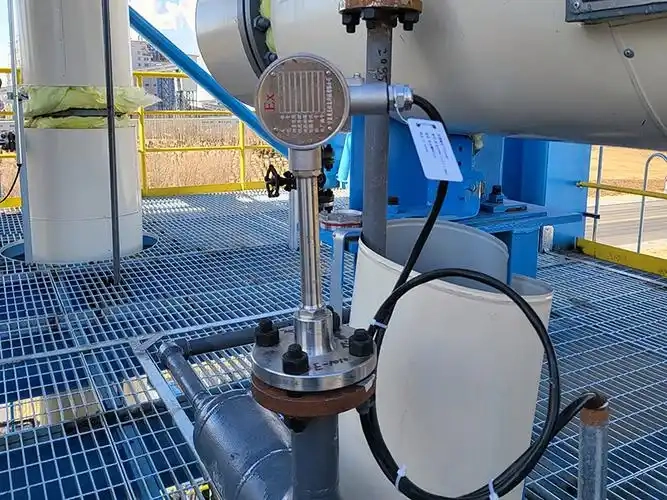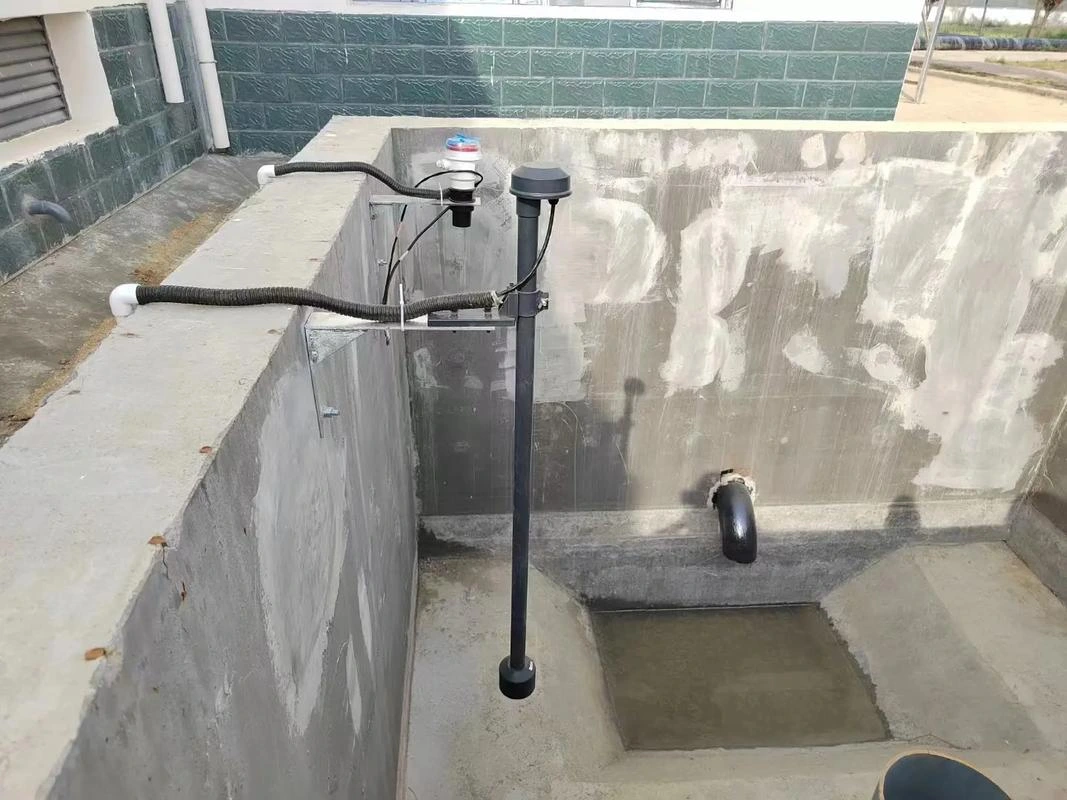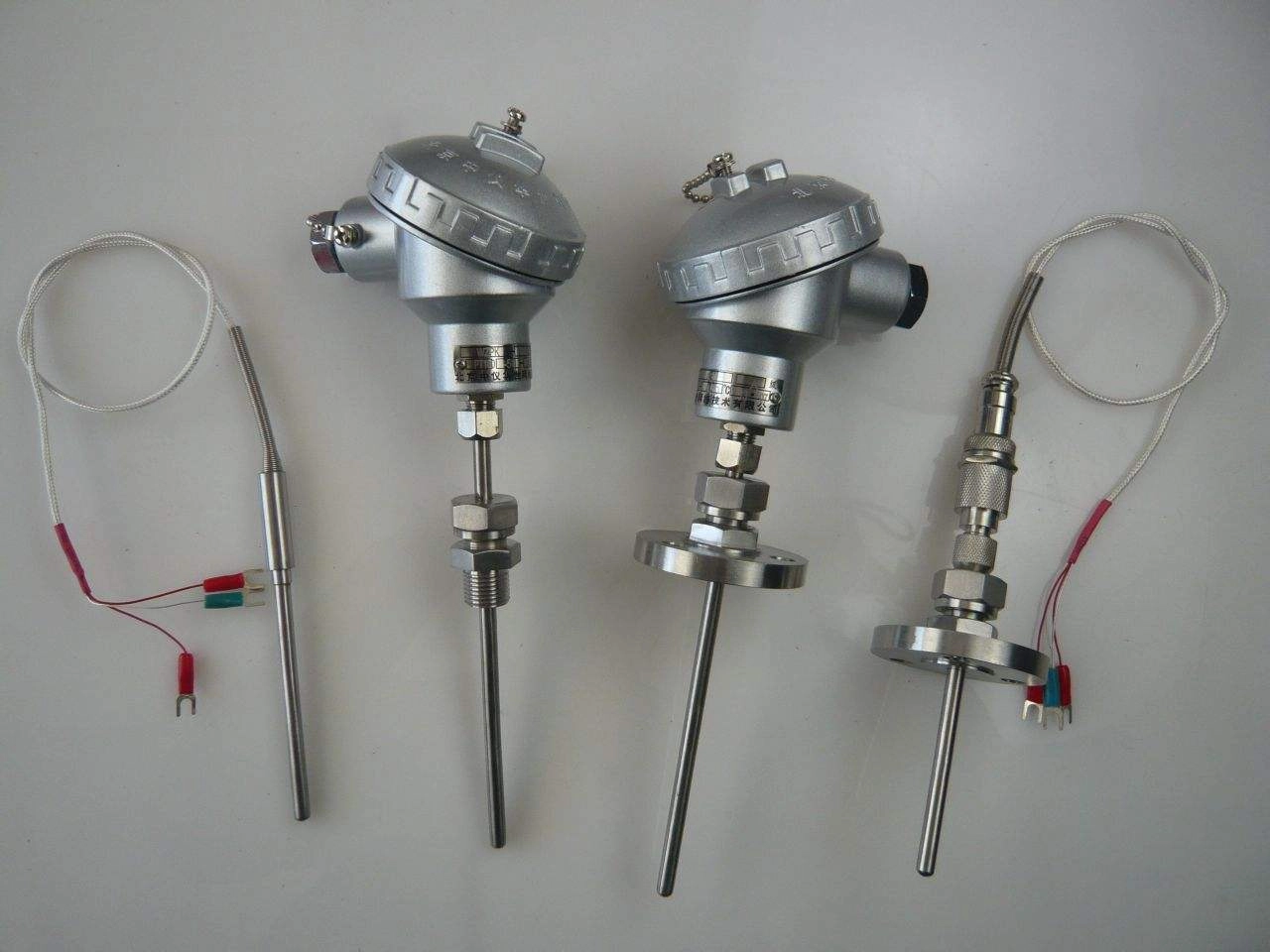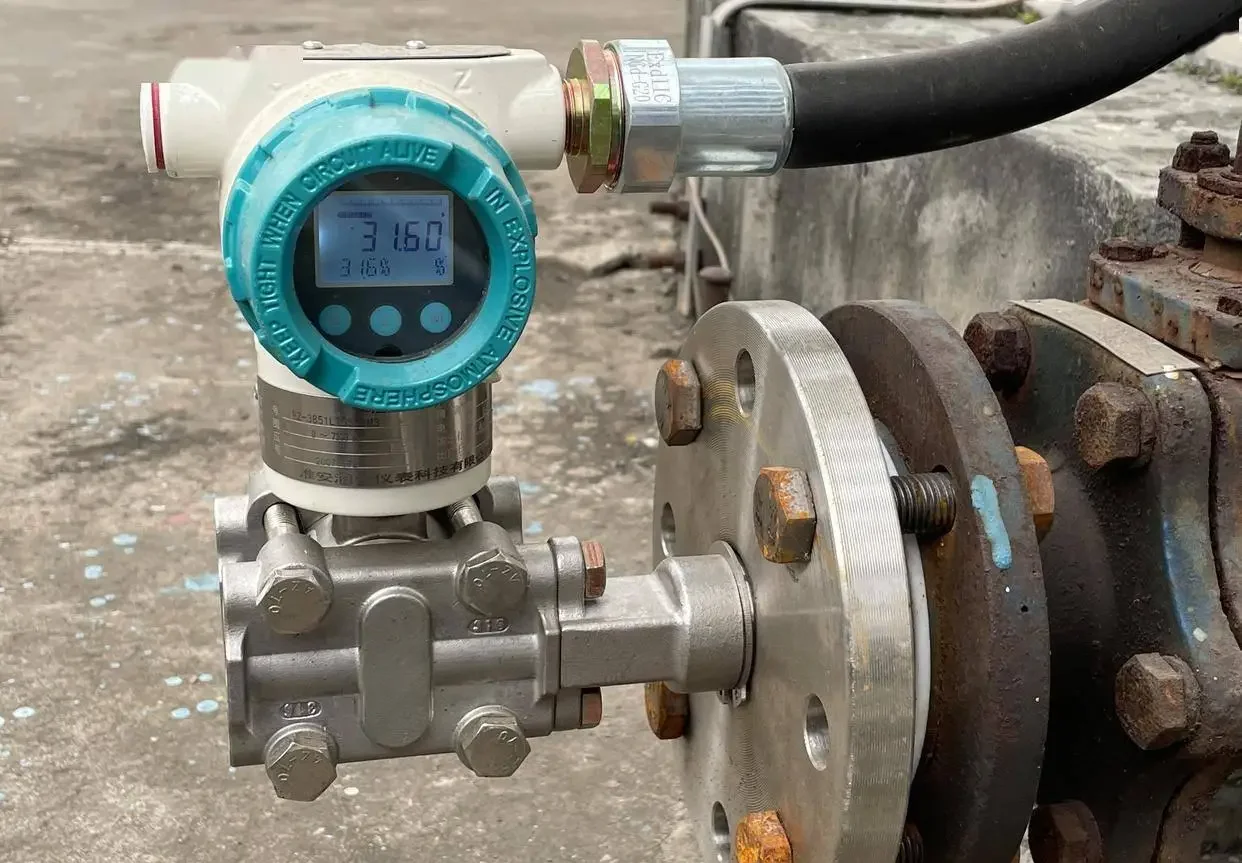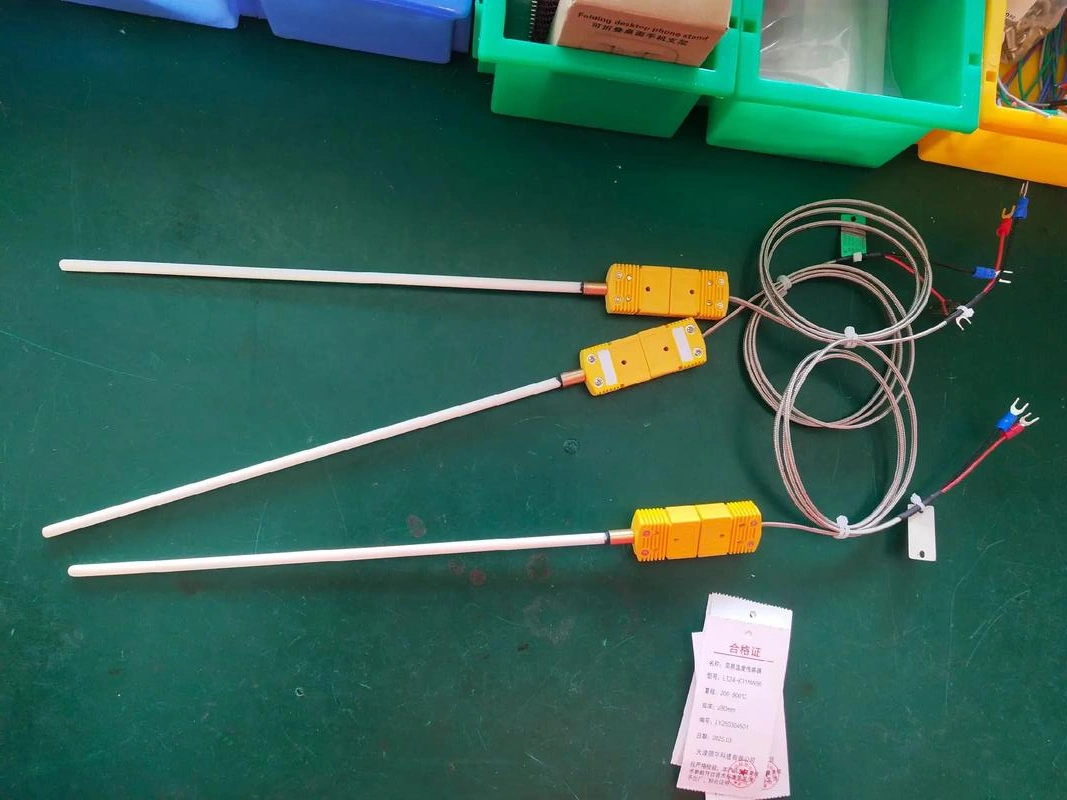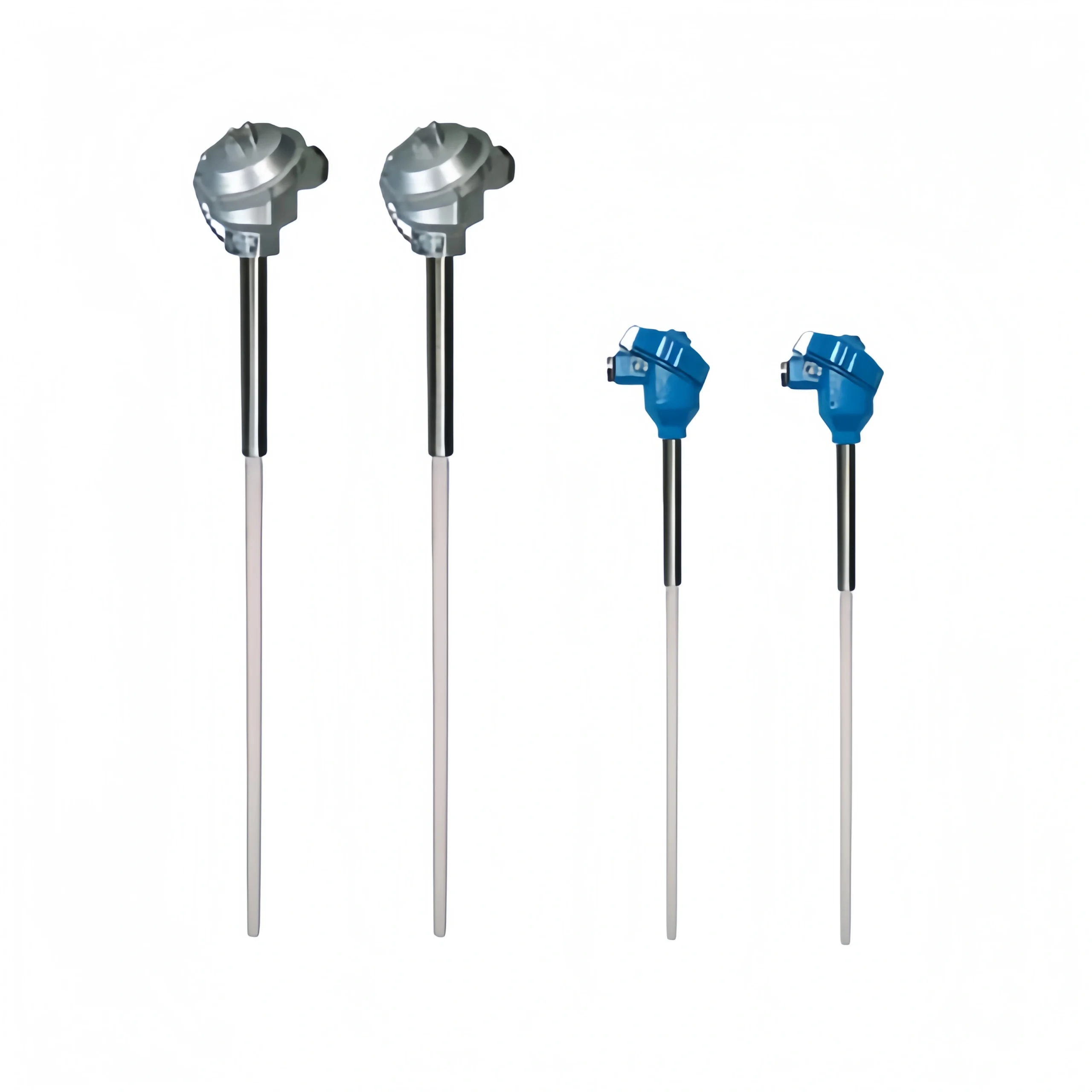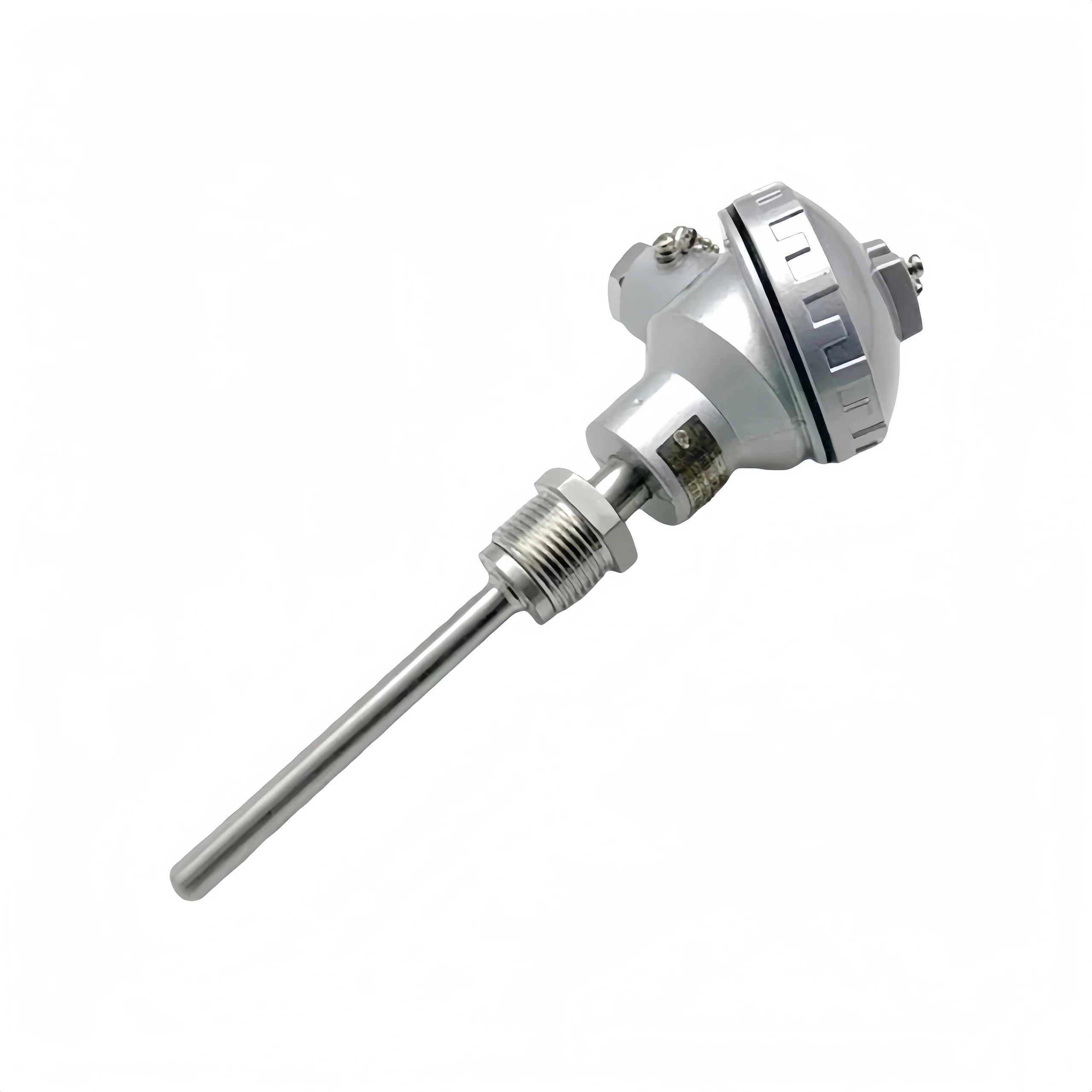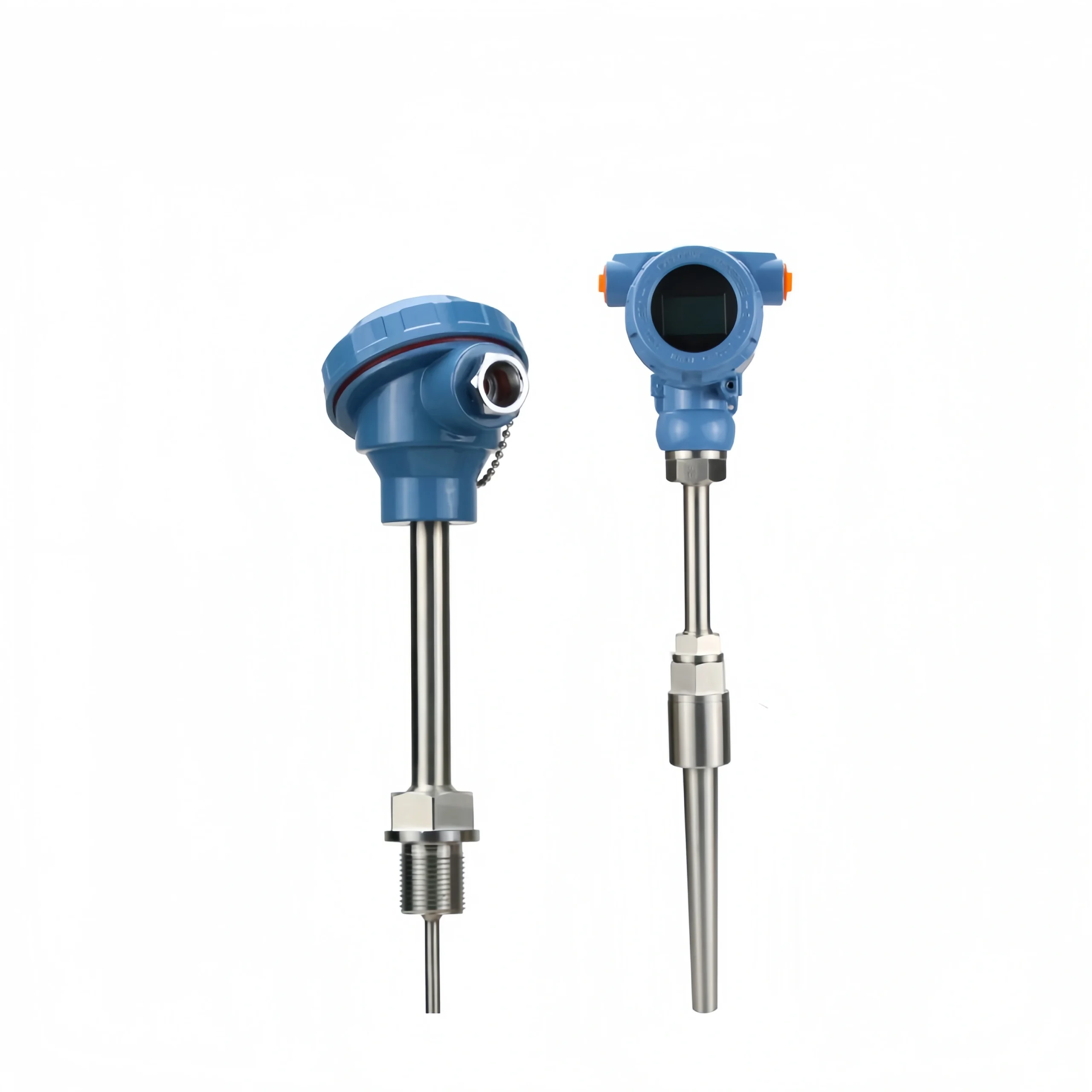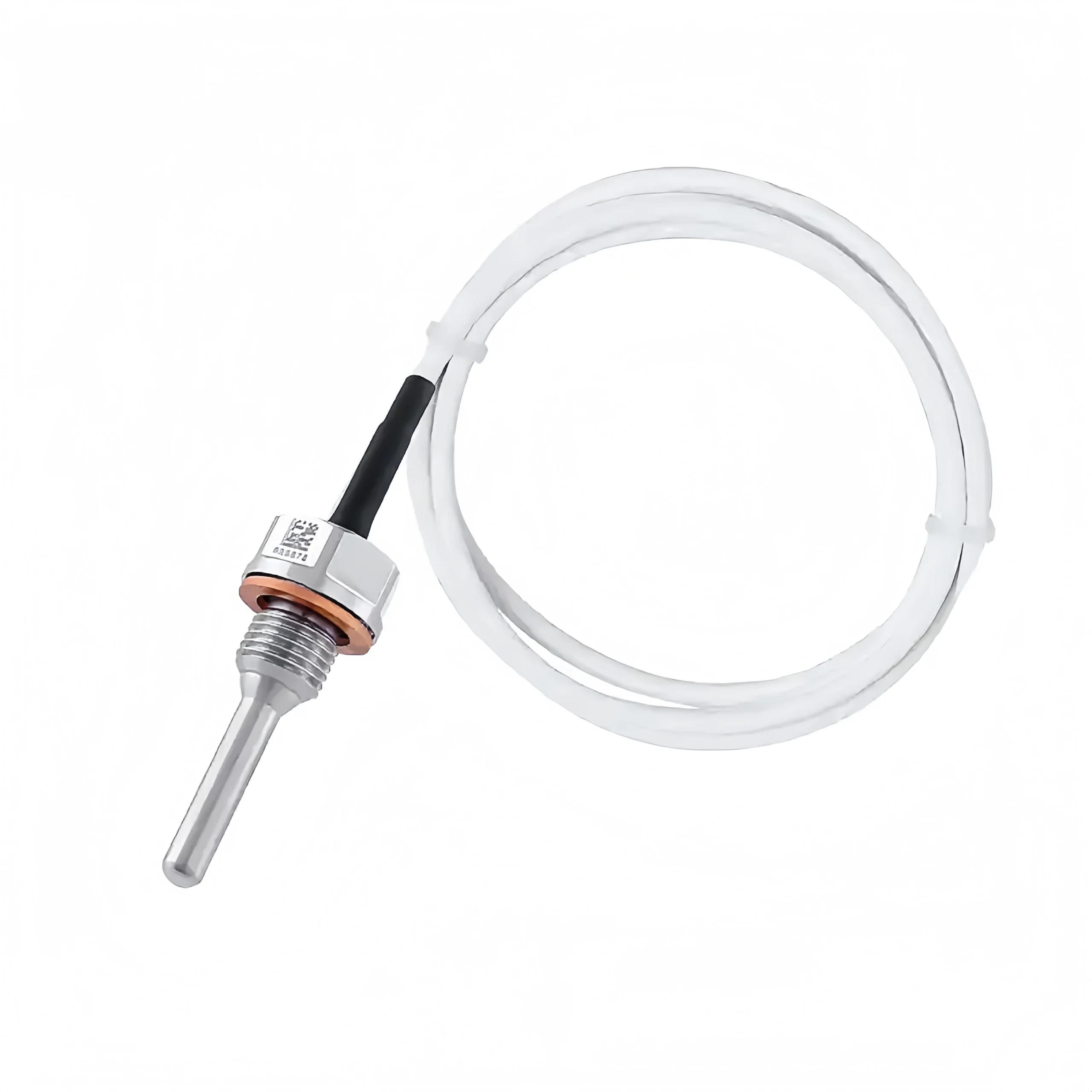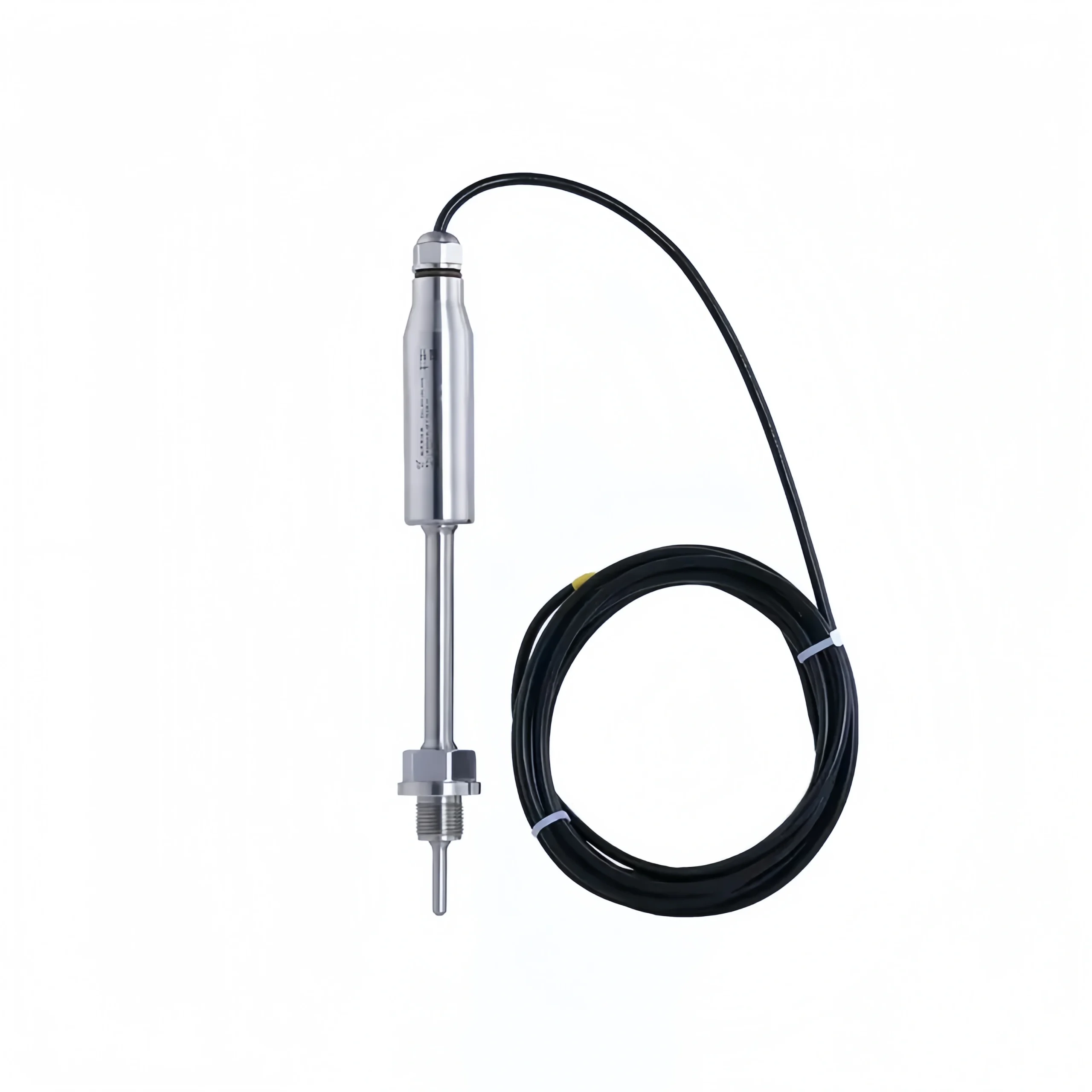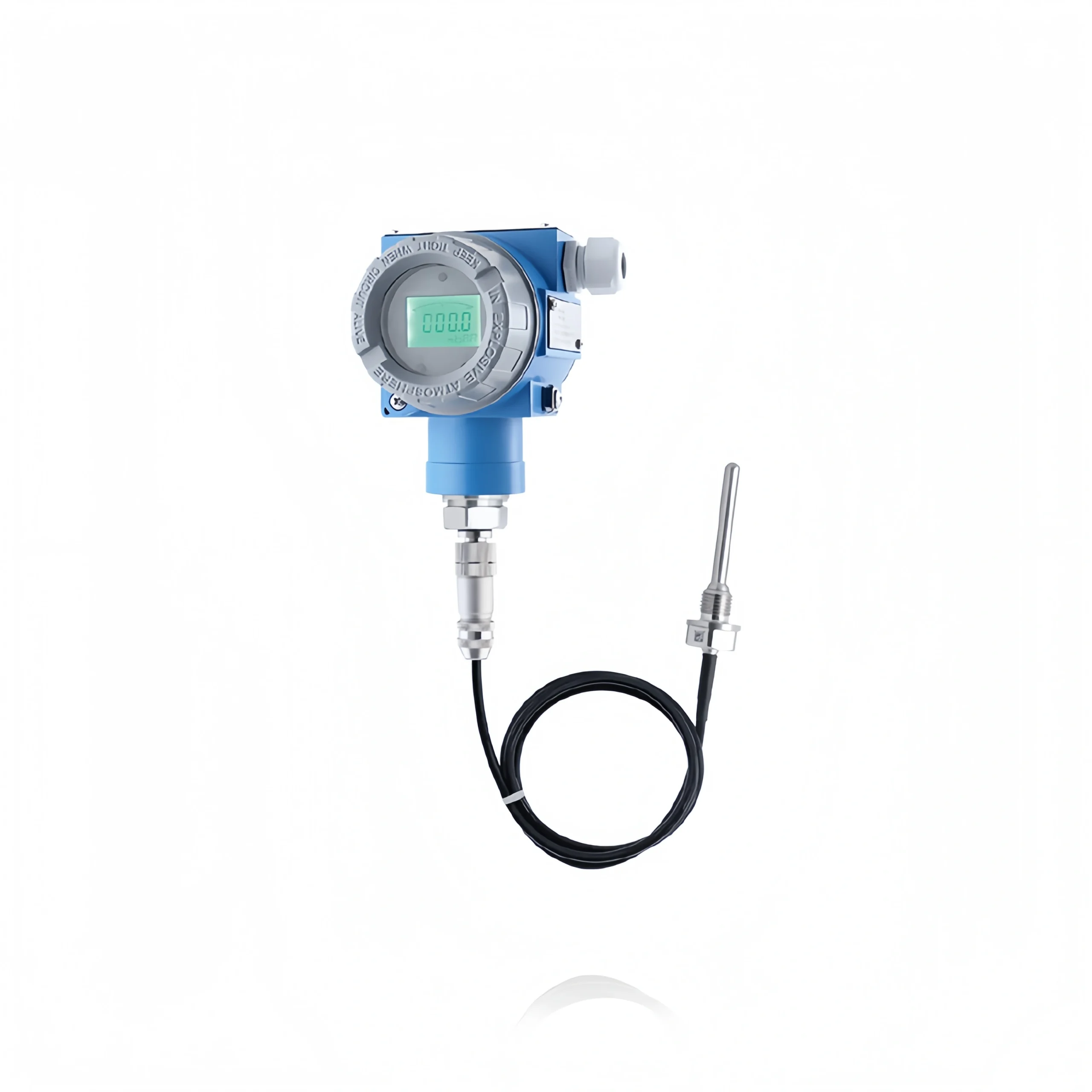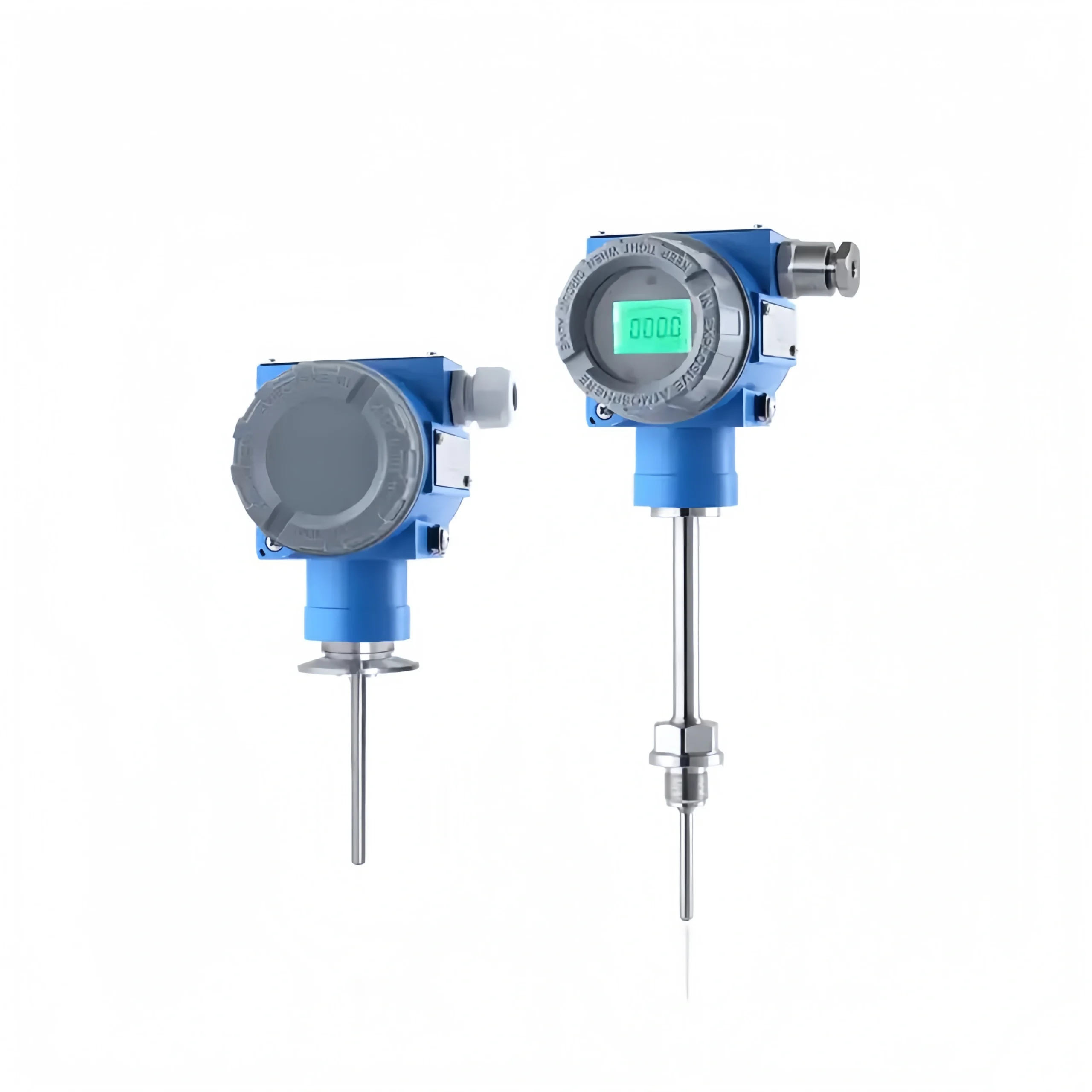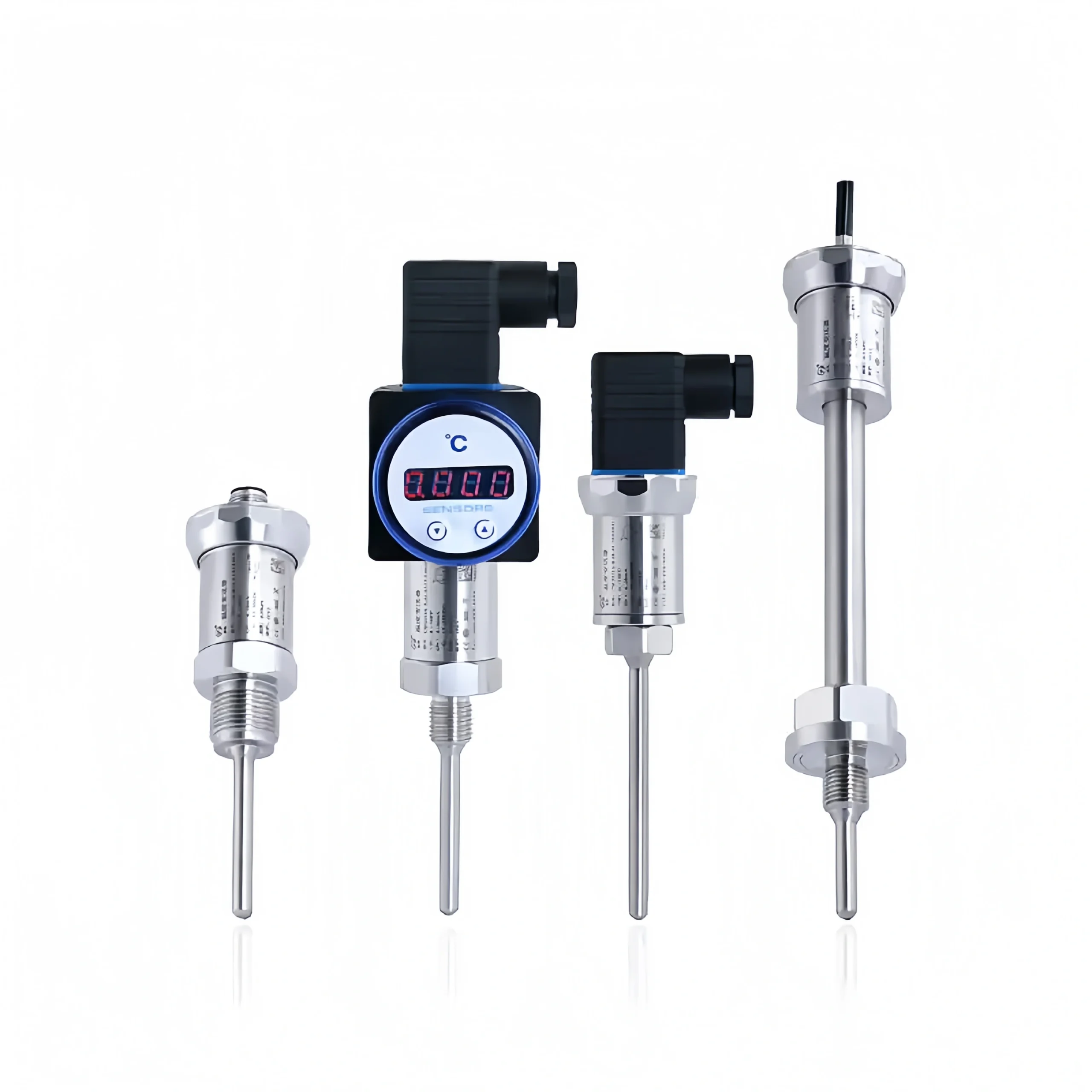
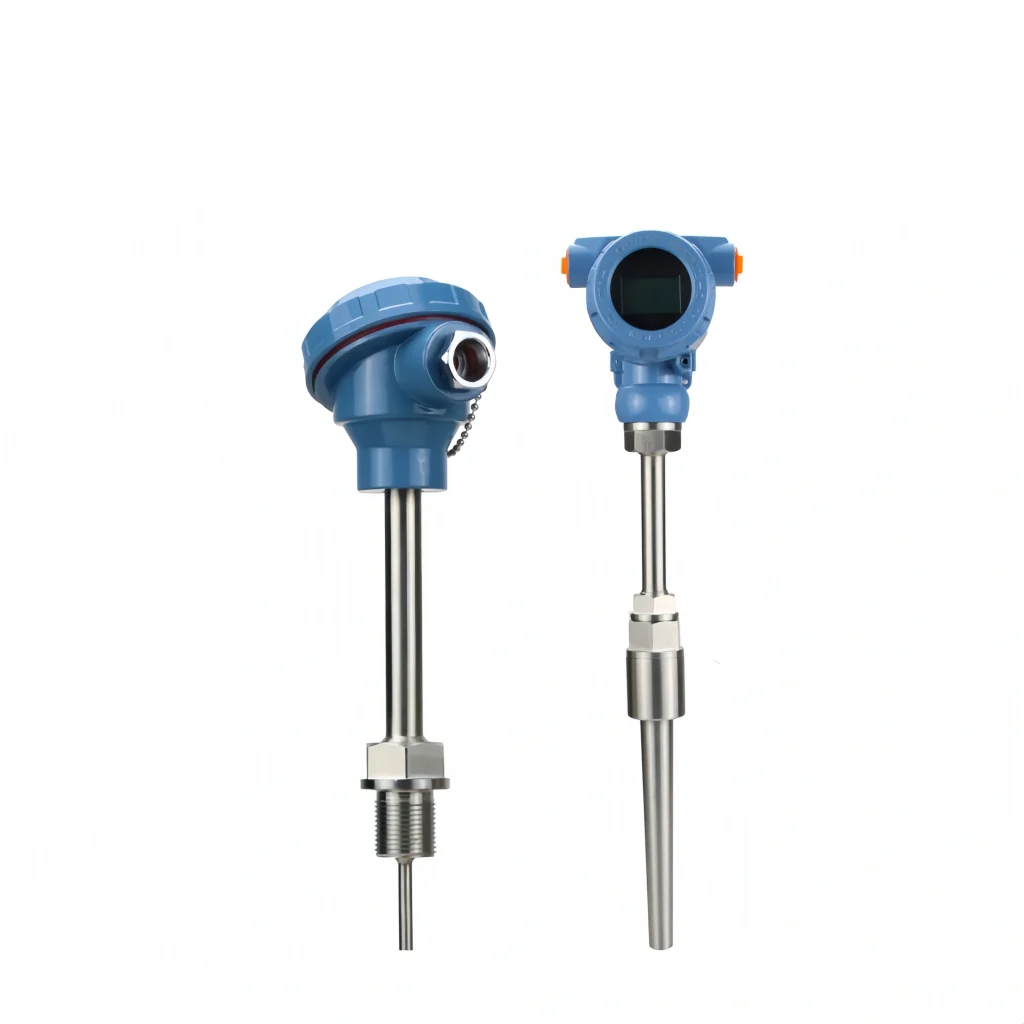
The thermocouple temperature transmitter is an essential tool for measuring and transmitting temperature data in industrial settings. It converts the small electrical signals created by the thermocouple into a standardised current signal, enabling accurate, remote temperature monitoring.
As a key component in modern industrial automation systems, it converts temperature variables into transmissible electrical signals, providing reliable temperature data inputs for process monitoring, data acquisition and control systems. Consequently, it is widely used in the measurement and control of temperature parameters in industrial processes.
Basic Structure
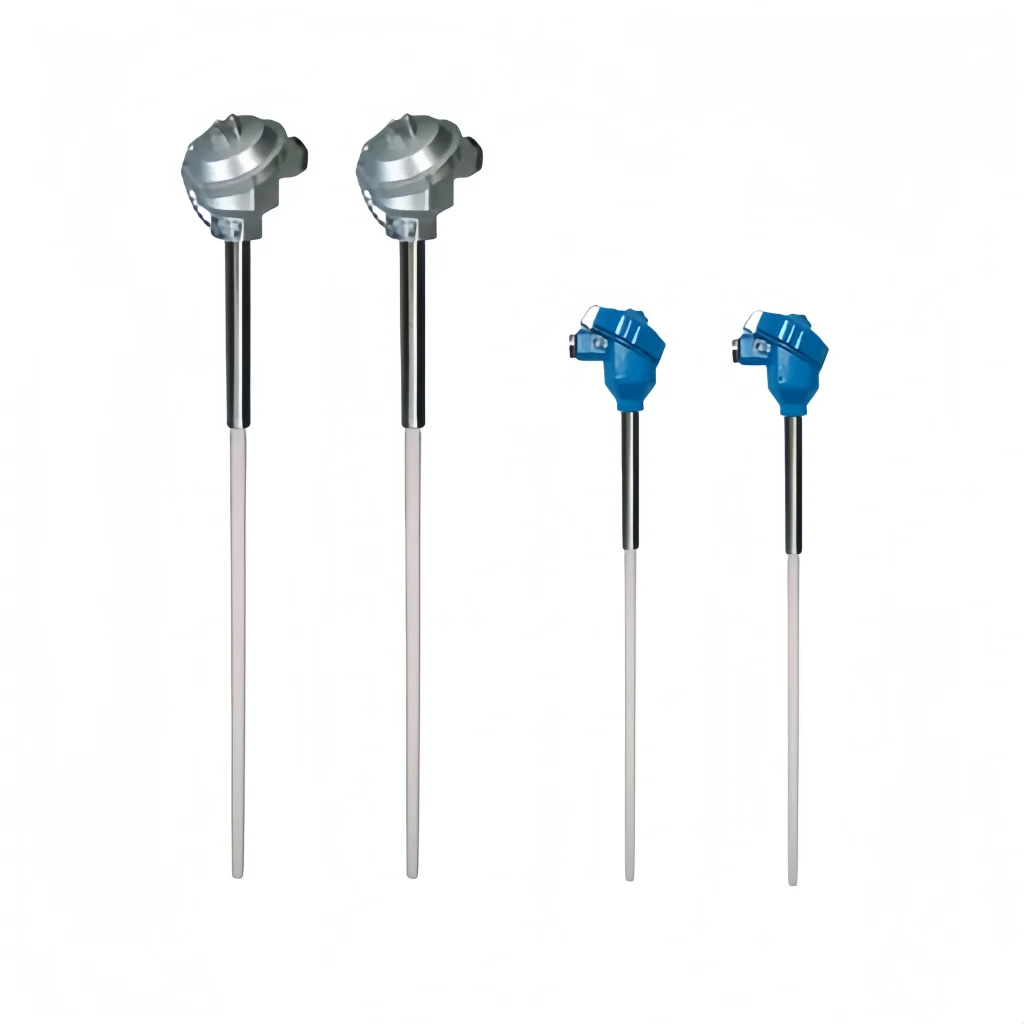
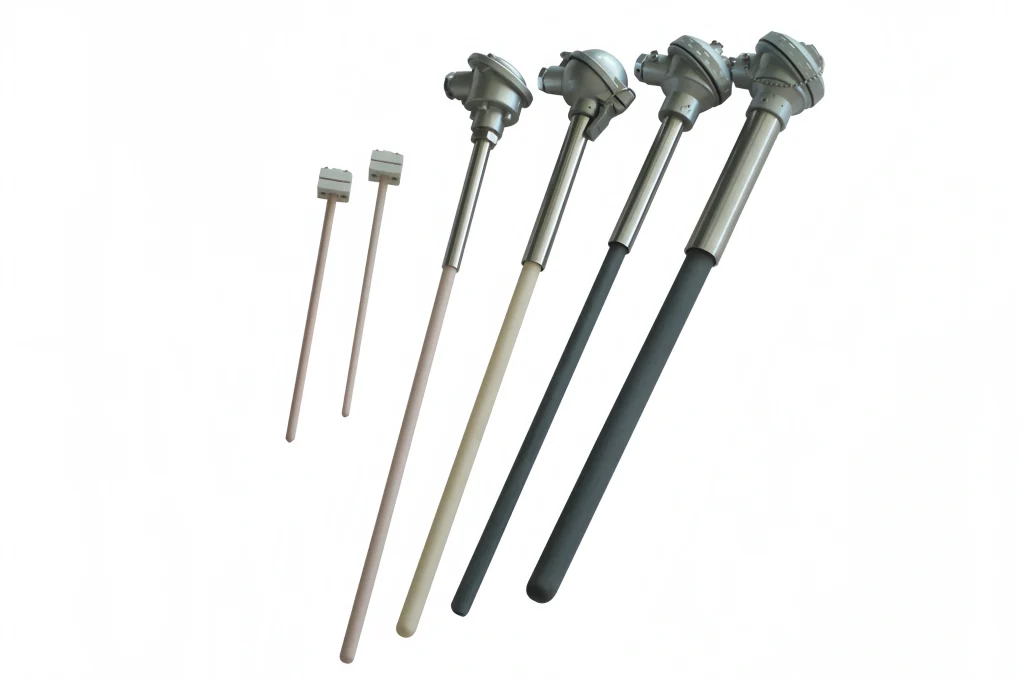
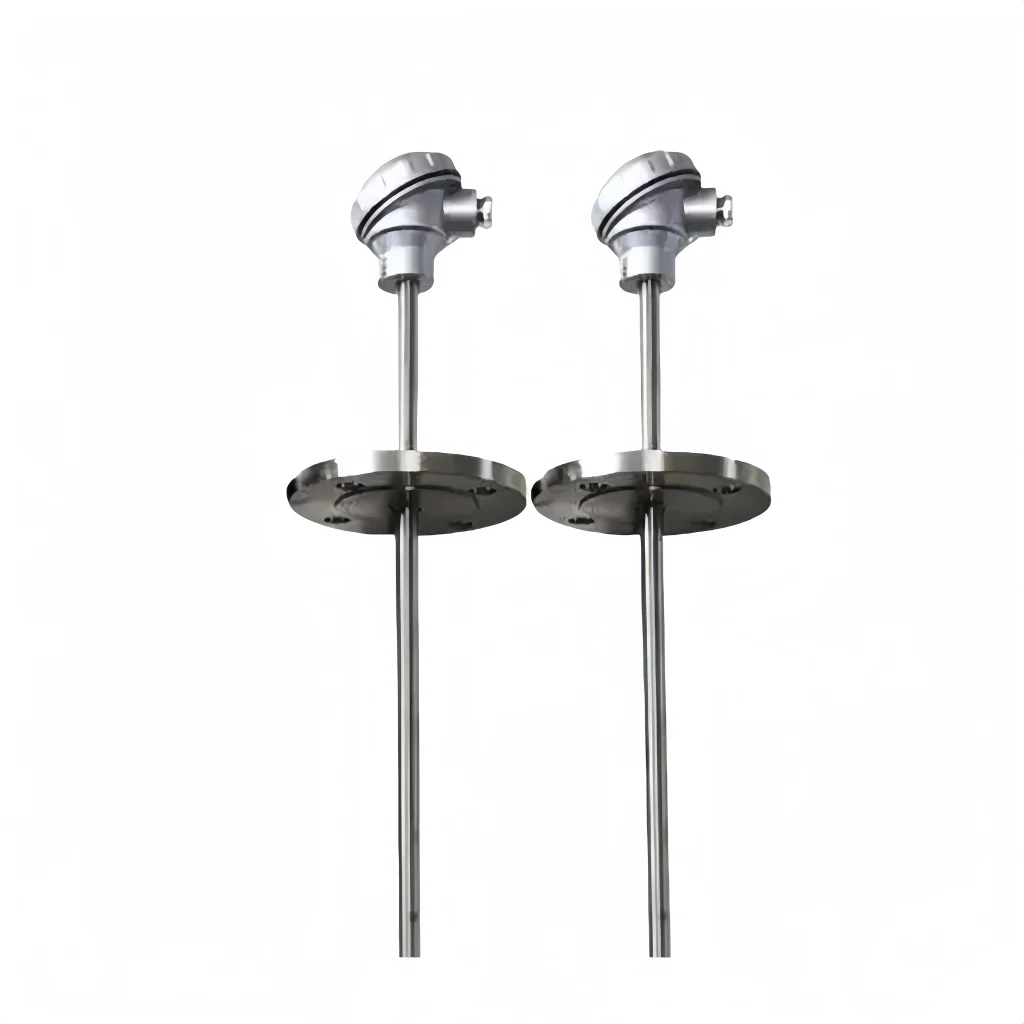
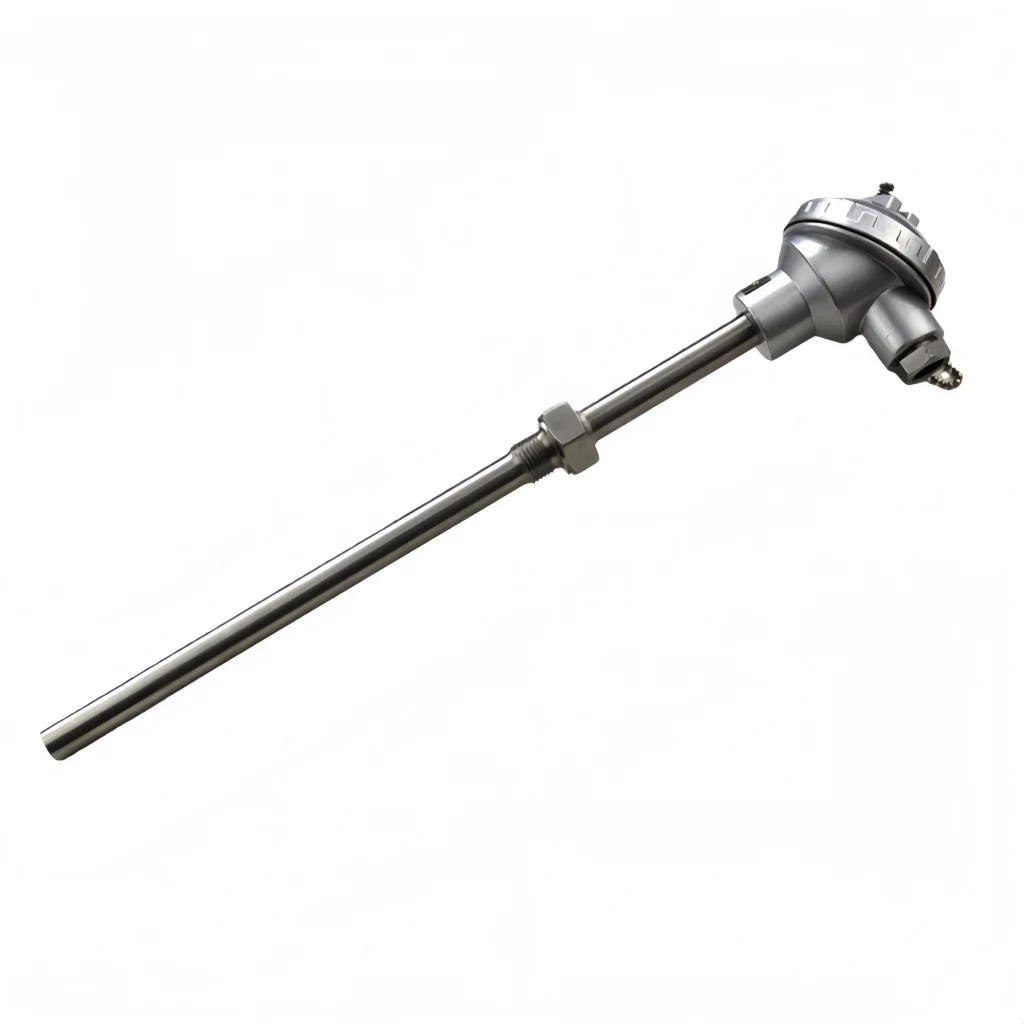
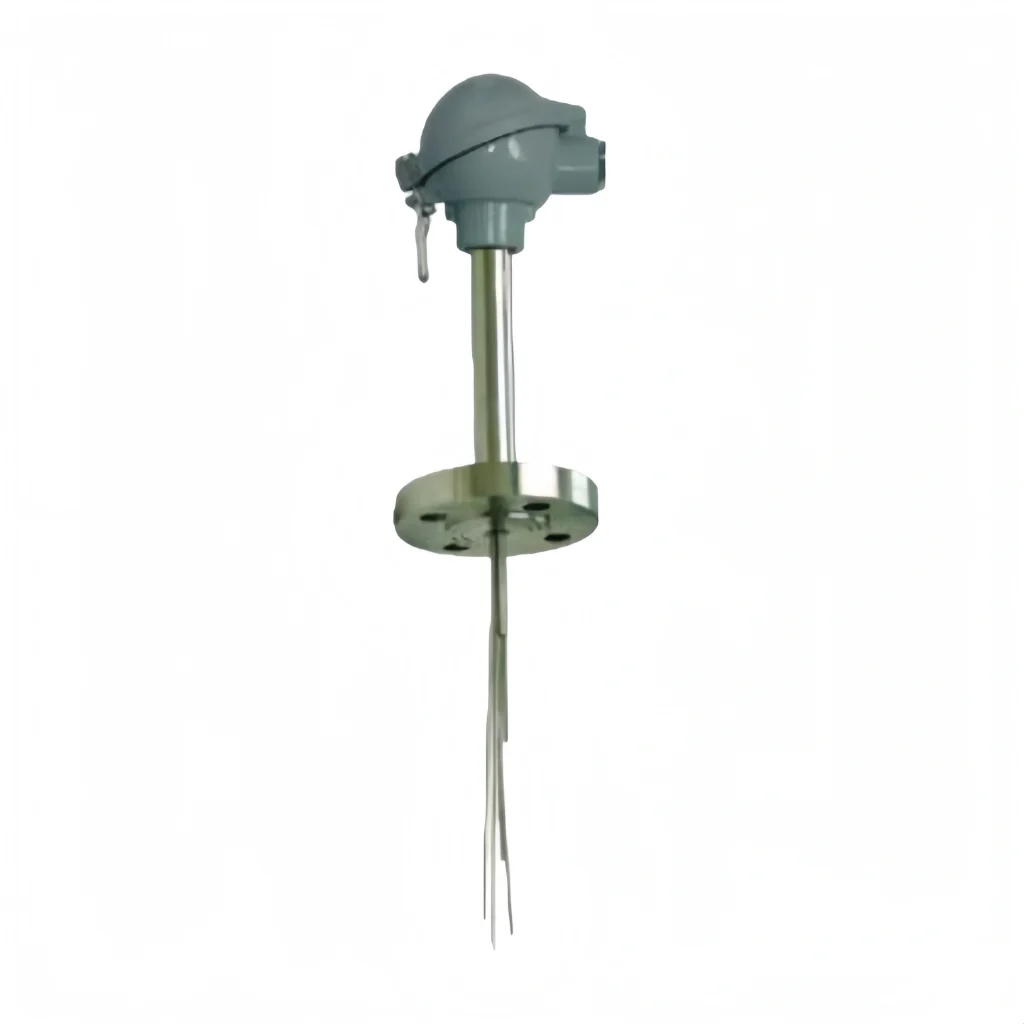
The structure of a thermocouple temperature sensor is simple, consisting of three core components, each with a distinct function and all of which are indispensable:
Thermocouple elements: These are the main parts of the sensor, usually made up of two wires made of different metals or alloys. One end of the two wires is connected, and this is the key part for measuring temperature. The materials used directly determine the sensor’s measurement range, accuracy and stability.
Measuring Terminal (Hot Junction): It’s the bit where the two thermocouple wires meet. This has to be in direct contact with the medium being measured so that it can sense the temperature and generate a thermoelectric potential. Depending on the measurement scenario, the measuring terminal can be manufactured in various forms, such as bare wire or with a protective sheath, to withstand complex environments such as high temperatures and corrosion.
Reference end (cold junction): The other end of the two thermoelectric wires is usually in an environment of known, constant temperature. It’s really important that the reference end is stable, because it’s what we use to calculate the measured temperature. When it’s used in real-world situations, a cold junction compensation circuit is often used to counteract the effect of changes in temperature on the measurement results.
Principle of Operation
The core of a thermocouple temperature sensor’s operation is based on the thermoelectric effect (the Seebeck effect), and the specific principle can be divided into two key processes:
Generation of thermoelectric potential: When two thermoelectric electrodes made of different materials come into contact, due to the differing electron densities of the two metals, electrons migrate from the metal with the higher electron density to the one with the lower density, creating a minute potential difference at the contact point.
When the measuring junction and the reference junction are at different temperatures, a potential difference arises between the two contact points; this difference constitutes the thermoelectric potential, and the magnitude of this potential is related to the temperature difference between the two junctions in a specific functional relationship.
Temperature measurement: You can work out the temperature at the measuring junction by measuring the thermoelectric potential and referring to the thermoelectric potential-temperature curve (standard curve) corresponding to the materials of the thermoelectric elements.
As the temperature at the reference junction must be kept constant, in practical applications, if the reference junction temperature deviates from 0 °C, cold-junction compensation must be applied to correct for errors and ensure measurement accuracy.
Key Features of Thermocouple Temperature Transmitters
High-precision measurement and conversion
Utilising high-precision amplification circuits and conversion chips, these transmitters accurately capture the weak thermoelectric potential signals output by thermocouples and convert them into standard signals, with conversion accuracy typically ranging from 0.1% to 0.5% FS.
Cold-junction temperature compensation
The thermoelectric potential of a thermocouple is not only dependent on the temperature at the measuring end but also on the temperature at the cold junction. The thermocouple temperature transmitter incorporates a built-in cold-junction temperature compensation circuit, which automatically detects the cold-junction temperature and corrects for any resulting errors, ensuring the accuracy of measurement results.
Signal Isolation Capability
It has electrical isolation between the input, output and power supply, with an isolation voltage of typically more than 2,500 V AC. This isolation prevents electromagnetic and common-mode interference in industrial environments, ensuring that interference signals do not affect the accuracy of measurements or the normal operation of the equipment.
Wide Measurement Range and Flexibility
It is compatible with various types of thermocouples (such as Type K, Type S, Type B, Type E, etc.) and can cover different temperature measurement ranges through parameter settings, meeting measurement requirements from low to high temperatures.
Excellent Stability and Reliability
It uses top-quality parts and cutting-edge manufacturing techniques, so it’ll last for ages and stay super stable, even in tough industrial settings.
Drift is minimal; typically, zero-point drift and span drift can be kept to a low level during long-term use.
Easy Installation and Commissioning
It’s small and you can mount it however you want, like on a DIN rail or a panel, so it’ll fit in anywhere.
The commissioning process is straightforward, with parameter settings usually configurable via buttons, a handheld programmer or host computer software, facilitating rapid on-site commissioning.
Multiple output signal options
In addition to the most commonly used 4–20 mA DC standard current signal, certain models also offer standard voltage signals such as 0–10 V DC and 1–5 V DC, or feature digital communication interfaces such as HART and RS485, facilitating data transmission and communication with control systems such as DCS and PLC.
Common Types of Thermocouples and Their Characteristics
Type S Thermocouple (Platinum-Rhodium 10 – Platinum)
It’s a precious metal thermocouple, so it’s really accurate and stable. It can handle temps of up to 1300°C for long periods, and it won’t rust or oxidise. You’ll find it’s used a lot in high-precision, high-temperature applications like laboratories, metallurgy and aerospace, but it’s pretty expensive and it’s not suitable for use in reducing atmospheres.
Type B Thermocouple (Platinum-Rhodium 30 – Platinum-Rhodium 6)
It’s also got a precious metal thermocouple, so it’s great for high temperatures, with a long-term operating temperature of up to 1600°C. It’s really stable and resistant to contamination, and it’s mostly used in high-temperature industrial applications like ultra-high-temperature furnaces, metallurgy and glass manufacturing. It’s expensive and not very sensitive at low temperatures.
Type K Thermocouple (Nickel-Chromium – Nickel-Silicon)
This is the most widely used base-metal thermocouple around, and it’s got a wide temperature range, good linearity and low cost. It can operate at around 1200°C for a long time and is pretty resistant to oxidation, so it’s great for most neutral and oxidising atmospheres. It is the most commonly used type in industrial automation.
Type E Thermocouple (Ni-Cr – Cu-Ni)
Offers the highest sensitivity among commonly used thermocouples, with a strong output signal and a moderate price. It has good oxidation resistance and is suitable for low-to-medium temperature measurements, with a long-term operating temperature of approximately 900°C. It is frequently used in chemical, food and HVAC applications where high sensitivity is required.
Type J Thermocouple (Iron – Copper-Nickel)
Inexpensive, with good stability in reducing atmospheres and a moderate temperature measurement range. The long-term operating temperature is approximately 750°C. It is suitable for medium- and low-temperature applications in sectors such as coal, steel and heat treatment; however, it has poor oxidation resistance and is prone to oxidation at high temperatures.
Type T Thermocouple (Copper–Copper-Nickel)
It’s accurate and stable at low temps, and it won’t break the bank. It’s great for low and medium temperatures, and it can operate at around 350°C for a long time. You’ll find it’s commonly used in low-temperature, high-precision applications such as refrigeration, food processing, HVAC, and laboratories.
The 8 Key Differences Between Thermocouples and Resistance Temperature Detectors
Thermocouples and resistance temperature detectors differ significantly in terms of their operating principles, measurement ranges and accuracy:
Thermocouples use something called the Seebeck effect to create a weak electrical signal, and they can measure a wide range of temperatures from -200°C to 1800°C. They can handle high temperatures and are great for tough operating conditions, but they’re not the best at low temperatures and need something called cold-junction compensation. Thermistors use the fact that the resistance of a metal changes with temperature.
They offer high accuracy, good stability and excellent linearity at medium and low temperatures (-200°C to 600°C) and do not require cold-junction compensation; however, they are prone to failure at high temperatures, and three-wire or four-wire configurations are commonly used for long-distance transmission to minimise lead-wiring errors.
The materials, signal formats and associated transmitters of the two types also differ, making them suitable for high-temperature applications and medium-to-low-temperature precision measurement scenarios respectively.
Practical Applications of Thermocouple Temperature Transmitters
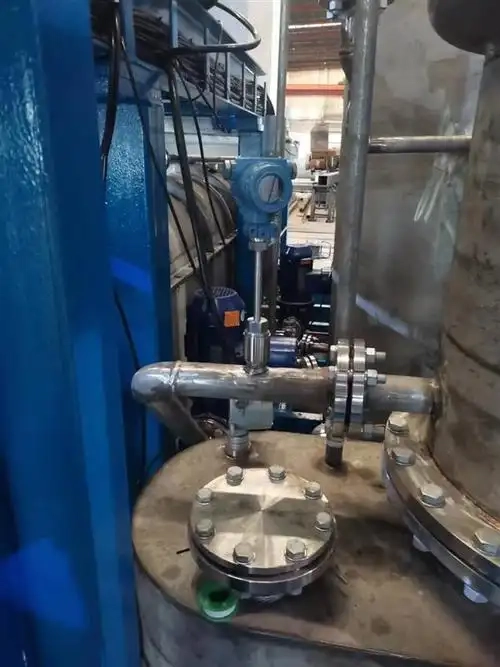
1. You’ll find these are often used for temperature monitoring in reactors, distillation columns, heat exchangers, oil and gas pipelines, and explosion-proof zones in petrochemical and coal chemical applications. They take the weak signal from the thermocouple and change it into a standard 4–20 mA signal, which can then be used in DCS/PLC systems. This makes it possible to take stable measurements and control safety interlocks even when it’s really hot, under pressure and in a corrosive environment.
2. In the power and energy sector, these transmitters are used to monitor the temperature in the furnace chambers, superheaters, steam pipes, turbine bearings, generator windings and transformer oil of thermal power plant boilers. This makes sure that power generation equipment works reliably in high temperatures and strong electromagnetic fields, which supports efficiency and safety management.
Metallurgy and heat treatment applications: Suitable for high-temperature environments such as blast furnaces, converters, continuous casting moulds, annealing furnaces and quenching furnaces. Capable of measuring temperatures ranging from several hundred to over a thousand degrees, providing precise temperature data for metal smelting, rolling and heat treatment processes, thereby enhancing product quality and extending equipment lifespan.
3. Building materials and kiln applications: Stable temperature measurement in high-temperature equipment such as cement rotary kilns, glass melting furnaces and ceramic kilns. Works in conjunction with combustion control systems to optimise furnace temperatures, reduce energy consumption and ensure the safe operation of kilns.
4. There are food, pharmaceutical and hygiene applications too. This is used to keep an eye on the temperature in sterilisation cabinets, fermentation tanks, drying equipment and cold chain storage. It meets GMP and hygiene-grade requirements to make sure the process is followed and the product is always the same quality.
5. General industrial equipment and HVAC applications: covering temperature monitoring for large motors, hydraulic stations, injection moulding machines, central air-conditioning water systems, and heat exchange stations, to ensure equipment protection, energy-efficient operation and automated regulation.
6. Specialised and harsh environments: explosion-proof, corrosion-resistant, high-temperature-resistant and waterproof products are available for use in underground coal mines, offshore platforms, flue gas emissions and high-temperature flue ducts, enabling long-distance transmission and highly reliable temperature data acquisition.
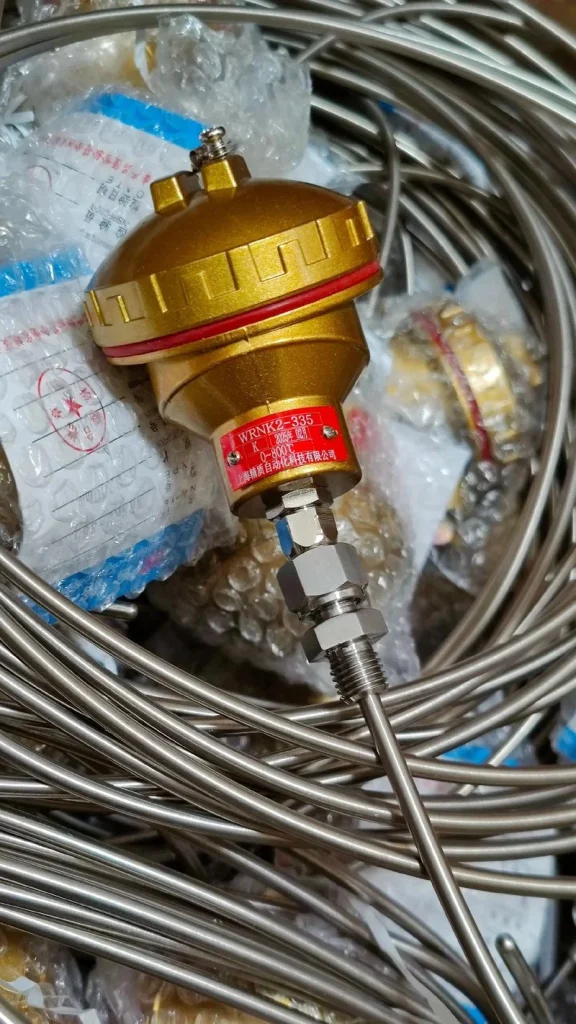
So, thanks to their key strengths of being highly accurate, stable, flexible and durable, thermocouple temperature transmitters have become a must-have for getting precise temperature control and making sure production is efficient and products are top-notch in lots of industries, like metallurgy, chemicals, aerospace, food processing and energy.
Using our professional R&D skills and industry knowledge, we offer thermocouple temperature transmitters that can handle a lot of different operating conditions, as well as custom solutions. This helps businesses improve their automated control systems, cut costs, and make their production safer and more stable. We’re excited to team up with partners from different industries to create a new and improved way of developing industrial projects that’s efficient, precise and intelligent.