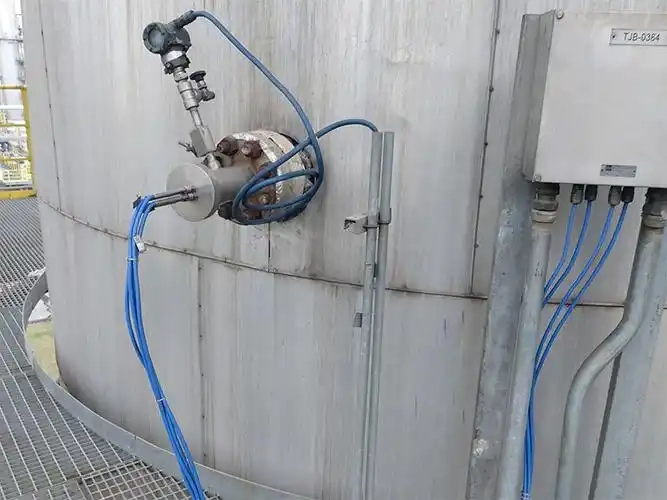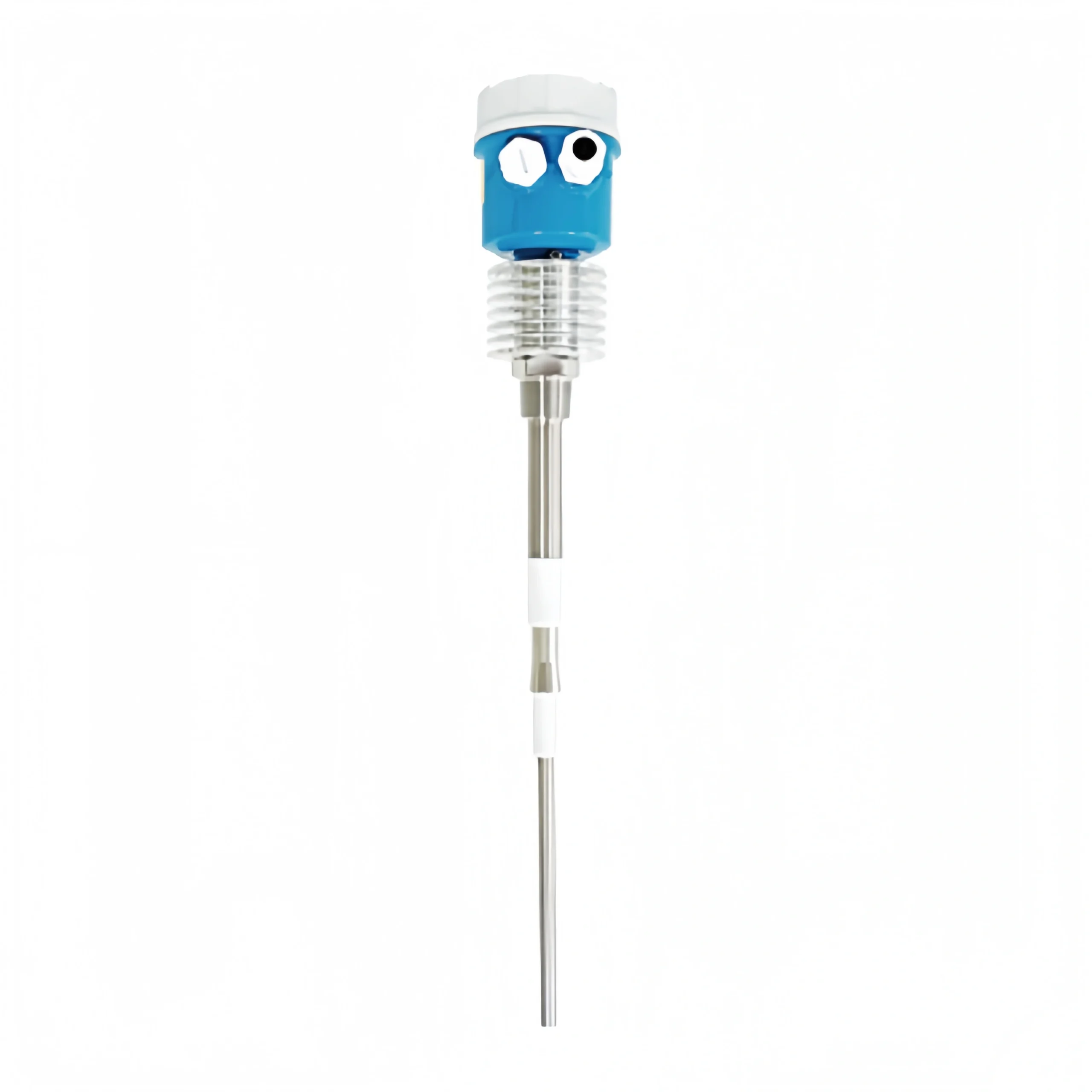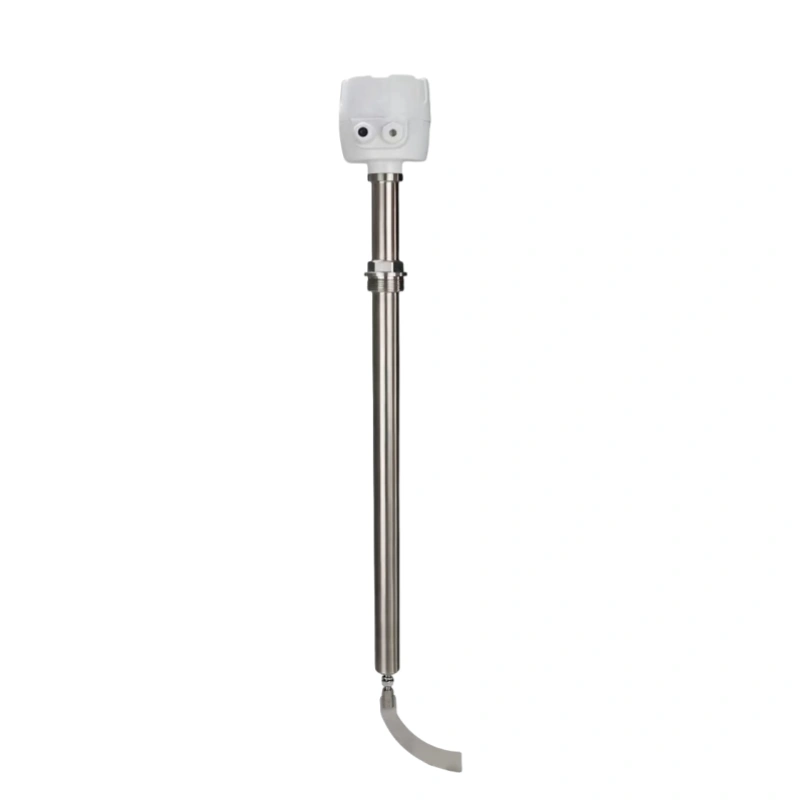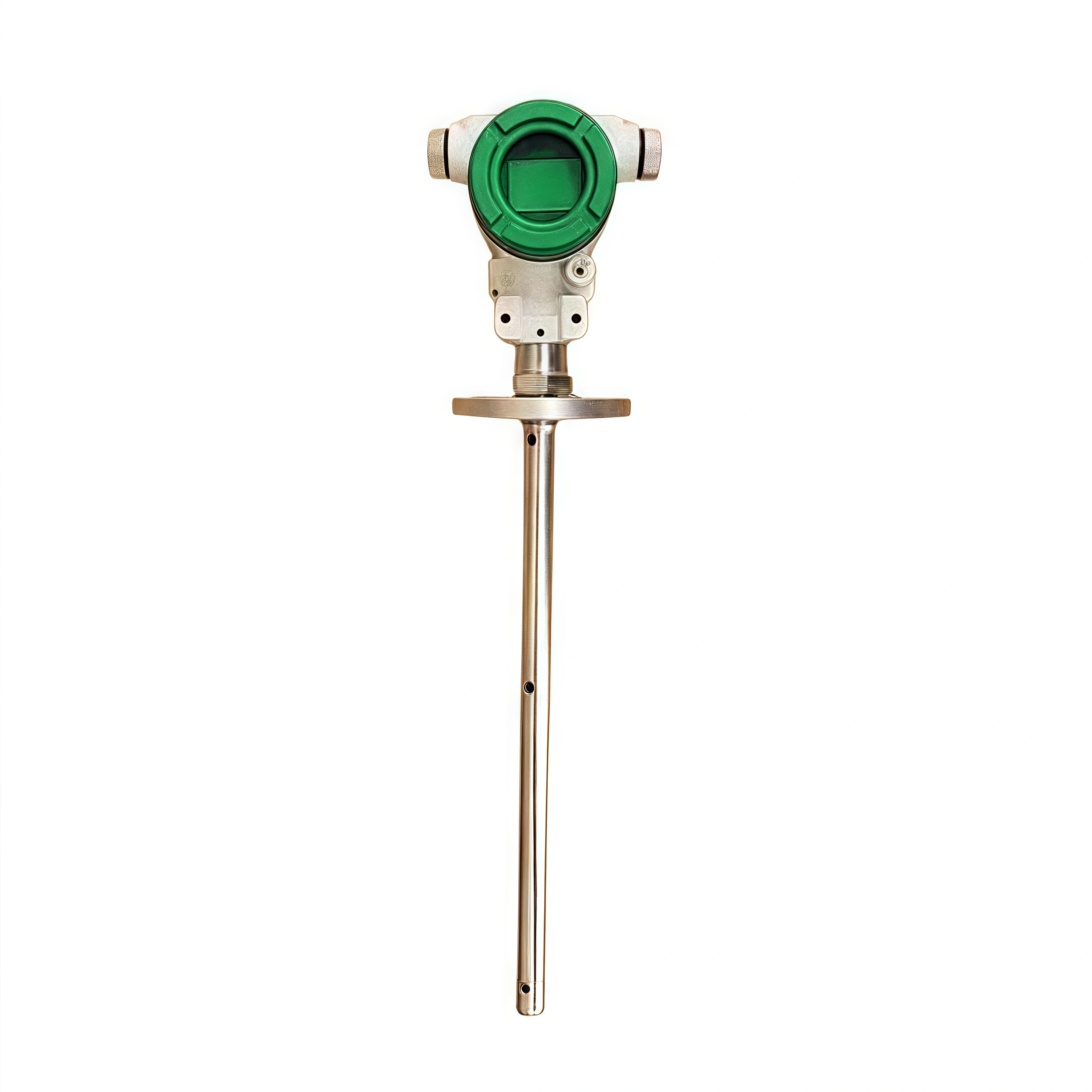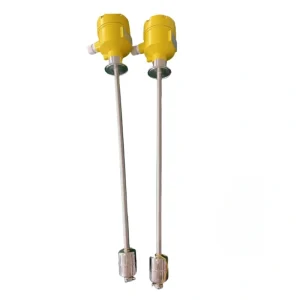
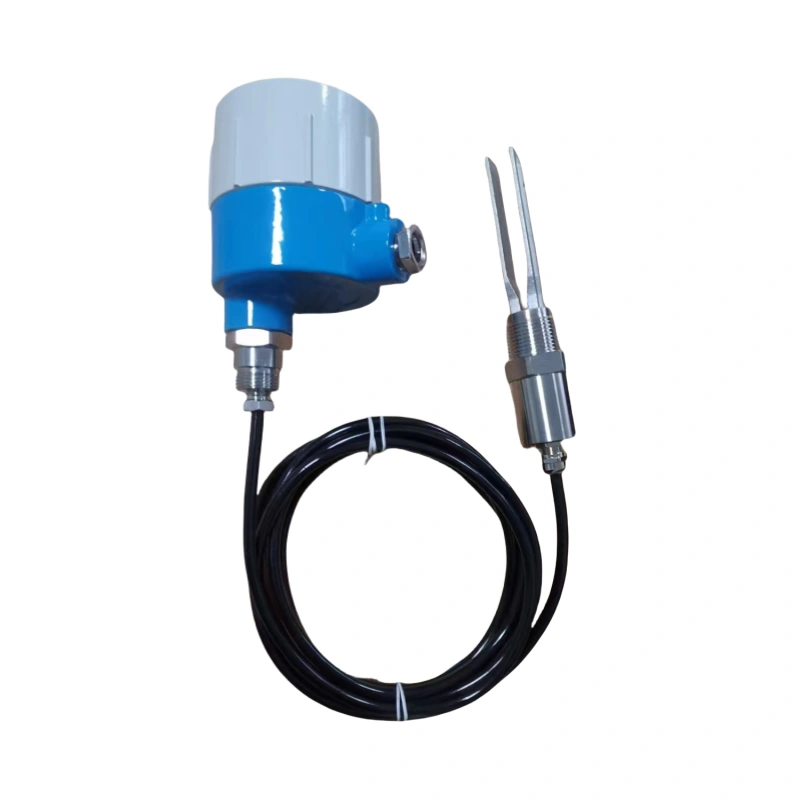
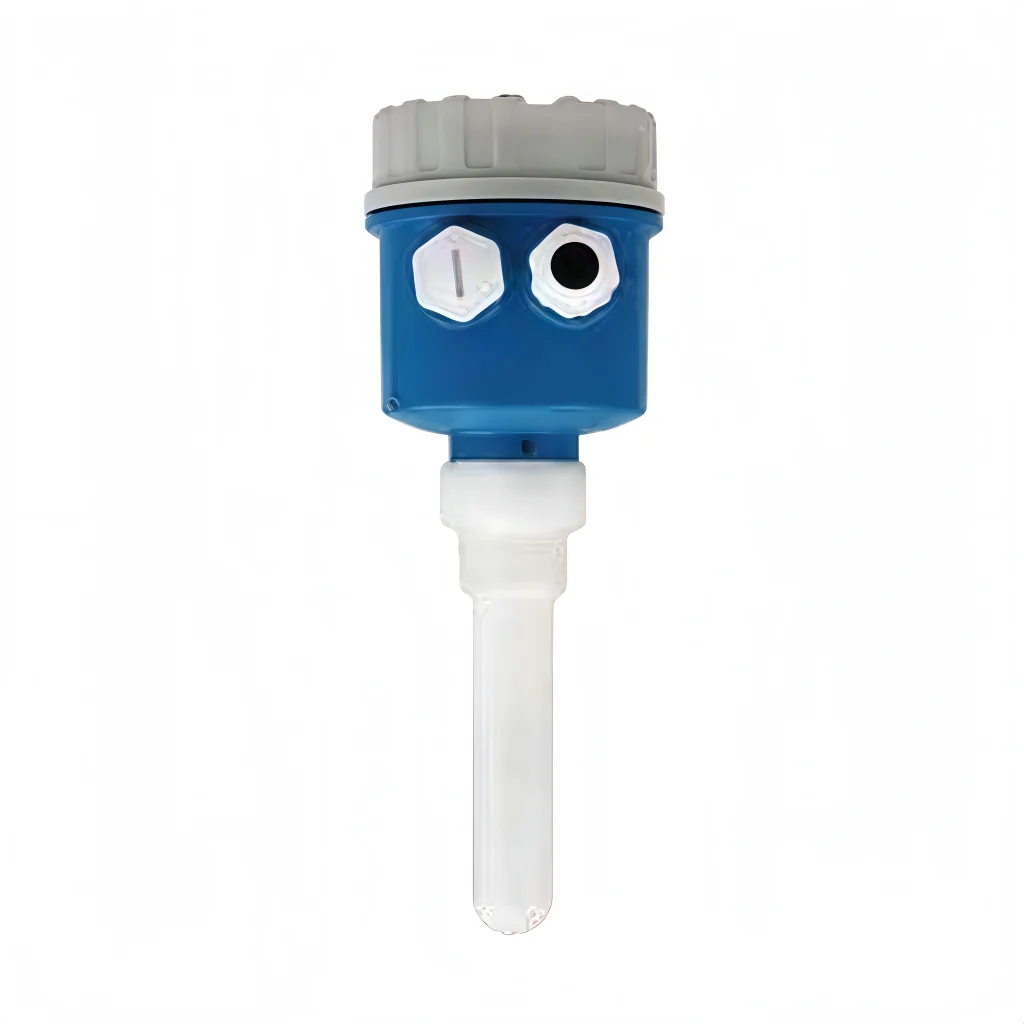
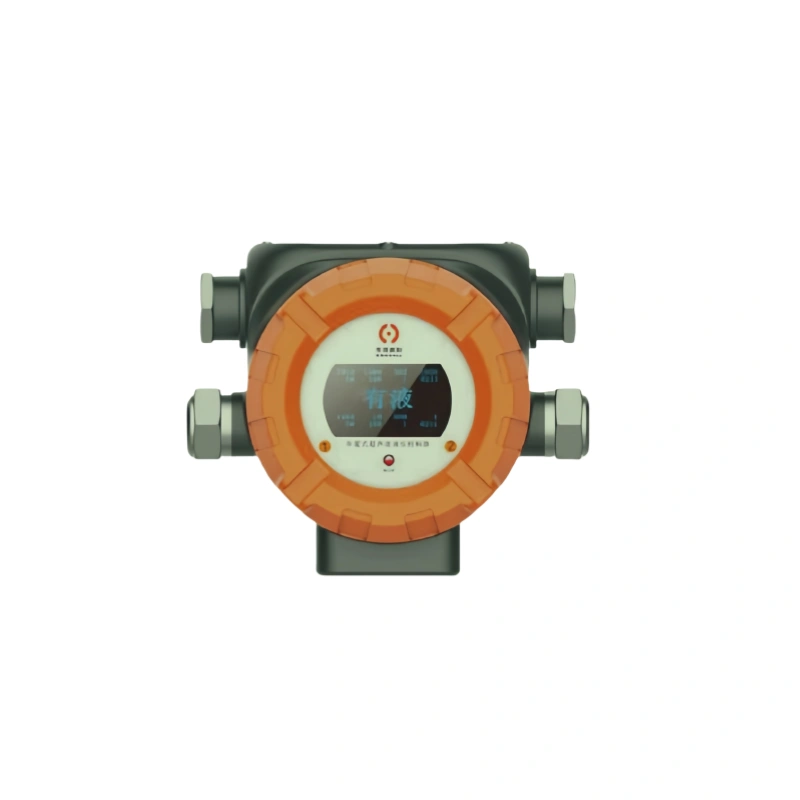
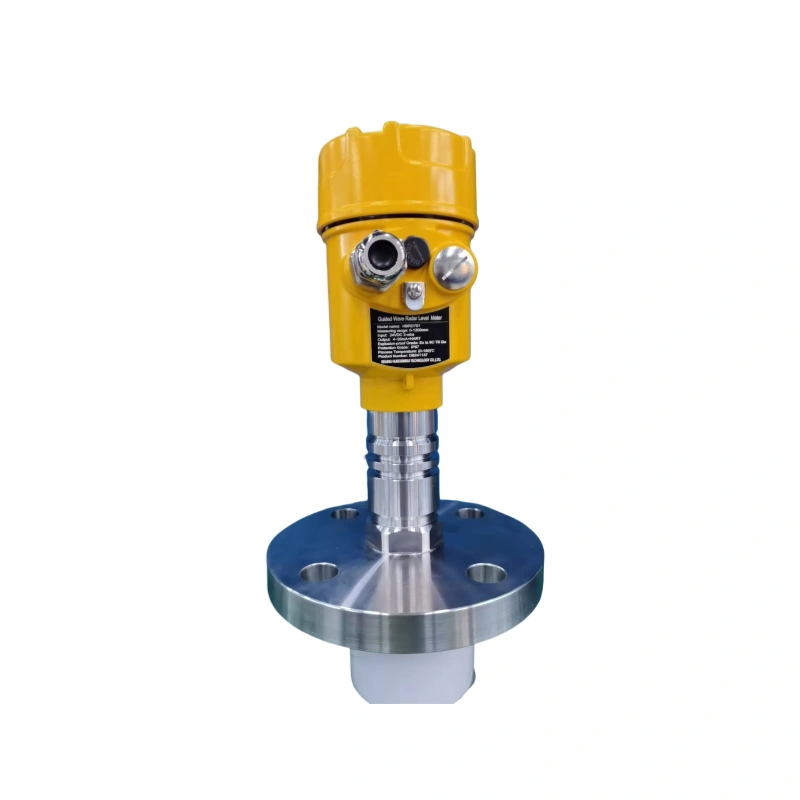
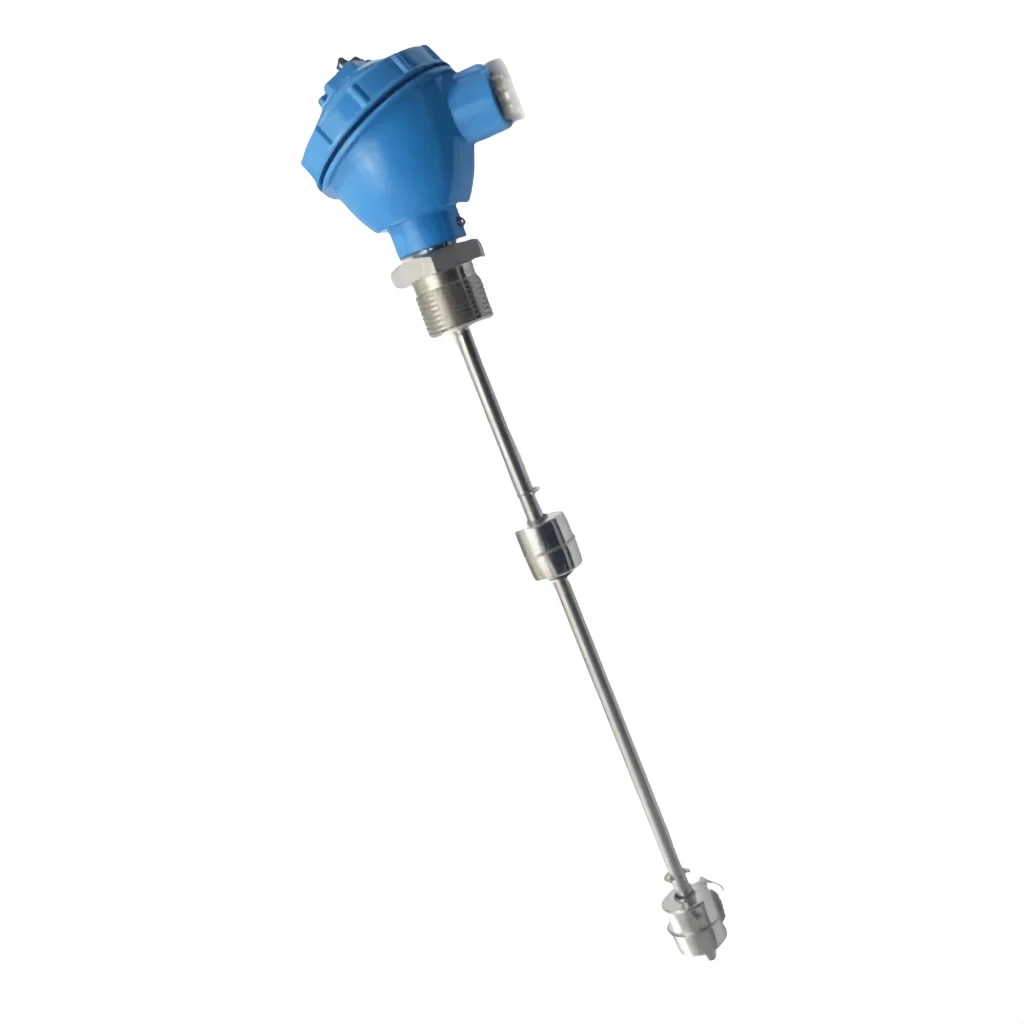
A tuning fork level switch is a compact control switch designed specifically for liquid level measurement. It’s much more reliable than things like float level switches and proximity switches when it comes to detecting liquid levels, and it’s used a lot in modern automated production for measuring levels.
They are commonly found in liquid level measurement applications for containers, tanks and various pipelines across industries such as water management, chemical engineering, environmental protection, power generation, food processing and pharmaceuticals.
Principle of Operation
A tuning fork level switch is a switch-type level instrument that determines liquid level based on changes in vibration frequency; its core operating mechanism relies on the excitation and vibration detection capabilities of piezoelectric ceramics.
The instrument contains two sets of piezoelectric ceramic components. When an alternating voltage is applied to the drive piezoelectric element, it generates periodic mechanical vibrations, which in turn cause the external metal tuning fork to vibrate continuously and stably at its natural frequency; the other set of detection piezoelectric elements is responsible for real-time acquisition of the tuning fork’s vibration frequency and amplitude. When the tuning fork is unloaded (in air), the fork body maintains a consistently high and stable natural resonant frequency.
When the liquid touches and goes under the tuning fork, the liquid has a big effect on the fork, which makes the fork vibrate less and less.
When it senses this change, the internal circuitry knows that the set liquid level has been reached. It immediately sends a signal to switch on relays, which enables functions such as liquid level alarms, interlock control, or the start/stop of pumps and valves.
The instrument is pretty simple overall, with no mechanical moving parts, so it’s really resistant to adhesion and interference. It’s great for detecting levels in tricky media, like viscous liquids, foamy liquids and liquids with particles in them.
Advantages of Tuning Fork Level Switches
These switches are simpleand sturdy, so they rarely get stuck or wear out. This makes them reliable, easy to maintain, and they last a long time.
Outstanding resistance to interference; unaffected by liquid foam, bubbles, viscosity or fluctuations in the medium; no risk of false triggering due to sediment build-up; highly stable measurement.
It is suitable for many different types of media, including water, oil, thick liquids and slurries. Certain models can also be used to detect the level of solid materials like powders and granules, making it highly versatile.
Installation is a breeze, and you can set it up however you like, whether that’s on the top or the side. Once installed, the device requires virtually no commissioning and can be put into service quickly, adapting to a variety of tank types and operating conditions.
It features low power consumption and a fast response time. It performs well in most situations, including those involving small changes in temperature and pressure. This ensures that the switch signal is reliably and accurately triggered in normal industrial conditions.
They possess strong corrosion resistance and sealing properties. Different materials can be selected to suit special media such as acids and alkalis, meeting the demands of harsh operating conditions in chemical processing and water treatment.
Tuning fork level switches can respond to even very small changes in liquid level; their high sensitivity enables precise monitoring of level variations.
Disadvantages of tuning fork level switches
Tuning fork level switches are susceptible to adhesion from high-viscosity media and conditions involving heavy crystallisation and scaling. They also don’t adapt well in high-pressure, high-temperature, high-corrosive environments where there are a lot of operational fluctuations. This can lead to things like false triggering, reduced sensitivity, or even probe failure or damage, which can compromise measurement reliability.
There are measurement blind spots; the probe itself requires a certain insertion depth, which limits installation in confined spaces or ultra-thin vessels, and restricts flexibility in selecting installation locations.
They are susceptible to changes in medium density; when liquid density fluctuates significantly, the tuning fork’s resonance frequency shifts, potentially leading to false alarms or failure to activate.
Maintenance and cleaning are relatively difficult; should the probe become coated, blocked or encased, the system must be shut down for disassembly and cleaning, as normal operation cannot be restored otherwise, thereby increasing operational and maintenance costs.
Suitability is limited to specific particle sizes; large particles or lumpy solid materials can easily become lodged between the tuning forks, causing false signals, and the device is generally only suitable for fine powders or liquids.
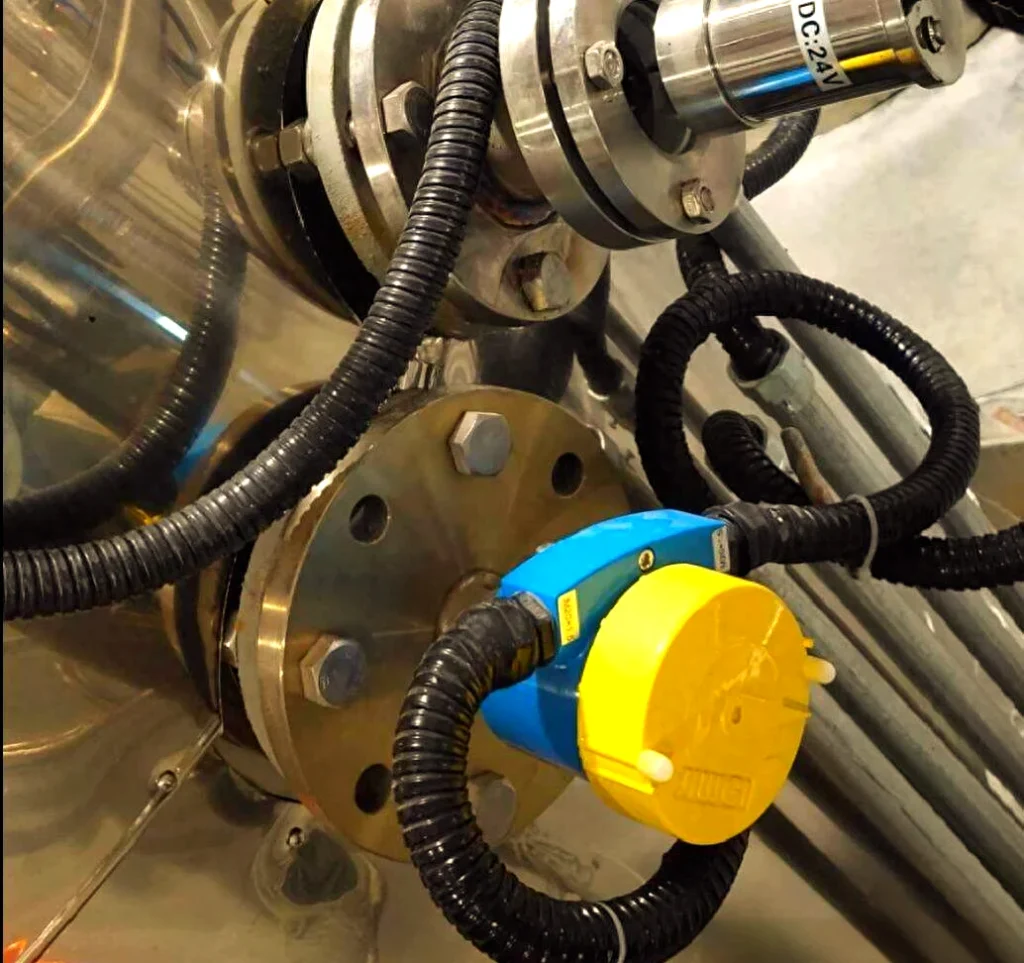
Comparison of Tuning Fork Level Switches with Other Common Level Switches
Comparison with Float Level Switches
Float level switches rely on buoyancy to drive the float and mechanical components; they feature a straightforward design and are relatively low-cost, and are commonly used in standard water tanks and for clean media at ambient temperature and pressure.
However, due to the presence of moving parts, they are highly susceptible to jamming, material build-up and sticking in viscous, particulate-laden or scale-prone media. They are also sensitive to fluctuations in liquid level and interference from foam. Long-term use can lead to mechanical wear, spring fatigue and contact oxidation, resulting in frequent maintenance and a relatively high false alarm rate.
Tuning fork level switches have no moving parts, so you don’t have to worry about jamming or wear and tear. They’re pretty much maintenance-free, so you don’t have to worry about them being affected by things like foam or changes in liquid level. They’re better suited to complex industrial environments like chemical processing, wastewater treatment and oil and gas, and they offer lower overall operating costs.
Comparison with Capacitive Level Switches
Capacitive level switches work by detecting changes in the dielectric constant between the liquid and the probe to determine the level. They work well with both conductive and non-conductive materials and you can install them pretty flexibly.
However, their measurement accuracy is easily affected by medium temperature, humidity and the thickness of the adhering layer. Misjudgements are likely to occur when media with similar dielectric constants or multiple layers of media coexist, often requiring on-site recalibration; their resistance to adhesion and interference is generally moderate.
Tuning fork level switches are calibrated before they leave the factory, meaning you can use them straight away without any on-site commissioning. They are highly resistant to medium characteristics, temperature fluctuations and material build-up, making them extremely stable and ensuring they always work perfectly, even in dusty, humid or condensation-prone environments.
Comparison with Ultrasonic Level Switches
Ultrasonic level switches use the acoustic reflection principle to take measurements without coming into direct contact with the medium. This makes them suitable for highly corrosive or high-viscosity applications.
However, ultrasonic signals are susceptible to interference from factors such as steam, mist, foam, dust and temperature fluctuations. Signal attenuation is significant in sealed vessels or under conditions of severe agitation, resulting in insufficient measurement stability and relatively slow response times.
Tuning fork level switches use contact-based point detection, which is unaffected by steam, foam or dust. They’ve got super-accurate switching points and quick response times, making them way more reliable than ultrasonic switches in stuff like high/low level alarms, pump start/stop control and anti-dry-run protection.
Comparison with Radar Level Switches
Radar level switches utilise microwave reflection technology, offering high measurement accuracy and a wide measurement range. They are unaffected by temperature, pressure, steam or dust, making them highly adaptable; they are commonly used for continuous level monitoring in large storage tanks and high-temperature, high-pressure environments. However, radar equipment has a complex overall structure and is expensive; using it solely for point-level alarm control results in a waste of resources.
Tongue-and-groove level switches are designed specifically for point-level detection. They are significantly cheaper than radar systems, are quick and easy to install and commission, and offer fast response times.
They’re great value for money, especially for things like high and low level alarms, overflow protection and pump control interlocks. That makes them the go-to solution for highly reliable point-level detection in industrial settings.
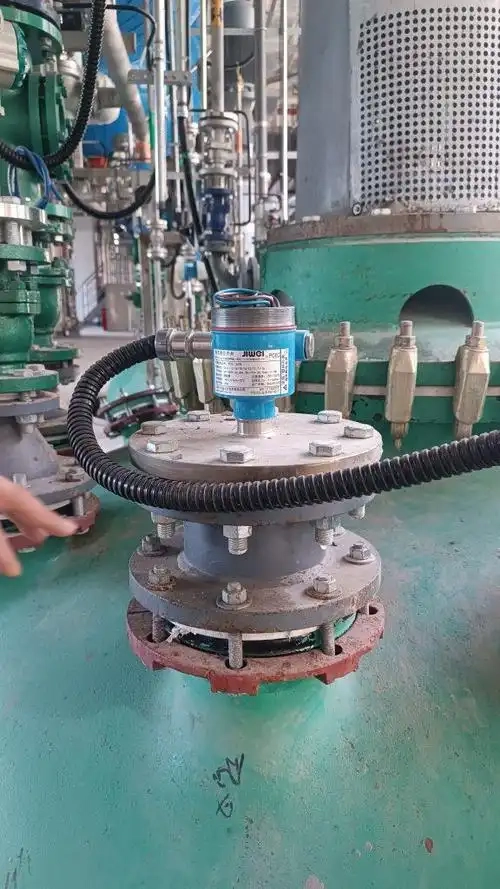
Media Suitable for Tuning Fork Level Switches
Tuning fork level switches offer exceptional media compatibility, covering the vast majority of liquids and certain solid materials used in industrial production.
Firstly, standard industrial liquids, including tap water, industrial wastewater, diesel, petrol, lubricating oil, hydraulic oil and other clean or slightly contaminated liquids, suitable for conventional operating conditions at standard temperature and pressure;
Secondly, liquids with complex properties, covering viscous liquids (such as bitumen, syrup and paint), foamy liquids (such as fermentation broth and detergents), and liquids containing fine particles (such as slurry, pulp and ore slurry), which can be reliably detected thanks to the sensors’ anti-adhesion and anti-interference properties;
Thirdly, corrosive liquids: by selecting corrosion-resistant materials such as 316L stainless steel, the system is suitable for acidic and alkaline solutions (e.g. hydrochloric acid, sulphuric acid, sodium hydroxide) and chemical solvents;
Fourthly, materials under special operating conditions: certain specialised models are suitable for food-grade and pharmaceutical-grade clean media (such as pharmaceutical solutions, drinking water and dairy products), as well as fine powders and small solid particles (such as flour, cement and plastic pellets); however, large particles and lumpy materials must be avoided to prevent blockages.
Installation of the Tuning Fork Level Switch
Installation Position and Orientation
Where you install the tuning fork level switch is really important for getting the right readings. It is usually best to install it on the side or top of the vessel, ensuring that the installation locati0n reflects changes in the liquid level well. When it comes to orientation, ensure that the tuning fork is perpendicular to the surface of the liquid. This helps to avoid any accuracy issues caused by tilting. At the same time, consideration should be given to the internal structure of the vessel and the flow characteristics of the liquid, avoiding installation in areas where the liquid flow velocity is too high or where eddy currents are present.
Avoid Installation Near Inlet Ports
To prevent interference caused by the impact force and material accumulation during feeding, installation should be carried out as far away from the inlet ports as possible. If it is not possible to avoid them entirely, ensure that the switch is positioned at a sufficient distance from the inlet ports to minimise their impact.
Moisture Protection and Sealing Measures
The tuning fork level switch circuitry is susceptible to moisture, so appropriate protective measures must be implemented. When installing the switch, ensure that the housing is properly sealed to prevent water and moisture from entering. You can also fit a rain cover or waterproof enclosure around the switch to make it even more moisture-proof.
Commissioning and Sensitivity Adjustment
Once you’ve installed it, the tuning fork level switch needs to be commissioned and its sensitivity adjusted. For guidance on commissioning, please get in touch with the manufacturer’s engineers. Firstly, you need to set an appropriate detection threshold based on the actual requirements of the application. Then, use the commissioning tools to adjust the switch’s sensitivity to make sure it can accurately detect changes in liquid level. When you’re commissioning it, keep an eye on how the switch responds and make any small adjustments as needed.
Routine Maintenance and Inspection
To make sure the tuning fork level switch works properly, it needs to be checked and maintained regularly. This means checking that the switch housing is intact, the seals are secure and the wiring is intact. It is also a good idea to regularly clear away any dirt or debris around the switch to make sure it is working properly.
Protection of the Fork Probe
The fork probe is the most important part of the tuning fork level switch and must be handled carefully. Be careful not to knock or scratch the fork probe when you are installing or maintaining it. It’s also a good idea to regularly check the fork probe to make sure it’s not wearing out. If you see any big signs of wear and tear, replace it as soon as you can.
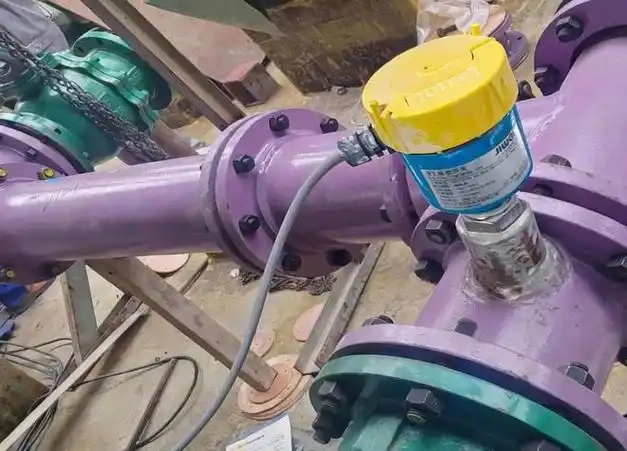
Sino-Inst is a professional supplier of industrial instruments, and as well as high-performance tuning fork level switches, we offer a comprehensive range of level switches, including radar and ultrasonic models. We’ve got all the industrial measurement equipment you could need, like level gauges, pressure sensors and flow meters. Whatever your industry, whether it’s water management, chemicals, environmental protection, power generation, food or pharmaceuticals, we’ve got you covered.
Whether you require level detection in complex operating conditions or a one-stop solution for industrial measurement instruments, please do not hesitate to contact us. We will safeguard your production safety and efficiency with our professional expertise, high-quality products and attentive service.