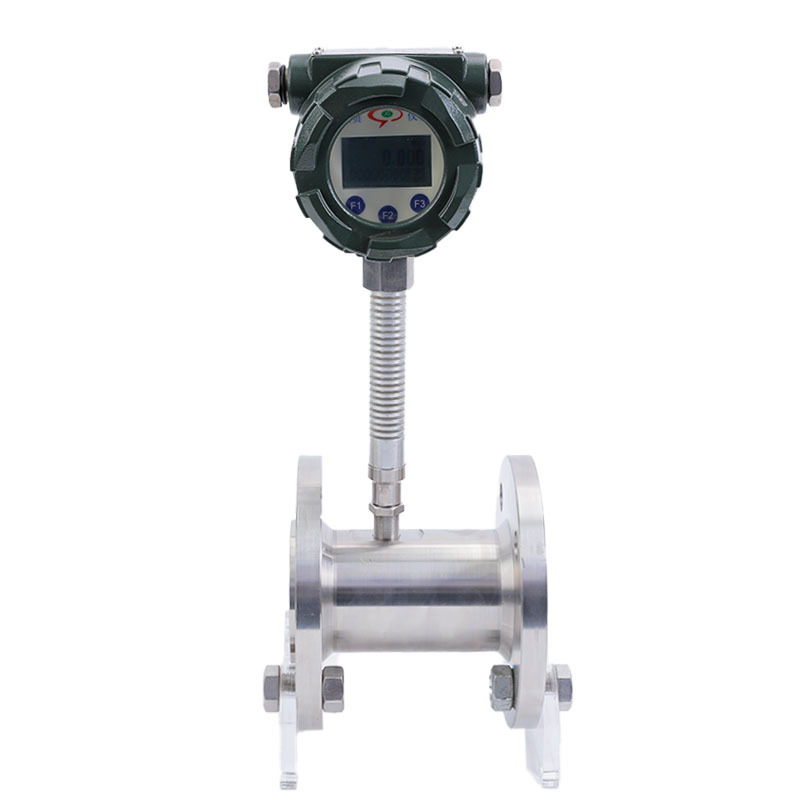
In numerous industries, including chemicals, pharmaceuticals, environmental protection and food processing, fluid media are often highly corrosive, placing stringent demands on the corrosion resistance of flow meters.
This article systematically outlines selection criteria for chemical resistant flow meters, taking into account the corrosive properties of the media and operating temperature and pressure parameters, thereby providing an engineering reference for selecting instruments in corrosive chemical environments.
Classification of Common Chemically Corrosive Media
1. Acidic media: These include hydrochloric acid, sulphuric acid, nitric acid, hydrofluoric acid, phosphoric acid and acetic acid. Strong acids ionise to produce hydrogen ions, causing uniform corrosion of carbon steel and cast iron; hydrofluoric acid also specifically corrodes glass and ordinary ceramic materials.
2. Alkaline media:Strong alkaline solutions such as sodium hydroxide, potassium hydroxide, ammonia water and sodium carbonate. At high temperatures, strong alkalis readily corrode aluminium and zinc, whilst also causing dissolution damage to glass and silicon-based sensors.
3. Corrosive salt media: Chloride, sulphide and nitrate solutions. Chloride ions are highly likely to cause pitting and crevice corrosion in stainless steel, whilst sulphide salts can induce sulphidation stress cracking in metals.
4. Oxidising corrosive media:sodium hypochlorite, hydrogen peroxide, chlorine gas and potassium permanganate solutions. Strongly oxidising environments can damage standard anti-corrosion coatings and accelerate the breakdown of metal passivation films.
5. Organic solvent corrosive media: benzene, acetone, methanol, carbon tetrachloride, etc. Although these do not exhibit significant acidity or alkalinity, they can swell and dissolve rubber and plastic linings,
Challenges in Measuring Corrosive Media
1. Corrosion-induced wear and tear of components
Corrosive fluids continuously erode the internal metal components of the flowmeter, causing thinning of the pipe walls, dissolution of the electrodes and damage to the lining. This alters the flow path, leading to continuous drift in measurement accuracy and significantly shortening the instrument’s service life.
2. Difficulty in matching corrosion-resistant materials
There are limitations to the compatibility of linings and electrode materials with acids, alkalis and oxidising agents; even slight fluctuations in temperature or concentration can cause the protective layer to swell and crack; electrode corrosion triggers polarisation interference, leading to reduced measurement stability.
3. Signal Interference from Deposits
Rust and salt deposits formed by the medium adhere to the surfaces of electrodes and probes, causing zero-point drift in electromagnetic flowmeters, signal distortion in vortex and ultrasonic flowmeters, and under-measurement due to jamming in mechanical flowmeters; these deposits are difficult to remove.
4. Cumulative errors due to temperature and concentration
Rising temperature and concentration accelerate corrosion whilst simultaneously altering the medium’s conductivity, density and viscosity. As various flowmeters are affected by these changes in physical properties, combined with component corrosion, measurement deviations continue to increase.
5. Prone to seal leakage
Gaskets and O-rings that are in prolonged contact with corrosive media are prone to embrittlement, swelling and leakage; corrosion of electrical circuits causes instrument failure; leakage of highly corrosive media poses safety hazards; and operational, maintenance and replacement costs are high.
6. Medium-Related Selection Constraints
Electromagnetic flowmeters cannot be used with concentrated acids of low electrical conductivity; corrosive slurries containing particles wear down the lining and attenuate ultrasonic signals; volatile media generate bubbles, and two-phase flow causes measurement distortion.
7. Difficulties in maintenance and calibration
Dismantling and inspecting corroded instruments poses a risk of injury from the medium; internal corrosion damage cannot be easily calibrated or repaired; customised corrosion-resistant spare parts are expensive and have long lead times; and offline calibration cannot replicate the actual on-site corrosion conditions.
Chemical Resistant Flow Meters
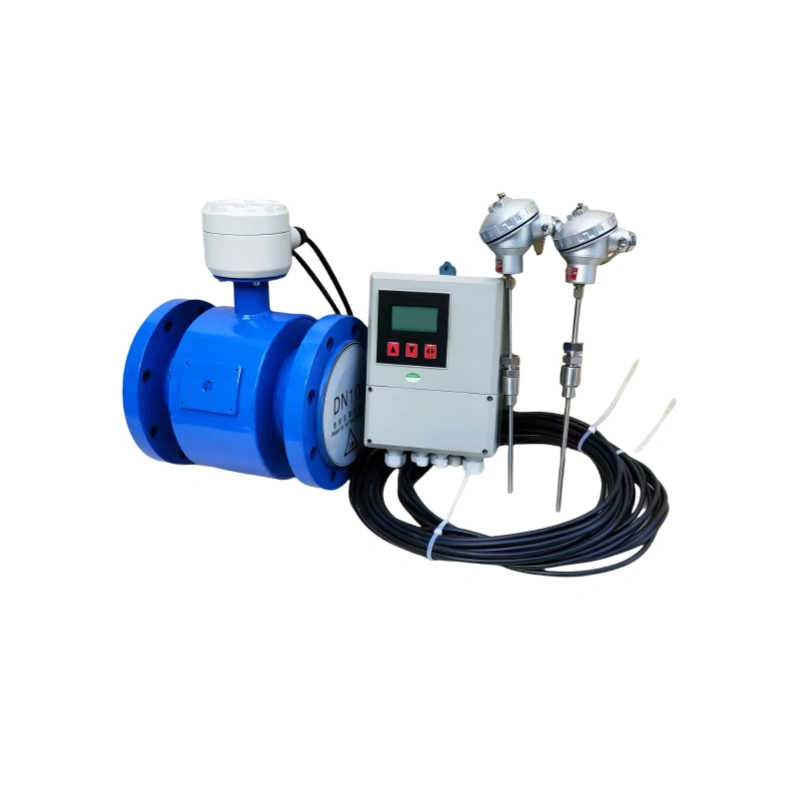
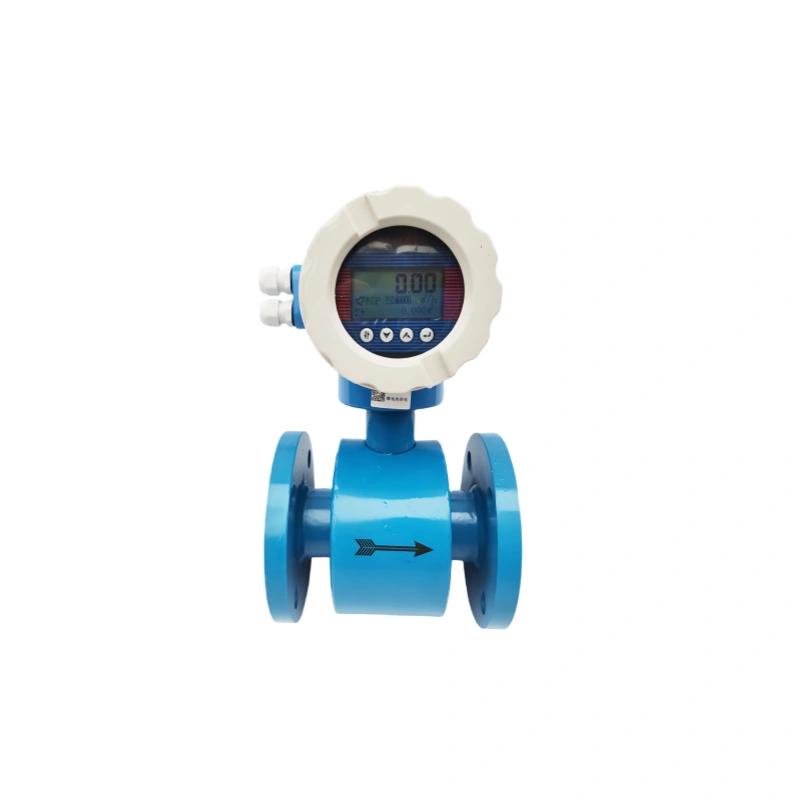
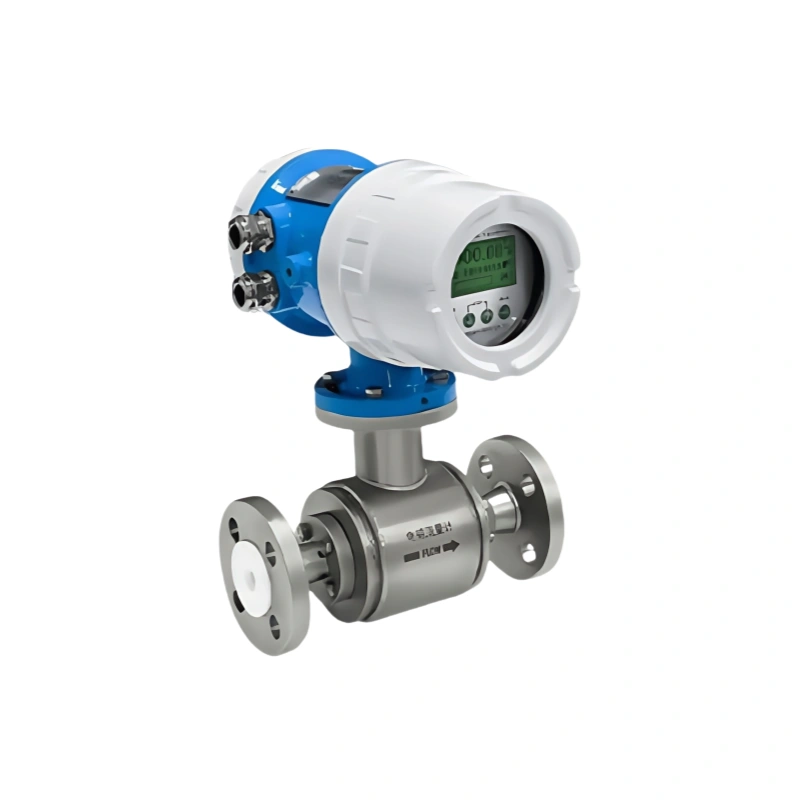
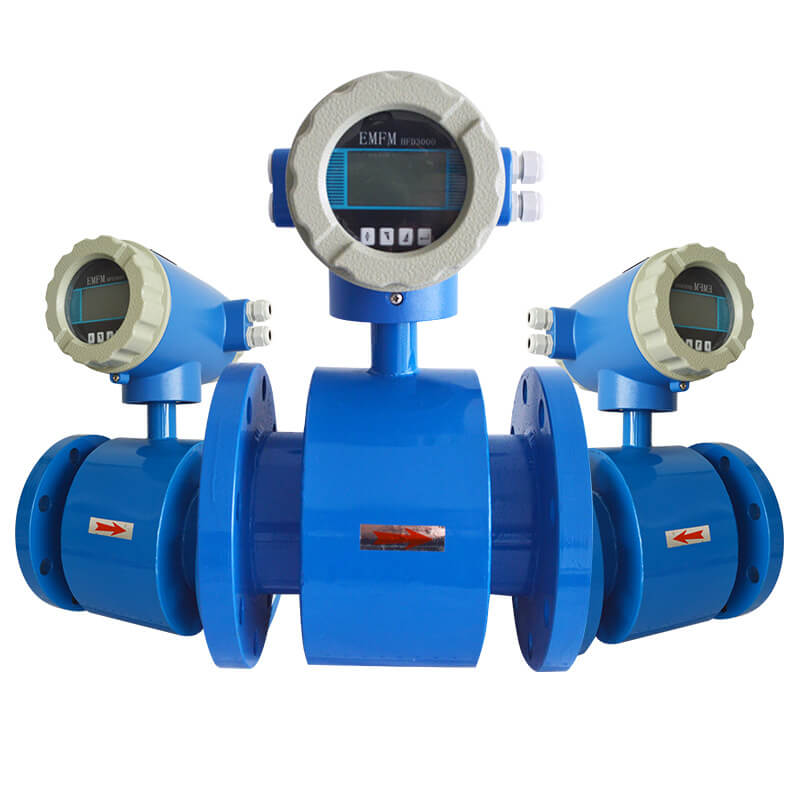
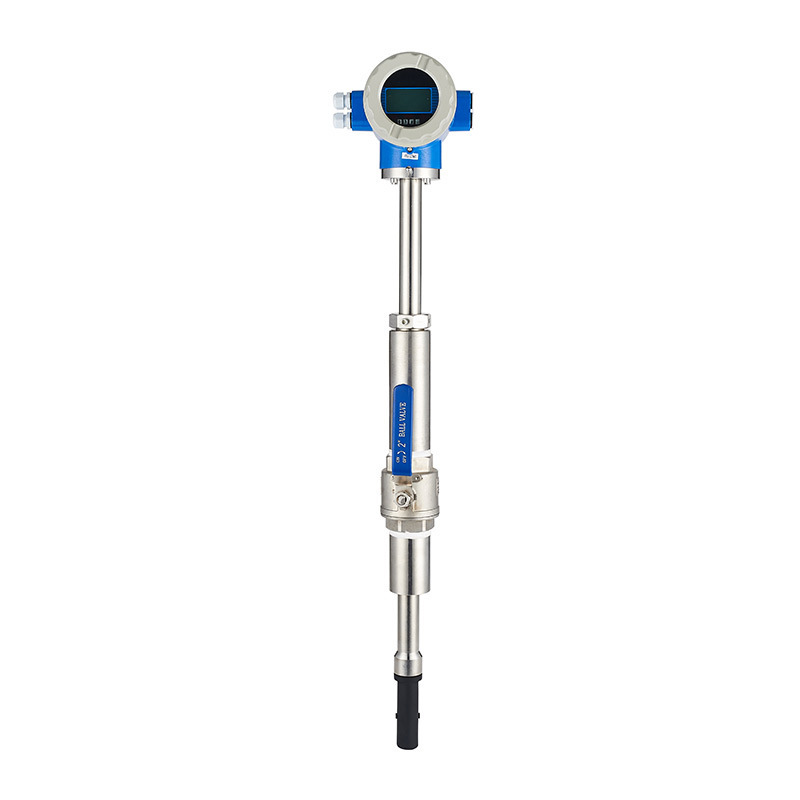
Electromagnetic Flow Meters
Principle of Operation
Based on Faraday’s law of electromagnetic induction, a conductive medium cutting through magnetic field lines generates an induced electromotive force, which is captured by electrodes and converted into flow rate.
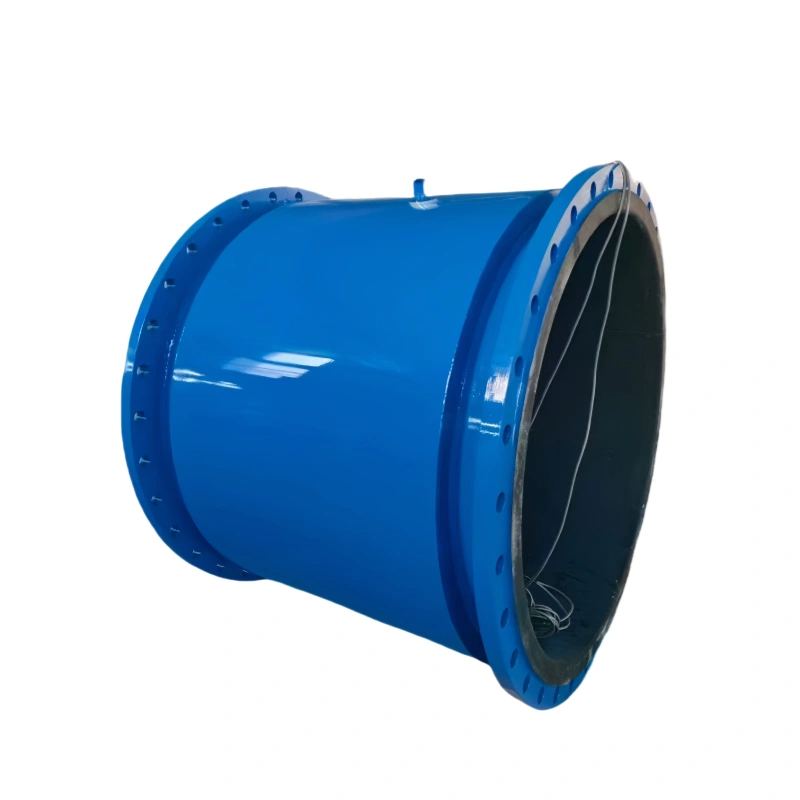
The lining of the flow passage in contact with the medium is made of corrosion-resistant materials such as PTFE or PFA, whilst the electrodes are constructed from corrosion-resistant metals such as tantalum, platinum-iridium or Hastelloy. This design completely isolates the corrosive fluid from contact with the metal housing.
Corrosive media such as acids, alkalis and salts will not erode the main body of the instrument; the lining can withstand most highly corrosive liquids, whilst the electrodes are resistant to electrochemical corrosion. Even with slight variations in medium concentration or temperature, dissolution or damage is unlikely to occur, making it suitable for the measurement of all types of corrosive conductive liquids.
Advantages
1. No internal throttling or moving parts, eliminating issues with wear and blockages
2. A wide range of corrosion-resistant lining options is available, suitable for the vast majority of corrosive media
3. Measurement is unaffected by the density or viscosity of the medium, ensuring stable metering
4. Extremely low pressure drop, resulting in low energy consumption during pipeline transport
5. Capable of measuring corrosive slurries containing fine solid particles
Disadvantages
Can only measure conductive liquids; cannot be used with low-conductivity media such as concentrated acids and organic solvents; the corrosion-resistant lining is prone to ageing under high-temperature conditions, and procurement costs are relatively high.
Applications
Widely used for flow monitoring of conductive corrosive fluids, such as the transport of acids and alkalis in the chemical industry, electroplating waste liquids, corrosive effluent in sewage treatment, acid pickling solutions in metallurgy, and corrosive feed liquids in pharmaceuticals; suitable for continuous metering in pipelines carrying acids, alkalis and salts of both high and low concentrations.
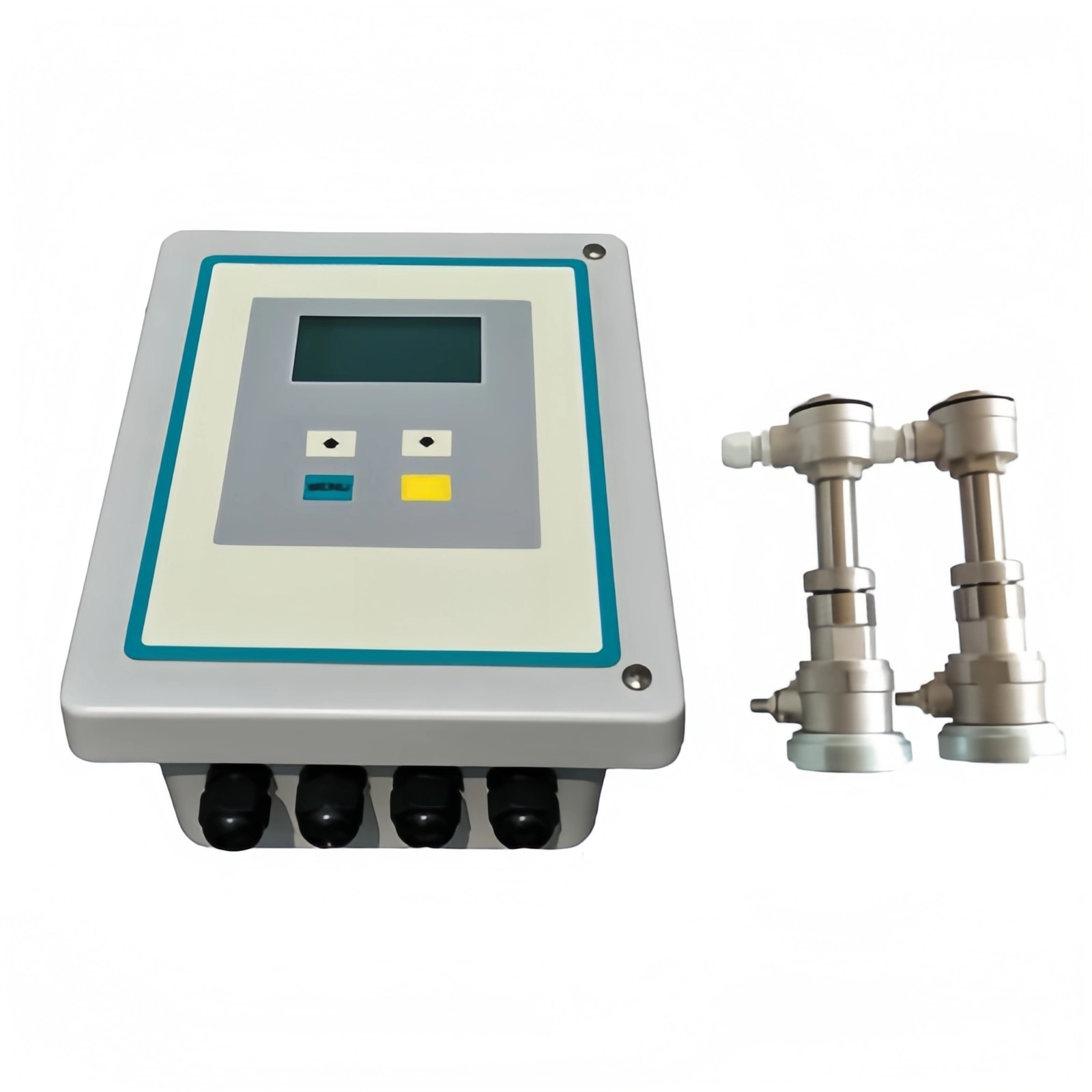
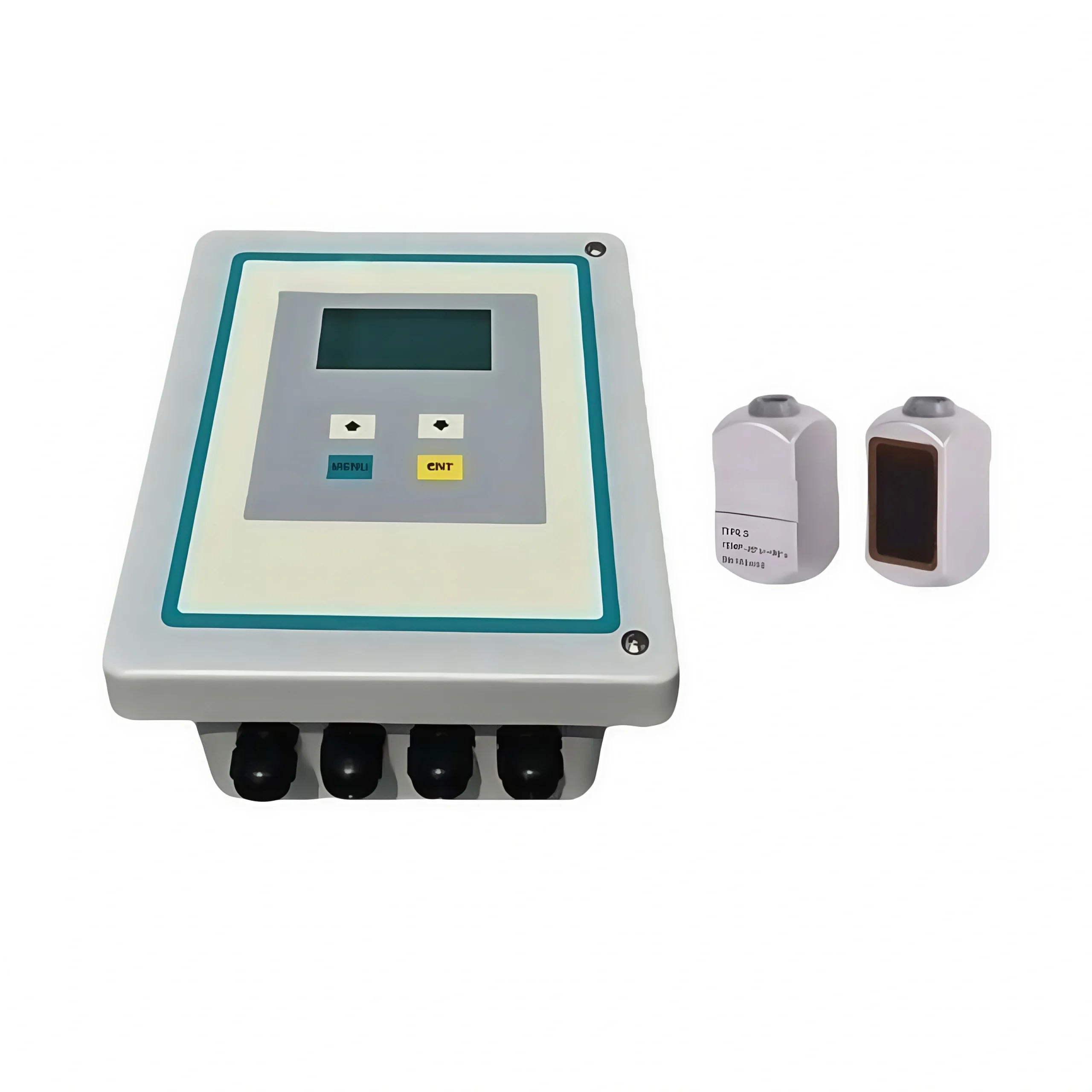
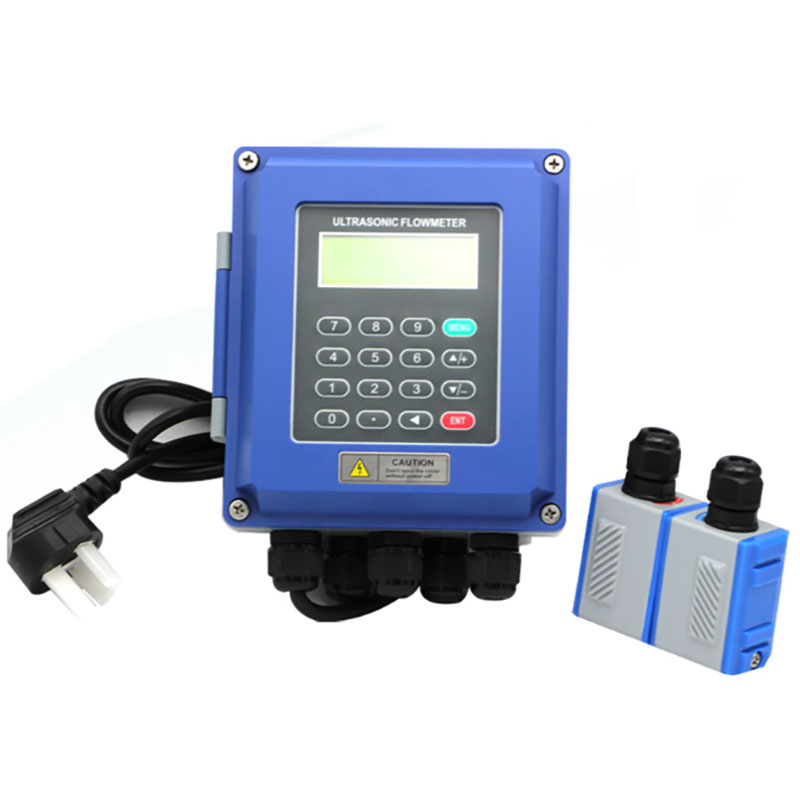
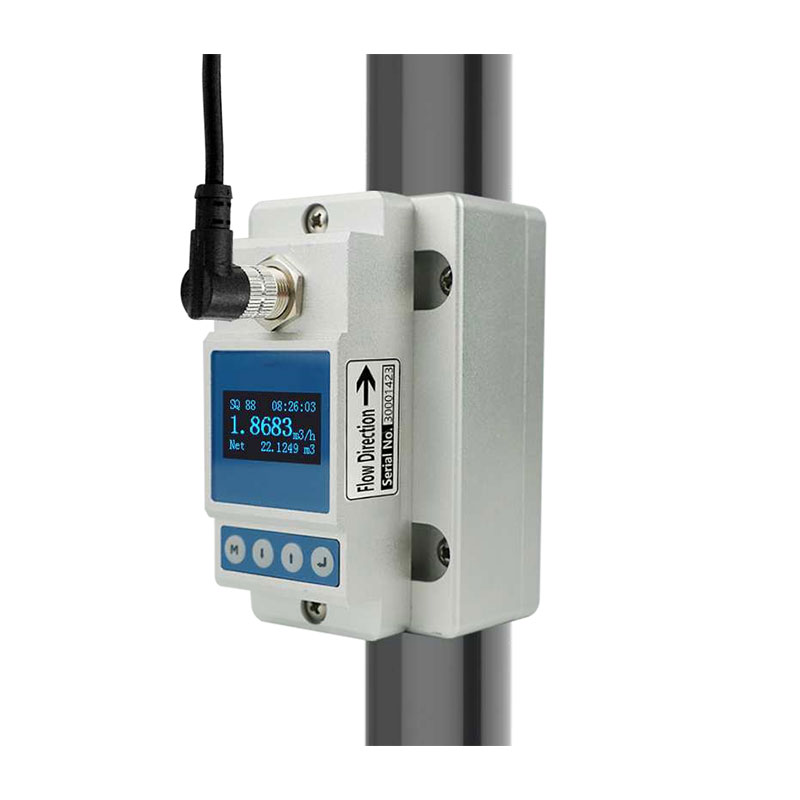
Ultrasonic Flow Meter
Principle of Operation
Flow measurement is achieved using the time-of-flight method based on ultrasonic waves. The clamp-on model features sensors that do not come into contact with the medium, whilst the in-line model is lined with corrosion-resistant materials.
The clamp-on model is simply attached to the outer wall of the pipe; the fluid does not come into contact with the sensing elements, thereby eliminating the risk of corrosion at source.
As there are no metal probes or electrodes immersed in the fluid, there is no risk of electrochemical corrosion or the dissolution of components by the medium. Highly corrosive liquids will not damage the core sensing elements, and the instrument is compatible with both conductive and non-conductive corrosive media, without being restricted by the chemical properties of the medium.
Advantages
1. The clamp-on design requires no contact with the medium, completely eliminating corrosion damage
2. No internal moving parts, eliminating the risk of wear or blockages
3. Suitable for all corrosive liquids, whether conductive or non-conductive, offering a wide range of applications
4. Installation requires no pipe cutting, ensuring convenient installation and low operational and maintenance costs
5. Virtually no pressure loss, suitable for large-diameter pipelines
Disadvantages
Signal attenuation occurs when the medium contains a large number of bubbles or solid particles, leading to increased measurement errors; measurement accuracy is generally lower for small-diameter pipes, and suitability for high-temperature media is limited.
Applications
Commonly used for measuring the flow of organic solvents, concentrated acids and salt solutions in the chemical industry; corrosive circulating water in power stations; corrosive hazardous waste liquids; and the long-distance conveyance of corrosive media via pipelines. It is particularly suitable for corrosive pipelines where shutdown for disassembly is not feasible.
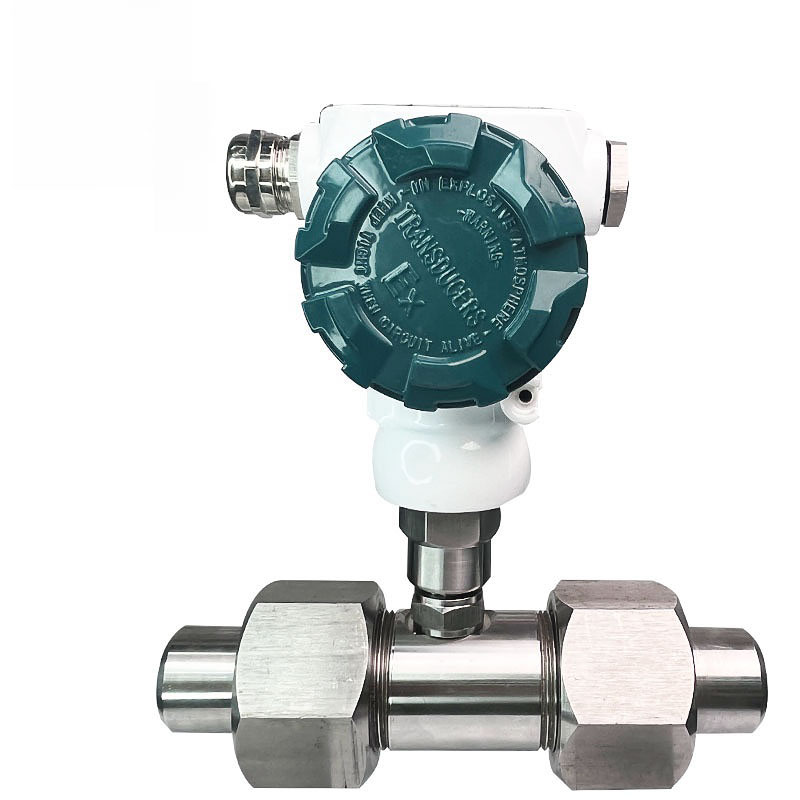
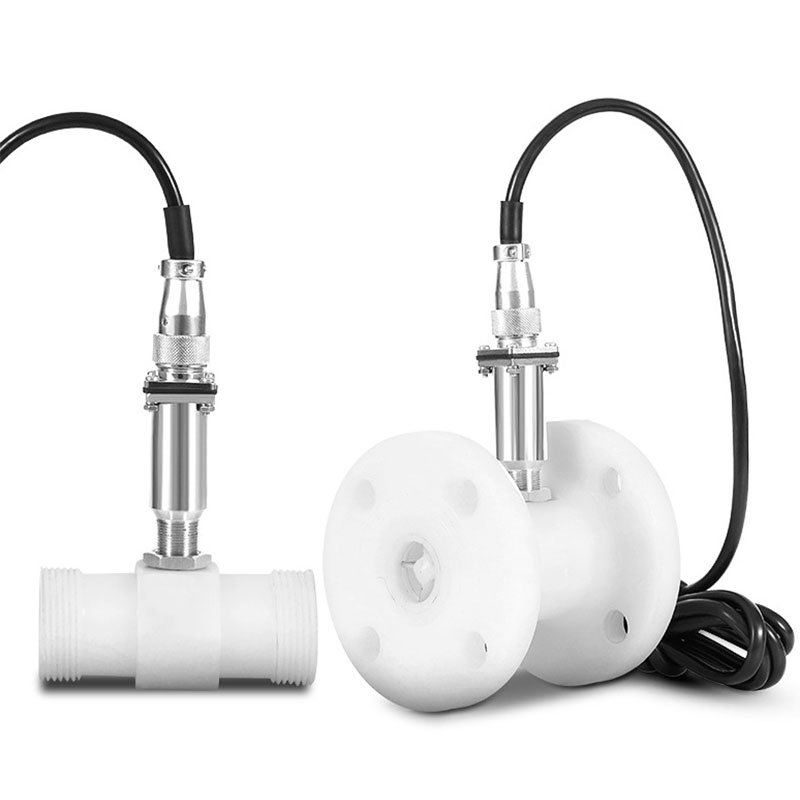
PE Turbine Flow Meter
Principle of Operation
The fluid drives the PE turbine impeller to rotate; the impeller’s rotational speed is directly proportional to the flow velocity. A magnetic sensor captures the pulse signals and converts them into flow rate.
The entire flow-passing housing, impeller and bushings are all moulded as a single unit from high-density polyethylene. PE offers exceptional chemical stability, resisting corrosion from the vast majority of acids, alkalis and salts at room temperature.
It does not swell or react chemically with corrosive media; as no metal components come into contact with the fluid, there is no risk of pitting or electrochemical corrosion. The meter can be immersed in corrosive liquids for extended periods, and its integrated structure ensures there are no metal wear parts susceptible to erosion by the medium.
Advantages
1. All flow-through components are made of PE, offering excellent resistance to acid and alkali corrosion at a lower cost
2. All-non-metallic construction eliminates the risk of electrochemical corrosion
3. Compact size, easy installation, lightweight and simple to assemble and disassemble
4. Smooth inner walls prevent the build-up of corrosive deposits
5. Lower price than alloy or fluorinated-lined flowmeters
Disadvantages
Not suitable for high temperatures or highly oxidising, concentrated corrosive media; the internal impeller is a moving part and is prone to wear when handling slurries containing hard particles, limiting its suitability for high-flow applications.
Applications
Suitable for measuring the flow of low-concentration, corrosive liquids at ambient temperatures in small to medium-sized pipelines, such as laboratory chemicals, diluted acids and alkalis in small-scale chemical processes, electroplating cleaning solutions, corrosive clear water in small-scale wastewater treatment, and mildly corrosive food additives.
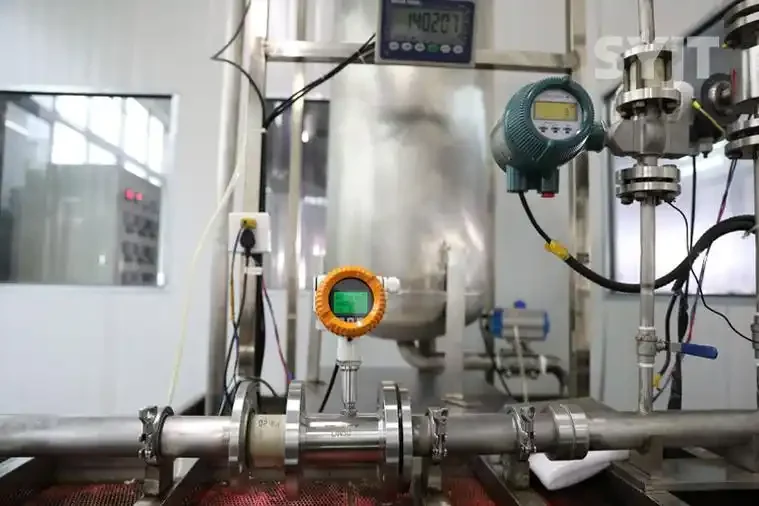
Practical Applications
1. Chemical production industry:Flow measurement in pipelines transporting various strong acids, strong alkalis, salt solutions and organic solvents, including feed to reactors, neutralisation processes and flow monitoring of corrosive feedstock in distillation; compatible with fluorinated-lined electromagnetic and clamp-on ultrasonic flowmeters.
2. Electroplating and surface treatment:Flow control of acid and alkali cleaning solutions, plating baths and passivation waste liquids in electroplating tanks. For dilute, slightly corrosive chemicals at ambient temperature in small to medium-diameter pipes, PE turbine flowmeters are commonly used, whilst corrosion-resistant electromagnetic flowmeters are selected for high-concentration conductive plating solutions.
3. Metallurgical Pickling Processes:Circulation pipelines for hydrochloric acid and sulphuric acid waste from steel pickling, where the medium contains corrosive ions and trace solid particles; electromagnetic flowmeters with corrosion-resistant linings are the preferred choice.
4. Wastewater Treatment and Hazardous Waste Disposal:Measurement of corrosive industrial wastewater, flue gas desulphurisation and denitrification waste liquids, and hazardous chemical waste liquids prior to discharge; clamp-on ultrasonic flowmeters are used for waste liquids with high levels of bubbles.
5. Pharmaceuticals and Fine Chemicals: For the conveyance of corrosive extraction solvents and acid-base buffer solutions, where metal contamination must be avoided, PTFE-lined electromagnetic flowmeters are commonly used.
6. Power Generation and Environmental Protection:For monitoring desulphurisation slurry and circulating corrosive cooling water pipelines in power stations, non-contact ultrasonic flowmeters are selected for large-diameter, long-distance pipelines.
7. Laboratories and Additive Production Lines:For the conveyance of low-concentration weak acids and alkalis via small-diameter pipes, PE turbine flowmeters are commonly used in low-cost applications.
8. Water Treatment Chemical Dosing Systems: Flow control for the dosing of acid-alkali neutralising agents and corrosive biocidal solutions; three types of corrosion-resistant flowmeters are selected based on the medium’s conductivity and pipe diameter.
Selection Guide
1. Conductivity of the medium
For conductive acids, alkalis and brine solutions, fluorinated-lined electromagnetic flowmeters are the preferred choice; for organic solvents and concentrated, non-conductive strong acids, clamp-on ultrasonic flowmeters should be selected; for small-diameter pipelines carrying dilute, corrosive chemicals at ambient temperature with low conductivity, PE turbine flowmeters may be used.
2. Matching Corrosion Severity and Temperature
For highly oxidising concentrated acids and alkalis, and high-temperature corrosive media, select PTFE/PFA-lined electromagnetic flowmeters or fluorinated-lined ultrasonic flowmeters; for dilute acids and alkalis at ambient temperature under low-corrosion conditions, opt for low-cost all-PE turbine flowmeters; for media containing halides, select tantalum electrodes to prevent corrosion perforation.
3. Pipe Diameter and Installation Conditions
For large-diameter pipes where shutdown to cut the pipe is not possible, select an external-clamp ultrasonic flowmeter; for standard small- to medium-sized conductive pipelines, use a corrosion-resistant electromagnetic flowmeter; for small-diameter pipes up to DN50 and simple chemical dosing lines, select a PE turbine flowmeter.
4. Classification Based on Solid Content and Bubble Presence in the Medium
For corrosive slurries containing particles, select an electromagnetic flowmeter with no moving parts; for media with a high volume of bubbles and high impurity levels, prioritise clamp-on ultrasonic flowmeters; for clean, particle-free, weakly acidic chemical solutions, PE turbine flowmeters may be used, as particles may cause wear to the impeller.
5. Measurement Accuracy and Operational Requirements
For high-precision continuous metering and process production pipelines, select corrosion-resistant electromagnetic flowmeters; for applications requiring only rough monitoring and long-distance transmission pipelines, use ultrasonic flowmeters; for small-scale chemical dosing systems with low-cost and low-precision requirements, adopt PE turbine flowmeters.
6. Cost Budget
For long-term, highly corrosive conditions and scenarios requiring frequent maintenance, select clamp-on ultrasonic flowmeters, as they incur no wear from contact with the medium; for stable, conductive corrosive fluids, select electromagnetic flowmeters, which offer a long overall service life; for short-term, small-scale, simple piping systems with limited budgets, select PE turbine flowmeters.
7. Pressure and Temperature Limitations
PE turbine flowmeters must not be used with high-temperature media; fluorinated-lined electromagnetic flowmeters are preferred; PE turbine flowmeters are suitable for low-pressure, ambient-temperature small-diameter pipelines.
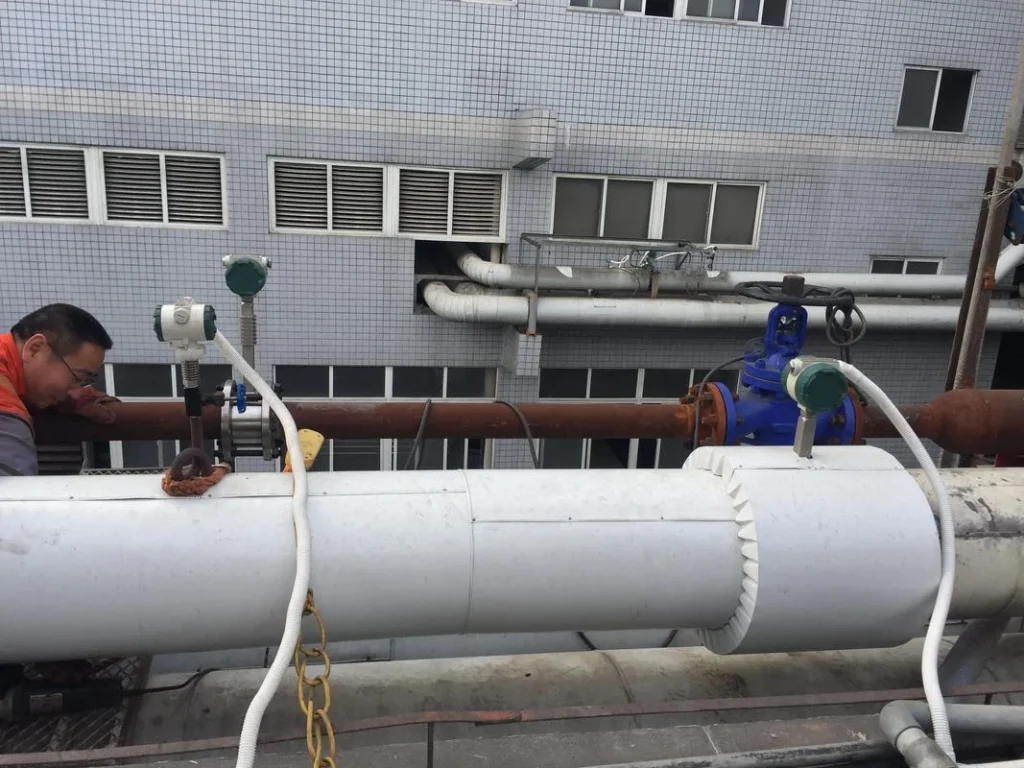
The selection of flowmeters for corrosive operating conditions directly determines production line stability, measurement accuracy and production safety. Sion-Inst specialises in the research, development and manufacture of various industrial sensors and transmitters.
For corrosive media such as strong acids, strong alkalis, salt solutions and organic solvents, we can provide customised solutions featuring a full range of corrosion-resistant flowmeters, including electromagnetic, ultrasonic and turbine types.
Leveraging our proven anti-corrosion processes, we resolve challenges such as instrument corrosion, zero-point drift and the need for frequent replacements. Should you require an assessment of your operating conditions or assistance with instrument selection, please feel free to enquire online; we will provide a bespoke, one-to-one fluid metering solution.