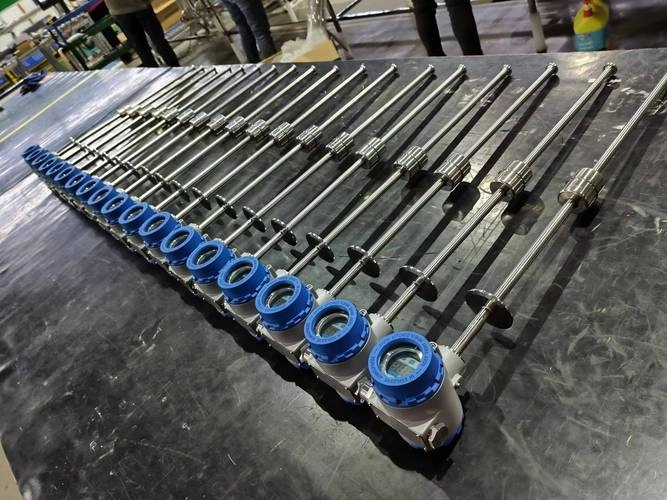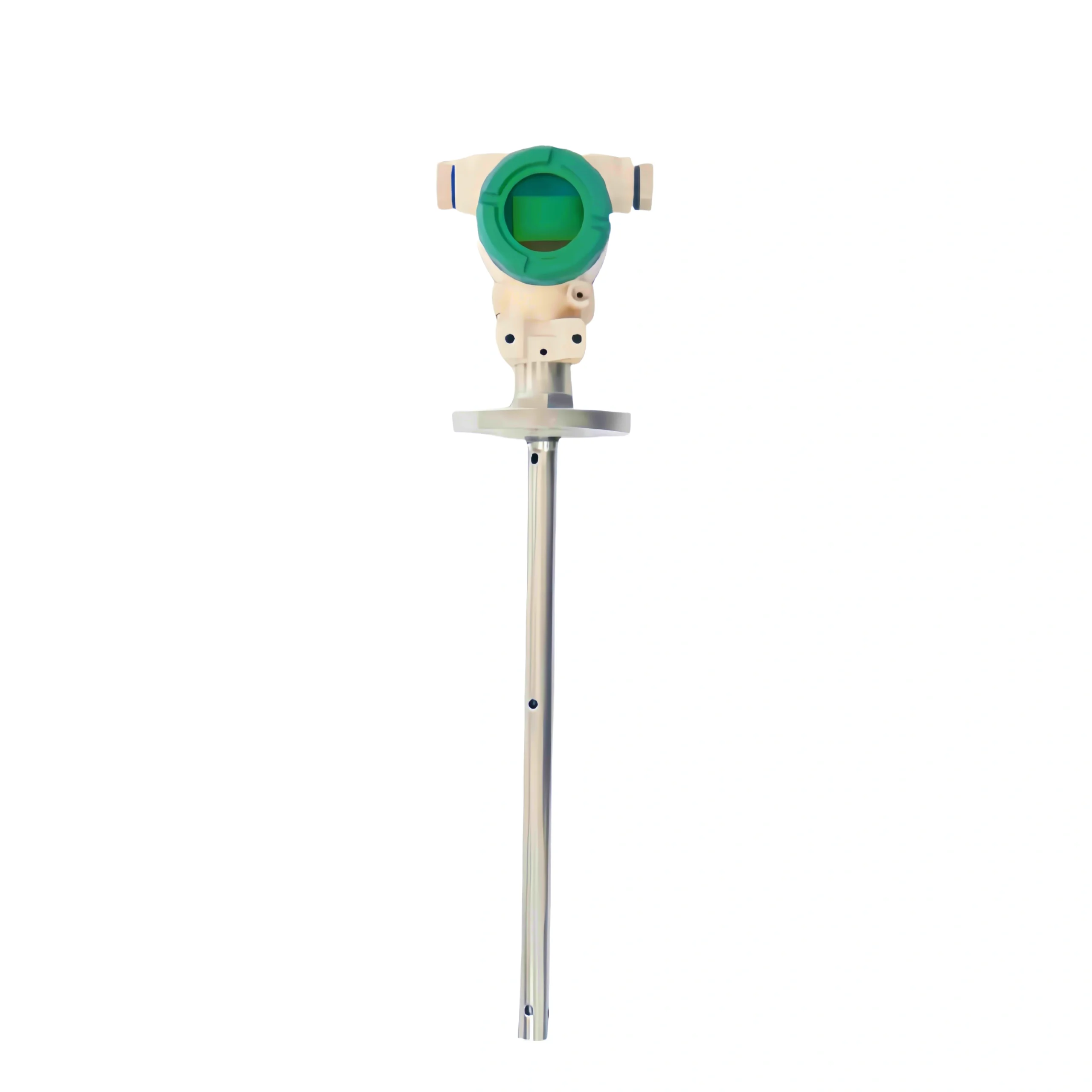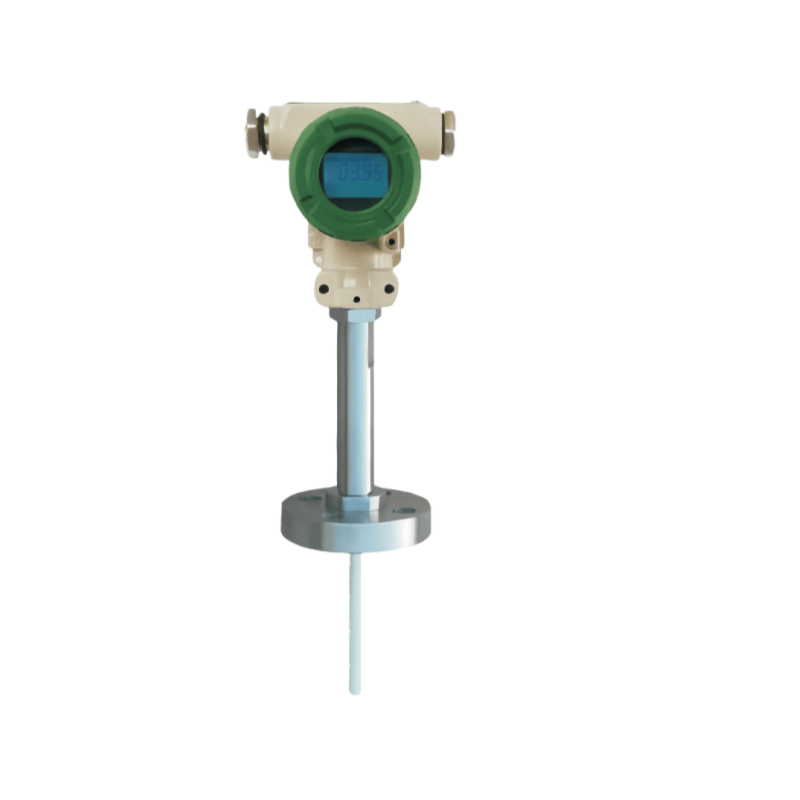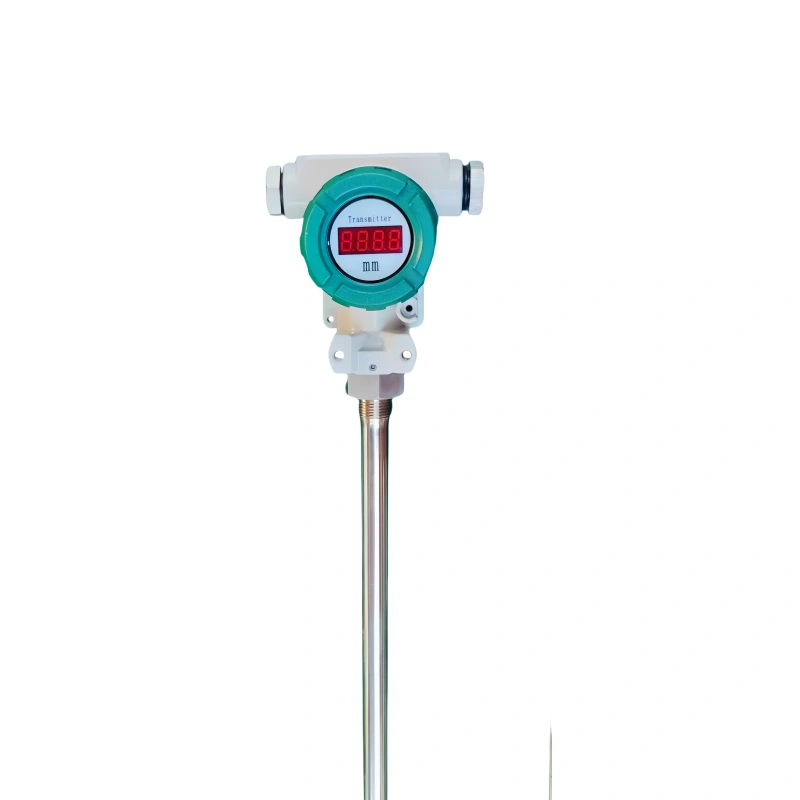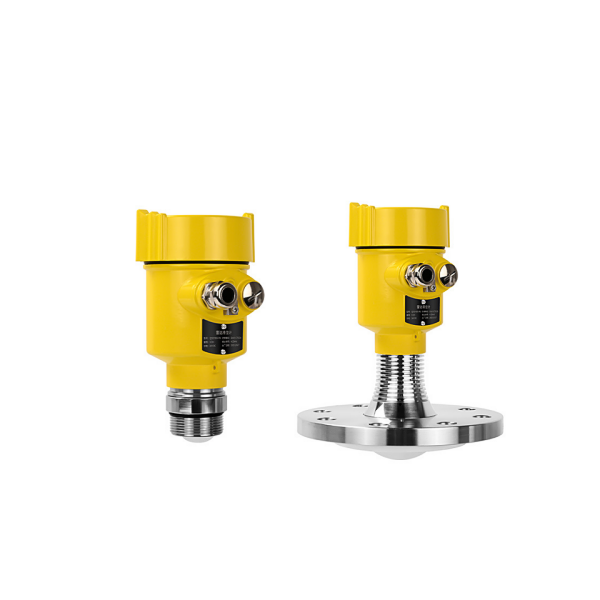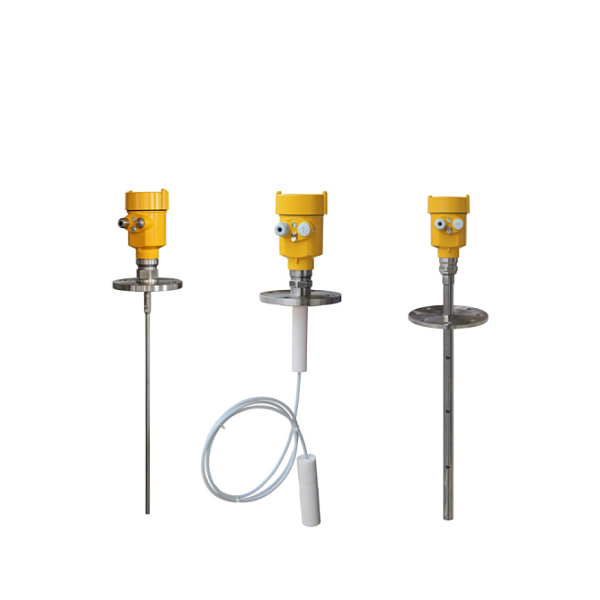
High pressure processes in the petrochemical and power generation sectors—such as hydrogenation—impose stringent requirements on the accuracy of level monitoring and the reliability of pressure-bearing components.
Conventional sensing elements are prone to issues such as diaphragm deformation, zero-point drift and seal failure. This paper investigates the core sensing units and pressure-bearing seal structures of high pressure level sensors, compares the performance differences between mainstream measurement solutions, and refines the technical approach for precise level detection in high pressure environments.
High Pressure Level Operating Conditions
1. High pressuresteam drums in thermal power and cogeneration plants:the medium is a high-temperature steam-water mixture; the vessel has a high pressure rating and requires a high pressure level gauge to monitor the water level whilst withstanding the effects of steam erosion and pressure differentials.
2. High pressurereactors in chemical hydrogenation and synthesis processes: corrosive liquids and suspended catalysts are present within sealed pressure vessels; high pressurelevel gauges are used to continuously monitor the material level inside the reactor.
3. High pressuregathering, transmission and separation tanks and buffer tanks in oil and gas extraction:the medium consists of a mixture of oil, gas and water; explosion-proof requirements apply on site, and high pressure level gauges are relied upon to measure liquid accumulation and the oil–water interface.
4. High pressurepressurised storage tanks for liquid ammonia, liquid carbon dioxide and liquefied petroleum gas:the medium inside the tanks is highly prone to vapourisation, and the gas–liquid interface is unclear; high pressure level gauges are used to ensure stable level measurement.
5. High pressureaccumulators in industrial hydraulic systems:the tank interior isolates hydraulic oil from high pressure gas; with frequent pressure fluctuations, high pressure level transmitters precisely distinguish the gas–liquid interface and monitor oil levels.
6. Buffer tanks and condensation storage tanks in high pressuresynthesis processes within the fertiliser industry:the entire process is pressurised and the medium is corrosive; high pressure level transmitters withstand both the operating pressure and medium corrosion.
7. In supercritical fluid and high pressurerefrigerant storage tank applications, where the medium tends to change phase under high pressure, conventional level measurement equipment throws up significant measurement errors; high pressurelevel gauges are needed to keep readings stable.
Challenges in Level Measurement under High Pressure Conditions
1. Under high pressure, diaphragms and flanges take a real beating—they warp, seals start leaking, and it only gets worse the longer it runs. Off-the-shelf level gauges simply aren’t built for this kind of punishment, and going custom for high pressurespecs drives the price way up.
2. When you’re dealing with pressurised media, gas bubbles are a constant headache. They cling to probes and diaphragms, mess with the signals, and next thing you know your level readings are all over the place—spiking, dropping, giving you numbers that don’t reflect reality.
3. High pressure rarely shows up alone; extreme heat or cold usually comes with it. That temperature swing makes parts expand and contract, throwing off the instrument zero. You’re stuck sending someone out to recalibrate on-site again and again, and the maintenance team feels it.
4. High pressure accelerates media corrosion and scaling; scale deposits obscure the detection interface, weaken the measurement signal and shorten maintenance intervals.
5. Maintenance of high pressurevessels means shutting the whole unit down and bleeding off the pressure, which hits production hard; strict on-site explosion-proof and installation rules pile on plenty of construction restrictions.
6. Under high pressure, the density difference between gas and liquid decreases, reducing the sensitivity of differential pressure level transmitters and leading to insufficient measurement accuracy in the low-level range.
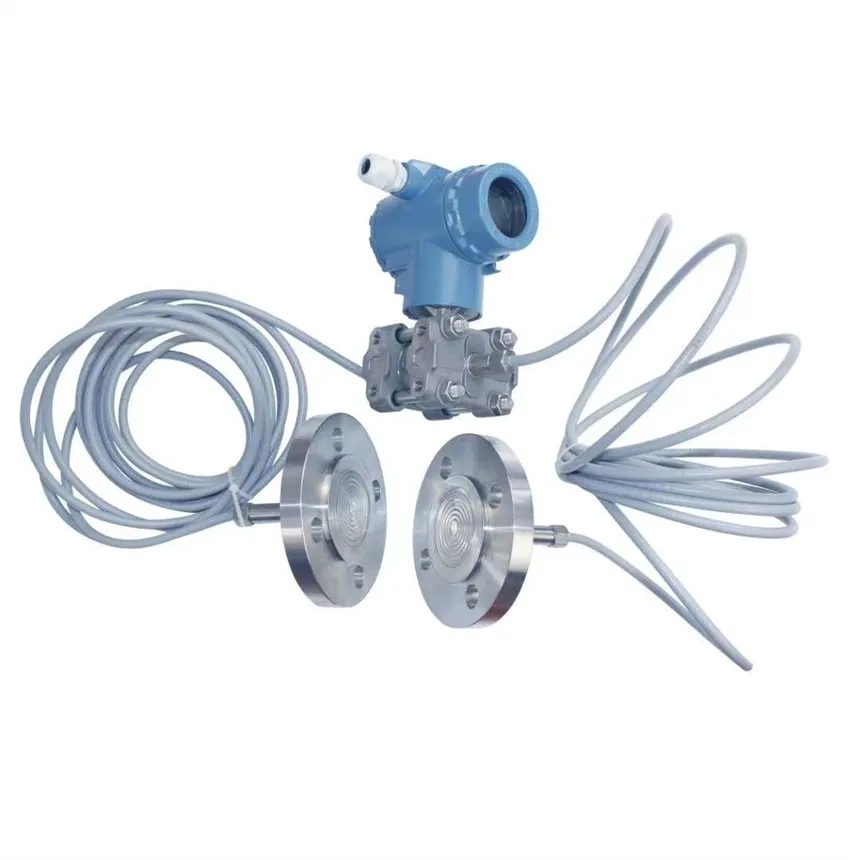
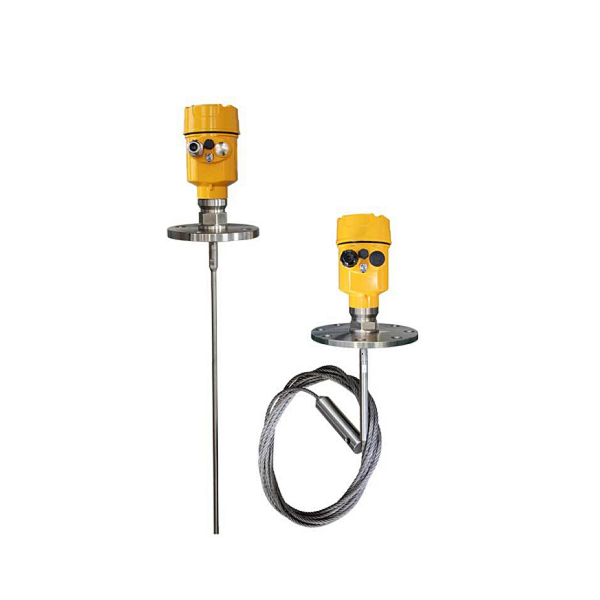
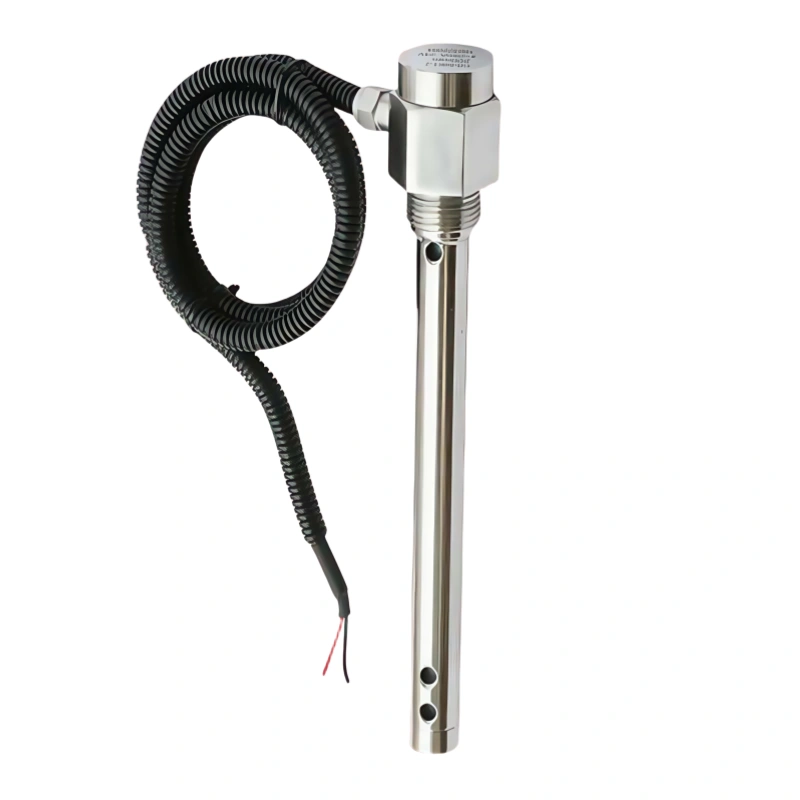
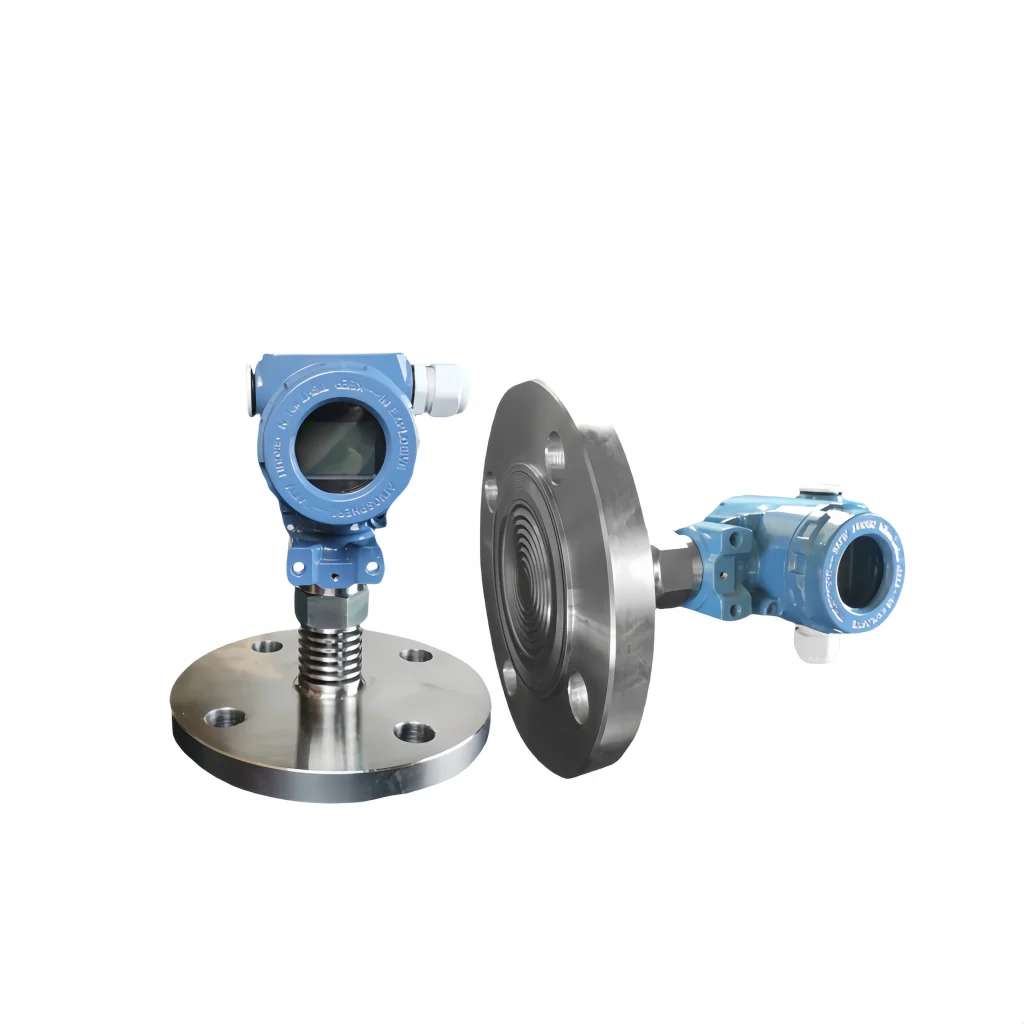
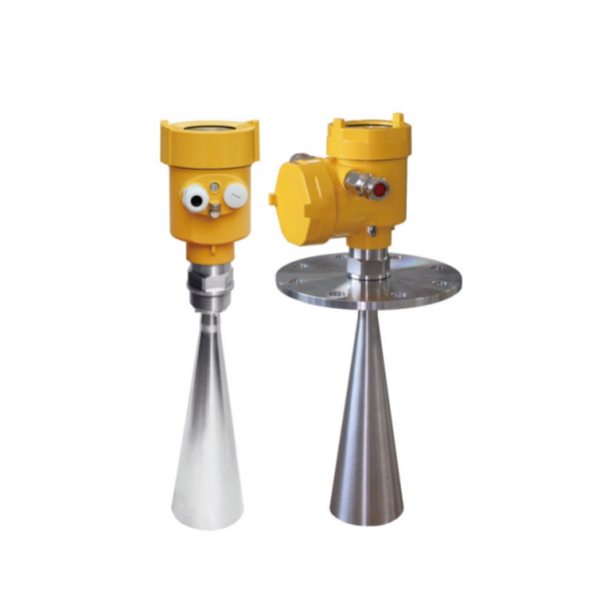
High Pressure Level Sensors
Radar Level Sensors
Principle of Operation
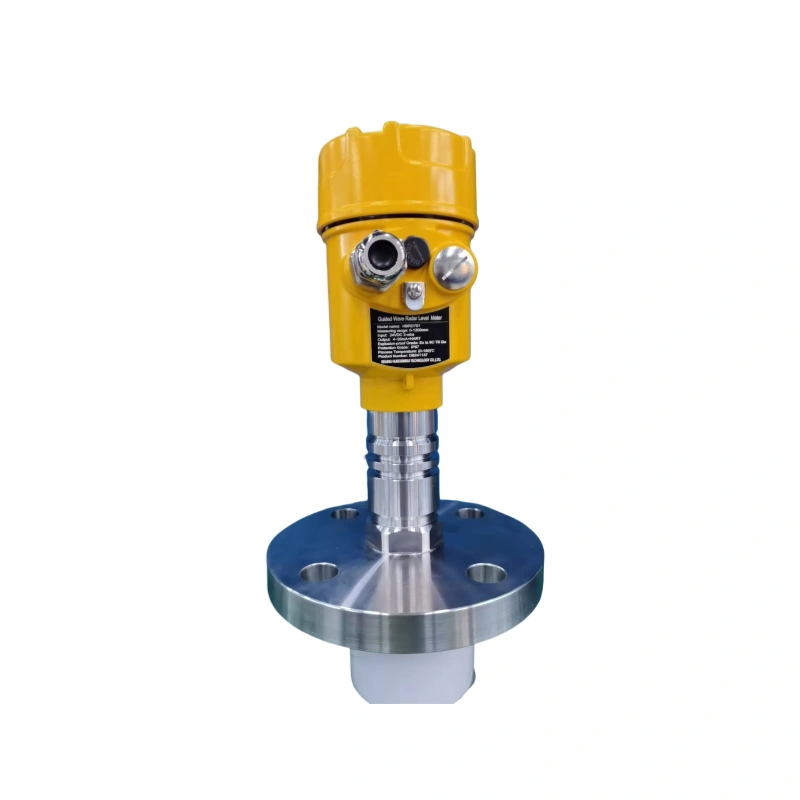
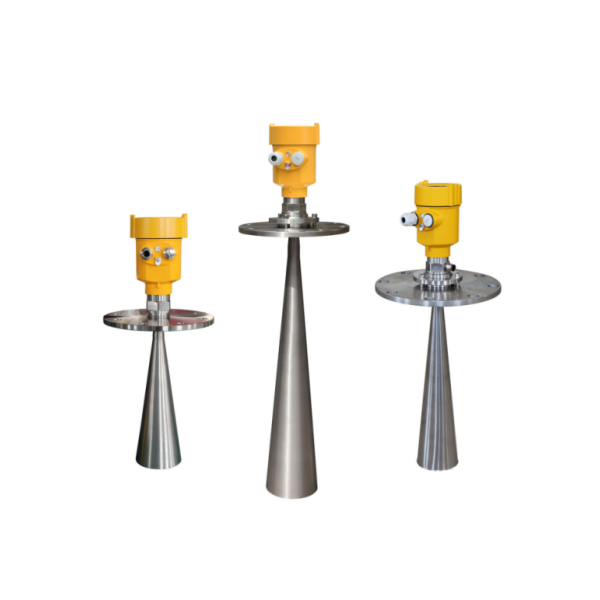
High pressure radar level sensors are non-contact measuring devices that operate on the principle of time-of-flight for microwave pulses. The device’s antenna emits high-frequency microwaves; upon reflection from the liquid surface, the time difference between the outward and return microwaves is calculated to precisely determine the liquid level.
The device employs a high pressure, sealed, wave-transparent structure that isolates it from interference caused by the high pressure medium inside the vessel, ensuring stable signal transmission.
It meets the requirements for continuous level measurement in sealed high pressure vessels, unaffected by high gas pressure or the state of the medium.
Advantages of High Pressure Measurement
Non-contact measurement: The probe does not come into contact with the medium; it withstands high pressures of tens of megapascals via its sealed structure. As there is no issue of erosion or corrosion caused by the medium, the risk of equipment leakage or damage under high pressure conditions is fundamentally eliminated.
High adaptability to operating conditions: Microwave signals are highly resistant to interference and are unaffected by steam, foam, turbulence, or fluctuations in temperature and pressure in high pressure environments, ensuring high long-term measurement accuracy without zero-point drift.
No mechanical components, maintenance-free: With no moving parts, there is no risk of jamming, wear or blockages under high pressure. The operational failure rate is low, which cuts down a lot on the time and effort spent on calibration and maintenance.
Excellent sealing performance: The integrated high pressure housing is built for sealed, pressurised vessels, keeping high pressure media from leaking out and meeting high pressure explosion-proof and pressure-bearing safety standards.
Application Scenarios
High pressure radar level sensors are suitable for high pressure sealed equipment in the petrochemical, power generation and coal chemical industries, including boiler drums, high pressure reactors, hydrogenation reactors and high pressure storage tanks.
They are capable of operating under complex conditions involving high temperatures and pressures, volatile media and significant liquid surface turbulence. They can reliably monitor the levels of media such as crude oil, high pressure water, chemical solvents and oil-gas mixtures, making them the mainstream measurement equipment for demanding high pressure applications.
Differential Pressure Level Sensor
Principle of Operation
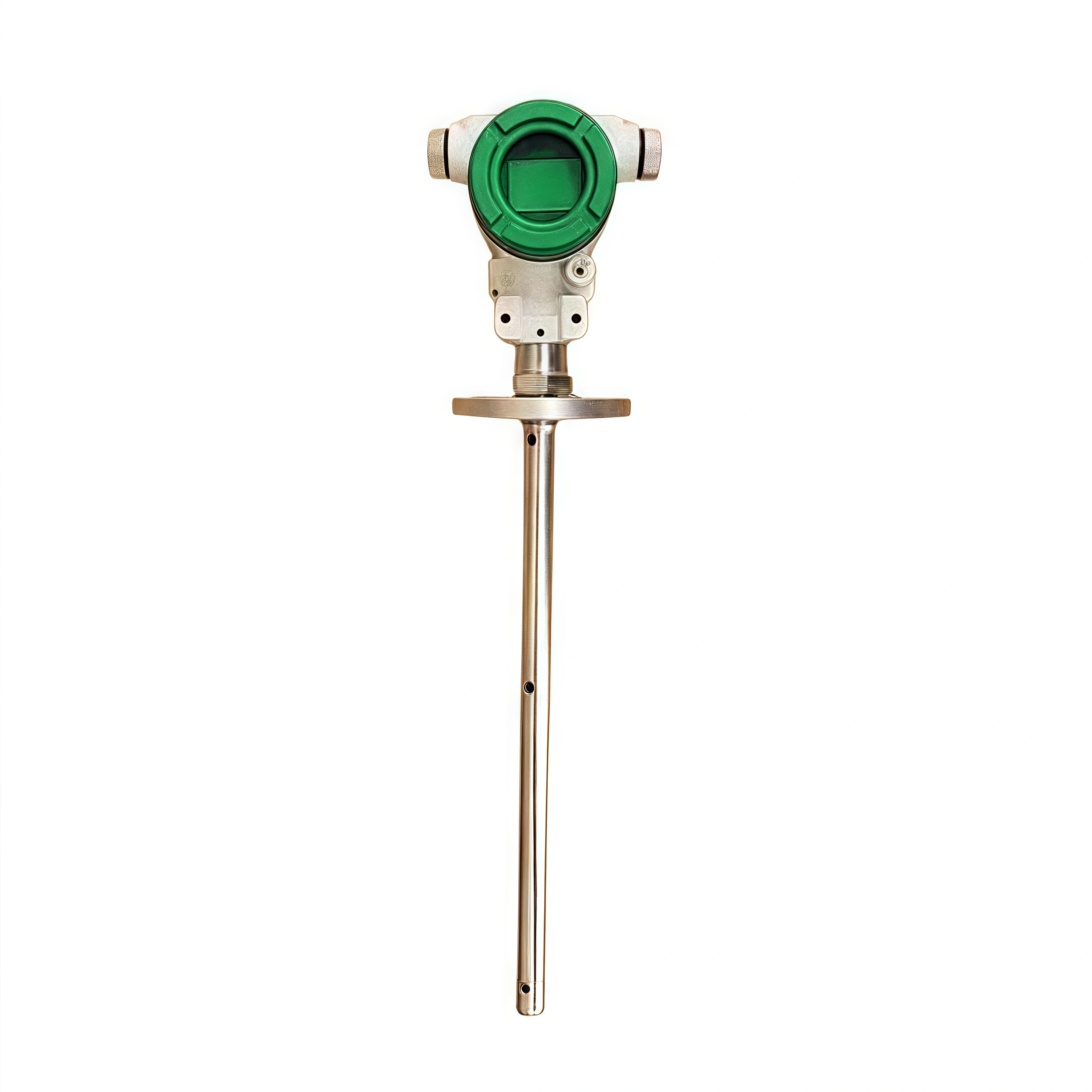
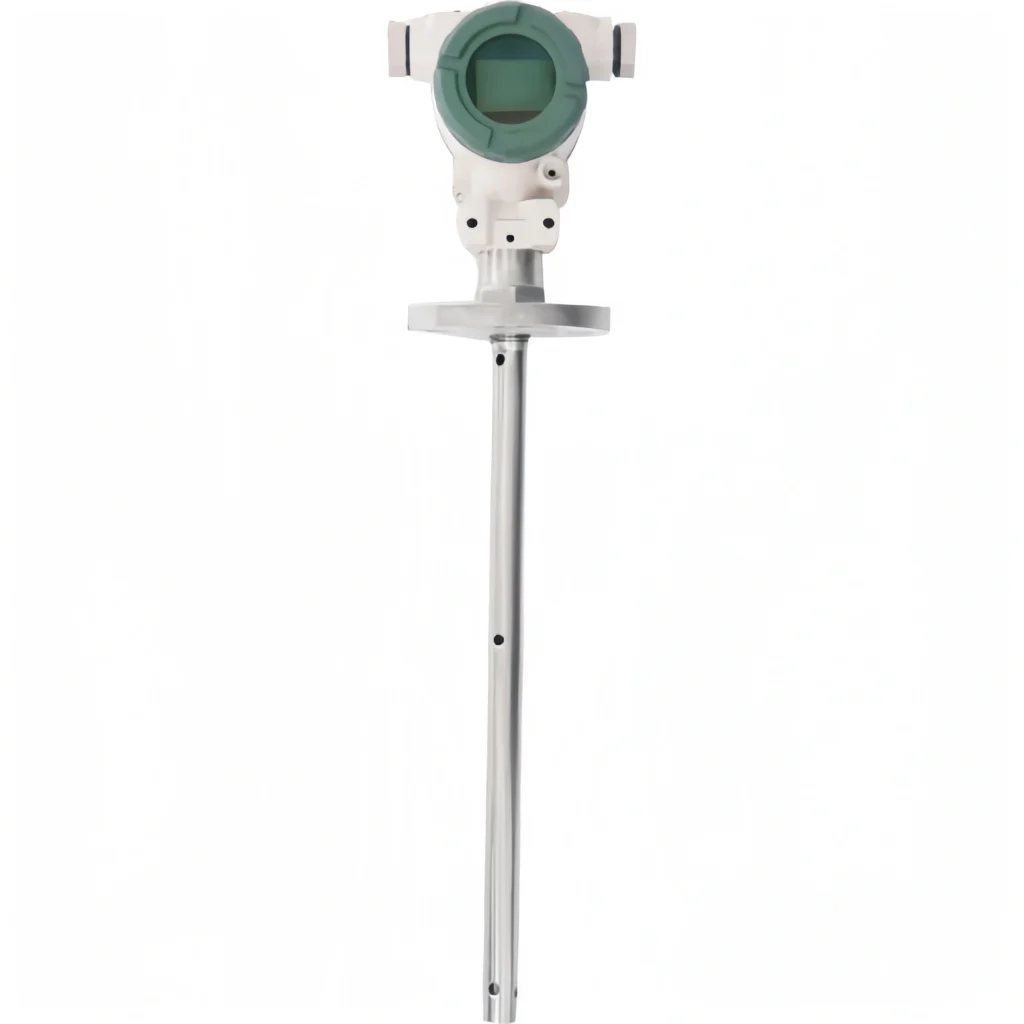
The high pressure differential pressure level sensor operates on the hydrostatic principle of ΔP = ρgh. It works out the pressure differential by taking the liquid pressure at the bottom of the vessel and the vapour pressure at the top.
So long as the medium density stays the same, the pressure gap tracks the liquid level in a straight-line relationship. Once temperature and pressure compensation are applied and the signal is converted, the sensor puts out accurate level readings.
The unit comes with a high pressure isolation diaphragm and a rugged pressure-tapping arrangement, so it can ride out pressure spikes and keep delivering reliable measurements even when things get tough up there.
Advantages of High Pressure Measurement
High accuracy and excellent linearity: The sensor runs high pressure compensation algorithms and high-strength isolation diaphragms to catch small pressure differential shifts with low error and decent repeatability, which does the job for precise measurement and control in high pressure processes.
Wide pressure adaptation range: It takes high positive pressure, slight negative pressure, and sealed vessels with frequent pressure swings in stride, covering most industrial pressurised operating conditions.
High pressure resistance rating: Proven technology allows for custom high pressure-resistant specs, supporting ultra-high pressure applications up to 60 MPa with solid stability in industrial use.
Compatibility with automated systems: It puts out standard industrial control signals and holds up against electromagnetic interference, so it can tie straight into DCS and PLC systems for automatic monitoring and regulation of high pressure liquid levels.
Application Scenarios
High pressure differential pressure level sensors see heavy use in pressurised equipment across power plants, chemical plants, and pharmaceutical facilities—think high pressure boilers, deaerators, high pressure reactors, and pressurised storage tanks.
They fit best where the medium density stays fairly constant and the pressure either holds steady or follows a predictable pattern. On industrial production lines, these sensors are the go-to choice for keeping tabs on liquid levels and tweaking process parameters, making them solid all-round measurement gear for high pressure work.
Capacitive Level Sensors
Principle of Operation
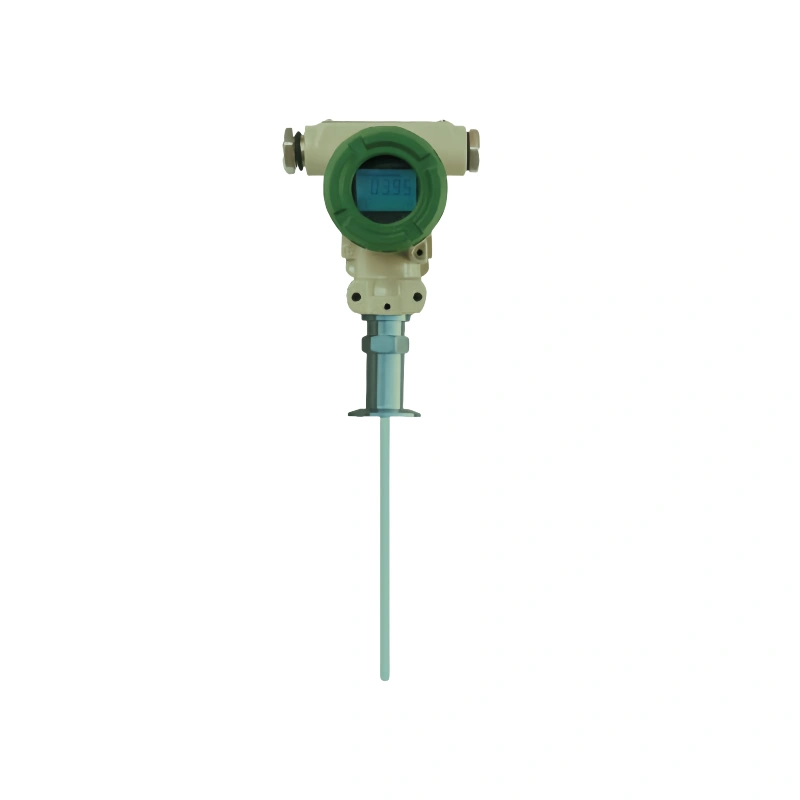
High pressure capacitive level sensors operate by utilising the difference in dielectric constants between gas and liquid media, forming a capacitive structure where the sensor probe acts as the inner electrode and the metal vessel wall as the outer electrode.
Changes in liquid level alter the area of liquid covering the electrodes, causing a linear change in capacitance. The sensor acquires the capacitance signal and processes it to convert it into liquid level data. Thanks to its pressure-resistant sealed probe and explosion-proof housing, it eliminates measurement interference caused by high pressure environments and is suitable for use in sealed high pressure vessels.
Advantages of High Pressure Measurement
Reliable structure: No moving parts to wear out, and the compact sealed build handles high pressure and high temperature without breaking a sweat. It stands up to medium impact pretty well and keeps going for years.
High sensitivity: Picks up on tiny liquid level shifts right away. Works fine on regular media and on lightweight high pressure stuff with low dielectric constants—more flexible than the old gear most places still run.
Explosion-proof and pressure-resistant: Fully sealed, explosion-proof, and built to take pressure with zero leak risk. Meets the safety standards for measuring high pressure flammable and explosive media.
Easy installation: Small enough to squeeze into tight spots on high pressure vessels. You can install or retrofit it without tearing the whole setup apart.
Application Scenarios
High pressure capacitive level sensors are the workhorse for small and medium-sized high pressure vessels in chemical plants, oil and gas fields, and new energy setups—things like high pressure storage tanks, buffer tanks, compact high pressure reactors, and oil-gas separators.
They do the job in high pressure, flammable, explosive, and high-purity environments, handling media from petroleum products and pure water to organic solvents. Mostly you’ll find them keeping an eye on liquid levels, triggering high and low level alarms, and handling interlock protection on high pressure equipment.
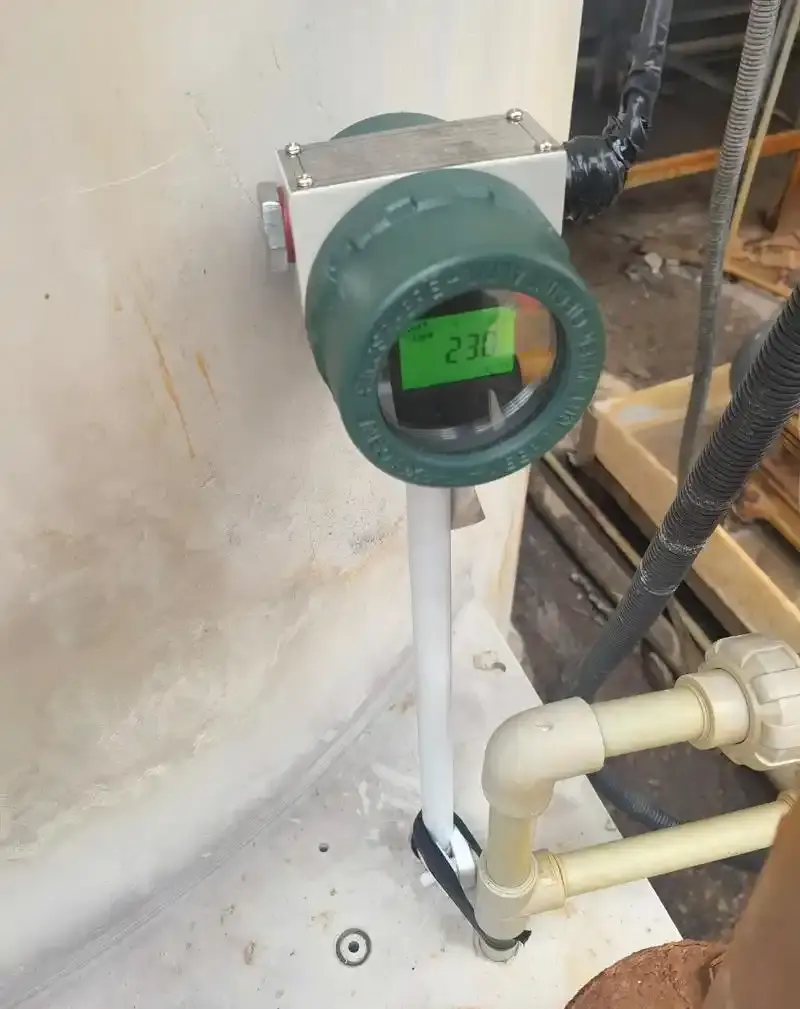
How to Select the Appropriate High Pressure Level Sensor
1. Selection Based on Medium Characteristics
Where the medium is highly corrosive, prone to crystallisation or fouling, or where instrument contact with the medium is not permitted, high pressure radar level transmitters should be prioritised, as their non-contact measurement avoids damage caused by the medium.
For clean media without adhesive deposits, high pressure capacitive level sensors may be selected. In applications where the medium density is stable and there is no significant foam interference, differential pressure level sensors are suitable.
2. Selection based on pressure rating
For ultra-high pressure applications above 30 MPa, as well as hydrogenation and high pressure synthesis equipment, give priority to differential pressure level sensors with the highest pressure rating.
For small-scale tanks and buffer tanks operating at medium-high pressures of 16–25 MPa, high pressure capacitive level sensors are suitable. For conventional high pressure reactors, storage tanks and steam drums operating at pressures up to 16 MPa, high pressure radar level sensors may be selected.
3. Selection based on on-site operational interference
For complex operating conditions characterised by excessive foaming, high vapour levels and severe liquid level fluctuations within tanks, radar level transmitters with strong anti-interference capabilities are the preferred choice.
For sealed vessels with constant medium density and stable pressure, differential pressure level transmitters offer higher measurement accuracy. In conditions where there is no foaming, a distinct dielectric difference between gas and liquid exists, and only basic monitoring is required, capacitive level transmitters offer the best value for money.
4. Selection based on installation space constraints
Large high pressure towers and reactors with plenty of headroom are a good fit for radar level transmitters. Tanks that already have upper and lower pressure tapping ports in place, or equipment with enough room to add them, work well with differential pressure level sensors. For small high pressure buffer tanks and hydraulic pressure vessels squeezed into tight spaces, compact capacitive level sensors are the way to go.
5. Selection Based on Operation, Maintenance and Cost
For applications requiring long-term maintenance-free operation and low maintenance costs, high pressure radar level transmitters are the preferred choice.
For equipment with limited budgets, stable operating conditions and the possibility of regular maintenance, differential pressure level sensors should be selected. Where only high and low level interlock alarms are required and high-precision continuous monitoring is not necessary, high pressure capacitive level sensors will suffice.
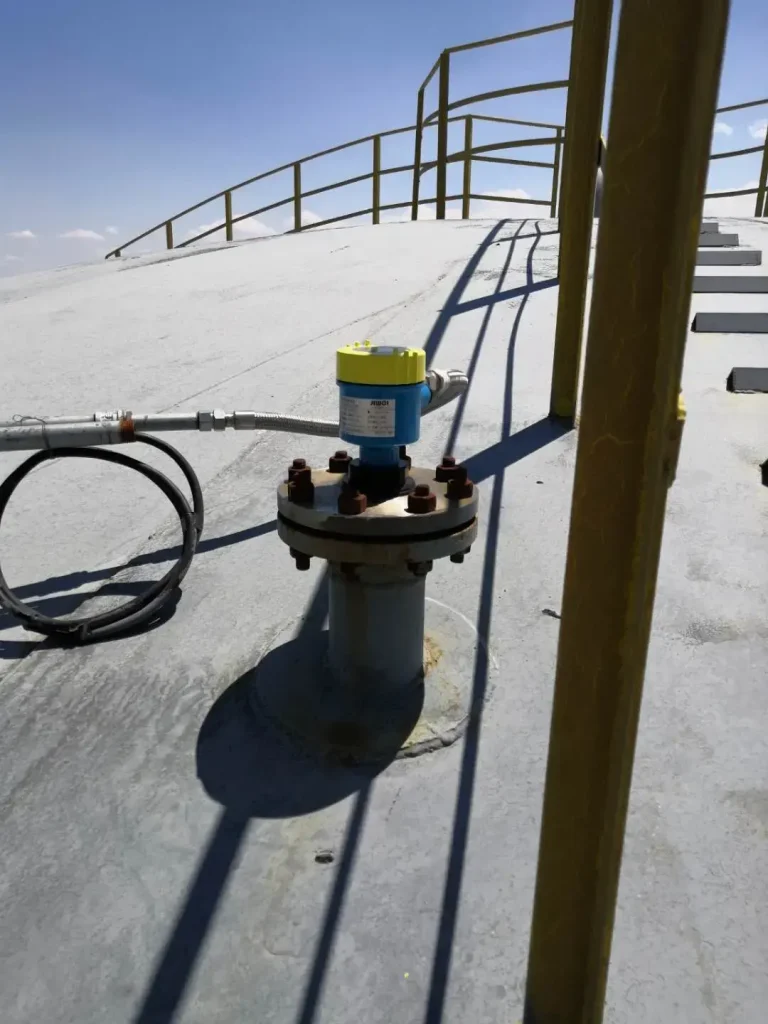
Sion-Inst has specialised in the field of industrial level monitoring for many years. In addition to the specialist high pressure sensing equipment mentioned above, the company also supplies float level gauges, ultrasonic level gauges, submersible hydrostatic level gauges and a full range of level switches, covering all industrial level monitoring requirements across high and low pressure, ambient and high temperatures, as well as explosion-proof and corrosion-resistant applications.