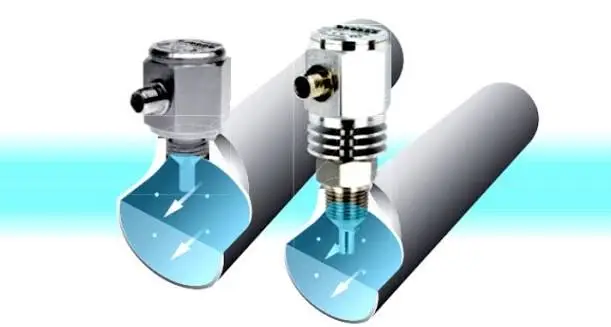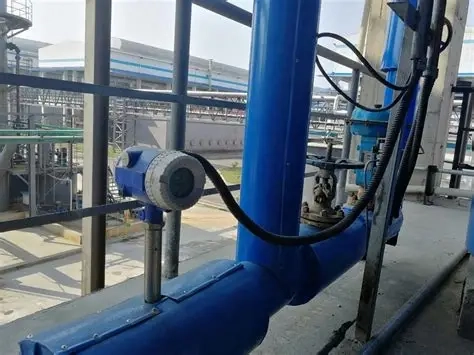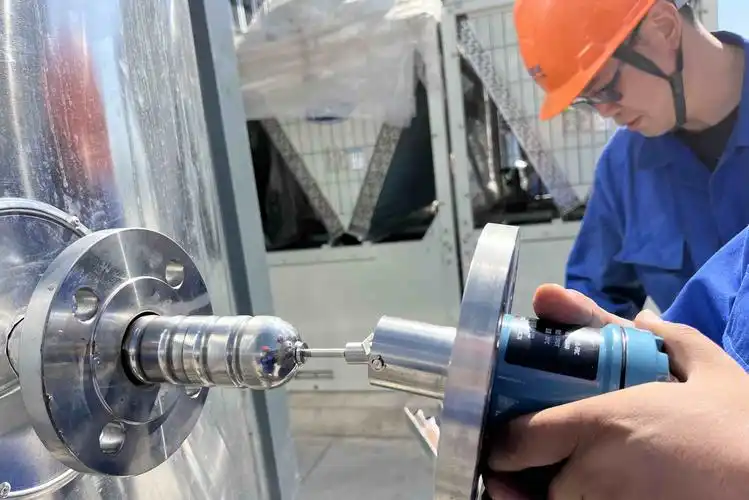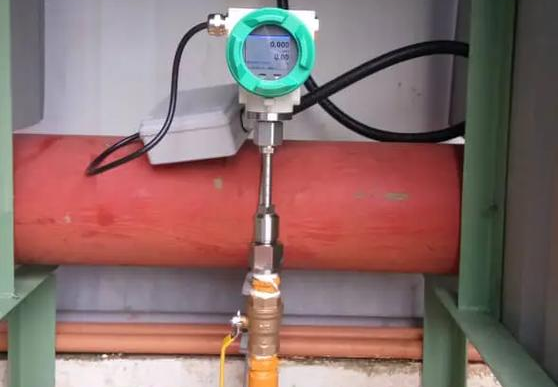
Clamp-on and inline flow meters are the two main installation types for flow measurement, falling into non-intrusive and intrusive measurement categories respectively.
They differ noticeably in structural design, installation methods, and how they operate in the field. Picking the right model depends on pipeline conditions, fluid properties, and site-specific requirements—this choice has a direct impact on measurement accuracy and how reliably the equipment performs over time.
Clamp-On Flow Meters
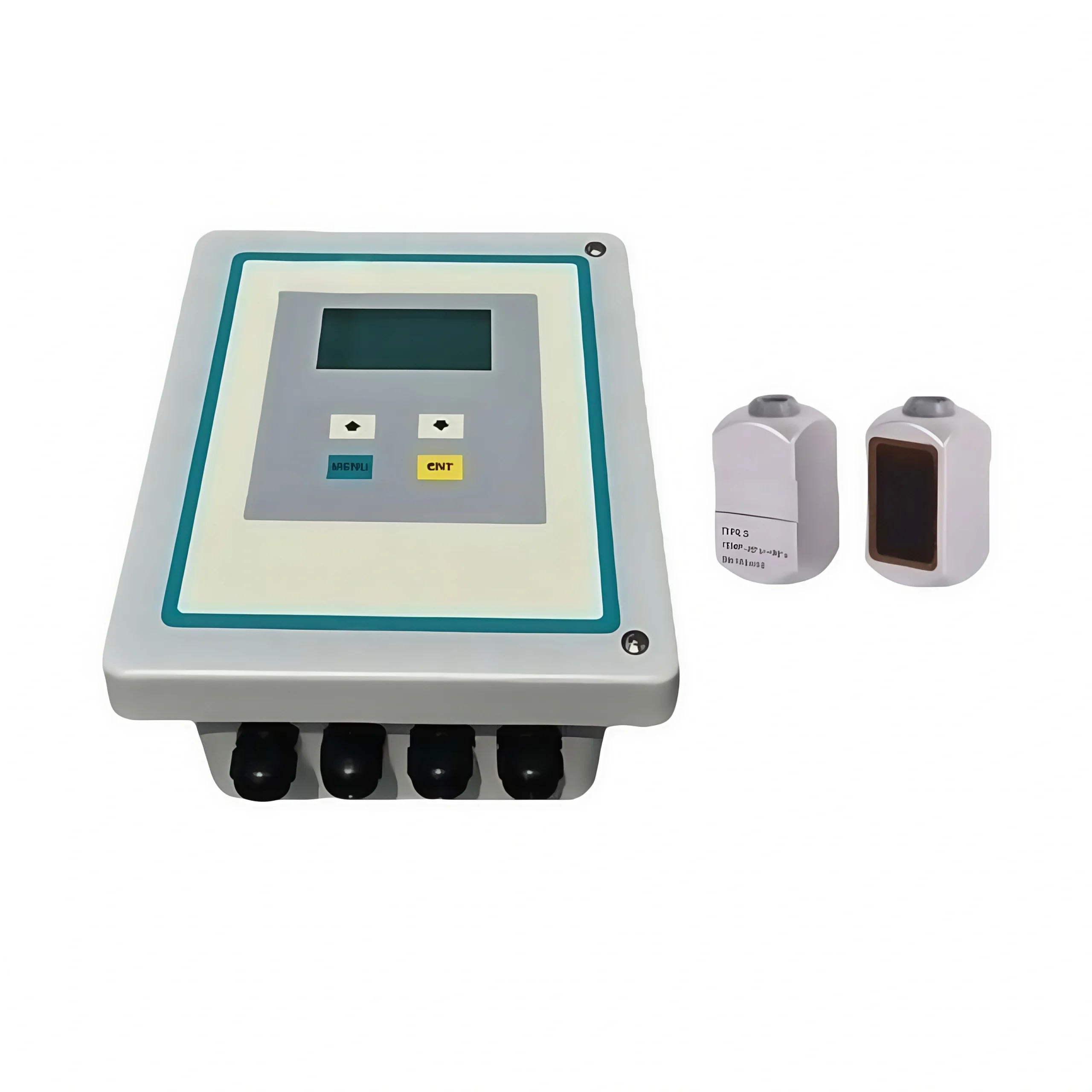
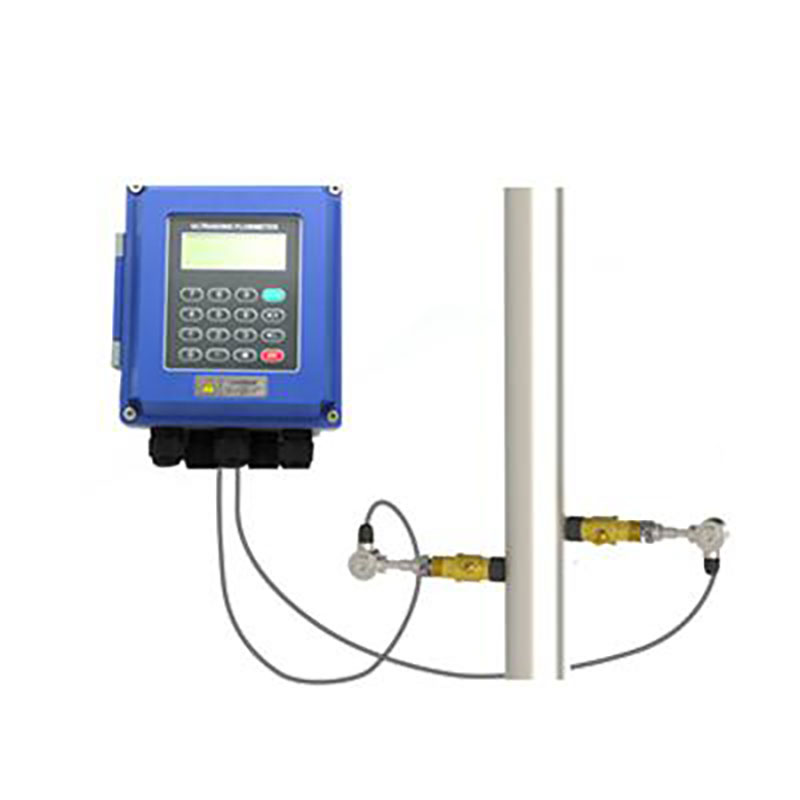
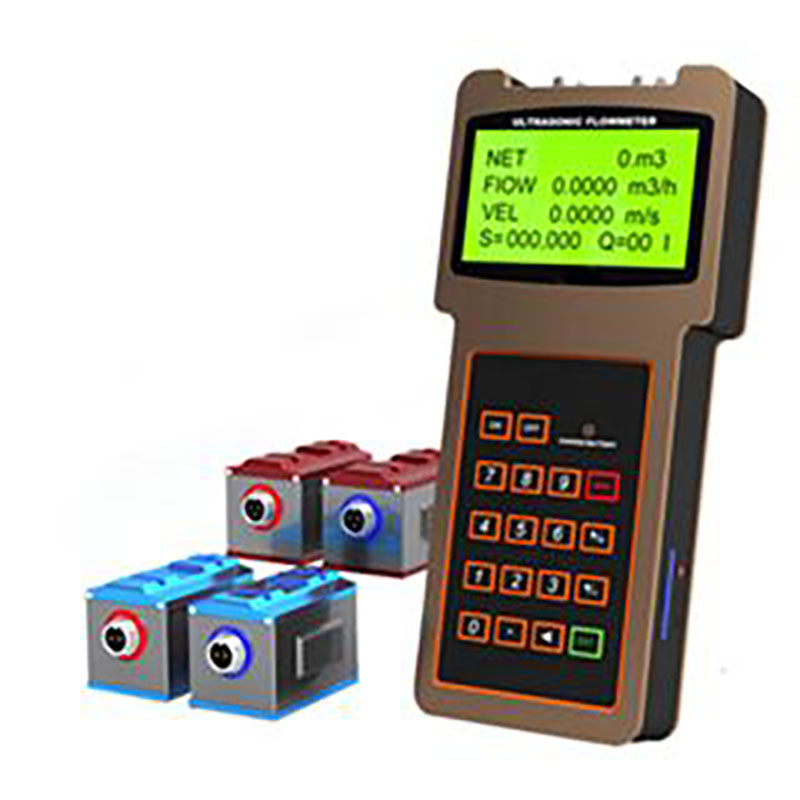
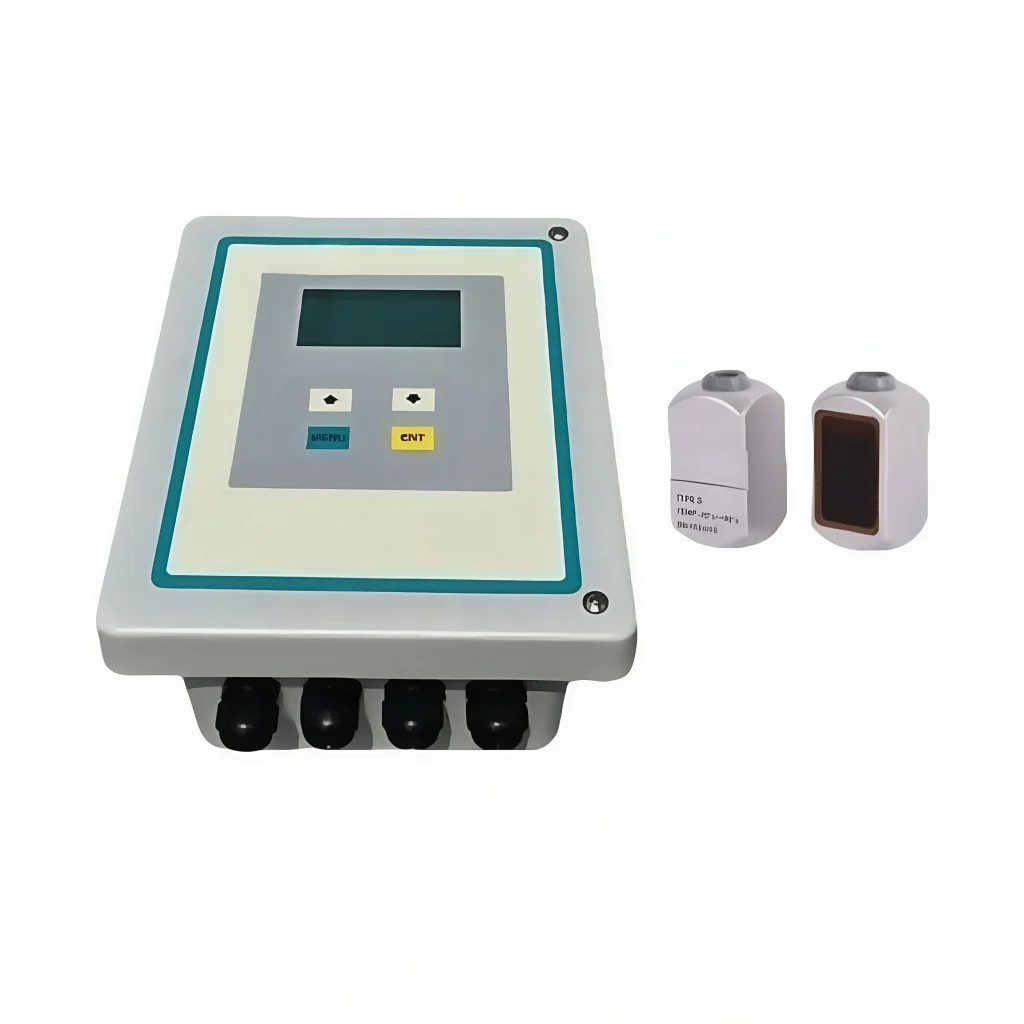
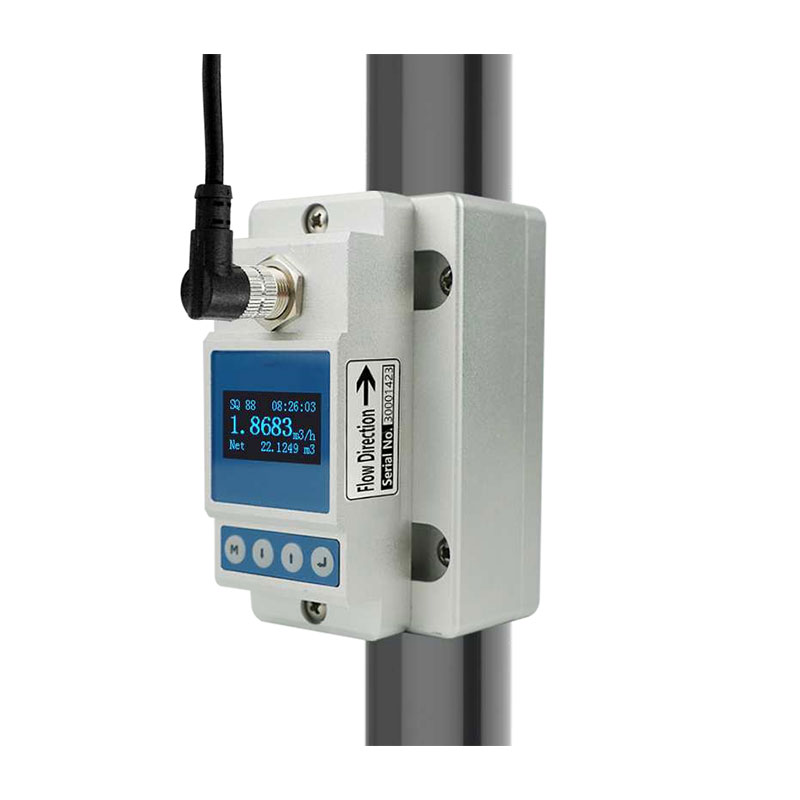
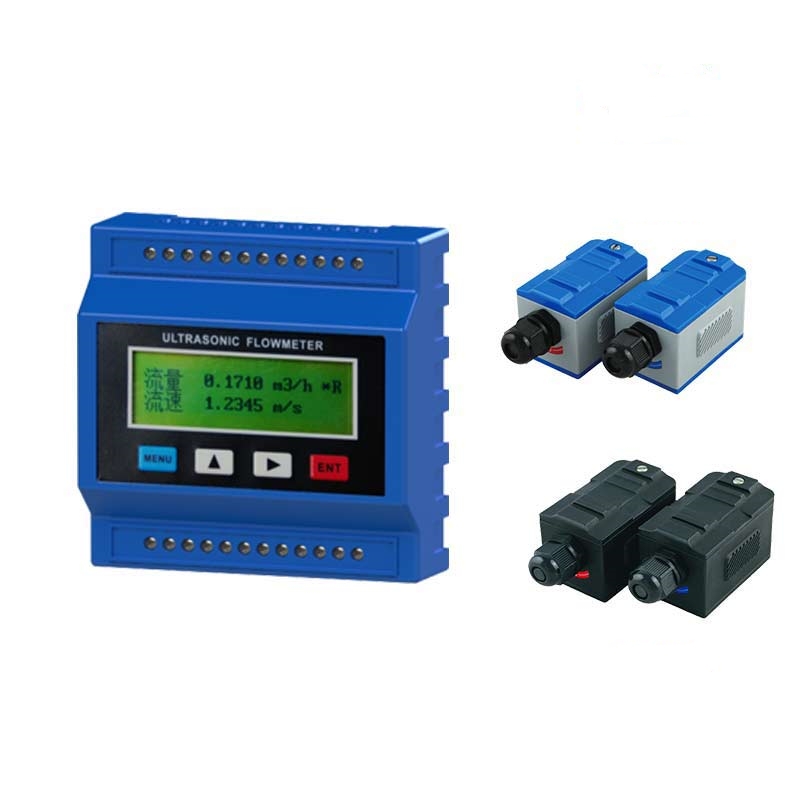
Clamp-on flow meters (mostly ultrasonic) are measurement instruments that can be installed without damaging or interrupting the pipeline; the device is secured directly to the outer wall of the pipe using clamps.
Working Principle
Clamp-on flow meters primarily operate based on the ultrasonic time-of-flight principle. The measurement probes are mounted against the pipe wall and alternately transmit and receive ultrasonic signals.
The speed of sound is faster when traveling in the direction of fluid flow and slower when traveling against it. The device precisely calculates the time difference between these two propagation speeds.
By converting this data using parameters such as the pipe’s inner diameter and the medium’s sound velocity, the actual fluid velocity is determined, and the real-time flow rate is calculated based on the cross-sectional area of the flow path.
Inline Flow Meters
Inline flow meters are flow measurement devices installed directly within the pipeline. Installation requires cutting the existing pipe and securing the meter body as a section of the pipeline.
Working Principle
Once installed in the pipeline, the fluid flows directly through the instrument’s internal sensing structure. Different types of instruments utilize specific physical phenomena to capture flow characteristics.
By detecting changes in parameters such as flow velocity, pressure, and eddy currents, and combining these with pre-set pipeline specifications and medium parameters for calculation and conversion, the instrument ultimately determines the fluid’s real-time flow rate and cumulative flow data.
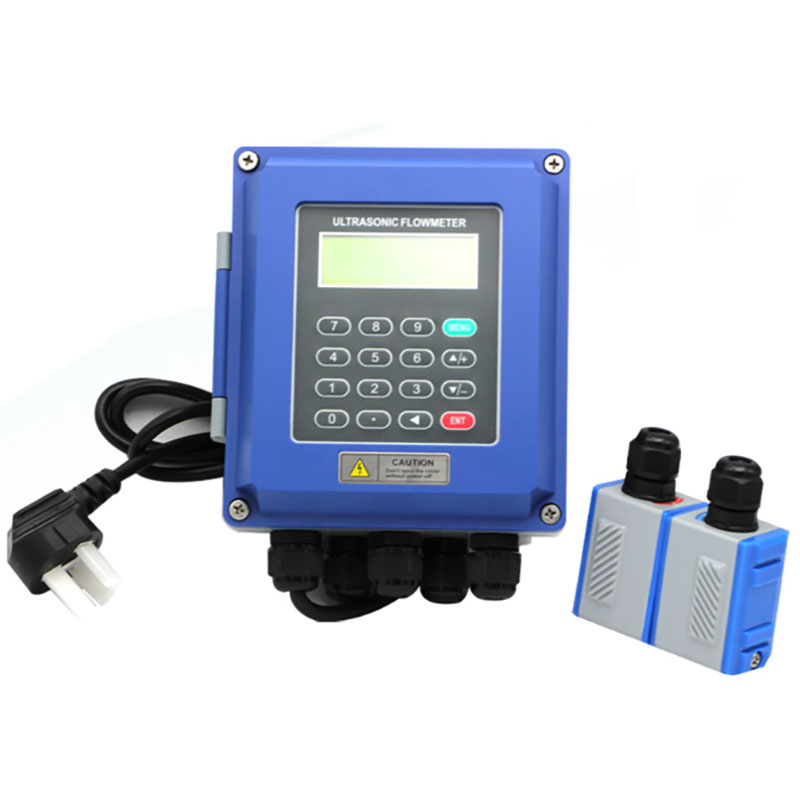
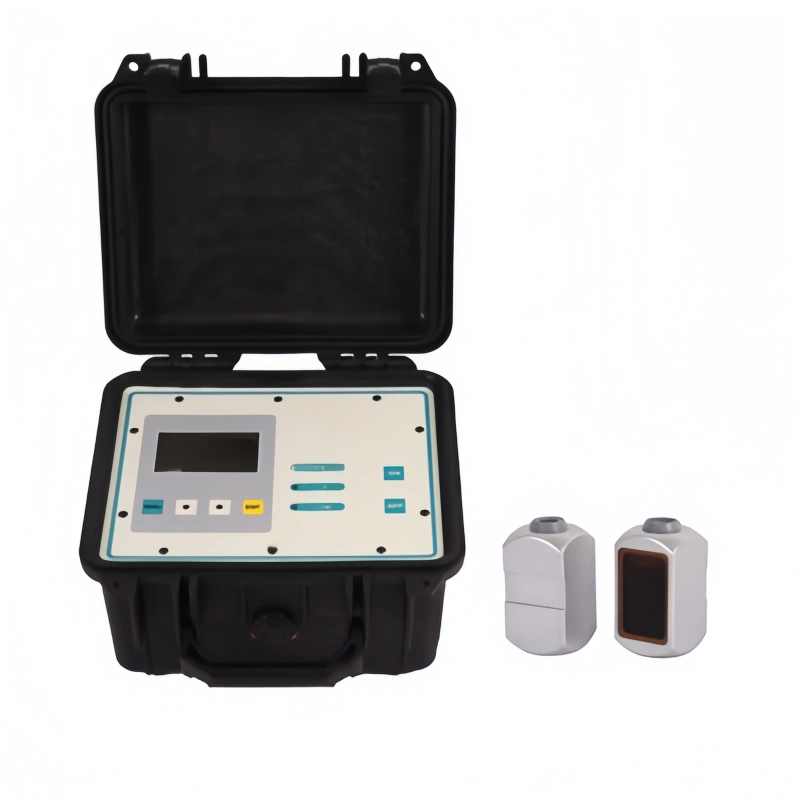
Clamp-On vs. Inline
Installation Method Comparison
Clamp-On Flow Meters: These meters mount on the outside of the pipe, so you don’t need to cut, weld, or drill anything. You just clamp the sensor onto the pipe wall and you’re done.
No need to shut down the line, bleed off pressure, or do any hot work—it’s straightforward and fast. One person can handle the whole setup, which makes these a practical choice when you need to add metering to a running line and stopping production isn’t an option.
Inline Flow Meters: These go inside the pipe, so you have to cut the line and tie the meter in with flanges or threads. That means taking the plant offline, stopping flow, and depressurizing the system.
Most plants will also make you pull permits for this kind of work. It’s a bigger job that eats up more time, so it only really makes sense for new construction or old lines that you can afford to take out of service for a while.
Comparison of Pipeline Damage and Sealing Safety
Clamp-on flow meters: Nothing gets damaged or changed on the pipe itself—the wall thickness, original structure, and seals all stay intact, and you don’t add any new spots where leaks could start.
They work on pretty much any pipe you throw at them, whether it’s standard grade, high-pressure, or lined for corrosion resistance. With no joints to worry about coming loose, they tend to stay safe and hold up well over the long haul.
Inline Flow Meters: Putting one of these in changes how the fluid moves through the pipe, and every new flange or threaded joint is another place where trouble can start. When there’s vibration, high pressure, or temperature swings, you start seeing things like gasket wear, bolts backing off, or product leaking out. If you’re running something flammable, explosive, or toxic through that line, the safety picture gets more complicated.
Comparison of Measurement Principles and Accuracy
Clamp-on Flow Meters: These mostly work on ultrasonic principles, picking up fluid signals through the pipe wall from the outside. Because it’s an indirect approach, the readings can drift depending on what the pipe is made of, how thick the wall is, whether there’s scale buildup, what kind of lining is inside, or if the fluid has bubbles or debris mixed in.
Accuracy is generally decent—good enough for keeping an eye on industrial processes or tracking water usage. But performance drops off noticeably when you’re dealing with low flow rates or small pipe sizes.
Inline Flow Meters: This covers electromagnetic, turbine, vortex, and other types where the sensor sits right in the flow stream. Since the probe is in direct contact with the fluid, the signal is clean and stable, with less interference to worry about.
You get tight accuracy and repeatable results, and pipe walls or linings don’t throw off the reading. That’s why these get used when precision matters—things like billing for product transfer or critical process control.
Comparison of Media and Pipe Diameter Compatibility
Clamp-on Flow Meters: They handle fairly uniform fluids best—water, oils, typical gases. The sweet spot is medium to large pipes, generally DN100 and up, and the bigger the pipe, the more sense they make cost-wise.
They also work well in tough conditions like high pressure, high temperature, corrosive environments, or hazardous media since nothing on the meter ever touches the fluid inside. The trade-offs: thick pipe walls, heavy linings, heavy scaling, or tiny pipes with minimal flow can give you trouble.
Inline Flow Meters: These cover a broader range of pipe sizes and actually shine on small lines with low flow rates. They work on clean fluids, fluids with some particulates, steam, and various gases.
The catch is when you get into highly corrosive, abrasive, or extreme-pressure applications—you’ll need custom materials, and that drives the price up. The probes themselves also take a beating from erosion and corrosion over time.
Comparison of Daily Maintenance and Repair Difficulty
Clamp-on flow meters: With the sensor sitting outside the pipe, you don’t have to worry about the medium gumming it up, coating it with scale, or wearing it down. Day-to-day upkeep is pretty minimal. If you need to calibrate, service, or move the meter somewhere else, you can do it while the line is running—no shutdown, no interruption. That keeps production moving and keeps long-term costs low.
Inline flow meters: The probes live in the fluid, so scaling, blockage, corrosion, and wear are just part of the deal. You’ll need to pull them periodically for cleaning and recalibration. When something breaks, you’re looking at a shutdown and flow stoppage to fix it, which hits your production schedule. Repairs tend to be involved and time-consuming, so the long-term operational and maintenance bills run higher.
Comparison of Cost, Flexibility, and Service Life
Clamp-on flow meters: Cheap to buy and cheap to put in—no pipe cutting, no extra fittings, no consumables. Installation is quick and simple. You can pull the equipment off one line and clamp it onto another whenever you need to, which comes in handy when operations change or pipes get rerouted.
Since the medium never touches the meter, there’s no wear to speak of, so the hardware lasts a long time. Beyond periodic calibration, there’s not much ongoing cost. The downside is they’re not the right tool when you need top-tier measurement precision.
Inline flow meters: More expensive upfront, and you have to factor in the cost of cutting into the line and installing it. Once it’s in, it’s fixed in place—you can’t move it or reuse it elsewhere.
That said, in clean, stable operating conditions, the setup is rock-solid. It runs reliably for years, holds its calibration, and delivers precise readings consistently. That makes it the go-to choice when you need uninterrupted, high-accuracy measurement over the long term.
Summary of Applicable Scenarios
Prioritize clamp-on flow meters: For aging pipelines where shutdown for retrofitting is not possible, medium-to-large diameter pipes, high-pressure/corrosive/flammable and explosive media conditions, temporary flow monitoring, frequently changing operating conditions, low-cost operation and maintenance, and routine flow statistics scenarios.
Prioritize inline flow meters: For newly constructed, well-organized pipelines, small-diameter pipes, scenarios requiring trade settlement and precise measurement, clean and stable media, long-term fixed operating conditions, and scenarios with high requirements for measurement accuracy and operational stability.
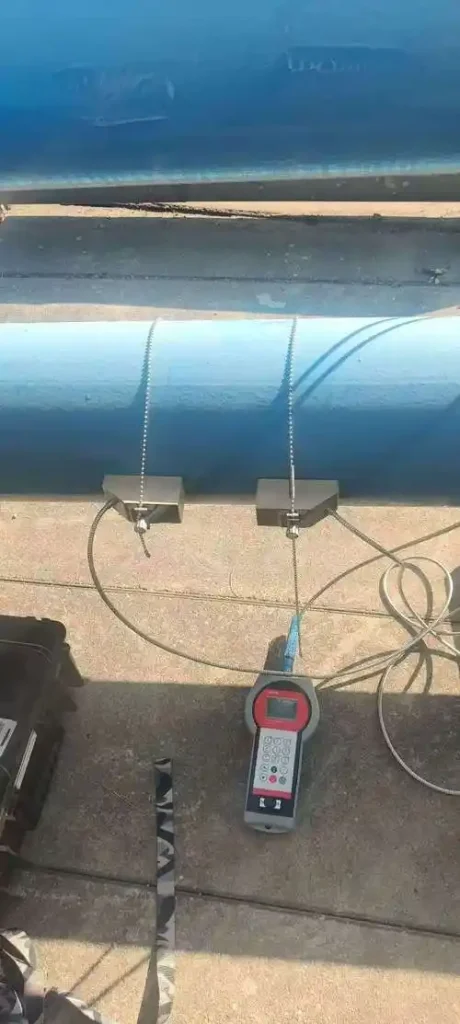
Advantages and Disadvantages of Clamp-On Flow Meters
Advantages
Easy Installation: It clamps onto the outside of the pipe, so there’s no cutting, no drilling, and no need to stop the line. You just strap it to the pipe wall, finish the setup, and you’re good to go. That keeps installation straightforward and keeps costs down.
No Contact with the Medium, Long Service Life: The sensing parts stay entirely on the outside, never touching what’s flowing inside. That sidesteps problems like corrosion, wear from grit or debris, and buildup or blockages, which helps the unit stay stable and last longer.
No Pressure Loss: Because nothing protrudes into the pipe, the original flow area stays the same. There’s no extra drag on the system, so the pump doesn’t work any harder and normal operations aren’t disrupted. Over time, that saves on pumping costs, and it works fine for continuous-flow setups.
Wide Range of Compatibility: It handles a broad mix of pipe materials—carbon steel, stainless steel, PVC, PE, and other metals and plastics. Different diameters and common fluid types aren’t a problem either, so you can use it in a lot of different places.
Simple Maintenance, No Production Shutdown Required: When it’s time for maintenance, calibration, or swapping out the unit, you don’t need to shut the line down or drain it. Everything can be done while the system is running, which cuts down on lost production time.
Flexible Installation and Removal: The meter comes off and goes back on easily, so you can move it to different measurement points as needed. That works well for spot checks, walking through multiple locations, or when operations change. Since you can reuse it, you get more value out of the purchase.
Disadvantages
Measurement Accuracy Is Affected by Pipeline Conditions: The meter depends on ultrasonic signals passing through the pipe wall, so uneven wall thickness, internal rust, scale, or flaking inside the pipe can weaken or scramble those signals. That drags down accuracy, and the errors tend to creep up the longer the unit runs.
High Demands on Installation Environment: Heavy vibration on the pipe, strong electromagnetic fields from nearby high-power equipment, or noisy surroundings can all mess with the probe’s ability to pick up clean signals. That often shows up as jittery or unstable readings.
Incompatibility with Certain Special Pipelines: Some pipe types are tough to work with—thick linings, anti-corrosion layers between walls, double-wall construction, or porous materials. Ultrasonic signals have a hard time getting through, so the signal drops off badly and you can’t get reliable, steady measurements.
Large Measurement Errors in Small-Diameter Pipelines: On small lines, the ultrasonic path is short and there’s not much signal to work with. Installation alignment matters more, and wall effects hit harder, so the relative error goes up and the readings become less trustworthy.
Poor Stability Under Complex Fluid Conditions: When the fluid is full of bubbles, suspended solids, debris, or mixed gas-liquid phases, those particles block or scatter the ultrasonic waves. The signal gets distorted, the data bounces around, and accuracy falls off noticeably.
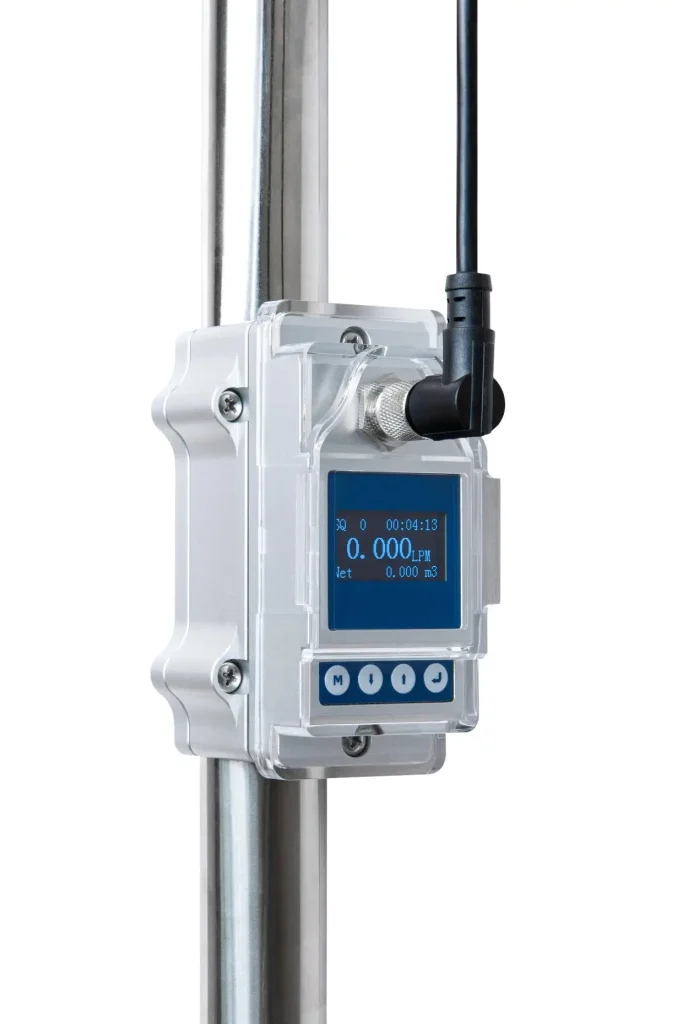
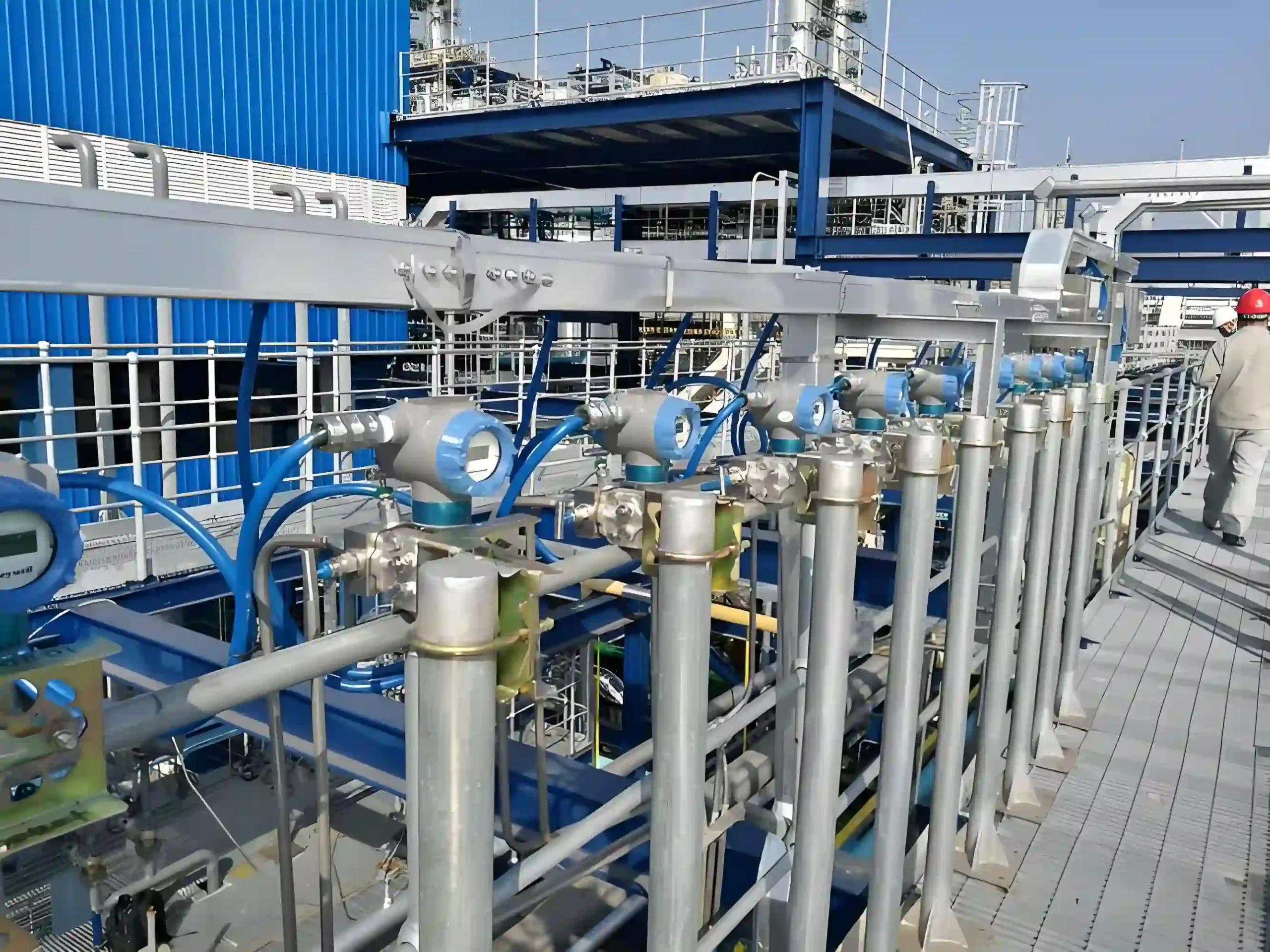
Common Inline Flow Meters
Electromagnetic Flowmeter: This is a standard workhorse in industrial piping, running on electromagnetic induction. It doesn’t create any pressure drop and gives you steady, accurate readings. The catch is it only works on conductive liquids—water, wastewater, acids, bases, that sort of thing. You’ll see these all over water treatment, chemical plants, and municipal sewer systems. Gases and oils are out of the question since they won’t carry the current.
Turbine Flow Meters: These are precision velocity meters that track how fast an impeller spins when the fluid hits it. They react quickly and give you consistent results time after time. Best suited for clean, low-viscosity fluids like pure water, oils, and compressed air. The fluid needs to be fairly clean though—any grit or debris will chew up the impeller and throw off your numbers.
Vortex Flow Meter: This one works off the Karman vortex street effect. It’s built tough with no delicate parts to break, so it holds up for a long time. Handles liquids, gases, and steam, and doesn’t blink at high temperatures or pressures. Power plants, district heating networks, and chemical facilities use these heavily. The weak spot is vibration—if the pipe shakes, the readings tend to wobble.
Coriolis Mass Flow Meters: These measure mass flow directly, so you don’t have to mess with temperature or pressure corrections. Accuracy is top-notch. They’ll also pick up density and temperature of whatever’s flowing through. You’ll find them on high-stakes applications like custody transfer of raw materials and petroleum products. The downsides are the steep price tag and picky installation requirements.
Differential Pressure Flow Meters: Old, proven technology with a rugged build. They handle extreme heat, high pressure, and large pipe sizes for both gases and liquids. Cost per performance is solid, which makes them attractive for big industrial operations. You do lose some pressure across the device, accuracy is middle-of-the-road, and they need regular calibration and upkeep.
Inline Ultrasonic Flow Meters: These have the probes built right into the flow body, so interference is less of a problem and the readings stay steadier than you’d get with a clamp-on unit. You still get zero pressure loss and nothing wearing out from fluid contact. Good fit for long-term, day-to-day flow monitoring at fixed plant locations.
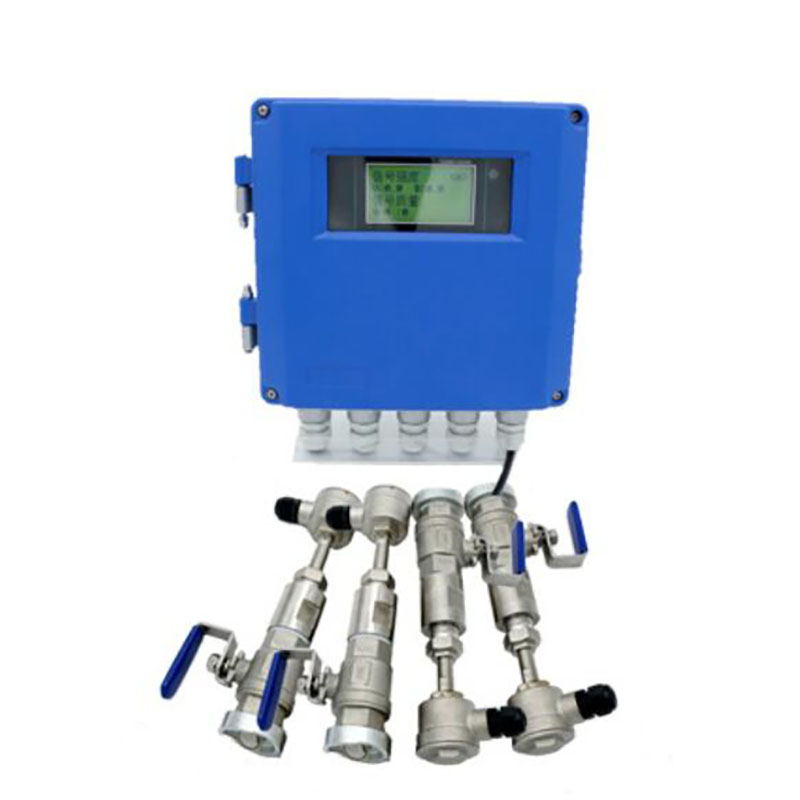
Sino-Inst carries a full range of flow measurement equipment. We’ve got clamp-on ultrasonic meters that install without cutting pipe, need little upkeep, and work well for retrofit jobs. We also stock inline meters—electromagnetic, turbine, vortex, mass, and differential pressure types—plus insertable meters in a variety of sizes.
That gives you all three main approaches: non-invasive, full-bore intrusive, and insertion-style. Whether you’re running new construction, upgrading existing lines, handling custody transfer with tight accuracy requirements, setting up temporary monitoring, or dealing with tricky or unusual operating conditions, we’ve got something that fits.