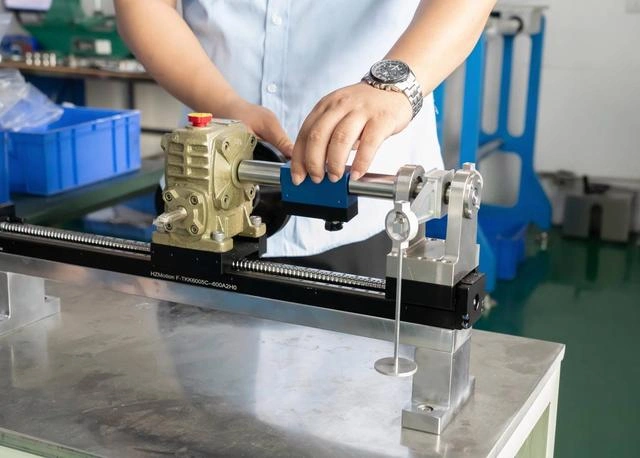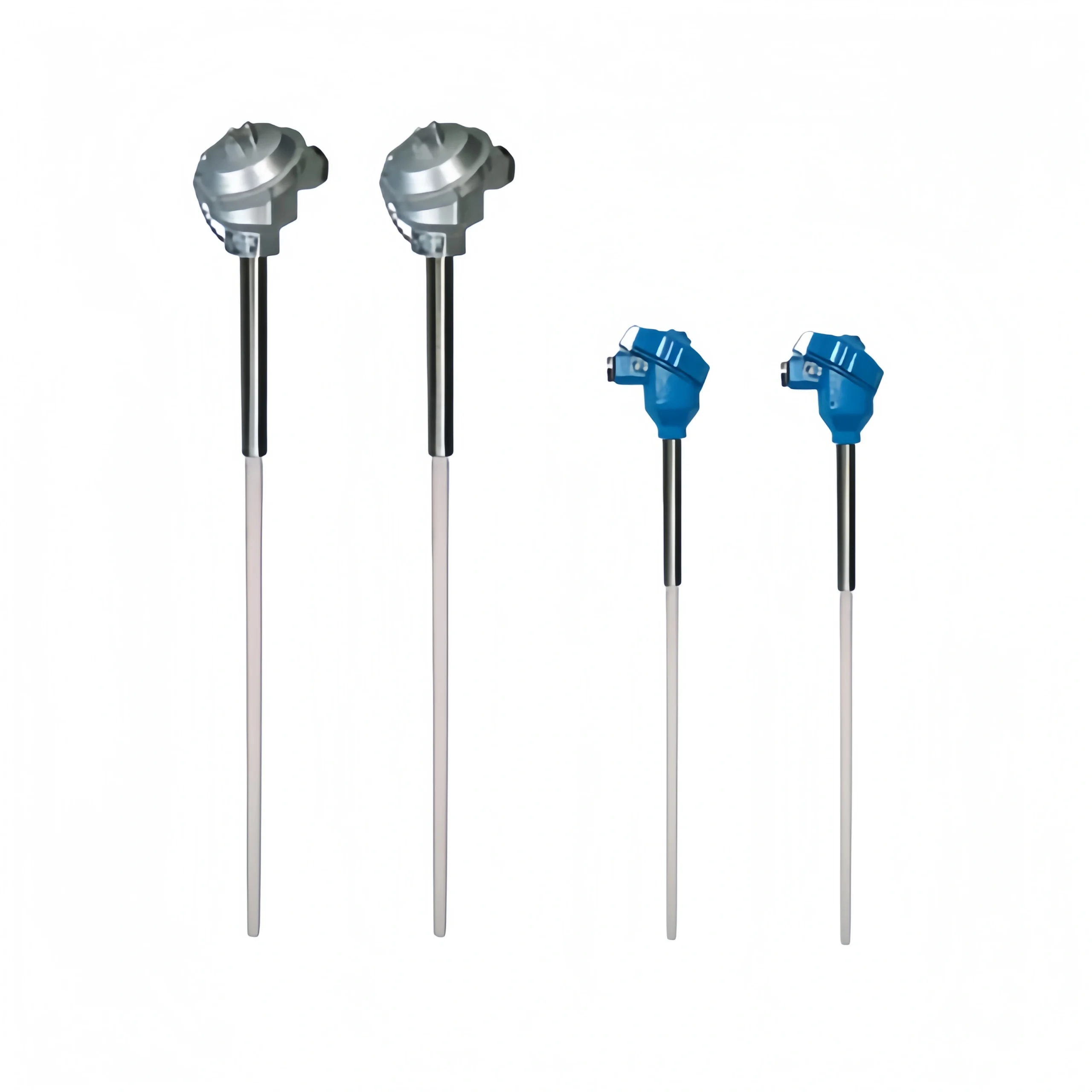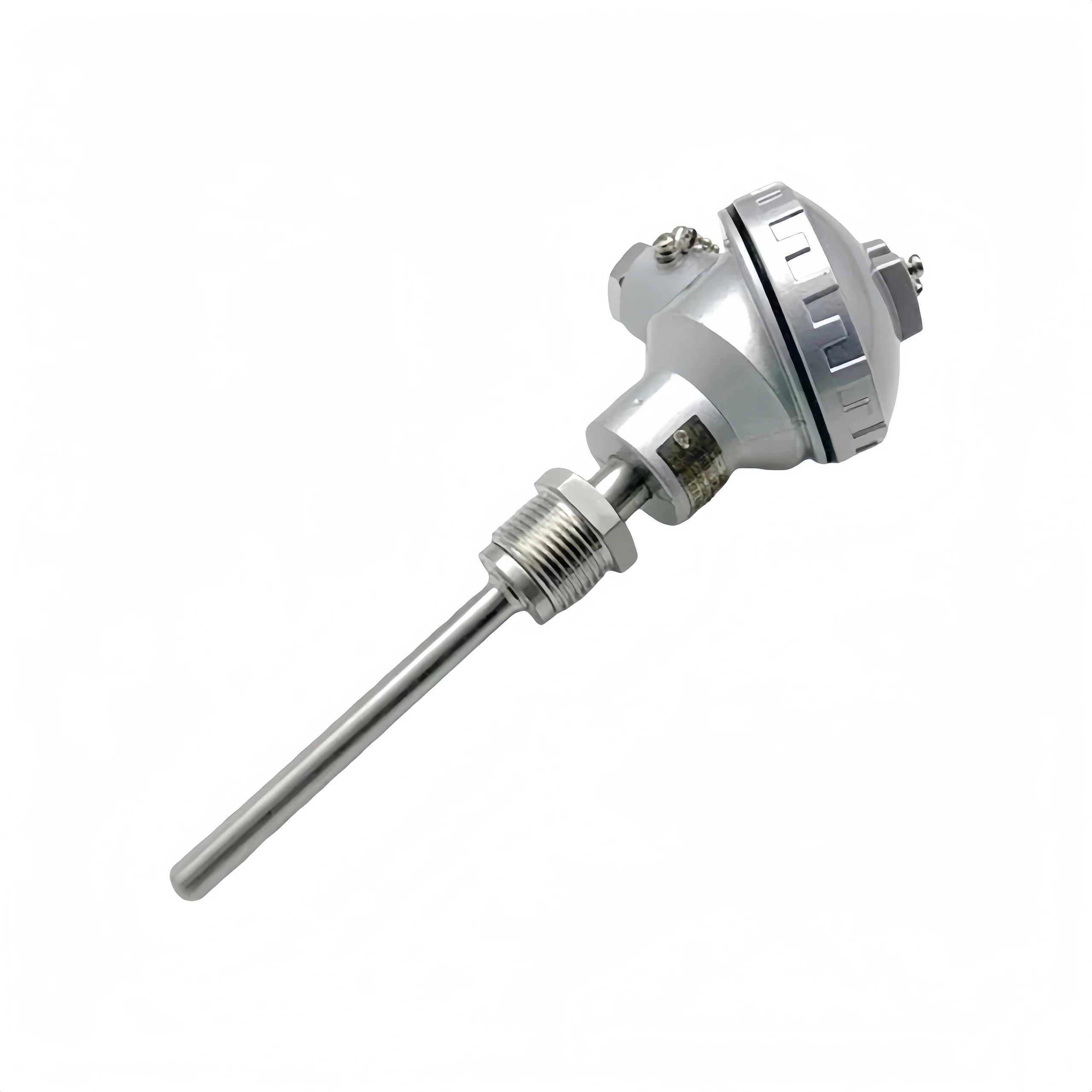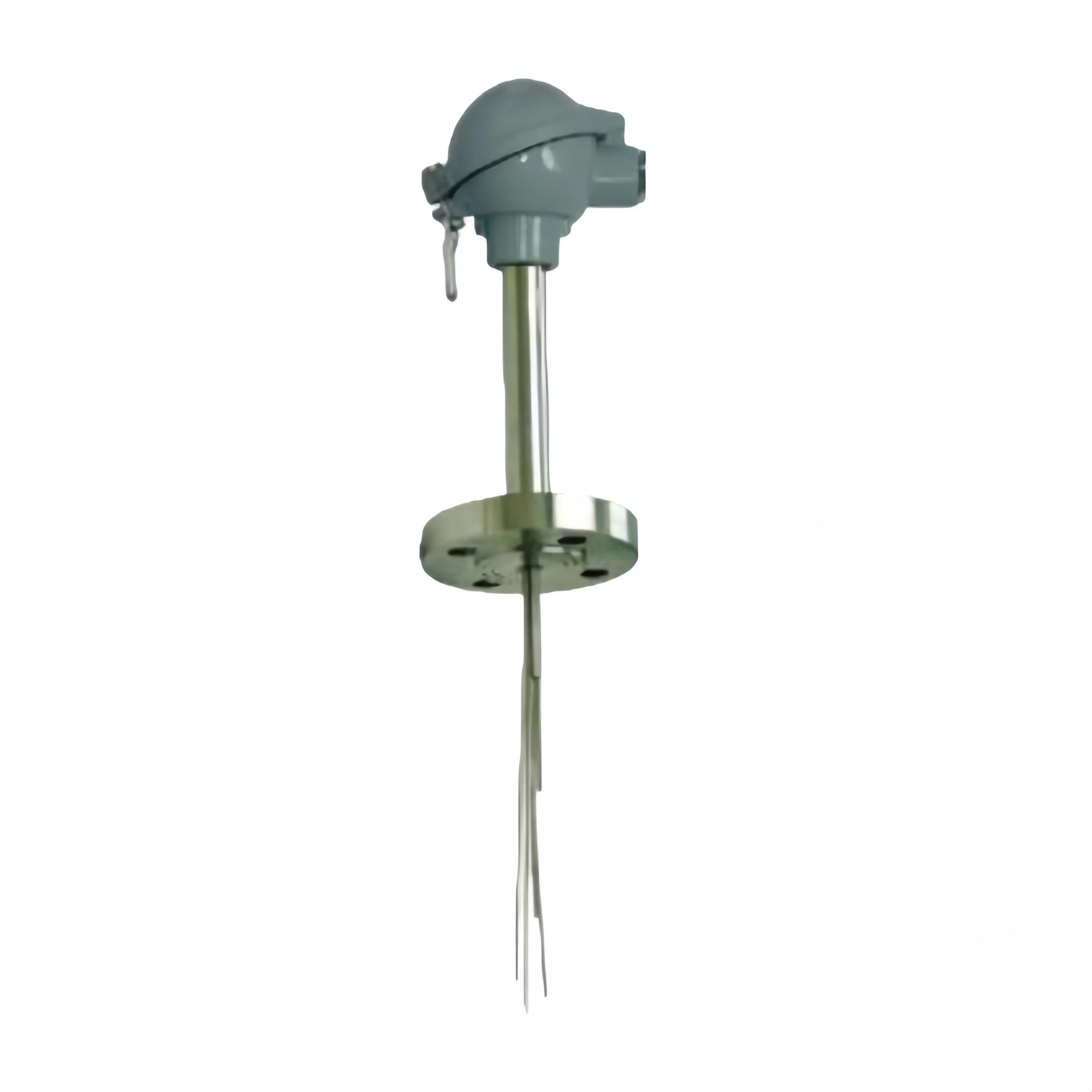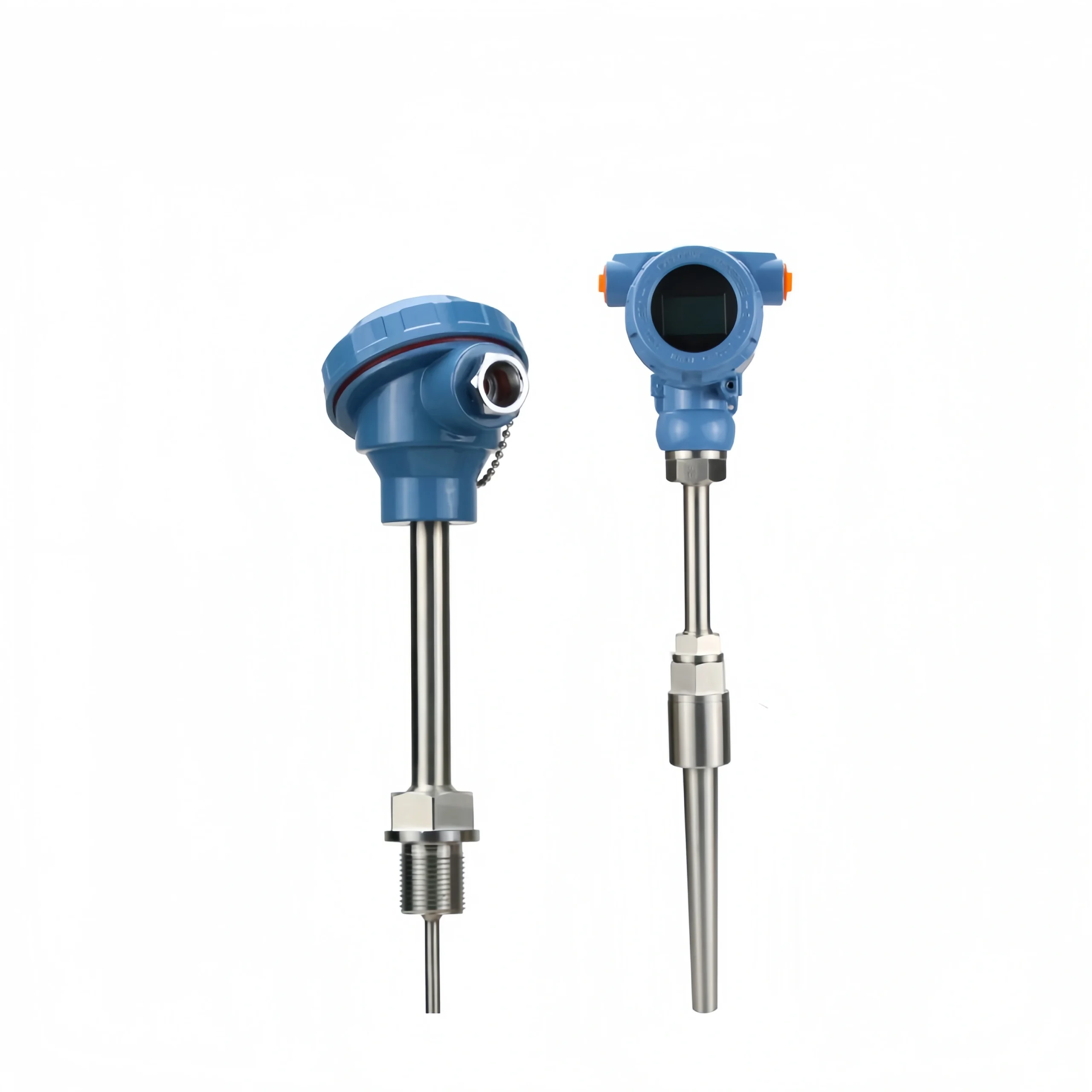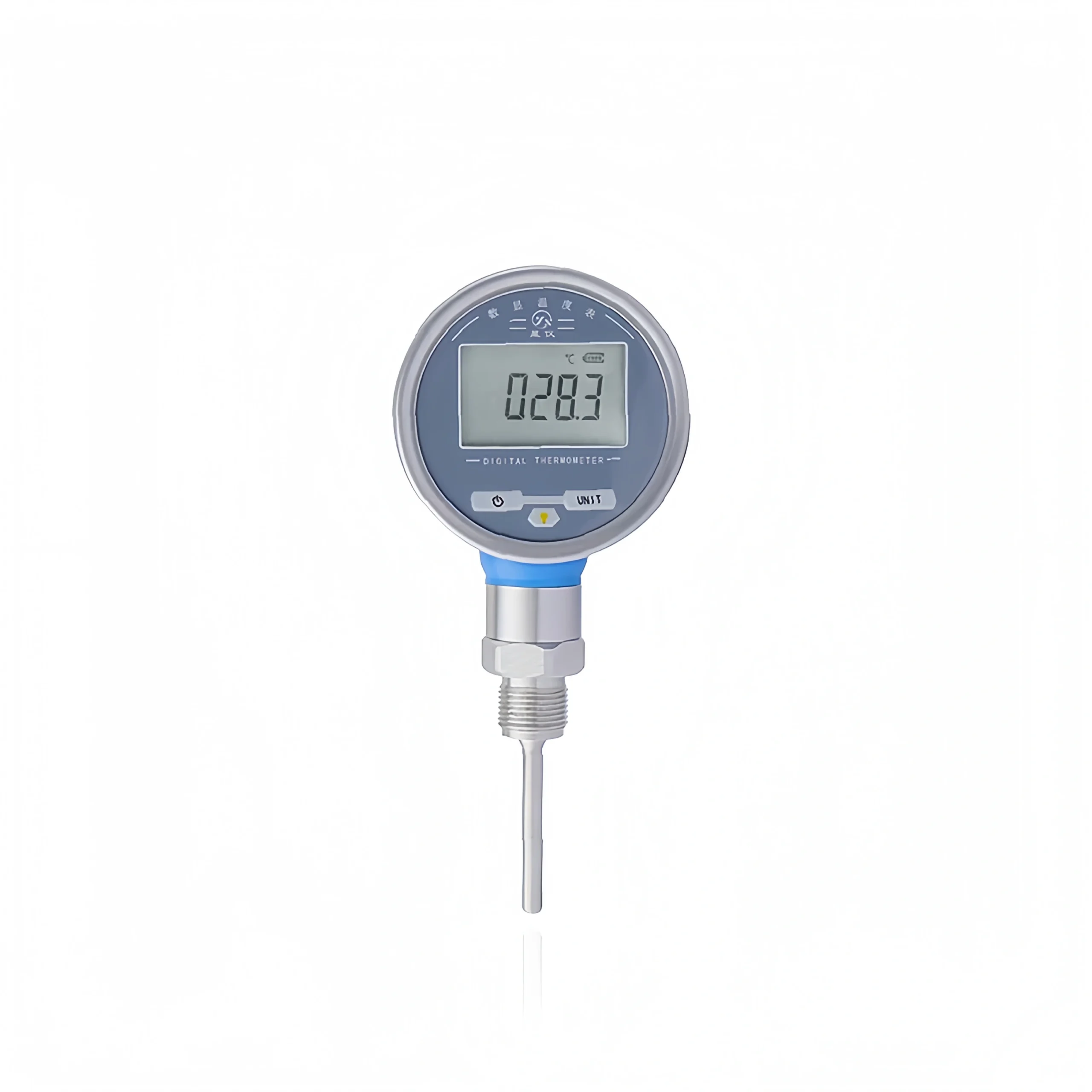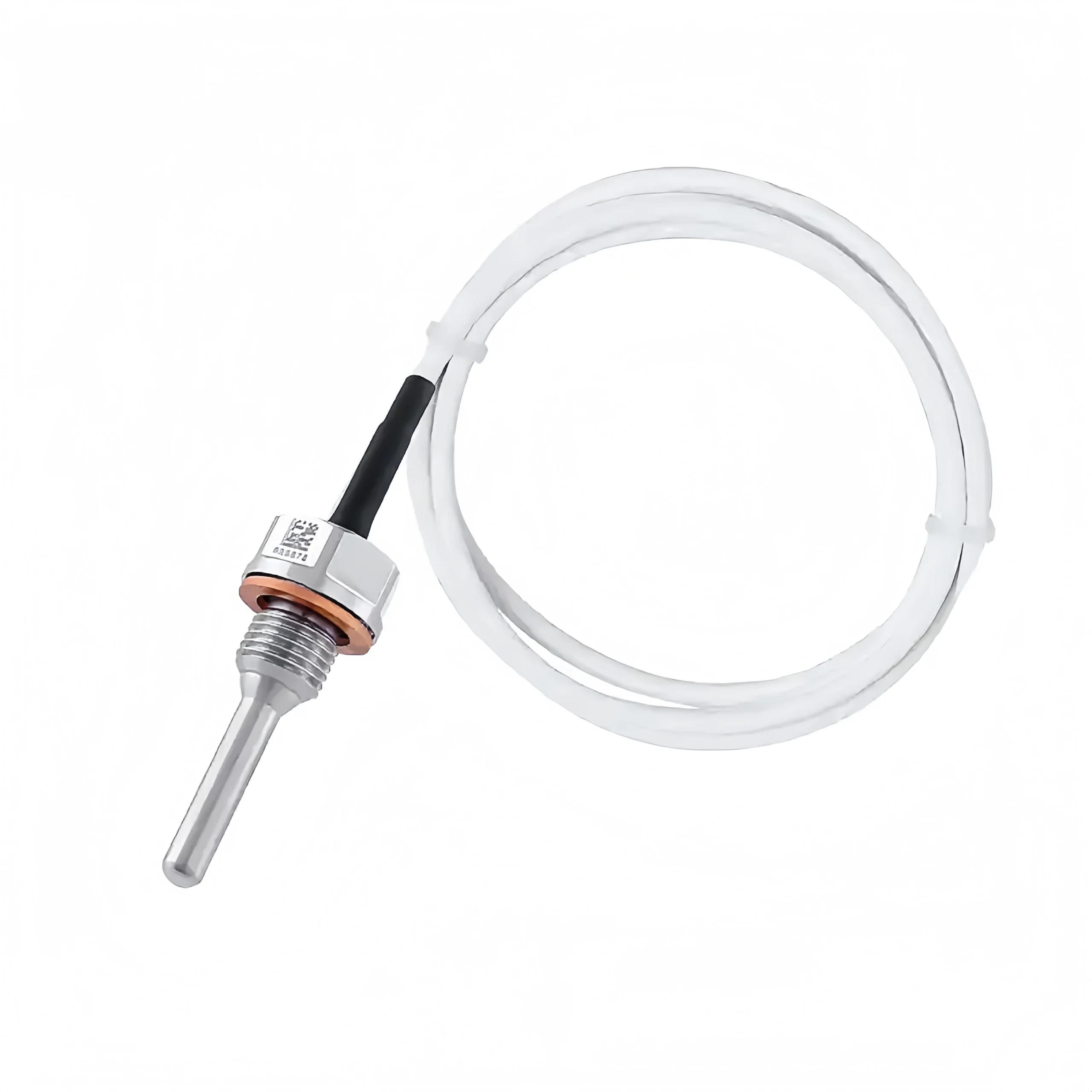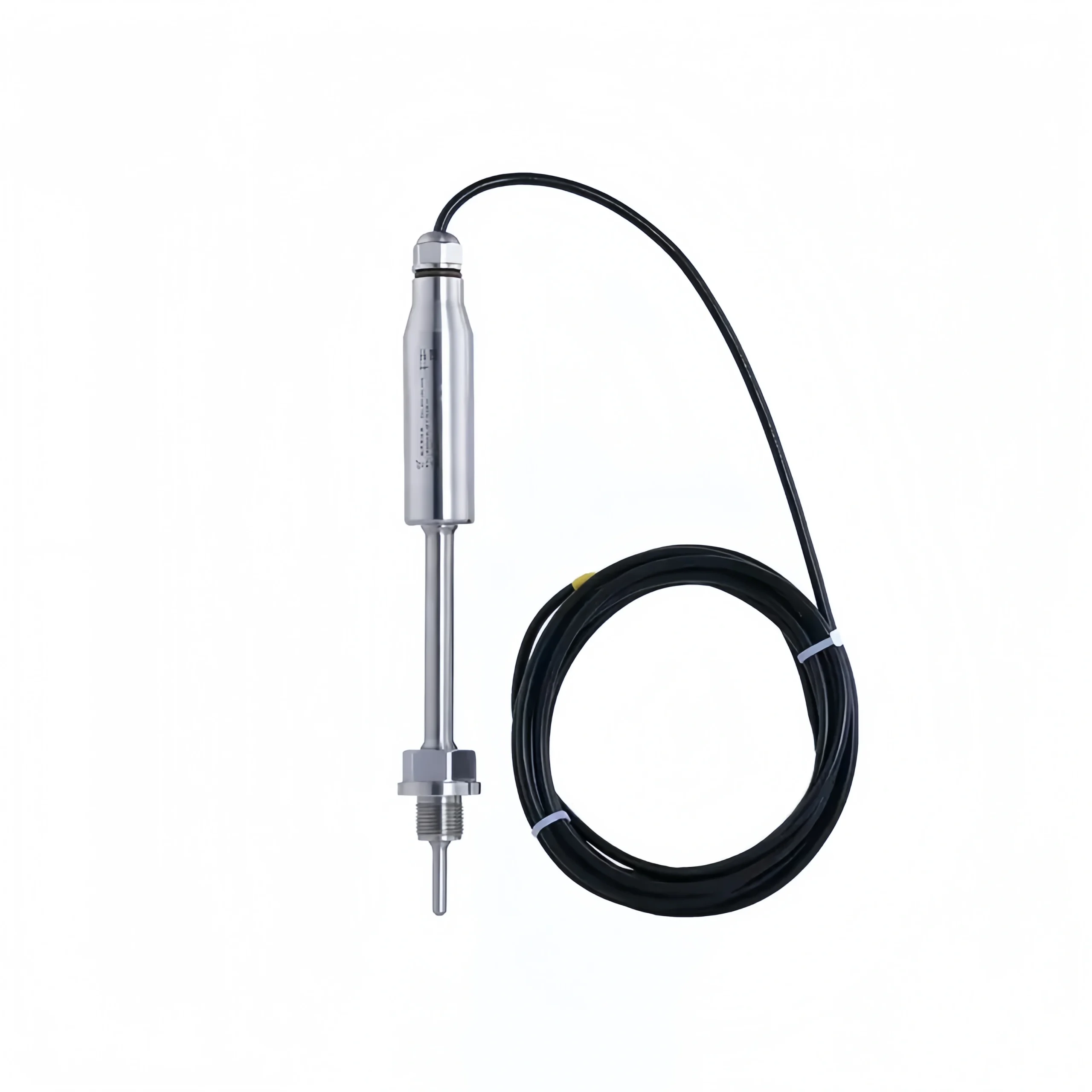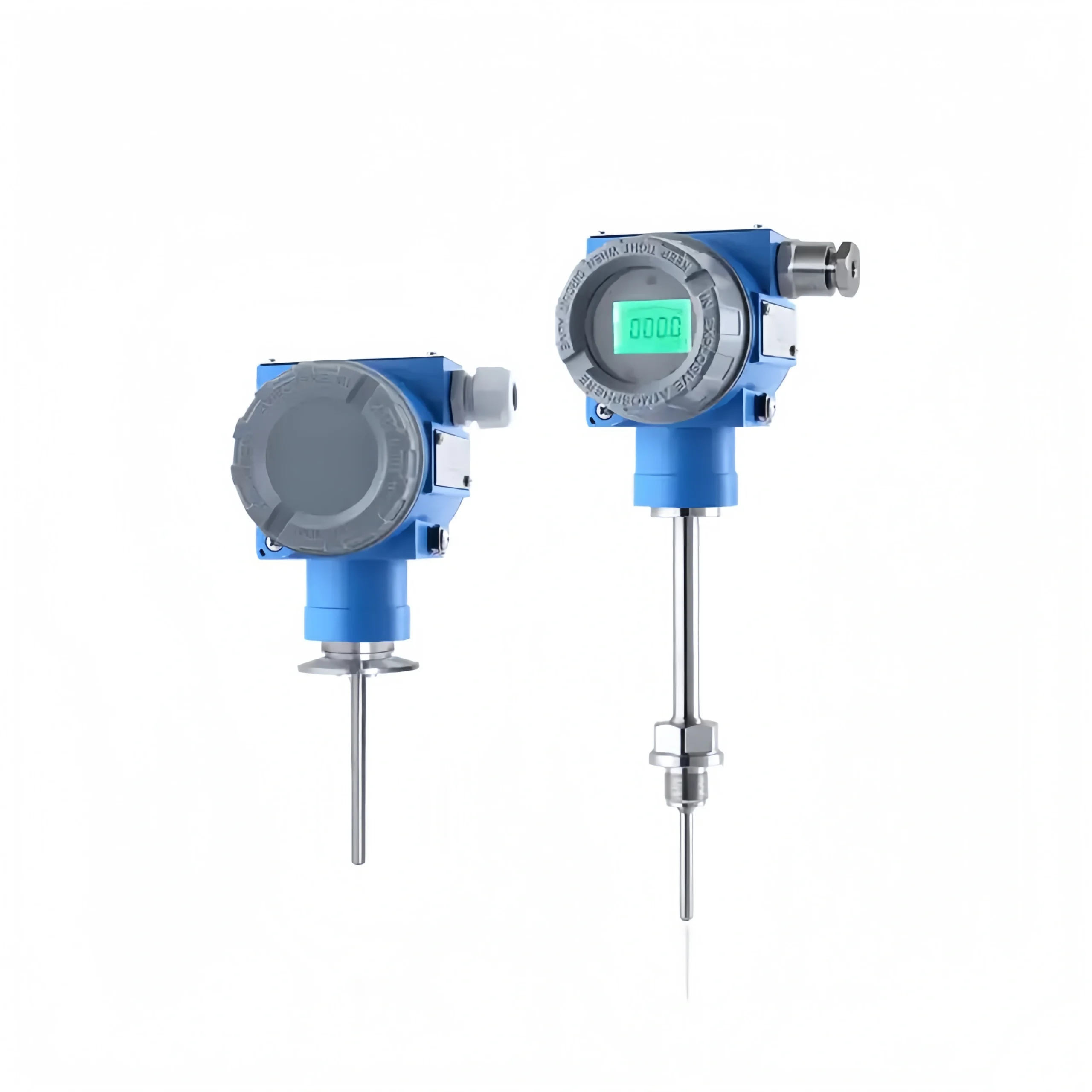
Temperature transmitters, as the main sensing devices in industrial process control and metrological testing, have measurement precision directly affecting the stability of system operation and the dependability of data.
The routine calibration is an important technical means to guarantee the metrology traceability and improve the quality of equipment operation, so as to eliminate the effect of factors such as equipment drift and environmental interference on the measurement results and to ensure that the output signal is consistent with the measured temperature.
The Necessity of Temperature Transmitter Calibration
If you want to ensure that your industrial temperature measuring systems are accurate and reliable, it is crucial to calibrate temperature transmitters. When used in industrial settings, temperature transmitters can be affected by factors such as changes in temperature and humidity, vibration, ageing of parts, corrosion and prolonged use of the power supply. This can easily result in problems such as reduced linearity, span deviation and zero-point drift. These issues cause discrepancies between the output signal and the actual temperature.
Failure to calibrate in a timely manner will result in distorted process temperature monitoring data, which not only affects the precise control of production processes but may also lead to unstable product quality and loss of control over process parameters.
Furthermore, uncalibrated temperature transmitters fail to meet the relevant requirements for safe production, energy consumption control and industry metrology standards, and can also cause significant difficulties in equipment operation and maintenance as well as fault diagnosis.
Regular calibration of temperature transmitters can correct measurement errors and restore measurement accuracy, ensuring that temperature data is reliable and valid. This safeguards the stable operation of industrial production, improves product yield rates, and ensures compliance with metrological verification standards, thereby providing accurate data support for safe equipment operation and maintenance as well as process optimisation.
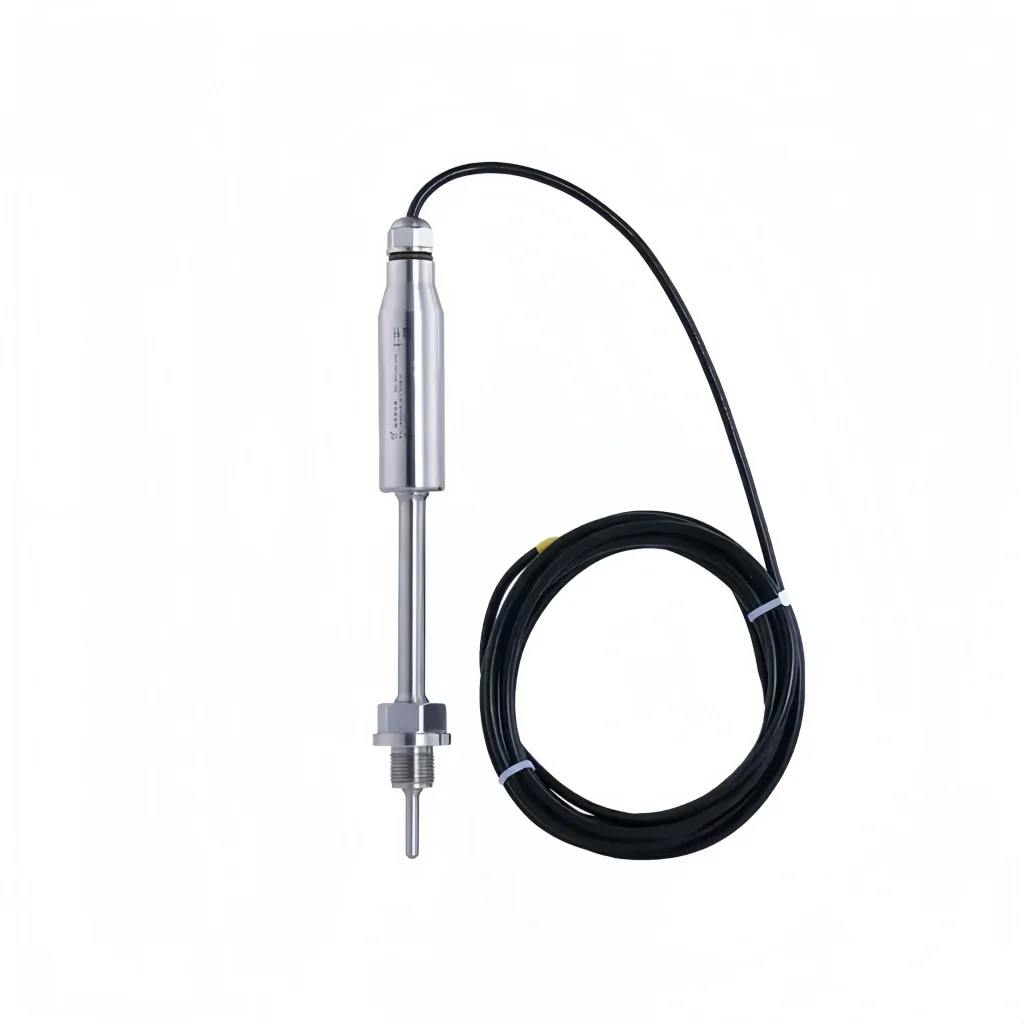
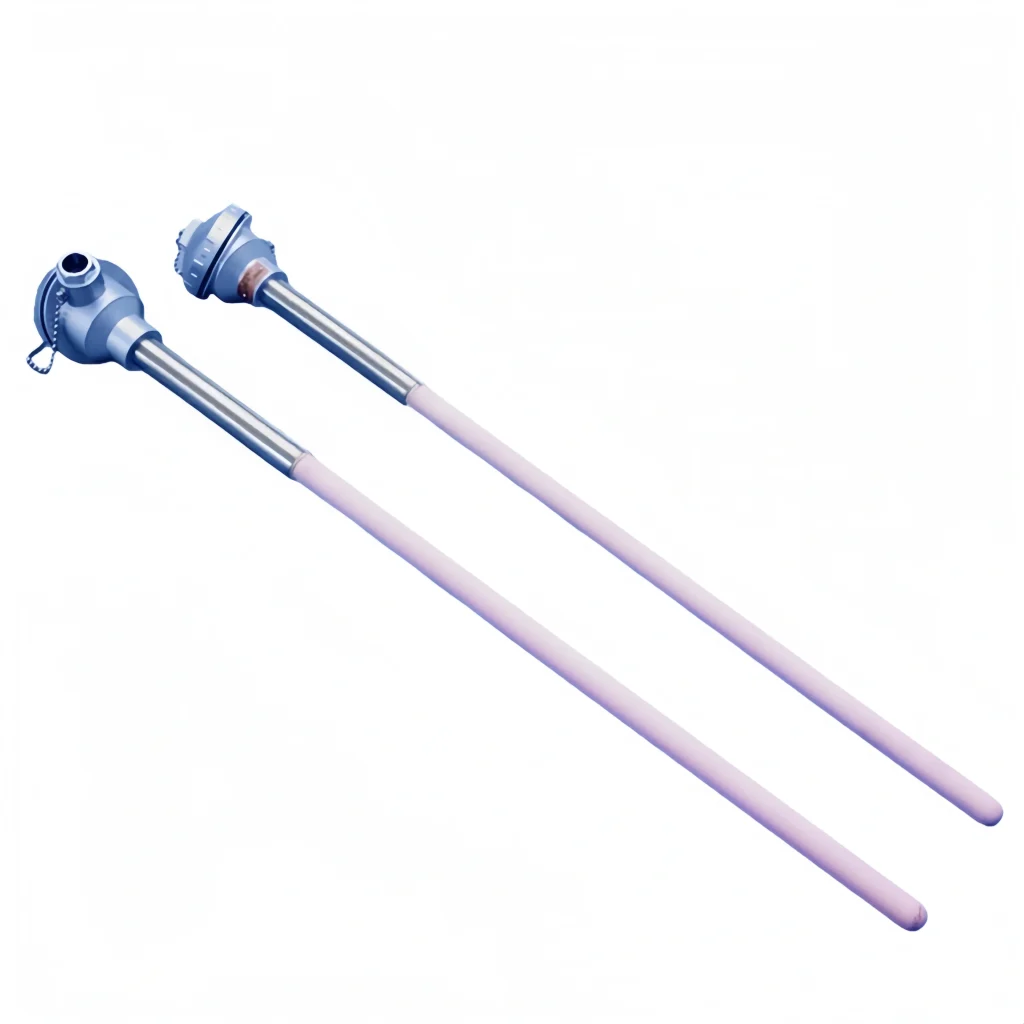
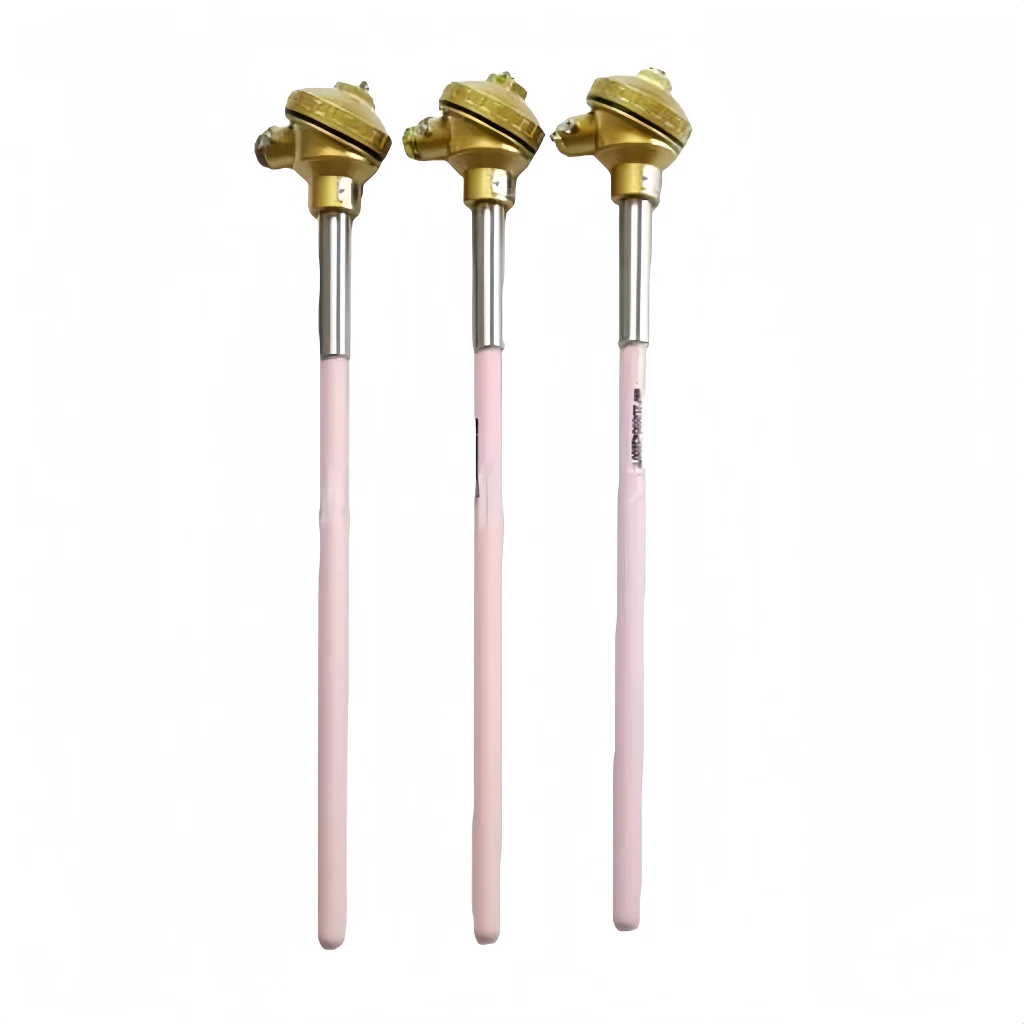
Preparations prior to calibration
Understanding equipment information and requirements
Prior to calibrating a temperature transmitter, it is necessary to comprehensively gather all relevant equipment information, including the model, measurement range, accuracy class and user manual.
This information enables the calibration technician to gain a thorough understanding of the temperature transmitter’s performance characteristics and to clarify the specific requirements and scope of the calibration.
For instance, different types of temperature transmitters may have different calibration methods and parameter settings. Only by fully knowing this knowledge can a good calibration plan be made.
Selecting Suitable Calibration Equipment
Standard Thermometers:
The most important tools for measuring temperature are called standard thermometers. They must be more accurate than the device being measured. There are two main types of standard thermometer: platinum resistance thermometers and thermocouple thermometers.
You can calibrate the temperature to an exact degree using special platinum resistance thermometers. These thermometers are both stable and accurate, making them ideal for use as a safe reference temperature.
Temperature bath:
During the testing process, we use a temperature bath to maintain a steady temperature. There are different types of temperature bath, such as hot or cold baths. You can choose the type of bath you need based on the temperature range required for testing. To meet calibration standards, it is important to consider how stable and consistent the temperature is in the bath.
Checking the calibration environment
The calibration environment can have a big impact on the calibration results. Just to let you know, the calibration locati0n needs to be kept dry, clean and free from mechanical vibration and significant electromagnetic interference.
Also, the temperature and humidity must be correct for the temperature transmitters and calibration equipment to function correctly. For example, during high-precision temperature testing, changes in the temperature of the area around the thermometers and receivers can cause them to malfunction, resulting in errors.
Calibration Procedures and Methods
Zero Calibration
It is very important to calibrate the temperature transmitter correctly to make sure that the measurements are accurate. The most important thing is to make sure that the signal sent out by the transmitter at the reference temperature is good enough and gets rid of the mistakes caused by zero drift in the equipment.
1. Setting the Zero Point Temperature
Place the sensing element of the temperature transmitter to be calibrated alongside a standard thermometer that has passed metrological verification into a high-precision temperature bath. The accuracy class of the standard thermometer must be no less than one-third of the transmitter’s accuracy class to ensure metrological traceability.
Ensure that the sensing points of both devices are located within the same temperature-controlled zone to avoid measurement errors caused by temperature gradients; For most industrial temperature transmitters, the default zero-point temperature is 0°C.
If the transmitter has a special measurement range or customised zero-point requirements, the corresponding zero-point temperature must be set strictly in accordance with the equipment manual; once the temperature of the constant-temperature bath has been set, it must be allowed to stabilise until the temperature fluctuation within the bath is ≤±0.01°C (no significant fluctuations for 30 consecutive minutes) before proceeding to the next step.
2. Measurement of Zero Output
Once the temperature has stabilised, use a signal acquisition instrument that has been successfully calibrated and meets metrological accuracy requirements to read the transmitter’s actual output signal (typically a 4 mA DC signal, corresponding to the theoretical zero point).
Simultaneously record the measured temperature value from the standard thermometer, ensuring that both sets of data are collected synchronously without delay; Compare the measured output signal with the theoretical zero-point output signal to calculate the zero-point deviation, where deviation = measured output signal – theoretical output signal.
If the deviation exceeds the permissible range for the device (typically ≤±0.1% FS), connect a dedicated calibration device to the calibration interface and adjust the zero-point potentiometer or software parameters in accordance with the procedure until the output signal matches the theoretical zero-point.
After making any adjustments, leave the device for 10 minutes to allow it to stabilise. Then, make sure the output signal is steady and that the zero calibration is good to go.
Span Calibration
The primary objective of span calibration is to ensure the temperature sensor provides accurate readings across its entire measurement range. Multi-point calibration eliminates span drift, ensuring that the output signal remains consistent with the monitored temperature.
1. Selecting Calibration Points
Choose calibration points that are evenly distributed across the transmitter’s rated measurement range to ensure full-range coverage. The number of points must comply with metrological standards and must include at least the zero point, the upper limit of the range, and 1–2 intermediate points.
Example: For a Class 0.5 transmitter with a range of 0°C–100°C, points such as 0°C (zero point), 50°C (intermediate point) and 100°C (upper limit); for a transmitter with a range of -50°C to 200°C, additional intermediate points may be added (-50°C, 0°C, 100°C, 200°C).
Calibration points must avoid the transmitter’s non-linear sensitivity zones to ensure that the calibration results are representative and fully reflect the transmitter’s measurement accuracy.
1. Performing the calibration procedure
Set the temperature of the thermostatic bath according to the selected calibration points and adjust it in sequence. Allow the temperature to stabilise at each calibration point before acquiring the signal.
During the acquisition process, the real temperature measured with the standard thermometer and the transmitter output signal are recorded at the same time. You should measure three times at each calibration point, and then take the average of those measurements to get your final data. This’ll help you to reduce random errors. Adjust and re-measure all calibration points until all errors are within criteria. Ensure accuracy of measurement over the complete range.
Linearity Calibration
The linearity calibration is an important step to check the linear connection between the transmitter’s output signal and the temperature being measured. It’s designed to correct non-linear flaws and increase accuracy of measurements even more.
1. Plotting the Calibration Curve
We need to record both the signal from the temperature monitor and the scale’s reading at each calibration point. This is how the range is set up. A reference model should also be created. The calibration line shows how errors in the temperature transmitter’s readings change with temperature.
2. Adjusting Linearity
Find out what kind of regression deviation it is (positive deviation, negative deviation, or non-linear deviation) and how big it is on the calibration graph to see if it’s too big.
Analogue transmitters: Just adjust the internal linearisation control to fix any errors that aren’t linear.
Smart transmitters: Just put the data from the calibration curve into some special calibration software and the device will take care of the linearisation parameter calibration itself.
When you’ve finished making the adjustment, plot the calibration curve again and check the linearity error until it meets the requirements. Make sure that the transmitter’s output is well-correlated with the measured temperature across the whole measurement range.
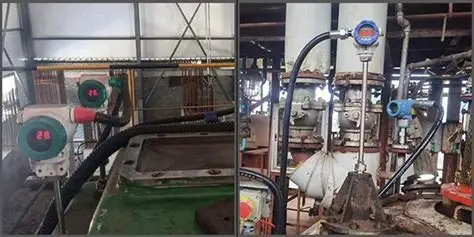
Verification and Recording Following Calibration
Verification of Calibration Results
Once the calibration is complete, the findings need to be validated. Choose one or more temperature points not used in the calibration, and at the same time put the temperature transmitter and the reference thermometer in a temperature controlled bath and measure the temperature at that point.
Compare the reading from the temperature transmitter with that from the reference thermometer to verify that the calibrated temperature transmitter meets the accuracy requirements.
Recording Calibration Information
During the calibration process, detailed records should be kept of the calibration equipment, environmental conditions, measurement data at the calibration points, and the calibration results.
These records are the critical documents for the calibration process, but also the critical reference for the later maintenance and administration of the temperature transmitter. Furthermore, calibration records should be carefully maintained.
Points to Note
1. Prioritise the use of a high-precision standard thermometer with an accuracy class no lower than that of the transmitter being calibrated as the calibration reference.
2. To ensure that the limits set out in the manual are adhered to, the environment in which the calibration is performed must be able to control temperature and humidity very precisely. To ensure accurate results, keep the area free from strong magnets, vibrations and dust.
3. Just make sure you wire it up properly by following the guidelines in the handbook. Ensure that the positive and negative terminals, as well as the signal lines, are correctly connected, and that the bridge terminals are firmly connected and free of anything loose. To avoid any measurement mistakes caused by loose connections or broken bridges, secure the wire after connection.
4. First, calibrate the zero point, then the span. Slowly adjust the standard signal, reading the output only once it has stabilised. To ensure consistent and reliable data, measure at each calibration point 2–3 times.
5. Choose a calibration cycle based on how things are going. To ensure your temperature transmitter continues to function accurately for years to come, perform regular maintenance and periodically verify its proper operation. This will help you to quickly spot any problems, such as parts wearing out or the circuit getting worn out.
How to Select an Appropriate Calibration Interval for Temperature Transmitters
The calibration interval for temperature transmitters primarily depends on the equipment’s operating environment and working conditions. In high-temperature, high-humidity or highly corrosive environments, the performance of the transmitter may be compromised, thus requiring a shorter calibration interval.
In more stable environments, the calibration interval can be extended appropriately. Generally speaking, the calibration interval for temperature transmitters should be determined based on actual production requirements, the importance of the equipment and production regulatory requirements.
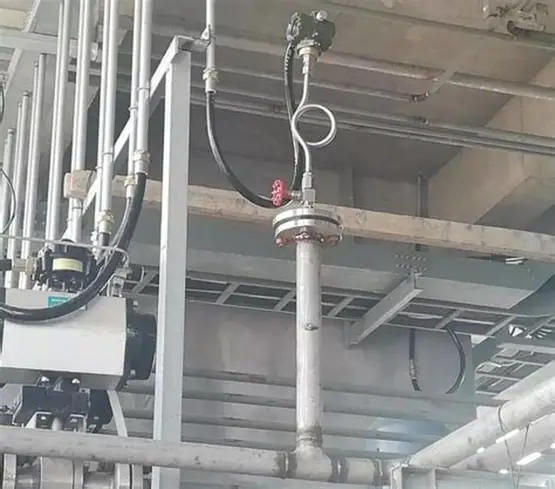
It is very important to calibrate temperature transmitters to make sure that industrial automation equipment is accurate and stable. Standard calibration procedures can improve production efficiency and reduce losses from equipment failure.
We’re the experts when it comes to measuring industrial temperatures, and we have particular experience with thermocouples and resistance temperature transmitters. Our products are highly accurate and stable, and can adapt to different conditions. This makes them ideal for a wide range of industrial temperature measurement applications.
Our team of R&D and production experts can provide all the support you need for temperature measurement in industry. We can supply customised equipment and provide all the advice you need on calibration. We can also support you with ongoing maintenance. Our services help companies to keep track of production temperatures, make processes more efficient and cut costs.