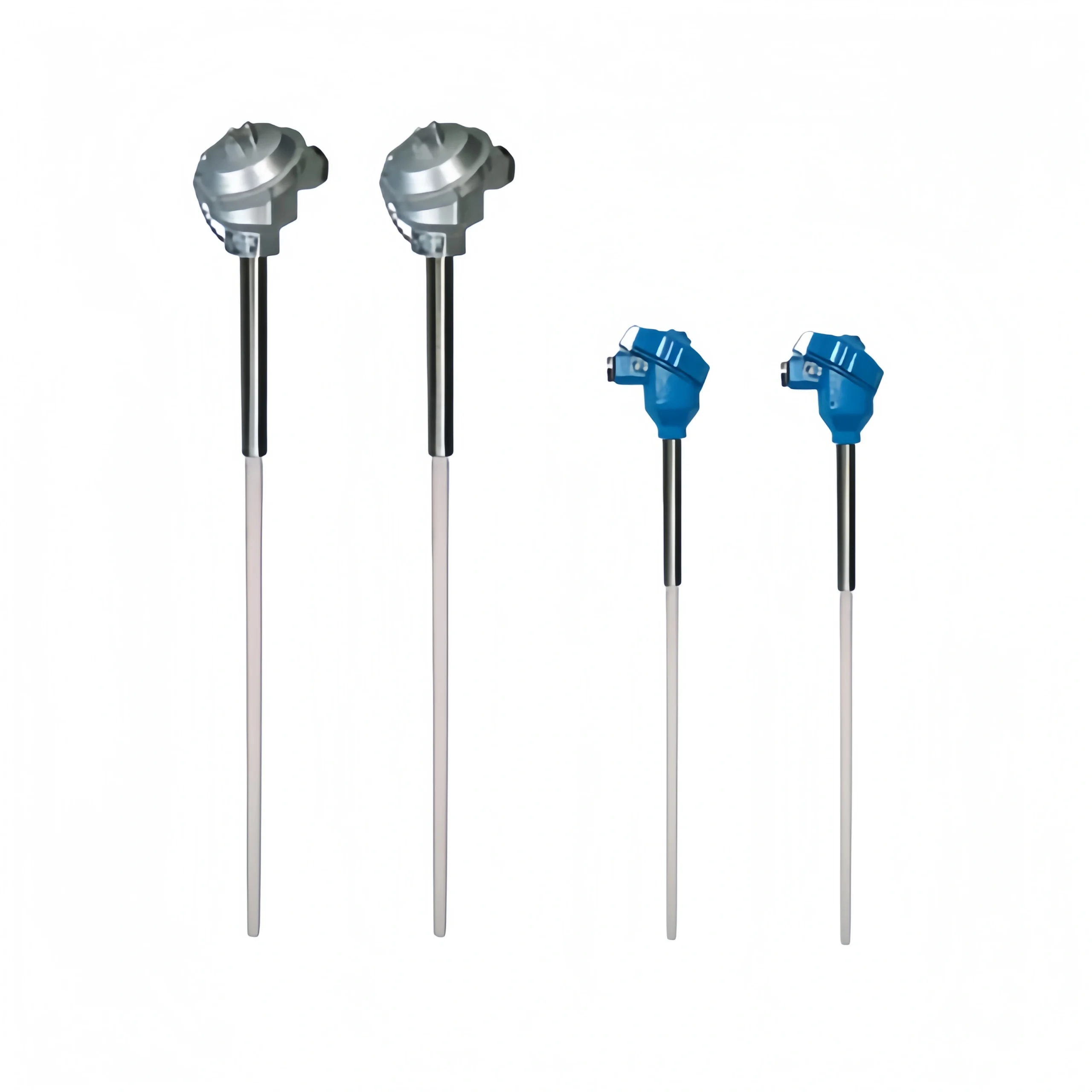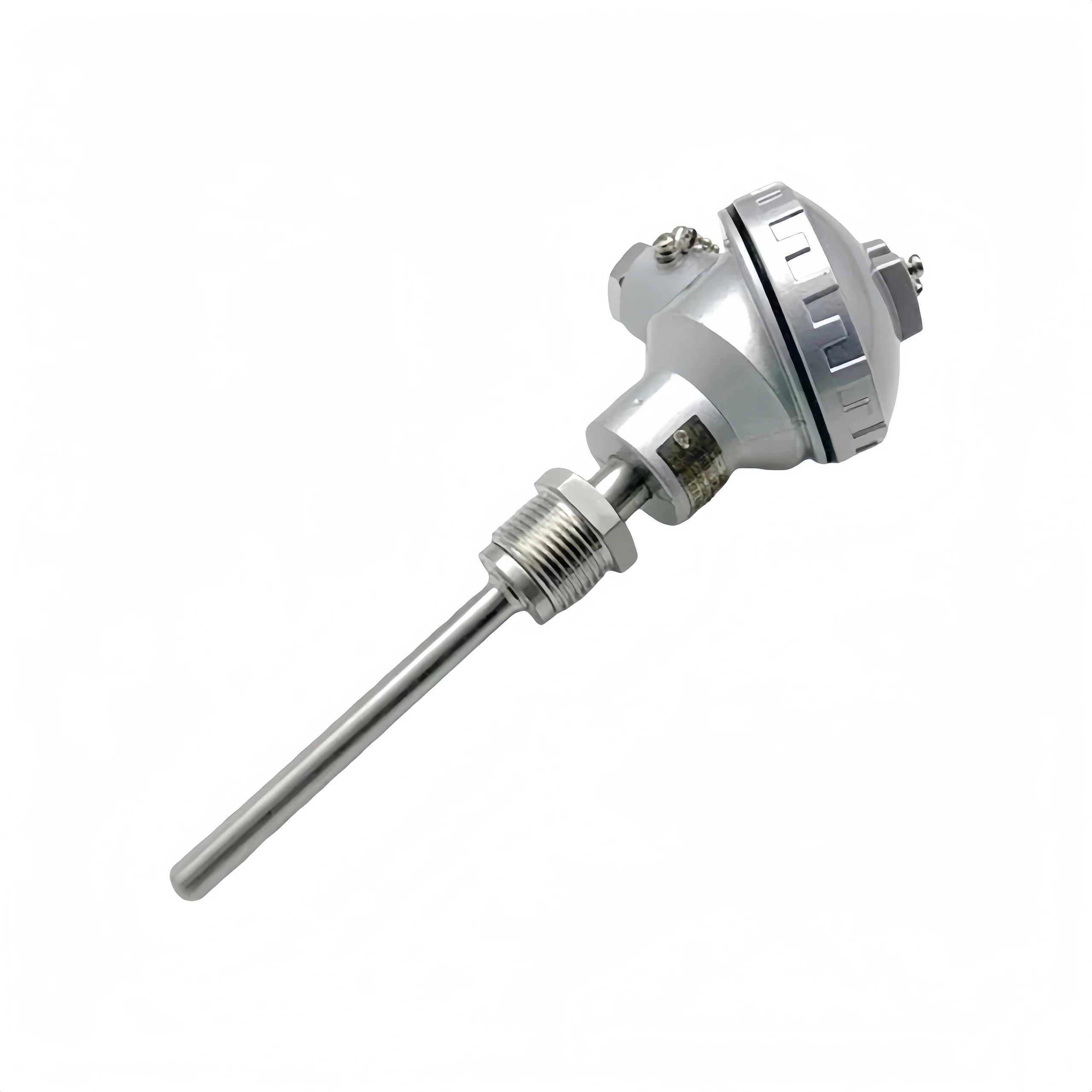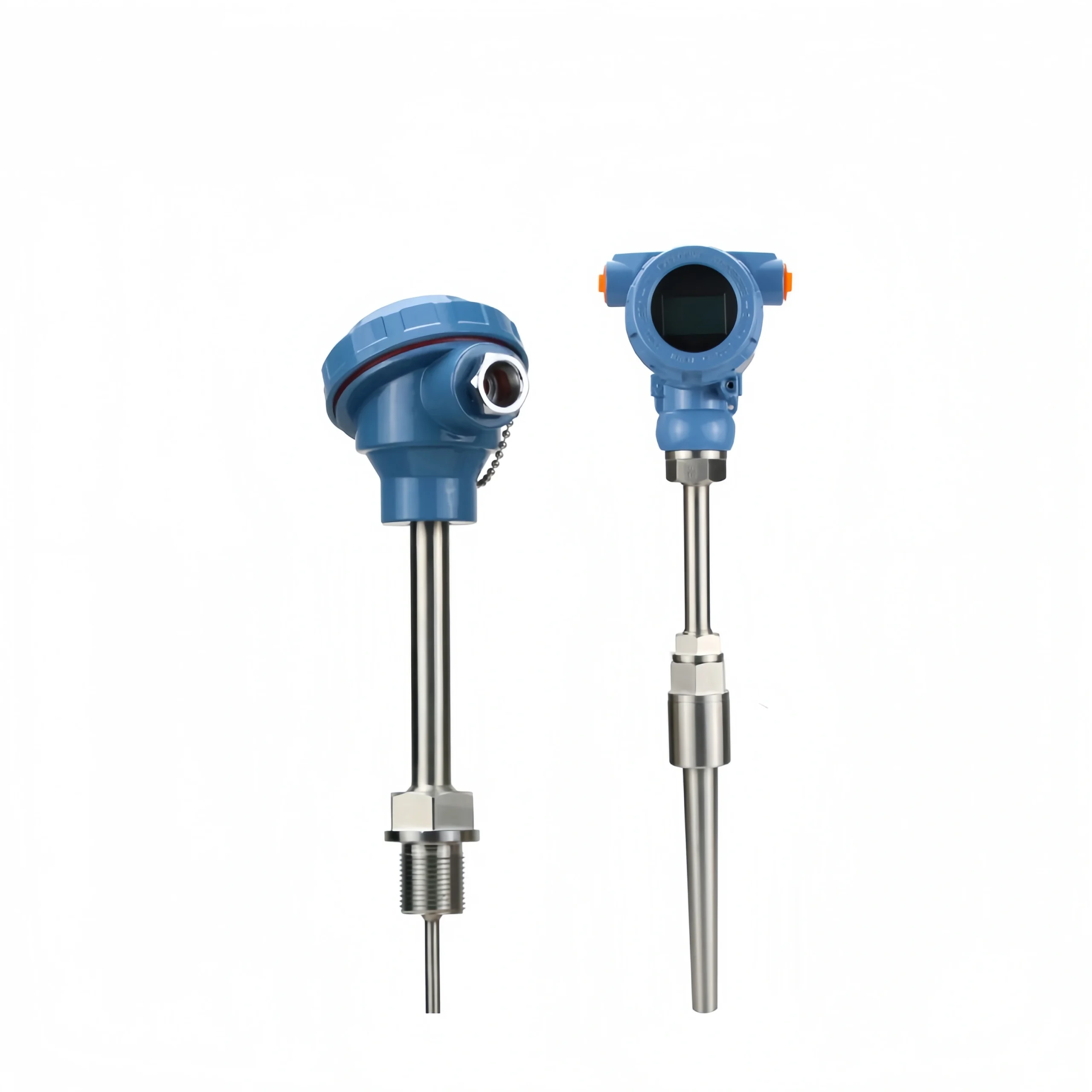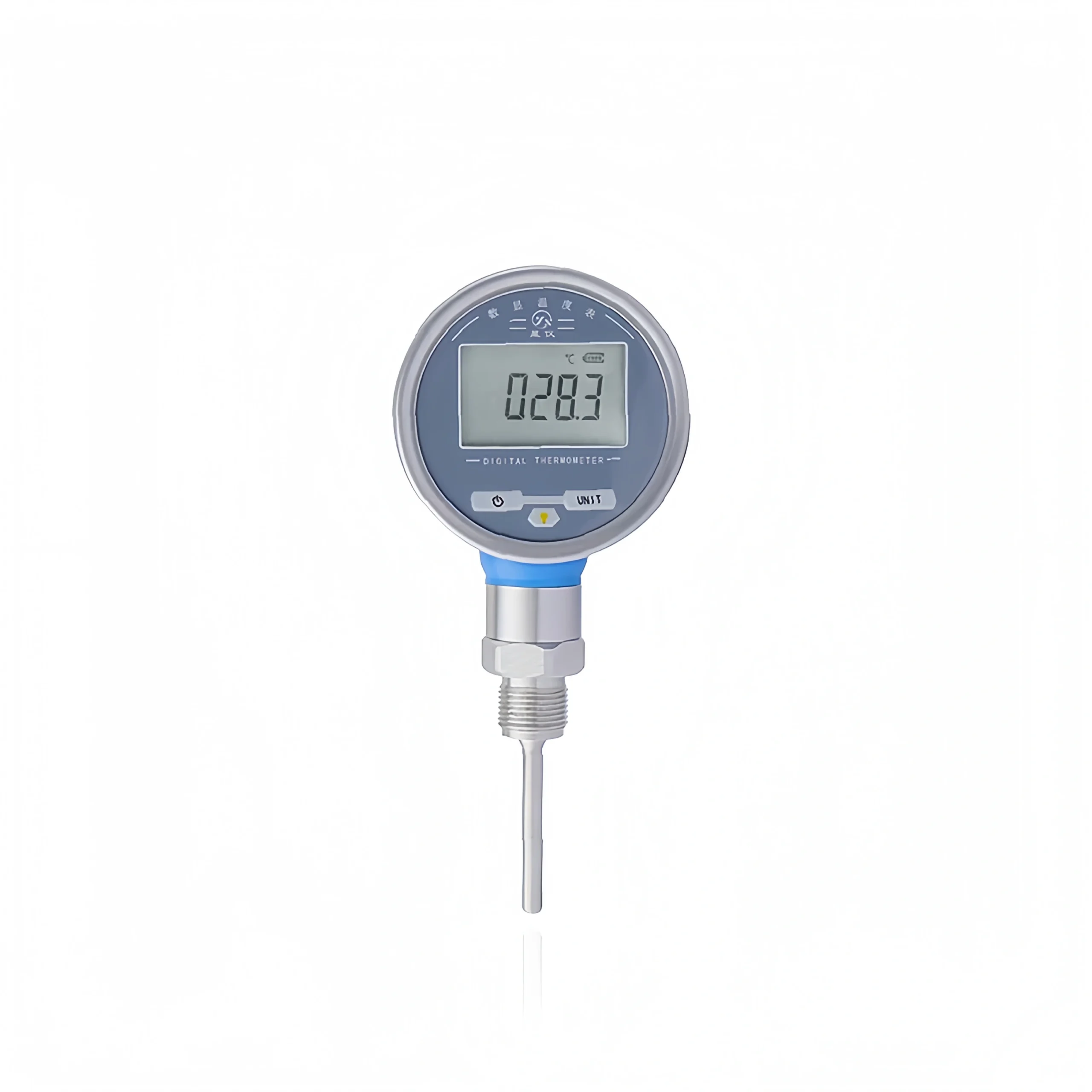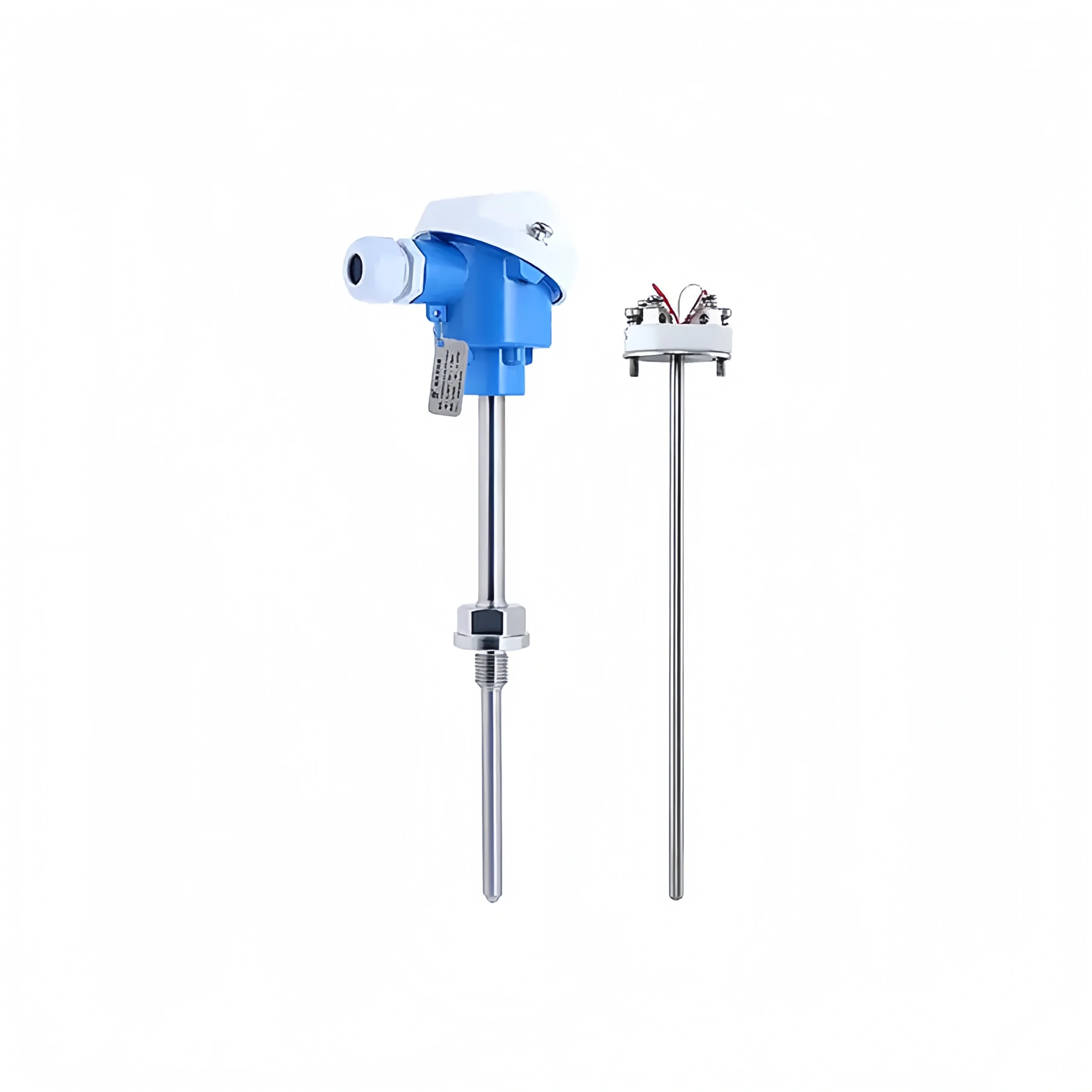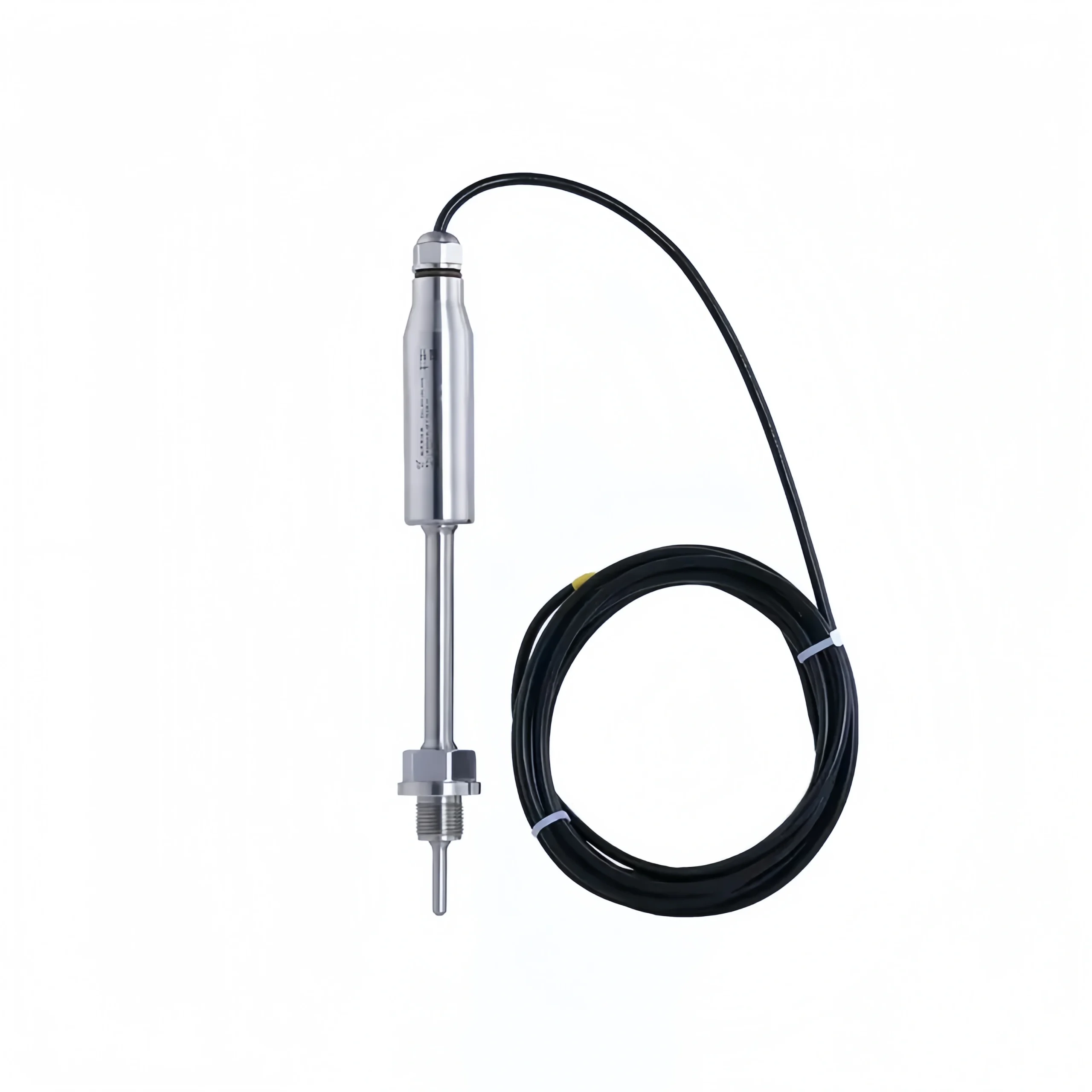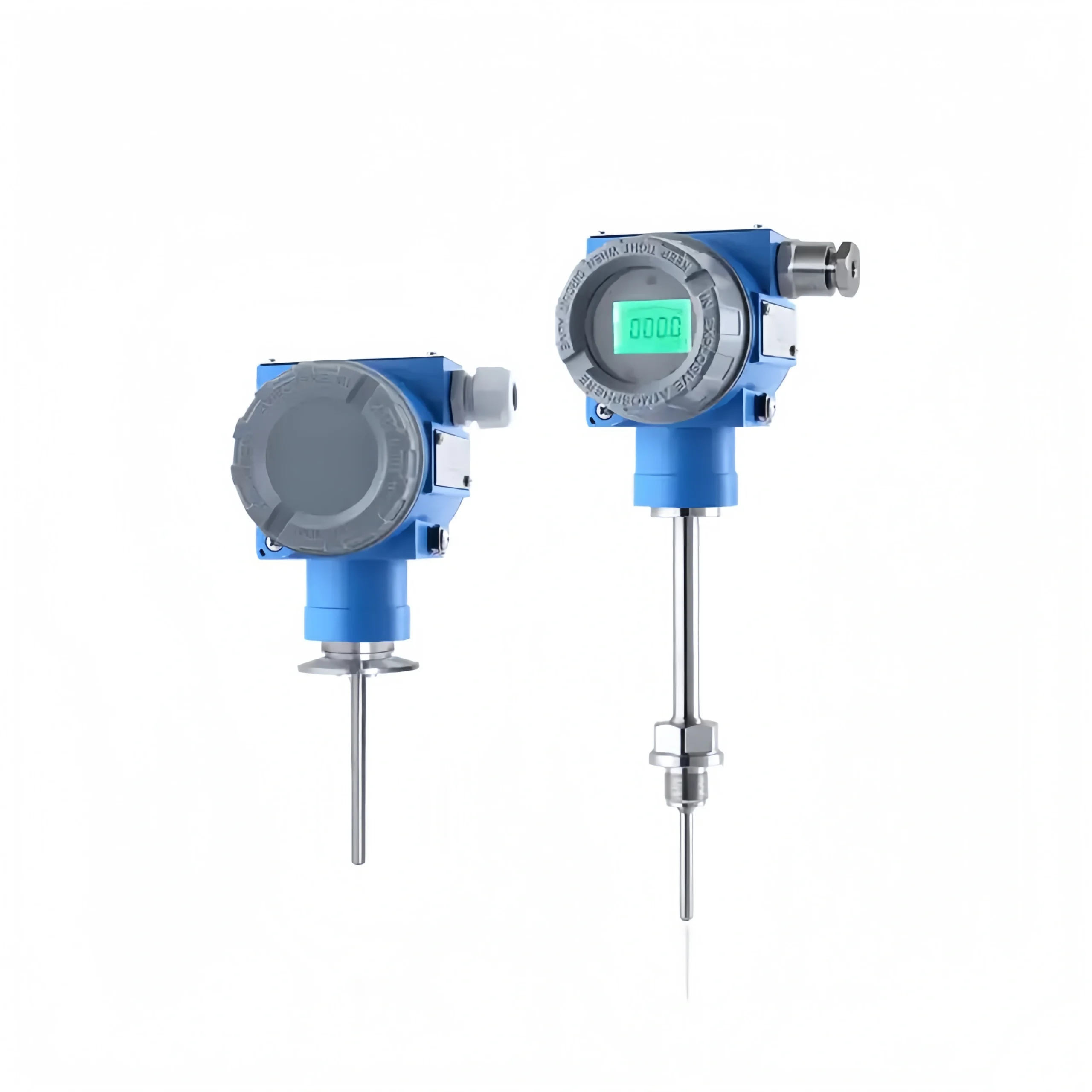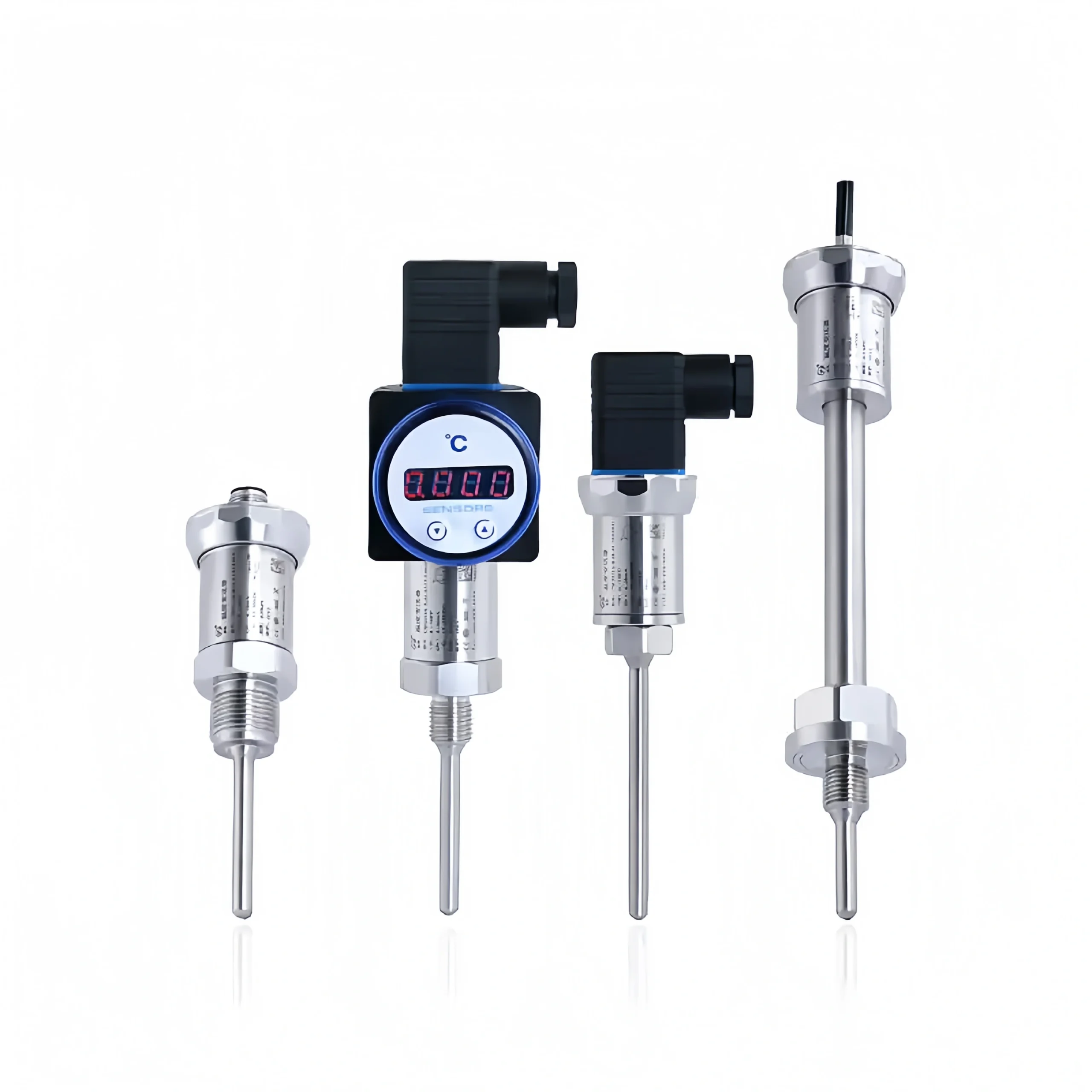
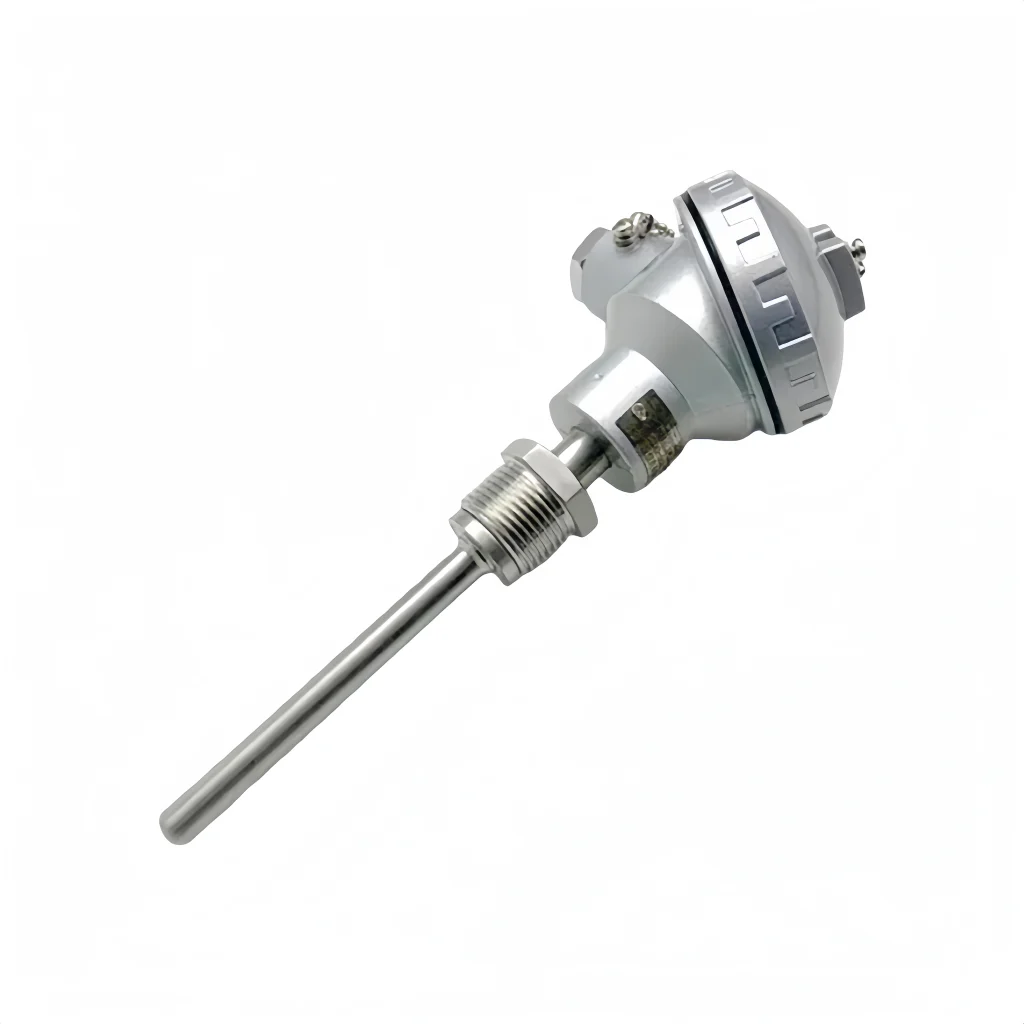
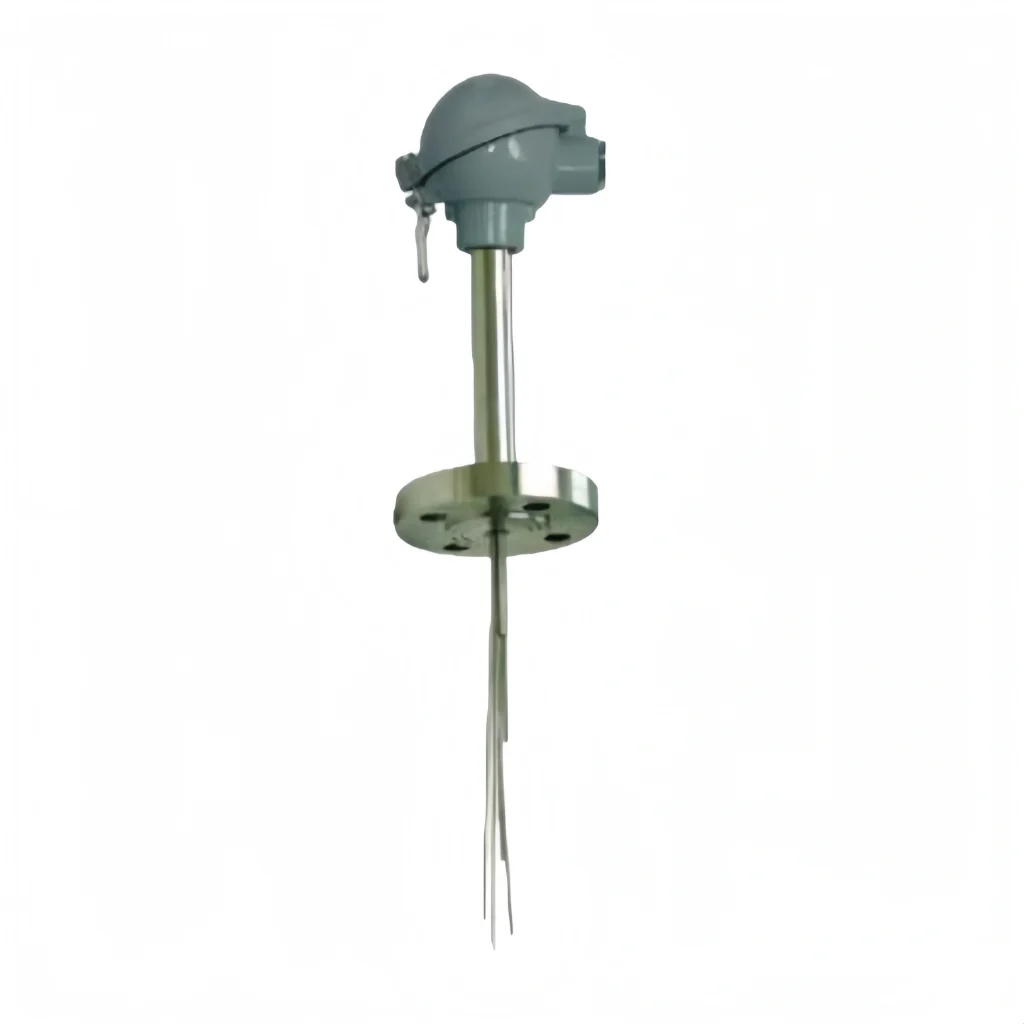
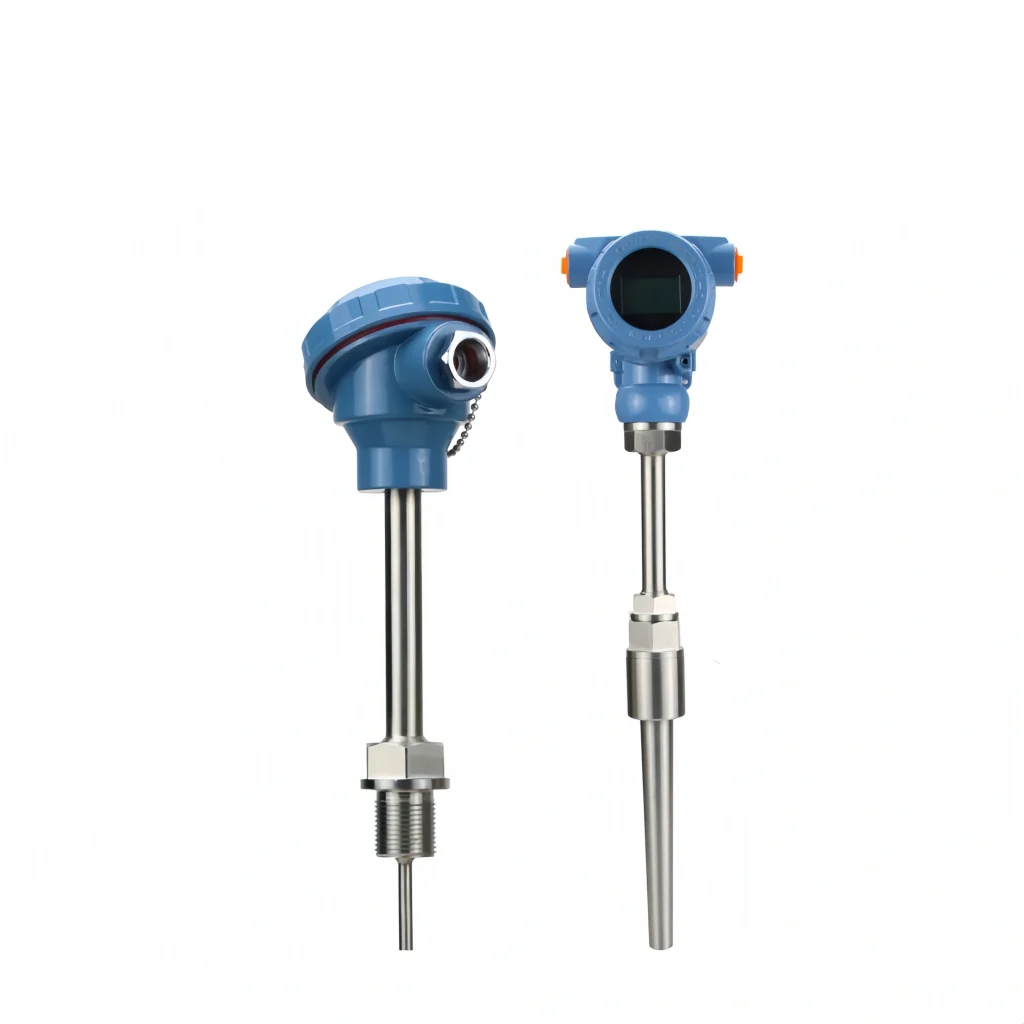
The Type S thermocouple is a temperature sensor that is often used. It uses the thermoelectric effect to measure temperature differences and convert them into an electrical signal. This type of thermocouple is great because it’s highly sensitive and can measure a wide range of temperatures, which makes it super useful in industrial automation control.
What is an S-type thermocouple?
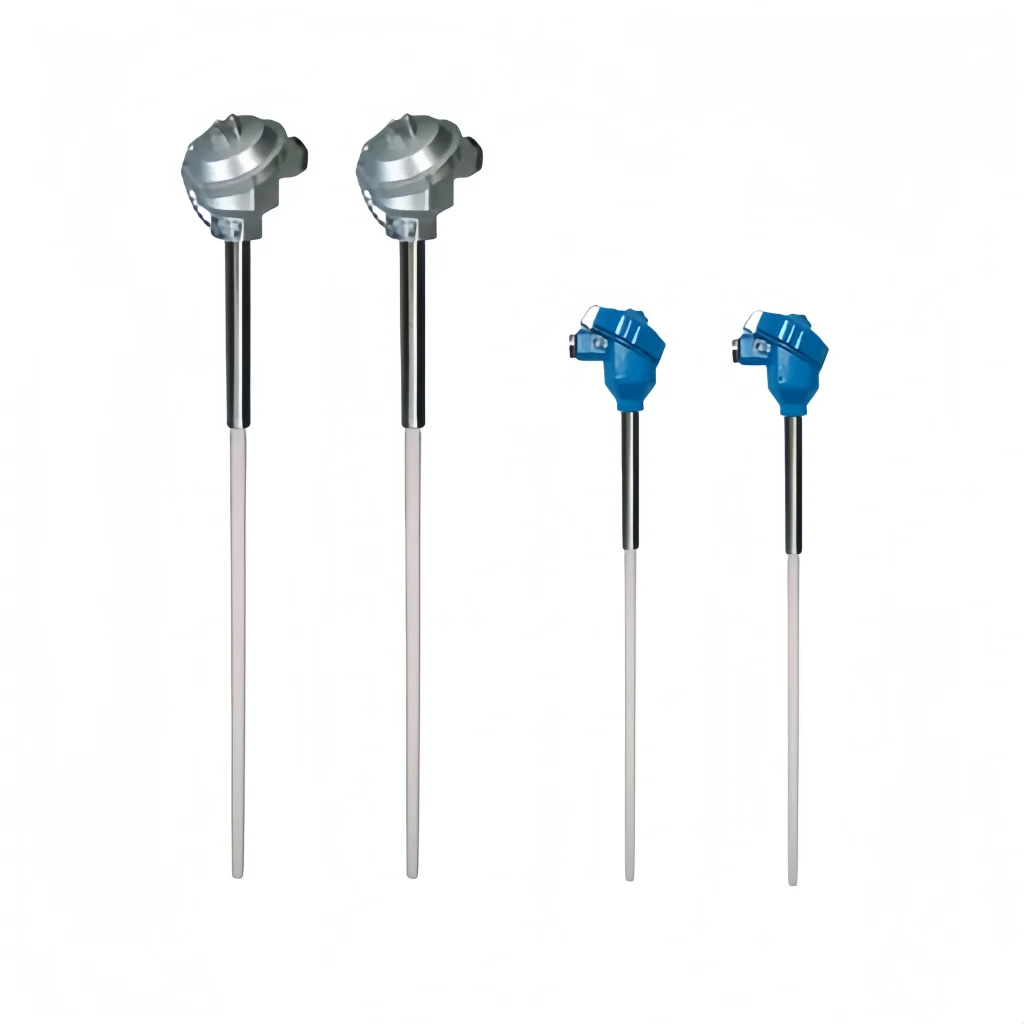
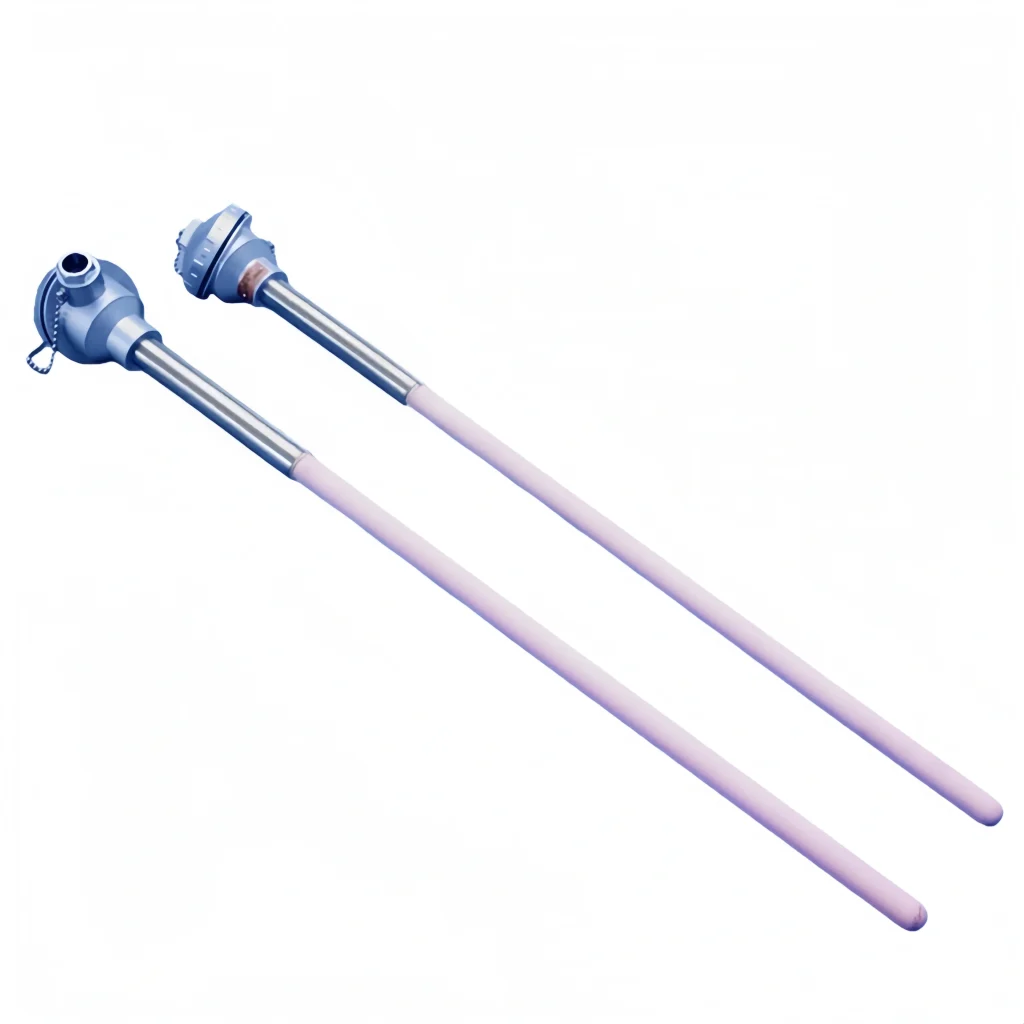
An S-type thermocouple is a thermocouple that’s labelled ‘S’. It’s a precious metal thermocouple, with the positive lead being a platinum-rhodium alloy that’s 10% rhodium-based, and the negative lead is pure platinum. It’s mostly used to measure temperature very accurately at high temperatures. It can measure between 0 and 1600°C, and can operate at temperatures of up to 1300°C for a long time.
It is characterised by high accuracy, good stability and strong resistance to oxidation, and is commonly used in applications requiring high measurement accuracy, such as laboratory calibration, high-temperature industrial furnaces, and the firing of glass and ceramics.
However, it is relatively expensive, has a low thermoelectric potential and relatively low sensitivity, and is not suitable for long-term use in reducing atmospheres, vacuums, or environments containing metal vapours or harmful gases. When in use, it typically requires a high-temperature protective sheath and proper cold-junction compensation.
Working Principle of Type S Thermocouples
The working principle of Type S thermocouples is based on the Seebeck effect: when two conductors of different chemical compositions are connected at both ends to form a closed circuit, a thermoelectric potential corresponding to the temperature difference is generated within the circuit when the temperatures at the two junctions differ. By measuring this potential, the measured temperature can be calculated.
There’s a temperature difference between the sensing end and the connection end of the Type S thermocouple. The two precious metal materials have different concentrations of free electrons and diffusion rates, which creates a potential difference at the junction.
Type S thermocouples use a platinum-rhodium and pure platinum pair, so they’re stable and good at measuring high temperatures. Their output thermoelectric potential increases systematically with rising temperature; the accompanying temperature measuring instrument compensates for the cold-junction temperature and calculates the actual temperature using a lookup table, thereby displaying it directly.
Advantages and Disadvantages of Type S Thermocouples
Advantages
1. It’s really accurate, the thermoelectric potential is stable and it’s pretty linear too. It’s a standard thermocouple that’s known all over the world. It’s often used as a temperature reference and for metrological calibration, so you can be sure the measurement results are going to be reliable.
2. Excellent high-temperature thermal stability; minimal thermocouple potential drift during long-term use in high-temperature environments; slow degradation of material properties; excellent reproducibility and interchangeability, facilitating standardised use, replacement and maintenance.
3. It’s really resistant to oxidation and corrosion, so it’s great for loads of different operating conditions, even oxidising and inert atmospheres. It’s also resistant to oxidation and degradation, so it’ll last longer in high-temperature industries like metallurgy, glass and ceramics.
4. It can measure a wide range of temperatures and is stable enough for long-term use at temperatures of up to 1300°C. It can also handle short-term temperatures of up to 1600°C. These features make it ideal for most high-temperature industrial production processes and scientific research experiments.
5. It’s got solid physical and chemical properties, is highly pure and can resist contamination. It’s not easily affected by impurities in tough conditions and can keep on measuring temperature accurately over time.
Disadvantages
1. It is expensive because it is made from precious metals such as platinum and rhodium. Procurement and operating costs are significantly higher than for base-metal thermocouples such as Types K and E, resulting in a higher overall investment.
2. The thermoelectric potential is pretty small and the sensitivity is low, so the electrical signal generated for the same temperature change is weak. This means you need to use higher-precision measuring instruments to make sure you get an accurate temperature measurement.
3. Application is limited by the operating atmosphere; they cannot be used long-term in reducing atmospheres, metal vapours, or environments containing sulphur or carbon, as this may lead to contamination, embrittlement or even damage; a protective sheath must be fitted to accommodate complex operating conditions.
4. They can get contaminated at high temperatures. If you use them for a long time, the materials can get damaged and dirty, which can change how well they work and reduce how long they will last.
5. They don’t perform well at low temperatures. They are no better than standard thermocouples at medium to low temperatures and cost more. So they are mainly used for critical high-temperature measurement points.
Why Type S Thermocouples Offer High Accuracy
The high accuracy of Type S thermocouples stems from the combined advantages of their material properties, thermoelectric performance and standardised positioning. They utilise a high-purity platinum-rhodium 10 alloy and pure platinum as electrode materials, which exhibit exceptional chemical stability; they are resistant to oxidation, volatilisation or compositional changes in high-temperature environments, and their thermoelectric characteristics remain stable over the long term with minimal drift.
The relationship between its thermoelectric potential and temperature is highly linear, with uniform signal output and high repeatability, enabling it to accurately reflect temperature changes.
What’s more, the Type S thermocouple has been the go-to for international temperature scale calibration for ages, so you know it’s made to a high standard and with super precise material ratios. It is far more consistent and reproducible than standard base-metal thermocouples, making it reliable and highly accurate for medium-to-high temperature measurements.
What are the differences between Type S, Type B and Type R?
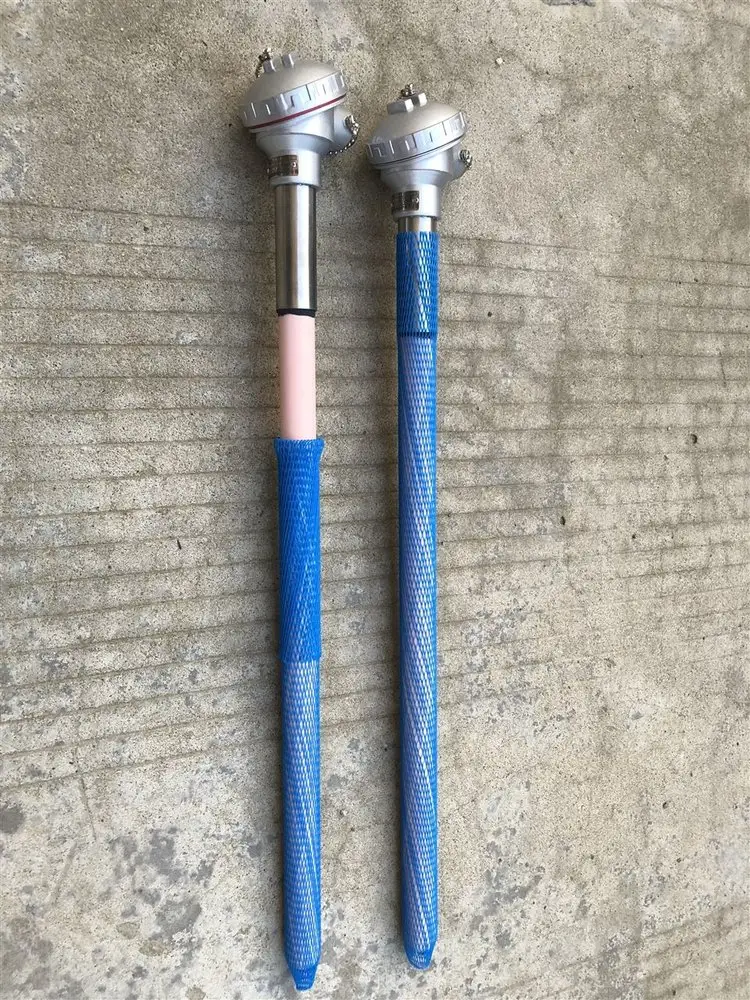
Platinum-rhodium thermocouples are a type of thermocouple that use precious metals, and they’re often used to measure high temperatures. They’re known for being very accurate and stable, and can measure a wide range of temperatures.
So, Type S, Type B and Type R platinum-rhodium thermocouples are all part of the platinum-rhodium family, but there are some big differences between them. These differences are in the materials used for the electrodes, the temperature measurement range and the accuracy grades.
Differences in Material Composition
Type S (Platinum-Rhodium 10 – Platinum) has a positive electrode made of a platinum-rhodium alloy containing 10% rhodium and 90% platinum, and a negative electrode made of pure platinum.
Type R (13% rhodium-87% platinum) has a positive electrode made of a platinum-rhodium alloy containing 13% rhodium and 87% platinum, whilst the negative electrode is also pure platinum; the only difference is that the positive electrode has a higher rhodium content than Type S.
Type B (Platinum-Rhodium 30 – Platinum-Rhodium 6) is the only type in which both the anode and cathode are platinum-rhodium alloys; the anode consists of an alloy containing 30% rhodium and 70% platinum, whilst the cathode consists of an alloy containing 6% rhodium and 94% platinum.
Temperature measurement ranges and upper limits differ
The Type S has a long-term stable upper limit of 1300°C and can reach 1600°C for short periods; it is the most commonly used model in the medium-to-high temperature range.
The Type R has a slightly higher long-term upper limit than the Type S, at approximately 1400°C, and can also reach 1600°C for short periods; it offers slightly better high-temperature stability.
Type B has the highest temperature measurement capability, with long-term stability at 1600°C and a short-term maximum of 1800°C, making it suitable for ultra-high-temperature applications.
Differences in Thermocouple Emf and Sensitivity
The S-type and R-type exhibit good linearity in their thermocouple emf. Due to its higher rhodium content, the R-type has greater sensitivity than the S-type; at 1000°C, the emf of the R-type is slightly higher than that of the S-type. The B-type has the lowest overall emf, with extremely low emf in the near-ambient temperature range of 0–50°C, and its high-temperature sensitivity is also lower than that of the S- and R-types.
Different cold-junction compensation requirements
Type S and Type R thermocouples are significantly affected by cold-junction temperature; therefore, compensation leads must be used to compensate for cold-junction temperature during operation to ensure measurement accuracy.
As Type B thermocouples have a very low thermocouple potential at room temperature, cold-junction compensation can be left out in normal operating conditions, making the measurement system simpler.
Differences in high-temperature stability and service life
The negative electrode of Type S and Type R thermocouples is made of pure platinum. This means that grain growth and embrittlement can occur at temperatures above 1400°C. This limits its high-temperature service life. In contrast, both the positive and negative parts of a Type B thermocouple are made of a special alloy of platinum and rhodium, which makes them more resistant to wear and tear. They can last at temperatures of 1600°C for 2-3 times longer than Type S and Type R thermocouples.
Differences in Accuracy and Application Scenarios
Type S is very accurate and stable. It is used to measure temperature all over the world and is the most popular standard thermocouple. It is often used in precision temperature measurement, industrial furnaces, heat treatment and similar applications.
Type R has overall performance similar to Type S, with slightly superior stability and reproducibility.
Type B is designed for ultra-high-temperature measurement, primarily used in extreme high-temperature scenarios above 1600°C, such as in the glass, metallurgy and aerospace industries.
Cost and Value for Money
All three are precious metal thermocouples and are more expensive than base metal thermocouples. Among them, the Type R, due to its higher rhodium content, is slightly more expensive than the Type S; the Type B, with its dual platinum-rhodium structure, uses more expensive materials and is the most expensive, typically selected only for ultra-high-temperature applications.
Practical Applications of Type S Thermocouples
Laboratories and Metrological Calibration: Type S thermocouples are often used as temperature transfer standards and secondary standard thermocouples. They’re used a lot in metrology institutes and calibration labs as high-precision temperature references. This is so they can check and compare different temperature-measuring instruments.
Temperature Measurement in Industrial High-Temperature Furnaces: You’ll find them in all sorts of high-temperature heating and processing equipment, like furnaces for metallurgy, heat treatment and forging. They provide stable measurements at typical high temperatures of 800–1300°C, with short-term exposure up to 1600°C, meeting the requirements of most high-temperature process control applications.
Glass and Ceramics Production: Used for temperature monitoring in glass melting furnaces and ceramic kilns. Due to their precious metal composition, which offers high-temperature resistance and oxidation resistance, they maintain excellent accuracy and service life even in high-temperature oxidising atmospheres.
Aerospace and New Materials R&D: They are ideal for testing aeroengines, working with high-temperature alloys, and preparing composite materials. They provide reliable high-temperature data, ensuring the process is carried out correctly.
Petrochemical and Energy Equipment: We use them in important equipment like petrochemical cracking furnaces, thermal power plant boilers and high-temperature reactors. They make sure that equipment can be used safely and efficiently at high temperatures.
Research and Precision Testing: In research projects involving material thermal performance testing, high-temperature environment simulation and thermal engineering experiments, their high stability and precision make them ideal temperature sensors.
How to Select Different Types of Thermocouples
1. Select the type based on the temperature measurement range: When it comes to low-temperature applications, go for Type T or Type E thermocouples; Type K is usually used for medium temperatures; and for high-temperature applications (like metallurgy and kilns), pick Type S, Type R, or Type B precious metal thermocouples to avoid damage or loss of accuracy due to exceeding the measurement range.
2. Select according to the operating environment:If the environment is humid, corrosive or oxidising, opt for thermocouples that are resistant to corrosion and oxidation. For reducing or vacuum environments, N-type or precious metal thermocouples are ideal. For ordinary dry air environments, the more cost-effective K-type or J-type thermocouples can be used.
3. Select based on accuracy requirements: For scenarios requiring high temperature measurement accuracy, such as laboratories and precision heat treatment, select standard S, R or B-type thermocouples; For general industrial sites and routine temperature monitoring, K, E, or J-type base metal thermocouples are sufficient.
4. Select based on installation and operating conditions:If you need to measure temperature over a long period of time, make sure you choose a model that’s more stable. If you’re going to be inserting, removing or using a thermocouple on a mobile device a lot, it’s better to choose one that’s flexible or resistant to wear and tear. If you’re working in a confined space or with fast-moving fluids, you’ll need to use miniature or armoured thermocouples, and make sure you get the right protective sheath for the job.
5. Balancing cost and compatibility: If you’re on a tight budget or have a large number of users, it’s better to opt for cheaper models such as Types K and E. However, if you require something highly precise and long-lasting, you may wish to consider precious metal thermocouples. Just make sure they’re compatible with the calibration scale of your on-site temperature control instruments and data acquisition modules, so you can be sure you’re getting the right signal readings.
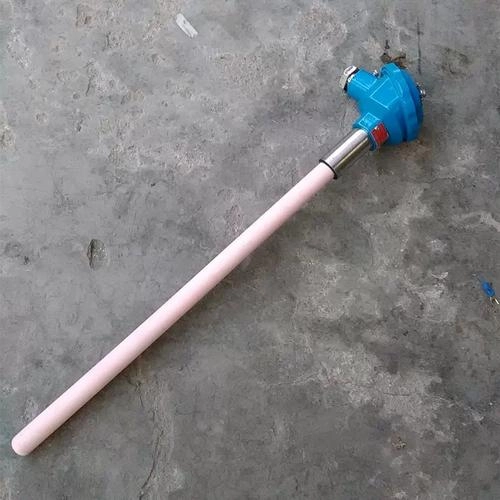
Sino-Inst specialises in providing a full range of thermocouple temperature measurement products, including Type T, Type S and Type B, alongside comprehensive temperature measurement solutions such as resistance temperature transmitters.
We can customise solutions to suit various operating conditions, including industrial furnaces, heat treatment, glass and ceramics, metallurgy and petrochemicals, and metrology and calibration. With stable performance, rigorous quality control and comprehensive technical support, we provide users with a reliable, one-stop solution for temperature monitoring and automated control.