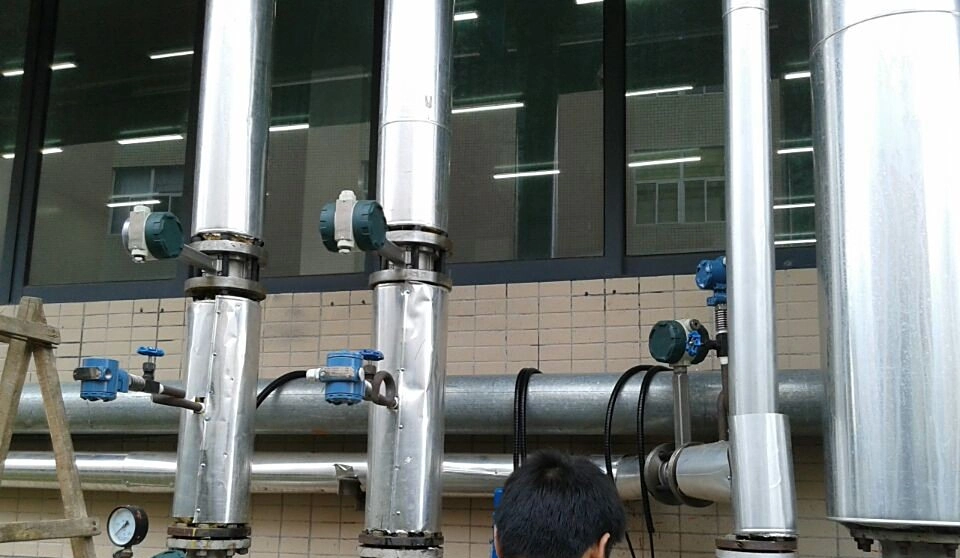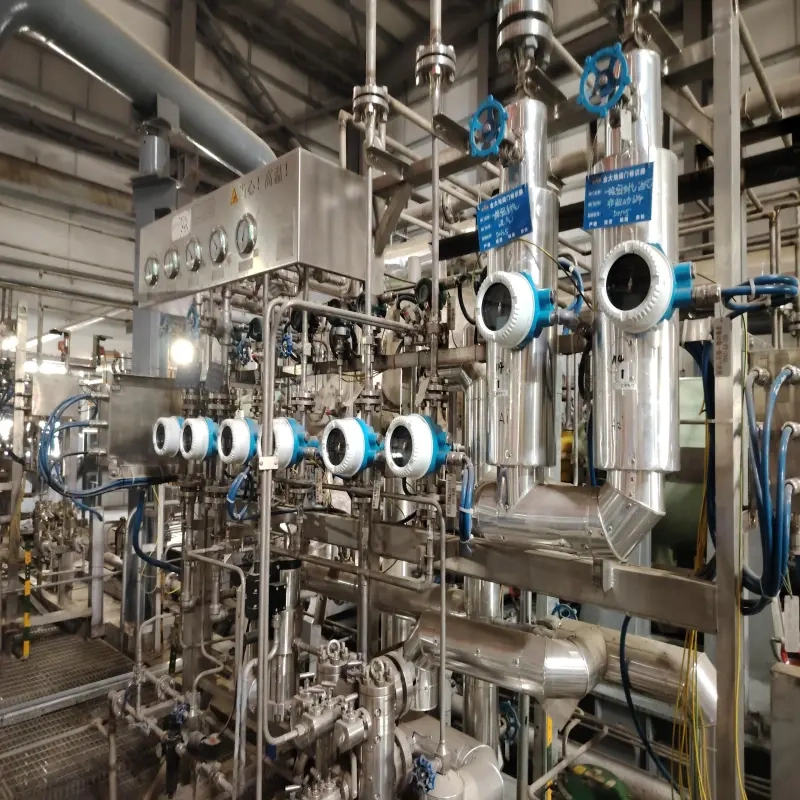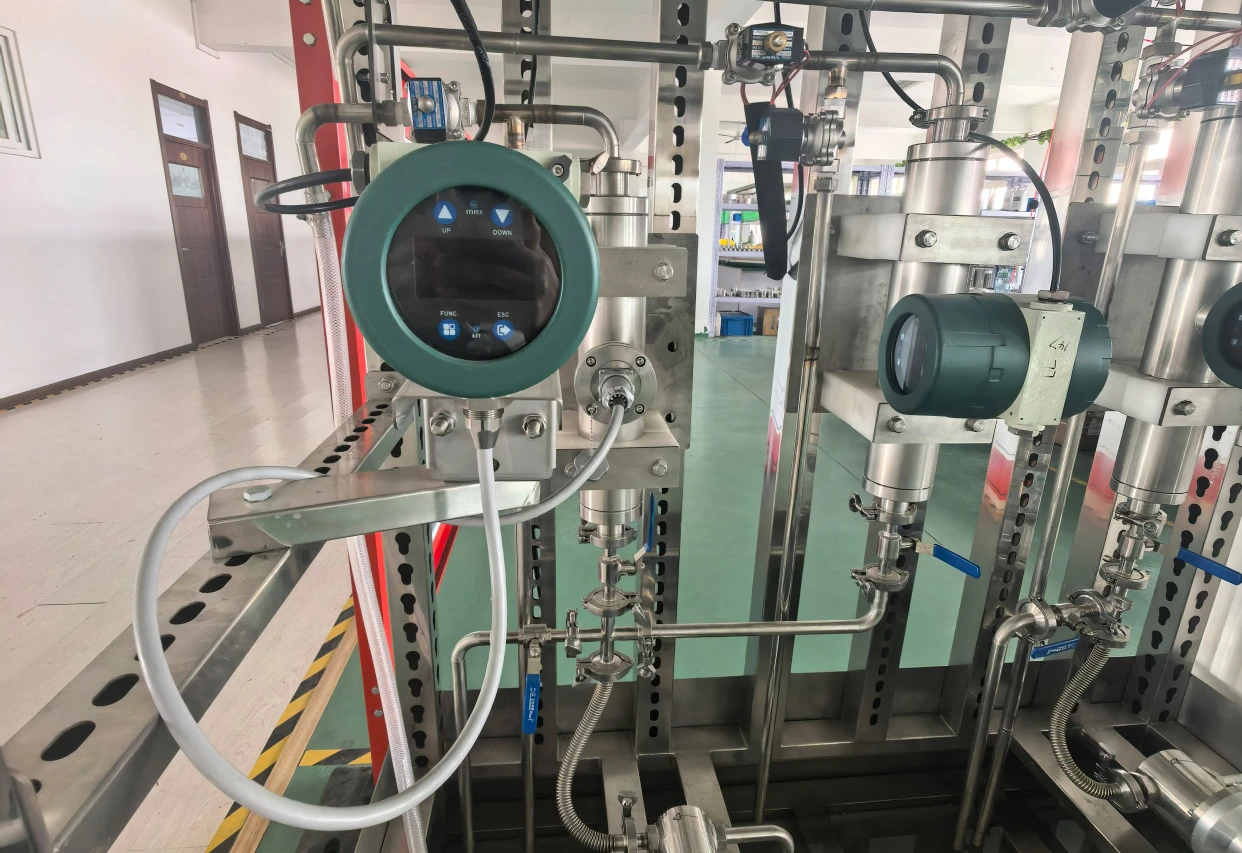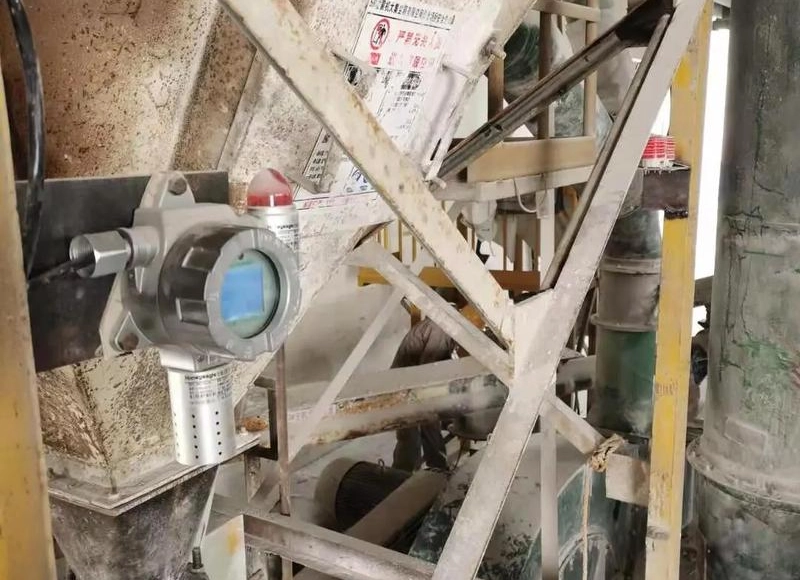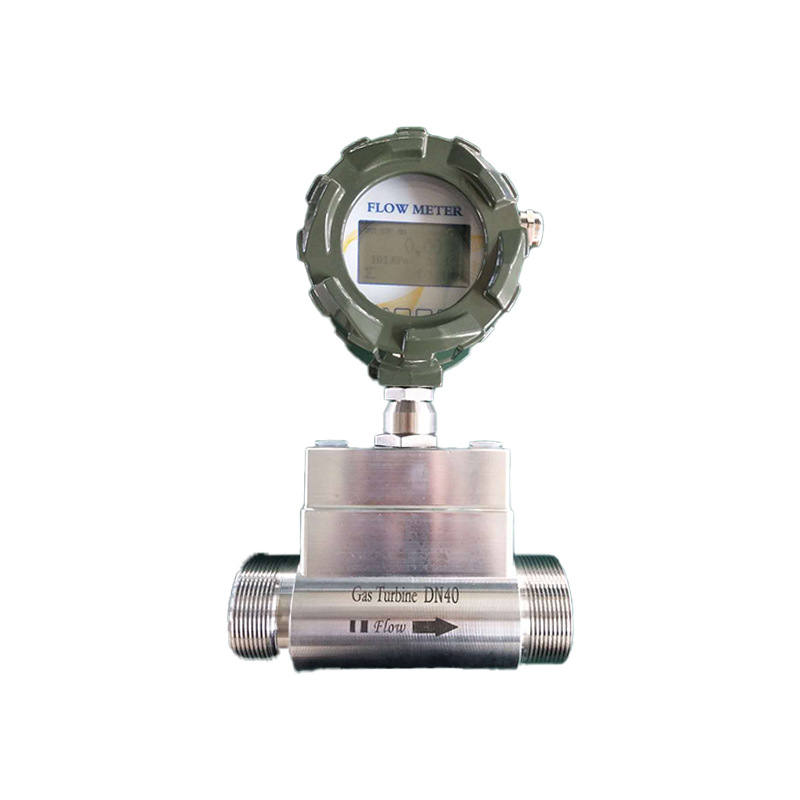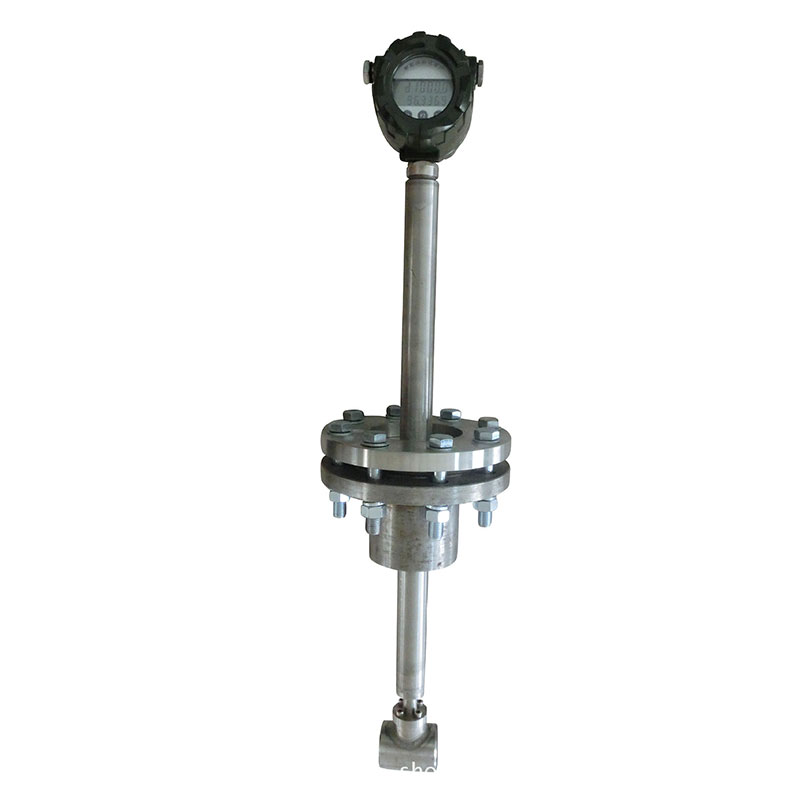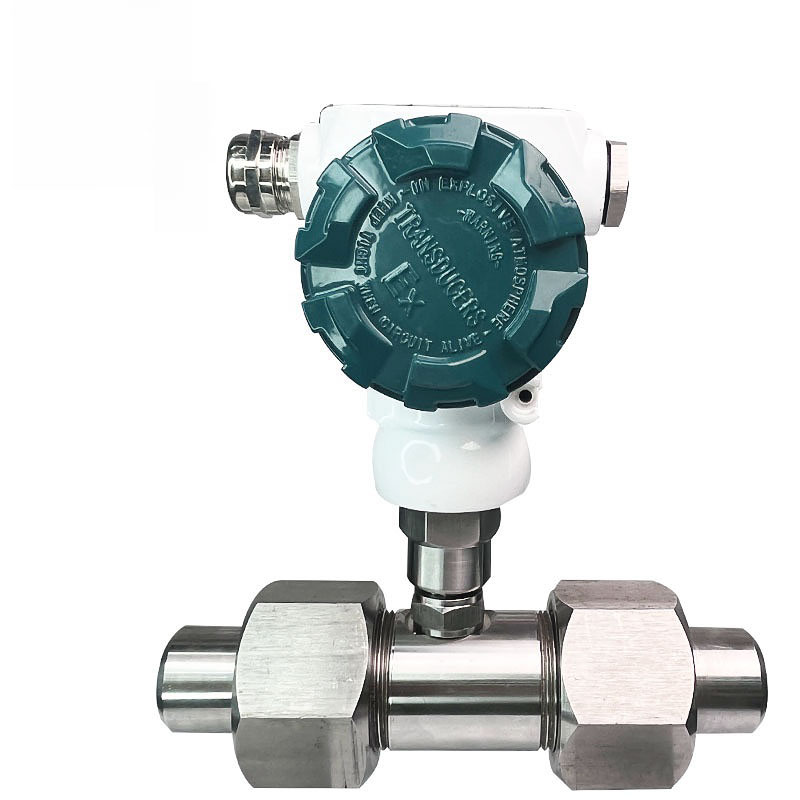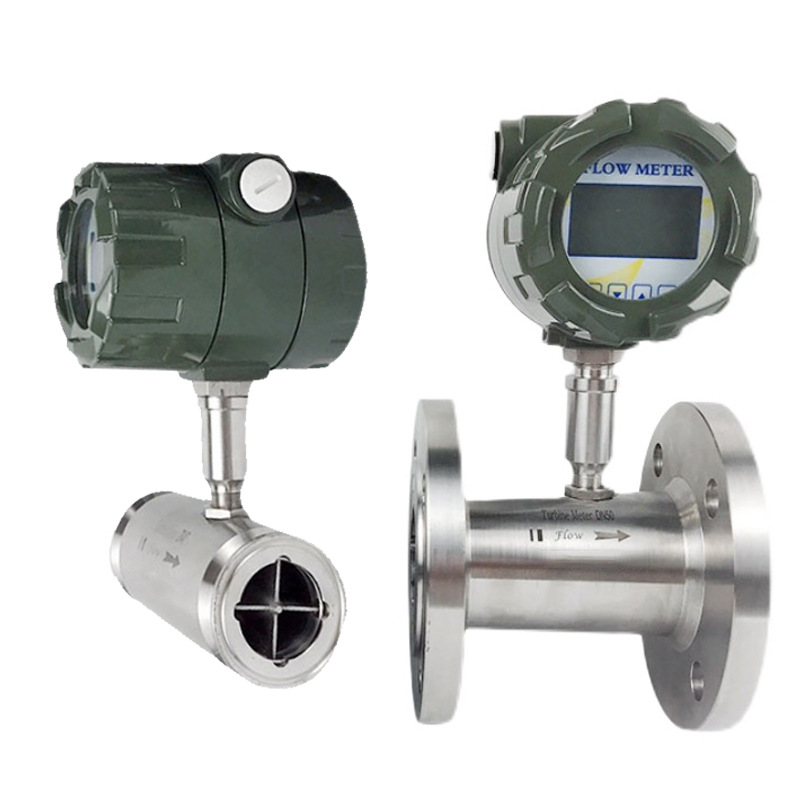
A liquid turbine flow meter is an instrument that measures fluid flow rate by utilising the rotation of turbine blades, operating on the principle of fluid dynamics. As fluid flows through a pipe, the liquid stream impinges upon the turbine blades, causing them to rotate. The rotational speed of the turbine is directly proportional to the flow rate. By measuring this rotational speed, the flow meter can accurately calculate the volume of fluid passing through.
Working Principle
There’s a freely rotating impeller in the pipeline that carries the fluid. As the fluid flows past the impeller, its kinetic energy drives the impeller to rotate. The higher the fluid velocity, the more kinetic energy there is, and this makes the impeller rotate faster. When the flow is within a certain range and the fluid viscosity stays the same, the rotational speed is directly linked to the fluid’s speed.
Consequently, by measuring the impeller’s revolutions or rotational speed, the flow rate or total volume of fluid within the pipeline can be determined. Velocity-type flow meters are used in certain water meters that are in everyday use. The turbine flow meter employs precisely this principle, having been manufactured through structural optimisation.
Turbine Flow Meter Structure
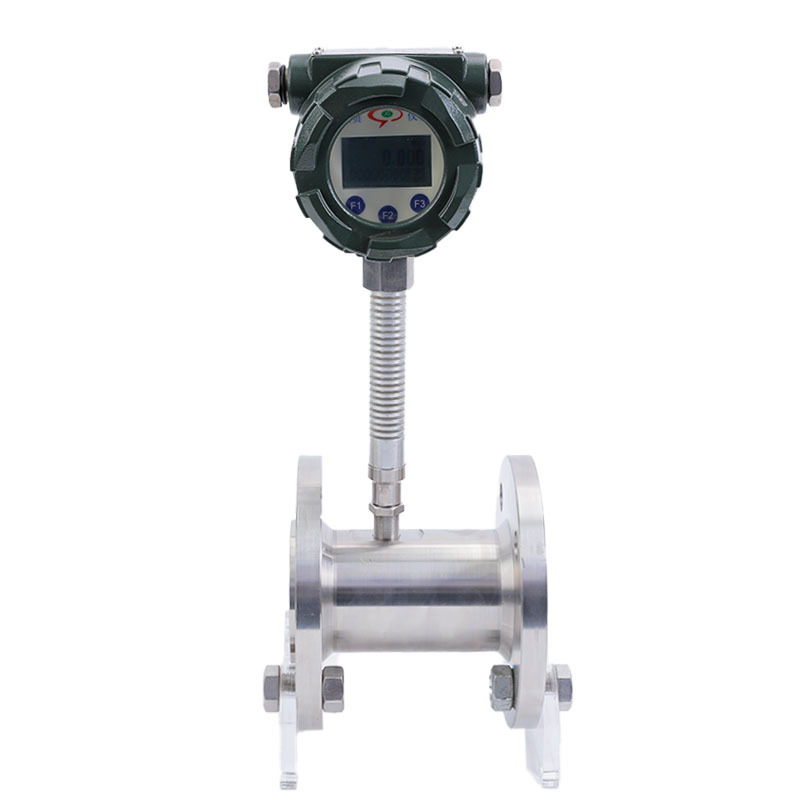
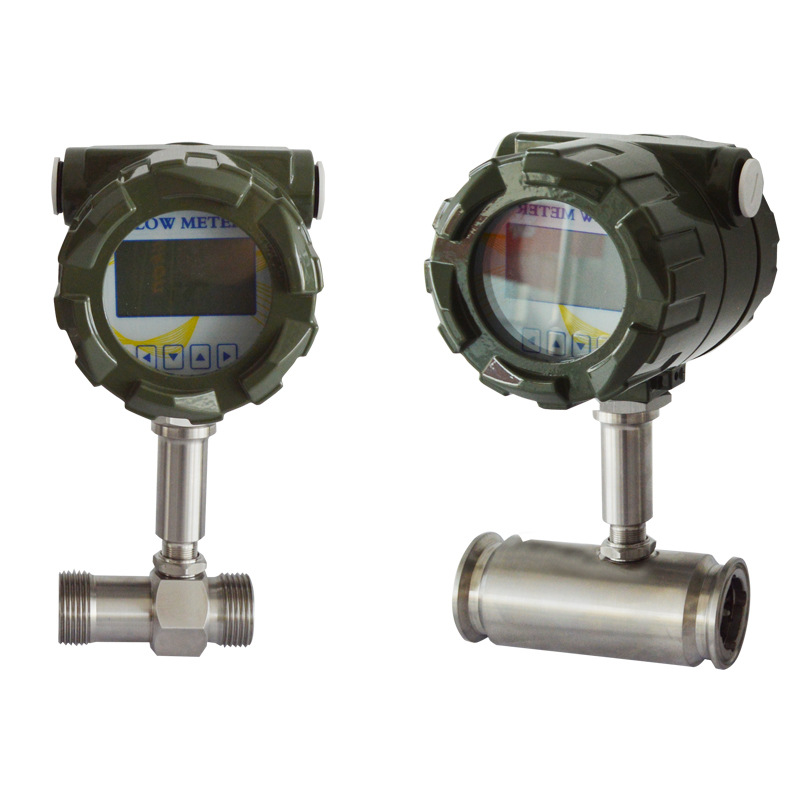
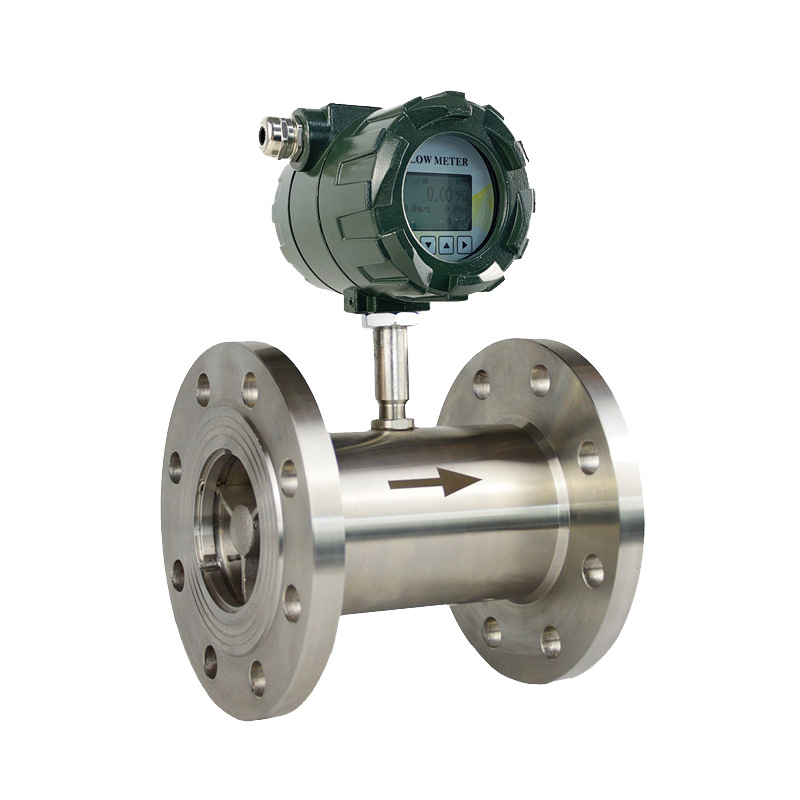
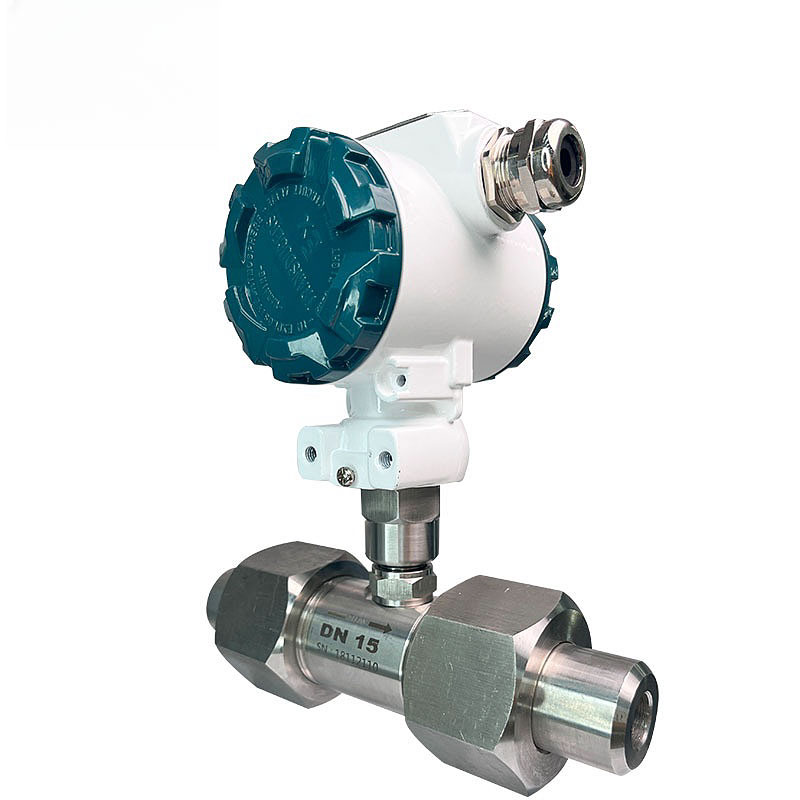
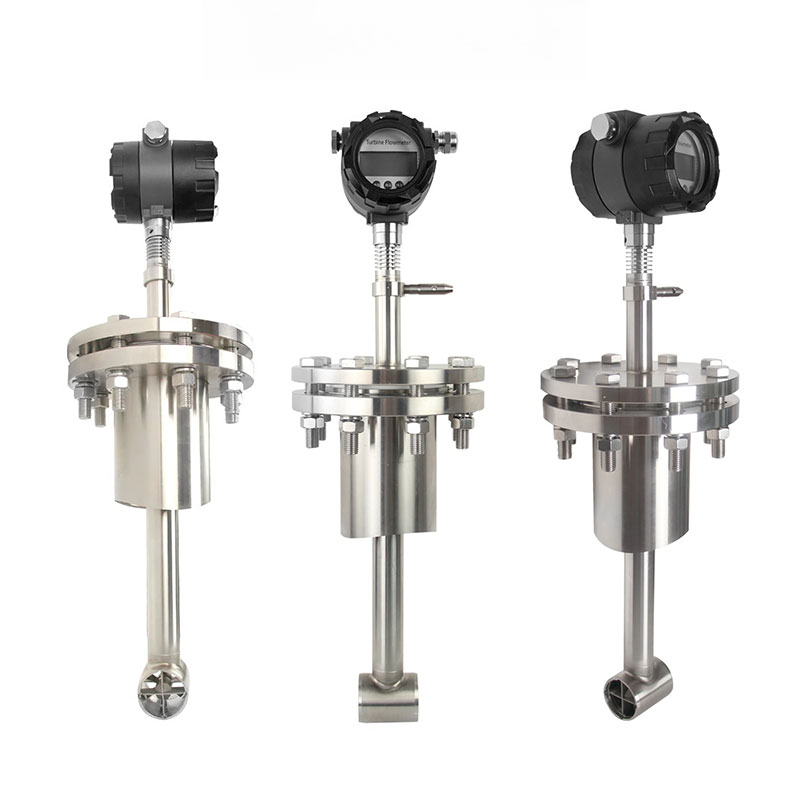
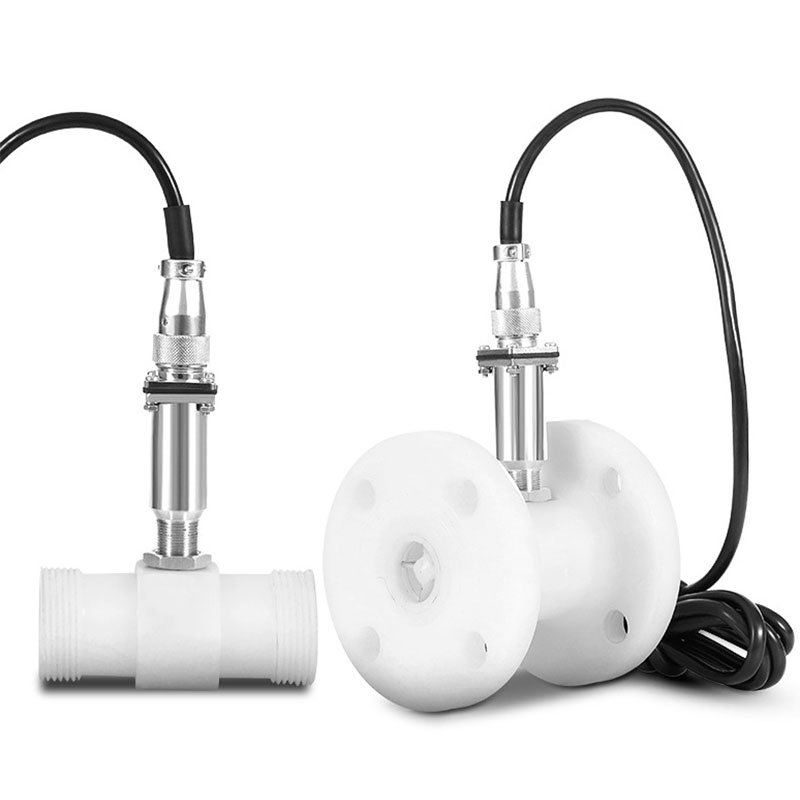
1. Turbine Assembly: This part is basically the heart of the flow meter, usually made up of turbine blades and a shaft. The number and shape of turbine blades can affect how accurate the meter is and the range of flows it can measure.
2. Housing:The housing protects the turbine and internal components, usually fabricated from corrosion-resistant materials to accommodate varying liquid properties.
3. Sensor: There’s an integrated sensor within the flowmeter that detects the rotational speed of the turbine. There are two main types of sensor: magnetic and photoelectric.
4. Electronic Processing Unit:The sensor sends data, which is then processed and the results displayed.
Advantages and Disadvantages of Liquid Turbine Flow Meters
Advantages
- High Accuracy
The usual liquid measurement accuracy is around ±0.5% R, but high-precision models can achieve ±0.1% R. Repeatability is typically better than 0.2%, ensuring highly reliable data. This makes them ideal for trade settlement and precise process measurement.
- Rapid Response
It’s got this thing called low inertia, which means it can adapt really quickly to changes in fluid speed. So, whether you’re dealing with a transient or pulsating flow, this thing’s got you covered. This makes them perfect for measuring flow in real-time, even when the flow changes. They work much better than other types of flowmeters, like positive displacement and differential pressure ones.
- Wide Turndown Ratio and Broad Flow Range
Liquid measurement typically offers a 10:1 turndown ratio, while wide-range impellers achieve 20:1. Maintains high measurement accuracy across high, medium, and low flow rates, making it suitable for applications with significant flow fluctuations.
- Minimal Pressure Loss
The impeller has a straight-through flow path design. This means it’s not too restrictive for the fluid. When it’s working normally, the pressure loss is way lower than with other meters, making it perfect for low-pressure, low-energy process systems that have strict requirements for pipeline pressure loss.
- Compact Structure, Simple Installation and Maintenance
The pipe has been designed to fit into the product, making it compact and lightweight, so you can install it horizontally or vertically. Routine maintenance is straightforward: inspect the impeller and bearings, as there are no components that experience wear.
- Wide Range of Applicable Media
It works well with water, petrol, diesel, methanol and ethylene glycol, which are all low-to-medium viscosity clean liquids. It can be used in many industries, including chemical processing, petrochemicals, water supply/drainage and refined oil transportation.
Disadvantages
- Demands Stringent Medium Cleanliness
Solid particles, fibres, or colloidal impurities in the medium directly wear the impeller and bearings, potentially causing impeller seizure. This leads to rapid deterioration in measurement accuracy and reduced instrument lifespan. High-precision filtration (typically ≤0.1mm) must be installed on-site.
- Subject to Mechanical Wear
The impeller rotates via bearings. High flow velocities, high-viscosity media, or prolonged continuous operation accelerate bearing wear, necessitating regular inspection and replacement. This increases maintenance costs and downtime. Bearingless magnetic levitation turbine flowmeters resolve this issue but incur significantly higher manufacturing costs.
- Sensitivity to Viscosity Variations
When liquid viscosity exceeds 50 mPa·s, impeller rotational resistance increases markedly. Viscous friction causes measurement errors to rise sharply, rendering these meters unsuitable for measuring high-viscosity liquids such as heavy oils, lubricants, or honey.
- Requires Parameter Compensation Due to Fluid Property Variations
Measurements are directly correlated with liquid density and viscosity. If these properties fluctuate under operating conditions due to temperature or pressure changes, the instrument’s built-in compensation function (temperature-pressure compensation) must be employed to correct readings. Failure to do so introduces additional errors.
- Incompatible with Gas-liquid Two-phase Flow Conditions
If the concentration of gas in the medium is high (i.e. if the gas phase is greater than 5%), the impeller may become air-locked or wobble, or even be damaged by cavitation. This can affect the accuracy of the measurements. Any applications containing gas require degassers and gas-liquid separators to be installed prior to use.
- Demanding Installation Requirements, Susceptible to Flow Field Distortion
Make sure there are enough straight pipe sections upstream and downstream. If you install it near elbows, valves or reducers, it can distort the flow field. This can result in the impeller rotating unevenly and can affect its accuracy. Also, you should not install it on pipelines that vibrate a lot. This is because doing so can cause the impeller to vibrate (resonate) and the bearings to loosen.
- Lack of Self-rectification Capability Necessitates Specific Flow Direction Requirements
The impeller features unidirectional rotation. Reverse fluid flow may cause signal loss or measurement errors. To prevent backflow of the medium, a non-return valve must be installed on-site.
Liquids Suitable for Measurement by Turbine Flow Meters
Liquid turbine flowmeters require fluids to be clean and single-phase or of low viscosity. Common fluid examples include:
General fluids, including water, milk, coffee, etc.;
Petrochemicals: petrol, light oil, jet fuel, light diesel, naphtha, ethylene, polyethylene, styrene, liquefied petroleum gas, carbon dioxide, and natural gas;
Chemical solutions: ammonia water, methanol, brine, etc.;
Organic liquids: alcohol, diethyl ether, benzene, toluene, xylene, butadiene, carbon tetrachloride, methylamine, acrylonitrile, etc.;
Inorganic liquids: formaldehyde, acetic acid, caustic soda, carbon disulphide, etc.
Regarding corrosive media, those containing high impurity levels or abrasive properties are not recommended for use.
Most liquid turbine flowmeters use spherical bearings, so high cleanliness standards are required for the measured medium. Particulate impurities accelerate bearing wear, while fibrous contaminants can get caught in the turbine blades and prevent them from rotating properly.
Practical applications of liquid turbine flowmeters
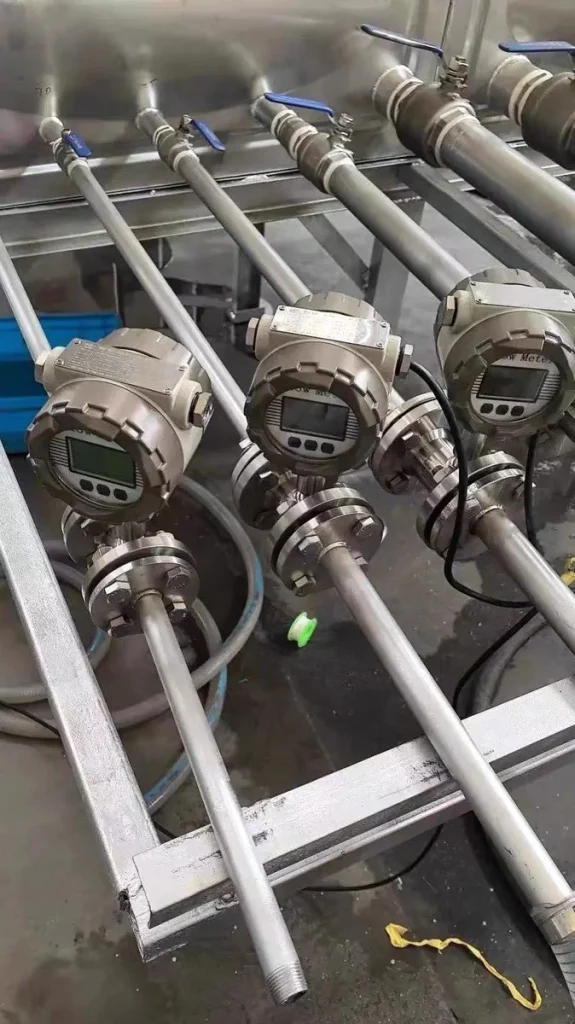
- Petroleum and Chemical Industry: Liquid turbine flowmeters are used a lot in these industries to measure and monitor the flow of liquid substances like petroleum, fuels, and liquid chemicals. They’re really important in places like refineries, chemical plants and oil and gas transmission systems.
- Water Treatment:Liquid turbine flowmeters are used in water treatment to monitor and regulate the flow rate in drinking water systems, wastewater treatment facilities, and industrial recirculating water systems. These pumps are used in loads of different ways, such as for water supply, drainage, industrial cooling systems and recirculation processes.
- Food and Beverage: Liquid turbine flow meters are used in the food and drink industry to measure liquids like milk, fruit juice and booze. It is vital that they are involved in monitoring the process and ensuring that quality remains consistent.
- Energy Management:Liquid turbine flow meters are used to keep an eye on the flow of thermal and cooling energy, as well as liquid fuel, in energy management applications. You’ll find them in thermal power stations, boiler rooms and energy recovery systems, where they help to make the most of energy efficiency.
- Environmental Monitoring: Liquid turbine flow meters are also used for environmental monitoring, like measuring the flow rates of water going in and out at wastewater treatment plants and keeping an eye on the flow of liquids through environmental protection facilities.
FAQ
How to select the case and turbine materials under different operating conditions?
Materials must be compatible with the corrosiveness, temperature, and hygiene requirements of the medium:
Ordinary clean liquids (water, oils): 304 stainless steel, offering high cost-effectiveness;
Corrosive media (dilute acid/alkali solutions, chloride-ion environments): 316L stainless steel or Hastelloy C-276;
High-temperature/abrasive conditions (high-temperature thermal oil, liquids containing trace impurities): Ceramic turbine or titanium alloy materials;
Food and pharmaceutical industries: Sanitary-grade 316L stainless steel with mirror-polished flow passages, compatible with CIP/SIP cleaning.
Under what circumstances should temperature and pressure compensation be enabled for turbine flowmeters?
Temperature and pressure compensation must be activated when medium density and viscosity are significantly affected by temperature and pressure.
For instance, in applications involving oils, gases, or high-temperature liquids, temperature and pressure variations alter the medium’s physical properties, affecting the correlation between turbine rotation speed and flow rate. Failure to compensate may result in measurement deviations exceeding permissible limits. Activation enables automatic error correction via algorithmic adjustment.
Can turbine flow meters be installed vertically?
Turbine flow meters may be installed vertically. When installing, observe the following points:
Fluid direction: When installed vertically, the fluid must flow upwards. This ensures accurate measurement of the fluid flow rate.
Avoid interference: Install away from external electric and magnetic fields. Where necessary, implement effective shielding measures to prevent external interference from affecting measurement accuracy.
Pipeline fluid state: Make sure that the pipeline is completely filled with fluid during installation. The pipeline must be completely filled with liquid, with no air bubbles. This ensures accurate measurements.
Flow Direction Indication: Liquid flow must align with the direction indicated by the arrow on the sensor housing to ensure proper operation of the flowmeter.
The turbine flowmeter is a precision instrument for measuring fluid, and it’s got some great features like being highly accurate, fast, and having low pressure loss. It’s used in loads of different industries, like petrochemicals, water utilities, food and pharmaceuticals, power generation, and metallurgy. It’s always there to provide the essential data support for trade settlement, process control, cost reduction, and efficiency enhancement. They’re not just metering tools, they’re adaptable and reliable too. This makes them a must for boosting production and making sure everything’s shipshape.
At Sion-Inst, we have specialised in fluid metering for many years and remain fully committed to providing comprehensive flowmeter solutions and integrated metering systems for liquids, gases, steam and other media to clients across the globe. As seasoned service providers in fluid monitoring, our robust technical expertise, extensive field experience and comprehensive product portfolio have established us as the preferred partner for clients in the petrochemical, water utility, food and pharmaceutical, power, metallurgy and environmental sectors. We lay the data foundation for enterprise production operations, compliance management, cost reduction, and efficiency enhancement.