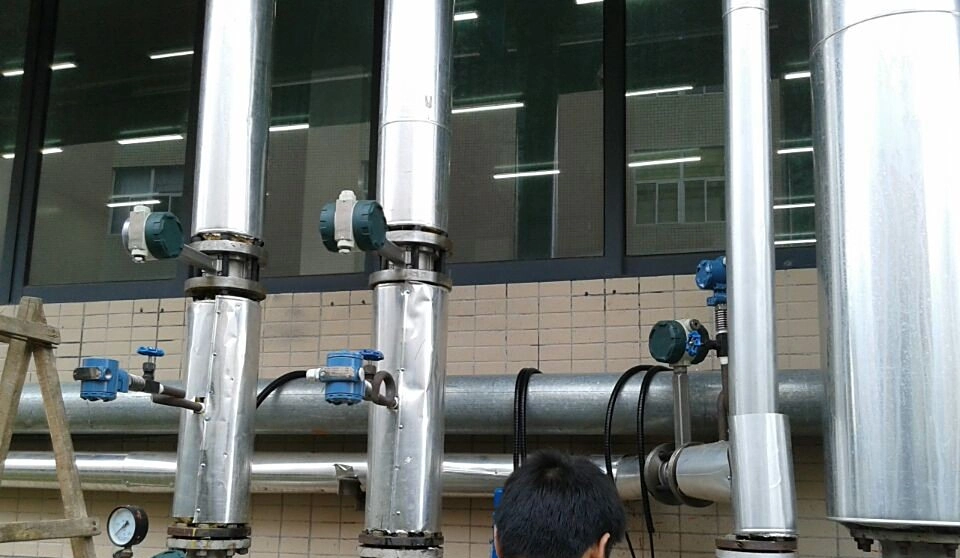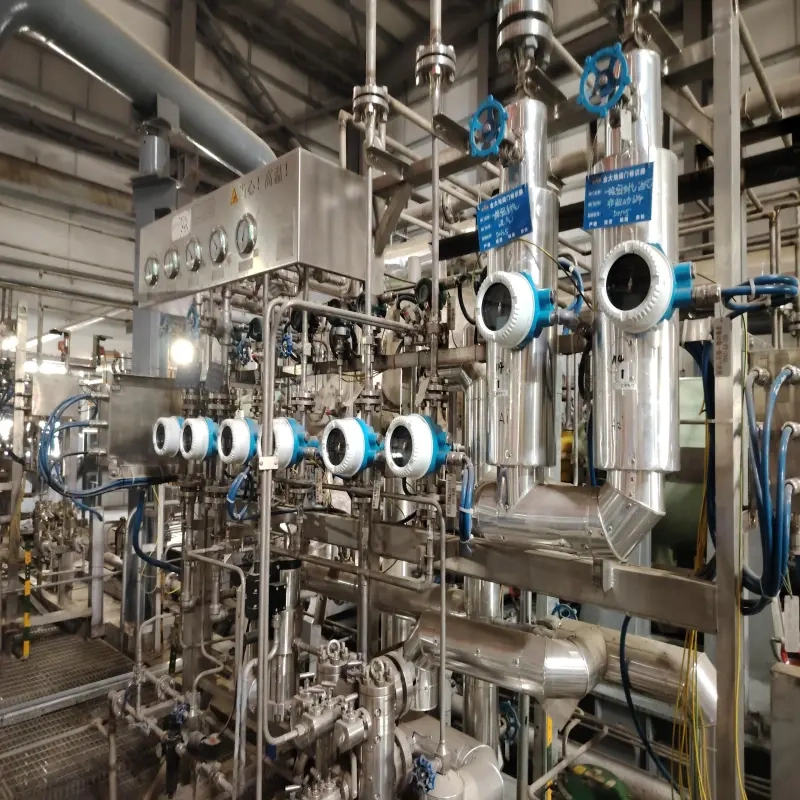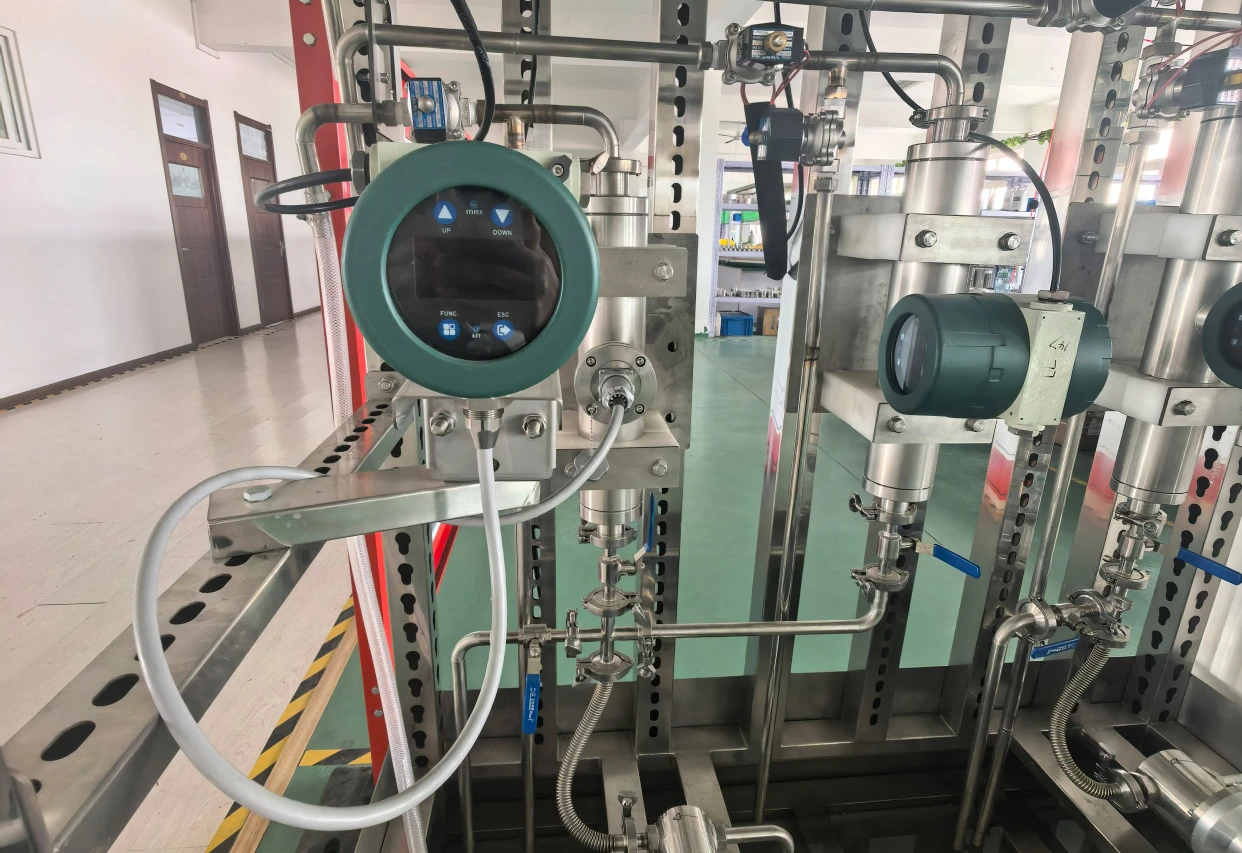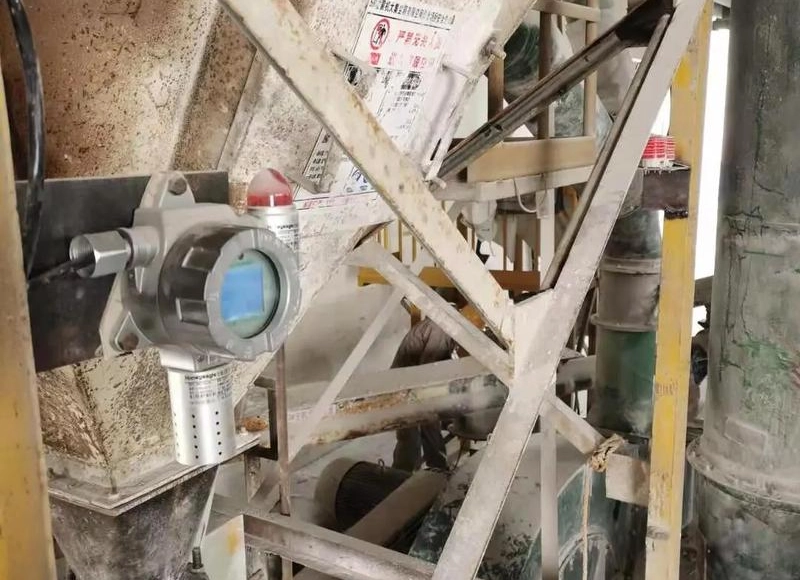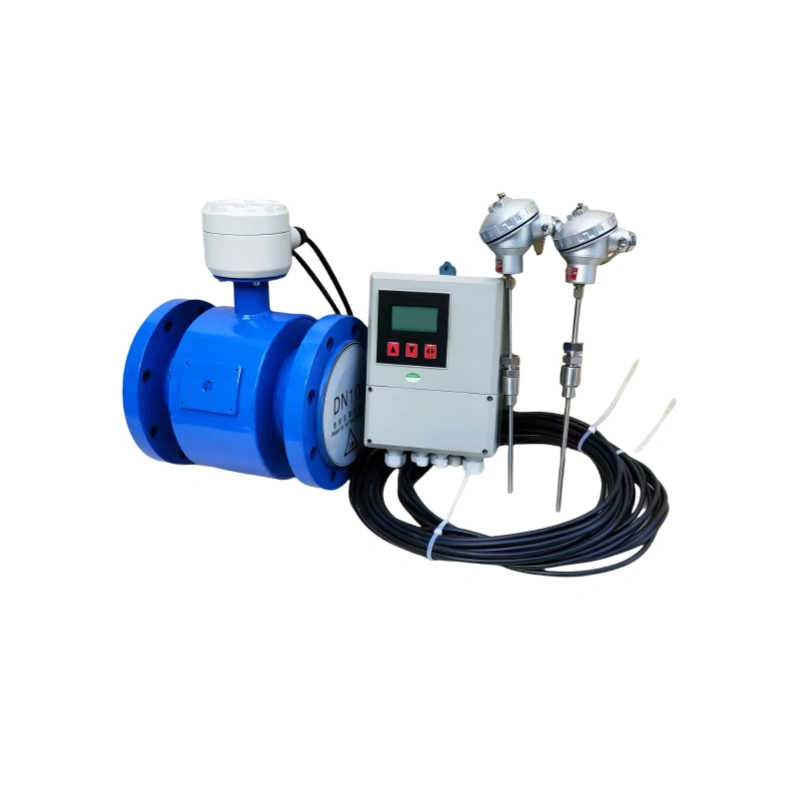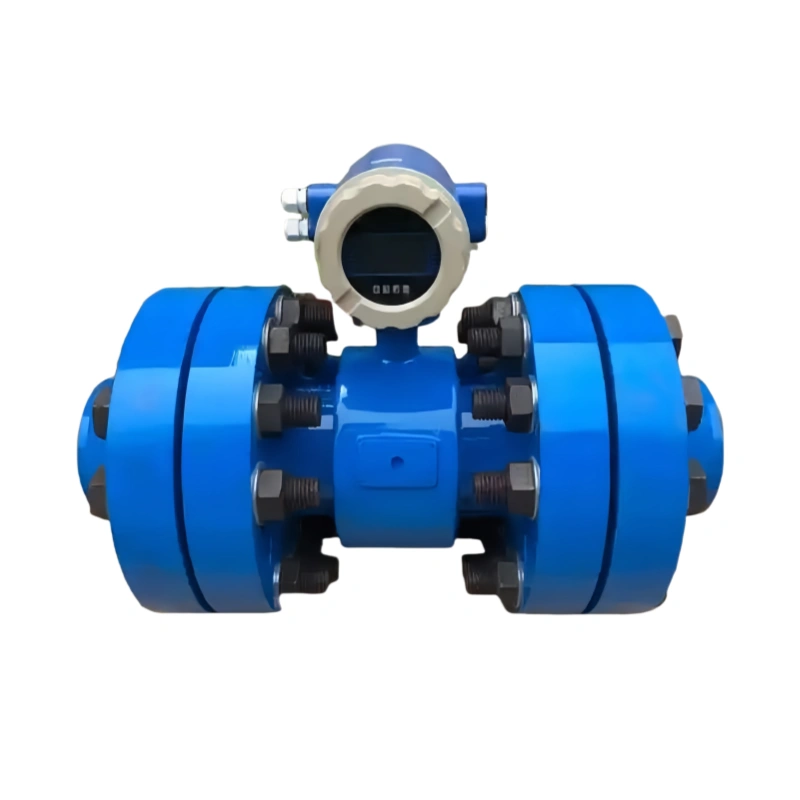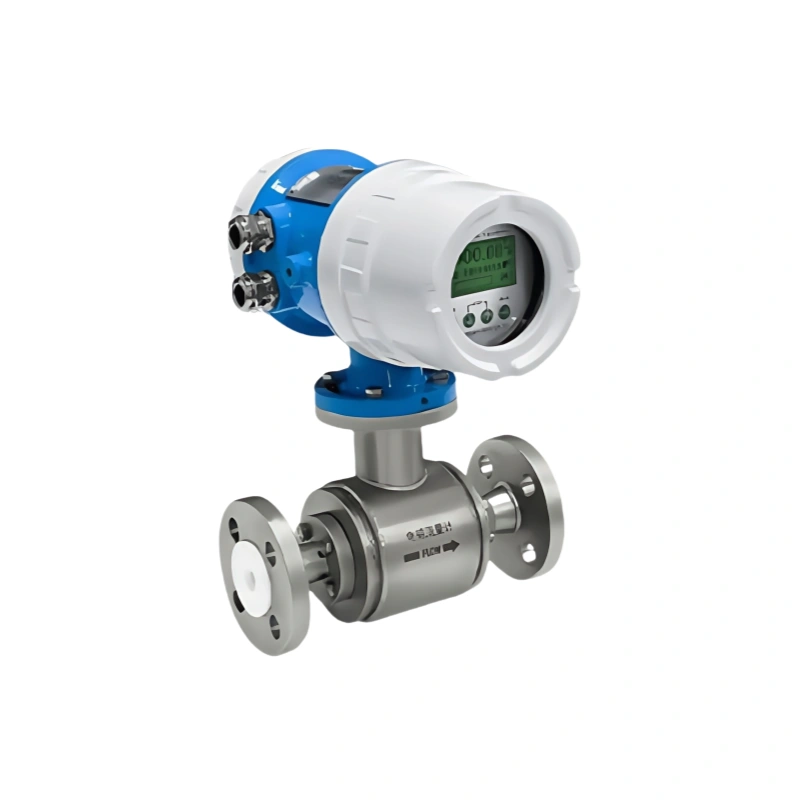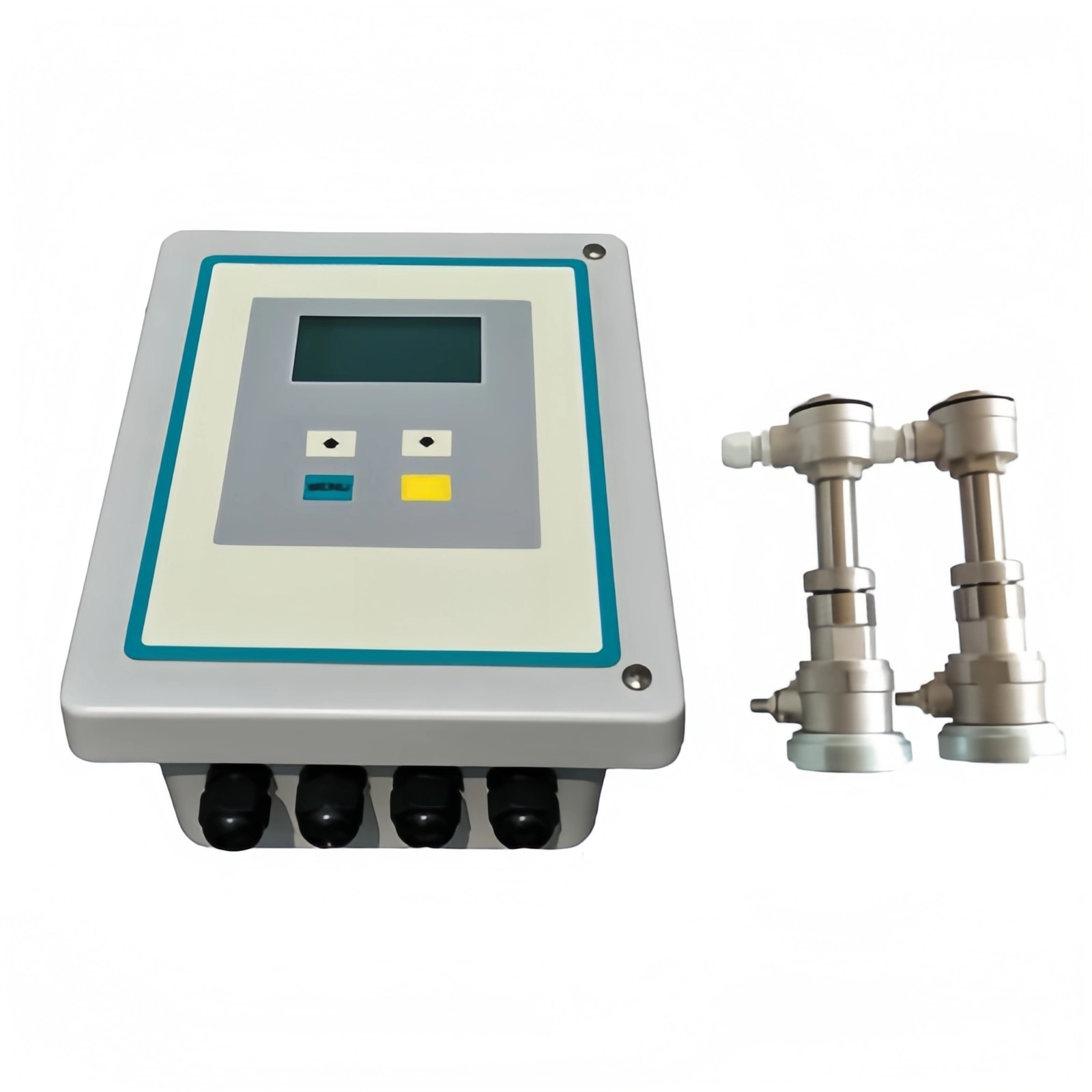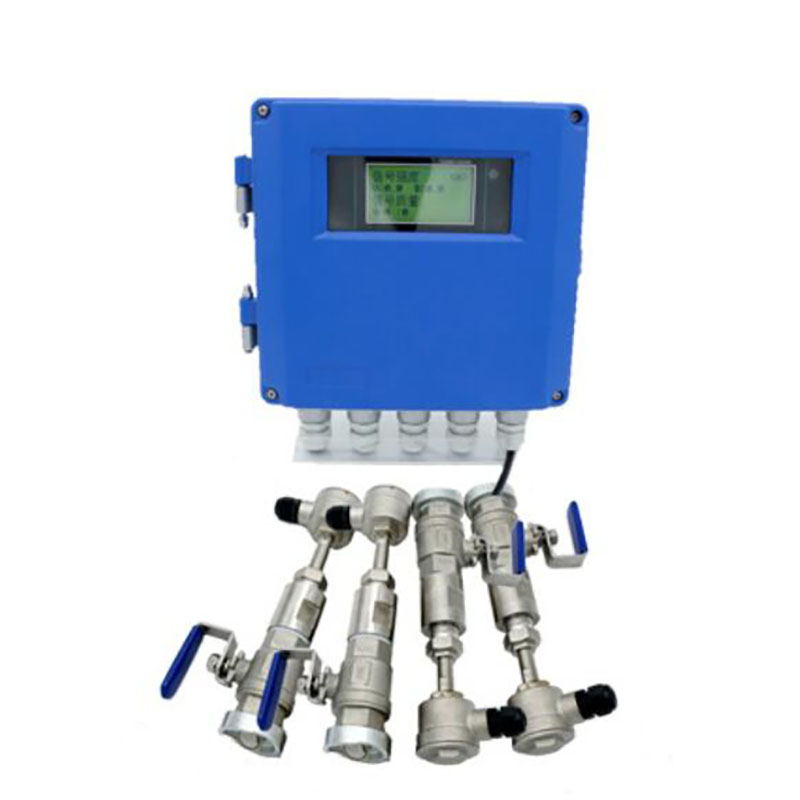
Liquid flow meters are special instruments that are designed to measure the speed and total volume of liquid flowing through pipelines or open channels. As a key part of measuring flow, they basically take the signals from flowing liquids and change them into digital or analogue readings that you can understand. This means you can keep an eye on things as they happen, bill people based on how much they use, and control the speed at which liquids are flowing. You can find them being used a lot in industrial production, water services and for metering in people’s homes.
Common Tested Liquids
Liquid flowmeters can be used in pretty much all situations involving the movement of liquids in industrial production, the water supply, food and pharmaceuticals, and the chemical and petrochemical industries. Because of differences in their physical and chemical properties, different liquid categories need different types of flowmeter. Below are core frequently tested liquids and their typical characteristics:
I. General Clean Liquids
These liquids are non-corrosive, low-viscosity, and free of solid impurities, with varying degrees of conductivity. They serve as the fundamental test medium for most flow meters and are widely used in both industrial production and domestic applications.
Water-based fluids: Tap water, ultrapure water, softened water, condensate, boiler feedwater.
General oils and solvents: Low-viscosity hydraulic oil, diesel, kerosene, ethylene glycol, propylene glycol, methanol, low-concentration ethanol, acetone in clean state.
Other categories: Pure water for daily chemical production, clean coolants, common solvent oils.
II. Corrosive Liquids
It includes various acid, alkali, and salt solutions, as well as oxidising and reducing liquids. These fluids can cause rust and other problems if they touch certain materials. This is why materials like 316L stainless steel, Hastelloy, Monel, and PTFE/Teflon are often used in parts of the meter that come into contact with these fluids.
Acids: Included in this group are dilute hydrochloric, sulphuric and nitric acids, as well as acetic and citric acids. In addition, low-concentration hydrofluoric acid is included.
Alkalis: Sodium hydroxide, potassium hydroxide, ammonia solution, soda ash solution.
Salts and others: Sodium hypochlorite, electroplating solutions, ammonium fluoride solutions, phosphate solutions, calcium hypochlorite solutions.
III. High-viscosity liquids
Refers to liquids with kinematic viscosities exceeding 100 mPa·s. Conventional differential pressure or vortex flowmeters yield significant measurement errors for such liquids; positive displacement flowmeters or other suitable types are generally required.
Industrial oils: Heavy oil, gear oil, lubricating oil, thermal oil at ambient temperature, high-viscosity hydraulic oil.
Food and personal care products: Honey, syrup, jam, chocolate paste, laundry detergent, dishwashing liquid, coatings, ink.
Chemicals: Resins, adhesives, plasticisers, liquid paraffin wax.
IV. Liquids Containing Fine Particles/Impurities
These liquids contain solid particles, fibres, or suspended solids. Positive displacement flowmeters with precision gaps are unsuitable; electromagnetic flowmeters, ultrasonic flowmeters, or wear-resistant vortex flowmeters are preferred.
Industrial wastewater categories: domestic sewage, industrial effluent, dyeing wastewater, papermaking effluent.
Mining, metallurgy and building materials categories: low-concentration slurries, dilute pulp, fine-particle mineral slurries, sand and gravel wash water.
Other categories: Oilfield produced water, silt-laden cooling water, pulp-containing fruit juices, aquaculture effluent.
V. Flammable and Explosive Liquids
Primarily low-flashpoint, volatile flammable liquids. Flow meters for these require Ex d/Ex ia explosion-proof treatment, primarily suited for chemical, petrochemical, and oil/gas applications.
Fuel oils: petrol, aviation kerosene, light hydrocarbon oils, liquid liquefied hydrocarbons.
Solvents: high-concentration methanol, high-concentration ethanol, toluene, xylene, ethyl acetate.
Other categories: acetone, methyl ethyl ketone, isopropanol, petroleum ether.
VI. Food and Pharmaceutical Grade Clean Liquids
These liquids must comply with FDA/GMP standards for food and pharmaceutical production. Corresponding flowmeters have stringent hygienic requirements: wetted parts must use mirror-polished 316L stainless steel, connections employ quick-release clamps, and equipment must have no dead corners. Primarily used in food, pharmaceutical, and beverage industries.
Beverages: purified water, mineral water, clear juice, milk, yoghurt, beer, spirits, wine.
Raw Materials: Edible oils, soy sauce, vinegar, maltose, glucose solutions.
Pharmaceuticals: Water for injection, various medicinal solutions, saline solution, glucose injection, pharmaceutical alcohol.
VII. Special Condition Fluids
These include liquids that are low-temperature, high-temperature, high-pressure, or volatile. You’ll need to make sure that the flow meters you use for these fluids are suitable for the temperature and pressure, and that they can handle cavitation and solidification.
Cryogenic liquids: liquid ammonia, liquid nitrogen, liquid oxygen, liquid carbon dioxide, refrigerants.
High-temperature liquids: thermal oils at 300°C and above, high-temperature hot water at 150°C and above, molten salt liquids.
Common Liquid Flow Meters
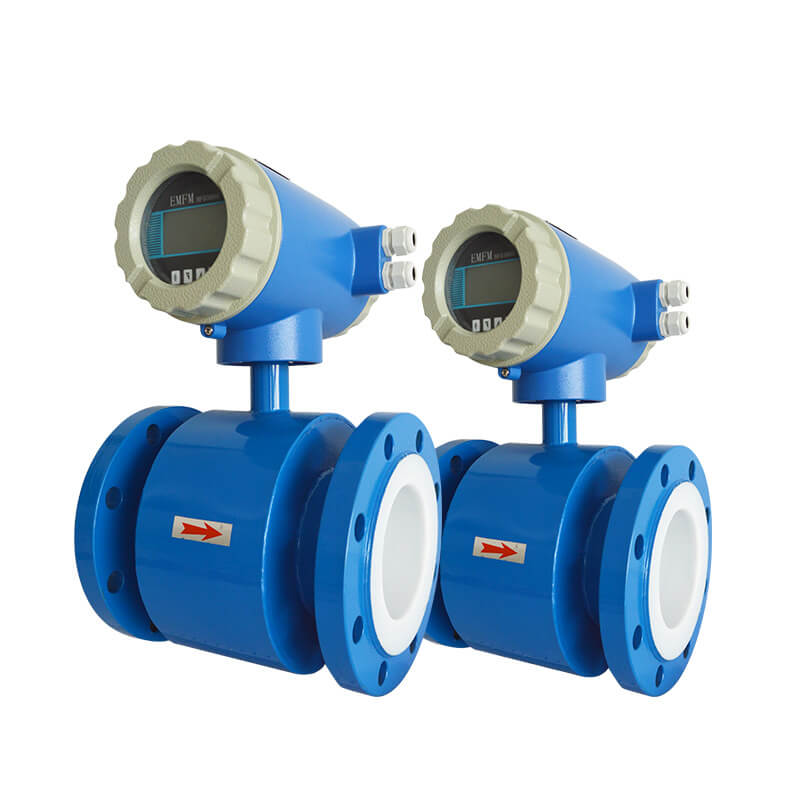
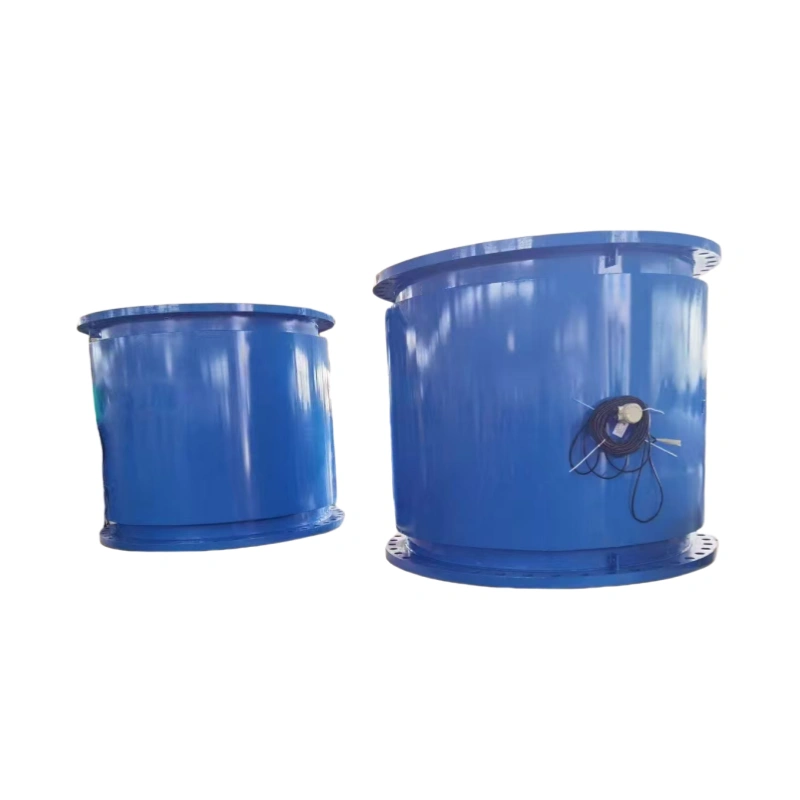
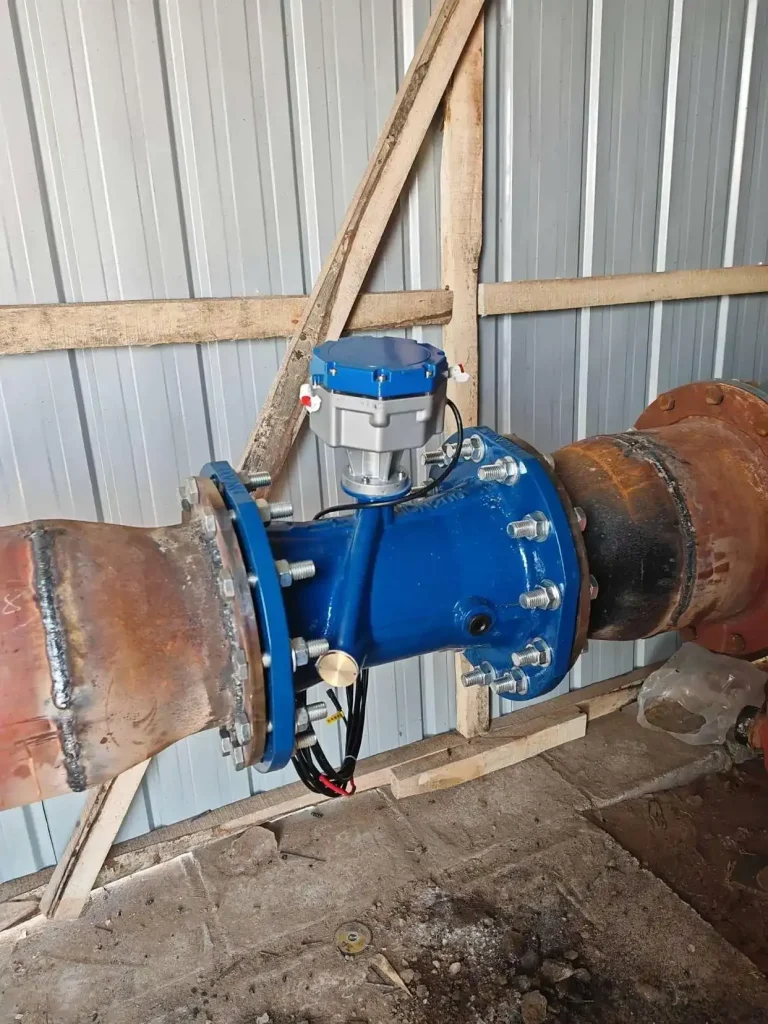
Electromagnetic Flow Meter
Working Principle:
Electromagnetic flow meters work using something called Faraday’s law of electromagnetic induction. When conductive media flow through the measuring tube, they cut through the constant magnetic field generated by the internal coil. Electrodes on both sides of the pipe sense a voltage signal proportional to the medium’s flow velocity. Detecting this signal enables conversion to flow rate.
Operational Characteristics:
1.Features a bidirectional measurement system;
2.Requires a short straight pipe section for the sensor, typically 5 times the pipe diameter;
3.Minimal pressure loss; measurement unaffected by variations in fluid density, viscosity, temperature, pressure, or conductivity;
4.Primarily applied in wastewater treatment.
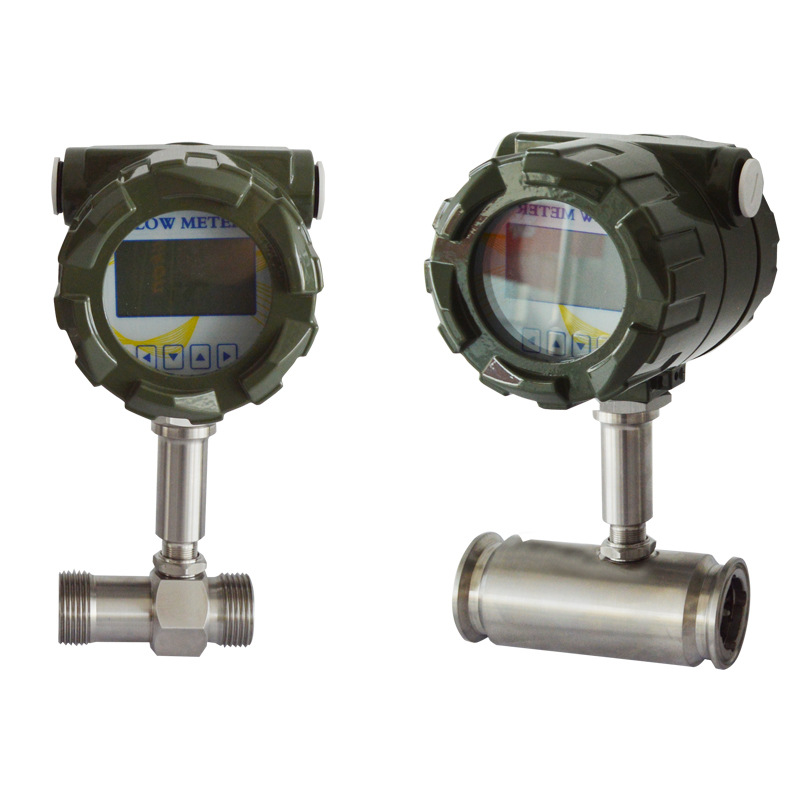
Turbine Flow Meter
Working Principle:
Fluid impinges upon the impeller blades within the sensor housing. The impeller rotates against resistance; once torque equilibrium is achieved, rotational speed becomes proportional to flow velocity. The magnetically conductive blades rotate within the signal detector’s magnetic field, cutting magnetic flux lines to induce electrical pulses in the coil. These pulses are amplified and shaped into rectangular waveforms for remote transmission. Pulse frequency is directly proportional to instantaneous flow rate, with both instantaneous and cumulative flow displayed by the indicator.
Operational Characteristics:
It offers high accuracy, excellent repeatability, simple construction, minimal moving parts, high-pressure resistance, wide measurement range, compact size, light weight, low pressure loss, and ease of maintenance. It is employed for measuring low-viscosity gases in enclosed pipelines.
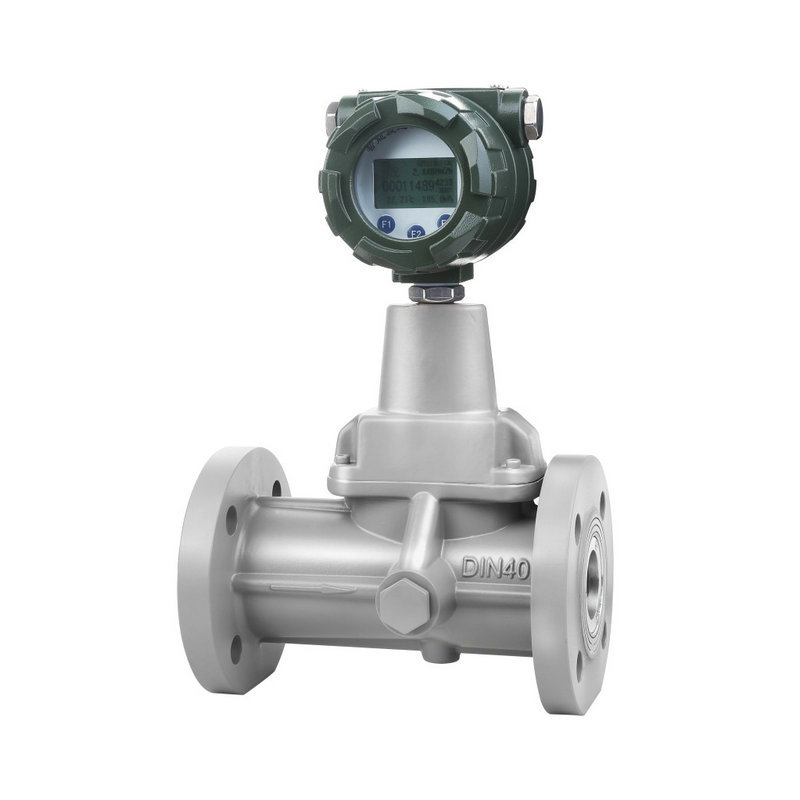
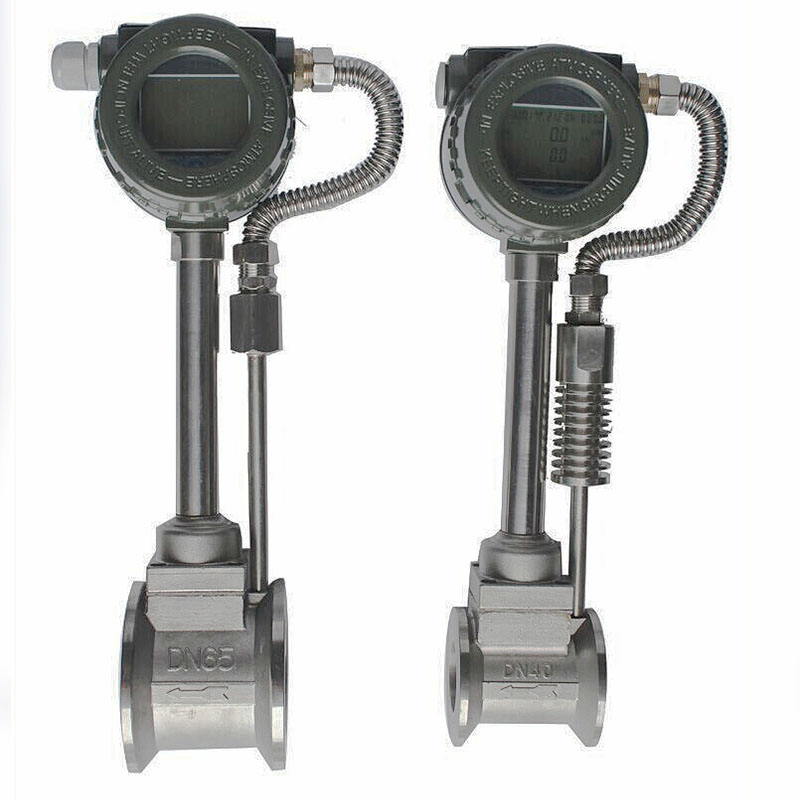
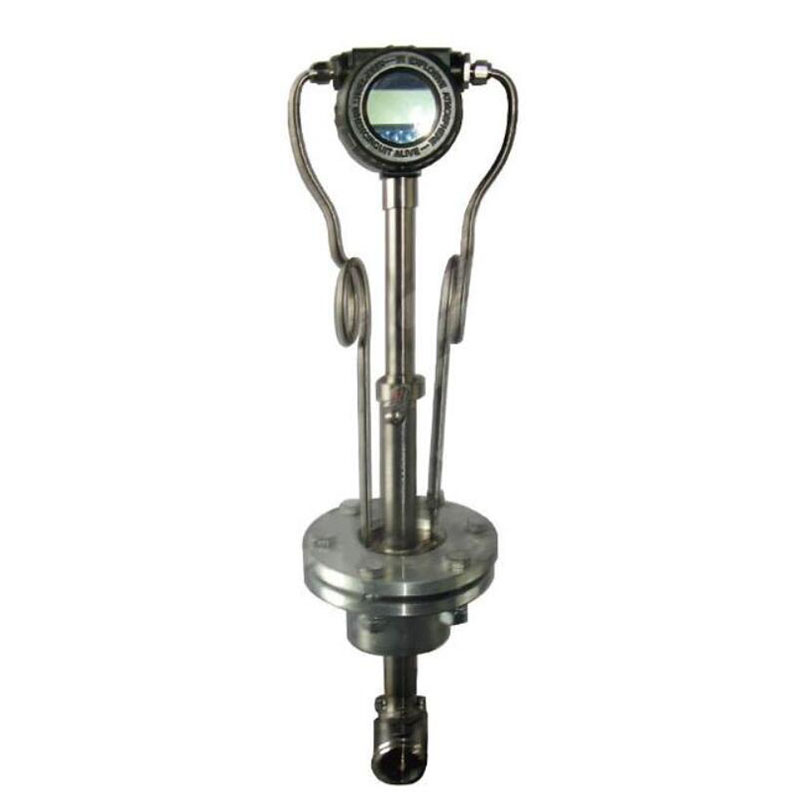
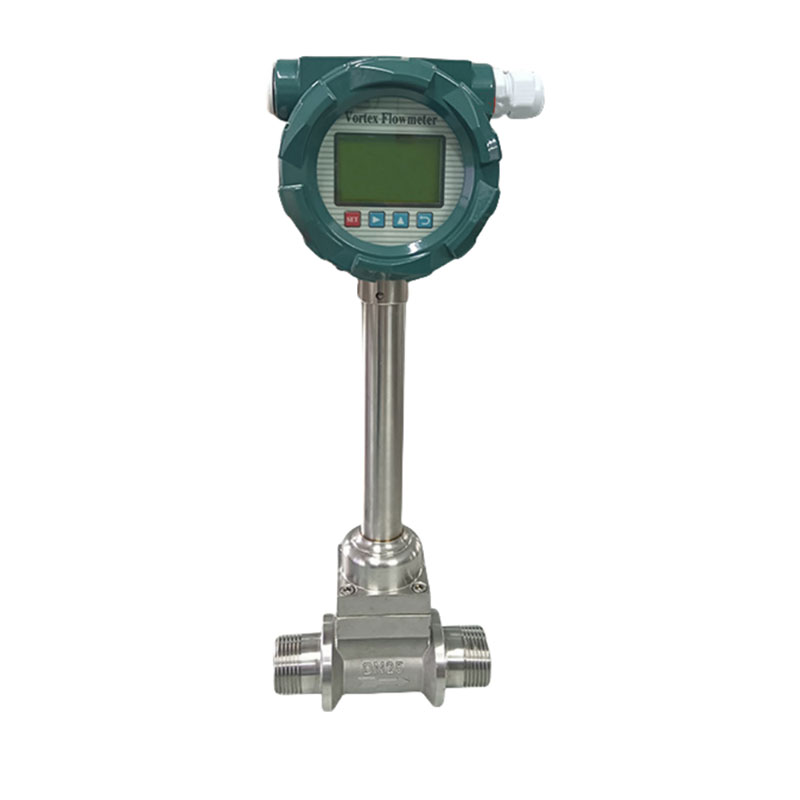
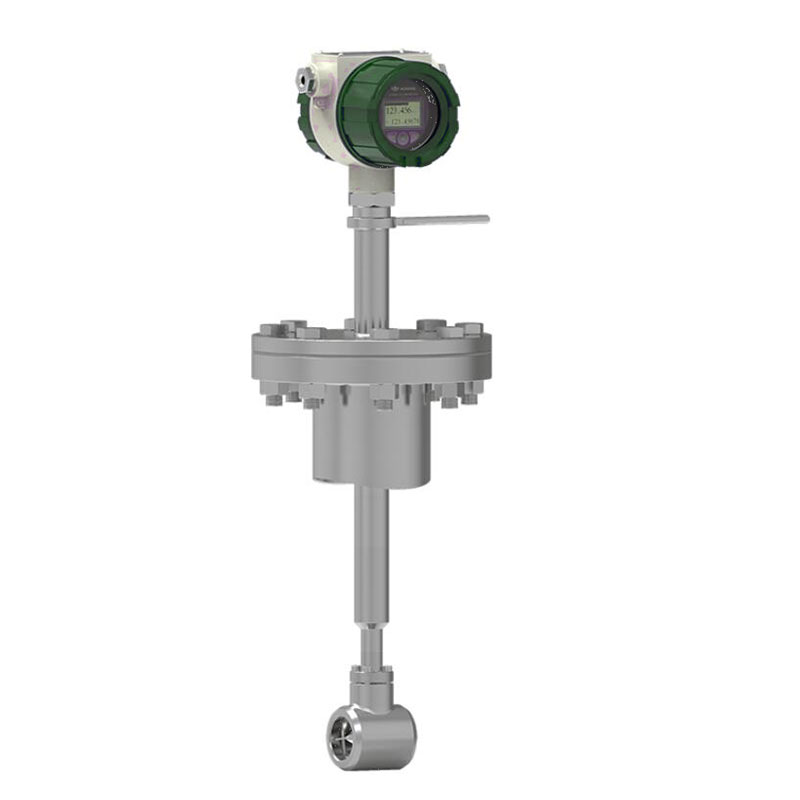
Vortex Flow Meter
Operating Principle:
This device measures flow based on fluid oscillation principles. As fluid passes through the vortex flow transmitter in the pipeline, two alternating vortex rows proportional to flow velocity form upstream and downstream of the triangular vortex generator. The vortex release frequency correlates with the average fluid velocity through the generator and its characteristic width. Based on this relationship, the fluid’s average velocity through the vortex generator can be calculated from the vortex frequency. Multiplying this by the cross-sectional area yields the flow rate.
Operational characteristics:
① Simple yet robust construction with no moving parts, ensuring high reliability and dependable long-term operation; ② Straightforward installation and highly convenient maintenance; ③ Detection sensor does not directly contact the measured medium, ensuring stable performance and extended service life; ④ Outputs a pulse signal proportional to flow rate, exhibiting no zero-point drift and high accuracy; ⑤ Wide measurement range with a turndown ratio up to 1:10 and minimal pressure loss.
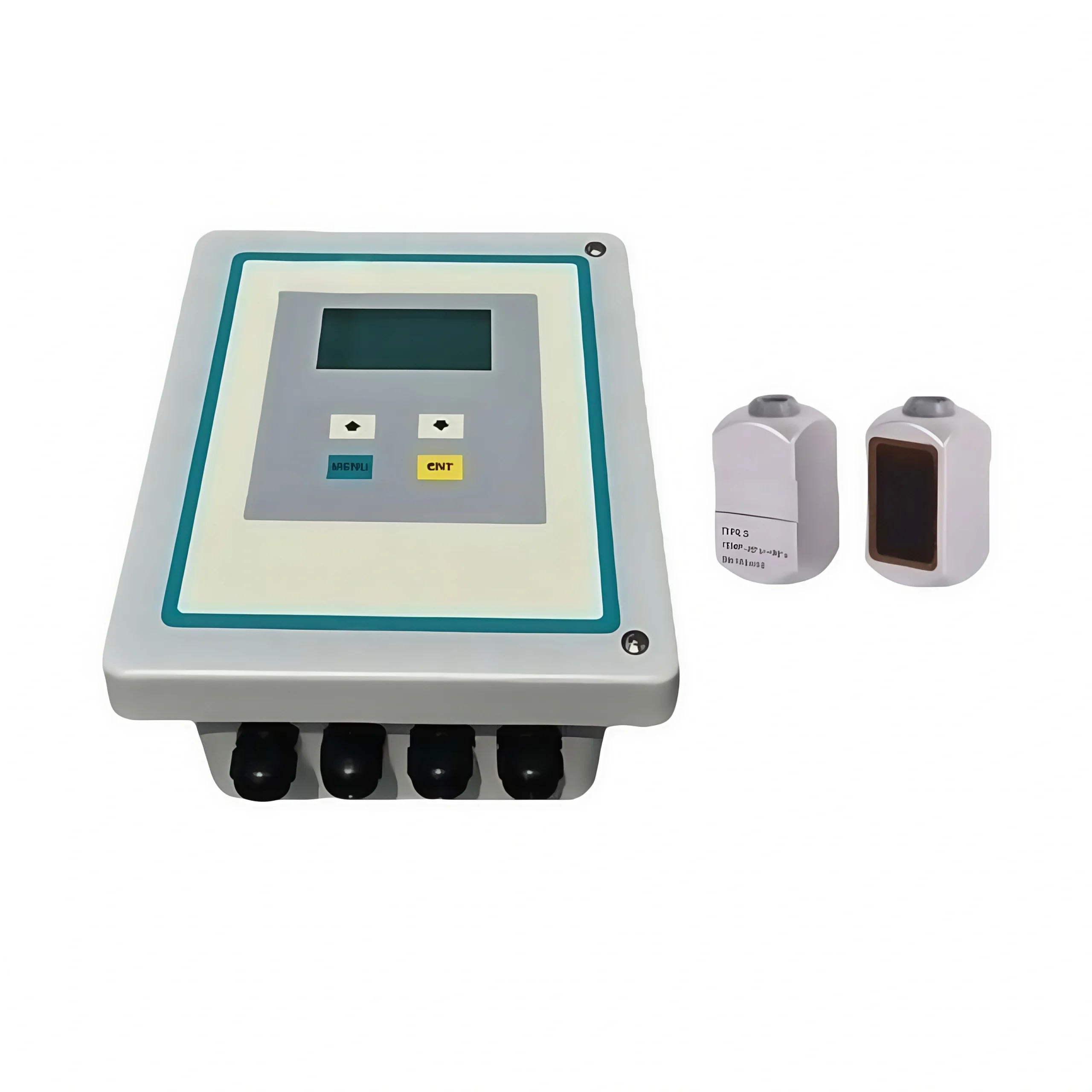
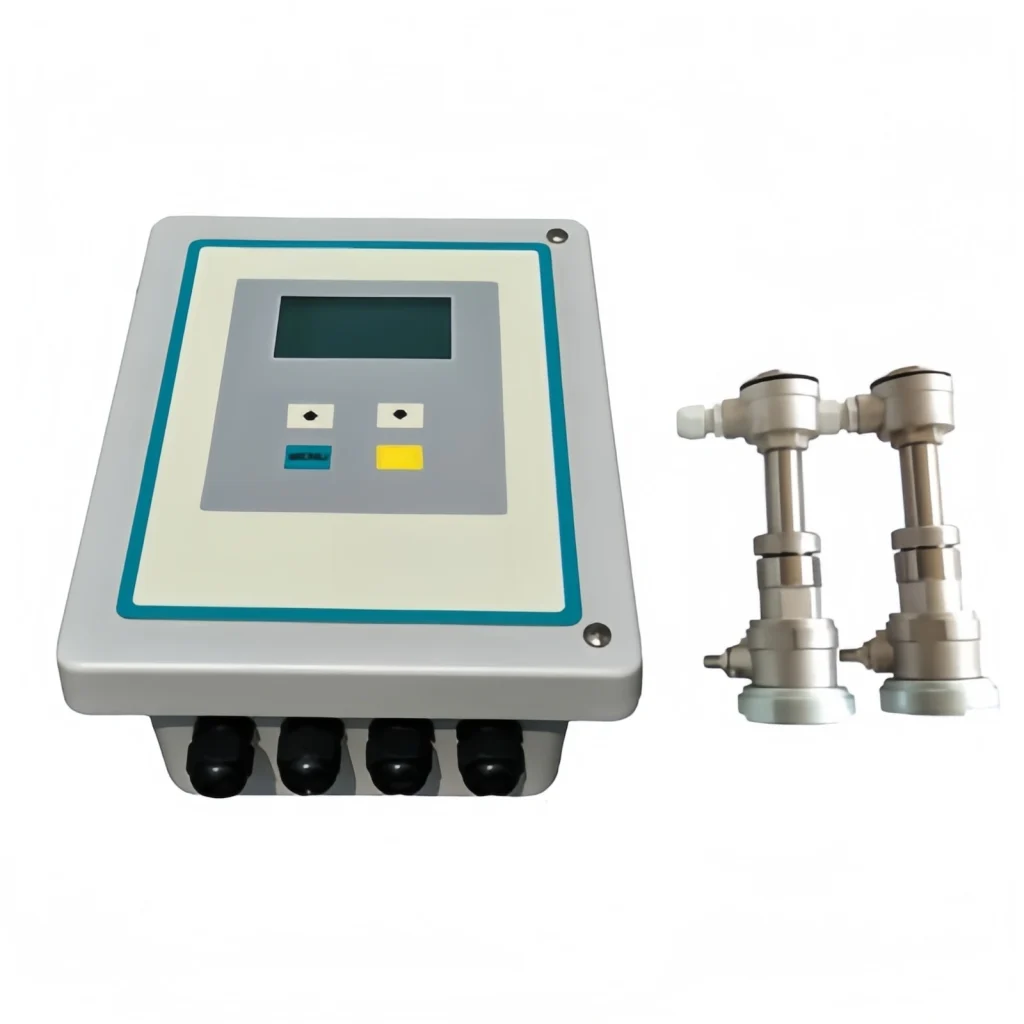
Ultrasonic Flowmeter
Working Principle:
Utilising the property that ultrasonic wave propagation speed varies with fluid velocity, paired transducers transmit ultrasonic signals in both upstream and downstream directions. The time/frequency difference detected between signal arrival times is proportional to fluid velocity. Combined with the pipe cross-sectional area, this calculates velocity, thereby determining instantaneous and cumulative flow rates.
Operational Characteristics:
Capable of measuring flow in conventional pipelines as well as in pipelines that are difficult to observe or access. It can measure not only conventional fluid flows but also fluids with strong corrosive, radioactive, flammable, or explosive properties. However, ultrasonic flowmeters have limitations regarding the temperature range of the measured fluid; currently, those available in China are only suitable for measuring fluids below 200°C. Moreover, ultrasonic flow meters feature relatively complex measurement circuits with stringent circuitry requirements.
Coriolis Mass Flow Meter
Working Principle:
When a particle within a rotating system moves towards or away from the rotation centre, an inertial force is generated. By directly or indirectly measuring the Coriolis force exerted by the fluid flowing within the rotating pipe, the mass flow rate of the fluid through the pipe can be determined.
Operational Characteristics:
Coriolis mass flowmeters directly measure mass flow with high precision. They accommodate a broad range of fluids, including various liquids with high viscosity, slurries containing solids, liquids with trace gases, and medium-to-high-pressure gases of sufficient density. The measuring tube exhibits minimal vibration amplitude and may be considered a non-moving component, with no obstructions or moving parts within the measurement line.
They are relatively sensitive to external vibration interference. To prevent pipeline vibration from affecting measurements, most Coriolis mass flow meter models require high standards for the installation and fixing of the flow sensor.
Positive Displacement Flow Meter
Working Principle:
The positive displacement flow meter uses fluid pressure to move the internal rotor. As the rotor turns, it always puts out the same amount of fluid from the measuring chamber. The number of rotor revolutions is measured and converted based on the calibrated volume of the measuring chamber. This means you can calculate the instantaneous and cumulative flow rates of the fluid. The accuracy of the measurement won’t be affected by the speed of the fluid or the pressure.
Operational Characteristics:
① High measurement accuracy; ② Installation pipeline conditions do not affect measurement accuracy; ③ Suitable for measuring high-viscosity liquids; ④ Wide turndown ratio; ⑤ Not suitable for high or low temperature applications; ⑥ Not suitable for high or low temperature applications; most instruments are only suitable for clean, single-phase fluids and exhibit significant noise and vibration.
In summary, precise flow measurement is a critical safeguard for efficient industrial production, and appropriately matched liquid flow meters form the core support for fluid conveyance processes across various industries. Sion-Inst is an expert in measuring liquid flow. It has a wide range of products that can be used with all types of liquids. These liquids can be clean, corrosive, high-viscosity, or contaminated. Our solutions are very precise, very stable and very adaptable. We’ll give you personalised selection guidance and technical support that’s tailored to your specific needs, medium characteristics and operational conditions.