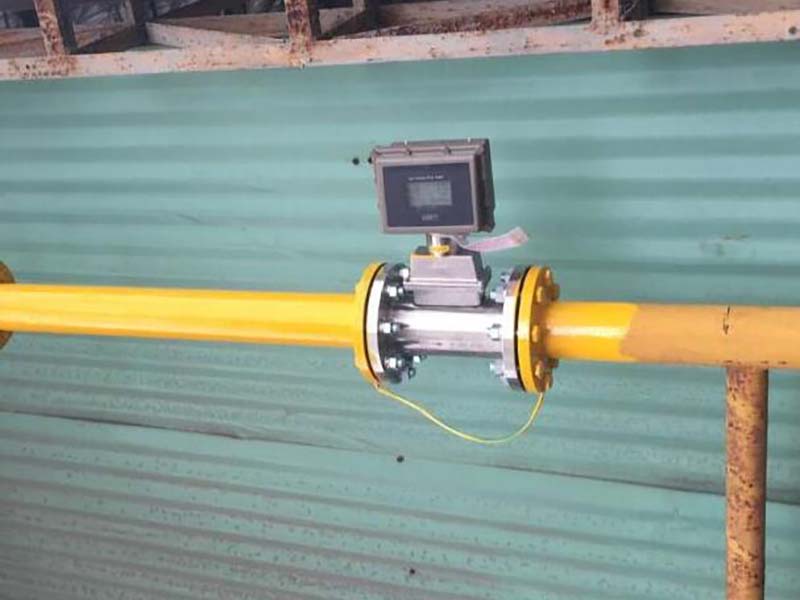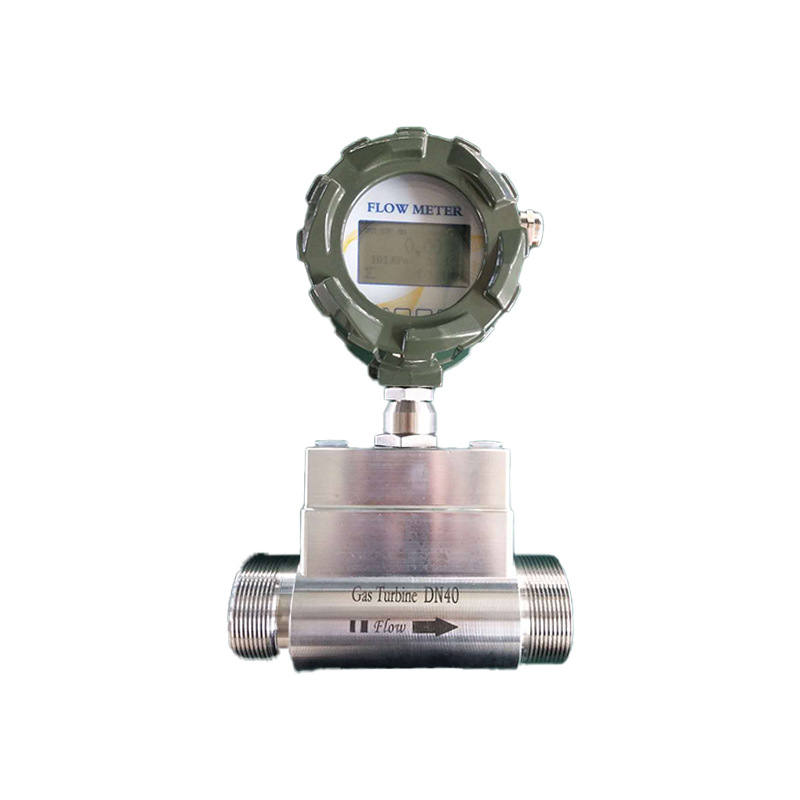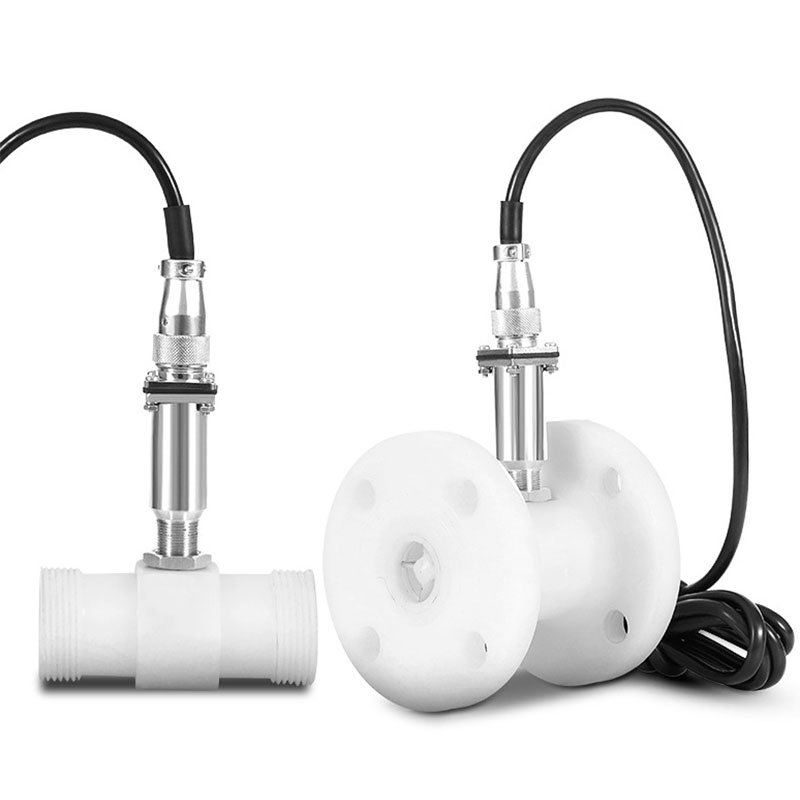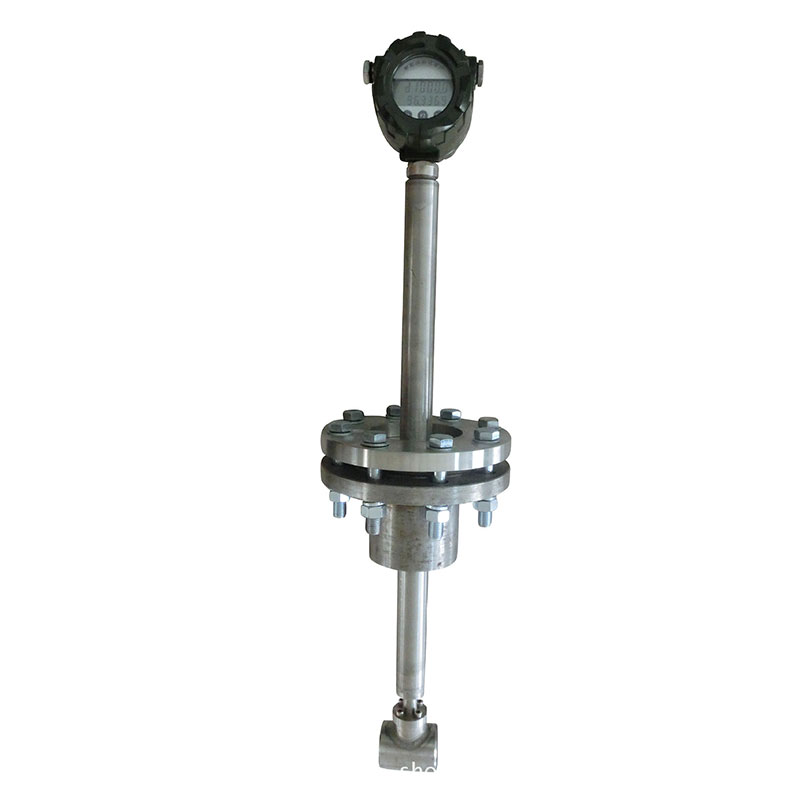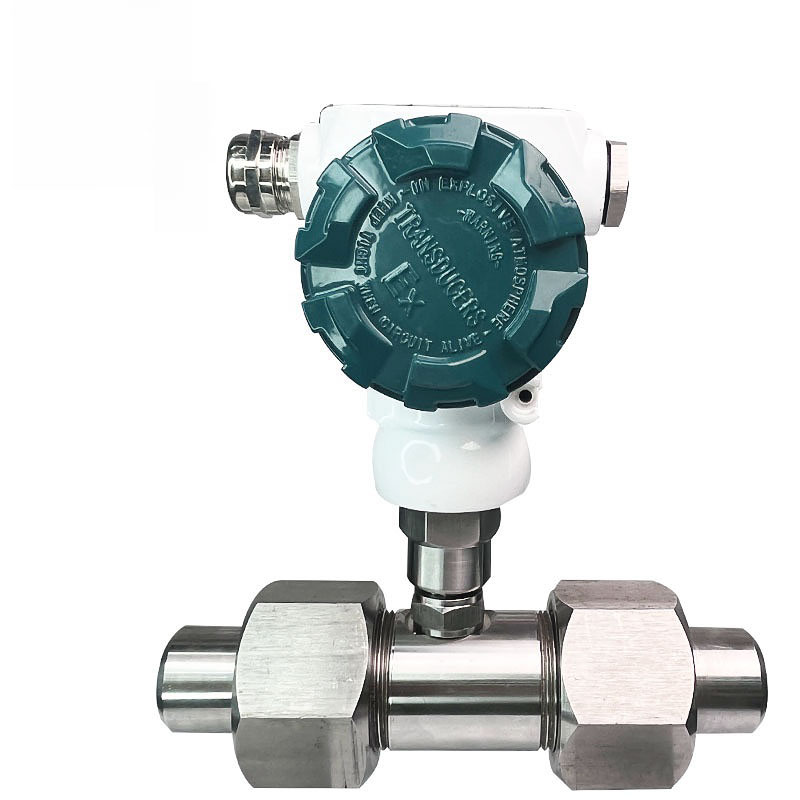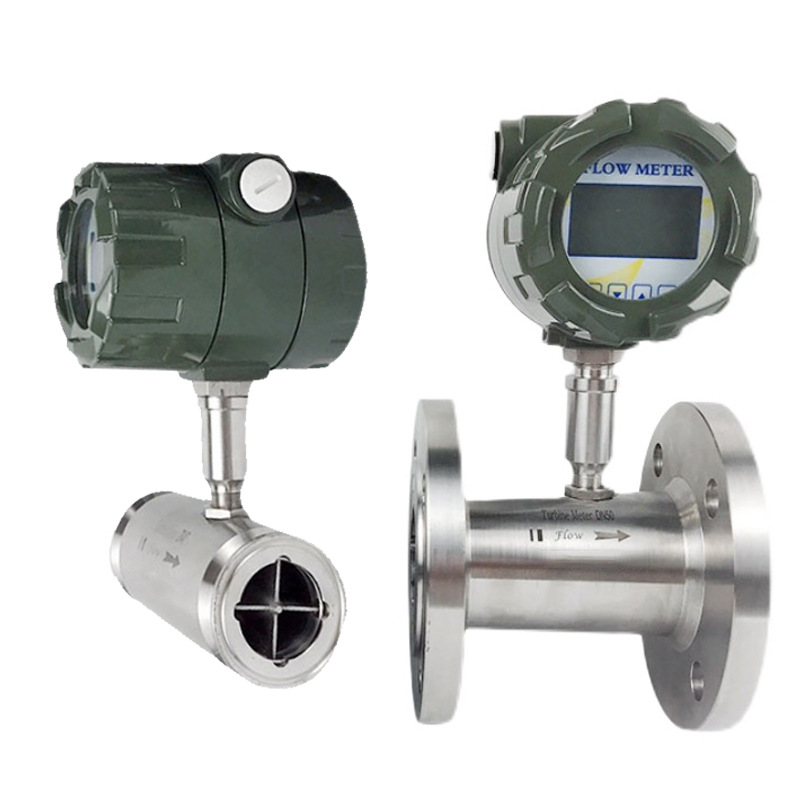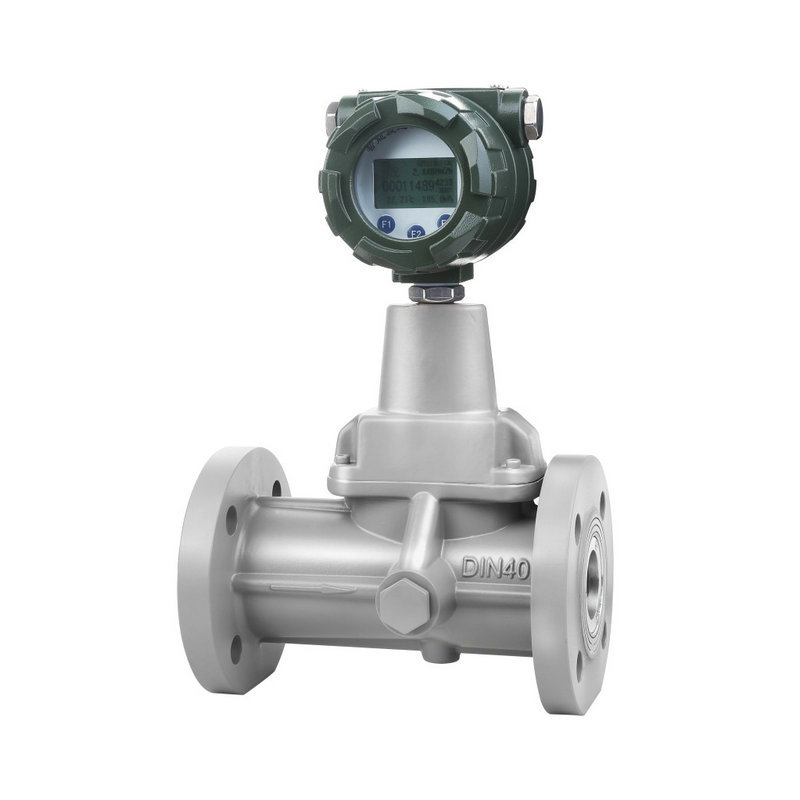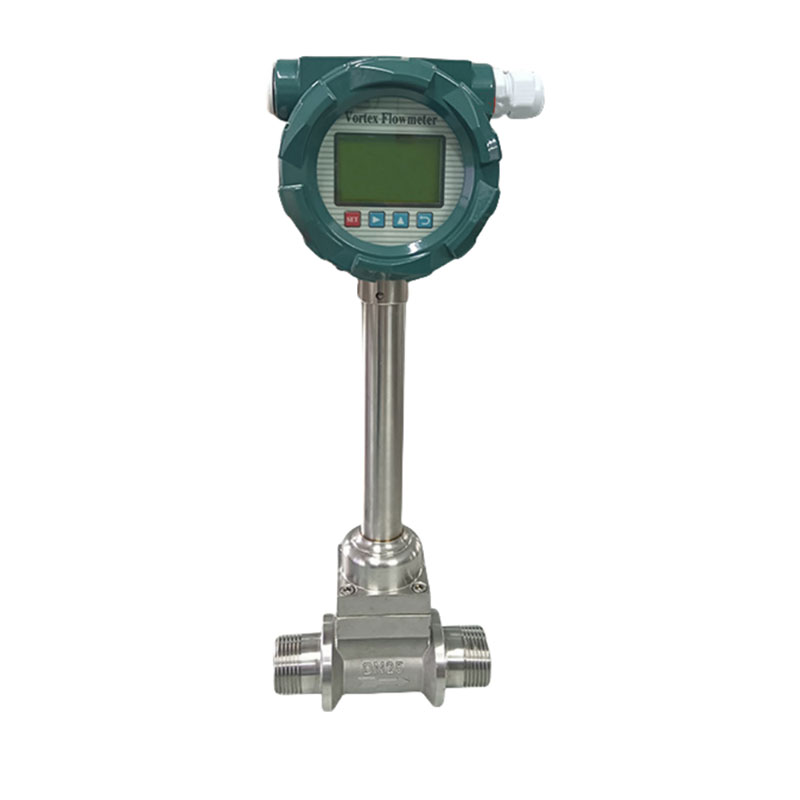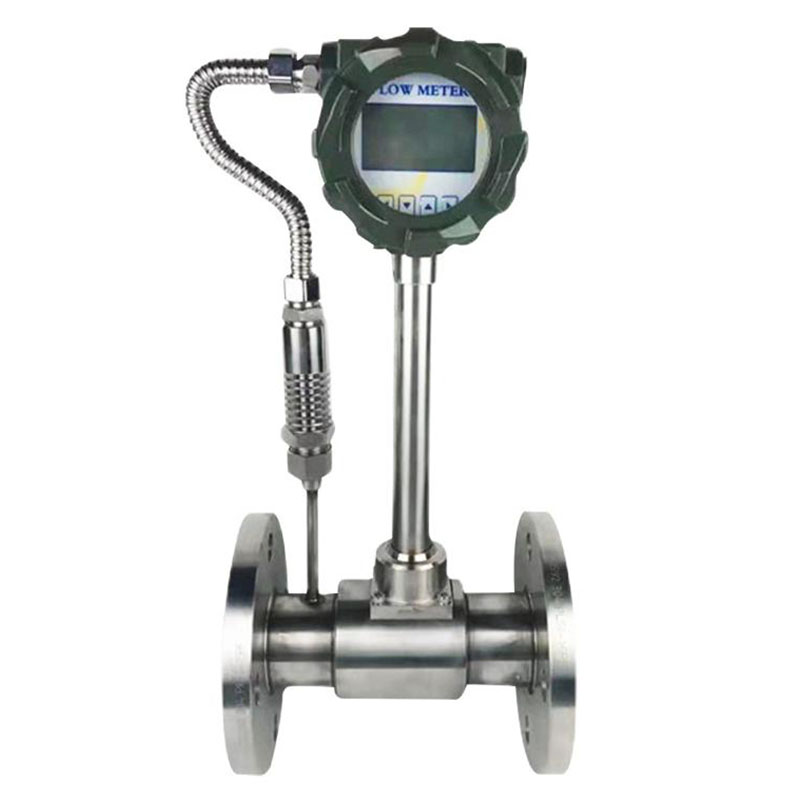
Flow meters are indispensable instruments in industrial automation and process control, widely employed for measuring the flow of liquids, gases, and steam. Vortex flow meters and turbine flow meters represent two common types, differing in their operating principles and application scenarios. Although both utilise fluid dynamics principles for flow measurement, they exhibit significant variations in design, operational methodology, accuracy, and applicable ranges.
Definition and Operating Principle
Vortex Flow Meter
Definition: A vortex flow meter is a flow measurement instrument operating on the principle of the Karman vortex street. When fluid flows past a cylindrical object (like a vortex generator), a series of vortices are created downstream. The frequency of these vortices depends on how fast the flow is going. You can work out the fluid flow rate by detecting the frequency of these vortices.
Working Principle: When fluid flows past the vortex generator at a certain speed, it creates two stable vortex rows that are asymmetrical. The frequency of these vortex rows is directly related to how fast the flow is going, so you can estimate the flow rate by measuring the frequency.
Turbine Flow Meter
Definition: A turbine flow meter measures the flow of a fluid by measuring the rotation of a turbine blade. When fluid flows past the blades, they rotate. The faster the fluid is flowing, the faster the blades will rotate. The fluid flow rate can be calculated by measuring the blades’ rotational speed.
Working Principle: The fluid impinges upon the turbine blades, causing them to rotate at high speed. A proportional relationship exists between the turbine’s rotational speed and the fluid velocity. The sensor converts the turbine’s rotational speed into an electrical signal output, thereby enabling flow measurement.
Structure and Appearance
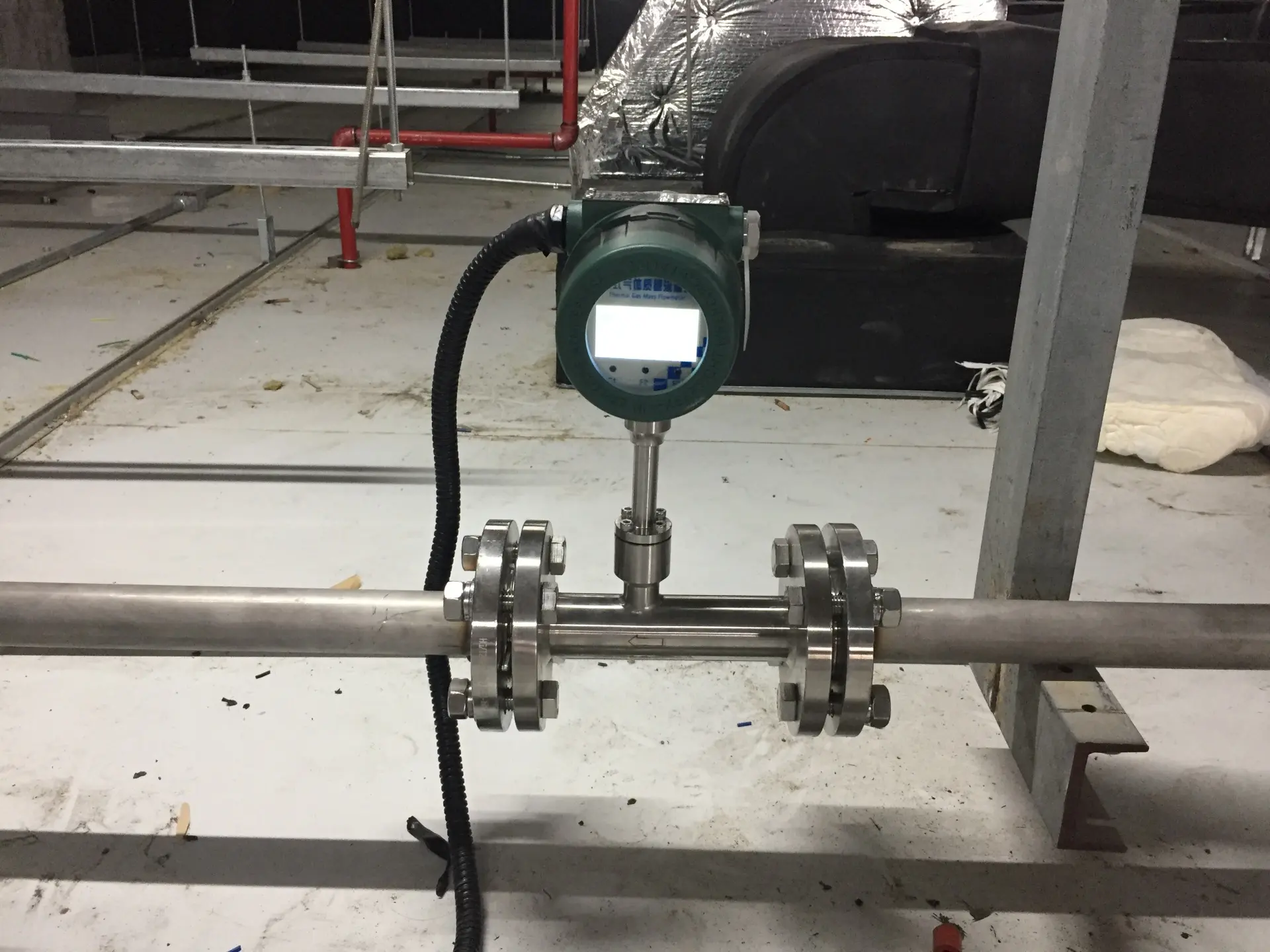
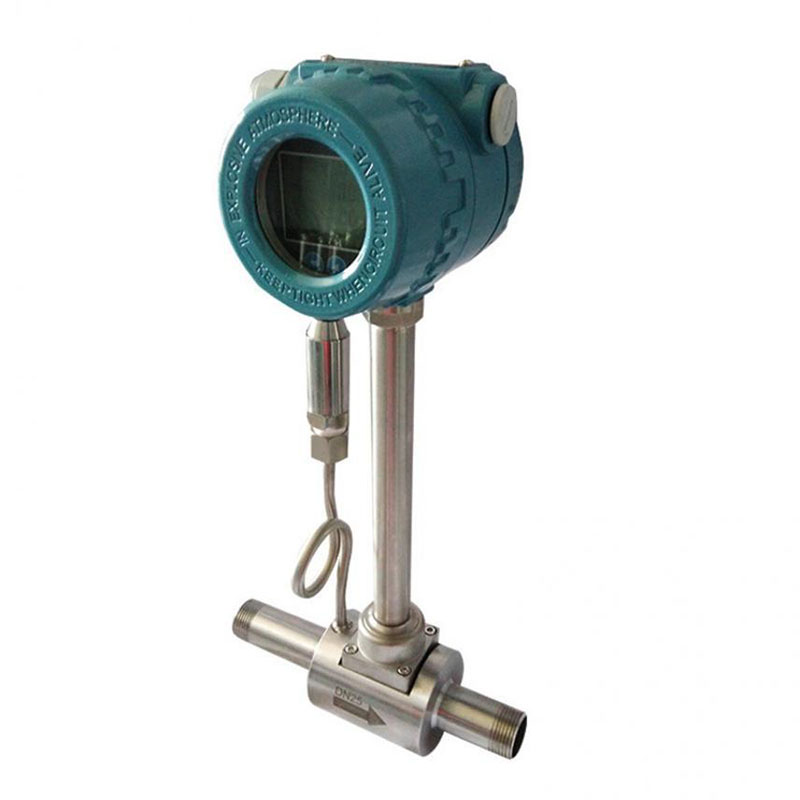
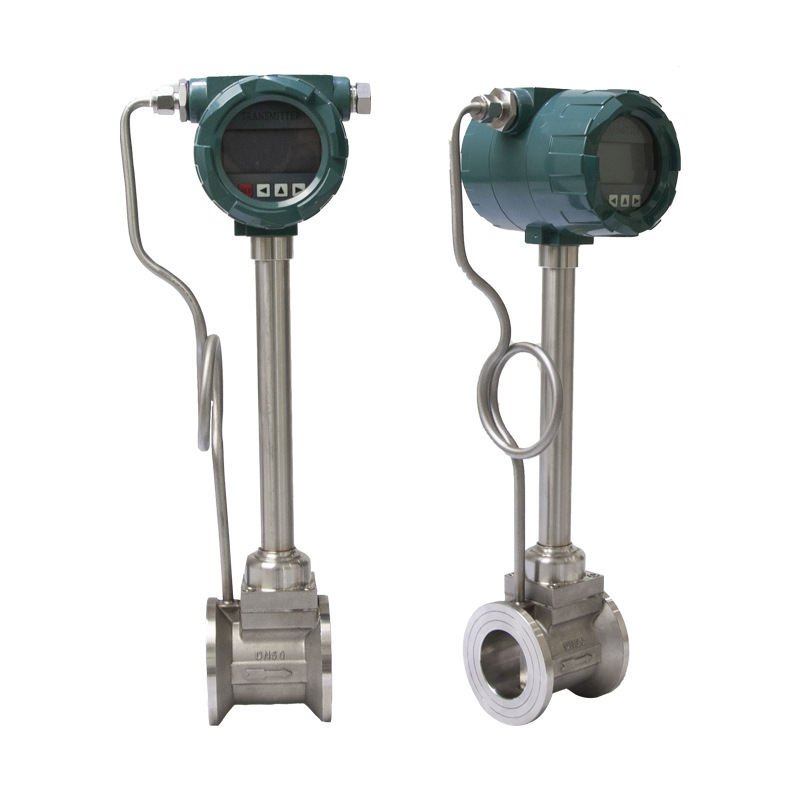
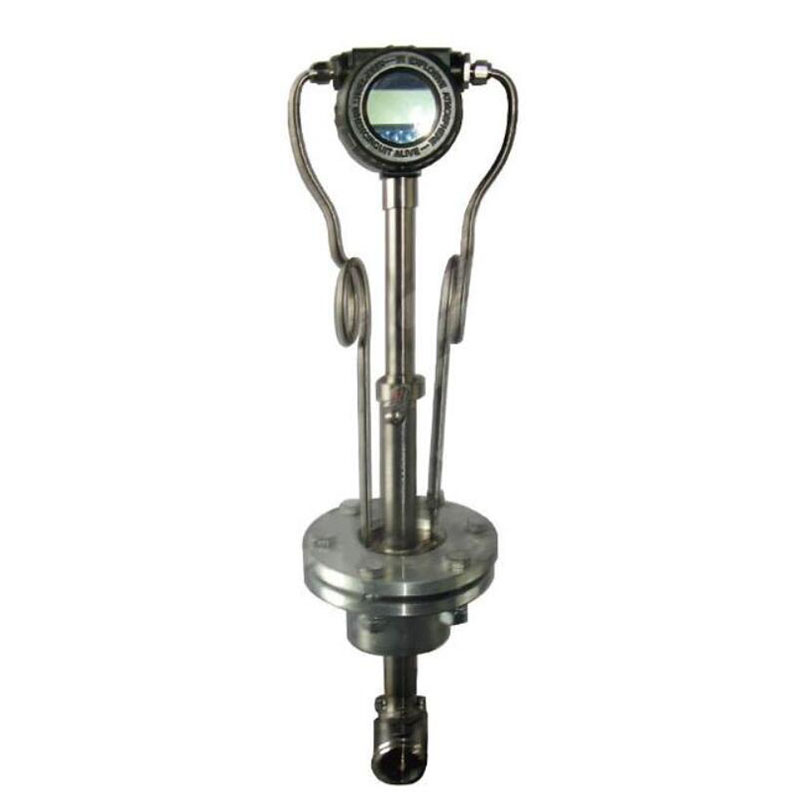
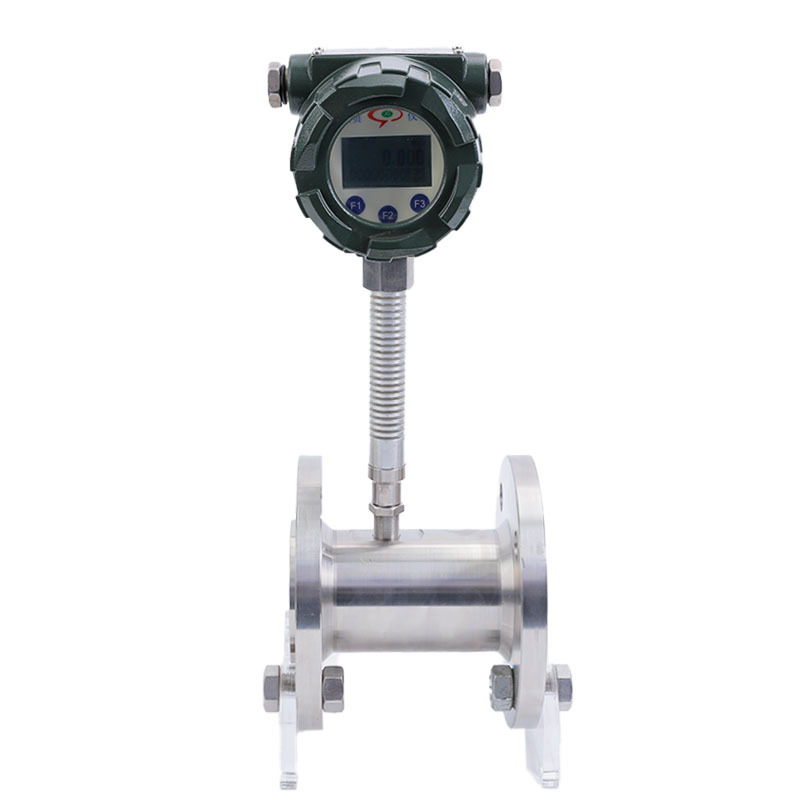
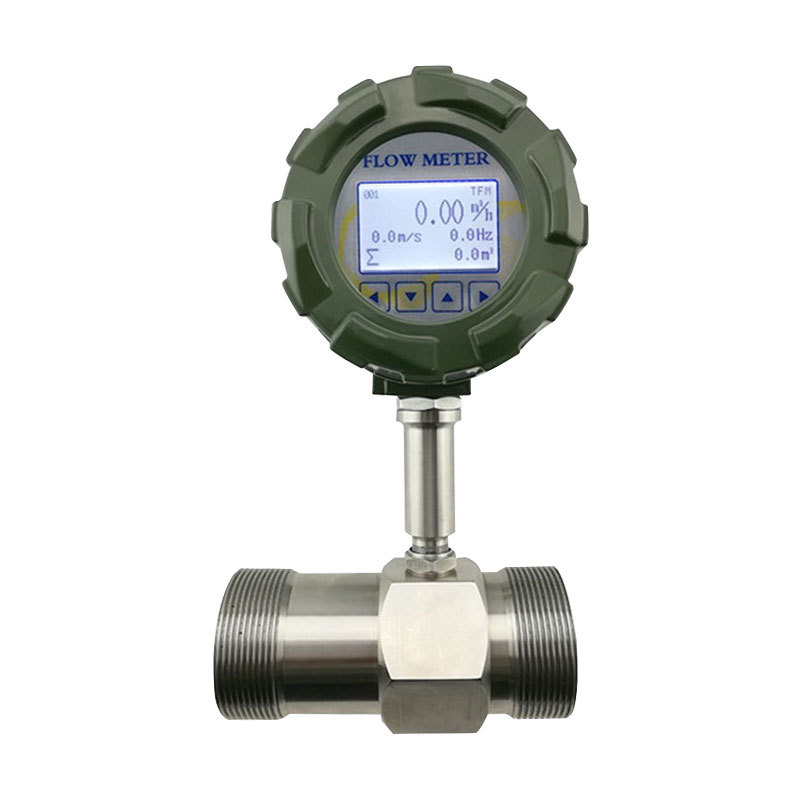
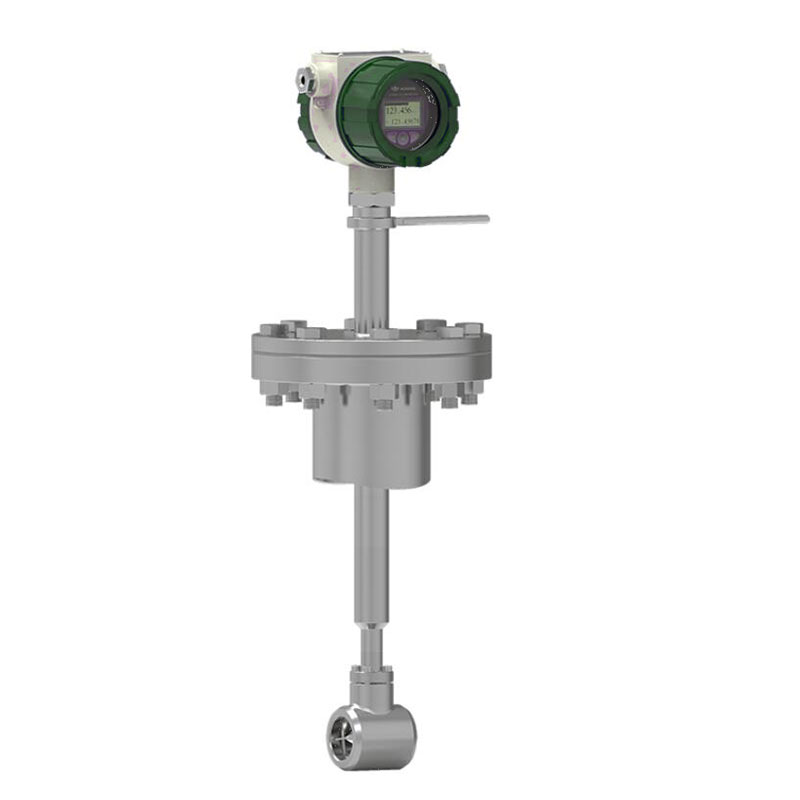
Vortex Flow Meter: Typically comprises a vortex generator, sensing elements (such as piezoelectric crystals), and signal processing circuitry. Its appearance is relatively simple, usually consisting of a pipe section incorporating a vortex generator.
Turbine Flow Meter: It’s made up of a turbine rotor, bearings, housing, and sensors. The turbine rotor normally has a number of blades, and it looks a bit like a windmill. The overall structure is quite complex, so it needs precise machining and assembly.
Advantages and Disadvantages Comparison
Vortex Flow Meter
Advantages:
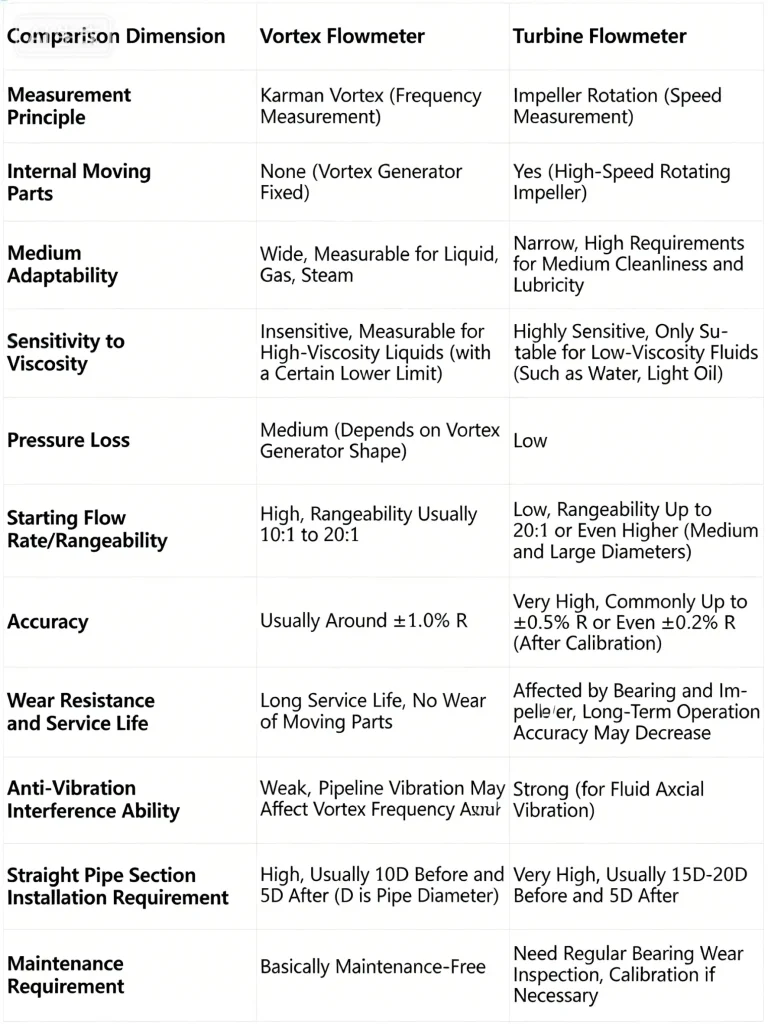
Simple structure, easy maintenance: The vortex flow meter has no moving parts. The only part that moves is the vortex generator, which is the core measuring element. Its overall structure is simple and does not include parts that wear easily. To keep it running smoothly, just check it regularly for anything that might be blocking it, and clean off any dirt or debris. This means it is easy to maintain and use.
It can measure a wide range of things and is very accurate: The turndown ratio ranges from 1:10 to 1:100, which means it can deal with different levels of flow in different situations. Precise measurement is achievable for both low-velocity and medium-to-high-velocity fluids. Under standard conditions, accuracy reaches ±1.0% to ±0.5%, with high-precision models achieving ±0.2%, meeting most industrial metrology requirements.
Minimal pressure loss: The vortex generator’s compact design means it doesn’t get in the way of the fluid flow, which leads to much less pressure loss compared to other flowmeters. This is especially important in long-distance or low-pressure conveyance systems, as it reduces energy loss and makes the equipment easier to use.
It can also measure the flow going in both directions: Vortex flow meters can monitor fluid flow in both directions without needing to change how they are installed or add extra parts. They simultaneously capture forward and reverse flow data, making them suitable for applications involving fluid backflow or bidirectional circulation.
Disadvantages:
High demands on fluid media: How accurate the measurement is depends on stable Karman vortex streets forming as fluid passes the vortex generator. Fluids containing solid particles or impurities can stick to the generator surface, which can mess up the vortex stability. Highly viscous fluids can’t form stable vortices because there’s too much resistance, so these meters are only suitable for clean, low-viscosity media.
Susceptible to vibration interference: Vortex flow meters are sensitive to environmental and pipeline vibrations. Vibrations can mimic vortex signals, causing the instrument to misinterpret them and generate false flow data. Installation should avoid vibration sources; if unavoidable, vibration damping devices must be fitted. Vibration impacts are more pronounced in small-diameter pipelines, limiting their applicability.
Turbine Flow Meters
Advantages:
High measurement accuracy: Turbine flow meters offer unparalleled accuracy in the industry. Standard models achieve an accuracy of ±0.5%, while high-precision variants surpass this by achieving an accuracy of ±0.1% to ±0.2%, which is significantly better than the typical accuracy of vortex flow meters. This capability meets the stringent metrological requirements of trade settlement and high-precision process control.
Rapid response: The low inertia of the turbine rotor enables swift response to flow variations. The time from flow velocity change to stable instrument output is extremely brief, making it suitable for scenarios with frequent flow fluctuations requiring real-time instantaneous flow monitoring, such as chemical reaction process control and petroleum filling regulation.
Excellent repeatability: Under identical fluid conditions, measurement data exhibits minimal fluctuation with repeatability error controllable within ±0.1%. This ensures stable, long-term measurement performance, making it ideal for continuous industrial processes such as the transportation of oil through pipelines and the production of chemicals.
Disadvantages:
Significant fluid pressure loss: The turbine rotor and bearings can sometimes prevent the fluid from flowing properly, causing pressure loss, particularly when moving at high speeds. This means that conveyance equipment has to work harder and uses more energy, so it is not suitable for low-pressure, long-distance conveyance.
High demands on fluid media: Fluids containing solid particles, impurities or fibres can wear down the turbine rotor and bearings, causing reduced rotational flexibility or even seizure. This can reduce accuracy and shorten the service life. So, it’s only suitable for clean liquids with a low viscosity that aren’t contaminated, meaning you need to do pre-filtration, which makes the system more complex.
Unsuitable for high-temperature, high-pressure environments: Turbine rotors and bearings are mostly metal, but the seals and how well they perform under pressure are really affected by temperature and pressure. Seals can age and deform at high temps, and bearings can be damaged by high pressure. Consequently, they are only suitable for ambient temperature and pressure conditions and cannot accommodate high-temperature, high-pressure scenarios.
Prone to wear with high maintenance costs: Prolonged fluid flow causes wear on turbine rotors and bearings, accelerating at high velocities or in fluids containing trace contaminants. Worn components increase measurement inaccuracies, necessitating regular disassembly for inspection and replacement of worn parts. This not only elevates maintenance expenses but also disrupts production continuity.
Core Differences and Their Application Implications
Medium Conditions:
Turbine flowmeters are suitable only for clean, low-viscosity, non-corrosive single-phase fluids. Applicable media include clean aqueous solutions, light petroleum products, low-viscosity lubricants, and dry, clean single-phase gases. Their moving components are highly sensitive to contaminants. Particles or fibres bigger than 5μm in diameter can cause problems with the impeller or bearings, which can lead to instrument failure and sudden accuracy degradation. Things like corrosive media, gas bubbles and multiphase fluids can’t be used without some kind of pre-treatment, so you can only really use them in situations where the media is controllable and very pure.
Vortex flow meters exhibit relatively lenient requirements for medium cleanliness, excelling particularly in measuring steam, gases, and various liquids, including those with moderate viscosity. Suitable media encompass steam, diverse gases (tolerating minor dust and oil mist), multiple liquids, and low-concentration mixtures without viscous impurities. Requiring no complex pre-treatment, they serve harsh industrial conditions. However, slurries laden with solid particles or media prone to crystallisation and scaling may clog vortex generators, impairing detection.
Accuracy and Long-Term Stability:
Turbine flow meters offer exceptional short-term accuracy and a fast response time, making them ideal for high-precision applications. However, they are not the best long-term option. Over time, this can lead to accuracy issues, necessitating regular calibration and maintenance, which can be costly. They are therefore ideal for situations requiring short-term accuracy, stable media and regular maintenance, such as trade settlement, precision chemical feed metering and laboratory measurements.
Whirl flow meters are slightly less accurate but very stable over time because they are designed without moving parts. Once installed and calibrated, they stay the same for a long time, so they don’t need much maintenance. They’re perfect for industrial process monitoring. This is when you need something reliable that doesn’t need much maintenance and is very stable. They’re used in power plants to monitor steam and in chemical reactions to measure amounts.
Pressure Loss and Energy Consumption:
Turbine flow meters feature unobstructed flow paths with minimal pressure loss, which varies linearly with flow rate and remains generally low. This advantage is particularly pronounced in high-flow, energy-efficient conveyance systems, significantly reducing pump energy consumption while accommodating low-pressure fluid systems to ensure stable transport.
Vortex flow meters incorporate vortex generators, introducing some pressure loss. This loss increases under high-flow and high-viscosity conditions, remaining higher than turbine flow meters despite optimisation. While pressure loss is negligible in most industrial applications, it warrants careful consideration in pressure-sensitive scenarios such as low-pressure systems, high-viscosity high-flow conveyance systems, and precision fluid control systems.
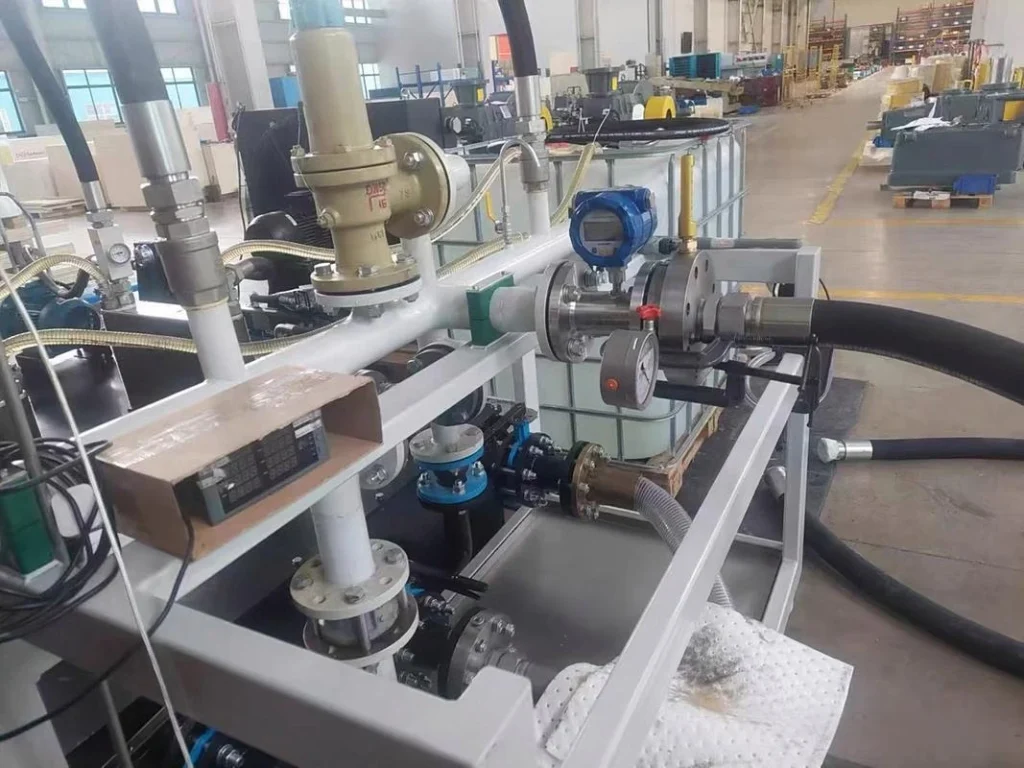
As a specialist flow meter supplier, we understand that selecting the right instrumentation for complex industrial applications often presents greater challenges than merely pursuing high accuracy. Whatever you need, Sion-Inst has the right product. This could be a simple vortex flow meter. Or a turbine flow meter. We will recommend the most suitable option for your needs and ensure that it is affordable.
If you have any questions regarding product temperature and pressure ratings, compatibility with specialised media or installation considerations in vibratory environments, our technical team is here to help! Our technical team provides dedicated one-to-one support to ensure your measurement solutions are optimised for peak performance. With our support, you can expect stable and efficient production operations that will take your business to new heights.