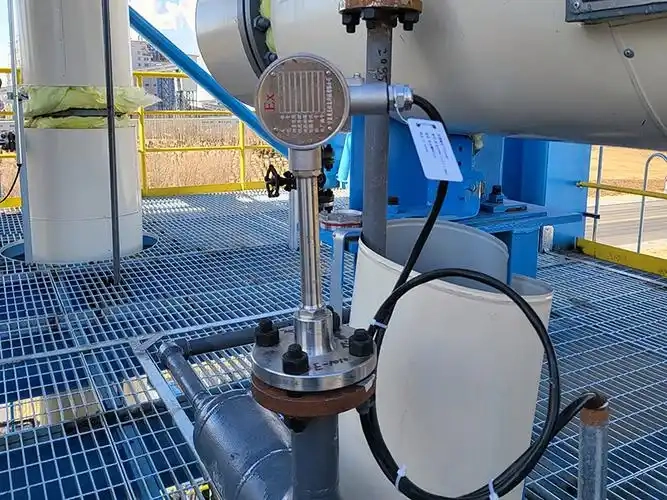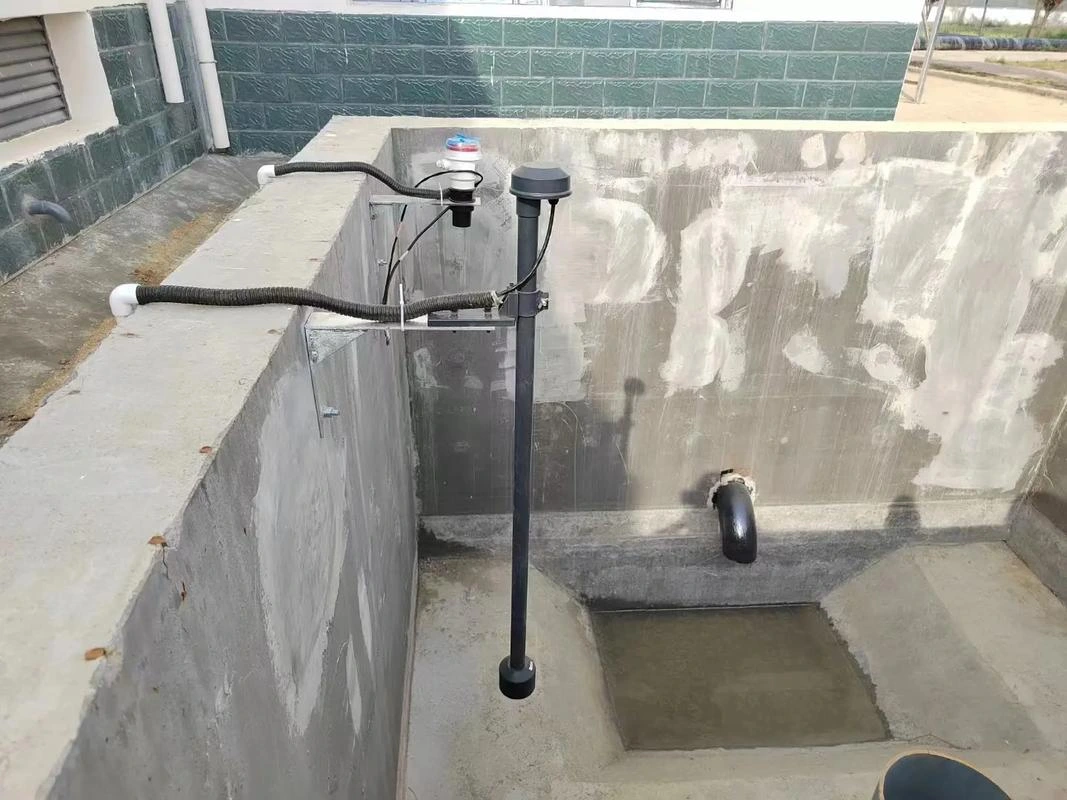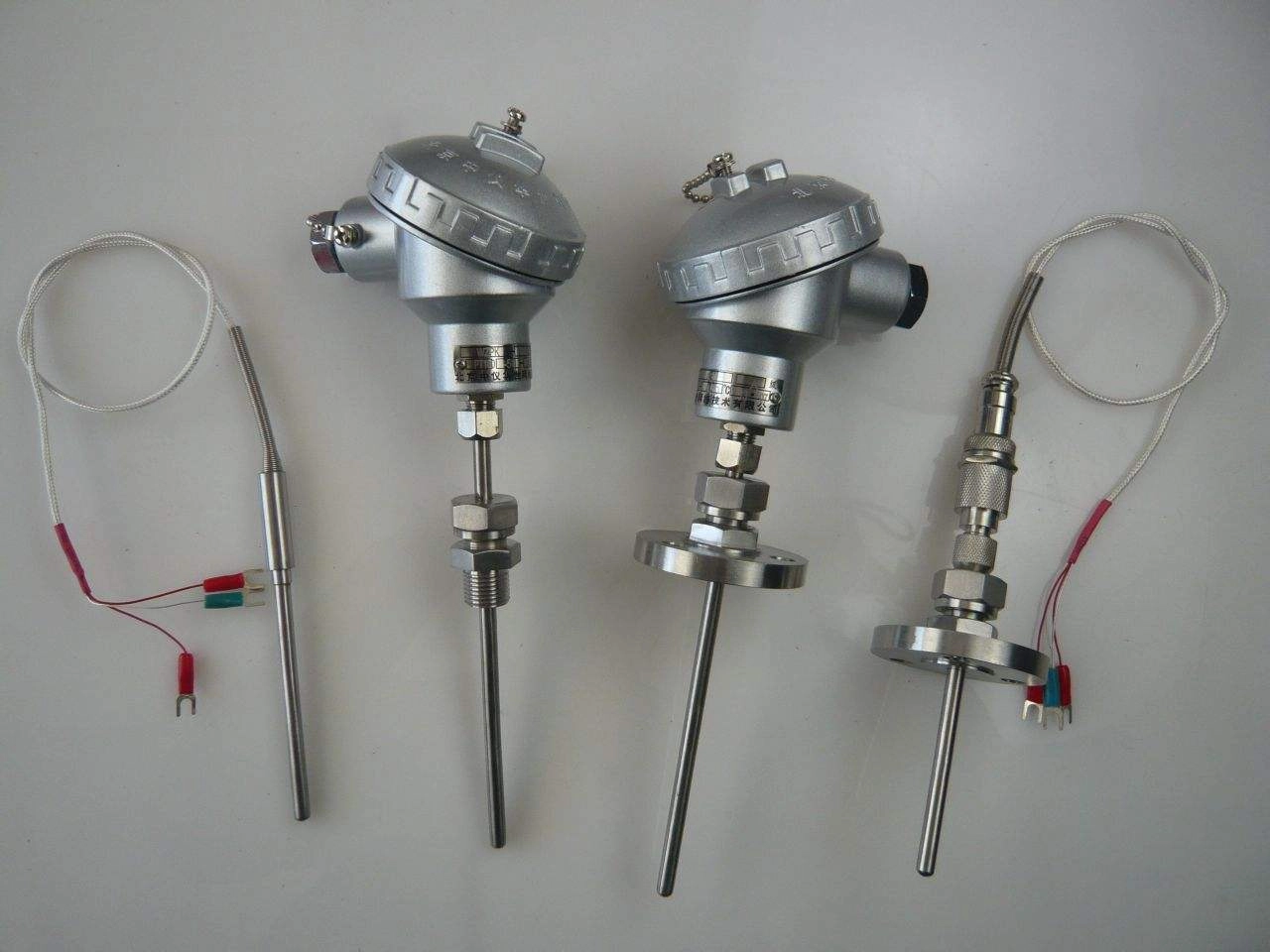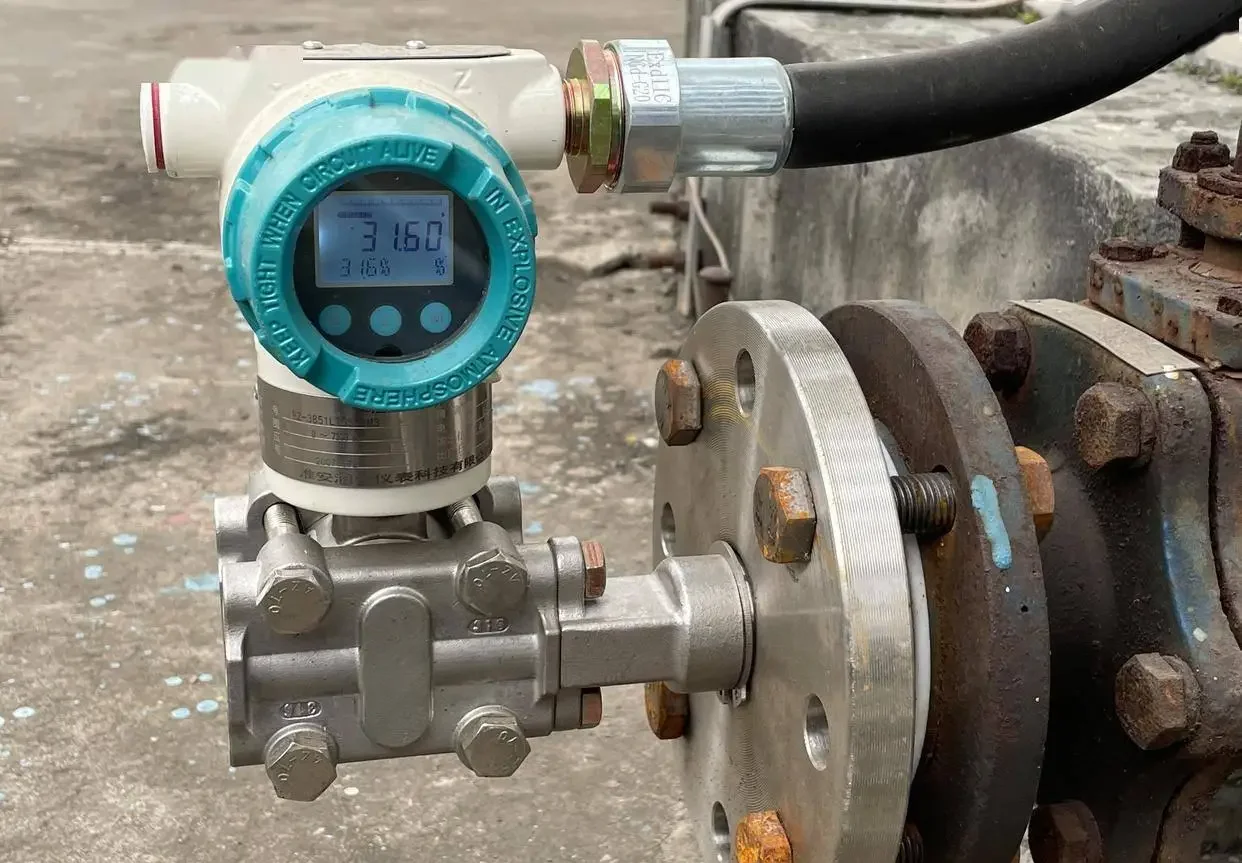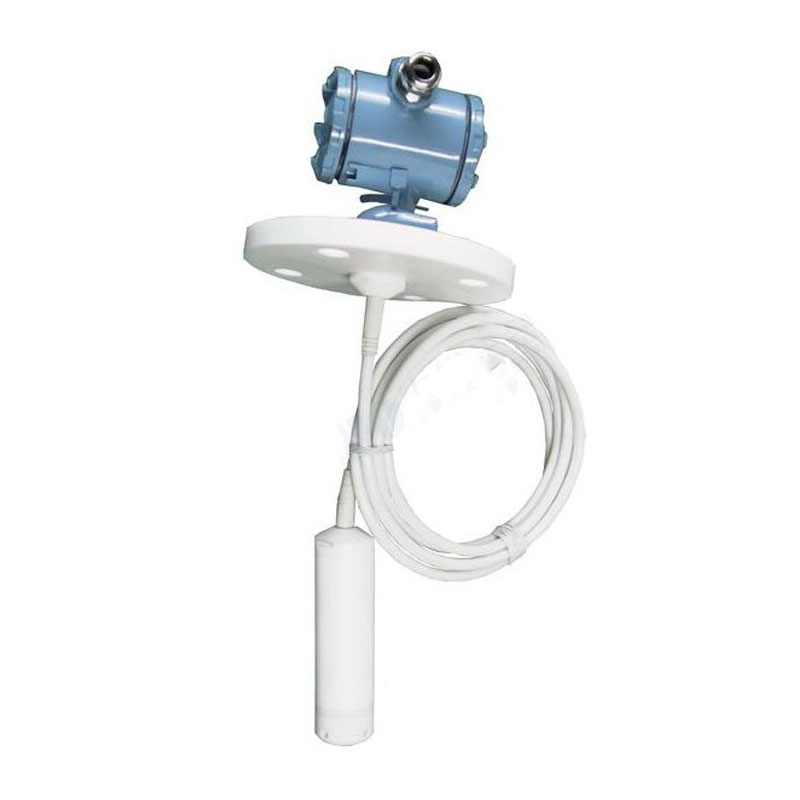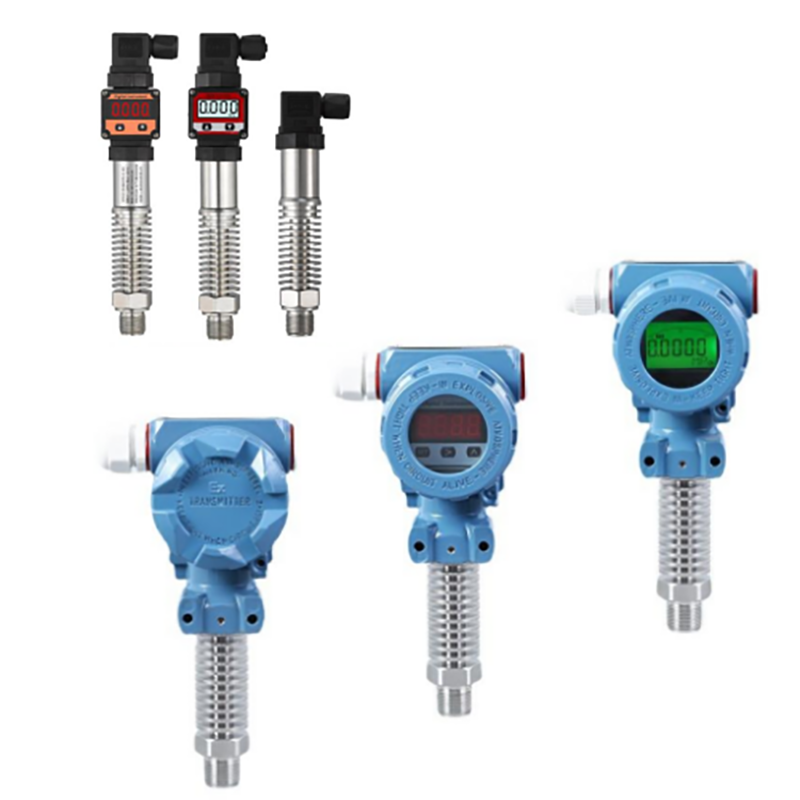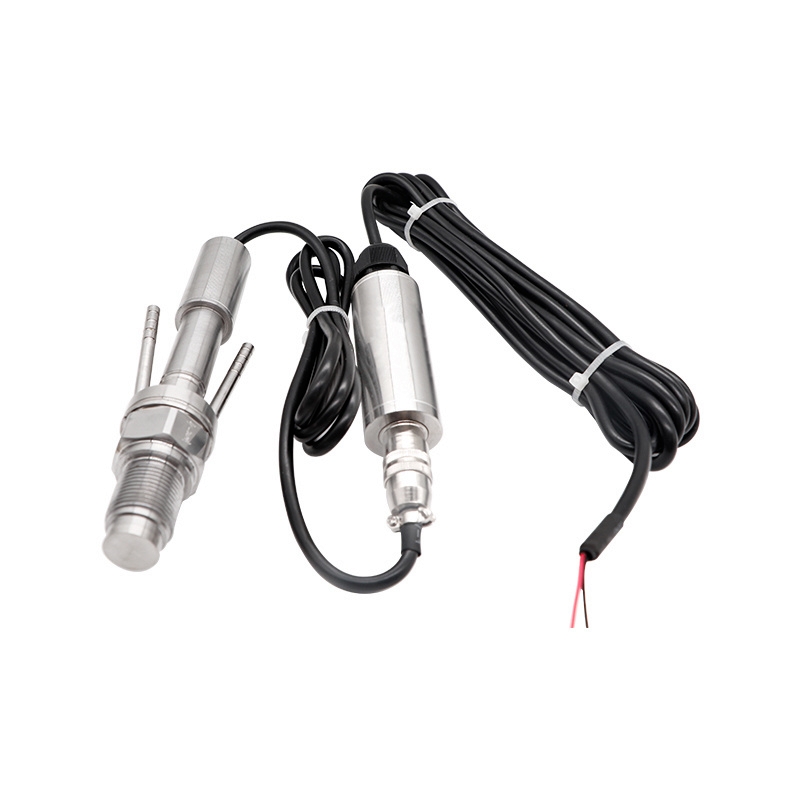
In industrial automation and control systems, sensors play a vital role in monitoring and measuring various physical quantities. There are two common types of sensor: hydraulic and pneumatic. Hydraulic sensors are used to measure the pressure of liquids, while pneumatic sensors are used to measure the pressure of gases. This article will explore the distinctions between hydraulic and pneumatic sensors, including comparisons of their operating principles, application domains, and respective advantages and disadvantages.
The operating principles of two different pressure sensors
1.Hydraulic sensors
Hydraulic sensors are specifically designed to measure fluid pressure. Their operating principle is based on Pascal’s Law, which states that pressure is uniformly distributed throughout a fluid. Typically comprising a diaphragm or piston, these sensors function such that when fluid pressure is applied, the displaced fluid causes the diaphragm or piston to move. This displacement alters the sensor’s electrical properties—such as resistance, capacitance, or inductance—thereby enabling pressure measurement.
2.Pneumatic Pressure Sensors
Pneumatic pressure sensors are employed to measure the pressure of gases. Their operating principle typically relies on membrane deformation: variations in gas pressure drive displacement of the membrane, which is then converted into an electrical signal by altering resistive or capacitive parameters.Digital models predominantly utilise MEMS technology to integrate a Wheatstone bridge. When gas exerts pressure, the sensing element within the sensor undergoes force, generating a corresponding electrical signal that subsequently measures the gas pressure.
Hydraulic sensors VS Gas Pressure Sensors
Hydraulic sensors and pneumatic sensors differ in the medium they contact.Structural variations lead to distinct characteristics.
Advantages of Hydraulic sensors.
1.High Accuracy: The phenomenon of incompressibility, exhibited by liquids, facilitates the attainment of high precision by hydraulic sensors.
2.The durability of Hydraulic sensors is such that they are typically characterised by an extended service life and the capacity to operate in harsh environments.
3.It’s essential that they can handle high temperatures and pressures for this application. Hydraulic sensors are perfect for environments involving high temperatures and pressures.
Disadvantages of Hydraulic sensors.
1.The response time is comparatively protracted. The displacement speed of liquids is comparatively slow, which has the potential to result in longer response times for liquid pressure sensor.
2.It’s clear that the maintenance costs are higher in this case. It’s crucial to remember that hydraulic systems need regular maintenance and fluid changes to work well and last.
Advantages of Pneumatic Pressure sensors
1.Rapid Response: The relatively swift displacement of gases enables pneumatic pressure sensors to exhibit rapid response characteristics.
2. Versatility across gases: These sensors typically measure pressure across diverse gas types.
3.Low maintenance requirements: Pneumatic pressure sensors generally demand infrequent servicing.
Disadvantages of Pneumatic Pressure sensors
1.Environmental impact on accuracy: Sensing precision may be affected by factors such as ambient temperature and humidity.
2.Inapplicability to liquids: Pneumatic pressure sensors are unsuitable for pressure measurement in liquid environments.

Practical applications of two pressure sensors
When we’re using these sensors in the real world, the main difference between hydraulic and pneumatic sensors comes from the different physical properties of the stuff they’re made of (liquids can’t be compressed and are dense; gases can be compressed and are less dense), which means they’re used in different places.
Applications of Hydraulic sensors
1. Construction Machinery Control
Within construction machinery such as excavators, loaders, and road rollers, hydraulic sensors monitor and regulate hydraulic sensors to ensure proper machine operation and safety.
2. Automotive Manufacturing
In the automotive industry, hydraulic sensors monitor liquid pressure in braking systems, oil pressure in suspension systems, and fluid pressure in transmission systems to enhance driving safety and comfort.
3.Military Equipment
Within the military sphere, hydraulic sensors are deployed in the hydraulic systems of aircraft, tanks, submarines, and other equipment to guarantee reliability and performance.
4.Environmental Monitoring
Liquid pressure sensors also monitor atmospheric pressure, ocean depth, and soil density, aiding meteorologists, oceanographers, and geologists in environmental research.
5.Industrial Automation
Liquid pressure sensor are really important for industrial automation because they can monitor pressure, flow rate and temperature in fluid systems, which helps to make sure that production is controlled exactly right.
6.Scientific Research
Within scientific research, hydraulic sensors are extensively employed in laboratory studies. For instance, they monitor pressure in high-pressure experiments involving gases or liquids.
Application of Pneumatic Pressure Sensors
1. Industrial Automation and Control
Process Control: Monitoring pipeline and tank pressure to ensure safe and stable production processes.
Level Measurement: Indirectly calculating liquid height by measuring pressure at the bottom of the liquid, commonly used in storage tanks.
Leak Detection: Monitoring pressure changes within enclosed systems to determine the presence of leaks.
2.Automotive Electronics
Engine Control: Measures intake manifold pressure (MAP sensor) to optimise air-fuel ratio and enhance combustion efficiency.
Tyre Pressure Monitoring System (TPMS): Directly monitors internal tyre pressure to ensure driving safety.
Atmospheric Pressure Correction: Supplies environmental pressure data to the engine ECU for parameter calibration.
3. Meteorological and Environmental Monitoring
Weather Stations: It is imperative that core atmospheric pressure data is provided, as this forms the vital basis for the accurate prediction of future weather conditions.
Altimeters: The device is utilised for the measurement of altitude in a variety of professional contexts, including mountaineering, aviation, and associated domains.
4.How do gas pressure sensors work in HVAC systems?
A gas pressure sensors is particularly important in the cooling cycle—which includes compression, condensation, expansion, and evaporation—where it helps regulate refrigerant flow.Proper airflow flow is key to optimizing energy efficiency and effectively controlling temperature and humidity levels.
5.Exhaust gas pressure sensor
In diesel engines, pressure sensors work to preserve the life of the diesel particulate filter (DPF).These filters have an optimum operating temperature at which they can efficiently burn off of the fine particles captured by the filter.A drop in pressure signals that the filter is starting to fill up.To prevent clogging and ensure optimal performance, the pressure sensor sends a signal to the ECU to raise the temperature of the exhaust gases and enable the filter to regenerate.
6.Natural gas pressure sensor
Natural gas pipelines function as primary conduits for the transmission of energy and are susceptible to a number of potential risks, including but not limited to leaks, blockages and corrosion.These issues have the potential to not only disrupt energy supply but also to precipitate severe safety incidents. The advent of gas pressure sensors has engendered a paradigm shift in the realm of natural gas pipeline monitoring, ushering in a new era of intelligence and precision.
Real-time Pressure Monitoring
Pressure fluctuations within natural gas pipelines are influenced by multiple factors, including pipeline dimensions, gas flow rates, and temperature variations.The implementation of gas pressure sensors at critical pipeline locations facilitates real-time monitoring of pressure fluctuations.In the event that the gas pressure exceeds the predetermined safety thresholds, the system automatically triggers an alert.This prompts operators to take timely measures to prevent accidents.
The identification of leakage and the implementation of remedial measures
Gas pipeline leaks are frequently accompanied by sudden fluctuations in pressure. Gas pressure sensors have been shown to respond rapidly to such changes; when pressure drops to a certain level, the system immediately identifies a potential leak and triggers an alert.This early warning system provides sufficient time for pipeline maintenance and emergency repairs, thereby preventing severe safety incidents.
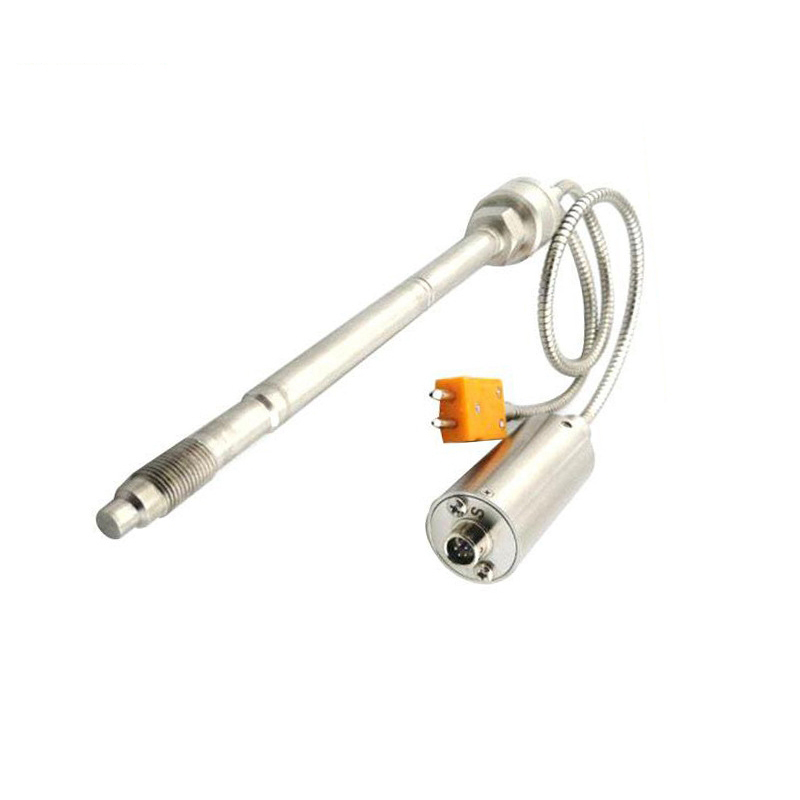
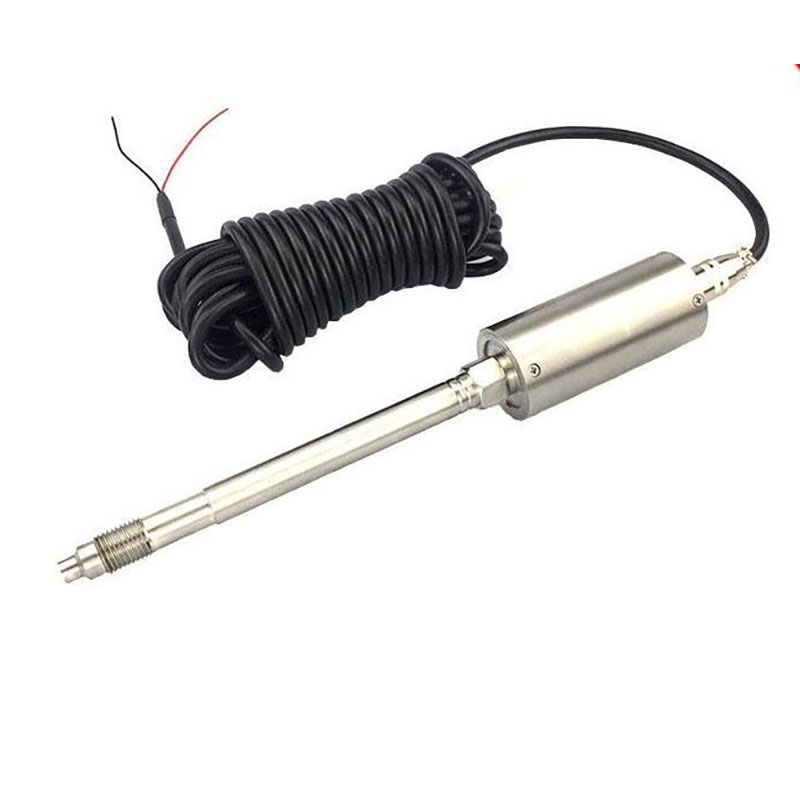
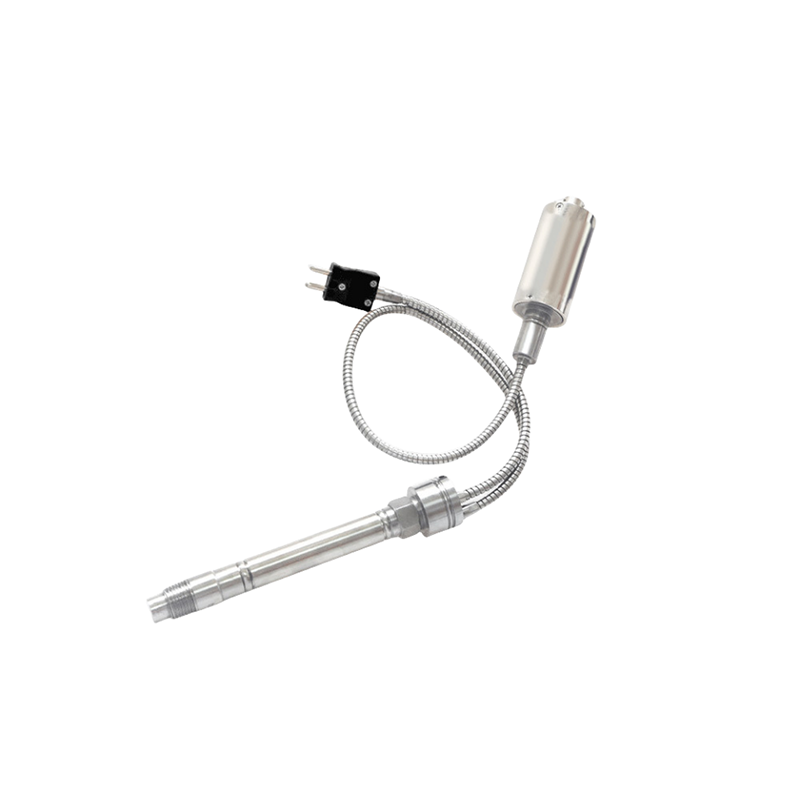
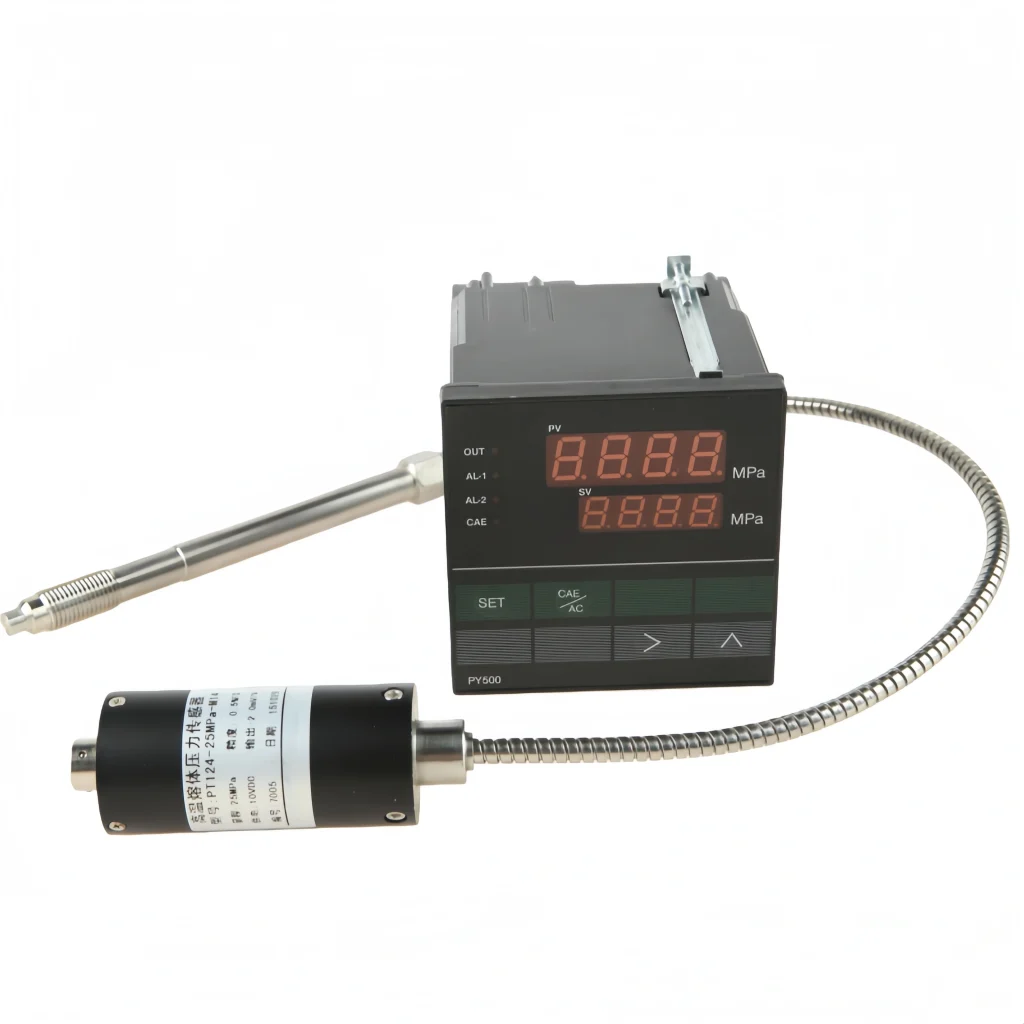
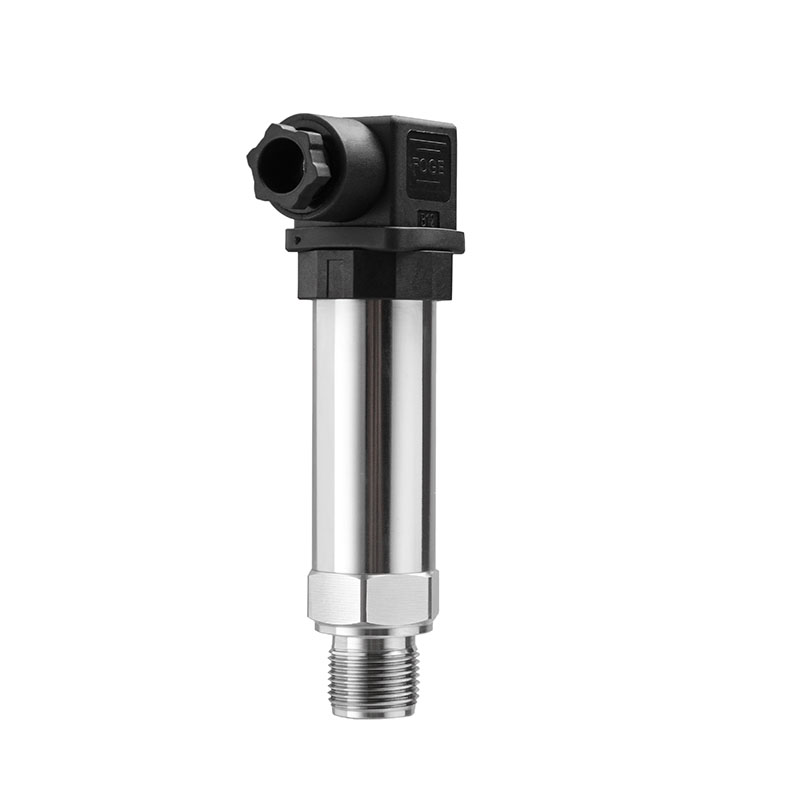
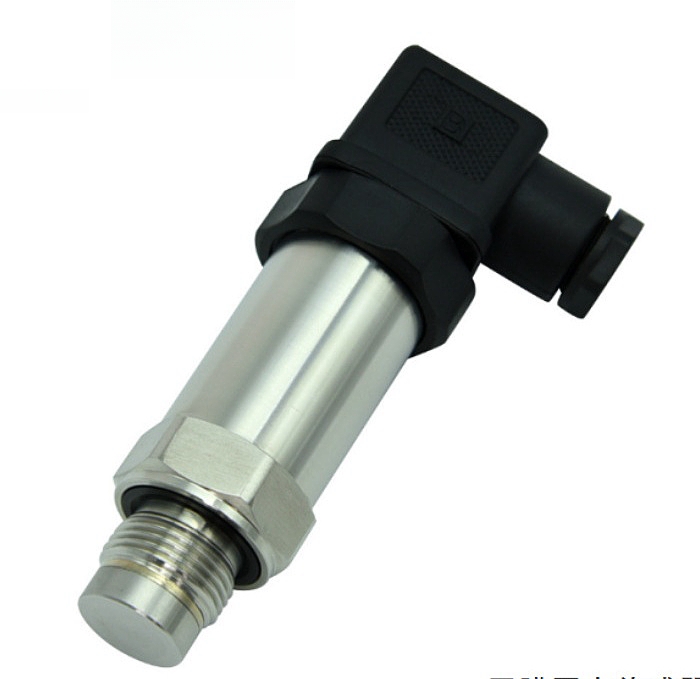
How to choose the right pressure sensor?
1. Matching Measurement Range and Accuracy
Range Selection: Operating pressure should fall within 30-70% of the sensor’s rated range
Accuracy Considerations: Distinguish between absolute accuracy, linearity, repeatability and other metrics
Overload Protection: Estimate the maximum pressure surge likely to occur within the system
2. Media Compatibility Analysis
Contact Materials: Corrosion resistance variations in stainless steel, ceramics and other materials
Sealing Design: Applicable scenarios for different sealing methods such as O-rings and welding
Cleaning Requirements: Differences between food/medical-grade and industrial-grade standards
3. Environmental Adaptability Verification
Temperature Impact: Distinction between industrial-grade (-40°C to 125°C) and consumer-grade (-20°C to 60°C) specifications
Vibration Protection: Comparison of vibration resistance between MEMS structures and strain gauge structures
EMC Performance: Electromagnetic compatibility requirements in industrial environments
4.Output Signals and Interfaces
Analogue Output: Variations in transmission distance for standard signals such as 4-20mA and 0-5V
Digital Interfaces: Applicable scenarios for bus protocols including I²C and SPI
Intelligent Functions: Value of advanced features such as built-in temperature compensation and self-diagnostics
5. Long-term reliability metrics
Lifecycle: The two things that can wear out a machine, and how they can be related to the ageing of its electronic parts
Stability: The product under discussion is characterised by its superior quality, with an annual drift rate that exceeds 0.1%.
Maintenance costs: The following design considerations should be given full attention in order to facilitate the calibration and replacement of the component.
In summary, hydraulic sensors and pneumatic sensors exhibit significant differences in their operating principles, application domains, and respective advantages and disadvantages. Therefore, selecting the appropriate sensor depends on the specific requirements of the application.Liquid pressure sensors are suited for liquid pressure measurement, whilst pneumatic sensors are appropriate for gaseous pressure measurement.Engineers and designers should consider factors such as environmental conditions, precision requirements, and response times when selecting sensors to ensure system performance and reliability.
FAQ
Embedded and Non-Embedded Sensors
The design and installation methods of embedded pressure sensors and non-embedded pressure sensors are different.The design of embedded sensors is such that they are intended for flush mounting with the surface of the material that is being measured. This indicates that the sensing element surface at the terminal point of the pressure sensor is flat. The utilisation of these materials is pervasive within the domains of food processing and pharmaceuticals, where the preservation of immaculate, even surfaces is of paramount importance. The embedded installation design also helps to prevent sensor damage and reduce the risk of contamination. The apparatus is deemed suitable for use with viscous media, given the propensity of non-embedded interfaces to become clogged.Non-embedded sensors are characterised by a protruding threaded interface, with a central bore that leads to the sensing diaphragm. These elements are interconnected by means of threading, which facilitates their attachment to corresponding threads on pipes, valves, tee fittings, or vessel walls. These sensors are appropriate for the measurement of gases and low-viscosity fluids. Non-embedded pressure sensors are frequently utilised in industrial automation, robotics, hydraulics, and machine control applications.
Analogue pressure sensors and digital pressure sensors: which is more accurate?
Both analogue and digital pressure sensors can achieve a certain level of accuracy, though the precision of each type depends on multiple factors.
Analogue pressure sensors provide a continuous output signal that varies proportionally to the applied pressure. They offer rapid response times and are straightforward to configure. When you compare them to digital sensors, their resolution and accuracy is usually lower. The accuracy of analogue sensors can also be affected by outside factors like temperature changes, noise, and signal drift over time.Digital pressure sensors generally consume less power, provide enhanced diagnostic data, and may even offer multiple output signals in certain scenarios. The aforementioned devices are reputed to offer superior resolution and accuracy, rendering them particularly well-suited for tasks that demand precise pressure measurement, such as in industrial and scientific contexts where accuracy is paramount. Digital sensors are less susceptible to external factors and incorporate integrated monitoring and compensation features that enhance their accuracy.
Generally speaking, digital pressure sensors exhibit superior precision and accuracy compared to analogue sensors. However, the final choice of sensor depends on your specific application requirements.What is the difference between a pressure sensor and a pressure transmitter?
The distinction between pressure sensors and pressure transmitters
Pressure sensors typically provide a raw output signal, converting the measured pressure into a proportional voltage output, such as volts or millivolts; whereas pressure transmitters output a processed current signal, such as 4-20mA, which can be directly connected to a control system.Pressure transmitters incorporate additional internal circuitry.Pressure sensors are frequently employed in research and development contexts where high-precision measurement is required and signal processing can be customised to user specifications. Pressure transmitters, conversely, are more commonly utilised in industrial applications demanding standardised output signals for seamless integration with control systems.
Sion-Inst is an esteemed leader in the field of sensing and measurement control, with a wealth of expertise in the sector.The company is dedicated to providing clients with professional sensor hardware, creating long-term value and potential growth opportunities. Since its inception, Sion-Inst has consistently upheld a spirit of integrity, professionalism and pragmatic progress. Our products enjoy extensive application across a wide range of industries, including but not limited to: crude oil, energy, chemical processing, fine chemicals, wind power, water resources and utilities, and mechanical manufacturing.