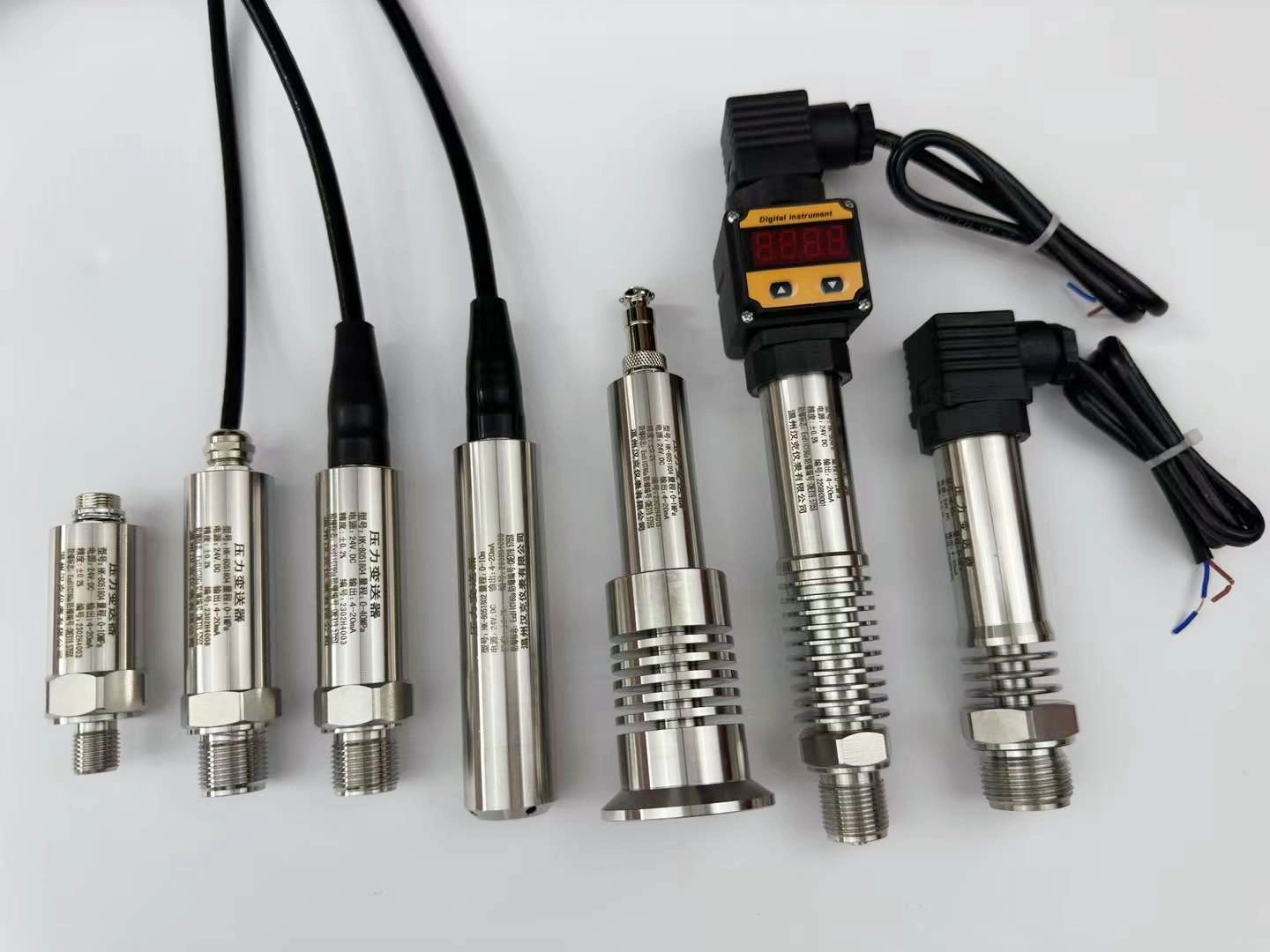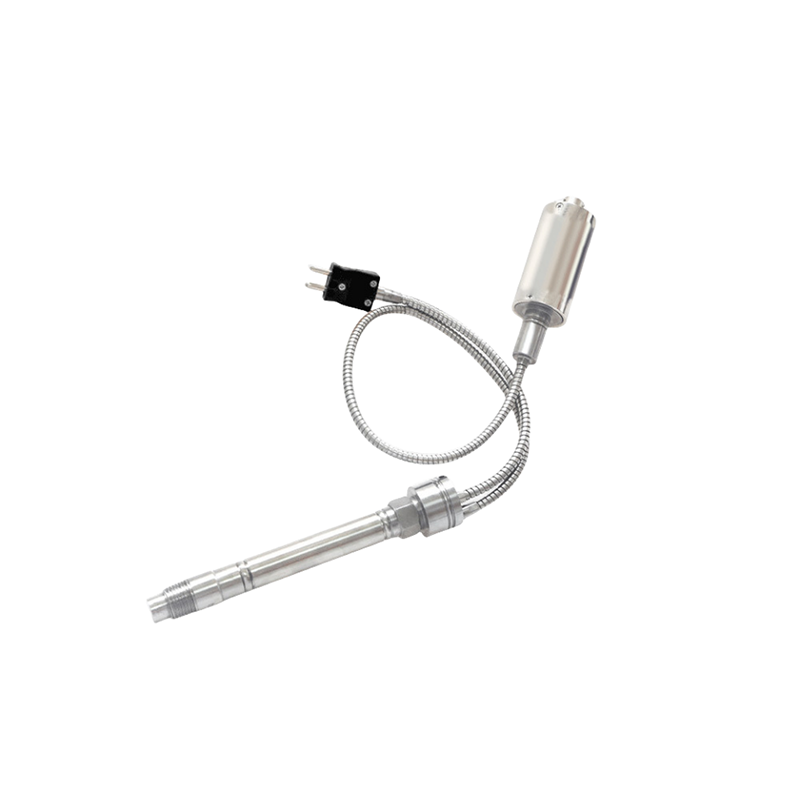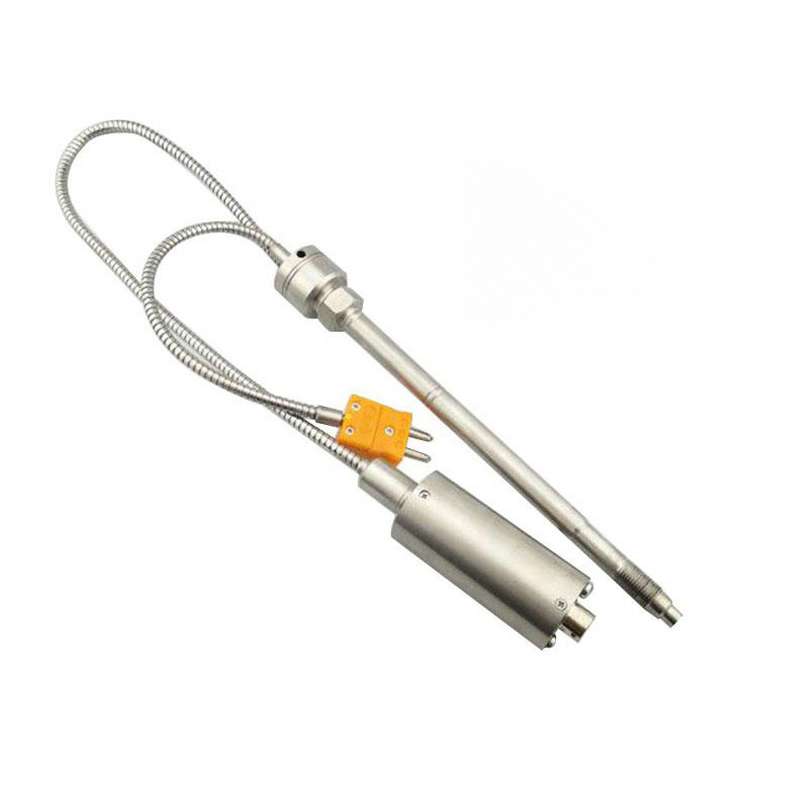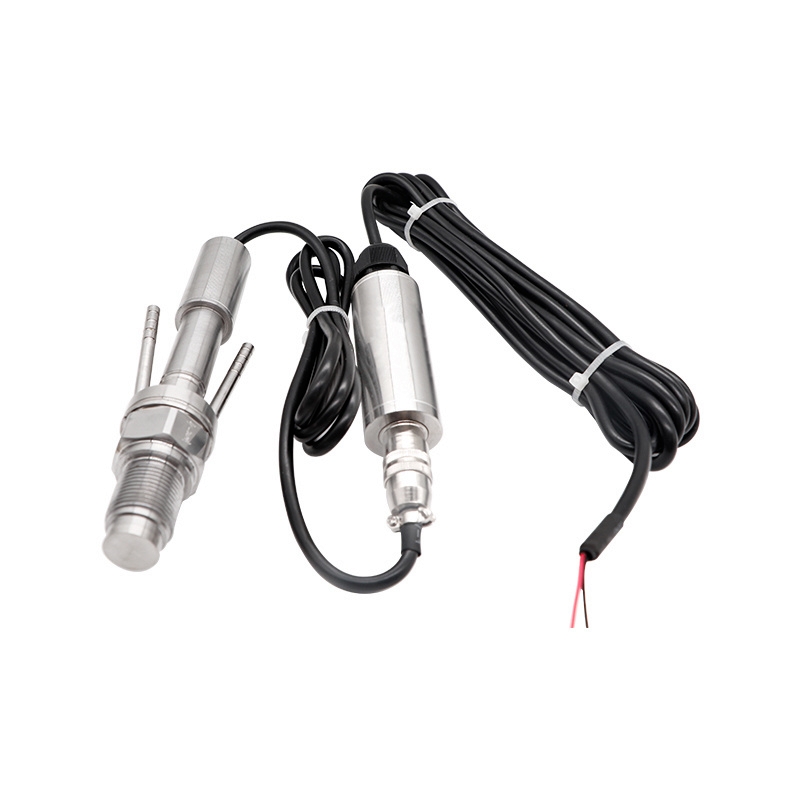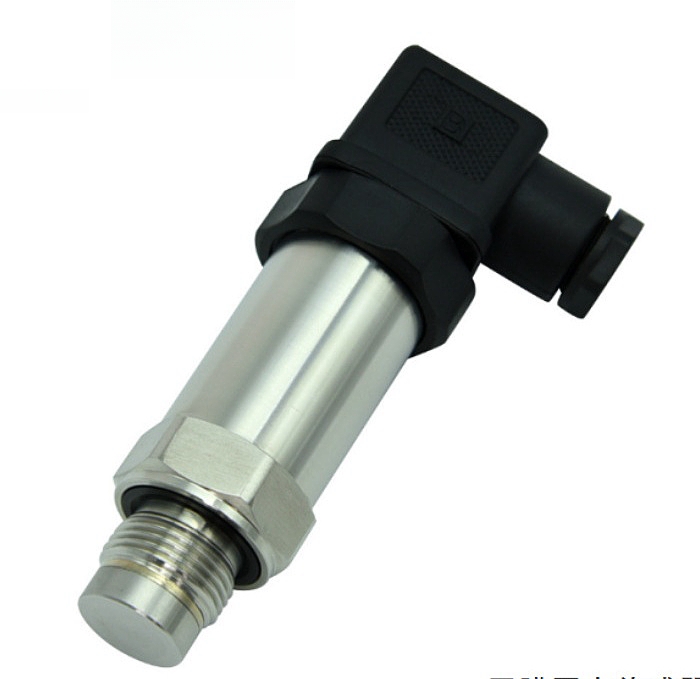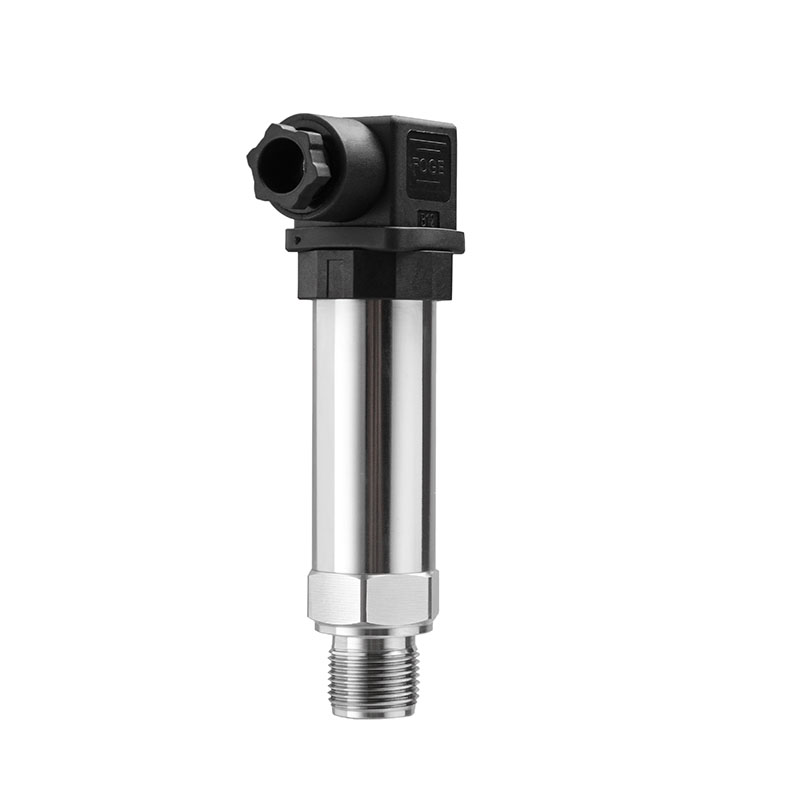
In modern industry, scientific research and automation, pressure sensors are ubiquitous, playing a pivotal role in measurement, monitoring and control.There are many force sensor technologies, but strain gauge and piezoelectric sensors are the most commonly used.This is because they have some important advantages. They are different in how they are measured, how they are designed and how they are used.
Differences in Operating Principles
In the vast majority of industrial applications, particularly for static pressure measurement, strain gauge sensors remain our trusted choice.
Strain Gauge Sensors:
Strain gauge pressure sensors operate based on the strain effect in metallic or semiconductor materials.When an elastic body (such as a beam, column, or spoke structure) undergoes deformation under external force, strain gauges (metal foil or semiconductor material) affixed to its surface deform accordingly, causing a change in their resistance values.
This change is converted into a voltage signal via a Wheatstone bridge circuit, thereby indirectly measuring the magnitude of the applied force.It should be noted that strain gauge sensors are passive devices; they do not generate electricity themselves.They require an external power source (known as excitation voltage) to function.
Excitation voltage: Typically 5V or 10V DC.
Output: The result is usually a millivolt (mV/V) signal.
Stability: As the output is proportional (directly proportional to the supply voltage), these sensors exhibit excellent zero stability, making them highly suitable for long-term monitoring where minimising drift is essential.
Piezoelectric sensors:
Piezoelectric pressure sensors rely on the piezoelectric effect.Specific crystalline materials (such as quartz, barium titanate, or lead zirconate titanate ceramics) undergo internal lattice polarisation when subjected to mechanical stress, generating an electric charge proportional to the applied force.This process directly converts mechanical energy into electrical energy, with the charge magnitude correlating to the instantaneous rate of change of the applied force.
An important feature of this technology is that it has very stiff and rigid sensors.Diaphragms need to be able to bend to work, but piezoelectric elements are very stiff and do not change shape much. This means they can measure very small distances.
High natural frequency: This rigidity results in very high natural frequencies, making these sensors ideal for dynamic pressure sensing.
Rapid response: They react almost instantaneously to shock waves and pressure peaks.
Robustness: The crystal is made up of solid pieces which make it very strong and able to last a long time even when there is a lot of damage.
Structural Differences
Strain-Gauge Sensors: These are usually composed of a sensing element (e.g.a resistive strain gauge) and a transducer element.The sensing element detects changes in the measured quantity, and the transducer element converts this strain into a change in resistance. Resistive strain gauges generally consist of a sensitive grid, substrate, leads, and cover plate.
Piezoelectric Sensors: Composed of piezoelectric material and electrodes.When subjected to pressure, the piezoelectric material generates a voltage across the electrodes. The piezoelectric material may be a piezoelectric single crystal, piezoelectric polycrystal, or organic piezoelectric material.
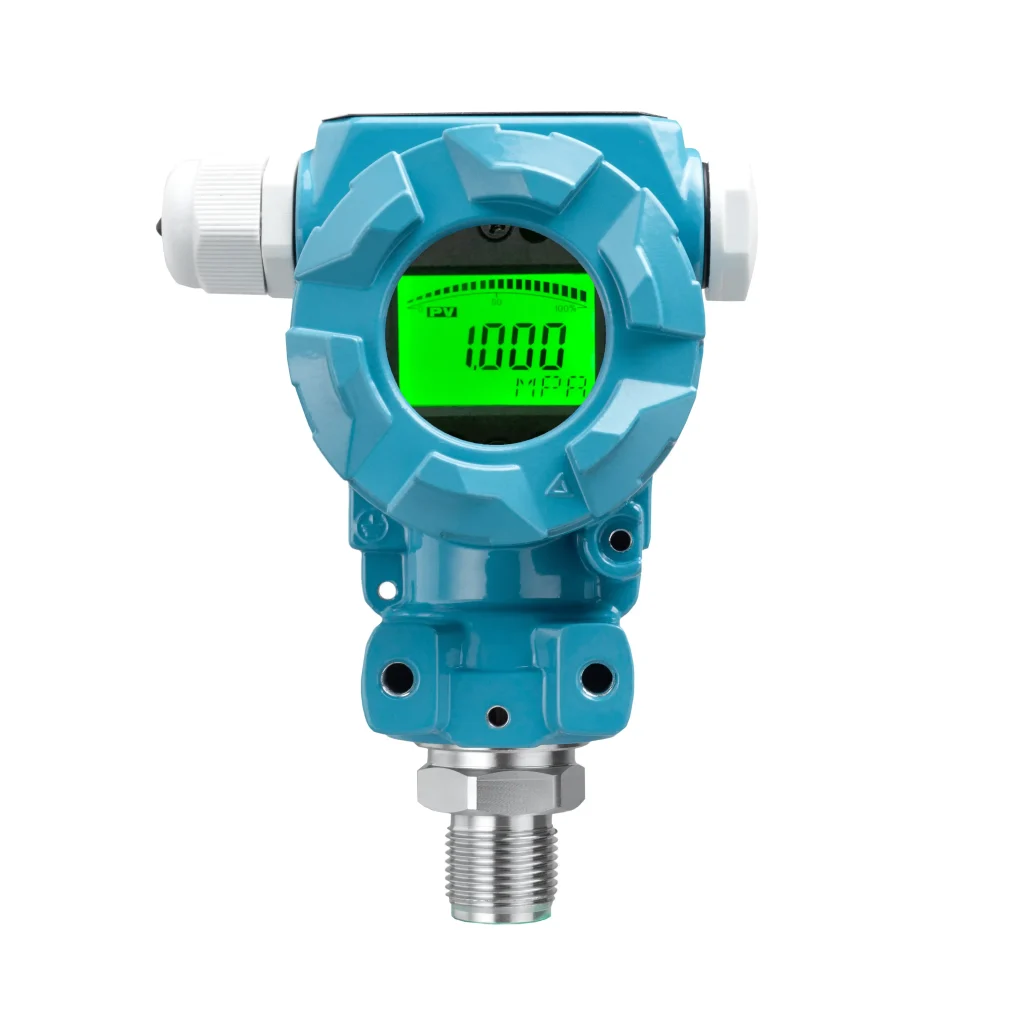
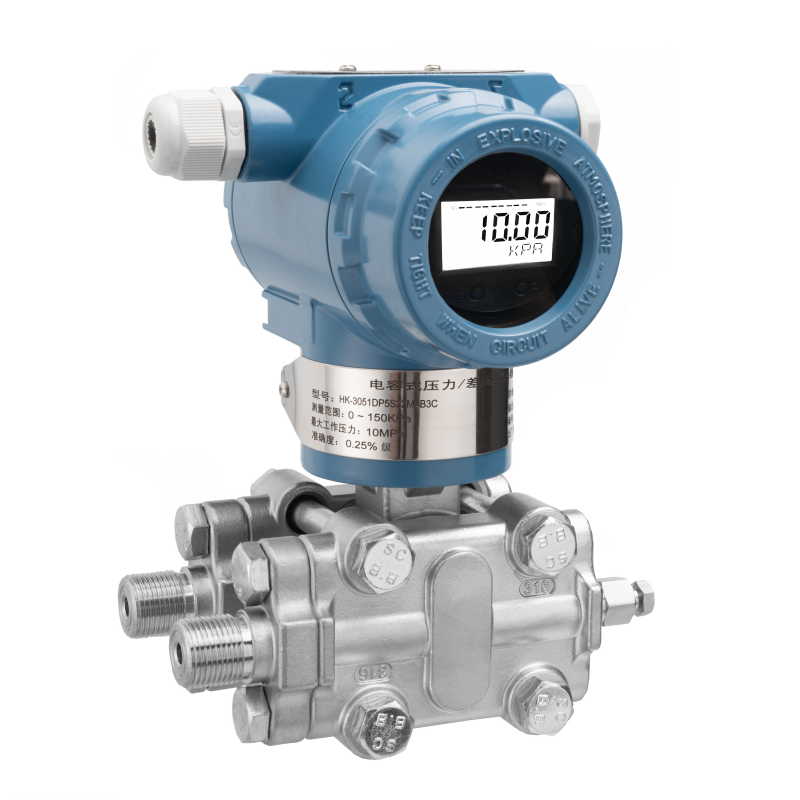
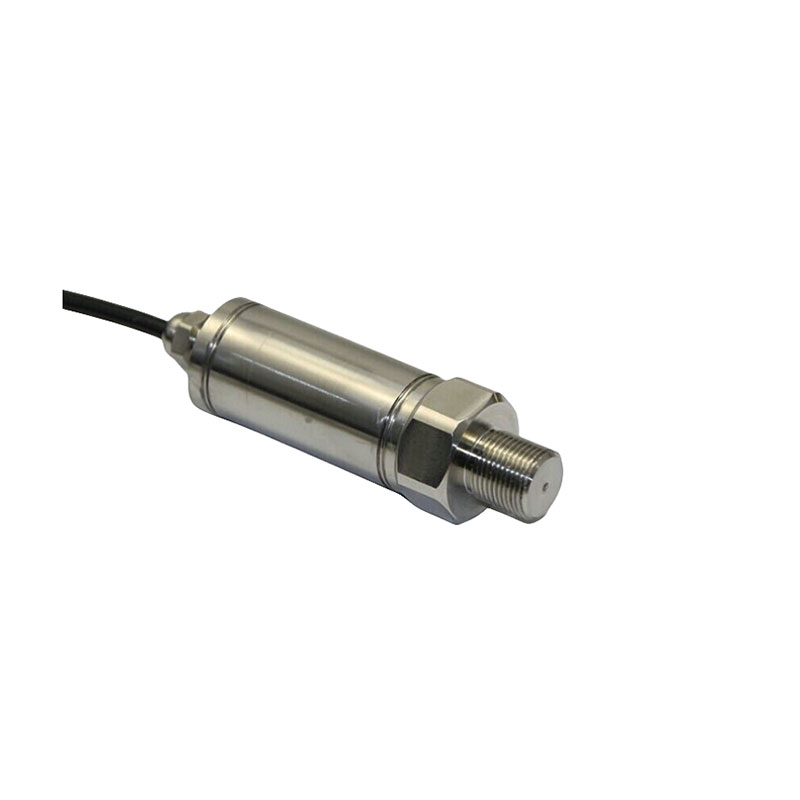
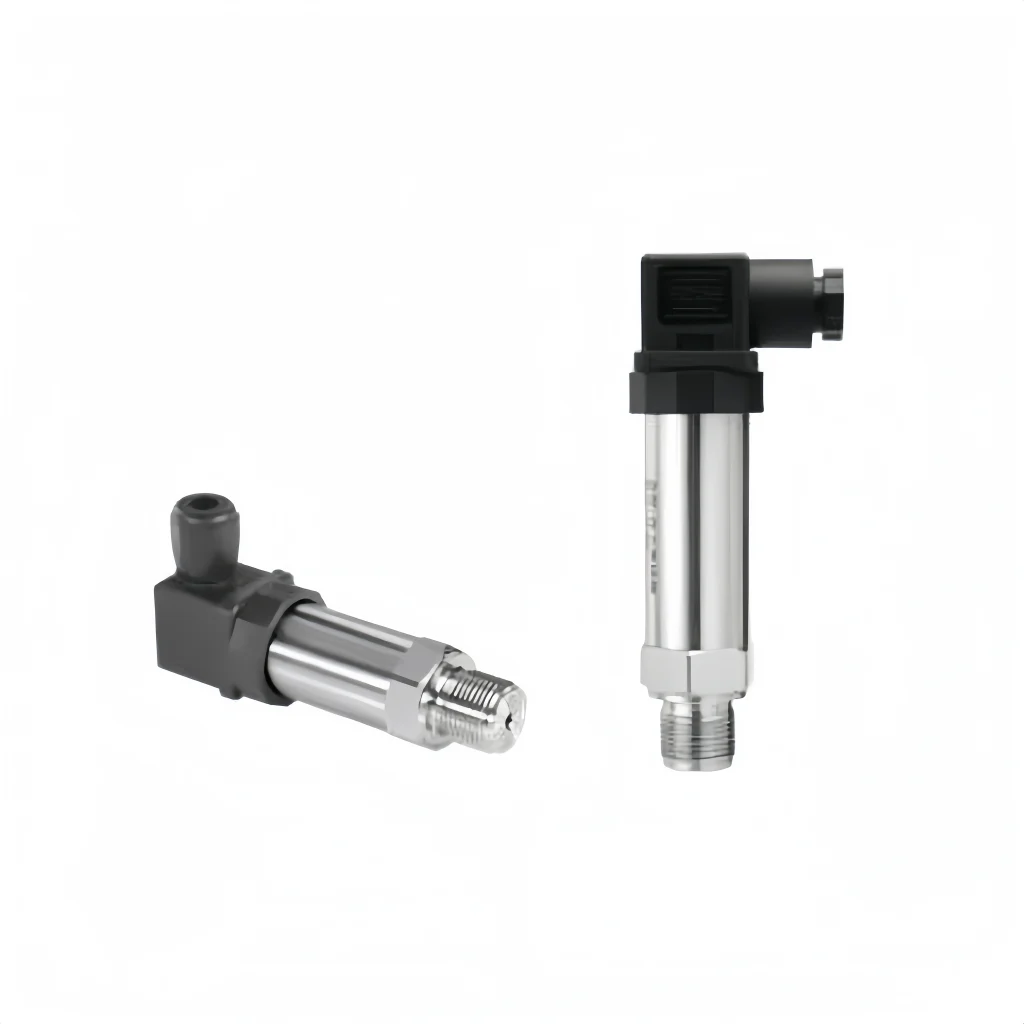
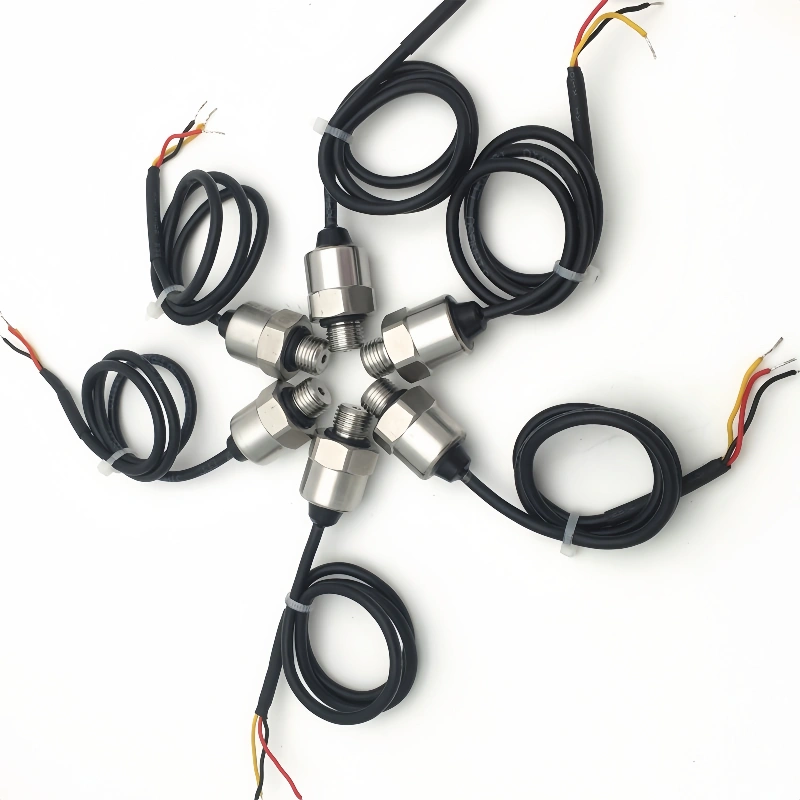
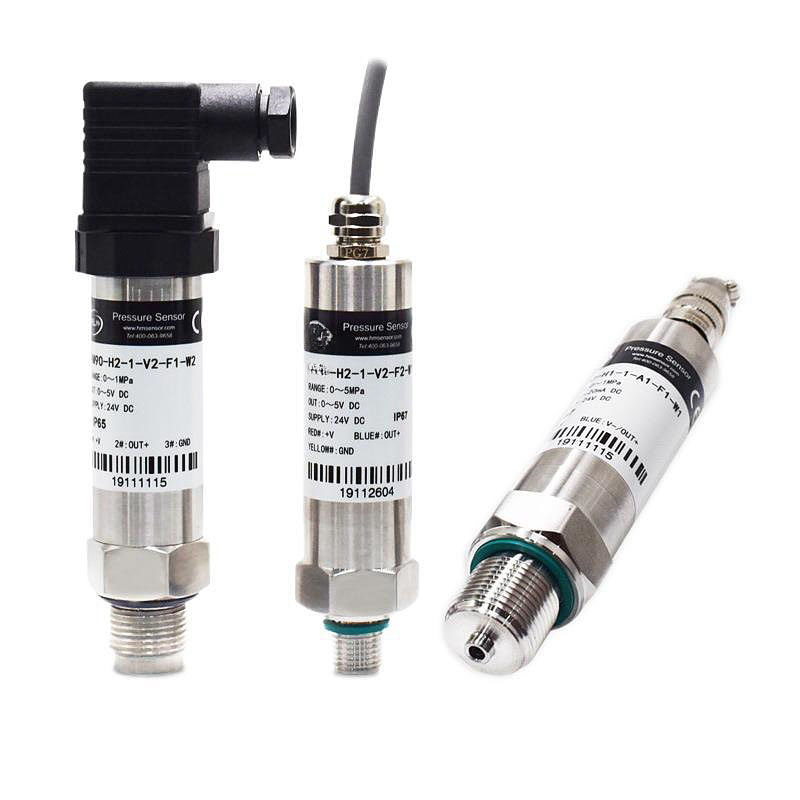
A Detailed Comparison of Strain Gauge Pressure Sensors and Piezoelectric Pressure Sensors
Feature | Strain Gauge Pressure Sensor | Piezoelectric Pressure Sensor |
Main Uses | Static pressure measurement and slow dynamics | Dynamic pressure sensing (shock, explosion, vibration) |
Frequency Response | 0 Hz (DC) ~ 3 kHz | High operating frequency (can be greater than 100 kHz) |
Signal Stability | Excellent long-term DC stability | Susceptible to signal attenuation (cannot measure electrostatic interference) |
Power Supply | Requires excitation voltage | Self-generating (requires charge amplifier/IEPE) |
Rigidity | Dependent on diaphragm deformation | High stiffness, minimal deformation |
Temperature | Sensitive to external factors (requires compensation) | Wide application range, high temperature resistance |
Cost | Lower cost | Higher cost for sensors and signal conditioning |
Advantages and Disadvantages of Strain Gauge Pressure Sensors
Advantages
1.High Accuracy
Strain gauge pressure sensors offer exceptional measurement precision, meeting diverse high-accuracy requirements.Their accuracy typically reaches 0.1% FS (0.1% of full scale) or higher, making them the preferred choice for precision measurement applications.
2.High Sensitivity
Strain gauge pressure sensors exhibit rapid response to pressure variations with superior sensitivity.Upon pressure changes, the sensor promptly converts pressure signals into electrical signals, ensuring real-time measurement accuracy.
3.Compact Design
Featuring a compact structure and small footprint, strain gauge pressure sensors facilitate easy installation and portability. This enables their widespread application in confined spaces.
4.Strong Interference Resistance
Strain gauge pressure sensors are extremely resistant to interference because they use high-precision strain gauges as sensing elements.Even in challenging situations like electromagnetic interference or temperature fluctuations, they remain reliable and consistent in their measurement capabilities.
5.Versatility Across Media
Suitable for liquids, gases, and solids, strain gauge pressure sensors meet diverse measurement requirements across various fields.
6.Extended Service Life
Constructed from high-performance materials, strain gauge pressure sensors exhibit excellent corrosion resistance and oxidation resistance, ensuring prolonged operational longevity.
Disadvantages
1.Requires Regular Calibration
To make sure they are always accurate, strain gauge pressure sensors need to be checked regularly.This makes it more expensive to run and more work is needed to keep it in good condition.
2.Demanding Installation Environment Requirements
These sensors impose stringent requirements on installation conditions, including temperature and humidity.Performance may be compromised in harsh conditions.
3.Limited Signal Output Format
Strain gauge pressure sensors typically provide analogue output and necessitate subsequent circuit processing.This may increase system complexity and cost.
4.Inappropriate for Ultra-High Pressure Applications
If they are under a lot of pressure, the strain gauge sensors might get damaged or give incorrect measurements.
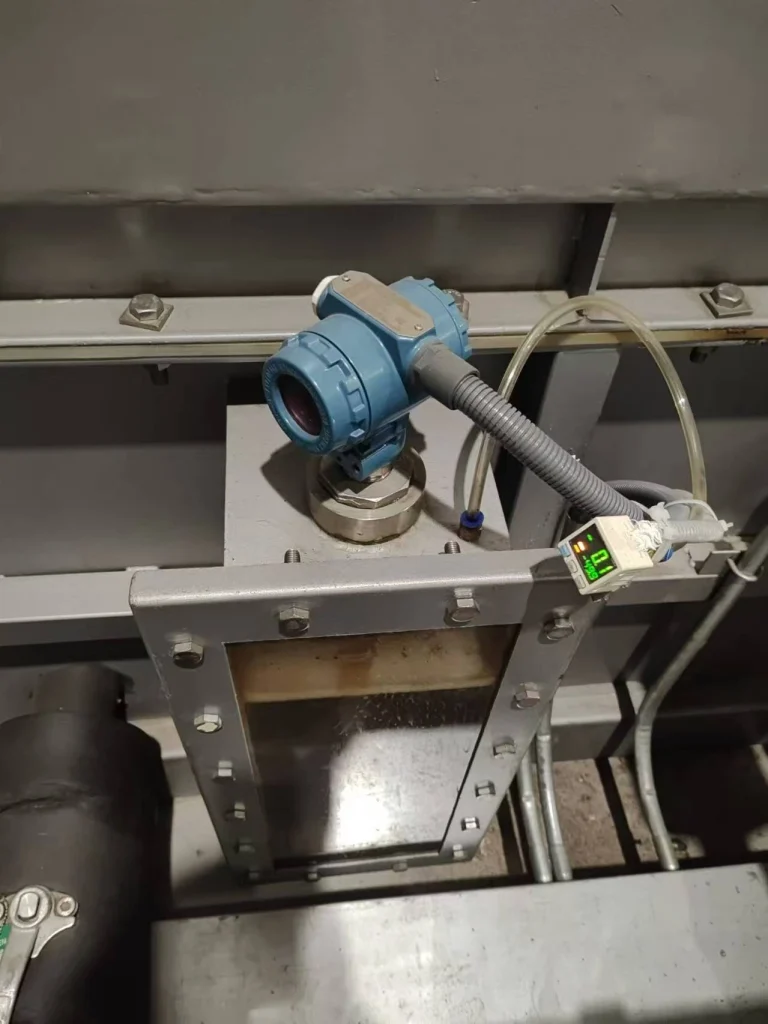
Advantages and Disadvantages of Piezoelectric Pressure Sensors
Advantages
1.High Accuracy
Piezoelectric pressure sensors offer high measurement precision, capable of detecting minute pressure variations with great accuracy.This makes them suitable for lots of different uses, like checking vital signs in medical equipment, where it’s really important to be precise.
2.Rapid Response
Their simple structure enables swift response times, allowing immediate capture of pressure fluctuations.This proves invaluable in real-time monitoring scenarios, such as pressure surveillance within automotive braking systems.
3.High Reliability
With no vulnerable components and a straightforward design, piezoelectric pressure sensors exhibit exceptional reliability and stability.In industrial settings, they withstand elevated operating pressures and temperature variations without failure.
4.Wide Operating Temperature Range
Compared to other sensors, piezoelectric pressure sensors operate across an extended temperature spectrum, functioning reliably under extreme conditions and in harsh environments.
5.Strong Interference Resistance
Piezoelectric sensors effectively resist external disturbances and electromagnetic interference, ensuring accurate and stable measurement outcomes.
Disadvantages
1.Requirement for Active Drive
Piezoelectric sensors necessitate an external power supply for operation, increasing system complexity and cost. Furthermore, they demand high stability and quality from the power source.
2.Susceptibility to Mechanical Shock
Owing to their fragile structure, piezoelectric sensors are sensitive to mechanical shock and vibration, requiring additional protective measures to prevent damage.
3.Frequency response limitations
In certain high-frequency applications, the frequency response of piezoelectric sensors may be constrained, potentially failing to meet requirements.
4.Higher cost
Piezoelectric sensors incur higher manufacturing costs compared to other pressure sensor types, which limits their widespread adoption in large-scale applications to some extent.
How to Choose
For applications involving static pressure measurement or slowly changing variables, I consistently recommend strain gauge sensor technology. Unlike piezoelectric sensors, these sensors can maintain a DC signal indefinitely without drift, making them the industry standard for reading steady-state data.
Ideal Applications for Static Measurement
Liquid Level Monitoring: Given the gradual nature of liquid level changes, accurate measurement of hydrostatic pressure over days or weeks is required. Long-term stability sensors are essential for avoiding erroneous readings.
Hydraulic systems: These sensors monitor pump pressure or clamping force in heavy machinery, providing the stable feedback required for safety control loops.
When applications involve rapid changes rather than steady states, we always recommend piezoelectric pressure sensors.If you’re dealing with millisecond or microsecond events, standard strain gauges simply cannot keep pace. These sensors excel at sensing dynamic pressure due to their rigid crystal structure, which has an extremely high natural frequency. This enables them to respond instantly to pressure fluctuations.
Ideal scenarios for dynamic measurement
Vibration analysis and impact testing: Their high rigidity allows these sensors to measure vibrations and impacts without significant deformation.This makes them ideal for drop tests, impact studies, or monitoring the health of machinery susceptible to resonance.
High-Frequency Combustion: Within internal combustion engines or gas turbines, high-frequency pressure sensors are crucial for monitoring cylinder pressure. They capture the rapid pressure wave surges and drops occurring during ignition.
Ballistics and Explosion Testing: When measuring pressure waves generated by explosions or gunshots, near-instantaneous response times are required.Piezoelectric sensors can handle such extremely fast rise times without signal delay.
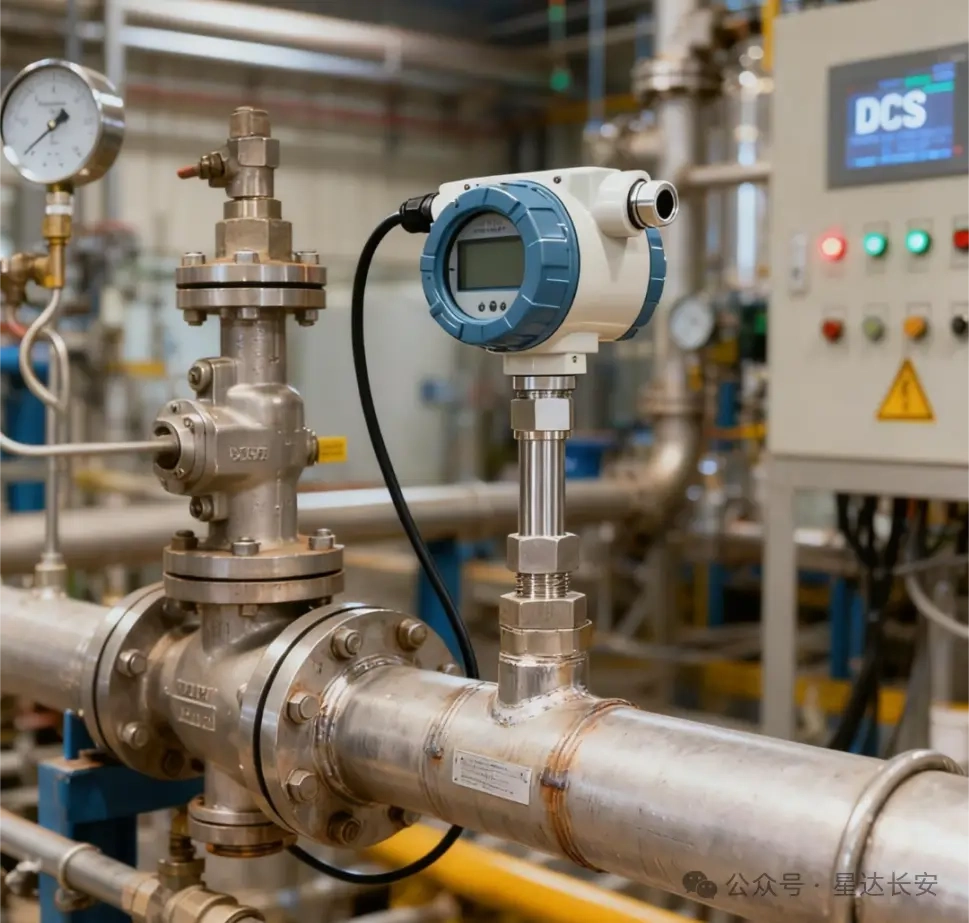
Should you require monitoring of steady-state pressure (such as water tank levels), strain-gauge pressure transducers must be employed. Piezoelectric sensors cannot maintain static signals due to charge leakage; the signal will eventually decay to zero.However, piezoelectric pressure transducers demonstrate exceptional responsiveness for measuring high-frequency events such as explosions, engine combustion, or vibration impacts.
Sino-Inst is a specialist manufacturer of pressure transmitters, supplying a comprehensive range encompassing various principles including strain gauge and piezoelectric technologies. Should you be uncertain whether to select a strain gauge or piezoelectric pressure sensor, please do not hesitate to contact our sales engineers.We will tailor a pressure measurement solution based on your specific measurement parameters!