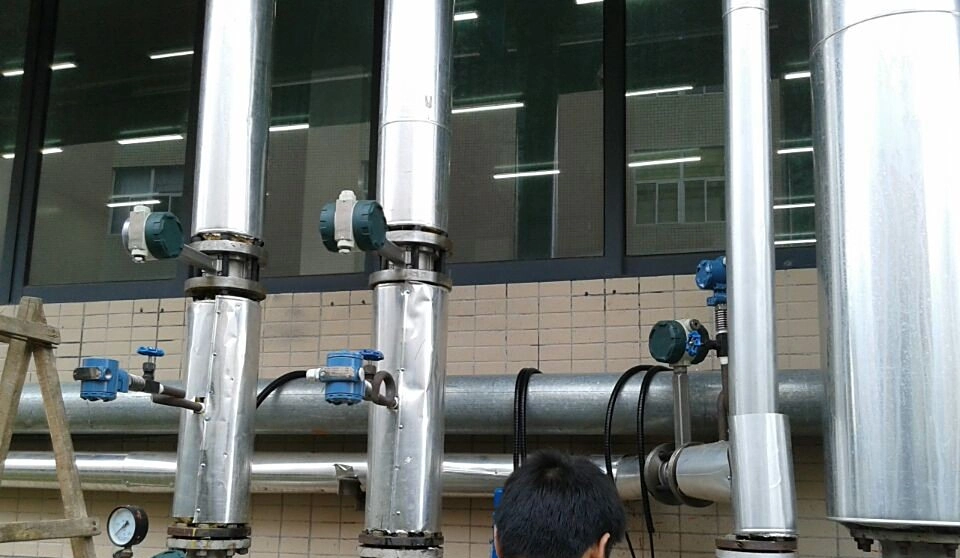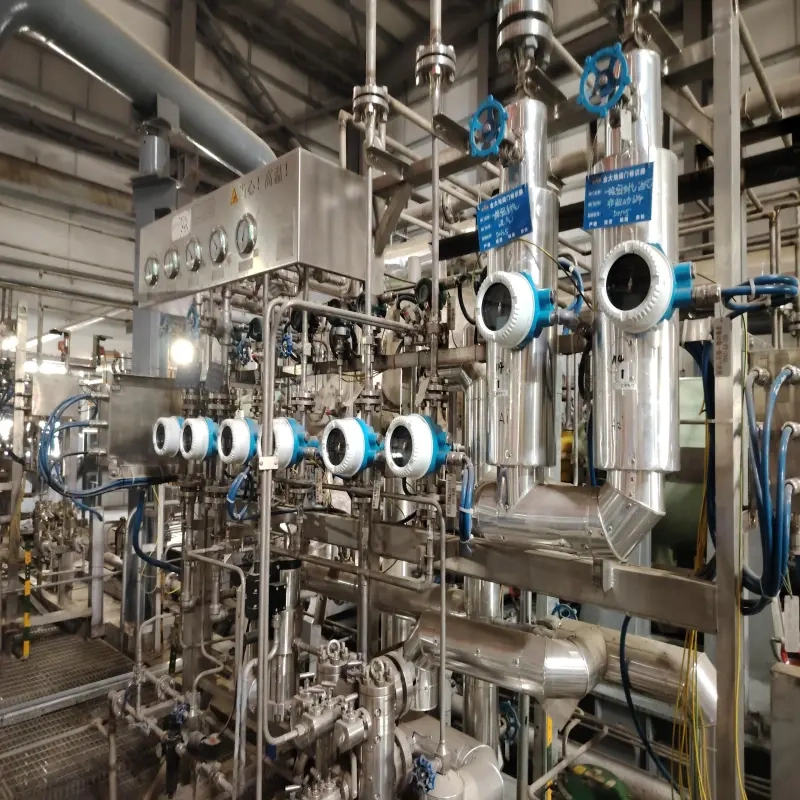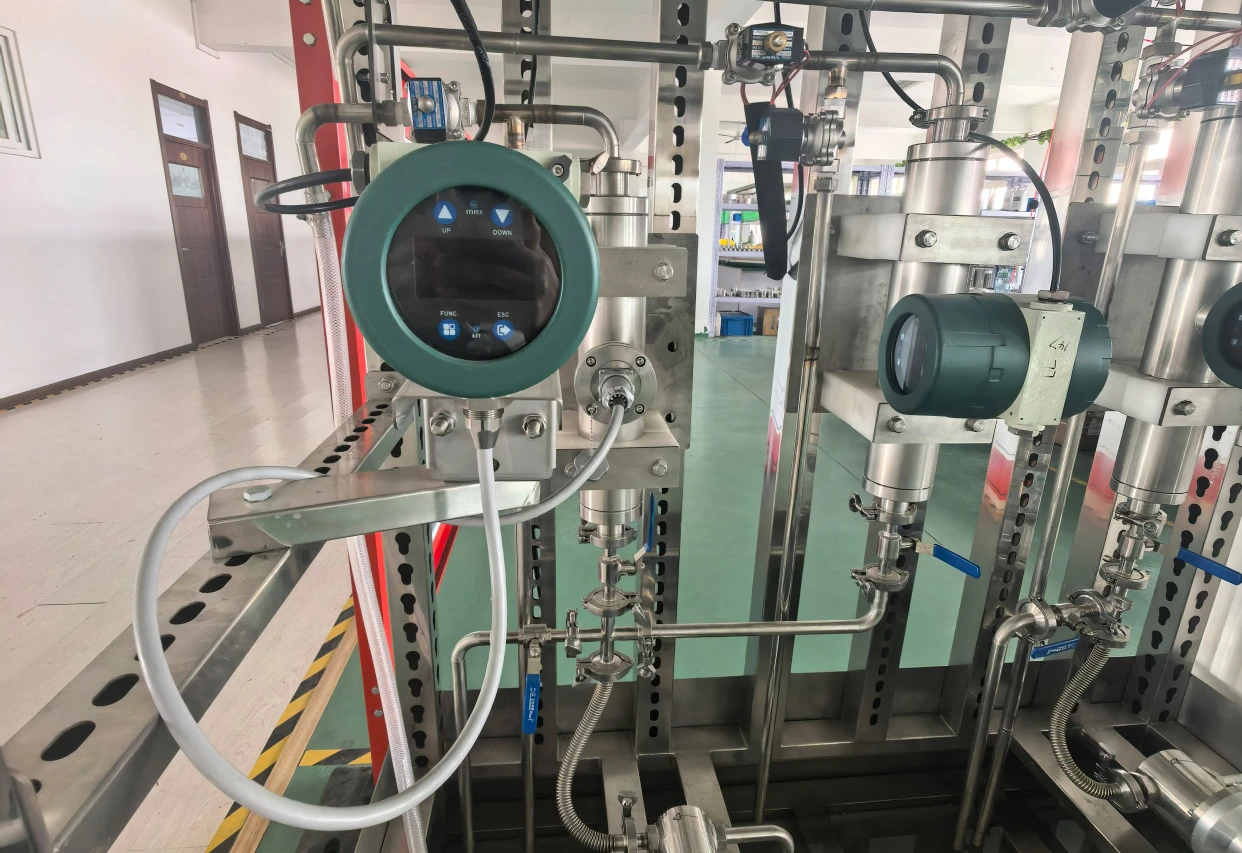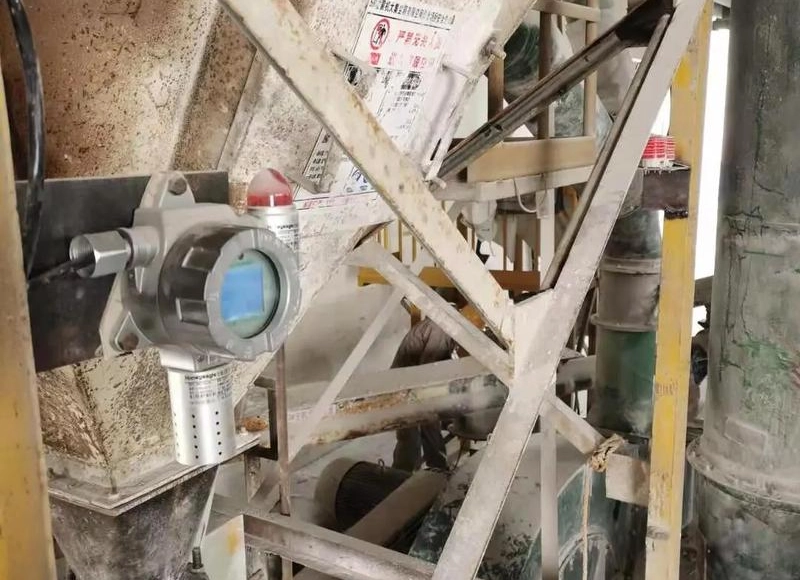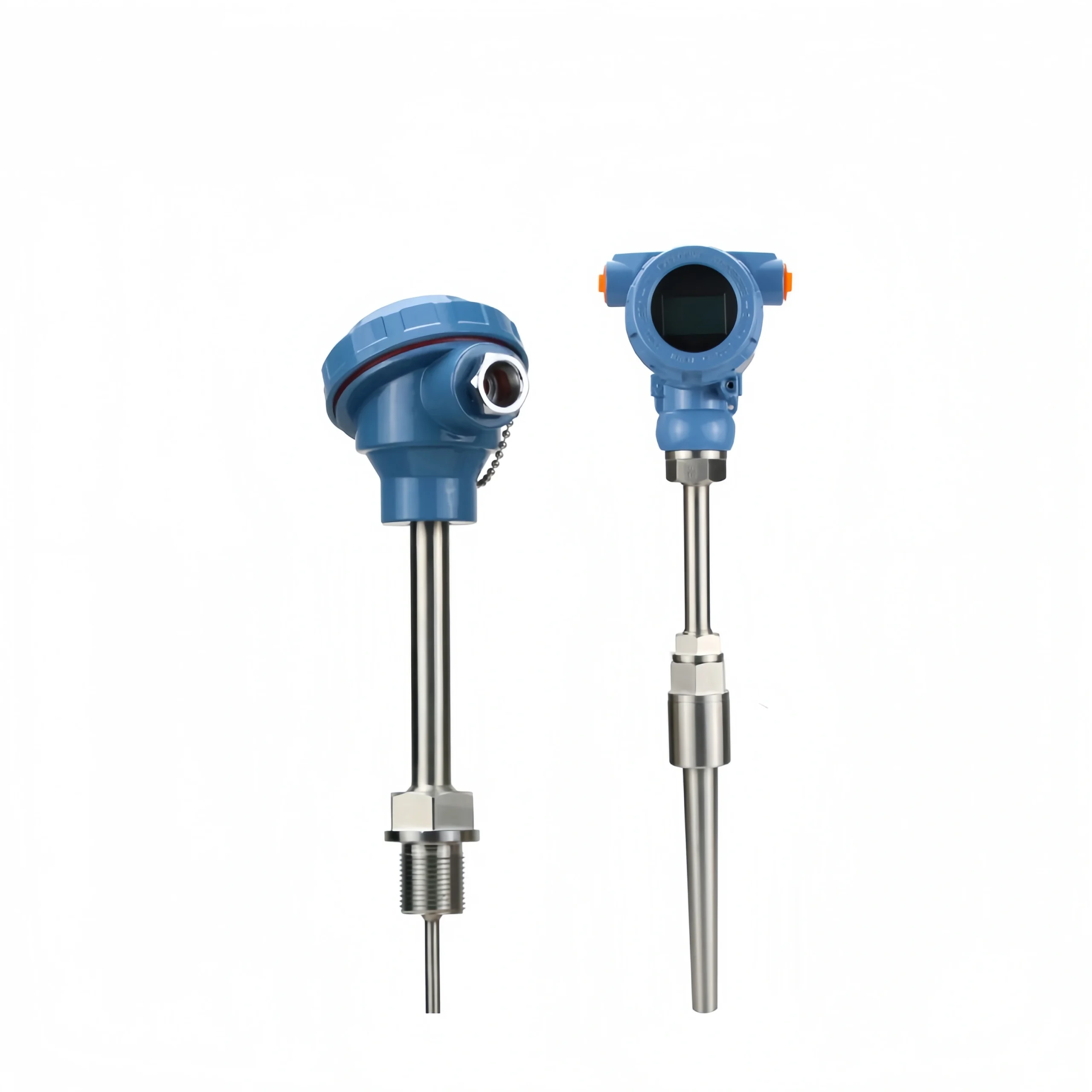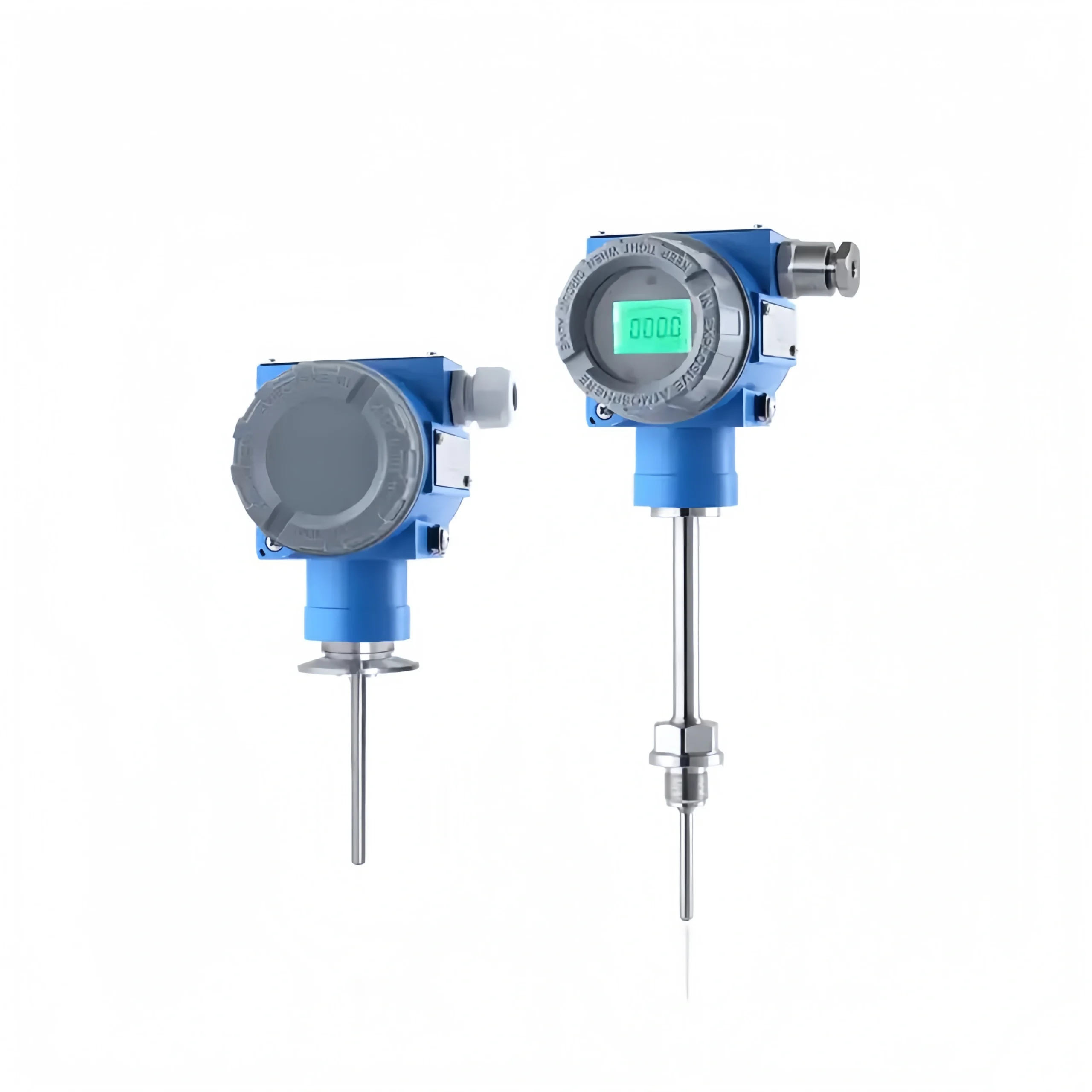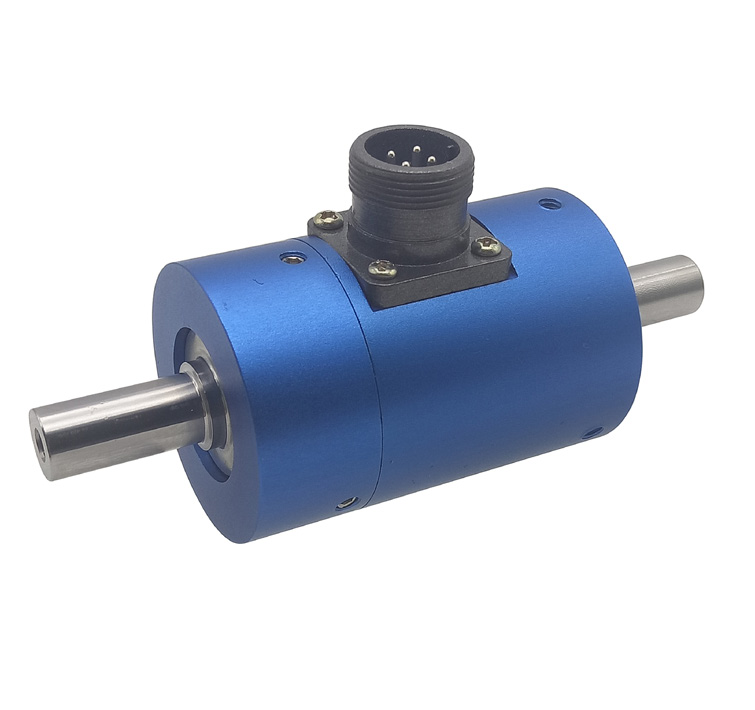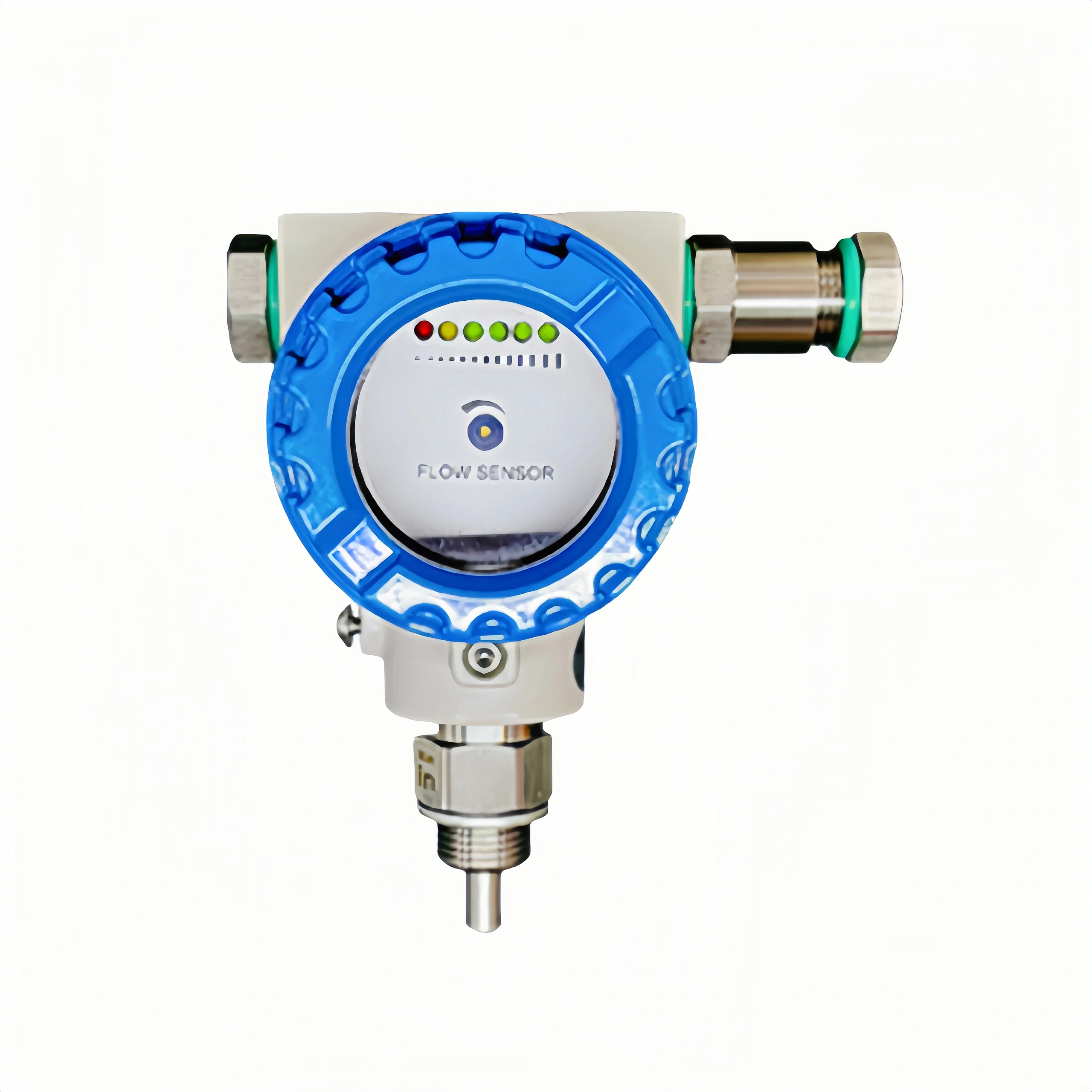
Liquid pressure transducers are devices designed to measure static or dynamic pressure within liquids, serving applications such as liquid pressure monitoring or liquid level pressure surveillance. Typically comprising a pressure-sensitive element connected to analogue circuitry, they generate output signals to monitor system pressure conditions and trigger corresponding operations. These transducers find extensive application across industrial, medical, automotive, and other sectors.
Sino-Inst’s liquid pressure transducers, as high-precision pressure measurement instruments, play a vital role across diverse liquid pressure measurement domains.
Primary Functions of Liquid Pressure Transducers
Liquid pressure transducers are very similar to gas pressure transducers, but they are specially made to measure liquid pressure. They can be used as hydrostatic pressure or liquid level transducers, which work by measuring hydrostatic pressure. Liquid pressure transducers are a bit different from their gas counterparts because they can operate submerged. This means they need to meet the IP68 waterproof rating. Liquid pressure transducers are really useful in lots of different areas, like water treatment and making sure chemical processes are running smoothly.
Liquid pressure Transducers are used to measure the pressure of a medium.
The most fundamental function of a liquid pressure transducer is to measure pressure, converting liquid pressure values into electrical signals for real-time monitoring and control. Pressure transducers are of paramount importance in a multitude of industries, ranging from industrial production to aerospace and automotive manufacturing.
Liquid pressure sensors are of considerable utility, as they are capable of measuring both gauge pressure and absolute pressure of a medium.
Firstly, it is necessary to comprehend two concepts.
Gauge pressure is defined as the measurement of pressure taken as a relative value against the current ambient atmospheric pressure. The ‘zero point’ of gauge pressure is defined as the ambient atmospheric pressure. When the measured pressure is equivalent to atmospheric pressure, the gauge pressure reading is zero. Conversely, if the measured pressure exceeds atmospheric pressure, the gauge pressure displays a positive value. Finally, if the measured pressure is less than atmospheric pressure, the gauge pressure displays a negative value.
Absolute pressure, however, employs absolute vacuum (the ideal state of zero pressure) as its reference point. Absolute pressure measurements are unaffected by changes in ambient atmospheric pressure, consistently using vacuum as the baseline.
Liquid pressure transducers are also extensively employed for measuring both dynamic and static pressures within media.
When the medium under test exerts dynamic pressure upon the transducer’s sensing element, the element undergoes deformation or displacement. This mechanical change is then converted into an electrical signal output via internal conversion mechanisms such as the piezoresistive effect or capacitance variation. Dynamic pressure transducers are usually really fast and sensitive because they’re designed to pick up high-frequency pressure changes.
The principle behind static pressure monitoring is to detect pressure changes by measuring how things deform or move. However, given that the applications in question predominantly involve steady-state measurements, liquid sensors for static pressure monitoring are designed to exhibit greater stability and reliability over time, as opposed to being exceptionally rapid.
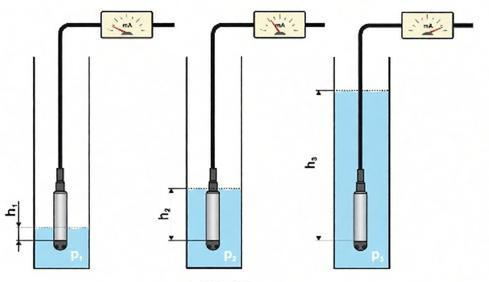
Liquid pressure transducers are used to measure liquid levels.
It is well known that the internal pressure of a liquid is proportional to its depth. According to Pascal’s law, the formula is P=pgh (where P is pressure, p is the density of the liquid, g is the acceleration due to gravity, and h is the depth). Liquid pressure sensors are capable of measuring pressure; consequently, they can indirectly calculate the liquid level using the following formula. Consequently, liquid pressure sensors are extensively utilised in applications pertaining to the measurement of liquid levels.
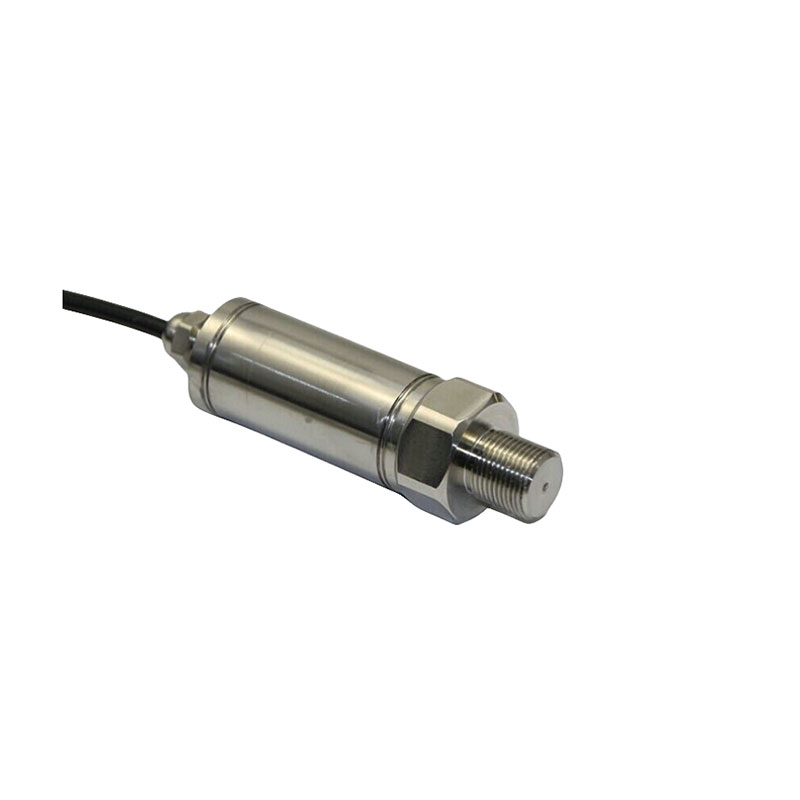
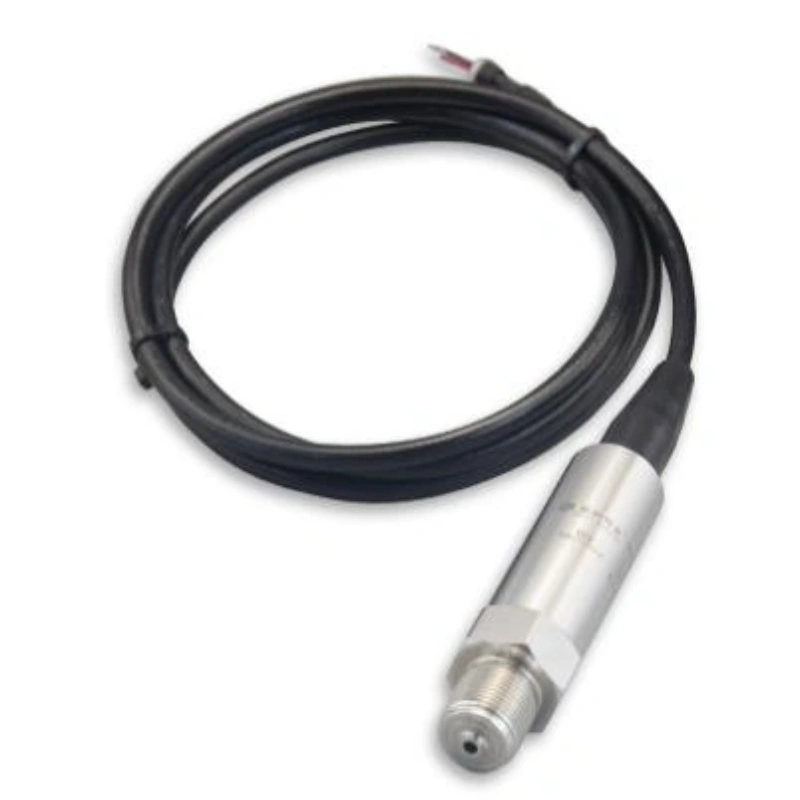
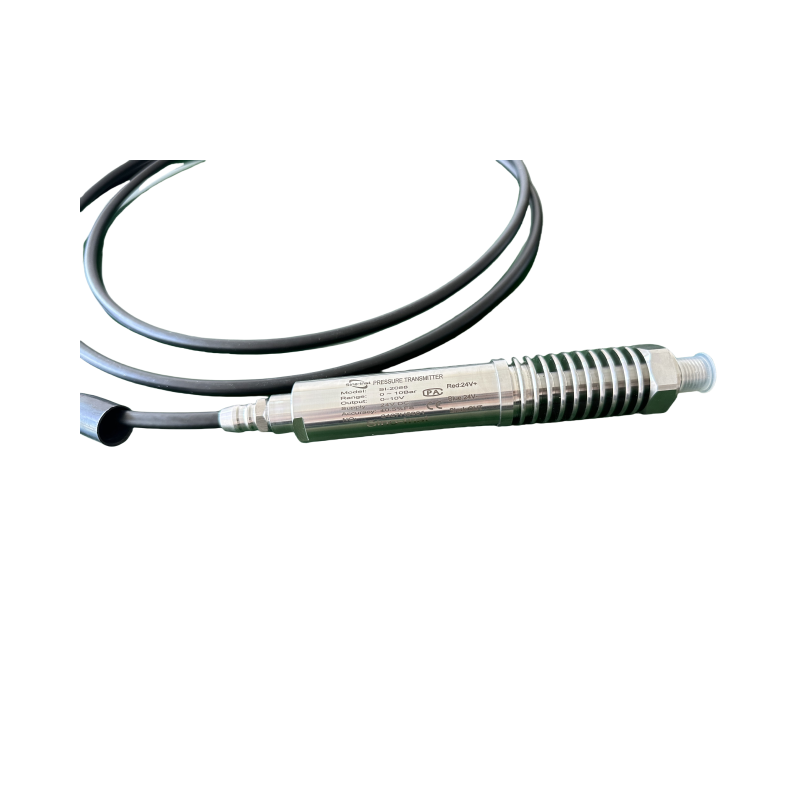
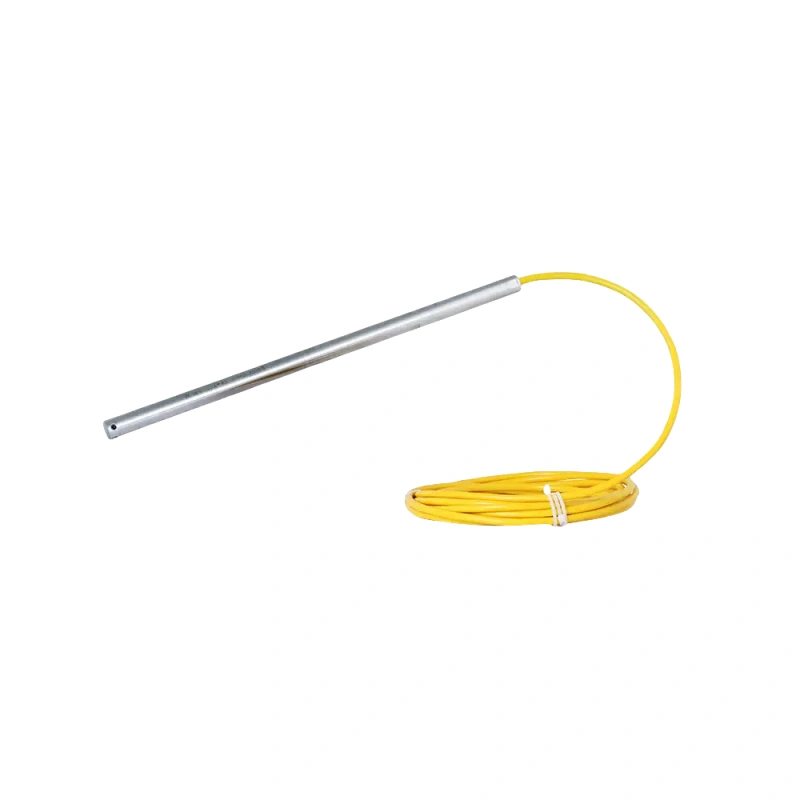
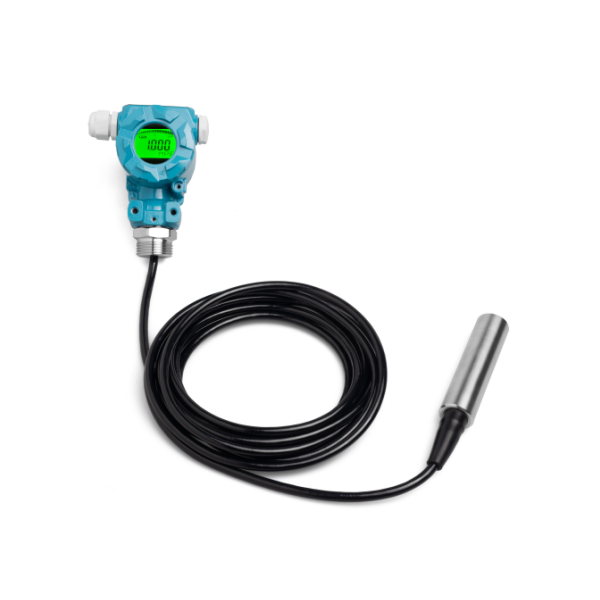
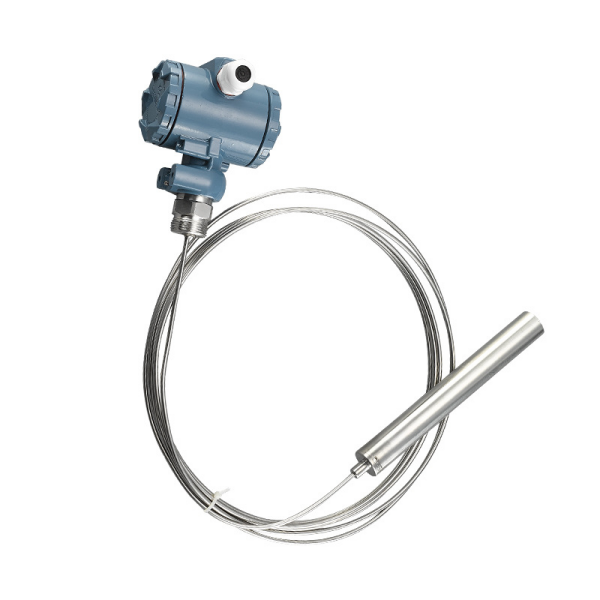
Submersible liquid pressure sensors represent one of the most prevalent types, featuring a core structure comprising a pressure transducer, a vented cable, and a junction box. During the operational process, the sensor probe is immersed to the base of the liquid being measured. The hydrostatic pressure exerted by the liquid is transmitted through the probe to the sensor, which converts the pressure signal into a standard electrical output (e.g. 4-20mA or 0-10V), enabling the calculation of liquid level height.
The primary advantages of these sensors are their straightforward installation and minimal container modification, making them particularly suitable for open vessels, storage tanks, and reservoirs. Additionally, they offer a broad measurement range, covering liquid levels from tens of centimetres to tens of metres. Their strong adaptability is evidenced by the existence of specially protected models (e.g., corrosion-resistant, explosion-proof) that are suitable for harsh environments such as chemical processing and metallurgy.
Sino-Inst’s liquid pressure transducers boast an IP68 waterproof rating, ensuring reliable operation across diverse liquid level measurement applications.
Working Principle of Liquid Pressure Transducers
Liquid pressure transducers basically work by measuring the pressure in a liquid using something called elastic deformation, which is created by a specific physical process. When the liquid being measured hits the transducer, the sensing part moves or bends a bit. This change depends on how much pressure the liquid is putting on it. The electrical output signal from the transducer changes in response to this tiny physical movement, and this variation can be decoded and read using digital conversion technology.
Practical Applications of Liquid Pressure Transducers
1 Tank Water Level Measurement
Liquid pressure transducers are great for measuring liquid levels in tanks. They’re easy to install, portable and user-friendly. They’re great for measuring water levels in open vessels, storage tanks, reservoirs and similar places.
2 Liquid Pipeline Pressure Monitoring
You can also use liquid pressure transducers to measure the pressure of liquids within pipelines. Their main job is to attach the pressure transducers to the pipeline, change the pressure signal into an electrical signal, and send real-time monitoring data to a data processing system. You can install liquid pressure transducers at various points along the pipeline to keep an eye on internal pressure conditions all the time.
3 Keeping an eye on underwater pipelines
Liquid pressure transducers are used a lot for monitoring underwater pipelines because they’re great at protecting against water. When it comes to diagnosing and fixing pipeline problems, pressure is usually the hardest thing to get a handle on. That’s why putting high-grade waterproof liquid pressure transducers on pipelines can make a big difference when it comes to keeping an eye on things, doing maintenance, and related tasks.
When it comes to managing water resources, operating flood warning systems and managing drainage systems, the accuracy and timeliness of data on water levels is crucial. It directly affects how well decisions are made and how safe the operations are.
In hydraulic engineering structures like dams and channels, it’s really important to understand water pressure distribution. This helps to keep the structures safe and make sure they’re running efficiently. You can install liquid pressure transducers in dam bodies, foundations, and along the bases and sidewalls of channels to measure hydrostatic pressure exerted on structures. These sensors let us keep an eye on river water levels and how much water is flowing in. Liquid pressure transducers are used a lot to measure water depth using pressure measurements and standard formulas.
5 High-Pressure Systems
Liquid pressure transducers are also often used in high-pressure systems, like in chemical industries where there are high-pressure hydraulic fluids. In these high-pressure environments, the sensing element is a critical component, needing to be able to withstand exceptionally high pressures. Sino-Inst’s liquid level pressure transducers are great because they’re waterproof and resistant to corrosion, making them perfect for all sorts of high-pressure systems, including those using high-pressure hydraulic fluids.
6. Low-temperature liquid nitrogen and liquid oxygen pressure monitoring
Liquid pressure transducers with cryogenic resistance are also used a lot in chemical liquids that need to be stored at very low temperatures.
Using liquid pressure transducers means the operator doesn’t have to deal with liquid nitrogen, which makes things safer and more efficient. This approach reduces the time and costs of manual management, avoids the cumbersome aspects of traditional storage methods, and ensures safer monitoring of cryogenic liquid nitrogen.
Key Features of Liquid Pressure Transducers
High precision: The apparatus has been demonstrated to possess the capability of delivering measurements of pressure that are characterised by an exceptional degree of accuracy, with the capacity to discern minute variations in pressure.
The property of high frequency response is demonstrated by the following: The device exhibits an exceptional degree of responsiveness to pressure fluctuations, rendering it highly suitable for dynamic pressure measurement applications. This is of critical importance when studying rapid flows and transient phenomena in liquid pressure measurement.
The instrument has a wide pressure range. The device can measure pressures from micro-levels (down to 100 Pa) to high-pressure levels (up to 700 MPa), so it can handle all sorts of situations involving measuring liquids.
Compact Design: The device is small and simple to install in complex fluid systems without disrupting the flow of fluids.
This essay is going to look at corrosion-resistant wetted materials. Using materials that don’t rust, like hastelloy, tantalum diaphragms and monel, is essential to make sure they work well with different corrosive liquids.
Selection Guide
Based on our experience, we have compiled nine key considerations for selecting liquid pressure transducers. We hope this assists you in choosing the most suitable liquid pressure transducers.
- Confirm the medium being measured.
- Confirm whether the medium is corrosive.
- Pressure type and pressure range. For example: gauge pressure 0-100MPa.
- Temperature range of the liquid being measured. We support customisation for high temperatures up to 1200°C and low temperatures down to -252°C.
- Dimensions of installation threads, clamps, or flanges.
- Required signal output type: analogue or digital? Examples include 4-20mA, 0-10V, RS485, etc.
- Requirement for local digital display configuration.
- Accuracy requirements. Standard liquid pressure transducersoffer 0.5% accuracy, while high-precision models achieve 0.075%.
Special requirements: e.g., explosion-proof certification, CE marking, etc.
FAQ
Types of Pressure Transducers
Pressure transducers are indispensable components in industrial automation, aerospace, medical equipment, automotive electronics, and other fields. They convert pressure signals into measurable electrical signals for subsequent system processing and control. Based on operating principles and application scenarios, pressure transducers come in various types, each possessing distinct performance characteristics and suitability.
Strain Gauge Pressure Transducers
Strain gauge pressure transducers represent the most prevalent and widely deployed category. Their core principle relies on strain gauges, whose resistance changes under pressure. A Wheatstone bridge circuit converts these minute variations into voltage signals. These sensors offer high precision, excellent linearity, and robust stability; they can measure both static and dynamic pressures; and they feature relatively moderate cost.
Piezo-resistive Pressure Transducers
Piezo-resistive sensors predominantly utilise silicon piezoresistive elements. Under external pressure, the silicon wafer’s resistance changes, generating an electrical output signal.
Piezo-resistive pressure transducers feature high sensitivity, compact size, suitability for mass production, and rapid dynamic response.
Capacitive Pressure Transducers
Capacitive transducers detect pressure by measuring changes in the distance between capacitor plates, altering the capacitance value to generate a pressure signal. They offer high sensitivity, low power consumption, and are suitable for measuring minute pressures and differential pressures; they also exhibit good resistance to interference.
Piezoelectric Pressure Transducers
Piezoelectric transducers utilise the piezoelectric effect, converting pressure-induced crystal deformation into electrical charge signals. They feature extremely rapid frequency response, making them particularly suitable for dynamic pressure measurement; they are compact and highly reliable.
The calibration of pressure transducers
A liquid pressure transducer is made up of a few key parts: the sensing element, signal processing circuitry, transducer housing and output interface. All of these parts are really important because they work together to make sure the pressure transducer is stable and reliable.
Sensing Element
The sensing element is the core component of the pressure transducer, responsible for directly perceiving pressure and converting it into an electrical signal. Common sensing elements include strain gauge sensors, piezoelectric sensors, and piezoresistive sensors.
Signal Processing Circuitry
The signal processing circuitry constitutes another vital component within the pressure transducers. Its function is to amplify and process the faint electrical signal output by the sensing element. Typically comprising modules such as amplifiers, filters, and analogue-to-digital converters, this circuitry ensures the electrical signal meets required quality standards while effectively eliminating noise interference.
transducers Housing
The transducers housing provides protection and operational stability. It is imperative to acknowledge the significance of the material and design of the housing of pressure transducers, given their frequent operation in harsh environments characterised by elevated temperatures, humidity, and corrosive conditions. The selection of appropriate materials and the configuration of the housing are of paramount importance to ensure the durability and reliability of the pressure transducers in these challenging environments. It is customary for pressure transducers housings to be fabricated from corrosion-resistant materials such as stainless steel, thereby ensuring the effective shielding of internal sensor components from external influences and the assurance of long-term stable operation.
Output Interface
The output interface serves as the bridge between the pressure transducers and the control system, typically providing analogue signal output (e.g., 4-20mA) or digital signal output. Different output methods accommodate various control systems and measurement requirements. In modern industrial control, digital output methods, such as HART protocol or Modbus protocol, are increasingly common, offering higher precision and richer data processing capabilities.
Accuracy of pressure transducers
The accuracy class of a pressure transducer is the range of error that’s allowed between the pressure value output by the pressure transducers under specific conditions and the reference value. So, according to international standards, pressure transducers are usually put into groups based on how accurate they are. These groups are called accuracy classes, and they’re labelled 0.1, 0.2, 0.5, 1.0, 1.5, 2.5, and 4.
Common Terminology for Pressure Transducers
Standard pressure: Pressure is expressed relative to atmospheric pressure. Pressure that exceeds atmospheric pressure is designated as positive pressure, while pressure that is below atmospheric pressure is termed negative pressure.
Absolute pressure: The pressure is expressed relative to absolute vacuum.
The measurement of relative pressure is as follows: The measurement of pressure is relative to a reference pressure, which is defined as the standard pressure.
Atmospheric pressure: This term is used to denote atmospheric pressure. Standard atmospheric pressure (1 atm) is equivalent to the pressure exerted by a 760 mm column of mercury.
Vacuum: A condition of pressure below that which is atmospheric. It is defined as one Torr being equivalent to one-seventy-sixth of an atmosphere (atm).
The measuring range is as follows: The pressure range within which a sensor operates effectively is of paramount importance.
Linearity: The analogue output exhibits a linear relationship with the measured pressure; however, deviations from a perfect straight line are observed. This deviation, expressed as a percentage of full-scale value, is termed linearity.
Hysteresis (Linearity): The objective is clear: to plot an ideal straight line between zero voltage and the rated voltage on the output current (or voltage) values. The error is simply the difference between the actual and ideal current (or voltage) values. Subsequently, the error values during periods of pressure increase and decrease must be determined. The maximum absolute value of the aforementioned difference must then be divided by the full-scale current (or voltage) value in order to obtain the hysteresis. The unit is expressed as a percentage of the full scale (FS)
The following gases won’t cause corrosion: The atmosphere is made up of various chemical elements, including nitrogen, carbon dioxide, and inert gases such as argon and neon.Pressure Transducer Type Reference
Hysteresis: The hysteresis is basically the value you get by dividing the full-scale pressure value by the difference between the output ON-point pressure and OFF-point pressure.
The following gases won’t cause corrosion: The atmosphere is made up of various chemical elements, including nitrogen, carbon dioxide, and inert gases such as argon and neon.Vacuum pressure: Records negative pressure relative to atmospheric pressure, similarly utilising a vented structure.
Combined pressure: Integrates gauge and vacuum measurement, utilising an exhaust mechanism to accommodate atmospheric variations.
Sealed pressure: The housing is sealed to prevent environmental hazards, suitable for high-pressure measurement unaffected by atmospheric changes.
Absolute pressure: Features a vacuum-sealed structure, employed within low-pressure ranges to monitor atmospheric variations.
Since its establishment, Sino-Inst has accumulated extensive production expertise. We continually adapt to evolving demands and pursue innovation, delivering numerous outstanding products that have earned widespread customer acclaim.
Sino-Inst markets its products through a mature distribution network spanning 30 countries and regions worldwide. Pressure transducers are particularly favoured in Europe, Southeast Asia, and the Middle East. You may ensure product safety by selecting certified suppliers.