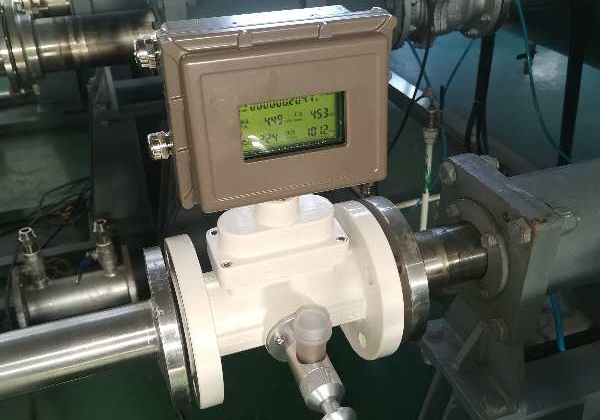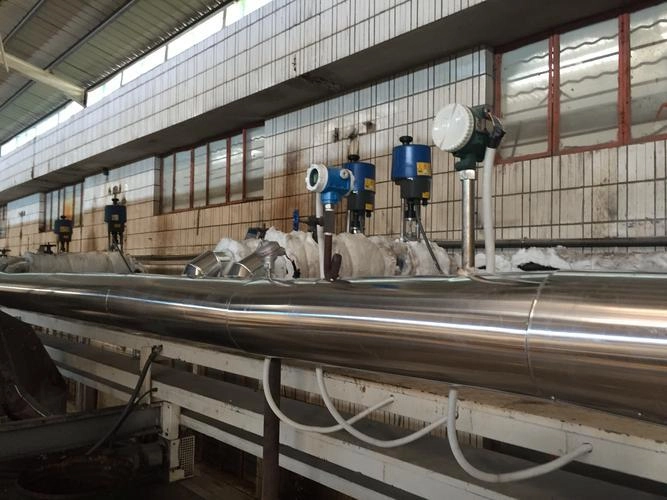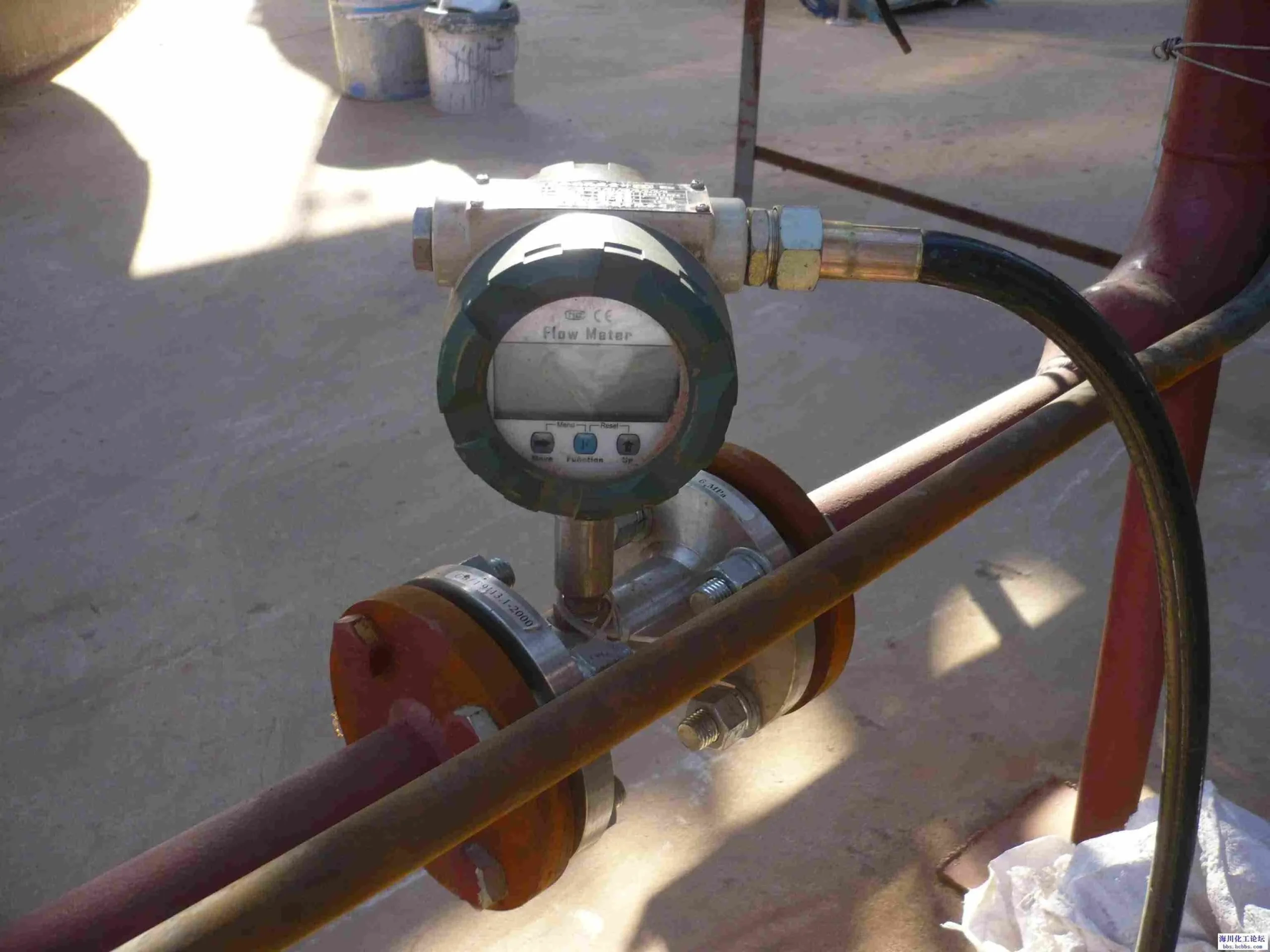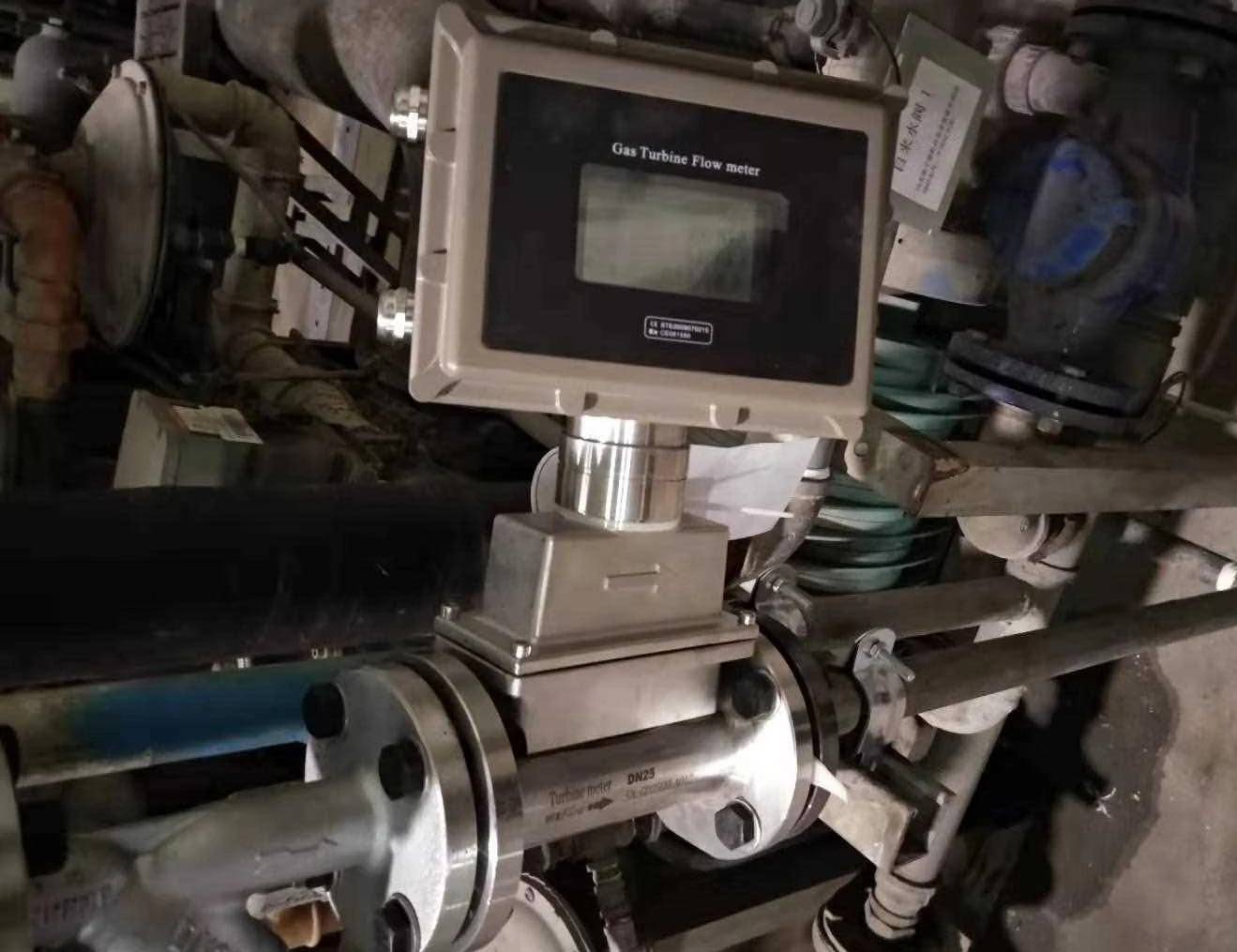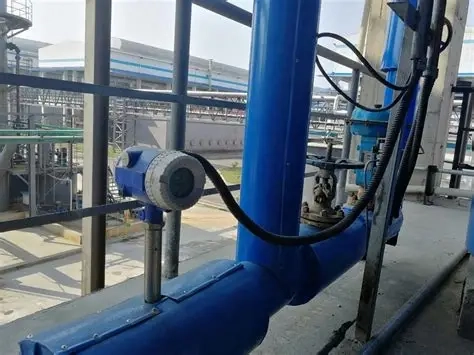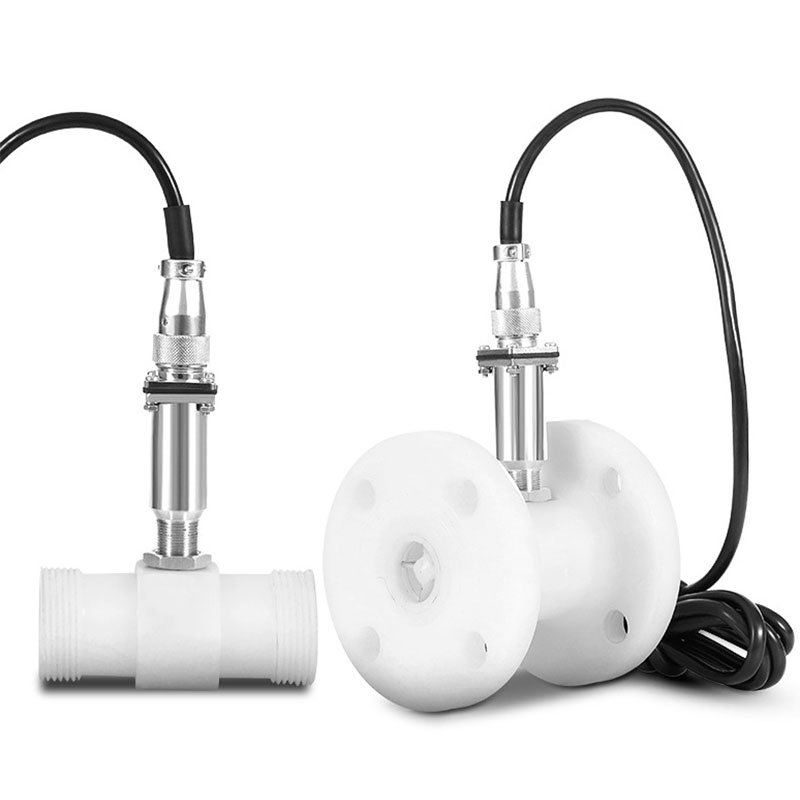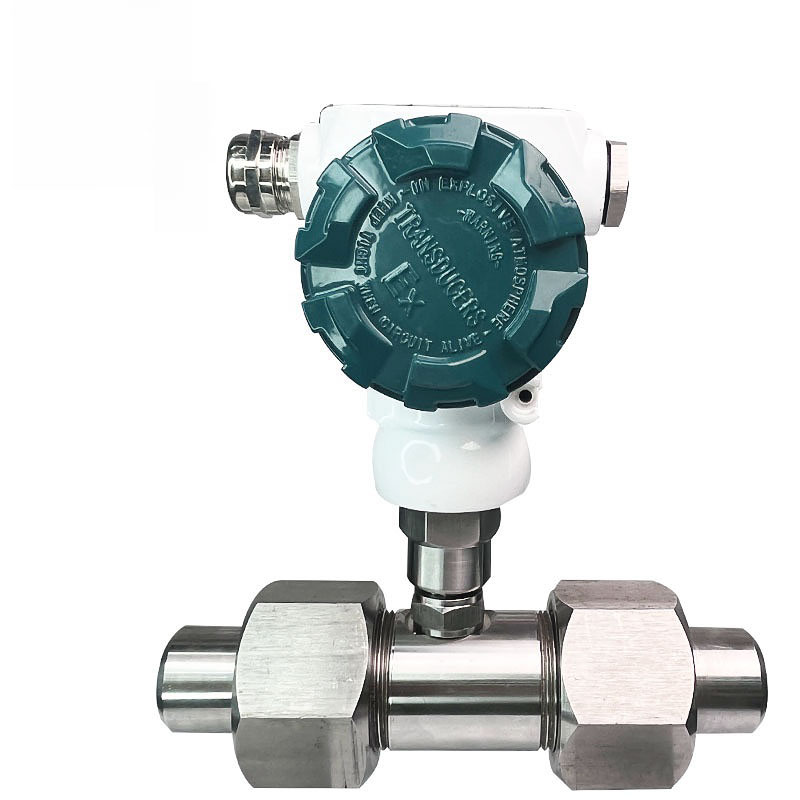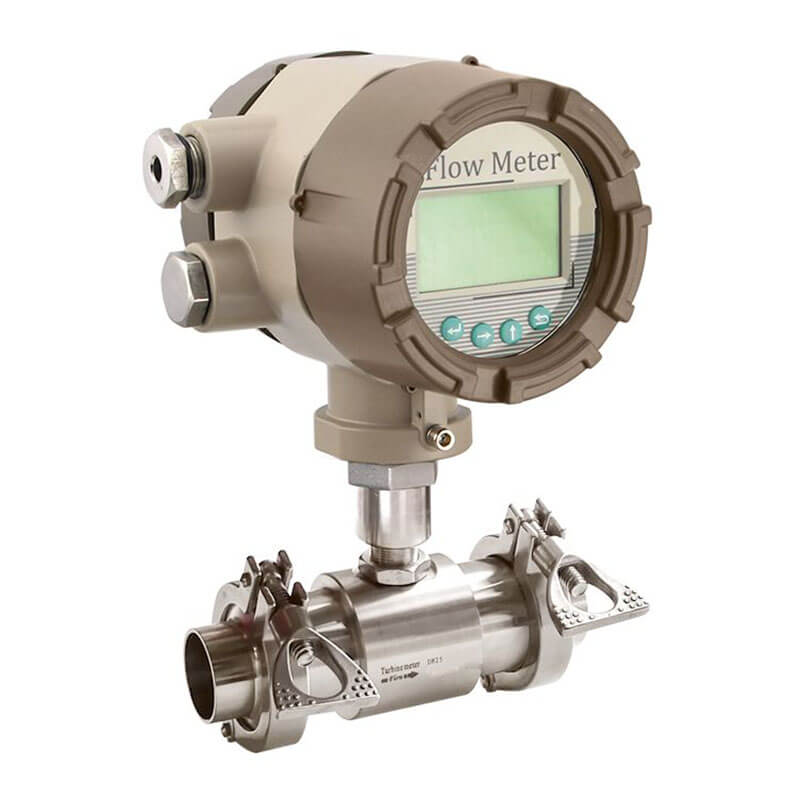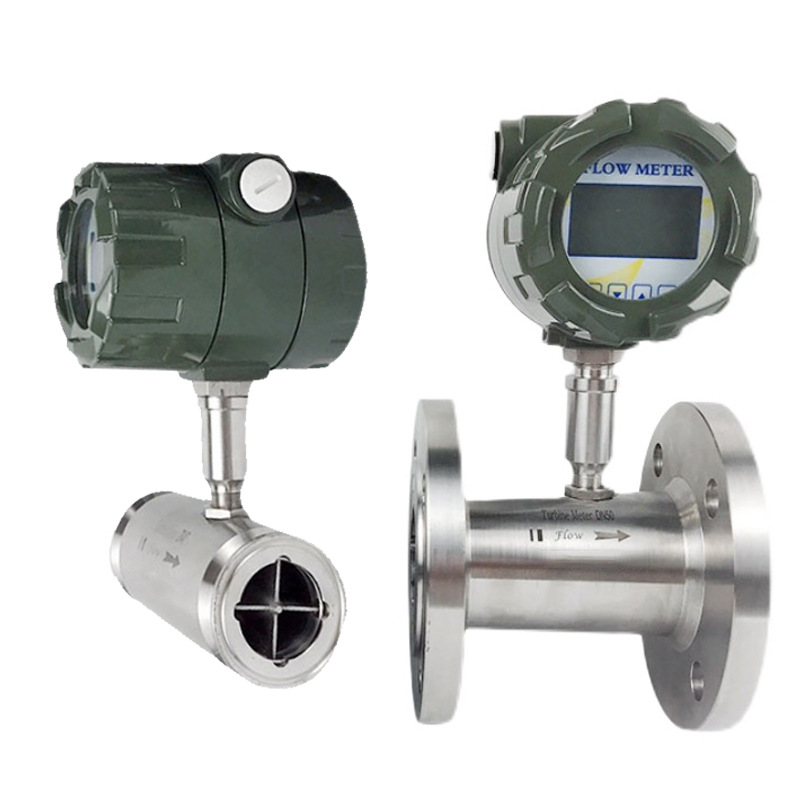
The measurement accuracy of turbine flow meters is not static. Influenced by factors such as medium viscosity, temperature and pressure, installation conditions, and impeller wear, their core parameter—the K coefficient—gradually deviates from the standard value, leading to measurement errors. Minor deviations may compromise production process stability, while significant discrepancies can result in trade settlement disputes, energy wastage, and substantial losses.
Therefore, regular scientific calibration of turbine flowmeters is essential to ensure measurement accuracy and achieve traceability in measurement. To guarantee precise flow data from turbine flowmeters, periodic calibration is indispensable.
Working Principle of Turbine Flow Meters
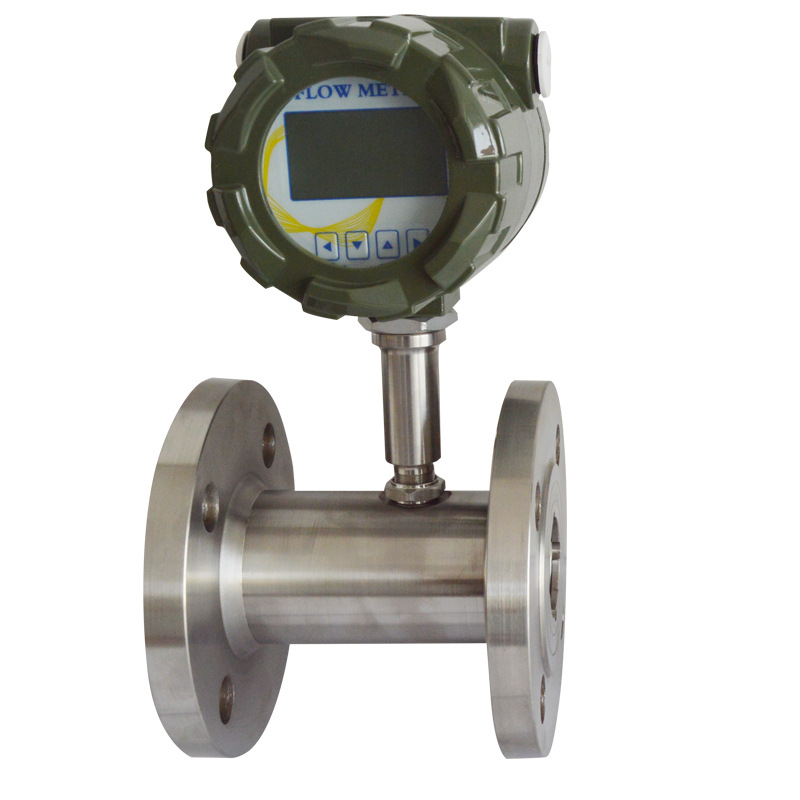
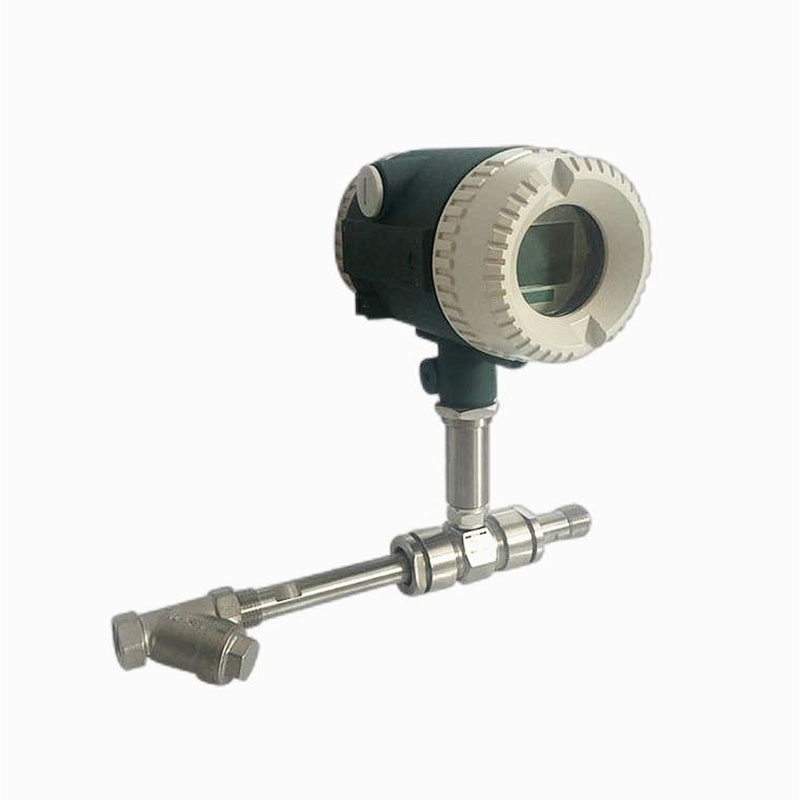
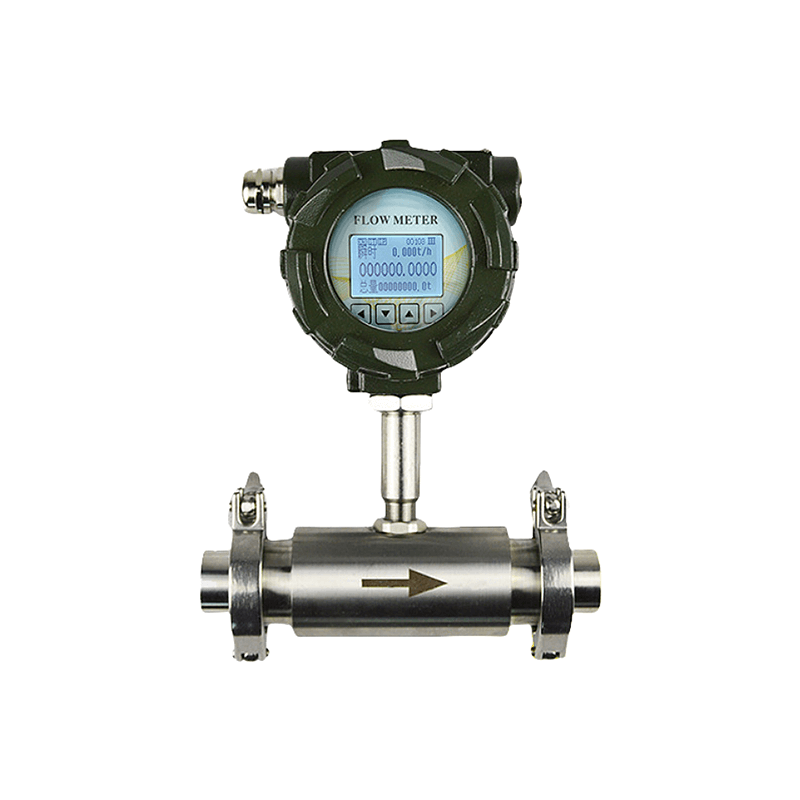
The operating principle of turbine flow meters is based on the rotational motion generated when fluid flows through the turbine blades. The flow rate of the fluid is directly proportional to the rotational speed of the turbine. This rotational speed is converted into an electrical signal by a sensor, enabling the calculation of flow rate. This principle gives turbine flow meters a high level of accuracy and a broad measurement range for a variety of industrial applications. However, errors may occur in turbine flow meters due to variations in fluid properties and flow conditions, making regular calibration particularly crucial.
The Importance of Calibrating Turbine Flow Meters
1. Calibration is the core method for ensuring the measurement accuracy of turbine flow meters. During extended operation, factors such as wear of the medium, adhesion of impurities, and changes in operating conditions can cause shifts in the instrument coefficient. Standardised calibration is the only method of correcting measurement errors. This ensures the accuracy and reliability of flow data. This is crucial for meeting process control and product quality requirements.
2. Calibration is a vital prerequisite for fair trade settlements and precise cost accounting. In scenarios such as raw material procurement, finished product sales, and energy metering, flow data directly impacts economic outcomes. Calibrated instruments effectively prevent financial losses and trade disputes arising from measurement discrepancies, providing a credible basis for corporate cost management.
3. Calibration helps spot instrument problems early on and makes them last longer. During calibration, the condition of critical components such as impellers, bearings, and sensors can be concurrently inspected. Issues like jamming, wear, and signal anomalies can be addressed proactively, preventing instruments from operating in a compromised state. This reduces the risk of sudden failures and unplanned downtime, thereby lowering subsequent operational and maintenance costs.
4. Calibration constitutes a prerequisite for compliance with regulatory standards and system audits. As critical metrological equipment, the periodic calibration of turbine flowmeters aligns with national metrology regulations, industry norms, and quality system certification requirements. It serves as vital support for enterprises undergoing safety inspections, environmental compliance reviews, and metrological assessments, ensuring lawful and compliant production operations.
5. Calibration enhances process control and system operational stability. Reliable automated control systems require accurate flow data. Calibrated instruments prevent delays to regulation and fluctuations in control caused by distorted data, ensuring that installations operate safely, reliably and efficiently.
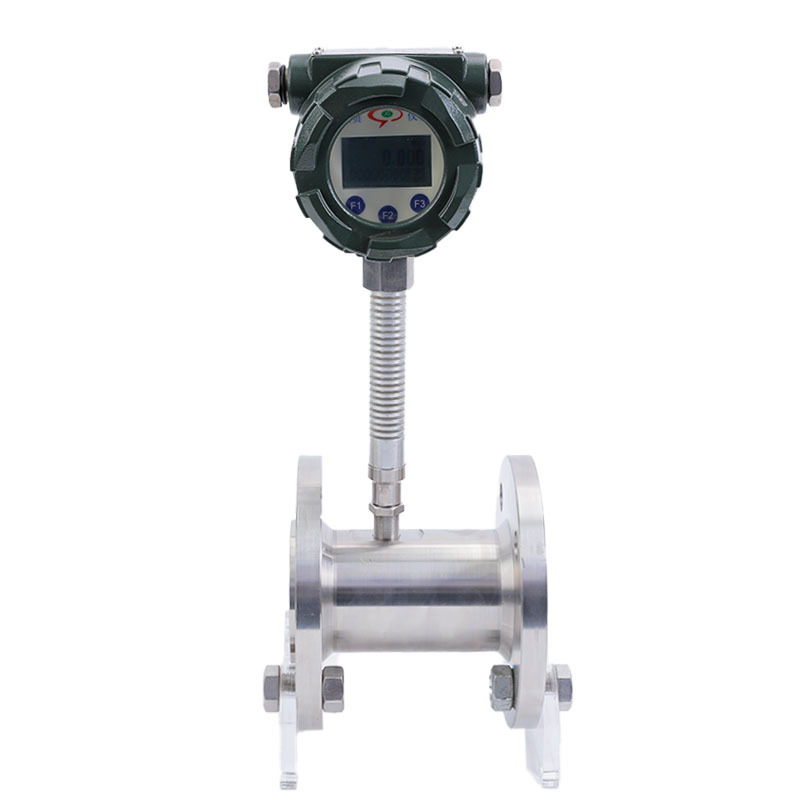
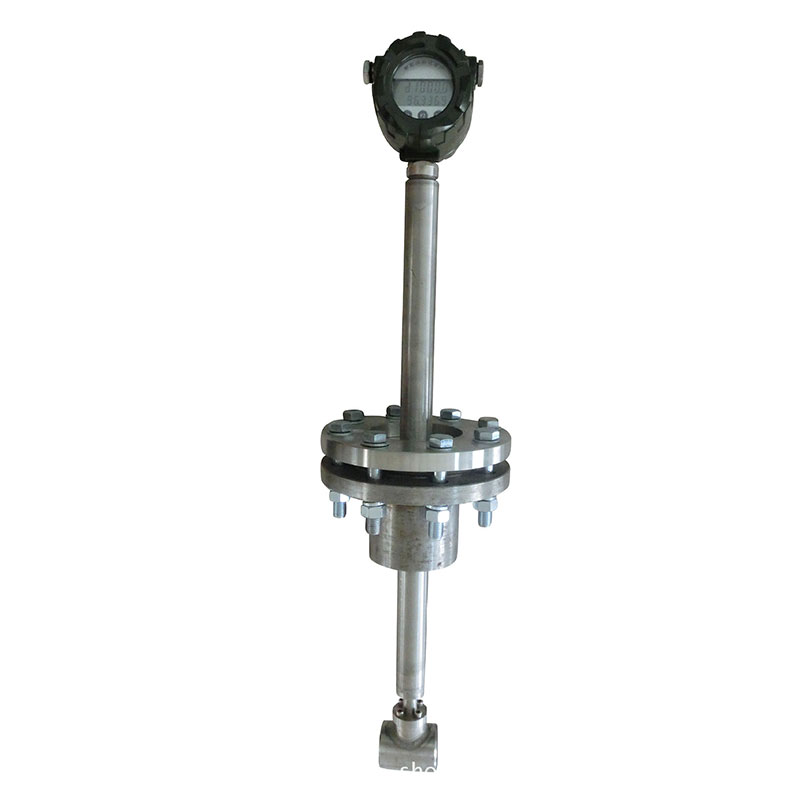
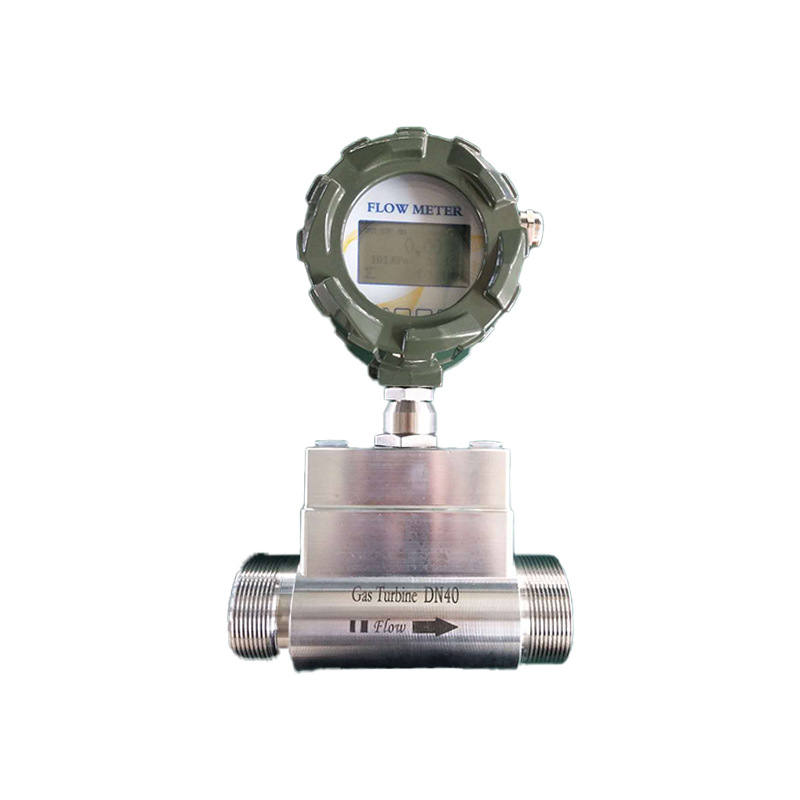
Common Calibration Methods for Turbine Flow Meters
Standard Flow Meter Comparison Method
This is the most common way to calibrate equipment in industry. The turbine flow meter, which hasn’t been calibrated, is hooked up to a high-accuracy standard flow meter on the same fluid pipeline. We take measurements at the same time, in the same conditions, and work out the error of the instrument by comparing the readings.
The main advantage of this method is that it is simple and easy to use, which makes it very efficient. The standard meter method flow apparatus contains all the components you need, including a fluid source, a test pipeline system, a standard flow meter and a flow control valve. This makes it perfect for tracking and checking large instruments that measure a lot. When curve-fitting methods are employed to process error data, the results more accurately reflect the characteristics of the flow meter instrument while introducing lower uncertainty.
Volumetric Method
The volumetric method calibrates by precisely measuring the fluid volume passing through a turbine flowmeter within a specific time interval. This technique typically employs a precisely calibrated standard volumetric tank as the measurement reference and is suitable for calibrating liquid media.
During operation, a reversing mechanism directs the fluid into the standard volumetric tank. The volume of fluid within the tank and the corresponding time are recorded to calculate the standard flow value, which is then compared with the reading of the instrument under calibration. The volumetric method is straightforward and reliable, achieving high calibration accuracy under laboratory conditions.
Mass Method
The mass method is the best choice for measuring very precisely, especially in trade settlement scenarios. In this method, calibration is based on changes in fluid mass. High-precision electronic scales are usually used to weigh the mass of a standard fluid. This is done by measuring how much the fluid weighs when it passes through the instrument over a set time. When combined with fluid density, this is converted into a volumetric flow rate.
The mass method remains unaffected by fluctuations in fluid temperature or pressure that impact volumetric measurement, yielding more accurate and reliable calibration results. For high-precision instruments like turbine flowmeters, the mass method fully realises their accuracy potential.
Sonic Nozzle Method
Primarily employed for calibrating gas turbine flowmeters, this technique requires additional control of pressure and temperature due to the compressibility of gaseous media. The sonic nozzle (also termed a critical flow Venturi nozzle) serves as the standard reference. When gas velocity reaches the speed of sound, pressure fluctuations downstream of the nozzle do not propagate upstream, thereby maintaining stable upstream flow. The accuracy of flow standard apparatus employing the sonic nozzle method typically achieves 0.2% to 0.5%.
Bell Jar Method
This technique utilises a bell jar of known volume. The time taken for the bell jar to descend (or ascend) is recorded to calculate the gas flow rate per unit time, which is then compared with the instrument under calibration. It is suitable for gases that flow at moderate rates and is easy to use in the lab or out in the field.
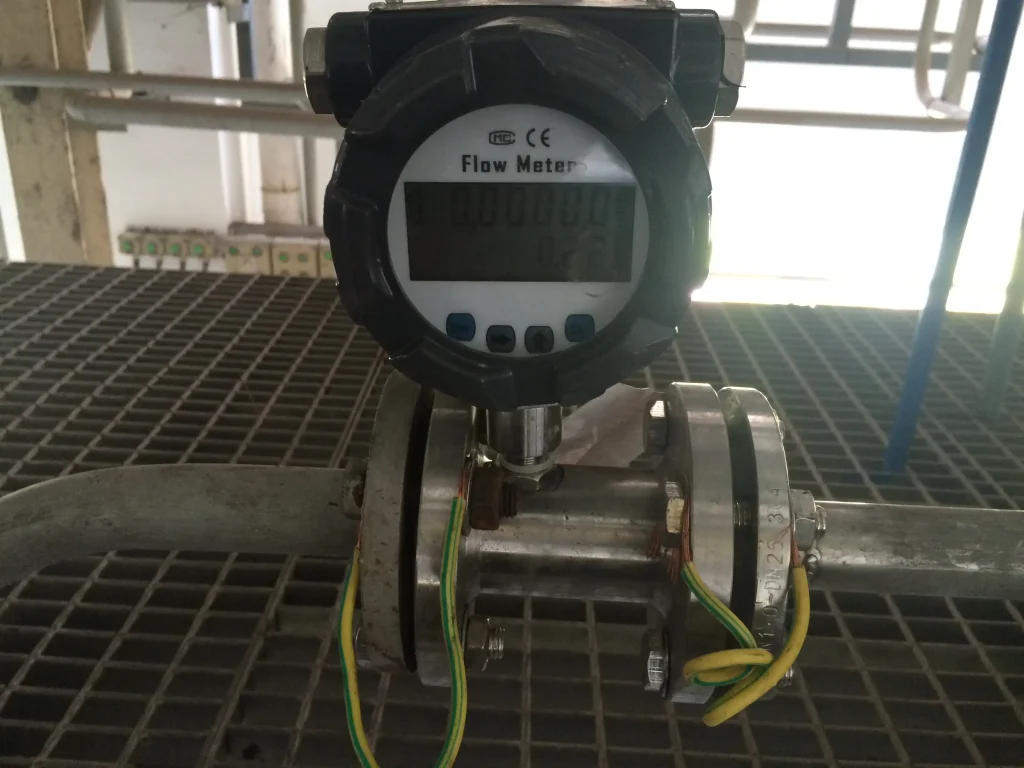
Selecting the Appropriate Calibration Method for Turbine Flow Meters
It is very important to calibrate turbine flow meters so that measurements are accurate and suitable for how they are used. Different methods are suitable for different situations, and they can be more or less accurate and expensive. Selection should be based on actual requirements, with the following key considerations:
Prioritise the choice of calibration method based on the measured medium. Medium type directly determines calibration accuracy. For liquid turbine flow meters, volumetric or mass methods are preferred. The volumetric method is easy to use and works well with most clean liquids. The mass method is better for measuring high-precision liquids because it’s more accurate. When it comes to gas turbine flowmeters, the sonic nozzle method is the go-to because it can handle gas properties with ease and reduces errors caused by pressure and temperature changes. If you’re dealing with contaminated or corrosive media, you can use the standard flowmeter comparison method, but you’ll need to remove any impurities before calibration.
Matching calibration method grades to precision requirements is essential. For trade settlement or high-precision process control applications, the mass method or laboratory offline calibration must be selected. These rely on specialised equipment to achieve high-accuracy calibration compliant with measurement regulations. For general process monitoring or internal accounting where precision requirements are less stringent, the standard flowmeter comparison method may be employed. This offers simple operation and low cost, sufficient for routine accuracy verification. The computational calibration method serves only as an auxiliary technique, suitable for preliminary commissioning with limited accuracy unsuitable for high-precision requirements.
Choose whether to calibrate online or offline, depending on how things are set up. If production cannot be interrupted or if flow meters need to be dismantled, focus on online calibration. This requires no shutdown and is suitable for routine verification or medium-accuracy requirements. If you’re looking for stable conditions that won’t disrupt things, then offline calibration is probably your best bet. This means sending the meter to a specialist lab for real-flow calibration, which gives the highest accuracy and a calibration certificate that meets the required standards. It is suitable for periodic calibration or high-precision requirements. When the going gets tough, we make online calibration a priority to avoid any damage to the equipment from taking it apart and making more mistakes.
Key Calibration Points
K-Factor Correction: The K-factor is the most important measurement of how accurate turbine flowmeters are. It shows the relationship between the volume of the fluid and the signal from the instrument. The main aim of calibration work is to ensure that the equipment is accurate. During calibration, the actual K-factor at different flow points must be measured using standard apparatus and compared with the instrument’s current setting to calculate deviation. Should deviation exceed ±0.3%, the calibrated K-factor must be immediately re-entered and recalibration performed. To confirm K-factor stability without drift, recalibration must cover at least two critical flow points, ensuring that measurement error remains within permissible limits.
Field installation requirements: The conditions during installation can significantly impact the effectiveness of the calibration and the accuracy of the measurements. Therefore, it is crucial to adhere to the specifications before and after calibration. Before you calibrate it, have a look at the flowmeter to make sure the impeller can rotate freely without anything getting stuck and that the bearings aren’t worn out. If any of the parts are dirty or damaged, clean or repair them. When you’re installing it, make sure that the pipes running upstream have a diameter of at least 10 pipe diameters and that the pipes running downstream have a diameter of at least 5 pipe diameters. Make sure that there are no parts in them that can stop the flow of water. If you don’t have much space, fit an upstream flow straightener to make sure the flow field is stable. This will make sure the fluid flows evenly during calibration, so you get accurate and reliable data.
Calibration Intervals: You’ve got to make sure you calibrate it properly, depending on the type of liquid, how it’s used and what you’re measuring. You can’t just use standard intervals. For flowmeters that handle clean, low-viscosity media in stable conditions, the calibration interval is 12 months. If the media is high-viscosity, contaminated or corrosive, the interval should be reduced to 6–8 months, with extra routine checks. Gas turbine flowmeters need to be checked for pressure and temperature compensation once a year, as well as more often than usual. Also, flowmeters used for trade settlement or important processes must have shorter calibration times to make sure they are accurate.
Precautions During Calibration
When calibrating turbine flowmeters, the following factors require attention:
Fluid Properties: The physical characteristics of different fluids (such as viscosity and density) directly impact the measurement accuracy of turbine flowmeters. During calibration, ensure the standard fluid used possesses properties similar to those of the fluid in actual application.
Flow Range: It’s really important to calibrate all the flow points within the turbine’s operational range, especially the low and high points, to make sure the measurements are accurate.
Environmental Factors: Things like temperature, pressure and humidity can have a big impact on how well the turbine flows. Therefore, stable environmental conditions should be maintained during calibration.
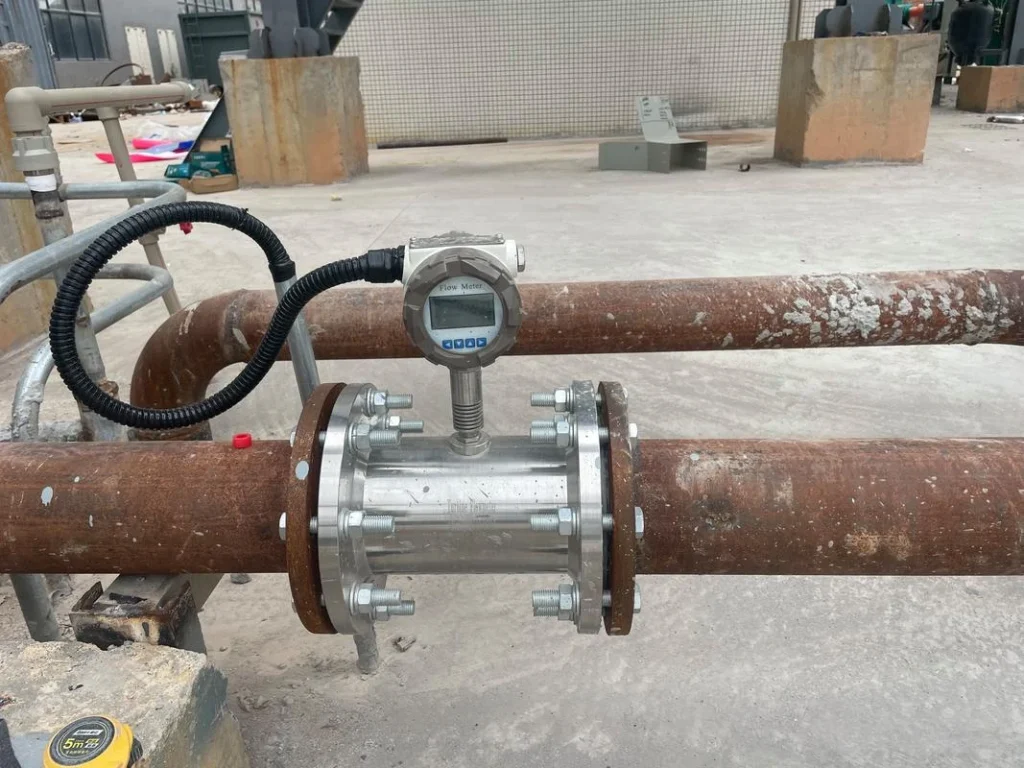
Precise calibration is fundamental to realising the core metrological value of turbine flowmeters and ensures efficient, compliant industrial production and fluid management. As a specialist provider, Sion-inst is all about developing, selling and supporting turbine flow meters. We’ve got a great range of high-precision products, and our calibration technical support team is top-notch. We can adapt our calibration solutions to suit your specific medium type, operational requirements and accuracy standards, and we’ll be there for you every step of the way to make sure you overcome any challenges you might face during measurement.