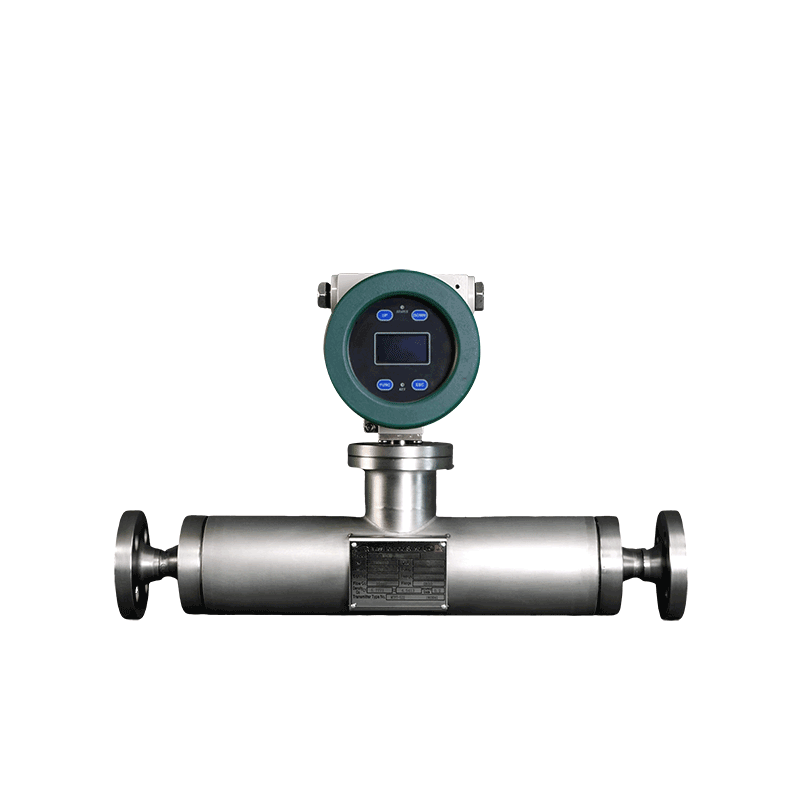
In industrial sectors such as oil and gas, petrochemicals, and power generation, flow measurement under high-pressure conditions is critical for ensuring production safety, optimising process efficiency, and enabling precise metering for settlement purposes.
High-pressure flow meters, as specialised equipment designed for such extreme operating conditions, must not only meet stringent pressure resistance and sealing requirements but also maintain long-term measurement accuracy in complex environments.
Common high-pressure flow meters
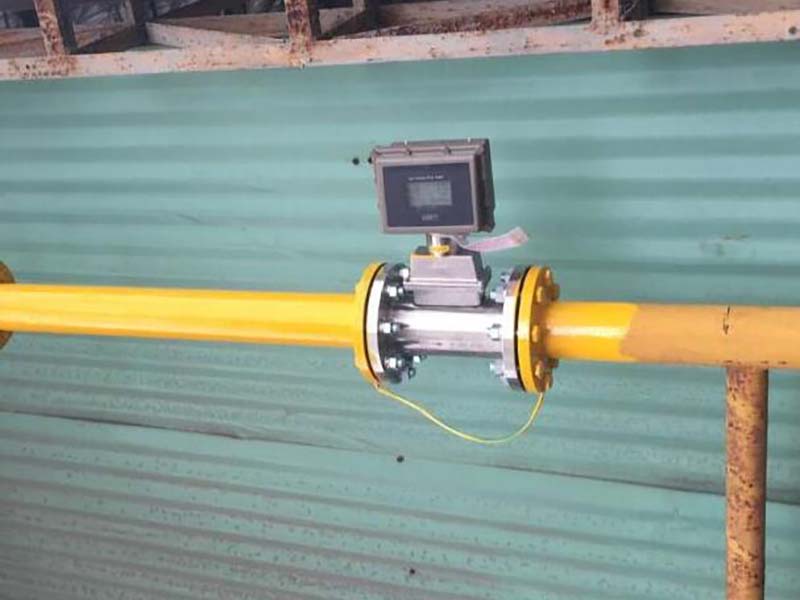
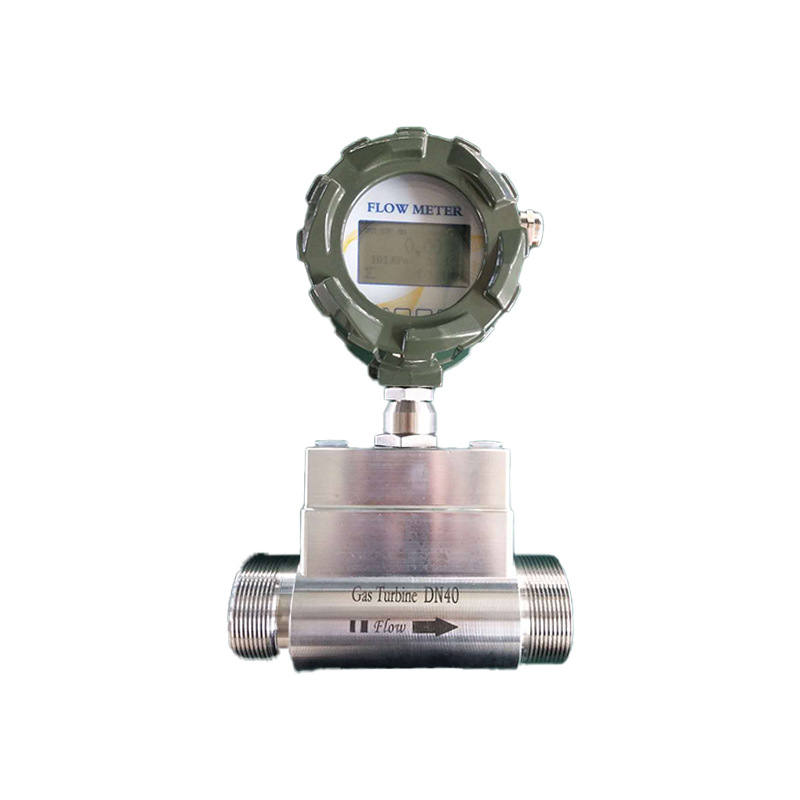
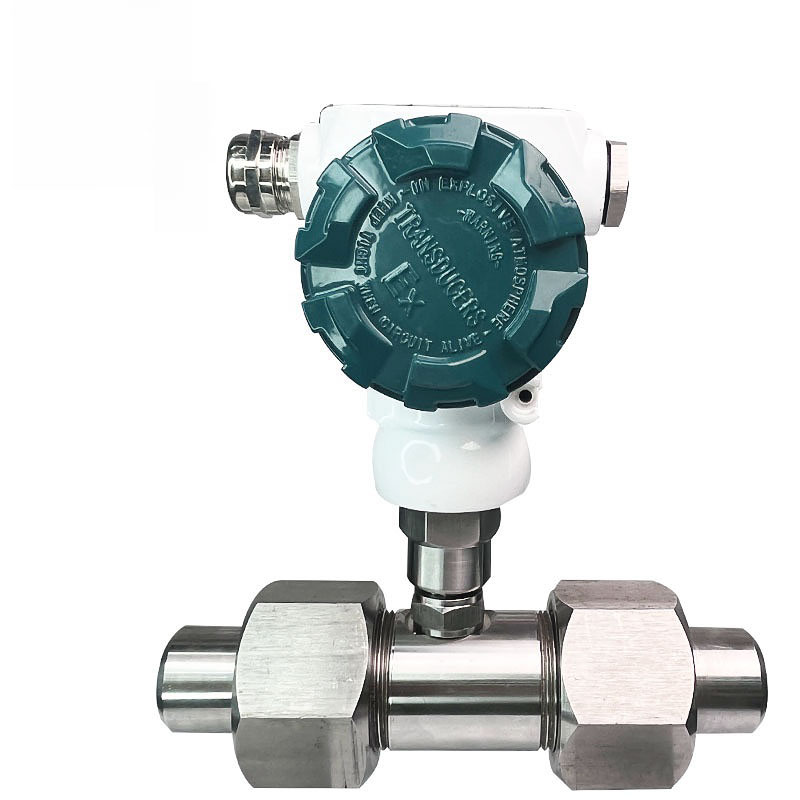
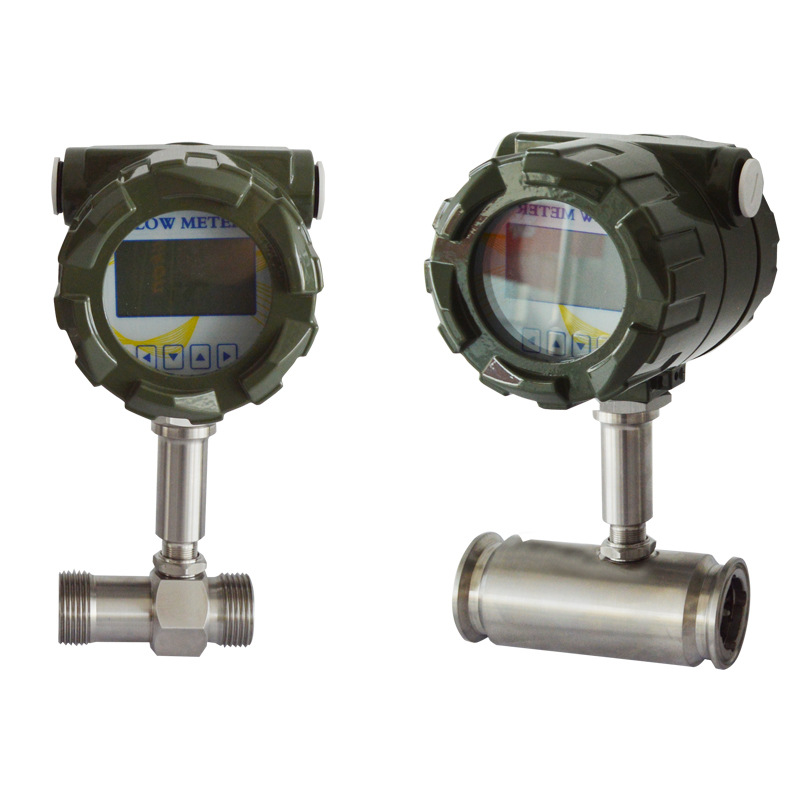
High-Pressure Turbine Flow Meter:
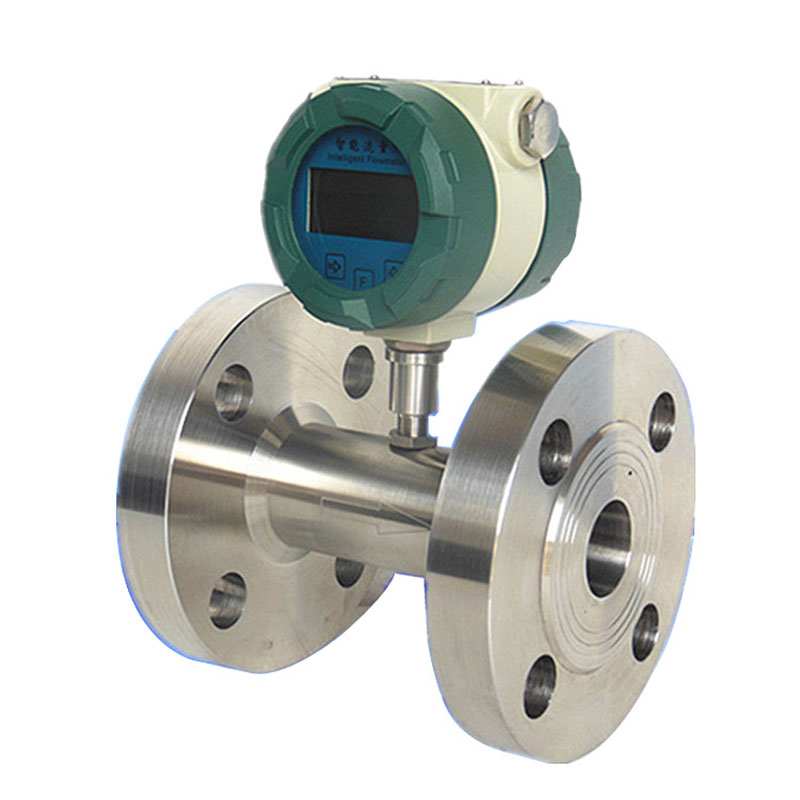
The high-pressure turbine flow meter is a precision flow measurement instrument specifically engineered for high-pressure applications.It uses mechanical turbine principles, so it’s got high pressure ratings, exceptional measurement accuracy, and rapid response times, making it perfect for monitoring flow in high-pressure pipelines.
This turbine flow meter is used a lot in metallurgy, chemical processing, petroleum, urban construction, environmental protection, and food industries.It can measure the flow rate of water, tap water, diesel, petrol, light petroleum products, and other liquids very accurately.
Advantages and Disadvantages of High-Pressure Turbine Flow Meters
Advantages
High Accuracy: Turbine flow meters offer exceptional measurement precision, typically achieving accuracy within ±0.2% to ±1%, ranking among the most precise flow measurement devices.
Excellent Repeatability: Short-term repeatability is 0.05%. If you calibrate it regularly, it will always be accurate.
Stable Output Signal: Emits a pulse frequency signal that introduces minimal additional error when processed by batch controllers or flow display instruments.
Wide Measurement Range: It’s got a wide turndown ratio, with flow ratios ranging from 6:1 to 10:1, and up to 40:1 for medium-to-large diameters. It’s great for measuring all sorts of fluids.
Rapid response: Low inertia and swift response ensure negligible error introduction for pulsating flows with low rate of change.
Simple construction: Comprising turbine blades and a sensor, installation and maintenance are relatively straightforward.
High-pressure and corrosion resistance: Withstands high pressures for measuring pressurised fluids; sensors are manufactured from corrosion-resistant materials, capable of enduring general corrosive media.
Multiple Output Options: Outputs can be frequency pulses or digital signals, accommodating diverse application scenarios.
Zero Drift-Free: Exhibits strong interference resistance with no zero-point drift.
Disadvantages
Requires Regular Calibration: Cannot maintain calibrated characteristics indefinitely, necessitating biennial recalibration.
Sensitive to fluid properties: Fluid characteristics (density, viscosity) significantly affect flow measurement. Compensation measures must be implemented based on the degree of influence to maintain higher metrological accuracy.
High installation requirements: The flowmeter is highly susceptible to distorted velocity distributions and swirling flows. Long straight pipe sections are required upstream and downstream of the sensor; theoretically, the upstream straight pipe section should exceed 10D.
Unsuitable for specific fluid measurements: Not suitable for measuring pulsating flows or multiphase flows.
High demands on medium cleanliness: If there are solid particles or other unwanted substances in the measured material, they could damage the turbine blades, which might disrupt the measurement.
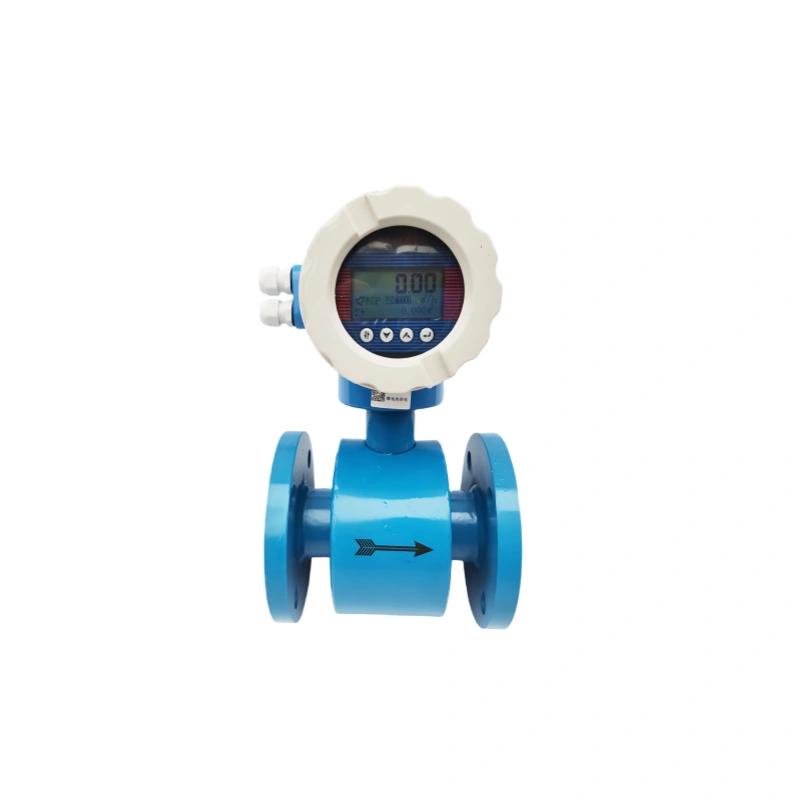
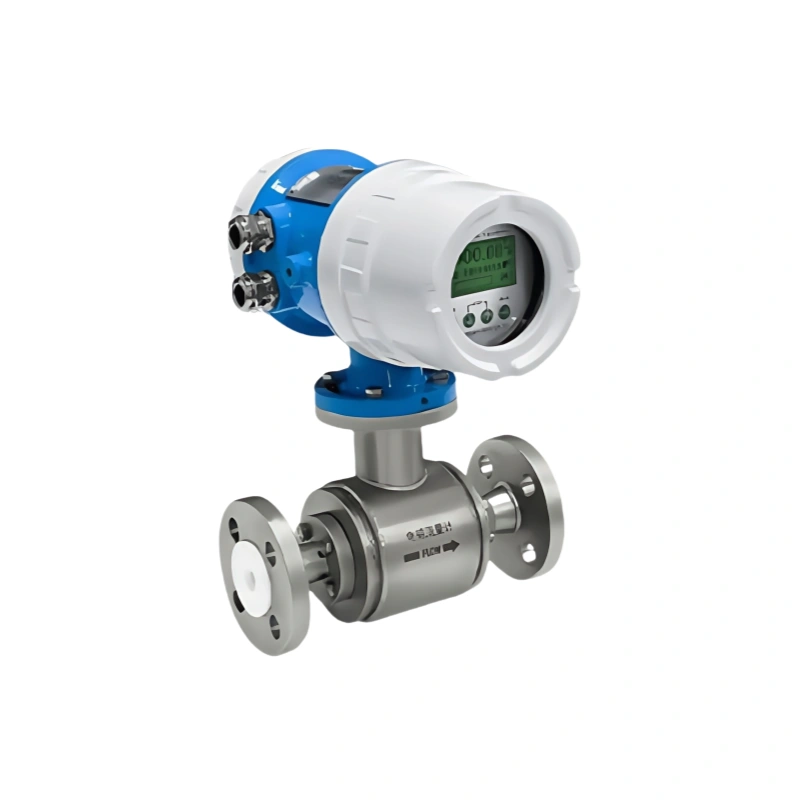
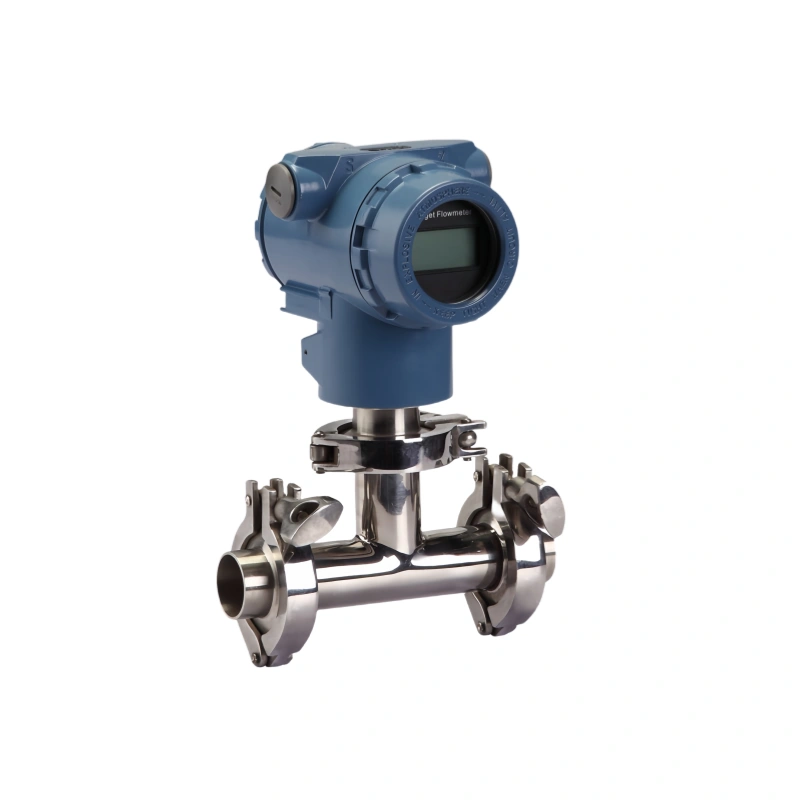
High-Pressure Electromagnetic Flowmeter:
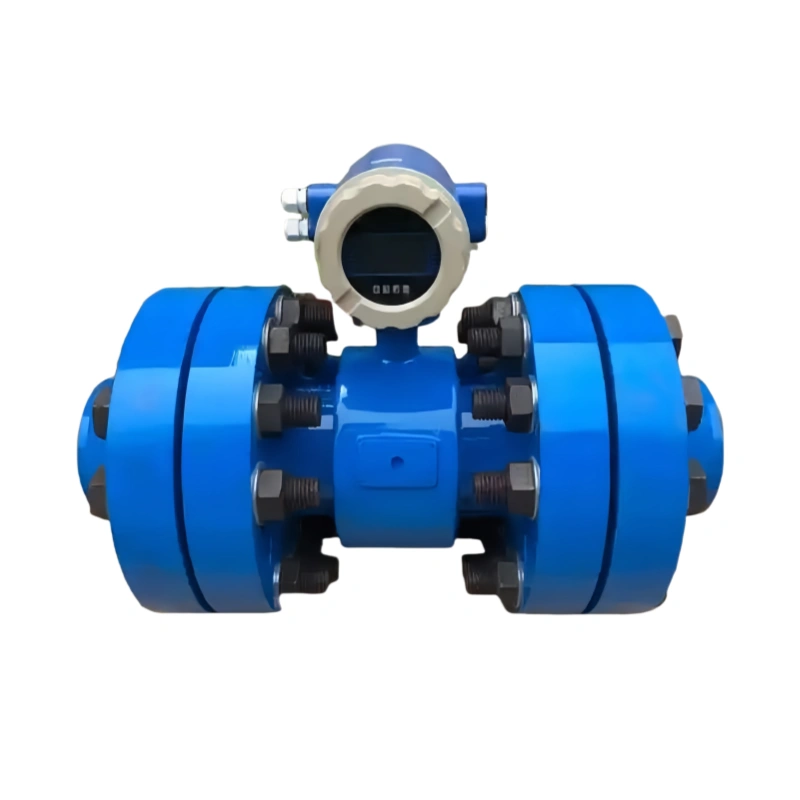
The high-pressure electromagnetic flowmeter is an electromagnetic flow measurement device specifically engineered for high-pressure operational environments. Its core function lies in accurately measuring the volumetric flow rate of conductive liquids (or slurries containing conductive particles) under high-pressure conditions.
This flowmeter is exclusively designed for conductive liquids and imposes temperature restrictions, with a maximum permissible temperature of 180°C. This is usually used to measure things like drinking water, sewage, slurries, lime and liquids that can cause corrosion. They cannot measure organic solvents or oils.
Advantages and Disadvantages of High-Pressure Electromagnetic Flowmeters
Advantages
High-Accuracy Measurement: Based on Faraday’s law of electromagnetic induction, electromagnetic flowmeters offer high measurement precision, typically achieving ±0.5% to ±1.5%.
Wide Turndown Ratio: The range is usually from 10:1 to 100:1, which makes it possible to measure conductive liquids accurately at low and high flow rates.
Non-Restrictive Flow Path: The inside tube is clear, with no parts like turbines or gears that get in the way of the liquid flowing through.
Suitable for various conductive liquids:Electromagnetic flowmeters can measure any conductive liquid. They accurately measure complex fluids such as acids, alkalis, salt solutions, and slurries containing solid particles (e.g., mineral slurry) or fibres (e.g., paper pulp).
Bidirectional measurement capability: Electromagnetic flowmeters support bidirectional measurement, accurately recording flow rates for both forward and reverse liquid flow.
Disadvantages
Limited to conductive liquids: The way it works is based on the liquid’s ability to conduct electricity. Liquids with conductivity below a certain level (usually around 5μS/cm) cannot be measured.
Susceptible to electromagnetic interference: As the meter operates on electromagnetic induction principles, its signals are easily affected by external electromagnetic disturbances.
High installation requirements: Installation necessitates full pipe filling with liquid and requires the fluid to be within a specific velocity range. Additionally, strict requirements exist for the length of straight pipe sections upstream and downstream of the installation point.
Typically, the upstream straight pipe section must be no less than 5–10 times the pipe diameter, while the downstream section must be no less than 3–5 times the pipe diameter.
High-Pressure Gear Flow Meter:
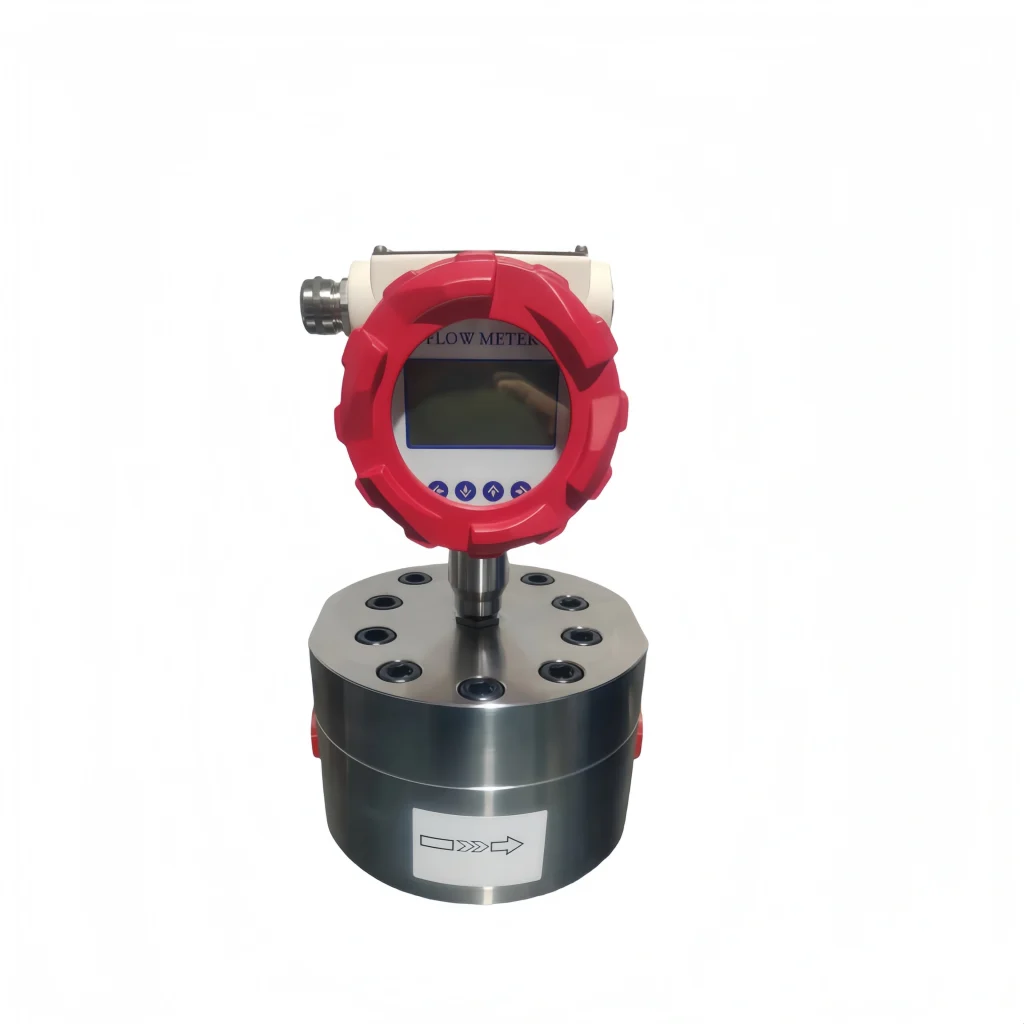
Gear flow meters are a type of flow meter that calculate fluid flow rate. They do this by measuring the space that a pair of meshing gears take up when they rotate within a chamber. They are perfect for measuring thick liquids and can be very accurate.
They can measure liquids with viscosities of up to 10,000 Pa·s, and their measurement range is from 0.6 to 20,000 L/h. This is used mostly in the petrochemical, food, and pharmaceutical industries to measure thick liquids, such as lubricants and syrups. Not suitable for media containing solid particles or gases, and the measured liquid must possess lubricity.
Advantages and Disadvantages of High-Pressure Gear Flow Meters
Advantages
High Accuracy: Gear flow meters are one of the most important types of flow instruments because they can measure liquid flow through pipelines very accurately. They can be accurate to within 0.5 or 0.2 (within a temperature range of -10°C to +60°C).
Wide Measurement Range: Gear flow meters can measure the flow of liquids or gases, offering an extensive measurement range and large capacity to accommodate various flow requirements.
Good Stability: Gear flow meters exhibit good stability throughout the measurement process, delivering highly accurate results that are not easily affected by external interference.
Insensitivity to Fluid Viscosity Changes: Particularly suited for measuring high-viscosity fluids, gear flow meters offer broad adaptability across diverse viscosity conditions.
Simple Construction: Gear flow meters work by using a gear mechanism that is rotated in order to measure the amount of matter going through them. They feature mechanical designs that are relatively straightforward.
Easy Installation: Installation is relatively uncomplicated, requiring no upstream straight pipe sections, facilitating user setup and operation.
Wide range of applicable media: Gear flow meters are extensively used for flow measurement of non-corrosive media across industrial sectors including petroleum, chemical, synthetic fibres, transportation, commerce, food, and pharmaceuticals.
Disadvantages
Instrument accuracy affected by fluid parameters: The measurement precision of gear flow meters depends on fluid parameters such as viscosity, density, and temperature. Variations in these parameters may impact accuracy.
Clean medium required: Gear flow meters work on the principle of gear flow. This means that the measured medium must be clean and free of solid particles. Otherwise, the gears will wear out or get damaged.
Maintenance costs: Although gear flow meters are simple, if you don’t look after them or use them wrong, they can get worn out, damaged or stop working.This can mean you have to pay more to get them fixed.
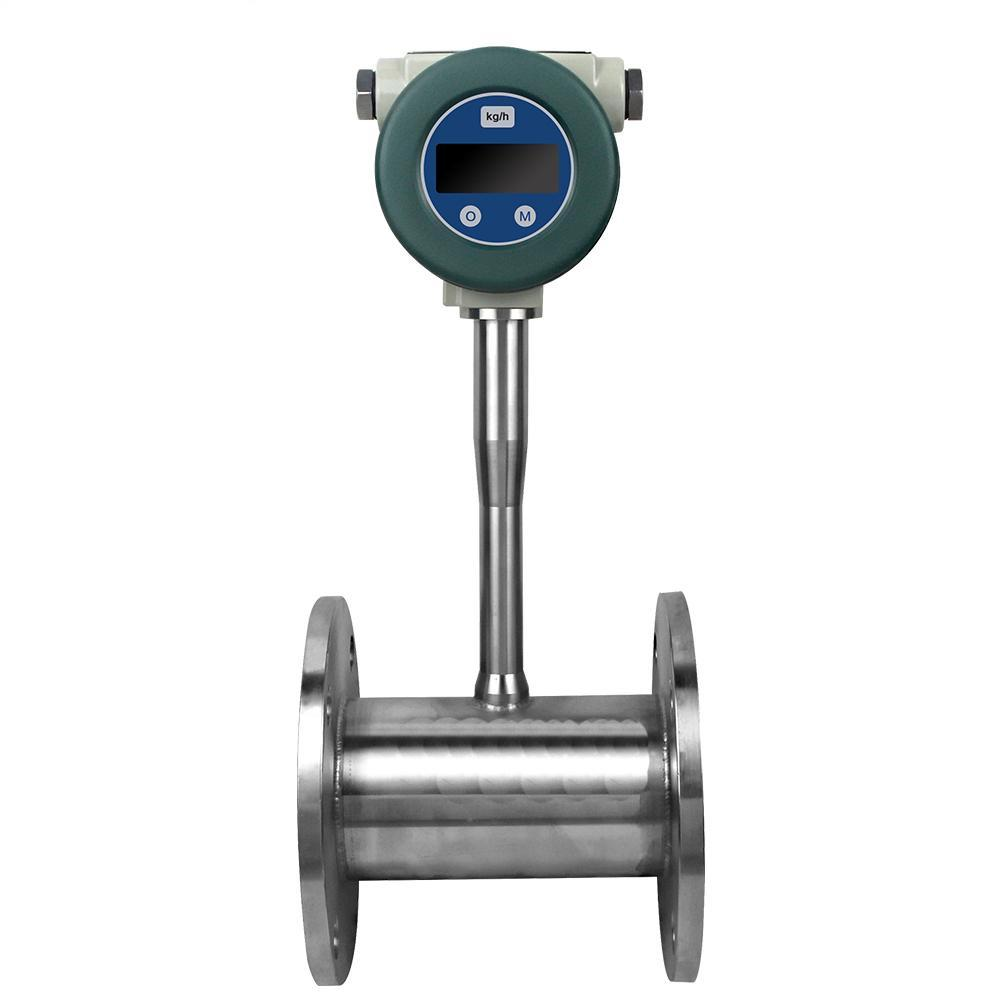
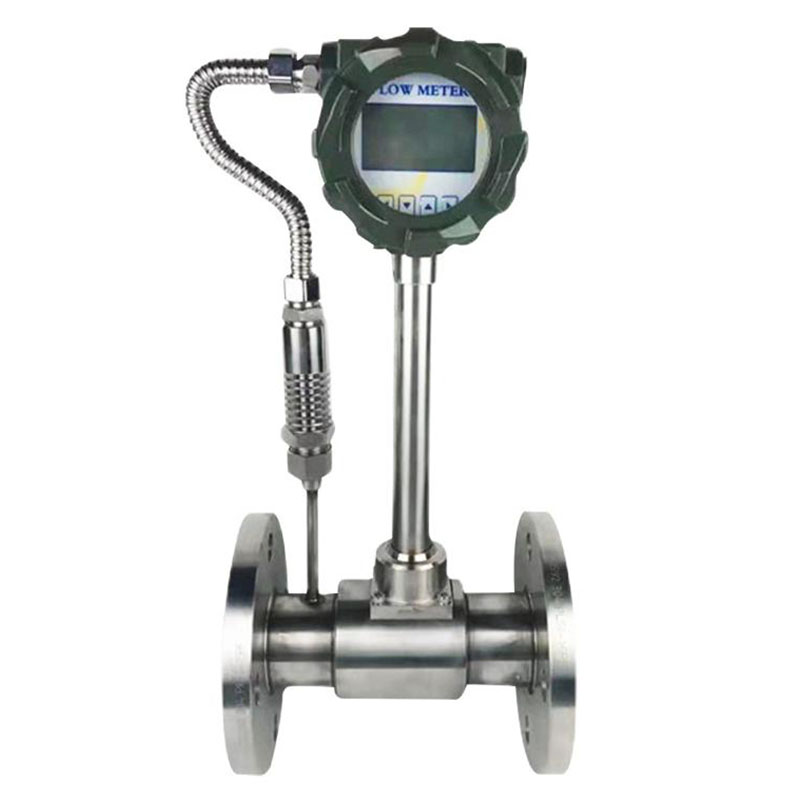
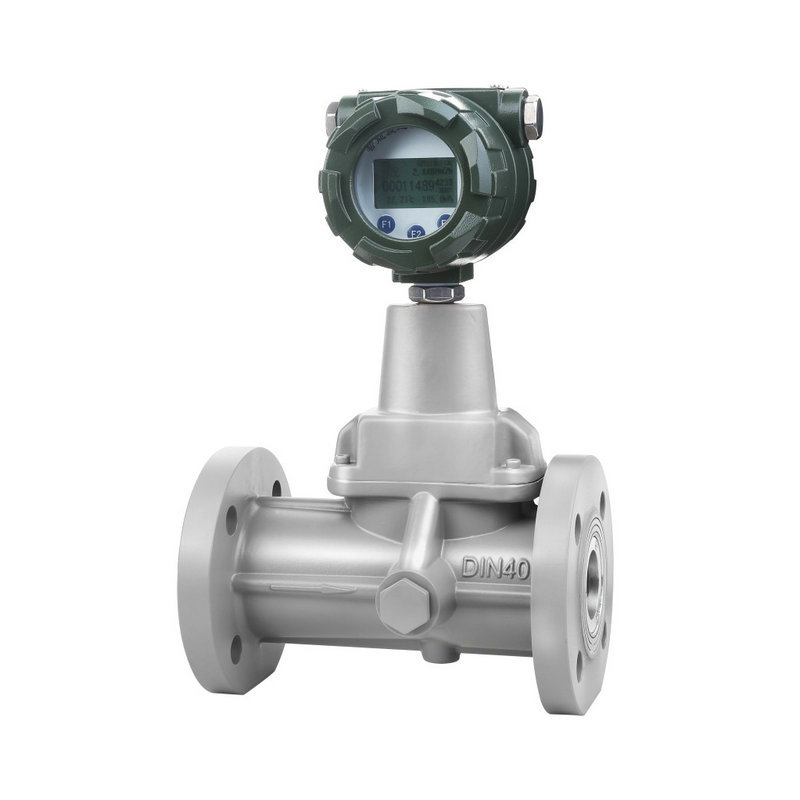
High-Pressure Vortex Flow Meter:
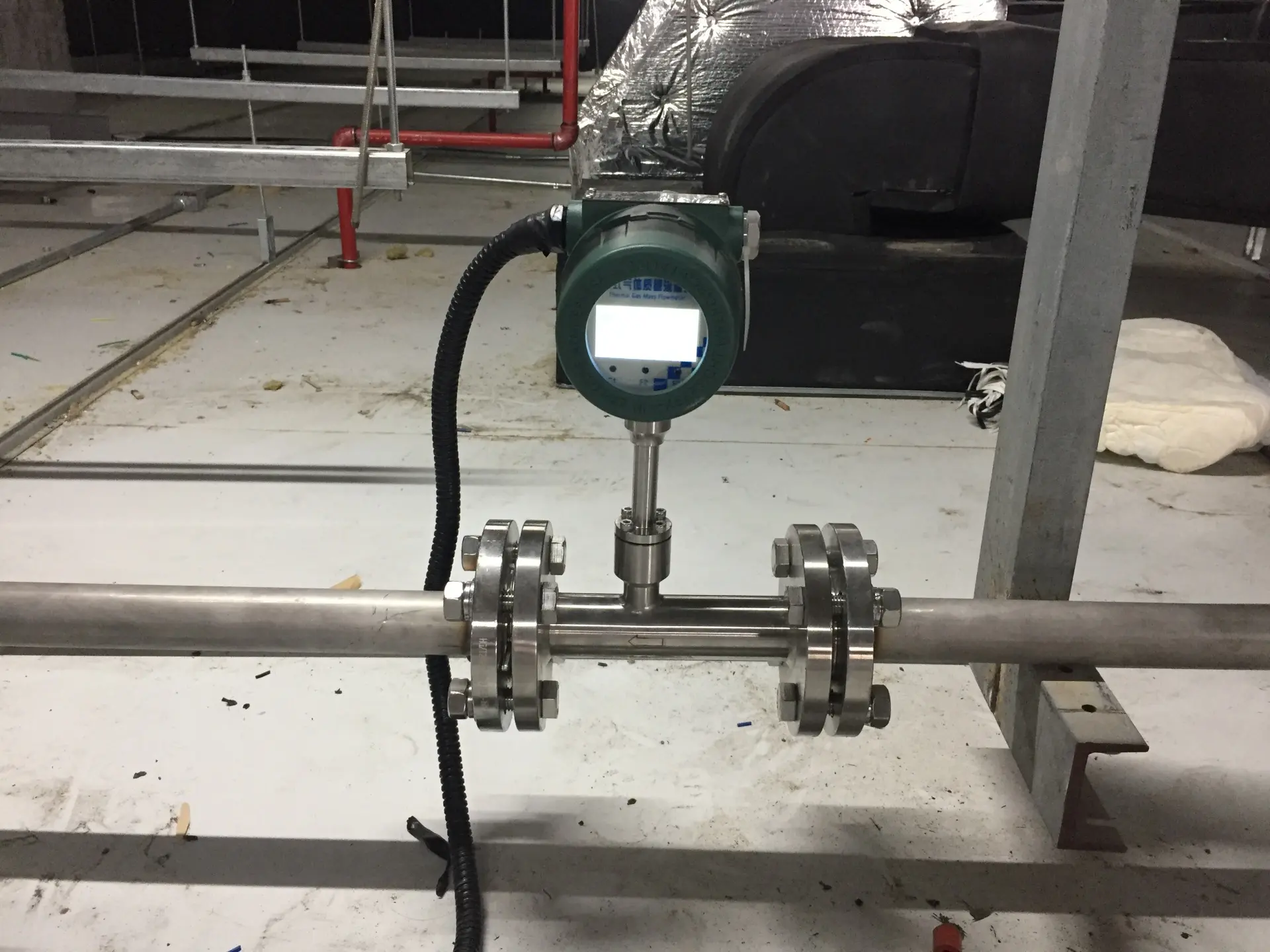
Measures flow rate based on the relationship between fluid vortex oscillation frequency and flow volume. Features no moving parts, ensuring high reliability and minimal pressure loss. Both types are suitable for medium-to-high pressure, high-flow industrial pipelines, though they impose certain requirements on medium velocity and straight pipe run length.
The high-pressure vortex flow meter finds extensive application in gas measurement across petroleum, chemical, power generation, metallurgy, and coal industries.
Advantages and Disadvantages of Vortex Flow Meters
Advantages
1. The incorporation of built-in pressure, temperature, and flow sensors ensures optimal safety performance, while the compact structure and aesthetically pleasing design enhance its functionality.
2. Local display of temperature, pressure, instantaneous flow rate, and cumulative flow.
3. Employing signal processing amplifiers and filtering technology, it effectively eliminates interference signals caused by pressure fluctuations and pipeline vibrations, significantly enhancing the flow meter’s anti-interference capability and providing outstanding stability at low flow rates.
4. The unit uses very little power and can be used for a long time on its built-in battery. This makes it an ideal display instrument that is self-contained and does not need an external power supply.
5. The flow meter’s display head can be rotated 180 degrees freely for convenient installation.
Disadvantages
1.As a velocity-type flow meter, the stability of vortex shedding is influenced by flow velocity, necessitating specific straight pipe run requirements.
2.When measuring liquids, the upper velocity limit is constrained by pressure loss and cavitation phenomena.
3.When measuring gases, the upper velocity limit is restricted by variations in medium compressibility, while the lower limit is governed by the Reynolds number and sensor sensitivity.
4.Sensitive to pipeline vibrations.
High-Pressure Flow Meter Selection Guide
Medium Characteristics
Fluid Type: Gases, liquids, steam, or mixed fluids require flow meters matching the corresponding operating principle. For instance, thermal mass flow meters suit gases; electromagnetic flow meters are only applicable to conductive liquids (conductivity ≥5μS/cm); vortex flow meters are compatible with both gases and liquids.
Corrosivity and Impurity Content: Highly corrosive media (e.g., acids/alkalis) require sensors made of Hastelloy, titanium, or PTFE. Media containing solid particles (e.g., slurry) or bubbles (e.g., sewage) should avoid mechanical flowmeters (e.g., turbine, orifice plate) to prevent wear or blockage;
Viscosity and density: High-viscosity media (e.g., greases) require Coriolis mass flowmeters or ultrasonic flowmeters; low-density gases (e.g., carbon dioxide) necessitate optimising the vortex generator design of vortex flowmeters to enhance sensitivity.
Flow parameters
Range selection: Must cover 120%-150% of actual flow rates.
Turndown Ratio Optimisation: Thermal mass flow meters achieve turndown ratios up to 100:1; vortex flow meters typically range from 10:1 to 20:1; differential pressure flow meters are constrained by orifice design (generally ≤5:1).
Accuracy and Repeatability: Grade 1 accuracy suffices for routine applications; Grade 0.5 is required for metering-grade scenarios. Note that total error encompasses linearity, repeatability, and temperature drift. Select flowmeters with temperature compensation ranges covering actual operating conditions (-20°C to 80°C).
Environmental and Installation Requirements
Temperature and Pressure: Standard models withstand -40°C to 85°C. High-pressure applications (e.g., oil pipelines) require specialised models rated ≥10MPa. For cryogenic environments (e.g., cold storage), select wide-temperature products rated to -40°C;
Vibration and Electromagnetic Interference: Position at least five pipe diameters away from high-vibration equipment (e.g., pumps, compressors) and avoid strong electromagnetic fields (e.g., frequency converters, high-power cables). Where necessary, opt for split-body designs or install vibration-damping brackets;
Signal Output
Analogue Signal: 4-20mA is suitable for long-distance transmission (e.g., exceeding 500 metres), requiring shielded cable with single-ended grounding. Supports integration with PLC/DCS systems.
Digital Signal: RS485, HART, or CAN bus protocols facilitate remote parameter configuration and fault diagnosis, supporting industrial communication standards such as Modbus or OPC UA.
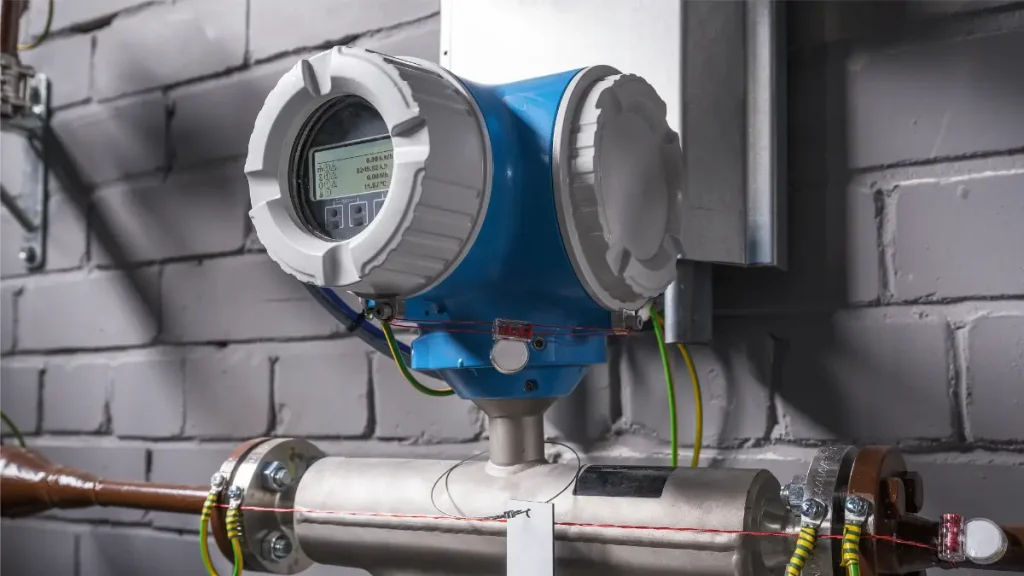
Sino-Inst has established itself as a leader in fluid measurement, consistently dedicated to transforming innovative sensing technology, robust product performance and profound industry insight into reliable productivity for our customers’ operations.
We deliver not only flowmeters validated under high pressure, high temperature and demanding environments, but also comprehensive solutions encompassing selection consultation, system integration and ongoing support. From energy management in petrochemicals to safety and precision measurement in chemical production, Sino-Inst consistently empowers clients to build more accurate, efficient and intelligent flow measurement systems through professional expertise.