Precise measurement of fluid flow is a fundamental prerequisite for achieving efficient operation, safety management, and accurate accounting in sectors such as energy and chemical processing, as well as cryogenic engineering. Flow measurement in cryogenic environments presents significant technical challenges and remains a research focus due to abrupt changes in the physical properties of the medium and the demanding operational conditions.
Cryogenic flow meters, as precision instruments specifically designed for measuring the volumetric or mass flow rate of fluid media in extremely low-temperature environments, directly determine the operational efficiency, safety standards, and economic benefits of cryogenic systems through their measurement accuracy, operational stability, and environmental adaptability.
Challenges in Measuring Cryogenic Media
Firstly, in cryogenic environments, media such as LNG and liquid hydrogen readily change between gas and liquid states. Things like density and viscosity change suddenly and abruptly. If measurement models don’t have targeted calibration, then you’ll get inaccuracies in flow conversion and zero-point drift, which will compromise measurement precision.
Secondly, thermal expansion and contraction induced by low temperatures alter measurement element clearances and skew sensor signals. Conventional materials can be a bit unreliable when it comes to cold, and seals can deteriorate and crack. Corrosive cryogenic media makes things go even faster, which is bad news for the reliability of the equipment.
Thirdly, the narrow Reynolds number range of cryogenic fluids makes them susceptible to flow field distortion and vortex formation influenced by piping components. Also, frost on equipment surfaces and heat loss from inadequate insulation can mess up the way thermodynamic flowmeters work, making the measurements more inaccurate.
Fourthly, some apps need really accurate measurements. But in cryogenic conditions, signals from low flow rates and velocities can be easily obscured by noise. Also, common multiphase flows (gas-liquid, solid-liquid) in real-life situations can’t be measured exactly using existing single-phase flow measurement theories, which leads to more overall measurement errors.
Fifthly, the construction of cryogenic pipelines presents significant challenges, making it difficult to meet the stringent requirements for pipeline coaxiality and installation stresses demanded by flow meters. Concurrently, cryogenic calibration facilities capable of operating across the full temperature range and under all operating conditions are costly and technically complex. The standardisation framework remains incomplete, creating considerable inconvenience for flow meter calibration and subsequent maintenance.
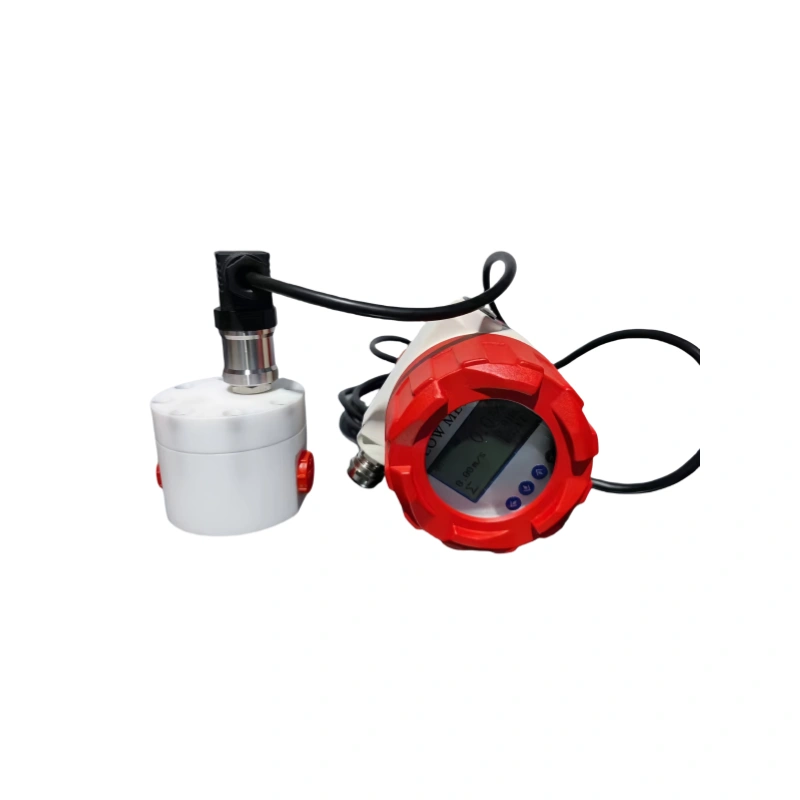
Common cryogenic media
Within the flowmetering field, common cryogenic media primarily refer to liquefied substances operating at temperatures significantly below ambient conditions, typically below -40°C or even within the cryogenic range. The most representative industrial examples include liquefied natural gas, liquid oxygen, liquid nitrogen, liquid argon, liquid carbon dioxide, liquid hydrogen, and liquid helium. These media are characterised by ultra-low temperatures, pronounced heat-absorbing vaporisation tendencies, and distinct phase transitions.
Some also exhibit flammability, explosiveness, oxidising properties, or high-pressure characteristics. Consequently, they impose stringent demands on flow meters regarding material cryogenic resistance, seal reliability, thermal insulation structures, explosion-proof performance, and resistance to cavitation and phase transition interference. They constitute critical measurement targets across energy, chemical, aerospace, gas production, and storage/transportation industries.
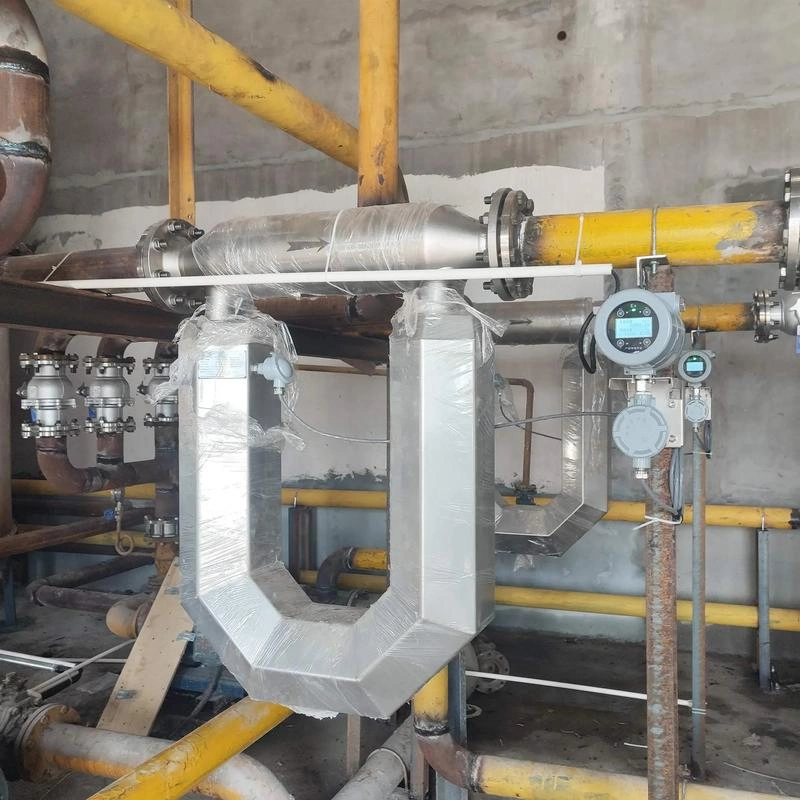
Flow meters suitable for cryogenic environments
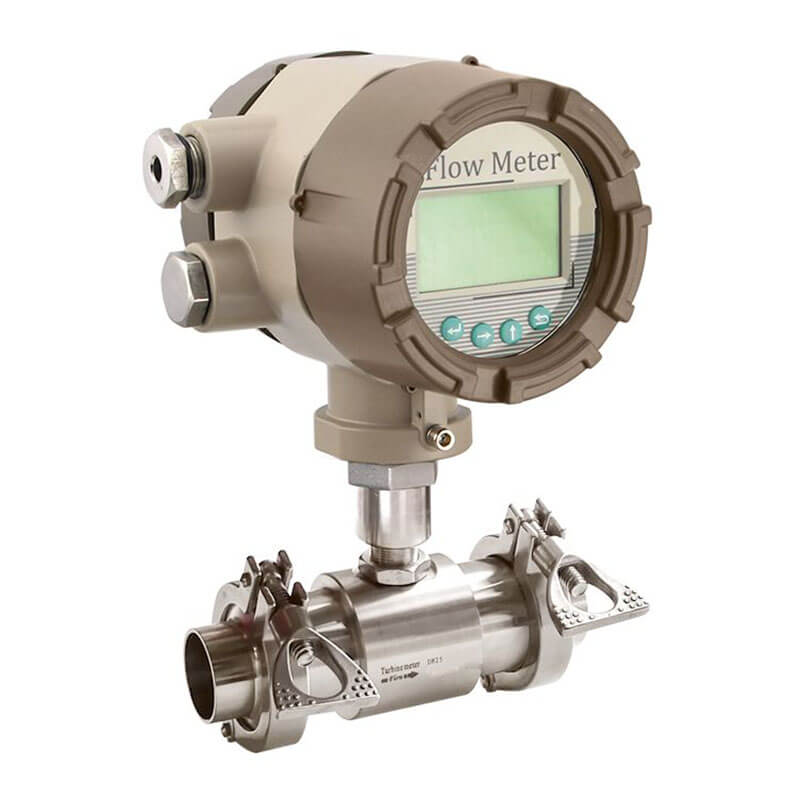
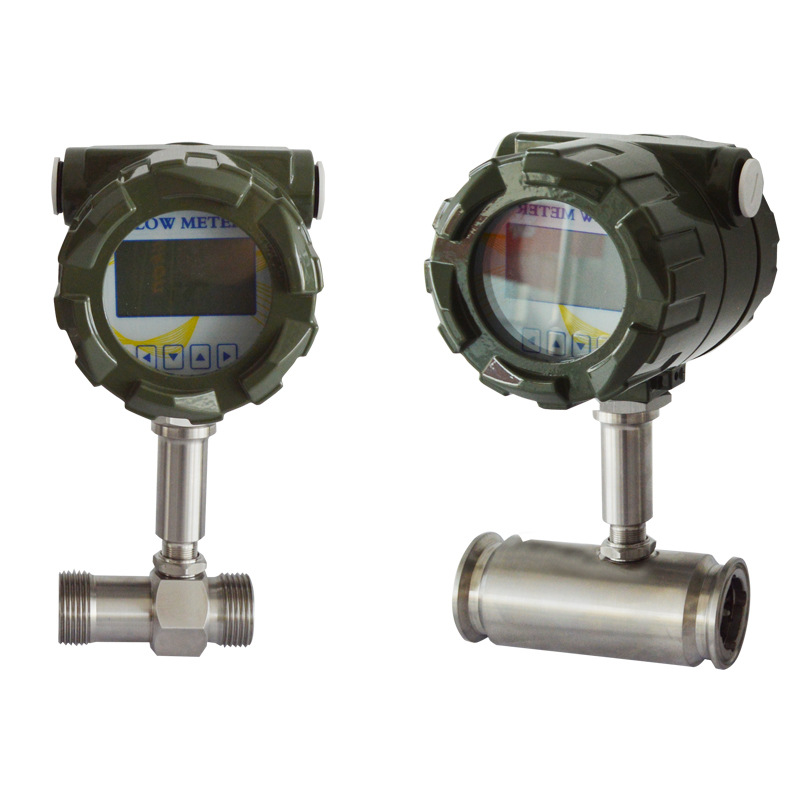
Turbine flow meters
It’s a type of flow meter that measures how fast a turbine is spinning, based on the flow of the liquid. Following density compensation, it can achieve mass flow measurement. It’s super accurate (±0.2% to ±1%), quick, and it won’t take up much space. It’s great for clean cryogenic media like LNG, liquid nitrogen and liquid argon. You often see it used for instant flow measurement in cryogenic applications, like laboratory cryogenic testing and small-scale cryogenic storage/transport systems.
Due to its mechanical moving components, particular attention must be paid to component compatibility in cryogenic environments—specialised cryogenic bearings and lubricants must be selected to prevent issues like bearing embrittlement and lubrication failure. It is unsuitable for cryogenic media containing solid particles or exhibiting high viscosity, as these can cause turbine jamming and shorten service life. It remains a viable choice in conventional cryogenic applications balancing accuracy and cost-effectiveness.
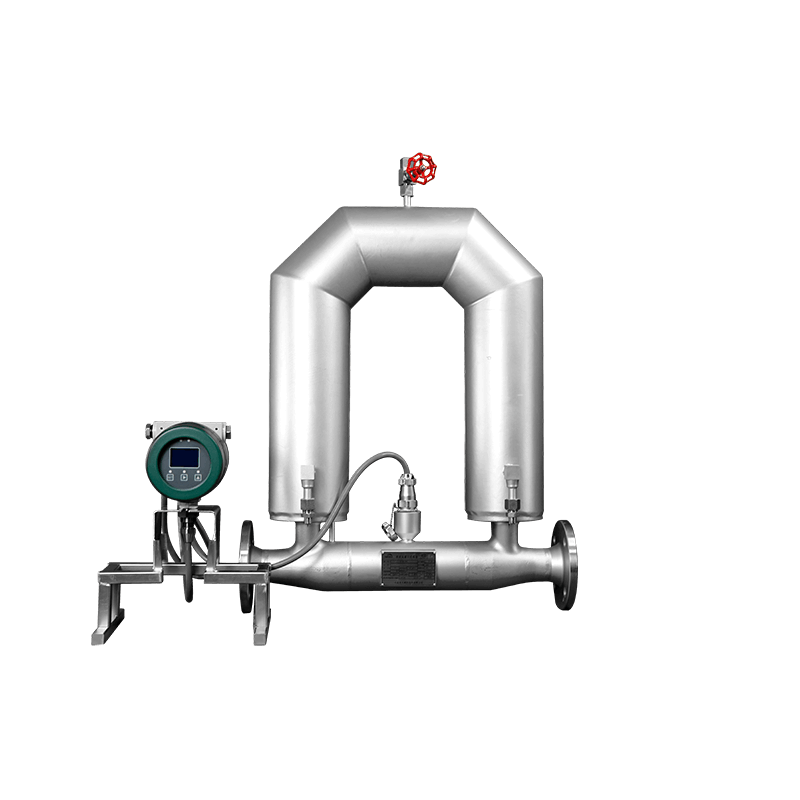
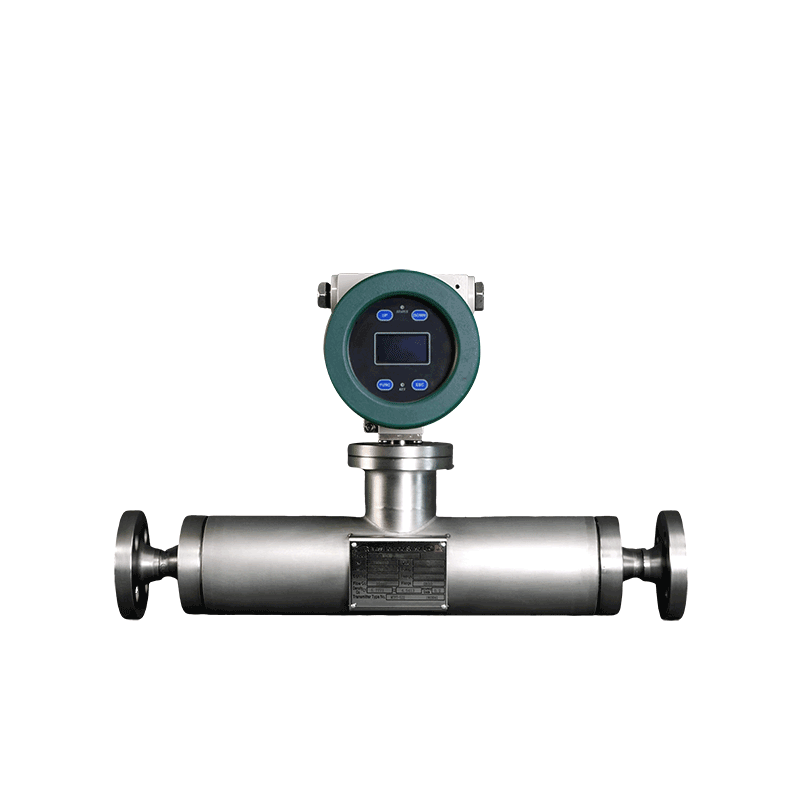
Coriolis Mass Flow Meters
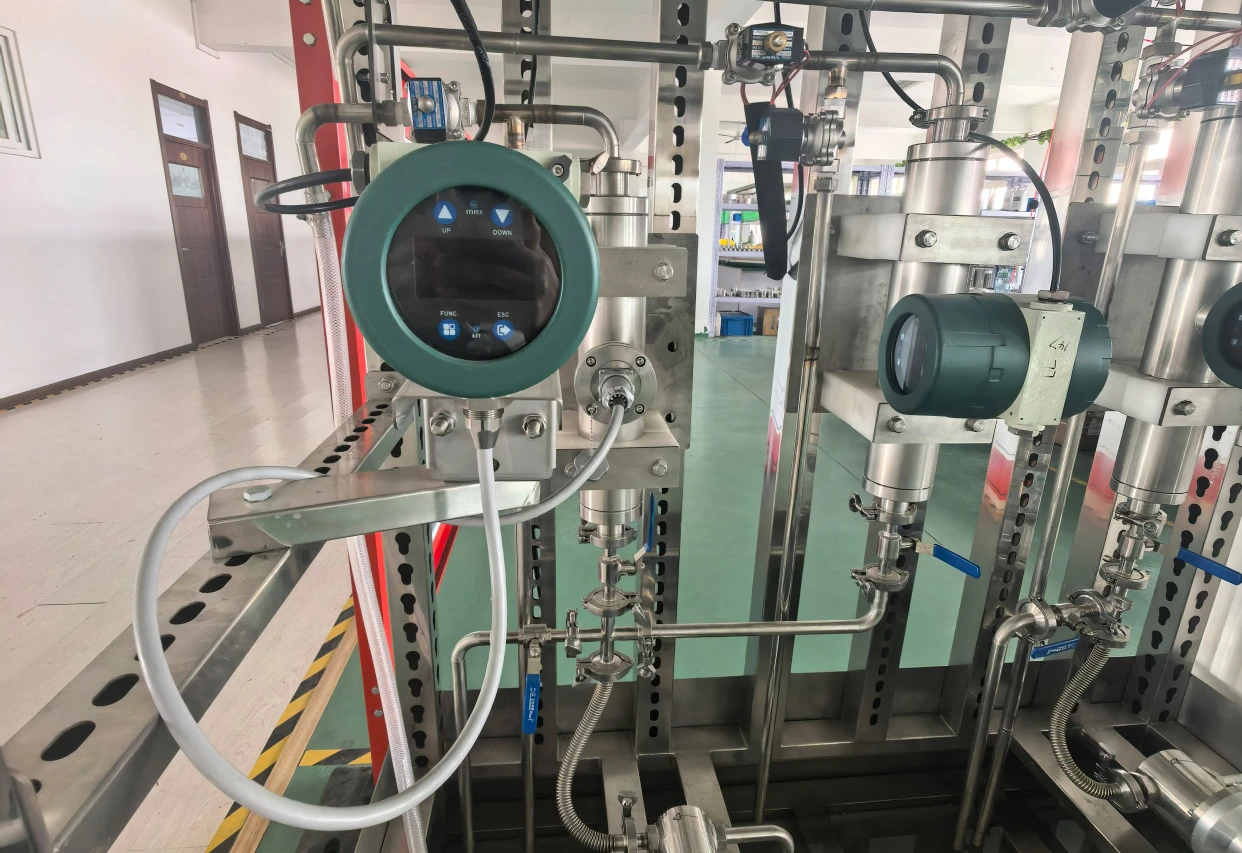
It’s the main type of flow meter used in cryogenic applications, and it’s pretty much the most versatile and accurate out of the four types of flow meter. It uses the Coriolis effect to measure the flow of a fluid, which is detected by vibrating tubes. It doesn’t change when the medium properties like density and viscosity change, which makes it perfect for cryogenic media because of the sudden changes you get there.
This flowmeter type accommodates various cryogenic media including LNG, liquid oxygen, liquid nitrogen, and liquid hydrogen. It’s great for super-accurate tasks like measuring LNG trade and loading propellant into aeroplanes, with accuracy ranging from ±0.1% to ±0.5%. It doesn’t have any mechanical moving parts, so it’s pretty reliable and can withstand extreme temperatures of down to -200°C.
This design effectively prevents issues such as mechanical component jamming and signal drift in cryogenic environments. But it does cost a bit more, and you have to take extra steps to stop pipeline vibrations messing up the measurements when you’re installing it. So, it’s the go-to choice for top-notch cryogenic metering applications.
Case Study: Sion-Inst Low-Temperature Coriolis Flow Meter
Product Name |
Coriolis Mass Flowmeter | Edition | V1.0 | |
Model | AMF025AH-WS1UB-C3JD1-DSH02CNFN | |||
Application and Condition. | ||||
Summary | Coriolis mass flowmeter is an intelligent instrument with digital signal processing as its core. It directly measures the mass flow, density and temperature of the medium passing through the flowmeter. The measurement of mass flow, volume flow, density and temperature is realized. | |||
Industry | – | Function | – | |
Medium | Liquefied Hydrogen | Medium State | Liquid | |
Medium Density | 70.8kg/m³ | Flow-rate Range | (2~20)kg/min | |
Medium Temp. | (-253~-196)℃ | Ambient Temp. | (-40~+60)℃ | |
Max.Working Pressure | 4.0MPa | Max.Pressure Loss | 0.10MPa | |
Weight | 60kg | Mounting Type | Integrated £ Separated R | |
Process Connection | DN25 PN40 Custom vacuum flange | |||
Technical Parameter | ||||
Accuracy | Grade 0.5 | Metrological Certification | — | |
Expl.-Proof | Ex db ib ⅡC T1…T6 Gb | IP Grade | IP 67 | |
Nom.Diam | DN25 | Wetting Material | Stainless Steel 316L | |
Output Signal | RS-485 (Modbus)、Pulse、4-20mA | Output Indicate | Multifunction Display | |
Power Supply | 12VAC~28VAC/15VDC~40VDC | Electrical Interface | Cable Plug M20×1.5 | |
Other Require | — | Classification Society | — | |
Note! The medium measured is water under the standard condition. | ||||
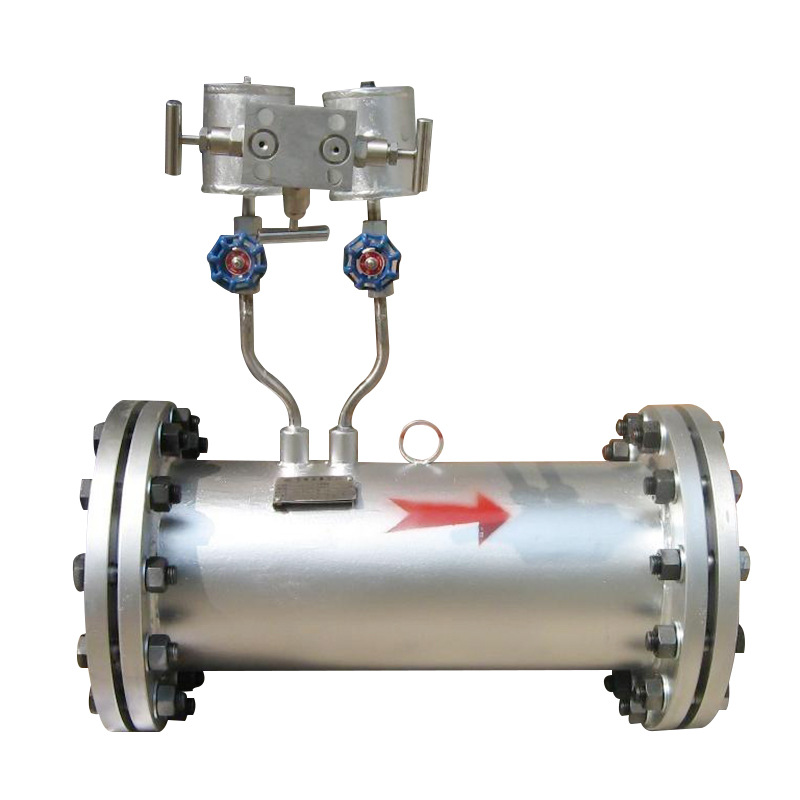
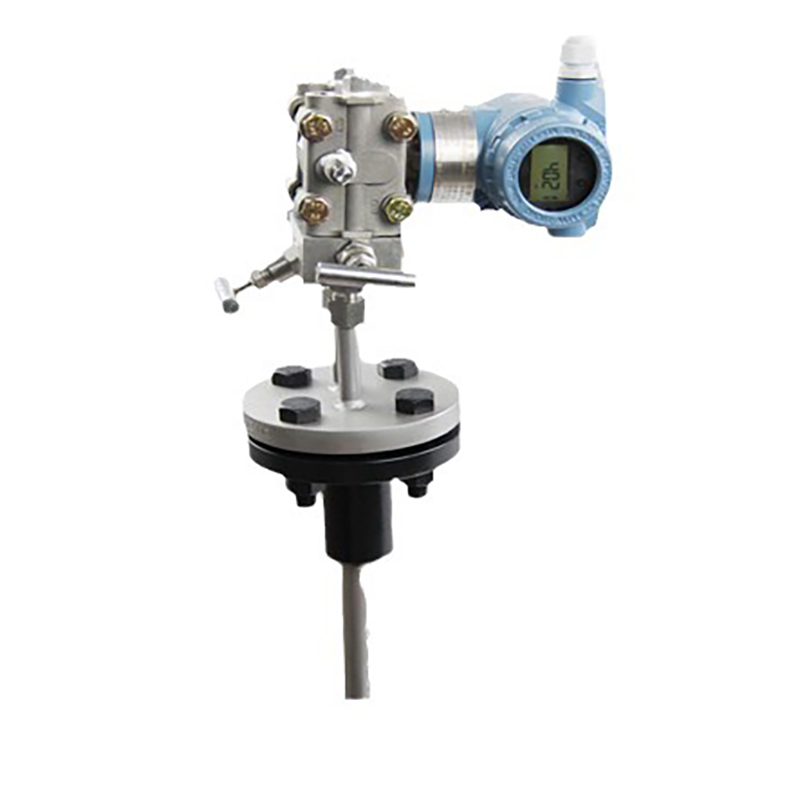
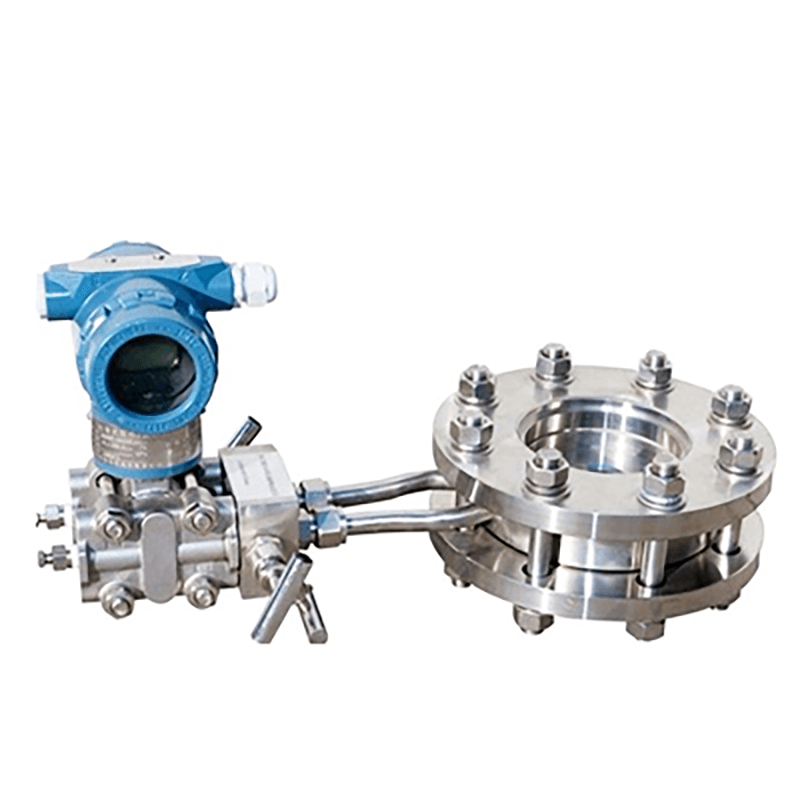
Differential Pressure Flow Meters
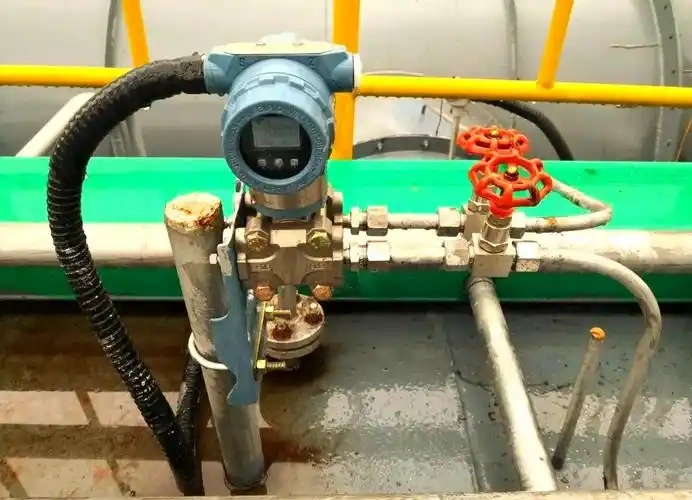
The most widely used traditional type in cryogenic environments, comprising orifice plate flow meters, venturi tube flow meters, and nozzle flow meters. Based on Bernoulli’s equation, they measure the differential pressure generated as fluid flows through the throttling element, converting this into flow rate using the medium’s physical properties. This flowmeter type features simple construction, low cost, and tolerance for high pressure and low temperatures.
It is suitable for conventional cryogenic media such as liquid nitrogen, liquid oxygen, and liquefied carbon dioxide. It is predominantly employed in industrial production scenarios requiring moderate measurement accuracy (±1% to ±2.5%), such as the storage and transportation of cryogenic media and metering in chemical process flows.
It’s important to remember that sudden changes in medium properties at low temperatures can affect the accuracy of converting differential pressure to flow. It’s really important to calibrate at cryogenic conditions beforehand. There are also strict rules for straight pipe runs to stop flow field distortion affecting measurements. You’ll need to use materials like stainless steel or Monel alloy for the throttling elements, as they need to be able to handle the cold without breaking. This’ll help keep everything stable in really low temperatures.
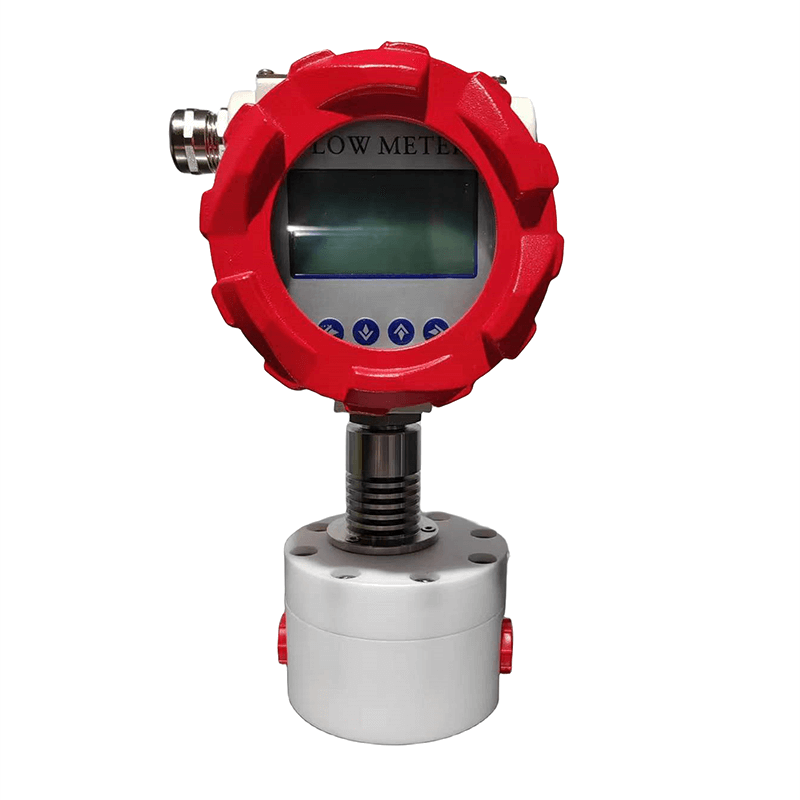
Gear Flow Meter
A positive displacement flow meter that calculates volumetric flow rate by measuring the rotation of a pair of gears driven by the fluid. After density compensation, it can achieve mass flow measurement. It offers high measurement accuracy (±0.1% to ±0.5%), strong resistance to interference, and immunity to flow field effects.
Suitable for low-temperature liquid media with moderate viscosity, such as cryogenic lubricants and liquid chemical feedstocks, it is widely employed in high-precision volumetric metering applications under cryogenic conditions. Examples include medium measurement in small cryogenic storage tanks and metering in precision chemical cryogenic processes.
For cryogenic applications, addressing material cold brittleness and sealing issues is paramount: employing cryogenic-resistant gear materials, such as low-temperature alloys, and optimising seal structures to prevent leakage caused by seal ageing and cracking at low temperatures.
Also, this particular flowmeter isn’t right for cryogenic media with impurities or that can crystallise, as this can lead to gear jamming. It’s really important to take care of the gear if you want to keep things running smoothly in cryogenic environments.
Maintenance Procedures for Flow Meters in Low-Temperature Conditions
1. Ensure Adequate Insulation and Trace Heating. Low-temperature environments may cause freezing, frost formation, or medium solidification. Regularly inspect the integrity of insulation layers and verify the proper functioning of trace heating systems to prevent pipe or measuring element blockages due to freezing, which could compromise flow measurement accuracy.
2. Keep an eye on how fast things start up, shut down and change temperature. Just a heads-up: be sure to heat and cool things gradually when you’re turning them on and off. This will stop things cracking or changing shape because of sudden temperature changes. You’ve got to be really careful to avoid severe thermal shock when switching between low-temperature media.
3. Regular inspection of seals and pressure-bearing components Low temperatures accelerate seal material ageing and embrittlement. Regularly inspect flanges, gaskets, joints, and other sealing points for leakage or brittle cracking. Promptly replace with low-temperature-resistant seals to prevent media leakage.
4. Keeping things clean and preventing condensation is important. Make sure you clear frost, oil residue and other contaminants from the sensor and probe surfaces regularly to stop signals getting mixed up. At the same time, make sure you protect the instrument electrical interfaces and junction boxes from moisture and condensation. This will stop short circuits or signal problems caused by water getting in.
5. Calibration and Zero Point Maintenance. Lower temperatures can have an impact on both the properties of the medium and the characteristics of the instrument. You’ve got to calibrate it every now and then, just to make sure it’s operating at the same temperature as it would in real life. Make sure you regularly check zero points and measurement ranges to make sure the measurements are accurate and meet the process requirements.
6. Electrical and Signal System Inspection. Examine the operational status of transmitters, cables, and terminal blocks under low temperatures. Confirm satisfactory insulation performance and stable signals without drift to prevent performance degradation of electronic components due to low temperatures.

Here at Sion-Inst, we’re all about metrology. We’ve got professional R&D capabilities and loads of industry experience, so we can offer you a full selection consultancy, bespoke solutions, precise calibration and full lifecycle maintenance services. We help businesses to measure risks, improve how they measure things, and cut costs.
We can help you with all kinds of cryogenic metrology needs, from routine temperature measurements to precision measurement in extreme conditions or with specialised media. We work together to improve industry and make the most of new opportunities for growth.