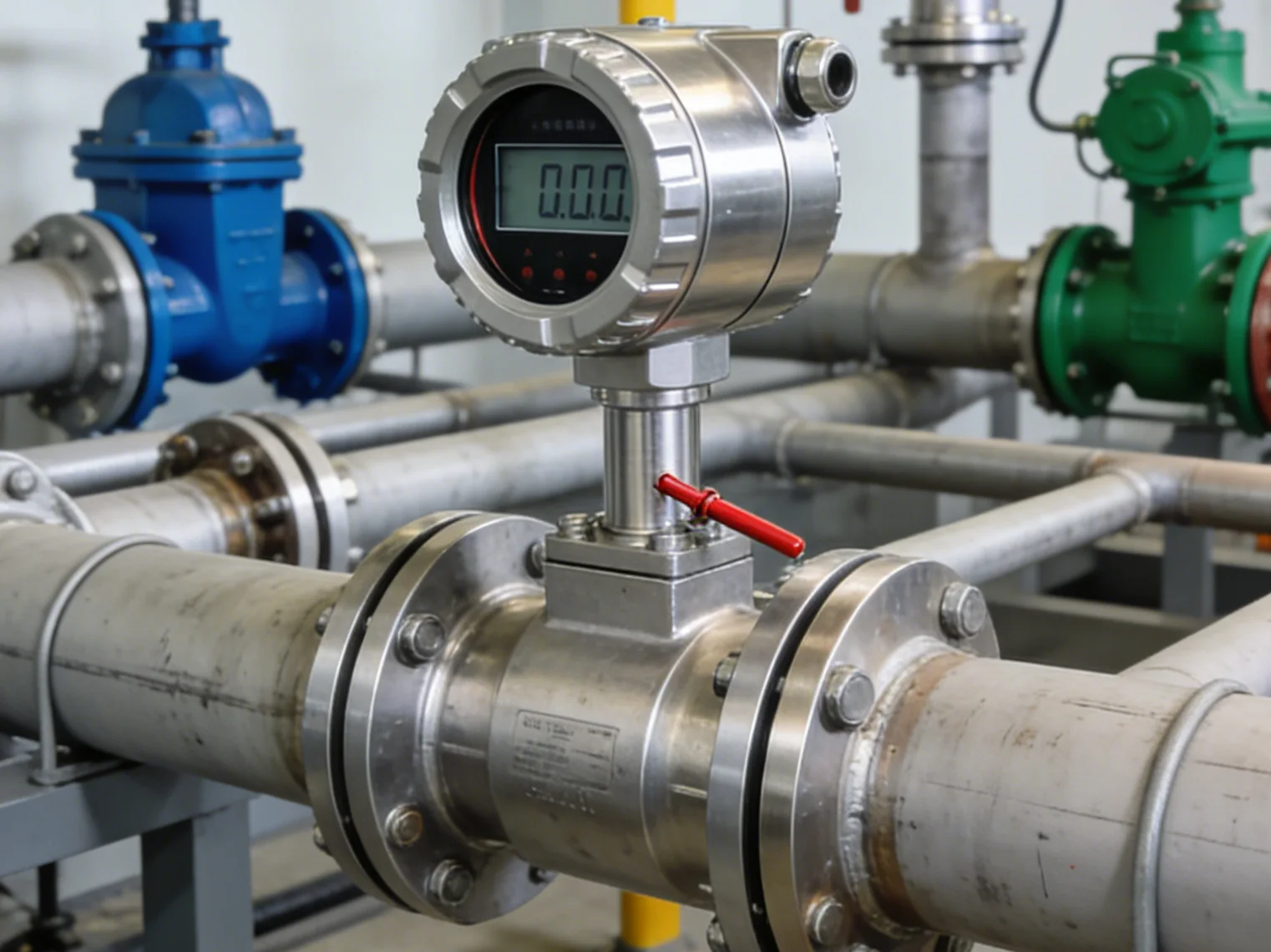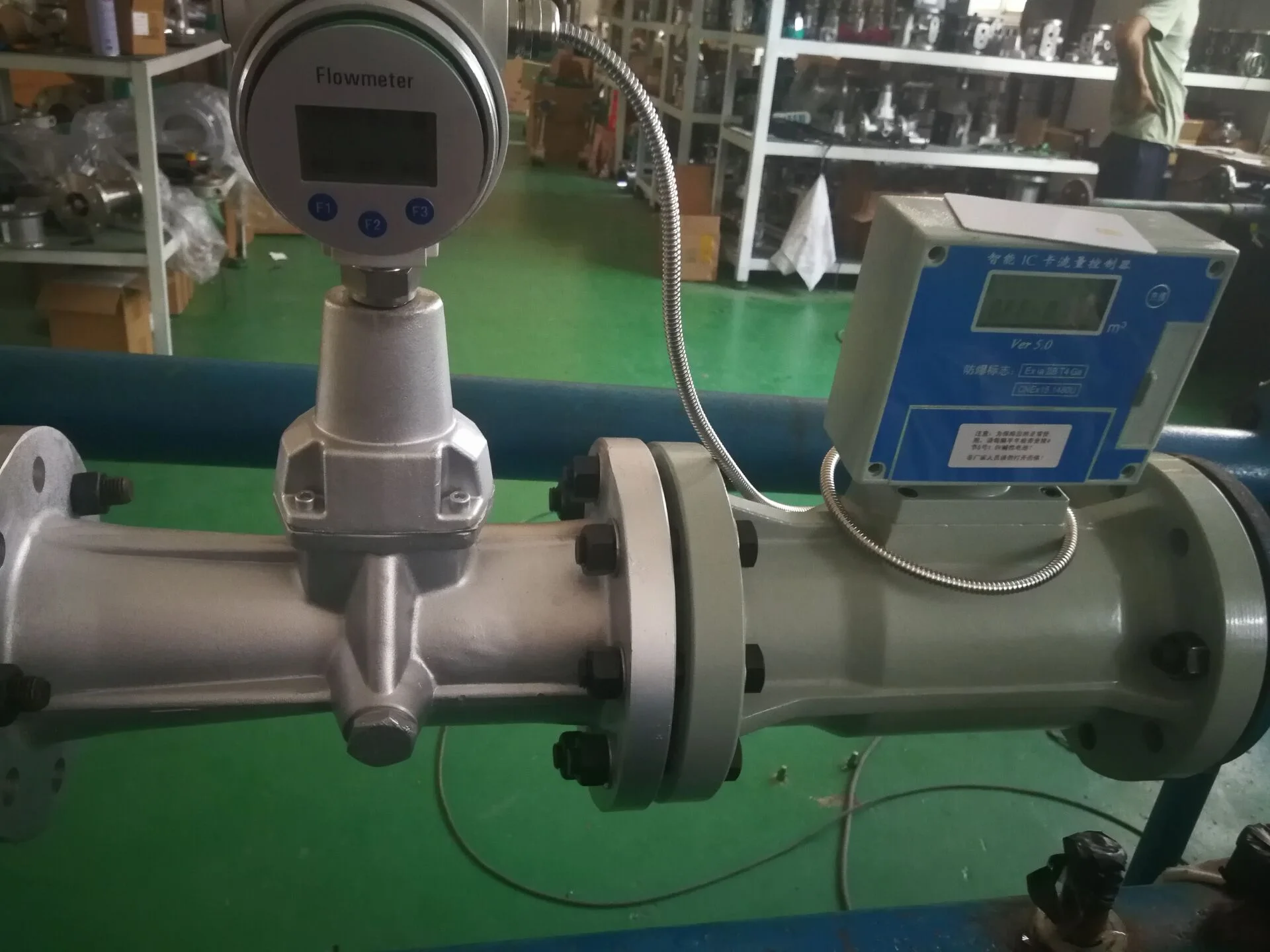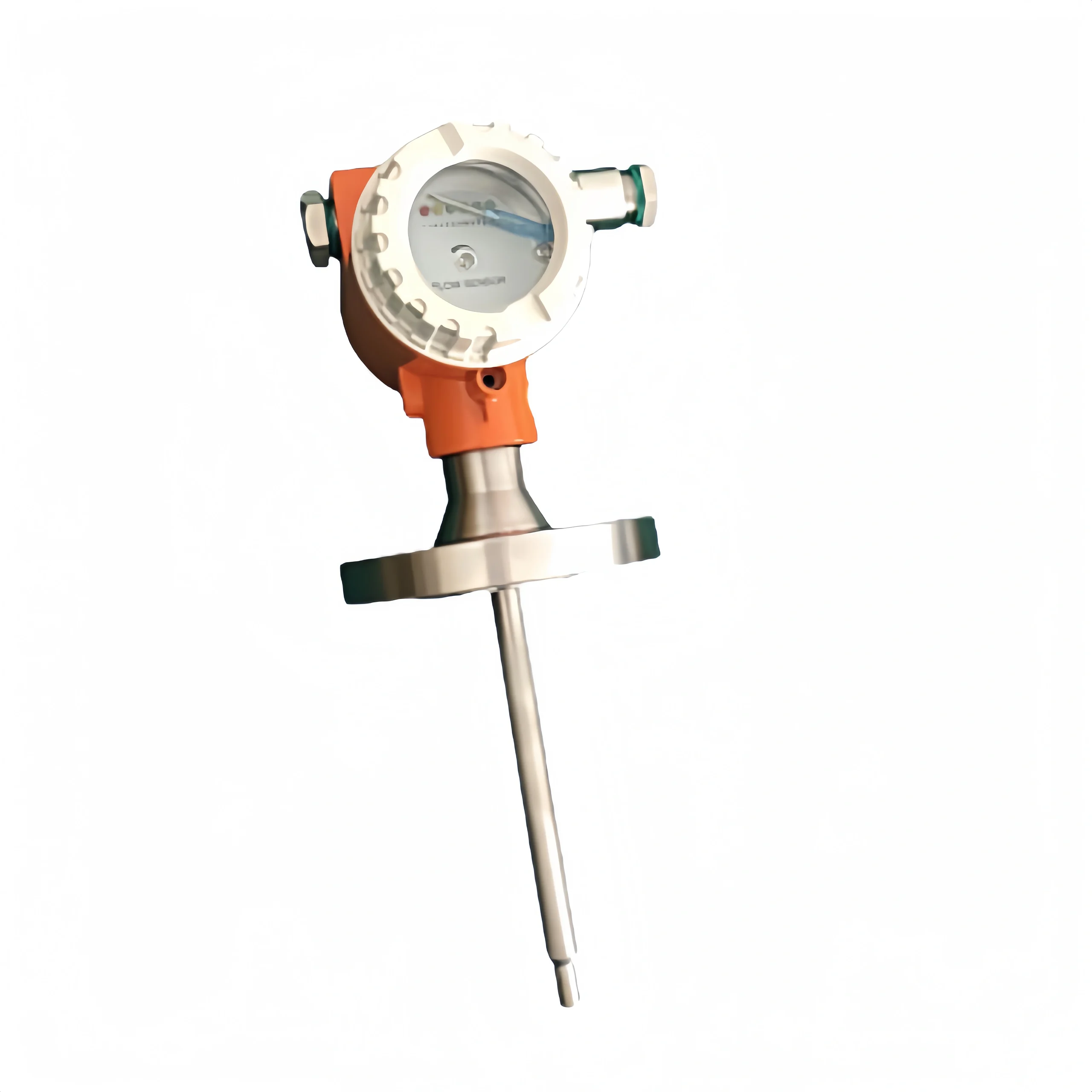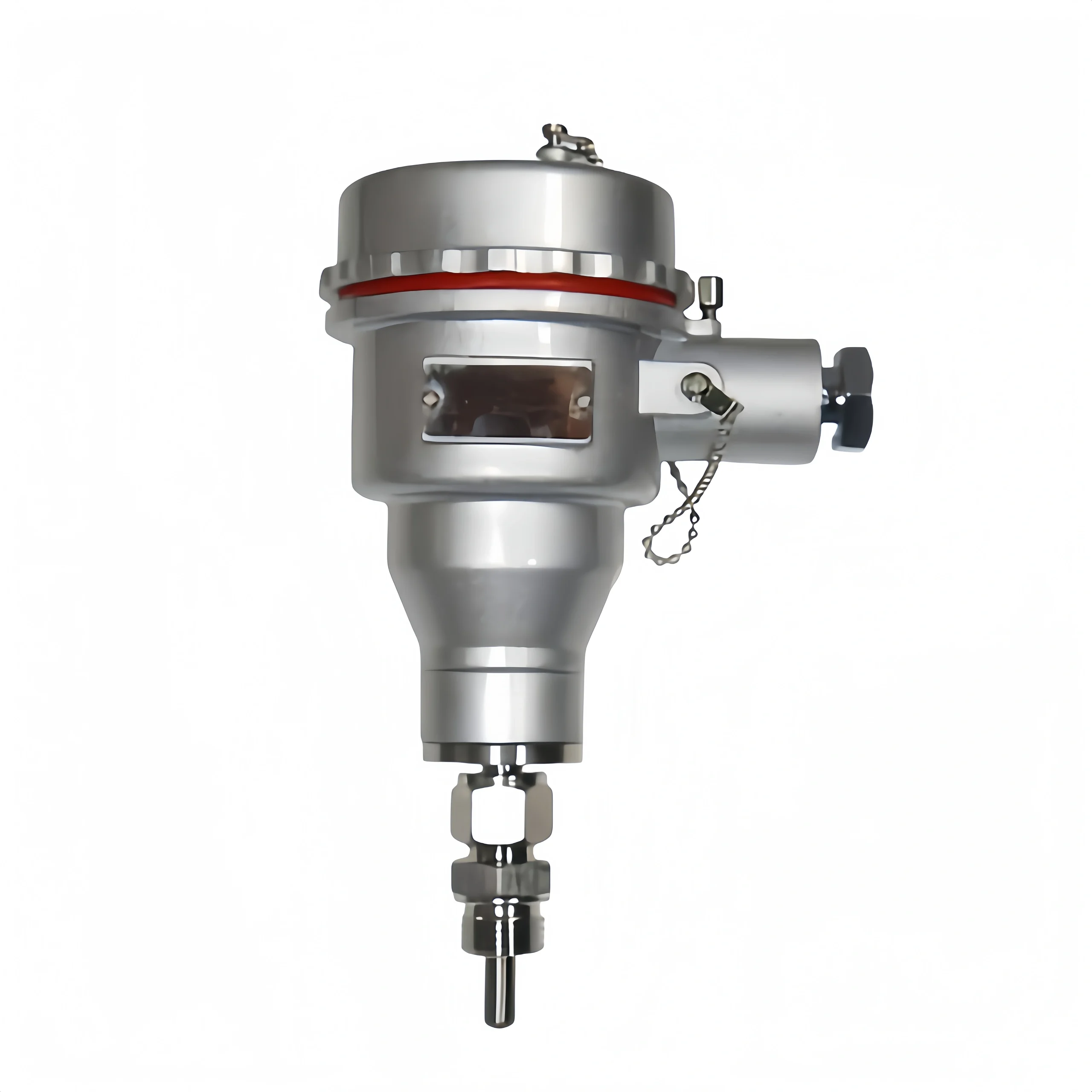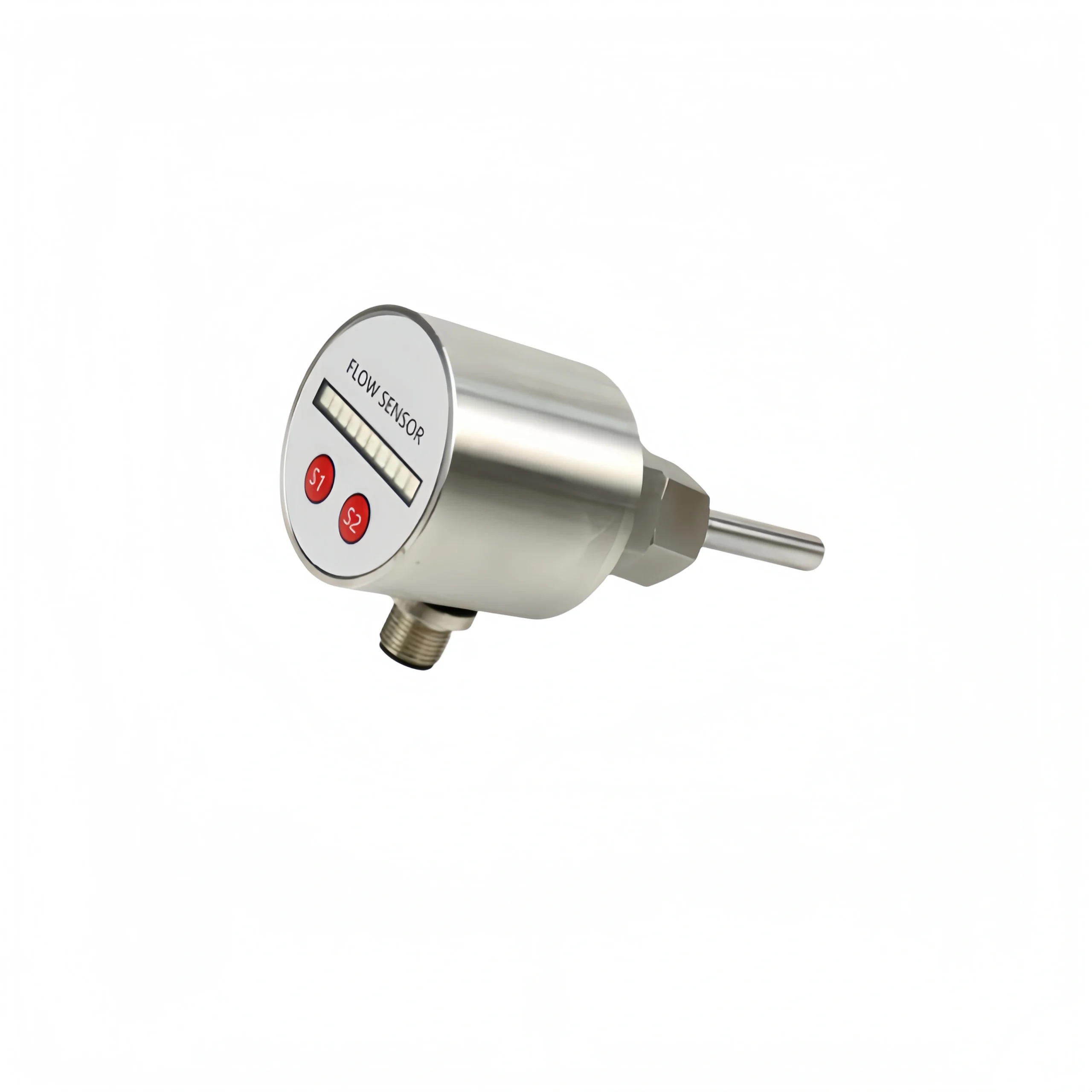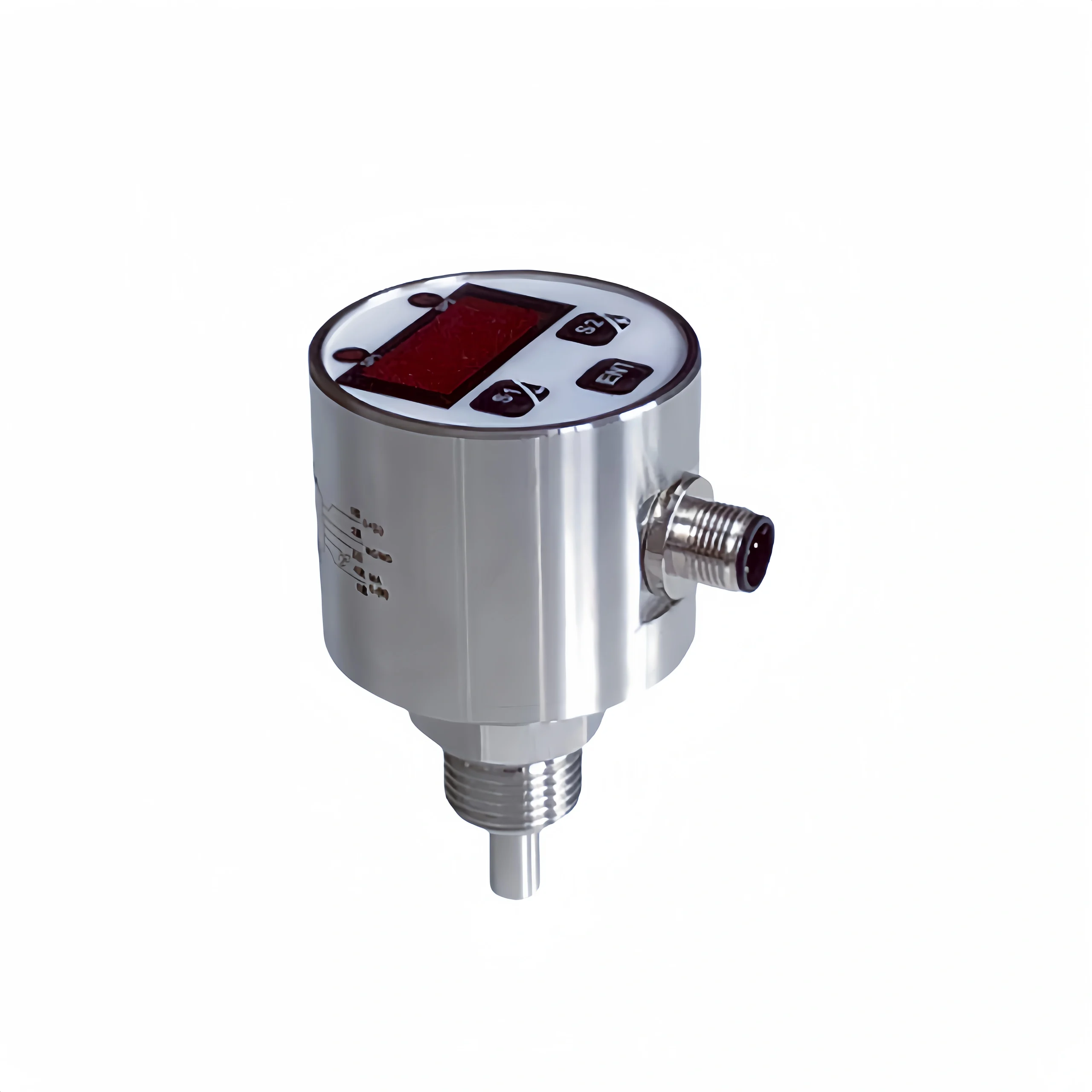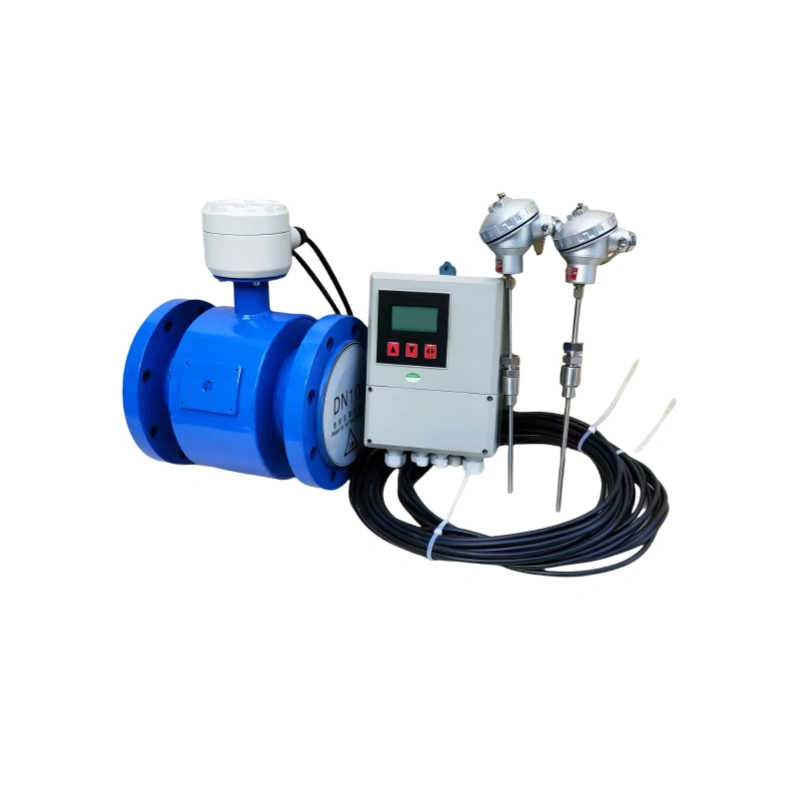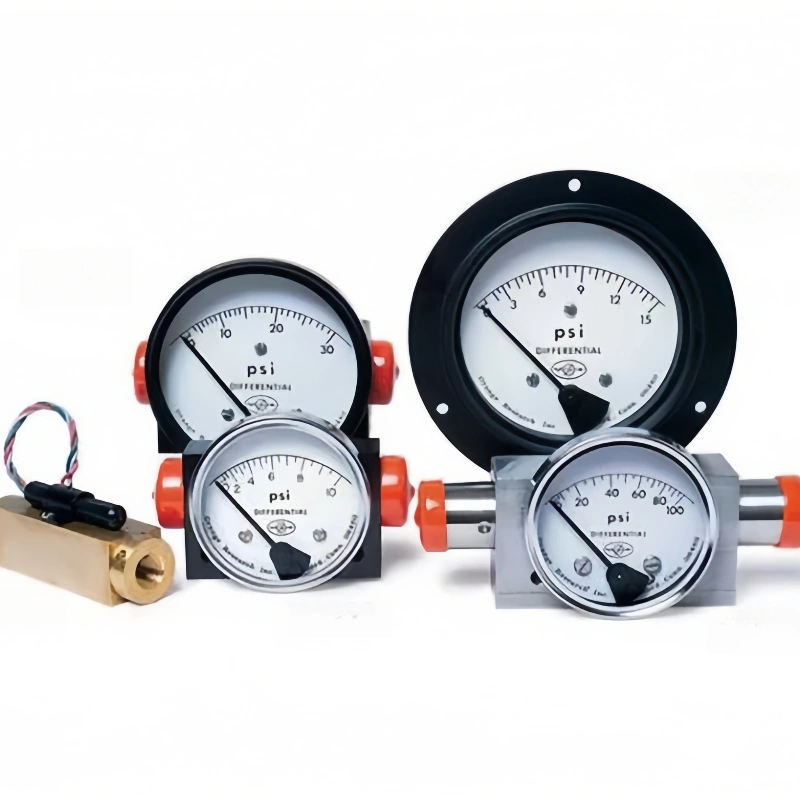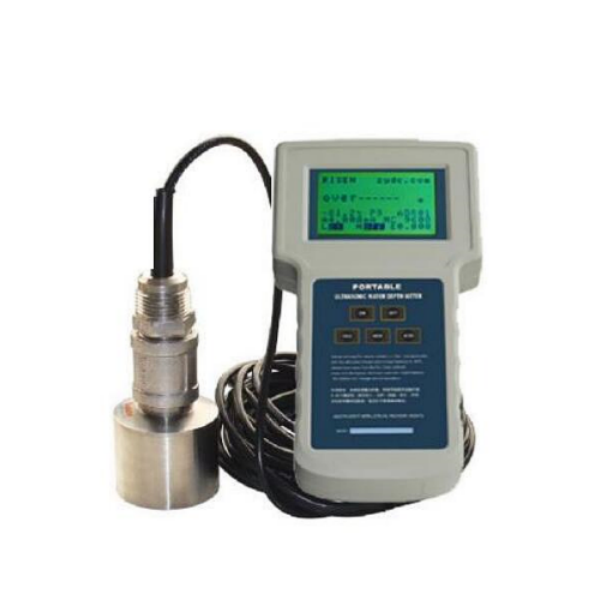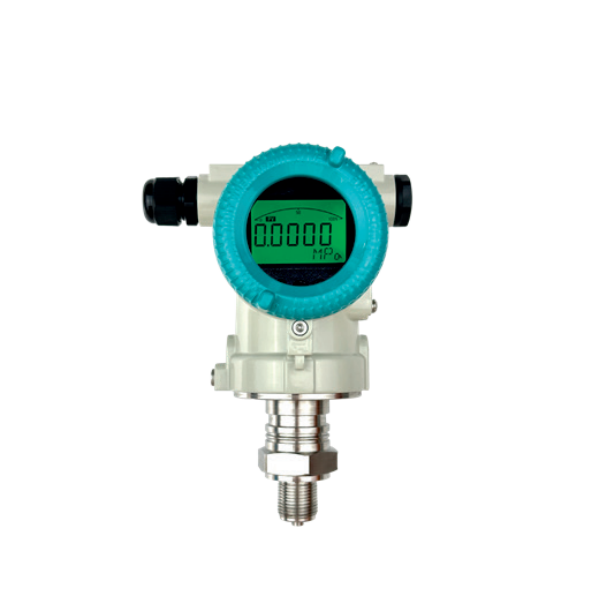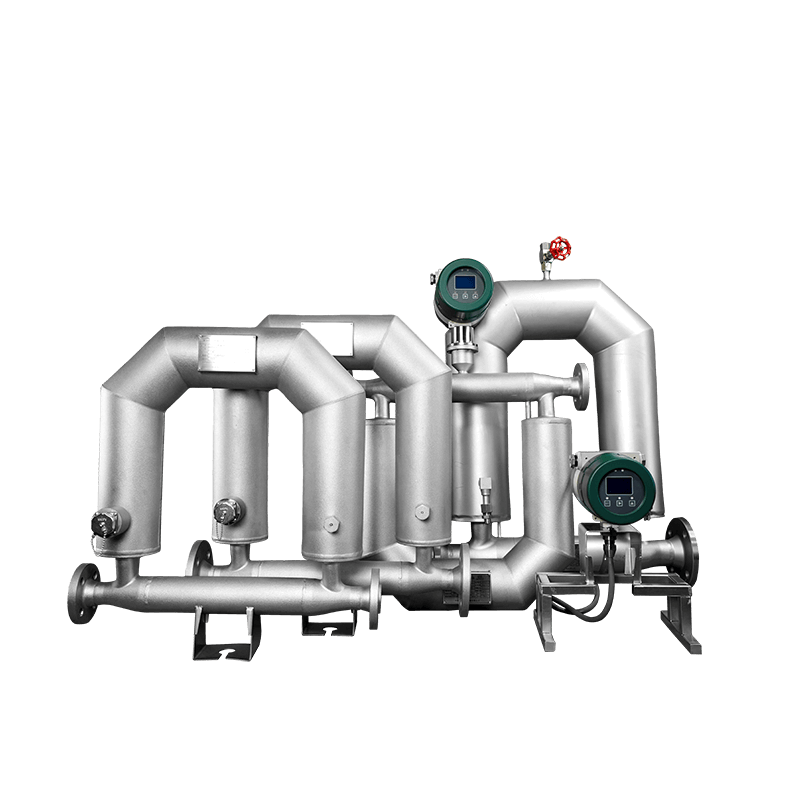
In order to improve the efficiency of beer production, beer flow measurement is crucial. Therefore, brewery flow meters have become an important tool for controlling and optimizing the brewing process. They can measure the flow of liquids such as water, wort, and cleaning solutions. And gases such as carbon dioxide. This can help brewers track usage, maintain quality, and reduce waste. Sino-Inst provides a variety of different types of brewery flow meters. Including mass flow meters, turbine flow meters, electromagnetic flow meters, etc.
About Brewery Flow Meters
As the name suggests, beer flow meters are instruments that can measure the flow of beer. They are suitable for various applications in the brewing process. For example, measuring water and wort flow, monitoring cleaning solutions. They can accurately measure raw materials, maintain stable beer quality, and optimize resource utilization.
The use of brewery flow meter in brewing
- Water Treatment: They ensure the correct amount of water treatment additives is used.
- Mashing: Monitor the flow of water through the grain bed.
- Rinsing: Control the flow rate of rinse water.
- Wort Cooling and Transfer: They measure the flow of wort during cooling and transfer to the fermenter.
Key Features and Benefits of Brewery Flow Meters
- High-precision meters. Accuracy ranges from 1% to 0.5%.
- Can measure tiny flows. For example, Sino-Inst’s gear flow
- Clean-in-place (CIP) compatibility.
- 3A sanitary meters.
- No moving parts, no flow obstructions. For example, electromagnetic flow
- Easy maintenance due to the simple replacement of internal parts.
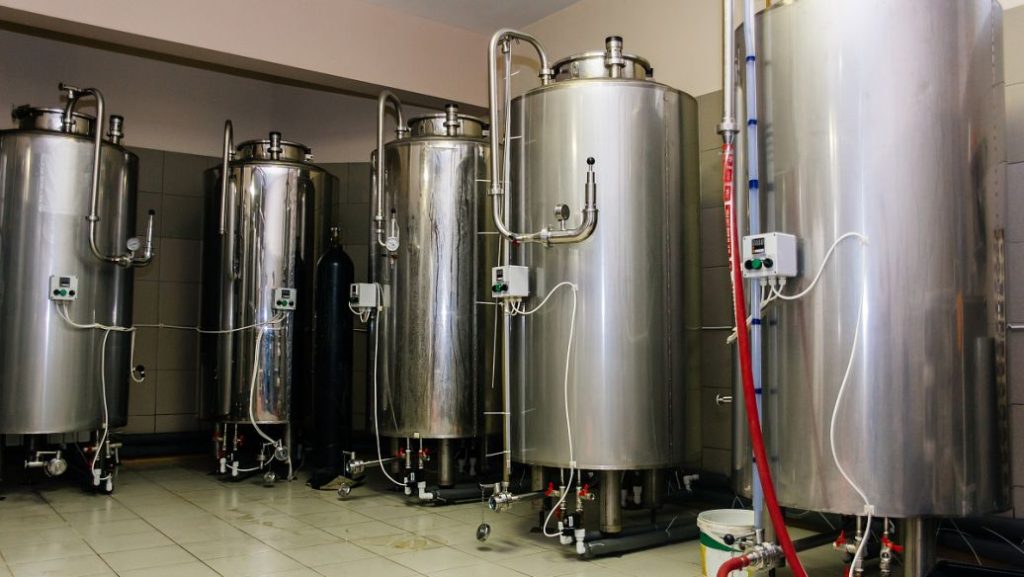
Beer and Wine Flow Measurement
Flow measurement of beer and wine is essential in the production, brewing, and distribution process. This ensures accurate flow measurement. Thus, improving product quality and efficiency.
There are multiple steps in the beer brewing process. But there are still some challenges in beer and wine flow measurement.
For example, the viscosity and density of beer and wine vary. This affects the accuracy of the flow meter. If the flow meter material is not specially designed for these applications, the corrosive nature of beer and wine may damage it.
Another challenge is temperature and pressure fluctuations. The flow meter should withstand the temperature and pressure changes that occur during the brewing and winemaking process. Including changes during cleaning with hot water and disinfectants.
Therefore, flow meters need to be calibrated regularly to ensure accurate measurements. Especially when handling different types of beer or wine. Exceptionally, you should ensure that the flow meter is easy to clean. And made of materials that meet food safety standards.
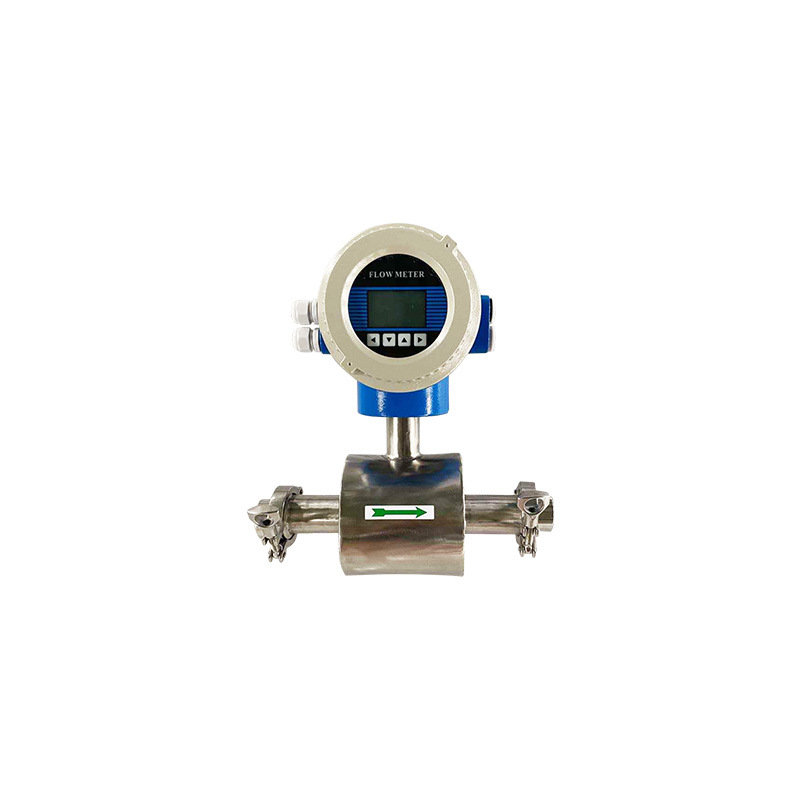
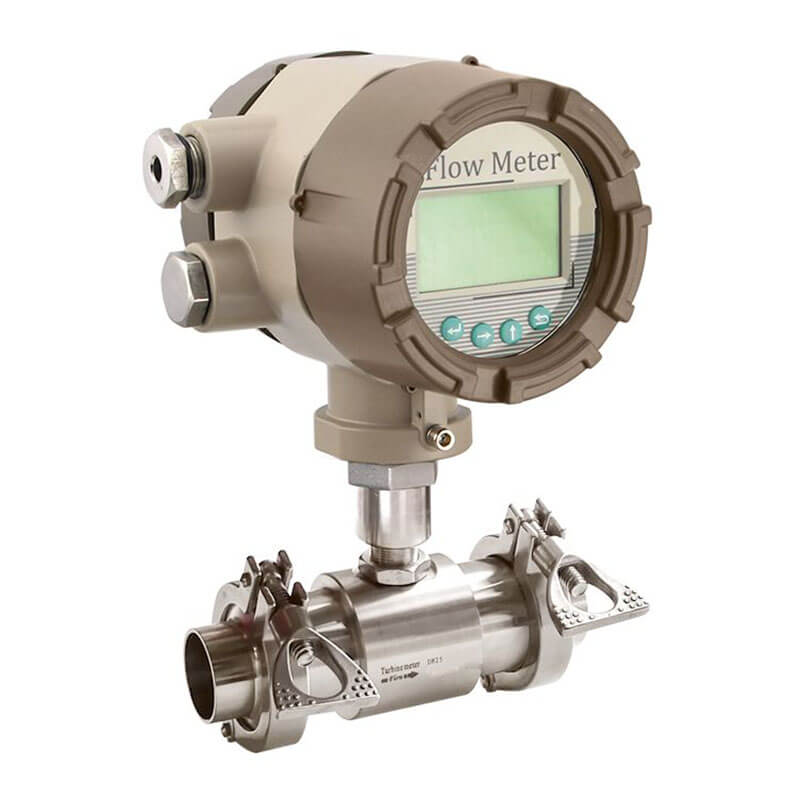
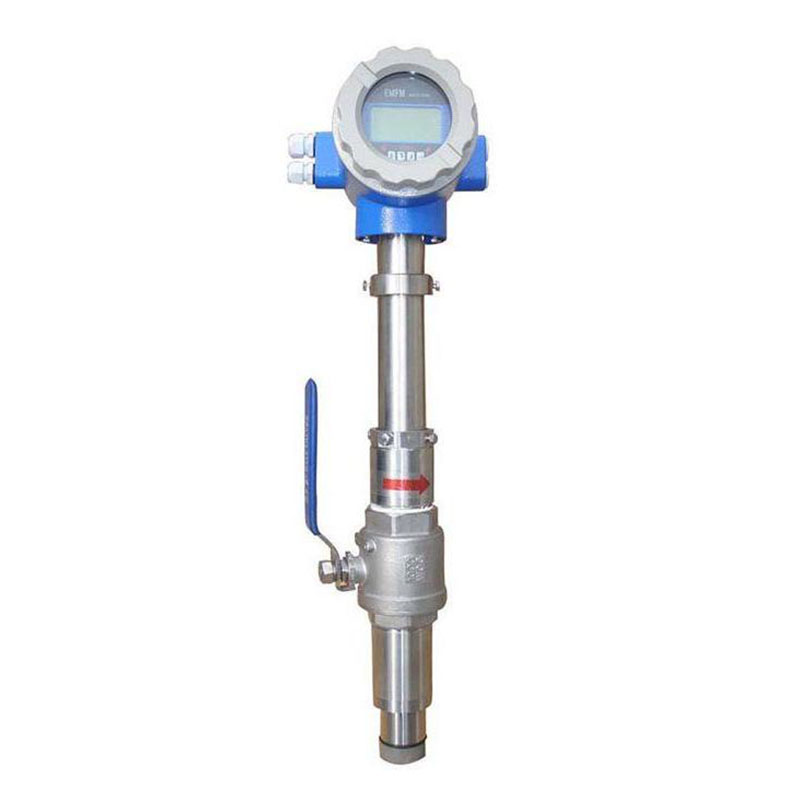
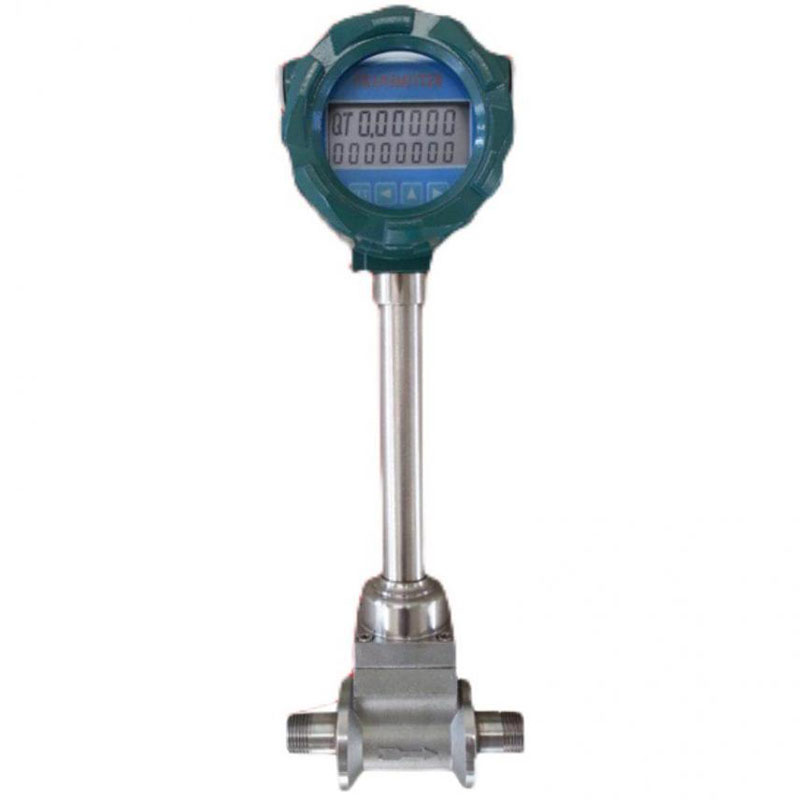
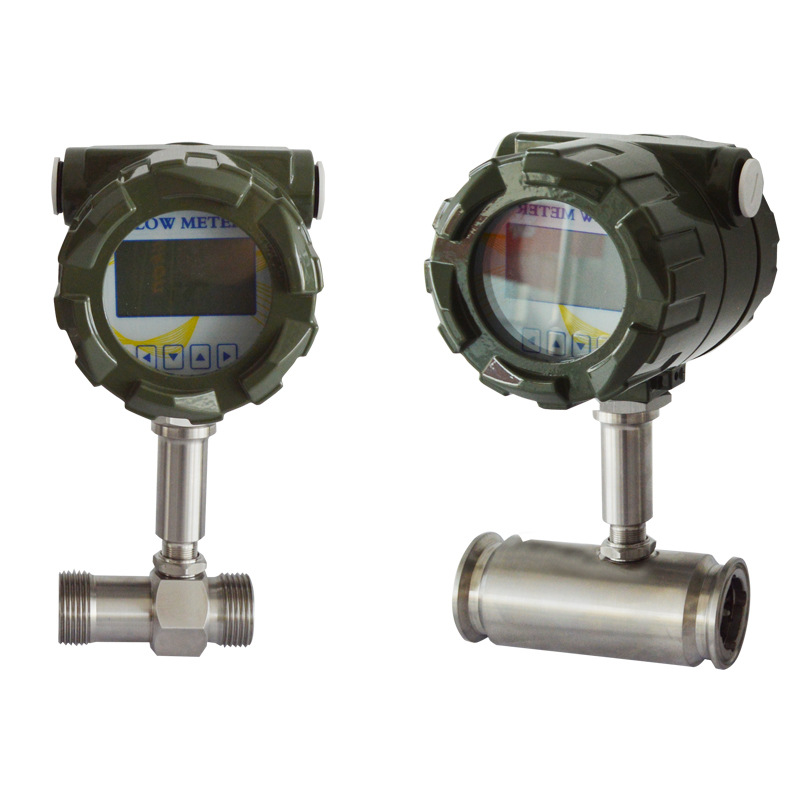
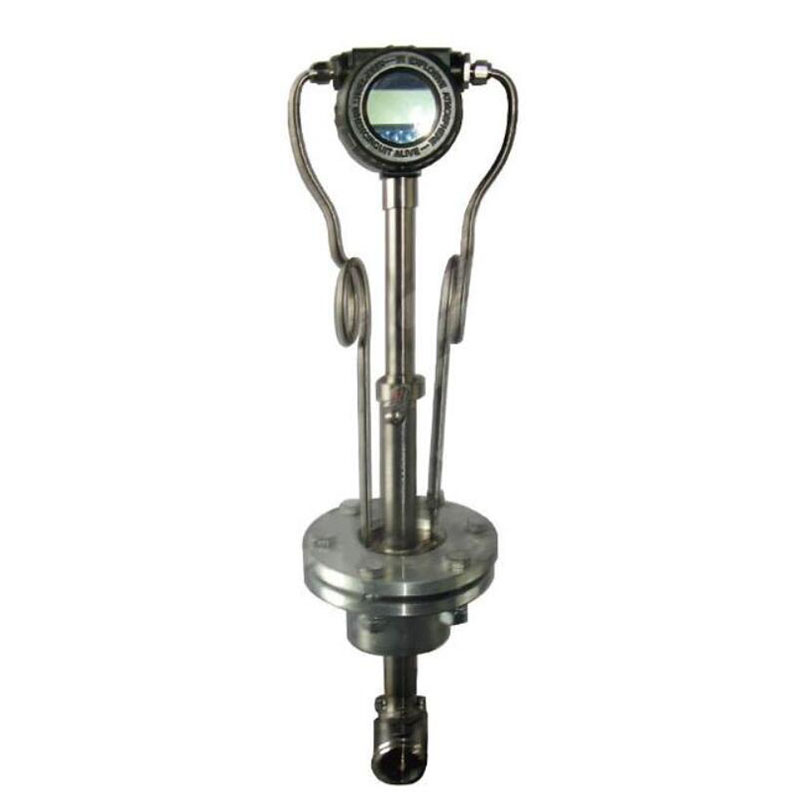
Common Brewery Flow Meter Types
Electromagnetic flow meter
An electromagnetic flow meter, also known as a magnetic flow meter. It uses Faraday’s law of electromagnetic induction to measure the flow of beer and wine. They consist of a non-magnetic insulated pipe and electrodes, and coils for generating a magnetic field.
For example, the ZD10 series small electromagnetic flow meter. It is a new generation of small-caliber electromagnetic flow meter developed by our company. It is specifically designed for small flow rates.
These meters are very suitable for water-based solutions. For example, wort, beer, and brewing water. It can be used in chemical, food, pharmaceutical, and other industries.
Benefits:
- Electromagnetic flow meters typically have an accuracy of 0.2% to 2%.
- They do not clog and maintain the integrity of the liquid. They are ideal for sensitive applications such as brewing.
- They are ideal for sanitary applications due to their sanitary design and ability to handle a wide range of viscosities.
Limitations:
- They are suitable for use with conductive liquids only. This limits their use in certain applications.
- More complex to install and calibrate than simple flow meters.
Turbine Flow Meter
A turbine flow meter measures flow based on volumetric flow. It uses a rotor that rotates at a speed proportional to the flow rate of the fluid passing through it. A magnetic sensor counts the rotations to determine the flow rate. The data is then converted into a flow measurement.
Turbine flow meter offers high accuracy and the ability to measure flow rates in a variety of brewing and winemaking processes. It is ideal for measuring large volumes of beer, wort, and water. It provides reliable measurements for your brewing application.
Benefits:
- The hygienic design of the turbine flow meter is easy to clean. It has good corrosion resistance.
- Its accuracy can vary. The typical range is 1.5% to 5%.
- It has good accuracy and repeatability. Suitable for continuous flow applications.
- Its cost is relatively low compared to Coriolis or magnetic flow meters.
Limitations:
- Although turbine flow meters have moving parts in contact with the fluid, their pressure drop is not significant.
- Their moving parts may wear and require regular maintenance.
- Not suitable for high viscosity or slurry liquids.
Ultrasonic Flow Meter
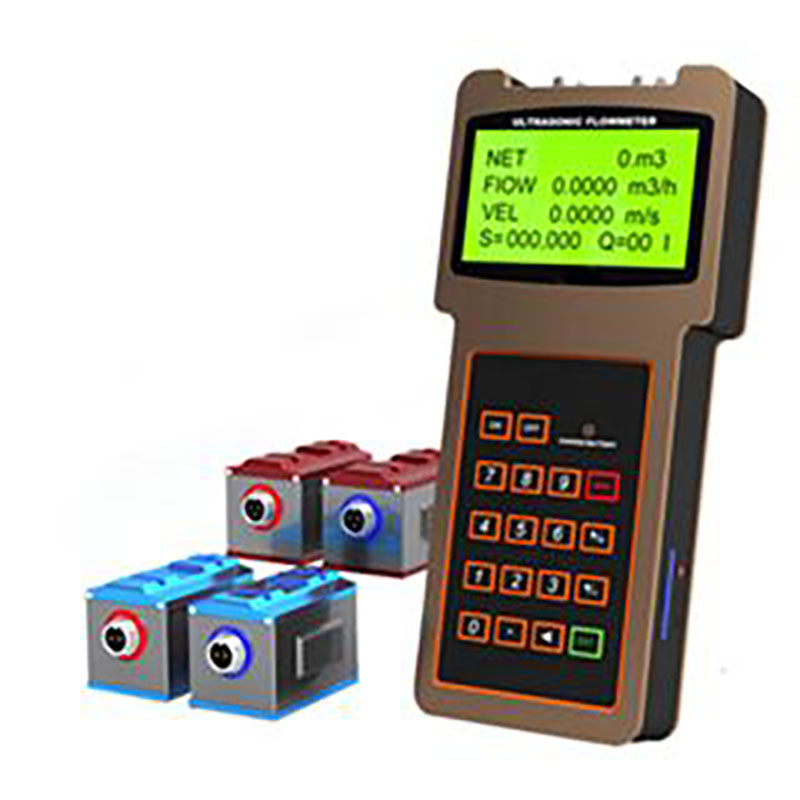
An ultrasonic flow meter uses sound waves and the transit time principle to measure fluid flow rate. It usually does not need physical contact with the liquid. It can be remotely mounted with the transmitter. Clamp-on ultrasonic flow meter can be applied to a variety of liquid applications.
This includes ultrapure liquids, water, chemicals, raw sewage, recycled water, cooling water, river water, factory wastewater, alcohol, beer, etc.
Benefits:
- Ultrasonic flowmeters are easy to install. They are available in clamp-on, handheld, and portable designs.
- Accuracy is typically between 0.7% and 1%.
- Non-invasive measurement, flow can be measured without direct contact with the liquid.
- Wide measurement range, pipe sizes from DN15mm to DN6000mm.
Limitations:
- Ultrasonic flow meters may not be suitable for high viscosity fluids.
- Ultrasonic flow meter installation generally requires a straight pipe.
Positive Displacement Flow Meters
Positive displacement flow meters, also known as volumetric flow meters. It can capture and measure a specified volume of liquid and count the number of times that volume is displaced to measure flow. This makes them suitable for accurately metering raw materials or small batch brewing.
Benefits:
- Positive displacement flow meters are extremely accurate. Especially at low flows.
- They can be used with high viscosity, dirty, and corrosive fluids. And require virtually no straight pipe runs to regulate fluid flow.
- They are highly repeatable. Purely mechanical versions require no external power source to operate.
Limitations:
- Moving parts may cause wear.
- More frequent maintenance may be required.
A Gear Flow Meter
A gear flow meter is a typical positive-displacement flow meter. It is a high-precision transmitter used to measure volume flow. Compared with the oval gear flow meter, the GF series gear flow meter has more advantages in measuring small flow. It is available in aluminum alloy and stainless steel.
Benefits:
- High pressure resistance (1.0-45MPa)
- High and low temperature resistance (-196℃-200℃)
- Wide range ratio (1:100)
- Can measure various viscous media
Choosing the Right Flow Meter for Your Brewery
Each flow meter has its own specific advantages and disadvantages. This depends on the application in the brewing process. There are many factors to consider when choosing the right flow meter. For example, the type of liquid, flow range, required accuracy, and environmental conditions.
Factors to consider | |
Fluid Type | Water: Ultrasonic or electromagnetic flow meters are commonly used. Wort and beer: Coriolis or positive displacement flow meters are suitable. Gas (CO2): Thermal or differential pressure gauges are common choices for measuring gas flow. Viscous liquids: Positive displacement or Coriolis flow meters are often used. |
Flow Range | Determine the minimum and maximum flow rates for your application. To ensure the life of the flow meter, control the flow rate between 20% and 80% of the meter’s maximum capacity. Also consider the range of the flow meter. |
Environmental Conditions | Make sure your flow meter can withstand the pressure and temperature of your system. Consider the temperature changes that occur during the brewing process. |
Accuracy requirements | Consider what accuracy your application requires. Especially during specific stages like wort transfer or batching. Choose a flow meter that meets or exceeds your accuracy requirements. |
Installation & Maintenance | When choosing a flow meter, consider the pipe layout and size. Make sure there is enough straight pipe before and after the meter. Make sure your flow meter meets standards such as NSF, 3A, or EHEDG. Meet the brewery’s CIP (cleaning in place) and SIP (steam in place) standards. |
Cost requirements | Compare the costs of different flow meter types. Choose the flow meter that is more practical. Consider the long-term cost of ownership. Including maintenance and potential replacement. |
With the increasing automation of the beer brewing process, beer flow meters are increasingly used. Flow meters are used in many processes of breweries, such as crushing water metering, washing water metering, and filtered wort metering.
Sino-Inst is a manufacturer specializing in the production of beer and wine flow meters. We offer a variety of brewery flow meters. You can choose the right food-grade flow meter, brewery flow meter, or beer flow meter according to your specific application needs. Including electromagnetic flow meters, gear flow meters, sanitary turbine flow meters, etc.
We are a trusted supplier of food-grade flow meters. If you need to purchase a beer flow meter or have related technical questions, please feel free to contact our sales engineers.