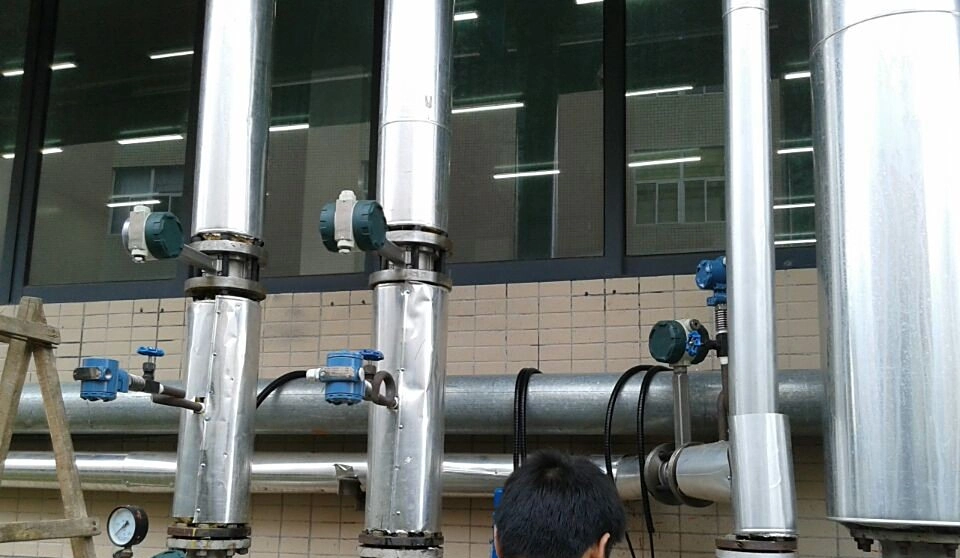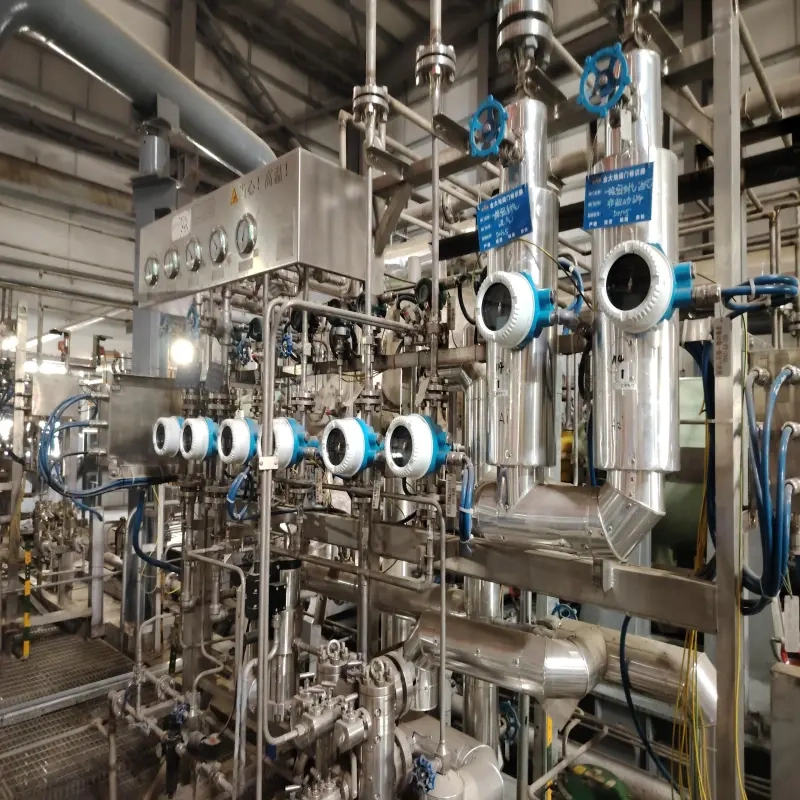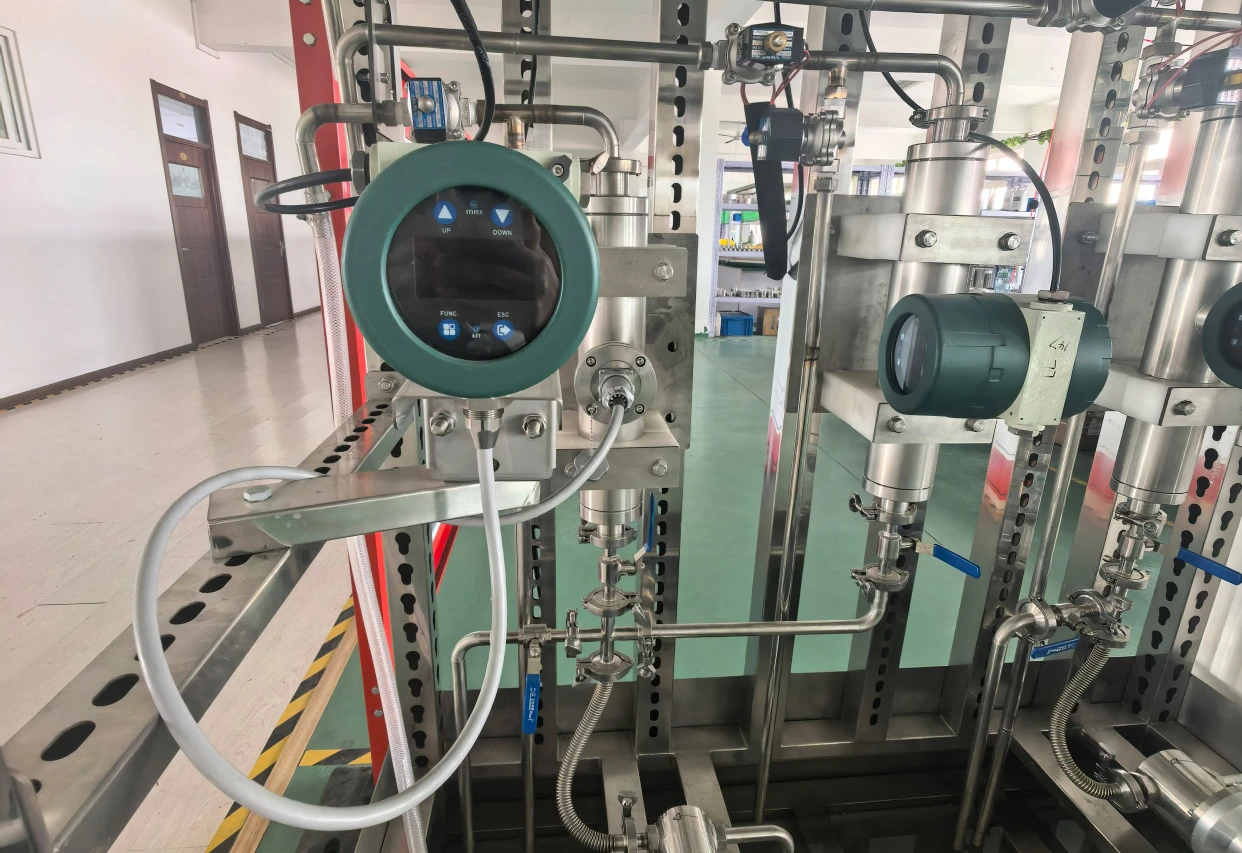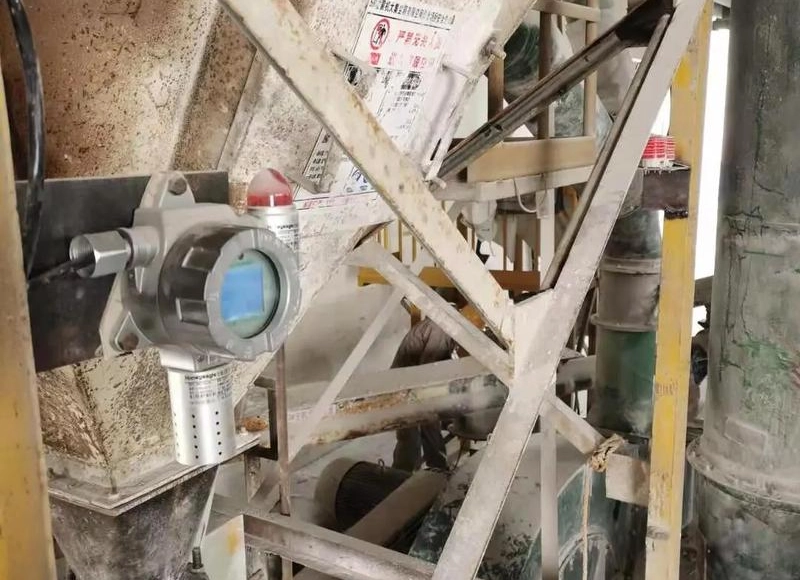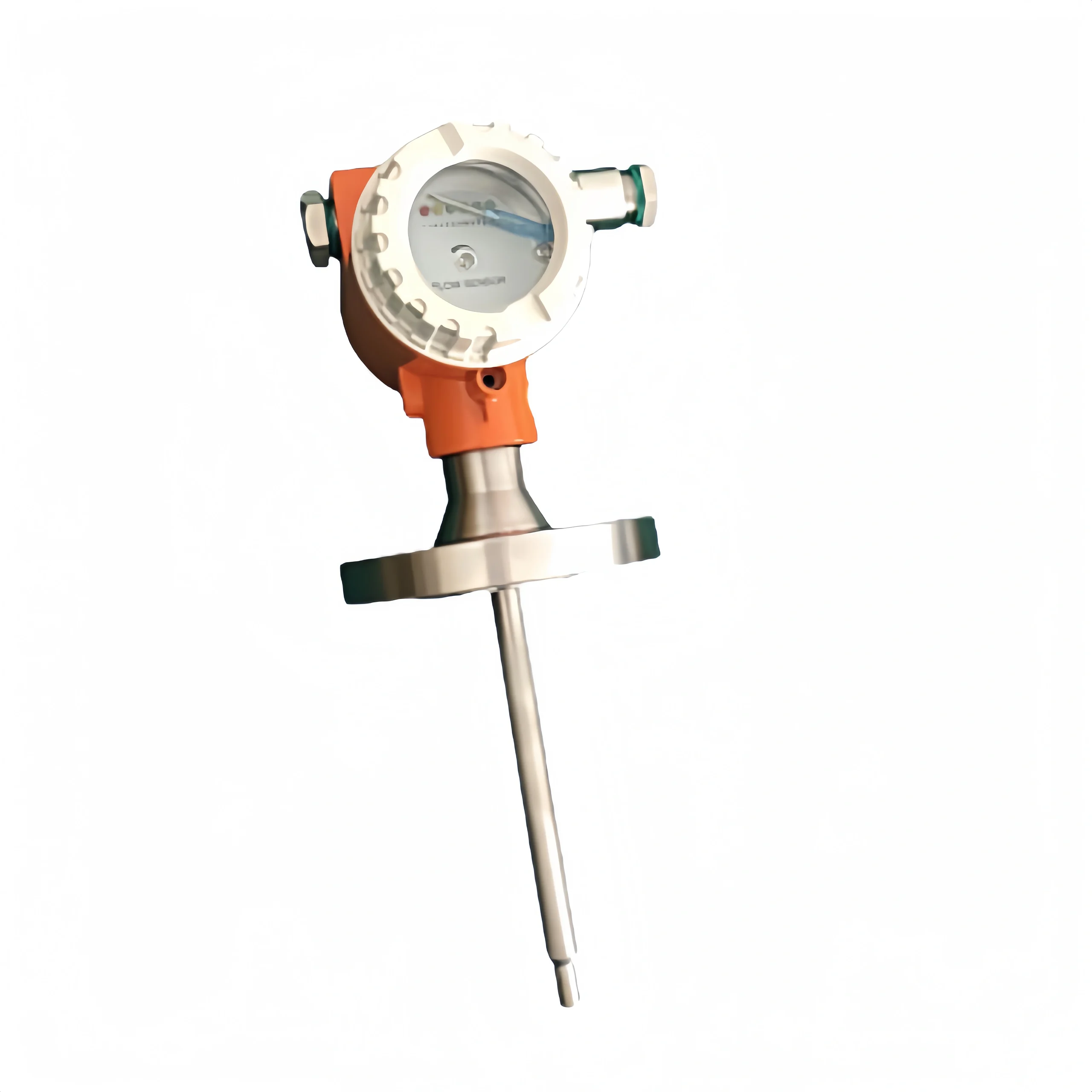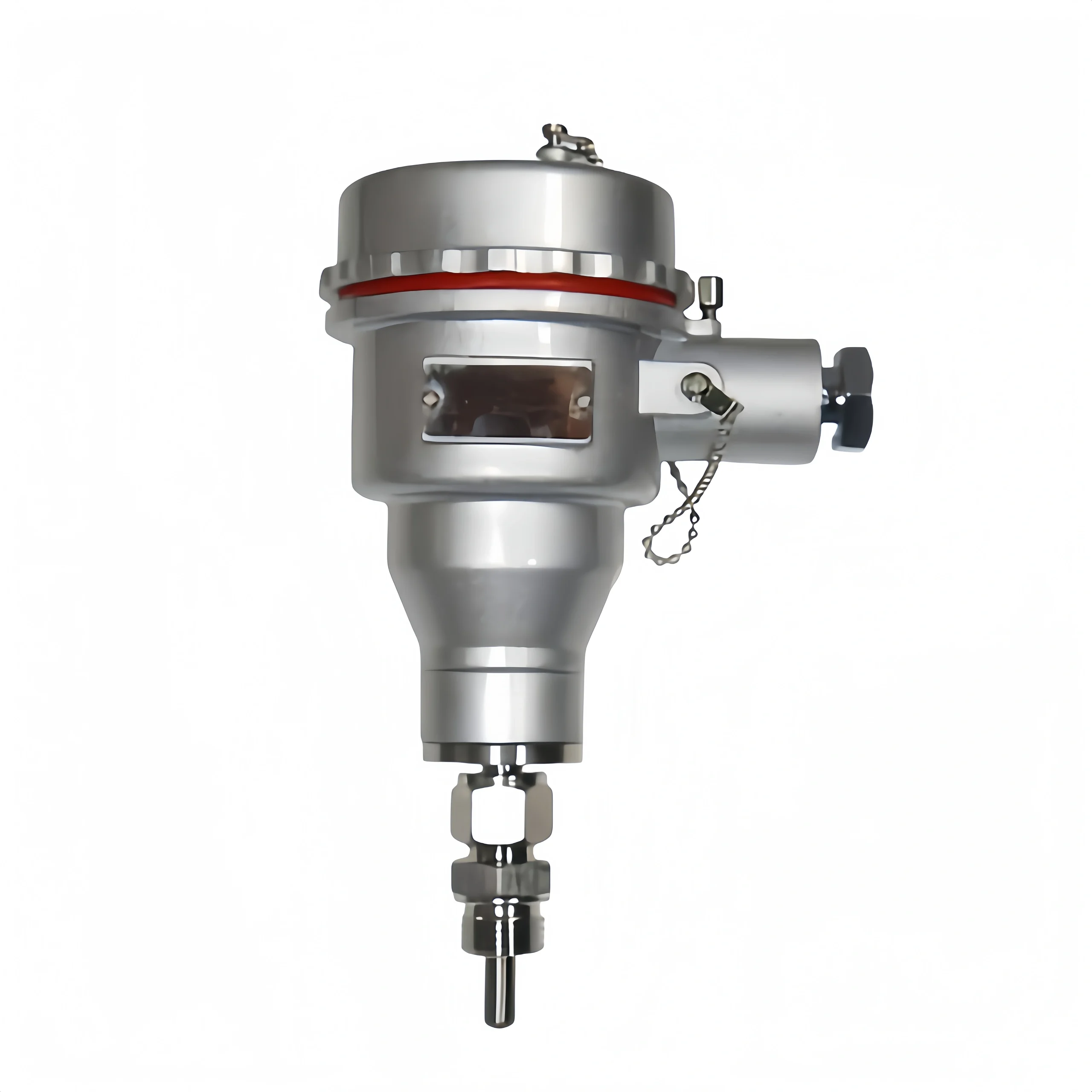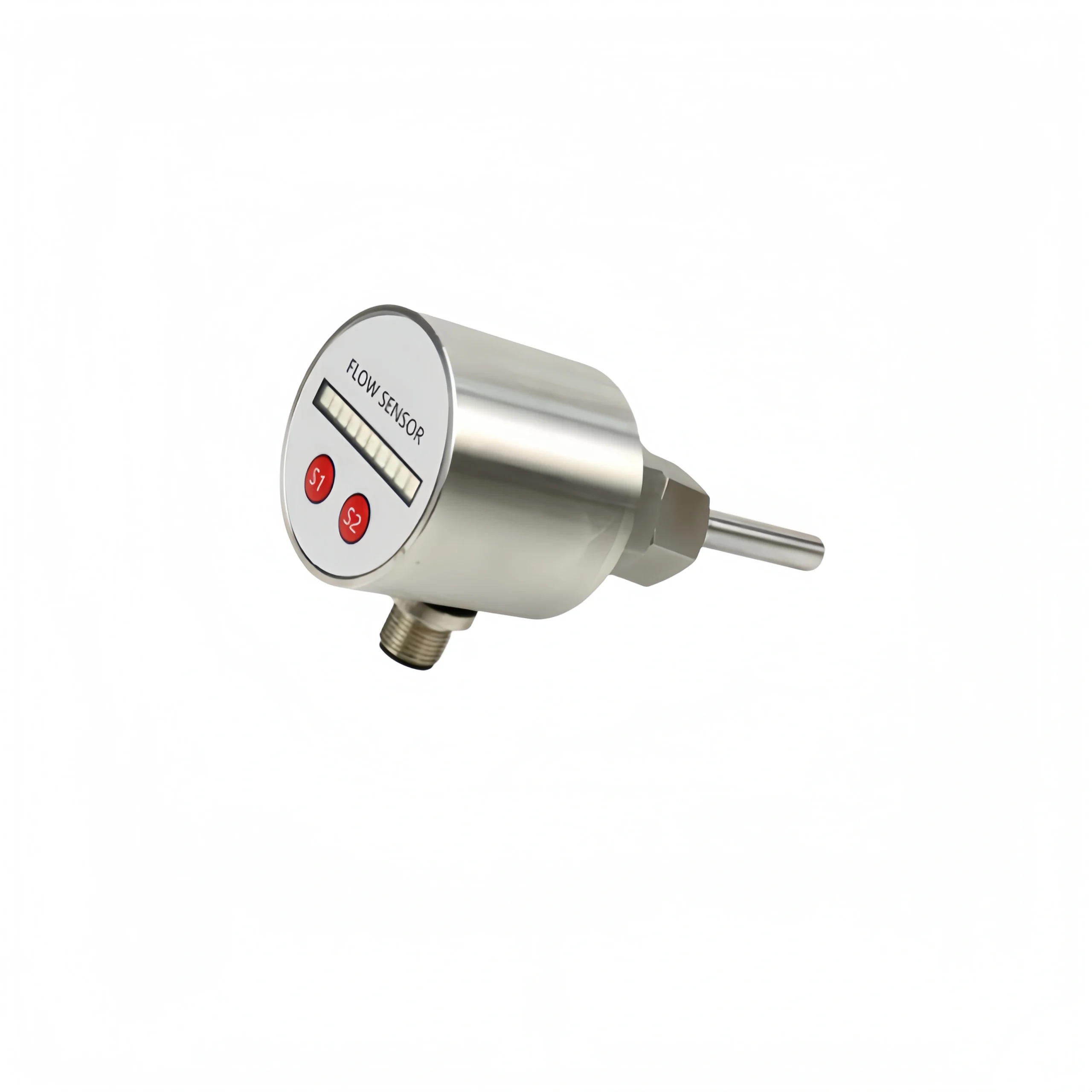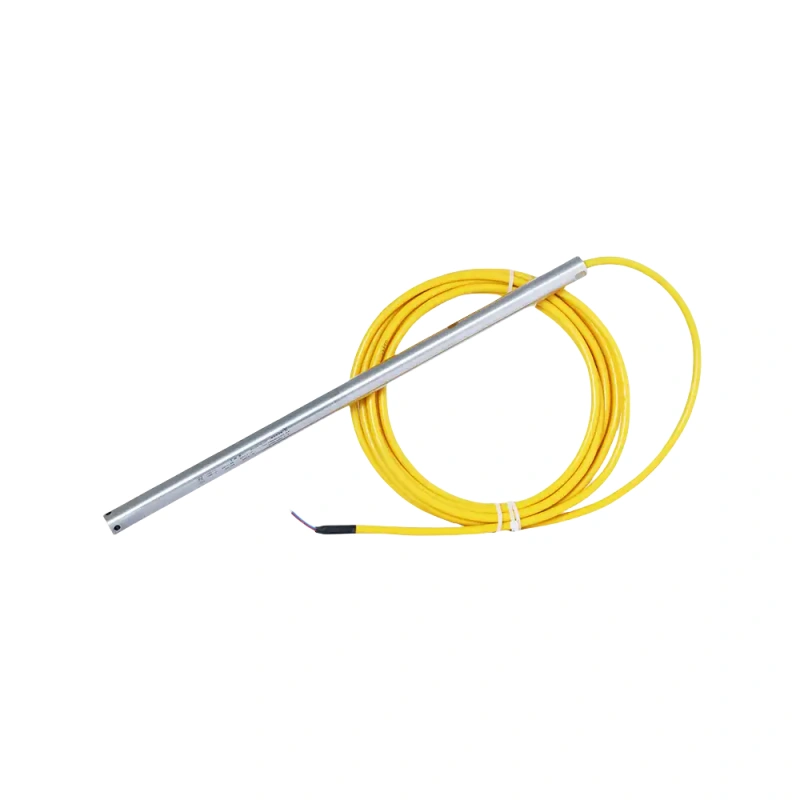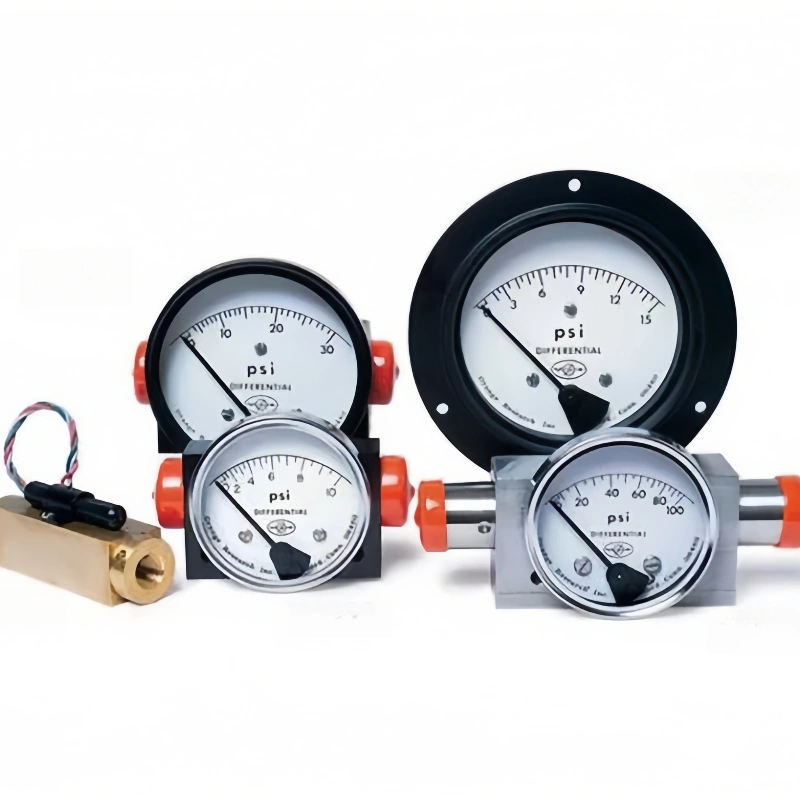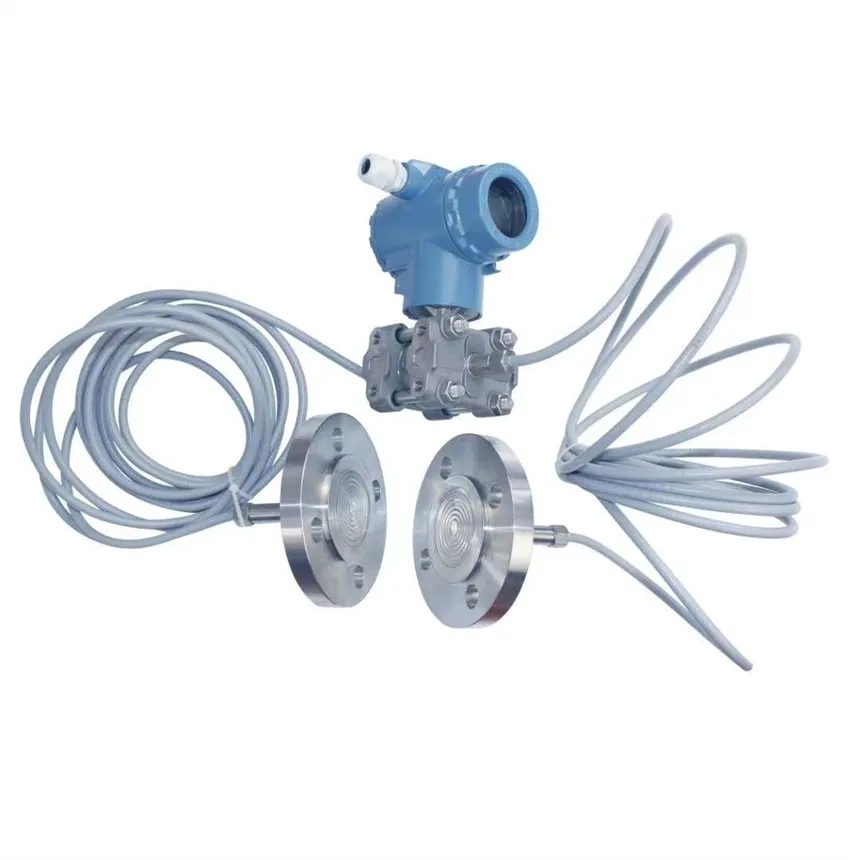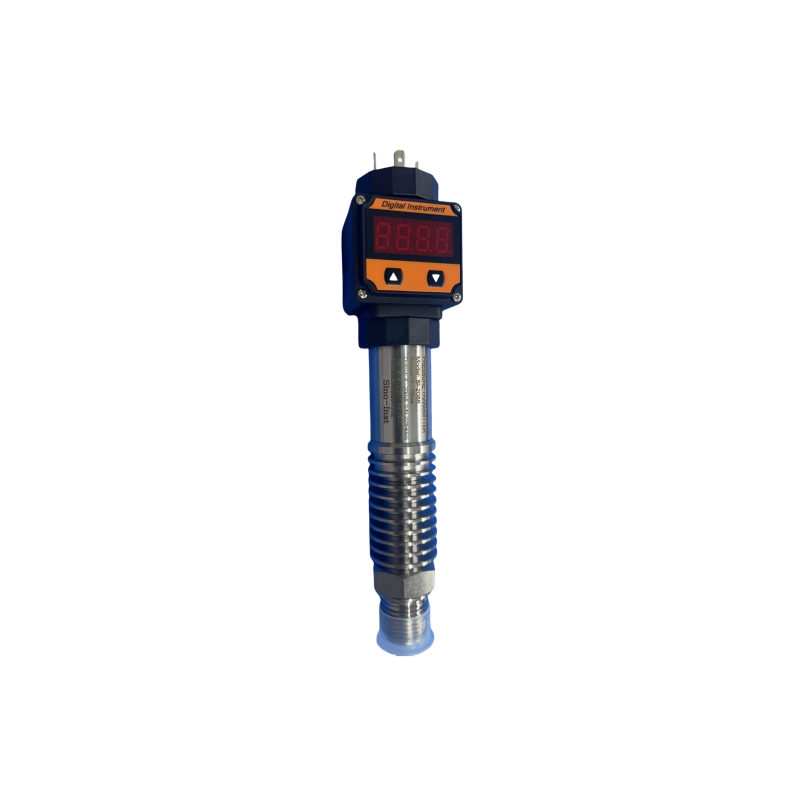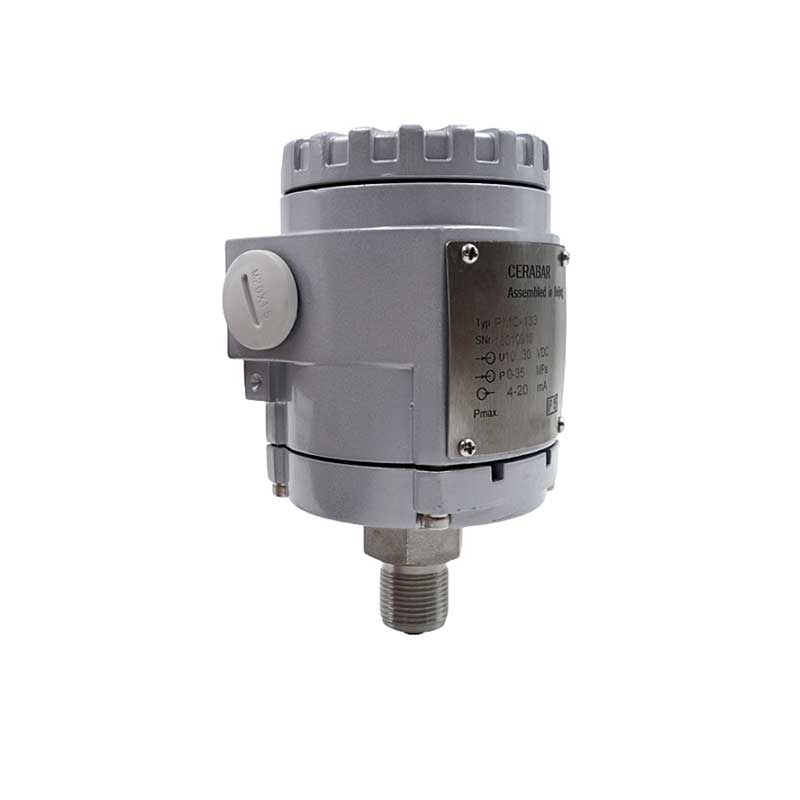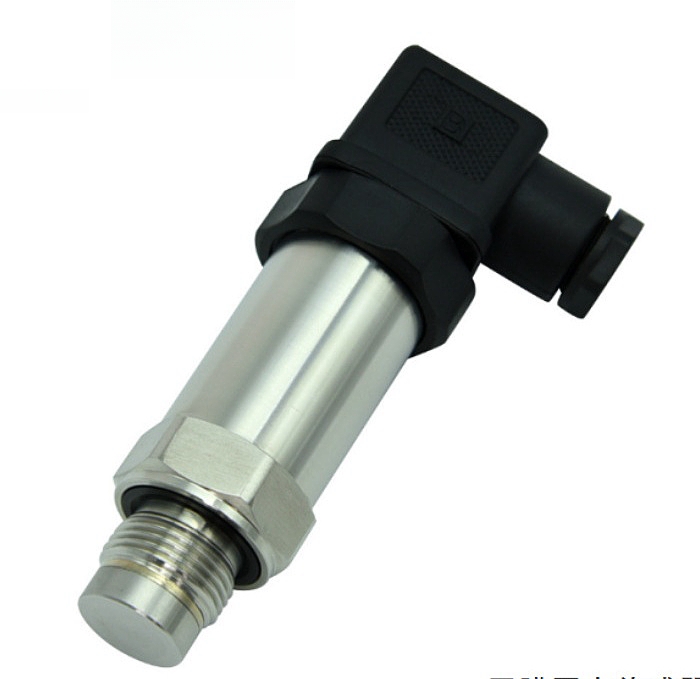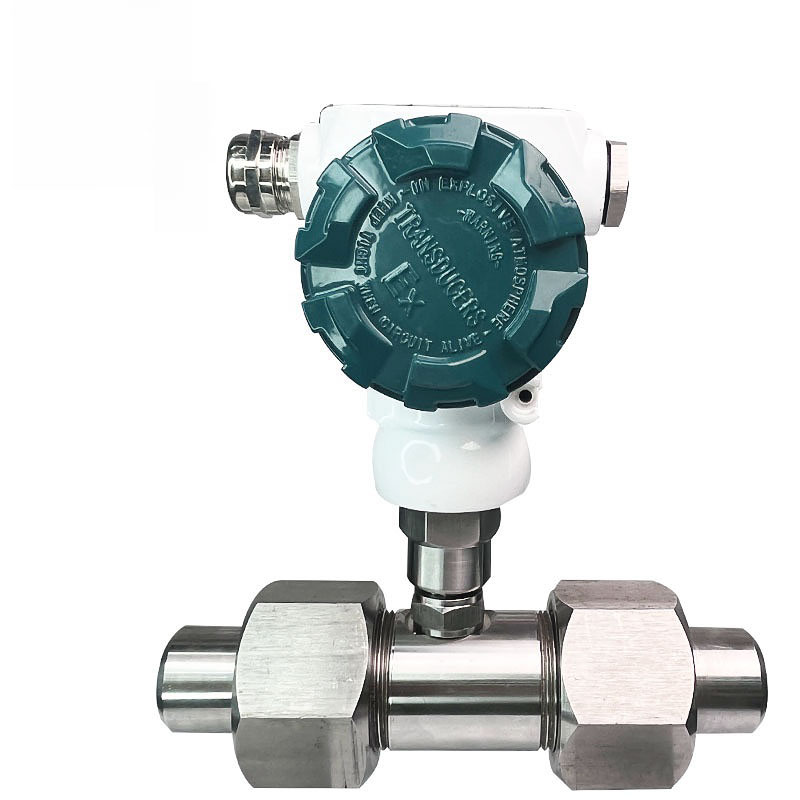
Melt pressure sensors are devices that are used to measure and control the pressure of high-temperature molten substances. They are mainly used in industries such as chemical fibre, plastics, spinning, polyester, and rubber-plastic machinery. They make sure that processes that produce high-temperature fluids are stable. Their way of working relies on the medium pressure pushing the sensor diaphragm, which makes it move a little bit. This displacement is then converted into a standard electrical signal output via a change in resistance. This supports multiple signal types, including 4–20mA and 0–10V.
Sino-Inst’s high-temperature melt pressure transducers are industrial sensors that are specially designed to measure the pressure of high-temperature, high-viscosity, and corrosive melt media. They are perfect for monitoring materials in a molten state, like plastics, rubbers, and synthetic fibres.
Working Principle of the Melt Pressure Transducer
The operating principle of melt pressure transducers is based on the piezoresistive or piezoelectric effect. When the pressure of the measured medium acts directly upon the transducer’s diaphragm, the diaphragm undergoes a minute displacement proportional to the medium pressure.
This slight displacement consequently results in a change in the transducer’s resistance or charge quantity. The electronic circuitry is capable of detecting this change and converting it into a standard signal (e.g. voltage or current) corresponding to the pressure. This enables the measurement of the medium pressure.
Special Features of Melt Pressure Transducers
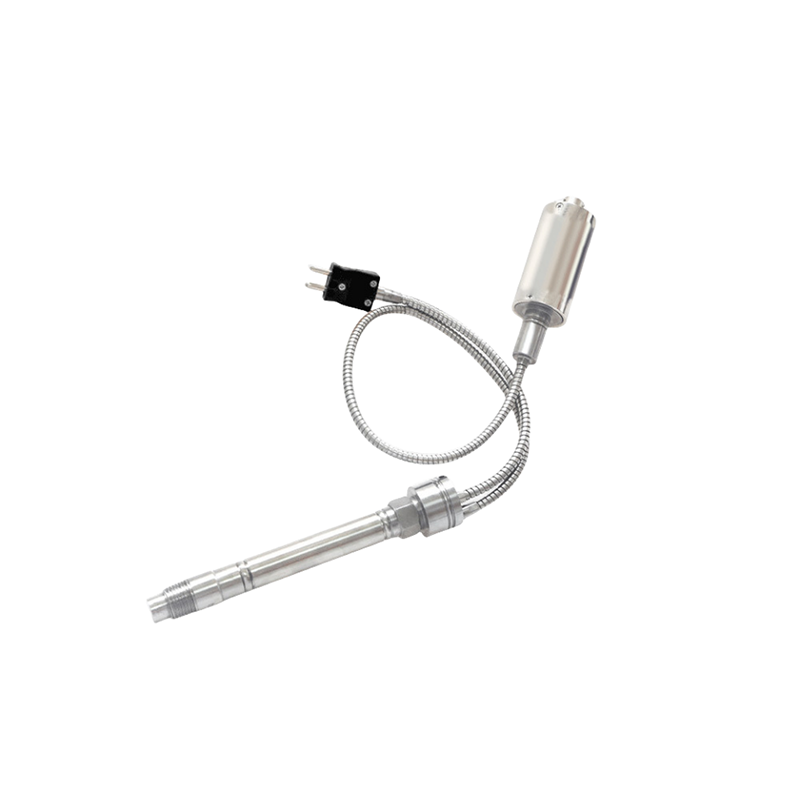
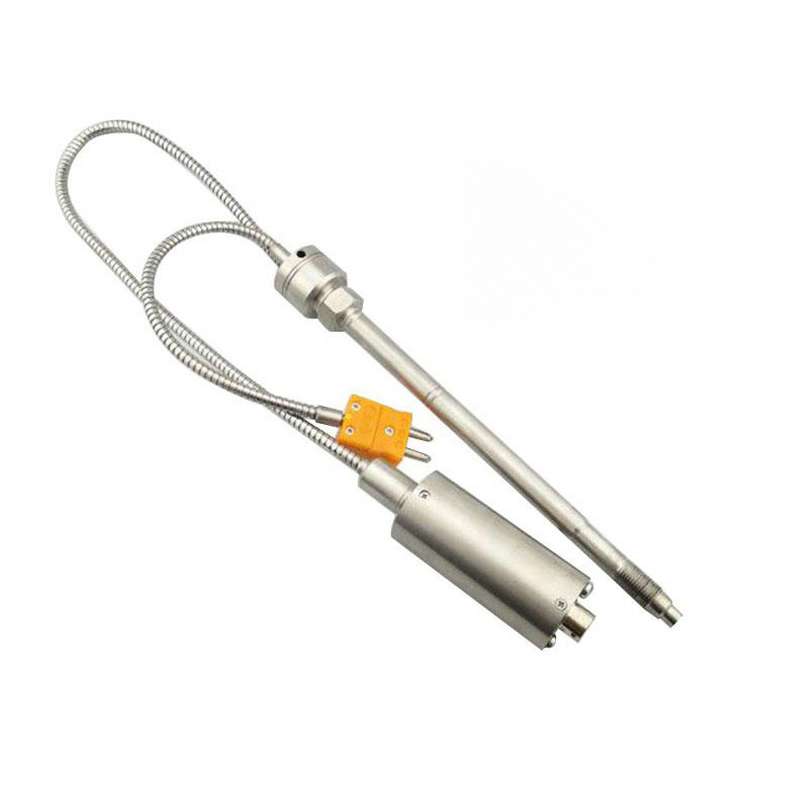
High-temperature melt pressure transducers are specifically engineered for pressure measurement in molten media characterised by elevated temperatures, high viscosity, and strong adhesion properties. They employ specialised high-temperature diaphragms to sense pressure, which is then processed by internal circuitry to generate standardised output signals compatible with industrial automation control systems. Consequently, melt pressure transducers possess characteristics not found in conventional pressure transducers.
Key Structural Features
Pressure-sensitive elements predominantly utilise high-temperature-resistant strain gauges or piezoelectric materials, encapsulated within stainless steel housings to provide corrosion and wear resistance.
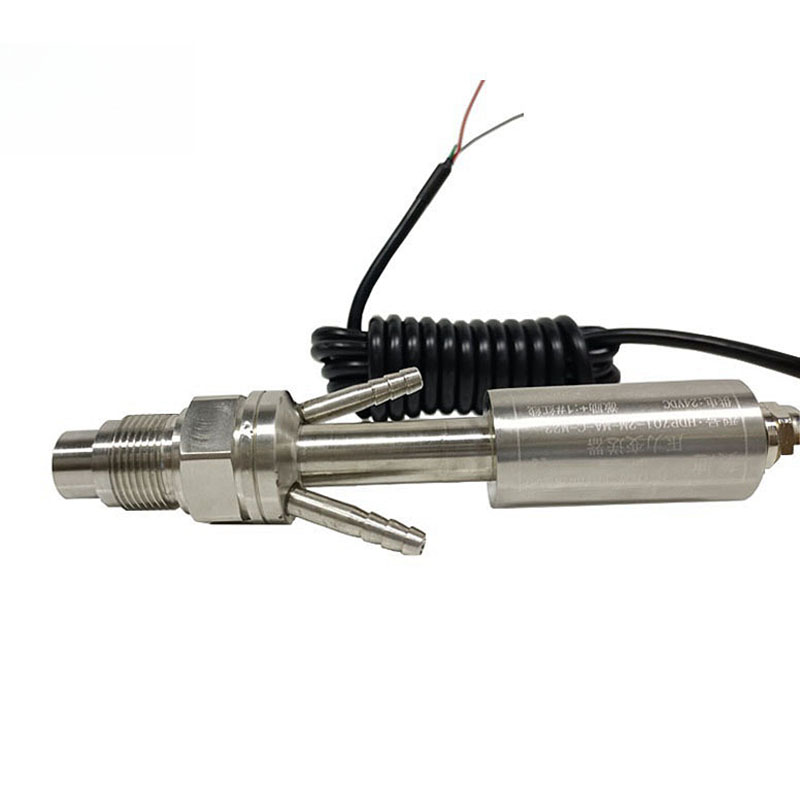
Typically, these components are equipped with dedicated mounting interfaces (such as threaded or flanged types), which permit direct integration into melt pipelines. The sealing structures of these interfaces prevent high-temperature melt leakage.
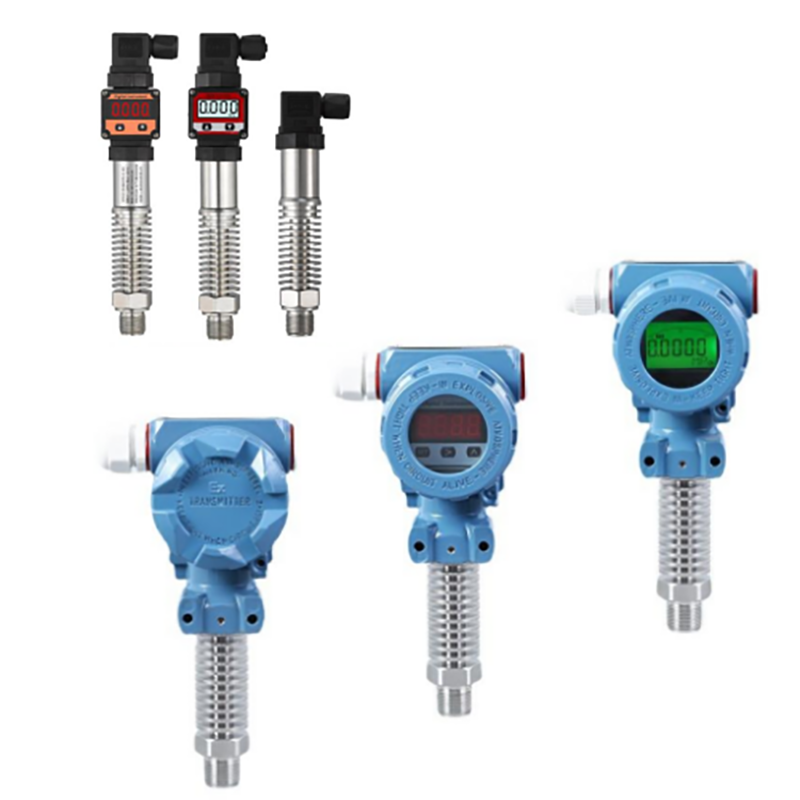
It is evident that certain models incorporate cooling mechanisms or thermal insulation designs with the objective of preventing heat transfer to the sensor circuitry. This ensures the safeguarding of electronic components for stable operation.
The Core Distinction Between Melt Pressure Sensors and Conventional Pressure Sensors
Pressure-sensitive elements predominantly utilise high-temperature-resistant strain gauges or piezoelectric materials, encapsulated within stainless steel housings to provide corrosion and wear resistance.
Typically, these components are equipped with dedicated mounting interfaces (such as threaded or flanged types), which permit direct integration into melt pipelines. The sealing structures of these interfaces prevent high-temperature melt leakage.
It is evident that certain models incorporate cooling mechanisms or thermal insulation designs with the objective of preventing heat transfer to the sensor circuitry. This ensures the safeguarding of electronic components for stable operation.
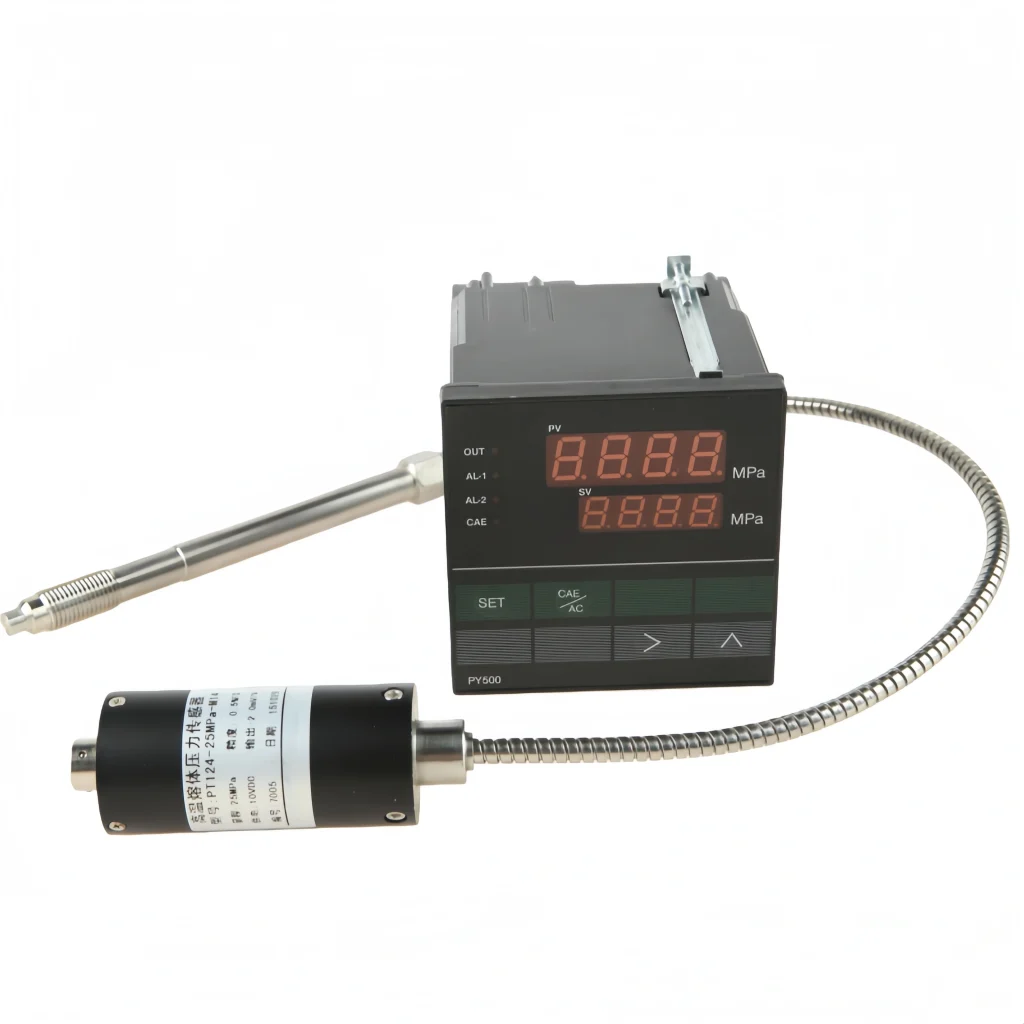
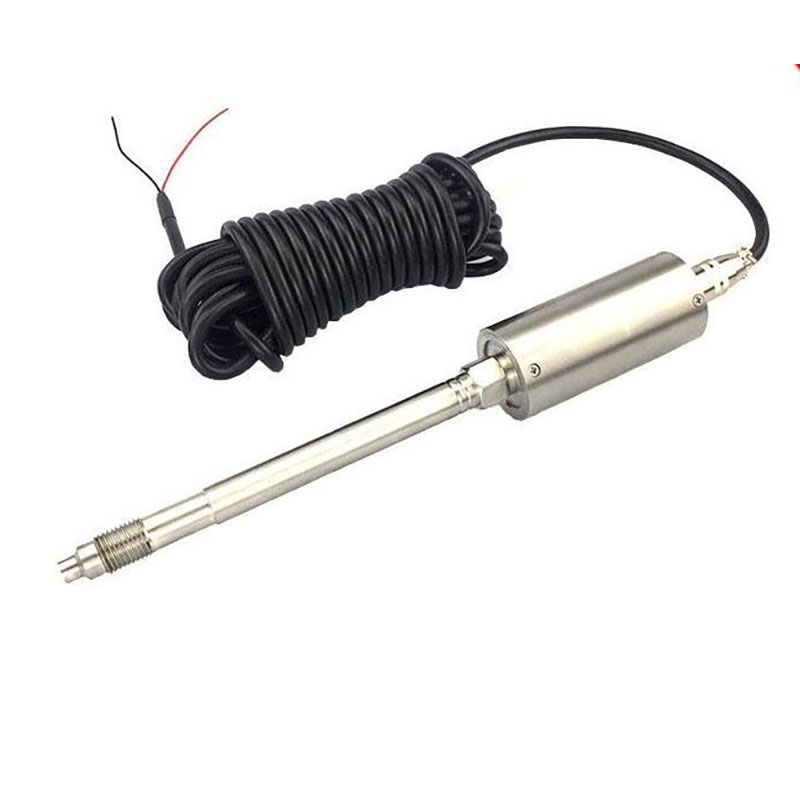
Practical Application of Melt Pressure Transducers
Pressure-sensitive elements predominantly utilise high-temperature-resistant strain gauges or piezoelectric materials, encapsulated within stainless steel housings to provide corrosion and wear resistance.
Typically, these components are equipped with dedicated mounting interfaces (such as threaded or flanged types), which permit direct integration into melt pipelines. The sealing structures of these interfaces prevent high-temperature melt leakage.
It is evident that certain models incorporate cooling mechanisms or thermal insulation designs with the objective of preventing heat transfer to the sensor circuitry. This ensures the safeguarding of electronic components for stable operation.
1.Plastics Industry
Pressure-sensitive elements predominantly utilise high-temperature-resistant strain gauges or piezoelectric materials, encapsulated within stainless steel housings to provide corrosion and wear resistance.
Typically, these components are equipped with dedicated mounting interfaces (such as threaded or flanged types), which permit direct integration into melt pipelines. The sealing structures of these interfaces prevent high-temperature melt leakage.
It is evident that certain models incorporate cooling mechanisms or thermal insulation designs with the objective of preventing heat transfer to the sensor circuitry. This ensures the safeguarding of electronic components for stable operation.
2. Chemical Fibre Industry
Pressure-sensitive elements predominantly utilise high-temperature-resistant strain gauges or piezoelectric materials, encapsulated within stainless steel housings to provide corrosion and wear resistance.
Typically, these components are equipped with dedicated mounting interfaces (such as threaded or flanged types), which permit direct integration into melt pipelines. The sealing structures of these interfaces prevent high-temperature melt leakage.
It is evident that certain models incorporate cooling mechanisms or thermal insulation designs with the objective of preventing heat transfer to the sensor circuitry. This ensures the safeguarding of electronic components for stable operation.
Sino-Inst’s melt pressure sensors are designed to meet every requirement of chemical fibre production, offering customers a range of sensors for diverse applications with maximum temperatures up to 400°C. Our products feature comprehensive measurement ranges and high precision, making them the perfect choice for your needs.
3. Chemical Industry
In the context of high-temperature, high-pressure reactor systems, the utilisation of melt pressure sensors plays a pivotal role in averting safety incidents stemming from excessive pressure. These sensors function as a critical safeguard by undertaking real-time monitoring of reaction pressures, thereby ensuring precise process control and facilitating safe operation.
Within pipeline systems conveying high-temperature molten materials such as sulphur and molten salts, pressure monitoring remains equally critical. The acquisition of real-time pressure data facilitates the assessment of pipeline seal integrity and pumping equipment performance, thereby enabling the early detection of leakage or blockage risks, thus ensuring the continuity and stability of transportation. This data-driven approach to pressure monitoring provides vital support for the safe and reliable operation of high-temperature process flows.
4. Rubber Industry
In the rubber industry, extrusion and calendering represent pivotal forming processes. By installing melt pressure sensors to monitor real-time pressure at the extruder die and calender roll nip points during rubber compound processing, precise control over the dimensional stability of extruded product cross-sections and the thickness of calendered sheets can be achieved. This ensures product geometric accuracy and enhances process consistency.
5. Metallurgical Industry
In high-temperature industrial settings such as melting furnaces, holding furnaces, and die-casting machine injection systems, pressure monitoring of molten metals (including aluminium, zinc, and copper alloys) is of significant importance for both process control and safety. Despite the extreme temperatures and demanding conditions that are characteristic of such environments, reliable pressure measurement of these media remains a possibility through the use of specially engineered melt pressure sensors.
These sensors are designed to exhibit high-temperature resistance, thermal shock resilience, and corrosion protection. This provides critical data support for the control of melt quality, the optimisation of die-casting processes, and the safe operation of equipment.
Recommendations for Selecting Melt Pressure Transducers
The core principle for selecting the accuracy of high-temperature melt pressure sensors is ‘aligning with process requirements + stability’. Prioritise determining the accuracy grade based on the permissible error within the process, then incorporate operating condition corrections. The specific steps are as follows:
I. First, clearly define the core basis for judgement
The following discussion is based on process tolerance limits: It is imperative that the accuracy of the measurement is no greater than the maximum permissible measurement error for the process, which is typically equivalent to between one-third and one-half of the process tolerance, in order to ensure the necessary level of redundancy. For instance, where extrusion processes permit pressure deviations of ±1.5%, select ±0.5% FS or ±1.0% FS accuracy.
The measurement range must be taken into consideration. Accuracy is optimised when the range closely corresponds to actual measured values. In instances where actual pressure fluctuations exceed 30% of full scale, the selection of a higher accuracy becomes a more practical proposition. For measurements that are conducted over an extended period within low-range intervals, there may be a compelling justification for an appropriate increase in the accuracy grade.
It is imperative to consider the operational complexity when assessing the accuracy of the system. The presence of high temperatures, frequent thermal variations, and significant vibrations can induce accuracy drift, thereby compromising the reliability of the system. In such cases, it is recommended to select an accuracy grade that is one level higher than the theoretical requirements (e.g., opt for ±0.5% FS where ±1.0% FS is theoretically sufficient).
II. Matching Accuracy Levels According to Application Scenarios
General-purpose basic applications (e.g., standard plastic extrusion, melt conveyance): Processes with modest pressure control requirements, permitting tolerances of ±2% to ±3%, may opt for ±1.0% FS for optimal cost-effectiveness.
Mainstream production applications (e.g., injection moulding, chemical fibre spinning, film extrusion): Processes require stable control of pressure fluctuations with permissible error of ±1% to ±1.5%. Select ±0.5% FS to balance precision and stability, representing the most common choice.
High-precision requirement scenarios (e.g., precision extrusion, laboratory rheological testing, specialised material forming):
Permissible error ≤±0.5%. Select the high-precision model with ±0.25% FS to ensure product consistency.
III. Key Factors Requiring Additional Attention
It is imperative to eschew the pursuit of excessive precision: The utilisation of high-precision sensors is associated with increased financial expenditure and more stringent installation and maintenance requirements, including more frequent calibration procedures. In non-critical scenarios, it is advisable to exercise restraint in the selection process.
It is imperative to consider the temperature compensation capability of the system. In high-temperature environments, sensors with a wide temperature compensation range and minimal drift should be prioritised. The importance of precision stability over achieving a high precision rating is paramount.
It is imperative that the reader draws upon past operational experience. In instances where a specific accuracy grade has demonstrated its efficacy in analogous processes, its utilisation should be maintained. It is imperative to enhance the precision of the process solely in instances where the conditions are subject to alteration, such as material transitions or augmented operational speeds.
Installation Notes for Melt Pressure Transducers
1.Installation of Pressure Sensors
During installation, ensure the sensor diaphragm remains undamaged. Do not remove the protective cap prior to installation, and take care to protect the pressure transmitter diaphragm during fitting. Machined mounting holes must strictly conform to dimensional specifications to prevent diaphragm scratches caused by improper bore sizes. The mounting hole must be clean and free of foreign matter.
2.Pressure Sensor Removal
Ensure no metallic debris or plastic remains within the mounting hole during installation. All pressure transmitters must be removed from the machine prior to cleaning. Pressure transmitters may only be removed when the polymer is in a molten state. Immediately after removal, clean the pressure transmitter probe diaphragm with a soft cloth.
3.Regarding Start-up
Prior to equipment start-up, ensure sufficient preheating time to guarantee all materials within the pressure transmitter diaphragm area are fully molten before extrusion machinery operation commences.
4.Installation Position
While the pressure transmitter probe section is heat-resistant, the housing must remain below 80°C. Therefore, during installation and operation, ensure the mounted pressure transmitter housing is fixed within a room-temperature environment. Isolating the housing from high-temperature zones enhances measurement accuracy and extends service life.
5.Overload Effects
During actual pressure control operations, operation within the rated pressure range is recommended. Although the sensor possesses some overload capacity, prolonged overloading will adversely affect its accuracy and lifespan. Use within the rated pressure range is advised.
6.Electrical Connections for Pressure Transmitters
During electrical connection, the signal output cable of the pressure transmitter should ideally be routed separately to avoid on-site interference.
FAQ
Types of Thin-Film Pressure Transducers
1.Alloy Thin-Film Pressure Sensors
Although alloy thin-film pressure sensors exhibit a relatively low strain sensitivity coefficient, they are widely employed due to their advantages of high precision, strong resistance to interference, favourable temperature characteristics, and a broad operating temperature range.
The primary components of thin-film pressure sensors include: the substrate, the transducing element, and the signal conditioning circuitry.
Alloy thin-film pressure sensors typically employ sputtering or vapour deposition techniques to deposit the alloy onto an elastic substrate.
The thin-film resistive layer undergoes corresponding resistance changes in response to strain detected by the elastic element. These changes are converted into voltage signals via the signal conditioning circuit, thereby achieving the transformation from non-electrical to electrical quantities.
2.Semiconductor Material Thin-Film Pressure Sensors
Semiconductor thin-film pressure sensors exhibit a high strain sensitivity coefficient, typically exceeding that of metallic thin films by an order of magnitude. They are suitable for mass production and offer low cost, though their drawback lies in inferior temperature characteristics.
These sensors employ single-crystal silicon as the substrate. The pressure chamber’s elastic membrane is formed by anisotropic etching of the silicon substrate. An insulating layer of SiO₂ is deposited, followed by epitaxial growth of the piezoresistive film using techniques such as chemical vapour deposition.
Pressure Transducers for Corrosive Environments
When selecting transducers for corrosive environments, material selection and protective measures are paramount.
Corrosion-resistant materials are critical, such as stainless steel, titanium alloys, or ceramics, which withstand erosion from acids, alkalis, salts, and other media.
Protective measures are equally vital. Sealed structures isolate the transducer from the measured medium, surface coatings form protective films, and specialised anti-corrosion materials further enhance performance.
In summary, a transducer’s suitability for corrosive environments hinges upon multiple factors, including materials, operating principles, protective measures, and the actual application environment. When selecting and deploying transducers, these elements must be comprehensively evaluated to ensure stable and accurate operation within corrosive conditions.
What is the difference between a pressure sensor and a pressure transmitter?
A pressure sensor is a device that measures force and weight, capable of accurately gauging pressure. It can measure various types of pressure, including liquid pressure, gas pressure, static pressure, and dynamic pressure. Typically constructed from metal or ceramic materials, pressure sensors offer high precision and stability, making them widely employed in industrial and scientific applications.
2.Pressure Transmitters
A pressure transmitter is a device that converts mechanical pressure into an electrical signal output. It is usually constructed from piezoresistive materials, capable of transforming pressure into changes in electrical resistance. Pressure transmitters find extensive application in manufacturing, environmental protection, water treatment, and other sectors, enabling the measurement of diverse pressure types.
How is the measurement range of a pressure transducer determined?
1.Prevent overloading.
When selecting a pressure sensor, it is essential to ensure that the actual pressure magnitude falls within the sensor’s measurement range. Most pressure sensors employ strain gauge technology, detecting pressure through minute deformations in metal. However, all metallic materials possess an inherent failure stress threshold. Should a pressure sensor reach this failure stress value, it will sustain irreparable damage.
2.Measurement Accuracy.
Accuracy: This can be understood as: Accuracy = Range × Accuracy Factor. This demonstrates that for the same pressure sensor model, a smaller range corresponds to higher accuracy. For instance, when the actual pressure is 50 kg, selecting a pressure sensor with a 100 kg range will yield higher accuracy than one with a 500 kg range.
Therefore, when selecting a pressure sensor’s measurement range, ensure measurement accuracy while maintaining a 10%-30% margin to prevent overloading, which could damage the sensor or shorten its service life.
In summary, the measurement range of a pressure sensor should be selected based on actual requirements. During the selection process, promptly consult the manufacturer regarding parameters such as measurement range and specific on-site application conditions.
Sino-Inst is a company specialising in the production and sale of industrial instruments including pressure transducers, melt pressure sensors, temperature sensors, and industrial sensors. We fully comprehend the challenges encountered in industrial environments – high temperatures, high pressures, vibration, corrosion, and electromagnetic interference.
Consequently, our products are engineered from inception with ‘ultimate reliability’ as our guiding principle. Our transducers perform flawlessly in demanding environments, ensuring long-term data stability and highly precise signal output. This establishes a robust data foundation for your control and decision-making systems.