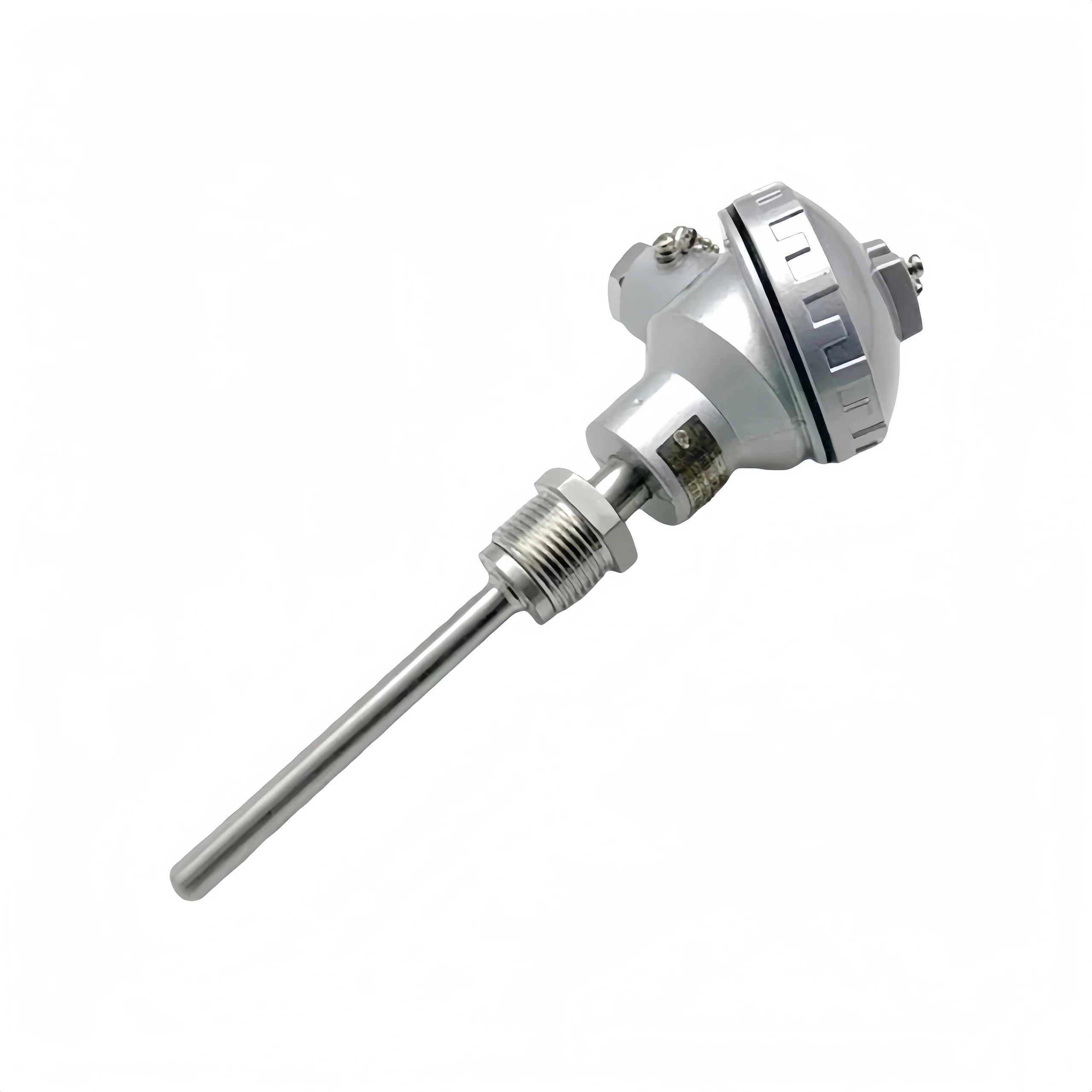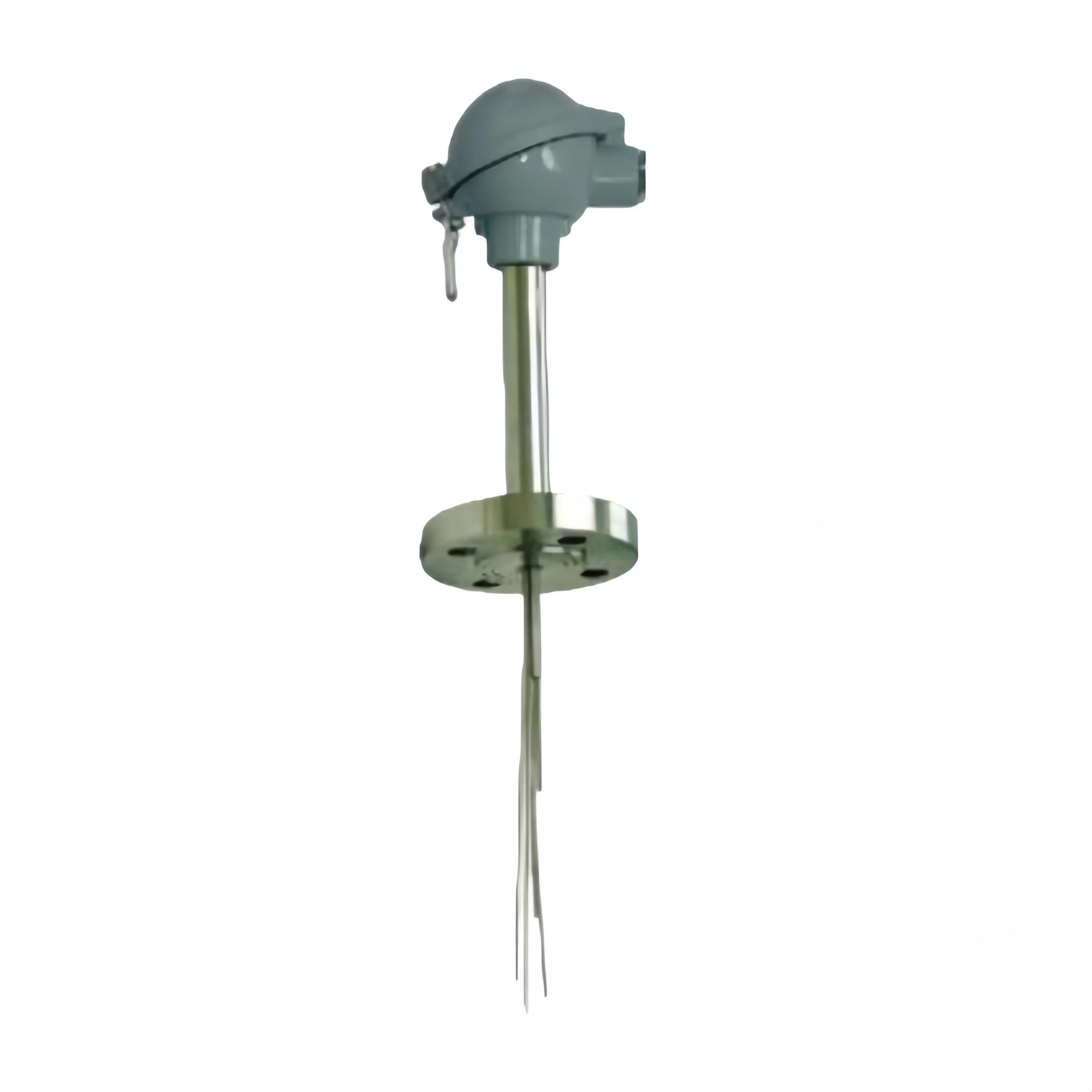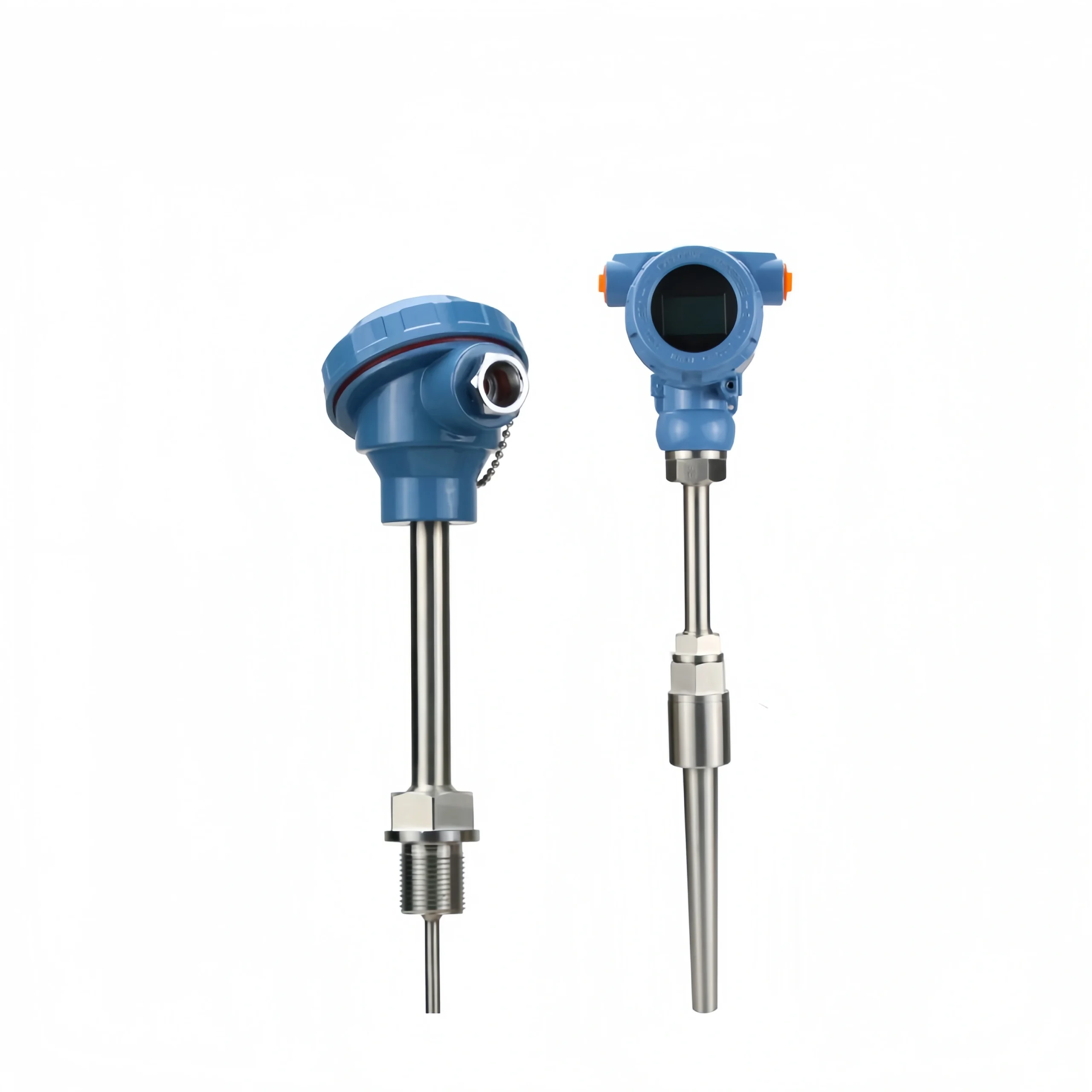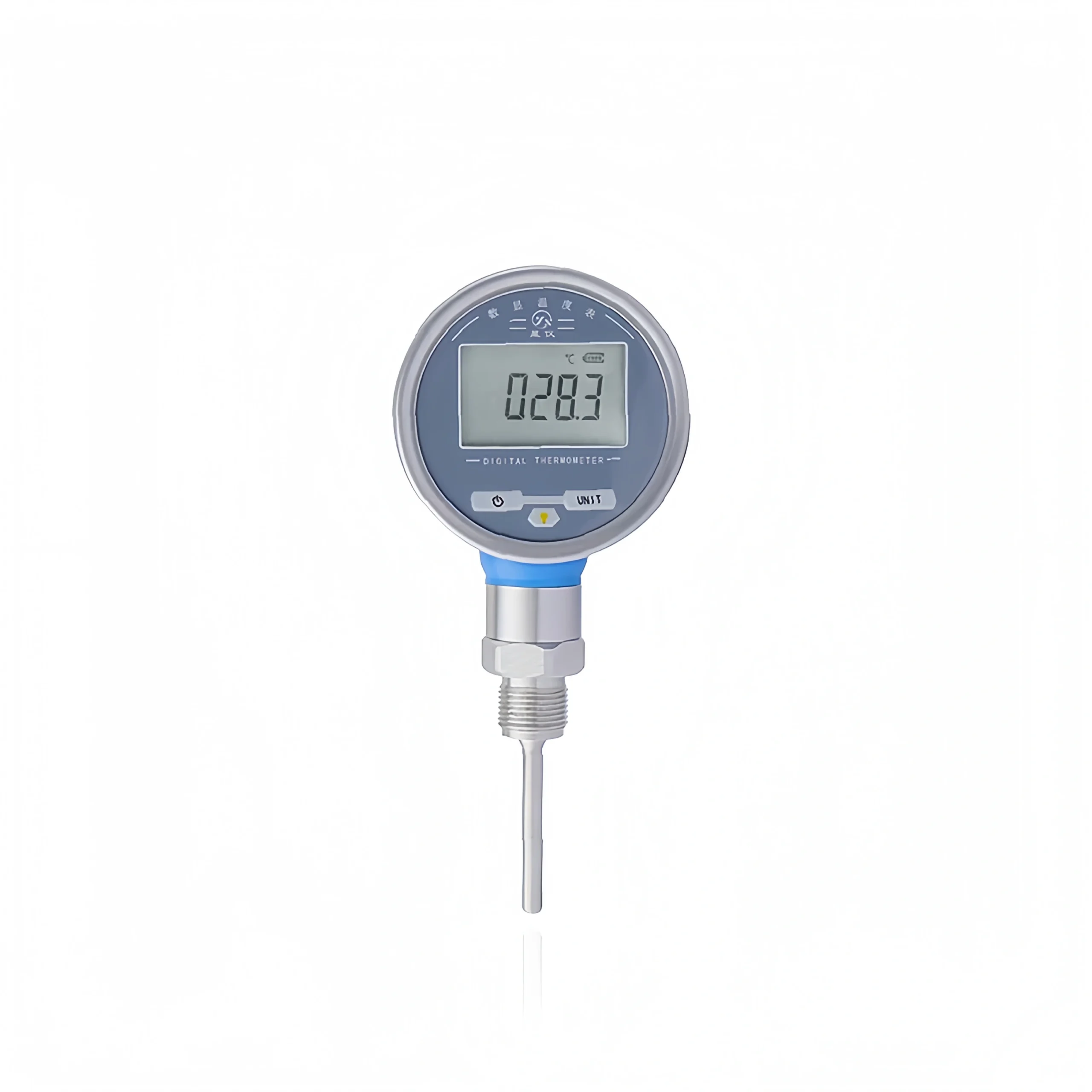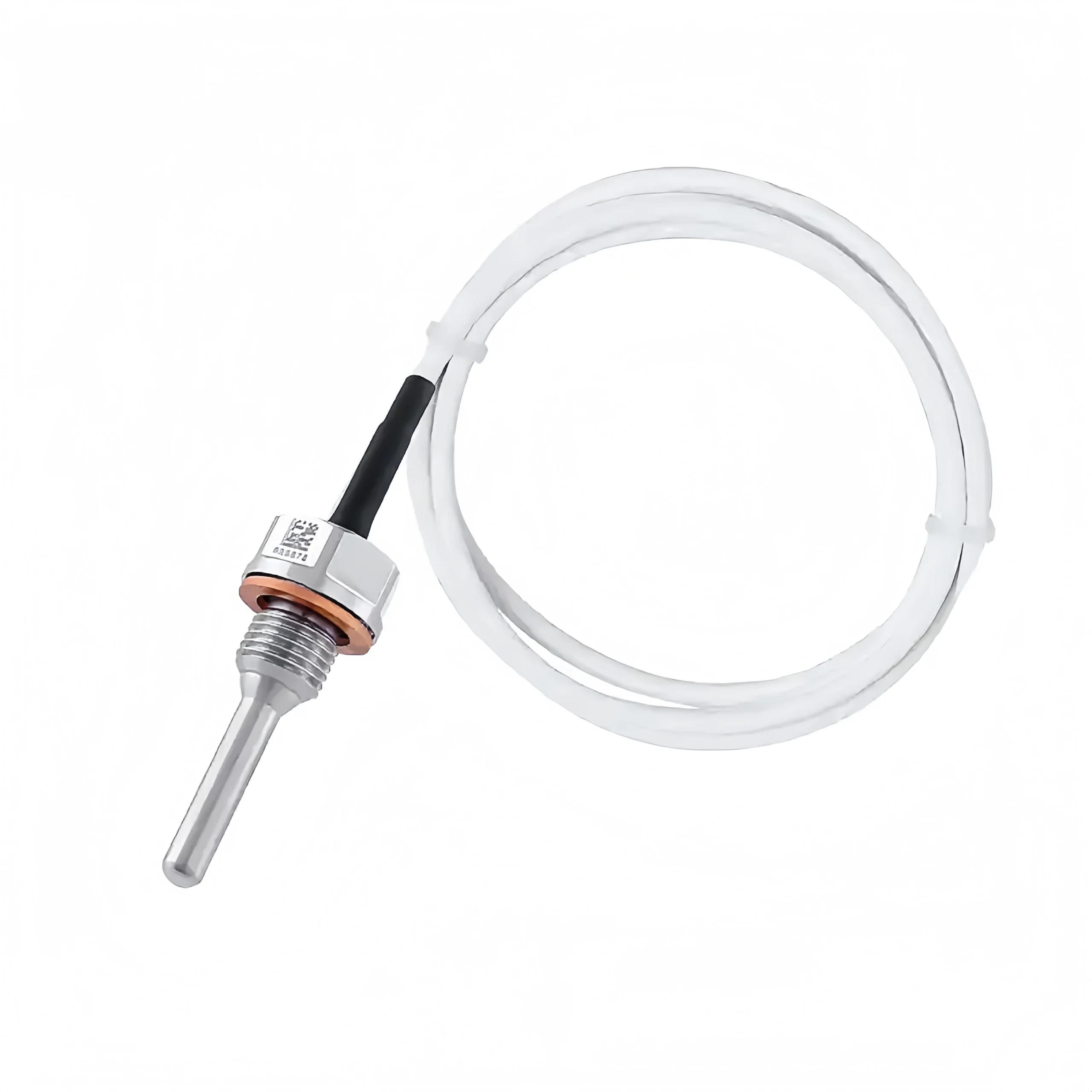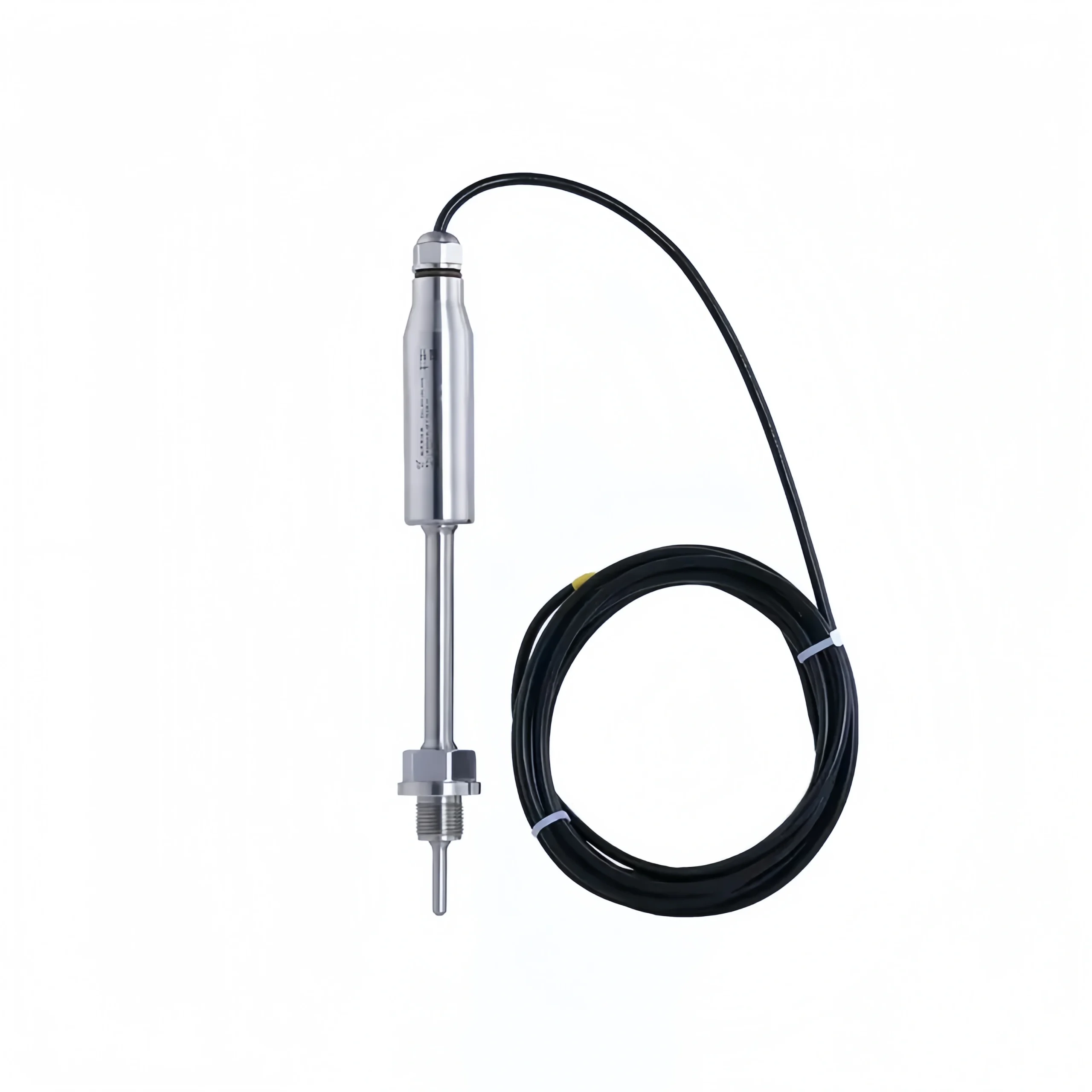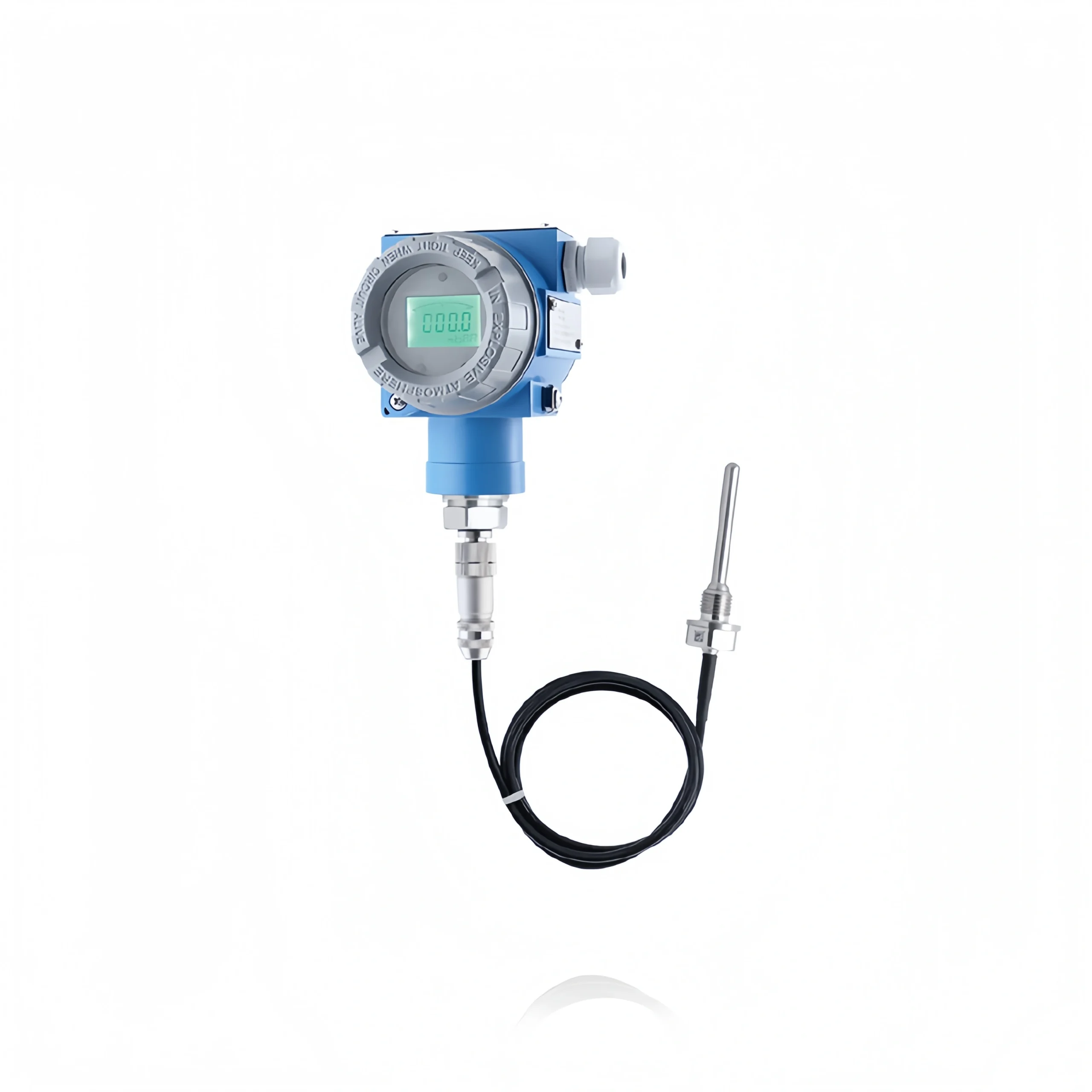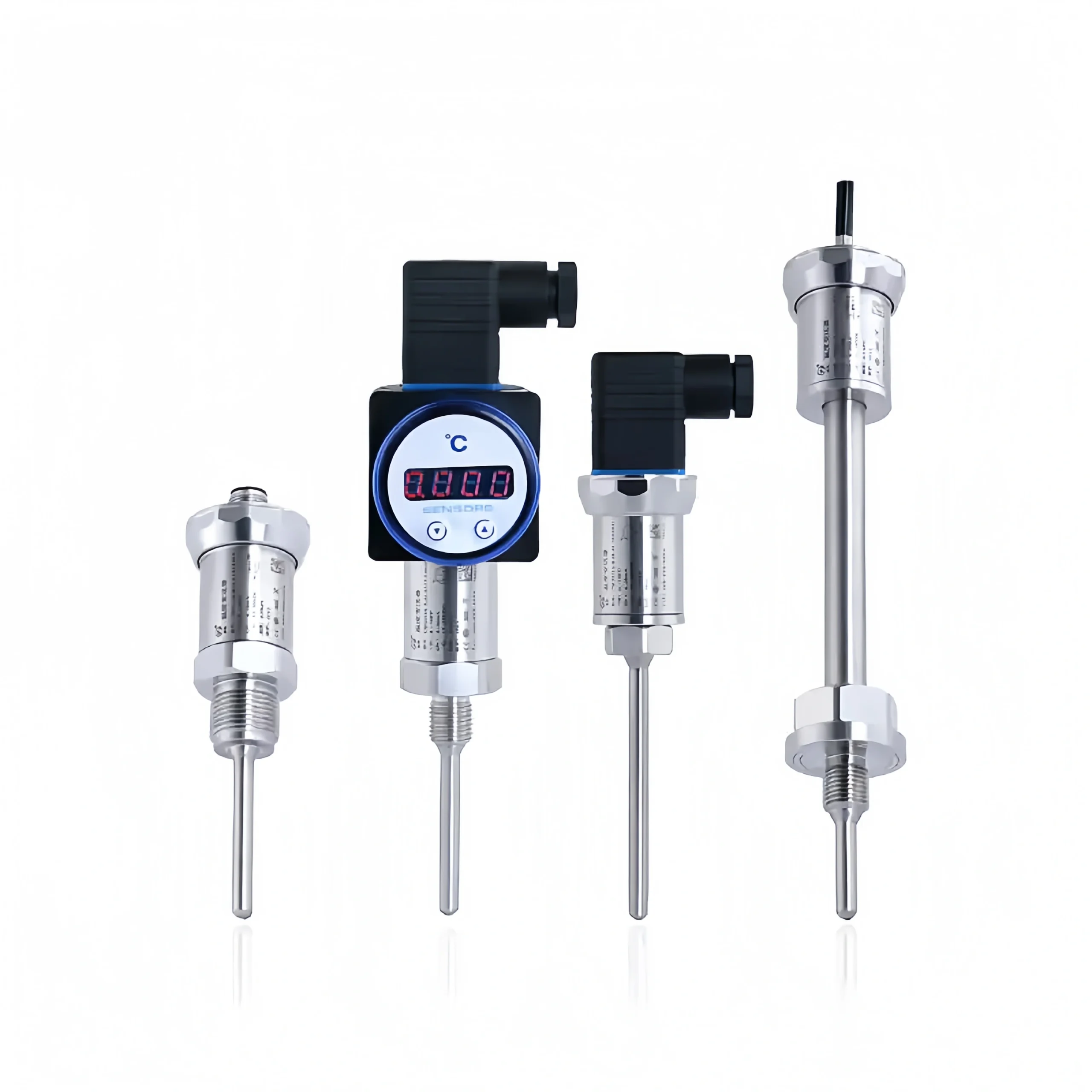
Temperature transmitters are classified into 2 wire and 4 wire types based on their signal output. In a 2 wire temperature transmitter, the output signal and power supply share a single 2 core cable; in a 2 wire temperature transmitter, the power supply uses one two-core cable and the output signal uses another.
2 wire temperature transmitters utilise the standard 4–20 mA current signal for transmission. They rely on sensing elements like thermocouples and RTDs to measure temperature really precisely, and they’re used a lot in complex operating conditions in all sorts of industries. They’ve got a lot of advantages, like being easy to wire up, being really resistant to interference and being explosion-proof, which is great for safety.
What is a 2 Wire Temperature Transmitter?
A 2 wire temperature transmitter utilises a simple circuit design to perform temperature measurement, typically comprising a sensing element and signal transmission lines. It works by looking at how temperature affects current, resistance and voltage. For example, thermocouples and RTDs (Resistance Temperature Detectors) are two types of 2-wire temperature transmitters. By measuring changes in resistance, the sensor can accurately show changes in temperature in the environment being measured.
In practice, the principle of 2 wire temperature transmitters is reflected in the functions of their two connecting wires. One wire carries the current, whilst the other transmits the signal to the control system. During this process, the sensor’s resistance changes based on the temperature, which allows the control system to calculate the exact temperature value based on the changes in the current signal. The great thing about this design is how simple it is, and the fact that it can transmit signals over long distances, providing stable temperature data without all the complicated circuitry getting in the way.
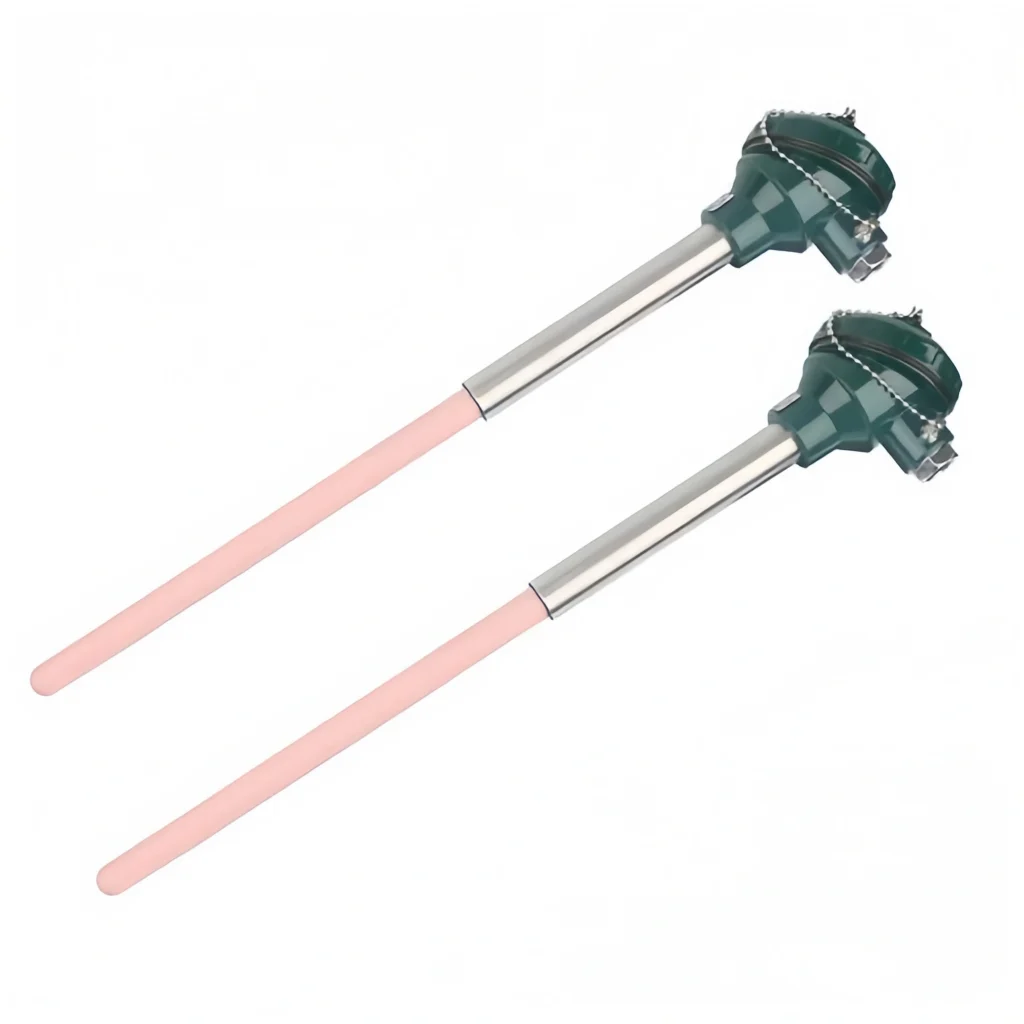
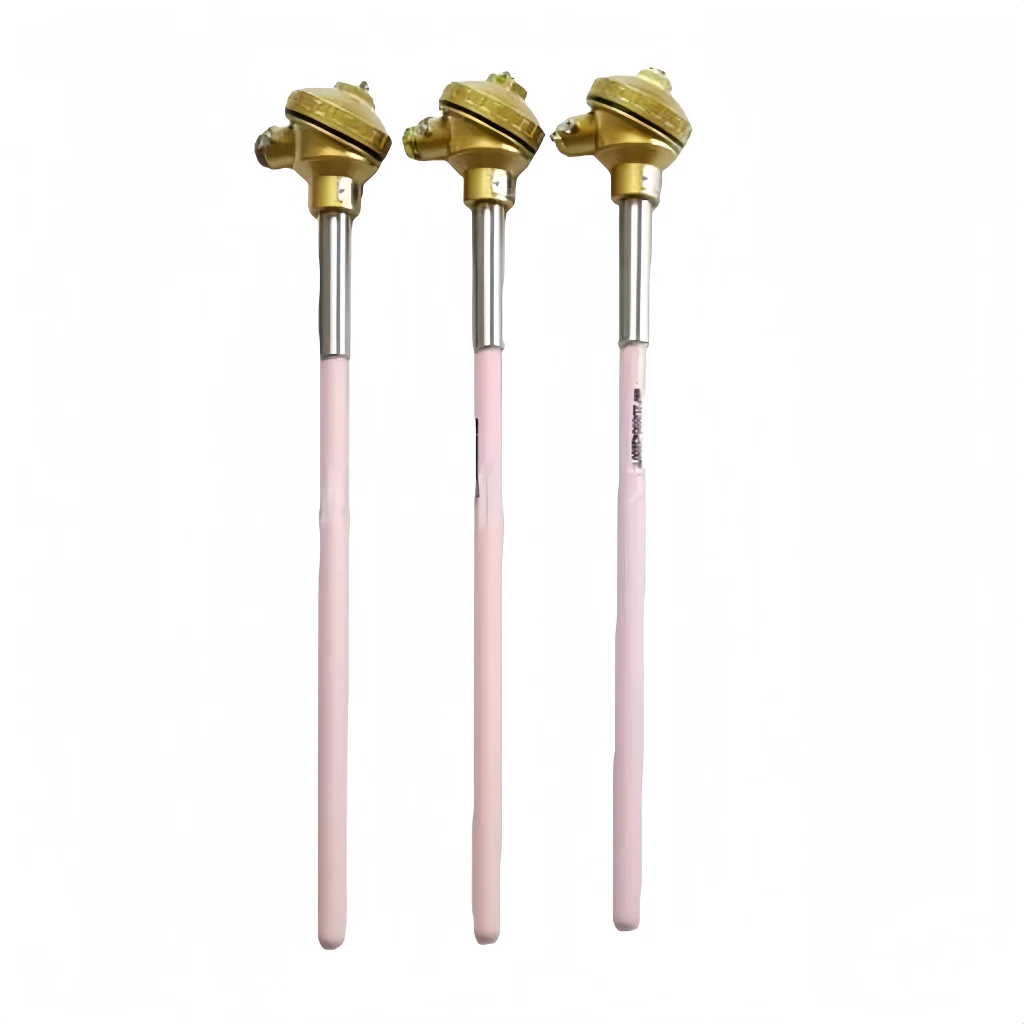
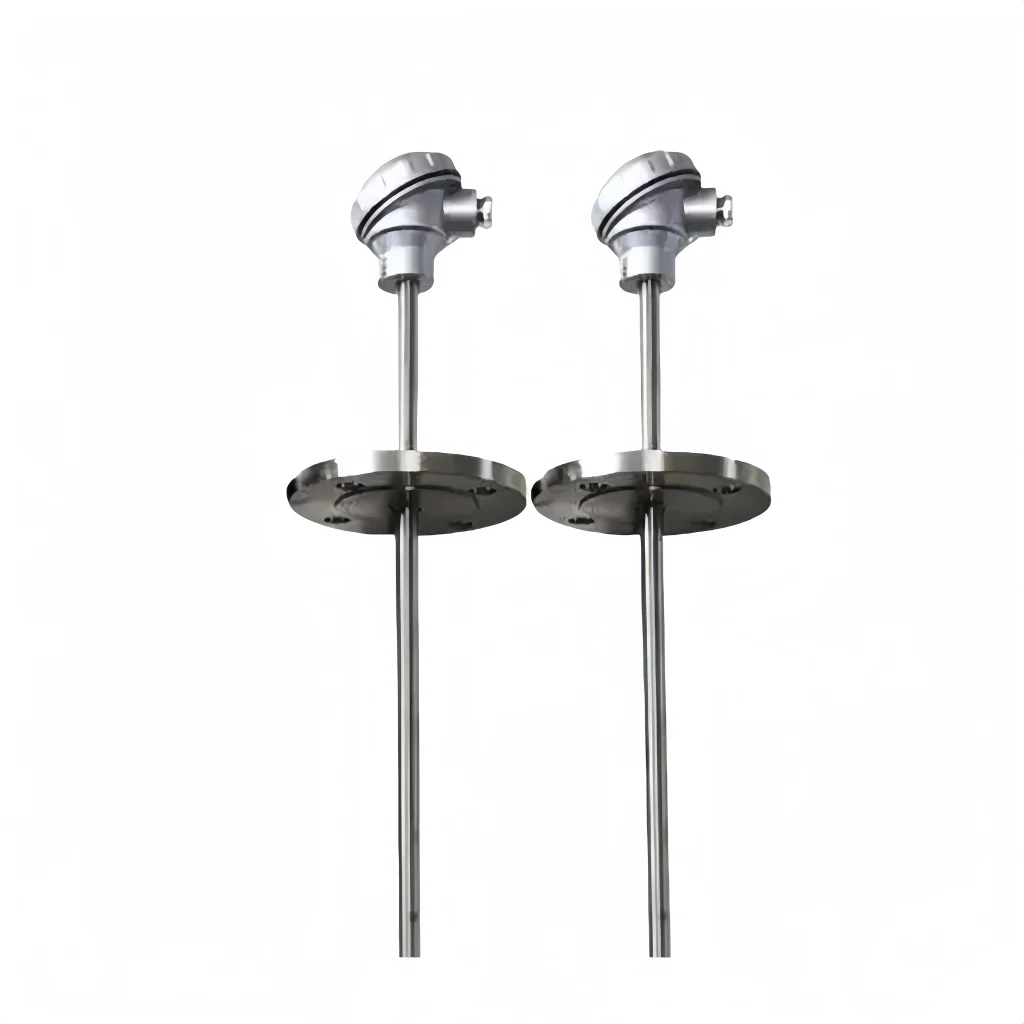
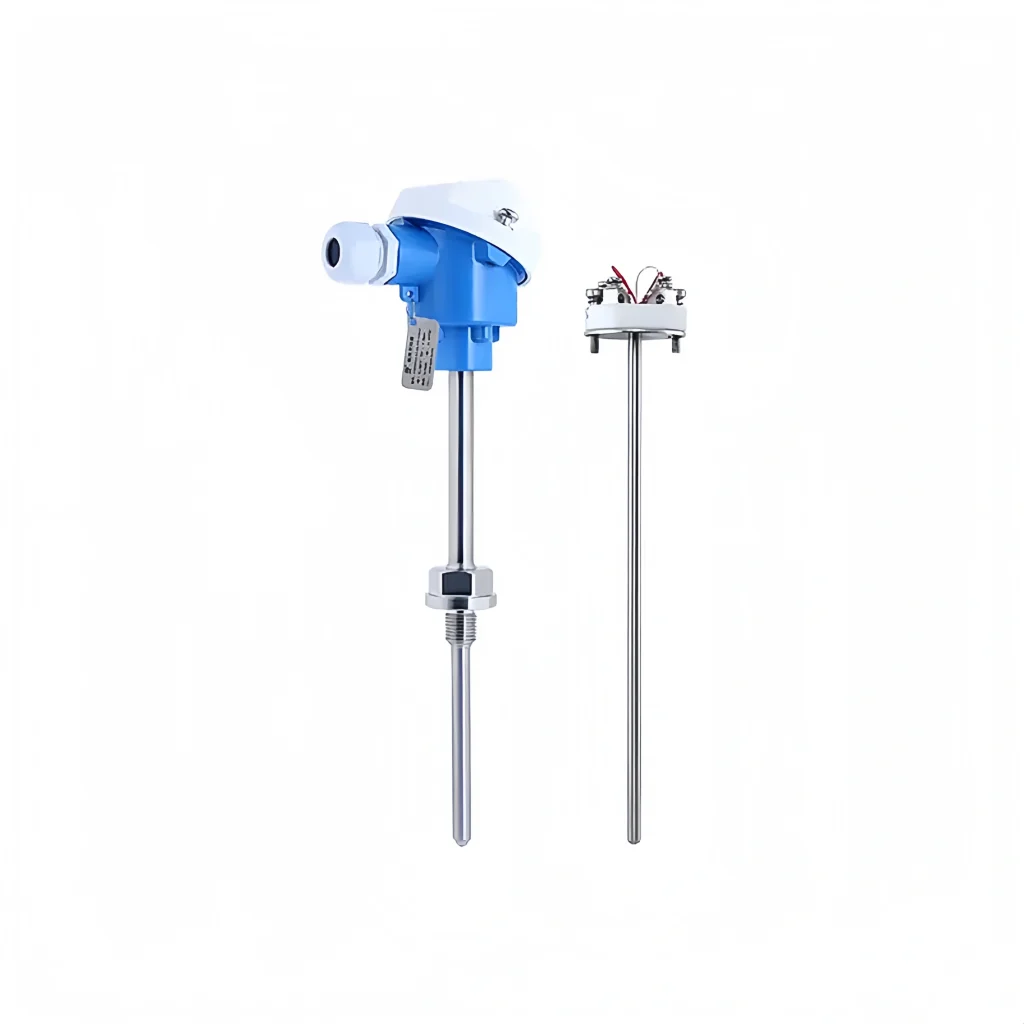
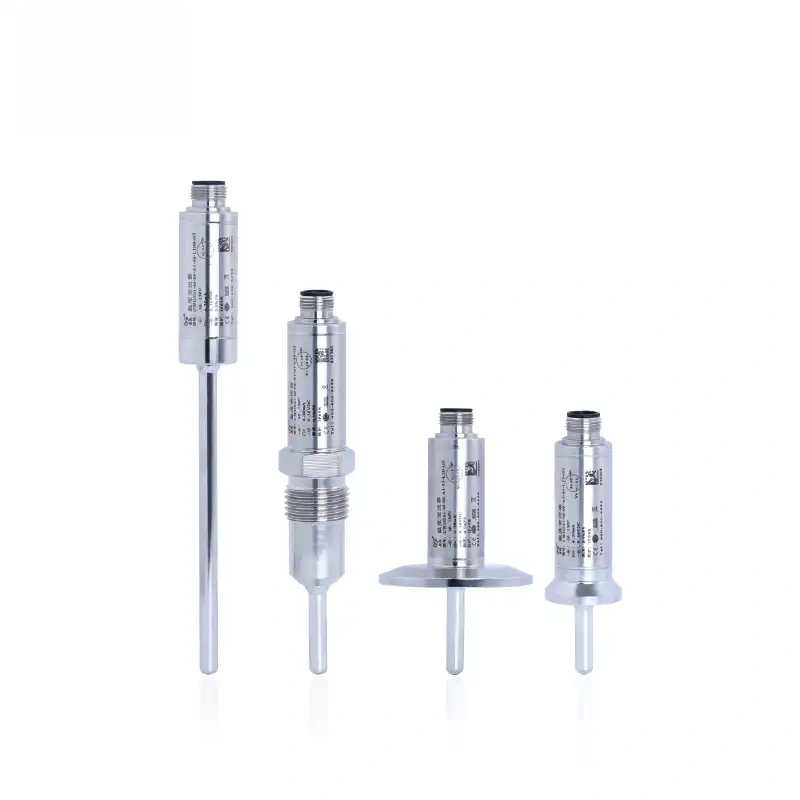
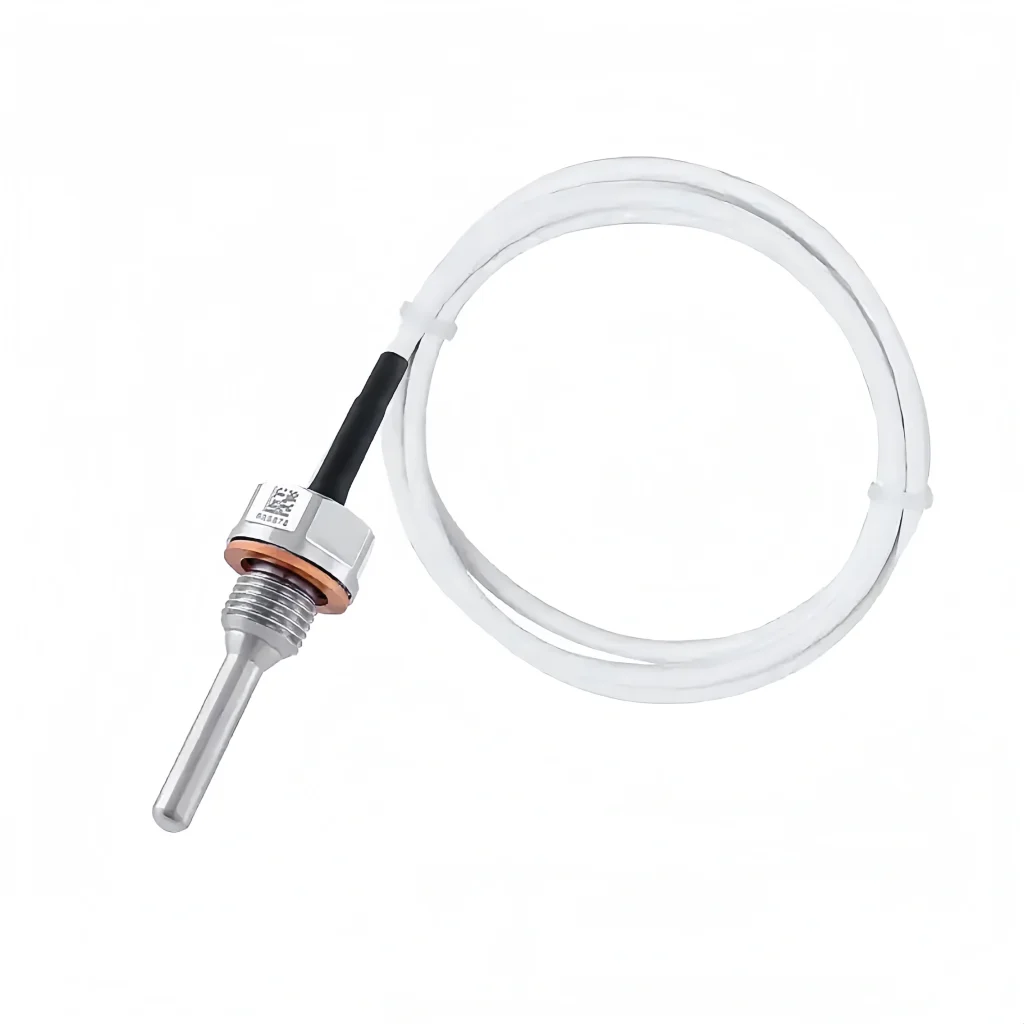
Advantages and Disadvantages of 2 Wire Temperature Transmitters
Advantages
Cost savings and simplified wiring: The design utilises a single pair of wires for both power supply and signal transmission, significantly reducing the amount of cabling required compared to other configurations (such as 4-wire systems). This not only lowers the cost of purchasing cables but also simplifies the complexity of on-site installation and construction.
High resistance to interference: The signal transmitted is a standard 4–20 mA current signal, not a voltage signal. Current signals are less likely to be affected by line resistance, contact resistance and external electromagnetic interference during long-distance transmission, so you can be sure the signal will be accurate and reliable, even in complex industrial environments.
Easy fault diagnosis: As the operating current range is strictly limited to 4–20 mA, if a line open circuit occurs, the loop current will drop to 0 mA; if a short circuit or other fault occurs, the current will often exceed the normal range, such as falling below 4 mA or rising above 20 mA. This characteristic enables the control system to rapidly identify on-site faults based on the current value.
High safety: As the loop current is restricted to a low level, typically a maximum of 20 mA, the system remains a low-power device even during operation. This makes it particularly suitable for applications with strict power consumption limits or in hazardous locations containing flammable or explosive gases, facilitating the creation of intrinsically safe explosion-proof systems.
Disadvantages
Limited power supply: As the loop current is restricted to the 4–20 mA range, the transmitter can draw only a limited amount of drive power from the line. Consequently, it cannot support high-power sensor components (such as certain high-speed response sensors) or execute complex intelligent functions (such as backlit local displays or high-intensity wireless communication).
Stringent requirements for power supply and load: It only works properly if there is enough voltage. If there are big changes in the supply voltage or the load resistance is very high, the transmitter may have problems. It might not work properly because it cannot get the minimum operating voltage.
Troubleshooting is relatively complex: although a 4 mA signal can indicate a broken wire, when signal deviations occur, it is difficult to quickly distinguish whether the fault is caused by power supply fluctuations or by a problem with the sensor or conversion circuit itself, as the power supply and signal share the same circuit, thereby increasing the difficulty of troubleshooting.
Differences between 2 wire, 3 wire and 4 wire temperature Transmitters
2 wire temperature transmitters
The transmitter is connected to the instrument via just two wires, offering the simplest structure, low wiring costs and ease of installation. In industrial settings, they are often used in conjunction with 2 wire temperature transmitters. These two wires serve a dual purpose, providing both power and transmitting the standard 4–20 mA current signal. They offer strong resistance to interference and are suitable for long-distance signal transmission.
However, as the wires themselves possess resistance, this resistance is directly superimposed on the measurement signal. This can be hard to fix and can easily cause errors when measuring. This type is mostly used in normal applications where the measurements need to be fairly accurate and where the wiring is not too complicated.
3 wire temperature transmitters
These are mostly used with resistance temperature detectors (RTDs) like the Pt100, and they’re designed with a three-wire system. You need two wires for the circuit, and the third is used to compensate for the deviation caused by wire resistance. This basically makes up for most of the line resistance, so the measurements are way more accurate. It’s more accurate than the two wire system, but not as much as the four wire system. It doesn’t cost a lot more to install, either.
By balancing practicality and reliability, it meets the requirements of most industrial scenarios and is currently the most widely used wiring method in industrial temperature measurement. It is suitable for applications such as chemical processing, power generation, HVAC and water treatment, where a certain level of temperature accuracy is required.
4 wire temperature transmitter
This employs a four-wire configuration, strictly divided into a current excitation circuit and a voltage detection circuit. The current circuit provides a stable excitation, whilst the voltage circuit specifically captures the true voltage signal across the sensor terminals. As the two circuits are totally separate, they get rid of any errors caused by wire resistance, contact resistance and line voltage drops, so you get the best measurement accuracy and stability.
But because of its complicated wiring, high cable usage and higher installation costs, it’s not often used in regular industrial settings. It’s mostly used in lab precision metrology, scientific research testing, high-precision process control, and monitoring critical equipment where temperature measurement accuracy is really important.
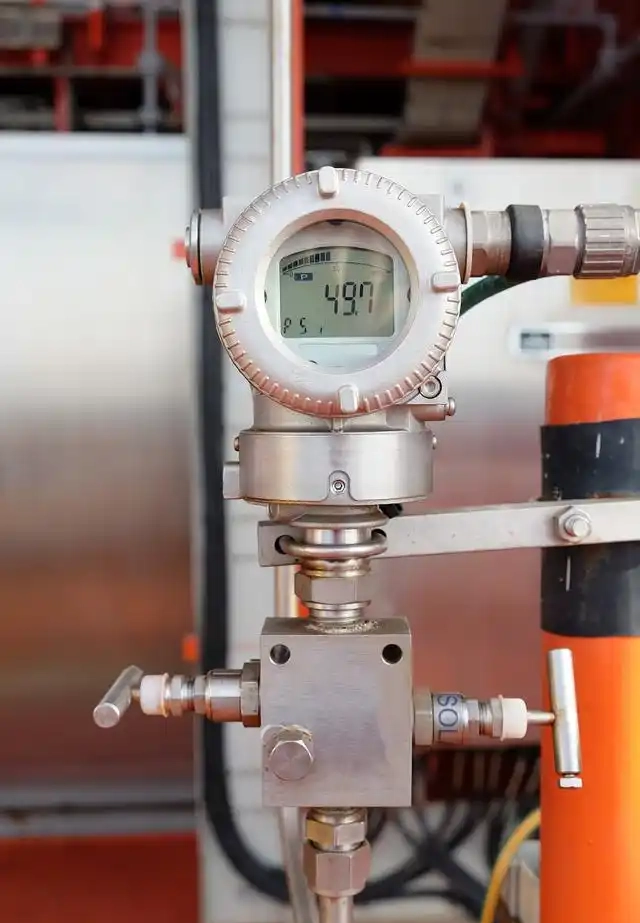
Practical Applications of 2 Wire Temperature Transmitters
Temperature Monitoring of Industrial Pipelines and Equipment
Two wire temperature transmitters are often put right on equipment like pipelines, heat exchangers, reactors and boilers. They convert thermocouple or RTD signals into a standard 4–20 mA current signal, which lets you measure the medium temperature in real time. You only need two wires to power and transmit signals, so the wiring is easy. This makes them perfect for use in places where you need to measure things that are far apart. They are also very resistant to interference and can be relied upon to work in complex industrial environments.
Use in Explosion-Proof Environments in the Chemical and Petroleum Industries
If you work with flammable or explosive materials, like in the oil, chemical, and gas industries, you can use two wire temperature transmitters with safety barriers to make measurement circuits that are explosion-proof. They use little power and are safe because they don’t create sparks. This means you don’t need extra power cables and there is less chance of an accident. This makes them the mainstream solution for temperature monitoring in hazardous areas.
High-temperature measurement in power generation and metallurgy
In industries such as power generation and metallurgy, 2 wire temperature transmitters can be connected to thermocouples to measure the temperature of high-temperature flue gas, steam and furnace bodies, outputting standard signals for integration into DCS or PLC systems. During long-distance transmission, the current signal is virtually unaffected by line voltage drops, ensuring stable and reliable measurement and facilitating centralised monitoring and logic control.
Clean Process Control in Food and Pharmaceutical Industries
When it comes to food processing and making medicines, it’s really important to be able to control the temperature perfectly and to keep things really clean. In these situations, it’s possible to use special temperature transmitters that have two wires, along with hygienic probes. These can be connected straight to the automated control systems. They can quickly change the temperature and send data from a distance, which is great for checking production processes at all times.
FAQ
What is a 2-wire transmitter?
Principle of 2 Wire Transmitters
The idea behind two-wire transmitters is that they can measure changes in resistance. The magnitude of the resistance is measured, and this reflects the physical quantity being measured. Inside the transmitter, conductors send electrical signals to the sensing element. When the sensing element is exposed to external physical forces, its internal resistance changes, which causes the signal passing through the sensing element to change accordingly, reflecting the value of the physical quantity being measured.
Structure of a 2 Wire Transmitter
A 2-wire transmitter is made up of three main parts: the sensing element, support rod and mechanical structure. The sensing element is the most important part, and there are a few types, like resistive elements, thermistors and strain gauges. The support rod is there to hold the sensing element up and pass on the physical quantity being measured. Together with the sensing element, it makes up the measurement circuit. The mechanical structure protects the sensor and helps to keep it accurate over time.
What is the difference between 1 wire and 2-wire temperature sensor?
The main differences between 1 wire and 2 wire temperature sensors are in how they’re wired, what they can do, and when they’re best used. They’re both used for measuring temperature, but there are some big differences in how they work and how practical they are.
1 wire temperature sensors use a 1 wire to handle both power supply and signal transmission. They feature an extremely simple structure and the lowest cable costs; however, they have very poor resistance to signal interference and are easily affected by wire resistance, leading to significant measurement errors. Furthermore, they cannot perform fault diagnosis and are only suitable for simple applications with extremely low accuracy requirements, short distances and no interference.
2 wire temperature sensors utilise two wires to perform both power supply and signal transmission functions. They are often paired with sensing elements such as thermocouples and Pt100 and similar sensing elements, transmitting a standard 4–20 mA current signal. They offer strong resistance to interference and support long-distance transmission, whilst also enabling fault diagnosis when used with a transmitter.
Suitable for standard industrial temperature measurement scenarios, they balance cost-effectiveness with practicality and are currently one of the most widely used types in industrial settings, addressing the shortcomings of single-wire sensors in terms of low accuracy and poor interference resistance.
How to connect a 2-wire RTD?
The method of connecting a single wire to each end of a resistance temperature detector (RTD) to transmit the resistance signal is known as the two-wire system. Whilst this wiring method is straightforward, the presence of lead resistance (r) in the connecting wires means that the total resistance of the circuit is the sum of the RTD’s resistance and the resistance of the two wires.
This results in significant measurement errors, the magnitude of which depends on the material and length of the wires. Consequently, this wiring method is only suitable for applications requiring lower measurement accuracy.
Sino-Inst has specialised in industrial automation measurement for years. Our R&D team is top-notch and we’ve got loads of experience in implementing projects, so we’re able to offer a wide range of temperature transmitters. Whether you need a standard RTD, thermocouple, explosion-proof or wide-temperature model, we’ve got you covered.
Compared to traditional products, our equipment offers enhanced performance in terms of low-power stability, anti-interference capability and environmental adaptability. In addition to the diverse sectors we already serve—including chemicals, petroleum, power generation, food and pharmaceuticals—we effectively address various pain points in temperature measurement, such as cumbersome wiring, signal distortion, explosion-proof compliance and insufficient accuracy, thereby helping enterprises achieve precise monitoring, efficient control and cost optimisation of their production processes.