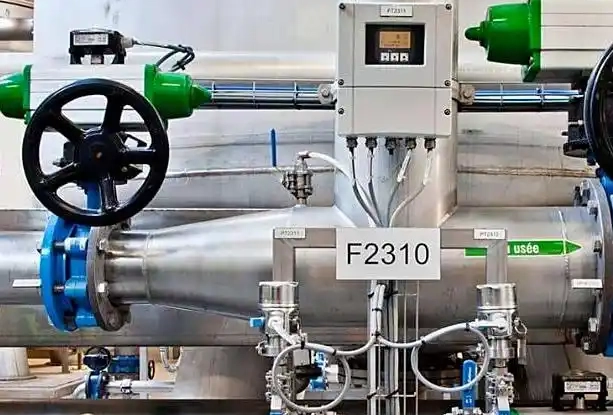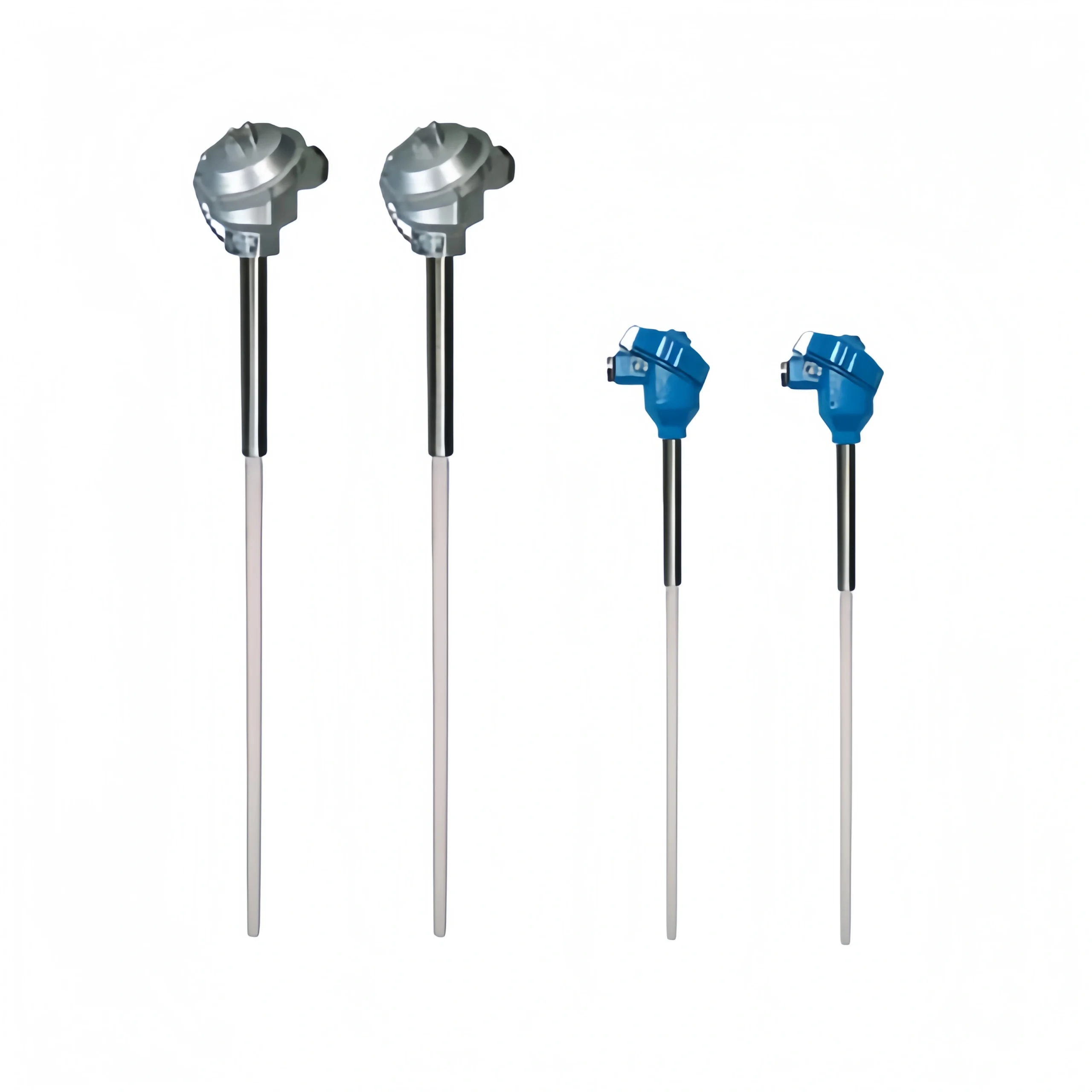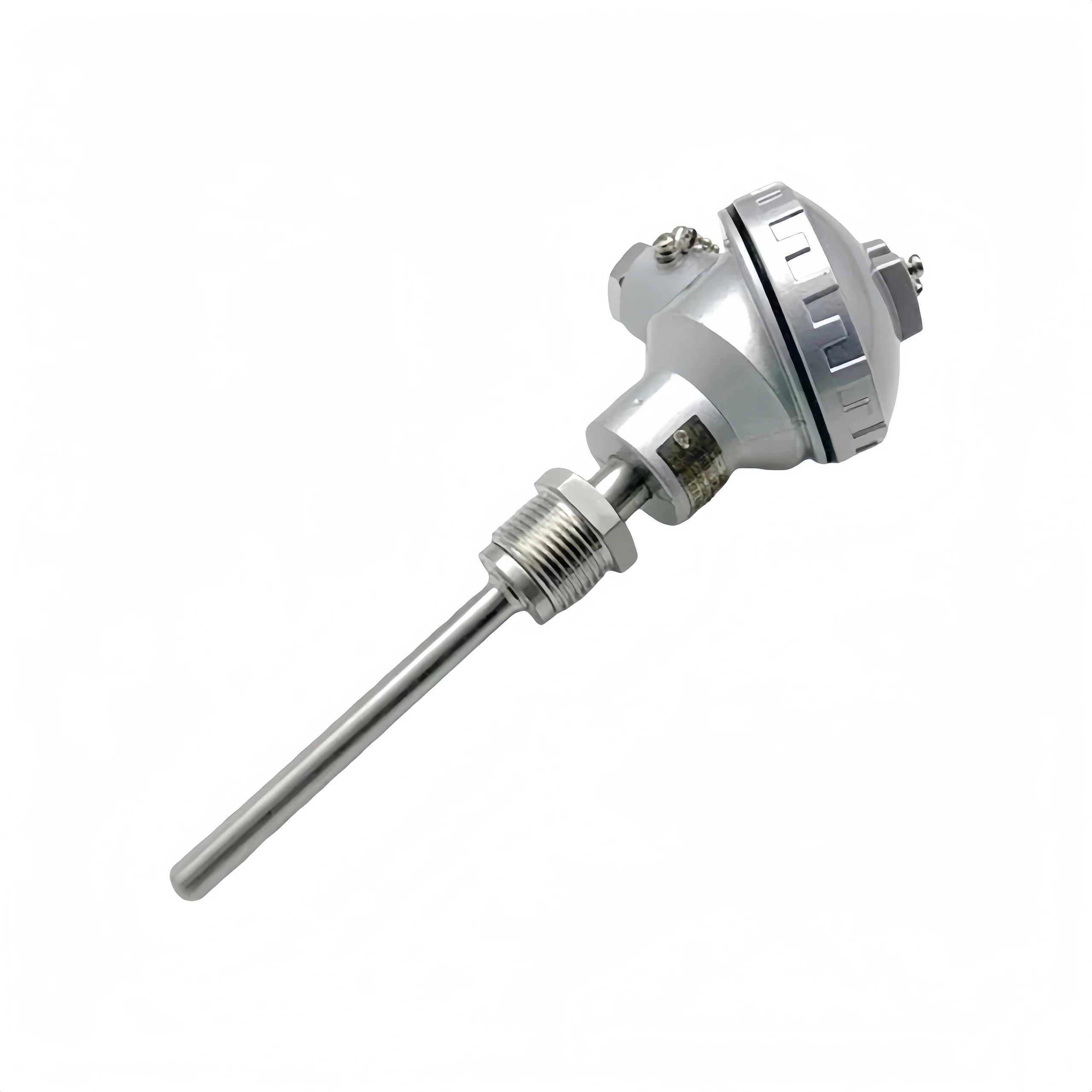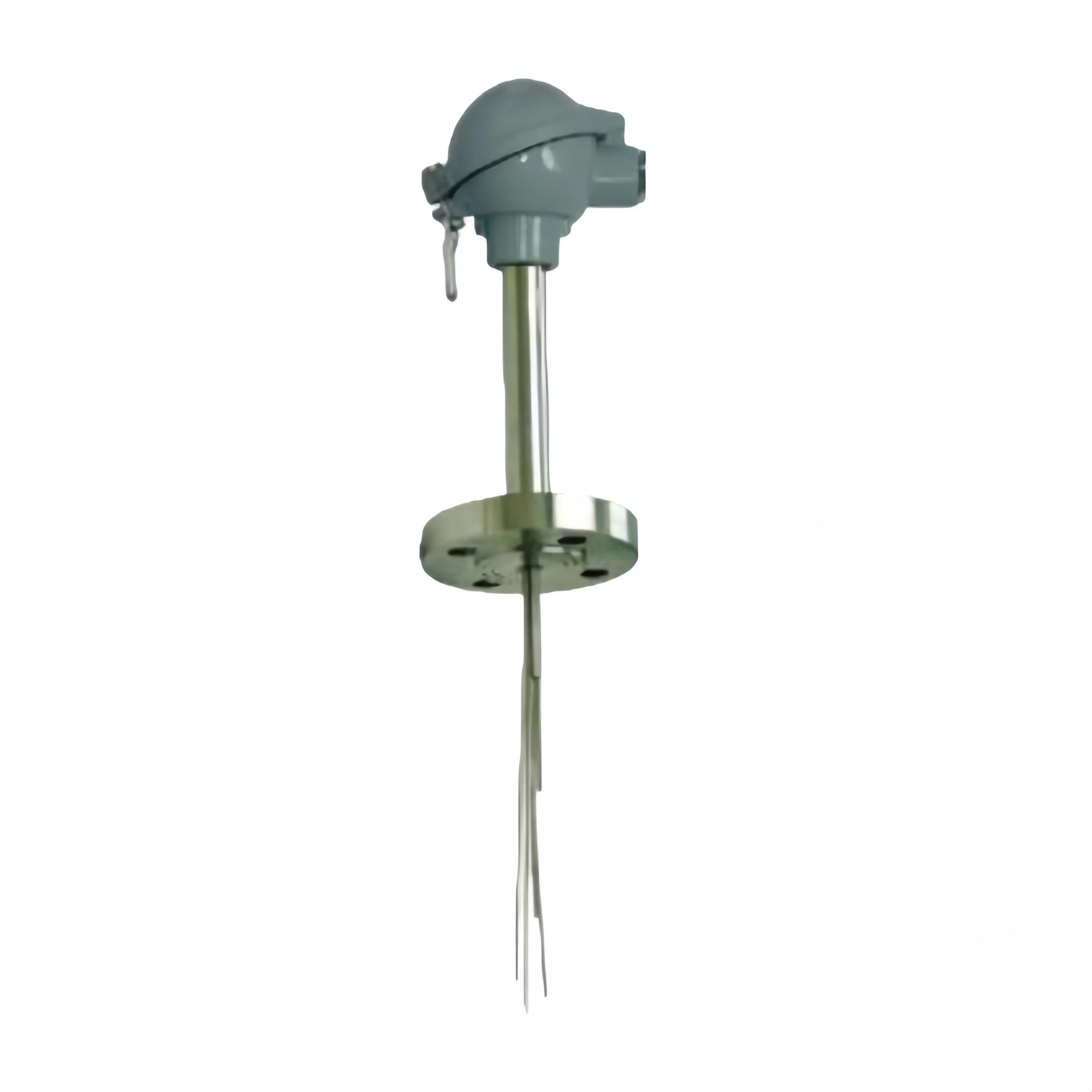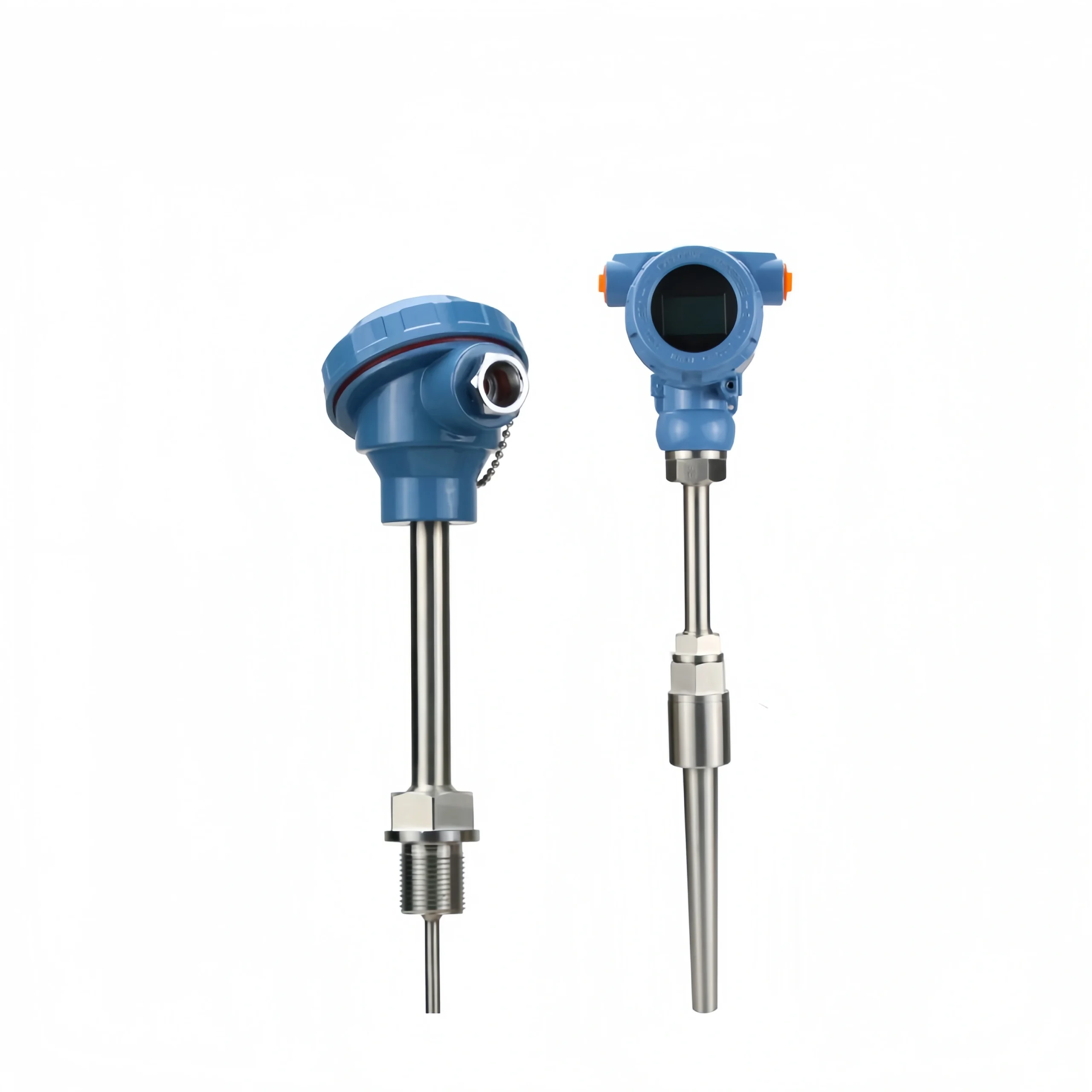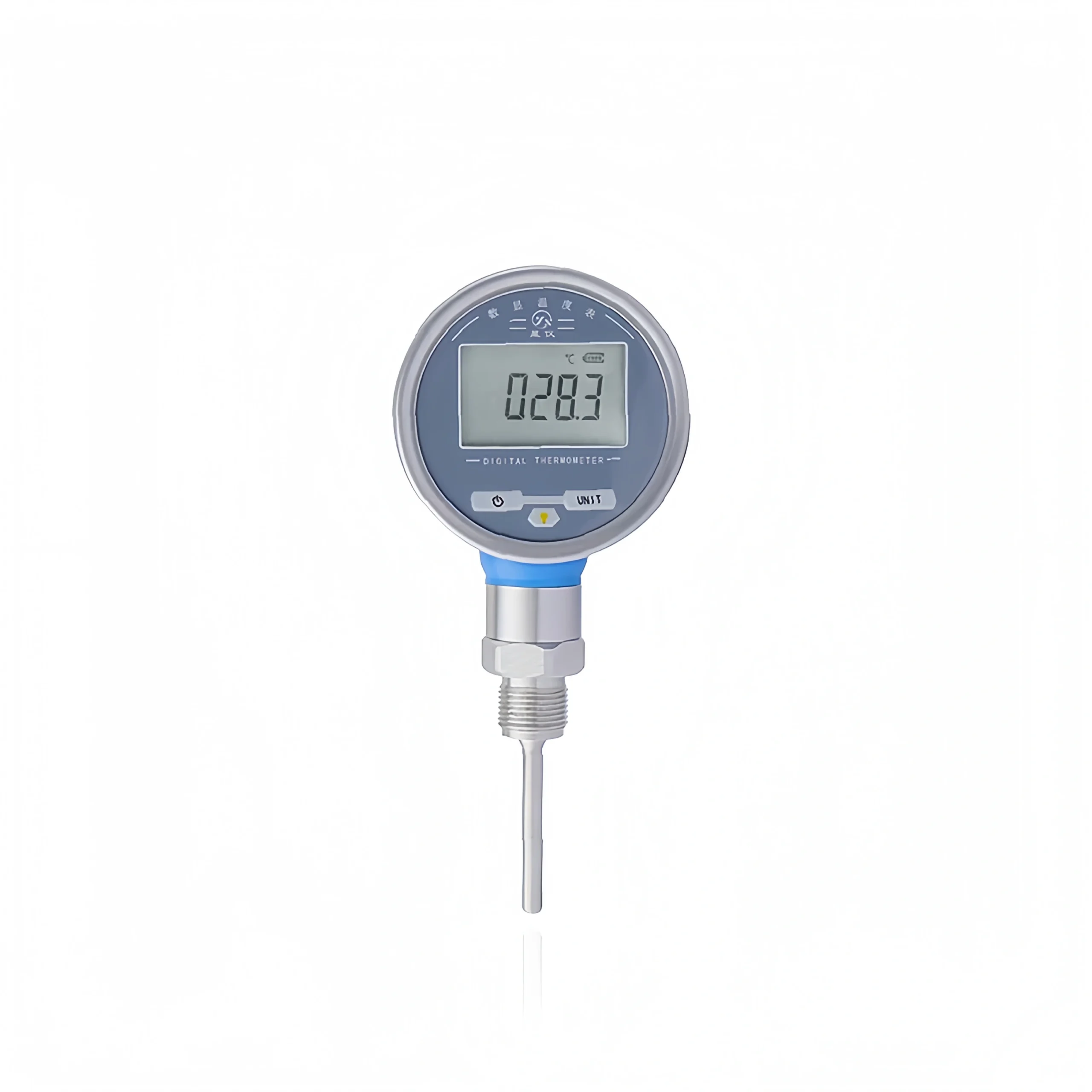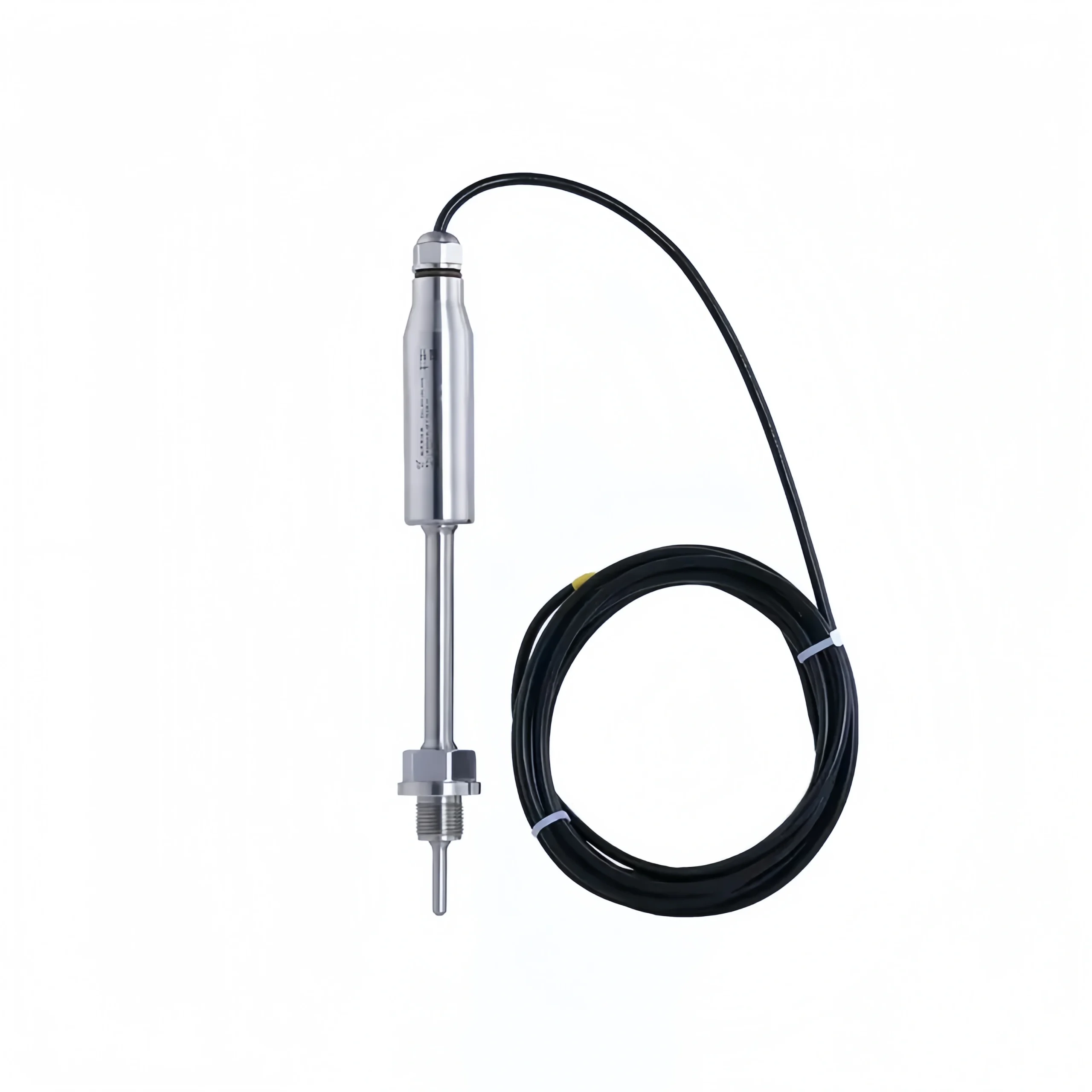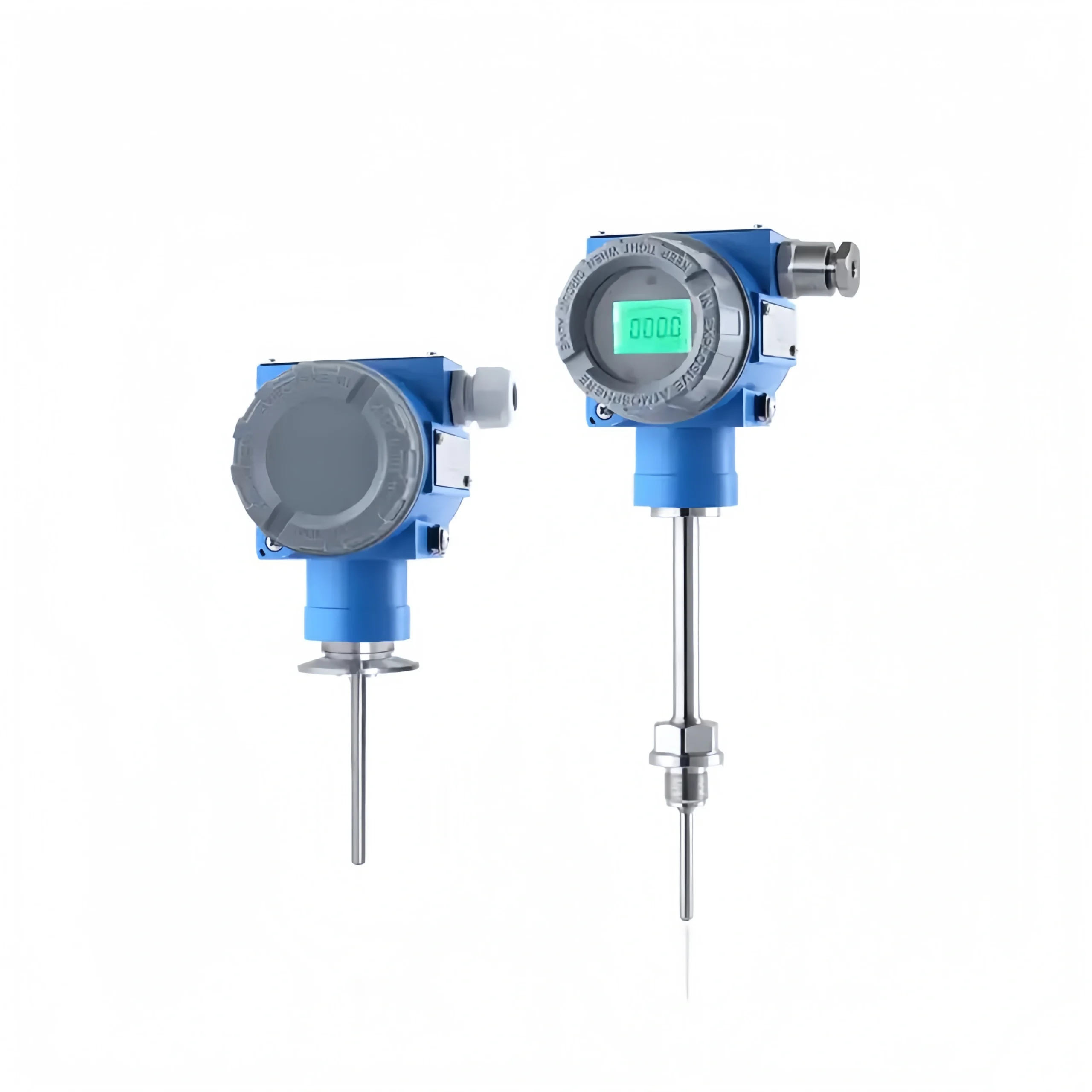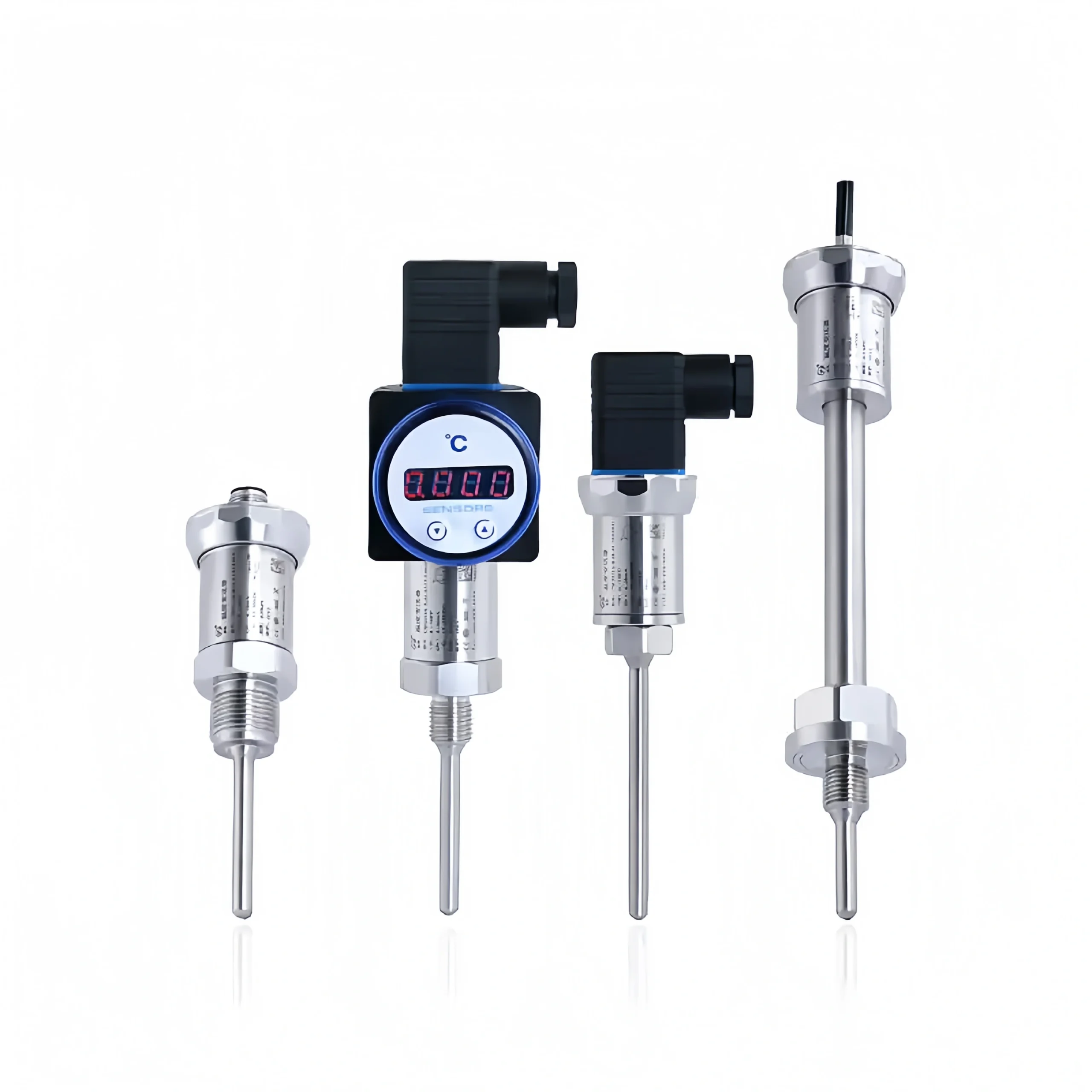
An RTD temperature transmitter is a type of transmitter that works on the idea that there’s a connection between electrical resistance and temperature. You’ll find it’s used pretty much everywhere these days, from industry to scientific research and everyday life. It uses the property that a material’s electrical resistance changes with temperature, so it can accurately measure temperature, and it’s really stable and precise.
Basic Principles of the Relationship Between Resistance and Temperature
Basically, resistance temperature transmitters work by measuring how the resistivity of metals changes when they’re heated or cooled. Metals like platinum, copper and nickel are often used as sensing elements because the resistance of these materials changes in a straight line with temperature.
The resistance value of the transmitter changes when the temperature changes, and this can be converted into a temperature value using precision measuring equipment. A common type of resistance temperature transmitter is the platinum resistance thermometer (PT100, PT1000, etc.), for which the relationship between temperature and resistance has been standardised, enabling high-precision temperature measurement.
The Operating Principle of RTD Temperature Transmitter
When you’re using a RTD temperature transmitter, there are a few things you need to know. First, a current flows through the transmitter’s resistive element, which generates a change in voltage. As the temperature rises, the resistance of the transmitter increases or decreases (depending on the material used). Subsequently, a high-precision bridge circuit or digital transmitter module measures this change in resistance and converts it into a temperature signal. The system then converts this signal into an actual temperature value based on pre-set calibration standards.
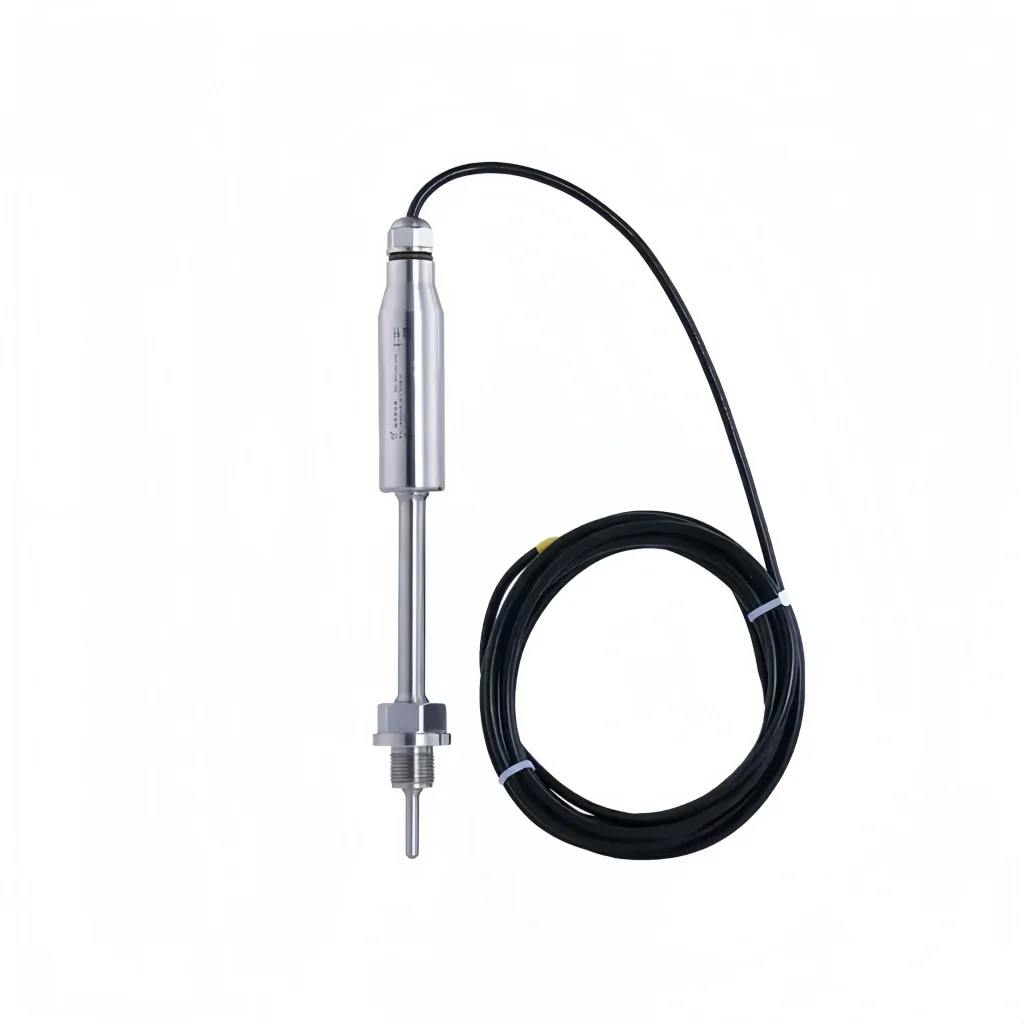
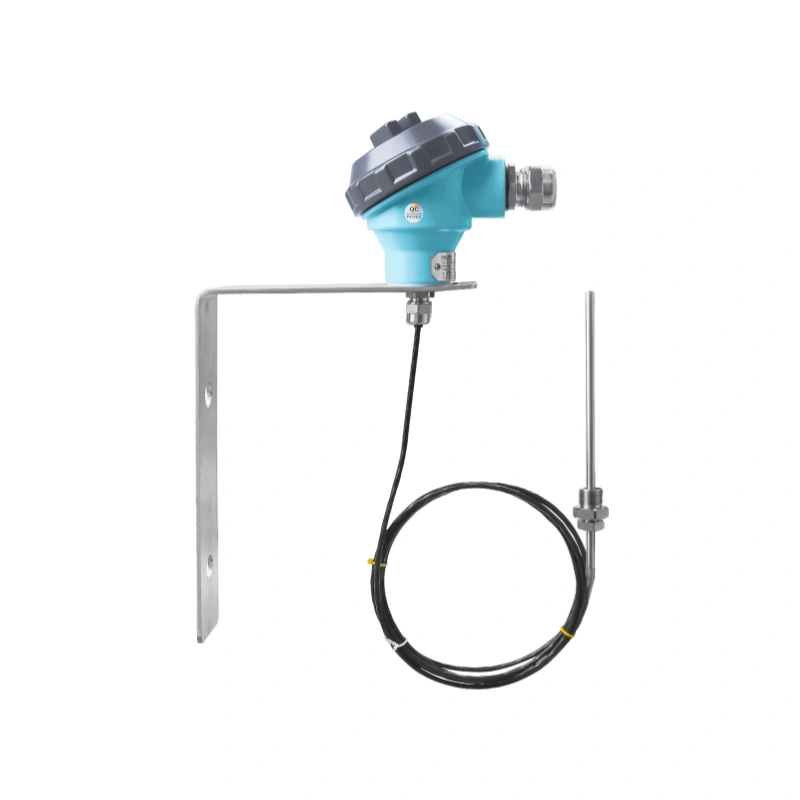
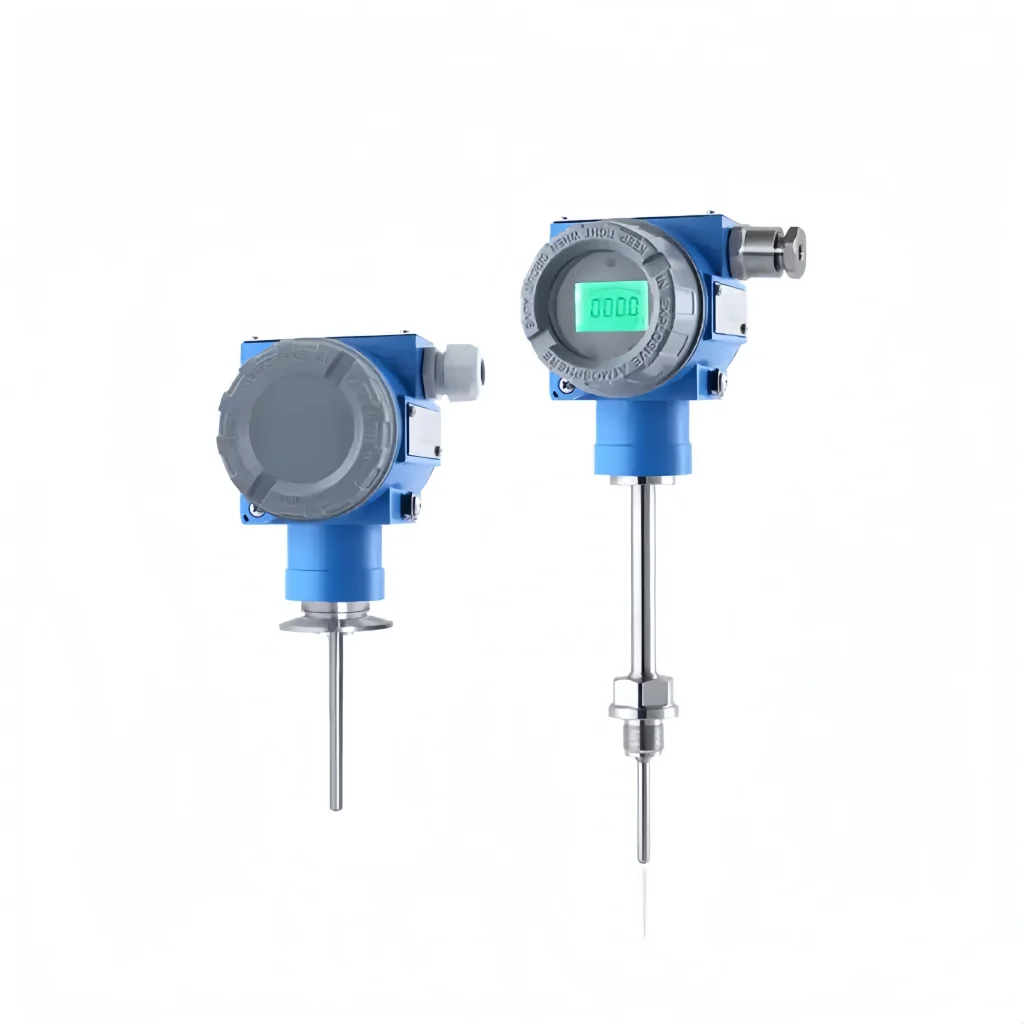
Advantages and Disadvantages of RTD Temperature Transmitters
Advantages
1. High measurement accuracy and good linearity: Within a reasonable measurement range, the output signal is closely related to the measured quantity, and the measurement is accurate enough for most applications, such as industrial and measurement and control scenarios.
2. Stable performance and high reliability: The device is stable. It doesn’t pick up much interference. It should last a good while. It rarely fails when used normally.
3. Wide range of applications: It can be used to measure a variety of physical quantities, such as displacement, pressure, strain, temperature, liquid level and torque. It has many applications in sectors such as machinery, industrial control, automotive and household appliances.
4. Simple interface circuitry and easy integration:The output is an electrical signal, and the conditioning, amplification and data acquisition circuits are well established, enabling direct connection to microcontrollers, programmable logic controllers (PLCs) and data acquisition systems.
5. Compact size and easy installation/integration:They are available in a variety of sizes, making them ideal for installation inside equipment or in tight spaces. This makes them easy to incorporate into designs and makes them ideal for small spaces.
Disadvantages
1. Susceptible to ambient temperature:The resistance values are temperature-sensitive. This means that if the temperature changes, it can cause zero-point drift. It can also cause changes in sensitivity. You usually need to make sure you compensate for the temperature to get the right accuracy.
2. Limited dynamic response speed: Some RTD temperature transmitters can be unreliable due to being sluggish or slow to respond, making them unsuitable for dealing with rapid changes.
3. Susceptible to external interference: The signal output is usually quite weak and susceptible to electromagnetic interference. This means that signal fluctuations are likely to occur in environments with strong electromagnetic fields, so shielding and filtering are required.
4. Limited measurement range and accuracy: RTD temperature transmitters often have problems meeting the necessary linearity and stability requirements when the measurement range is very wide or when the measurement is very precise. This can limit how they can be used.
Common Output Signals for RTD Temperature Transmitters
RTD transmitters process resistance signals from RTDs and send out standard signals for equipment to receive. These signals can be either analogue or digital. The most common is the 4–20 mA analogue current signal, which resists interference well and supports long-distance transmission. 4 mA is the lower limit of the measurement range and 20 mA is the upper limit. This allows for the detection of equipment faults and is widely used in industrial long-distance monitoring.
Additionally, there are 0–5 V and 0–10 V analogue voltage signals, which feature simple wiring and are suitable for short-distance, low-interference scenarios, though they offer poor resistance to interference. These smart devices can handle digital protocols like HART and Modbus RTU. This allows you to set parameters and diagnose faults, and they work with intelligent control systems.
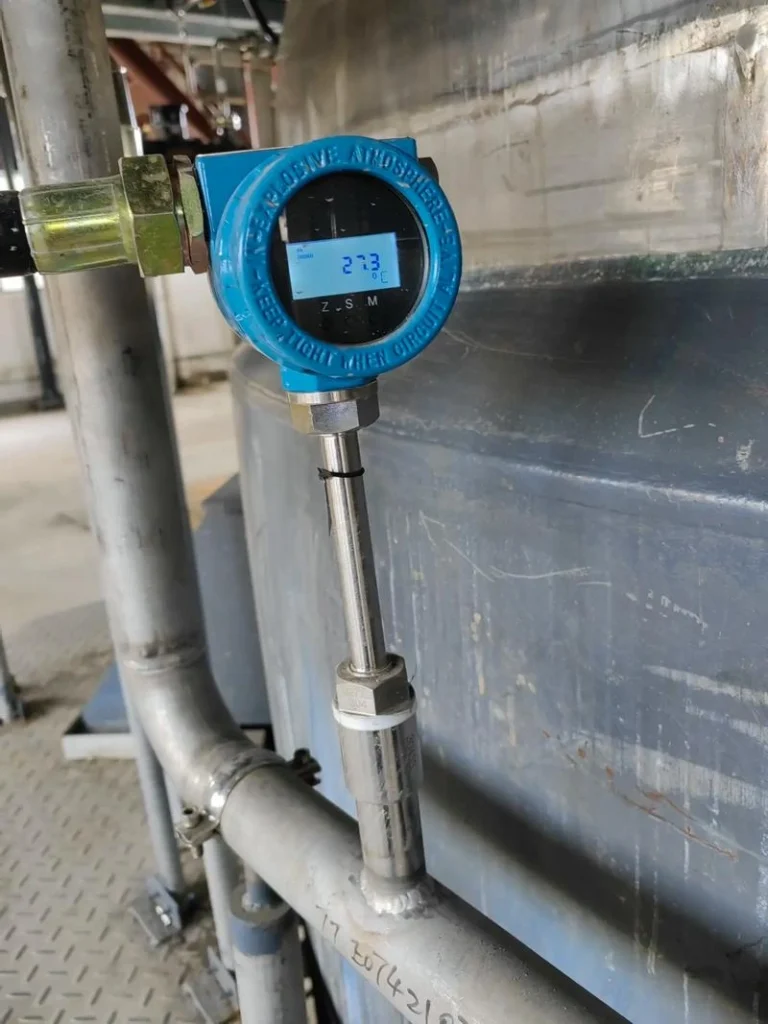
Types of Resistance Temperature Detectors Supported by RTD Transmitters
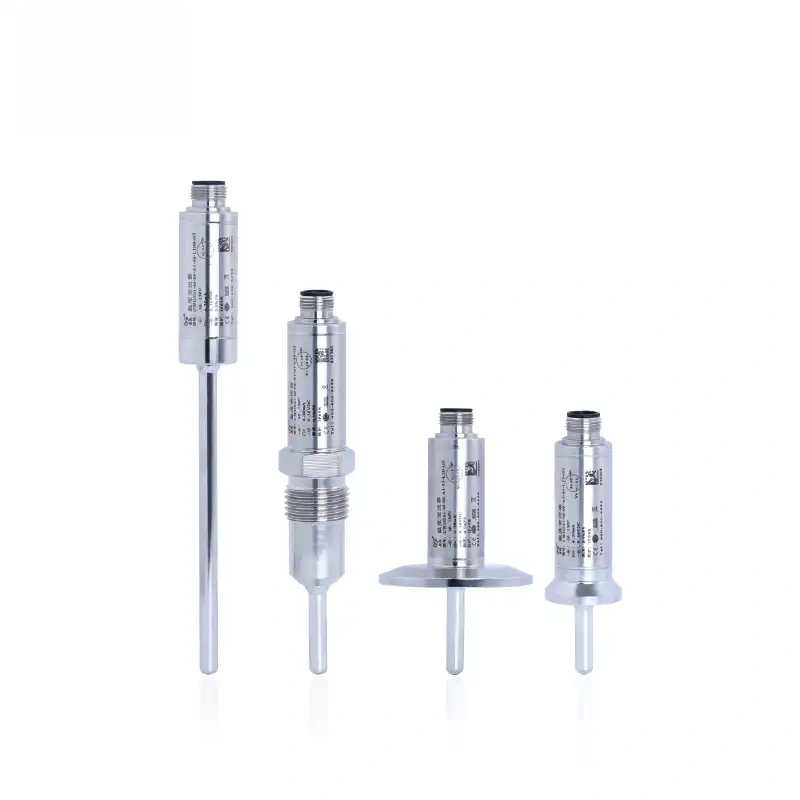
The types of RTDs that an RTD transmitter can support depend on its internal circuitry and calibration range. Common industrial standards include PT100, PT1000, Cu50 and Cu100, which are suited to different temperature, accuracy and environmental requirements; the materials and characteristics of each type differ significantly.
The PT series (platinum) offers high accuracy, excellent stability and a wide temperature measurement range; the PT100 is the most common model in industry, whilst the PT1000 offers higher sensitivity and is suitable for high-precision applications.
The Cu series (copper) is low-cost and offers good linearity, but has a narrow temperature measurement range and is susceptible to corrosion; it is therefore mostly used in low-temperature, non-corrosive environments. High-end transmitters also support nickel-based RTDs.
Common Types of RTD Temperature Transmitters
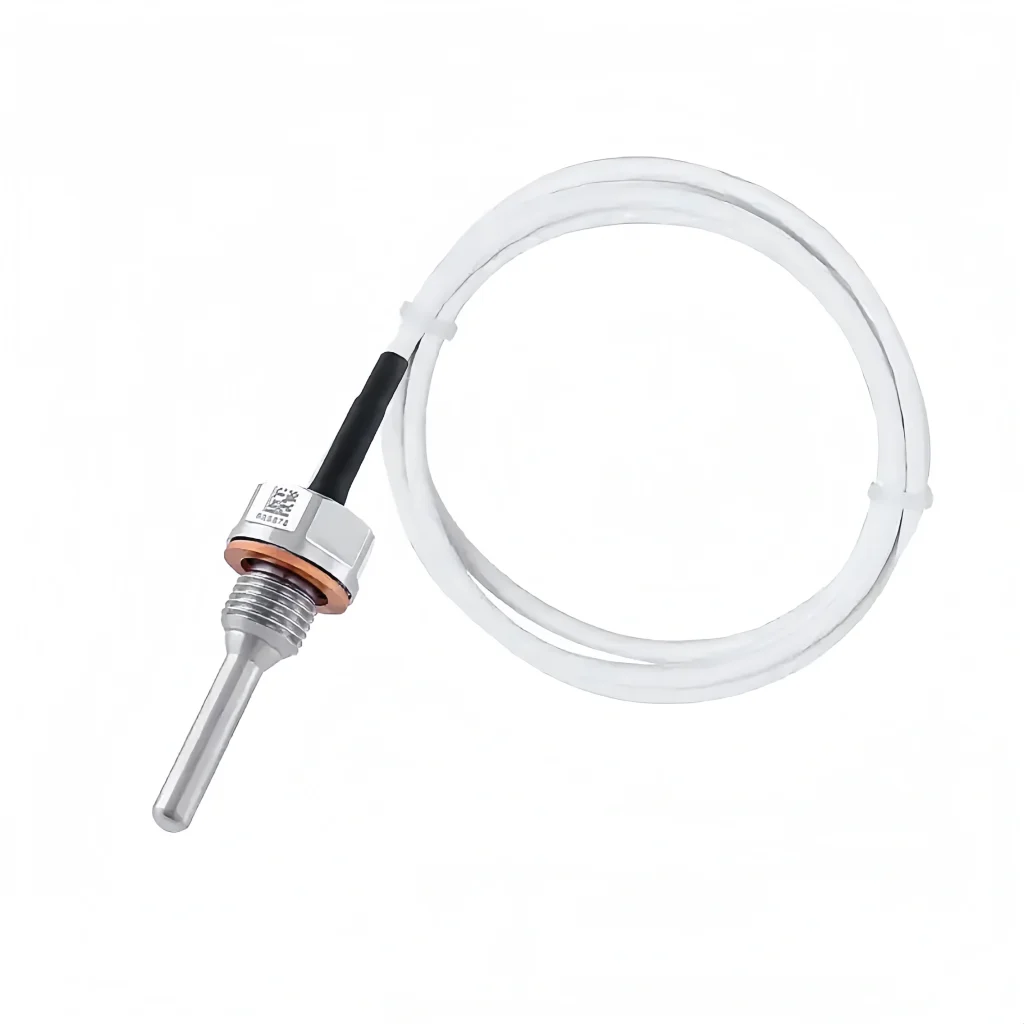
Platinum Resistance Thermometers (RTDs): RTD transmitters made from platinum are widely used in applications requiring high precision due to their stability and linearity. PT100 and PT1000 are common platinum RTD specifications that correspond to different resistance values. They can handle a wide range of temperatures and are highly accurate.
Thermistors (NTC and PTC): Platinum resistance thermometers are different from thermistors because the resistance of thermistors doesn’t follow a linear relationship with temperature. NTC thermistors are great for applications that are sensitive to temperature changes because their resistance decreases as the temperature rises.
Differences between Thermistors, RTDs and Thermocouples
1. Different operating principles: Thermistors utilise the characteristic of semiconductor materials where resistance changes significantly with temperature; they offer high sensitivity but exhibit pronounced non-linearity.
RTDs (resistance temperature detectors) work on the principle that the resistance of a metallic conductor increases when the temperature rises, making them ideal for linearity and stability. In contrast, thermocouples rely on a circuit formed by two different metals to generate a thermoelectric potential that reflects temperature through a voltage difference; they are self-generating sensors.
2. Different temperature measurement ranges:Thermistors can usually measure between -50°C and 150°C. RTDs are used for medium and low temperatures, usually between -200°C and 600°C. Thermocouples can measure the widest range of temperatures, from -200°C to 1800°C or higher, which makes them perfect for high-temperature industrial environments.
3. Differences in accuracy and linearity:Thermistors are highly sensitive but not very linear. This means they usually need software or hardware to improve their accuracy. RTDs are the most accurate type of sensor, offering excellent linearity and long-term stability. Although thermocouples are moderately accurate and fairly linear, they are more stable at high temperatures than thermistors and RTDs.
4. Differences in response speed: Thermistors are small in size and have low thermal mass, resulting in the fastest response speed; RTDs have a relatively bulky structure and a response speed that is moderately slow; thermocouples can be manufactured in the form of fine probes, offering a relatively fast response speed and making them suitable for rapid temperature measurement.
5. Differences in signal and power supply:Both thermistors and RTDs are resistive sensors that need an external power supply to work, and they produce a signal based on changes in resistance. Thermocouples don’t need an external power supply and directly output a millivolt-level voltage signal, but the signal is weak and can be affected by electromagnetic interference.
Applications
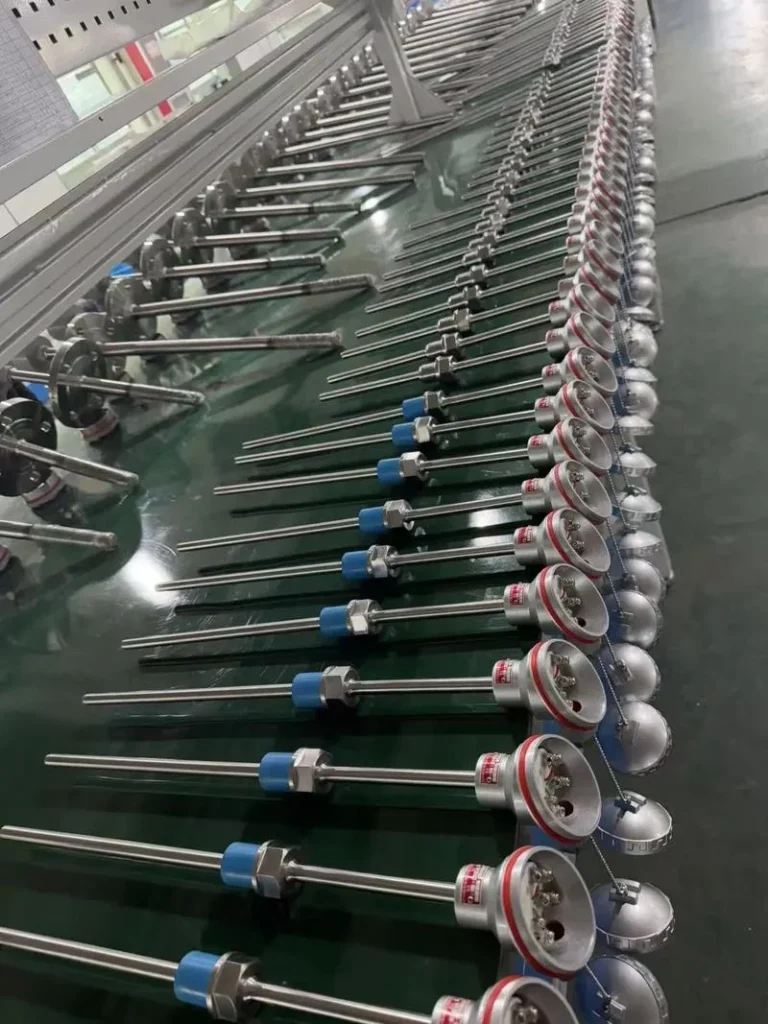
RTD temperature transmitters have a wide range of applications, covering virtually every field where temperature measurement is required.
Industrial Automation
In industrial automation, RTDs are often used for temperature monitoring and process control. RTDs are used in all sorts of places, like chemical plants, where they keep an eye on the temperature of reaction vessels and control reaction rates. In power stations, they make sure the boilers are kept at the right temperature for safety reasons.
Medical Equipment
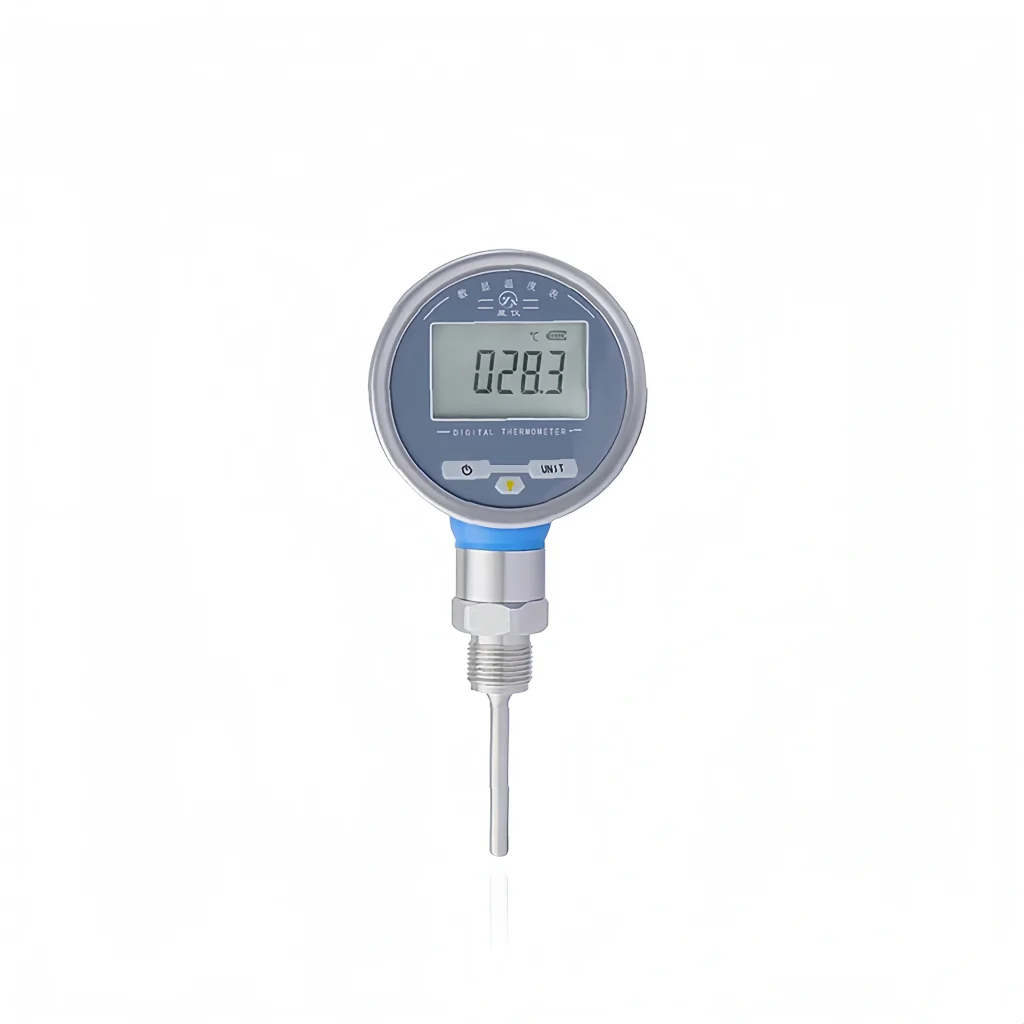
RTDs are often used in medical equipment to measure body temperature and monitor breathing. For example, digital thermometers use RTDs to measure body temperature, and ventilators use RTDs to monitor how fast and deeply a patient is breathing.
Household Appliances
In the field of household appliances, RTDs are commonly used in air conditioners, refrigerators and similar devices. For example, air conditioners use RTDs to control the start-up and shutdown of the compressor, as well as to regulate the indoor temperature. Similarly, refrigerators use RTDs to control the operation of the refrigeration system, thereby maintaining the temperature in the fridge and freezer compartments.
Special Environments
The selection and application of RTDs are subject to more stringent requirements in special environments such as those involving low or high temperatures or high pressure.
Low-temperature environments: When working in low-temperature environments, it is best to use platinum resistors or low-temperature thermistors that perform well at low temperatures.
High-temperature environments: When it comes to high-temperature environments, it’s best to go for platinum resistors or ceramic-encapsulated thermistors that can handle the heat.
High-pressure environments: When the pressure’s on, you need to pick the right kind of encapsulation that can handle it, and make sure the transducer’s insulation is up to scratch.
FAQ
Differences between two-wire, three-wire and four-wire RTD transmitters
There are three main wiring set-ups, and they directly impact measurement accuracy:
Two-wire: It’s the simplest method, but the resistance of the connecting wires is directly added to the measurement result, which leads to errors. Suitable only for applications with very low accuracy requirements or where the connecting wires are very short.
Three-wire: The most commonly used method in industry. It utilises the bridge circuit principle to offset most of the influence of wire resistance.
Four-wire: It’s the most accurate option. Two wires supply a constant current, while the other two measure the voltage, which means that the influence of lead resistance is completely eliminated. This is primarily used in laboratories or for high-precision metrology.
What are the requirements for the insertion depth of an RTD?
To ensure accurate measurement, the sensing element of the RTD should be positioned at the centre of the pipe or equipment, where the flow velocity is highest. Typically, the insertion depth should be at least 8–10 times the diameter of the protection tube. For pipes, it is recommended that the tip of the probe reaches the centreline of the pipe (or slightly beyond it).
What is the temperature coefficient (TCR) of an RTD?
TCR stands for Thermal Coefficient of Resistance. It is the rate at which resistance changes when temperature changes by 1°C. This is expressed as Ω/(°C·Ω0). The TCR of a Pt100 is approximately 0.385 Ω/°C (the average value within the 0–100 °C range), meaning that for every 1 °C increase in temperature, the resistance increases by around 0.385 Ω.The higher the TCR, the more sensitive the temperature measurement.
Although RTD temperature transmitters have limitations such as limited dynamic response and susceptibility to environmental interference, through appropriate temperature compensation, shielding and model selection, they can fully meet the measurement requirements of the vast majority of scenarios. Sino-Inst has long specialised in the field of temperature transmitters.
Drawing on our extensive technical expertise and wealth of industry experience, we are able to provide bespoke selection advice, professional technical support and systematic integrated solutions tailored to your industry’s specific characteristics, application scenarios and accuracy requirements. This helps you effectively avoid selection errors, enhance practical application outcomes, and achieve dual optimisation of equipment performance and business benefits.